
How to Automate Your Hydroponic or Aquaponic System: Saving Time and Effort

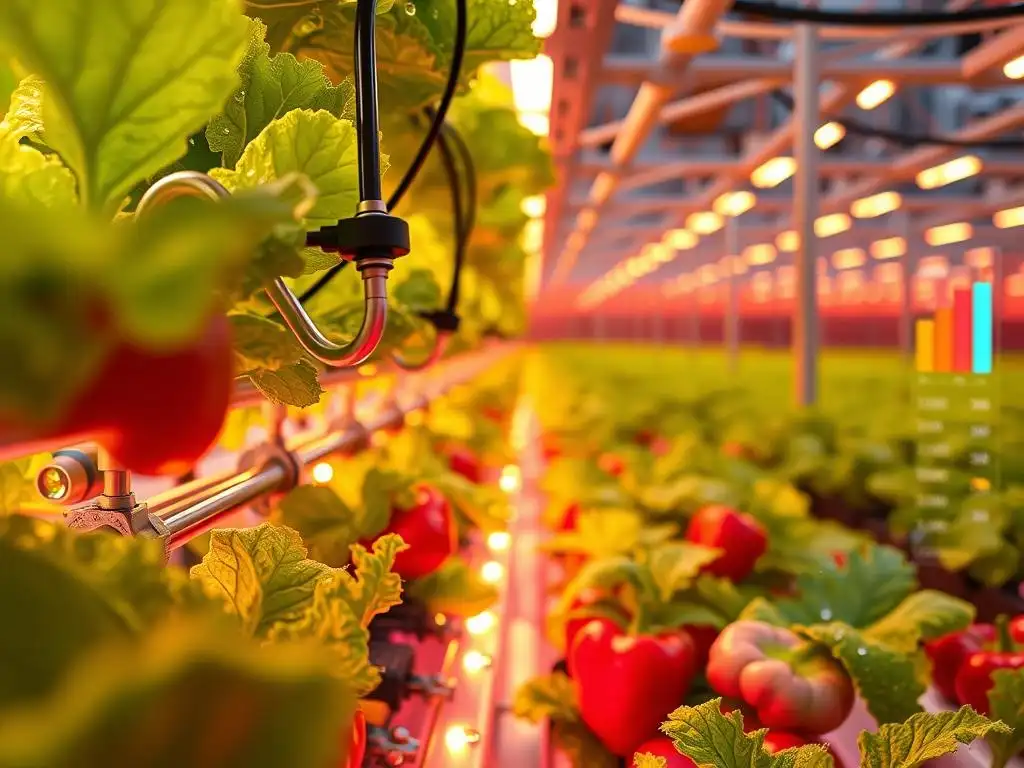
Welcome to CultivateYourFood, your guide to a greener, more fulfilling life through homegrown goodness! Are you ready to take your urban farming to the next level? Discover how to effortlessly grow your own food with our expert advice on sustainable and organic practices. This time, we're diving into the fascinating world of automated hydroponic system setup, a game-changer for busy individuals seeking bountiful harvests without the endless toil. Learn how to streamline your gardening journey and unlock the secrets to a thriving, automated system – read on to find out more!
Understanding the Benefits of Automating Your Hydroponic/Aquaponic Setup
Cultivating your own food at home, whether through hydroponics or aquaponics, offers numerous rewards: fresh, healthy produce, reduced reliance on commercial agriculture, and a deeper connection with nature. However, maintaining these systems can be time-consuming, requiring daily attention to nutrient levels, water pH, and environmental controls. This is where automation comes in.
Automating your hydroponic or aquaponic system isn't just about convenience; it's about maximizing yield, minimizing labor, and ensuring the consistent health and productivity of your plants. This article will guide you through the process of automating your setup, focusing on practical solutions and demonstrating how automation can transform your urban farming experience, saving you time and effort while boosting your harvest.
We'll explore various levels of automation, from simple DIY solutions to more sophisticated, commercially available systems, ensuring there's an option to fit every budget and skill level. Let's delve into the world of automated hydroponics and aquaponics and discover how you can cultivate more with less effort.
Time Savings and Increased Efficiency
Automating your system frees up significant time. Instead of spending hours daily monitoring and adjusting parameters, you can dedicate that time to other aspects of your garden or simply relax. Automated systems handle tasks such as nutrient delivery, water level monitoring, and environmental control (temperature, humidity, lighting), ensuring consistent conditions for optimal plant growth. This translates to increased efficiency, allowing you to manage a larger system with less effort.
Imagine the time saved – no more rushing home to check nutrient levels or worrying about fluctuations in water pH! This translates to a more sustainable and enjoyable gardening experience. The exact time savings will vary depending on the size and complexity of your system, but even small automation steps can result in noticeable improvements.
Improved Plant Health and Yield
Consistent environmental conditions are crucial for healthy plant growth. Automation ensures that your plants receive the precise amount of nutrients, water, and light they need, consistently, leading to healthier plants and significantly higher yields. Fluctuations in these parameters can stress plants, leading to reduced growth and susceptibility to diseases.
Automated systems mitigate this risk, providing a stable and optimal growing environment. Data collected by automated monitoring systems can also provide valuable insights into plant health and growth patterns, allowing for fine-tuning of the system and further optimization of yields. Think of it as having a tireless, efficient assistant constantly monitoring your plants' needs.
Minimizing Labor and Maximizing Productivity
Manual adjustments in hydroponics and aquaponics are labor-intensive and prone to human error. Automation minimizes this manual labor, allowing you to focus on other important tasks such as seed starting, harvesting, or expanding your system. For example, automated nutrient dosing systems ensure that your plants receive the correct amount of nutrients at the right time, eliminating the risk of over- or under-fertilization. This reduces the need for frequent manual monitoring and adjustments, making the overall process significantly less demanding. The result? You can cultivate a larger and more productive system with less physical work.
Choosing the Right Automation Level for Your Needs
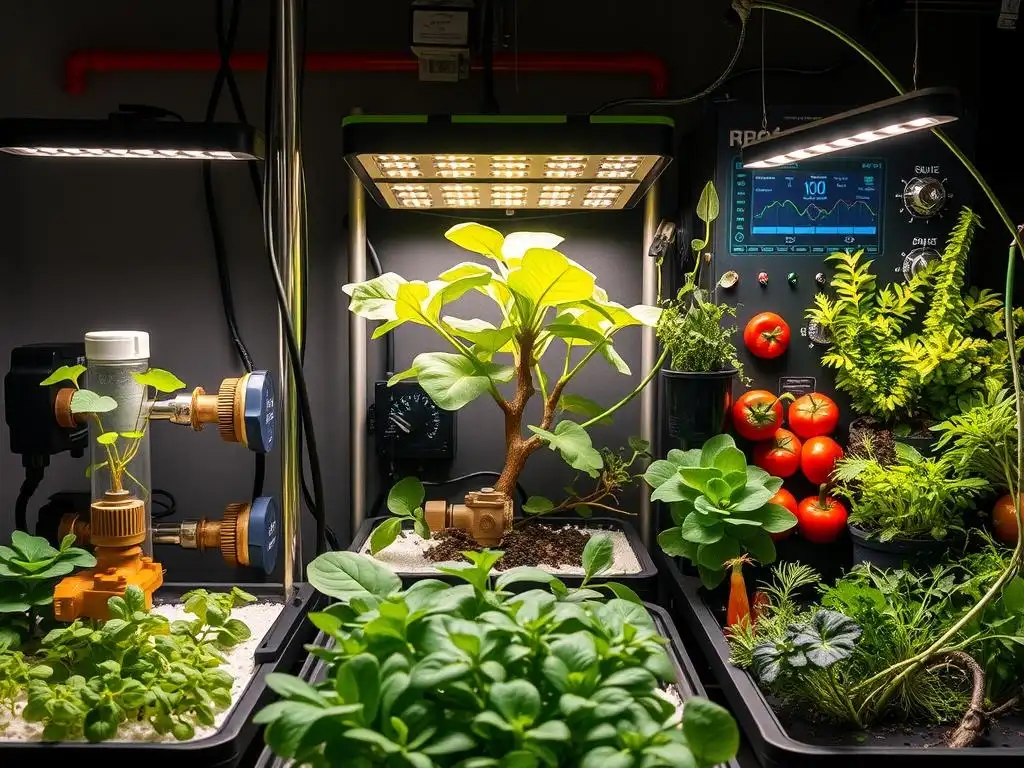
The level of automation you choose depends on your budget, technical skills, and the size of your system. Options range from simple timers for lighting and pumps to sophisticated, computer-controlled systems that manage all aspects of your hydroponic or aquaponic setup. We'll explore various components and systems in the following sections, outlining the pros and cons of each to help you make an informed decision. The key is to start small and gradually add automation features as your needs and budget allow. Even a few automated components can make a significant difference in your gardening experience.
Cost Considerations and Return on Investment
While automating your system involves upfront costs, the long-term benefits often outweigh the initial investment. The time saved, increased yields, and improved plant health translate to a significant return on investment over time. Consider the value of your time and the potential increase in your harvest. The cost savings from reduced water usage and fertilizer consumption can also contribute to a positive return. A well-planned automation strategy can ultimately lead to a more efficient and profitable urban farming operation. We will delve into specific cost comparisons in later sections to help you better understand the financial aspects of automation.
Frequently Asked Questions
What is an automated hydroponic system?
An automated hydroponic system uses technology to control and monitor various aspects of your hydroponic setup, such as nutrient delivery, lighting, and water levels. This reduces the manual labor required for successful cultivation. Automation can range from simple timers to complex computer-controlled systems.
How does automation save time and effort in hydroponics?
Automation significantly reduces the time you spend on daily tasks. Instead of manually adjusting nutrient solutions, checking water levels, and managing lighting schedules, you can set it and forget it (mostly!). This frees up your time for other gardening tasks or simply enjoying your harvest.
What are the basic components of an automated hydroponic system?
A basic automated system typically includes a timer for lighting, a nutrient reservoir with a pump, and sensors for monitoring water levels and pH. More advanced systems might incorporate environmental controls (temperature, humidity) and automated nutrient mixing.
What are the costs associated with automating a hydroponic system?
The cost varies greatly depending on the level of automation. Simple timers and pumps are relatively inexpensive, while sophisticated systems with computer control and advanced sensors can be significantly more expensive. Consider your budget and needs when choosing components.
Can I automate an existing hydroponic system?
Yes, many existing systems can be upgraded with automation. You can gradually add components such as timers, automated pumps, and sensors to increase automation over time. Start with simpler additions and work your way up to a fully automated system as your budget and expertise allow.
Final Reflection: Harvesting the Future: Automation in Hydroponics and Aquaponics
The future of food production is undeniably intertwined with automation. Efficient, sustainable food systems are no longer a luxury but a necessity, and the advancements in automated hydroponic and aquaponic systems are paving the way for a more resilient and productive agricultural landscape. This technology isn't just about saving time and effort; it's about securing our food future.
The shift towards automated systems represents a profound change in how we approach food cultivation, moving away from labor-intensive methods towards a more technologically advanced and environmentally conscious approach. This resonates deeply with me, as I believe technology should empower us to create a more sustainable world. The only way to do great work is to love what you do.
- Steve Jobs. This quote applies not only to the creation of these systems but also to the cultivation of a more sustainable and responsible relationship with our food sources. The automation discussed here isn't just about efficiency; it's about fostering a deeper connection with the process of growing food.
Now, consider your own role in this evolving landscape. Are you ready to embrace the possibilities of automated hydroponics and aquaponics? Perhaps you'll start small, automating a single aspect of your current system, or maybe you'll dive headfirst into designing your own fully automated setup. Regardless of your approach, the journey towards a more efficient and sustainable food system begins with a single step. Let the information in this article inspire you to explore the possibilities and contribute to a future where technology empowers us to grow food more effectively and responsibly.
Unleash Your Green Thumb: Automate Your Hydroponic or Aquaponic System Today!
Thank you for learning how to automate your hydroponic or aquaponic system! We hope you gained valuable insights into saving time and effort while growing amazing produce. Now it's time to put your new knowledge into practice.
- Start with one automation task: Begin with a single area, such as lighting, watering, or nutrient delivery, to automate this week. This focused approach provides a quick win and builds confidence.
- Share your progress: Show the CultivateYourFood community your automated system! We'd love to see your setup and hear about your experience.
- Explore advanced automation options: Once your initial automation is functioning smoothly, explore more sophisticated techniques to further optimize your system's efficiency.
Ready to transform your growing journey? What's the first step you'll take towards a more automated and productive system?