
Small Space Gardening
Discover small space gardening with CultivateYourFood 🌱—your guide to growing fresh, organic fruits, vegetables, and herbs in balconies, patios, rooftops, indoors, and compact garden areas. Learn practical ways to maximize limited space, choose productive plants, create vertical gardens, grow herbs and microgreens, and use sustainable techniques for planting, composting, harvesting, and natural pest control. Turn even the smallest space into a thriving home garden!
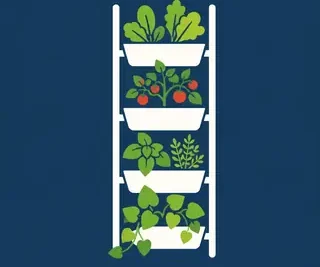 Maximizing Space in Small Gardens
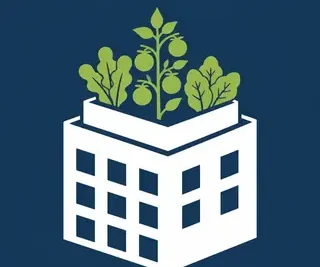 Growing Food on Rooftops
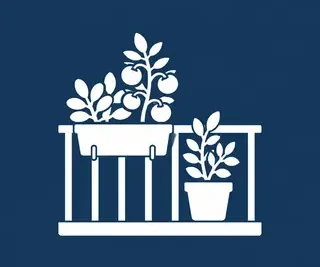 Balcony and Patio Gardening
 Choosing the Right Plants for Small Spaces
 Indoor Herb Gardens and Microgreens
 Vertical Gardening Techniques
Small Space Gardening makes it possible to grow fresh, nutritious food even when you have limited outdoor space. At CultivateYourFood, discover practical, sustainable, and organic gardening methods for balconies, patios, rooftops, windowsills, apartments, and compact backyards. Learn how to grow vegetables, fruits, herbs, and microgreens efficiently while making the most of every container, wall, shelf, and sunny corner.
Our small-space gardening guides cover vertical growing, container gardening, indoor food production, companion planting, succession planting, composting, organic pest control, and water-wise techniques. Whether you are a beginner gardener or an experienced grower, you will find actionable advice for selecting productive plants, improving soil health, maximizing sunlight, and harvesting homegrown food throughout the year.
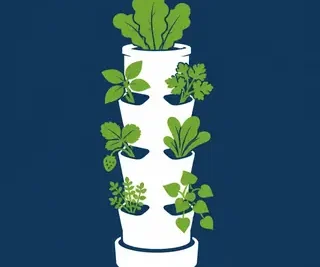
🌿 Vertical Gardening Techniques
Explore creative vertical gardening techniques that help you grow more food without taking up valuable floor space. Learn how to use trellises, wall planters, hanging baskets, tiered shelves, pocket gardens, and repurposed materials to cultivate climbing vegetables, herbs, strawberries, and compact fruits.
These guides explain how to support plants safely, position containers for adequate sunlight, and maintain good airflow to reduce disease. You can also discover organic watering, feeding, pruning, and pest-control methods for productive vertical vegetable gardens in apartments, patios, balconies, and small yards.
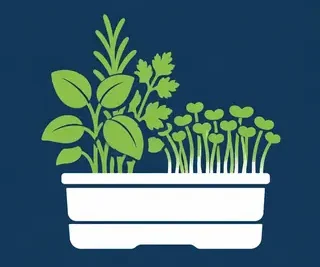
🌱 Indoor Herb Gardens and Microgreens
Bring fresh flavor indoors with practical advice for growing herbs and microgreens at home. Learn how to cultivate basil, parsley, cilantro, mint, chives, thyme, arugula, radish microgreens, pea shoots, and other fast-growing crops on windowsills, kitchen counters, shelves, and indoor growing racks.
Our indoor gardening resources cover light requirements, container selection, organic potting mixes, humidity, watering schedules, harvesting, and succession sowing. Find simple ways to produce nutrient-rich greens year-round, even if you do not have a garden, balcony, or large amount of natural sunlight.
🥕 Choosing the Right Plants for Small Spaces
Choosing suitable crops is essential for a successful small-space garden. Learn how to select compact, dwarf, bush, patio, container-friendly, and fast-maturing varieties that produce generous harvests in limited soil and growing areas.
Discover which vegetables, fruits, and herbs perform well in containers, including cherry tomatoes, peppers, lettuce, radishes, carrots, beans, cucumbers, strawberries, and culinary herbs. You will also learn how to match plants with available sunlight, container depth, climate, watering needs, and your preferred harvest schedule.
🏡 Balcony and Patio Gardening
Turn a balcony or patio into a productive edible garden with strategies for container gardening in small outdoor spaces. Learn how to arrange grow bags, pots, railing planters, vertical structures, and self-watering containers while keeping pathways accessible and the space visually appealing.
These guides address important considerations such as weight limits, wind exposure, drainage, sunlight patterns, privacy, and safe plant support. You will find organic tips for maintaining healthy soil, conserving water, attracting beneficial insects, and harvesting vegetables and herbs from your balcony or patio.
🌇 Growing Food on Rooftops
Rooftop gardening can transform unused urban space into a productive source of fresh food. Explore methods for growing vegetables, herbs, berries, and edible flowers in raised beds, containers, grow bags, and lightweight rooftop systems.
Learn how to evaluate sunlight, wind, drainage, access to water, structural weight limits, and seasonal conditions before planting. Our rooftop gardening advice also includes organic composting, soil-building, irrigation, crop protection, and ways to create a resilient garden in challenging urban environments.
📐 Maximizing Space in Small Gardens
Make every square foot count with efficient small-garden planning techniques. Discover how to use succession planting, intercropping, intensive spacing, square-foot gardening, companion planting, and multi-level growing to increase harvests without overcrowding plants.
Learn how to design productive layouts, improve sunlight exposure, rotate crops, use containers strategically, and extend the growing season. These methods help gardeners grow more food sustainably while supporting soil health, reducing waste, and managing organic pests naturally.
❓ Frequently Asked Questions About Small Space Gardening
What are the best vegetables for small space gardening?
Compact vegetables such as lettuce, radishes, spinach, carrots, bush beans, patio tomatoes, peppers, dwarf cucumbers, and leafy greens are excellent choices. Look for container-friendly or dwarf varieties that match your available sunlight and container depth.
How much sunlight does a small-space garden need?
Most fruiting crops, including tomatoes, peppers, beans, and cucumbers, need approximately six to eight hours of direct sunlight daily. Leafy greens and many herbs can tolerate partial shade. Track sunlight throughout the day before deciding where to place containers or vertical planters.
Can I grow food indoors without a sunny window?
Yes. Indoor herbs and microgreens can grow successfully under full-spectrum LED grow lights. Use a timer to provide a consistent light schedule, select containers with drainage, and avoid overwatering. Microgreens are especially suitable because they mature quickly and require little space.
How do I water plants in containers efficiently?
Water containers when the top layer of soil feels dry, applying water slowly until it drains from the bottom. Self-watering containers, mulch, drip irrigation, and moisture-retaining organic potting mixes can reduce evaporation and help maintain consistent moisture.
How can I control pests organically in a small garden?
Inspect plants regularly, remove damaged leaves, encourage beneficial insects, and use physical barriers such as insect netting where appropriate. Healthy soil, proper airflow, crop rotation, companion planting, and targeted organic treatments can help manage pests without relying on harsh chemical pesticides.