
Advanced Techniques
Discover advanced gardening techniques to grow healthier, more productive plants while working in harmony with nature 🌱. Explore sustainable strategies for soil health, water conservation, organic pest control, efficient garden planning, crop diversity, and year-round growing. Whether you’re improving a backyard plot or maximizing a small space, these practical methods from CultivateYourFood can help you cultivate abundant fruits, vegetables, and herbs with confidence. Grow smarter, conserve resources, and build a thriving home garden naturally.
 Extending the Growing Season
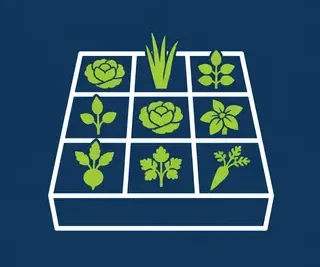 Square Foot Gardening
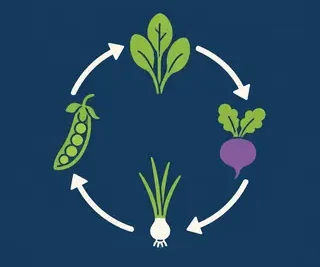 Crop Rotation for Beginners
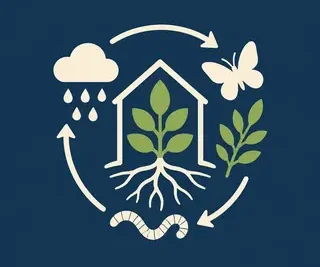 Permaculture Principles in the Home Garden
 Hugelkultur for Water Retention and Soil Health
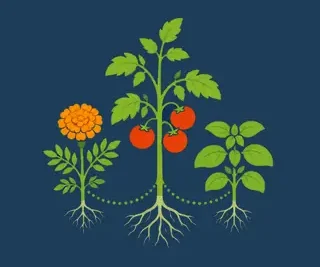 Companion Planting Strategies
Advanced Gardening Techniques for Sustainable Home Food Production
Welcome to the Advanced Techniques section of CultivateYourFood, where home gardeners can discover practical, sustainable methods for growing healthier fruits, vegetables, and herbs. These advanced gardening strategies are designed to improve soil fertility, conserve water, reduce pest pressure, maximize garden space, and extend harvests using organic, environmentally responsible practices.
Whether you are refining an established vegetable garden or building a more productive backyard food system, these guides provide clear advice for applying permaculture, companion planting, crop rotation, hugelkultur, square foot gardening, and season-extension techniques. Learn how to work with natural ecosystems, strengthen plant health, and create a resilient garden that produces abundant harvests with fewer synthetic inputs.
🌿 Companion Planting Strategies
Discover how companion planting can support a healthier and more productive organic garden. This subcategory explains how to combine compatible vegetables, fruits, herbs, and flowers to encourage beneficial insects, improve biodiversity, deter pests, and make better use of available garden space.
Readers can expect practical plant pairing ideas, spacing guidance, and natural pest-control strategies. You will also learn why certain plants grow well together and how companion planting supports pollination, soil health, and sustainable garden management.
💧 Hugelkultur for Water Retention and Soil Health
Learn how to build hugelkultur beds using logs, branches, compost, leaves, and fertile topsoil. This sustainable gardening technique creates raised growing areas that gradually break down and release nutrients while helping the soil retain moisture during dry periods.
This section covers suitable materials, bed construction, planting considerations, and long-term maintenance. Explore how hugelkultur can reduce watering, recycle woody garden waste, improve soil structure, and create nutrient-rich growing conditions for vegetables, herbs, and fruiting plants.
🌎 Permaculture Principles in the Home Garden
Explore the core ideas of permaculture and learn how to design a productive garden that works with nature. Topics include observing site conditions, conserving resources, building healthy soil, capturing water, supporting wildlife, and creating beneficial relationships between plants, people, and the surrounding environment.
Readers will find practical ways to apply permaculture principles in small and large home gardens. Discover how closed-loop systems, composting, rainwater management, perennial plants, and low-waste gardening can make food production more resilient and environmentally sustainable.
🔄 Crop Rotation for Beginners
Crop rotation is an effective way to protect soil health and reduce recurring pest and disease problems. This guide introduces simple rotation plans based on plant families, nutrient needs, and seasonal growing cycles, making the technique accessible to gardeners of all experience levels.
Learn how to rotate legumes, leafy greens, root crops, and fruiting plants to support balanced fertility. You will also discover how crop rotation helps prevent soil depletion, interrupts pest life cycles, reduces plant disease, and improves long-term vegetable garden productivity.
📐 Square Foot Gardening
Make the most of limited garden space with square foot gardening. This intensive planting method divides a growing area into manageable sections, allowing gardeners to grow a wide variety of vegetables, herbs, and edible flowers in raised beds or compact spaces.
This subcategory provides guidance on bed layout, plant spacing, succession planting, vertical supports, and crop selection. Find out how square foot gardening can increase harvests, simplify maintenance, conserve water, and make organic food production practical in small gardens.
🍂 Extending the Growing Season
Extend your harvest beyond the traditional spring and summer growing periods with effective season-extension techniques. Learn how to protect plants from frost, cold temperatures, heat, wind, and unpredictable weather using row covers, cold frames, greenhouses, mulch, and careful crop timing.
These guides explain how to start seeds earlier, harvest later, and select crops suited to cool or transitional weather. Explore succession planting, frost protection, microclimates, winter gardening, and seasonally adapted vegetable varieties for a longer and more productive growing season.
❓ Frequently Asked Questions About Advanced Gardening Techniques
What are advanced gardening techniques?
Advanced gardening techniques are methods that improve garden productivity, soil health, resource efficiency, and plant resilience. Examples include companion planting, hugelkultur, permaculture design, crop rotation, square foot gardening, and season extension.
Can beginners use these advanced gardening methods?
Yes. Many techniques can be introduced gradually and adapted to your experience level. Start with one manageable method, such as crop rotation or companion planting, then expand your garden system as you gain confidence.
Which technique is best for improving soil health?
Hugelkultur, permaculture practices, composting, mulching, and crop rotation can all improve soil health. Combining these methods helps increase organic matter, support beneficial soil organisms, improve drainage, and retain moisture.
How can I grow more food in a small garden?
Square foot gardening, vertical growing, succession planting, and carefully selected companion plants can maximize limited space. Choose compact varieties and use trellises to grow suitable crops upward rather than outward.
How do I extend my growing season naturally?
Use frost blankets, row covers, cold frames, mulch, wind protection, and south-facing microclimates to protect plants. Starting seeds indoors and choosing cold-tolerant crops can also help you harvest earlier in spring and later in autumn.