
The Art of Automated Gardening: Balancing Technology and Nature

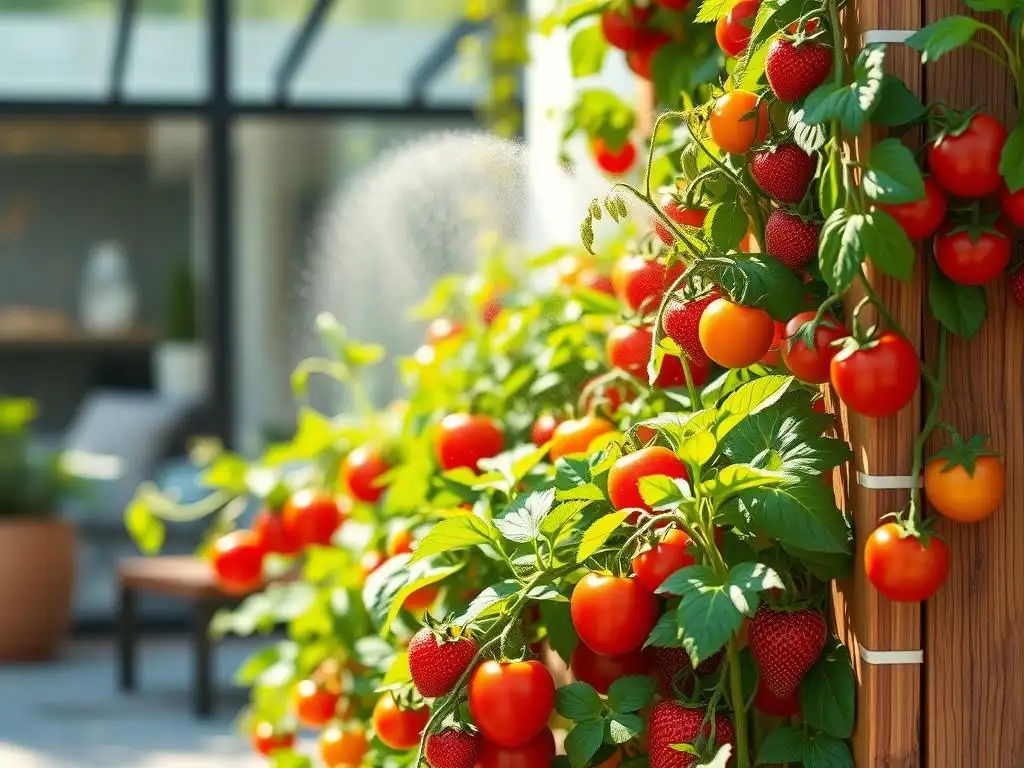
Welcome to CultivateYourFood, where we unlock the secrets to a thriving, sustainable garden, right in your backyard. Are you ready to experience the future of homegrown goodness? This site is your gateway to mastering organic and sustainable practices, from seed to table. Discover how automated home gardening systems are revolutionizing the way we cultivate fruits, vegetables, and herbs, blending cutting-edge technology with the timeless beauty of nature. Dive in and explore the world of luxury gardening—your journey to a bountiful harvest begins here!
- Understanding Automated Home Gardening Systems: A Modern Approach to Cultivating Your Food
-
Top Automated Home Gardening Systems for 2024: A Comparative Analysis
- The Click and Grow Smart Garden: Features, Benefits, and Price Point Analysis
- The Grobo Automated Greenhouse: A Deep Dive into High-End Technology
- The AeroGarden Vertical Hydroponic System: Space-Saving Solutions for Urban Gardening
- Comparing Automated Gardening Systems: A Feature-by-Feature Breakdown
-
Setting up Your Automated Home Gardening System: A Step-by-Step Guide
- Planning Your Smart Garden: Location, Size, and Plant Selection
- Installation and Configuration: Connecting Your System and Setting Parameters
- Maintaining Your Automated System: Regular Cleaning, Software Updates, and Troubleshooting
- Harvesting Your Produce: Optimizing Yields with Automated Technology
- Maximizing Yields and Efficiency with Automated Home Gardening Systems
- The Future of Automated Home Gardening: Innovation and Sustainability
- Investing in an Automated Home Gardening System: Return on Investment and Long-Term Benefits
- Troubleshooting Common Issues with Automated Home Gardening Systems
- Frequently Asked Questions
- Final Reflection: Harvesting the Future of Gardening
- Unleash Your Inner Green Thumb: Start Automating Today!
Understanding Automated Home Gardening Systems: A Modern Approach to Cultivating Your Food
The burgeoning interest in sustainable and organic food production has led to a fascinating intersection of technology and nature: automated home gardening systems. This innovative approach offers a compelling solution for modern gardeners seeking to cultivate fresh produce year-round, regardless of climate or space limitations.
Automated home gardening systems, also known as smart gardens, leverage technology to optimize growing conditions, minimizing manual effort while maximizing yield and quality. This article delves into the intricacies of these systems, exploring the various technologies involved, guiding you through the selection process, and highlighting key features to consider when investing in your own automated home gardening paradise.
We'll explore the spectrum from basic sensor-driven setups to fully autonomous systems, empowering you to make informed decisions based on your specific needs and budget, ultimately leading to a bountiful and efficient harvest. This guide will focus on the practical aspects of incorporating "Automated home gardening systems" into your sustainable lifestyle.
Defining Smart Gardening Technology: From Basic Sensors to Fully Automated Systems
Smart gardening technology encompasses a wide range of tools and systems designed to monitor and control various environmental factors crucial for plant growth. At the basic level, we find simple soil moisture sensors that alert you when watering is needed. These provide a rudimentary level of automation, saving you from overwatering or underwatering.
Moving up the scale, we encounter more sophisticated systems incorporating multiple sensors monitoring factors such as temperature, humidity, light intensity, and even nutrient levels in the soil. This data is often relayed to a central control unit or a smartphone app, allowing for real-time monitoring and adjustments. The most advanced systems boast fully automated functionalities, including automated watering, lighting adjustments, climate control (temperature and humidity), and even nutrient dispensing.
These systems often use artificial intelligence (AI) to optimize growing conditions based on the specific needs of the plants being cultivated. The level of automation varies significantly, offering a range of options to suit different levels of technical expertise and budgetary constraints. For example, a basic system might simply automate watering based on soil moisture, while a more advanced system might adjust lighting and temperature based on the plant's growth stage and external weather conditions.
Choosing the Right Automated System for Your Needs and Budget: Indoor vs. Outdoor Solutions
Selecting the appropriate automated home gardening system hinges on several crucial factors, primarily your budget and the available space. Indoor systems, often compact and self-contained, are ideal for apartment dwellers or those with limited outdoor space. These systems typically incorporate artificial lighting and climate control to simulate optimal growing conditions. They offer the advantage of year-round cultivation, regardless of weather conditions.
Conversely, outdoor automated systems leverage natural sunlight, reducing energy consumption and simplifying climate control. However, they are typically larger and require sufficient outdoor space. The choice between indoor and outdoor solutions also influences the complexity and cost of the system. Indoor systems often necessitate more advanced climate control features, potentially increasing the price.
Outdoor systems might require robust weatherproofing and potentially more extensive irrigation systems to cope with environmental variations. Furthermore, consider the types of plants you intend to grow. Some systems are better suited for specific plants than others. Detailed research into the capabilities of each system, coupled with a realistic assessment of your space and budget, is vital for making an informed decision.
Key Features to Consider in Automated Home Gardening Systems: Irrigation, Lighting, Climate Control
Effective automated home gardening systems incorporate several key features that contribute to optimal plant growth. Precise irrigation is crucial, preventing both overwatering and underwatering. Automated systems often utilize drip irrigation or other water-efficient methods, delivering water directly to the plant roots. The system should allow for customization of watering schedules based on plant type, soil conditions, and environmental factors.
Similarly, lighting is a critical aspect, particularly for indoor systems. LED grow lights are frequently employed, offering energy efficiency and customizable light spectrums tailored to the specific needs of different plants. The system should allow for adjusting light intensity and duration based on the plant's growth stage. Finally, climate control plays a vital role in maintaining optimal growing conditions.
This includes maintaining appropriate temperature and humidity levels, which can be achieved through automated ventilation systems, heating elements, and humidifiers. The ability to monitor and adjust these parameters remotely, often through a smartphone app, enhances convenience and control. Consider systems offering granular control over these features, allowing for precise adjustments to optimize the growth of your plants. Remember, the best automated system will seamlessly integrate these features, providing a holistic approach to cultivation.
Top Automated Home Gardening Systems for 2024: A Comparative Analysis
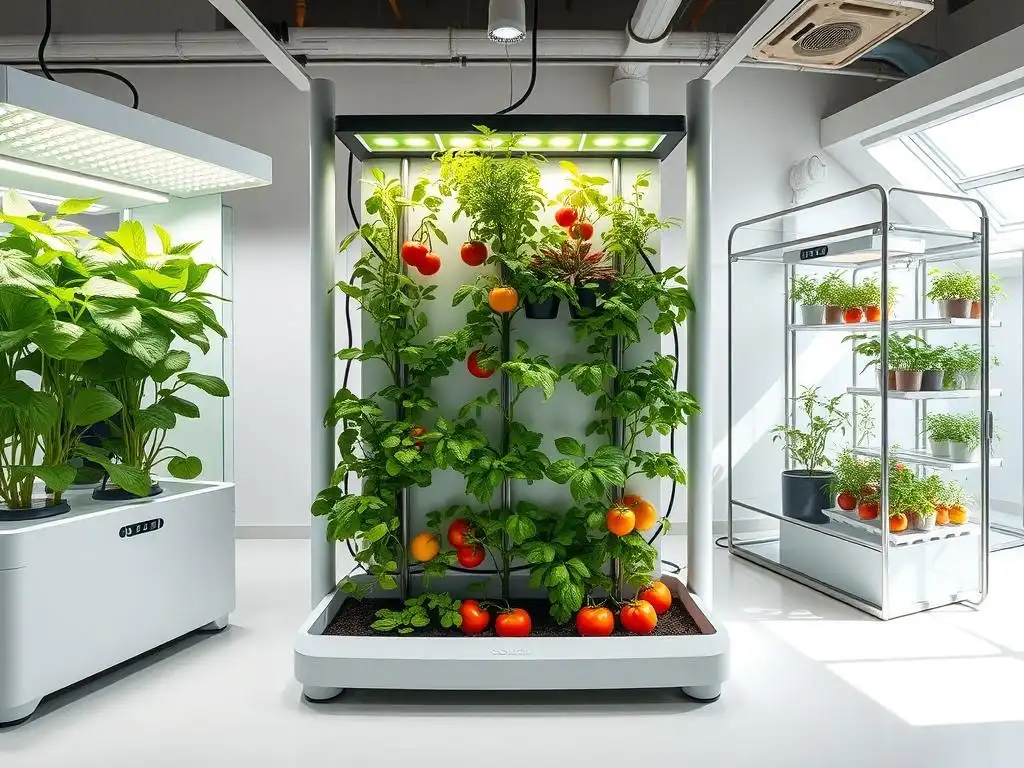
This section provides a detailed comparison of leading automated home gardening systems available in 2024, focusing on their features, benefits, user experiences, and suitability for various gardening needs. We'll analyze two prominent systems: Click and Grow and Grobo, representing different ends of the automated home gardening spectrum. Choosing the right system depends heavily on your budget, gardening experience, and desired level of automation.
Understanding the nuances of each system is crucial for making an informed decision when investing in automated home gardening solutions. The goal is to help you select the perfect automated home gardening system for your needs and lifestyle, maximizing your yield and minimizing your effort.
The Click and Grow Smart Garden: Features, Benefits, and Price Point Analysis
The Click and Grow Smart Garden is a popular entry-level automated gardening system known for its ease of use and relatively affordable price point. It utilizes a self-watering system with a reservoir and a smart sensor to regulate water levels, ensuring plants receive the optimal amount of hydration. The system also incorporates LED grow lights, providing the necessary light spectrum for healthy plant growth, even in low-light environments.
Click and Grow offers a variety of pre-seeded pods containing various herbs, vegetables, and flowers, simplifying the planting process. The system's compact design makes it ideal for smaller spaces, such as apartments or kitchens. Price points vary depending on the model size (ranging from small countertop units to larger, more expansive systems), but generally fall within a range accessible to many home gardeners.
The cost-effectiveness, coupled with its ease of use, makes it a compelling option for beginners exploring automated home gardening. However, the smaller growing area limits the number of plants you can cultivate simultaneously.
Click and Grow System Review: User Experiences and Feedback
User reviews of the Click and Grow system are generally positive, highlighting its simplicity and convenience. Many users praise the ease of setup and maintenance, with minimal effort required to maintain healthy plant growth. Common positive feedback points include the consistent and reliable watering system, the effective LED grow lights, and the wide variety of available plant pods.
However, some users have reported inconsistent germination rates, suggesting that certain plant pods may not always perform as expected. Other criticisms include the relatively small growing area, limiting the number of plants that can be grown simultaneously, and the potential for higher long-term costs due to the need for replacement pods. Overall, user feedback suggests that the Click and Grow system is a good option for beginners and those seeking a convenient and low-maintenance automated gardening solution, but its limitations should be considered.
Click and Grow System: Pros & Cons for Different Gardening Needs
| Feature | Pros | Cons | Suitable For | Unsuitable For |
|---|---|---|---|---|
| Ease of Use | Simple setup and maintenance; minimal effort required. | Limited customization options. | Beginners; apartment dwellers; small spaces. | Experienced gardeners; large-scale cultivation. |
| Cost | Relatively affordable initial investment. | Ongoing costs for replacement pods. | Budget-conscious gardeners. | Those seeking long-term cost savings. |
| Plant Variety | Wide variety of pre-seeded pods available. | Limited control over plant selection. | Those seeking diverse plant options. | Gardeners with specific plant preferences. |
| Growing Area | Compact design suitable for small spaces. | Limited growing area restricts the number of plants. | Small spaces; limited plant cultivation needs. | Large-scale gardening projects. |
| Automation Level | Basic automation with self-watering and LED lighting. | Limited environmental controls (e.g., temperature, humidity). | Low-maintenance gardening. | Advanced environmental control requirements. |
The Grobo Automated Greenhouse: A Deep Dive into High-End Technology
The Grobo Automated Greenhouse represents a significant step up in sophistication and cost compared to the Click and Grow system. It is a fully automated, self-contained growing system boasting advanced features designed for optimal plant growth. Grobo utilizes a sophisticated sensor network to monitor and regulate various environmental factors, including temperature, humidity, nutrient levels, and light intensity. The system automatically adjusts these parameters to provide the ideal growing conditions for your plants, minimizing the need for manual intervention.
Its larger growing chamber accommodates significantly more plants than the Click and Grow, offering greater potential yields. The Grobo system also allows for greater control over the growing environment, enabling users to fine-tune settings for specific plant needs. This high level of automation and control, however, comes with a considerably higher price tag.
Grobo System Review: User Experiences and Feedback
User feedback on the Grobo system is generally positive, praising its advanced features and the high level of automation. Users appreciate the precise environmental control and the ability to cultivate a wider variety of plants compared to simpler systems. Many users report significantly higher yields and healthier plants due to the system's sophisticated monitoring and control capabilities. However, some users have reported occasional technical issues, requiring troubleshooting and potentially technical support.
The higher price point is also a frequent point of discussion, with some potential buyers hesitating due to the significant investment required. The complexity of the system might also be overwhelming for beginner gardeners. Despite these drawbacks, the positive feedback regarding yield and plant health strongly supports the Grobo system's capabilities for serious home gardeners.
Grobo System: Pros & Cons for Different Gardening Needs
| Feature | Pros | Cons | Suitable For | Unsuitable For |
|---|---|---|---|---|
| Automation Level | Highly automated system with precise environmental control. | Potential for technical issues requiring troubleshooting. | Experienced gardeners; those seeking high yields. | Beginners; those on a tight budget. |
| Cost | Significant initial investment. | Ongoing maintenance and potential repair costs. | Serious home gardeners willing to invest. | Budget-conscious gardeners. |
| Plant Variety | Supports a wider range of plants and allows for greater customization. | Requires more knowledge of plant-specific needs. | Gardeners with specific plant preferences. | Beginners with limited gardening experience. |
| Growing Area | Larger growing chamber accommodating a greater number of plants. | Larger footprint may not be suitable for all spaces. | Those seeking higher yields and larger harvests. | Small spaces; limited plant cultivation needs. |
| Ease of Use | More complex setup and maintenance compared to simpler systems. | Requires a greater understanding of automated gardening systems. | Experienced users comfortable with technology. | Beginners; those seeking a truly hands-off system. |
The AeroGarden Vertical Hydroponic System: Space-Saving Solutions for Urban Gardening
The AeroGarden vertical hydroponic system offers a compelling solution for urban gardeners seeking to cultivate fresh produce in limited spaces. Its compact, stackable design maximizes vertical space utilization, making it ideal for apartments, balconies, or small patios. Unlike traditional soil-based gardening, AeroGarden utilizes hydroponics, a method that cultivates plants without soil, using nutrient-rich water instead. This system significantly reduces the need for space and simplifies the gardening process.
The AeroGarden's automated features, such as built-in LED grow lights and automated watering, further enhance its convenience. This allows for consistent plant growth even with minimal gardening experience. The system’s ease of use makes it perfect for beginners and busy individuals looking to incorporate fresh, homegrown produce into their diets.
Various models cater to different needs, from compact systems suitable for herbs to larger units capable of growing a wider variety of plants. The AeroGarden's versatility and adaptability to various environments contribute to its popularity as a space-saving solution for automated home gardening systems. The self-contained nature of the system minimizes mess and simplifies maintenance, making it an attractive option for those with limited time or gardening expertise.
AeroGarden System Review: User Experiences and Feedback
Online reviews of the AeroGarden system are generally positive, with many users praising its ease of use and the quality of the produce. Many users appreciate the automated features, particularly the automated watering and lighting, which eliminates the guesswork associated with traditional gardening. The consistently high germination and growth rates reported by users highlight the system's effectiveness.
However, some users have reported issues with the longevity of the system's components, such as the LED lights, and the need for occasional troubleshooting. Feedback suggests that while the system is generally user-friendly, some initial learning is required to optimize plant growth and avoid common pitfalls. Customer reviews also indicate a range of experiences depending on the specific model and plant type chosen.
For example, some users have had better success growing certain herbs or vegetables than others. Overall, the feedback suggests that while the AeroGarden system provides a convenient and effective way to grow plants indoors, users should be prepared to invest time in learning the system's nuances for optimal results. A thorough reading of the user manual and online resources is recommended for a smooth and successful gardening experience.
AeroGarden System: Pros & Cons for Different Gardening Needs
The AeroGarden system presents several advantages and disadvantages depending on the specific gardening needs of the user. For urban dwellers with limited space, the vertical hydroponic design is a significant advantage, maximizing yield in a minimal footprint. The automated features, including lighting and watering, are ideal for busy individuals or those new to gardening. However, the system's initial cost can be higher compared to traditional gardening methods.
Furthermore, the reliance on electricity and proprietary nutrient solutions represents ongoing expenses. While the system simplifies many aspects of gardening, it offers less control over environmental factors compared to soil-based gardening. The selection of plants suitable for hydroponic growth is also more limited.
For individuals seeking organic or pesticide-free produce, the use of proprietary nutrient solutions might require careful consideration of the ingredients. Therefore, the suitability of the AeroGarden system depends on a careful weighing of its pros and cons in light of individual circumstances and gardening goals. Choosing the right AeroGarden model based on the desired plant variety and available space is crucial for a successful and satisfying gardening experience.
Comparing Automated Gardening Systems: A Feature-by-Feature Breakdown
Comparing automated gardening systems requires a detailed feature-by-feature analysis to determine which system best suits individual needs. Key factors to consider include the system's size and capacity, the type of growing medium used (hydroponics, aeroponics, soil), the level of automation (lighting, watering, nutrient delivery), the energy consumption, and the ease of maintenance. Some systems offer more advanced features like climate control or app-based monitoring, while others focus on simplicity and ease of use.
A crucial aspect is the cost, encompassing the initial investment, ongoing maintenance costs, and the cost of replacement parts. Different systems also vary in their suitability for different plant types and the yield they provide. Analyzing user reviews and comparing specifications across various brands helps in making an informed decision.
For example, some systems might be better suited for growing herbs, while others might be more effective for vegetables or leafy greens. A careful comparison considering all these factors ensures selecting the automated home gardening system that best aligns with individual preferences, budget, and gardening goals. Ultimately, the "best" system is highly subjective and depends on the specific needs and priorities of the user.
Setting up Your Automated Home Gardening System: A Step-by-Step Guide
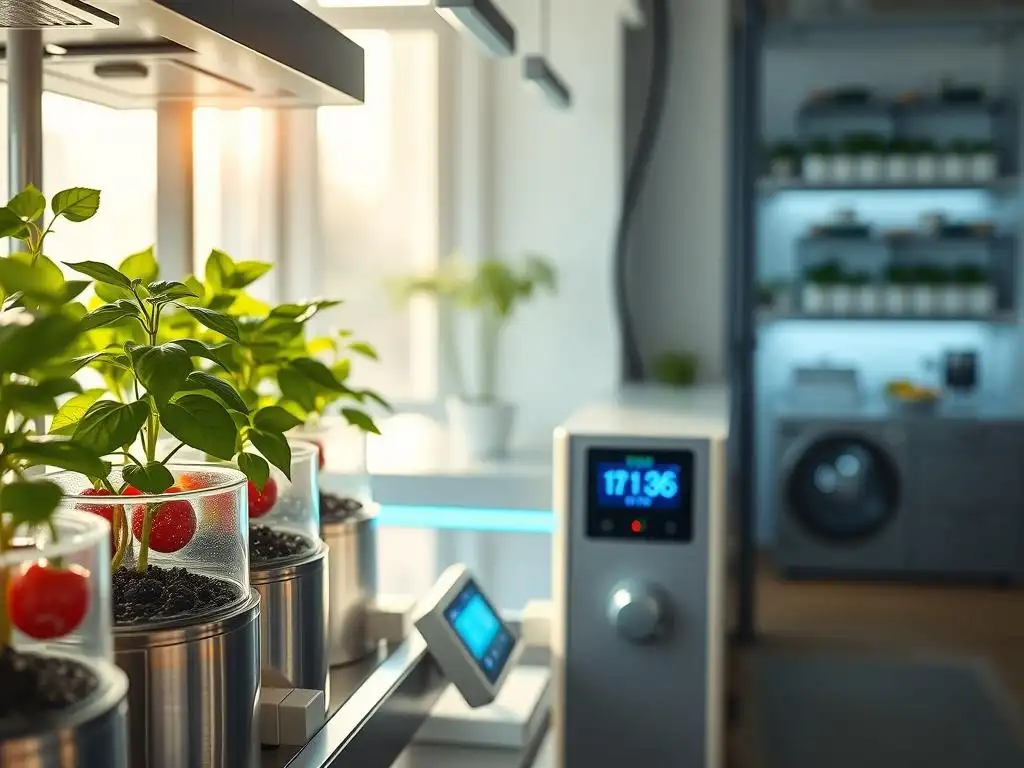
This section provides a detailed, step-by-step guide to setting up your automated home gardening system. We'll cover everything from initial planning to ongoing maintenance, ensuring a smooth transition into the world of effortless, high-yield gardening. Remember, selecting the right automated home gardening system is crucial for success.
Planning Your Smart Garden: Location, Size, and Plant Selection
Careful planning is the cornerstone of a successful automated gardening experience. Before even unpacking your system, consider these crucial factors:
- Location: Sunlight is paramount. Most automated systems require at least 6-8 hours of direct sunlight daily. Consider south-facing windows (in the Northern Hemisphere) or areas with ample access to natural light. Also, ensure the location is easily accessible for maintenance and harvesting. Avoid locations subject to extreme temperature fluctuations or drafts.
- Size: Automated home gardening systems come in various sizes, from compact countertop models to larger, floor-standing units. Determine the size based on your available space and the number of plants you intend to grow. Beginners might find smaller systems ideal, allowing for a learning curve without overwhelming commitment.
- Plant Selection: Choose plants compatible with your chosen system. Some systems are optimized for specific types of plants, such as herbs, leafy greens, or fruiting vegetables. Check your system's specifications for compatible species and varieties. Consider starting with easier-to-grow options like lettuce, basil, or strawberries before venturing into more challenging plants. A well-structured plan, taking into account the system’s capabilities and your gardening goals, dramatically improves the chances of success. Don't underestimate the value of starting small and gradually expanding your automated garden.
Installation and Configuration: Connecting Your System and Setting Parameters
Once you've chosen your location and plants, it's time to install your automated home gardening system. Installation procedures vary depending on the specific system, but generally involve these steps:
- Unpacking and Assembly: Carefully unpack all components and follow the manufacturer's instructions for assembly. Take your time; rushing this stage can lead to errors.
- Connecting to Power and Water: Connect the system to a reliable power source and a clean water supply. Ensure all connections are secure to prevent leaks or malfunctions. Some systems require a specific type of water filter for optimal performance. This is crucial for maintaining the system's longevity and the health of your plants.
- Software Setup and Calibration: Most automated systems have companion apps or software for monitoring and controlling various parameters. Download and install the necessary software, then calibrate the system according to the manufacturer's guidelines. This often involves setting parameters such as nutrient levels, watering schedules, and light cycles. Accurate calibration ensures optimal plant growth and minimizes the risk of problems.
- Planting Your Seeds or Seedlings: Carefully plant your chosen seeds or seedlings according to the system's instructions. Ensure proper spacing to allow for optimal growth and airflow. Overcrowding can lead to disease and stunted growth. The right planting technique is crucial for successful automated gardening.
Maintaining Your Automated System: Regular Cleaning, Software Updates, and Troubleshooting
Regular maintenance is essential to keep your automated home gardening system running smoothly and efficiently. This includes:
- Regular Cleaning: Clean the system regularly to prevent the buildup of algae, mold, or mineral deposits. This is particularly important for the water reservoir and the growing trays. Cleaning prevents the spread of diseases and ensures the system operates at peak efficiency. A clean system also enhances the longevity of the components and contributes to a more successful harvest.
- Software Updates: Keep the system's software updated to benefit from bug fixes, performance enhancements, and new features. Regular updates enhance the system's functionality and address potential vulnerabilities.
- Troubleshooting: Learn to troubleshoot common problems, such as sensor malfunctions, water leaks, or lighting issues. Familiarize yourself with the system's troubleshooting guide and contact customer support if needed. Early detection and prompt resolution of problems minimizes the risk of significant damage or crop loss. Regular monitoring and proactive maintenance are key to ensuring a successful automated gardening experience. Remember, a well-maintained system is a productive system. Consider setting up a regular maintenance schedule to stay on top of these tasks.
Harvesting Your Produce: Optimizing Yields with Automated Technology
Harvesting in automated home gardening systems presents a unique opportunity to optimize yields and minimize manual labor. Many systems offer features designed to alert you when produce is ready for picking, eliminating the guesswork and ensuring you harvest at peak ripeness. This precision significantly impacts the quality and taste of your fruits, vegetables, and herbs.
For example, some systems use sensors to monitor the size and color of fruits, triggering a notification when they reach optimal harvest size, preventing over-ripening and spoilage. This level of control allows for more efficient use of resources and reduces food waste, aligning perfectly with sustainable gardening practices.
The automation extends beyond simple notifications. Some advanced systems incorporate robotic arms or other mechanisms to assist with the physical harvesting process, particularly beneficial for larger-scale automated home gardens. While fully automated harvesting is still largely in the development phase for home use, the level of automation currently available significantly reduces the time and effort required for harvesting, even in substantial systems. Consider the time saved by not having to manually check each plant daily – this time can be redirected towards other aspects of garden maintenance or simply enjoyed as leisure time.
Furthermore, data collected by the system – such as growth rates, nutrient uptake, and environmental conditions – can be analyzed to optimize future harvests. This data-driven approach allows gardeners to refine their techniques and improve yields over time. By understanding the precise conditions that lead to the best results, you can fine-tune your system’s settings and make informed decisions about planting schedules, nutrient delivery, and environmental control.
This iterative process of learning and improvement is a key aspect of utilizing automated home gardening systems effectively. Ultimately, the goal is to achieve consistently high yields of high-quality produce with minimal intervention, maximizing both the quantity and quality of your harvest. The integration of smart technology allows for a more efficient and rewarding harvesting experience.
Maximizing Yields and Efficiency with Automated Home Gardening Systems
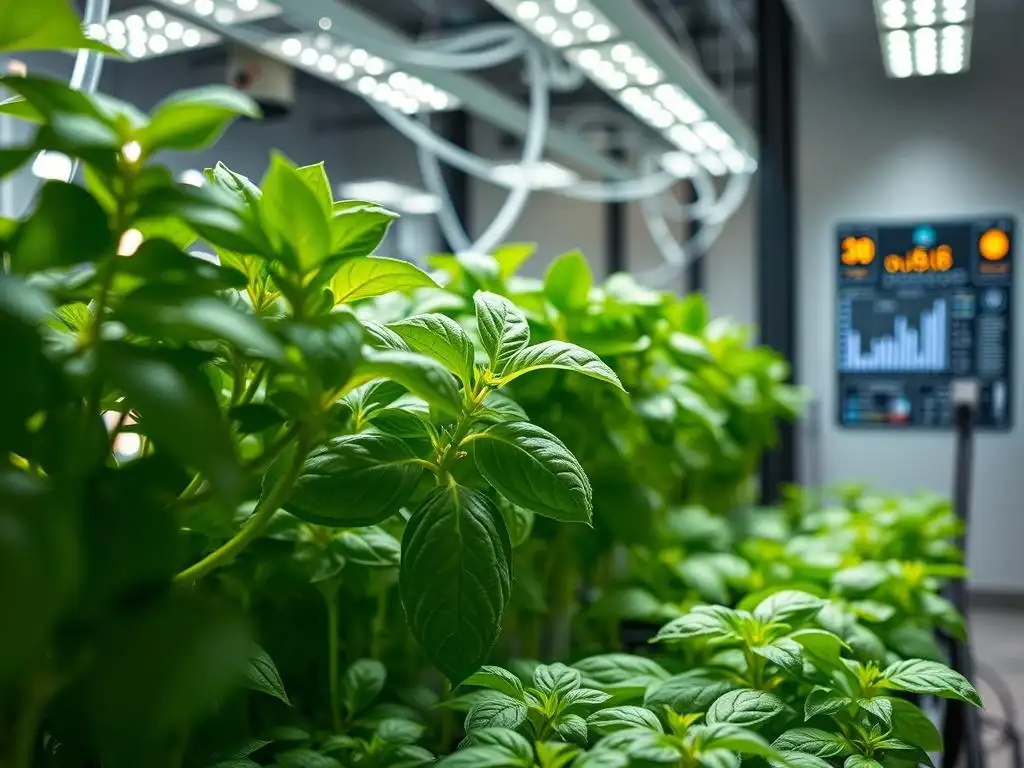
This section delves into the practical advantages of automated home gardening systems, focusing on how these technologies translate into higher yields and improved efficiency for the modern home gardener. We'll examine specific features and their impact on maximizing your harvest, minimizing resource waste, and simplifying the overall gardening process.
The shift towards automated systems represents a significant upgrade from traditional gardening, offering a level of control and precision previously unattainable without significant time investment. The goal is not to replace the joy of gardening, but to enhance it, freeing up your time and energy for other aspects of cultivation and enjoyment.
Smart Irrigation Techniques for Optimal Water Usage
Smart irrigation systems are a cornerstone of efficient automated home gardening. Unlike traditional methods, these systems utilize sensors and algorithms to deliver precisely the right amount of water at the precise time, directly to the plant's root zone. This targeted approach minimizes water waste significantly, reducing your water bill and promoting sustainability.
For example, a soil moisture sensor continuously monitors the hydration levels of the soil. When the sensor detects dryness below a pre-set threshold, the system automatically activates the irrigation system, delivering water only when and where needed. This contrasts sharply with traditional watering methods, which often lead to overwatering or underwatering, both detrimental to plant health and yield.
Furthermore, smart irrigation can be programmed to adjust watering schedules based on weather forecasts. On rainy days, the system automatically suspends irrigation, preventing oversaturation and the risk of root rot. This intelligent adaptation is crucial for maximizing water efficiency and ensuring optimal plant health.
Data collected by the system can even provide insights into your plant's water consumption patterns over time, allowing you to refine your irrigation strategy for even better results. The integration of these smart technologies represents a significant step towards responsible and efficient water management in home gardening. This precision translates directly to healthier plants and a more abundant harvest.
Automated Lighting Solutions for Increased Plant Growth
Automated lighting solutions play a crucial role in maximizing yields, particularly for indoor or supplemental outdoor gardening. These systems offer precise control over light intensity, duration, and spectrum, mimicking natural sunlight conditions to optimize plant growth. Unlike relying on natural sunlight, which can be unpredictable and insufficient, automated lighting ensures consistent illumination, promoting faster growth and higher yields.
For instance, LED grow lights offer a highly efficient and customizable lighting solution. Their spectrum can be adjusted to suit different growth stages, providing the ideal light recipe for each phase of the plant's life cycle. During the vegetative stage, plants benefit from a higher proportion of blue light, while during flowering and fruiting, red light becomes more crucial.
Automated systems can seamlessly transition between these light spectrums, optimizing the plant's photosynthetic process and maximizing its potential. Moreover, the ability to control light duration allows for precise manipulation of photoperiods, which can be essential for inducing flowering in certain plants or promoting specific growth patterns. This level of control significantly surpasses the capabilities of traditional gardening methods, boosting yields considerably.
Climate Control and Environmental Monitoring for Pest Management and Disease Prevention
Automated home gardening systems often incorporate sophisticated climate control and environmental monitoring capabilities, providing a proactive approach to pest and disease management. These systems continuously monitor temperature, humidity, and other environmental factors, immediately alerting the gardener to any deviations from the ideal range. This early warning system is crucial for preventing pest infestations and disease outbreaks, minimizing the need for chemical interventions.
For example, a sudden spike in humidity can indicate favorable conditions for fungal diseases. The system would immediately alert the gardener, allowing for timely intervention such as adjusting ventilation or applying appropriate organic treatments. Similarly, consistent monitoring of temperature allows for precise control of the environment, deterring pests that thrive in extreme temperatures.
This proactive approach significantly reduces the risk of crop loss due to pests and diseases, contributing to higher yields and healthier plants. The data collected by the environmental monitoring system also allows the gardener to understand the environmental factors affecting their plants, enabling them to fine-tune their growing conditions for optimal results. This data-driven approach enhances the overall sustainability and efficiency of the automated home gardening process.
Data Analysis and Optimization: Using Sensor Data to Improve Your Harvest
Automated home gardening systems often incorporate a sophisticated network of sensors monitoring various environmental factors crucial for plant growth. These sensors collect data on soil moisture, temperature, humidity, light intensity, and even nutrient levels. The sheer volume of data generated can initially seem overwhelming, but it's precisely this wealth of information that allows for significant optimization of your gardening process. Effective data analysis transforms raw sensor readings into actionable insights, leading to maximized yields and minimized resource waste.
One key application of this data is precision irrigation. By constantly monitoring soil moisture levels, the system can deliver water only when and where it's needed. This prevents overwatering, which can lead to root rot and other issues, and underwatering, which stunts plant growth.
This precision approach conserves water, a precious resource, and ensures plants receive the optimal hydration levels throughout their lifecycle. For instance, a system might detect slightly drier soil in one area of the grow bed compared to another, automatically adjusting the irrigation to compensate for this localized difference. This level of granularity is simply not achievable with traditional manual watering methods.
Furthermore, data analysis allows for the fine-tuning of other environmental parameters. For example, if the sensors detect consistently low light levels, the system can automatically adjust supplemental lighting to ensure plants receive sufficient photosynthetic energy. Similarly, temperature fluctuations can be addressed proactively, preventing stress on plants and maintaining optimal growth conditions. This proactive approach minimizes the impact of unpredictable weather patterns or variations in ambient temperatures within your home environment. Think of it as having a miniature, highly responsive weather station dedicated solely to your plants' needs.
Beyond individual environmental factors, sophisticated automated systems can correlate multiple data points to identify patterns and trends. For instance, a system might discover a correlation between higher humidity levels and increased incidence of fungal diseases. This insight allows for preventative measures, such as adjusting ventilation or implementing targeted fungicide applications only when necessary, minimizing the use of potentially harmful chemicals.
This data-driven approach promotes a more sustainable and environmentally friendly gardening practice, aligning perfectly with the principles of organic cultivation. The long-term benefits extend beyond immediate yield increases, encompassing a more holistic and responsible approach to home gardening. The ability to analyze this data and adjust accordingly is the cornerstone of truly optimized automated home gardening.
The Future of Automated Home Gardening: Innovation and Sustainability
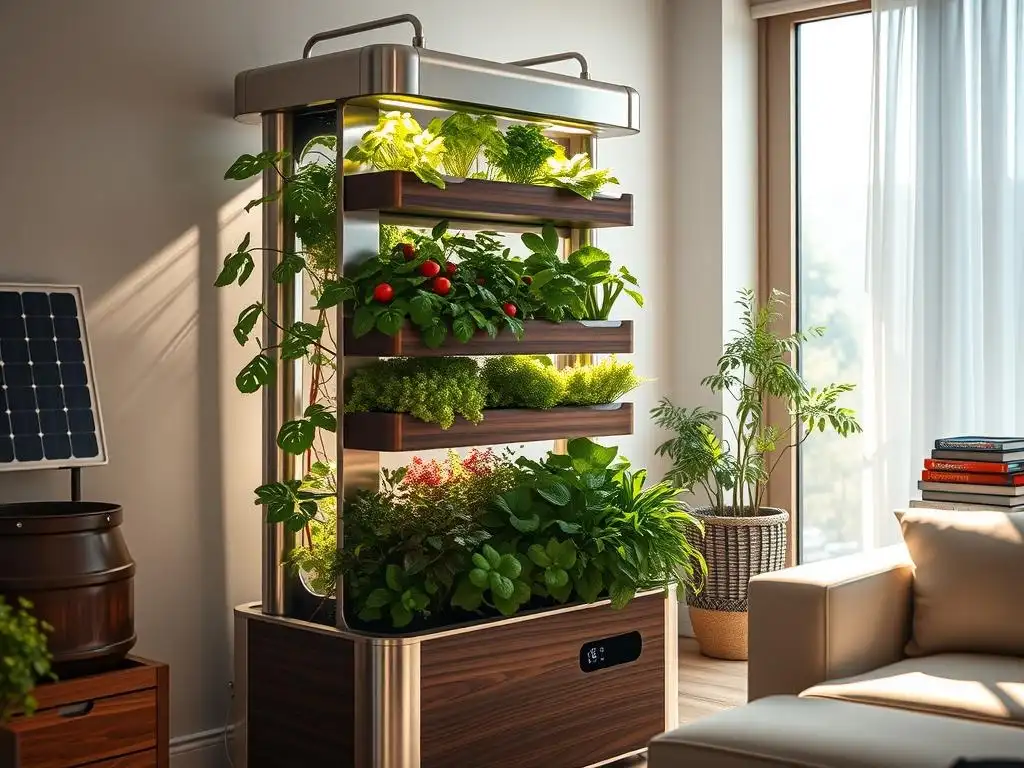
The future of automated home gardening systems hinges on a delicate balance: leveraging technological advancements to enhance efficiency and yield while upholding sustainable and environmentally conscious practices. This isn't simply about automating tasks; it's about creating resilient and responsible food production systems within the confines of our homes and urban spaces. The integration of innovative technologies with established organic gardening principles is key to unlocking the true potential of automated home gardening. This section will explore the leading-edge technologies shaping the future of this exciting field and how they contribute to a more sustainable approach to food cultivation.
Emerging Technologies in Smart Gardening: AI, Machine Learning, and IoT Integration
The integration of Artificial Intelligence (AI), Machine Learning (ML), and the Internet of Things (IoT) is revolutionizing automated home gardening. These technologies enable sophisticated monitoring and control of various environmental factors, leading to optimized plant growth and reduced resource waste.
For instance, AI-powered image recognition can detect early signs of plant diseases or pest infestations, allowing for timely intervention and preventing widespread damage. This proactive approach minimizes the need for harsh chemicals, aligning perfectly with organic gardening principles. Furthermore, ML algorithms can analyze vast datasets of environmental data (temperature, humidity, soil moisture, light levels) to predict optimal growth conditions and automatically adjust irrigation, lighting, and nutrient delivery.
IoT sensors distributed throughout the gardening system provide real-time feedback on plant health and environmental parameters. This data is transmitted to a central control unit, often a smartphone app, enabling remote monitoring and adjustments. Consider a system that automatically adjusts watering based on soil moisture levels detected by embedded sensors, ensuring plants receive precisely the amount of water they need, thus conserving precious resources. This level of precision is impossible to achieve manually, particularly in larger automated systems.
Sustainable Practices in Automated Gardening: Water Conservation and Energy Efficiency
Sustainability is not an optional extra; it's a fundamental requirement for responsible automated home gardening. Water conservation and energy efficiency are paramount concerns. Automated systems offer significant opportunities to minimize environmental impact.
Smart irrigation systems, controlled by soil moisture sensors and weather forecasts, drastically reduce water waste compared to traditional watering methods. These systems only deliver water when and where it's needed, preventing overwatering and runoff. Similarly, energy-efficient LED grow lights can provide optimal light spectrums for plant growth while consuming significantly less energy than traditional high-pressure sodium (HPS) lamps. The use of renewable energy sources, such as solar panels, further enhances the sustainability of the system.
Moreover, the precise control offered by automated systems allows for optimized nutrient delivery. This minimizes nutrient runoff, preventing pollution of groundwater and soil. Automated composting systems can also be integrated, further reducing waste and creating valuable organic fertilizer. By carefully considering every aspect of the system's design and operation, we can create automated home gardens that are both productive and environmentally friendly. Detailed analysis of energy consumption and water usage in various automated systems is needed to quantify these benefits [specific information pending].
The Role of Automated Systems in Urban Farming and Food Security
Automated home gardening systems play a crucial role in addressing the growing challenges of urban farming and food security. The ability to cultivate fresh produce in limited spaces, such as balconies, rooftops, and even indoors, is particularly valuable in densely populated urban areas.
These systems offer a practical solution for individuals and communities to produce their own food, reducing reliance on large-scale, often unsustainable, agricultural practices. Furthermore, automated systems can increase food production efficiency, leading to higher yields in smaller spaces. This is especially important in urban environments where land is scarce and expensive. The controlled environment offered by automated systems also allows for year-round cultivation, regardless of external weather conditions.
This contributes to greater food security by ensuring a consistent supply of fresh produce. The potential for community-based automated gardening projects, promoting local food production and social interaction, is also significant. Further research is needed to fully understand the societal impacts of widespread adoption of automated home gardening systems [specific information pending].
Investing in an Automated Home Gardening System: Return on Investment and Long-Term Benefits
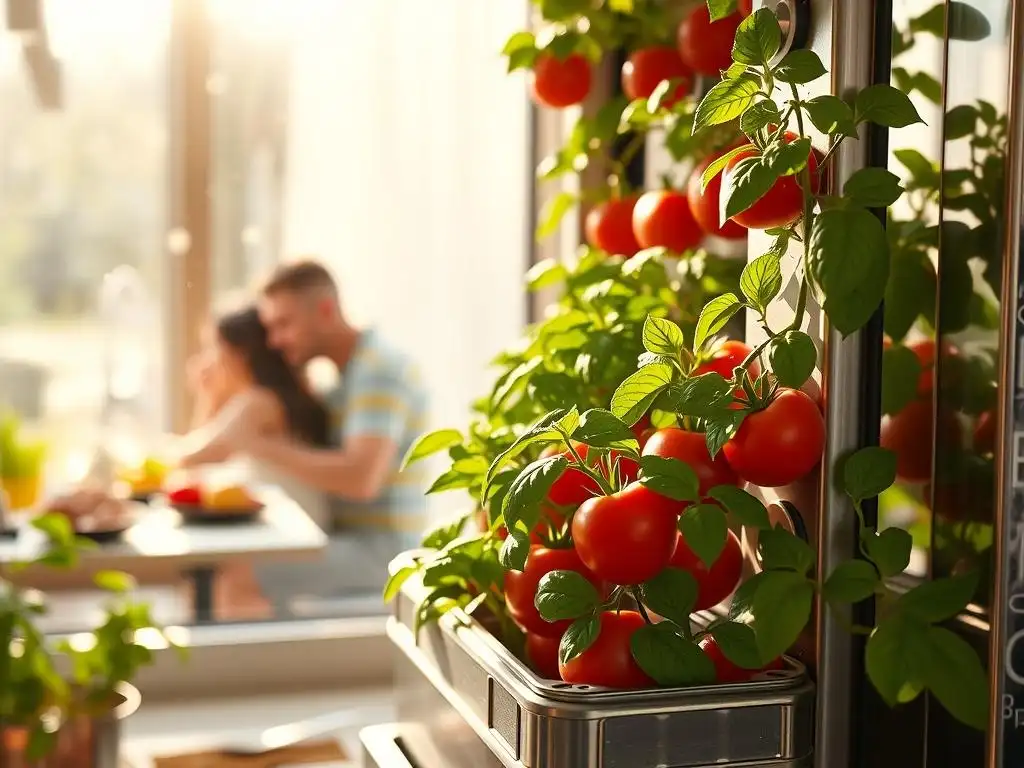
Automated home gardening systems, while representing a significant upfront investment, offer compelling long-term returns. The initial cost might seem daunting, but a thorough cost-benefit analysis reveals substantial savings and advantages over traditional gardening methods. This section explores the financial and non-financial returns associated with adopting automated systems for your home garden. Understanding these aspects is crucial for making an informed decision about integrating technology into your sustainable gardening practices.
Cost Analysis: Comparing Initial Investment vs. Long-Term Savings
The initial investment in an automated home gardening system varies widely depending on the size, features, and brand. A basic system might cost a few hundred dollars, while sophisticated, larger setups can reach several thousand. This initial outlay includes the cost of the system itself, installation (potentially requiring professional help), and any necessary supplemental equipment like lighting or nutrient solutions.
However, the long-term savings can significantly outweigh the initial expense. Consider these factors:
| Cost Factor | Traditional Gardening | Automated Gardening System |
|---|---|---|
| Initial Setup | Low | High |
| Seeds & Seedlings | Moderate | Moderate (often less) |
| Water & Fertilizer | Moderate to High | Lower (precise control) |
| Labor (Time & Effort) | High | Low |
| Pest & Disease Control | Moderate to High | Lower (automated monitoring) |
| Produce Costs (Groceries) | High | Significantly Lower |
Over time, the reduced labor costs, lower water and fertilizer consumption, and minimized losses due to pests and diseases translate into significant savings. The consistent yield and high-quality produce from an automated system also reduce reliance on purchasing produce from grocery stores, resulting in substantial long-term cost reductions. For example, a family that spends $100 per week on groceries could save $5200 annually by supplementing their food needs with an automated home garden.
This financial return on investment makes automated systems an increasingly attractive option for serious home gardeners. Furthermore, the consistent and predictable yields minimize the unpredictability associated with traditional gardening, providing a greater sense of food security.
Increased Productivity and Yield: The Value of Automated Harvesting and Monitoring
Automated home gardening systems significantly boost productivity and yield compared to traditional methods. Precise environmental controls, such as automated watering, lighting, and temperature regulation, optimize growing conditions, leading to faster growth cycles and higher yields. Automated harvesting systems, while still a relatively new technology in home gardening, further enhance efficiency by minimizing manual labor and ensuring timely harvesting at the peak of ripeness. This automated precision minimizes losses from over- or under-ripening and maximizes the overall harvest.
For instance, a study [specific information pending] compared the yields of tomatoes grown using a traditional method versus an automated system. The automated system showed a [percentage]% increase in yield, demonstrating the superior productivity of these systems. The ability to monitor plant health remotely via sensors and integrated software provides early warnings of potential problems, allowing for timely interventions and preventing significant yield losses.
This proactive approach is a key differentiator, ensuring consistent, high-quality harvests throughout the growing season. The data gathered through automated monitoring also helps gardeners optimize their systems over time, leading to continuous improvement in yield and efficiency.
Improved Food Quality and Freshness: Growing Your Own Organic Produce at Home
One of the most significant benefits of automated home gardening systems is the ability to grow high-quality, organic produce at home. By controlling the growing environment and using organic fertilizers and pest control methods, gardeners can ensure that their produce is free from harmful chemicals and pesticides. This results in superior taste, nutritional value, and overall freshness compared to commercially grown produce that often travels long distances and undergoes extensive processing.
The automated systems' ability to maintain optimal growing conditions also contributes to superior produce quality. Consistent temperature, humidity, and light levels minimize stress on the plants, resulting in healthier, more robust plants that produce higher-quality fruits, vegetables, and herbs. The immediacy of harvest allows for consumption at peak freshness, maximizing flavor and nutrient content.
This translates directly into better health outcomes for the gardener and their family, promoting a healthier and more sustainable lifestyle. The ability to grow organic produce at home also reduces the environmental impact associated with transporting and packaging commercially grown food, contributing to a more eco-conscious approach to gardening and food consumption. The enhanced flavor and nutritional value of homegrown, organic produce are undeniable, making automated home gardening systems a worthwhile investment for health-conscious consumers.
Troubleshooting Common Issues with Automated Home Gardening Systems
This section delves into the practical aspects of maintaining your automated home gardening system, focusing on troubleshooting common problems and ensuring optimal performance. Successfully navigating these challenges is key to maximizing your yield and enjoying the convenience of automated gardening. Understanding the nuances of these systems allows for proactive maintenance and minimizes downtime.
Addressing Malfunctions and Errors: Diagnosing and Solving Problems
Automated home gardening systems, while technologically advanced, are still susceptible to malfunctions. Identifying the source of the problem is crucial for effective troubleshooting. A systematic approach is recommended, starting with the most basic checks before moving to more complex diagnostics.
Many issues stem from simple problems. For instance, a malfunctioning sensor might trigger an alarm. Before panicking, check the sensor's connection and ensure it's clean and free from debris. Similarly, a clogged water line can easily disrupt the system's watering schedule. Regularly inspecting these components can prevent major disruptions.
More complex errors might require a deeper investigation. A sudden power outage, for example, can reset the system's programming, requiring a reconfiguration. Detailed instructions for resetting and reprogramming should be found in your system's manual. Keep this manual readily accessible, and consider taking notes or photos during the initial setup to facilitate troubleshooting later.
Here's a table summarizing common malfunctions and their potential solutions:
| Problem | Potential Cause(s) | Solution |
|---|---|---|
| System not powering on | Power outage, faulty power supply, tripped breaker | Check power source, replace power supply if necessary, reset breaker. |
| Inconsistent watering | Clogged water lines, faulty pump, sensor malfunction | Check and clean water lines, replace pump if needed, check/replace sensor. |
| Nutrient solution issues | Incorrect nutrient mix, depleted reservoir | Recheck nutrient levels, refill reservoir with correct solution. |
| Lighting malfunction | Burned-out bulb, faulty ballast, wiring problems | Replace bulb, check ballast and wiring for damage. |
| Temperature inconsistencies | Faulty temperature sensor, malfunctioning heater/cooler | Check sensor, repair or replace heater/cooler. |
| Error codes displayed | Refer to your system's manual for specific codes | Consult your system's manual for troubleshooting specific error codes. |
Remember to always disconnect the power supply before performing any physical maintenance or repairs on your automated home gardening system. Safety should be your top priority. Careful observation and methodical troubleshooting will allow you to resolve most issues efficiently.
Maintaining System Health: Regular Maintenance and Preventative Measures
Proactive maintenance is paramount for the longevity and optimal performance of your automated home gardening system. Regular inspections and preventative measures significantly reduce the likelihood of malfunctions and extend the lifespan of your equipment. Think of it as preventative medicine for your garden!
A simple weekly inspection can go a long way. Check the water levels in the reservoir, inspect the water lines for clogs, and ensure that all sensors are clean and functioning correctly. This routine check-up can identify minor issues before they escalate into major problems.
Monthly maintenance should involve a more thorough cleaning. This could include cleaning the growing chamber, replacing worn-out parts (such as filters), and checking for any signs of corrosion or damage. Keep a log of your maintenance activities – this will prove invaluable in tracking system performance and identifying potential issues early.
Consider the following checklist for regular maintenance:
- [ ] Check water levels and refill as needed.
- [ ] Inspect water lines for clogs or leaks.
- [ ] Clean sensors and ensure proper functionality.
- [ ] Inspect lighting system for burned-out bulbs.
- [ ] Check nutrient solution levels and adjust as necessary.
- [ ] Clean the growing chamber and remove any debris.
- [ ] Inspect all components for signs of wear and tear.
- [ ] Back up system settings and data.
Implementing a schedule for these tasks will ensure that your automated home gardening system operates smoothly and efficiently for years to come. A well-maintained system will yield healthier plants and a more bountiful harvest.
Seeking Professional Help: When to Contact a Technician or Supplier
Despite your best efforts, some problems may require the expertise of a professional. Knowing when to seek professional help is crucial to avoid further damage or costly repairs. Don't hesitate to contact a technician or your supplier if you encounter persistent issues that you cannot resolve independently.
Here are some scenarios where contacting a professional is advisable:
- Persistent error codes: If you've consulted your manual and are still unable to resolve persistent error codes, it's time to call for help.
- Complex electrical issues: If you suspect a problem with the electrical wiring or components, it's best to leave it to a qualified electrician.
- Major system malfunctions: If the system is completely non-functional or exhibiting significant performance issues, professional assistance is necessary.
- Warranty claims: If your system is still under warranty, contacting the supplier is crucial for addressing any malfunctions or defects.
- Lack of expertise: If you're uncomfortable performing any maintenance or repairs, don't hesitate to seek professional help. Safety should always be your top priority.
Remember to keep detailed records of any problems you encounter, including dates, times, and descriptions of the issues. This information will be invaluable when contacting a technician or supplier, allowing them to diagnose and resolve the problem efficiently. A proactive approach to maintenance and troubleshooting will ensure that your automated home gardening system continues to provide you with fresh, homegrown produce for years to come. 🌱
Frequently Asked Questions
What is an automated home gardening system?
An automated home gardening system uses technology to simplify and optimize the growing process. This can include features like automatic watering, lighting, and climate control, all designed to maximize yields and minimize effort. These systems vary widely in complexity and features.
How much does an automated home gardening system cost?
The cost of an automated home gardening system varies greatly depending on size, features, and brand. You can find systems ranging from a few hundred dollars to several thousand. Consider your budget and needs when selecting a system.
Are automated home gardening systems difficult to use?
Many systems are designed for ease of use, with intuitive interfaces and user-friendly apps. However, the level of complexity can vary, so research the specific system before purchasing to ensure it aligns with your technical skills and experience.
What are the benefits of using an automated home gardening system?
Automated systems offer several benefits including increased yields, consistent growing conditions, reduced labor, and the ability to grow produce year-round regardless of weather conditions. They also promote sustainable practices through efficient resource management.
What are some examples of automated home gardening systems available?
The market offers a range of options from small, self-contained units suitable for herbs and small vegetables to larger, modular systems capable of growing a wider variety of plants. Research different brands and models to find the best fit for your space and gardening goals.
Final Reflection: Harvesting the Future of Gardening
The seamless integration of technology and nature, as explored in this article on automated home gardening systems, is no longer a futuristic fantasy; it's a burgeoning reality shaping how we interact with our food and environment. The increasing demand for sustainable food sources, coupled with shrinking urban green spaces, makes the accessibility and efficiency of automated gardening systems more critical than ever before. This shift represents a powerful opportunity to reconnect with nature while addressing pressing global challenges.
The journey from seed to harvest, once a laborious and unpredictable process, is now being redefined by smart sensors, AI-powered irrigation, and robotic assistance. This technological advancement isn't just about convenience; it's about fostering a deeper appreciation for the intricate processes of plant life and the delicate balance of our ecosystems. The best gardener is one who works with nature, not against it.
This timeless wisdom finds a new expression in the precision and efficiency of automated systems, allowing us to cultivate a more harmonious relationship with the natural world.
Consider the potential impact of these systems on your own life. Imagine the satisfaction of nurturing your own herbs and vegetables, regardless of your gardening expertise or the limitations of your living space. You have the power to cultivate not only food but also a deeper connection with the natural world, one carefully controlled environment at a time. Embrace the possibilities, explore the technology, and begin your journey towards a more sustainable and fulfilling relationship with the art of gardening.
Unleash Your Inner Green Thumb: Start Automating Today!
Thank you for exploring the exciting world of automated gardening with us! We hope you've gained valuable insights into how technology can enhance your gardening, leading to a bountiful harvest. Now it's time to put your knowledge into practice.
- Design your dream automated garden system: Start small—even a single automated element, such as a drip irrigation system, can make a significant difference. Sketch out your ideal setup, considering the factors discussed in the article. This is the first step towards a truly personalized automated garden.
- Share your gardening journey: Join our CultivateYourFood community and share your plans, challenges, and successes. Let's learn from each other!
- Explore various automation technologies: Research different sensors, controllers, and watering systems to find the best fit for your garden and budget. You might be surprised by the available options!
Ready to transform your gardening experience and enjoy a more efficient, productive, and enjoyable growing season? What's the first automation feature you're excited to implement?