
Choosing the Right Irrigation System for Vegetables: Ensuring Optimal Growth

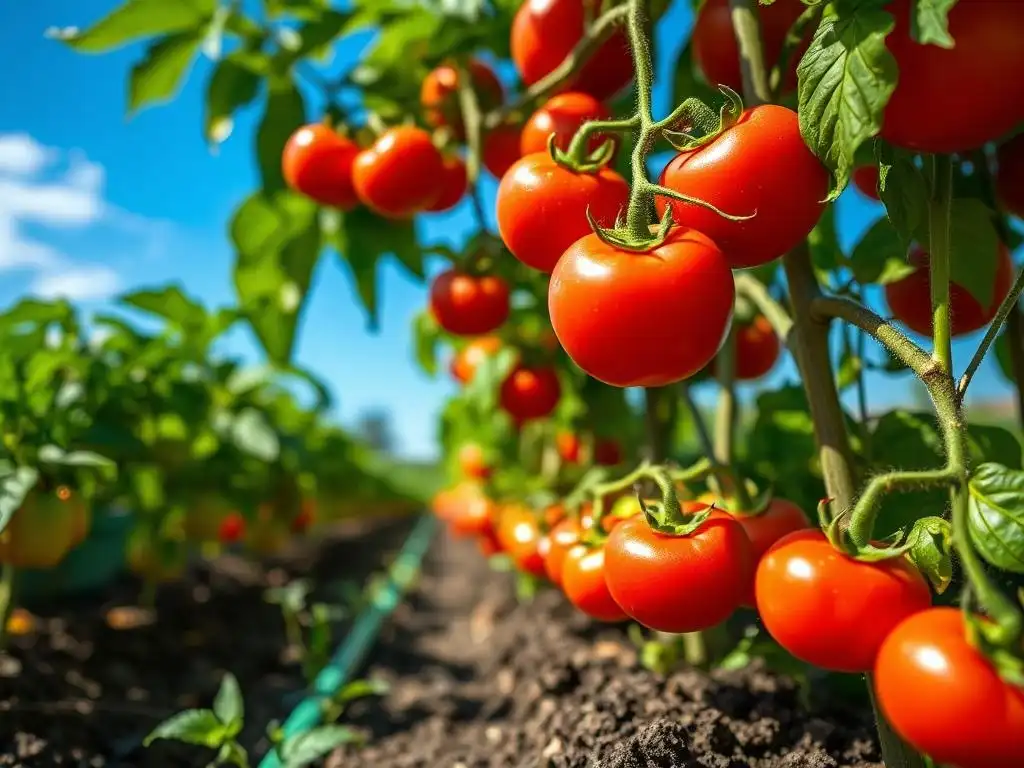
Ready to transform your backyard into a thriving oasis of fresh, organic produce? At CultivateYourFood, we empower you to grow your own fruits, vegetables, and herbs using sustainable methods. But with so many choices, selecting the right tools is crucial. Discover the secrets to bountiful harvests by exploring our expert guide on choosing the best vegetable irrigation system, and unlock the potential of your home garden. Let's get growing!
- Understanding Your Vegetable Garden's Watering Needs
- Best Vegetable Irrigation Systems: A Comparative Guide
- Automated Irrigation Systems for Vegetables: Maximizing Efficiency
- DIY Vegetable Irrigation Systems: Budget-Friendly Solutions
- Maintaining Your Vegetable Irrigation System for Optimal Performance
- Choosing the Best Vegetable Irrigation System: Final Recommendations
-
Frequently Asked Questions
- What is the best irrigation system for vegetables?
- How do I choose the right irrigation system for my vegetable garden?
- What are the benefits of using an irrigation system for vegetables?
- Are there any drawbacks to using irrigation systems for vegetables?
- What are some sustainable irrigation practices for my vegetable garden?
- Final Reflection: Watering the Future of Food
- Unlock Your Garden's Potential: Grow Thriving Vegetables!
Understanding Your Vegetable Garden's Watering Needs
Choosing the right irrigation system is crucial for a thriving vegetable garden. A well-designed system ensures your plants receive the optimal amount of water, promoting healthy growth and maximizing yields. This guide will help you navigate the world of vegetable irrigation, focusing on how to select the best vegetable irrigation system for your specific needs and conditions.
We'll explore key factors influencing water requirements, helping you make an informed decision that aligns with your garden's unique characteristics and your sustainable gardening goals. From assessing soil type and drainage to considering sunlight exposure and garden size, we’ll equip you with the knowledge to cultivate a flourishing and productive vegetable patch, all while minimizing water waste and promoting environmentally friendly practices. Let's delve into the essential aspects of selecting the perfect irrigation solution for your vegetable garden.
Assessing Soil Type and Drainage for Efficient Irrigation
The type of soil in your vegetable garden significantly impacts its water retention capacity and drainage. Understanding your soil's characteristics is paramount for efficient irrigation. Sandy soils, for example, drain quickly, requiring more frequent watering but smaller amounts at a time. Conversely, clay soils retain water for longer periods, necessitating less frequent but potentially larger watering sessions. Poor drainage can lead to root rot and other waterlogged conditions detrimental to plant health. Therefore, before selecting an irrigation system, conduct a simple soil test or observe how quickly water drains after watering.
To determine your soil type, you can perform a simple hand test:
| Soil Type | Texture | Water Retention | Drainage |
|---|---|---|---|
| Sandy | Loose, grainy | Low | Fast |
| Silty | Smooth, floury | Moderate | Moderate |
| Clayey | Sticky, heavy | High | Slow |
| Loamy (ideal) | Combination | Moderate to High | Moderate |
Consider amending heavy clay soils with organic matter like compost to improve drainage and aeration. For sandy soils, incorporating organic matter helps improve water retention. Proper soil preparation is the foundation for effective irrigation and healthy plant growth. Remember, efficient irrigation is not just about the best vegetable irrigation system, but also about understanding and managing your soil's unique properties.
Sunlight Exposure and its Impact on Water Requirements for Vegetables
Sunlight exposure is another critical factor influencing your vegetable garden's water needs. Vegetables grown in full sun (6-8 hours of direct sunlight daily) will require more frequent watering than those in partial shade (4-6 hours) or shade (less than 4 hours). The intensity of the sun accelerates evaporation, leading to faster soil moisture depletion. Therefore, your irrigation system should accommodate the specific sunlight conditions of your garden.
For instance, a vegetable patch receiving intense afternoon sun might benefit from a drip irrigation system that delivers water directly to the roots, minimizing evaporation. Conversely, a garden predominantly in shade might require a less frequent watering schedule, perhaps using a soaker hose or even a manual watering can, avoiding overwatering. Understanding the sun's impact on your garden's microclimate is essential for optimizing water usage and promoting healthy plant growth. The choice of the best irrigation system is directly influenced by this crucial factor.
Choosing the Right Irrigation System Based on Garden Size and Layout
The size and layout of your vegetable garden significantly impact the type of irrigation system best suited for your needs. Small gardens (under 100 square feet) might be efficiently watered using a simple watering can, soaker hoses, or a drip irrigation system with a basic timer. Larger gardens (over 100 square feet) might benefit from more sophisticated systems, such as in-ground drip irrigation or sprinkler systems.
The complexity of your garden's layout—raised beds, in-ground rows, or a combination—also influences your choice. For example, a garden with raised beds may be ideal for a drip irrigation system, while a larger, open area might be better suited for a sprinkler system.
Consider these factors when choosing your system:
- Ease of installation: Some systems are simpler to install than others.
- Maintenance requirements: Regular maintenance is crucial for all irrigation systems.
- Water efficiency: Choose a system that minimizes water waste.
- Cost: Irrigation systems vary greatly in price.
- Flexibility: Consider the ability to adjust the system as your garden grows or changes.
Choosing the best vegetable irrigation system involves careful consideration of several factors. By assessing your soil, sunlight exposure, and garden size and layout, you can make an informed decision that supports healthy plant growth and sustainable gardening practices. Remember, the most effective system is one that efficiently delivers water directly to your plants, while minimizing water waste and promoting optimal growth.
Best Vegetable Irrigation Systems: A Comparative Guide
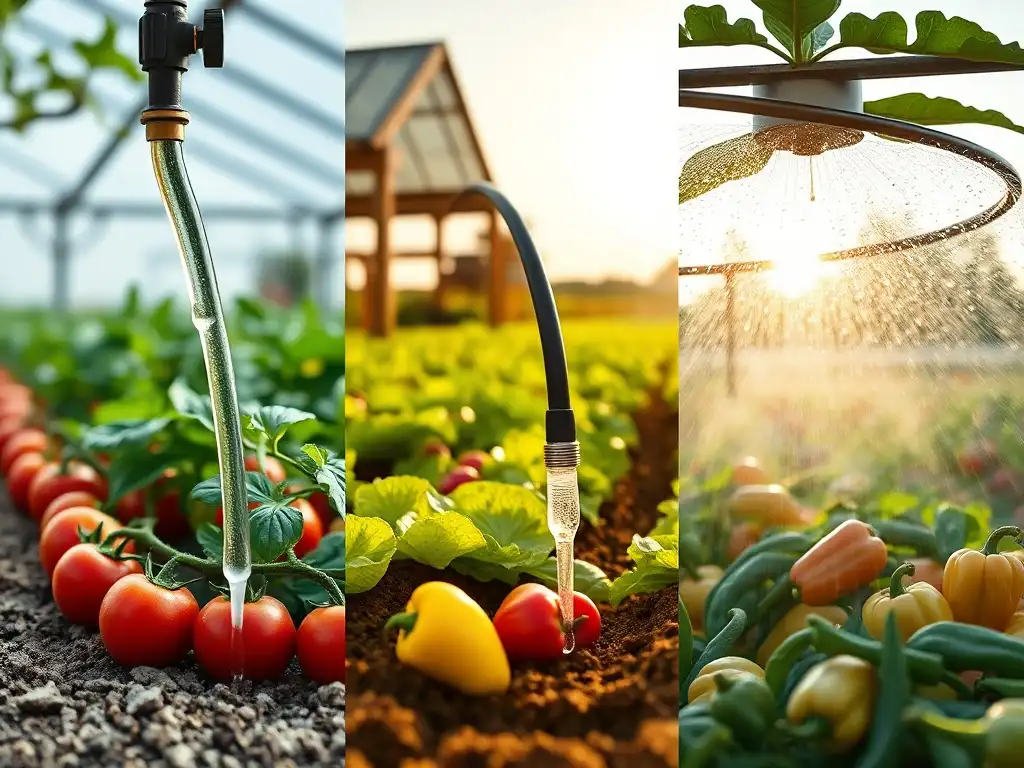
This section dives deep into the specifics of choosing the best vegetable irrigation system for your garden, comparing different types and highlighting top-performing models. Selecting the right system is crucial for maximizing yield and minimizing water waste, leading to healthier, more vibrant vegetables. We'll explore the pros and cons of popular options, empowering you to make an informed decision based on your specific needs and garden layout.
Drip Irrigation Systems for Vegetables: Pros, Cons, and Top Recommendations
Drip irrigation delivers water directly to the roots of your plants, minimizing evaporation and runoff. This targeted approach is highly efficient, conserving water and nutrients. However, the initial setup can be more time-consuming than other methods, and clogging can occur if not properly maintained. Let's explore some leading drip irrigation systems ideal for vegetable gardens.
Rain Bird Drip Irrigation System: Features and Benefits
Rain Bird is a well-known name in irrigation, and their drip systems are known for their reliability and longevity. Their systems often feature pressure-compensating emitters, ensuring consistent water delivery even across uneven terrain. This is crucial for vegetable gardens where rows might have varying elevations. Many Rain Bird systems also boast easy-to-use connectors and durable tubing, making installation and maintenance relatively straightforward. A key benefit is the precise control it offers, allowing you to tailor watering schedules to the specific needs of different vegetables.
Netafim Drip Irrigation Kit: A Comprehensive Review
Netafim is another industry leader, renowned for its innovative irrigation solutions. Their drip kits often come with a comprehensive array of components, including tubing, emitters, and connectors, simplifying the setup process. Netafim frequently incorporates advanced technologies, such as pressure regulation and filtration, to minimize clogging and optimize water distribution. This translates to healthier plants and a higher yield. Their kits are often tailored to specific garden sizes, making it easier to choose the right system for your vegetable patch. Consider factors such as the included pressure regulator and filter when evaluating the system's long-term performance and maintenance needs.
Orbit 57000 Self-Watering System: Ideal for Small Vegetable Patches
For smaller vegetable gardens, the Orbit 57000 self-watering system offers a convenient and user-friendly solution. Its compact design and simple installation make it ideal for beginners. While perhaps not as feature-rich as some professional-grade systems, its ease of use and affordability make it a strong contender, especially for those starting with a small-scale vegetable garden. Its self-watering function minimizes the need for frequent adjustments, saving you time and effort. However, scalability is a potential drawback; expanding this system for larger gardens might require purchasing additional components.
Soaker Hose Irrigation: A Budget-Friendly Option for Vegetables
Soaker hoses provide a simple and inexpensive way to water vegetables. They deliver water slowly and evenly along their length, reducing water waste and encouraging deep root growth. This method is particularly well-suited for vegetable gardens with established plants.
Advantages and Disadvantages of Soaker Hose Irrigation
The primary advantage of soaker hoses is their low cost and ease of installation. Simply lay them along your rows and connect them to a water source. They are also gentle on delicate plants, unlike some sprinkler systems which can damage seedlings. However, they can be prone to clogging, especially if the water source contains sediment. Furthermore, their water distribution might not be as precise as drip irrigation, potentially leading to uneven watering in areas with varying soil conditions. Regular flushing is crucial to maintain their effectiveness.
Choosing the Right Soaker Hose Material and Length
Soaker hoses are available in various materials, including rubber and porous plastic. Rubber hoses are generally more durable but can be more expensive. Porous plastic hoses are a more budget-friendly option, but their lifespan may be shorter. Choosing the right length is crucial; you need enough hose to cover your entire vegetable patch without leaving gaps. Measure your planting area carefully before purchasing to avoid buying too much or too little hose. Consider the water pressure in your garden; higher pressure might require a more durable hose to prevent bursting.
Melnor 65042-AMZ Soaker Hose: Performance and Durability
The Melnor 65042-AMZ soaker hose is a popular choice known for its relatively good durability and even water distribution. Its design helps to minimize clogging, and its flexible material makes it easy to maneuver around plants. User reviews often highlight its ease of use and long lifespan compared to cheaper alternatives. However, like all soaker hoses, regular flushing is essential to prevent clogs and ensure optimal performance. This model offers a good balance between cost and performance, making it a suitable option for many vegetable gardeners.
Sprinkler Systems for Vegetable Gardens: When to Use and What to Avoid
Sprinkler systems offer a seemingly straightforward approach to vegetable irrigation, providing widespread water coverage. However, their effectiveness varies greatly depending on the specific type and the garden's layout. Choosing the right sprinkler system for your vegetable patch requires careful consideration of several factors. Understanding the pros and cons is crucial for maximizing yield and minimizing water waste.
For instance, a well-designed sprinkler system can be highly beneficial for large vegetable plots, evenly distributing water and reducing the need for manual watering. However, poorly designed systems can lead to significant water runoff and uneven watering, ultimately harming plant growth. The type of sprinkler head is also crucial; some are better suited for delicate seedlings than others. It's important to select sprinkler heads that deliver a gentle spray to avoid damaging young plants.
Furthermore, the pressure of the water needs to be regulated to ensure consistent water distribution across the garden bed. Too much pressure could easily wash away seedlings or compact the soil. Choosing the right nozzle size and adjusting the water pressure are vital steps in optimizing a sprinkler system for your vegetables.
Overhead Sprinkler Systems: Effectiveness and Water Waste Concerns
Overhead sprinkler systems, while convenient, often suffer from significant water waste due to evaporation and overwatering. The efficiency of these systems is heavily dependent on factors like wind and sun exposure. On windy days, much of the water is simply blown away before it even reaches the plants, leading to a substantial loss of water and resources. Similarly, intense sunlight can cause rapid evaporation, further reducing the effectiveness of the system.
While overhead systems provide broad coverage, this often translates to overwatering in some areas and underwatering in others, leading to inconsistent plant growth. Furthermore, the constant wetting of foliage can create a favorable environment for fungal diseases, potentially harming your vegetable crop. Consider the microclimate of your garden when evaluating this approach. Overhead systems are generally less efficient than drip irrigation for vegetable gardens, but they can be useful for quick, temporary watering.
Pop-up Sprinklers: Pros and Cons for Vegetable Gardens
Pop-up sprinklers offer a more targeted approach compared to overhead systems, minimizing water waste by directing water more precisely to plant roots. They are relatively easy to install and maintain, making them a popular choice for many gardeners. However, their effectiveness depends on the spacing and the type of nozzle used.
If pop-up sprinklers are too far apart, some areas of the vegetable garden may not receive adequate watering. Similarly, using the wrong nozzle size can lead to uneven water distribution. The selection of the correct nozzle is critical, as it determines the spray pattern and reach of the water.
For example, a rotary nozzle offers broader coverage, while a spray nozzle is better for more targeted watering around individual plants. The potential for clogging is also a concern; these systems need regular cleaning to ensure optimal performance. Proper maintenance, including regular flushing and cleaning, is crucial for preventing blockages and ensuring consistent water delivery.
Toro 52500 Sprinkler System: Suitable for Larger Vegetable Plots
The Toro 52500 sprinkler system is often cited as a suitable option for larger vegetable plots due to its capacity to cover extensive areas. Its design aims for efficient water distribution, minimizing water waste, which is a significant advantage for gardeners with larger gardens. However, the system's suitability depends greatly on the specific layout and needs of the vegetable garden.
For example, the system's effectiveness might be reduced in windy conditions, as it's still susceptible to some evaporation and water loss. Moreover, the initial investment cost can be significant, making it less suitable for smaller gardens or those on a tighter budget. The Toro 52500 is designed for larger areas, therefore its use in smaller plots would be inefficient and wasteful.
Regular maintenance, including cleaning the nozzles and checking for leaks, is crucial to maximize the system's efficiency and longevity. Thorough planning and consideration of the garden's specific requirements are critical before investing in such a system. Careful consideration of the system's reach and water pressure capabilities relative to the size of the vegetable plot is essential for optimal performance.
Automated Irrigation Systems for Vegetables: Maximizing Efficiency
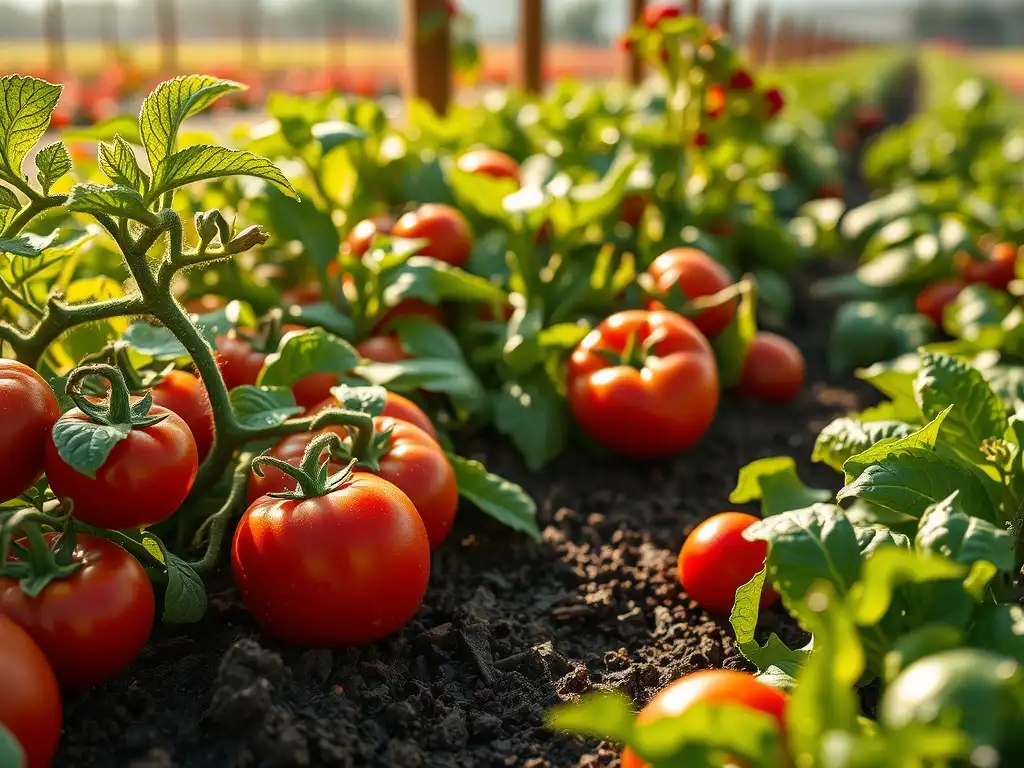
Automated irrigation systems represent a significant leap forward in vegetable gardening, offering unparalleled control and efficiency compared to manual watering. Choosing the best vegetable irrigation system often hinges on factors like garden size, budget, and desired level of automation. These systems drastically reduce water waste, a critical aspect of sustainable gardening, while simultaneously freeing up your time for other essential gardening tasks. The convenience and precision offered by automation contribute significantly to healthier, more productive plants. Let's explore some leading automated options.
Smart Irrigation Controllers: Saving Water and Time
Smart irrigation controllers are the brains behind efficient automated watering. They utilize weather data, soil moisture sensors (in some models), and even your personal preferences to deliver precisely the right amount of water at the optimal time. This intelligent approach minimizes water waste, a crucial factor given the increasing scarcity of water resources in many regions. Furthermore, the convenience factor is undeniable; you no longer need to manually adjust sprinklers or timers based on fluctuating weather conditions. The system adapts dynamically, ensuring your vegetables receive consistent hydration without overwatering or underwatering.
Rachio Smart Sprinkler Controller: Features and Review
The Rachio Smart Sprinkler Controller is a popular choice among home gardeners seeking a balance of features and affordability. Its key selling point is its sophisticated weather intelligence, which constantly monitors local forecasts to adjust watering schedules accordingly. This prevents unnecessary watering during rainy periods, conserving water and energy. Rachio also boasts excellent integration with various smart home ecosystems, allowing for seamless control through voice assistants and mobile apps. User reviews frequently praise its intuitive interface and ease of setup. However, some users report occasional connectivity issues depending on Wi-Fi strength.
B-hyve Smart Irrigation System: Benefits and Considerations
B-hyve offers a comprehensive smart irrigation system that often includes a range of sensors and controllers. One significant advantage is its ability to integrate with soil moisture sensors, providing real-time feedback on soil hydration levels. This granular level of control allows for hyper-precise watering, ensuring your vegetables receive only the necessary amount of water, preventing both drought stress and root rot. While generally praised for its accuracy, the B-hyve system can be more expensive than simpler controllers, and the integration of multiple components might require some technical expertise for optimal setup.
Hunter X-Core Smart Irrigation Controller: Easy Setup and Management
The Hunter X-Core stands out for its user-friendly interface and straightforward setup process. Its intuitive design makes it accessible even to novice gardeners, minimizing the learning curve often associated with smart irrigation systems. While perhaps lacking some of the advanced features found in other models, such as hyper-local weather data integration to the same degree, the X-Core reliably delivers consistent and efficient watering.
Its robust build quality and proven reliability make it a solid choice for gardeners prioritizing simplicity and dependability. Many users highlight its ease of use and the minimal troubleshooting required. The system's straightforward design prioritizes ease of use over a plethora of advanced features.
DIY Vegetable Irrigation Systems: Budget-Friendly Solutions
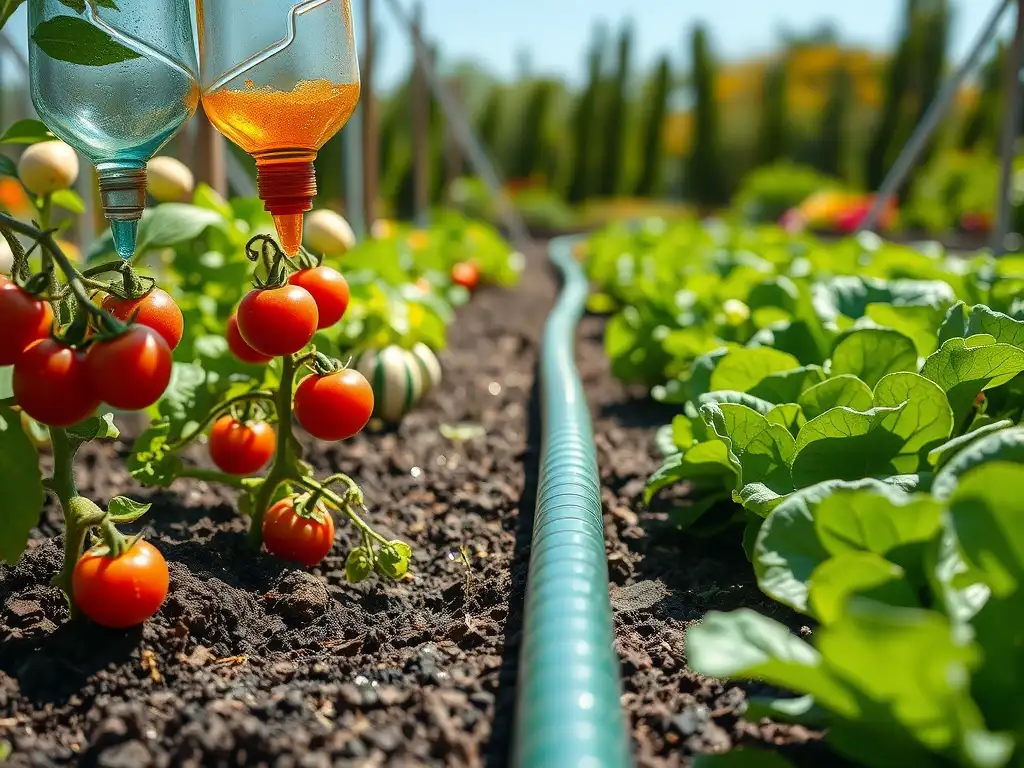
Choosing the best vegetable irrigation system doesn't always mean breaking the bank. Many effective and sustainable irrigation solutions can be crafted at home using readily available materials. This section explores several DIY options, focusing on cost-effectiveness and environmentally conscious practices, perfect for the budget-minded gardener aiming for optimal vegetable growth. By implementing these techniques, you can significantly reduce your water usage while ensuring your plants receive the hydration they need to thrive. This approach aligns perfectly with the sustainable and organic principles championed by CultivateYourFood.
Building a Simple Drip Irrigation System for Vegetables: A Step-by-Step Guide
Creating a drip irrigation system is surprisingly simple and offers a highly efficient method of delivering water directly to your plants' roots. This minimizes water waste and reduces the risk of fungal diseases often associated with overhead watering. Here's a step-by-step guide:
- Gather your materials: You'll need a water source (a bucket or a connected hose), tubing (flexible plastic tubing is ideal), connectors (to join different tubing sections), and drippers (small devices that release water slowly). You might also consider a pressure regulator to ensure even water distribution.
- Plan your layout: Sketch a rough plan of your vegetable garden, noting the location of each plant. This will help you determine the length of tubing needed and the placement of drippers. Consider spacing drippers approximately 6-12 inches apart, depending on the plant's water requirements.
- Assemble the system: Connect the tubing sections using the connectors, ensuring a tight seal to prevent leaks. Attach drippers to the tubing at the planned locations. If using a bucket as your water source, simply insert the tubing into the bucket, ensuring it reaches near the bottom. For a hose connection, use an appropriate adapter.
- Test and adjust: Turn on the water and check for leaks. Adjust the drippers as needed to ensure even water distribution. You may need to experiment to find the optimal water flow rate for your plants and soil type.
- Maintain your system: Regularly check for clogs or leaks. Clean the drippers periodically to prevent blockages. This simple maintenance will ensure your DIY drip irrigation system continues to provide efficient and reliable watering for your vegetables.
Creating Effective Soaker Hose Layouts for Efficient Watering
Soaker hoses provide another affordable and effective irrigation method. They deliver water slowly and directly to the root zone, minimizing evaporation and runoff. However, achieving efficient watering requires thoughtful planning of your hose layout.
Consider these factors when designing your soaker hose irrigation:
- Soil type: Sandy soils require more frequent watering than clay soils. Adjust the watering duration accordingly.
- Plant spacing: Ensure the hose is placed strategically to reach all plants' root zones. You might need multiple parallel hoses for wider rows.
- Hose length and diameter: Choose the appropriate hose length and diameter for your garden size. Thicker hoses generally deliver water more effectively over longer distances.
- Water pressure: High water pressure can lead to uneven water distribution and potential damage to the hose. A pressure regulator can be beneficial.
Remember to regularly check your soaker hoses for holes or leaks. Replacing damaged sections is crucial to maintain efficient watering. A well-designed soaker hose system can significantly contribute to achieving a healthy and productive vegetable garden, making it a strong contender for the title of best vegetable irrigation system in terms of simplicity and cost-effectiveness.
Utilizing Recycled Materials for Sustainable Irrigation
Embracing sustainability goes hand in hand with creating a thriving vegetable garden. Several recycled materials can be repurposed to create effective and eco-friendly irrigation systems:
- Plastic bottles: Cut the bottom off plastic bottles and bury them upside down near the roots of your plants. Fill them with water, and the water will slowly seep into the soil. This method is particularly useful for individual plants or small areas.
- PVC pipes: Old PVC pipes can be adapted to create a simple drip irrigation system. Drill small holes in the pipes and connect them to a water source. This method is suitable for larger areas and can be customized to suit your specific needs.
- Old hoses: Even old, damaged hoses can be repurposed. Cut them into shorter lengths and use them to direct water to specific areas of your garden.
By creatively repurposing these materials, you can reduce waste and create a low-cost, sustainable irrigation system for your vegetables, demonstrating your commitment to environmentally responsible gardening practices. This not only saves you money but also reduces your environmental footprint, making it a truly excellent choice for those seeking the best vegetable irrigation system in terms of sustainability. 🌱
Maintaining Your Vegetable Irrigation System for Optimal Performance
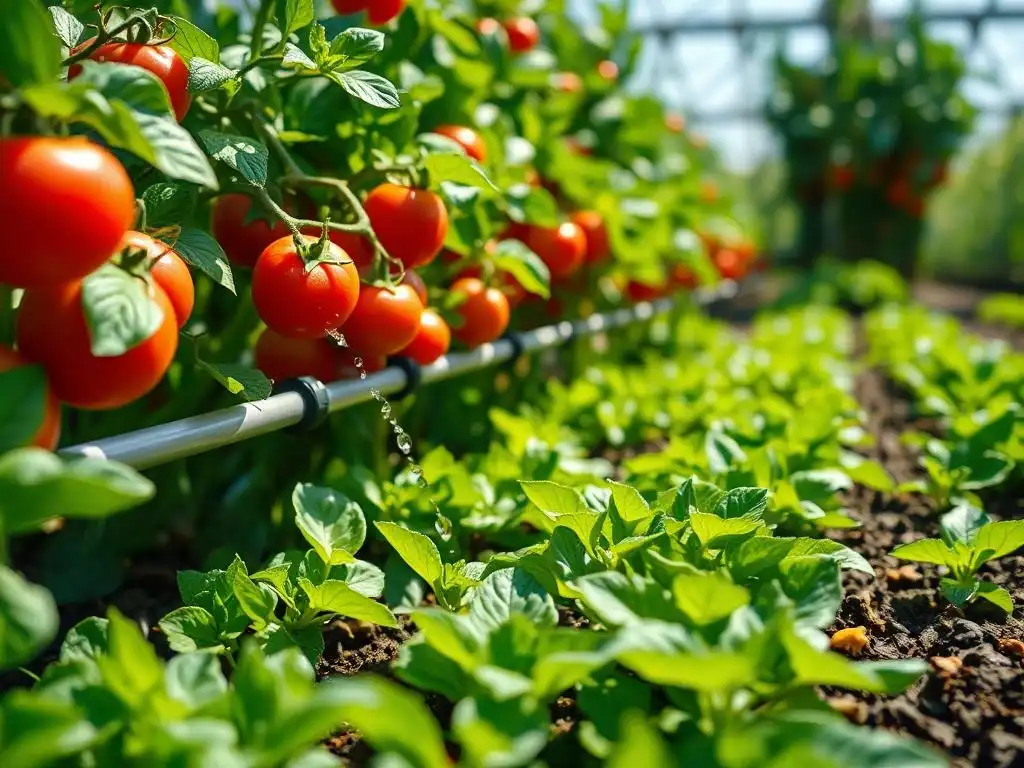
Maintaining your chosen irrigation system – whether it's drip, soaker hose, or sprinkler – is crucial for ensuring the longevity of your equipment and the health of your vegetables. Neglecting maintenance can lead to reduced water efficiency, clogged emitters, and even system failure, ultimately impacting the yield and quality of your harvest. Investing time in regular upkeep translates directly into healthier plants and a more successful growing season. Finding the best vegetable irrigation system is only half the battle; proper maintenance ensures its continued effectiveness.
Regular Cleaning and Maintenance of Drip Irrigation Lines
Drip irrigation, often considered the best vegetable irrigation system for its water efficiency, requires consistent cleaning to prevent clogging. Mineral deposits, algae, and even root intrusion can significantly reduce water flow and compromise the system's performance. Here's a step-by-step guide to maintaining your drip irrigation lines:
- Flush the System: At least twice a year, preferably in spring and fall, flush the entire system. This involves opening the main valve and letting water run through the lines for at least 30 minutes. This helps remove accumulated debris.
- Inspect Emitters: Regularly check emitters for clogs. A simple visual inspection can often identify blockages. If an emitter is clogged, try using a small wire or needle to clear the opening. For stubborn clogs, consider replacing the emitter. Using a pressure cleaning tool can be helpful for more extensive cleaning.
- Clean Filters: Drip irrigation systems often incorporate filters to remove larger particles from the water supply. These filters should be cleaned or replaced regularly, following the manufacturer's instructions. Neglecting filter maintenance can lead to rapid clogging of the lines.
- Check for Leaks: Regularly inspect the entire system for leaks. Promptly repair any leaks to prevent water waste and damage to your garden.
Troubleshooting Common Irrigation System Problems
Even with regular maintenance, problems can arise. Understanding common issues and their solutions is essential for maintaining optimal performance of your best vegetable irrigation system.
| Problem | Possible Cause(s) | Solution |
|---|---|---|
| Low Water Pressure | Clogged emitters, kinked tubing, low water supply | Clean emitters, straighten tubing, check water source pressure. |
| Uneven Water Distribution | Clogged emitters, broken emitters, uneven terrain | Clean or replace emitters, adjust emitters for even distribution, level terrain. |
| Water Leaks | Holes in tubing, loose connections | Repair holes, tighten connections. |
| System Not Turning On | Power outage, faulty timer, tripped breaker | Check power supply, check timer settings, reset breaker. |
Addressing these issues promptly will ensure your vegetable garden receives consistent and adequate watering. Remember, early detection and quick fixes are key to preventing more significant problems down the line.
Extending the Lifespan of Your Irrigation System
Several proactive steps can significantly extend the lifespan of your irrigation system, helping you maximize your investment and minimize replacements.
- Winterization: In colder climates, it's crucial to winterize your irrigation system to prevent damage from freezing temperatures. This typically involves draining all water from the lines.
- Proper Storage: If you dismantle your system for the winter, store components in a dry, protected place to prevent damage.
- Material Selection: When setting up your system initially, choose high-quality, durable materials. Investing in better quality components upfront can save money and headaches in the long run. Consider using UV-resistant tubing to prevent degradation from sunlight.
- Regular Inspection: Even without obvious problems, routine visual checks can help identify potential issues early on, allowing for preventative maintenance.
By following these maintenance tips, you can ensure your chosen irrigation system continues to provide optimal watering for your vegetables, contributing significantly to a bountiful and successful harvest. Choosing the best vegetable irrigation system is a great start, but proper care and maintenance truly determine its long-term success.
Choosing the Best Vegetable Irrigation System: Final Recommendations
This section provides a conclusive overview to help you select the best vegetable irrigation system for your needs, balancing effectiveness with practicality. Finding the best system is subjective and depends heavily on your individual circumstances. However, understanding the key factors will guide you toward a successful and sustainable choice. We'll explore how budget and garden size influence your decision, and highlight the long-term cost benefits of efficient irrigation.
Selecting the Right System Based on Your Budget and Garden Needs
Your budget significantly impacts your irrigation system options. A small, manageable vegetable patch might thrive with a simple soaker hose system, costing under $50. This is a cost-effective solution for smaller gardens requiring less water management. However, larger gardens or those with challenging terrain might benefit from a drip irrigation system, although the initial investment can be higher, ranging from $100 to several hundred dollars, depending on complexity and size. The added cost often translates to greater precision and efficiency in the long run.
Consider the following table summarizing cost and suitability:
| Irrigation System | Cost Range | Best Suited For | Pros | Cons |
|---|---|---|---|---|
| Soaker Hose | Under $50 | Small gardens, simple layouts | Simple to install, inexpensive | Less precise water delivery, potential for runoff |
| Drip Irrigation | $100-$500+ | Medium to large gardens, irregular terrain | Precise water delivery, water conservation | Higher initial cost, more complex installation |
| Sprinkler System (rotary) | $50-$200+ | Larger gardens, even terrain | Covers large areas quickly | Higher water consumption, potential for runoff |
| Subsurface Drip Irrigation | $200-$1000+ | Large gardens, water conservation priority | Highly efficient, minimizes evaporation | Highest initial cost, more complex installation |
Choosing the right system also hinges on your garden's needs. A sprawling garden with various vegetables requiring different watering schedules will likely benefit from a more sophisticated drip system allowing for customized watering zones. A smaller, uniformly planted area might be perfectly served by a simpler soaker hose or even a well-placed watering can.
Factors to Consider When Purchasing an Irrigation System
Beyond budget and garden size, several other factors influence your choice:
- Water pressure: Some systems, like drip irrigation, require adequate water pressure for optimal performance. Low water pressure might necessitate a pressure booster pump, adding to the overall cost.
- Water source: Will you be using municipal water, a well, or collected rainwater? This impacts system design and potential filtration needs. Rainwater harvesting systems are environmentally friendly and can be very cost effective in the long term, but require additional setup.
- Soil type: Sandy soil drains quickly, requiring more frequent watering than clay soil, which retains moisture longer. Your system's design should account for your soil's water retention capabilities.
- Vegetable types: Different vegetables have varying water requirements. A well-designed system accounts for these differences, providing customized watering schedules for each plant or plant group.
- Ease of installation and maintenance: Consider your DIY skills and time commitment. Some systems are easier to install and maintain than others. A simpler system might be preferable if you lack experience or time.
Remember to always check product reviews and compare prices from different vendors before purchasing your irrigation system. Thorough research will help you make an informed decision that aligns with your specific needs and budget.
Long-Term Cost Savings with Efficient Irrigation Systems
Investing in an efficient irrigation system, even if it involves a higher upfront cost, often leads to significant long-term savings. Precise water delivery minimizes water waste, reducing your water bill. Efficient systems also contribute to healthier plants, leading to higher yields and potentially reducing the need for supplemental fertilizers.
Consider these potential long-term benefits:
- Reduced water bills: Efficient irrigation drastically lowers water consumption compared to manual watering or less efficient systems. This translates to significant savings over time.
- Increased yields: Proper hydration leads to healthier, more productive plants, resulting in a larger harvest.
- Reduced labor costs: Automated systems save you the time and effort of manual watering, freeing you up to focus on other gardening tasks.
- Improved plant health: Consistent and precise watering minimizes stress on plants, improving their overall health and resilience to pests and diseases. Healthy plants are less susceptible to disease and require less intervention.
- Environmental benefits: Water conservation contributes to sustainable gardening practices, reducing your environmental footprint. 🌱
By carefully considering your budget, garden needs, and the long-term benefits, you can choose the best vegetable irrigation system to ensure optimal growth and a bountiful harvest. Remember that the "best" system is the one that best meets your specific needs.
Frequently Asked Questions
What is the best irrigation system for vegetables?
There's no single "best" system; the ideal choice depends on your specific needs and budget. Consider factors like garden size, water source, and your available time. Drip irrigation is often favored for its water efficiency, while soaker hoses are simple and affordable.
How do I choose the right irrigation system for my vegetable garden?
Assess your garden's size and layout. Consider the type of vegetables you're growing and their water requirements. Your budget and available water source will also influence your decision. Research different systems to find the best fit.
What are the benefits of using an irrigation system for vegetables?
Irrigation systems offer consistent and controlled watering, leading to healthier plants and higher yields. They also save you time and water compared to hand-watering, and can reduce weed growth by keeping the soil moist.
Are there any drawbacks to using irrigation systems for vegetables?
While beneficial, some systems can be expensive to install, particularly larger, more sophisticated ones. Proper maintenance is crucial to prevent clogging and malfunctions. Overwatering is also a risk if not properly managed.
What are some sustainable irrigation practices for my vegetable garden?
Employ water-saving techniques like drip irrigation or soaker hoses to minimize water waste. Use a rain barrel to collect rainwater for irrigation. Consider using mulch to retain soil moisture and reduce evaporation.
Final Reflection: Watering the Future of Food
The choices we make about irrigation aren't just about efficient water use; they're about the future of our food supply. A world facing increasing water scarcity and a growing population demands innovative and sustainable solutions, and the right irrigation system is a crucial piece of that puzzle. Choosing wisely isn't just about maximizing yield; it's about ensuring food security for generations to come.
The impact of efficient irrigation extends far beyond the individual garden or farm. It influences entire communities, impacting economic stability and environmental health. The shift towards drip irrigation and other water-saving techniques isn't just a technological advancement; it's a cultural one, reflecting a growing awareness of our responsibility to the planet. The land is what gives us our identity; it's our connection to the past, our present, and our future.
This quote highlights the deep-rooted connection between our food systems and the land we cultivate, making responsible irrigation practices all the more vital.
Consider the impact of your choices. Will you opt for a system that conserves precious water resources, minimizing environmental impact? Will you choose a method that promotes healthy soil and reduces the need for chemical fertilizers? The power to create a more sustainable and productive food system lies in your hands. Choose wisely, and let your garden be a testament to responsible stewardship of our planet's resources.
Unlock Your Garden's Potential: Grow Thriving Vegetables!
Thank you for learning about choosing the right irrigation system for your vegetable garden! You now have the knowledge to significantly boost your harvest. Ready to put this into action?
- Design your perfect system: Sketch a plan for your ideal irrigation setup, considering your garden's layout, sunlight exposure, and the types of vegetables you'll be growing. Use pen and paper or a digital design tool.
- Gather your supplies: Create a shopping list of the necessary materials to ensure a smooth installation.
- Share your progress: Join our CultivateYourFood community and share your design and progress! Let's inspire each other to grow amazing gardens.
What unique challenges or opportunities does your garden's layout present for irrigation, and how will you address them?