
How to Create a Balanced Nutrient Solution for Hydroponics

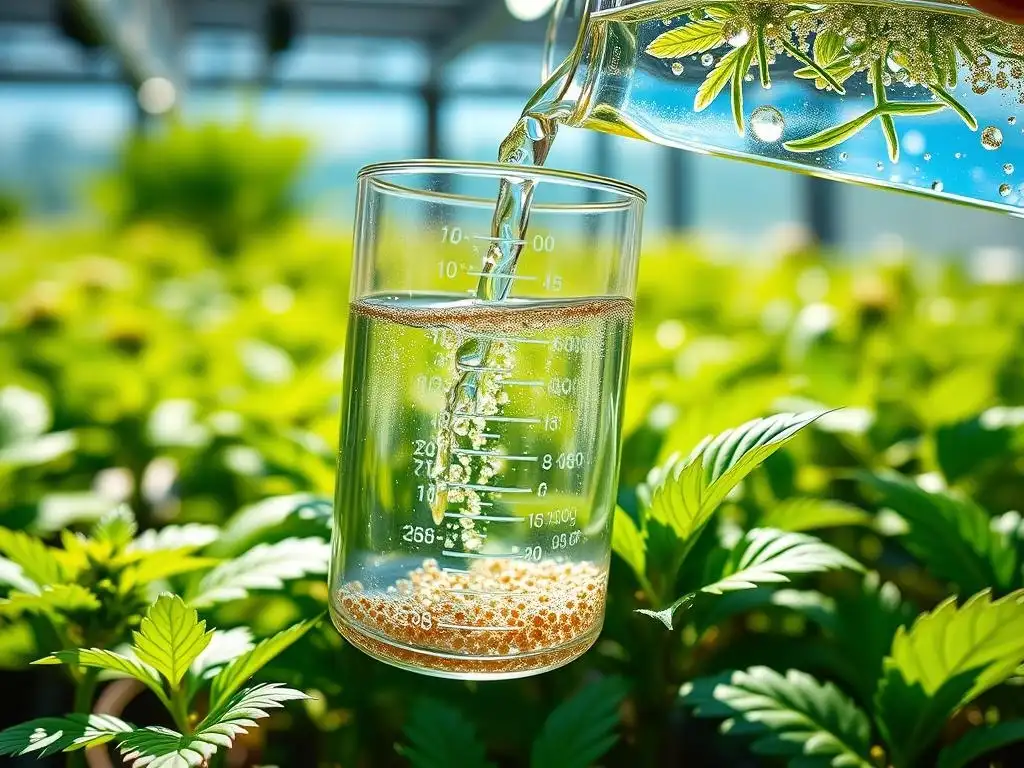
Ready to unlock the secrets of bountiful homegrown harvests? At CultivateYourFood, we're passionate about empowering you to grow your own fruits, vegetables, and herbs using sustainable methods. This journey begins with mastering the fundamentals, and what better place to start than with our comprehensive guide on creating the perfect DIY hydroponic nutrient solution? Discover how a precisely balanced solution can transform your hydroponic garden, leading to healthier plants and an abundance of delicious produce. Dive in and let's cultivate success together!
- Understanding Essential Macronutrients for Hydroponic Systems
- Micronutrients: Essential for Optimal Plant Health
- Calculating Nutrient Ratios for Hydroponic Solutions
- Sourcing Ingredients for Hydroponic Nutrient Solutions
- Mixing Hydroponic Nutrient Solutions: A Practical Guide
- Monitoring and Adjusting Hydroponic Nutrient Solutions
- Troubleshooting Hydroponic Nutrient Solutions
-
Frequently Asked Questions
- What is a hydroponic nutrient solution?
- Why is creating a balanced nutrient solution important?
- What ingredients are commonly used in DIY hydroponic nutrient solutions?
- How do I ensure the pH of my DIY hydroponic nutrient solution is correct?
- Where can I find reliable information on creating DIY hydroponic nutrient solutions?
- Final Reflection: Cultivating Growth, One Nutrient at a Time
- Unlock Your Hydroponic Potential: Grow Bigger, Healthier Plants!
Understanding Essential Macronutrients for Hydroponic Systems
Creating a thriving hydroponic garden hinges on providing plants with a precisely balanced nutrient solution. Unlike soil-based gardening, where nutrients are naturally available, hydroponics requires a carefully crafted blend of essential elements to support robust growth. This article will guide you through the process of creating your own DIY hydroponic nutrient solution, focusing on the key macronutrients – Nitrogen (N), Phosphorus (P), and Potassium (K) – crucial for healthy plant development.
Understanding the role of each nutrient and achieving the correct ratios is paramount for maximizing yields and ensuring the vigor of your plants. We'll explore how to mix these elements to create a balanced solution optimized for your specific hydroponic setup and chosen plants, empowering you to cultivate a bountiful harvest using sustainable, organic practices. This detailed guide is your key to mastering the art of DIY hydroponic nutrient solutions and achieving exceptional results in your home garden.
Nitrogen (N): Promoting Vegetative Growth
Nitrogen is a cornerstone nutrient for promoting vigorous vegetative growth in plants. It's vital for the synthesis of chlorophyll, the pigment responsible for photosynthesis, and is a key component of amino acids, the building blocks of proteins. Nitrogen deficiency manifests as stunted growth, pale yellow leaves (chlorosis), and reduced overall plant vigor. In your DIY hydroponic nutrient solution, you'll need to carefully manage nitrogen levels. Too little, and your plants will struggle; too much, and you risk excessive vegetative growth at the expense of flowering and fruiting.
A good starting point for your DIY hydroponic nutrient solution is to aim for a Nitrogen concentration within the range of [Specific N concentration range pending further research on optimal ranges for various plants], measured in parts per million (ppm) or millimoles per liter (mmol/L). Remember that the optimal nitrogen concentration will vary depending on the growth stage of your plants and the specific species you're cultivating. Young seedlings require less nitrogen than mature plants actively producing flowers or fruits.
Regular monitoring and adjustments to your nutrient solution are key to success. Consider using a reliable hydroponic nutrient testing kit to accurately measure your nutrient levels.
Phosphorus (P): Essential for Root Development and Flowering
Phosphorus plays a critical role in numerous plant processes, including root development, flowering, fruiting, and overall energy transfer. Strong root systems are essential for nutrient uptake in hydroponics, and phosphorus is key to building them. Phosphorus deficiency can lead to stunted root growth, delayed flowering, and poor fruit production. The symptoms often include dark green or purplish leaves, especially in older leaves.
For your DIY hydroponic nutrient solution, ensure adequate phosphorus levels. A target range of [Specific P concentration range pending further research on optimal ranges for various plants] ppm or mmol/L is a reasonable starting point. However, this is a general guideline and you may need to adjust based on your specific plant needs and growth stage. Remember that phosphorus availability can be affected by pH levels in your hydroponic system. Maintain the optimal pH range for your chosen plants to ensure efficient phosphorus uptake.
Potassium (K): Enhancing Overall Plant Health and Disease Resistance
Potassium is crucial for numerous physiological processes in plants, contributing significantly to overall plant health and disease resistance. It enhances enzyme activity, regulates water balance (stomatal control), improves stem strength, and contributes to the overall quality of fruits and vegetables. Potassium deficiency can lead to weak stems, leaf burn (necrosis), and increased susceptibility to diseases and pests. Symptoms often appear on older leaves first, presenting as yellowing or browning margins.
In your DIY hydroponic nutrient solution, potassium should be included in a balanced ratio with nitrogen and phosphorus. A suitable range for your DIY hydroponic nutrient solution could be [Specific K concentration range pending further research on optimal ranges for various plants] ppm or mmol/L. Similar to nitrogen and phosphorus, the optimal potassium concentration depends on the plant's growth stage and species.
Regular monitoring and adjustments are crucial for maintaining optimal potassium levels in your hydroponic system. Remember that achieving the correct balance between these three macronutrients is paramount for the overall health and productivity of your hydroponic garden. Careful planning and consistent monitoring are essential for success.
Micronutrients: Essential for Optimal Plant Health
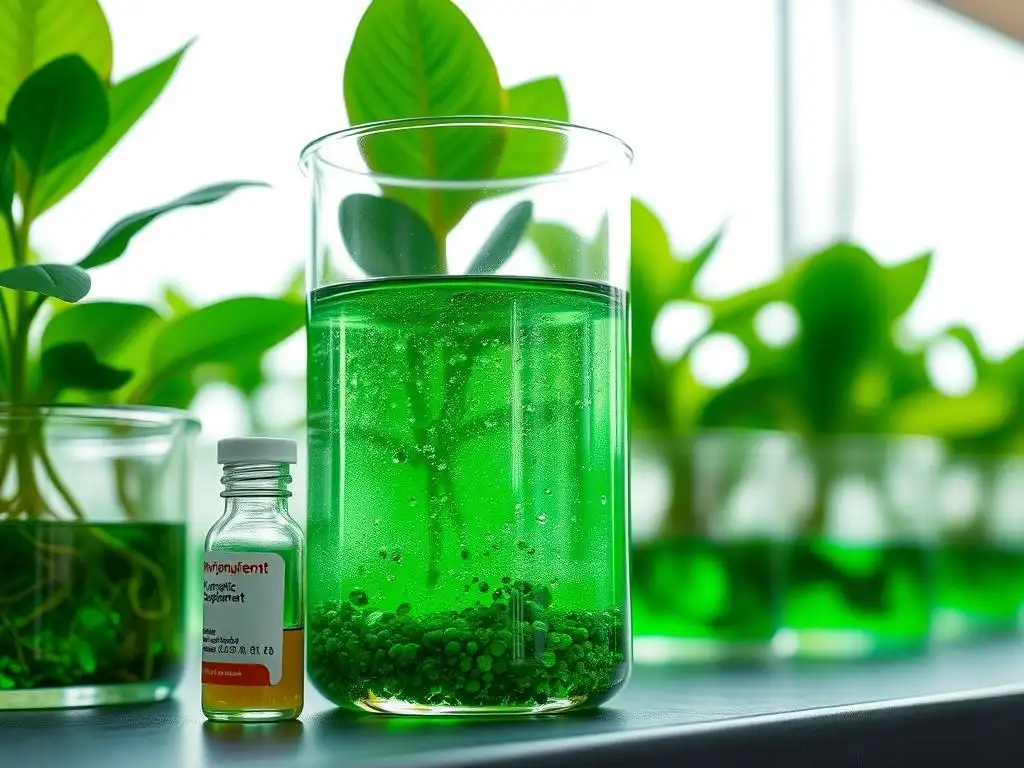
Micronutrients, despite being needed in smaller quantities than macronutrients, are absolutely vital for healthy plant growth in your DIY hydroponic nutrient solution. A deficiency in even one micronutrient can significantly impact yield and overall plant health. Think of them as the fine-tuning adjustments that ensure your plants reach their full potential. These elements play crucial roles in various enzymatic processes and structural components within the plant. Let's delve into some key micronutrients essential for thriving hydroponic systems.
Calcium (Ca): Strengthening Cell Walls
Calcium is a critical component of plant cell walls, providing structural integrity and strength. A calcium deficiency manifests as stunted growth, blossom-end rot (especially in fruiting plants), and weakened stems, making them susceptible to breakage. Hydroponic systems are particularly vulnerable to calcium deficiencies because the nutrient solution doesn't naturally contain it in sufficient amounts like soil would. Maintaining sufficient calcium levels is achieved by using a calcium-containing nutrient solution and monitoring its concentration regularly.
Optimal calcium levels vary depending on the plant species and growth stage. However, a general guideline is to maintain a calcium concentration of approximately 100-200 ppm (parts per million) in your nutrient solution. Regular testing using a reliable hydroponic nutrient tester is crucial to ensure accurate levels. Remember, too much calcium can also be detrimental, potentially leading to nutrient lockout of other essential elements. Therefore, careful monitoring and adjustment are essential for a balanced DIY hydroponic nutrient solution.
Magnesium (Mg): Crucial for Chlorophyll Production
Magnesium (Mg) is a central component of chlorophyll, the crucial molecule responsible for photosynthesis. Without sufficient magnesium, plants exhibit chlorosis – a yellowing of the leaves – as chlorophyll production is impaired. This directly impacts the plant's ability to convert light energy into chemical energy, leading to reduced growth and yield. Older leaves usually show symptoms first because the plant prioritizes magnesium allocation to newer growth.
The ideal magnesium concentration in a DIY hydroponic nutrient solution is typically between 50-150 ppm. However, this can vary based on the plant species and environmental conditions. Factors such as temperature and light intensity can influence magnesium uptake. Observing your plants for signs of chlorosis is a crucial indicator of potential magnesium deficiency. Addressing this promptly with adjustments to your nutrient solution is vital for restoring plant health and maximizing yield in your homegrown hydroponic garden.
Sulfur (S): A Key Component of Amino Acids
Sulfur is a crucial component of several essential amino acids, which are the building blocks of proteins. Proteins are fundamental to plant growth and development, playing vital roles in enzyme activity, structural support, and many other metabolic processes. A sulfur deficiency can lead to stunted growth, pale green or yellow leaves, and reduced seed production. The symptoms often appear first on younger leaves, unlike magnesium deficiency.
Maintaining adequate sulfur levels in your DIY hydroponic nutrient solution is vital for optimal plant development. A typical concentration range is between 100-200 ppm, although this can vary depending on the specific plant requirements. Similar to calcium and magnesium, regular monitoring and adjustments are crucial to ensure that your plants receive the right amount of sulfur without exceeding the optimal range. Remember that a balanced approach to nutrient management, including your DIY hydroponic nutrient solution, is crucial for healthy and productive plants. Careful observation and regular testing are key to success!
Iron (Fe): Essential for Chlorophyll Synthesis
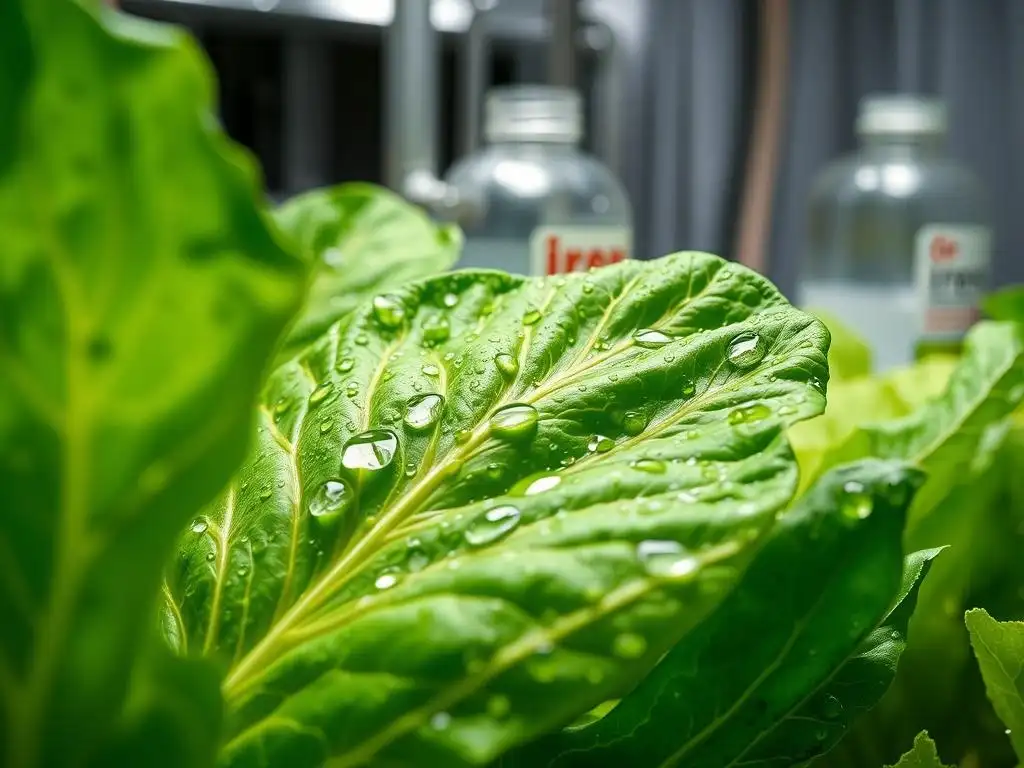
Iron is a crucial micronutrient for plants, playing a vital role in chlorophyll synthesis. Chlorophyll, the green pigment in plants, is essential for photosynthesis, the process by which plants convert light energy into chemical energy for growth. Without sufficient iron, plants develop chlorosis, a condition characterized by yellowing leaves due to impaired chlorophyll production. This leads to stunted growth and reduced yields.
Iron deficiency is particularly common in hydroponic systems with high pH levels, as iron becomes less available to plants in alkaline conditions. Therefore, careful pH monitoring and management are crucial for ensuring adequate iron uptake. The symptoms of iron deficiency often manifest as interveinal chlorosis—yellowing between the leaf veins—initially on younger leaves. As the deficiency worsens, the yellowing spreads to the entire leaf, eventually leading to leaf death.
To prevent iron deficiency, growers can use chelated iron supplements, which improve iron's bioavailability and uptake by plants. These chelates, such as EDTA or DTPA, bind to the iron, protecting it from precipitation and making it readily available to the plant roots even in high pH environments. Regular testing of nutrient solution levels and adjusting the pH accordingly, alongside the use of iron chelates, are essential for successful hydroponic cultivation. Failing to address iron deficiency promptly can significantly impact the overall health and productivity of your plants.
Other Micronutrients: Boron (B), Manganese (Mn), Zinc (Zn), Copper (Cu), Molybdenum (Mo), Chlorine (Cl)
While iron is a critical micronutrient, several others are equally important for optimal plant health in a DIY hydroponic nutrient solution. These include boron (B), manganese (Mn), zinc (Zn), copper (Cu), molybdenum (Mo), and chlorine (Cl). Each plays specific roles in various metabolic processes. Boron, for example, is crucial for cell wall formation and sugar transport. Deficiency symptoms often appear as stunted growth, thick and brittle leaves, and blossom-end rot in fruits. Manganese is involved in photosynthesis and enzyme activation; deficiency leads to chlorosis, similar to iron deficiency, but often affecting older leaves first.
Zinc is essential for enzyme activity and auxin synthesis (a plant growth hormone); deficiency manifests as stunted growth and small, distorted leaves. Copper is a component of several enzymes involved in respiration and photosynthesis. Copper deficiency can lead to wilting and dieback of shoots. Molybdenum is a crucial component of nitrate reductase, an enzyme responsible for converting nitrates into usable forms of nitrogen. A molybdenum deficiency results in stunted growth and a characteristic yellowing of older leaves. Finally, chlorine, while often overlooked, plays a role in photosynthesis and stomatal regulation.
Chlorine deficiency symptoms are less well-defined but can include stunted growth and wilting. Maintaining appropriate levels of all these micronutrients is vital for a balanced nutrient solution, ensuring optimal plant growth and yield. Careful monitoring and regular testing, using a comprehensive nutrient solution tester, are essential to prevent deficiencies and maintain the health of your hydroponic crops. Remember that the optimal concentration of each micronutrient varies depending on the specific plant species. Always consult reliable resources to determine the appropriate levels for your chosen plants. A balanced approach, ensuring the correct ratios of all essential elements, is key to success in hydroponic gardening.
Calculating Nutrient Ratios for Hydroponic Solutions
Creating a thriving hydroponic garden hinges on providing plants with the precise nutrient balance they need throughout their life cycle. A DIY hydroponic nutrient solution allows for greater control and cost-effectiveness compared to commercially available blends, but accurate calculations are crucial. This section details the process of calculating the correct nutrient ratios for your hydroponic system, focusing on the essential macronutrients (nitrogen (N), phosphorus (P), and potassium (K)) and their optimal proportions. We'll explore how to measure nutrient concentration and tailor ratios for different plant growth stages. Mastering these calculations is key to maximizing yield and plant health.
Understanding PPM and EC: Measuring Nutrient Concentration
Accurate measurement of nutrient concentration in your DIY hydroponic nutrient solution is essential. Two primary metrics are used: Parts Per Million (PPM) and Electrical Conductivity (EC). PPM measures the total dissolved solids (TDS) in the solution, representing the total amount of nutrients present. EC, on the other hand, measures the ability of the solution to conduct electricity, which is directly related to the concentration of dissolved ions (nutrients). A higher EC indicates a higher concentration of nutrients.
While both PPM and EC are useful, EC is generally preferred by experienced hydroponic growers because it's less susceptible to interference from non-nutrient dissolved solids. Many hydroponic nutrient calculators utilize EC measurements as input. Conversion factors between PPM and EC can vary depending on the type of meter used and the temperature of the solution. It's crucial to calibrate your meter regularly for accurate readings.
A typical range for EC in hydroponic solutions is between 1.0 and 2.5 mS/cm (millisiemens per centimeter), though this can vary depending on the plant species and growth stage. Always refer to specific recommendations for your chosen plants. Consistent monitoring is key to preventing nutrient deficiencies or toxicities. Regularly checking both PPM and EC levels ensures your plants receive the optimal nutrient balance for healthy growth.
Choosing the Right Nutrient Ratio for Different Growth Stages
The ideal nutrient ratio for your DIY hydroponic nutrient solution shifts throughout a plant's life cycle. During the vegetative stage, plants require a higher nitrogen (N) concentration to support vigorous leaf growth. A typical NPK ratio during this phase might be 3:1:1 or even 4:1:1, emphasizing nitrogen. This promotes robust stem development and prepares the plant for flowering. However, an excessive amount of nitrogen can lead to lush foliage at the expense of fruit or flower production.
As plants transition to the flowering stage, phosphorus (P) and potassium (K) become increasingly important. Phosphorus is crucial for root development, flowering, and fruiting. Potassium plays a vital role in overall plant health, disease resistance, and fruit quality. Therefore, the NPK ratio will shift towards a higher P and K concentration.
A common ratio during the flowering stage could be 1:2:2 or 1:1:2, emphasizing phosphorus and potassium. This balance ensures abundant flower and fruit development. Failing to adjust the nutrient ratio throughout the plant's life cycle can result in stunted growth, reduced yields, and poor-quality produce. Careful observation of your plants and adjusting the nutrient solution accordingly is crucial for optimal results.
Using a Calculator for Precise Nutrient Mixing
Manually calculating the precise amounts of each nutrient for your DIY hydroponic nutrient solution can be complex and prone to errors. Fortunately, numerous online hydroponic nutrient calculators are available. These tools simplify the process by allowing you to input desired PPM or EC levels, the type of nutrient solution (e.g., two-part, three-part), and the specific nutrient concentrations of your stock solutions. The calculator then determines the precise volumes of each stock solution needed to achieve your target nutrient concentration.
Using a calculator minimizes the risk of mistakes and ensures consistency in nutrient delivery. Many calculators also allow you to adjust the NPK ratio according to the plant's growth stage. Some advanced calculators even consider factors like water pH and temperature, providing a more comprehensive approach to nutrient management. Accurate measurement of your stock solutions is crucial when using these calculators.
Ensure you have precisely calibrated measuring tools to get accurate results. Always double-check your calculations before adding the solution to your hydroponic system. Regularly using a calculator can significantly improve the accuracy and efficiency of your nutrient mixing process, contributing to healthier plants and higher yields.
Sourcing Ingredients for Hydroponic Nutrient Solutions
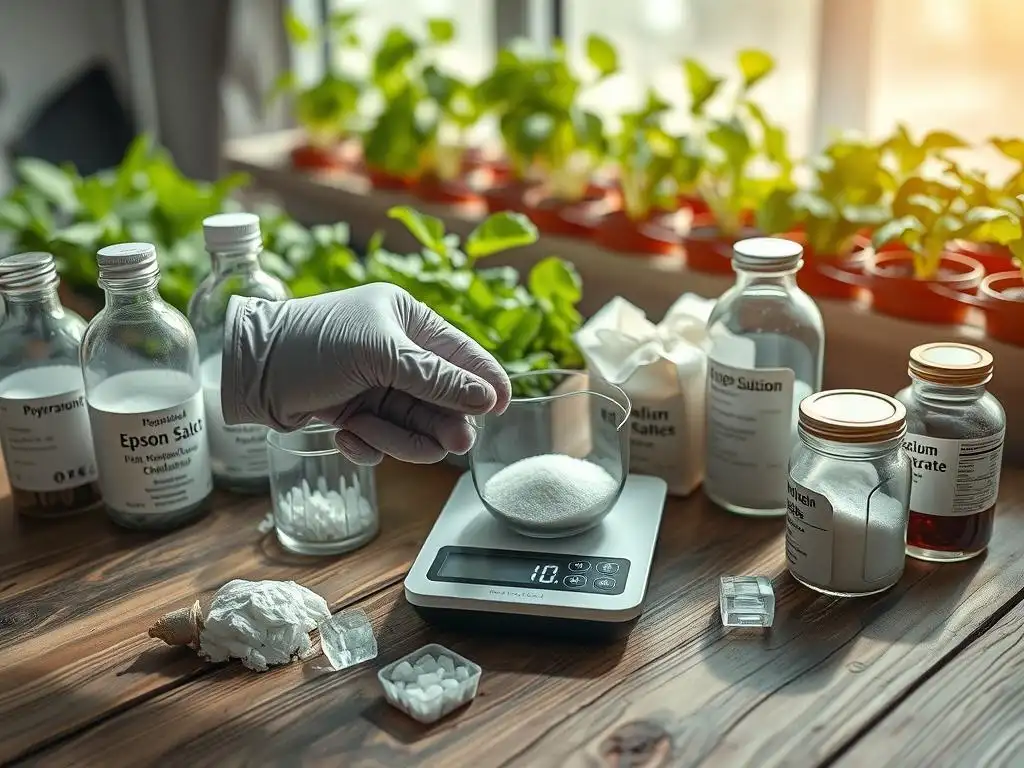
Creating a balanced DIY hydroponic nutrient solution requires careful selection of high-quality ingredients. The purity and precise ratios of these components are critical for optimal plant growth and to avoid nutrient deficiencies or toxicities. Remember, even small variations can significantly impact your plants' health and yield. This section focuses on identifying reliable sources and understanding what to look for when purchasing ingredients for your hydroponic system.
Selecting High-Quality Hydroponic Nutrients
Commercial hydroponic nutrient solutions offer convenience, but understanding the ingredients is key. Look for products with clearly labeled nutrient profiles, specifying the concentrations of macro and micronutrients. Avoid solutions with unknown or undefined ingredients. High-quality brands often provide detailed information on their websites about the sourcing and purity of their components. Consider factors like:
- Macro-nutrients: The quantities of Nitrogen (N), Phosphorus (P), and Potassium (K) should be clearly stated, often in an NPK ratio (e.g., 20-20-20). Check that these ratios align with the specific needs of the plants you are growing. Different plants have varying nutrient requirements at different growth stages.
- Micro-nutrients: Essential micronutrients like iron (Fe), manganese (Mn), zinc (Zn), copper (Cu), boron (B), molybdenum (Mo), and chlorine (Cl) are equally important, though needed in smaller amounts. A complete nutrient solution will contain all of these. The absence of even one can lead to significant growth problems.
- Chelation: Many hydroponic nutrients utilize chelated minerals. Chelation improves the bioavailability of minerals, making them more readily absorbed by plant roots. Look for solutions that specify the type of chelating agent used (e.g., EDTA, DTPA).
Making Your Own Nutrient Solution from Scratch
Creating a DIY hydroponic nutrient solution offers greater control over the ingredients and their concentrations. However, it requires careful measurement and an understanding of plant nutrient requirements. Improper ratios can easily lead to nutrient burn or deficiencies. Accurate measurement using a calibrated scale and precise volumetric measuring tools is paramount. Remember to always use distilled or reverse osmosis (RO) water to avoid introducing impurities that could harm your plants. Using tap water can introduce chlorine, fluoride, and other minerals that may interfere with nutrient uptake.
Here's a general outline for making your own nutrient solution:
- Gather Ingredients: This involves sourcing high-purity chemicals like potassium nitrate (KNO₃), monopotassium phosphate (KH₂PO₄), magnesium sulfate (MgSO₄), calcium nitrate (Ca(NO₃)₂), and micronutrient mixes. The exact quantities depend on the chosen recipe.
- Prepare Stock Solutions: Creating separate stock solutions for macro and micro-nutrients makes mixing easier and more accurate. This approach allows for easier adjustments to the nutrient concentration based on plant needs.
- Mix the Solution: Carefully add the stock solutions to your reservoir, following the specific recipe's instructions. Always add the solutions slowly and mix gently to ensure even distribution.
- Monitor pH: The pH of the nutrient solution is crucial for optimal nutrient uptake. Use a pH meter to monitor and adjust the pH to the ideal range (typically 5.5-6.5) using pH up or down solutions.
- Regular Testing: Regularly test the nutrient solution’s EC (electrical conductivity) and pH to monitor nutrient levels and make adjustments as needed. Depleted nutrients should be replenished as the plants consume them.
DIY Nutrient Recipes for Tomatoes, Lettuce, and Basil
Developing the perfect DIY hydroponic nutrient solution requires careful consideration of the specific nutritional needs of each plant. Different plants have varying requirements for macro and micro-nutrients, and these needs also change throughout their growth cycle. The following are example recipes – always research the specific needs of your plants before implementing any recipe. Remember to always use distilled or RO water. Improper ratios can lead to nutrient deficiencies or toxicity.
| Plant | NPK Ratio (Example) | Macro-nutrient Ingredients (Example - amounts need further specification) | Micronutrient Mix (Example - amounts need further specification) | Notes |
|---|---|---|---|---|
| Tomatoes | 20-10-20 | Potassium Nitrate, Monopotassium Phosphate, Calcium Nitrate, Magnesium Sulfate | A commercially available micronutrient mix | Requires higher phosphorus during flowering and fruiting stages. |
| Lettuce | 15-5-15 | Potassium Nitrate, Monopotassium Phosphate, Calcium Nitrate | A commercially available micronutrient mix | Lower nutrient concentrations generally needed. |
| Basil | 10-5-10 | Potassium Nitrate, Monopotassium Phosphate | A commercially available micronutrient mix, potentially lower iron | Sensitive to high salt concentrations; requires careful monitoring. |
Remember: These are examples and require further research and precise measurements for successful implementation. Always conduct thorough research on the specific nutrient requirements of your chosen plants and adjust recipes accordingly. Improper nutrient ratios can severely hinder plant growth and yield. 🌱
Mixing Hydroponic Nutrient Solutions: A Practical Guide
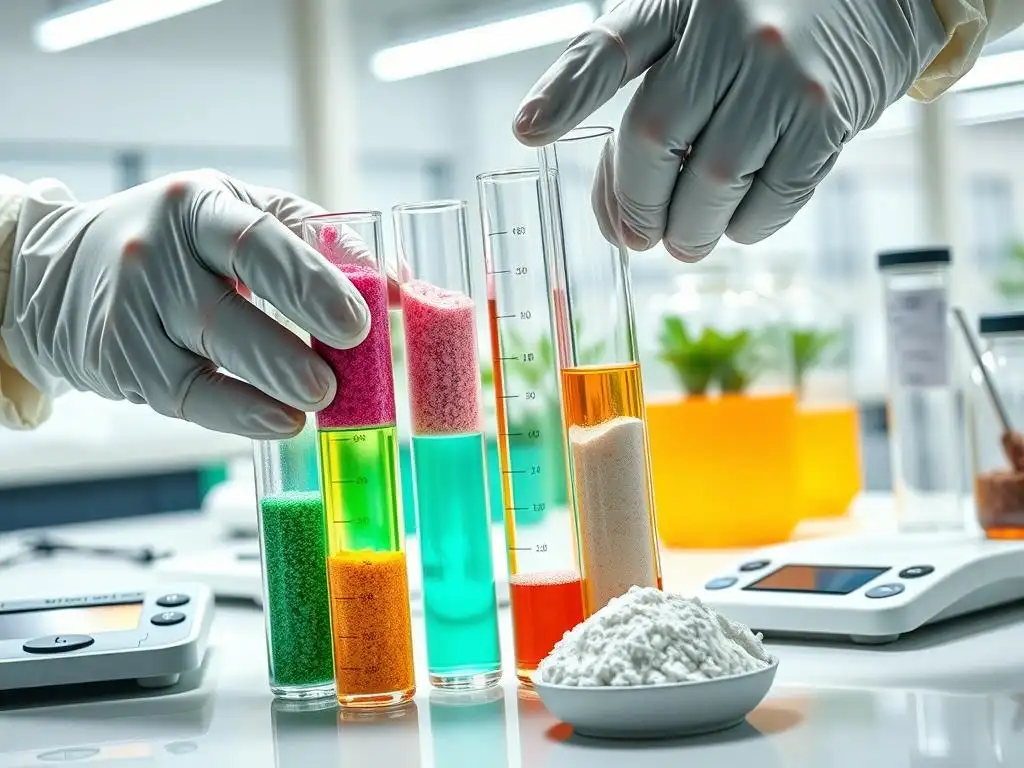
This section provides a practical, step-by-step guide on creating your own DIY hydroponic nutrient solution. Successfully mixing a balanced nutrient solution is crucial for optimal plant growth and yield in your hydroponic system. Improper mixing can lead to nutrient deficiencies or toxicities, hindering your plants' development and potentially harming them. This guide focuses on creating a balanced solution using readily available components, ensuring you have everything you need for successful hydroponic gardening. Remember, precise measurement is key to achieving the desired results. Even small variations can significantly impact your plants' health.
Preparing Your Water Source
The quality of your water is paramount when creating a DIY hydroponic nutrient solution. Tap water often contains chlorine and other chemicals that can be detrimental to plant health. Therefore, using untreated tap water directly is strongly discouraged. Instead, you should always prioritize using water that is:
- Clean: Free from sediment, debris, and other contaminants.
- pH-balanced: Ideally, your water should have a pH between 5.5 and 6.5, though this can vary slightly depending on the specific nutrient solution and plant type. You can use a pH meter to check the water's acidity. Adjusting the pH is crucial; you can use pH up and pH down solutions to bring it within the optimal range.
- Dechlorinated: Chlorine needs to be removed. Allowing tap water to sit out for 24-48 hours allows chlorine to dissipate naturally. Alternatively, you can use a water filter designed to remove chlorine and other impurities.
Understanding Water Hardness
High water hardness, due to minerals like calcium and magnesium, can interfere with nutrient uptake. If your water is hard, consider using reverse osmosis (RO) filtered water, which significantly reduces mineral content. However, RO water often lacks essential minerals, so you may need to add calcium and magnesium supplements to your nutrient solution.
Using properly prepared water lays the foundation for a successful DIY hydroponic nutrient solution, minimizing the risk of nutrient imbalances and maximizing plant health. Remember to always test your water's pH before proceeding to the next step.
Mixing Nutrients in the Correct Order
The order in which you add nutrients to your water significantly impacts their solubility and overall effectiveness. Adding them haphazardly can lead to precipitation, where certain nutrients bind together and become unavailable to your plants. Follow this recommended order for optimal results:
- Water: Start with your prepared water in a clean container.
- Acidic Nutrients: Add acidic nutrients first, such as phosphoric acid, before adding other components. This helps to maintain a stable pH.
- Micronutrients: Micronutrients, essential in smaller quantities (e.g., iron, zinc, manganese), should be added next. These are often more sensitive to pH fluctuations.
- Macronutrients: Finally, add macronutrients like nitrogen (N), phosphorus (P), and potassium (K). These are needed in larger amounts.
| Nutrient Type | Order of Addition | Reason |
|---|---|---|
| Water | 1 | Base for the solution |
| Acidic Nutrients | 2 | Establishes optimal pH for subsequent nutrient dissolution |
| Micronutrients | 3 | Prevents precipitation and ensures optimal availability |
| Macronutrients | 4 | Added last to ensure complete dissolution and prevent interactions |
Always stir gently and thoroughly after each addition to ensure complete mixing and prevent clumping. Avoid vigorous stirring, which can introduce excess oxygen and potentially affect the pH. Remember to always wear appropriate protective gear, such as gloves and eye protection, when handling nutrient solutions.
Storing Your Nutrient Solution
Proper storage of your DIY hydroponic nutrient solution is crucial to maintain its effectiveness and prevent contamination. Store your prepared solution in a clean, opaque container to protect it from light. Light exposure can degrade certain nutrients, reducing their efficacy.
- Temperature: Store the solution in a cool, dark place, away from direct sunlight and extreme temperatures. Fluctuations in temperature can also negatively impact nutrient stability.
- Container: Use a food-grade plastic container or a glass container. Avoid using metal containers, as they can react with certain nutrients.
- Duration: Nutrient solutions generally have a limited shelf life. For best results, use the solution within a week. Longer storage can lead to nutrient degradation and bacterial growth. Always check for any signs of cloudiness, discoloration, or unusual odors before using the solution. Discard any solution that shows signs of spoilage.
By following these guidelines, you can create and maintain a balanced DIY hydroponic nutrient solution, ensuring the optimal health and productivity of your hydroponic garden. Remember, consistent monitoring and adjustments are key to successful hydroponic cultivation. Regularly checking the pH and supplementing as needed will contribute to a thriving growing environment.
Monitoring and Adjusting Hydroponic Nutrient Solutions
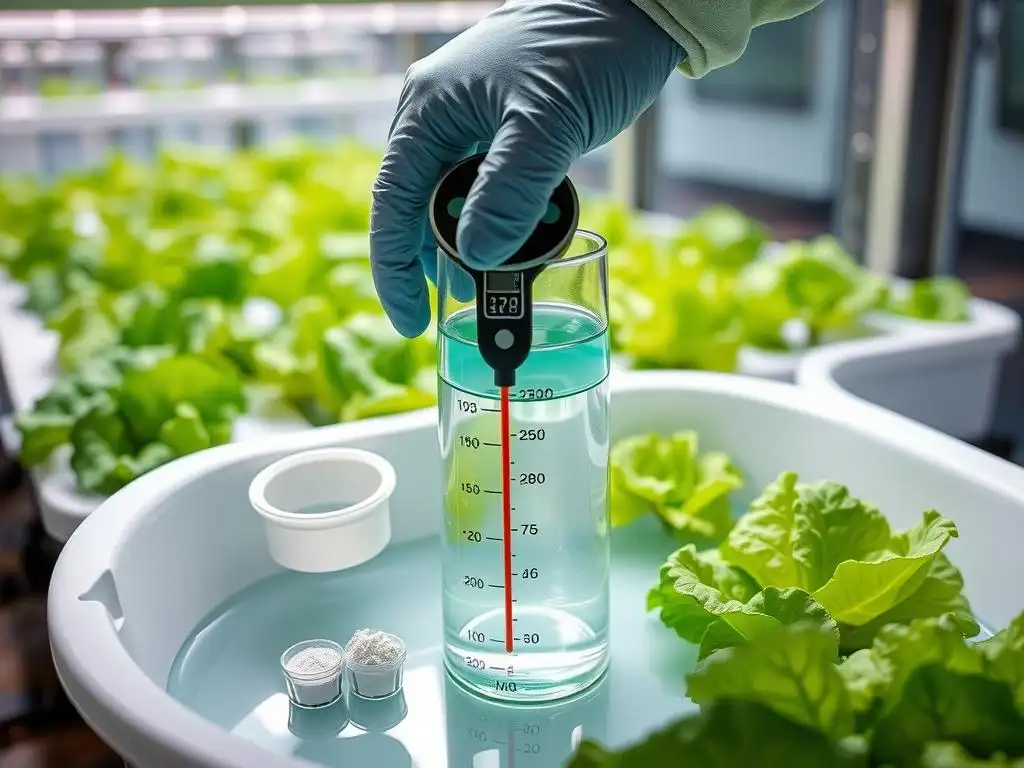
Creating the perfect DIY hydroponic nutrient solution is only half the battle. Consistent monitoring and adjustments are crucial for thriving plants. Neglecting this vital step can lead to nutrient deficiencies or toxicities, stunting growth and potentially killing your plants. This section details how to maintain a balanced nutrient solution tailored to your plants' evolving needs, maximizing yields and ensuring healthy growth. Regular testing and observation are key components of successful hydroponic gardening.
Regularly Testing Nutrient Levels
Regular testing of your hydroponic nutrient solution is paramount. Aim to test at least once a week, and more frequently (even daily for seedlings) during periods of rapid growth. Several methods exist for testing nutrient levels, each with its own advantages and disadvantages.
- DIY Test Kits: These affordable options provide a basic understanding of your solution's pH and nutrient concentrations (often using color charts). While less precise than professional methods, they are sufficient for many home hydroponic setups. Remember to always follow the manufacturer's instructions meticulously.
- Electronic Meters: Digital pH meters and conductivity (EC) meters offer more precise readings than DIY kits. EC meters measure the electrical conductivity of the solution, indicating the total dissolved solids (TDS) – a proxy for nutrient concentration. Regular calibration is essential for accurate results. A high-quality meter is an investment that pays off in healthier plants.
- Professional Laboratory Testing: For the most accurate data, consider sending samples to a professional agricultural laboratory. This option provides detailed nutrient profiles, identifying specific deficiencies or excesses. It's a more expensive option, but it can be invaluable for troubleshooting persistent growth problems.
Consider this example: You're growing lettuce in a deep water culture system. Your initial solution, meticulously prepared according to a recipe, shows a pH of 5.8 and an EC of 1.8 mS/cm. After a week, your pH has drifted to 6.5, and your EC has dropped to 1.2 mS/cm. This indicates nutrient depletion and a shift towards alkalinity, requiring adjustment.
Identifying Nutrient Deficiencies and Excesses
Recognizing nutrient deficiencies and excesses in your hydroponic plants is crucial for timely intervention. Visual symptoms often indicate specific nutrient imbalances. For instance:
| Nutrient Deficiency | Symptoms | Nutrient Excess | Symptoms |
|---|---|---|---|
| Nitrogen (N) | Yellowing of older leaves, stunted growth | Nitrogen (N) | Dark green leaves, excessive vegetative growth |
| Phosphorus (P) | Dark green leaves with purplish tints, slow growth | Phosphorus (P) | Leaf burn, stunted growth |
| Potassium (K) | Leaf margins browning and scorching | Potassium (K) | Leaf burn, stunted growth |
| Calcium (Ca) | Leaf curling, stunted growth, blossom-end rot | Calcium (Ca) | Leaf tips burned, stunted growth |
| Magnesium (Mg) | Yellowing between leaf veins (interveinal chlorosis) | Magnesium (Mg) | Leaf burn, stunted growth |
Remember that multiple deficiencies can occur simultaneously, making diagnosis challenging. Keeping detailed records of your nutrient solution's composition, pH, and EC, along with observations of your plants' health, is essential for accurate diagnosis and effective correction. Accurate identification is key to successful DIY hydroponic nutrient solution management.
Adjusting the Nutrient Solution Based on Plant Needs
Once you've identified nutrient deficiencies or excesses, adjusting your hydroponic nutrient solution is the next step. This involves carefully adding or removing nutrients to restore balance.
- Adjusting pH: Use pH up or pH down solutions to adjust the pH to the optimal range (typically 5.5-6.5 for most plants). Always add slowly and monitor the pH frequently to avoid drastic changes.
- Adjusting Nutrient Concentration: Use stock solutions of individual nutrients to increase or decrease the overall concentration as indicated by EC readings. Small adjustments are preferable to large ones, allowing you to monitor the plant's response.
- Nutrient Replacement: Regularly replenish depleted nutrients by adding fresh stock solutions to your reservoir. The frequency depends on the growth rate of your plants and the size of your reservoir.
Remember, precision is key. Slight adjustments can make a significant difference. Always keep a detailed log of your nutrient solution's composition and your plants' growth. This information is invaluable for fine-tuning your techniques and optimizing your DIY hydroponic nutrient solution over time, ultimately leading to healthier, more productive plants. 🌱
Troubleshooting Hydroponic Nutrient Solutions
Creating a DIY hydroponic nutrient solution requires precision and attention to detail. Even with careful planning, issues can arise. This section addresses common problems and provides solutions to keep your hydroponic system thriving. Understanding these troubleshooting steps is crucial for successful DIY hydroponic gardening, ensuring optimal plant health and maximizing yields. Mastering these techniques will elevate your homegrown produce to a new level.
Dealing with Nutrient Lockout
Nutrient lockout is a common problem in hydroponics where plants are unable to absorb essential nutrients, even if those nutrients are present in the solution. This often manifests as stunted growth, yellowing leaves (chlorosis), and overall plant weakness. Several factors contribute to nutrient lockout:
- High pH: A high pH (above 7.0) can cause essential nutrients like iron, manganese, and zinc to become unavailable to the plant roots. The ideal pH range for most hydroponic systems is between 5.5 and 6.5. Regular pH monitoring is crucial.
- High EC (Electrical Conductivity): An excessively high EC indicates an over-concentration of salts in the nutrient solution. This can create an osmotic imbalance, preventing the plant roots from absorbing water and nutrients efficiently. This is especially common with DIY solutions where precise measurements are paramount.
- Nutrient Imbalance: An imbalance in the ratio of macronutrients (nitrogen, phosphorus, potassium) and micronutrients can also lead to lockout. For example, an excess of one nutrient can inhibit the uptake of another. Careful calculation and adherence to recommended nutrient ratios are key.
- Root Damage: Damaged or stressed roots have reduced capacity to absorb nutrients. This can be caused by various factors, including root rot, temperature fluctuations, and improper handling during planting.
Addressing Nutrient Lockout:
- Check and adjust pH: Use a reliable pH meter to measure the solution's pH and adjust it accordingly using pH up or down solutions. Small adjustments are often sufficient.
- Reduce EC: If the EC is too high, flush the system with plain water to dilute the nutrient solution. Gradually reintroduce the nutrient solution at a lower concentration.
- Analyze the nutrient solution: Use a nutrient testing kit to determine the concentration of individual nutrients. This helps identify potential imbalances. Consider using a simpler DIY recipe if complex formulations are proving difficult to manage.
- Improve root health: Ensure proper aeration and oxygenation within the root zone. Avoid overwatering and maintain optimal temperatures.
Preventing Algae Growth
Algae growth in hydroponic systems is a common nuisance that can compete with plants for nutrients and light, hindering growth. Several strategies can help prevent algae:
- Maintain low light levels: Algae thrive in bright light. Reduce light exposure to the nutrient reservoir by using opaque containers or covering the reservoir.
- Regularly clean the system: Remove any visible algae from the system components. Thorough cleaning prevents algae from accumulating and spreading.
- Use sterile nutrient solutions: Start with fresh, clean water and use sterile nutrient salts to minimize the introduction of algae spores.
- Control nutrient levels: Excess nutrients can promote algae growth. Maintain the correct nutrient concentration, avoiding over-fertilization.
- Introduce beneficial bacteria: Beneficial bacteria can help compete with algae for nutrients and resources. Some commercial products are available for this purpose.
Preventing algae growth is essential for maintaining a healthy hydroponic system. A proactive approach, combining the above strategies, will significantly reduce the likelihood of algae issues.
Maintaining Optimal pH Levels
Maintaining the optimal pH range (5.5-6.5) is crucial for nutrient availability and overall plant health in any DIY hydroponic nutrient solution. Fluctuations in pH can lead to nutrient lockout and hinder plant growth. Here's how to effectively manage pH levels:
- Regular Monitoring: Use a calibrated pH meter to check the pH of the nutrient solution daily or every other day. Consistent monitoring is key to early detection and correction of pH imbalances.
- Accurate Measurement: Ensure your pH meter is properly calibrated using standard buffer solutions. Inaccurate measurements can lead to ineffective pH adjustments.
- Gradual Adjustments: Make small pH adjustments gradually, rather than making large changes at once. This prevents shocking the plants and allows them to adapt more effectively.
- pH Up/Down Solutions: Use high-quality pH up and down solutions specifically designed for hydroponics. Avoid using household chemicals, which can introduce impurities into the nutrient solution.
- Buffering Agents: Consider using buffering agents to help stabilize the pH of the nutrient solution and reduce the frequency of adjustments.
Effective pH management is a cornerstone of successful hydroponics. By consistently monitoring and making timely adjustments, you can ensure your plants receive the nutrients they need for optimal growth and yield. This attention to detail will be reflected in the quality of your homegrown produce.
Frequently Asked Questions
What is a hydroponic nutrient solution?
A hydroponic nutrient solution is a water-based mixture of essential minerals and nutrients that plants need to grow without soil. It provides all the necessary elements for healthy plant development in a controlled environment. Precise ratios are crucial for optimal plant health.
Why is creating a balanced nutrient solution important?
A balanced solution ensures your plants receive the correct amounts of every nutrient. Nutrient deficiencies or excesses can lead to stunted growth, poor yields, and even plant death. DIY solutions allow for greater control and customization.
What ingredients are commonly used in DIY hydroponic nutrient solutions?
Common ingredients include potassium nitrate, calcium nitrate, magnesium sulfate, mono-potassium phosphate, and micronutrients like iron and zinc. The exact amounts depend on the specific plant and growth stage. Always use high-quality chemicals.
How do I ensure the pH of my DIY hydroponic nutrient solution is correct?
The pH needs to be carefully monitored and adjusted using pH up and pH down solutions. The ideal pH range is typically between 5.5 and 6.5, but this can vary depending on the plant. Regular pH testing is vital for healthy plant growth.
Where can I find reliable information on creating DIY hydroponic nutrient solutions?
Resources like the CultivateYourFood website offer detailed guides and recipes. You can also find information in hydroponics books and from experienced hydroponic growers. Experimentation and careful observation are key to mastering nutrient solutions.
Final Reflection: Cultivating Growth, One Nutrient at a Time
Mastering the art of DIY hydroponic nutrient solutions isn't just about growing plants; it's about cultivating a deeper understanding of the delicate balance necessary for thriving life. The precise ratios and careful monitoring detailed in this article are more than just instructions; they represent a pathway to sustainable and efficient food production, a crucial skill in our increasingly interconnected world. This knowledge empowers individuals to take control of their food source, fostering self-sufficiency and a stronger connection to the natural world.
The journey of creating the perfect nutrient blend mirrors the journey of life itself – a constant process of adaptation, observation, and refinement. The subtle shifts in pH, the careful measurement of each element, all contribute to a final product that reflects the grower's dedication and understanding. This process resonates deeply with the principles of mindful cultivation, reminding us that even the smallest details can have a profound impact on the final outcome. The best things in life are worth fighting for.
This holds true not only for the perfect hydroponic solution but also for the pursuit of knowledge and self-reliance.
Now, it's your turn. Consider the principles outlined in this article – the importance of precision, the interconnectedness of each element, and the rewarding journey of nurturing life from seed to harvest. Take the time to experiment, to learn from your successes and failures, and to cultivate your own unique approach to DIY hydroponics. The potential for growth, both in your garden and within yourself, is limitless. Embrace the challenge, and watch your understanding – and your plants – flourish.
Unlock Your Hydroponic Potential: Grow Bigger, Healthier Plants!
Congratulations on taking the first steps into the fascinating world of hydroponics! You've learned how to create balanced nutrient solutions, and now you're ready to nurture thriving plants. Excited to put your new skills to the test?
- Create your first custom nutrient solution today! Use the ratios you've learned to develop a blend perfectly suited to your plants. Keep detailed records of your results—this will help you refine your approach and achieve even better growth.
- Share your experiences (both successes and challenges!) Connect with our vibrant online community and learn from fellow hydroponic enthusiasts.
- Experiment with different nutrient ratios to see what works best for your specific plants and growing environment.
What exciting challenges and discoveries await you on your hydroponic journey?