
Conquer Midwest Climate: Top Vegetables for Your Home Garden

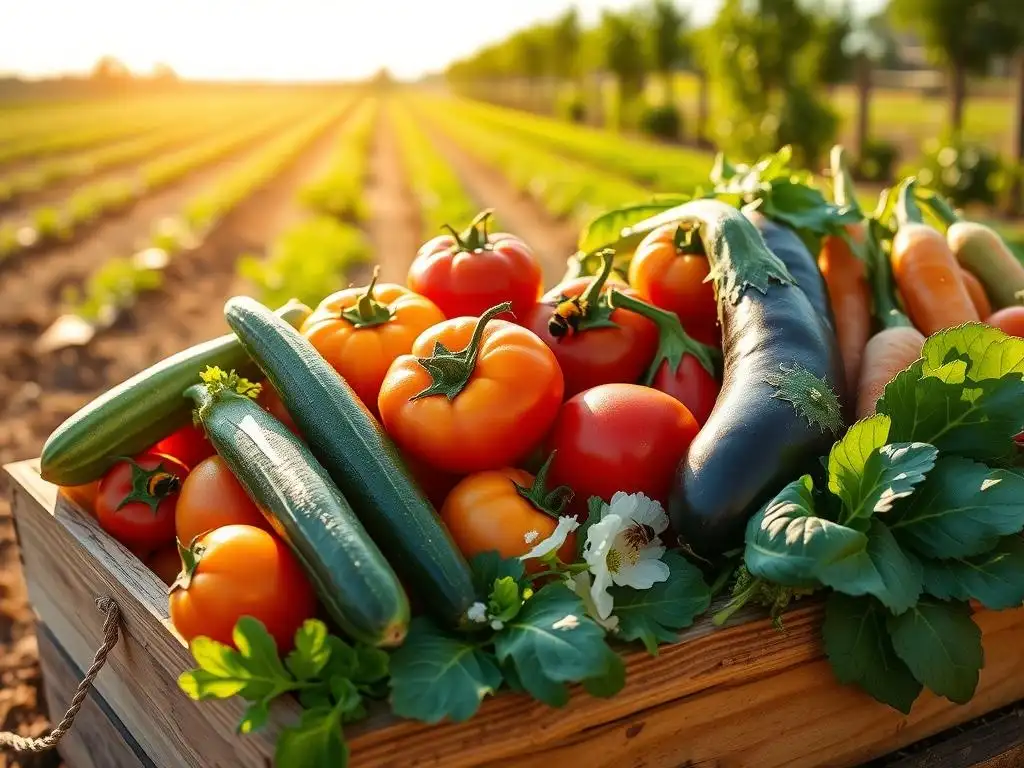
Ready to transform your backyard into a thriving edible oasis? CultivateYourFood is your guide to successful home gardening, focusing on sustainable and organic methods. Discover the secrets to bountiful harvests with our expert advice, starting with our in-depth look at the Midwest best homegrown vegetables. Learn which varieties flourish in the unique challenges of the Midwest climate and unlock the potential of your own homegrown produce. Let's get growing!
- Midwest Best Homegrown Vegetables: Choosing the Right Crops
- Top Performing Vegetables in the Midwest
- Optimizing Your Midwest Vegetable Garden
- Harvesting and Preserving Your Midwest Bounty
- Extending the Growing Season in the Midwest
- Frequently Asked Questions
- Final Reflection: Harvesting Abundance in the Heartland
- Unleash Your Midwest Garden's Potential!
Midwest Best Homegrown Vegetables: Choosing the Right Crops
Growing your own food is incredibly rewarding, especially when you're able to overcome the challenges of a specific climate. This guide focuses on conquering the unique aspects of the Midwest climate to cultivate a thriving home vegetable garden. We'll explore the best vegetable varieties to thrive in Midwest conditions, offering advice on selecting the right crops, adapting to variable weather, and preparing your soil for optimal growth. Mastering these techniques will help you enjoy a bountiful harvest, even with the Midwest's sometimes unpredictable weather patterns. This guide is for you if you're looking to maximize your yield of delicious and nutritious homegrown vegetables while using sustainable and organic practices – a key element of the CultivateYourFood philosophy. We'll cover everything from short-season varieties to strategies for dealing with unexpected frosts and heat waves, ensuring your Midwest garden flourishes. Let's get started on your journey to becoming a successful Midwest gardener!
Selecting Vegetables for Short Growing Seasons
The Midwest boasts a relatively short growing season, meaning you need to choose vegetables that mature quickly. This doesn't mean sacrificing flavor or yield! Many excellent options are perfectly suited to the shorter timeframe. Here's a breakdown of some top performers:
- Fast-Maturing Vegetables: Radishes, lettuce (especially loose-leaf varieties), spinach, bush beans, and summer squash are all excellent choices. These vegetables can be harvested within weeks of planting, allowing for multiple harvests throughout the season. Consider succession planting—planting new seeds every few weeks—to extend your harvest window.
- Mid-Season Vegetables: Tomatoes (choose early-season varieties), peppers, zucchini, and carrots are mid-season vegetables that still offer a good harvest even with a shorter growing season. Proper spacing and consistent watering are key to success with these crops.
- Cool-Season Crops: Many cool-season vegetables, such as kale, broccoli, and cauliflower, can be planted early in the spring or even in the fall after the first frost. These plants tolerate cooler temperatures and can withstand light frosts, extending your harvest timeframe.
Adapting to Midwest's Variable Weather Patterns
The Midwest is known for its unpredictable weather. One day it might be sunny and warm, and the next, a surprise frost could threaten your tender seedlings. Here are some strategies to mitigate the risks:
- Frost Protection: Use row covers or cloches to protect your plants from late spring or early fall frosts. These simple coverings create a microclimate that keeps your plants warm enough to survive.
- Heat Tolerance: Select heat-tolerant varieties of vegetables, especially for summer crops. Proper watering is also crucial during heatwaves. Mulching around your plants helps retain soil moisture and regulate temperature.
- Wind Protection: Windbreaks can significantly protect your plants from strong winds, which can damage foliage and stunt growth. Strategically planting taller plants to act as natural windbreaks can be a highly effective and sustainable approach.
- Monitoring Weather: Staying informed about the weather forecast is crucial. Be prepared to take action to protect your plants from extreme temperatures or heavy rainfall.
Soil Preparation for Midwest Vegetable Gardens
Healthy soil is the foundation of a successful garden. Midwest soils can vary significantly, so proper preparation is essential:
- Soil Testing: Before planting, get your soil tested to determine its pH and nutrient levels. This will help you amend your soil with the appropriate fertilizers and soil conditioners. A balanced soil pH is vital for optimal nutrient uptake by your plants.
- Amending the Soil: Midwest soils often benefit from the addition of organic matter, such as compost or well-rotted manure. This improves soil structure, drainage, and water retention, providing your plants with the nutrients they need.
- Drainage: Ensure your garden bed has good drainage to prevent waterlogging, which can harm plant roots. Amend heavy clay soils with organic matter to improve drainage. Raised beds are another great option for improving drainage in poorly draining soils.
- Weed Control: Before planting, remove all weeds from your garden bed. Weeds compete with your vegetables for nutrients and water, reducing your yield. Mulching can help suppress weed growth throughout the growing season.
Remember, consistent observation and adaptation are key to successful gardening in the Midwest. By following these tips and choosing the right vegetables, you’ll be well on your way to a bountiful harvest! 🥕🍅🍆
Top Performing Vegetables in the Midwest
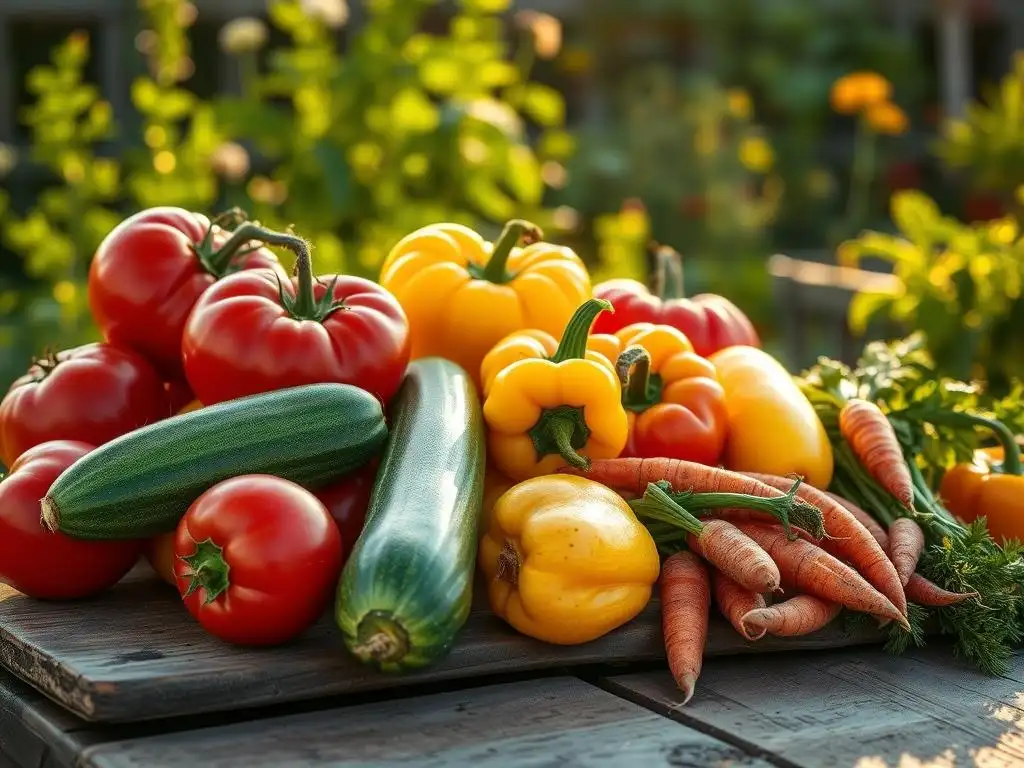
This section focuses on selecting high-performing vegetable varieties ideally suited for the unique challenges and opportunities presented by the Midwest climate. Understanding the nuances of the growing season, including its relatively short duration and potential for extreme weather events, is crucial for successful home gardening. Choosing the right vegetables is the first step towards a bountiful harvest, even in the heartland. We'll explore varieties known for their resilience, adaptability, and high yields, maximizing your gardening efforts and producing the best homegrown vegetables the Midwest has to offer.
High-Yield Tomatoes for Midwest Gardens
Tomatoes are a staple in many Midwest gardens, but their success hinges on selecting varieties that mature quickly and tolerate fluctuating temperatures. The key is to choose determinate or early-determinate varieties. These plants grow to a specific height and produce their fruit over a shorter period, making them ideal for shorter Midwest growing seasons. Indeterminate varieties, while producing more fruit overall, often don't fully ripen before the first frost.
Here are a few examples of high-yielding tomato varieties proven successful in the Midwest:
- Early Girl: A classic choice, known for its early maturity and consistent production of small, red fruits. It's a reliable performer even in cooler conditions.
- Celebrity: This hybrid is highly resistant to disease, produces large quantities of excellent-tasting fruit, and tolerates a wide range of temperatures.
- Roma VF: Ideal for canning and sauces, this variety produces abundant, firm, and flavorful plum tomatoes. The "VF" designation indicates its resistance to Verticillium and Fusarium wilts, common tomato diseases in the Midwest.
Consider these tips for optimal tomato growth in the Midwest:
- Start seeds indoors: Giving your tomato plants a head start indoors will significantly increase your chances of a successful harvest. Aim for starting seeds 6-8 weeks before the last expected frost.
- Choose a sunny location: Tomatoes need at least 6-8 hours of direct sunlight daily.
- Mulch around plants: Mulching helps retain soil moisture, suppress weeds, and regulate soil temperature, crucial for consistent tomato production.
- Provide support: Use cages or stakes to support the plants, preventing them from sprawling and improving air circulation to reduce disease risk.
Reliable Lettuce Varieties for Midwest Climates
Lettuce is a cool-season crop that thrives in the spring and fall in the Midwest. However, the summer heat can quickly bolt (flower) lettuce, making it bitter and inedible. To avoid this, select heat-tolerant varieties or plan to harvest your lettuce before the heat of summer sets in.
Some excellent choices for Midwest gardens include:
- Black Seeded Simpson: This loose-leaf lettuce is known for its excellent flavor and tolerance to heat.
- Red Sails: A beautiful red-leaf lettuce with a mild, slightly sweet taste. It's relatively heat-tolerant compared to other varieties.
- Heatwave: Specifically bred for heat tolerance, this butterhead lettuce can withstand warmer temperatures better than many other types.
Here's a table summarizing these varieties:
| Variety | Type | Heat Tolerance | Flavor Notes |
|---|---|---|---|
| Black Seeded Simpson | Loose-leaf | Moderate | Mild, slightly nutty |
| Red Sails | Red Leaf | Moderate | Mild, slightly sweet |
| Heatwave | Butterhead | High | Buttery, mild |
To maximize your lettuce yield, consider succession planting—planting new seeds every few weeks—to ensure a continuous harvest throughout the cooler months. Also, ensure adequate watering, as lettuce needs consistent moisture to grow well.
Robust Beans Thriving in Midwest Conditions
Beans are a relatively low-maintenance crop that performs well in the Midwest climate. Both bush beans and pole beans are good options, each with its own advantages. Bush beans are compact and easy to harvest, while pole beans require trellising but can produce a larger yield.
Consider these varieties:
- Bush Beans: 'Contender' and 'Blue Lake' are known for their high yield and disease resistance. 'Contender' is particularly suited for the Midwest's sometimes unpredictable weather.
- Pole Beans: 'Kentucky Wonder' is a classic choice, producing an abundance of long, delicious beans. It requires support, but its prolific nature makes it worthwhile.
Remember that beans are nitrogen-fixing plants, meaning they enrich the soil, contributing to the overall health of your garden. Proper soil preparation and consistent watering are crucial for successful bean cultivation. Regular harvesting also encourages continued production. 🌱 The best homegrown vegetables often come from simple, well-planned gardening practices.
Easy-to-Grow Peppers for Midwest Home Gardens
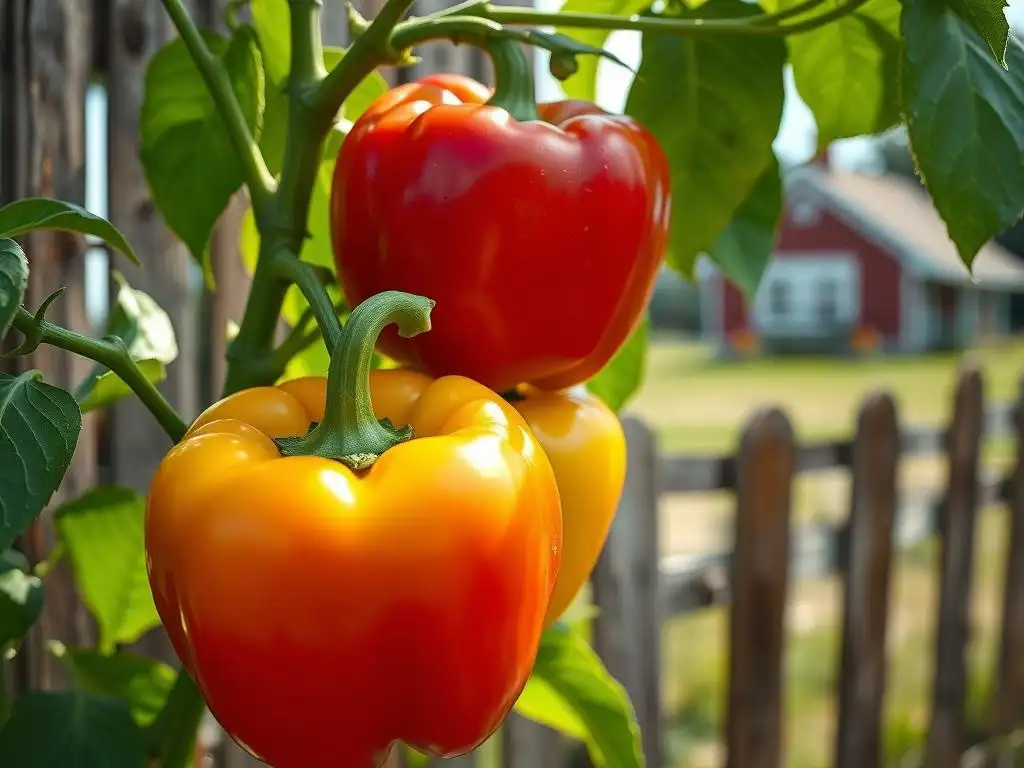
Peppers, beloved for their versatility in the kitchen, are a surprisingly rewarding choice for Midwest gardeners. While the shorter growing season presents a challenge, selecting the right varieties is key to success. Opt for early-maturing pepper plants, ensuring they have ample time to produce a harvest before the first frost. Consider varieties like 'Early Calwonder' or 'Ace', known for their quick growth and disease resistance, crucial for mitigating risks associated with Midwest weather patterns. These varieties offer a good balance between yield and speed, perfect for those aiming for a quick turnaround and delicious peppers.
Starting peppers indoors, six to eight weeks before the last expected frost, significantly boosts their chances of survival. This gives the seedlings a head start, allowing them to establish strong root systems before transplanting outdoors. Choose a sunny location in your garden with well-drained soil. Peppers thrive in warm conditions, so consider using black plastic mulch to retain soil heat and suppress weeds, particularly beneficial in the cooler Midwest climate.
Regular watering is vital, especially during dry spells, but avoid overwatering, which can lead to root rot. Consistent watering, combined with a balanced fertilizer application, will result in abundant and flavorful peppers. Finally, consider using row covers or cloches to protect young plants from late spring frosts, which are still a possibility in many parts of the Midwest.
Successful Squash Cultivation in the Midwest
Squash, encompassing a wide variety of delicious options like zucchini, yellow squash, and butternut squash, are another excellent choice for Midwest gardens. Their relatively short growing season and adaptability make them perfect for the region's climate. However, success hinges on choosing the right varieties and providing optimal growing conditions. Bush varieties, such as 'Black Beauty' zucchini or 'Golden Bush' squash, are ideal for smaller gardens and require less space than their vining counterparts. These compact varieties also mature faster, a significant advantage in the shorter Midwest growing season.
Proper soil preparation is essential for healthy squash plants. Squash prefers loose, well-drained soil rich in organic matter. Amend heavy clay soils with compost to improve drainage and aeration. Planting squash seeds directly into the garden after the last frost, or starting them indoors a few weeks prior, are both viable options.
Ensure the soil is consistently moist, but not waterlogged, to avoid fungal diseases that can plague squash plants. Regular watering is crucial, especially during flowering and fruiting. Consistent moisture encourages fruit set and prevents blossom-end rot, a common problem in squash cultivation. Providing support for vining varieties, using trellises or cages, can improve air circulation and prevent fruit from rotting on the ground.
Thriving Root Vegetables in Midwest Soil
Root vegetables, including carrots, beets, and potatoes, are a staple in many Midwest gardens. Their ability to store nutrients makes them a valuable addition to any homegrown harvest. The key to success with root vegetables in the Midwest lies in soil preparation and choosing the right varieties. Loose, well-drained soil is essential for preventing misshapen or stunted roots. Heavy clay soils should be amended with plenty of compost or other organic matter to improve drainage and create a more suitable environment for root growth. This is especially important for carrots, which require loose soil for long, straight roots.
Selecting varieties adapted to the Midwest's shorter growing season is crucial. Look for early-maturing varieties of carrots, beets, and potatoes to maximize your yield before the first frost. Proper spacing is also vital for optimal growth. Overcrowding can lead to competition for resources and smaller, less developed roots.
Follow recommended spacing guidelines on seed packets or plant labels to ensure your plants have enough room to thrive. Regular weeding is important to prevent competition for nutrients and moisture. Maintaining consistent soil moisture, especially during dry periods, is key to the successful development of plump and healthy root vegetables. Proper irrigation, coupled with well-prepared soil, provides the foundation for a bountiful harvest of root vegetables in the Midwest.
Optimizing Your Midwest Vegetable Garden
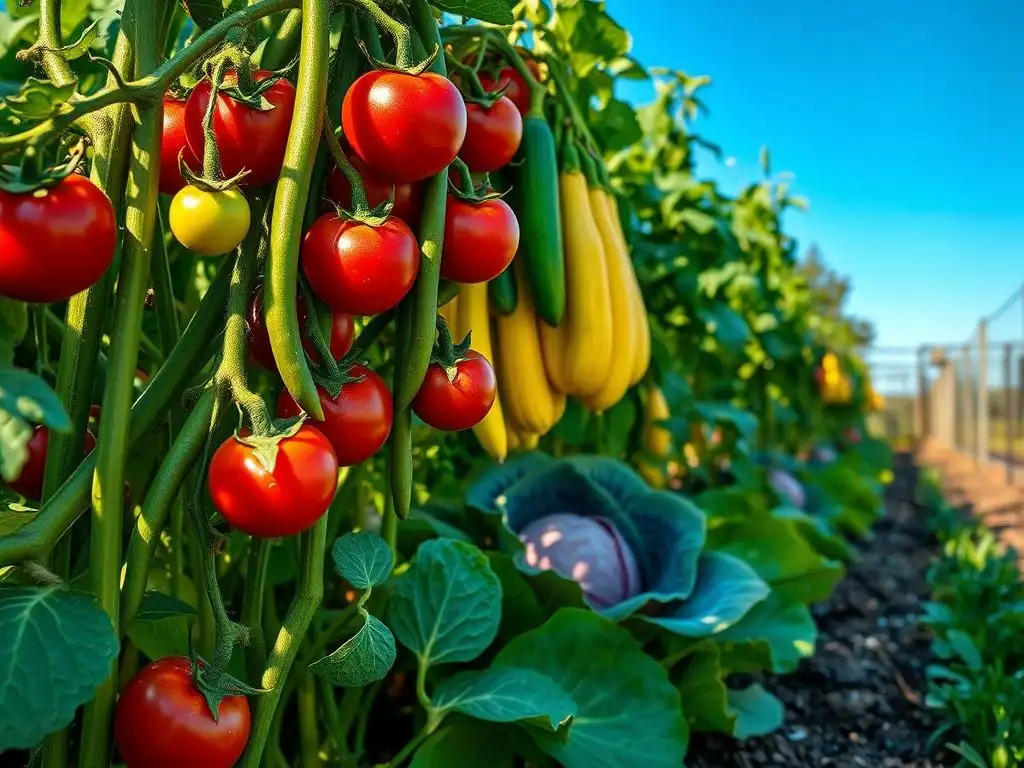
This section focuses on maximizing yields and health in your Midwest vegetable garden, specifically addressing challenges and opportunities presented by the region's unique climate. We'll explore strategies to overcome common hurdles and cultivate a thriving, productive space. Understanding the specific needs of your chosen vegetables is paramount for success in the Midwest's often unpredictable weather patterns. Remember, even the best-laid plans can be affected by sudden temperature drops or unexpected rainfall. Adaptability is key!
Pest and Disease Management in Midwest Gardens
The Midwest presents unique pest and disease challenges for home gardeners. High humidity and fluctuating temperatures create ideal breeding grounds for various insects and fungal pathogens. Proactive measures are crucial for minimizing damage and maintaining healthy plants. Let's examine some effective strategies:
- Rotation: Rotating your crops annually is a fundamental practice. This disrupts the life cycle of soilborne pests and diseases, preventing infestations from building up year after year. For example, avoid planting tomatoes in the same location two years in a row. Consider a three-year rotation plan for optimal results.
- Companion Planting: Strategic companion planting can deter pests naturally. For instance, planting basil near tomatoes is known to repel tomato hornworms. Marigolds are effective against nematodes, and certain herbs can repel aphids and other small insects. More specific companion planting recommendations for Midwest gardens will be discussed in the next section.
- Biological Control: Utilizing beneficial insects like ladybugs and praying mantises can help control pest populations naturally. These predatory insects feed on aphids, mites, and other common garden pests, reducing the need for chemical interventions. Introducing these natural predators can significantly improve the health and sustainability of your garden.
- Monitoring: Regularly inspecting your plants for signs of pests and diseases is essential for early intervention. Early detection dramatically increases the chances of successful treatment and prevents widespread damage. Look for unusual leaf discoloration, wilting, holes in leaves, or the presence of insects.
- Organic Pest Control: Opt for organic pest control methods whenever possible. These options, such as insecticidal soap or neem oil, are less harmful to beneficial insects and the environment compared to synthetic pesticides. Always follow label instructions carefully.
Irrigation Strategies for Midwest Vegetable Patches
Consistent and appropriate watering is critical for thriving Midwest vegetable gardens. The region experiences periods of both heavy rainfall and prolonged dry spells. Effective irrigation strategies are crucial for optimizing yields and preventing stress on your plants.
The type of irrigation you choose depends on factors such as garden size, soil type, and water availability. Here are some options to consider:
| Irrigation Method | Advantages | Disadvantages | Best Suited For |
|---|---|---|---|
| Drip Irrigation | Efficient water use, minimizes water loss, targeted delivery | Higher initial cost, can clog easily, requires maintenance | Larger gardens, established plants, delicate crops |
| Soaker Hoses | Easy to install, inexpensive, even moisture distribution | Can be cumbersome to move, can encourage fungal growth in poorly drained soil | Smaller gardens, raised beds, established plants |
| Hand Watering (with a hose) | Simple, inexpensive, readily available | Inefficient water use, inconsistent moisture levels, labor-intensive | Small gardens, supplemental watering |
Remember to consider your soil's water retention capacity. Sandy soils drain quickly and require more frequent watering than clay soils, which retain moisture for longer periods. Avoid overwatering, which can lead to root rot and fungal diseases. Observe your plants closely; wilting is a clear indication of insufficient water.
Utilizing Companion Planting for Midwest Gardens
Companion planting leverages the synergistic relationships between different plant species to enhance growth, deter pests, and improve overall garden health. This practice is particularly beneficial in the Midwest, where unpredictable weather conditions can impact plant health. Let's explore some effective companion planting combinations for your Midwest garden:
- Tomatoes & Basil: Basil repels tomato hornworms and other common tomato pests, while tomatoes provide shade for basil, which prefers partial shade. This mutually beneficial relationship promotes robust growth for both plants.
- Carrots & Onions: Onions deter carrot root flies, while carrots attract beneficial nematodes that help control onion pests. This pairing improves the health and yield of both crops.
- Lettuce & Radishes: Radishes are fast-growing and can be harvested early, leaving space for lettuce to mature. The radishes also help loosen the soil, benefiting lettuce growth.
- Beans & Corn: This classic three-sisters companion planting (adding squash) is highly effective. Corn provides support for beans, beans fix nitrogen in the soil (beneficial to corn and squash), and squash provides ground cover to suppress weeds. This enhances soil fertility and overall garden health. In a smaller garden, you might omit squash.
By strategically planning your companion plantings, you can create a more resilient and productive Midwest vegetable garden, minimizing the need for chemical interventions and maximizing the natural defenses of your plants. Careful observation and adaptation based on your specific environment are key to success.
Protecting Your Crops from Midwest's Extreme Temperatures
The Midwest is notorious for its dramatic temperature swings, presenting a significant challenge for home gardeners. Protecting your precious vegetables from both scorching summer heat and frigid winter snaps is crucial for a successful harvest. Understanding your microclimate is the first step. Observe your garden throughout the day; are there specific areas that receive more intense sun or are more prone to wind chill? This knowledge informs your protective strategies.
One effective method is utilizing row covers. These lightweight, breathable fabrics provide a buffer against both extreme heat and frost. During the summer, row covers can reduce the sun's intensity, preventing heat stress on plants like lettuce and spinach, which thrive in cooler temperatures. In spring and fall, they act as a mini-greenhouse, protecting delicate seedlings from unexpected frosts. Choosing the right weight of row cover is essential; heavier fabrics offer more protection but can restrict airflow, potentially leading to fungal diseases if not properly ventilated.
For intense heat, consider providing shade. This could involve installing shade cloth over particularly vulnerable areas or strategically planting taller companion plants to create natural shade for lower-growing vegetables. Remember, even the most heat-tolerant varieties can suffer from sunscald if exposed to prolonged periods of intense sunlight. Mulching is another effective technique; a thick layer of organic mulch, such as straw or shredded leaves, helps regulate soil temperature, preventing extreme fluctuations. This is especially beneficial for root vegetables like carrots and potatoes, which prefer consistently cool soil.
During the colder months, consider using cold frames or even a small greenhouse to extend the growing season. These structures offer a degree of insulation, protecting plants from freezing temperatures. Proper ventilation remains crucial to avoid condensation and the build-up of humidity, which can encourage diseases. Furthermore, consider planting cold-hardy varieties of vegetables specifically bred to withstand the Midwest's harsh winters.
These varieties are often more resilient to temperature fluctuations and shorter growing seasons. Careful planning and the implementation of these protective measures will significantly improve your chances of a bountiful harvest, even in the face of the Midwest's unpredictable weather patterns. Remember, regular monitoring of your plants and adjusting your protective strategies as needed is key to success. Observing your plants closely allows you to identify early signs of stress, allowing for timely intervention and preventing major crop losses.
Harvesting and Preserving Your Midwest Bounty
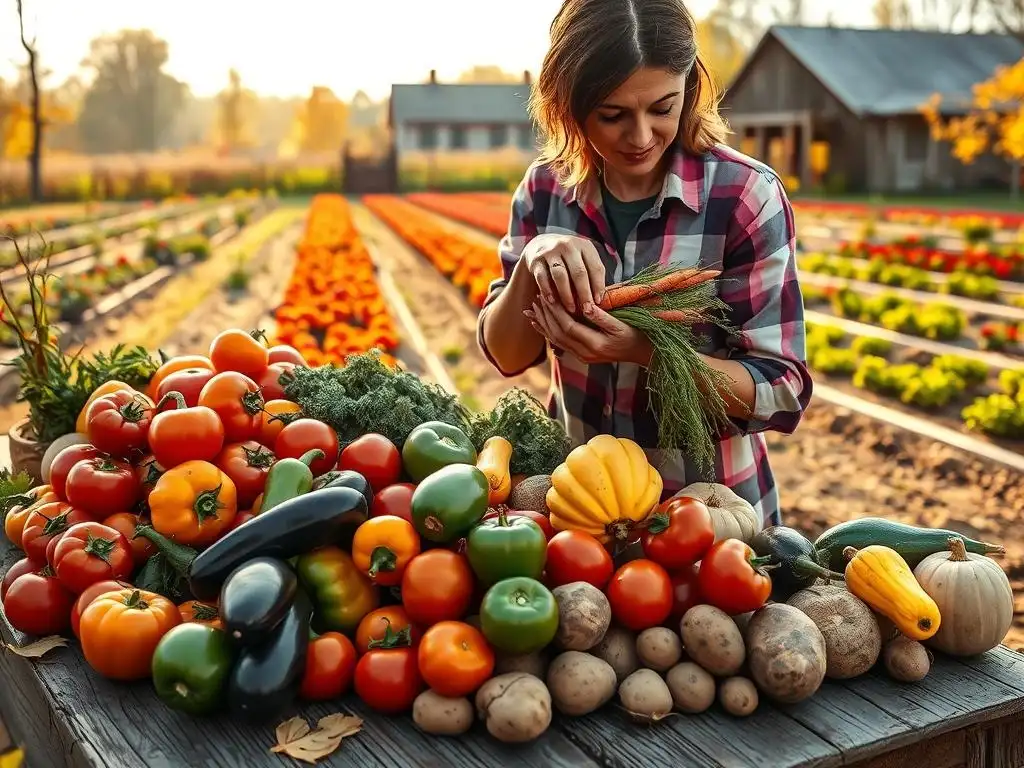
This section focuses on maximizing the yield and longevity of your hard work by detailing optimal harvesting techniques and effective preservation methods for Midwest-grown vegetables. Successfully navigating the sometimes-challenging Midwest climate requires understanding the nuances of each vegetable's growth cycle and implementing appropriate preservation strategies.
Timing Your Harvest for Optimal Flavor and Quality
The key to harvesting Midwest vegetables lies in understanding the ideal maturity stage for each variety. Harvesting too early results in poor flavor and reduced yield, while harvesting too late can lead to tough, woody textures or susceptibility to pests and diseases. Here's a glimpse into the optimal harvest timing for some popular Midwest choices:
- Tomatoes: Harvest when fully colored and slightly soft to the touch. Avoid harvesting when the skin is still green or overly hard. The best tomatoes are often harvested in the late summer and early fall, depending on the variety and your specific microclimate.
- Cucumbers: Harvest cucumbers regularly, ideally every other day, before they become overly large and seedy. Smaller cucumbers generally have a more tender texture and superior flavor. The peak season for cucumbers in the Midwest is typically during the summer months.
- Zucchini and Summer Squash: These prolific producers should be harvested frequently, often every few days, when they are young and tender. Overripe zucchini and summer squash can become tough and less palatable. The Midwest growing season allows for multiple harvests of these vegetables.
- Beans (Bush and Pole): Harvest bush beans when the pods are plump and bright green but still tender. Pole beans can be harvested at various stages, from young and tender to mature for dried beans. Bean production thrives in the Midwest's warm summer months.
- Peppers: Harvest peppers when they reach their mature color – this varies depending on the variety. Sweet bell peppers typically turn bright red, orange, yellow, or green, while hot peppers may develop various colors depending on their type. Warm Midwest summers are ideal for pepper growth.
| Vegetable | Optimal Harvest Timing | Key Indicators of Maturity |
|---|---|---|
| Tomatoes | When fully colored and slightly soft | Rich color, slight give when gently squeezed |
| Cucumbers | Every other day, before becoming large and seedy | Small size, firm texture |
| Zucchini/Squash | Every few days, when young and tender | Small size, tender skin |
| Bush Beans | When pods are plump and bright green, but tender | Plump pods, bright green color, tender texture |
| Pole Beans | Varies, from young and tender to mature for drying | Size and color depend on desired stage of maturity |
| Peppers | When they reach their mature color | Mature color (varies by variety), firm texture |
Remember to always check your specific plant variety for optimal harvest timing. Detailed information can often be found on seed packets or plant tags. Careful observation and a little experience will help you master the art of harvesting at peak ripeness, significantly impacting the flavor and quality of your Midwest-grown vegetables.
Effective Methods for Preserving Midwest Vegetables
Proper preservation is crucial for extending the enjoyment of your hard-earned harvest. The Midwest climate, with its distinct seasons, makes preservation techniques vital to savor the bounty throughout the year. Here are some effective strategies:
- Freezing: Freezing is a simple and effective method for preserving many vegetables, including peas, corn, beans, and peppers. Blanching (briefly boiling) before freezing helps to maintain color, texture, and nutrient content.
- Canning: Canning is a more involved process but allows for long-term storage of tomatoes, pickles, and other vegetables. Proper canning techniques are essential to ensure food safety and prevent spoilage. Always follow tested recipes and guidelines to avoid health risks.
- Drying: Drying is a great way to preserve herbs, beans, and some vegetables like tomatoes. Air drying, sun drying, or using a food dehydrator are all viable options, each with its own advantages and disadvantages. Proper drying prevents mold and spoilage.
- Pickling: Pickling, using vinegar or other brines, is a popular method for preserving cucumbers, onions, and other vegetables. Pickling adds a unique flavor profile while extending the shelf life of the produce.
The choice of preservation method depends on the type of vegetable, your available resources, and your personal preferences. Properly preserved vegetables can provide nutritious and delicious meals throughout the year, extending the benefits of your homegrown harvest well beyond the growing season.
Recipes and Ideas for Using Your Homegrown Produce
The true reward of gardening lies in savoring the fruits (and vegetables!) of your labor. Your homegrown Midwest vegetables offer a fantastic foundation for countless culinary creations. Here are a few ideas to get your creative juices flowing:
- Tomato-based sauces and salsas: Utilize your abundant tomato harvest to create delicious sauces for pasta, pizza, or as a base for salsas and dips.
- Fresh salads and vegetable dishes: Incorporate your freshly picked cucumbers, zucchini, peppers, and beans into refreshing salads or vibrant vegetable dishes.
- Pickled vegetables: Use your preserved pickles and other pickled vegetables to add a tangy zest to sandwiches, salads, or as a standalone side dish.
- Soups and stews: Add depth and flavor to hearty soups and stews with your homegrown vegetables.
- Freezing for later: Utilize frozen vegetables for convenience in quick meals and sides throughout the year.
Remember to experiment and find your favorite recipes using your homegrown produce. The unique flavors and textures of homegrown vegetables offer an unparalleled culinary experience. The versatility of Midwest vegetables lends itself to countless dishes, transforming your harvest into delicious and nutritious meals. Enjoy the fruits of your labor!
Extending the Growing Season in the Midwest
The Midwest's notoriously short growing season presents a challenge to home gardeners, but with smart planning and the right techniques, you can significantly extend the time you can harvest your favorite vegetables. Successfully growing a bountiful harvest of Midwest best homegrown vegetables hinges on mitigating the effects of early frosts and late freezes. This section explores effective strategies to achieve a longer, more productive growing season, maximizing your yield of delicious, homegrown produce. Optimizing your growing season is crucial for achieving high yields of nutritious vegetables, even in a challenging climate. Let's delve into practical solutions.
Utilizing Cold Frames and Greenhouses
Cold frames and greenhouses provide excellent microclimates, offering protection from frost and extending the planting and harvesting periods. A cold frame, a simple, low-cost structure, effectively traps solar heat, warming the soil and protecting plants from light frosts. They are particularly useful for starting seeds early in the spring and extending the season into the fall for hardy vegetables like kale, spinach, and lettuce.
Greenhouses, while more expensive, offer far greater control over temperature and humidity, allowing you to grow a wider variety of heat-loving vegetables like tomatoes, peppers, and cucumbers throughout the entire growing season, even starting them much earlier and extending their life well into the autumn. Proper ventilation is key to prevent overheating and disease. Consider the size and type of structure based on your gardening needs and available space.
Proper placement, ensuring adequate sunlight, is also crucial for optimal performance. Data shows that cold frames can extend the growing season by up to 4-6 weeks, while greenhouses can extend it significantly longer, depending on their design and climate control capabilities.
Implementing Row Covers and Other Protective Measures
Row covers, lightweight fabrics that drape over plants, provide another excellent way to protect vegetables from frost and fluctuating temperatures. These covers act as insulation, trapping heat during the day and preventing heat loss at night. Floating row covers are particularly useful for protecting tender seedlings from late spring frosts and early fall freezes.
They allow sunlight, water, and air to penetrate while shielding plants from harsh weather conditions. Other protective measures include using mulch to insulate the soil and retain moisture, and strategically planting frost-tolerant vegetables like broccoli and Brussels sprouts, which can withstand light frosts. Careful monitoring of weather forecasts is essential to timing the application and removal of row covers to avoid overheating or trapping excess moisture.
This proactive approach to frost protection is vital for maximizing yields of your Midwest best homegrown vegetables. For example, using row covers on peppers can increase your harvest by an estimated 20-30% in a typical Midwest climate.
Starting Seeds Indoors for an Earlier Harvest
Starting seeds indoors several weeks before the last expected frost significantly extends the growing season. This allows your plants to establish strong root systems and achieve a head start, resulting in earlier harvests. Careful attention to factors such as lighting, temperature, and humidity is crucial for successful indoor seed starting.
Seed starting trays, grow lights, and a warm, consistent environment are essential for optimal germination and seedling growth. Different vegetables have different germination requirements. You can find detailed information on ideal temperatures and light exposure for each vegetable in seed packets or online resources.
Starting seeds indoors allows you to plant out mature seedlings, giving them a significant advantage over directly sown seeds, which can be vulnerable to pests and unpredictable weather conditions. This method ensures a longer period of growth, leading to a larger and earlier harvest of your Midwest best homegrown vegetables. For example, starting tomato seeds indoors 6-8 weeks before the last frost can result in a harvest up to 4 weeks earlier than direct sowing.
Frequently Asked Questions
What are the best vegetables to grow in the Midwest?
The Midwest's climate presents unique challenges, but many vegetables thrive! Tomatoes, cucumbers, beans, and squash are all excellent choices, offering a good balance of ease of growth and delicious results. Consider varieties specifically bred for shorter growing seasons.
When is the best time to plant vegetables in the Midwest?
The ideal planting time depends on the specific vegetable and your microclimate, but generally, late spring (after the last frost) is best for many warm-season crops. Cool-season vegetables like lettuce and spinach can be planted earlier in spring or even fall. Check your local frost dates for precise timing.
How can I protect my Midwest garden from pests and diseases?
Organic pest control methods are crucial for sustainable gardening. This includes companion planting, using beneficial insects, and employing natural deterrents like neem oil. Regularly inspecting your plants for signs of disease or pests is also vital for early intervention.
What are some essential tips for successful gardening in the Midwest?
Soil preparation is key; amend your soil with compost to improve drainage and fertility. Proper watering is crucial, especially during dry spells. Choosing disease-resistant varieties and providing adequate sunlight will also significantly increase your chances of success.
What are some good resources for Midwest home gardeners?
Your local agricultural extension office is an invaluable resource. They offer tailored advice and workshops specific to your region's climate and growing conditions. Many online communities and gardening books also provide helpful information for Midwest gardeners.
Final Reflection: Harvesting Abundance in the Heartland
The Midwest's unique climate, once seen as a limitation for home gardeners, is now revealed as a fertile ground for a surprising bounty of delicious vegetables. This article has highlighted the resilience and adaptability of certain varieties, proving that with careful planning and selection, even the unpredictable Midwest weather can be conquered to produce a thriving home garden. The potential for fresh, homegrown food, readily available at your doorstep, is a powerful incentive to embrace the challenge.
The impact of knowing exactly where your food comes from, and the satisfaction of nurturing a plant from seed to table, is a deeply rewarding experience that transcends mere sustenance. It connects us to the land, to the rhythms of nature, and to a simpler, more fulfilling way of life. The glory of gardening: hands in the dirt, head in the sun, heart with nature. To nurture a garden is to feed not just the body, but the soul.
This quote perfectly encapsulates the transformative power of home gardening, a power amplified by the specific challenges and triumphs of the Midwest growing season.
Now, consider your own backyard, your own patch of earth. What possibilities await? This article has provided a starting point, a roadmap to success. But the true journey lies in your hands – in the seeds you choose, the soil you cultivate, and the dedication you invest. Embrace the challenge, learn from the seasons, and experience the profound satisfaction of harvesting your own Midwest bounty. Let this be the year you conquer your climate and cultivate a garden that nourishes both your body and your soul.
Unleash Your Midwest Garden's Potential!
Thank you for exploring the best vegetables for the Midwest climate! You've gained valuable insights to cultivate a bountiful harvest. Now, it's time to put your knowledge into action.
- Start planning your garden layout today: Sketch out your garden beds, noting sun exposure and soil conditions. Consider companion planting to maximize your yield and deter pests.
- Share your gardening plans and challenges with our vibrant community in the comments below – let's learn from each other!
- Order your seeds (or seedlings) now: Don't delay! This is a crucial step towards a successful harvest.
Ready to watch your Midwest garden flourish this year? What's the first vegetable you're excited to plant?