
Best Time of Year to Plant Fruit Trees in Your Region

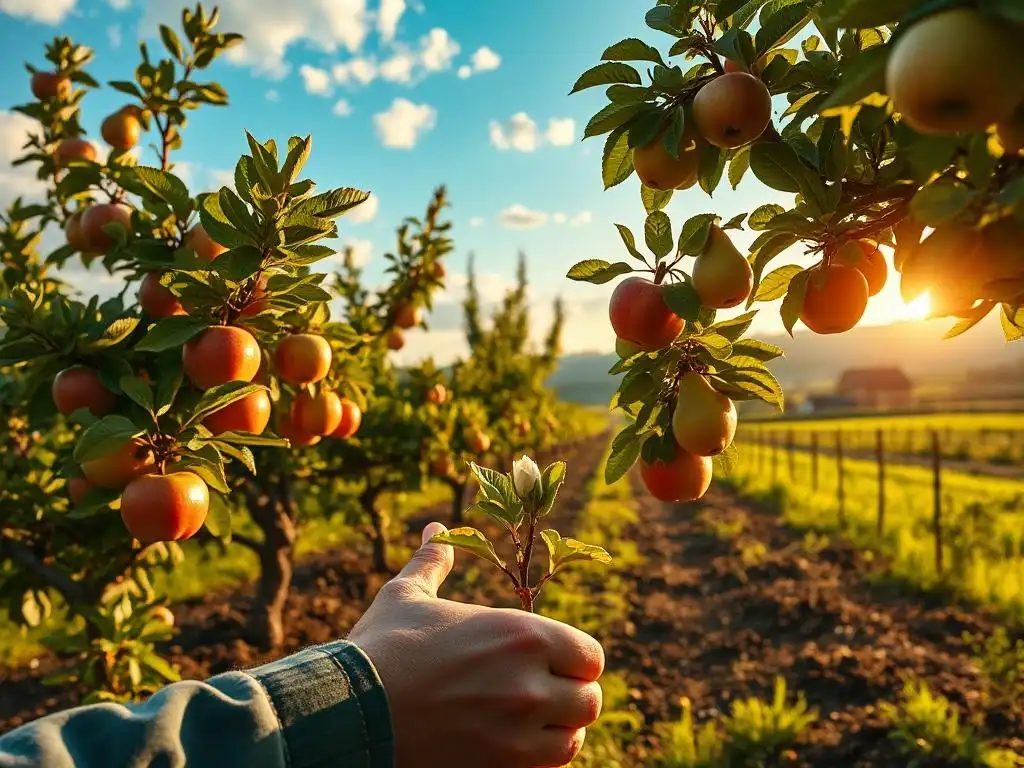
Ready to transform your backyard into a bountiful orchard? CultivateYourFood is your guide to growing delicious and healthy fruits, vegetables, and herbs organically. Discover the secrets to a thriving garden, from seed to harvest, with our expert advice on sustainable practices. But first, let's unlock the key to a successful harvest: finding the best fruit tree planting time for your specific region. Learn when to plant for optimal growth and a plentiful yield – your journey to homegrown goodness starts now!
- Understanding the Ideal Planting Window for Fruit Trees
- Best Fruit Tree Planting Time by Region: A Comprehensive Guide
- Preparing Your Site for Optimal Fruit Tree Growth: Soil Preparation and Site Selection
- Step-by-Step Guide to Planting Fruit Trees
- Post-Planting Care for Healthy Fruit Tree Development
- Troubleshooting Common Fruit Tree Planting Problems
- Frequently Asked Questions
- Final Reflection: Harvesting the Future: The Right Time to Plant, the Right Time to Grow
- Unleash Your Inner Orchard: Plant the Perfect Fruit Tree Today!
Understanding the Ideal Planting Window for Fruit Trees
Planting fruit trees at the optimal time significantly impacts their establishment, growth, and overall fruit production. Choosing the right planting window maximizes the chances of success, minimizing the stress on young trees and promoting healthy, vigorous growth. This guide will help you determine the best time of year to plant fruit trees in your specific region, considering crucial factors like climate, microclimates, and the specific variety of fruit tree you've chosen.
Understanding these factors is key to achieving a bountiful harvest in the years to come. Successfully planting fruit trees hinges on careful consideration of these elements, ensuring your efforts yield a thriving orchard. This article focuses on the "best fruit tree planting time" to help you cultivate a healthy and productive fruit tree garden using sustainable practices.
Factors Affecting Optimal Fruit Tree Planting Time: Climate and Hardiness Zones
The most significant factor determining the best time to plant fruit trees is your region's climate and its corresponding hardiness zone. Hardiness zones, based on average minimum winter temperatures, indicate the range of temperatures a particular plant can tolerate. Fruit trees have varying hardiness ratings, and planting outside their tolerance range can lead to winterkill or severely stunted growth.
Generally, dormant season planting (late fall or early winter, before the ground freezes) is preferred in many regions. This allows the tree's roots to establish themselves before the spring growth cycle begins. However, in milder climates, planting in early spring (after the last frost) is also an option. The exact timing within these windows varies greatly depending on specific hardiness zones.
For example, regions with mild winters in USDA Zone 8 might see successful planting in late winter, whereas Zone 4 might require a late-fall planting to avoid frost damage. It's crucial to check your specific USDA hardiness zone and consult local gardening resources for the most accurate planting recommendations. Planting too early can expose young trees to damaging frosts, while planting too late can restrict root development before the onset of hot weather.
| Hardiness Zone | Potential Planting Window | Considerations |
|---|---|---|
| 6-7 | Late fall or early spring | Monitor frost dates carefully. |
| 8-9 | Late winter or early spring | Avoid planting during periods of extreme heat. |
| 4-5 | Late fall (before ground freezes) | Protect young trees from harsh winter winds. |
Microclimates and Their Influence on Planting Schedules
Even within a single hardiness zone, microclimates can significantly affect the ideal planting time. A south-facing slope, for example, might experience warmer temperatures and earlier spring thaws than a north-facing slope. Areas sheltered from strong winds or near bodies of water might also have different temperature profiles. These variations can influence the optimal planting time, potentially allowing for earlier planting in warmer microclimates and necessitating later planting in colder ones.
Observing your specific site conditions – sun exposure, wind protection, soil drainage – is crucial for determining the precise planting window. Consider using frost protection measures such as row covers or blankets for especially vulnerable microclimates. Careful observation and planning are key to success, especially in areas with unpredictable weather patterns. Consider factors such as prevailing winds, proximity to water sources, and shade from larger trees or buildings when planning your fruit tree planting.
Choosing the Right Fruit Tree Variety for Your Region
Selecting the right fruit tree variety is just as important as choosing the right planting time. Different fruit tree varieties have different chill hours requirements—the number of hours of temperatures below a certain threshold (usually 45°F or 7°C) needed for proper dormancy and fruiting. Choosing a variety with appropriate chill hours for your region is crucial for successful fruit production.
Planting a high-chill variety in a low-chill climate will prevent proper flowering and fruiting, while a low-chill variety in a high-chill climate may not have sufficient dormancy. Always check the chill hour requirements of the specific fruit tree variety you are planning to plant and match them to your local climate data. This ensures that the tree will properly flower, set fruit, and thrive in your region.
Consulting local nurseries or agricultural extension offices is highly recommended to identify varieties suited to your region's specific conditions. 🍎🌳 This careful selection ensures optimal growth and fruit production for your home orchard.
Best Fruit Tree Planting Time by Region: A Comprehensive Guide
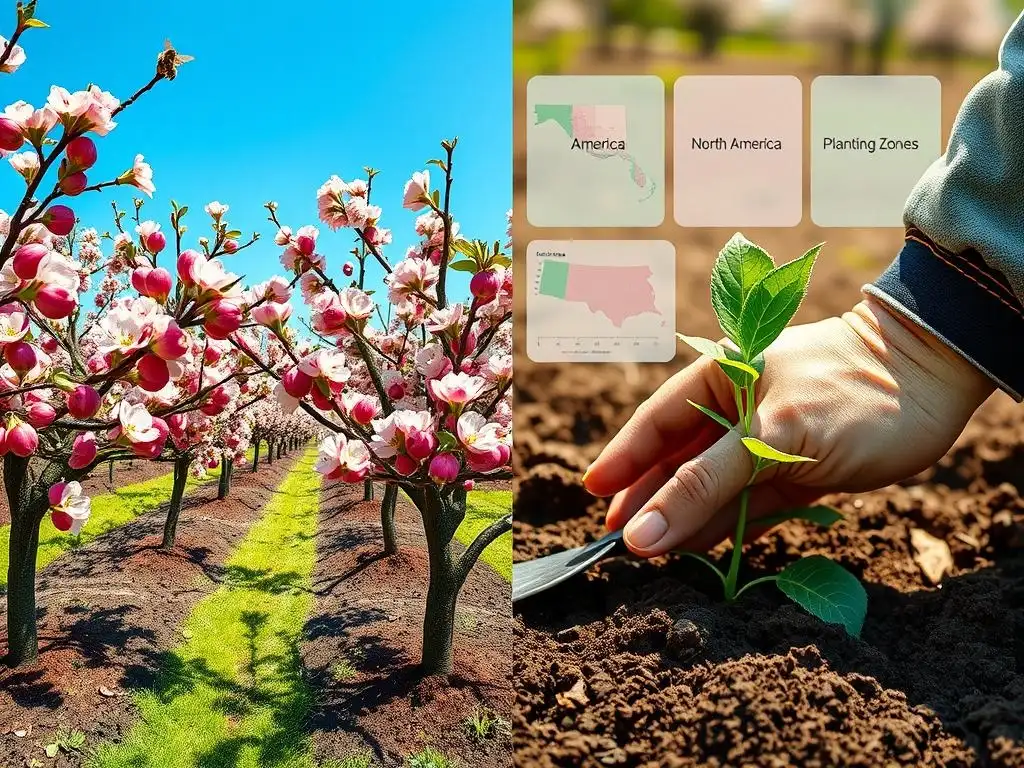
This section delves into the optimal planting times for fruit trees across various regions, focusing on the USDA Plant Hardiness Zones. Understanding your zone is crucial for successful fruit tree cultivation, as it dictates the length of your growing season and the potential for frost damage. Choosing the right planting time maximizes your chances of a healthy, productive tree. Remember, these are guidelines; always check your local weather patterns and soil conditions before planting. Finding the best fruit tree planting time is key to a bountiful harvest.
Planting Fruit Trees in USDA Hardiness Zones 3-5
Zones 3-5 experience shorter growing seasons and colder winters. Successful fruit tree cultivation requires careful planning and selection of cold-hardy varieties. The best fruit tree planting time in these zones is generally in early spring, after the last expected frost. This allows the trees to establish a strong root system before the onset of winter. Waiting until the soil has thawed and warmed up is vital.
Planting too early risks frost damage to newly emerging buds and roots. Conversely, planting too late in the season leaves insufficient time for root development before winter's arrival.
Here's a table summarizing suitable planting times and recommended varieties for Zones 3-5:
| Month | Recommended Activity | Suitable Fruit Tree Varieties (Examples) | Considerations |
|---|---|---|---|
| April-May | Planting bare-root fruit trees | Apples (Honeycrisp, McIntosh), Pears (Bradford), Plums (Methley) | Ensure soil is well-drained and amended with compost. |
| May-June | Planting container-grown fruit trees | Same as above, plus more heat-tolerant varieties | Container-grown trees can be planted slightly later. |
| Ongoing | Soil preparation, mulching, pest control monitoring | Regular maintenance is crucial for young trees' survival. | Monitor for pests and diseases; address issues promptly. |
Choosing dwarf or semi-dwarf varieties is often advantageous in these zones, as they are easier to manage and protect from harsh weather. Remember to protect young trees from winter winds with burlap or other protective barriers.
Planting Fruit Trees in USDA Hardiness Zones 6-8
Zones 6-8 offer longer growing seasons and milder winters compared to zones 3-5. This allows for a broader window for planting fruit trees, although early spring remains the ideal time. The best fruit tree planting time in these zones is typically between late winter and early spring, before bud break.
This timing allows the trees to establish their root systems before the summer heat arrives, improving their chance of survival and growth. However, container-grown trees can often be planted successfully throughout the growing season, provided the soil is adequately moist.
Consider these factors for optimal planting in Zones 6-8:
- Soil Drainage: Ensure the soil drains well to prevent root rot.
- Sunlight: Fruit trees require at least 6-8 hours of direct sunlight daily.
- Variety Selection: Choose varieties suited to your specific microclimate within the zone. Some varieties may be more heat-tolerant than others.
Planting Fruit Trees in USDA Hardiness Zones 9-11
Zones 9-11 enjoy warm climates and long growing seasons. The best fruit tree planting time in these zones can be more flexible, but winter or early spring remains ideal for most species. However, some tropical and subtropical fruit trees may thrive with planting during the fall or even early summer.
The warmer climate allows for a longer planting window, but it's crucial to avoid planting during the hottest months of summer. The intense heat can stress young trees and reduce their survival rate. Proper watering and mulching are vital for success in these warmer zones.
Key Considerations for Zones 9-11
Pay close attention to soil moisture levels. These zones can experience periods of drought, so regular irrigation is often necessary. Also, consider the impact of intense sun on young trees. Providing some afternoon shade, especially during the hottest part of the day, can be beneficial.
Remember that consistent monitoring for pests and diseases is important regardless of your hardiness zone. Early detection and treatment are crucial for maintaining the health and productivity of your fruit trees. By following these guidelines, you can increase your chances of a successful and rewarding fruit tree planting experience.
Preparing Your Site for Optimal Fruit Tree Growth: Soil Preparation and Site Selection
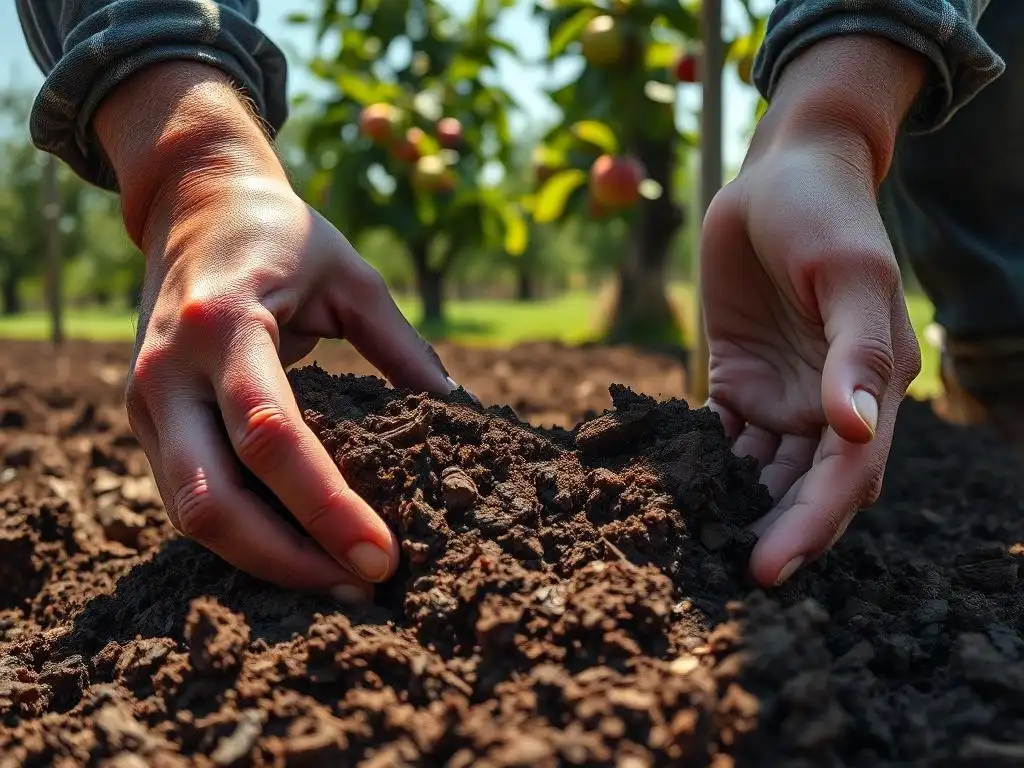
This section focuses on preparing your planting site for the best possible fruit tree growth. Proper site selection and soil preparation are crucial for establishing healthy, productive trees. Neglecting these steps can lead to stunted growth, reduced yields, and increased susceptibility to pests and diseases. Finding the best fruit tree planting time is only half the battle; ensuring the right conditions is equally important.
Selecting the Perfect Location for Your Fruit Trees: Sunlight, Drainage, and Wind Protection
Choosing the right location for your fruit trees is paramount. Fruit trees, especially those producing stone fruit (peaches, plums, cherries), need ample sunlight – at least 6-8 hours of direct sunlight per day. Insufficient sunlight can significantly reduce fruit production and overall tree health. Consider the sun's path throughout the day when selecting your planting spot. Areas shaded by buildings or large trees should be avoided.
Good drainage is equally vital. Fruit trees are susceptible to root rot if their roots sit in waterlogged soil. Before planting, check the drainage by digging a hole and filling it with water. If the water drains quickly, the drainage is good. If it remains standing for an extended period, consider amending the soil or selecting a different location with better drainage. Proper drainage is a key factor in establishing the best fruit tree planting time as it ensures the roots can establish themselves without being waterlogged.
Wind protection is another crucial aspect. Strong winds can damage young trees, especially during winter storms. Plant your fruit trees in a sheltered location, perhaps near a fence, hedge, or other windbreak. This protection minimizes damage and helps the trees conserve energy for growth and fruit production. Consider prevailing wind patterns in your area when making your selection. This is particularly relevant when determining the best fruit tree planting time, as young trees are most vulnerable to wind damage.
Soil Testing and Amendments for Healthy Fruit Tree Growth
Before planting, it's highly recommended to conduct a soil test. This will reveal the pH level and nutrient content of your soil. Many local agricultural extension offices offer affordable soil testing services. The results will guide you in making necessary amendments to optimize soil conditions for your fruit trees. Most fruit trees thrive in slightly acidic to neutral soil (pH 6.0-7.0), though some have specific preferences.
A soil test might reveal deficiencies in essential nutrients like nitrogen, phosphorus, and potassium. Amendments such as compost, aged manure, or commercial fertilizers can address these deficiencies. Remember to follow the recommendations provided by your soil test results carefully. Over-fertilizing can be just as harmful as under-fertilizing. Proper soil preparation significantly contributes to successful fruit tree establishment, making it an important factor when considering the best fruit tree planting time.
Here's a sample table illustrating common soil amendments and their benefits:
| Amendment | Benefit | Application Method |
|---|---|---|
| Compost | Improves soil structure, adds nutrients | Mix into the soil before planting |
| Aged Manure | Adds nutrients, improves soil structure | Mix into the soil before planting |
| Balanced Fertilizer | Provides essential nutrients | Follow package instructions for application |
| Gypsum | Improves drainage in clay soils | Incorporate into the soil before planting |
Protecting Young Fruit Trees from Pests and Diseases
Young fruit trees are particularly vulnerable to pests and diseases. Taking preventative measures from the outset is crucial for their long-term health and productivity.
One effective strategy is to select disease-resistant varieties. Many nurseries offer fruit tree cultivars bred for resistance to common pests and diseases in your region. This proactive approach minimizes the need for chemical interventions.
Proper sanitation is another essential aspect of pest and disease control. Remove fallen leaves and fruit regularly to prevent the build-up of pathogens and pests. Pruning out diseased branches can also help limit the spread of infection. Consider the best fruit tree planting time in conjunction with your region's pest and disease cycles to minimize potential issues.
Finally, monitoring your trees regularly for signs of pests or diseases is crucial. Early detection allows for prompt intervention, preventing widespread damage. Knowing the common pests and diseases in your region is important for effective monitoring. Implementing these preventative measures contributes greatly to the success of your fruit tree planting endeavor.
Step-by-Step Guide to Planting Fruit Trees
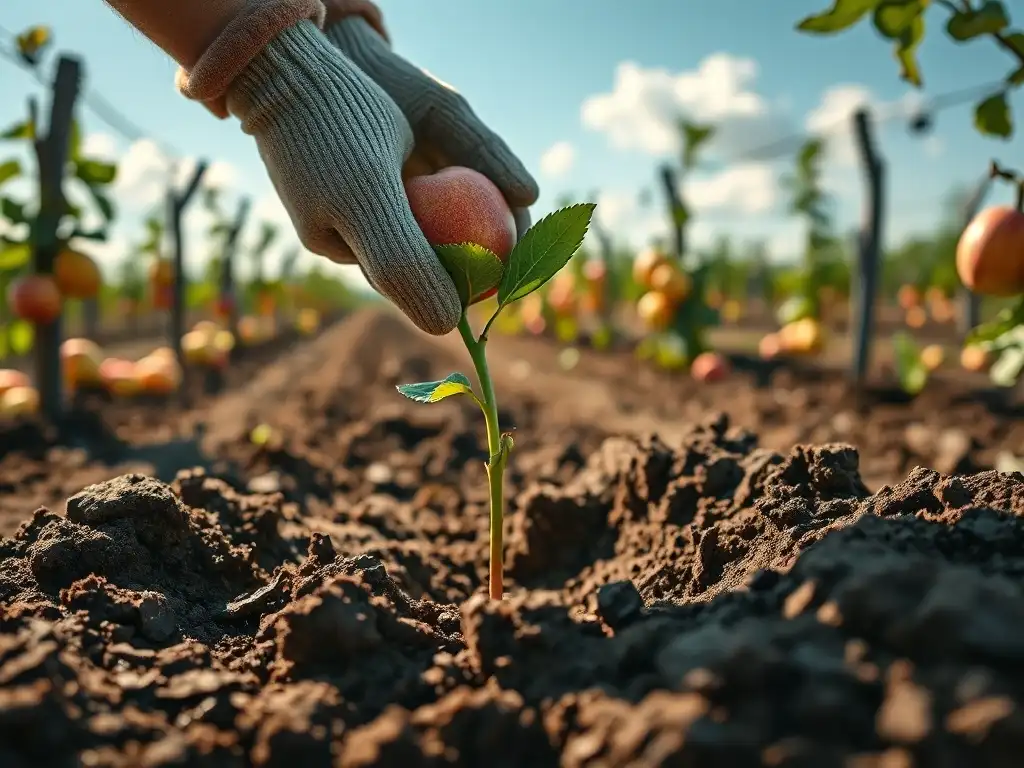
This section provides a detailed, step-by-step guide on how to plant fruit trees successfully, focusing on optimal techniques for the best fruit tree planting time. We'll cover crucial aspects from preparing the planting hole to post-planting care, ensuring your trees thrive and yield abundant harvests. Remember, the best fruit tree planting time varies by region and specific fruit tree variety, so consult your local agricultural extension office for precise recommendations.
Digging the Right-Sized Planting Hole for Your Fruit Tree
Digging the appropriate planting hole is crucial for the successful establishment of your fruit tree. A hole that's too small restricts root growth, while one that's too large can lead to the roots drying out. The ideal hole size depends on the root ball of your sapling. Generally, you should aim for a hole that's at least twice as wide as the root ball, and just as deep. This allows for ample space for the roots to spread out and establish themselves.
Consider the soil type when digging. Clay soils require more careful preparation. You may need to amend heavy clay soils with organic matter like compost to improve drainage and aeration. Conversely, sandy soils may need added organic matter to retain moisture. For both, a generous amount of compost mixed into the soil at the bottom of the hole will provide essential nutrients for the young tree's initial growth.
Here's a helpful table summarizing ideal hole dimensions based on root ball size:
| Root Ball Diameter (inches) | Hole Diameter (inches) | Hole Depth (inches) |
|---|---|---|
| 12 | 24 | 12 |
| 18 | 36 | 18 |
| 24 | 48 | 24 |
Remember to loosen the soil at the bottom of the hole to encourage root penetration. Avoid planting the tree too deeply; the graft union (the point where the scion and rootstock are joined) should be visible above the soil line. Planting too deep can lead to root rot and tree failure. Using a measuring tape during the process ensures accuracy.
Properly Planting Your Fruit Tree Sapling
Once the hole is prepared, carefully remove the fruit tree sapling from its container. Gently loosen any circling roots that may have developed in the container. These circling roots can restrict future growth. If the roots are severely bound, carefully prune them to encourage outward growth.
Place the sapling in the hole, ensuring the graft union is above the soil line. Backfill the hole with the amended soil, gently firming it around the roots to eliminate air pockets. Avoid compacting the soil too tightly, as this can hinder root development.
Proper planting is half the battle in successful fruit tree cultivation. Take your time and ensure the roots are properly positioned.
It's crucial to avoid burying the graft union. This is the point where the desired fruit variety is grafted onto rootstock. Burying it can cause the tree to die or produce undesirable fruit. Always double-check the placement before backfilling. A slightly raised mound around the base of the tree can aid in water retention and prevent water runoff.
Watering and Mulching Your Newly Planted Fruit Tree
After planting, water the tree deeply and thoroughly. This helps settle the soil around the roots and provides the tree with the moisture it needs to establish itself. The frequency of watering depends on your local climate and soil type; however, consistent moisture is key, especially during the first growing season. Aim for consistently moist soil, avoiding both waterlogging and drought.
Applying mulch around the base of the tree is also beneficial. Mulch helps retain soil moisture, suppresses weeds, and regulates soil temperature. Use organic mulch such as wood chips, straw, or shredded bark, ensuring it doesn't touch the trunk directly to prevent diseases. A 2-4 inch layer of mulch is generally sufficient.
Regular watering and mulching are crucial for the first year or two, helping the young tree to establish a strong root system and thrive. 🍎 Remember consistent care during this period will significantly improve your chances of a successful and fruitful harvest in the years to come! Monitor the soil moisture regularly, adjusting watering based on weather conditions and soil type. This ensures your young fruit tree receives the optimal care for healthy growth and development.
Post-Planting Care for Healthy Fruit Tree Development
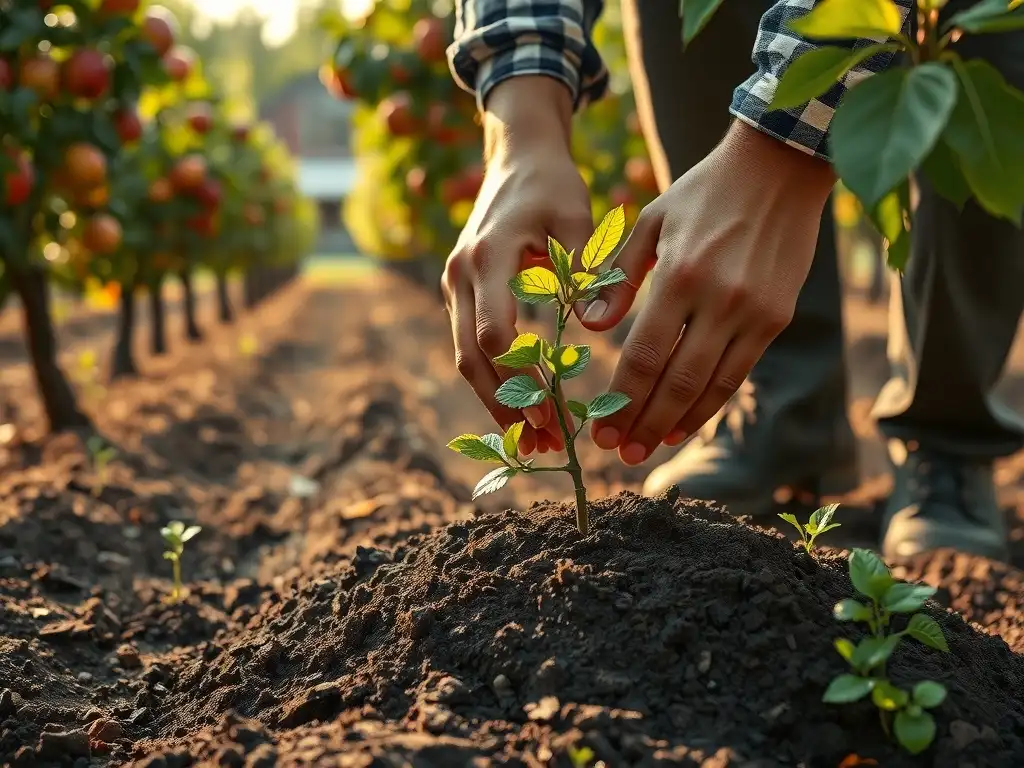
Successfully planting a fruit tree is only half the battle. Proper post-planting care is crucial for ensuring your tree thrives and produces a bountiful harvest in the years to come. This section focuses on the essential steps to nurture your newly planted fruit tree, maximizing its chances of success and providing you with years of delicious fruit. Understanding the nuances of post-planting care, from watering schedules to winter protection, is key to achieving "best fruit tree planting time" results.
Regular Watering and Fertilizing Schedules for Fruit Trees
The first few months after planting are critical for establishing a strong root system. Regular watering is paramount, especially during dry spells. Avoid overwatering, which can lead to root rot, but also avoid letting the soil dry out completely. A good rule of thumb is to water deeply and less frequently, allowing the water to penetrate several inches into the soil. The frequency will depend on your climate and soil type; sandy soil dries out faster than clay soil. Consider using a soil moisture meter to accurately gauge moisture levels.
Fertilizing is also crucial, providing the essential nutrients your young fruit tree needs for growth. Avoid using excessive fertilizer, as this can damage the roots. A balanced, slow-release fertilizer specifically formulated for fruit trees is recommended. Follow the manufacturer's instructions carefully, paying close attention to application rates. In general, young trees require less fertilizer than mature trees.
Over-fertilizing can lead to excessive vegetative growth at the expense of fruit production. A typical schedule might involve applying fertilizer in early spring and again in late summer, but always check the specific recommendations for your chosen fertilizer and tree variety. Remember, consistent, moderate fertilization is far better than infrequent, heavy applications. Observing your tree's growth and adjusting your fertilization strategy accordingly is key to optimal results and achieving the best fruit tree planting time outcomes.
Pruning and Training Your Young Fruit Trees
Pruning is essential for shaping your fruit tree and promoting healthy growth. Young fruit trees often benefit from formative pruning, which helps to establish a strong framework and prevent overcrowding. This process involves removing weak, damaged, or crossing branches. It's best to prune during the dormant season (late winter or early spring) before new growth begins. Proper pruning techniques vary depending on the type of fruit tree (e.g., apple, pear, cherry), but the general goal is to create an open, well-ventilated canopy that allows sunlight to reach all parts of the tree.
Training your young fruit tree involves guiding the branches to grow in a desired shape. This often involves tying branches to stakes or supports to prevent them from breaking under the weight of fruit. Proper training promotes strong, productive branches and helps prevent the tree from becoming unbalanced or lopsided. Regular inspection for pests and diseases is also essential for early detection and intervention. Early detection and treatment are crucial for preventing significant damage to your tree, guaranteeing the best fruit tree planting time investment.
Protecting Your Fruit Trees During Winter Months
Winter can pose significant challenges to young fruit trees, particularly in areas with harsh winters. Protecting your trees from extreme cold, frost, and strong winds is crucial for their survival and future productivity. Methods of protection include wrapping the trunk with burlap or tree wrap to prevent sunscald and frost damage. For particularly vulnerable trees, consider building a protective barrier around the base of the tree using straw bales or other insulating materials. Young trees may benefit from a layer of mulch around their base to help insulate the roots and retain moisture.
In regions with heavy snowfall, regularly clearing snow from the branches can prevent them from breaking under the weight. Monitoring weather forecasts and taking proactive steps to protect your trees during periods of extreme cold or heavy snowfall is essential for ensuring their survival and maximizing your chances of enjoying a delicious harvest the following season. Proper winter protection is a key component of achieving the “best fruit tree planting time” results, contributing to a healthy and fruitful future for your orchard.
Troubleshooting Common Fruit Tree Planting Problems
This section addresses some common issues encountered when planting fruit trees, helping you achieve a successful harvest. Proper planning and preventative measures are key to minimizing problems, but knowing how to react to setbacks is equally crucial. Remember, even experienced gardeners face challenges; learning from these experiences is part of the journey to becoming a successful fruit tree cultivator. Finding the best fruit tree planting time is only the first step.
Dealing with Frost Damage to Newly Planted Fruit Trees
Late frosts can severely damage newly planted fruit trees, especially those that have already begun to bud. The delicate blossoms and young leaves are particularly vulnerable to freezing temperatures. The extent of the damage depends on the severity and duration of the frost, as well as the hardiness of the specific fruit tree variety. For example, peach trees are notoriously susceptible to frost damage, while some apple varieties are more tolerant.
Several strategies can mitigate frost damage:
- Site Selection: Choose a planting location that offers some natural protection from frost, such as a south-facing slope or a sheltered area near a building. Cold air sinks, so higher elevations might be less prone to frost.
- Frost Protection Covers: Using row covers or other frost protection materials can create a microclimate that shields the tree from the worst of the cold. These covers should be removed during the day to allow for sunlight and ventilation.
- Watering: Well-hydrated trees are often more resilient to frost damage. Water deeply before a predicted frost to help the soil retain heat.
- Pruning: In the event of frost damage, prune away any dead or severely damaged branches in late winter or early spring. This encourages new growth and helps maintain the tree's overall health. However, avoid excessive pruning, which could stress the already weakened tree.
Remember that complete recovery from severe frost damage can take time. Monitor the tree closely for signs of stress and adjust your care accordingly. You might need to supplement with fertilizer or provide additional watering to support new growth. The best fruit tree planting time minimizes but does not eliminate this risk.
Addressing Common Fruit Tree Diseases and Pests
Fruit trees are susceptible to a variety of diseases and pests that can significantly impact their health and productivity. Early detection and appropriate management strategies are vital for maintaining a healthy orchard. Common problems include:
- Apple Scab: This fungal disease causes dark, scabby lesions on leaves and fruit. Preventative measures include choosing scab-resistant varieties and ensuring good air circulation around the trees. Fungicides can be used to control severe outbreaks, but organic options should be prioritized.
- Codling Moths: These pests bore into apples and other fruits, causing damage and making them unmarketable. Monitoring for moth activity and using pheromone traps can help manage populations. Natural predators, such as parasitic wasps, can also play a beneficial role in pest control.
- Aphids: These tiny insects suck sap from leaves and stems, leading to stunted growth and leaf curl. Strong water sprays can dislodge aphids, and introducing beneficial insects like ladybugs can help control infestations.
- Powdery Mildew: This fungal disease appears as a white, powdery coating on leaves and fruit. Good air circulation and avoiding overhead watering can help prevent powdery mildew. Organic fungicides are available for treatment.
Regular inspection of your fruit trees is crucial for early disease and pest detection. Identifying problems early allows for prompt intervention, minimizing the potential for widespread damage. A healthy tree is more likely to withstand minor setbacks and produce an abundant harvest. Remember, choosing the best fruit tree planting time is a crucial factor in minimizing pest and disease issues, however, proactive monitoring remains a vital part of successful fruit tree cultivation.
Frequently Asked Questions
What is the best time of year to plant fruit trees?
The best time to plant fruit trees varies by region and specific tree type. Generally, planting in dormant season (late fall or early spring) is recommended, allowing roots to establish before active growth. Check your local climate and tree species guidelines for optimal planting windows.
Why is the dormant season ideal for planting fruit trees?
Planting during the dormant season minimizes stress on the tree. The tree is less likely to experience transplant shock and can focus energy on root development rather than leaf growth. This leads to a stronger, healthier tree.
Can I plant fruit trees at other times of the year?
While the dormant season is optimal, you can plant fruit trees at other times, but it requires more care and attention. Success depends heavily on consistent watering and protection from extreme weather conditions.
What factors should I consider when choosing a planting time?
Consider your local climate, including the average first and last frost dates. The specific type of fruit tree you're planting also matters, as different varieties have varying cold hardiness and dormancy periods. Soil conditions should also be favorable.
How do I prepare my planting site for fruit trees?
Proper site preparation is crucial for success. Ensure your chosen location has adequate sunlight and well-drained soil. Amend the soil with organic matter to improve its structure and nutrient content before planting. This will help the tree thrive.
Final Reflection: Harvesting the Future: The Right Time to Plant, the Right Time to Grow
Choosing the optimal time to plant your fruit trees is not merely a horticultural detail; it's an investment in the future, a commitment to reaping a bountiful harvest. The success of your orchard, the sweetness of your fruit, and the very act of nurturing life from seed all hinge on understanding the unique climatic conditions of your region and aligning your planting schedule accordingly. This knowledge empowers you to cultivate a thriving ecosystem in your own backyard.
The impact of understanding seasonal planting extends far beyond the individual gardener. It connects us to the rhythms of nature, reminding us of our dependence on the environment and the importance of working with it, not against it. This mindful approach to gardening fosters a deeper appreciation for the food we consume and the land that sustains us. The glory of gardening: hands in the dirt, head in the sun, heart with nature. To nurture a garden is to feed not just the body, but the soul.
This quote perfectly encapsulates the profound connection between planting and personal well-being.
Now, consider your own landscape. What are the unique challenges and opportunities presented by your local climate? What varieties of fruit trees thrive in your region? Take the knowledge gained from this article and use it to plan your own orchard, to cultivate not just fruit, but a deeper connection with the natural world. Let this be the year you plant the seeds of a fruitful future, one carefully chosen planting at a time.
Unleash Your Inner Orchard: Plant the Perfect Fruit Tree Today!
Thank you for learning about the best planting times for fruit trees! We hope you feel confident in choosing the right season for your area. Ready to get started?
- First Step: Check your local frost dates and begin preparing your planting site. This ensures optimal conditions for root growth and a plentiful harvest.
- Share your planting plans (or photos of your growing orchard!) on our CultivateYourFood community forum – we'd love to see your progress!
- Consider trying a new and unusual fruit tree variety this year; you might discover a new favorite!
What exciting fruit tree will you add to your landscape this season?