
The Importance of Soil pH: Optimizing Your Garden's Chemistry

Welcome to CultivateYourFood, your guide to a thriving, sustainable garden! Are you ready to unlock the secrets to bountiful harvests? We delve into the science behind successful gardening, starting with a crucial element: the best soil pH for gardening. Discover how understanding and optimizing your soil's chemistry can transform your plants' health and yield—read on to learn more!
- Understanding Soil pH and its Impact on Plant Growth
- Measuring Your Soil pH: Simple Methods and Tools
- Adjusting Soil pH for Optimal Plant Health
- Maintaining Optimal Soil pH Over Time
- Best Soil pH for Gardening: Case Studies of Specific Plants
- Troubleshooting Common Soil pH Problems
- Frequently Asked Questions
- Final Reflection: Cultivating a Thriving Future, One pH Level at a Time
- Unlock Your Garden's Potential: Take Action Now!
Understanding Soil pH and its Impact on Plant Growth
Achieving a thriving home garden, bursting with vibrant fruits, vegetables, and herbs, hinges on more than just sunlight and water. The often-overlooked, yet critically important, factor is soil pH. This article delves into the significance of soil pH, explaining its impact on plant health and providing practical guidance on optimizing your garden's chemistry for optimal yield.
Understanding and managing your soil's pH is key to unlocking the full potential of your plants, leading to healthier growth, increased yields, and a more sustainable gardening practice. We'll explore the "best soil pH for gardening" – a range that actually varies depending on the specific plants you're cultivating – and how to effectively measure and adjust your soil's acidity or alkalinity. This knowledge empowers you to cultivate a truly flourishing garden using organic and sustainable methods.
What is Soil pH and Why Does it Matter?
Soil pH measures the acidity or alkalinity of your soil, expressed on a scale of 0 to 14. A pH of 7 is considered neutral; values below 7 indicate acidity, while values above 7 indicate alkalinity. Why is this crucial for your garden? Because the pH level directly influences nutrient availability.
Different plants thrive within specific pH ranges. For example, blueberries prefer acidic soil (pH 4.5-5.5), while many vegetables prefer slightly acidic to neutral soil (pH 6.0-7.0). If your soil's pH is outside the optimal range for your chosen plants, they may struggle to absorb essential nutrients, leading to stunted growth, yellowing leaves (chlorosis), and reduced yields.
Furthermore, extreme pH levels can also negatively impact beneficial soil microorganisms crucial for nutrient cycling and overall soil health. Ignoring soil pH can severely hinder your gardening success, leading to disappointing harvests and potentially wasted time and resources. Understanding and managing your soil pH is, therefore, a fundamental aspect of successful and sustainable gardening.
The Ideal Soil pH Range for Different Plants
The "best soil pH for gardening" is not a single number, but rather a range that varies significantly depending on the plant species. Here's a simplified overview:
| Plant Type | Ideal Soil pH Range | Notes |
|---|---|---|
| Acid-Loving Plants | 4.5 - 6.0 | Blueberries, Azaleas, Rhododendrons, Camellias |
| Neutral-Loving Plants | 6.0 - 7.0 | Many vegetables (e.g., tomatoes, peppers, beans), roses, herbs |
| Alkaline-Loving Plants | 7.0 - 8.0 | Some grasses, certain flowering plants |
It's crucial to research the specific pH requirements for each plant you intend to grow. This information is readily available online and in gardening books. Failing to consider these specific needs can lead to significant problems, even if your overall soil pH is within a generally acceptable range. Using a soil testing kit is highly recommended to determine your soil's pH accurately before planting.
How Soil pH Affects Nutrient Availability
Soil pH directly impacts the availability of essential nutrients to your plants. At extreme pH levels (either too acidic or too alkaline), many crucial nutrients become less accessible, even if they are present in the soil. For instance:
- Low pH (acidic soil): Nutrients like phosphorus, molybdenum, and calcium can become less available. This can lead to deficiencies, resulting in stunted growth and poor yields. 😠
- High pH (alkaline soil): Nutrients like iron, manganese, zinc, and copper can become less soluble and therefore unavailable for plant uptake. This can manifest as chlorosis (yellowing of leaves), particularly in the younger leaves. 🙁
Maintaining the optimal pH range for your specific plants ensures that these essential nutrients remain readily available, promoting healthy growth and maximizing your harvest. Regular soil testing and pH adjustments are crucial for maintaining this balance and achieving gardening success. Remember, a happy plant starts with happy soil! 😊
Measuring Your Soil pH: Simple Methods and Tools
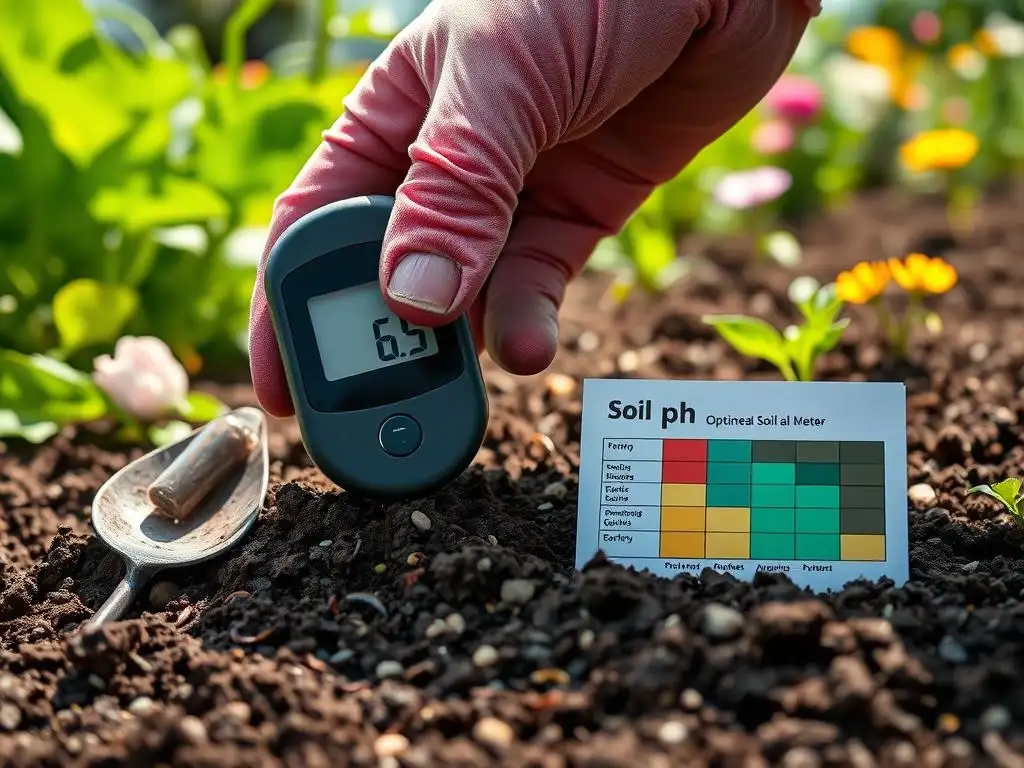
Achieving the best soil pH for gardening hinges on accurate measurement. Understanding your soil's pH level is crucial for successful cultivation, as it directly impacts nutrient availability and plant health. Several methods exist, ranging from simple at-home tests to more precise laboratory analyses. Let's explore some readily accessible options for determining your garden's pH.
Remember, consistent monitoring is key to maintaining optimal conditions throughout the growing season. Regular testing, especially before planting and during periods of heavy rainfall or irrigation, will allow you to proactively adjust your soil's chemistry and prevent nutrient deficiencies or toxicities. This proactive approach contributes significantly to maximizing your harvest and ensuring vibrant, healthy plants.
Using a Soil pH Meter
A soil pH meter offers a quick and relatively precise measurement of your soil's acidity or alkalinity. These digital devices typically feature a probe that's inserted directly into the soil. The meter then provides a numerical reading, usually on a scale of 0 to 14, with 7 being neutral. Values below 7 indicate acidity, while values above 7 indicate alkalinity.
Several factors influence the accuracy of a soil pH meter reading. First, ensure the meter is properly calibrated according to the manufacturer's instructions. Calibration is crucial for obtaining reliable results. Second, the soil sample should be moist but not saturated. Extremely dry or wet soil can affect the meter's reading. Third, avoid using the meter in direct sunlight, as temperature fluctuations can impact accuracy. Finally, be mindful of the type of soil; clay soils, for example, may require more thorough mixing before testing.
Accurate readings are essential for determining the best soil pH for gardening. Regular calibration and careful sample preparation are key to maximizing the effectiveness of a soil pH meter. The convenience and speed of a meter make it a valuable tool for gardeners who want regular monitoring of their soil conditions.
Employing a Soil Testing Kit
Soil testing kits provide a convenient and affordable alternative to pH meters. These kits typically involve mixing a soil sample with a reagent solution and comparing the resulting color to a provided chart. The color change indicates the approximate pH level. While not as precise as a pH meter, kits offer a good indication of your soil's acidity or alkalinity, providing valuable information for adjusting your gardening practices.
The accuracy of a soil testing kit depends on several factors. It's crucial to follow the instructions carefully, ensuring the correct amount of soil and reagent are used. The consistency of the mixture is also important; proper mixing is necessary for an accurate color change.
Environmental factors, such as ambient light, can slightly affect the color perception, so compare the color under consistent lighting conditions. Moreover, different kits may use different color charts and scales, so understanding the specific scale your kit uses is essential for interpreting the results correctly. For a more detailed analysis, consider sending a soil sample to a professional laboratory.
Visual Indicators of Soil pH
While less precise than meters or kits, observing certain visual indicators can offer a general idea of your soil's pH. For instance, the presence of certain plants can suggest the pH range. For example, plants thriving in acidic conditions (pH below 6.5) often include blueberries, azaleas, and rhododendrons. Alkaline-loving plants (pH above 7.5) might include alfalfa and certain types of grasses. However, remember that plant preferences are not an absolute indicator of soil pH; other factors, such as nutrient availability and soil drainage, significantly influence plant growth.
Furthermore, the color of your soil can provide a rough estimate. Highly acidic soils may appear darker, while more alkaline soils may appear lighter. This is a very general observation, however, and should not be relied upon for precise measurements. The presence of certain minerals in the soil can also affect its color. For a reliable assessment of your soil pH, it's always recommended to use a soil testing kit or pH meter. Visual indicators serve as supplementary information, not a definitive measure. Remember, achieving the best soil pH for gardening requires a combination of observation and precise measurement.
Adjusting Soil pH for Optimal Plant Health
Achieving the best soil pH for gardening is crucial for healthy plant growth. Different plants thrive in different pH ranges, and understanding how to adjust your soil's pH is a fundamental skill for any successful gardener. This section details methods for both lowering high pH (alkaline soil) and raising low pH (acidic soil), ensuring your garden flourishes.
Remember, consistent monitoring and adjustments are key to maintaining optimal conditions. Testing your soil regularly with a reliable pH meter or testing kit is essential for informed decision-making. The ideal pH range varies depending on the specific plant, but generally, a slightly acidic to neutral pH (6.0-7.0) suits many common garden plants.
Lowering High Soil pH (Alkaline Soil)
High soil pH, often characterized as alkaline, can hinder nutrient uptake, especially micronutrients like iron and manganese. This leads to chlorosis (yellowing of leaves) and stunted growth. Several methods can effectively lower your soil's pH. The best approach often involves a combination of techniques for sustained results. Consider the specific needs of your plants and the severity of the alkaline condition when choosing your strategy.
Using Elemental Sulfur
Elemental sulfur is a highly effective soil amendment for lowering pH. It's a slow-acting amendment, gradually oxidizing into sulfuric acid, which lowers the pH over time. The amount needed depends on your soil's current pH and the desired reduction. Soil testing is vital to determine the appropriate amount to apply. Typically, applications range from 1-5 pounds per 100 square feet, but always follow product instructions carefully. Consistent application over several months is often more effective than a single, large application. Remember to incorporate sulfur evenly into the soil.
Incorporating Organic Matter
Adding ample organic matter, such as composted manure, peat moss, or leaf mold, helps lower soil pH naturally. These materials improve soil structure, water retention, and nutrient availability. Organic matter contributes to a more balanced soil environment, gradually lowering the pH over time. While not as rapid as elemental sulfur, this method provides long-term benefits for soil health. Aim for a minimum of 2-4 inches of organic matter added to the soil's surface each year.
Acidifying with Acidic Fertilizers
Certain fertilizers, like ammonium sulfate and iron sulfate, can help lower soil pH. These fertilizers release hydrogen ions (H+), which lower the pH. However, use these cautiously and always follow label instructions precisely, as overuse can damage plants. Soil testing remains crucial to avoid unintended consequences. Consider this method as a supplementary approach, combined with other pH-lowering techniques for a holistic approach to soil management.
Raising Low Soil pH (Acidic Soil)
Low soil pH, or acidic soil, can also restrict nutrient uptake, particularly those of calcium and magnesium. This can manifest as poor growth, leaf discoloration, and reduced yields. Fortunately, there are several ways to raise your soil's pH, creating a more hospitable environment for your plants. Again, soil testing is paramount for determining the appropriate adjustments.
Applying Lime
Lime, specifically agricultural limestone (calcium carbonate), is the most common and effective way to raise soil pH. It neutralizes soil acidity by reacting with hydrogen ions. Different types of lime exist, each with varying reactivity. Dolomitic lime contains both calcium and magnesium, providing additional benefits. The amount of lime needed depends on your soil's current pH and the desired increase. Soil testing is essential to determine the correct application rate, which typically ranges from 50 to 100 pounds per 100 square feet, but always consult product instructions. Incorporate lime thoroughly into the soil for optimal effectiveness.
Using Wood Ash
Wood ash, a byproduct of burning hardwood (avoid softwoods), contains calcium carbonate and other alkaline compounds that can raise soil pH. It also adds potassium, a crucial nutrient for plant growth. However, wood ash should be used sparingly, as excessive amounts can negatively impact soil structure and nutrient balance. Always test your wood ash for its pH before applying it to your soil. This is a slower-acting method compared to lime, but it can be a useful supplementary technique.
Alkalizing with Alkaline Fertilizers
Some fertilizers, such as bone meal and wood ash, can mildly increase soil pH. These fertilizers, while primarily providing nutrients, contribute to a slightly more alkaline environment. However, their effect on pH is generally less significant than lime. Consider these fertilizers as supplementary options alongside lime for a more comprehensive approach to improving soil pH. Remember that over-fertilizing can harm your plants, so always adhere to the recommended application rates.
Maintaining Optimal Soil pH Over Time
Maintaining the ideal soil pH for your garden isn't a one-time fix; it's an ongoing process. Consistent monitoring and proactive adjustments are crucial for long-term success and maximizing yields. Think of soil pH management as a delicate dance, requiring careful observation and strategic intervention. The best soil pH for gardening isn't a static number, but rather a range that varies depending on the specific plants you're cultivating. However, understanding the fundamentals of pH maintenance allows you to adapt and thrive. Consistent effort in this area will significantly improve the health and productivity of your garden.
Regular Soil Testing and Monitoring
Regular soil testing is paramount to understanding and maintaining the best soil pH for gardening. This involves periodically collecting soil samples from different areas of your garden and submitting them to a reputable soil testing laboratory or using a home testing kit. The frequency of testing depends on several factors, including your soil type, the types of plants you grow, and your gardening practices.
As a general guideline, testing at least once a year, preferably in spring before planting, is recommended. More frequent testing might be necessary if you've made significant changes to your garden, such as adding amendments or experiencing unusual plant growth.
Accurate testing provides a baseline pH reading, allowing you to track changes over time. Consistent monitoring allows early detection of pH shifts, enabling timely corrective measures. Ignoring this crucial step can lead to nutrient deficiencies, stunted growth, and reduced yields. Remember, proactive management is key to preventing drastic pH fluctuations that can negatively impact your plants. Think of it as a preventative healthcare approach for your garden. 📊
Sustainable Practices for pH Balance
Maintaining the best soil pH for gardening requires a holistic approach that prioritizes sustainable practices. Avoid harsh chemicals and embrace natural methods to adjust soil pH. For instance, to lower a high pH (alkaline soil), you can incorporate organic matter like compost, aged manure, or peat moss. These materials gradually release acids, helping to lower the pH over time.
This process is far gentler than using chemical acidifiers and promotes healthier soil structure. Similarly, to raise a low pH (acidic soil), you can use lime, which is a natural source of calcium carbonate. Lime gradually increases the pH, improving the availability of certain nutrients for your plants.
Remember, the key is gradual adjustment. Avoid drastic changes, as this can shock your plants and negatively affect their health. Sustainable practices not only maintain the best soil pH for gardening but also contribute to a healthier environment, reducing your reliance on potentially harmful chemicals. 🌱
The Role of Organic Matter in pH Regulation
Organic matter plays a crucial role in buffering soil pH, minimizing drastic fluctuations. Compost, leaf mold, and other organic materials act as a natural pH buffer, helping to stabilize the soil's pH level. The complex organic compounds in these materials interact with the soil, preventing rapid changes in acidity or alkalinity. This buffering capacity is vital for maintaining a consistent environment conducive to healthy plant growth. Furthermore, organic matter improves soil structure, water retention, and nutrient availability, all of which contribute to optimal plant health.
Incorporating sufficient organic matter is a cornerstone of sustainable gardening and a fundamental aspect of achieving and maintaining the best soil pH for gardening. It's a natural and effective way to regulate pH, promoting a thriving garden ecosystem. The benefits extend beyond pH regulation, contributing to overall soil health and plant vigor. Think of organic matter as the foundation upon which successful pH management is built. The more organic matter you have, the more stable your soil pH will be. 🌿
Best Soil pH for Gardening: Case Studies of Specific Plants
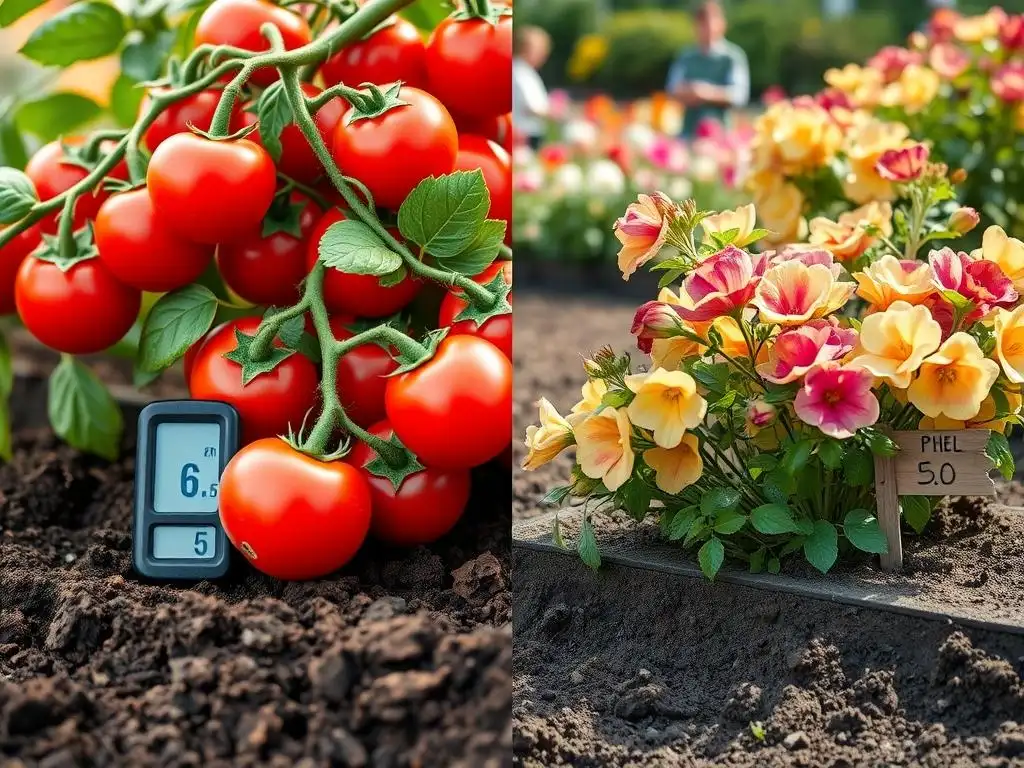
Achieving the best soil pH for gardening is crucial for optimal plant growth and nutrient uptake. Different plants have different pH preferences, and understanding these needs is key to maximizing yields and plant health. This section delves into specific examples, showcasing the ideal pH ranges and necessary adjustments for successful cultivation. Mastering soil pH management is a fundamental aspect of achieving abundant and healthy harvests, contributing significantly to your overall gardening success. Let's explore some key plant groups and their specific pH requirements.
Tomatoes and Peppers: Ideal pH Range and Adjustment Techniques
Tomatoes and peppers, beloved staples in many home gardens, thrive in slightly acidic to neutral soil. The ideal pH range for these plants generally falls between 6.0 and 6.8. Falling outside this range can lead to nutrient deficiencies, impacting fruit production and overall plant vigor.
For instance, a pH below 6.0 can result in a deficiency of phosphorus and molybdenum, leading to stunted growth and poor fruit development. Conversely, a pH above 7.0 can hinder the uptake of iron and manganese, causing chlorosis (yellowing of leaves) and reduced yields.
Adjusting the soil pH requires careful consideration. If your soil is too alkaline (high pH), you can lower it by incorporating organic matter such as composted manure or peat moss. These materials release acids into the soil over time, gradually reducing the pH. Adding elemental sulfur is another effective method, but it requires careful application and monitoring to avoid over-correction.
If your soil is too acidic (low pH), you can raise the pH by adding lime. Different types of lime (dolomitic lime, calcitic lime) offer varying levels of calcium and magnesium, so choosing the right type depends on your specific soil's needs. A soil test can help determine the precise amount of lime needed. Always follow package instructions carefully to avoid over-liming, which can negatively impact plant health. Regular monitoring and further soil testing are crucial after any pH adjustment.
Leafy Greens: Optimal pH and Nutrient Uptake
Leafy greens, such as spinach, lettuce, and kale, generally prefer a slightly acidic soil environment. Their optimal pH range typically sits between 6.0 and 7.0. Maintaining this pH range is vital for maximizing nutrient uptake, particularly the availability of nitrogen, iron, and manganese, all crucial for lush leaf growth.
A pH that is too high can limit the availability of these essential nutrients, resulting in smaller leaves, pale coloration, and decreased yield. Conversely, a pH that is too low can lead to increased aluminum toxicity, which can also inhibit growth and nutrient absorption.
Improving the soil pH for leafy greens often involves similar techniques as for tomatoes and peppers. For alkaline soils, adding organic matter like compost or peat moss can gradually lower the pH. For acidic soils, applying lime in controlled amounts, guided by a soil test, will raise the pH to the optimal level. Regular soil testing throughout the growing season helps ensure the pH remains within the desired range for healthy, vibrant leafy greens.
Berries and Fruit Trees: pH Requirements and Soil Management
Berries and fruit trees exhibit a wider range of pH preferences depending on the specific species. However, most prefer a slightly acidic to neutral soil pH, typically between 5.5 and 7.0. This range ensures optimal nutrient availability and minimizes the risk of nutrient deficiencies and toxicities.
For example, blueberries are notoriously sensitive to high pH, requiring a significantly more acidic environment (pH 4.5-5.5). Their successful cultivation necessitates careful soil amendment with acidic materials like peat moss and sulfur. Conversely, many apple trees tolerate a slightly broader pH range but still benefit from a slightly acidic environment.
Maintaining the optimal pH for berries and fruit trees often requires a proactive approach. Regular soil testing is crucial to monitor pH levels throughout the year. Amendments, such as organic matter, lime, or sulfur, should be applied strategically based on the test results to ensure the soil remains within the ideal range for the specific plants being grown. Consistent soil management practices, including proper drainage and fertilization, are vital for healthy fruit production. Proper drainage is crucial as waterlogged soil can significantly impact pH levels and overall plant health.
Troubleshooting Common Soil pH Problems
Achieving the best soil pH for gardening is crucial for healthy plant growth. However, even with careful planning, imbalances can occur. This section details common problems and their solutions, focusing on practical, sustainable approaches. Understanding these issues is key to maximizing your yields and minimizing environmental impact. Remember, consistent monitoring is vital for maintaining optimal soil conditions.
Soil pH directly impacts nutrient availability. An incorrect pH can lock out essential nutrients, even if they're present in the soil. This often manifests as nutrient deficiencies, impacting plant health and productivity. For example, a soil pH that's too alkaline (high pH) can reduce the availability of iron, manganese, zinc, and phosphorus. This can lead to chlorosis – yellowing of leaves – a common symptom of nutrient deficiency. Conversely, excessively acidic soil (low pH) can hinder the uptake of molybdenum and calcium.
Identifying the specific nutrient deficiency requires careful observation. Examine your plants for characteristic symptoms:
- Iron deficiency: Yellowing between leaf veins (interveinal chlorosis), often starting with younger leaves.
- Manganese deficiency: Similar to iron deficiency, but spotting or striping may also be present.
- Zinc deficiency: Small, distorted leaves and stunted growth.
- Phosphorus deficiency: Dark green or purplish leaves, stunted growth, and delayed maturity.
- Molybdenum deficiency: Wilt, leaf curl, and yellowing.
- Calcium deficiency: Blossom-end rot in fruits and vegetables, stunted growth, and leaf tip burn.
Table 1: Nutrient Availability and Soil pH
| Nutrient | Optimal pH Range | Symptoms of Deficiency |
|---|---|---|
| Iron (Fe) | 6.0 - 6.5 | Interveinal chlorosis, stunted growth |
| Manganese (Mn) | 6.0 - 7.0 | Interveinal chlorosis, brown spots on leaves |
| Zinc (Zn) | 6.0 - 7.0 | Small leaves, stunted growth, distorted leaves |
| Phosphorus (P) | 6.0 - 7.0 | Dark green leaves, stunted growth, delayed maturity |
| Molybdenum (Mo) | 6.0 - 7.5 | Leaf curl, yellowing, wilting |
| Calcium (Ca) | 6.0 - 7.0 | Blossom-end rot, stunted growth, leaf tip burn |
To diagnose accurately, a soil test is crucial. This will provide a precise pH reading and identify any nutrient deficiencies. This allows for targeted amendment application, maximizing effectiveness and minimizing waste. Remember that visual symptoms alone may not be conclusive.
Chlorosis, a common symptom of iron deficiency, often arises from high soil pH. Addressing this requires a multifaceted approach. Simply adding iron directly might provide temporary relief but may not address the underlying pH problem.
Several strategies can be employed:
- Soil amendment: Applying sulfur to lower the pH of alkaline soils is a common practice. The rate of application depends on the severity of the problem and your soil type. Always follow package instructions carefully. Organic matter, such as compost, helps buffer pH changes and improves overall soil health.
- Chelated iron: Applying chelated iron supplements can make iron more readily available to plants, even in high-pH soils. Chelation protects the iron from binding with other soil components, making it more bioavailable.
- Acidifying irrigation water: In some cases, slightly acidifying your irrigation water with citric acid can help. This is a gentler approach and is particularly suitable for container gardening.
- Plant selection: Choosing plants tolerant of slightly alkaline soils can reduce the impact of pH imbalances.
Remember that correcting pH imbalances takes time. Consistent monitoring and adjustments are key to long-term success. Avoid drastic changes, as these can harm beneficial soil microorganisms. Patience and careful observation are crucial.
Preventing Future Soil pH Imbalances
Preventing pH imbalances is far easier than correcting them. Proactive measures significantly reduce the likelihood of encountering problems down the line. These include:
- Regular soil testing: Conduct soil tests annually, or more frequently if necessary, to monitor pH levels. This allows for early detection of any imbalances.
- Balanced fertilization: Avoid over-fertilizing, as excessive fertilizers can alter soil pH. Use balanced, organic fertilizers that provide a complete range of nutrients.
- Organic matter incorporation: Regularly adding organic matter, such as compost and well-rotted manure, helps buffer pH changes and improves soil structure. This creates a more stable and resilient soil environment.
- Mulching: Applying a layer of mulch helps retain soil moisture, reduces temperature fluctuations, and gradually improves soil structure over time. This contributes to a healthier, more stable soil pH.
- Crop rotation: Rotating crops can help maintain soil health and balance nutrient levels. Different plants have varying nutrient requirements and may affect soil pH differently.
By implementing these preventative measures, you can create a more stable and productive gardening environment, minimizing the need for corrective actions and maximizing the chances of achieving the best soil pH for gardening, ultimately leading to healthier, more vibrant plants. Remember, a healthy soil is the foundation for a successful garden.
Frequently Asked Questions
What is soil pH, and why is it important for gardening?
Soil pH measures the acidity or alkalinity of your soil. It's crucial because it affects the availability of nutrients to your plants. The wrong pH can prevent plants from accessing essential elements for healthy growth.
What is considered the best soil pH range for most garden plants?
Most plants thrive in a slightly acidic to neutral pH range, between 6.0 and 7.0. However, some plants prefer more acidic or alkaline conditions. Knowing your specific plants' needs is key.
How can I test my soil's pH level?
You can purchase a soil testing kit at most garden centers or online. These kits provide easy-to-follow instructions for accurate pH measurement. Alternatively, you can submit a soil sample to a local agricultural extension office for testing.
My soil pH is too low (acidic). How can I raise it?
To raise your soil pH (reduce acidity), you can add lime to your garden. Follow package instructions carefully for the correct amount. Regular testing is recommended to monitor the changes.
My soil pH is too high (alkaline). How can I lower it?
To lower your soil pH (reduce alkalinity), you can incorporate organic matter, such as compost or peat moss, into your soil. Alternatively, you can use elemental sulfur. Again, monitor your progress with regular testing.
Final Reflection: Cultivating a Thriving Future, One pH Level at a Time
Understanding soil pH is not merely a technical detail; it's the cornerstone of a flourishing garden and a sustainable future. Ignoring this fundamental aspect of plant health directly impacts food security, biodiversity, and the overall health of our ecosystems. The seemingly small act of checking your soil's pH can have profound consequences.
The impact of soil health extends far beyond the individual garden; it's a reflection of our relationship with the natural world. Understanding the intricate chemistry beneath our feet allows us to cultivate a deeper appreciation for the delicate balance of nature. As renowned botanist, Sir Albert Howard, once said: The soil is the great connector of lives, the source and destination of all.
This quote underscores the interconnectedness of soil health, plant life, and ultimately, our own well-being. Our understanding and management of soil pH directly contributes to this vital connection.
Now, consider your own garden, your own patch of earth. What steps can you take to ensure its health and vitality? Will you test your soil's pH? Will you adjust it to suit the needs of your plants? The knowledge is within your grasp; the power to cultivate a thriving garden, and contribute to a healthier planet, rests in your hands. Let's nurture the earth, one carefully balanced pH level at a time.
Unlock Your Garden's Potential: Take Action Now!
Thank you for learning about the crucial role of soil pH in creating a thriving garden! You've gained valuable insights into optimizing plant health and yield. Now it's time to put this knowledge into practice.
- Test your soil pH: This is the most crucial first step. Knowing your soil's pH is key to unlocking its full potential. Use a reliable soil testing kit to obtain an accurate reading.
- Share your results and gardening tips with our community on social media using #CultivateYourFood. Let's grow together!
- Amend your soil based on your test results. Consider creating your own compost tea—a fun and rewarding DIY project that will enrich your soil naturally.
What simple soil amendment will you apply today to encourage improved plant growth?