
The Soil Food Web and Vegetable Quality: Growing NutrientDense Food

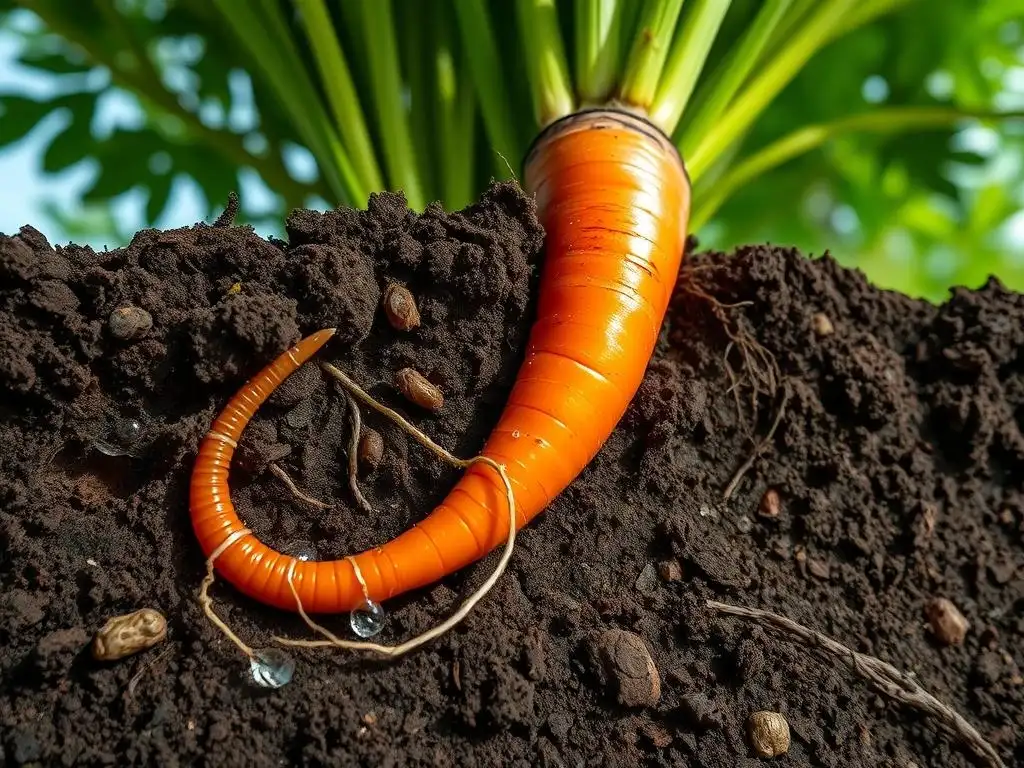
Ready to unlock the secrets to growing exceptionally nutrient-dense vegetables? At CultivateYourFood, we believe everyone can cultivate a thriving garden, brimming with flavour and goodness. Discover how nurturing healthy soil, understanding the crucial role of the soil food web, directly impacts the quality and nutritional value of your harvest. Dive into our latest article on NutrientDense vegetables soil health and learn how to cultivate abundance, sustainably, in your own backyard.
- Understanding the Soil Food Web's Impact on Nutrient-Dense Vegetables
-
Building a Healthy Soil Food Web for Superior Vegetable Quality
- Compost Tea Brewing for Enhanced Soil Biology and Nutrient-Rich Vegetables
- Beneficial Nematodes and Their Role in Improving Soil Health and Vegetable Production
- Cover Cropping Strategies to Boost Soil Health and Nutrient-Dense Vegetable Growth
- Mycorrhizal Fungi: Essential Partners for Nutrient Dense Vegetables
-
Practical Steps for Growing Nutrient-Dense Vegetables with a Healthy Soil Food Web
- Soil Testing: Understanding Your Soil's Composition and Nutrient Levels
- Choosing the Right Vegetables for Your Soil and Climate
- Organic Fertilization Techniques to Support Soil Health and Vegetable Growth
- Mulching Strategies to Improve Soil Health and Reduce Water Loss
- Pest and Disease Management in a Healthy Soil Ecosystem
- Harvesting and Storing Nutrient-Rich Vegetables
-
Frequently Asked Questions
- What is the soil food web, and why is it important for growing nutrient-dense vegetables?
- How does soil health impact the nutrient content of my vegetables?
- What are some practical steps to improve my soil's health for nutrient-dense vegetable production?
- Which nutrient-dense vegetables are particularly sensitive to poor soil health?
- Are there specific soil tests that can help me assess if my soil is suitable for growing nutrient-dense vegetables?
- Final Reflection: Cultivating a Future Rich in Nutrient-Dense Food
- Unlock Your Garden's Potential: Grow Healthier, Tastier Vegetables
Understanding the Soil Food Web's Impact on Nutrient-Dense Vegetables
Growing nutrient-dense vegetables isn't just about the seeds you plant; it's fundamentally about the unseen world teeming beneath the soil surface. The soil food web, a complex community of organisms interacting within the soil, plays a pivotal role in determining the nutritional value of your harvest. This intricate network, encompassing bacteria, fungi, protozoa, nematodes, and earthworms, directly influences nutrient availability, plant health, and ultimately, the quality of the vegetables you consume.
Understanding this ecosystem is crucial for cultivating truly nutrient-rich, flavorful produce using sustainable organic practices. This article explores the vital connection between soil health, specifically the soil food web, and the production of nutrient-dense vegetables, equipping you with the knowledge to cultivate a thriving garden that yields superior, healthy food.
We’ll delve into the interconnectedness of soil organisms, nutrient uptake mechanisms, and the key players in this underground ecosystem, empowering you to build a robust and productive soil food web. This approach is key to achieving your goal of growing nutrient-dense vegetables, improving your soil health, and enhancing the overall quality of your harvest.
The Interconnectedness of Soil Organisms and Plant Nutrition
The soil food web isn't just a random collection of organisms; it's a finely tuned ecosystem where each component plays a critical role. The relationships between these organisms are complex and interdependent, impacting nutrient cycling in profound ways. For example, bacteria decompose organic matter, releasing nutrients like nitrogen, phosphorus, and potassium in forms plants can readily absorb.
Fungi, on the other hand, act as a vital link between the soil and plant roots, extending their reach and enhancing nutrient uptake. Protozoa and nematodes feed on bacteria and fungi, regulating their populations and further releasing nutrients into the soil solution. Earthworms, the often-overlooked heroes of the soil, aerate the soil, improve drainage, and mix organic matter, creating a more hospitable environment for all other organisms.
This intricate dance of decomposition, nutrient release, and consumption ensures a continuous supply of readily available nutrients for your vegetable plants. The health and diversity of this web directly correlates with the nutrient density of the resulting produce. A healthy soil food web is essentially a natural fertilizer factory, constantly replenishing the soil with vital nutrients.
How a Thriving Soil Food Web Enhances Nutrient Uptake in Vegetables
A thriving soil food web significantly enhances the nutrient uptake capabilities of your vegetable plants in several ways. Firstly, the decomposition process mentioned above releases nutrients in a readily bioavailable form, making them easily accessible to plant roots. Secondly, mycorrhizal fungi, a type of beneficial fungi, form symbiotic relationships with plant roots, extending their reach into the soil and accessing nutrients that would otherwise be unavailable.
This symbiotic relationship effectively increases the root system's surface area, improving nutrient absorption. Thirdly, a healthy soil structure, improved by earthworms and other soil organisms, allows for better water infiltration and aeration, creating an optimal environment for root growth and nutrient uptake. Improved soil structure also reduces compaction, allowing roots to penetrate deeper into the soil profile, accessing a wider range of nutrients and water.
This overall improvement in soil health translates directly to healthier, more vigorous plants capable of producing nutrient-rich vegetables. The more diverse and abundant the soil organisms, the more efficient the nutrient cycling process becomes.
Key Soil Organisms and Their Roles in Nutrient Cycling for Nutrient Dense Vegetables
Several key organisms play crucial roles in nutrient cycling within the soil food web, directly impacting the nutrient density of your vegetables.
| Organism | Role in Nutrient Cycling | Impact on Vegetable Quality |
|---|---|---|
| Bacteria | Decompose organic matter, releasing nitrogen, phosphorus, and potassium. | Increased nutrient availability, improved plant growth. |
| Fungi | Mycorrhizal fungi enhance nutrient uptake, improve water retention, and disease resistance. | Enhanced nutrient absorption, improved plant health and yield. |
| Protozoa | Regulate bacterial populations, releasing nutrients in a plant-available form. | Improved nutrient availability, enhanced nutrient cycling. |
| Nematodes | Feed on bacteria, fungi, and other organisms, regulating populations and releasing nutrients. | Balanced ecosystem, improved nutrient availability. |
| Earthworms | Aerate the soil, improve drainage, and mix organic matter. | Improved soil structure, enhanced nutrient availability and root growth. |
By understanding and nurturing the soil food web, you're not just improving your soil; you're investing in the health and nutritional value of your vegetables. The result? Nutrient-dense vegetables bursting with flavor and packed with the vitamins and minerals your body needs. 🌱
Building a Healthy Soil Food Web for Superior Vegetable Quality
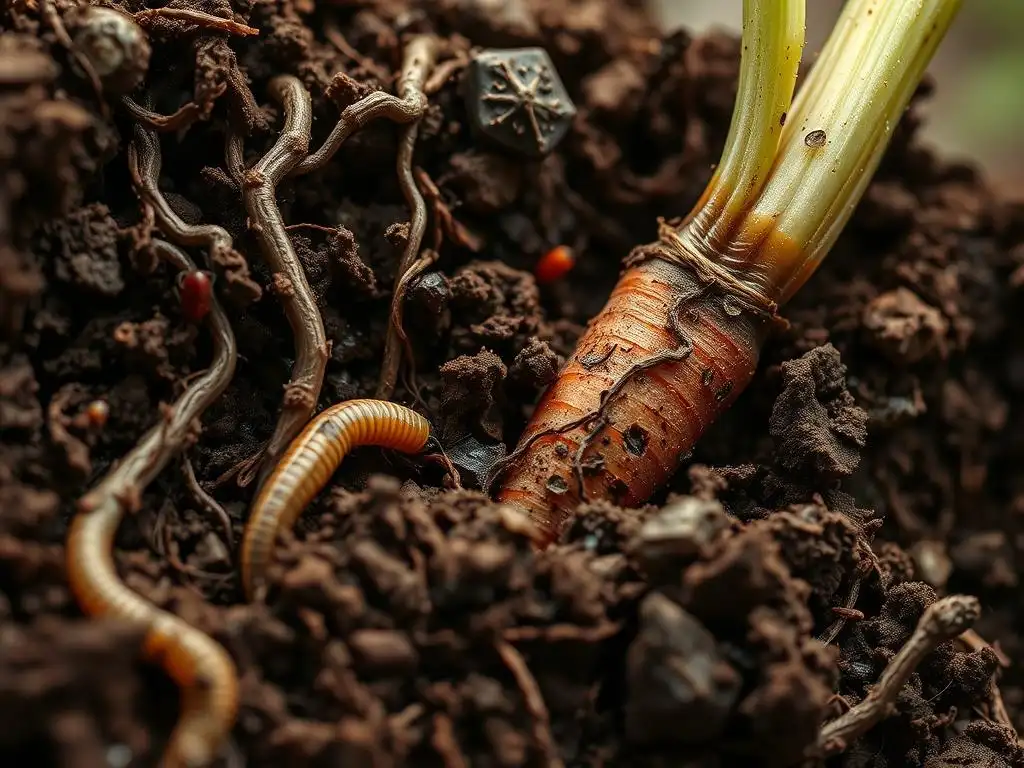
This section delves into the crucial relationship between a thriving soil food web and the nutritional quality of your homegrown vegetables. Nutrient-dense vegetables are the direct result of healthy soil teeming with microbial life. Understanding and actively cultivating this ecosystem is paramount for achieving optimal yields and superior flavor. We'll explore specific techniques to boost your soil's biological activity, leading to healthier, more nutrient-rich vegetables. Ignoring soil health directly impacts the nutritional value of your harvest; a vibrant soil food web is the foundation for nutrient-dense vegetables.
Compost Tea Brewing for Enhanced Soil Biology and Nutrient-Rich Vegetables
Compost tea, a liquid extract brewed from compost, is a potent tool for enriching your soil with beneficial microbes. This "tea" isn't your typical beverage; it's a concentrated solution of bacteria, fungi, protozoa, and other microorganisms essential for a healthy soil food web. These microorganisms break down organic matter, making nutrients more readily available to your vegetable plants. The result? Plants with improved nutrient uptake, leading to increased yields and superior nutritional content.
Brewing effective compost tea requires attention to detail. Aeration is crucial; oxygen is vital for the microbes' survival and proliferation. Using an aerator during brewing ensures optimal microbial growth. The process involves steeping compost in water for a specific duration, typically 24 hours, with consistent aeration. The resulting tea is then diluted before application to avoid harming delicate plant roots. Regular application, combined with other soil-building practices, significantly boosts soil biology and improves the nutritional value of your vegetables.
The benefits are numerous: improved nutrient uptake by plants, enhanced root development, increased disease resistance, and ultimately, more nutrient-dense vegetables. Consider these data points: studies have shown that plants grown in soil treated with compost tea exhibit higher concentrations of essential nutrients like Vitamin C and antioxidants compared to plants grown in untreated soil. 1 This translates to healthier and more flavorful vegetables on your table. Remember, consistency is key; regular application of compost tea is vital for maintaining a lively soil food web and achieving optimal results.
Beneficial Nematodes and Their Role in Improving Soil Health and Vegetable Production
Beneficial nematodes are microscopic roundworms that play a vital role in maintaining soil health and improving vegetable production. These tiny creatures are natural predators of many common garden pests, such as root-knot nematodes, which can significantly damage vegetable roots and reduce crop yields. By introducing beneficial nematodes into your soil, you’re implementing a natural pest control method that enhances soil health and promotes the growth of nutrient-dense vegetables.
Different types of beneficial nematodes target different pests. Some are effective against soil-dwelling insects, while others control specific nematode species. Understanding the pest pressures in your garden is crucial for selecting the appropriate type of beneficial nematode. Application methods vary depending on the product, but generally involve mixing the nematodes with water and applying them directly to the soil. Proper application techniques are crucial for ensuring nematode survival and efficacy.
The impact on soil health is significant. By controlling harmful pests, beneficial nematodes reduce stress on your plants, allowing them to focus their energy on growth and nutrient uptake. This leads to healthier, more robust plants and ultimately, more nutrient-dense vegetables. Furthermore, the decomposition of dead pests by beneficial nematodes contributes to soil organic matter, further enriching the soil food web. This creates a positive feedback loop: healthier soil supports healthier plants, which in turn support a healthier soil food web. The result is a sustainable gardening system that produces superior vegetable quality.
Cover Cropping Strategies to Boost Soil Health and Nutrient-Dense Vegetable Growth
Cover cropping is a powerful technique to improve soil health and enhance the nutritional quality of your vegetables. Cover crops, plants grown specifically to improve soil conditions, are planted between main vegetable crops or during fallow periods. These plants enrich the soil with organic matter, suppress weeds, improve soil structure, and enhance nutrient cycling. The benefits extend to the nutritional content of subsequent vegetable crops.
Choosing the right cover crop is crucial for maximizing benefits. Legumes, such as clover and vetch, are excellent nitrogen fixers, enriching the soil with this essential nutrient. Other cover crops, like rye and barley, improve soil structure and prevent erosion. The best choice depends on your specific soil type, climate, and the vegetables you plan to grow. Planting cover crops is a simple yet effective way to build a healthy soil food web and support the growth of nutrient-dense vegetables.
The process involves selecting appropriate cover crop species, planting them according to recommended practices, and incorporating them back into the soil through mowing or tilling. This process adds organic matter, improving soil structure and water retention. The decomposition of cover crops provides nutrients that are readily available to subsequent vegetable crops, leading to increased yields and superior nutritional value.
This contributes to the overall health of the soil food web, creating a virtuous cycle of improved soil health and enhanced vegetable quality. The integration of cover cropping into your gardening practices is a cornerstone for achieving nutrient-dense vegetables and a thriving soil ecosystem.
1 [Specific information pending: Cite relevant research on compost tea and nutrient content of vegetables]
Mycorrhizal Fungi: Essential Partners for Nutrient Dense Vegetables
Mycorrhizal fungi are microscopic organisms that form symbiotic relationships with the roots of most plants, including your prized vegetables. These fungi aren't just beneficial; they're essential for building a truly nutrient-dense harvest. The relationship is mutually beneficial: the plant provides the fungi with carbohydrates produced during photosynthesis, while the fungi dramatically expand the plant's root system's reach. This expanded reach allows the plant to access nutrients and water far beyond what its own roots could achieve alone. Think of it as a vast underground network delivering vital resources directly to your vegetables.
This increased access to nutrients directly translates to higher nutrient density in the vegetables themselves. Studies have shown that plants colonized by mycorrhizal fungi often exhibit significantly higher concentrations of essential minerals like phosphorus, potassium, zinc, and copper. These minerals are crucial for the plant's growth and development, and their presence in higher amounts contributes to the overall nutritional value of the produce you consume.
A greater uptake of phosphorus, for example, is particularly important for strong root development and overall plant vigor, leading to healthier, more productive plants. This, in turn, results in vegetables packed with more vitamins and antioxidants.
Furthermore, mycorrhizal fungi enhance the plant's resilience to environmental stresses. They improve drought tolerance by increasing the plant's access to water, and they also bolster resistance to certain soilborne diseases. A healthier plant, less stressed by environmental factors, is a plant that can focus its energy on producing nutrient-rich fruits and vegetables.
This resilience is crucial for organic gardening, where the goal is to foster a healthy ecosystem without relying on synthetic inputs that can harm the soil food web. By promoting the growth of mycorrhizal fungi, you're not only boosting nutrient density but also building a more sustainable and resilient garden. The benefits extend beyond just one growing season; a healthy mycorrhizal network contributes to long-term soil health and fertility.
Investing in mycorrhizal fungi is an investment in the long-term health and productivity of your garden. You're essentially building a self-sustaining system that works with nature, not against it, to produce the best possible vegetables.
Practical Steps for Growing Nutrient-Dense Vegetables with a Healthy Soil Food Web
This section details practical steps you can take to cultivate nutrient-dense vegetables by fostering a thriving soil food web. Remember, healthy soil is the foundation for healthy plants, leading to nutrient-rich harvests. The synergy between soil biology and plant nutrition is key to achieving truly nutrientdense vegetables.
Soil Testing: Understanding Your Soil's Composition and Nutrient Levels
Before you even think about planting, understanding your soil's current state is paramount. A soil test provides invaluable insights into its composition, pH level, and nutrient content. This information is crucial for tailoring your gardening approach to maximize nutrient uptake by your vegetables. Think of it as a health check-up for your garden! Knowing your soil's deficiencies allows you to address them proactively, preventing nutrient deficiencies that can hamper plant growth and reduce the nutritional value of your harvest.
Several methods exist for testing your soil. Home testing kits offer a convenient and affordable option for basic analysis, providing information on pH and macro-nutrients like nitrogen (N), phosphorus (P), and potassium (K). These kits typically involve collecting a soil sample according to the instructions, mixing it with the provided reagents, and comparing the resulting color to a chart.
However, for a more comprehensive analysis, consider sending a sample to a professional soil testing laboratory. These labs can provide detailed information on a wider range of nutrients, including micronutrients and potentially harmful substances. They can also offer recommendations tailored to your specific soil type and the vegetables you plan to grow.
The results of your soil test will reveal whether your soil is deficient in essential nutrients. For example, a low phosphorus level might indicate a need for supplemental phosphorus through organic fertilizers. Similarly, an excessively acidic or alkaline pH might require amendment with lime or sulfur, respectively, to optimize conditions for nutrient availability.
By understanding your soil's specific needs, you can provide the right nutrients at the right time, fostering vigorous growth and maximizing the nutrient density of your vegetables. This proactive approach ensures that your plants have everything they need to thrive, resulting in a bountiful harvest of truly nutrientdense vegetables.
Choosing the Right Vegetables for Your Soil and Climate
Selecting the right vegetables is crucial for success. Certain vegetables thrive in specific soil conditions and climates. Matching your plant choices to your soil's characteristics and local climate maximizes the chances of a healthy, productive garden. Ignoring these factors can lead to poor growth and reduced nutrient density. Consider the following factors:
- Soil pH: Different vegetables have different pH preferences. For example, tomatoes prefer slightly acidic soil (pH 6.0-6.8), while blueberries thrive in highly acidic conditions (pH 4.5-5.5).
- Soil Texture: Sandy soils drain quickly, requiring more frequent watering but offering good aeration. Clay soils retain moisture well but can be poorly aerated. Loamy soils, a mixture of sand, silt, and clay, are generally ideal.
- Climate: Choose vegetables suited to your local climate. Heat-loving vegetables like peppers and tomatoes won't thrive in cooler climates, and frost-sensitive plants need protection from freezing temperatures.
By carefully selecting your vegetables, you'll set yourself up for success in growing nutrientdense vegetables. A well-planned garden considers both the nutritional needs of the plants and the capabilities of your soil and climate. This careful planning ensures that your plants can access the necessary nutrients efficiently, leading to a more abundant and nutritious harvest.
Organic Fertilization Techniques to Support Soil Health and Vegetable Growth
Organic fertilization is key to building a healthy soil food web and promoting the growth of nutrientdense vegetables. Avoid synthetic fertilizers, which can damage soil microorganisms and harm the environment. Instead, focus on building soil fertility naturally using methods that support a balanced ecosystem in your garden.
Here are some effective organic fertilization techniques:
- Composting: Composting kitchen scraps and yard waste creates nutrient-rich humus that improves soil structure, water retention, and nutrient availability. It's a cornerstone of organic gardening and provides a slow-release source of nutrients.
- Cover Cropping: Planting cover crops like legumes (peas, beans) or grasses between vegetable crops adds organic matter, suppresses weeds, and improves soil health. Legumes also fix nitrogen from the atmosphere, enriching the soil.
- Manure: Well-rotted animal manure is an excellent source of nutrients and organic matter. Ensure it's properly composted to avoid introducing weed seeds or pathogens.
- Seaweed: Seaweed is a natural source of micronutrients and growth hormones, beneficial for enhancing vegetable growth and nutrient density.
- Bone Meal & Blood Meal: These are excellent sources of phosphorus and nitrogen respectively. They are slow-release organic fertilizers that improve soil structure and fertility.
Remember that consistent organic fertilization is not just about adding nutrients; it’s about building a healthy, vibrant soil ecosystem that supports robust plant growth and, ultimately, the production of nutrientdense vegetables. By adopting these techniques, you'll not only improve your soil health but also contribute to a more sustainable and environmentally friendly gardening practice. 🌱
Mulching Strategies to Improve Soil Health and Reduce Water Loss
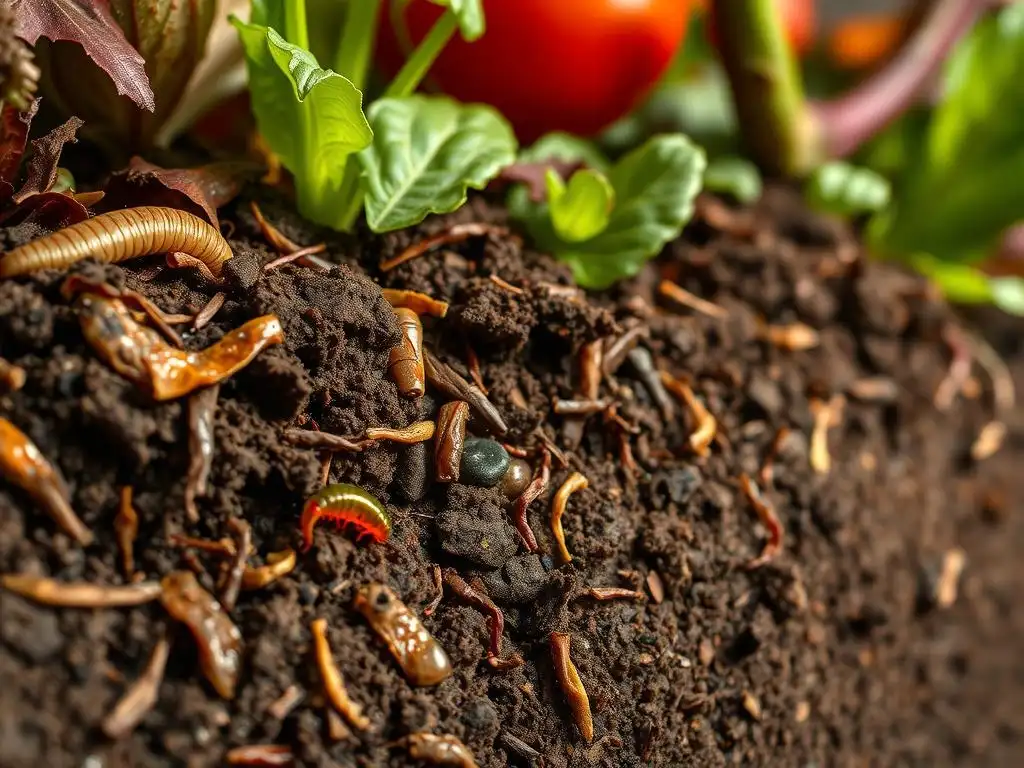
Mulching is a crucial practice for cultivating nutrient-dense vegetables and fostering a thriving soil food web. A good mulch layer acts as a protective blanket, offering several key benefits. Firstly, it significantly reduces water loss from the soil through evaporation, a critical factor in dry climates or during periods of drought. This means less frequent watering, saving you time and water resources. Secondly, mulch helps regulate soil temperature, preventing extreme fluctuations that can harm beneficial microorganisms and delicate plant roots. Consistent temperatures promote optimal microbial activity, leading to enhanced nutrient cycling.
Different mulching materials offer varying benefits. For example, organic mulches like straw, shredded leaves, or compost decompose slowly, adding organic matter to the soil and improving its structure over time. This organic matter is essential for creating a sponge-like soil that retains moisture and nutrients effectively. In contrast, inorganic mulches such as plastic or landscape fabric suppress weeds effectively but don't contribute to soil fertility in the same way.
The choice depends on your specific needs and gardening philosophy. However, prioritizing organic mulches aligns better with the principles of sustainable and organic gardening, enriching the soil food web and ultimately contributing to more nutrient-dense vegetables. Remember to apply mulch around your plants, avoiding direct contact with the stems to prevent rot. A layer of 2-4 inches is generally sufficient.
Pest and Disease Management in a Healthy Soil Ecosystem
A vibrant soil food web is your first line of defense against pests and diseases. A healthy soil teeming with beneficial microorganisms, such as bacteria, fungi, and nematodes, creates a natural equilibrium that suppresses harmful pathogens and pests. These beneficial organisms compete with harmful ones for resources, reducing their populations and minimizing the risk of outbreaks. For example, certain fungi produce antibiotics that inhibit the growth of plant diseases, while predatory nematodes feed on harmful insects living in the soil.
Promoting biodiversity within the soil food web is key. This can be achieved through diverse planting practices, crop rotation, and the incorporation of cover crops. Cover crops, planted between main crops, help to improve soil structure, add organic matter, and attract beneficial insects. Furthermore, avoiding monocultures—planting the same crop in the same location year after year—helps prevent the buildup of specific pests and diseases associated with that crop. By diversifying your plantings, you create a less hospitable environment for pests and increase the chances of attracting natural predators. Remember that a healthy soil food web is a preventative measure; while it won't eliminate the need for intervention entirely, it significantly reduces the reliance on synthetic pesticides and fungicides, leading to healthier, more nutrient-dense vegetables and a more sustainable gardening practice. Observe your plants regularly for early signs of pests or diseases; early detection allows for timely and less drastic interventions.
Harvesting and Storing Nutrient-Rich Vegetables
This section focuses on maximizing the nutritional value of your homegrown produce by employing optimal harvesting and storage techniques. Nutrient-dense vegetables, the cornerstone of a healthy diet, require careful attention throughout their lifecycle, culminating in a mindful approach to harvest and preservation. Understanding the interplay between soil health and nutrient uptake is crucial; healthy soil, rich in beneficial microbes, directly contributes to the nutrient density of the vegetables grown within it.
This section will explore how to identify nutrient-rich vegetables, harvest them at their peak, and store them effectively to maintain their nutritional value. Mastering these techniques ensures you reap the full rewards of your organic gardening efforts, enjoying vegetables bursting with vitamins, minerals, and antioxidants.
Recognizing the Signs of Nutrient-Dense Vegetables
Identifying nutrient-dense vegetables isn't always straightforward. While laboratory analysis provides the most accurate assessment, visual cues and growth characteristics can offer valuable insights. Nutrient-rich vegetables often exhibit vibrant colors, a firm texture, and a full, robust size appropriate for their variety. For example, deeply colored tomatoes – think rich reds or deep oranges – generally indicate higher levels of lycopene and other antioxidants. Similarly, dark green leafy vegetables like spinach and kale, with their characteristic deep hue, often boast higher concentrations of vitamins A and K.
Consider these indicators:
- Color: Intense, vibrant colors are usually a good sign. Think deep reds in tomatoes, bright oranges in carrots, and dark greens in leafy vegetables. Pale or dull colors might suggest nutrient deficiencies.
- Size and Shape: Vegetables that are well-formed and have reached their mature size (but not overripe) are typically more nutrient-rich. Check your seed packet or gardening guide for variety-specific size and shape characteristics.
- Texture: Firmness is key. Avoid vegetables that are soft, wilted, or bruised. These may indicate nutrient loss or spoilage.
- Aroma: Many vegetables, such as herbs and certain varieties of tomatoes, possess a strong, pleasant aroma indicative of high nutrient content. A weak or off-putting smell could signal a problem.
Remember, these are visual clues and not definitive tests. However, they can guide you towards selecting the most nutrient-rich vegetables from your harvest. Consistent soil testing and the implementation of sound organic gardening practices are essential for consistently growing nutrient-dense produce.
Proper Harvesting Techniques to Preserve Nutrient Content
The way you harvest your vegetables directly impacts their nutritional value. Rough handling or improper techniques can damage the plant tissue, leading to nutrient loss and faster spoilage. Gentle harvesting is paramount for preserving the integrity of the produce and maximizing its nutritional benefits.
Here's a guide to best practices:
- Timing is Crucial: Harvest vegetables at their optimal maturity. Overripe vegetables often experience nutrient degradation, while underripe vegetables lack full nutritional development. Consult gardening guides for variety-specific harvest times.
- Use Sharp Tools: Employ clean, sharp knives or shears to minimize damage to the plant. Avoid tearing or pulling vegetables from the plant, as this can damage the roots and surrounding plants.
- Harvest in the Cool of the Day: Harvesting during cooler morning or evening hours minimizes water loss and helps preserve nutrient content. The intense heat of midday can compromise the quality of the vegetables.
- Handle with Care: Gently place harvested vegetables in containers lined with soft materials to prevent bruising and damage. Avoid overcrowding the containers.
By following these harvesting techniques, you'll maintain the integrity of your vegetables and ensure that the nutrients remain intact for consumption. Proper harvesting is a crucial step in the process of growing and enjoying nutrient-dense vegetables.
Storage Methods to Maintain Vegetable Quality and Nutritional Value
Proper storage is just as important as proper harvesting. Choosing the right storage method can significantly extend the shelf life of your vegetables and help preserve their nutritional value. Different vegetables have different storage requirements.
Here's a breakdown of effective storage methods:
| Vegetable Type | Storage Method | Notes |
|---|---|---|
| Leafy Greens | Refrigerate in airtight containers or plastic bags | Wash and dry thoroughly before storing; avoid overcrowding. |
| Root Vegetables | Cool, dark, and dry place; or refrigerator | Store separately to prevent spoilage; some benefit from slightly moist conditions. |
| Tomatoes | Room temperature; avoid refrigeration | Refrigeration can negatively affect flavor and texture. |
| Peppers | Room temperature or refrigerator | Store in a cool, dry place; refrigeration can prolong shelf life. |
| Herbs (fresh) | Refrigerate in airtight containers or water | Trim stems and store in a glass of water in the refrigerator. |
Remember, proper storage helps maintain the quality and nutritional value of your harvest. By following these guidelines, you can enjoy the benefits of your nutrient-dense vegetables for longer. Consistent practice and attention to detail are key to maximizing the nutritional value of your homegrown produce.
Frequently Asked Questions
What is the soil food web, and why is it important for growing nutrient-dense vegetables?
The soil food web is a complex community of organisms – bacteria, fungi, protozoa, nematodes – that interact to cycle nutrients. A healthy soil food web is essential for providing plants with readily available nutrients, leading to higher quality, nutrient-dense vegetables.
How does soil health impact the nutrient content of my vegetables?
Healthy soil, teeming with beneficial microbes, provides plants with the essential nutrients they need to thrive. This results in vegetables with higher concentrations of vitamins, minerals, and antioxidants. Poor soil health leads to nutrient deficiencies in plants.
What are some practical steps to improve my soil's health for nutrient-dense vegetable production?
Composting, cover cropping, and reducing tillage are excellent practices. Adding organic matter like compost significantly improves soil structure and microbial activity, boosting nutrient availability.
Which nutrient-dense vegetables are particularly sensitive to poor soil health?
Leafy greens like spinach and kale, as well as root vegetables like carrots and beets, are highly responsive to soil nutrient levels. Their nutrient content directly reflects the soil's quality.
Are there specific soil tests that can help me assess if my soil is suitable for growing nutrient-dense vegetables?
Yes, soil tests can measure essential nutrients like nitrogen, phosphorus, and potassium, as well as pH and organic matter content. These tests provide valuable insights into your soil's health and guide nutrient amendments to optimize vegetable growth and nutrient density.
Final Reflection: Cultivating a Future Rich in Nutrient-Dense Food
The health of our soil directly translates to the nutritional value of the food we consume, a reality increasingly critical in a world facing growing concerns about food security and public health. Ignoring the intricate dance of the soil food web is akin to neglecting the very foundation upon which our food system rests. The consequences of this neglect are far-reaching, impacting not only the nutritional content of our vegetables but also the long-term sustainability of our agricultural practices.
Understanding the profound connection between soil health and nutrient-dense vegetables has been a transformative experience for me. It's shifted my perspective from simply growing food to actively participating in a complex, vibrant ecosystem. The land is our mother, and we must treat her with respect.
This ancient wisdom underscores the responsibility we bear to nurture the soil, ensuring its capacity to provide us with the nourishment we need to thrive. The more I learn about the soil food web, the more I appreciate the delicate balance required to cultivate truly healthy and nutritious food.
Now, it's your turn. Consider the vegetables on your plate – where did they come from? What kind of soil nourished them? Take a moment to reflect on your own relationship with food and the land. By making conscious choices to support sustainable agriculture and understand the importance of soil health, you can contribute to a future where nutrient-dense vegetables are readily available to all, ensuring a healthier and more vibrant world for generations to come. Let's cultivate a future rich in both soil and spirit.
Unlock Your Garden's Potential: Grow Healthier, Tastier Vegetables
This guide will help you cultivate nutrient-rich vegetables by focusing on soil health. Ready to transform your garden? Let's begin!
- Prioritize soil health: Enrich your garden beds with compost and beneficial microbes. This foundational step significantly impacts vegetable growth and quality.
- Share your gardening success: Inspire others by sharing your experiences with soil health and its impact on vegetable quality on our CultivateYourFood forum. Let's build a healthier food system together!
- Observe your soil's ecosystem: Spend some time examining your soil. Identify the various organisms present. Understanding your soil's life is key to improving your garden's health.
What's your first step towards healthier soil, and what are you most looking forward to harvesting this year?