
The Art and Science of Urban Gardening: A Holistic Approach

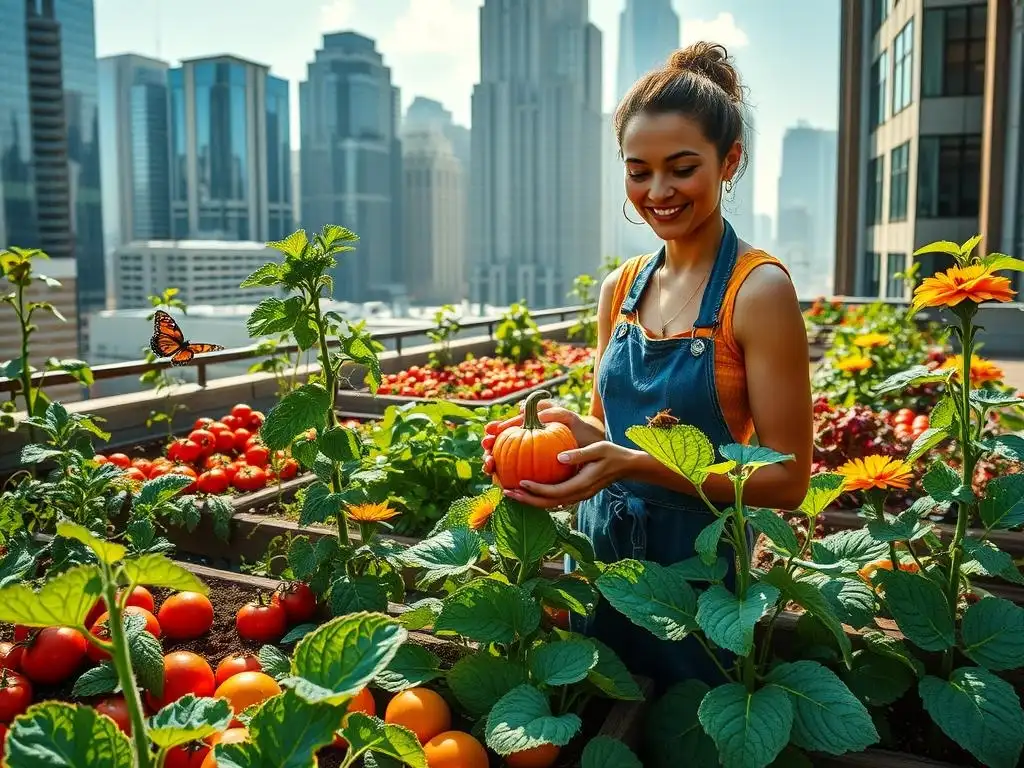
Welcome to CultivateYourFood, your guide to transforming even the smallest space into a thriving garden! Are you ready to unlock the secrets of sustainable and organic food production, right in your own backyard (or balcony)? Discover the surprising ease and immense rewards of urban gardening organic methods, and learn how to cultivate your own delicious fruits, vegetables, and herbs. Let's embark on this journey together – your path to fresh, healthy food starts now!
- Planning Your Organic Urban Garden: Site Selection and Design
-
Implementing Organic Urban Gardening Methods: Planting and Cultivation
- Preparing Your Soil: Organic Amendments and Soil Testing
- Planting Techniques for Urban Gardens: Direct Sowing vs. Seedlings
- Organic Pest and Disease Control in Urban Gardens
- Watering Your Urban Garden Efficiently: Conservation and Techniques
- Organic Fertilization Strategies for Urban Gardens: Compost Tea and Natural Fertilizers
- Harvesting and Preserving Your Organic Urban Harvest
- Sustainable Practices in Urban Organic Gardening
- Troubleshooting Common Challenges in Organic Urban Gardening
-
The Benefits of Organic Urban Gardening Methods
- Improved Soil Health and Biodiversity through Organic Practices
- Enhanced Nutritional Value of Homegrown Produce
- Environmental Benefits of Organic Urban Gardening: Reduced Carbon Footprint
- The Economic Advantages of Organic Urban Gardening: Reduced Food Costs
- Environmental Sustainability Through Organic Urban Gardening Practices
- Health Benefits of Consuming Homegrown Organic Produce
- Resources for Successful Organic Urban Gardening
-
Frequently Asked Questions
- What are some organic methods for pest control in urban gardens?
- How can I successfully compost in a small urban space?
- What are the best vegetables and herbs for urban gardening?
- What are the benefits of using organic methods in urban gardening?
- How can I improve soil quality for organic urban gardening?
- Final Reflection: Cultivating a Greener Future, One City Block at a Time
- Unleash Your Inner Urban Farmer!
Planning Your Organic Urban Garden: Site Selection and Design
Embarking on the journey of urban gardening, especially with an emphasis on organic methods, requires careful planning. This isn't just about planting seeds; it's about creating a thriving ecosystem within the confines of your urban space. This comprehensive guide delves into the art and science of establishing a productive and sustainable urban garden, focusing on practical techniques and organic principles to maximize your yield and minimize your environmental impact. We will explore site selection, garden design, soil preparation, and other crucial aspects, ensuring you're well-equipped to cultivate a bountiful harvest, even in a city setting.
This approach to urban gardening organic methods ensures a healthier garden and a healthier planet. We'll cover everything you need to know to get started, from assessing your space to selecting the perfect organic soil mix. Let's cultivate a greener, more sustainable future, one urban garden at a time! 🌱
Assessing Your Space for Urban Gardening: Sunlight, Soil, and Water Access
Before you even think about planting, a thorough assessment of your available space is crucial for successful urban gardening. This involves considering three key factors: sunlight, soil, and water access. The amount of sunlight your chosen area receives directly impacts plant growth. Most vegetables and herbs require at least 6-8 hours of direct sunlight daily. Use a sun chart or observe your space throughout the day to determine the sunniest spots.
Next, examine the soil. Is it compacted clay, loose sandy soil, or something in between? Soil testing can reveal its pH level and nutrient content, helping you choose suitable plants and amend the soil accordingly with organic compost or other amendments. Poor soil can significantly hinder growth, so addressing this early is essential.
Finally, convenient access to water is paramount. While you can use watering cans, a hose connected to a water source dramatically simplifies the process, especially for larger gardens. Consider the proximity of your garden to a water tap and plan your layout accordingly. Remember, consistent watering is key, especially during dry spells. Proper planning in these areas will significantly increase your chances of success with your urban gardening organic methods.
Designing Your Urban Garden Layout: Maximizing Space and Sunlight
With your space assessed, it's time to design your garden layout. Maximizing space and sunlight is key in urban settings. Consider these strategies:
- Vertical Gardening: Utilize vertical space with trellises, hanging baskets, or stacked planters to increase growing area and optimize sunlight exposure. This is particularly beneficial in smaller spaces.
- Raised Beds: Raised beds offer excellent drainage and soil control, allowing you to create the ideal growing environment. They are also great for improving accessibility.
- Companion Planting: Strategically plant different species together to benefit from their synergistic relationships. For example, basil can repel pests that might affect tomatoes.
- Succession Planting: Plant crops in stages to ensure a continuous harvest throughout the growing season.
- Square Foot Gardening: This method maximizes space by dividing your garden into one-foot squares, allowing for efficient planting and management.
Choosing the right layout ensures that every plant gets adequate sunlight and that you can easily manage your garden. This careful planning is crucial for the successful implementation of your urban gardening organic methods.
Choosing the Right Organic Soil Mix for Urban Gardening
The foundation of any successful organic garden is healthy soil. Urban soils often lack nutrients and may be compacted. Therefore, creating a rich and well-draining soil mix is essential. Avoid using chemically treated soils or fertilizers; instead, opt for an organic mix. A good starting point is a blend of:
| Component | Percentage | Benefits |
|---|---|---|
| Compost | 30-40% | Provides essential nutrients and improves soil structure. |
| Coco Coir | 20-30% | Excellent water retention and aeration. |
| Vermiculite | 10-15% | Improves drainage and aeration, provides nutrients. |
| Perlite | 10-15% | Improves drainage and aeration, prevents compaction. |
| Worm Castings (optional) | 5-10% | Rich in nutrients and beneficial microorganisms. |
Remember to test your soil's pH and adjust accordingly using organic methods like adding lime for alkaline soil or sulfur for acidic soil. This careful selection of organic soil is a fundamental element of successful urban gardening organic methods. By nurturing your soil, you're nurturing your plants and, ultimately, yourself.
Selecting Organic Seeds and Seedlings for Your Urban Garden
Choosing the right seeds and seedlings is paramount for a successful and thriving organic urban garden. Opting for organic seeds ensures you're starting with plants that haven't been exposed to synthetic pesticides or fertilizers, aligning perfectly with your sustainable gardening goals. This commitment to organic practices minimizes environmental impact and produces healthier, tastier produce.
When selecting seeds, consider factors like your climate zone and the amount of sunlight your garden receives. Different varieties of vegetables, fruits, and herbs have varying sunlight requirements. For example, leafy greens generally thrive in partial shade, while tomatoes and peppers need at least six hours of direct sunlight daily. Carefully reading seed packets and understanding the specific needs of each plant is crucial for optimizing growth.
Beyond sunlight, consider your available space. Compact varieties of vegetables like bush beans or determinate tomato plants are ideal for smaller urban gardens, maximizing yield within limited square footage. Alternatively, if you have vertical space available, climbing plants like cucumbers or beans can significantly increase your harvest.
Purchasing organic seedlings from reputable nurseries offers a head start. Seedlings are already established plants, reducing the time it takes to see a harvest. However, it's crucial to inspect seedlings carefully before purchasing. Look for healthy, vibrant plants free from pests or diseases. Avoid seedlings that appear stunted, wilted, or have yellowing leaves. A healthy seedling is a strong indicator of a successful harvest. Remember to inquire about their growing practices to ensure they align with your organic standards. Some nurseries specialize in organically grown seedlings, providing an extra layer of assurance.
Finally, consider seed saving. Saving seeds from your own organically grown plants is a rewarding practice that contributes to biodiversity and reduces reliance on commercially produced seeds. This practice requires careful selection of parent plants and proper seed storage techniques, but the long-term benefits are substantial, both environmentally and economically. It's a great way to further your commitment to sustainable and organic urban gardening. Learning about seed saving techniques is a valuable skill for any serious urban gardener.
Implementing Organic Urban Gardening Methods: Planting and Cultivation
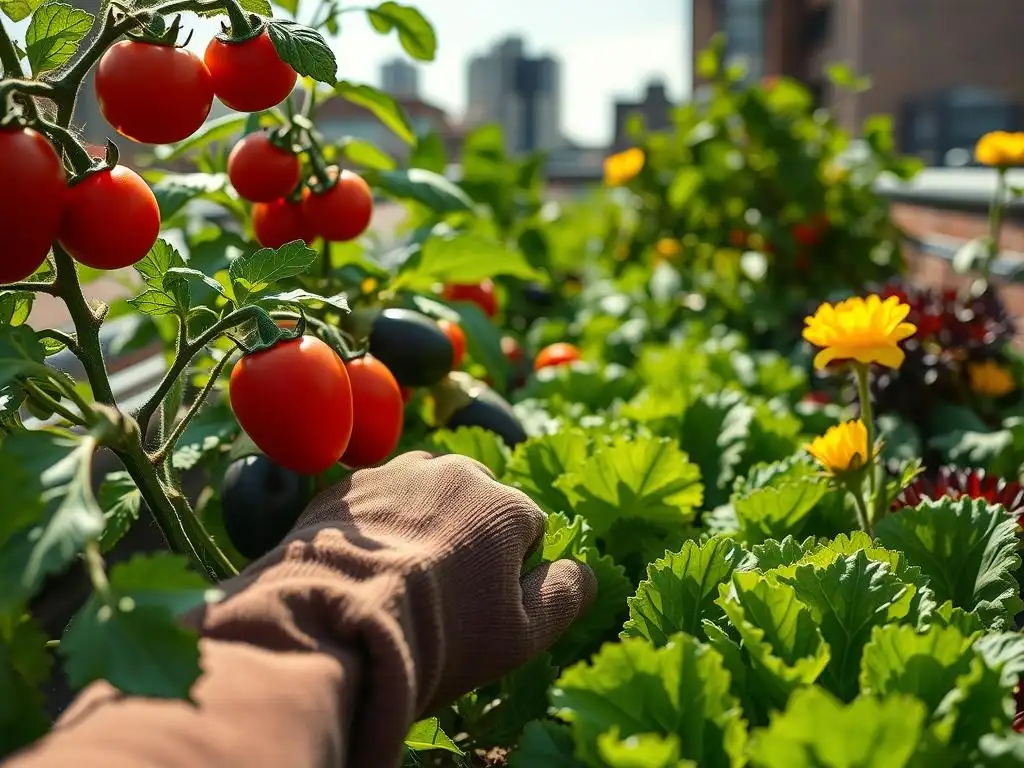
This section delves into the practical application of organic methods within the context of urban gardening. Successfully cultivating a thriving urban garden hinges on understanding and implementing sustainable practices from the ground up – literally. We'll explore soil preparation, optimal planting techniques, and organic pest control strategies specifically tailored to the challenges and opportunities presented by urban environments. Mastering these techniques will significantly improve your chances of harvesting abundant and healthy produce while minimizing environmental impact. This focus on "Urban gardening organic methods" ensures a healthy and productive garden.
Preparing Your Soil: Organic Amendments and Soil Testing
Before even thinking about planting, understanding your soil is paramount. Urban soils often suffer from compaction, nutrient depletion, and contamination from pollutants. Therefore, enriching your soil with organic amendments is crucial for establishing a healthy foundation for your urban garden. This involves improving soil structure, water retention, and nutrient availability using natural materials.
Several organic amendments can significantly improve soil health. Compost, a readily available byproduct of organic waste, is an excellent source of nutrients and beneficial microorganisms. Aged manure, another rich source of nutrients, should be well-composted to avoid burning your plants. Other options include worm castings, which are incredibly nutrient-rich and improve soil aeration, and peat moss, which enhances water retention.
Soil testing provides invaluable data-driven insights into your soil's composition. A simple soil test kit can reveal your soil's pH level, nutrient content (nitrogen, phosphorus, potassium), and potential deficiencies. Knowing this information allows for targeted amendment application, preventing over-fertilization and ensuring your plants receive the precise nutrients they need. Adjusting the pH is crucial, as many plants thrive in a slightly acidic to neutral range (pH 6.0-7.0).
For instance, tomatoes prefer a slightly acidic soil (pH 6.0-6.8), while leafy greens prefer a slightly alkaline soil (pH 6.5-7.5). Understanding these nuances is key to optimizing plant growth and yield. Consistent monitoring and adjustments throughout the growing season are advised.
Planting Techniques for Urban Gardens: Direct Sowing vs. Seedlings
Choosing between direct sowing and starting seedlings is a crucial decision impacting the success of your urban garden. Direct sowing involves planting seeds directly into the prepared garden bed, while starting seedlings involves germinating seeds indoors and transplanting them later. Each method presents advantages and disadvantages depending on the plant species, the climate, and the gardener's experience level.
Direct sowing is generally easier for fast-growing plants like lettuce, radishes, and beans. It avoids the stress of transplanting and allows roots to establish directly in the garden bed. However, it's susceptible to unpredictable weather conditions and pest damage. Moreover, some plants, like tomatoes and peppers, have a long germination period and benefit from the head start provided by starting them indoors as seedlings.
Starting seedlings indoors offers greater control over germination and seedling development. It protects young plants from harsh weather and pests, increasing the chances of survival. However, it requires more space, time, and attention. Transplanting can also stress the plants, potentially hindering their growth if not done carefully. The choice ultimately depends on your specific needs and the plants you are cultivating. A balanced approach, combining both direct sowing and starting seedlings, might be the most efficient strategy for a diverse urban garden. Careful consideration of each plant's specific needs is crucial for successful cultivation.
Organic Pest and Disease Control in Urban Gardens
Urban gardens, often situated in close proximity to other plants and potential pest sources, require proactive and organic pest and disease management strategies. Reliance on synthetic pesticides is discouraged due to their potential harm to beneficial insects, pollinators, and the environment. Instead, prioritize preventative measures and integrated pest management (IPM) techniques.
Preventative measures include choosing disease-resistant plant varieties, ensuring proper spacing for good air circulation, and maintaining a clean garden free of debris. Regularly inspecting plants for early signs of pest or disease infestation is crucial for early intervention. This minimizes the spread and severity of problems.
Organic pest control methods involve using natural predators, such as ladybugs for aphids or nematodes for certain soil pests. Beneficial insects can be purchased commercially or attracted to the garden by planting nectar-rich flowers. Natural pesticides, such as neem oil or insecticidal soap, can also be effective against specific pests while minimizing harm to beneficial organisms. However, always follow the instructions carefully and use them judiciously.
Rotation of crops is also effective in reducing pest and disease build-up in the soil. Employing a multi-pronged approach, combining these strategies, ensures a robust and sustainable pest management system that protects your plants and the environment. Remember, patience and observation are key to successful organic pest control in your urban garden.
Watering Your Urban Garden Efficiently: Conservation and Techniques
Efficient watering is crucial for successful urban gardening, especially when space and resources are limited. Overwatering leads to root rot and attracts pests, while underwatering stunts plant growth. The key is to provide the right amount of water at the right time, focusing on deep, infrequent watering rather than shallow, frequent watering. This encourages deeper root growth, making plants more drought-tolerant in the long run.
Several techniques promote water conservation. Consider using a soaker hose or drip irrigation system. These methods deliver water directly to the roots, minimizing evaporation and runoff. Mulching around plants with organic materials like straw or wood chips helps retain soil moisture, reducing the need for frequent watering.
Furthermore, choosing drought-tolerant plant varieties is a proactive approach. Many vegetables, herbs, and even some fruits are naturally more resilient to drier conditions. Careful observation of your plants is key; monitor the soil moisture regularly, using your finger to check the top few inches. Water deeply when the soil feels dry, allowing the water to penetrate thoroughly.
Avoid watering during the hottest part of the day to minimize evaporation. Collecting rainwater in barrels is another excellent way to conserve water and provide a natural, chemical-free source for your urban garden. The implementation of these techniques can significantly reduce water consumption while maintaining healthy plant growth, a key element of sustainable urban gardening practices. This is especially important in urban environments where water resources may be more precious.
Organic Fertilization Strategies for Urban Gardens: Compost Tea and Natural Fertilizers
Organic fertilization is fundamental to sustainable urban gardening, providing essential nutrients to plants without relying on synthetic chemicals. Compost tea, a liquid fertilizer brewed from compost, is a highly effective and readily available option. It’s rich in beneficial microbes that improve soil health and nutrient uptake. Making compost tea at home is relatively simple: steep a mixture of compost in water for 24-48 hours, aerating it regularly. The resulting liquid is then diluted and applied to plants, nourishing them with a balanced blend of nutrients. Remember to avoid over-fertilizing, as this can harm plants.
Beyond compost tea, numerous natural fertilizers enhance soil fertility. Well-rotted manure, readily available from local farms or stables, provides a rich source of organic matter and nutrients. Seaweed extract, another excellent option, is naturally rich in micronutrients and growth hormones. Worm castings, the excrement of earthworms, are a highly concentrated source of plant nutrients and beneficial microorganisms. These castings improve soil structure and water retention.
Bone meal and blood meal are other options, offering specific nutrients like phosphorus and nitrogen, respectively. Remember to always follow the instructions on any fertilizer packaging and choose options suitable for your specific plants and soil conditions. Regular soil testing can help determine nutrient deficiencies and guide fertilization choices, ensuring your urban garden thrives organically. The integration of these organic fertilization strategies is a cornerstone of environmentally friendly urban gardening, reducing reliance on potentially harmful synthetic inputs.
Harvesting and Preserving Your Organic Urban Harvest
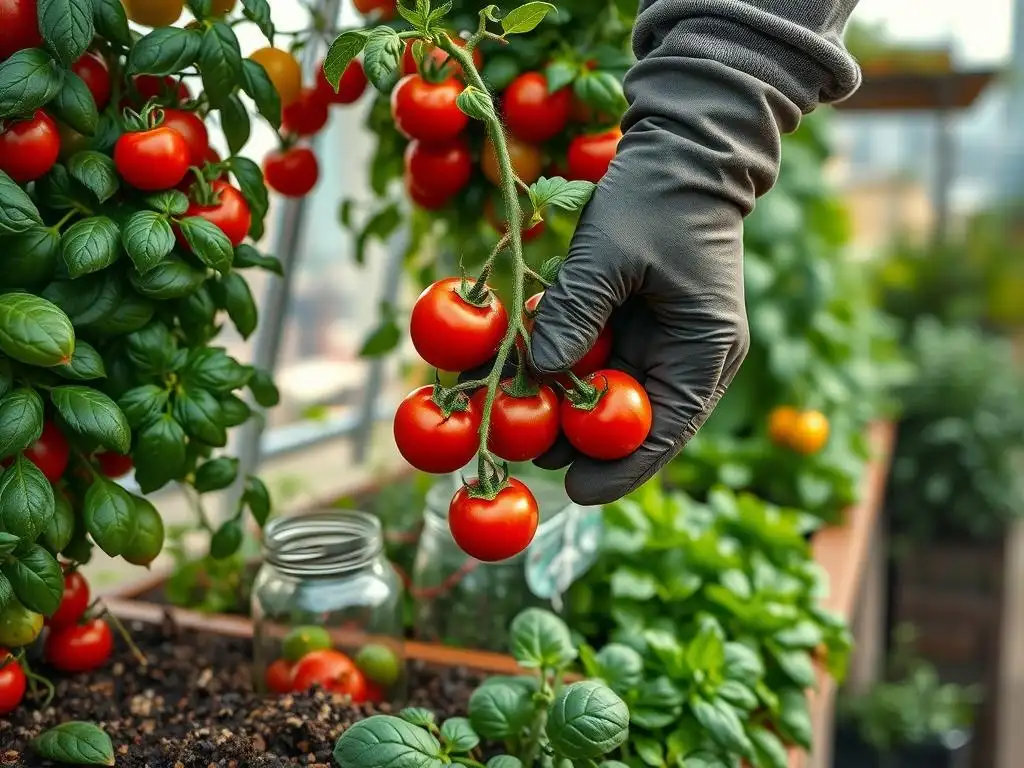
This section delves into the crucial final stages of your urban gardening journey: harvesting and preserving your hard-earned, organically grown produce. Successfully harvesting and preserving your fruits, vegetables, and herbs ensures you enjoy the fruits (and vegetables!) of your labor throughout the year, maximizing the yield from your urban garden and minimizing food waste. This is a key aspect of sustainable urban gardening organic methods.
Knowing When to Harvest Your Organic Produce
Knowing the optimal harvest time for each plant is paramount for achieving the best flavor and nutritional value. Harvesting too early results in poor taste and low yield, while harvesting too late can lead to overripe, damaged, or less nutritious produce. Here's a guide to help you determine the perfect moment:
- Leafy Greens (Lettuce, Spinach, Kale): Harvest these when the leaves are fully developed but still tender. You can harvest individual leaves as needed, or cut the entire plant at the base for a larger yield. This staggered harvesting approach extends the productive life of the plant.
- Root Vegetables (Carrots, Beets, Radishes): Harvest root vegetables when they reach their mature size, as indicated on the seed packet. Generally, this is 6-8 weeks after planting, but always check the specific plant requirements. Gently pull them from the soil, avoiding damage to the roots.
- Tomatoes: Harvest tomatoes when they are fully colored and slightly soft to the touch. Avoid picking green tomatoes unless you plan to ripen them indoors.
- Herbs (Basil, Parsley, Mint): Harvest herbs regularly by pinching off the top few leaves or stems. This encourages bushier growth and a continuous supply of fresh herbs. You can also harvest entire stems, cutting them just above a node.
| Vegetable | Harvesting Stage | Signs of Readiness |
|---|---|---|
| Lettuce | Mature, but tender leaves | Deep green color, firm but not brittle |
| Carrots | Mature size, as indicated on seed packet | Fully formed, smooth skin |
| Tomatoes | Fully colored, slightly soft | Rich color, slight give when gently squeezed |
| Basil | Pinch off top leaves or stems regularly | Leaves are fully formed and fragrant |
Harvesting regularly, even if it's just a few leaves or herbs, helps to maintain the health of your plants and encourages continued growth. Remember that consistent monitoring is key to successful harvesting with organic urban gardening methods.
Organic Harvesting Techniques: Minimizing Waste and Damage
Gentle harvesting techniques are crucial for preserving the health of your plants and minimizing waste. Rough handling can damage plants, reducing future yields. Here are some organic harvesting best practices:
- Use sharp tools: Use clean, sharp scissors or pruning shears to harvest herbs and leafy greens. This ensures clean cuts that minimize damage to the plant.
- Harvest in the morning: Harvesting in the cool morning hours minimizes water loss and stress on the plants. The plants are also less likely to be damaged by harsh midday sun.
- Proper handling: Handle harvested produce carefully to avoid bruising or damage. Use gentle movements and appropriate containers for transport.
- Composting scraps: Use any plant scraps or damaged produce to create compost for your urban garden. This is an integral part of sustainable and organic urban gardening methods. This reduces waste and enriches the soil for future crops.
Remember, minimizing waste and damage during harvesting contributes to the overall sustainability of your urban garden. Careful handling and composting practices are vital in maximizing the benefits of your organic urban garden.
Preserving Your Urban Garden Harvest: Canning, Freezing, and Drying
Preserving your harvest allows you to enjoy the fruits of your labor year-round, extending the benefits of your urban garden. Different preservation methods suit different types of produce.
- Canning: Canning is ideal for preserving high-acid foods like tomatoes, pickles, and jams. It involves processing the food in boiling water to destroy harmful bacteria and create an airtight seal. Proper canning techniques are essential to ensure food safety.
- Freezing: Freezing is a versatile method for preserving a wide range of produce, including fruits, vegetables, and herbs. Blanching (briefly boiling) the produce before freezing helps to retain its color, texture, and nutrients.
- Drying: Drying is a simple and effective method for preserving herbs, fruits, and some vegetables. Air drying, sun drying, or using a dehydrator are all viable options. Proper drying techniques are essential to prevent mold and spoilage.
Choosing the right preservation method depends on the type of produce, your available resources, and your personal preferences. No matter your chosen method, proper food safety procedures are crucial to ensure your preserved harvest remains safe and enjoyable. This extends the benefits of your organic urban gardening methods throughout the year, making it a truly sustainable practice.
Sustainable Practices in Urban Organic Gardening
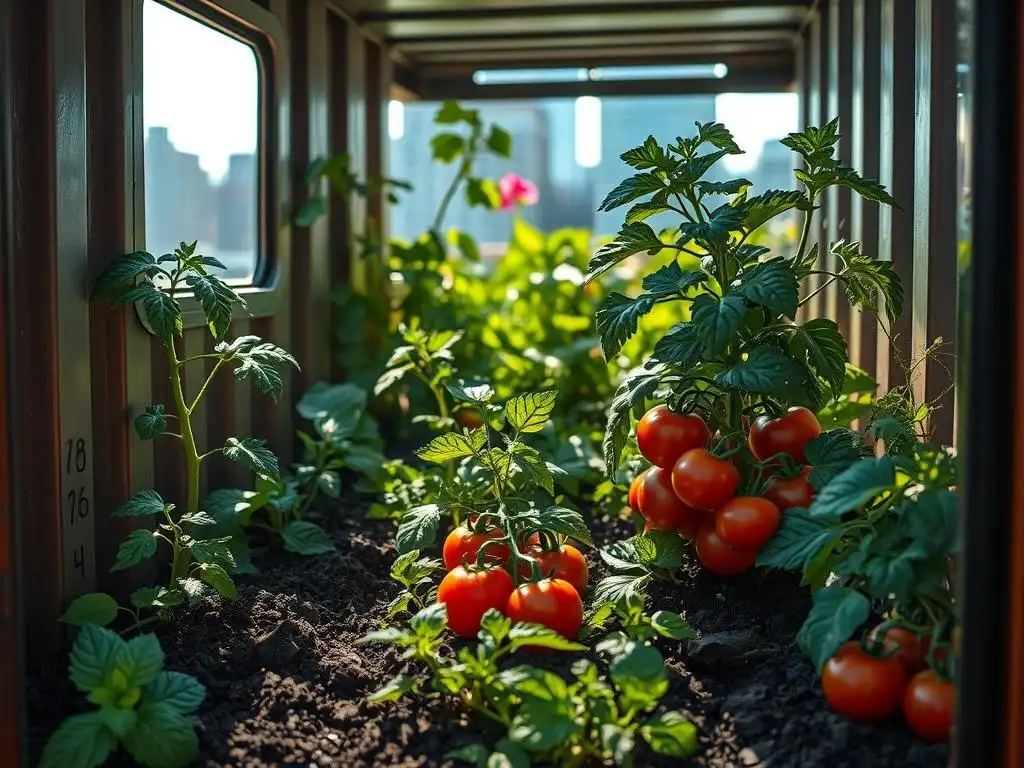
Urban gardening offers a fantastic opportunity to connect with nature, enjoy fresh produce, and contribute to a more sustainable lifestyle. However, successfully implementing organic methods in a limited urban space requires careful planning and the adoption of specific sustainable practices. This section explores key strategies for minimizing environmental impact while maximizing the yield and health of your urban garden. We'll delve into water conservation, composting, and waste reduction techniques crucial for thriving organic urban gardening.
Water Conservation in Urban Gardening: Rainwater Harvesting and Drip Irrigation
Water is a precious resource, especially in urban environments. Conserving water in your urban garden is not just environmentally responsible; it's also economically savvy. Two highly effective water conservation methods are rainwater harvesting and drip irrigation.
Rainwater harvesting involves collecting rainwater from rooftops or other surfaces and storing it for later use in irrigation. This reduces reliance on municipal water supplies, which often contain chemicals and are subject to water restrictions. A simple system can be as basic as a rain barrel connected to downspouts, while more sophisticated systems might incorporate filtration and pumps for larger gardens.
The collected water can be used to water plants, reducing your water bill and your carbon footprint. Consider the size of your garden when planning your rainwater harvesting system; a small balcony garden will require a smaller barrel than a larger rooftop garden.
Drip irrigation is another crucial technique. Unlike traditional overhead watering, which leads to significant water loss through evaporation and runoff, drip irrigation delivers water directly to the roots of plants. This targeted approach minimizes water waste and promotes healthier plant growth. Drip irrigation systems are relatively inexpensive and easy to install, even in small urban gardens. They are particularly beneficial for vegetables and herbs that require consistent moisture.
Proper installation and maintenance are vital for optimal performance. Regularly check for leaks and clogs to ensure efficient water delivery. Remember to adjust the water flow based on the plant's needs and the weather conditions. Using a timer can further enhance water conservation.
Composting in Urban Spaces: Methods and Benefits for Organic Urban Gardening
Composting is a cornerstone of sustainable organic gardening. It transforms organic waste – kitchen scraps, yard debris, and even some paper products – into nutrient-rich compost that nourishes your plants. This reduces reliance on synthetic fertilizers, which can harm the environment and your health. In urban settings, space is often at a premium, so choosing the right composting method is essential.
Several composting methods are suitable for urban spaces:
- Worm composting (vermicomposting): This method uses worms to break down organic matter, producing nutrient-rich worm castings (worm poop!). It's ideal for small spaces as it can be done in a container on a balcony or patio.
- Bokashi composting: This anaerobic composting method uses beneficial microorganisms to ferment food waste, producing a nutrient-rich compost tea. This is a great option for apartment dwellers with limited space.
- Traditional composting: Even in urban areas, a traditional compost bin can be feasible, especially if you have a backyard or access to a community garden. Choosing a smaller bin will help manage space effectively.
The benefits of composting in urban organic gardening are numerous:
- Improved soil health: Compost enriches the soil, improving its structure, water retention, and nutrient content.
- Reduced waste: Composting diverts organic waste from landfills, reducing greenhouse gas emissions.
- Cost savings: Homemade compost eliminates the need to buy expensive commercial fertilizers.
- Enhanced plant growth: Plants grown in compost-enriched soil are healthier, more vigorous, and more resistant to pests and diseases.
Remember to avoid adding meat, dairy, or oily foods to your compost, as these can attract pests and create unpleasant odors.
Reducing Waste and Recycling in Your Urban Garden
Minimizing waste is crucial for sustainable urban gardening. Beyond composting, several strategies can significantly reduce your environmental impact:
- Seed saving: Save seeds from your harvested plants to reduce reliance on commercially produced seeds, which often require significant packaging and transportation.
- Repurposing materials: Use recycled containers, such as plastic bottles and yogurt cups, for starting seeds or propagating cuttings. Old pallets can become raised garden beds.
- Water-wise gardening: Avoid overwatering, which can lead to water waste and soil erosion. Use mulch to retain moisture and suppress weeds.
- Pest control: Employ natural pest control methods, such as companion planting and introducing beneficial insects, to avoid using harmful chemicals.
By carefully considering these strategies, you can create a thriving urban garden that is both productive and environmentally responsible. Adopting these "Urban gardening organic methods" will not only yield healthy plants but also contribute to a more sustainable future. Remember that even small changes can make a big difference in promoting a greener urban environment. 🌱
Choosing Organic and Sustainable Gardening Supplies
Selecting the right gardening supplies is crucial for successful urban organic gardening. Prioritizing organic and sustainable materials minimizes your environmental impact and ensures the health of your plants and, ultimately, your food. Avoid products containing harmful chemicals, opting instead for eco-friendly alternatives. This commitment extends beyond just the plants themselves; it encompasses the entire gardening process.
For example, instead of plastic pots, consider biodegradable options made from coconut coir, peat moss (sourced sustainably), or recycled paper. These decompose naturally, enriching the soil without leaving behind harmful plastic residue. Similarly, choose organic fertilizers and pest control solutions. Compost tea, made from your own compost, is an excellent, sustainable, and nutrient-rich fertilizer. Avoid synthetic fertilizers containing nitrates and phosphates, which can leach into the soil and contaminate water sources. Their use also disrupts the delicate balance of the soil ecosystem. Remember that a healthy soil teeming with beneficial microorganisms is the foundation of a thriving garden.
Natural pest control methods are another key aspect. Instead of harsh chemical pesticides, explore options like neem oil, insecticidal soap, or introducing beneficial insects like ladybugs to your garden. These methods are not only safer for your plants, the environment, and your family, but they also encourage biodiversity in your urban ecosystem. Furthermore, consider the source of your seeds. Opt for heirloom or open-pollinated seeds whenever possible, supporting biodiversity and reducing reliance on large-scale monoculture farming practices. These seeds are generally more resilient and adaptable to local conditions.
Finally, remember that even your tools can contribute to sustainability. Choose durable, long-lasting tools made from recycled or sustainably sourced materials. Avoid disposable tools whenever possible. By carefully considering all your supplies, you're taking a significant step toward creating a truly sustainable and thriving urban garden that benefits both you and the planet. The initial investment in high-quality, organic supplies may seem higher, but the long-term benefits – both for your garden’s health and the environment – far outweigh the cost.
Troubleshooting Common Challenges in Organic Urban Gardening
Urban gardening, while rewarding, presents unique challenges. Successfully cultivating a thriving organic garden in a city environment requires proactive problem-solving and a deep understanding of natural pest control, nutrient management, and weed suppression. This section dives into common issues and provides practical, organic solutions to ensure a bountiful harvest. We'll explore effective organic methods for urban gardening, focusing on sustainable and environmentally friendly practices.
Dealing with Pests and Diseases Organically: Natural Solutions
Organic urban gardening necessitates a holistic approach to pest and disease management. Relying solely on chemical pesticides is not only harmful to the environment and your health but also disrupts the delicate ecosystem of your garden. Instead, embrace preventative measures and natural remedies.
Effective strategies include:
- Companion Planting: Strategically planting certain species together can deter pests. For example, basil repels aphids and tomatoes benefit from the presence of marigolds. Research companion planting combinations specific to your chosen plants.
- Beneficial Insects: Encourage beneficial insects like ladybugs, lacewings, and praying mantises, which prey on common garden pests. You can attract them by planting flowers that provide nectar and pollen.
- Natural Sprays: Create homemade insecticidal sprays using ingredients like neem oil, diluted castile soap, or a mixture of water and chili peppers. Always test a small area first to ensure no adverse effects on your plants.
- Crop Rotation: Rotating your crops annually helps to break pest and disease cycles. Avoid planting the same species in the same location year after year.
- Regular Inspection: Diligent monitoring of your plants allows for early detection of pests and diseases, enabling timely intervention before widespread infestations occur. Early detection is key to successful organic pest control. A daily check is ideal, but even a couple of times a week makes a significant difference.
- Removing Infected Plants: If a plant becomes severely infected, remove and destroy it to prevent the spread of disease to other plants. Dispose of infected plant material responsibly, composting is generally not recommended in such cases.
Addressing Nutrient Deficiencies in Your Urban Garden Organically
Nutrient deficiencies can significantly impact the health and productivity of your urban garden. Organic methods focus on soil health to provide plants with the necessary nutrients.
Here are some key strategies:
- Soil Testing: Regular soil testing helps determine the specific nutrient levels in your soil. This allows for targeted amendments to correct imbalances. Knowing your soil's pH is also crucial, as this affects nutrient availability.
- Composting: Composting kitchen scraps and yard waste creates rich, nutrient-rich compost that improves soil structure and provides essential nutrients to your plants. Homemade compost is ideal for organic urban gardening, offering a sustainable and cost-effective solution.
- Cover Cropping: Planting cover crops like legumes (beans, peas) adds nitrogen to the soil, improving its fertility naturally. These crops can be tilled into the soil or left as a mulch.
- Organic Fertilizers: Supplement your soil with organic fertilizers like bone meal, blood meal, or seaweed extract to provide additional nutrients. These fertilizers release nutrients slowly, providing a sustained supply to your plants. Avoid synthetic fertilizers which can harm soil microorganisms.
- Mulching: Applying a layer of mulch, such as straw or shredded leaves, helps retain soil moisture, suppress weeds, and regulate soil temperature, indirectly improving nutrient availability.
Managing Weeds Naturally in Your Urban Garden
Weeds compete with your plants for resources, hindering their growth and reducing yields. Organic weed control methods focus on preventing weed growth and managing existing weeds without harmful chemicals.
Effective strategies include:
- Mulching: A thick layer of mulch (straw, wood chips, etc.) smothers weeds, preventing them from germinating and growing. This is one of the most effective organic weed control methods.
- Hand Weeding: Regular hand weeding removes weeds before they go to seed, preventing them from spreading. Consistent weeding is key to keeping weeds under control.
- Hoeing: Hoeing cuts weeds at the soil surface, disrupting their growth. This is best done when the soil is moist.
- Solarization: Covering the soil with clear plastic during hot weather can kill weed seeds and existing weeds through heat. This method is effective, but requires sunny weather.
- Weed Barriers: Use landscape fabric or other weed barriers to prevent weeds from growing in specific areas, such as pathways or around plants. This is particularly useful in raised beds.
Remember, patience and persistence are key to successful organic urban gardening. By implementing these methods, you can cultivate a healthy and productive garden while minimizing your environmental impact. The benefits extend beyond a bountiful harvest; you'll also be contributing to a healthier planet. 🌱
Adapting to Different Urban Environments: Challenges and Solutions for Organic Urban Gardening
Urban environments present a unique set of challenges for organic gardeners. The limitations of space, the intensity of the urban heat island effect, and the scarcity of fertile soil are just a few of the hurdles to overcome. Successfully practicing organic urban gardening requires careful consideration of these environmental factors and the implementation of tailored solutions.
One major challenge is the limited space often available in urban areas. Balconies, rooftops, and small yards necessitate creative solutions like vertical gardening, utilizing hanging planters, and employing space-saving techniques such as trellising. These methods maximize yield while minimizing the footprint of the garden. For example, a well-designed vertical herb garden on a balcony can provide a significant amount of fresh herbs even in a limited space. Careful plant selection, choosing compact varieties, and efficient spacing are crucial aspects of this approach.
Another significant factor is the urban heat island effect. Concrete and asphalt absorb and radiate heat, creating microclimates that are significantly warmer than surrounding rural areas. This increased temperature can stress plants, leading to reduced yields and increased susceptibility to pests and diseases. Mitigation strategies include using reflective mulches to reduce soil temperature, providing shade during peak sun hours (perhaps with shade cloth or strategically placed larger plants), and selecting heat-tolerant plant varieties. For instance, choosing drought-resistant herbs like rosemary and thyme can significantly reduce the impact of high temperatures and infrequent watering.
Soil quality is another critical consideration. Urban soils are often compacted, depleted of nutrients, and contaminated with pollutants. Building healthy soil is paramount for organic gardening. This involves improving soil structure through the addition of organic matter like compost, aged manure, and other soil amendments.
Raised beds or containers filled with a well-balanced organic potting mix can provide a controlled environment that circumvents many of the challenges associated with poor soil quality. Regular soil testing can help monitor nutrient levels and guide the application of organic fertilizers. Composting kitchen scraps and yard waste provides a sustainable and readily available source of nutrient-rich soil amendments, reducing reliance on external inputs.
Finally, the prevalence of pests and diseases in urban environments requires proactive pest management strategies. The close proximity of buildings and green spaces can facilitate the spread of pests and diseases. Organic pest control methods such as companion planting, introducing beneficial insects, and using natural pest repellents are crucial for maintaining a healthy and productive garden without resorting to harmful chemicals. Regular monitoring of plants for signs of pests and diseases enables early intervention, preventing widespread damage.
For instance, introducing ladybugs can effectively control aphids, a common pest in urban gardens. Understanding the life cycle of common pests and diseases is essential for developing effective organic management strategies. This holistic, integrated approach to urban gardening ensures a healthy and productive garden within the constraints of the urban environment.
The Benefits of Organic Urban Gardening Methods
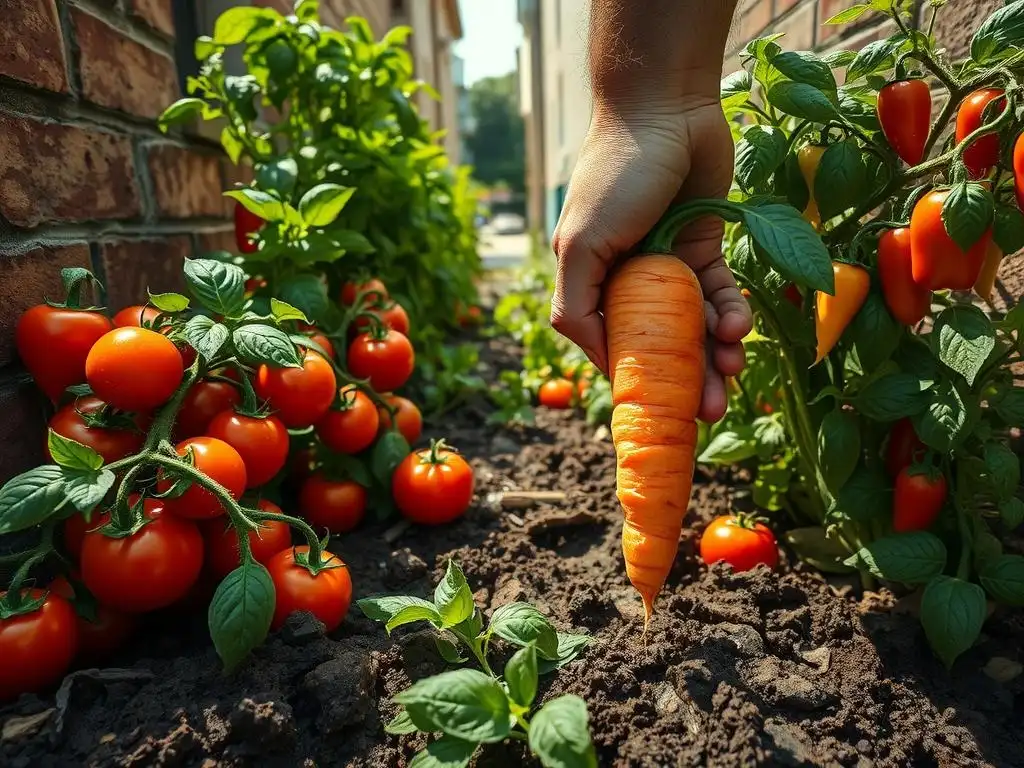
Organic urban gardening methods offer a multitude of advantages over conventional approaches, significantly impacting soil health, nutritional value of produce, and the environment. Embracing these methods is crucial for creating a truly sustainable and thriving urban garden, aligning perfectly with the principles of urban gardening organic methods.
Improved Soil Health and Biodiversity through Organic Practices
Organic urban gardening prioritizes soil health, the foundation of any successful garden. Unlike conventional methods relying heavily on chemical fertilizers and pesticides, organic practices focus on building healthy soil teeming with beneficial microorganisms. This is achieved through several key techniques:
- Composting: Home composting transforms kitchen scraps and yard waste into nutrient-rich humus, improving soil structure, water retention, and aeration. A well-managed compost bin is a cornerstone of organic urban gardening, significantly reducing waste and enriching the soil. For example, a single household can easily compost enough material to significantly improve the soil quality of a small urban garden.
- Cover Cropping: Planting cover crops like clover or rye between growing seasons prevents soil erosion, suppresses weeds, and adds organic matter. These plants fix nitrogen in the soil, reducing the need for synthetic fertilizers. The decomposition of cover crops further enhances soil structure and fertility.
- Mulching: Applying organic mulches, such as shredded leaves, straw, or wood chips, protects the soil from extreme temperatures, reduces water evaporation, and suppresses weed growth. This also provides a habitat for beneficial insects and earthworms, contributing to increased biodiversity within the soil ecosystem. Studies have shown that mulching can increase soil water retention by up to 50%.
- Crop Rotation: Rotating crops annually helps prevent the buildup of pests and diseases, while also improving soil nutrient levels. Different plant families have different nutrient requirements, and rotating them helps maintain a balanced soil ecosystem. For example, planting legumes one year improves nitrogen levels for subsequent crops.
The cumulative effect of these practices results in vibrant, fertile soil teeming with life, creating a resilient and productive urban garden. The improved soil structure allows for better water infiltration and drainage, reducing the need for frequent watering. This is a key aspect of sustainable urban gardening organic methods.
Enhanced Nutritional Value of Homegrown Produce
Organic urban gardening often yields produce with a higher nutritional value compared to conventionally grown counterparts. This is because organic methods prioritize soil health, which directly influences the nutrient content of the plants.
Plants grown in healthy, organically enriched soil tend to have higher concentrations of vitamins, minerals, and antioxidants. This is because the soil provides a readily available supply of nutrients, making them easily absorbed by the plants. Conversely, conventionally grown produce may be nutrient-deficient due to soil depletion from intensive farming practices.
Furthermore, the absence of synthetic pesticides and fertilizers in organic gardening ensures that the produce is free from harmful chemical residues, contributing to enhanced food safety and health benefits. Studies comparing organic and conventionally grown fruits and vegetables consistently demonstrate that organically grown produce contains significantly higher levels of certain nutrients. This is a crucial aspect of understanding the benefits of urban gardening organic methods.
Environmental Benefits of Organic Urban Gardening: Reduced Carbon Footprint
Organic urban gardening contributes significantly to environmental sustainability, particularly in reducing your carbon footprint. By avoiding the use of synthetic fertilizers and pesticides, you minimize the environmental impact associated with their production, transportation, and application. The production of these chemicals is energy-intensive and often contributes to air and water pollution.
Moreover, organic practices promote biodiversity, supporting a healthy ecosystem within and around your urban garden. This increased biodiversity helps to regulate pest populations naturally, reducing the need for chemical interventions. A diverse garden ecosystem is more resilient to environmental stressors and contributes to a healthier urban environment.
Embracing organic urban gardening methods is a step towards a more sustainable and environmentally friendly lifestyle, making it a crucial part of the urban gardening organic methods movement. The environmental benefits are substantial and directly contribute to a healthier planet.
The Economic Advantages of Organic Urban Gardening: Reduced Food Costs
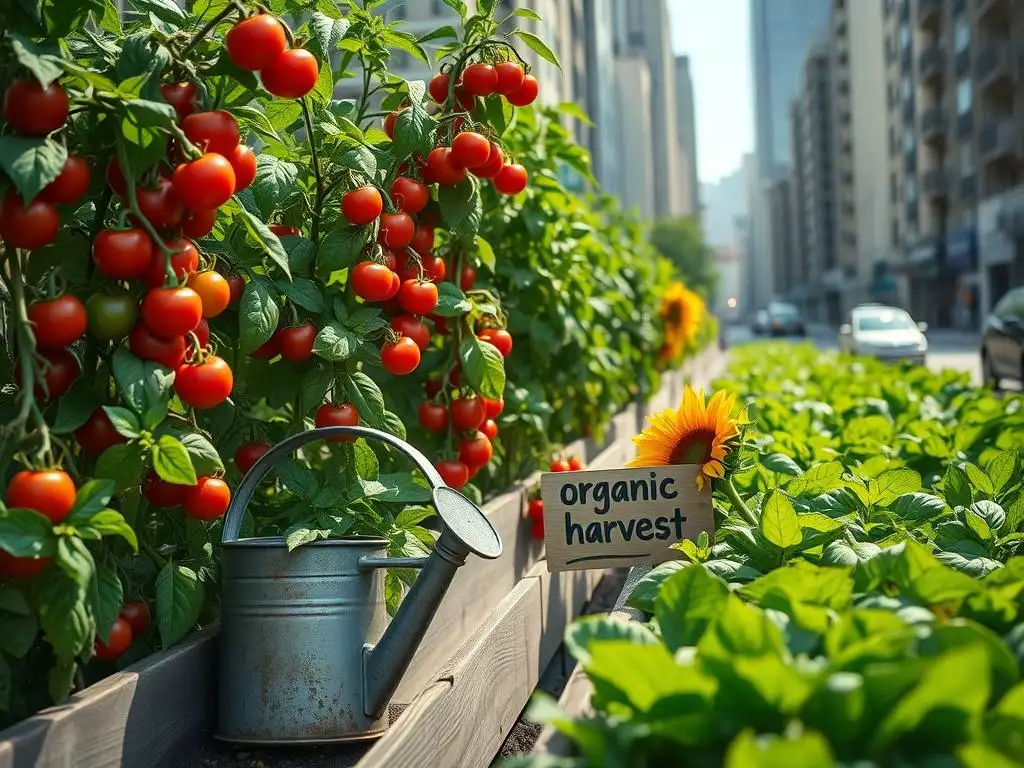
Growing your own organic produce in an urban setting offers significant economic benefits, primarily through reduced grocery bills. The cost of organic fruits, vegetables, and herbs at supermarkets can be substantially higher than conventionally grown produce. By cultivating your own food, you eliminate this markup, directly impacting your household budget.
Consider the cumulative savings over a year – the cost of even a small urban garden quickly amortizes itself through reduced spending on groceries. This is especially impactful for families or individuals on a tight budget, allowing them to access healthy, organic food without the premium price tag. Moreover, the initial investment in seeds, soil, and basic tools is often offset by the savings accrued over the growing season and subsequent seasons.
The long-term financial advantages of organic urban gardening are considerable, contributing to enhanced financial well-being. Successfully cultivating even a small selection of staple crops can demonstrably reduce food expenses and increase the affordability of a healthy diet. Furthermore, the ability to preserve excess produce through methods like canning or freezing further extends these savings, providing a readily available supply of fresh, organic food throughout the year.
Environmental Sustainability Through Organic Urban Gardening Practices
Embracing organic methods in your urban garden contributes significantly to environmental sustainability. By avoiding synthetic pesticides and fertilizers, you minimize the negative impact on local ecosystems. These chemicals can contaminate soil and water sources, harming beneficial insects and wildlife. Organic practices prioritize soil health, improving its structure and fertility naturally.
This reduces the need for resource-intensive industrial farming practices that contribute to greenhouse gas emissions and soil degradation. Furthermore, organic urban gardens help reduce the carbon footprint associated with transporting food over long distances. Growing your food locally minimizes transportation emissions, making your urban garden a small but significant step towards a more sustainable food system.
The positive environmental impact of organic urban gardening extends beyond your immediate surroundings, contributing to a healthier planet for all. By choosing organic methods, you actively participate in mitigating climate change and protecting biodiversity in your local environment. The reduced reliance on external resources inherently enhances the overall ecological footprint of your urban food production.
Health Benefits of Consuming Homegrown Organic Produce
Consuming homegrown organic produce offers numerous health advantages. By eliminating exposure to synthetic pesticides and herbicides commonly found in conventionally grown food, you significantly reduce the risk of pesticide residue ingestion. Studies have linked long-term exposure to certain pesticides with various health problems. Organic farming methods prioritize soil health, resulting in nutrient-rich produce.
These nutrient-dense foods contribute to a healthier diet, boosting your immune system and overall well-being. Furthermore, the freshness of homegrown produce is unparalleled. Harvested at its peak ripeness, it retains more vitamins and minerals compared to commercially grown produce that often undergoes long transportation and storage periods.
The direct connection to your food source fosters a greater appreciation for the food you consume and encourages healthier eating habits. The combination of reduced pesticide exposure and increased nutrient intake makes consuming homegrown organic produce a powerful investment in your long-term health. The peace of mind knowing the origin and cultivation methods of your food is an additional benefit, promoting a sense of well-being and control over your diet.
Resources for Successful Organic Urban Gardening
Embarking on your urban gardening journey with organic methods requires access to the right resources. Finding high-quality organic seeds, connecting with experienced gardeners, and utilizing reliable educational materials are crucial for success. This section will guide you through locating these essential resources, ensuring your urban garden thrives using sustainable practices. The availability of these resources may vary depending on your location, so exploration and networking are key to finding what works best for you.
Finding Organic Seeds and Supplies Locally
Securing organic seeds and supplies locally is a cornerstone of sustainable urban gardening. It reduces your carbon footprint by minimizing transportation distances and often supports local businesses committed to organic practices. Several avenues can help you source these necessities:
- Local farmers' markets: These markets frequently feature vendors selling heirloom seeds, organic seedlings, and compost – all vital components of a thriving organic garden. Engage with the vendors; they are often a wealth of local knowledge about what thrives in your specific climate and soil conditions. Look for vendors explicitly highlighting their organic certifications.
- Community-supported agriculture (CSA) programs: CSAs often offer seed starting workshops or sell seeds alongside their produce. This provides an excellent opportunity to connect with other local gardeners and learn valuable tips.
- Local nurseries and garden centers: While not all nurseries exclusively stock organic products, many are increasingly carrying organic options. Ask directly about their organic seed and supply offerings. Don't hesitate to inquire about their sourcing practices and certifications.
- Seed swaps and exchanges: Participating in local seed swaps or exchanges is a fantastic way to obtain diverse organic seeds at no cost. It's also a great opportunity to share your own seeds and connect with fellow urban gardeners. Check with local community gardens or environmental organizations for information on upcoming events.
The success of your organic urban garden hinges on the quality of your seeds and supplies. Prioritize locally sourced, certified organic options whenever possible.
Connecting with Local Urban Gardening Communities and Experts
Learning from experienced urban gardeners is invaluable. Connecting with local communities and experts provides access to practical advice, problem-solving support, and a sense of shared purpose. Here are some ways to build your network:
- Join a local urban gardening group or association: These groups often offer workshops, shared resources, and opportunities for collaborative gardening projects. The collective knowledge within such groups is a powerful resource, particularly for troubleshooting common challenges encountered in urban gardening.
- Attend workshops and seminars: Many community centers and organizations host workshops on various aspects of urban gardening, including organic methods, composting, and pest control. These events provide hands-on learning and networking opportunities.
- Seek mentorship from experienced urban gardeners: Don't hesitate to reach out to experienced gardeners in your area. Many are happy to share their knowledge and offer guidance to newcomers. A mentor can provide personalized advice tailored to your specific circumstances.
- Participate in community garden projects: Contributing to a community garden is an excellent way to learn from others and gain experience in different aspects of urban gardening. It's also a wonderful way to build community bonds and contribute to a shared green space.
Building a strong network within your local urban gardening community is as vital as the plants you cultivate. The shared knowledge and support are invaluable assets for your organic gardening journey.
Online Resources and Educational Materials for Organic Urban Gardening
The internet is a treasure trove of information for organic urban gardening enthusiasts. However, it's crucial to discern reliable sources from less credible ones. Here are some dependable online resources:
- Reputable gardening websites and blogs: Numerous websites and blogs offer detailed information on various aspects of organic urban gardening, from seed starting to pest control. Look for sites that cite scientific research and provide practical, evidence-based advice.
- Online courses and workshops: Many online platforms offer courses and workshops on organic urban gardening techniques. These provide structured learning and often include interactive elements and community support.
- University extension services: Many universities offer extension services with resources specifically for home gardeners, including information on organic gardening practices appropriate for your region. These services often provide research-based information and practical advice.
- Organic gardening books and ebooks: While not strictly online, ebooks and digital versions of gardening books can be accessed online. Look for books written by experienced organic gardeners and researchers.
Remember to critically evaluate the information you find online, focusing on sources with a strong track record of accuracy and reliability. The combination of online resources and local connections will provide a comprehensive foundation for your organic urban gardening endeavors. Remember to always verify information with multiple sources before implementing it in your garden.
Frequently Asked Questions
What are some organic methods for pest control in urban gardens?
Many organic pest control methods exist, including introducing beneficial insects, using natural predators, and applying homemade sprays like neem oil or insecticidal soap. Avoid synthetic pesticides.
How can I successfully compost in a small urban space?
Vermicomposting (using worms) is ideal for small spaces. You can also use a small-scale compost bin or even a compost tumbler. Focus on reducing your waste to make composting manageable.
What are the best vegetables and herbs for urban gardening?
Lettuce, spinach, herbs like basil and mint, and compact fruiting vegetables like cherry tomatoes and peppers often thrive in containers and smaller spaces. Choose varieties suited to your climate and available sunlight.
What are the benefits of using organic methods in urban gardening?
Organic methods improve soil health, reduce environmental impact, and avoid exposure to harmful chemicals. They also yield healthier, tastier produce and support beneficial biodiversity.
How can I improve soil quality for organic urban gardening?
Improve soil quality by using compost, worm castings, and other organic matter. Consider raised beds or containers to improve drainage and soil control. Regular soil testing can help you understand your soil's needs.
Final Reflection: Cultivating a Greener Future, One City Block at a Time
The resurgence of urban gardening, fueled by a growing awareness of food security and environmental sustainability, is not merely a trend; it's a vital movement reshaping our cities and our relationship with nature. From rooftop farms to community plots, the practice is blossoming, demonstrating the power of localized food production and its positive impact on urban ecosystems. This shift towards a more conscious and sustainable way of life is profoundly impactful, offering tangible solutions to pressing global challenges.
The journey into the art and science of urban gardening, as explored in this article, has underscored the profound interconnectedness between our food systems, our environment, and our communities. The simple act of nurturing a plant, witnessing its growth, and harvesting its fruits fosters a deep sense of connection – a connection often lost in the anonymity of modern urban life. The glory of gardening: hands in the dirt, head in the sun, heart with nature. To nurture a garden is to feed not just the body, but the soul.
This quote perfectly encapsulates the holistic experience of urban gardening, extending far beyond mere sustenance to encompass a profound sense of well-being and environmental stewardship.
Now, consider your own space, your own potential. Perhaps a single herb pot on a windowsill, a shared community garden plot, or even a larger-scale rooftop project. What seeds of change can you plant? This article has provided a framework; now it's your turn to cultivate a greener, healthier, and more vibrant future, one mindful action at a time. Embrace the art and science of urban gardening, and discover the transformative power it holds for yourself and your community.
Unleash Your Inner Urban Farmer!
Thanks for exploring the fascinating world of urban gardening with us! You've gained valuable insights into creating a thriving, sustainable food source, right in your own backyard or on your balcony. Ready to put your knowledge into practice?
- Start planning your urban garden today! Sketch out a design, considering sunlight, available space, and the plants you'd like to grow. This is your first step towards a bountiful harvest.
- Share your gardening experiences and any challenges you encounter in the comments below. Let's build a supportive community of urban growers.
- Consider joining a local gardening group or online forum – connecting with fellow enthusiasts and discovering new techniques is invaluable.
Ready to transform your space into a vibrant, productive garden? What's the first vegetable or flower you're excited to grow?