
Balcony Garden with Limited Space: Smart Solutions for Tight Areas

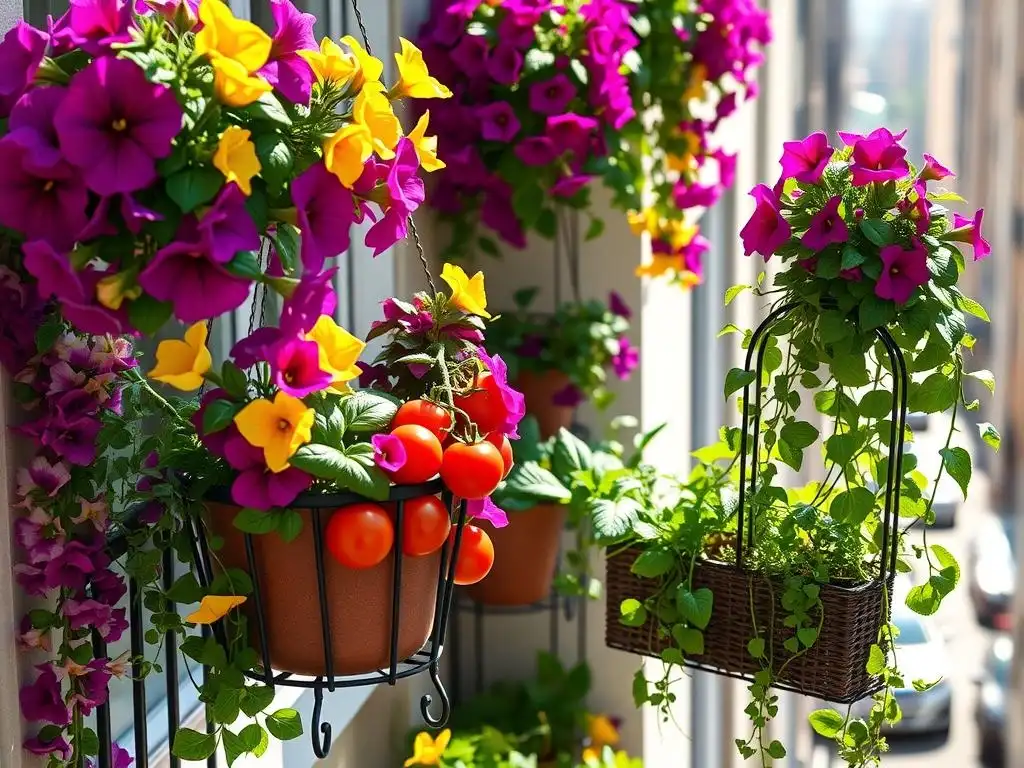
Welcome to CultivateYourFood, your guide to a thriving, sustainable garden, no matter the size! Are you dreaming of fresh, homegrown produce but limited by space? Discover ingenious Small space balcony gardening ideas that will transform your balcony into a vibrant oasis. We'll reveal clever solutions and organic techniques to help you cultivate a bountiful harvest, even with limited square footage. Let's get growing!
- Maximizing Your Small Balcony Garden Space
- Smart Plant Selection for Small Balcony Gardening Ideas
- Optimizing Your Balcony Garden Setup
- Balcony Gardening: Pest and Disease Control in Small Spaces
- Maintaining Your Small Space Balcony Garden
- Inspiring Small Space Balcony Gardening Ideas
- Frequently Asked Questions
- Final Reflection: Cultivating Abundance in Confined Spaces
- Unleash Your Urban Oasis: Grow Your Dream Balcony Garden!
Maximizing Your Small Balcony Garden Space
Creating a thriving garden on a small balcony might seem challenging, but with smart planning and creative solutions, you can cultivate a bountiful harvest even in the most limited spaces. This guide provides practical, sustainable, and organic gardening ideas specifically tailored for small balconies, helping you transform your urban outdoor area into a productive and aesthetically pleasing oasis. We'll explore vertical gardening, efficient potting techniques, and plant selection strategies to maximize yield and minimize space.
Whether you're a seasoned gardener or a complete beginner, these "small space balcony gardening ideas" will empower you to cultivate your own fresh fruits, vegetables, and herbs, regardless of size limitations. Let's get started on your journey to a flourishing balcony garden!
Vertical Gardening Techniques for Small Balconies
Vertical gardening is a game-changer for small balcony spaces. By utilizing height, you dramatically increase your planting area without compromising precious floor space. Several effective techniques can be employed:
- Wall-mounted planters: These can range from simple hanging baskets to sophisticated modular systems. Consider using lightweight materials like recycled plastic or repurposed wood to avoid overloading your balcony railing. Ensure proper drainage to prevent root rot.
- Trellises and climbing structures: Many fruiting vegetables and vining herbs thrive when trained upwards. Tomatoes, cucumbers, and beans are excellent choices. A simple trellis made from bamboo canes or repurposed materials can significantly increase your growing capacity.
- Stackable planters: These innovative designs allow you to maximize vertical space by stacking multiple levels of planters. This is particularly useful for herbs and smaller plants that don't require extensive root systems. Choose planters with good drainage to ensure proper watering.
Remember to consider the weight of your planters when installing them on your balcony and always check your building's regulations regarding balcony modifications. Proper planning and execution will ensure your vertical garden is both beautiful and productive.
Space-Saving Potting and Planter Ideas for Balcony Gardens
Choosing the right pots and planters is crucial for optimizing your balcony garden. Here are some space-saving options:
- Hanging baskets: These are ideal for trailing plants like strawberries and cascading herbs. Opt for lightweight baskets made from materials like coco coir or recycled plastic.
- Self-watering planters: These clever designs reduce the frequency of watering, saving you time and effort. They're particularly useful for busy individuals or those who travel frequently.
- Vertical wall pockets: These fabric or plastic pockets hang vertically on walls, offering a unique and space-saving solution for herbs and small plants.
- Tiered planters: These planters are designed with multiple levels, allowing you to grow a variety of plants in a small footprint. Consider the weight distribution when choosing a tiered planter.
The key here is to choose planters that are appropriately sized for your chosen plants. Overcrowding can lead to stunted growth and disease. Consider using a mix of planter types to optimize your available space and create a visually interesting garden.
Choosing the Right Plants for Limited Balcony Space
Plant selection is paramount for a successful balcony garden. Prioritize compact, high-yielding varieties that thrive in containers. Here are some excellent choices:
- Compact fruiting vegetables: Cherry tomatoes, bush beans, and small pepper varieties are all suitable for containers and offer a generous yield.
- Herbs: Herbs generally have shallow root systems and are perfect for small pots. Basil, mint, rosemary, and thyme are all excellent options.
- Salad greens: Lettuce, spinach, and other leafy greens are easy to grow in containers and provide a continuous harvest.
- Strawberries: These compact plants are ideal for hanging baskets or small containers. They produce abundant fruit with minimal space requirements.
Avoid large, sprawling plants that require extensive space. Instead, focus on varieties that are specifically bred for container gardening. Careful planning and selection will ensure your balcony garden flourishes despite its limited space. Remember to research the specific needs of each plant, including sunlight requirements and watering needs, to ensure optimal growth.
Smart Plant Selection for Small Balcony Gardening Ideas
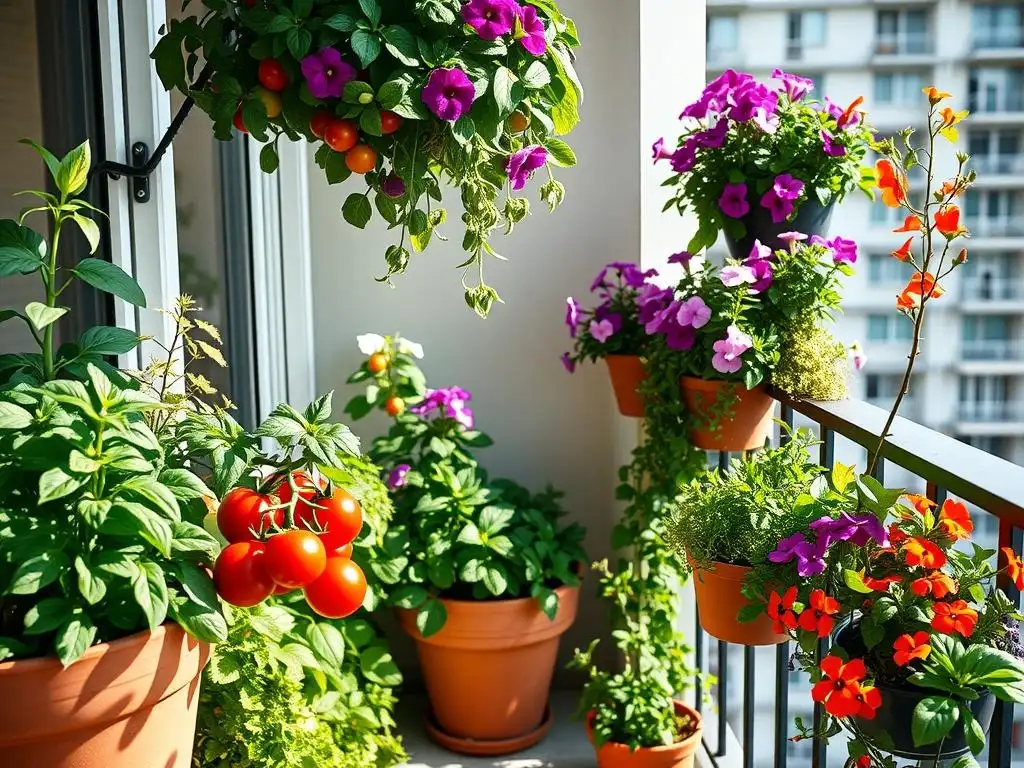
Choosing the right plants is paramount when you're working with limited space. Optimizing your balcony garden for maximum yield and minimal footprint requires careful consideration of plant size, growth habit, and yield potential. This section focuses on selecting plants perfectly suited for small-space balcony gardening, maximizing your harvest in a compact area. We'll explore the best vegetables, herbs, and even compact fruit trees ideal for your urban oasis. Remember, the key to success is selecting varieties specifically bred for containers and smaller spaces.
Best Vegetables for Balcony Containers
Balcony gardening doesn't mean sacrificing delicious homegrown vegetables. Many compact varieties thrive in containers, offering a bountiful harvest without overwhelming your space. Consider these excellent choices:
- Bush Beans: These beans are significantly more compact than pole beans, requiring less vertical space. Look for varieties like 'Contender' or 'Blue Lake Bush'. They're relatively low-maintenance and produce consistently throughout the growing season. Expect a harvest of approximately 1-2 pounds per plant.
- Cherry Tomatoes: These small tomatoes are perfect for container gardening. 'Patio' and 'Tumbling Tom' varieties are renowned for their prolific yields and compact growth habits. With proper care, you can easily harvest several pounds of delicious cherry tomatoes from a single plant.
- Lettuce and Greens: Leafy greens like lettuce, spinach, and kale are ideal for small spaces. They can be grown in shallow containers and require less space than other vegetables. Successive sowing – planting new seeds every few weeks – ensures a continuous supply of fresh greens. You can easily grow multiple varieties in a single container using a succession planting method.
- Peppers: Compact pepper varieties like 'Sweet Palermo' or 'Mini Bell' peppers are excellent choices for small spaces. They offer a good yield and vibrant colors, adding visual appeal to your balcony garden. Remember that peppers require plenty of sunlight for optimal growth.
- Radishes: These quick-growing root vegetables are perfect for small containers and allow for multiple harvests throughout the season. Plant a new batch every couple of weeks for a continuous supply.
Remember to consider the spacing requirements for each vegetable when planning your container garden. Overcrowding can lead to reduced yields and increased susceptibility to disease.
Top Herbs to Grow in Small Spaces
Herbs are a fantastic addition to any balcony garden, offering fresh flavor and aroma for your culinary creations. Many herbs are naturally compact and thrive in containers, making them ideal for small spaces.
- Basil: A culinary staple, basil is easy to grow in pots and prefers full sun. Regular harvesting encourages bushier growth and prevents flowering, which can affect flavor. Pinch off the flower buds as soon as they appear for maximum leaf production.
- Rosemary: This aromatic herb is drought-tolerant and does well in well-drained containers. It prefers full sun and can even tolerate some neglect. Rosemary is a relatively slow grower, so one plant can last for several years.
- Mint: Mint is a vigorous grower, so it's best to plant it in its own container to prevent it from spreading and overwhelming other plants. Consider a hanging pot to keep it contained. Mint thrives in partial shade.
- Chives: Chives are incredibly easy to grow and can be harvested repeatedly throughout the season. They can tolerate some shade and are a low-maintenance option.
- Parsley: Parsley is a versatile herb that can be grown in containers. It prefers partial shade and well-drained soil. Regular harvesting will encourage new growth.
Consider using vertical gardening techniques, such as hanging planters or stacked containers, to maximize space utilization when growing herbs. This allows you to grow a wider variety in a small area.
Compact Fruiting Plants for Balcony Gardens
While larger fruit trees are unsuitable for balconies, several compact varieties offer a surprising amount of fruit in a small space.
- Dwarf Citrus Trees: Dwarf lemon, lime, and orange trees are available and produce fruit even in containers. They require ample sunlight and regular watering. Choose a container that is large enough to support the tree's root system.
- Dwarf Fruiting Strawberries: These compact strawberry varieties are perfect for hanging baskets or small containers. They produce a good yield of delicious berries and are relatively low-maintenance. Consider varieties like 'Albion' or 'Seascape'.
- Dwarf Blueberry Bushes: These compact blueberry varieties thrive in containers and produce abundant berries. They require acidic soil and regular watering. Choose a variety suited to your local climate. They need protection from frost in cooler climates.
Remember that fruiting plants generally require more sunlight and nutrients than herbs and vegetables. Choose a sunny spot on your balcony and use high-quality potting mix enriched with organic matter. Regular fertilization is also essential for optimal fruit production. Careful planning and selection of compact varieties are key to successful balcony fruit gardening.
Optimizing Your Balcony Garden Setup
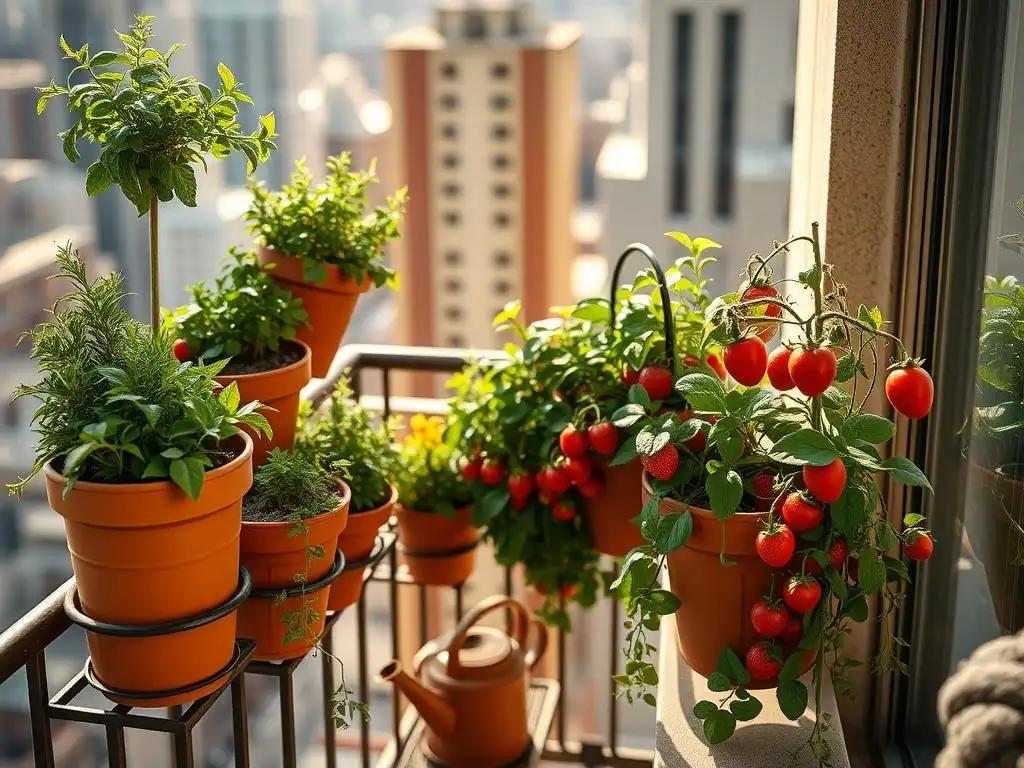
This section focuses on maximizing yield and minimizing space in your small balcony garden. Effective planning is key to success when dealing with "small space balcony gardening ideas". We'll explore strategies to optimize your setup for efficient plant growth and easy maintenance.
Creating a Balcony Garden Irrigation System
Efficient watering is crucial, especially in small spaces where plants compete for resources. A well-designed irrigation system prevents overwatering or underwatering, saving you time and water. Consider these options:
- Self-watering planters: These innovative containers incorporate a reservoir at the bottom, allowing the soil to draw water as needed. This reduces the frequency of watering and minimizes the risk of root rot. Choose planters with adequate drainage to avoid waterlogging. The size of the reservoir should be appropriate for the plant's water needs.
- Drip irrigation system: A simple drip irrigation system can be set up using tubing, emitters, and a water source. This delivers water directly to the roots, minimizing water waste and ensuring even moisture. You can tailor the system to your specific plant needs by adjusting the flow rate and placement of emitters. Regular maintenance, such as checking for leaks and clogged emitters, is essential.
- Soaker hoses: These porous hoses slowly release water along their length, providing consistent moisture to the soil. They are easy to install and are suitable for various plant types. However, they may not be ideal for plants in containers with very limited space.
Remember to choose a system that aligns with your budget and gardening experience. Regular monitoring of soil moisture is still recommended, even with an automated system. Overwatering can still occur if the system is malfunctioning or improperly configured.
Utilizing Sunlight Effectively in a Small Balcony Garden
Sunlight is vital for plant growth, and maximizing its availability is paramount in a small balcony garden. Consider these strategies to make the most of the sun's energy:
- Orientation: The direction your balcony faces significantly impacts sunlight exposure. South-facing balconies receive the most direct sunlight, while north-facing balconies receive less. Choose sun-loving plants for south-facing balconies and shade-tolerant varieties for north-facing ones. Understanding your balcony's orientation is fundamental to successful "small space balcony gardening ideas".
- Plant placement: Arrange plants strategically to avoid shading. Taller plants should be positioned at the back, allowing shorter plants to receive adequate sunlight. Regularly monitor plant growth and adjust their positions as needed to ensure even sunlight distribution. Consider using trellises or vertical gardening techniques to maximize space and sunlight exposure.
- Supplemental lighting: For balconies with limited sunlight, consider using supplemental grow lights. LED grow lights are energy-efficient and provide the necessary spectrum of light for optimal plant growth. Ensure the lights are positioned correctly to avoid burning the plants. Research the specific light requirements of your chosen plants before purchasing lights.
Protecting Your Balcony Plants from the Elements
Balcony gardens are exposed to various weather conditions, which can negatively impact plant health. Implementing protective measures is essential for successful gardening.
- Wind protection: Strong winds can damage plants, especially delicate seedlings. Consider using windbreaks such as screens or strategically placed taller plants to shield your garden from harsh winds. You can also use stakes to support plants and prevent them from being blown over.
- Rain protection: Excessive rain can lead to waterlogged soil and root rot. For particularly vulnerable plants, consider using a canopy or waterproof cover during heavy downpours. Ensure proper drainage in your containers to prevent water accumulation.
- Temperature fluctuations: Balcony temperatures can fluctuate dramatically, especially during extreme weather events. Protect your plants from frost during cold spells by covering them with frost cloth or moving them indoors. During heatwaves, provide shade and ensure adequate watering to prevent wilting. Consider using heat-reflective materials to reduce the impact of intense sunlight.
These strategies, combined with careful plant selection, will significantly improve your balcony garden's productivity and resilience, offering practical "small space balcony gardening ideas" for even the most limited areas. Remember that consistent monitoring and adaptation are key to success in balcony gardening.
Balcony Gardening: Pest and Disease Control in Small Spaces
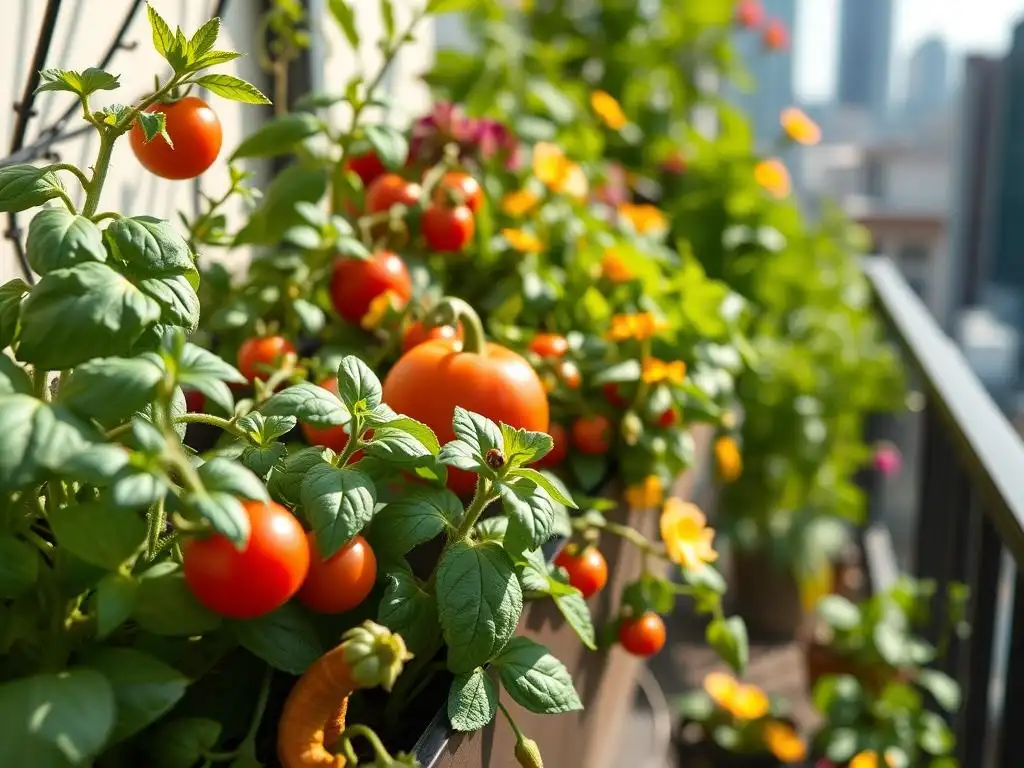
Even in the most compact balcony garden, pests and diseases can threaten your precious plants. Successfully cultivating a thriving urban oasis requires vigilance and proactive strategies. This section focuses on practical, sustainable methods for protecting your small-space harvest from common threats. Remember, early detection is key to preventing widespread damage and maintaining healthy, productive plants. We'll explore both organic pest control and disease prevention techniques specifically tailored to the challenges of balcony gardening.
Organic Pest Control Methods for Balcony Gardens
Organic pest control is crucial for a healthy and sustainable balcony garden. It minimizes environmental impact while protecting beneficial insects. Several effective methods can be implemented:
- Neem Oil: A versatile and effective natural insecticide derived from the neem tree. It disrupts the life cycle of many common pests like aphids, whiteflies, and spider mites. Always dilute neem oil according to package instructions and apply as a foliar spray, ensuring even coverage. Reapplication may be necessary depending on the severity of the infestation.
- Insecticidal Soap: This readily available solution is effective against soft-bodied insects like aphids, mealybugs, and thrips. Similar to neem oil, it works by disrupting the insect's cell membranes. Apply as a foliar spray, paying close attention to the undersides of leaves where pests often hide.
- Diatomaceous Earth (DE): A naturally occurring sedimentary rock, DE consists of microscopic fossilized algae. Its sharp edges cut into the exoskeletons of insects, causing dehydration and death. Apply DE as a dust around the base of plants or on affected leaves. It's safe for humans and pets but should be avoided if you have respiratory issues.
- Beneficial Insects: Introducing natural predators can help control pest populations. Ladybugs, lacewings, and praying mantises are effective predators of many common garden pests. Consider purchasing beneficial insects from a reputable supplier and releasing them into your balcony garden.
- Physical Barriers: Row covers or netting can prevent pests from accessing your plants. This is particularly useful for preventing larger pests like birds or caterpillars from damaging your crops.
- Handpicking: For smaller infestations, handpicking pests is a simple and effective method. Regularly inspect your plants and remove any visible pests. Dispose of them properly to prevent reinfestation.
Preventing and Treating Common Balcony Garden Diseases
Balcony gardens, due to their close proximity and often limited air circulation, can be susceptible to various fungal and bacterial diseases. Proactive measures are essential for disease prevention:
- Proper Watering: Overwatering is a major contributor to many plant diseases. Water deeply but infrequently, allowing the soil to dry slightly between waterings. Avoid overhead watering, which can spread diseases.
- Good Air Circulation: Ensure adequate air circulation around your plants to prevent the buildup of humidity, a breeding ground for many fungal diseases. Space plants appropriately and avoid overcrowding.
- Sanitation: Regularly remove dead leaves and debris to prevent the spread of disease. Sterilize your gardening tools between uses to prevent contamination.
- Disease-Resistant Varieties: Choose plant varieties that are known to be resistant to common diseases in your area. Check seed packets or plant tags for information on disease resistance.
- Organic Treatments: For fungal diseases like powdery mildew, consider using organic fungicides such as baking soda solution or neem oil. Copper fungicide is another option, but use it sparingly and follow label instructions carefully. Early intervention is vital for successful treatment. If a disease persists despite your efforts, consider removing the affected plant to prevent it from spreading to healthy ones.
| Disease | Symptoms | Organic Treatment Options | Prevention Strategies |
|---|---|---|---|
| Powdery Mildew | White powdery coating on leaves | Baking soda solution, neem oil | Good air circulation, avoid overhead watering |
| Damping-off | Seedling rot and wilting | Improve drainage, avoid overwatering | Sterile soil, proper spacing |
| Leaf Spot | Brown or black spots on leaves | Copper fungicide (use sparingly), neem oil | Good air circulation, remove infected leaves |
| Root Rot | Wilting, yellowing leaves, root decay | Improve drainage, avoid overwatering | Well-draining soil, avoid overwatering |
Remember that accurate identification of the specific pest or disease is crucial for effective treatment. Consult resources specific to your region and plant types for further guidance on pest and disease management in your balcony garden. A healthy and productive balcony garden requires consistent attention and proactive measures to maintain the health of your plants. 🌱
Maintaining Your Small Space Balcony Garden
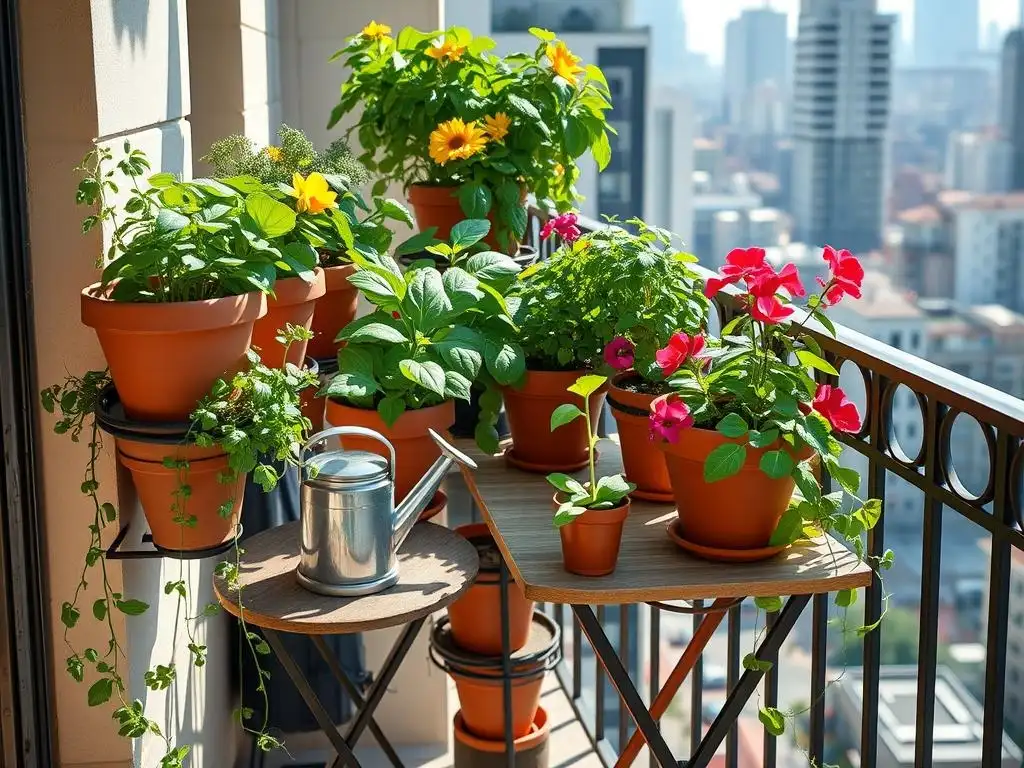
Maintaining a thriving balcony garden, especially in a small space, requires dedicated effort but yields immense rewards. Successful cultivation hinges on consistent attention to detail and proactive problem-solving. Let's explore key aspects of maintaining your miniature horticultural haven.
Essential Balcony Garden Maintenance Tips
Regular watering is paramount, especially during warmer months. Overwatering can lead to root rot, while underwatering stunts growth. The frequency depends on factors like sun exposure, plant type, and pot size. Consider using self-watering pots or a drip irrigation system to optimize water usage and minimize your workload. These smart solutions for small space gardening are invaluable. Observe your plants carefully; wilting leaves are a clear sign of thirst, while overly saturated soil indicates overwatering.
Another crucial aspect is fertilization. Balcony gardens often lack the rich soil found in larger gardens. Supplementing with organic fertilizers, like compost tea or worm castings, provides essential nutrients. Follow package instructions carefully, as over-fertilizing can harm plants. Consider using slow-release fertilizers to minimize the frequency of application. This reduces the maintenance burden associated with small space balcony gardening ideas.
Finally, regular inspection for pests and diseases is crucial. Early detection is key to preventing widespread infestation. Use organic pest control methods, such as neem oil or insecticidal soap, to address any issues promptly. Regularly remove dead or diseased leaves to prevent the spread of problems. A healthy, vibrant balcony garden is a testament to consistent care and proactive maintenance. Remember, preventative measures are far more effective than reactive treatments when it comes to small space balcony gardening.
Harvesting Tips for Balcony Grown Produce
Harvesting your balcony-grown produce is a rewarding experience. Timing is everything! Harvest vegetables at their peak ripeness for optimal flavor and nutritional value. For example, tomatoes should be harvested when they are fully colored and slightly soft to the touch. Similarly, herbs should be harvested just before they flower for the most intense flavor.
Different plants have different harvesting techniques. Some, like lettuce, can be harvested by cutting outer leaves, allowing the plant to continue producing. Others, like cherry tomatoes, are harvested individually as they ripen. Always use clean, sharp tools to avoid damaging the plants. Consider using small, hand-held scissors or pruners specifically designed for harvesting delicate herbs and vegetables.
Proper post-harvest handling is equally important. Store harvested produce in a cool, dry place. Some produce, like herbs, may benefit from being stored in a glass of water to maintain freshness. Others, like tomatoes, should be stored at room temperature to prevent them from becoming too cold. Proper harvesting and storage techniques will maximize the enjoyment and shelf life of your balcony garden's bounty. This is an essential part of successful small space balcony gardening ideas.
Winterizing Your Balcony Garden for the Off-Season
As the weather cools, preparing your balcony garden for winter is essential to ensure its survival and continued health. This is especially crucial for small space balcony gardening where plants are more vulnerable to harsh conditions. Many plants are not frost-tolerant and will need protection or relocation.
For frost-sensitive plants, consider bringing them indoors to a sunny location. Alternatively, you can protect them with frost cloth or by moving them to a sheltered area of your balcony. Pruning back overgrown plants can improve air circulation and reduce the risk of damage from strong winds or snow. Cleaning and storing your pots properly also helps in preparing for the next season.
For plants that are hardy enough to survive the winter, mulch around their base to insulate the roots and protect them from freezing temperatures. Remember to water less frequently during colder months, as the plants' water needs decrease significantly. While your balcony garden may look less vibrant during the off-season, proper winterization ensures a healthy and productive garden come springtime. This is a crucial aspect of long-term success with small space balcony gardening ideas.
Inspiring Small Space Balcony Gardening Ideas
This section explores creative and practical small space balcony gardening ideas, perfect for maximizing yield and aesthetics in limited areas. We'll move beyond the typical single pot and delve into strategies that transform even the smallest balcony into a thriving green space. Think vertical gardening, space-saving planters, and clever design choices to cultivate a bountiful harvest, even with limited square footage. The key is strategic planning and utilizing every inch of available space. This is crucial for maximizing your "small space balcony gardening" potential.
Gallery of Successful Small Balcony Gardens
Let's visualize success! Below are examples illustrating how different gardeners have overcome space constraints to create thriving balcony gardens. These examples showcase the diversity of approaches and the stunning results achievable, even in small spaces. Imagine the possibilities!
- Example 1: The Vertical Veggie Patch: This gardener used a wall-mounted vertical planter system, stacking herbs, strawberries, and leafy greens. The system maximized vertical space, creating a visually appealing and productive garden. The use of tiered planters allowed for optimal sunlight exposure for all plants.
- Example 2: The Hanging Herb Garden: Here, various herbs were grown in hanging baskets, creating a fragrant and functional space. This approach is ideal for maximizing floor space and adding a touch of elegance to the balcony. The hanging baskets also provided excellent air circulation, preventing fungal diseases.
- Example 3: The Compact Container Garden: This gardener utilized a series of compact, self-watering containers, carefully selecting dwarf varieties of vegetables and flowers to fit the limited space. The self-watering system minimized watering frequency, making maintenance easier.
Tips for Designing an Aesthetically Pleasing Balcony Garden
Beyond functionality, a well-designed balcony garden should also be visually appealing. This section provides tips on creating a garden that's both productive and pleasing to the eye. Remember, even a small space can be transformed into a beautiful and functional outdoor haven with careful planning.
Creating an aesthetically pleasing balcony garden involves careful selection of plants, containers, and overall design. Consider these elements:
- Color Coordination: Choose plants with complementary colors to create a visually harmonious space. Think about the overall color scheme and how it interacts with the surrounding environment.
- Container Variety: Use a variety of containers in different shapes, sizes, and materials to add visual interest. Mixing terracotta pots with sleek modern planters can create a unique and stylish look.
- Height and Texture: Incorporate plants of varying heights and textures to create depth and visual interest. Combining trailing plants with upright ones can add dynamism to the design.
- Personal Touches: Add personal touches such as decorative elements, wind chimes, or outdoor lighting to enhance the aesthetic appeal and create a relaxing atmosphere.
Creating a Relaxing and Functional Balcony Oasis
Transforming your balcony into a relaxing oasis involves more than just planting flowers. It's about creating a space where you can unwind and enjoy the fruits (and vegetables!) of your labor. This section offers ideas for enhancing the functionality and relaxation factor of your small balcony garden.
Consider these strategies to create a truly relaxing and functional balcony oasis:
- Comfortable Seating: Include comfortable seating, such as a small bistro set or even a single chair with a cushion, to create a space for relaxation and enjoyment.
- Privacy Screening: Use climbing plants or screens to create privacy and a more intimate setting. This is especially important in urban settings.
- Ambient Lighting: Incorporate soft lighting such as string lights or lanterns to create a warm and inviting atmosphere, especially for evening relaxation.
- Water Features: If space allows, a small water feature, such as a tabletop fountain, can add a soothing element to the balcony, creating a peaceful and calming ambiance. The gentle sound of running water can be incredibly relaxing.
Remember, even a small balcony can be transformed into a productive and beautiful garden with careful planning and attention to detail. By implementing these small space balcony gardening ideas, you can create a thriving and relaxing outdoor space, no matter how limited your area might be. Enjoy the journey of cultivating your own personal "small space balcony gardening" paradise!
Frequently Asked Questions
What are some space-saving ideas for balcony gardening?
Vertical gardening using trellis systems or hanging planters is ideal for maximizing space. Consider using stackable planters or wall-mounted herb gardens to make the most of your limited area. Think up, not out!
Can I grow vegetables on a small balcony?
Absolutely! Choose compact vegetable varieties like bush beans, cherry tomatoes, and leafy greens. Using vertical gardening techniques will allow you to grow a surprising amount of produce in a small space.
What type of soil is best for balcony gardening?
Use a high-quality potting mix specifically designed for containers. This ensures proper drainage and provides the necessary nutrients for healthy plant growth. Avoid using garden soil directly from the ground.
How much sunlight do I need for a successful balcony garden?
Most vegetables and herbs need at least 6 hours of sunlight per day. Choose a sunny spot on your balcony and consider using supplemental lighting if needed, particularly for plants in shadier areas.
What about pest control in a small balcony garden?
Natural pest control methods are best for balcony gardening. Use companion planting, beneficial insects, and organic pest sprays to keep pests away from your plants while keeping your environment safe.
Final Reflection: Cultivating Abundance in Confined Spaces
The dream of a thriving garden isn't confined to sprawling estates; it flourishes even in the smallest of spaces. This article explored the transformative power of balcony gardening, demonstrating that even the most limited area can become a vibrant oasis of life and beauty. From clever vertical gardening techniques to space-saving plant choices, we've seen how ingenuity and careful planning can overcome the challenges of limited space.
The impact of urban gardening extends far beyond the aesthetic. It connects us to nature, fosters a sense of community, and provides a tangible link to the food we consume. The glory of gardening: hands in the dirt, head in the sun, heart with nature. To nurture a garden is to feed not just the body, but the soul.
This quote perfectly encapsulates the profound emotional and spiritual rewards of cultivating even a small patch of green, regardless of its size. The simple act of nurturing life, even in a small container on a balcony, offers a powerful antidote to the stresses of modern life.
Now, consider your own space. Do you have a small balcony, a windowsill, or even just a sunny corner? What small act of cultivation could you undertake to bring a touch of nature, a burst of color, and a sense of peace into your life? Start small, experiment with different plants, and allow yourself to be amazed by the abundance that can bloom even in the most unexpected places. Let your balcony garden be a testament to the power of creativity, resilience, and the enduring connection between humanity and the natural world.
Unleash Your Urban Oasis: Grow Your Dream Balcony Garden!
Thank you for exploring creative solutions for your balcony garden! We hope you're feeling inspired and ready to transform that small space into a thriving green haven. Let's get started!
- Begin designing your balcony garden today! Sketch out your ideal layout, considering sunlight, the types of plants you'd like to grow, and the available space. This is your blueprint for success!
- Share your vision! Let's connect—tell us about your favorite plants or any clever space-saving tricks you're planning to use in the comments below.
- Explore different vertical gardening techniques, such as wall-mounted planters or hanging baskets, to maximize your space and create a stunning vertical garden.
What's the first plant you're excited to grow on your balcony? Let's continue the conversation!