
Culinary Uses of Common Indoor Herbs: Recipes and Ideas

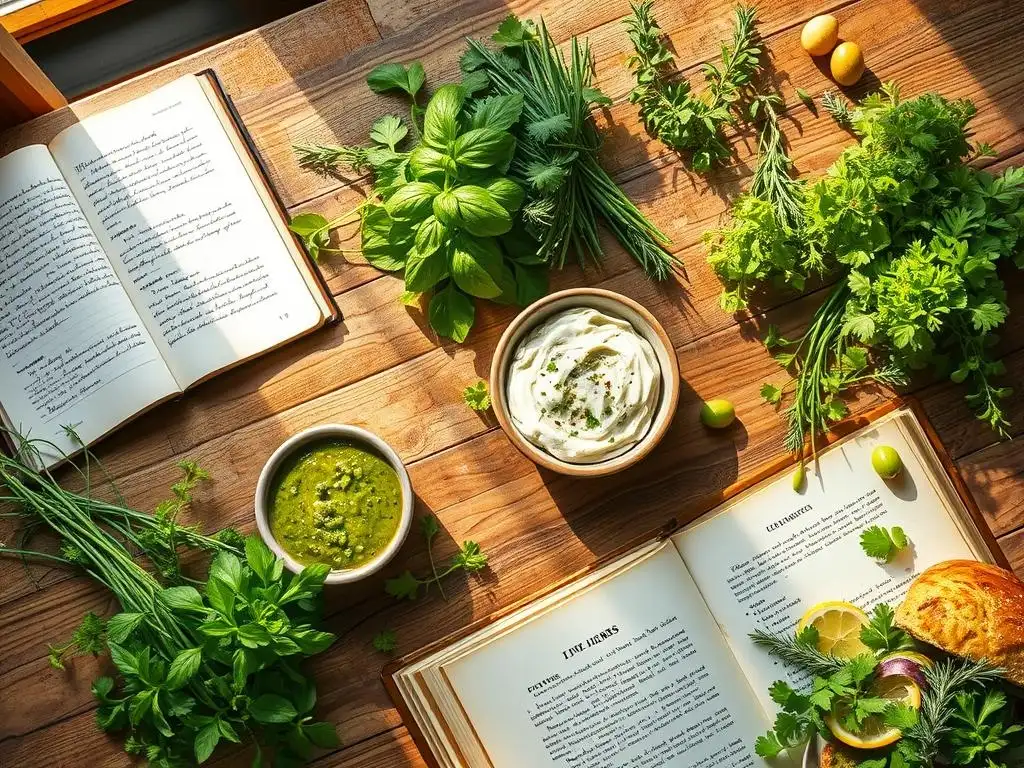
Welcome to CultivateYourFood, your guide to a greener, more flavorful life! Ready to transform your kitchen into a thriving herb garden? Discover the secrets to cultivating fresh, organic herbs right at home, and unlock a world of culinary possibilities with our exclusive collection of indoor herb cooking recipes. From planting to harvest and beyond, we'll show you how to easily integrate sustainable practices into your everyday life. Let's embark on this exciting journey together—explore the versatility of homegrown herbs and elevate your cooking!
- Unlocking Flavor: The Versatile World of Indoor Herb Cooking
- Chives and Parsley: Elevating Everyday Dishes with Simple Herb Recipes
- Thyme and Oregano: Mediterranean Flavors for Your Indoor Herb Garden
- Expanding Your Indoor Herb Cooking Repertoire: Tips and Techniques
- Frequently Asked Questions
- Final Reflection: Savor the Season, Grow Your Flavor
- Unlock Your Kitchen's Hidden Potential: Fresh Herb Recipes Await!
Unlocking Flavor: The Versatile World of Indoor Herb Cooking
Cultivating your own indoor herb garden offers a unique culinary advantage: readily available, fresh herbs for everyday cooking. This guide delves into the exciting world of indoor herb cooking, providing you with creative recipes and ideas to elevate your dishes using readily available herbs. Forget bland meals; learn how to unlock the vibrant flavors and aromatic profiles of common indoor herbs, transforming simple recipes into culinary masterpieces.
We'll explore the versatility of basil, mint, and rosemary, showcasing their diverse applications beyond their typical uses. From simple additions to complex culinary techniques, this guide is your key to maximizing the potential of your homegrown herbs, enhancing your cooking experience while embracing sustainable, organic practices. This article will help you master the art of using your homegrown herbs, transforming your everyday meals and enhancing your culinary skills.
We'll focus on practical applications and simple recipes, perfect for both novice and experienced cooks eager to enhance their dishes with the fresh flavors of homegrown herbs. This will not only improve the taste of your food but also allow you to connect more deeply with the process of growing and consuming your food organically.
Basil: Beyond Pesto – Creative Basil Recipes and Uses in Cooking
Basil, a staple in many kitchens, offers much more than just pesto. Its sweet, slightly peppery flavor profile lends itself beautifully to a wide array of dishes. Let's explore some creative ways to incorporate basil into your cooking:
- Beyond Pesto: Think beyond the classic pesto! Try basil-infused olive oil for drizzling over salads or pasta, or add fresh basil leaves to your favorite tomato sauces for an extra burst of flavor.
- Sweet and Savory Applications: Basil's versatility extends beyond savory dishes. Add chopped basil to fruit salads for a unique flavor combination, or incorporate it into homemade lemonade for a refreshing twist.
- Basil-Infused Cocktails: Elevate your cocktails with a few fresh basil leaves muddled with your favorite spirits. The subtle anise notes of basil complement many spirits beautifully.
- Grilled Dishes: Basil's delicate flavor holds up well to grilling. Try adding it to grilled vegetables, fish, or chicken for a fragrant and flavorful addition.
Here's a simple recipe idea: Basil-Lemon Chicken: Marinate chicken breasts in a mixture of olive oil, lemon juice, minced garlic, and chopped basil for at least 30 minutes before grilling or baking. The result is a juicy, flavorful chicken dish infused with the bright, fresh aroma of basil.
Mint: Refreshing Dishes and Unexpected Culinary Applications
Often associated with refreshing drinks, mint's culinary applications are surprisingly diverse. Its cool, invigorating flavor adds a unique touch to both sweet and savory dishes.
- Beyond Mojitos: While mint is a classic mojito ingredient, its uses extend far beyond this popular cocktail. Incorporate fresh mint into salads, salsas, and chutneys for a refreshing twist.
- Lamb and Mint Pairings: Mint complements lamb beautifully, creating a classic flavor combination often found in Middle Eastern and Mediterranean cuisine. Try adding chopped mint to your lamb tagine or grilling it alongside lamb chops.
- Mint-Infused Desserts: The refreshing coolness of mint makes it a perfect ingredient for desserts. Add it to ice cream, chocolate, or fruit pies for a delightful surprise.
- Tea and Infusions: Mint is a popular choice for herbal teas and infusions. Steep fresh mint leaves in hot water for a soothing and refreshing beverage.
Consider this: Mint and Pea Salad: Combine fresh peas, crumbled feta cheese, chopped mint, and a light lemon vinaigrette for a refreshing and flavorful summer salad. The combination of mint's coolness and the peas' sweetness creates a delightful contrast.
Rosemary: Savory Delights and Herb-infused Cooking Techniques
Rosemary, with its strong, piney aroma and slightly bitter flavor, adds depth and complexity to savory dishes. Its robust nature makes it ideal for roasting and grilling.
- Roasted Vegetables: Toss your favorite vegetables (potatoes, carrots, Brussels sprouts) with olive oil, salt, pepper, and fresh rosemary sprigs before roasting for a flavorful side dish.
- Herb-Infused Oils and Vinegars: Rosemary infuses beautifully into oils and vinegars. Simply steep fresh rosemary sprigs in your favorite oil or vinegar for several weeks to create a flavorful condiment.
- Rosemary Bread: Rosemary's strong aroma pairs perfectly with bread. Add chopped rosemary to your favorite bread recipe for a fragrant and flavorful loaf.
- Meat Marinades: Rosemary's robust flavor profile makes it an excellent addition to meat marinades. It pairs particularly well with lamb, chicken, and pork.
Try this: Rosemary-Garlic Roasted Potatoes: Toss cubed potatoes with olive oil, minced garlic, chopped rosemary, salt, and pepper. Roast at 400°F (200°C) until golden brown and tender. The combination of rosemary and garlic creates a deeply savory and aromatic flavor that elevates this simple side dish.
Chives and Parsley: Elevating Everyday Dishes with Simple Herb Recipes
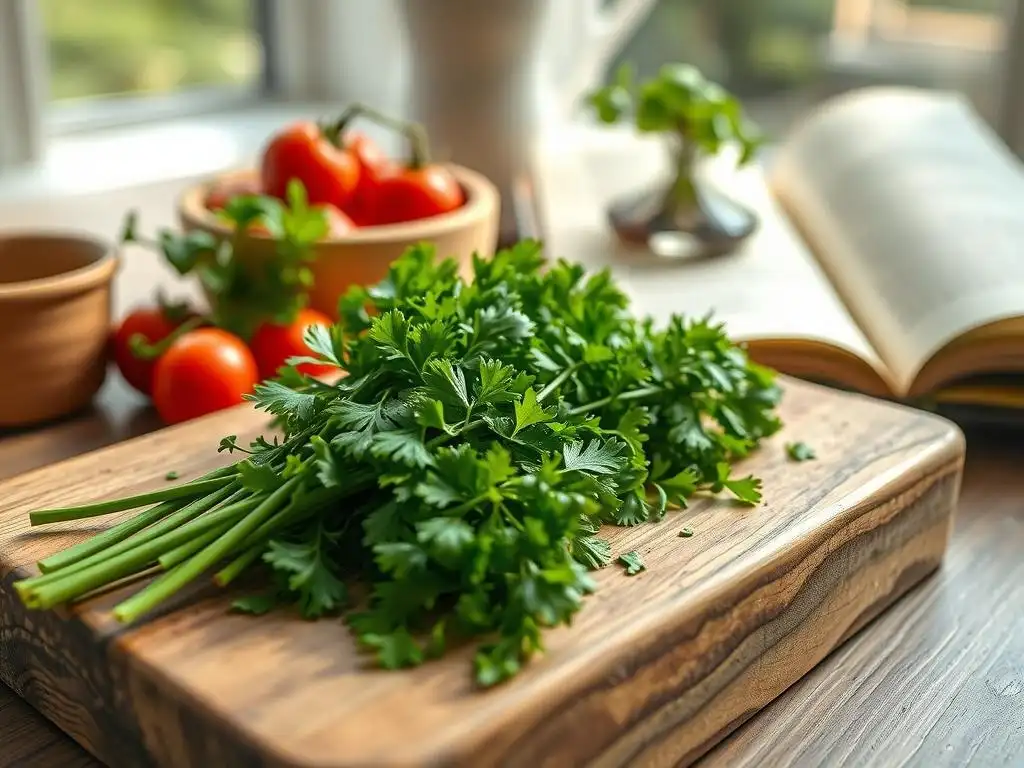
This section focuses on two incredibly versatile indoor herbs—chives and parsley—showcasing their unique culinary profiles and providing simple, yet flavorful, recipes to inspire your indoor herb cooking. We'll explore how these readily available herbs can transform everyday meals into culinary delights, enhancing both taste and nutritional value. Mastering the art of incorporating chives and parsley into your dishes is a key step in elevating your home cooking, regardless of your skill level. The abundance of fresh herbs you can grow indoors will make you wonder why you ever bought pre-packaged herbs again!
Chives: Adding a Subtle Onion Flavor to Your Cooking
Chives, with their delicate onion flavor, offer a subtle yet impactful addition to a wide array of dishes. Their mildness makes them a perfect choice for those who enjoy the taste of onions but find their stronger flavor overpowering. Unlike their bolder onion cousins, chives are best used as a garnish or added towards the end of cooking to preserve their fresh, vibrant taste.
Here are a few ideas for incorporating chives into your cooking:
- Creamy Chive Potato Salad: This classic dish gets a boost from fresh chives, adding a delicate oniony note to the creamy dressing. Simply finely chop fresh chives and stir them into your favorite potato salad recipe just before serving. Consider adding a squeeze of lemon for extra zest!
- Chive and Egg Omelet: A simple, yet satisfying breakfast option, elevated with the subtle flavor of chives. Whisk your eggs, add a generous helping of chopped chives, and cook to your liking.
- Chive Butter: A fantastic spread for crusty bread or grilled vegetables. Soften butter, mix in finely chopped chives, and season with salt and pepper. This simple preparation will add a sophisticated touch to your meals.
The versatility of chives extends beyond savory dishes. Try adding a pinch to your next batch of scrambled eggs, sprinkle them over baked potatoes, or incorporate them into dips and spreads for a fresh, herbaceous twist. Remember, less is often more with chives, their delicate flavor shines when used sparingly.
Parsley: A Garnish That Adds Flavor and Nutrition
Parsley, often relegated to the role of a simple garnish, is far more than just an aesthetic addition to your plate. This common herb boasts a surprising amount of nutritional value, packed with vitamins A, C, and K, as well as iron and folate. Beyond its nutritional benefits, parsley offers a bright, slightly peppery flavor that complements many dishes. Its versatility allows it to be used both as a garnish and as an ingredient, adding depth and complexity to your culinary creations.
Here are some ways to utilize parsley in your cooking:
- Parsley Pesto: A classic combination of parsley, garlic, olive oil, Parmesan cheese, and pine nuts creates a vibrant and flavorful pesto, perfect for pasta, sandwiches, or as a spread. Consider experimenting with different nuts like walnuts or almonds for variations in texture and taste.
- Tabbouleh: This refreshing Middle Eastern salad features parsley as its star ingredient, combined with bulgur, tomatoes, mint, and lemon juice. The vibrant green color and fresh herbaceous flavor make it a perfect summer dish.
- Herb-Infused Oils: Infuse olive oil or other cooking oils with fresh parsley and other herbs for a flavorful and aromatic cooking oil. This simple preparation adds depth and complexity to your dishes. Simply combine the herbs with the oil, let it sit for a few days, and strain before using.
Beyond these suggestions, parsley can be added to soups, stews, and sauces to add a fresh, herbaceous note. Its bright green color also makes it an excellent visual addition to plates, enhancing the overall presentation of your meals. Consider adding a sprinkle of parsley to your next bowl of soup or a dollop of yogurt for a final touch of freshness and color. Experiment with different combinations to discover your favorite ways to use this versatile and nutritious herb. Growing your own parsley indoors ensures you always have access to this flavorful and healthy ingredient.
Thyme and Oregano: Mediterranean Flavors for Your Indoor Herb Garden
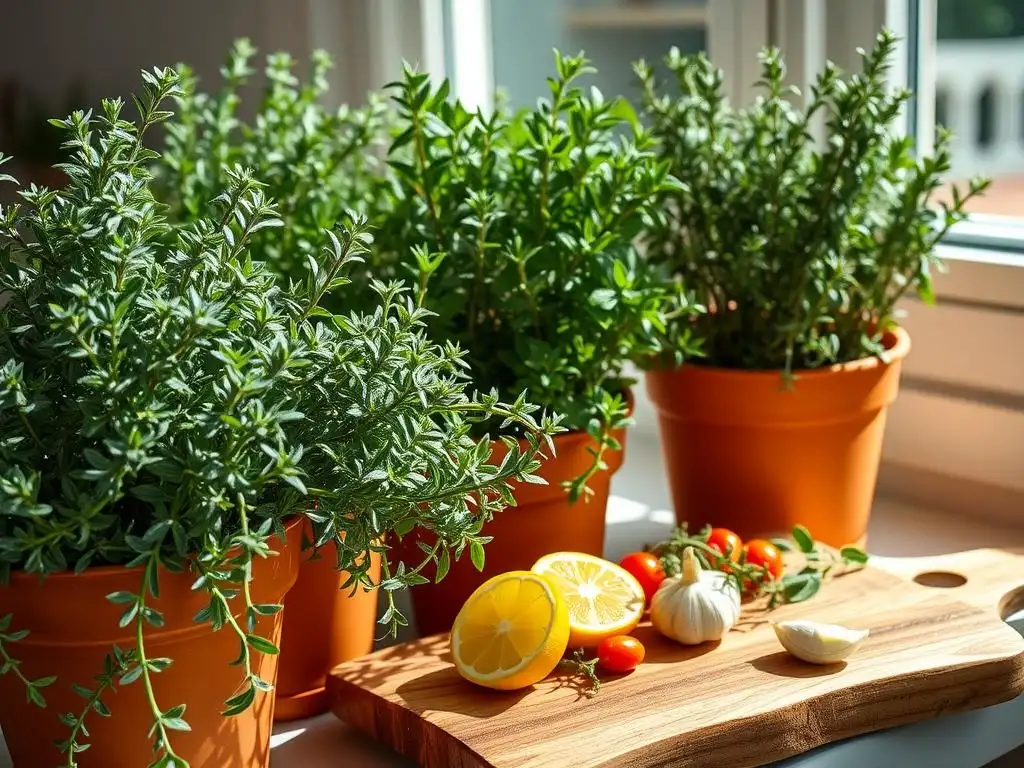
Thyme and oregano, two pillars of Mediterranean cuisine, are surprisingly easy to cultivate indoors, bringing the vibrant flavors of the sun-drenched hillsides directly to your kitchen. Their robust nature makes them ideal for even novice indoor gardeners, providing a consistent supply of fresh herbs for culinary adventures throughout the year.
This section will explore the culinary versatility of each herb, offering specific recipe ideas and highlighting their unique flavor profiles to inspire your indoor herb gardening and cooking endeavors. Mastering the art of growing these herbs indoors opens up a world of flavorful possibilities, transforming your home-cooked meals into authentic culinary experiences.
Thyme: Earthy Notes for Hearty Dishes
Thyme, with its subtly earthy and slightly lemony notes, lends itself beautifully to hearty dishes. Its strong flavor stands up well to robust meats and vegetables, making it a staple in many savory recipes. The versatility of thyme extends beyond its classic pairings; its unique aroma complements a wider range of flavors than many realize.
Consider these applications for your homegrown thyme:
- Roasted Vegetables: Toss chopped vegetables like carrots, potatoes, and Brussels sprouts with olive oil, salt, pepper, and a generous sprinkle of fresh thyme before roasting. The thyme infuses the vegetables with its warm, earthy flavor, creating a delicious side dish.
- Chicken and Lamb Dishes: Thyme is a classic pairing for poultry and lamb. Add fresh sprigs to your roasting pan or incorporate finely chopped thyme into marinades for incredibly flavorful results.
- Soups and Stews: A few sprigs of thyme added to simmering soups and stews add depth and complexity to the overall flavor profile. The longer it simmers, the more intense the flavor becomes.
- Bread: Thyme can elevate even the simplest bread recipe. Add it to your dough along with other herbs and spices for an aromatic and flavorful loaf. Experiment with different types of bread to find your perfect thyme-infused recipe.
The intense flavor of thyme means a little goes a long way. Start with a small amount and adjust to your taste preference. Remember to harvest your thyme regularly to encourage bushier growth and a continuous supply of fresh leaves.
Oregano: The Spice of Italy in Your Kitchen
Oregano, with its slightly bitter and pungent aroma, is the quintessential herb of Italian cuisine. Its robust flavor profile is a key ingredient in many classic dishes, adding a distinctive warmth and complexity. Cultivating oregano indoors allows you to enjoy this flavorful herb year-round, enriching your culinary creations with authentic Italian flair.
Let's explore some delicious ways to use your homegrown oregano:
| Dish Type | Oregano Application | Flavor Enhancement |
|---|---|---|
| Pizza & Pasta | Sprinkle generously on pizzas and pasta sauces. | Adds a classic Italian herbal note. |
| Tomato-based Sauces | Essential ingredient for enhancing rich tomato flavors. | Balances acidity and adds earthy complexity. |
| Grilled Meats & Vegetables | Rub onto meats and vegetables before grilling. | Imparts a smoky, slightly bitter, and aromatic flavor. |
| Salads & Dressings | Adds a punchy, slightly bitter note to dressings. | Complements the freshness of salad ingredients. |
| Omelets & Scrambled Eggs | Adds a unique depth of flavor to egg dishes. | Offers a savory counterpoint to eggs' richness. |
Beyond these suggestions, experiment! Oregano's versatility extends to various cuisines. Its bold flavor can be incorporated into marinades, spice rubs, and even infused oils. Remember to harvest your oregano regularly to maintain its growth and enjoy a plentiful supply of this aromatic herb. The subtle bitterness of oregano beautifully complements the sweetness of tomatoes, making it an indispensable herb for any home cook passionate about Italian-inspired dishes. Growing your own oregano indoors ensures a consistent supply of this flavorful herb, allowing you to explore its culinary potential without limitation.
Expanding Your Indoor Herb Cooking Repertoire: Tips and Techniques
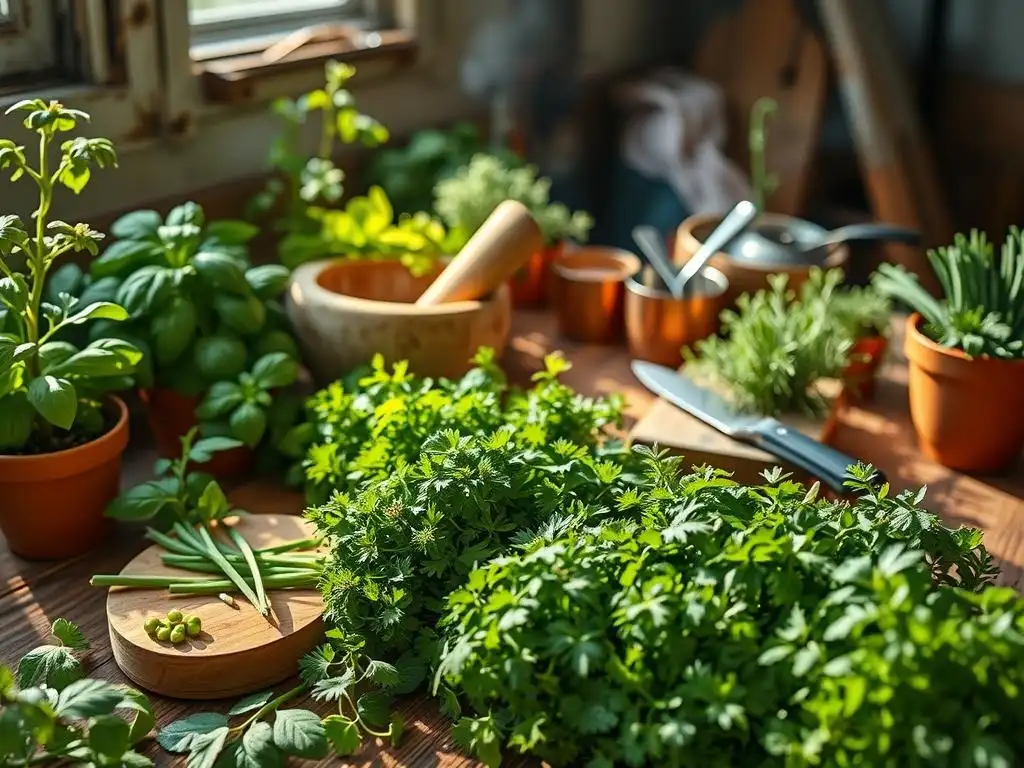
This section delves into practical techniques for maximizing the culinary potential of your homegrown indoor herbs. We'll explore methods to ensure your herbs retain their vibrant flavors and aromas, allowing you to elevate your dishes with fresh, organic ingredients. Mastering these techniques will transform your indoor herb garden from a decorative element into a dynamic component of your cooking. Remember, the key to successful indoor herb cooking lies in understanding both the cultivation and the culinary application of your plants.
Harvesting and Storing Your Indoor Herbs for Optimal Flavor
The timing of your herb harvest significantly impacts flavor. Harvesting at the right moment ensures peak aroma and taste. Generally, herbs are best harvested just before flowering. For example, basil should be harvested regularly, pinching off the top sets of leaves to encourage bushier growth and prevent flowering, which can make the leaves bitter. Conversely, rosemary and thyme can be pruned more aggressively, even removing larger stems.
Here's a quick guide to harvesting and storing common indoor herbs:
| Herb | Optimal Harvest Time | Storage Method | Shelf Life (approx.) |
|---|---|---|---|
| Basil | Morning, before flowering | Refrigerate in a damp paper towel; or freeze | 2-3 days refrigerated; 6 months frozen |
| Chives | Any time, before flowering | Refrigerate in a damp paper towel; or freeze | 1 week refrigerated; 6 months frozen |
| Cilantro | Before flowering | Refrigerate in a damp paper towel; or freeze | 3-4 days refrigerated; 6 months frozen |
| Mint | Before flowering | Refrigerate in a damp paper towel; or freeze | 1 week refrigerated; 6 months frozen |
| Parsley | Before flowering | Refrigerate in a damp paper towel; or freeze | 1 week refrigerated; 6 months frozen |
| Rosemary | Anytime, but avoid flowering | Air dry in a cool, dark place; or freeze | Several weeks dried; 6 months frozen |
| Thyme | Anytime, but avoid flowering | Air dry in a cool, dark place; or freeze | Several weeks dried; 6 months frozen |
Proper storage is crucial. Avoid washing herbs before storing, as this promotes decay. Instead, gently shake off excess soil and store them in airtight containers lined with damp paper towels to maintain freshness. Freezing herbs in ice cube trays with a little water or olive oil preserves their flavor for several months. This method is particularly useful for incorporating herbs directly into sauces or soups.
Combining Herbs for Enhanced Flavor Profiles in Your Recipes
Blending herbs creates complex and nuanced flavor profiles, transforming ordinary dishes into culinary masterpieces. Experimentation is key! However, understanding basic flavor pairings can guide your creativity. Consider these combinations:
- Mediterranean Medley: Rosemary, thyme, oregano, and a touch of mint create a classic Mediterranean aroma, perfect for roasted vegetables, lamb, or chicken. The strong, earthy rosemary pairs well with the slightly sweet thyme and oregano, while the mint adds a refreshing counterpoint.
- Italian Inspiration: Basil, oregano, and parsley form the cornerstone of many Italian dishes. The sweet basil complements the pungent oregano, while the parsley contributes a fresh, grassy note. This blend works wonders in pasta sauces, pizzas, and bruschetta.
- French Flair: Tarragon, chives, and chervil are staples of French cuisine. Their subtle, delicate flavors enhance creamy sauces, fish dishes, and egg preparations. Tarragon's anise-like note is balanced by the mild onion flavor of chives and the slightly nutty chervil.
Remember that the ratios of herbs can dramatically alter the overall taste. Start with small amounts and adjust to your preference. Don't be afraid to experiment and discover your own signature herb blends! The possibilities are endless, and your indoor herb garden provides the perfect platform for culinary exploration and innovation. Enjoy the journey of transforming your homegrown herbs into delicious and aromatic dishes!
Frequently Asked Questions
What are some common herbs easy to grow indoors?
Many herbs thrive indoors! Basil, mint, chives, parsley, and oregano are all excellent choices and relatively low-maintenance. Consider their light and water requirements.
How much sunlight do indoor herbs need?
Most indoor herbs require at least 6 hours of sunlight daily. A sunny windowsill is ideal, or supplement with grow lights if needed. Ensure they get enough light to prevent leggy growth.
Can I use my homegrown herbs in cooking immediately?
Yes! Harvest herbs just before using them for the freshest flavor. You can also dry or freeze excess herbs for later use. Proper harvesting is key to maximizing the yield.
What are some simple recipes using homegrown herbs?
Try a classic pesto with basil, or a simple salad dressing with herbs like chives and parsley. Infuse olive oil with rosemary or thyme. The possibilities are endless with fresh, homegrown herbs!
How do I prevent pests from affecting my indoor herbs?
Regularly inspect your plants for pests. Good air circulation helps prevent problems. Introduce beneficial insects or use organic pest control methods if necessary. Avoid overwatering, as this can attract pests.
Final Reflection: Savor the Season, Grow Your Flavor
The simple act of cultivating fresh herbs indoors is not merely a hobby; it's a gateway to a more vibrant, flavorful, and sustainable culinary experience. In a world increasingly focused on convenience and processed foods, reclaiming control over our ingredients, even on a small scale, offers a powerful antidote. The recipes and ideas explored in this article demonstrate the transformative power of readily accessible, homegrown herbs.
The influence of fresh herbs extends far beyond the plate; they represent a connection to nature, a mindful approach to cooking, and a celebration of simple pleasures. The subtle nuances of flavor, the aromatic fragrance released during preparation – these sensory experiences enrich our lives in ways that mass-produced ingredients simply cannot. As the renowned chef Alice Waters once said, Good food, good life.
This sentiment resonates deeply when considering the impact of incorporating homegrown herbs into our daily meals. It's about more than just taste; it's about fostering a deeper appreciation for the origins and quality of our food.
Now, consider your own kitchen. Imagine the possibilities: the fragrant basil in your pesto, the zesty rosemary in your roasted vegetables, the calming chamomile in your evening tea. Take the first step. Plant a seed, nurture a sprig, and savor the delicious rewards. Let the journey of growing and cooking with your own indoor herbs be a testament to the power of simple acts, the joy of creation, and the enduring connection between our food and our well-being.
Thanks for exploring the amazing culinary world of common indoor herbs! We hope you've discovered new ways to elevate your dishes with simple, fresh flavors. Ready to put your knowledge to the test?
- Craft your signature herb blend: Experiment with the combinations we've discussed, or create your own! Start with a base of your favorite herb and add others to taste. Don't be afraid to get creative! For example, a blend of rosemary, thyme, and oregano works wonderfully with roasted vegetables.
- Share your culinary creations: Snap a photo of your delicious, herb-infused dish and share it on social media – tag us if you'd like! We love seeing what our readers cook.
- Explore new recipes: Many online resources offer innovative ways to use the herbs you've learned about. Search for recipes featuring herbs like basil, chives, or mint to discover exciting new flavor combinations.
What unexpected herb combination are you most excited to try in your next meal?