
The Future of Container Gardening: Trends in Container Selection

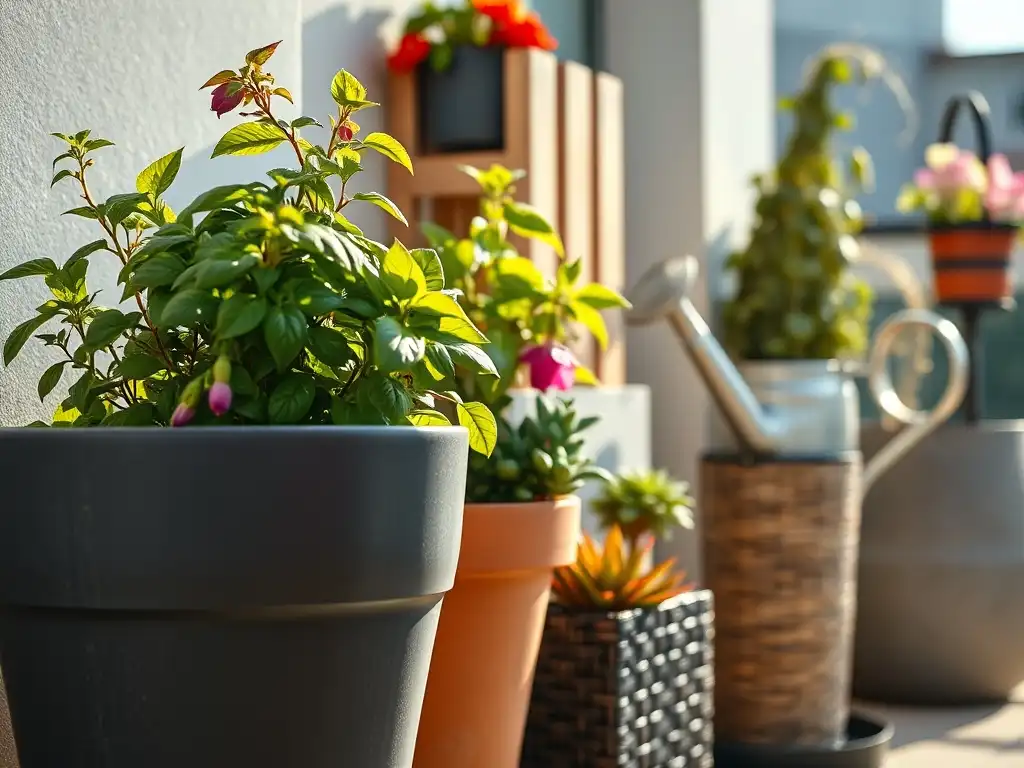
Welcome to CultivateYourFood, your guide to a greener, more flavorful life! Are you ready to revolutionize your home garden? We're diving deep into the exciting world of sustainable container gardening, exploring the latest trends in container selection that will transform how you grow fruits, vegetables, and herbs. Discover innovative techniques and eco-friendly practices to cultivate your own abundant harvest – even if you're short on space. Let's unearth the secrets to successful, sustainable gardening together!
- Emerging Trends in Sustainable Container Gardening
- Choosing the Right Size and Shape for Sustainable Container Gardening
- Innovative Container Designs for Sustainable Growing
- The Importance of Drainage and Aeration in Sustainable Containers
- Long-Term Sustainability and Container Lifespan
- The Future of Sustainable Container Gardening: A Look Ahead
- Frequently Asked Questions
- Final Reflection: Cultivating a Greener Future, One Container at a Time
- Unleash Your Inner Gardener: Craft the Perfect Container Oasis
Emerging Trends in Sustainable Container Gardening
Container gardening offers a fantastic way to grow your own food, even with limited space. But as awareness of environmental impact grows, so does the demand for sustainable practices in every aspect of gardening. This article explores the exciting emerging trends in container selection, focusing on eco-friendly and sustainable options that minimize environmental impact while maximizing your harvest. We'll delve into the rising popularity of recycled plastics, biodegradable alternatives, and creative upcycling techniques, all contributing to a greener and more responsible approach to container gardening.
Understanding these trends is crucial for any gardener committed to cultivating their food sustainably, minimizing waste, and reducing their carbon footprint. Choosing the right container is the first step towards a truly sustainable and bountiful harvest. Let's explore the future of sustainable container gardening, one eco-friendly pot at a time!
Eco-Friendly Materials for Container Gardening: The Rise of Recycled Plastics
The use of recycled plastics in container gardening is rapidly gaining traction. Recycled plastic containers offer a durable and cost-effective alternative to traditional materials like virgin plastic or terracotta. Many manufacturers are now producing high-quality planters made entirely from post-consumer recycled plastics, diverting waste from landfills and reducing the demand for new plastic production. These containers often come in a variety of sizes and shapes, catering to diverse gardening needs.
Furthermore, recycled plastic containers are generally weather-resistant, UV-resistant, and long-lasting, making them a smart investment for the environmentally conscious gardener. The durability aspect reduces the need for frequent replacements, further lessening environmental impact. Consider the lifecycle of the container; recycled plastic offers a significantly reduced carbon footprint compared to many alternatives. The availability of these containers is also increasing, making them readily accessible to home gardeners.
Biodegradable and Compostable Container Options for Sustainable Gardening
Beyond recycled plastics, a new wave of biodegradable and compostable containers is revolutionizing sustainable container gardening. These containers, often made from materials like coconut coir, peat moss, or recycled paper pulp, offer a truly eco-friendly solution. At the end of their lifespan, these containers can be simply added to your compost pile, breaking down naturally and enriching your soil.
This eliminates the waste associated with traditional plastic containers and contributes to a closed-loop gardening system. However, it's important to note that the durability of these containers might be less than recycled plastic options. They may not be suitable for long-term use or for plants with extensive root systems.
Choosing the right biodegradable container depends on the plant's growth cycle and your composting capabilities. Careful consideration of these factors is key to successful and sustainable gardening. Some examples include seed starting trays made from compressed peat and small pots made from recycled paper.
Upcycled Containers: Transforming Household Items into Planters
Upcycling household items into planters is a fantastic way to minimize waste and add a unique touch to your garden. This creative approach allows you to repurpose items that would otherwise end up in the trash, such as old buckets, cans, tires, and even broken pottery. The possibilities are endless, and the process is often simple and cost-effective.
Cleaning and preparing these containers properly is crucial to prevent contamination and ensure the health of your plants. Remember to consider drainage – adding drainage holes is essential for most plants. Upcycling not only reduces waste but also adds character and personality to your garden, resulting in a truly unique and sustainable space.
Think outside the box – or, rather, inside the repurposed container – and let your creativity flourish! This practice aligns perfectly with the principles of sustainable container gardening, reducing the demand for new materials and promoting resourcefulness. The added aesthetic benefit is a welcome bonus.
Choosing the Right Size and Shape for Sustainable Container Gardening
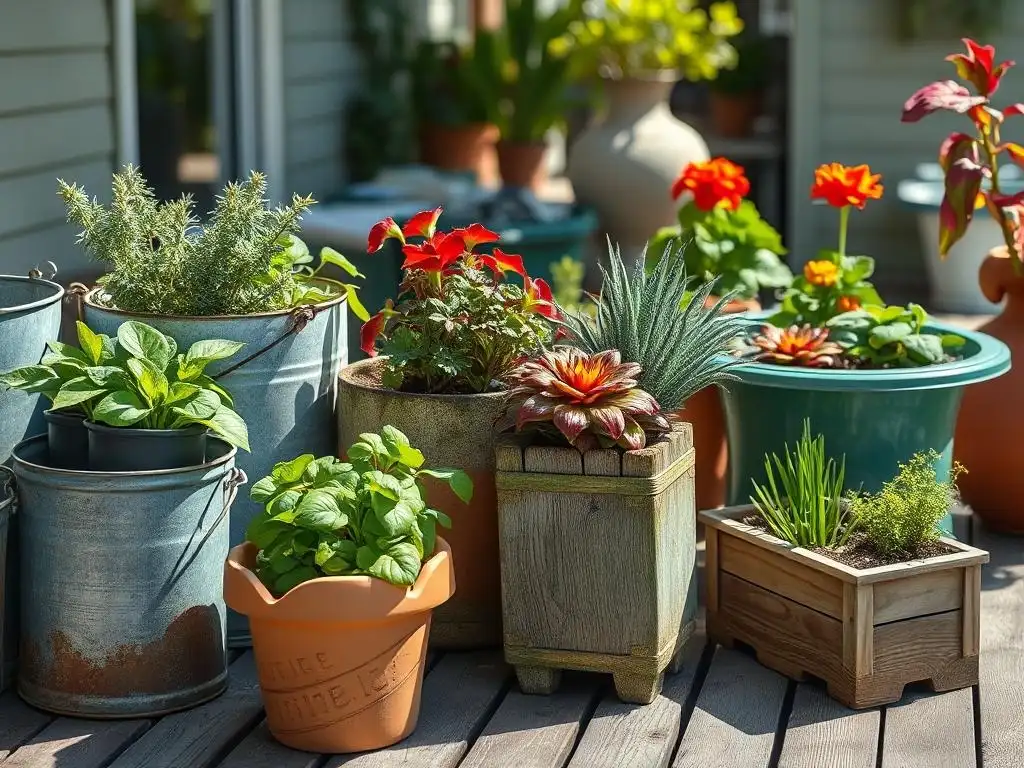
This section delves into the crucial aspects of container size and shape selection for optimal plant growth within a sustainable container gardening framework. Choosing the right dimensions isn't just about aesthetics; it directly impacts plant health, water retention, and overall success. Ignoring these factors can lead to stunted growth, nutrient deficiencies, and ultimately, a less productive and less sustainable gardening experience.
Container Size and Plant Growth: Matching Container Volume to Root Systems
The volume of your container directly correlates with the root system development of your chosen plant. Undersized containers restrict root growth, leading to nutrient deficiencies and ultimately, smaller yields. Conversely, overly large containers can lead to excessive watering, promoting fungal growth and wasting resources.
Consider these factors when selecting container size:
- Plant Maturity: A mature tomato plant requires significantly more space than a young herb. Check the mature size of your chosen plant species to estimate the necessary container volume. A general rule of thumb is to choose a container that's at least twice the diameter of the plant's root ball.
- Root System Type: Some plants have expansive root systems (e.g., pumpkins), while others have more compact ones (e.g., strawberries). Match the container size to the plant's specific needs. Deep containers are ideal for plants with deep taproots.
- Material and Drainage: The material of the container influences its water retention capabilities. Porous materials like terracotta dry out faster than plastic, requiring more frequent watering but also reducing the risk of root rot. Adequate drainage holes are crucial regardless of material to prevent waterlogging.
| Plant Type | Recommended Container Size (approximate) | Notes |
|---|---|---|
| Tomatoes | 5-10 gallons | Needs ample space for root and fruit development |
| Herbs (Basil, Mint) | 1-3 gallons | Smaller containers are usually sufficient |
| Peppers | 3-5 gallons | Similar to tomatoes, but slightly less space needed |
| Strawberries | Hanging baskets or 1-2 gallon containers | Shallow containers are best |
Effective sustainable container gardening requires careful consideration of these factors. Improper sizing directly impacts water usage, fertilizer needs, and the overall health and yield of your plants.
Container Shape and Sunlight Exposure: Optimizing Plant Health
Container shape influences sunlight exposure and air circulation, both vital for plant health. Round containers offer better root development than square ones due to the lack of sharp corners that can restrict root growth. However, the shape also impacts the amount of sunlight the plant receives and how well heat is dissipated.
- Sunlight and Shape: Tall, slender containers can be susceptible to overheating in direct sunlight, especially during peak hours. Wider, shallower containers distribute heat more effectively.
- Air Circulation: Containers with ample space between plants promote better air circulation, reducing the risk of fungal diseases. Consider the spacing between plants within the container.
- Placement: The shape of your container should complement its placement. For example, a hanging basket is ideal for plants that prefer shade or partial sun, while a large, wide container is suitable for sun-loving plants.
Choosing the right container shape is an integral part of sustainable container gardening practices. It directly impacts the plant's ability to thrive, minimizing the need for excessive intervention and maximizing resource efficiency.
The Impact of Container Material on Temperature Regulation
The material of your container significantly impacts temperature regulation, influencing plant health and water requirements. Different materials retain and release heat differently, affecting root temperatures and overall plant vigor.
- Terracotta: Porous terracotta pots allow for good air circulation but also dry out quickly, requiring more frequent watering. They can also overheat in direct sunlight.
- Plastic: Plastic containers retain moisture longer, reducing watering frequency. However, they can overheat in direct sunlight and retain heat, potentially damaging roots.
- Wood: Wooden containers offer a natural aesthetic and good insulation, but they require regular maintenance to prevent rot and insect infestation. They also retain moisture but not as much as plastic.
- Recycled Materials: Using recycled containers promotes sustainability but requires careful selection to ensure adequate drainage and durability.
Choosing sustainable container materials is essential for minimizing environmental impact and optimizing plant health. Consider the climate, plant type, and maintenance requirements when selecting the appropriate material. The long-term sustainability of your gardening efforts is significantly influenced by these choices. Careful consideration of these factors will contribute to healthier plants, reduced resource consumption, and a more environmentally friendly gardening experience.
Innovative Container Designs for Sustainable Growing
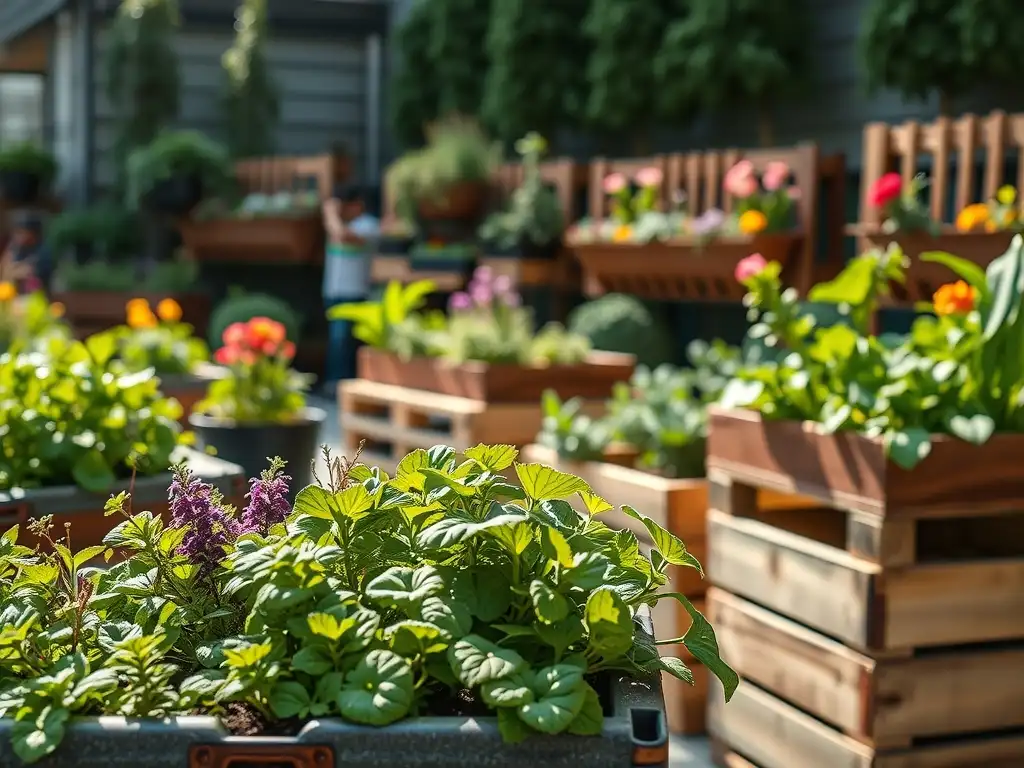
Sustainable container gardening trends are rapidly evolving, driven by a growing awareness of environmental responsibility and the desire for space-saving solutions. This section explores some of the most innovative container designs that are transforming the way we grow food at home. These designs prioritize resource efficiency, durability, and ease of use, making sustainable container gardening more accessible than ever. We will explore several key areas within this innovative space.
Self-Watering Containers and Water Conservation Techniques
Water conservation is paramount in sustainable gardening. Self-watering containers are designed to minimize water waste and reduce the frequency of watering. These containers typically incorporate a reservoir at the bottom, often with a wicking system that draws water up to the roots as needed. This reduces evaporation and ensures consistent moisture levels, leading to healthier plants and less water consumption.
For example, consider a gravity-fed self-watering system. A large reservoir is filled with water, and the water slowly seeps into the planting medium through a series of small holes or a wicking mat. This method allows for less frequent watering and reduces the risk of overwatering, a common problem for beginners. Another effective technique is using water-retaining polymers in the soil mix.
These polymers absorb large quantities of water and release it slowly to the plant roots, keeping the soil consistently moist. This is particularly beneficial in hot, dry climates. The benefits are numerous: reduced watering frequency, healthier plants, and ultimately, a smaller carbon footprint associated with water usage. Data suggests that self-watering containers can reduce water consumption by up to 50% compared to traditional container gardening methods.
Vertical Gardening Systems and Space-Saving Solutions
Space is often a limiting factor for urban and suburban gardeners. Vertical gardening systems offer an ingenious solution by maximizing space utilization. These systems utilize vertical structures, such as walls, fences, or trellises, to support plants in tiers or layers. This allows for the cultivation of a wide variety of plants in a small footprint.
Several innovative designs have emerged in this area. For example, some vertical gardens utilize modular panels that can be easily assembled and rearranged to suit individual needs and available space. Other systems incorporate automated watering systems for added convenience and efficiency. The benefits extend beyond space saving.
Vertical systems can improve air circulation, reducing the risk of fungal diseases. They can also make harvesting easier, as plants are positioned at more accessible heights. Consider the impact on yield: a small balcony, traditionally limiting, can produce a surprisingly large harvest using a well-designed vertical gardening system. The use of vertical systems is a key aspect of sustainable container gardening trends, maximizing yield in limited spaces.
Raised Bed Alternatives and Modular Container Systems
Raised beds offer a versatile alternative to traditional in-ground gardening, particularly beneficial for areas with poor soil drainage or compacted soil. However, raised beds aren't always practical for small spaces or balconies. Modular container systems address this limitation by offering flexible, stackable, and reconfigurable raised bed alternatives.
These systems often consist of individual containers or modules that can be arranged and stacked to create custom-sized raised beds. This allows gardeners to adapt their setup to the available space and the type of plants they are growing. The modularity is key to sustainability, as it allows for easy expansion or downsizing as needs change. Furthermore, the use of readily available materials such as recycled plastic or repurposed wood for these modules contributes to the overall sustainability of the system.
The ease of maintenance and adaptability makes this a popular choice among sustainable container gardening enthusiasts. The flexibility of modular systems represents a significant shift in sustainable container gardening trends, offering a solution for diverse needs and spaces. Careful consideration of materials used in construction remains crucial to maintaining the system's environmental benefit.
The Importance of Drainage and Aeration in Sustainable Containers
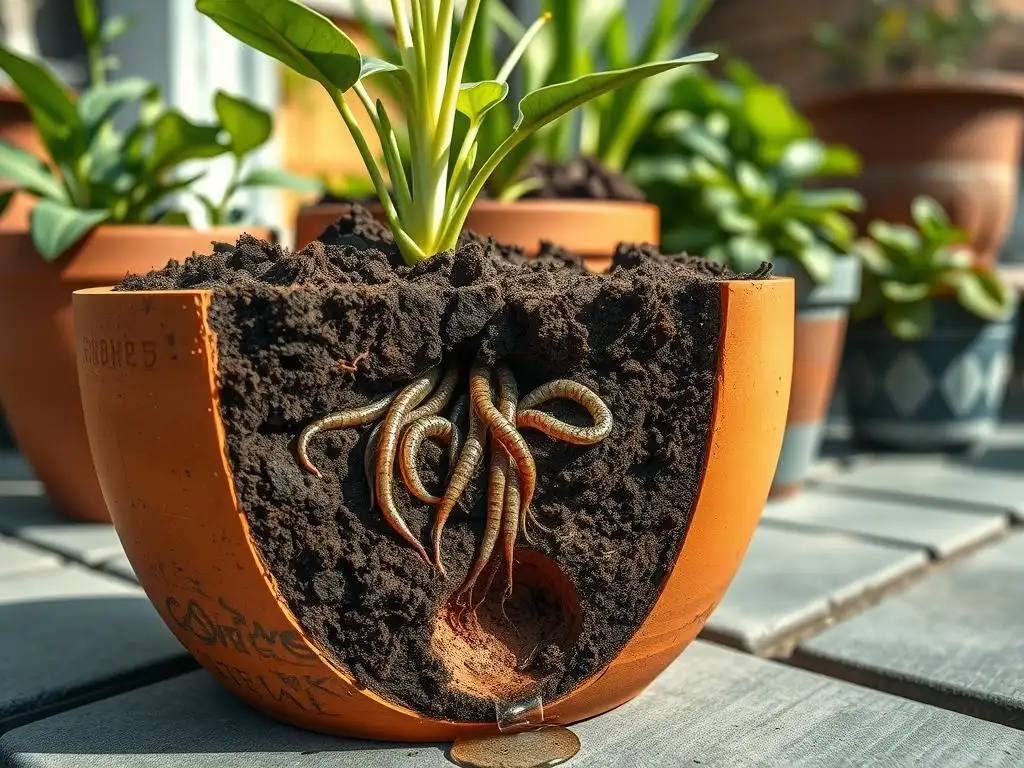
Sustainable container gardening emphasizes minimizing environmental impact while maximizing plant health. A crucial aspect often overlooked is the importance of proper drainage and aeration within the container itself. Poor drainage leads to waterlogged soil, suffocating roots and creating a breeding ground for diseases.
Conversely, adequate aeration ensures healthy root development, nutrient uptake, and overall plant vigor. This section will explore these vital elements, offering practical strategies for incorporating them into your sustainable container gardening practices. Understanding these principles is key to achieving thriving plants and reducing the need for excessive watering or chemical interventions—hallmarks of truly sustainable container gardening trends.
Preventing Root Rot Through Proper Drainage
Root rot, a common problem in container gardening, is almost entirely preventable with proper drainage. Waterlogging deprives roots of oxygen, leading to decay and ultimately killing the plant. Several strategies can ensure excellent drainage:
- Choosing the right container: Containers with drainage holes are essential. The number and size of these holes depend on the container's size and the plant's water requirements. Larger containers generally need more drainage holes. Avoid containers without drainage, unless you are employing a specialized wicking system (discussed later).
- Using a drainage layer: Before adding soil, place a layer of gravel, broken pottery shards, or even perlite at the bottom of the container. This layer improves drainage and prevents the soil from clogging the drainage holes. A 1-2 inch layer is usually sufficient.
- Monitoring soil moisture: Regularly check the soil moisture level using your finger. Water only when the top inch of soil feels dry. Overwatering is a major contributor to root rot.
- Selecting well-draining potting mixes: The soil mix itself plays a crucial role. Avoid heavy clay-based soils. Opt for a well-draining potting mix specifically formulated for containers, often containing perlite, vermiculite, or coco coir to improve aeration and drainage.
Choosing the Right Soil Mix for Container Gardening
The soil mix is the foundation of healthy container gardening. A well-chosen mix ensures adequate drainage, aeration, and nutrient retention, all vital for sustainable practices. Using the right soil mix significantly reduces the need for chemical fertilizers and pesticides, aligning with the principles of sustainable container gardening trends.
Here's a breakdown of essential considerations:
- Components: A balanced soil mix typically includes a combination of peat moss (or a sustainable alternative like coco coir), perlite or vermiculite for aeration and drainage, and compost for added nutrients. The ratio of these components can vary depending on the specific plant's needs.
- Nutrient content: Choose a potting mix that provides essential nutrients for your plants. Avoid mixes with excessive fertilizers, as this can lead to nutrient burn and environmental pollution. Supplement with organic fertilizers as needed.
- pH level: The soil's pH should be appropriate for the plants you're growing. A soil test kit can help determine the pH and guide you in adjusting it if necessary. Most plants prefer a slightly acidic to neutral pH (around 6.0-7.0).
- Organic vs. Inorganic: Prioritize organic potting mixes whenever possible. These mixes are environmentally friendly and often contain beneficial microbes that improve soil health.
Aeration Techniques for Healthy Plant Growth in Containers
Good aeration is just as critical as drainage in sustainable container gardening. It ensures proper root respiration, nutrient uptake, and overall plant health. Several techniques can improve aeration:
- Container Material: Materials like terracotta and wood allow for better air circulation compared to plastic or glazed ceramic. Terracotta, in particular, is porous, allowing for some evaporation and improved airflow.
- Potting Mix Selection: As previously mentioned, the inclusion of perlite, vermiculite, or coco coir in the potting mix significantly enhances aeration. These materials create air pockets within the soil, facilitating oxygen flow to the roots.
- Avoiding Overwatering: Overwatering compacts the soil, reducing aeration. Regularly check soil moisture and avoid overwatering to maintain optimal aeration.
- Top Dressing: Applying a layer of mulch or compost on top of the soil can help retain moisture and regulate soil temperature, indirectly contributing to better aeration by preventing excessive evaporation and compaction.
Using these techniques, you can create a thriving, sustainable container garden that reduces your environmental footprint while producing abundant, healthy plants. Remember, the key to successful sustainable container gardening lies in mimicking the natural conditions plants prefer, and proper drainage and aeration are fundamental to achieving this goal. 🌱
Long-Term Sustainability and Container Lifespan
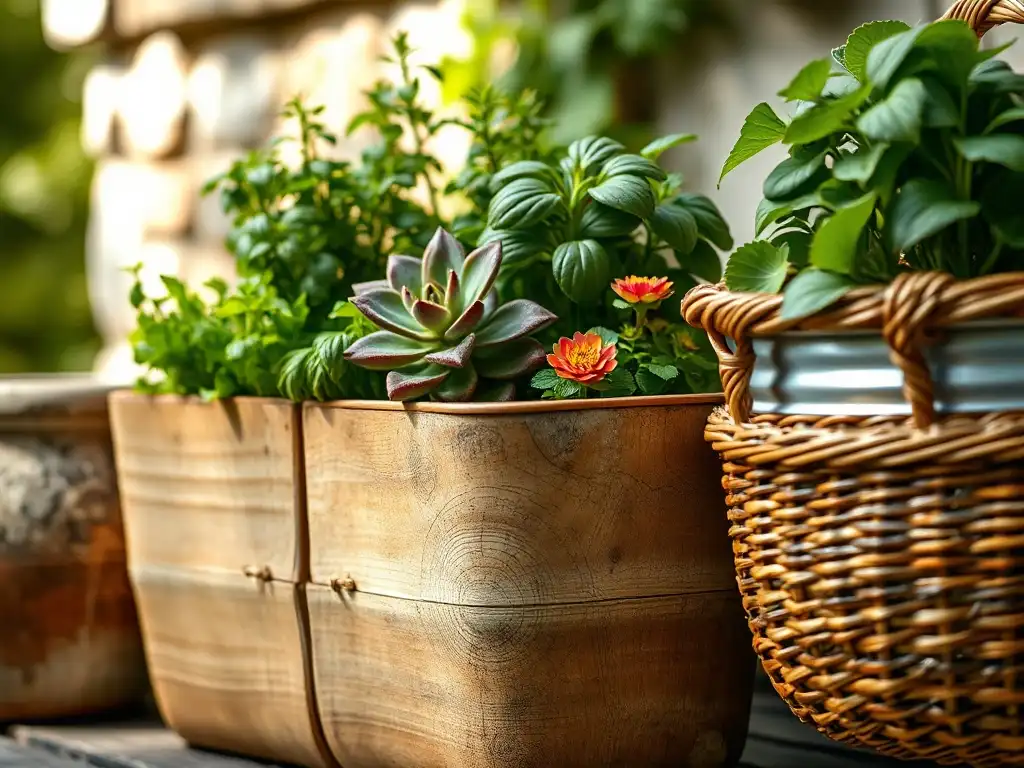
Sustainable container gardening isn't just about what you grow; it's about the choices you make regarding your containers. Opting for durable, long-lasting containers significantly reduces the environmental footprint of your gardening endeavors. This section explores how to select containers that minimize waste and maximize their lifespan, contributing to a more eco-friendly gardening practice. The key to sustainable container gardening lies in choosing materials and practices that prioritize longevity and minimize resource consumption. Let's delve into the specifics.
Durability and Longevity of Different Container Materials
The material of your container heavily influences its lifespan and environmental impact. Some materials are inherently more durable and longer-lasting than others. Let's examine some popular choices:
| Material | Durability | Longevity (Years) | Environmental Impact | Pros | Cons |
|---|---|---|---|---|---|
| Recycled Plastic | High | 5-10+ | Low (if truly recycled) | Affordable, lightweight, durable | Can degrade over time in intense sun/heat |
| Terracotta | Moderate | 3-5 (with care) | Moderate (clay production) | Breathable, aesthetically pleasing | Prone to cracking, breakage, water evaporation |
| Wood | Moderate to High | 5-10+ (treated) | Moderate (wood sourcing & treatment) | Beautiful, natural, can be repurposed | Requires treatment to prevent rot and insect damage |
| Metal (galvanized) | High | 10+ | Moderate (metal production & potential rust) | Durable, long-lasting | Can rust, may leach harmful substances if not properly treated |
| Stone | Very High | 20+ | High (quarrying and transportation) | Extremely durable, long-lasting, beautiful | Expensive, heavy, difficult to move |
Choosing materials with high durability and longevity directly reduces the need for frequent container replacements, minimizing waste and resource consumption. Consider the trade-offs: a cheaper plastic pot might need replacing every couple of years, while a more expensive stone pot could last for decades.
Repairing and Reusing Containers for Extended Use
Repairing and reusing containers is a cornerstone of sustainable container gardening. Instead of discarding damaged pots, consider these repair options:
- Cracked Terracotta Pots: Small cracks in terracotta pots can often be repaired using epoxy resin designed for outdoor use. Larger cracks might require more extensive patching or even repurposing the pot for a different purpose.
- Wooden Containers: Repairing rotted wood requires addressing the underlying cause (water damage). This often involves replacing rotten sections with new wood. Wood fillers and waterproof sealants can be helpful.
- Plastic Containers: While plastic containers are generally less repairable, you can reinforce weak points with strong adhesive tape or even use them as seedling starters or for other purposes.
Repurposing containers is another excellent strategy. Old containers can be used for:
- Composting: A broken pot can become a small, contained compost bin.
- Seed Starting: Smaller containers can be repurposed for starting seeds indoors.
- Decorative Elements: Even severely damaged containers can be used as decorative elements in your garden.
By extending the life of your existing containers, you significantly reduce the demand for new ones, thus reducing waste and contributing to a more sustainable gardening practice.
Choosing Containers that Minimize Environmental Impact
Beyond material selection and repair, consider these factors to minimize environmental impact when choosing containers:
- Recycled Content: Prioritize containers made from recycled materials, helping to divert waste from landfills. Look for labels indicating recycled content percentages.
- Locally Sourced Materials: Reduce transportation emissions by choosing containers made from locally sourced materials. This is particularly relevant for materials like wood and stone.
- Biodegradable Options: While not as durable as other materials, biodegradable options such as coconut coir pots offer a sustainable alternative for certain applications, particularly seedling starting. Remember to properly compost them after use.
- Avoid Single-Use Plastics: Avoid disposable plastic containers whenever possible, opting instead for reusable and durable alternatives.
Sustainable container gardening demands mindful choices at every stage. By prioritizing durable materials, repairing and reusing existing containers, and selecting eco-friendly options, you can cultivate a thriving garden while minimizing your environmental impact. This holistic approach ensures a greener future for your garden and the planet.
The Future of Sustainable Container Gardening: A Look Ahead
The future of sustainable container gardening hinges on innovation, resourcefulness, and a growing awareness of environmental responsibility. This section explores emerging trends shaping how we approach container gardening, focusing on material choices, design improvements, and the integration of these practices into urban settings. We'll examine how technological advancements and innovative gardening practices are converging to create a more sustainable and productive future for home growers. Understanding these trends is crucial for anyone aiming to cultivate their food sustainably, minimizing environmental impact while maximizing yield.
Technological Advancements in Container Design
Technological advancements are revolutionizing container design, leading to more efficient and sustainable options. Smart containers, incorporating sensors and automated watering systems, are becoming increasingly prevalent. These systems monitor soil moisture, nutrient levels, and even plant health, optimizing water usage and fertilizer application. This precision reduces waste and improves plant growth, contributing significantly to a more sustainable approach.
For example, some smart containers use IoT (Internet of Things) technology to communicate data wirelessly to a smartphone app. This allows gardeners to remotely monitor their plants, receive alerts about potential problems (like low water levels), and adjust watering schedules as needed. This level of control minimizes water waste and ensures plants receive the precise amount of hydration they require, a key aspect of sustainable gardening.
Furthermore, research into new materials is yielding exciting results. Recycled plastics, bioplastics derived from renewable resources, and even upcycled materials like repurposed wood pallets are gaining popularity. These alternatives reduce reliance on virgin resources and minimize the environmental footprint associated with container production. The shift towards durable, long-lasting materials also reduces the need for frequent replacements, contributing further to sustainability.
The Role of Innovation in Sustainable Gardening Practices
Innovation extends beyond container design itself. Sustainable container gardening is increasingly incorporating innovative practices that optimize resource use and minimize environmental impact. This includes the development of self-watering systems that use capillary action or gravity to deliver water efficiently, reducing evaporation and water waste. Similarly, advancements in organic fertilizers and compost teas provide nutrient-rich alternatives to synthetic fertilizers, promoting healthy soil and reducing the reliance on potentially harmful chemicals.
The adoption of vertical gardening techniques within container systems is another significant innovation. Vertical gardening maximizes space utilization, particularly beneficial in urban environments with limited land availability. These systems often incorporate stacked containers or wall-mounted planters, allowing for higher plant densities and increased yields in a smaller footprint. This approach minimizes the land required per plant, contributing to a more sustainable and efficient use of resources.
Table 1 below illustrates the comparison between conventional and innovative sustainable container gardening practices:
| Feature | Conventional Practice | Innovative Sustainable Practice |
|---|---|---|
| Watering | Manual watering, prone to overwatering/underwatering | Smart irrigation systems, self-watering containers |
| Fertilizing | Synthetic fertilizers | Organic fertilizers, compost tea |
| Container Material | Primarily new plastics | Recycled plastics, bioplastics, upcycled materials |
| Space Utilization | Traditional single-level planting | Vertical gardening, stacked containers |
Integrating Sustainable Container Gardening into Urban Environments
Integrating sustainable container gardening into urban environments presents unique opportunities and challenges. The limited space available in urban areas necessitates innovative solutions, such as rooftop gardens, balcony gardens, and community gardens. These initiatives not only provide access to fresh, locally grown produce but also contribute to urban greening, improving air quality and biodiversity within densely populated areas.
The use of smaller, modular container systems is particularly well-suited for urban spaces. These systems can be easily adapted to various locations and sizes, making them ideal for apartments, balconies, and even windowsills. Furthermore, the aesthetic appeal of these systems can enhance the visual appeal of urban environments, transforming otherwise barren spaces into vibrant, productive oases.
Addressing the challenges of urban container gardening requires careful planning and consideration. Access to sunlight, water availability, and pest control are all critical factors that need to be carefully managed. Community initiatives and educational programs play a vital role in promoting sustainable container gardening practices in urban settings, fostering a sense of community and promoting environmental awareness among urban dwellers. The future of sustainable container gardening in urban areas hinges on collaborative efforts to overcome these challenges and create thriving, resilient urban food systems.
Frequently Asked Questions
What are some sustainable container gardening trends?
The latest trends focus on using recycled and repurposed materials like old crates, pallets, and even upcycled plastic containers. There's also a growing interest in biodegradable options like coconut coir pots and plantable seed starters.
Why is sustainable container gardening important?
Sustainable container gardening reduces the environmental impact by minimizing waste and promoting the use of eco-friendly materials. It also supports biodiversity and reduces the need for harmful chemicals.
What types of containers are best for sustainable gardening?
Look for containers made from recycled plastic, wood, or other durable, reusable materials. Avoid single-use plastics whenever possible. Consider the container's size and drainage capabilities.
How can I make my container gardening more sustainable?
Use organic soil and compost, avoid chemical pesticides and fertilizers, opt for water-wise plants and efficient watering techniques. Consider harvesting rainwater for irrigation.
Where can I find sustainable container gardening supplies?
Many online retailers and local garden centers now offer a range of eco-friendly containers and growing supplies. Check out local reuse and recycling centers for unique and affordable options.
Final Reflection: Cultivating a Greener Future, One Container at a Time
The shift towards sustainable living is no longer a niche trend; it's a fundamental necessity. The choices we make in our gardens, even seemingly small ones like selecting containers, have a significant impact on the environment. This article has explored the burgeoning world of sustainable container gardening, highlighting innovative materials and mindful practices that minimize our ecological footprint while maximizing our gardening success.
The journey towards truly sustainable container gardening is a continuous evolution, shaped by both technological advancements and a growing awareness of our planet's fragility. The increasing popularity of recycled and repurposed materials reflects a societal shift towards mindful consumption. We do not inherit the earth from our ancestors, we borrow it from our children.
This powerful statement underscores the responsibility we have to cultivate a healthier planet for future generations, and our gardening practices are a vital part of that responsibility. The choices we make today, from selecting biodegradable pots to employing water-wise techniques, directly impact the legacy we leave behind.
Consider the impact of your gardening choices. Will you embrace the innovative materials and techniques discussed in this article? Will you choose to repurpose and recycle, giving new life to discarded items? The future of container gardening, and indeed the future of our planet, lies in our hands. Let's cultivate a greener future, one sustainable container at a time.
Unleash Your Inner Gardener: Craft the Perfect Container Oasis
Thanks for exploring the exciting world of container gardening with us! We hope you now have a clearer understanding of the many options for creating your perfect growing space. Ready to transform your outdoor area?
Here's how you can get started:
- Design your dream container garden: Sketch out your ideal setup, considering the plants you'll grow and the available space. Think creatively – what unique containers could you repurpose? For example, old watering cans, vintage teacups, or even well-cleaned buckets can add charm and personality.
- Source sustainable and stylish containers: Explore local nurseries, garden centers, or antique shops for unique and eco-friendly options. Repurposing items you already own is a great way to save money and reduce waste. Don't be afraid to experiment with different materials and styles.
- Share your vision: Post a picture of your container garden design or your finished project on social media and tag #CultivateYourFood – let's inspire each other! We'd love to see your creations.
What unique container ideas will you bring to life this growing season?