
Container Plants with Seedling Damping Off: Preventing and Treating This Issue

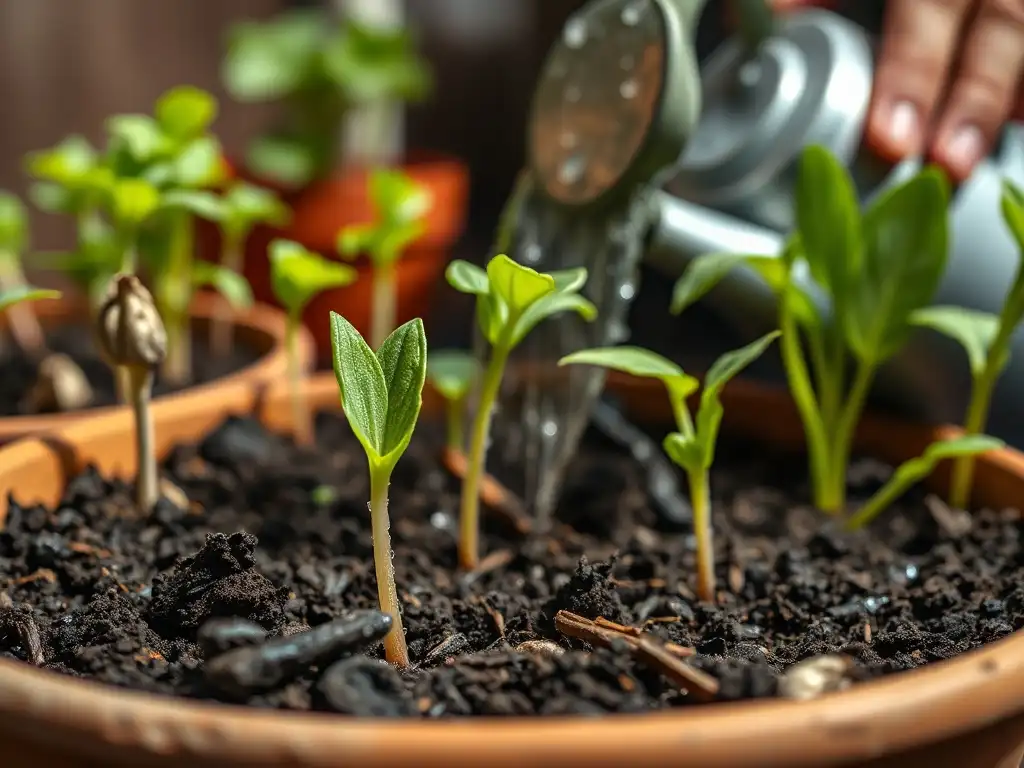
Welcome to CultivateYourFood, your guide to a thriving home garden! Are you ready to unlock the secrets to growing vibrant fruits, vegetables, and herbs organically? We're passionate about sustainable practices, and this journey begins with understanding crucial challenges like seedling damping off. Learn how to prevent this common issue and nurture your plants from seed to harvest in our comprehensive guide on Container Gardening, starting with our expert advice on seedling damping off prevention. Let's cultivate a greener future, together!
- Understanding Seedling Damping Off in Container Gardens
-
Preventing Seedling Damping Off in Your Container Garden
- Sterilizing Your Container Growing Medium: A Crucial First Step
- Selecting Disease-Resistant Seed Varieties
- Ensuring Proper Seed Spacing and Air Circulation
- Watering Techniques to Prevent Damping Off: Avoiding Overwatering
- Importance of Well-Draining Potting Mix for Seedlings
- Using Organic Fungicides for Seedling Damping Off Prevention
- Treating Damping Off in Already Affected Seedlings
- Post-Treatment Care and Prevention for Future Seedlings
- Frequently Asked Questions
- Final Reflection: Cultivating Resilience: The Ongoing Battle Against Seedling Damping Off
- Rescue Your Seedlings: Take Action Against Damping Off!
Understanding Seedling Damping Off in Container Gardens
Seedling damping-off is a devastating disease that can decimate your carefully nurtured container garden in a short period. This disheartening condition, often characterized by wilting and collapse of young seedlings, is a significant concern for home gardeners employing sustainable and organic practices. This article provides a comprehensive guide to identifying, preventing, and treating damping-off, ensuring a healthier and more productive container gardening experience.
We'll delve into the specific symptoms, the underlying causes, the fungal culprits, and crucially, effective organic strategies for prevention and control, equipping you with the knowledge to protect your precious seedlings and cultivate a thriving container garden. Understanding the nuances of damping-off is key to successfully growing fruits, vegetables, and herbs in containers, aligning perfectly with the CultivateYourFood ethos of sustainable and organic home cultivation. Let's explore the intricacies of this common challenge and learn how to overcome it.
Identifying Damping Off Symptoms in Seedlings
Seedling damping-off manifests in several ways, making early detection crucial for effective intervention. The most common symptom is the sudden wilting and collapse of seedlings, often at or near the soil line. You might observe:
- Pre-emergence damping-off: Seeds fail to germinate, rotting in the soil before emerging. This can be particularly frustrating as you might not even realize what's happening.
- Post-emergence damping-off: Seedlings emerge but quickly wilt and die, often exhibiting a soft, water-soaked appearance at the stem base. The stem might appear thin and constricted, eventually leading to complete collapse.
- Lesions: In some cases, you might observe brown or dark lesions on the stems or roots of affected seedlings.
- Soil Surface Changes: The soil surface around affected seedlings may appear unusually wet or have a slightly different color or texture.
It's important to differentiate damping-off from other seedling problems. Careful observation and comparison with healthy seedlings will aid in accurate diagnosis. Early detection is key to minimizing losses and preventing the disease from spreading throughout your container garden. Remember, quick action is vital!
Common Causes of Damping Off in Container Plants
Several factors contribute to the development of damping-off. Understanding these causes allows for targeted preventative measures. These include:
- Excessive Soil Moisture: Overwatering is a primary culprit. Soggy soil creates an ideal environment for fungal pathogens to thrive. Proper drainage and watering techniques are essential.
- Poor Soil Drainage: Poorly draining soil retains excess moisture, further exacerbating the risk of damping-off. Using well-draining potting mixes is crucial.
- High Soil Temperatures: High soil temperatures can stress seedlings and make them more susceptible to infection. Consider providing shade during the hottest parts of the day.
- Overcrowding: Overcrowded seedlings compete for resources and create a humid microclimate favorable to fungal growth. Ensure adequate spacing between seedlings.
- Lack of Air Circulation: Poor air circulation around seedlings increases humidity, fostering fungal growth. Spacing plants properly and ensuring adequate ventilation are key preventative strategies.
- Infested Soil: Using previously infested soil or contaminated potting mixes can introduce pathogens directly into your container garden. Always start with fresh, sterile soil.
Addressing these factors proactively minimizes the risk of damping-off significantly. Implementing preventative strategies is far more effective than trying to cure an existing infestation.
Fungi Responsible for Seedling Damping Off: Pythium, Phytophthora, Rhizoctonia
Seedling damping-off is primarily caused by various soilborne fungi. The most common culprits are:
- Pythium: This genus of oomycetes (water molds) is a frequent cause of pre- and post-emergence damping-off. They thrive in wet, poorly drained soils. Their spores can persist in the soil for extended periods.
- Phytophthora: Similar to Pythium, Phytophthora species are oomycetes that attack seedlings, causing wilting and root rot. They are also favored by wet conditions.
- Rhizoctonia: This fungus is known for causing both pre- and post-emergence damping-off. It can survive in the soil for many years, making prevention crucial.
Understanding the fungal pathogens responsible for damping-off helps in selecting effective control measures. Organic approaches, such as improving soil drainage and using biological control agents, are key to managing these fungi without resorting to harmful chemicals. Remember, preventing these fungi from taking hold is far easier than eradicating them once they have established themselves.
Preventing Seedling Damping Off in Your Container Garden
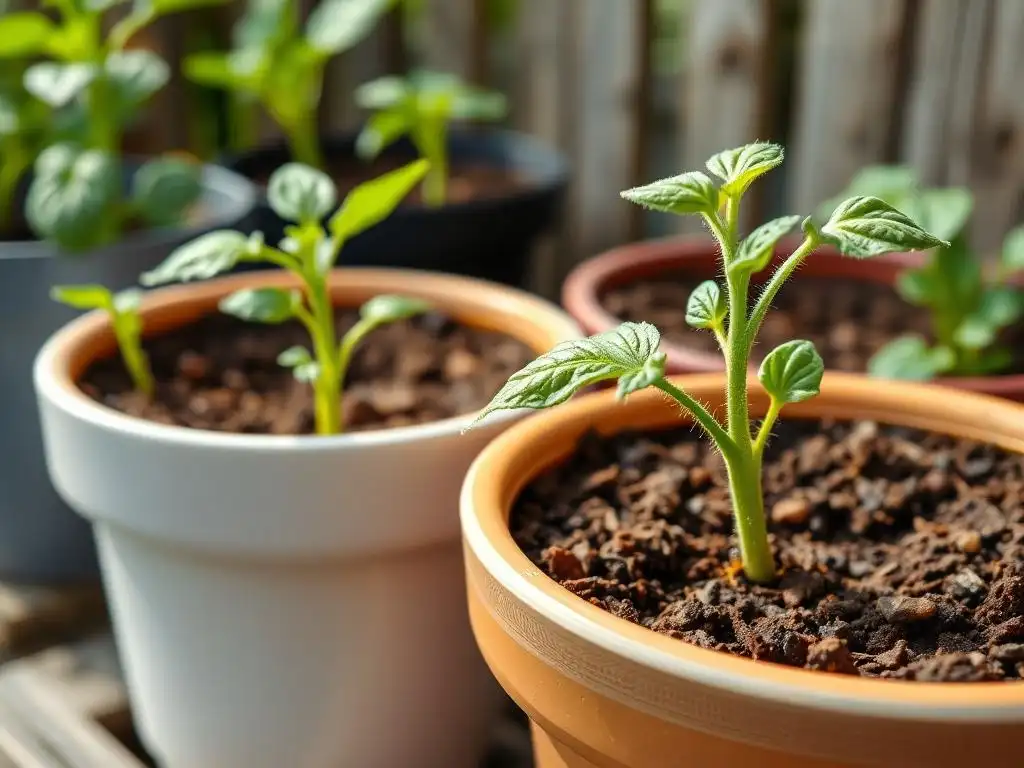
Seedling damping off, a devastating fungal disease, can quickly wipe out your precious seedlings. Preventing this issue is crucial for successful container gardening, maximizing your harvest and minimizing frustration. This section focuses on proactive measures to safeguard your young plants from this common threat, ensuring a healthy and thriving container garden. Effective "seedling damping off prevention" relies on a multi-pronged approach, addressing several key factors from the outset.
Sterilizing Your Container Growing Medium: A Crucial First Step
The foundation of any healthy seedling is a sterile growing medium. Fungal pathogens responsible for damping off thrive in moist, contaminated soil. Therefore, sterilizing your potting mix is paramount in "seedling damping off prevention". This doesn't necessarily mean using harsh chemicals; there are several effective organic methods.
One simple and effective method involves using a microwave. Fill a microwave-safe container with your potting mix, ensuring it's evenly distributed. Microwave on high for 2-3 minutes, stirring halfway through. This process effectively kills many fungal spores and bacteria. However, be cautious; overheating can cause moisture loss and damage the soil structure. Always monitor the temperature and adjust the time according to your microwave's power.
Alternatively, you can use solarization. This involves spreading your potting mix thinly on a black plastic sheet in direct sunlight for several weeks during the hottest part of the year. The intense heat will kill many pathogens. This method is particularly effective in warmer climates and requires patience.
Finally, consider using a pre-sterilized potting mix purchased from a reputable supplier. While slightly more expensive, it eliminates the need for sterilization and ensures a disease-free starting point for your seedlings. Check the packaging for certifications guaranteeing freedom from harmful pathogens. Remember, consistent application of these methods is key to long-term "seedling damping off prevention".
Selecting Disease-Resistant Seed Varieties
Choosing disease-resistant seed varieties is another critical step in preventing seedling damping off. Many seed companies now offer varieties specifically bred for resistance to common fungal pathogens. Look for seed packets indicating resistance to damping-off fungi. This simple selection process significantly reduces the risk of infection, even with less-than-perfect growing conditions.
Consider researching varieties known for their resilience. For example, certain tomato cultivars are inherently more resistant to fungal diseases than others. Similarly, some pepper varieties exhibit higher resistance. This proactive approach to variety selection can greatly improve your chances of success in preventing seedling damping off. Investing a little time in research upfront can save significant time and resources later.
Ensuring Proper Seed Spacing and Air Circulation
Overcrowding is a significant contributor to damping-off. Closely packed seedlings create a humid microclimate ideal for fungal growth. Adequate spacing allows for better air circulation, reducing humidity and minimizing the risk of infection. Ensure sufficient space between seeds when planting, following the recommendations on the seed packet.
Furthermore, proper ventilation in your container is crucial. Ensure your containers have adequate drainage holes and are not placed in overly shaded areas where air circulation is poor. Good air circulation dries the foliage, reducing the moisture level necessary for fungal growth. This combination of correct spacing and good airflow forms a significant component of effective "seedling damping off prevention" strategies.
| Factor | Impact on Damping Off Prevention | Best Practices |
|---|---|---|
| Seed Spacing | Reduces humidity, improves air circulation | Follow seed packet recommendations for spacing |
| Air Circulation | Reduces humidity, inhibits fungal growth | Ensure good drainage, avoid overcrowding, proper ventilation |
| Container Material | Affects drainage and temperature | Use porous materials for better drainage |
| Growing Medium | Sterility impacts fungal growth | Use pre-sterilized or sterilized mix |
The combination of these practices significantly boosts your chances of successfully cultivating your seedlings. Remember that consistent attention to these details is key to long-term success in your container garden. By taking these preventative measures, you'll greatly enhance your chances of enjoying a bountiful harvest, free from the devastating effects of seedling damping off.
Watering Techniques to Prevent Damping Off: Avoiding Overwatering
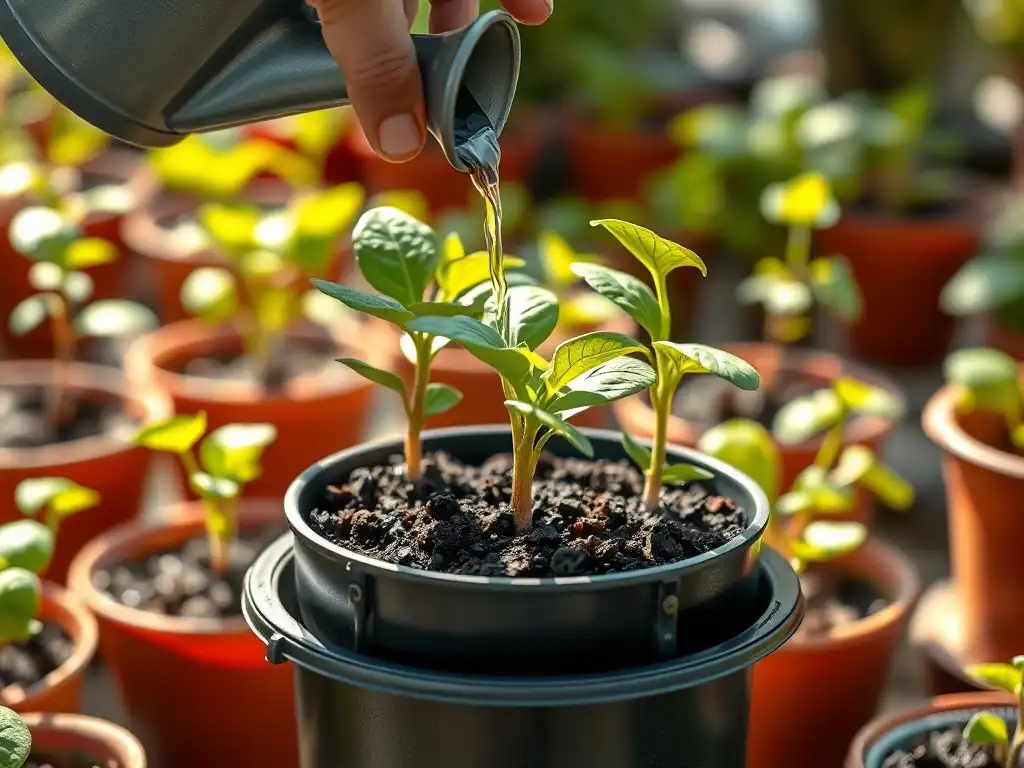
Overwatering is a major culprit in seedling damping-off. Fungal pathogens thrive in consistently moist environments, and saturated soil creates the perfect breeding ground. The key is to provide sufficient moisture for healthy growth without creating waterlogged conditions. Instead of following a rigid watering schedule, monitor the soil moisture regularly. Stick your finger about an inch into the soil; if it feels dry, it's time to water.
Water thoroughly until water drains from the drainage holes, but avoid letting the seedlings sit in standing water. Consider using a bottom-watering technique for better control. This involves placing the pots in a tray of water, allowing the soil to absorb moisture from the bottom up. This method helps prevent the fungal spores from being splashed onto the delicate seedlings.
Remember, slightly dry soil is preferable to soggy soil, especially during the early stages of seedling development. Consistent monitoring and adjusting your watering based on the specific needs of your seedlings and the environmental conditions (temperature and humidity) is crucial for preventing damping-off. This prevents the creation of that ideal environment for fungal growth. Think of it like this: a damp cloth left in a warm place will quickly grow mold, but a slightly damp cloth left in a cool, dry place will stay cleaner, much like your seedlings will thrive in well-managed watering conditions.
Importance of Well-Draining Potting Mix for Seedlings
The potting mix you use plays a vital role in preventing seedling damping-off. A well-draining potting mix is essential for ensuring that excess water doesn't linger around the roots, creating the ideal environment for fungal growth. Avoid using garden soil directly in your containers, as it tends to be denser and retains more water than specialized seed-starting mixes. Look for seed-starting mixes specifically formulated for seedlings, as these are usually lighter, airier, and contain components that improve drainage and aeration.
These mixes often include perlite, vermiculite, or coco coir, which help retain moisture without becoming waterlogged. Adding these components to your own potting mix can improve drainage significantly. A good potting mix allows for proper air circulation around the roots, preventing the development of anaerobic conditions which encourage fungal growth.
The balance is key; you want a mix that retains some moisture to prevent the seedlings from drying out, but that also drains excess water quickly. Poor drainage leads to root rot, weakening the seedlings and making them more susceptible to damping-off. Consider the texture of your mix; it should be light and fluffy, not heavy and compacted.
Using Organic Fungicides for Seedling Damping Off Prevention
While preventative measures are always the best approach, sometimes a fungal infection takes hold. In such cases, using organic fungicides can help control damping-off. Several options are available that are safe for use with edible plants and align with organic gardening practices. Copper fungicides, for example, are commonly used and effective against various fungal pathogens.
Always follow the manufacturer's instructions carefully regarding dilution and application rates. Another option is using a compost tea. Compost tea, when properly brewed, contains beneficial microorganisms that can compete with harmful fungi, helping to suppress their growth. However, it's crucial to understand that compost tea is not a cure-all; it's more effective as a preventative measure and should be used proactively.
Furthermore, certain essential oils, like neem oil, possess antifungal properties and can be used as a natural fungicide. Remember to always test a small area before applying any fungicide to the entire batch of seedlings to ensure there are no adverse reactions. Early detection and prompt treatment are crucial for minimizing the impact of damping-off. Organic fungicides offer a safer and more environmentally friendly approach to managing this common seedling problem compared to synthetic chemicals, aligning with the sustainable practices emphasized by CultivateYourFood.
Treating Damping Off in Already Affected Seedlings
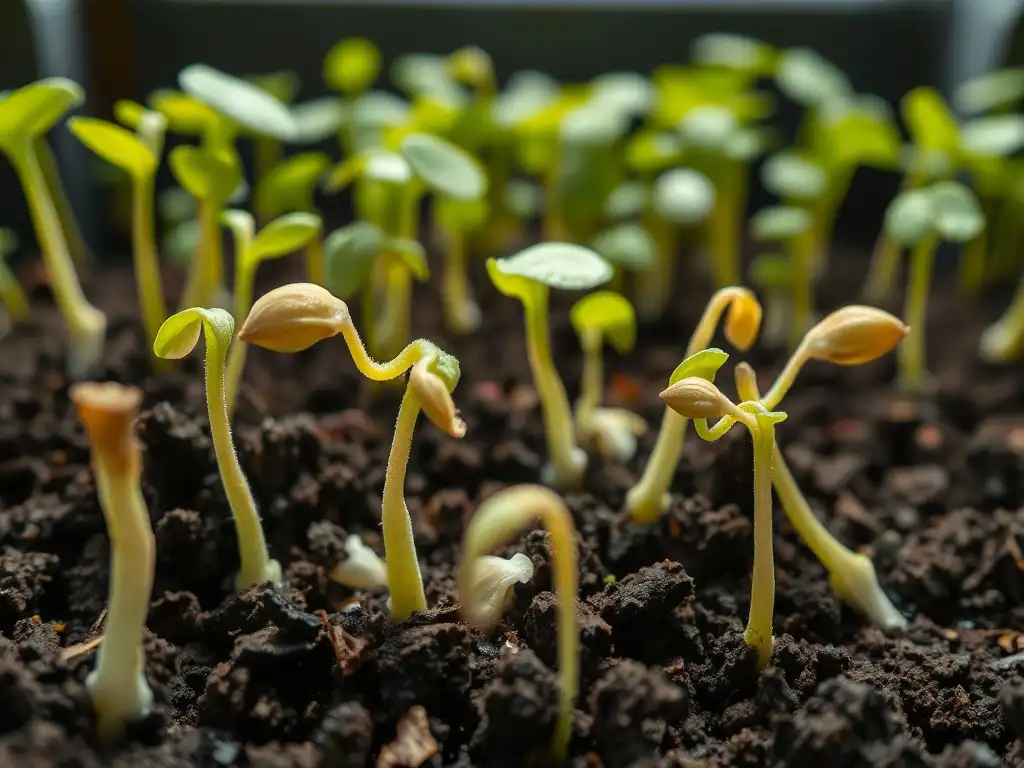
Seedling damping-off, a devastating fungal disease, can quickly decimate your precious container seedlings. While prevention is key, effective treatment strategies are crucial if you notice infection. Early detection is vital for minimizing losses. The goal is to stop the spread and salvage as many healthy seedlings as possible. This requires a multi-pronged approach combining careful removal of infected plants with the implementation of supportive cultural practices and, if necessary, the application of organic fungicides.
Identifying and Removing Infected Seedlings
The first step in treating damping-off is accurately identifying infected seedlings. Look for symptoms such as:
- Wilting: Seedlings may suddenly wilt and collapse, even with adequate watering.
- Stem Rot: The stem near the soil line will appear water-soaked, dark brown or black, and often soft or mushy.
- Premature Death: Seedlings may simply die without showing other significant symptoms.
Once you've identified infected seedlings, immediate removal is critical to prevent the spread of the disease. Don't simply pull them out. This can spread the fungal spores. Instead:
- Sterilize your tools: Use a 10% bleach solution (1 part bleach to 9 parts water) or rubbing alcohol to disinfect your scissors or tweezers before and after each removal.
- Remove the entire seedling: Gently dig up the infected seedling, removing as much of the root system as possible.
- Dispose properly: Do not compost infected plants. Place them in a sealed plastic bag and discard in the trash. This prevents the spread of the fungus to your compost pile and potentially your garden.
- Monitor closely: Carefully observe the remaining seedlings for several days, checking for new signs of infection. Repeat the removal process as needed.
Remember, early and decisive action is paramount in managing damping-off. The speed with which the fungus spreads necessitates prompt intervention.
Implementing Cultural Practices to Control Damping Off
Beyond removing infected plants, employing sound cultural practices can significantly improve your chances of controlling damping-off and preventing future outbreaks. These practices focus on creating an environment less hospitable to the fungi responsible for the disease.
- Improve Drainage: Ensure your containers have adequate drainage holes to prevent waterlogging, a major contributing factor to damping-off. Soggy soil creates an ideal breeding ground for fungal pathogens.
- Avoid Overwatering: Water only when the top inch of soil feels dry to the touch. Overwatering creates a humid environment conducive to fungal growth.
- Enhance Air Circulation: Good air circulation helps to reduce humidity around the seedlings. Space your containers appropriately to allow for airflow. Avoid overcrowding.
- Use Sterile Seed Starting Mix: Use a seed-starting mix specifically formulated for seedlings, as it is less likely to harbor fungal spores than garden soil. Consider sterilizing your own soil mix by baking it in the oven at 180°F (82°C) for at least 30 minutes before planting.
- Maintain Proper Temperature: Fungi thrive in cooler temperatures. Ensure your seedlings are kept at the optimal temperature range for their specific species.
Applying Organic Fungicides for Damping Off Treatment
In severe cases, despite preventative measures, you may need to consider using an organic fungicide. Several options are available, but always follow the product instructions carefully. Remember that organic fungicides are not always a quick fix, and consistent application might be necessary.
- Copper Fungicides: Copper-based fungicides are effective against many fungal pathogens, including those causing damping-off. However, overuse can harm beneficial soil microbes, so use sparingly.
- Bacillus subtilis: This bacterium is a natural antagonist to many plant pathogens, including those responsible for damping-off. It acts as a biocontrol agent, competing with and inhibiting fungal growth. It's a safer and more environmentally friendly option compared to chemical fungicides.
- Streptomyces griseoviridis: Another beneficial bacterium, Streptomyces griseoviridis, produces antibiotics that effectively suppress damping-off fungi. It's a great option for organic gardening practices.
Remember to always choose organic fungicides specifically labeled for use on seedlings and follow application instructions precisely. 🌱 Careful monitoring and prompt action are key to successfully treating damping-off and safeguarding your valuable seedlings.
Improving Drainage and Air Circulation in Affected Containers
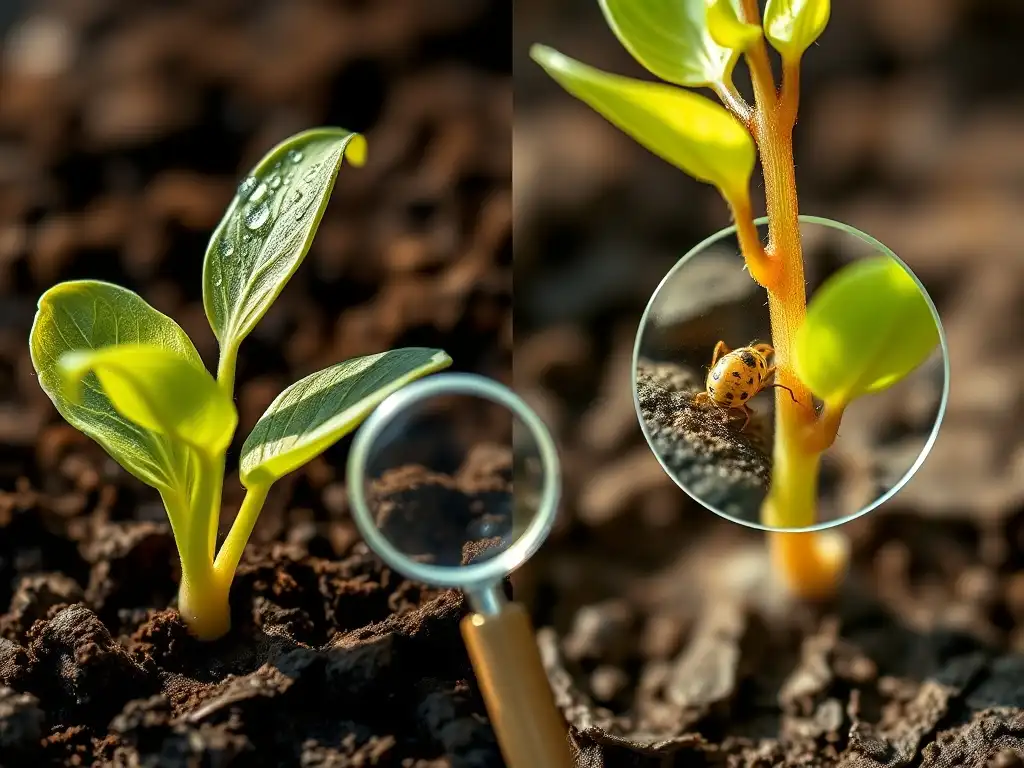
Damping-off thrives in overly moist and poorly aerated conditions. Improving drainage and air circulation is crucial in treating already affected seedlings and preventing further spread. This involves several key steps. First, assess your containers. Are they providing adequate drainage? Many commercially available containers lack sufficient drainage holes, leading to waterlogging. If your containers are lacking, you should immediately repot your seedlings into containers with multiple, appropriately sized drainage holes at the base.
Don't just rely on a single, small hole; aim for several to ensure efficient water runoff. The size of the holes should be proportionate to the container's size; larger containers need larger drainage holes. Secondly, consider the potting mix. A dense, poorly draining potting mix exacerbates the problem. A well-draining mix, such as one composed of peat moss, perlite, and vermiculite, is essential. If your current mix is too dense, consider amending it with perlite or vermiculite to improve aeration and drainage. These amendments increase porosity, allowing excess water to drain quickly and preventing the soil from becoming waterlogged.
Finally, ensure sufficient air circulation around your seedlings. Overcrowding increases humidity, creating a favorable environment for damping-off. If your seedlings are too close together, thin them out to allow for better air movement. You might also consider strategically placing fans to gently circulate the air, especially in humid environments. This will reduce moisture buildup around the plants, hindering fungal growth. Remember, good airflow is as crucial as good drainage in preventing and treating damping off. Proper drainage and air circulation will significantly reduce the humidity surrounding your seedlings, discouraging the fungus from proliferating.
Adjusting Watering Practices for Infected Plants
Watering techniques play a significant role in both preventing and treating damping-off. Overwatering is a major contributor to this fungal disease. Therefore, adjusting your watering practices is critical when dealing with infected plants. Instead of frequent, shallow watering, switch to less frequent, deeper watering. This encourages deeper root growth, making the plants more resilient. Always allow the top inch or two of the soil to dry out between waterings.
You can check this by inserting your finger into the soil; if it feels dry, it’s time to water. Avoid overhead watering, which can keep the foliage wet for extended periods, promoting fungal growth. Opt for bottom watering, where you place the containers in a tray of water and allow the plants to absorb moisture from the bottom up. This method minimizes leaf wetness and reduces the risk of fungal infection. Furthermore, consider the time of day you water. Watering in the morning allows the foliage to dry before nightfall, reducing humidity and minimizing the risk of fungal growth.
Remember, consistent monitoring of soil moisture is key. Don’t let the soil completely dry out, but avoid waterlogged conditions at all costs. Proper watering is a delicate balance, but mastering it is a vital step in successful seedling cultivation and damping-off prevention. By carefully monitoring soil moisture and adapting your watering techniques, you can significantly reduce the impact of damping-off on your precious seedlings. Remember, prevention is always better than cure, so consistent and appropriate watering practices are a cornerstone of healthy seedling growth.
Post-Treatment Care and Prevention for Future Seedlings
Once you've addressed a damping-off outbreak in your container plants, careful post-treatment care is crucial to ensure the survival of your remaining seedlings and prevent future infections. This involves a multi-pronged approach focusing on sanitation, monitoring, and proactive measures. Successful seedling damping off prevention hinges on consistent vigilance.
Monitoring for Recurrence of Damping Off
Even after treatment, diligent monitoring is paramount. Check your seedlings daily, paying close attention to the base of the stems. Look for signs of wilting, discoloration (often turning brown or black), and the characteristic soft, mushy texture indicative of damping-off. Early detection is key to swift intervention and limiting further spread.
A magnifying glass can be helpful in spotting early symptoms, especially on tiny seedlings. Document your observations; keeping a gardening journal with photos can prove invaluable in tracking progress and identifying potential recurring issues. This meticulous record-keeping aids in implementing effective long-term seedling damping off prevention strategies. Remember, consistent monitoring is a cornerstone of successful container gardening and crucial for preventing the recurrence of damping-off.
Maintaining a Healthy Container Gardening Environment
Creating and maintaining a healthy environment significantly reduces the risk of seedling damping-off. This involves several key practices:
- Proper Watering: Avoid overwatering, as this creates the ideal conditions for fungal growth. Water only when the top inch of soil feels dry. Ensure your containers have adequate drainage holes to prevent waterlogging. Consistent moisture, but not soggy conditions, is key.
- Air Circulation: Good air circulation helps to prevent the build-up of humidity, another significant factor contributing to fungal diseases. Space your containers appropriately to allow for airflow. Consider using fans in particularly humid environments.
- Sterile Growing Medium: Always use fresh, sterile potting mix. Avoid reusing old potting mix, as it may harbor fungal spores. Consider pasteurizing your own soil mix by baking it in the oven at 180°F (82°C) for 30 minutes to eliminate pathogens.
- Clean Containers: Before planting, thoroughly clean and sterilize your containers. Wash them with soap and water, then rinse with a solution of bleach (1 part bleach to 9 parts water) and allow them to dry completely. This simple step can significantly reduce the risk of contamination.
Long-term Strategies for Preventing Seedling Damping Off in Container Gardens
Preventing seedling damping-off is a long-term commitment that requires a proactive and integrated approach. The following strategies can help minimize the risk year after year:
| Strategy | Description | Effectiveness |
|---|---|---|
| Seed Selection | Choose disease-resistant varieties whenever possible. Check seed packets for information on disease resistance. | High |
| Seed Treatment | Treat seeds with a fungicide before planting. Follow the manufacturer's instructions carefully. | Moderate |
| Soil Sterilization | Sterilize your potting mix before each planting season. Baking or using a commercial sterilizing agent are effective methods. | High |
| Container Sanitation | Clean and sterilize containers thoroughly before planting. | High |
| Rotation of Crops | Rotate your crops annually to prevent the build-up of soilborne pathogens. Avoid planting the same species in the same container repeatedly. | Moderate |
| Maintaining Soil pH | Maintain optimal soil pH for your chosen plants. A slightly acidic pH (6.0-6.8) generally discourages many fungal pathogens. | Moderate |
Implementing these long-term strategies, combined with diligent monitoring and proper post-treatment care, will significantly improve your success rate in container gardening and reduce the likelihood of future seedling damping-off outbreaks. Remember, a healthy environment is the best defense against this common gardening challenge. The key to successful seedling damping off prevention is proactive and consistent care. 🌱
Frequently Asked Questions
What is seedling damping-off?
Seedling damping-off is a fungal disease affecting young seedlings. It causes the stem to rot near the soil line, leading to wilting and death. Early detection and prevention are crucial.
How can I prevent damping-off in my container plants?
Sterilize your potting mix before planting to eliminate fungal spores. Ensure good air circulation around seedlings and avoid overwatering, which creates a humid environment ideal for fungal growth.
What are the signs of damping-off in my seedlings?
Look for wilting seedlings, even with adequate watering. The stem at the soil line may appear brown and mushy, and the seedling may easily pull out of the soil.
What are some organic treatments for damping-off?
If you detect damping-off, remove affected seedlings immediately. You can treat the remaining plants with a diluted copper fungicide or a biofungicide like Bacillus subtilis. Always follow product instructions.
Can I reuse potting mix after a damping-off outbreak?
No, it's best to discard the infected potting mix. The fungal spores can persist, leading to further outbreaks. Use fresh, sterilized potting mix for future plantings to prevent reinfection.
Final Reflection: Cultivating Resilience: The Ongoing Battle Against Seedling Damping Off
The fight against seedling damping off isn't just about saving a few sprouts; it's about safeguarding the future of our gardens and the vital ecosystems they support. The devastating impact of this fungal disease underscores the fragility of new life and the crucial role we play in nurturing its growth. Understanding the mechanisms of damping off, and implementing preventative measures, is not merely a horticultural skill, but a vital contribution to a sustainable future.
The pervasive nature of damping off, its ability to silently decimate entire seedling trays, has profoundly impacted my own gardening journey. It's a constant reminder of the delicate balance in nature and the importance of vigilance. The greatest danger for most of us is not that our aim is too high and we miss it, but that it is too low and we reach it.
This quote by Michelangelo resonates deeply, as aiming for perfect conditions and proactive prevention is key to avoiding the devastating consequences of damping off. The ongoing learning and adaptation required to combat this disease mirrors the constant evolution needed in sustainable agricultural practices.
Now, consider your own gardening practices. Are you proactively preparing your soil, ensuring proper drainage, and monitoring your seedlings for early signs of infection? Take the knowledge gained here and apply it to your own gardening endeavors. By understanding the enemy, and implementing the preventative strategies outlined, you can cultivate resilience in your plants and experience the immense satisfaction of nurturing thriving seedlings. Let's work together to cultivate a future where healthy, vibrant plants flourish, one seedling at a time.
Rescue Your Seedlings: Take Action Against Damping Off!
Thank you for learning about preventing and treating damping off in your container plants. You now have the knowledge to protect your precious seedlings! Let's put that knowledge into action.
- Prioritize proper sanitation: This is your most effective defense against damping off. Thoroughly sterilizing your containers and tools before planting is a simple yet crucial step.
- Share your experiences: Tell us about your success (or challenges!) combating damping off in the comments below. Let's build a supportive community of resilient gardeners!
- Experiment with preventative methods: Try different techniques, such as using a new soil mix or adjusting your watering method, to find what works best for your seedlings.
What small change will you make today to help your seedlings thrive?