
Harvesting Melons: Ripeness Indicators and Techniques

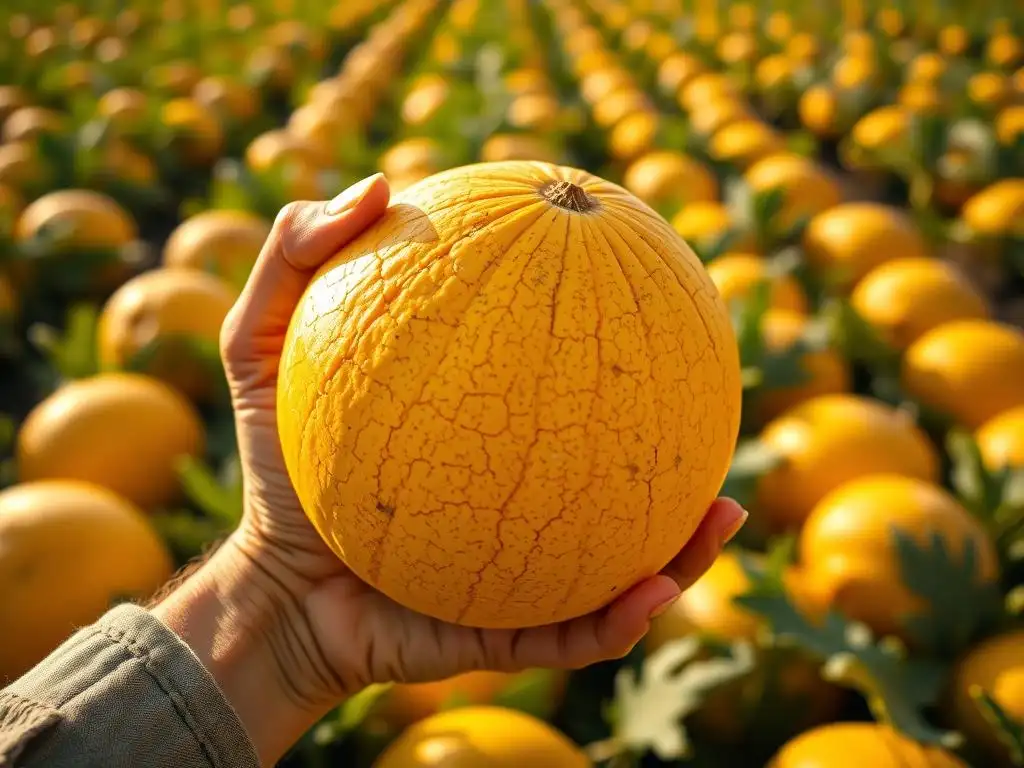
Ready to unlock the secrets to harvesting perfectly ripe melons from your own garden? CultivateYourFood is your guide to sustainable and organic home gardening. Learn the art of harvesting ripe melons using the best methods, ensuring juicy, flavorful fruits every time. Discover the telltale signs of ripeness and techniques that will transform your harvest. Dive in and let's cultivate abundance together!
- Identifying the Perfect Time to Harvest Melons
- Harvesting Techniques for Different Melon Varieties
- Post-Harvest Handling and Storage for Maximum Freshness
- Troubleshooting Common Harvesting Challenges
- Sustainable Harvesting Practices for Melons
-
Frequently Asked Questions
- How can I tell if my melons are ripe enough to harvest?
- What is the best method for harvesting melons?
- Should I harvest melons early or wait until they are fully ripe on the vine?
- How do I store harvested melons properly to extend their shelf life?
- What should I do with melons that are slightly underripe when harvested?
- Final Reflection: The Sweet Science of Melon Harvesting
- Unlock the Sweetness: Harvest Your Perfect Melon Today!
Identifying the Perfect Time to Harvest Melons
Harvesting ripe melons at the peak of their flavor is a rewarding experience for any home gardener. This guide will equip you with the knowledge and techniques to ensure you're harvesting your melons at the optimal time, maximizing sweetness and minimizing waste.
We'll explore several reliable methods for determining melon ripeness, focusing on visual cues, tactile examination, and even the subtle sounds a ripe melon can produce. Mastering these techniques will elevate your homegrown melon harvest from a simple gathering to a sophisticated process of selecting the very best fruits for consumption, preserving, or sharing.
This detailed approach to harvesting ripe melons will ensure you get the most out of your hard work and enjoy the delicious rewards of your organic gardening efforts. Learning the best method for harvesting ripe melons is key to a successful harvest, and we'll cover all the essential aspects to make sure you're a melon-harvesting pro!
Visual Cues: Recognizing Ripe Melon Characteristics
Visual inspection is often the first and most convenient method for assessing melon ripeness. Different melon varieties exhibit slightly different characteristics, but some general indicators consistently signal ripeness. Look for a melon that displays a deep, rich color characteristic of its variety. For example, a cantaloupe should exhibit a creamy yellow-orange hue, while a watermelon shows a deep green rind. Avoid melons with dull or pale coloring, as these often indicate immaturity.
Additionally, observe the melon's overall appearance. A ripe melon will generally appear firm but not hard; avoid melons that are overly soft or have bruises or blemishes. A healthy, ripe melon will have a smooth and unblemished skin. Remember that the color and appearance of the blossom end (the opposite end from the stem) can be particularly helpful. A change in color at the blossom end often signifies ripeness, depending on the specific melon variety.
This visual assessment should be complemented with other methods to ensure accurate ripeness determination. For instance, a slightly dull appearance could indicate over-ripeness, while a completely vibrant color might not be enough on its own. Taking a multi-sensory approach is key to harvesting the perfect melon. 🍉
Melon Rind Color and Texture: A Key Indicator of Ripeness
The rind’s color and texture provide crucial clues about a melon's ripeness. As mentioned previously, the color should be vibrant and deep, indicative of the variety. However, color alone isn't sufficient. The texture also plays a significant role.
A ripe melon will often have a slightly dull sheen rather than a high gloss. Gently press the rind; a ripe melon will yield slightly to gentle pressure, indicating a balance of firmness and softness. Avoid melons that are rock-hard, as these are likely underripe, and those that are excessively soft or mushy, as these are overripe. The subtle difference between a slightly yielding rind and an overly soft one is crucial to mastering the art of melon harvesting.
This nuance requires practice and attention to detail, but with experience, you’ll be able to confidently identify the perfect texture. Pay close attention to the variations in texture across different melon varieties; some may naturally have a slightly firmer rind than others, even when ripe. Consider the environmental conditions as well; prolonged exposure to sun might alter the rind's texture.
The Sound Test: How to Tell if a Melon is Ripe by Sound
While less common, the sound test can add another layer to your ripeness assessment. Gently tap the melon with your knuckles. A ripe melon will usually produce a deep, resonant sound, indicating a full, mature interior. An underripe melon will often sound higher-pitched and less resonant.
This method is best used in conjunction with visual and tactile assessments, as it's not always foolproof. The sound test is particularly useful for melons with similar visual characteristics across ripeness stages. It’s a subtle difference, but with practice, your ear will become attuned to the distinct sound of a perfectly ripe melon.
The acoustic properties of the melon change as it matures, leading to this subtle but effective indicator of ripeness. Consider the size and shape of the melon as well; larger melons might produce a slightly different sound compared to smaller ones, even if they are equally ripe. This method, while supplemental, can be a valuable tool for experienced gardeners to fine-tune their harvesting decisions.
Scent Check: The Aroma of a Perfectly Ripe Melon
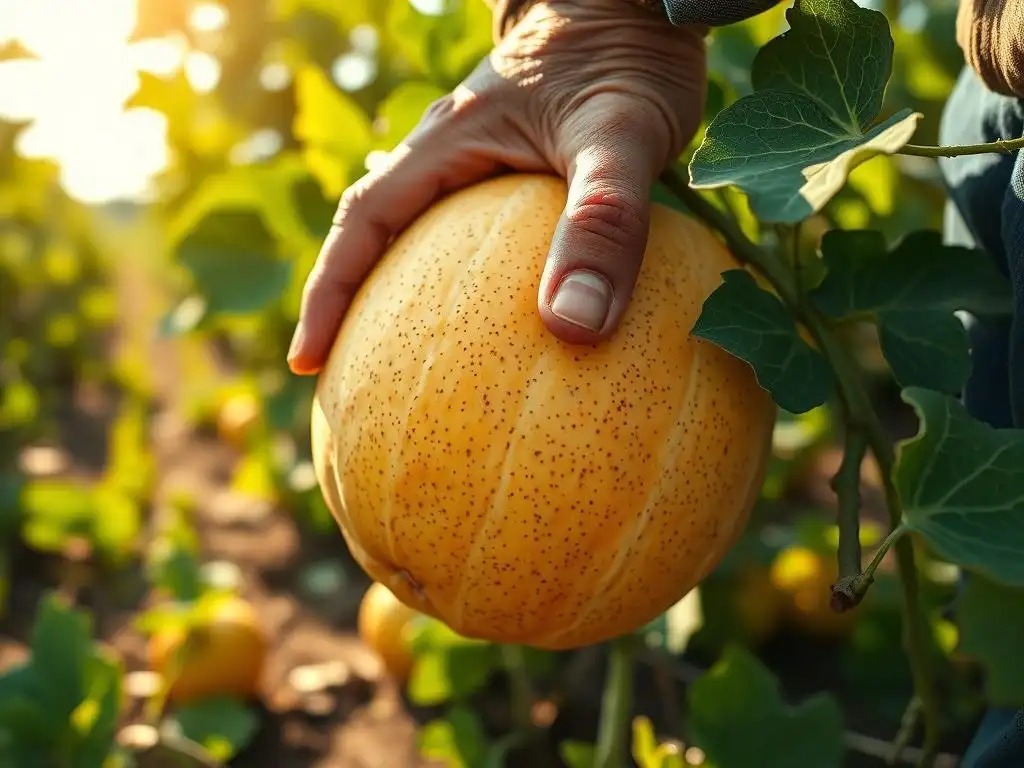
The fragrance of a ripe melon is a powerful indicator of its readiness for harvest. Unlike unripe melons which often have little to no scent, a mature melon will exude a sweet, fruity aroma near the stem. This scent is subtle but unmistakable; it's a fragrant invitation to taste the juicy sweetness within.
The intensity of the aroma can vary depending on the melon variety – some are more fragrant than others – but a noticeable, pleasant scent is a strong signal that your melon is nearing its peak ripeness. Don't be afraid to gently sniff around the stem area; a slightly sweet and musky fragrance is a good sign. However, remember that even a strong scent doesn't guarantee perfect ripeness; it's best used in conjunction with other methods.
For example, a cantaloupe with a strong, honey-like aroma is likely ready, while a watermelon with a faint, sweet smell might need a few more days on the vine. Learning to recognize the subtle differences in aroma between various melon types will hone your harvesting skills over time. Consider taking notes on the scent profiles of different melons you grow to build your expertise.
Stem Separation: A Reliable Sign of Melon Maturity
One of the most reliable indicators of melon ripeness is the ease with which the stem separates from the fruit. As a melon matures, the connection between the stem and the fruit naturally weakens. This is a crucial sign that the melon has reached its peak sugar content and is ready for harvesting. Gently try to lift the melon from the vine.
If the stem separates cleanly, with minimal resistance, it’s a strong indication that the melon is ripe. If the stem resists pulling away or breaks off cleanly from the fruit itself, leaving the stem attached to the vine, then the melon likely needs more time to ripen. The stem separation method is especially useful for watermelons and muskmelons, but can be less reliable for smaller melons like honeydew or cantaloupe. Observe the condition of the stem; it should be slightly dry and brown.
A green, succulent stem suggests that the melon is still developing. This technique, combined with other methods, provides a comprehensive assessment of the melon’s maturity. Remember, a gentle touch is crucial here; avoid pulling too hard, as this could damage the fruit.
Harvesting Techniques for Different Melon Varieties
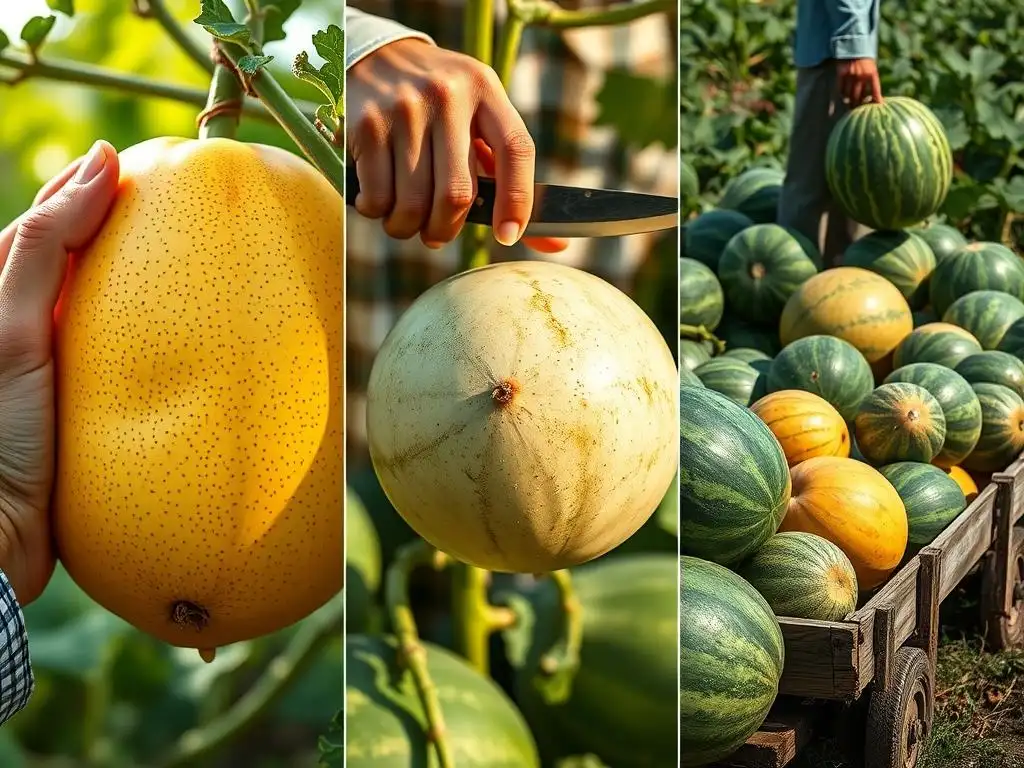
This section delves into the specifics of harvesting various melon types, ensuring you get the sweetest, most flavorful fruit possible. Remember, the best method for harvesting ripe melons hinges on recognizing ripeness cues and employing gentle techniques to avoid damage. Mastering these techniques will significantly improve your melon yield and overall gardening experience. We'll cover cantaloupe, honeydew, and watermelon harvesting, highlighting key differences and best practices. This detailed guide helps you achieve the perfect harvest, maximizing your homegrown melon bounty.
Harvesting Cantaloupe: A Step-by-Step Guide
Cantaloupe harvesting requires a keen eye for detail. Unlike some melons, the vine doesn't always offer clear signals of ripeness. Instead, focus on these indicators:
- Color: The rind should exhibit a creamy yellow or tan color, depending on the variety. A dull, pale green suggests immaturity.
- Slip: Gently try to twist the melon from the vine. If it separates easily, it's likely ripe. Avoid pulling forcefully; this can damage the fruit and the plant.
- Aroma: A fully ripe cantaloupe will possess a sweet, fruity fragrance near the stem.
- Sound: A ripe cantaloupe will have a deep, resonant sound when thumped gently.
Step-by-Step Guide:
- Inspect: Carefully examine the cantaloupe for the above-mentioned signs of ripeness.
- Gently Twist: With one hand supporting the melon, try to gently twist it free from the vine.
- Clean Cut (Optional): If the melon doesn't detach easily, use a sharp knife to cleanly sever the stem close to the fruit. Avoid leaving a large portion of stem attached.
- Handle with Care: Place the harvested cantaloupe gently into a basket or container to prevent bruising.
Remember, consistent monitoring of your cantaloupe plants is crucial for optimal harvesting. Harvesting at the peak of ripeness ensures the best flavor and texture. Overripe cantaloupes will be soft and may have started to rot.
Harvesting Honeydew Melons: Optimal Harvesting Practices
Honeydew melons, with their pale green to creamy yellow rind, require a slightly different approach to harvesting than cantaloupes. Here's what to look for:
- Color: The rind should be a uniform, creamy yellow or pale green, depending on the variety. Avoid those with green stripes.
- Firmness: A ripe honeydew melon will feel firm to the touch, but not hard. Avoid melons that are overly soft or mushy.
- Aroma: A subtle, sweet fragrance will emanate from a ripe honeydew melon. This is less pronounced than in cantaloupe.
- Slip: Similar to cantaloupe, a gentle twist should release a ripe honeydew from the vine.
Optimal Harvesting Practices:
The best time to harvest honeydew melons is in the early morning, when the fruits are coolest. This helps maintain their freshness and prevents them from becoming overly soft.
Using a sharp knife to cleanly sever the stem from the fruit is recommended if twisting doesn't easily separate the melon. Always handle honeydew melons with care to avoid bruising or damage. Remember, proper handling after harvest is as important as selecting the perfect melon.
Harvesting Watermelons: Techniques for a Sweet Harvest
Watermelon harvesting requires a bit more attention to detail, as these large fruits can be challenging to handle. Here are some key indicators of ripeness:
| Ripeness Indicator | Description |
|---|---|
| Color: | The rind should be a deep, uniform color (depending on the variety). A dull appearance suggests immaturity. |
| Ground Spot: | A creamy yellow spot develops where the melon rests on the ground. This is a key indicator of ripeness. |
| Sound: | A ripe watermelon will have a dull, hollow sound when thumped gently. A sharp sound indicates immaturity. |
| Tendril Test: | The tendril closest to the melon will turn brown and dry when the fruit is ripe. |
| Firmness: | Ripe watermelons are firm, but yield slightly to gentle pressure. Avoid those that feel hard or overly soft. |
Techniques for a Sweet Harvest:
Harvesting watermelons often requires two people due to their size and weight. Use a sharp knife to cleanly sever the stem close to the fruit. Avoid damaging the rind during harvesting. Proper handling and storage after harvest are vital to preserve the watermelon’s quality and prevent spoilage. After harvesting, let the watermelon cure for several days at room temperature before refrigeration to enhance its sweetness. This allows the sugars to fully develop. Harvesting ripe melons using the best method ensures optimal flavor and reduces waste.
Harvesting Other Melon Varieties: Specific Harvesting Techniques for Galia, Crenshaw, and Charentais Melons
Galia melons, known for their sweet, slightly tangy flavor and smooth, pale green rind, require a slightly different approach to harvesting than cantaloupes or honeydews. The optimal harvest time is determined by the melon's size and aroma. A ripe Galia melon will be firm but slightly yields to gentle pressure, and its skin will have a subtle yellowing, particularly around the blossom end. The aroma should be sweet and fragrant, a clear indication of ripeness. Unlike some melons that detach easily from the vine, Galia melons often require a gentle twisting motion to separate them. Always use a sharp knife or pruning shears to cleanly sever the stem if twisting proves ineffective, avoiding damage to the vine. Harvesting too early will result in a bland, watery melon; harvesting too late will lead to a mushy, overripe fruit. Careful observation and a gentle touch are key to harvesting perfect Galia melons.
Crenshaw melons, with their unique oblong shape and creamy, honey-sweet flesh, present another set of harvesting considerations. These melons are ready for harvest when they develop a deep golden yellow color across their entire surface. A slight give when squeezed gently signals ripeness, but be cautious not to bruise the delicate skin. The aroma is a crucial indicator; a ripe Crenshaw will exude a rich, sweet fragrance.
Similar to Galia melons, Crenshaw melons don't always detach easily. A sharp knife or pruning shears should be used to cleanly sever the stem near the fruit, ensuring a clean cut to prevent disease. Harvesting at the peak of ripeness is essential, as Crenshaw melons do not store well once picked.
Finally, Charentais melons, prized for their intensely aromatic and flavorful flesh, require attention to detail during harvesting. These uniquely shaped melons, often exhibiting a slightly irregular surface, signal ripeness through a change in color and a distinct aroma. The skin will transition from a pale green to a deep, creamy yellow-orange hue. A gentle squeeze should reveal a slight softness, indicating ripeness.
The aroma will be incredibly sweet and intense, with hints of musk and honey. The stem should be easily detached from the vine when the melon is ready. However, if there's any resistance, use a sharp knife to cleanly sever the stem, being careful not to injure the vine.
The delicate nature of Charentais melons requires a careful harvesting approach to preserve their exquisite flavor and texture. Remember that proper handling and timely harvesting are crucial for ensuring the best quality and taste of these exceptional melons. Improper harvesting can lead to bruising and premature spoilage, diminishing the overall enjoyment of this unique variety.
Post-Harvest Handling and Storage for Maximum Freshness
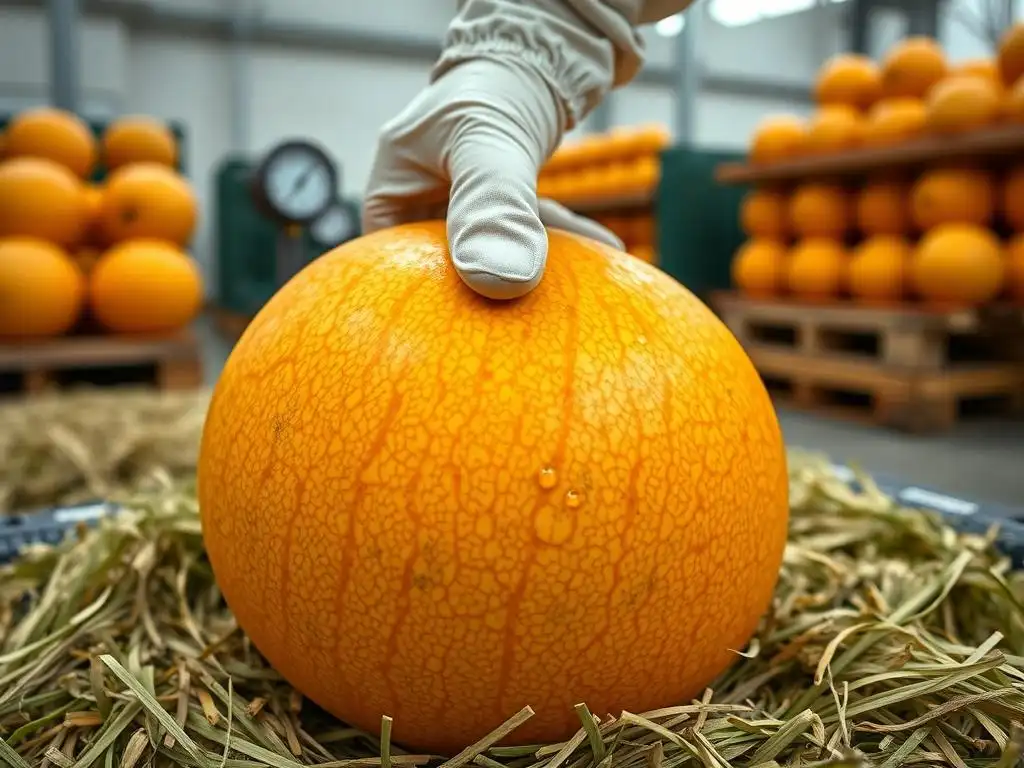
Proper post-harvest handling is crucial for extending the shelf life and maintaining the quality of your harvested melons. Neglecting this step can lead to rapid spoilage, reducing the enjoyment of your hard work. This section details the best practices for handling melons after harvesting, focusing on cleaning, storage, and common pitfalls to avoid. Mastering these techniques will ensure you savor the peak flavor and texture of your homegrown melons for as long as possible. The key to harvesting ripe melons using the best method also includes understanding how to care for them afterwards.
Proper Cleaning and Preparation of Harvested Melons
Before storing your melons, gentle cleaning is essential. Avoid harsh scrubbing, as this can damage the delicate melon skin, increasing the risk of spoilage. Instead, use a soft cloth or sponge and a solution of lukewarm water and a mild, food-safe detergent. Thoroughly rinse the melons under cool running water to remove all traces of soap. Pat them dry with a clean towel to prevent moisture buildup, which can promote fungal growth.
Inspect each melon carefully for any cuts, bruises, or blemishes. Discard any damaged melons immediately to prevent contamination of healthy ones. Remember, a little preventative care goes a long way in preserving your harvest. Proper cleaning is a critical part of the harvesting ripe melons best method.
Storing Melons for Optimal Shelf Life: Tips and Tricks
The optimal storage method depends on the type of melon and its ripeness upon harvesting. Generally, melons should be stored in a cool, dry, and well-ventilated area. Avoid storing melons in direct sunlight or near sources of heat, as this can accelerate ripening and lead to spoilage. For fully ripe melons ready to eat, storing them at room temperature for a few days is usually sufficient.
However, for less ripe melons, refrigeration can slow down the ripening process, extending their shelf life for a week or more. Remember to store melons individually to prevent bruising and cross-contamination. Cantaloupes and honeydews are particularly susceptible to ethylene gas, so avoid storing them near ethylene-producing fruits like apples and bananas. This careful storage significantly impacts the success of harvesting ripe melons using the best method.
Preventing Melon Spoilage: Common Mistakes to Avoid
Several common mistakes can significantly shorten the shelf life of your harvested melons. One major error is washing melons before storing them. Excess moisture trapped on the surface can create an ideal environment for mold and bacteria growth. Always dry melons thoroughly before storing.
Another frequent oversight is improper temperature control. Storing melons in excessively cold temperatures can damage their texture and flavor, while excessively warm temperatures accelerate ripening and spoilage. Avoid storing melons in plastic bags, as this can trap moisture and promote rot. Finally, failing to regularly inspect your stored melons for signs of spoilage, such as soft spots, mold, or unpleasant odors, is a common mistake.
Early detection and prompt removal of spoiled melons are crucial in preventing the spread of decay to healthy ones. Addressing these points is crucial for anyone wanting to master harvesting ripe melons using the best method. Remember, prevention is always better than cure.
Troubleshooting Common Harvesting Challenges
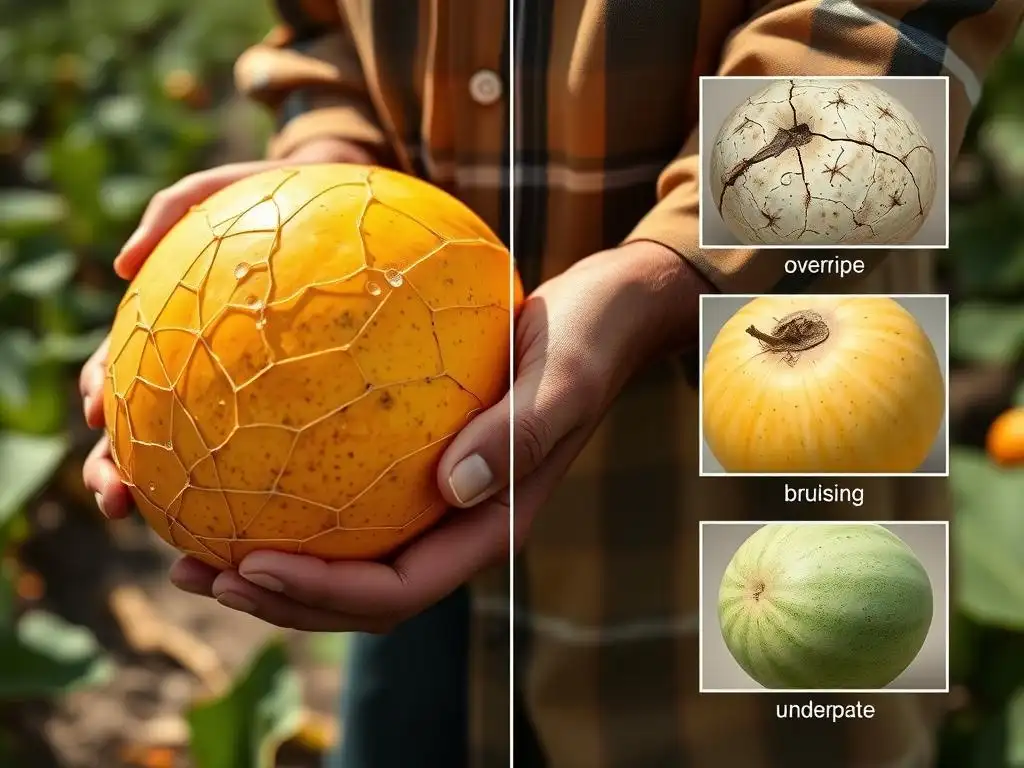
Harvesting ripe melons using the best method requires attention to detail and an understanding of potential problems. While following the ripeness indicators detailed elsewhere in this article is crucial, knowing how to handle common challenges ensures a successful harvest. This section focuses on identifying and addressing issues that can impact the quality and yield of your melon harvest. Mastering these techniques will significantly improve your chances of obtaining perfectly ripe melons every time. This knowledge is key to maximizing your yield and minimizing losses, a vital aspect of sustainable gardening practices.
Underripe Melons: Identifying and Addressing the Problem
Underripe melons are a common disappointment for home gardeners. Identifying them early is crucial to avoid wasting space and resources. Underripe melons typically exhibit several key characteristics:
- Light color: They lack the deep, rich color characteristic of a ripe melon of that variety. For example, a cantaloupe will be pale yellow-green instead of a deep golden yellow.
- Hard rind: The rind will feel firm and unyielding to the touch, unlike the slightly softer feel of a ripe melon.
- Lack of aroma: Ripe melons have a distinct, sweet fragrance. Underripe melons will have little to no aroma.
- Poor sound: When tapped gently, a ripe melon will produce a deep, resonant sound. An underripe melon will sound dull and hollow.
Addressing the problem of underripe melons primarily involves preventative measures. This includes carefully monitoring the growth of your melons, ensuring they receive adequate sunlight, water, and nutrients. Precise planting dates and suitable soil conditions also play a crucial role. Sometimes, even with proper care, some melons may mature more slowly than others.
In such cases, patience is key; leave them on the vine a little longer, checking regularly for signs of ripeness. Avoid harvesting until all the indicators point towards ripeness. Remember that harvesting too early significantly impacts the melon's flavor and sugar content, diminishing the quality of your harvest. This careful monitoring is a key component of the "harvesting ripe melons best method".
Overripe Melons: Signs and Prevention Strategies
Overripe melons are just as problematic as underripe ones. They are prone to splitting, bruising, and rapid decay, reducing their shelf life and overall quality. Recognizing the signs of overripeness is crucial for timely harvesting. These signs include:
- Soft rind: The rind will feel excessively soft and may show signs of bruising or indentations.
- Loss of aroma: While ripe melons have a strong aroma, overripe ones may have a fermented or unpleasant smell.
- Visible damage: Inspect for cracks, cuts, or other damage to the rind.
- Separation from the vine: The stem may detach easily from the melon, indicating overripeness.
Preventing overripe melons involves careful monitoring of the growing season and timely harvesting. Regularly check your melons for signs of ripeness, and don't wait until the last possible moment to harvest. Harvesting at the peak of ripeness is essential for optimal flavor and longevity. This includes using the best method for your specific melon variety, considering factors like size, color, and sound. Proper handling during and after harvest also plays a vital role in preventing damage and extending shelf life. Remember that even the best harvesting techniques cannot entirely prevent overripeness if the melons are already past their prime.
Dealing with Damaged Melons During Harvest
Even with careful handling, some melons may sustain damage during harvest. This can range from minor scratches to significant bruising or splitting. While perfectly ripe melons are ideal, it's important to know how to manage damaged ones to minimize waste.
- Minor damage: Melons with minor superficial scratches or blemishes can still be consumed. Wash them thoroughly and use any damaged areas for juice or other preparations.
- Significant damage: Melons with significant bruising, splitting, or decay should be discarded to prevent the spread of rot and infestation. Composting is a sustainable way to dispose of such melons, returning nutrients to the soil.
- Prevention: Using appropriate harvesting tools and techniques minimizes the risk of damage. Handle melons gently, avoiding dropping or rough handling. Use a sharp knife to cleanly sever the melon from the vine. Consider using protective padding during transport to further reduce damage.
By understanding and addressing these challenges, you can significantly improve your melon harvest, ensuring that you reap the rewards of your gardening efforts. Remember that consistent monitoring, careful handling, and the application of the best harvesting methods are all integral to success. This contributes to a more sustainable and efficient approach to home gardening, maximizing both yield and quality.
Sustainable Harvesting Practices for Melons
Sustainable practices are crucial when harvesting melons, ensuring minimal environmental impact while maximizing the yield of high-quality produce. This goes beyond simply picking ripe fruit; it encompasses the entire process, from careful handling to responsible disposal of plant waste. By adopting these methods, you contribute to a healthier environment and a more resilient garden. The best method for harvesting ripe melons incorporates these sustainable practices from beginning to end.
Minimizing Waste During the Melon Harvesting Process
Minimizing waste during melon harvesting is a key component of sustainable gardening. This involves careful handling to prevent bruising or damage, which reduces spoilage and the need to discard perfectly good fruit. Consider these strategies:
- Use appropriate tools: Instead of roughly pulling melons from the vine, use sharp pruning shears or a small knife to cleanly sever the stem, leaving a small portion attached to the melon. This prevents damage to the fruit and reduces the risk of introducing pathogens.
- Gentle handling: Handle harvested melons gently to avoid bruising. Place them carefully into containers lined with soft material like straw or fabric to cushion them during transport.
- Harvest at the optimal time: Harvesting melons at their peak ripeness is crucial. Overripe melons are more prone to damage and spoilage, leading to increased waste. Understanding the specific ripeness indicators for your melon variety is key to optimal harvesting. This includes checking for a deep color, a sweet aroma, and a slight give when gently squeezed.
- Proper storage: Store harvested melons correctly to extend their shelf life and reduce waste. Keep them in a cool, dry place, away from direct sunlight. Some melon varieties store better than others; research your specific variety for optimal storage conditions.
- Utilize imperfect melons: Don't discard melons with minor blemishes. These can still be used for juicing, jams, or other culinary applications, reducing waste and maximizing the value of your harvest.
Composting Melon Vines and Leftovers: A Sustainable Approach
After harvesting, the melon vines and any leftover fruit (that aren't suitable for consumption) become valuable components for your compost pile. Composting not only reduces waste sent to landfills but also creates nutrient-rich soil amendment for your garden. Here's how to effectively compost melon vines and leftovers:
- Chop and add: Chop the melon vines into smaller pieces to speed up the decomposition process. Add them to your compost pile, alternating layers of “greens” (nitrogen-rich materials like melon vines) and “browns” (carbon-rich materials like dried leaves or straw).
- Manage moisture: Maintain the proper moisture level in your compost pile. It should be damp, like a wrung-out sponge, not soggy. Regularly turning the pile helps maintain aeration and promotes decomposition.
- Monitor temperature: The composting process generates heat. A healthy compost pile will reach temperatures of 130-160°F (54-71°C), which helps kill pathogens and weed seeds.
- Patience is key: Composting takes time. Depending on the size of your pile and environmental conditions, it can take several months to a year for the material to fully decompose into rich compost. Be patient and allow nature to do its work.
- Utilizing the compost: Once your compost is ready (dark brown, crumbly, and earthy-smelling), you can enrich your soil with this nutrient-rich material. This helps reduce the need for synthetic fertilizers, promoting a sustainable and healthy growing environment for your next melon crop. This closed-loop system reflects the best method for harvesting ripe melons within a sustainable framework.
Frequently Asked Questions
How can I tell if my melons are ripe enough to harvest?
Several indicators show melon ripeness. Look for a deep, even color specific to the variety. A sweet aroma near the stem and a slightly soft feel (but not mushy) are also good signs.
What is the best method for harvesting melons?
The best method involves gently twisting the melon at the stem. If it comes loose easily, it's ready. Avoid pulling or yanking, which could damage the fruit or plant. Use clean, sharp tools if necessary.
Should I harvest melons early or wait until they are fully ripe on the vine?
It's best to wait until they are fully ripe on the vine for the best flavor and sweetness. Harvesting too early results in bland, less flavorful melons.
How do I store harvested melons properly to extend their shelf life?
Store melons at room temperature for a few days to allow the sugars to develop further. For longer storage, transfer them to the refrigerator. Avoid storing them in plastic bags.
What should I do with melons that are slightly underripe when harvested?
Slightly underripe melons can still ripen at room temperature. Place them in a fruit bowl and check daily for ripeness. They may not reach peak flavor, but they will still improve.
Final Reflection: The Sweet Science of Melon Harvesting
The perfect melon, bursting with sun-ripened sweetness, is more than just a delicious treat; it's a testament to the careful observation and skillful technique involved in its harvest. Understanding the nuances of ripeness indicators, as explored throughout this article, isn't just about maximizing flavor – it's about appreciating the intricate connection between nature and human intervention in producing high-quality food. This knowledge, applied thoughtfully, can elevate the entire experience of growing and enjoying melons, from the garden to the table.
The impact of understanding optimal harvesting techniques extends far beyond the individual grower. It speaks to a broader appreciation for seasonal eating, mindful consumption, and the importance of respecting the natural rhythms of agriculture. The best things in life are simple, but not easy.
This quote perfectly encapsulates the journey from planting a seed to savoring the perfectly ripe fruit. The seemingly simple act of harvesting a melon becomes a profound act of connection to the land and the process of food production, a connection often lost in our modern, fast-paced world.
Now, consider your own approach to harvesting – be it melons or any other produce. Are you paying attention to the subtle cues that nature provides? Are you actively seeking to understand the optimal time for harvest to maximize flavor and quality?
I encourage you to take the knowledge gained here and apply it to your own gardening practices, or even to your next trip to the farmer's market. By embracing the art of mindful harvesting, you'll not only enjoy superior produce, but you'll also cultivate a deeper appreciation for the journey from seed to table, enriching your relationship with food and the natural world.
Unlock the Sweetness: Harvest Your Perfect Melon Today!
Thank you for learning about harvesting perfectly ripe melons! We hope you've gained valuable insights to help you grow sweeter, juicier fruit. Now it's time to put your new knowledge to the test.
- Prioritize your harvest: Carefully check your melons daily for ripeness, using the techniques discussed above (such as tapping for a dull sound, checking the stem, and observing the blossom end). Don't delay harvesting once they're ready!
- Share your bounty: Take photos of your perfectly harvested melons and share them on social media—be sure to tag us! Let's celebrate this delicious harvest together.
- Explore new varieties: Consider trying a new melon variety next season. What exciting new flavors will you discover?
What exciting melon varieties are you planning to grow next?