
Level Up: Preparing Uneven Ground for a Garden

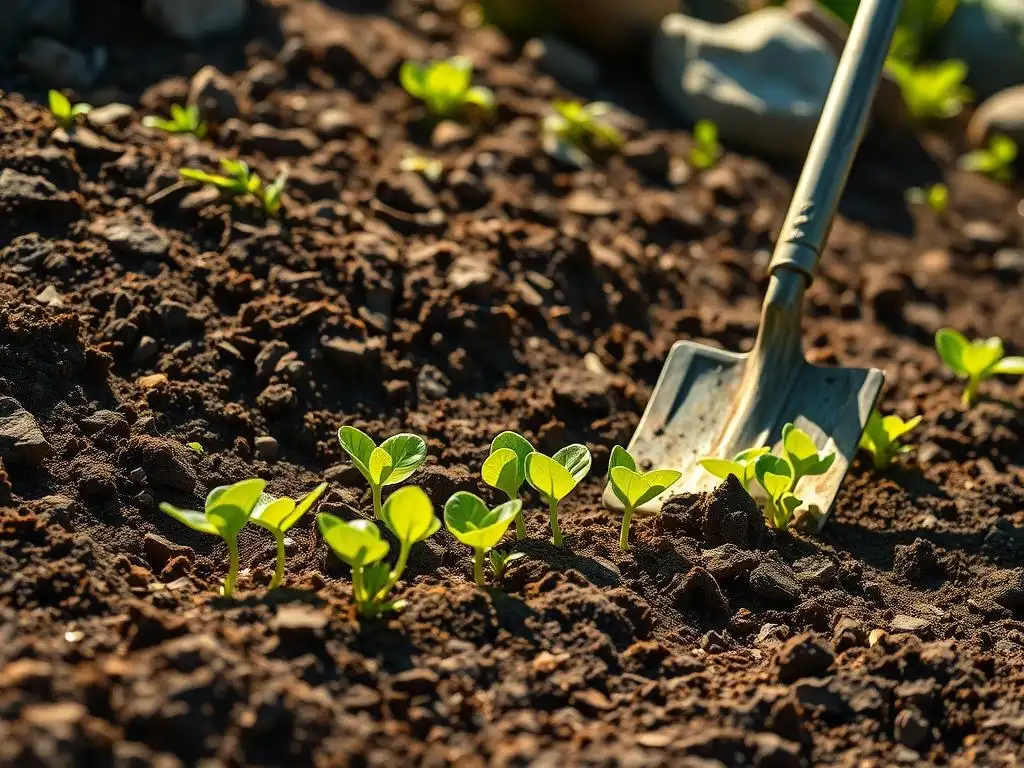
Ready to transform your backyard into a thriving oasis? At CultivateYourFood, we empower you to grow your own delicious and healthy fruits, vegetables, and herbs using sustainable methods. But what about that uneven patch of land? Don't let challenging terrain hold you back! Learn how to level up uneven garden soil and unlock the full potential of your home garden in our comprehensive "Getting Started" guide. Discover the secrets to a flourishing harvest, starting with the perfect foundation.
- Assessing Your Uneven Garden Soil: The First Step
- Leveling Techniques for Uneven Garden Soil
- Soil Amendment and Preparation for Uneven Ground
- Planting Strategies for Uneven Garden Soil
- Maintaining Your Leveled Garden
- Tools and Materials for Leveling Your Garden
- Sustainable Practices for Leveling Uneven Garden Soil
- Frequently Asked Questions
- Final Reflection: Cultivating Growth from Uneven Ground
- Unleash Your Garden's Potential: Get Growing!
Assessing Your Uneven Garden Soil: The First Step
Leveling up your uneven garden soil might seem daunting, but it's a crucial step towards a thriving and productive garden. This article will guide you through the process of preparing uneven ground for planting, ensuring your fruits, vegetables, and herbs receive the optimal conditions for growth using sustainable organic practices. We'll cover identifying problem areas, analyzing soil composition, and dealing with slopes and significant elevation changes, ultimately empowering you to cultivate a bountiful harvest even on challenging terrain. Remember, a well-prepared garden bed is the foundation for success in organic gardening. Let's get started!
Identifying High and Low Points in Your Garden Bed
Before you even think about grabbing a shovel, you need to thoroughly assess the lay of the land. Identifying high and low points in your garden bed is the first step towards leveling. This can be done in several ways:
- Visual Inspection: Walk around your garden bed, carefully observing the terrain. Look for noticeable slopes or dips. Are there areas where water tends to pool after rain? These are likely low points.
- Leveling Tool: Use a garden level or a long, straight board and a level to accurately determine high and low points. Place the board across the garden bed in multiple directions. Note any discrepancies in height.
- String Line: Stretch a string line across the garden bed at various points. Observe how the string sits relative to the soil surface. Significant sags indicate low areas, while taut sections highlight high areas.
Once you've identified these points, you'll have a clearer picture of the extent of the leveling work required. Don't underestimate this step! Accurate identification of unevenness is key to effective soil preparation. Remember, even seemingly minor variations in elevation can impact water drainage and root development.
Analyzing Soil Composition: Texture, Drainage, and Fertility
Simply leveling the ground isn't enough. You also need to understand the type of soil you're working with. Soil composition significantly impacts plant growth and your leveling strategy. Here's what you need to consider:
- Texture: Is your soil sandy, silty, clay-like, or a mixture? Sandy soils drain quickly, while clay soils retain water, potentially leading to waterlogging in low-lying areas. Knowing your soil texture helps you determine the best amendment strategy.
- Drainage: How well does water drain in your garden bed? Poor drainage can lead to root rot and other plant diseases, especially in low-lying areas. Test drainage by digging a small hole and filling it with water. Observe how quickly the water drains away.
- Fertility: Nutrient-poor soil will hinder plant growth regardless of how level your garden is. A soil test will reveal the levels of essential nutrients like nitrogen, phosphorus, and potassium. Amendments such as compost can improve soil fertility.
Understanding your soil's texture, drainage, and fertility allows you to tailor your leveling and soil amendment strategies for optimal results. This proactive approach ensures your plants have the best possible environment to thrive.
Dealing with Slopes and Significant Elevation Changes
Significant slopes present a unique challenge, requiring more extensive preparation. Here are some strategies for dealing with steeper inclines:
- Terracing: For steep slopes, creating terraces – flat, level platforms – is the most effective solution. This involves building retaining walls (using readily available materials like stones or repurposed wood) to create level planting areas.
- Contour Gardening: This method involves planting along the contours of the slope, creating level rows that follow the natural curves of the land. This helps to prevent soil erosion and improve water retention.
- Swales: These are shallow ditches dug along the contours of a slope to intercept and slow down the flow of water, reducing erosion and improving water infiltration.
Choosing the appropriate method depends on the steepness of the slope and the scale of your garden. Remember, patience and careful planning are crucial when dealing with significant elevation changes. The payoff, however, is a beautifully terraced or contoured garden that’s both functional and aesthetically pleasing. Consider the long-term implications of your chosen method, ensuring it’s sustainable and environmentally friendly. 🌱
Leveling Techniques for Uneven Garden Soil
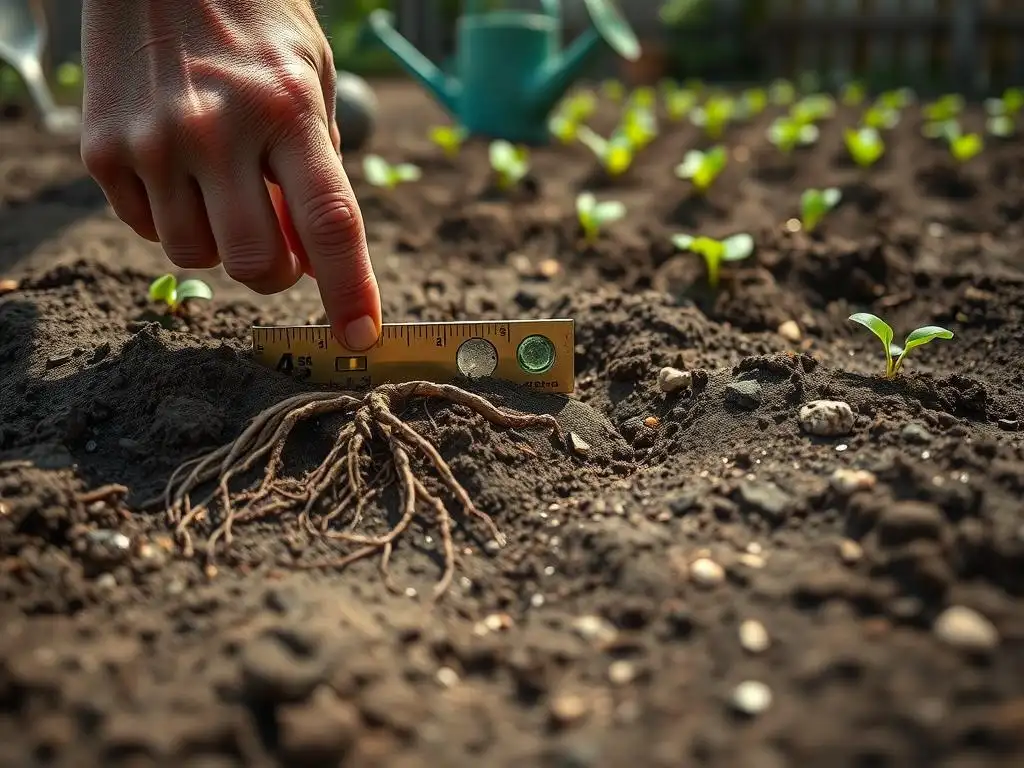
Uneven garden soil presents a significant challenge for aspiring home gardeners. Successful cultivation demands a relatively level surface to ensure even water distribution, consistent sunlight exposure, and easier planting and harvesting. Leveling your garden soil, therefore, is a crucial first step in achieving a thriving, productive garden.
This section details various techniques to "level up uneven garden soil," catering to different garden sizes and levels of effort. We'll explore methods ranging from manual labor to the use of power tools, and even consider alternative solutions like raised beds. Remember, the best approach depends on the extent of the unevenness and the size of your garden.
Manual Leveling: Shovels, Rakes, and Hand Tools for Small Areas
Manual leveling is ideal for smaller gardens or for addressing minor irregularities in an otherwise relatively flat area. It's a labor-intensive method but offers a great deal of control and avoids the potential soil compaction associated with heavier machinery. This approach is perfect for achieving a precise, finely-tuned level surface.
The process typically begins with a thorough assessment of the terrain. Identify high and low points, noting the extent of the unevenness. You'll need basic gardening tools: a shovel for moving larger amounts of soil, a rake for smoothing and leveling the surface, and a garden hoe for finer adjustments.
Start by removing excess soil from high points using the shovel. Carefully transfer this soil to lower areas, gradually filling in depressions. Work in small sections, constantly checking for levelness using a level tool or a straight board laid across the ground. The rake is invaluable for smoothing out the surface, creating a uniform texture and removing any clumps or rocks.
A garden hoe can be used for more precise adjustments, particularly around plants or existing features. Remember to periodically compact the soil gently with the back of the shovel or your feet, preventing settling and ensuring a stable planting surface. Patience is key; achieving a perfectly level surface may require several passes with each tool.
Mechanical Leveling: Using Power Tools for Larger Gardens
For larger gardens with significant undulations, manual leveling becomes impractical and time-consuming. Mechanical leveling, using power tools such as tillers or graders, offers a significantly faster and more efficient solution. However, it's crucial to proceed carefully to avoid soil compaction and damage to existing plant life.
Using a tiller, for example, can effectively break up compacted soil and level the surface. Multiple passes might be necessary to achieve the desired level of smoothness, working in overlapping rows to ensure even coverage. This method is especially beneficial for areas with heavy clay soil or significant elevation changes. However, tillers can compact the soil if used excessively, so it is important to use them judiciously and avoid over-tilling.
Larger scale projects might benefit from renting or hiring a grader or land leveler. These machines are specifically designed for large-scale land leveling and can efficiently tackle significant terrain variations. However, this method usually involves a higher initial cost and may not be suitable for small residential gardens. Remember to consult with a professional for guidance on the appropriate equipment and techniques for your specific needs. Always prioritize soil health and avoid excessive compaction, even when using power tools.
Building Raised Garden Beds for Uneven Terrain
Raised garden beds offer an elegant solution for uneven terrain, eliminating the need for extensive leveling. This method is particularly advantageous when dealing with rocky, sloped, or otherwise challenging ground. Building raised beds allows you to create a level planting surface independent of the existing ground conditions.
Constructing raised beds involves creating a framed structure filled with high-quality soil. The frames can be made from various materials, including wood, concrete blocks, or even recycled materials. The height of the bed should be comfortable for working and should accommodate the chosen plants. The bed's dimensions will depend on the available space and the types of plants you intend to grow.
Using raised beds offers several advantages beyond leveling. They improve soil drainage, increase soil temperature, and provide better weed control. The contained soil environment allows for more precise control over soil composition and nutrient levels. Furthermore, raised beds are highly adaptable, allowing you to create various shapes and sizes to suit your garden's layout and aesthetic preferences. This approach is environmentally friendly and a great way to “level up” your uneven garden soil without significant ground disturbance. Consider the long-term benefits of raised beds when planning your garden layout.
Soil Amendment and Preparation for Uneven Ground
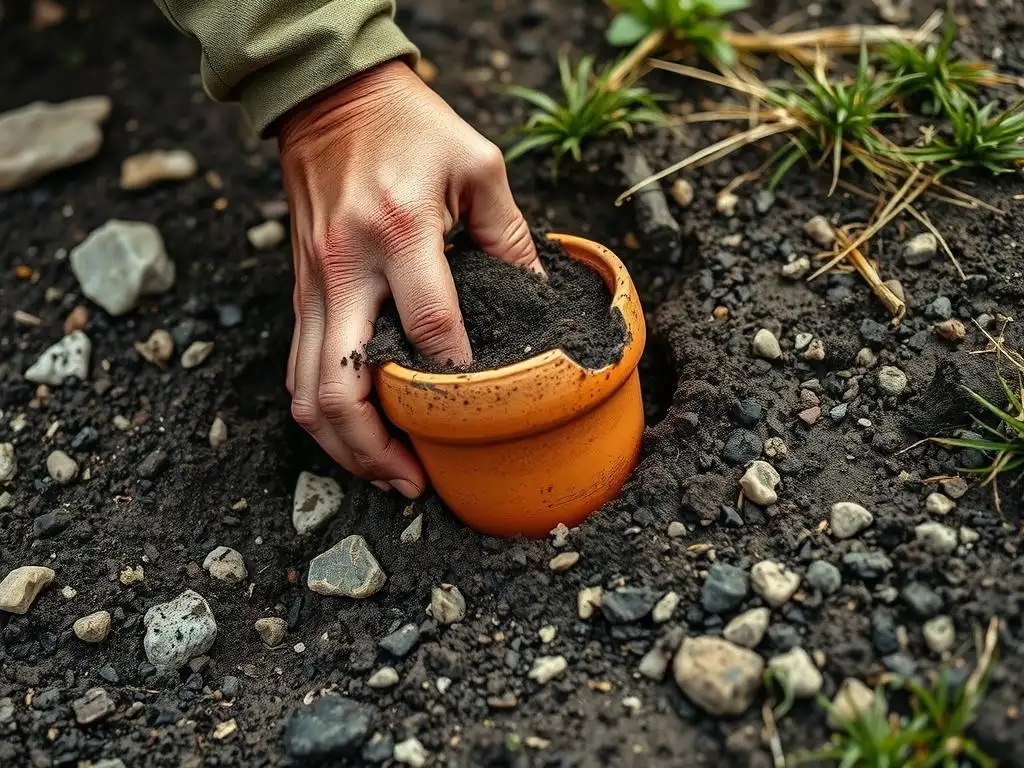
Uneven garden soil presents a significant challenge for successful cultivation. Proper preparation is crucial for ensuring consistent water drainage, optimal root development, and ultimately, a bountiful harvest. Leveling uneven garden soil isn't just about aesthetics; it's about creating a healthy environment for your plants to thrive. This section focuses on practical techniques for amending and preparing uneven ground, specifically addressing drainage issues, fertility concerns, and structural improvements. Remember, preparing your soil is a crucial step in the "level up" process for your garden.
Improving Soil Drainage in Low-Lying Areas
Low-lying areas often suffer from poor drainage, leading to waterlogged roots and plant diseases. Addressing this is paramount before planting. Several methods can effectively improve drainage:
- Raised beds: Creating raised beds is a highly effective solution. These elevated planting areas allow excess water to drain away easily. The height of the beds can be adjusted to suit the specific needs of your plants and the severity of the drainage problem. You can build raised beds using readily available materials like lumber, recycled pallets, or even stacked stones. Consider the size and placement of the beds carefully to maximize sunlight exposure and accessibility.
- French drains: For more severe drainage issues, a French drain might be necessary. This involves digging a trench, lining it with gravel or porous fabric, and then laying a perforated pipe to channel excess water away from the planting area. This method requires more effort but provides a long-term solution for consistently wet areas. Ensure the outlet of the French drain is directed away from your garden and doesn't cause erosion or flooding elsewhere.
- Soil amendment with coarse materials: Incorporating coarse materials like gravel, perlite, or vermiculite into the soil improves its structure and drainage. These materials increase the porosity of the soil, allowing water to penetrate more easily and reducing compaction. The amount of amendment needed depends on the soil's existing drainage capacity and can be determined through a simple percolation test (time how long it takes water to drain from a small hole in the ground). Remember to mix these amendments thoroughly into the soil.
Remember, consistent monitoring is key. After implementing any drainage solution, observe the area after rainfall or watering to ensure the improvements are effective. Adjust your strategy as needed.
Adding Organic Matter to Enhance Soil Fertility
Uneven ground often suffers from inconsistent soil fertility. Areas that are low-lying may be compacted and lacking in essential nutrients, while higher areas might be dry and depleted. Adding organic matter is crucial for improving soil fertility across the entire garden.
Organic matter, such as compost, aged manure, and leaf mold, acts as a natural soil conditioner, improving soil structure, water retention, and nutrient availability. It enhances soil aeration, allowing roots to breathe and grow more readily. The addition of organic matter also encourages beneficial microbial activity, which contributes to a healthier soil ecosystem.
A good rule of thumb is to incorporate at least 2-4 inches of organic matter into the top layer of soil. This can be done through tilling (if appropriate for your soil type), broadforking, or simply by mixing it in by hand. The exact amount needed will depend on the soil's existing organic matter content, which can be assessed through a simple soil test. Regular applications of organic matter, even after the initial amendment, will sustain soil health over time. Consider using cover crops during fallow periods to further enhance soil fertility and structure.
Using Soil Amendments to Level and Improve Soil Structure
Leveling uneven ground requires a strategic approach to soil amendment. The goal is not only to create a level surface but also to improve the overall soil structure for optimal plant growth.
This often involves a combination of techniques:
- Filling low areas: Use a combination of topsoil and organic matter to fill in low areas. Avoid using compacted clay or other unsuitable materials that could hinder drainage. Gradually add the amendment and compact it lightly to prevent settling.
- Removing high areas: Excess soil from high areas can be used to fill in low areas, creating a more uniform surface. However, be mindful of not disturbing existing plant roots in the process.
- Topdressing: Applying a layer of topsoil or a topsoil-compost mix as a topdressing can level the surface and improve the overall soil quality. This is particularly helpful for areas with thin or poor soil. The thickness of the topdressing will depend on the degree of unevenness.
| Amendment | Purpose | Application Method |
|---|---|---|
| Topsoil | Improves soil structure and fertility | Spreading evenly over the surface |
| Compost | Enhances fertility and drainage | Mixing into the soil or using as a topdressing |
| Gravel/Perlite | Improves drainage in heavy clay soils | Mixing into the soil |
| Aged Manure | Adds nutrients and improves soil structure | Mixing into the soil |
| Leaf Mold | Improves soil structure and water retention | Mixing into the soil or using as a topdressing |
Remember, patience is key. The process of leveling and improving uneven ground may require several stages. Regular monitoring and adjustments are crucial to achieve the desired result – a level and fertile garden bed ready to support vigorous plant growth. This careful preparation will ensure a successful growing season, and truly allow you to level up your gardening game! 🌱
Planting Strategies for Uneven Garden Soil
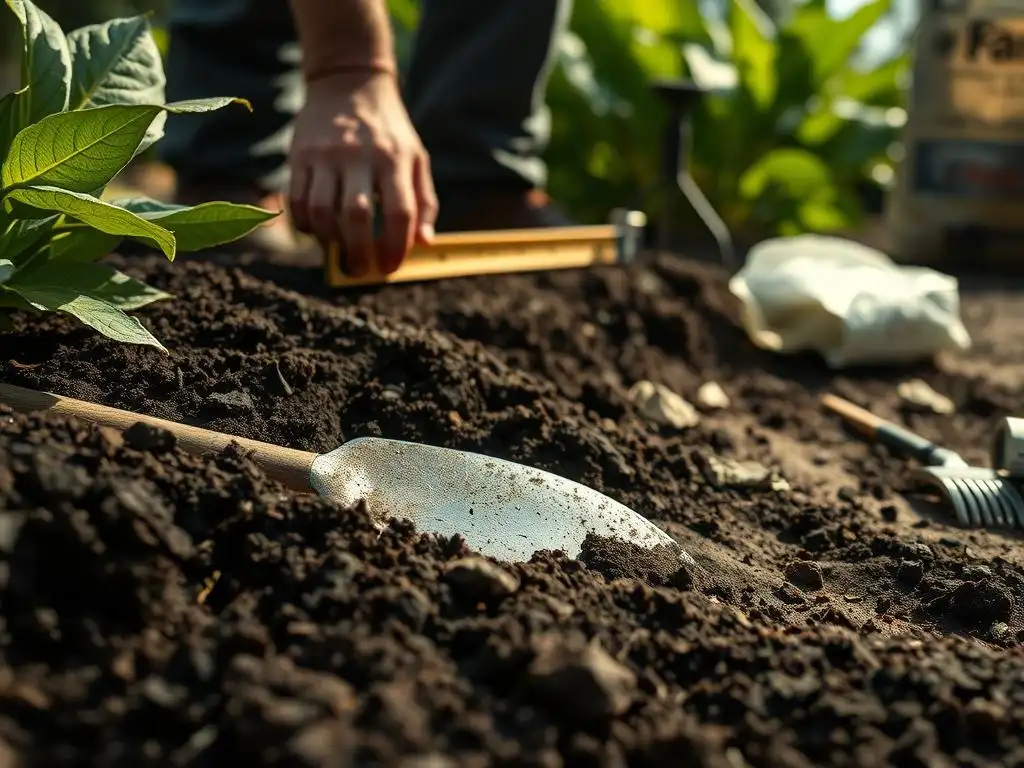
Uneven garden soil presents a unique challenge, but with the right strategies, you can "level up" your gardening game and cultivate a thriving plot even on challenging terrain. This section focuses on practical techniques to overcome the obstacles posed by slopes, dips, and other irregularities, maximizing your yield and minimizing erosion. Successfully addressing uneven ground involves careful plant selection, adapted planting techniques, and potentially, more advanced soil management strategies like terracing.
Choosing Plants Suitable for Slopes and Uneven Terrain
Not all plants are created equal when it comes to adapting to uneven terrain. Some thrive on slopes, while others struggle. Understanding the needs of your chosen plants is key to success. For example, plants with robust root systems are better equipped to handle slopes and prevent soil erosion. Deep-rooted plants, like certain varieties of tomatoes and peppers, anchor themselves firmly, resisting the pull of gravity and preventing slippage. Conversely, shallow-rooted plants might require more support or careful placement to avoid being washed away during heavy rains.
Consider these factors when selecting plants for your uneven garden:
- Root depth: Opt for plants with deep, extensive root systems that provide stability and access to moisture deeper in the soil.
- Mature size and weight: Avoid overly large plants that could easily topple over on a slope. Choose compact varieties or those with a naturally sturdy structure.
- Water requirements: Plants with higher water needs might require more frequent watering on slopes due to increased drainage. Choose drought-tolerant varieties where appropriate.
- Soil tolerance: Consider the soil type and its drainage characteristics. Some plants tolerate poor drainage better than others.
A well-planned plant selection, considering both the plant's characteristics and the specific conditions of your uneven garden, is a crucial first step in "leveling up" your gardening success.
Adapting Planting Techniques to Uneven Ground
Adapting your planting techniques is as crucial as selecting the right plants. Simply digging a hole and dropping in a seedling won't suffice on uneven ground. You need to adjust your approach to ensure proper drainage, stability, and root development.
Here are some useful techniques:
- Mounding: Create raised mounds of soil around plants to improve drainage and provide stability on slopes. This is particularly beneficial in areas with poor drainage.
- Swales: Create shallow ditches or swales along the contours of your slopes to intercept and slow down rainwater runoff, preventing erosion and providing moisture to plants.
- Planting in layers: Utilize different levels of your uneven terrain to create a layered planting system. Taller plants can be placed at the back, while shorter plants occupy the front, maximizing sunlight exposure for all.
- Using raised beds: Construct raised beds to create level planting surfaces, even on significantly uneven ground. This approach also improves drainage and soil quality.
Remember that careful observation and adaptation are key. Regularly check your plants for signs of stress, such as wilting or leaning, and adjust your planting techniques as needed. This iterative process will lead to a more successful and productive garden even on uneven terrain.
Using Terracing or Contour Planting to Manage Water Runoff
For significantly uneven ground, more advanced soil management techniques become necessary. Terracing and contour planting are excellent solutions for managing water runoff and preventing erosion.
- Terracing: This involves creating a series of level platforms or terraces on a slope, effectively transforming a steep incline into a series of manageable levels. Each terrace acts as a mini-garden, reducing water runoff and soil erosion. This method requires more significant effort but offers long-term benefits.
- Contour Planting: This technique involves planting rows of crops along the contours of the slope, following the natural curves of the land. This slows down water runoff, reduces erosion, and improves water infiltration into the soil. It’s a less intensive approach than terracing but still highly effective.
Both terracing and contour planting are excellent strategies for "leveling up" your uneven garden soil and creating a sustainable and productive gardening environment. They require careful planning and execution, but the results are worth the effort, resulting in a more resilient and fruitful garden. Remember to consider the scale of your unevenness when deciding which approach is most suitable for your specific situation.
Maintaining Your Leveled Garden
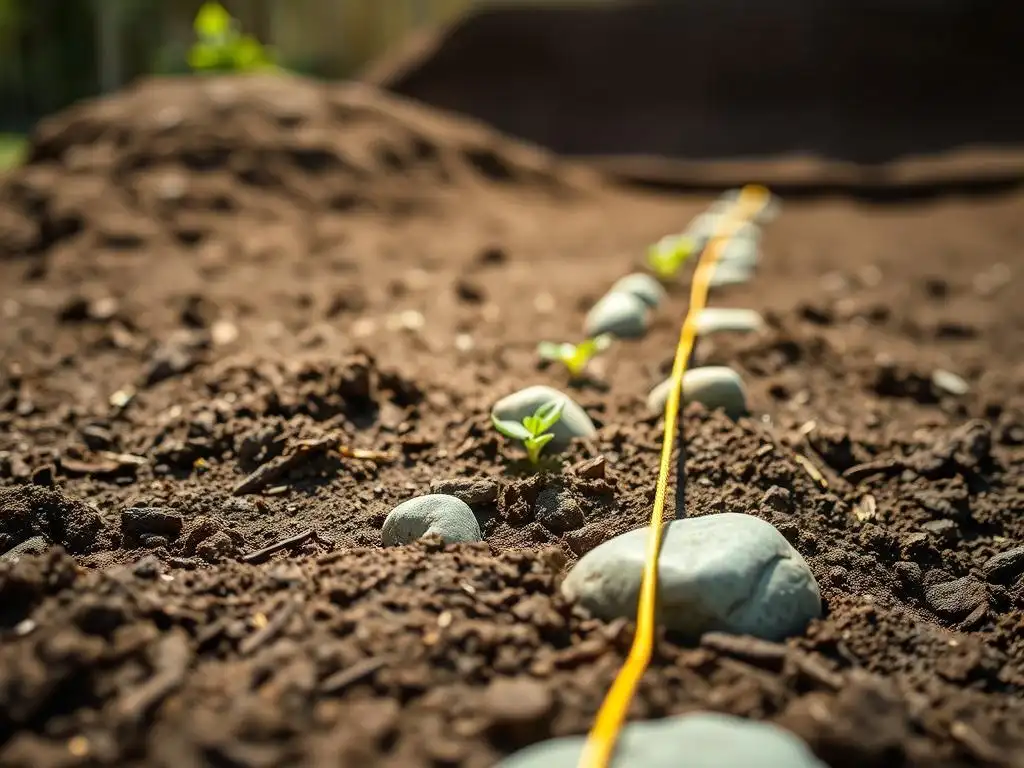
Leveling your garden soil is a significant step towards successful cultivation, but maintaining that level ground and ensuring optimal growing conditions requires ongoing effort. This section focuses on the crucial post-leveling maintenance practices that will ensure your hard work pays off with a thriving garden. We'll explore strategies to prevent erosion, manage weeds, and improve soil health for sustained growth, all vital aspects of "level up uneven garden soil" practices.
Preventing Erosion on Slopes and Uneven Areas
Erosion is a persistent threat, especially on slopes or areas with previously uneven ground. Even after leveling, rainfall can wash away topsoil, taking with it valuable nutrients and leaving behind barren patches. Preventing erosion is crucial for maintaining your leveled garden and ensuring long-term productivity.
Several effective strategies can mitigate erosion:
- Mulching: Applying a thick layer of organic mulch (such as straw, wood chips, or shredded leaves) acts as a protective barrier, preventing soil from being washed away by rain. The mulch also helps retain moisture, suppressing weed growth and regulating soil temperature. Aim for a 2-4 inch layer, depending on the slope's steepness. Heavier mulches are better suited for steeper slopes.
- Terracing: For significantly sloped areas, creating terraces—flat, level platforms cut into the slope—is a highly effective erosion control method. Terraces interrupt the flow of water, preventing it from carrying away soil. This is a more labor-intensive approach but provides excellent long-term protection.
- Contour Planting: Planting along the contours of the slope, rather than straight rows, helps to slow down water runoff. The plants themselves act as a natural barrier, reducing erosion. This method works particularly well with ground cover plants.
- Erosion Control Blankets: In extreme cases, erosion control blankets—geotextiles designed to hold soil in place—can be used. These are often used on steep slopes or areas with significant erosion risk. They provide temporary protection until vegetation establishes itself.
- Proper Drainage: Ensuring adequate drainage is crucial. Diverting excess water away from the garden beds using swales or ditches can prevent water accumulation and subsequent erosion.
Regular Weeding and Soil Maintenance
Maintaining a weed-free garden is essential for healthy plant growth. Weeds compete with your crops for nutrients, water, and sunlight, hindering their development and potentially reducing yields. Regular weeding is therefore a vital part of "level up uneven garden soil" maintenance.
Effective weeding techniques include:
- Hand weeding: The most sustainable method, removing weeds by hand allows for precise removal and avoids the use of herbicides. Regular hand weeding, especially after rain when the soil is moist, is the most effective way to prevent weeds from establishing themselves.
- Mulching (again!): As mentioned earlier, a thick layer of mulch suppresses weed growth, reducing the frequency of weeding required. This also helps conserve soil moisture.
- Cultivation: Using a hand cultivator or hoe to loosen the soil around plants can help control weeds, but be careful not to damage the roots of your crops.
Consistent soil maintenance practices are crucial to ensure its health and productivity. This includes:
- Regular soil testing: Conduct regular soil tests to monitor nutrient levels. This allows you to amend the soil with the necessary fertilizers or organic matter to maintain its fertility.
- Topdressing: Applying a layer of compost or other organic matter to the soil surface provides additional nutrients and improves soil structure.
Long-Term Soil Improvement Strategies for Sustained Growth
Long-term soil improvement is key to maintaining a productive and healthy garden. Investing in soil health now will pay dividends in the years to come. These strategies are crucial for the ongoing success of your "level up uneven garden soil" project.
Several effective strategies contribute to long-term soil improvement:
- Composting: Composting kitchen and yard waste creates a rich, nutrient-dense soil amendment. Compost improves soil structure, aeration, and water retention.
- Cover Cropping: Planting cover crops (such as legumes or grasses) during the off-season helps to improve soil health. Cover crops add organic matter, suppress weeds, and prevent erosion.
- Crop Rotation: Rotating different types of crops each year helps to prevent nutrient depletion and the buildup of pests and diseases. This diverse approach to planting ensures ongoing soil vitality.
- No-Till Gardening: Minimizing soil disturbance through no-till practices helps to maintain soil structure and improve its health. This reduces soil erosion and enhances beneficial microbial activity.
By diligently following these maintenance strategies, you can ensure your leveled garden remains productive and thriving for years to come. Remember, consistent effort in preventing erosion, managing weeds, and improving soil health is the key to a successful and sustainable garden.
Tools and Materials for Leveling Your Garden
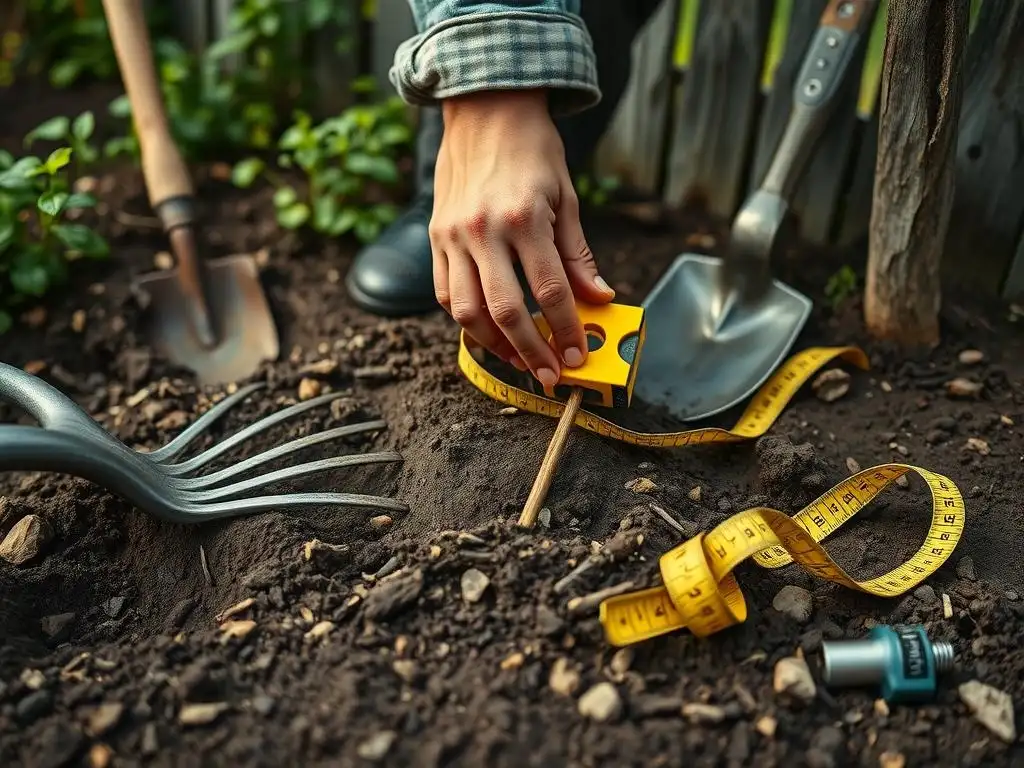
Leveling uneven garden soil is crucial for successful cultivation. Proper soil preparation ensures even water distribution, optimal root growth, and ultimately, a bountiful harvest. The tools and materials you'll need depend on the scale of your project and the severity of the unevenness. Let's explore the options.
Essential Hand Tools for Manual Leveling
For smaller gardens or areas with only minor undulations, manual leveling is perfectly feasible. This approach is ideal for those seeking a more sustainable, low-impact method. Here's a list of essential hand tools:
- Shovel: A sturdy, pointed shovel is indispensable for moving larger quantities of soil. Choose one with a comfortable, ergonomic handle to minimize fatigue during extended use. A square-ended shovel is particularly useful for lifting and moving soil without damaging underlying root systems.
- Garden Rake: A bow rake or landscape rake is perfect for smoothing and leveling the soil after you've moved larger clumps or filled in dips. The tines should be strong enough to handle rocks and debris.
- Hand Rake: A smaller hand rake is helpful for finer grading and achieving a perfectly even surface. Ideal for getting into smaller corners and around plants already established.
- Level: A simple builder's level or a longer garden level will help you determine high and low points in your garden bed, ensuring accurate leveling. Consistent checking with a level is key to avoiding future drainage problems.
- Trowel: Useful for smaller adjustments and removing any persistent rocks or debris that the rake can't handle. A quality trowel with a comfortable grip will make the task easier and less strenuous.
Remember, when leveling by hand, patience is a virtue. Work in smaller sections, regularly checking your progress with the level. Start by removing high spots and using the excavated soil to fill in low areas. This iterative process ensures a smooth, even surface.
Power Tools for Efficient Leveling (if applicable)
For larger gardens or significant unevenness, power tools can significantly speed up the leveling process. However, it's important to weigh the environmental impact and consider the potential for soil compaction.
- Power Tiller: A tiller can break up compacted soil and make it easier to level. However, it can also damage existing root structures and lead to soil compaction if overused. Use cautiously and only when absolutely necessary.
- Mini Excavator (for extreme cases): For extremely uneven terrain, renting a mini-excavator might be the most efficient option. This is a significant investment, however, and should only be considered for large-scale projects. Proper disposal of excess soil needs to be considered.
Note: Always prioritize minimizing soil disturbance. Over-tilling or excessive excavation can damage the soil structure and reduce its fertility. Consider the long-term health of your soil when choosing your leveling method.
Soil Testing Kits and Amendments
Before you even begin leveling, understanding your soil's composition is crucial. Different soil types require different approaches to leveling and amendment.
- Soil Testing Kit: A home soil testing kit can reveal your soil's pH level, nutrient content, and texture. This information is essential for choosing the right soil amendments to improve drainage and fertility.
- Amendments: Based on your soil test results, you may need to add amendments like compost, peat moss, or sand to improve soil structure and drainage. Compost is always a good choice as it improves soil structure and provides essential nutrients. Sandy soil might benefit from the addition of clay, and clay soils may need sand to improve drainage. The precise amounts will depend on your soil test results. Proper soil amendment contributes significantly to a successful "level up" of your garden soil, improving overall soil health and plant growth.
Remember to incorporate amendments evenly throughout the leveled soil to ensure consistent plant growth. This process enhances water retention, aeration, and nutrient availability – all crucial factors for a thriving garden.
Sustainable Practices for Leveling Uneven Garden Soil
This section focuses on environmentally friendly methods for preparing uneven garden soil, ensuring a successful and sustainable harvest. We'll explore how to "level up" your uneven garden soil without resorting to harmful chemicals or unsustainable practices. Remember, a healthy soil ecosystem is the foundation of a thriving garden.
Composting and Recycling Yard Waste
Composting is a cornerstone of sustainable gardening. By composting yard waste – grass clippings, leaves, and even small twigs – you create a rich, nutrient-rich soil amendment. This reduces the need for store-bought fertilizers and improves soil structure, making it easier to level uneven areas. Think of it as a natural, free soil builder!
Instead of discarding your yard waste, consider building a compost bin. A simple three-bin system allows for efficient decomposition. One bin holds fresh materials, the second houses actively decomposing material, and the third contains finished compost ready for use. The process naturally breaks down organic matter, improving aeration and drainage in your soil.
Adding compost to low-lying areas helps raise the level gradually and organically, promoting better water retention and root development. Using finished compost to fill in dips and hollows is a much gentler method than bringing in large quantities of soil. You'll also notice a significant improvement in the soil's overall fertility, leading to healthier plants and a more bountiful harvest. This method directly addresses the "level up uneven garden soil" challenge while promoting ecological balance.
Utilizing Natural Soil Amendments
Leveling uneven ground doesn't always require significant earth-moving. Sometimes, strategic use of natural soil amendments can effectively address minor irregularities. For example, adding layers of mulch, such as shredded leaves or wood chips, can help to level out slightly uneven areas. This not only improves the soil's structure but also helps retain moisture, suppresses weeds, and regulates soil temperature.
Moreover, incorporating materials like aged manure or peat moss can improve soil texture and drainage. These amendments help create a more uniform surface, making it easier to plant and cultivate. Remember to avoid using peat moss excessively, as its harvesting can be detrimental to peat bogs. Consider alternatives like coconut coir for a more sustainable option. The key here is to carefully evaluate the extent of the unevenness. Minor irregularities can often be addressed with natural amendments, avoiding more intensive and potentially disruptive leveling techniques. This approach is both sustainable and effective for managing uneven garden soil.
Water Conservation Techniques for Sloped Gardens
Sloped gardens present unique challenges, particularly concerning water conservation. Water tends to run off quickly from higher elevations, leading to uneven moisture levels and potentially dry patches. To address this, consider building raised beds or terracing your garden to create level planting areas. This not only improves water retention but also makes it easier to manage the soil's consistency.
Furthermore, utilizing water-saving irrigation techniques is crucial. Drip irrigation systems deliver water directly to the roots, minimizing runoff and evaporation. Consider using soaker hoses or installing a drip irrigation system tailored to the specific contours of your garden. This precision ensures that water reaches all plants effectively, regardless of elevation changes.
Employing mulch in conjunction with efficient irrigation helps retain moisture, further reducing the need for frequent watering. This approach is particularly important in arid or semi-arid climates, where water conservation is paramount. By combining terracing or raised beds with efficient irrigation, you'll effectively address the water challenges posed by uneven terrain while promoting sustainable gardening practices. This contributes significantly to the overall success of your garden and reduces your environmental footprint.
Frequently Asked Questions
How do I level uneven garden soil without major excavation?
You can use a layer of compost to fill in low spots and create a more even surface. Alternatively, build raised garden beds to avoid extensive soil manipulation. This is a less disruptive method for uneven ground.
What's the best way to amend heavily clay soil before leveling?
Improving drainage is crucial. Mix in organic matter like compost or well-rotted manure to improve soil structure and water retention. This will make it easier to level the ground and create a better growing environment.
Should I level my garden soil before or after planting?
It's best to level the soil before planting. This allows for proper seed-to-soil contact and ensures even watering. Leveling after planting can damage young seedlings.
What tools are essential for leveling uneven garden soil?
You'll need a rake to smooth the soil, a shovel for moving larger amounts of earth, and a level to check your progress. Consider a garden hoe for finer adjustments.
How can I prevent future unevenness in my garden beds?
Regular mulching helps prevent soil erosion and compaction. Additionally, avoid walking directly on the soil when it's wet to minimize compaction and uneven settling.
Final Reflection: Cultivating Growth from Uneven Ground
Leveling the playing field, both literally and metaphorically, is crucial for a thriving garden, and this mirrors the challenges we face in life. The unevenness of our garden soil, much like the unevenness of opportunities and resources in our world, requires careful planning, diligent work, and a deep understanding of the underlying issues. Ignoring these disparities only leads to stunted growth and ultimately, failure.
The process of preparing uneven ground for a garden is a powerful metaphor for personal growth and societal progress. It's a reminder that we must address the foundational inequalities before we can expect to see flourishing results. The world is a garden, and we are all gardeners.
This simple statement encapsulates the responsibility we all share in cultivating a more equitable and sustainable future, one where everyone has the chance to thrive, regardless of their starting point. The work is often arduous, requiring both physical and emotional labor, but the rewards – a bountiful harvest, both literally and figuratively – are immeasurable.
Now, consider your own "uneven ground." What areas of your life require leveling? What obstacles are preventing you from reaching your full potential? Take the lessons learned from preparing your garden soil – patience, persistence, and a willingness to adapt – and apply them to your own journey. Embrace the challenges, celebrate the small victories, and remember that even the most uneven ground can be transformed into a place of beauty and abundance. The harvest awaits.
Unleash Your Garden's Potential: Get Growing!
Thank you for learning how to prepare uneven ground for a thriving garden! You now have the knowledge to overcome any terrain challenges. Ready to put your new skills to the test?
- Transform your space: Grab your tools and start leveling the ground – you'll be amazed at the difference! This creates the perfect foundation for a bountiful harvest.
- Share your success: Show us your before-and-after photos on social media using #UnevenGroundGarden – let's inspire each other!
- Learn more: Explore more advanced soil preparation techniques in our other articles on gardening basics.
What unique gardening challenge will you tackle this season?