
Soil Conservation Techniques: Protecting Our Precious Resource

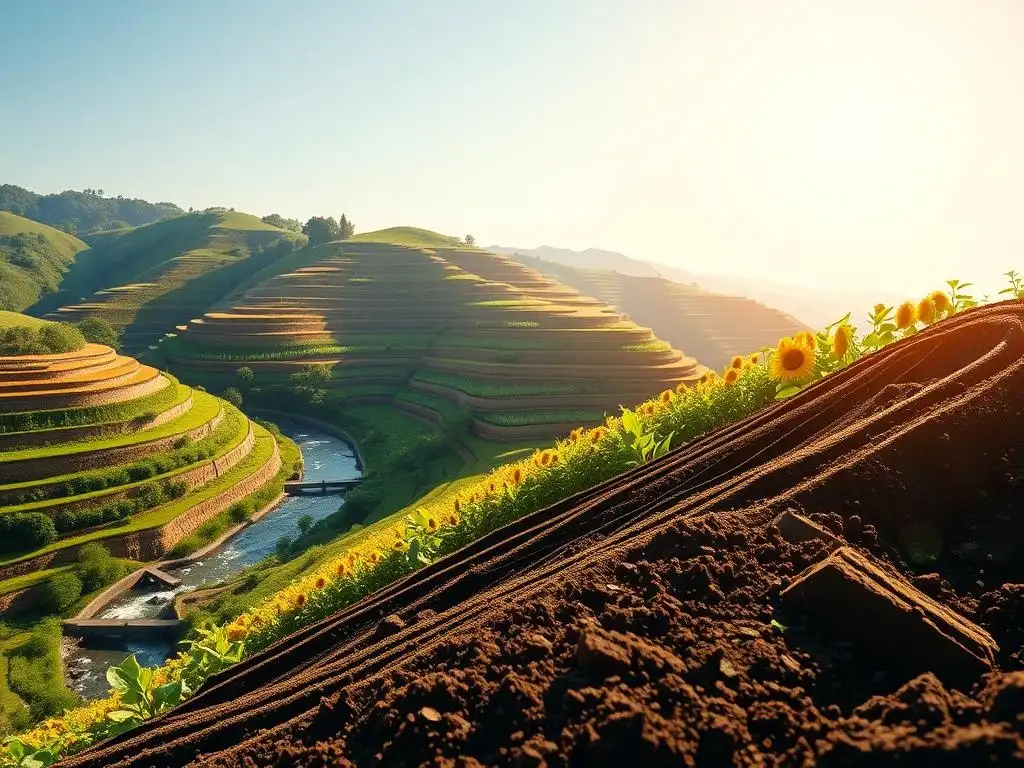
Ready to transform your backyard into a thriving oasis of fresh, organic produce? At CultivateYourFood, we empower you to grow your own food sustainably. Discover the secrets to a bountiful harvest, starting with our essential guide on best soil conservation methods. Learn how protecting this precious resource is the cornerstone of successful gardening, and unlock the potential of your own homegrown haven. Let's get started!
- Understanding the Importance of Soil Conservation for Home Gardens
- Best Soil Conservation Methods for Home Cultivators
- Advanced Soil Conservation Strategies
- Choosing the Right Soil Conservation Method for Your Garden
- Monitoring and Maintaining Soil Health
- Frequently Asked Questions
- Final Reflection: Nurturing the Earth, Securing Our Future
- Unlock Your Garden's Potential: Grow a Healthier Future
Understanding the Importance of Soil Conservation for Home Gardens
Protecting our soil is paramount, especially for those of us dedicated to cultivating our own fruits, vegetables, and herbs. Sustainable and organic gardening practices hinge on healthy soil; it's the foundation upon which thriving plants depend. This article explores the best soil conservation methods for home gardeners, focusing on techniques that not only protect this precious resource but also enhance yields and contribute to a healthier environment. We'll delve into why soil health is crucial, the detrimental effects of erosion, and how to identify signs of soil degradation in your own garden.
By implementing these strategies, you'll be investing in the long-term health and productivity of your home garden, ensuring abundant harvests for years to come. This guide provides practical, actionable steps towards achieving optimal soil health and maximizing the potential of your homegrown produce. Let's explore the best soil conservation methods to cultivate a thriving and sustainable garden.
Why Soil Health Matters for Fruit, Vegetable, and Herb Cultivation
Healthy soil is the cornerstone of successful home gardening. It's more than just dirt; it's a complex ecosystem teeming with beneficial microorganisms that play a crucial role in plant growth. These microorganisms, including bacteria, fungi, and protozoa, break down organic matter, releasing essential nutrients that plants readily absorb. Furthermore, a healthy soil structure, characterized by good aeration and water retention, allows for optimal root development and nutrient uptake.
This translates directly into healthier, more vigorous plants, leading to increased yields of higher-quality fruits, vegetables, and herbs. Ignoring soil health can lead to nutrient deficiencies, reduced yields, increased susceptibility to pests and diseases, and ultimately, a less productive and less sustainable garden. Investing time and effort in building and maintaining healthy soil is an investment in the long-term success of your garden. 🌱
The Impact of Soil Erosion on Home Gardening Yields
Soil erosion, the gradual wearing away of topsoil, is a significant threat to home gardens. Wind and water are the primary culprits, carrying away valuable topsoil – the layer richest in organic matter and nutrients. This loss of topsoil drastically reduces the garden's productivity. Without this fertile layer, plants struggle to establish themselves, resulting in stunted growth, reduced yields, and an increased risk of crop failure. The consequences of erosion extend beyond simply lower yields; it also leads to increased runoff, which can carry away fertilizers and pesticides, polluting waterways.
In addition, compacted soil, often a consequence of erosion, hinders root growth and water infiltration. The best soil conservation methods aim to minimize erosion, preserving the integrity and fertility of the topsoil. Protecting your soil is protecting your harvest. 💨
Recognizing Signs of Soil Degradation in Your Garden
Identifying signs of soil degradation early is crucial for taking preventative measures. Several indicators point towards unhealthy soil. These include:
- Compaction: Soil that feels hard and difficult to penetrate.
- Reduced Water Infiltration: Water pooling on the surface instead of soaking in.
- Loss of Topsoil: Noticeable decrease in the depth of the fertile topsoil layer.
- Poor Plant Growth: Stunted or unhealthy plants despite adequate watering and fertilization.
- Increased Erosion: Visible signs of soil being washed or blown away.
- Nutrient Deficiency: Yellowing leaves or other signs of nutrient deficiencies in plants.
Recognizing these symptoms is the first step in implementing the best soil conservation methods appropriate for your garden. Addressing these issues promptly can prevent further degradation and restore the health and productivity of your soil. Early intervention is key to maintaining a thriving garden. ⚠️
Best Soil Conservation Methods for Home Cultivators
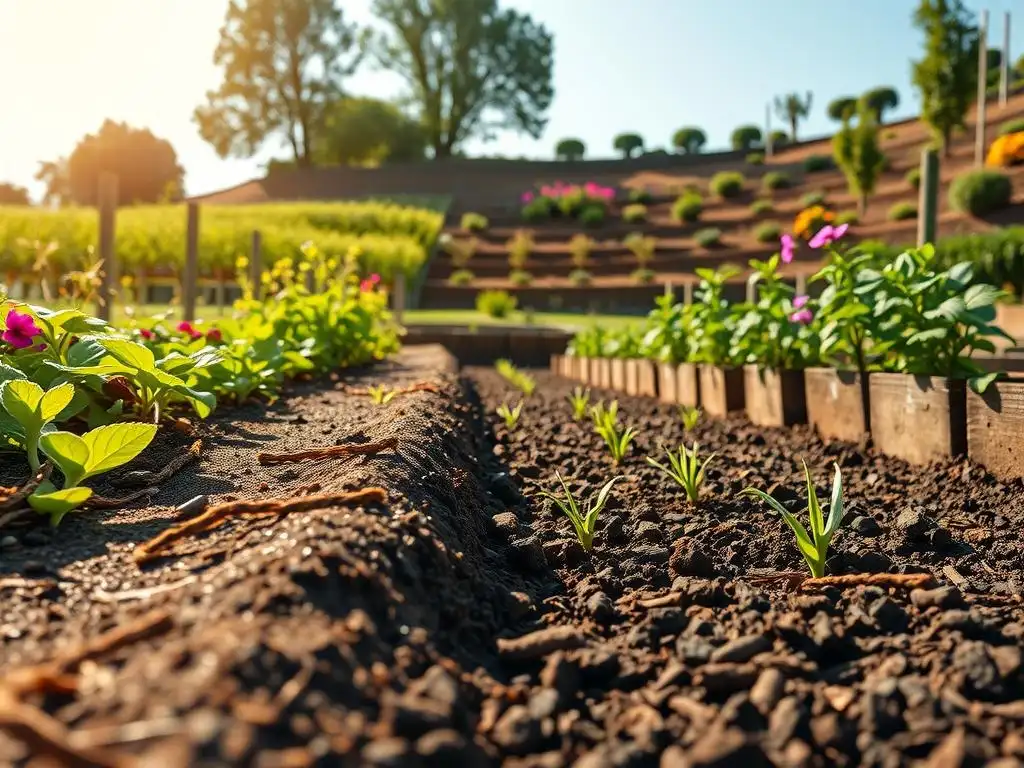
This section explores the best soil conservation methods specifically tailored for home cultivators, focusing on sustainable and organic practices to protect this precious resource. Maintaining healthy soil is paramount for successful home gardening, impacting everything from yield and fruit/vegetable quality to the overall environmental impact of your cultivation efforts. We’ll delve into practical techniques you can implement immediately to improve your soil's health and longevity. Implementing these methods contributes significantly to the long-term viability and productivity of your garden. Remember, healthy soil equals healthy plants!
Implementing No-Till Gardening Techniques
No-till gardening is a revolutionary approach that minimizes soil disturbance. Instead of tilling or plowing, you directly plant seeds or seedlings into the existing soil, leaving the soil structure largely intact. This method offers numerous advantages for soil conservation:
- Reduced Erosion: Tilling exposes soil to the elements, making it vulnerable to wind and water erosion. No-till gardening significantly reduces this risk, protecting topsoil and its vital nutrients. Studies have shown that no-till farming can reduce erosion rates by up to 90% compared to conventional tillage.
- Improved Soil Structure: Consistent tilling destroys soil aggregates, leading to compaction and reduced water infiltration. No-till practices preserve the natural soil structure, promoting better aeration and water retention. This results in healthier root systems and improved plant growth.
- Enhanced Biodiversity: No-till gardening encourages a more diverse soil ecosystem. Leaving plant residue on the soil surface provides habitat for beneficial microorganisms, earthworms, and other organisms that contribute to soil health. This biodiversity is crucial for nutrient cycling and disease suppression.
- Increased Organic Matter: Decomposing plant material from previous crops adds organic matter to the soil, improving its fertility and water-holding capacity. This continuous improvement of the soil's organic matter content is a cornerstone of sustainable agriculture and a key benefit of no-till methods.
Implementing no-till requires some initial adjustments, such as careful weed management and potentially using more mulch. However, the long-term benefits for soil conservation and overall garden productivity far outweigh the initial effort. Consider using techniques like broadfork gardening as a gentler alternative to traditional tilling.
Utilizing Cover Crops to Improve Soil Health
Cover crops are plants specifically grown to improve soil health, rather than for direct harvest. These plants, planted between main crops or during fallow periods, offer several benefits for soil conservation:
- Erosion Prevention: Cover crops provide a protective layer over the soil, preventing erosion from wind and rain. Their dense root systems also help to bind the soil together, increasing its stability. Examples of excellent cover crops for erosion control include rye, vetch, and clover.
- Nutrient Cycling: Cover crops effectively extract nutrients from deeper soil layers, making them available to subsequent crops. When they are incorporated into the soil (through tilling or by simply cutting and leaving them in place), these nutrients are released, fertilizing your garden naturally. Leguminous cover crops, such as clover and alfalfa, also fix nitrogen from the atmosphere, further enriching the soil.
- Weed Suppression: Dense cover crops can effectively suppress weed growth, reducing competition for resources and minimizing the need for herbicides. This reduces the environmental impact of your gardening practices and contributes to sustainable soil management.
- Improved Soil Structure: Cover crop roots help improve soil structure by creating channels that enhance aeration and water infiltration. This leads to better root growth and overall plant health in subsequent crops.
Choosing the right cover crop for your specific soil type and climate is crucial. Consider factors like your growing season, soil conditions, and the specific needs of your main crops when selecting a cover crop. Many gardeners rotate different cover crops throughout the year to maximize benefits.
Mulching Strategies for Soil Moisture Retention and Erosion Control
Mulching is the practice of covering the soil surface with organic material, such as straw, wood chips, or shredded leaves. This simple technique offers significant benefits for soil conservation:
- Moisture Retention: Mulch acts as a barrier, reducing evaporation from the soil and helping to retain moisture. This is particularly important in drier climates or during periods of drought. Maintaining soil moisture reduces the need for frequent watering, conserving water resources and promoting healthier plant growth.
- Erosion Control: A layer of mulch protects the soil from the impact of raindrops, preventing soil compaction and erosion. It also helps to stabilize the soil surface, reducing the risk of wind erosion. The thickness of the mulch layer is crucial; a thicker layer provides better protection.
- Weed Suppression: Mulch can significantly reduce weed growth by blocking sunlight and preventing weed seeds from germinating. This reduces competition for resources and minimizes the need for herbicides, contributing to a more sustainable gardening approach.
- Improved Soil Health: As the mulch decomposes, it adds organic matter to the soil, improving its structure, fertility, and water-holding capacity. This contributes to the long-term health and productivity of your garden.
Different mulches have varying decomposition rates, affecting their impact on soil nutrients. For example, straw decomposes relatively quickly, while wood chips decompose more slowly. Choose a mulch appropriate for your needs and gardening style. Experiment with different types of mulch to find what works best for your specific situation and soil type. Remember that consistent mulching is key to maximizing its benefits for soil conservation and overall garden health.
Optimizing Water Management for Soil Conservation
Efficient water management is paramount for soil conservation. Water erosion is a significant threat, washing away topsoil and vital nutrients. Implementing strategies to minimize runoff and maximize water infiltration is crucial for healthy soil. This involves understanding your soil type; sandy soils drain quickly, requiring more frequent but less intense watering, while clay soils retain water longer and need less frequent, deeper watering. Ignoring these differences can lead to either waterlogging or desiccation, both detrimental to plant health and soil structure.
One effective method is to utilize mulch. Organic mulches like straw, wood chips, or shredded leaves act as a sponge, absorbing rainfall and reducing surface runoff. They also help regulate soil temperature, preventing extreme fluctuations that can damage soil organisms. The thickness of the mulch layer should be adjusted based on the climate and soil type; a thicker layer is generally needed in drier climates or for sandy soils. Furthermore, the type of mulch should be chosen carefully, considering its decomposition rate and potential impact on soil pH.
Another key aspect of water management is the adoption of water-wise irrigation techniques. Drip irrigation, for instance, delivers water directly to the plant roots, minimizing evaporation and runoff. This method is particularly effective for conserving water in arid or semi-arid regions. Soaker hoses are another excellent choice, providing a gentle, consistent supply of moisture to the soil. In contrast, overhead sprinkler systems are far less efficient, often leading to significant water loss through evaporation and overwatering. Careful consideration of the timing of irrigation is also crucial; watering during the cooler parts of the day can help reduce evaporation losses.
Beyond irrigation techniques, the creation of swales and terraces can significantly improve water management on sloped land. Swales are shallow channels that direct water flow, slowing down runoff and promoting infiltration. Terraces, on the other hand, create level platforms on slopes, reducing the gradient and minimizing erosion.
These techniques are particularly beneficial in areas prone to heavy rainfall or flooding. Properly designed swales and terraces can significantly enhance water retention and reduce the risk of soil erosion, contributing significantly to long-term soil health. Careful planning and implementation are key to the success of these methods, taking into account the specific topography of the land.
Advanced Soil Conservation Strategies
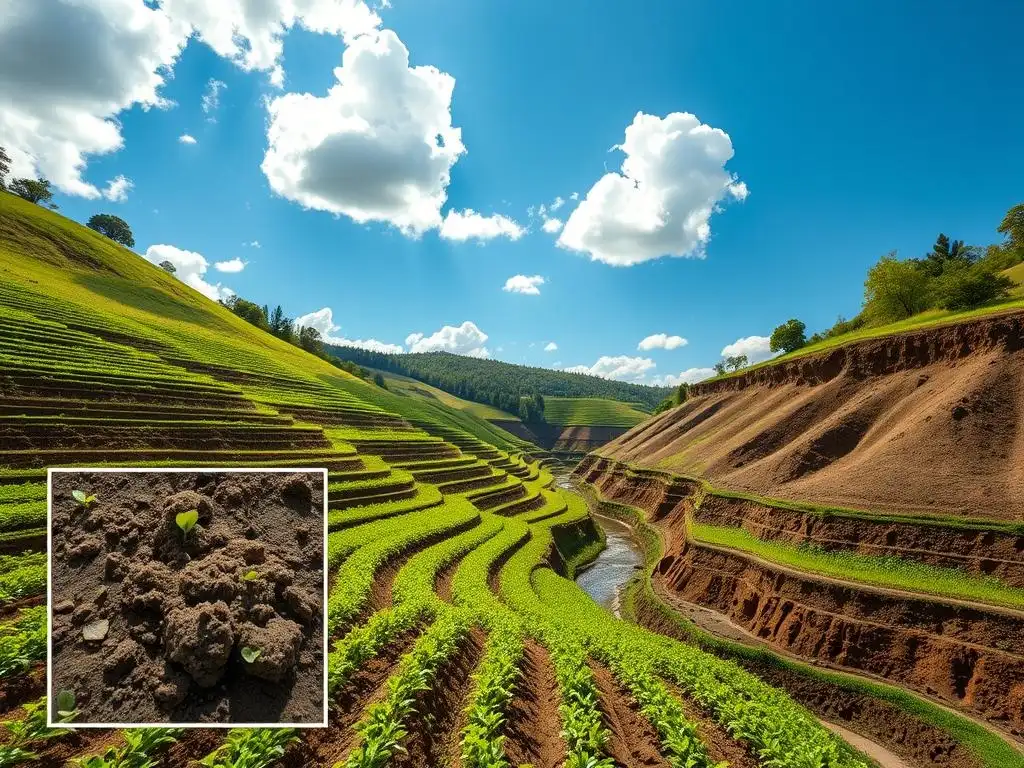
This section delves into more sophisticated soil conservation methods suitable for dedicated home cultivators aiming for optimal soil health and long-term productivity. These techniques go beyond basic practices and offer significant advantages for maintaining fertile and resilient soil, ultimately leading to healthier and more abundant harvests. Mastering these techniques will elevate your gardening game and contribute significantly to the sustainability of your food production. We'll focus on techniques that are both effective and readily implementable in a home gardening setting, positioning you as a champion of "best soil conservation methods."
Implementing Crop Rotation for Nutrient Management
Crop rotation is a cornerstone of sustainable agriculture and a powerful tool for improving soil health. It involves planting different types of crops in a planned sequence on the same piece of land over several growing seasons. This strategic approach prevents nutrient depletion and reduces the build-up of pests and diseases.
Different plant families have varying nutrient requirements and root systems. For example, legumes (like beans and peas) are nitrogen-fixing plants, meaning they enrich the soil with nitrogen. Following a legume crop with a heavy feeder, such as tomatoes or peppers, ensures that the subsequent crop has access to readily available nitrogen. Conversely, heavy feeders deplete the soil of certain nutrients; rotating them with less demanding crops helps balance nutrient levels.
Consider this example of a three-year crop rotation plan:
| Year | Crop Type | Nutrient Impact | Pest/Disease Considerations |
|---|---|---|---|
| 1 | Legumes (beans) | Nitrogen-fixing | Relatively low |
| 2 | Root vegetables (carrots) | Moderate nutrient uptake | Different pest profile than legumes |
| 3 | Brassicas (cabbage) | Moderate nutrient uptake | Different pest profile than legumes and root vegetables |
Implementing a well-planned rotation significantly reduces the need for synthetic fertilizers, aligning perfectly with organic and sustainable gardening principles. Careful planning, considering the specific nutrient demands of your chosen crops and the history of your garden plot, is crucial for maximizing the benefits of crop rotation. Remember to track your crop rotations to ensure you avoid planting the same or similar crops consecutively in the same area.
Utilizing Organic Compost and Manure for Soil Enrichment
Organic compost and manure are invaluable assets in soil conservation. They act as natural soil amendments, improving soil structure, water retention, and nutrient availability. Compost, produced from decomposing organic matter, provides a rich source of nutrients and beneficial microorganisms. Manure, from herbivores such as cows, horses, or chickens, offers a similar range of benefits, although its nutrient composition and potential pathogen load varies depending on the source animal.
The benefits extend beyond nutrient provision. Compost and manure enhance soil structure by improving aeration and water infiltration. This is particularly beneficial in heavy clay soils, where poor drainage can hinder plant growth. Furthermore, the organic matter in compost and manure promotes the growth of beneficial soil organisms, contributing to a healthier and more resilient soil ecosystem.
When incorporating compost and manure, aim for a balanced approach. Over-application can lead to nutrient imbalances, so understanding your soil's specific needs is crucial. Soil testing can help determine the optimal amount of organic matter to add. Remember to always use well-rotted compost and manure to avoid introducing weed seeds or harmful pathogens into your garden. The addition of these organic materials is a key component of achieving "best soil conservation methods" in your home garden.
Practicing Contour Farming and Terracing on Slopes
For gardeners with sloping land, contour farming and terracing are crucial for preventing soil erosion. Contour farming involves plowing and planting crops along the contours of the slope, creating a series of level ridges that follow the natural curve of the land. This slows down water runoff, reducing the erosive force of water and allowing more water to infiltrate the soil.
Terracing involves creating a series of level platforms or terraces on a slope. These terraces act as barriers to water runoff, preventing erosion and creating level areas for planting. Terracing is more labor-intensive than contour farming but can be very effective in areas with steep slopes. Both techniques are particularly relevant for sustainable agriculture and are integral to the "best soil conservation methods".
The effectiveness of contour farming and terracing depends on proper implementation. Careful planning and consideration of the slope's gradient are essential. Maintaining the terraces and ensuring proper drainage within each terrace is also crucial for preventing waterlogging and further erosion. While these techniques may require more initial effort, the long-term benefits in soil conservation and crop yields are undeniable. They represent a significant step towards sustainable and productive gardening on sloping land.
Integrating Beneficial Microorganisms to Improve Soil Structure
Beneficial microorganisms, such as mycorrhizal fungi and nitrogen-fixing bacteria, play a crucial role in soil health and structure. These microscopic organisms form symbiotic relationships with plant roots, enhancing nutrient uptake and improving soil aggregation. Mycorrhizal fungi, for instance, extend the reach of plant roots, effectively increasing their access to water and nutrients, particularly phosphorus, which is often immobile in the soil. This leads to healthier, more vigorous plants, better able to withstand drought and disease. The improved root system also contributes significantly to better soil structure, preventing erosion and improving water infiltration.
The benefits extend beyond nutrient acquisition. Mycorrhizal networks also act as a kind of "underground internet," connecting plants and facilitating the exchange of nutrients and signals between them. This interconnectedness enhances overall ecosystem resilience.
Similarly, nitrogen-fixing bacteria convert atmospheric nitrogen into a form usable by plants, reducing the need for synthetic fertilizers, a major contributor to soil degradation. These bacteria often reside in root nodules of leguminous plants (peas, beans, clover), enriching the soil with nitrogen after the plants die and decompose. This natural fertilization process is a cornerstone of sustainable agriculture and a key component of effective soil conservation.
Incorporating beneficial microorganisms into your soil can be achieved through various methods. Cover cropping with legumes is a straightforward and highly effective approach. The roots of these plants harbor nitrogen-fixing bacteria, leaving behind a legacy of nitrogen-rich organic matter when they decompose.
Another strategy is the use of compost tea, a liquid brew teeming with beneficial microbes, which can be applied directly to the soil. Compost itself is another rich source of these microorganisms, providing a slow-release of beneficial organisms into the soil over time. Furthermore, avoiding practices that disrupt the soil's natural microbial community, such as excessive tillage, is equally important for maintaining a thriving population of beneficial microorganisms.
By nurturing these tiny allies, we can significantly improve soil structure and fertility, fostering healthier plants and a more sustainable approach to gardening. The long-term impact on soil conservation is undeniable, contributing to a more resilient and productive ecosystem. Understanding and utilizing these natural processes is key to achieving the best soil conservation methods.
Choosing the Right Soil Conservation Method for Your Garden
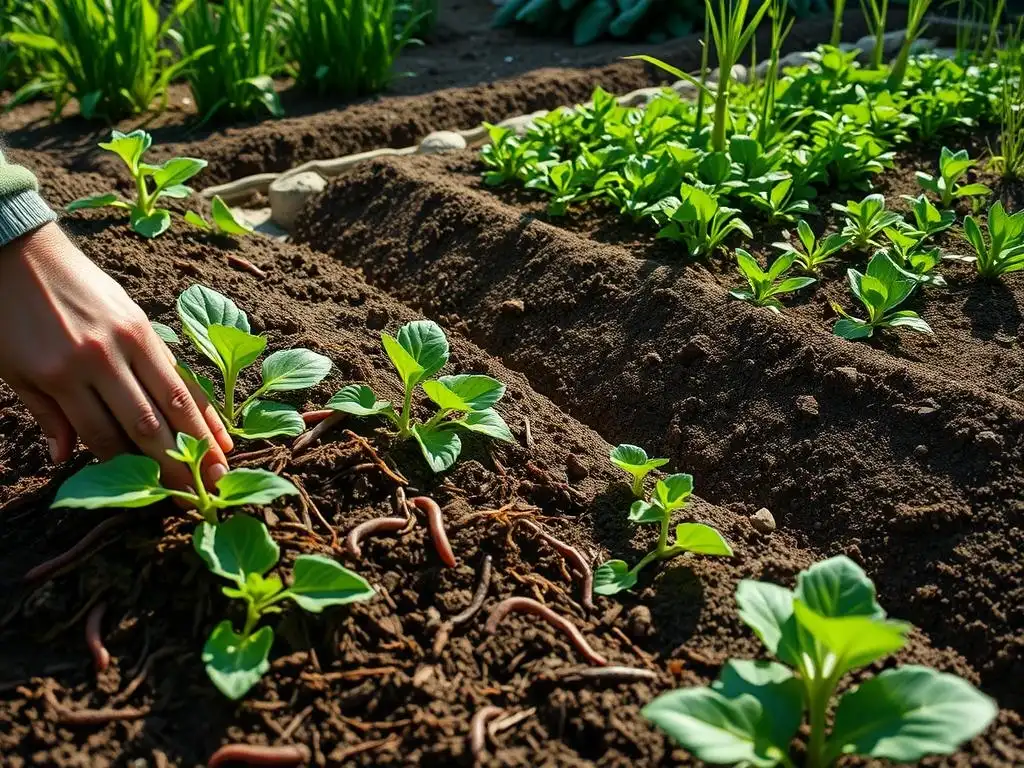
Selecting the best soil conservation methods for your home garden requires careful consideration of several factors. Ignoring these crucial elements can lead to ineffective practices and even damage to your precious soil. This section will guide you through the process, helping you choose techniques perfectly suited to your unique gardening situation. Remember, the goal is to improve soil health, prevent erosion, and enhance water retention – all vital components of sustainable gardening. Finding the right balance between these goals and your specific circumstances is key.
Assessing Your Soil Type and Conditions
Before implementing any soil conservation technique, understanding your soil's characteristics is paramount. Different soil types react differently to various methods. For example, sandy soils, prone to rapid drainage and erosion, require different approaches than clay soils, which can become waterlogged and compacted.
Conduct a simple soil test to determine your soil's texture (sandy, silty, clay, or loamy), pH level, and nutrient content. This information will inform your choice of conservation techniques. For instance:
- Sandy soils: Benefit greatly from the addition of organic matter like compost to improve water retention and structure. No-till gardening and cover cropping are also excellent choices for preventing erosion.
- Clay soils: Require methods that improve drainage and aeration, such as adding organic matter, incorporating gypsum, and avoiding excessive compaction through foot traffic or heavy machinery.
- Loamy soils: Generally considered ideal, but still benefit from practices like mulching to conserve moisture and suppress weeds, thereby reducing soil disturbance.
Consider also the existing slope of your garden. Steeper slopes are more susceptible to erosion, necessitating more aggressive conservation measures like terracing or contour gardening. Additionally, observe your garden's drainage patterns. Poor drainage can lead to waterlogging and nutrient leaching, impacting plant health and necessitating techniques like raised beds or improved drainage systems. Understanding these conditions is crucial for selecting the most effective soil conservation strategy. Remember, a healthy soil ecosystem is the foundation for a thriving garden. 🌱
Considering Your Garden's Size and Layout
The size and layout of your garden significantly impact the feasibility and practicality of different soil conservation methods. Large gardens might benefit from more extensive techniques like terracing or swales, while smaller spaces might be better suited to simpler methods like mulching or companion planting.
Consider these points:
- Space limitations: In smaller gardens, techniques like raised beds, container gardening, and vertical gardening can minimize soil disturbance and maximize space utilization. These often require less intensive soil conservation methods.
- Garden shape and orientation: The shape and orientation of your garden can influence sun exposure, wind patterns, and water runoff. Consider how these factors might affect erosion and choose techniques that mitigate potential problems. For example, windbreaks can protect against wind erosion, especially in exposed areas.
- Accessibility: Choose methods that are easily manageable within your physical capabilities and time constraints. Some techniques, like terracing, require significant physical effort and may not be suitable for everyone.
Selecting Appropriate Techniques Based on Your Gardening Goals
Your gardening goals play a crucial role in determining the best soil conservation methods. Are you focused on maximizing yield, minimizing water usage, or simply improving soil health? Your priorities will shape your approach.
Here's a breakdown of how different goals influence technique selection:
| Gardening Goal | Suitable Soil Conservation Methods | Considerations |
|---|---|---|
| Maximize Yield | Mulching, composting, cover cropping, crop rotation | Ensure nutrient-rich soil and sufficient water retention. |
| Minimize Water Usage | Mulching, cover cropping, water harvesting, drip irrigation | Reduce water evaporation and improve soil water-holding capacity. |
| Improve Soil Health | No-till gardening, composting, cover cropping, adding organic matter | Focus on enhancing soil structure, fertility, and biodiversity. |
| Prevent Erosion | Terracing, contour gardening, windbreaks, cover cropping | Address specific erosion risks based on your garden's slope and conditions. |
Remember, many soil conservation techniques are complementary. Combining several methods often yields the best results. For example, combining mulching with cover cropping provides both moisture retention and soil protection against erosion. By carefully considering your soil type, garden size, and gardening goals, you can effectively choose and implement the best soil conservation methods for a healthy and productive garden.
Evaluating the Long-Term Sustainability of Your Chosen Methods
Choosing soil conservation methods isn't a one-time decision; it's an ongoing commitment. The best methods are those that not only provide immediate benefits but also contribute to the long-term health and productivity of your garden soil. Sustainability in this context means ensuring the soil remains fertile, resilient, and capable of supporting healthy plant growth for years to come. This requires careful consideration of several factors.
One crucial aspect is the impact on soil biodiversity. Some methods, like intensive tilling, can disrupt the delicate balance of microorganisms crucial for nutrient cycling and soil structure. Conversely, techniques like no-till farming and cover cropping actively promote biodiversity, leading to healthier and more resilient soil in the long run. Consider the impact your chosen method will have on the complex ecosystem within your soil. Are you fostering a thriving community of beneficial organisms, or are you inadvertently harming it?
Another key factor is the environmental footprint of your chosen method. Some practices, like the use of synthetic fertilizers and pesticides, can have significant negative environmental consequences. These chemicals can contaminate groundwater, harm beneficial insects, and contribute to greenhouse gas emissions. Sustainable soil conservation prioritizes environmentally friendly approaches, minimizing the use of harmful chemicals and relying instead on natural methods like composting and crop rotation. Think about the long-term effects your methods will have on the wider environment beyond your garden.
Finally, the economic viability of your chosen method should be considered. While some sustainable practices might require a higher initial investment, they often lead to long-term cost savings. For example, investing in quality compost can reduce or eliminate the need for expensive chemical fertilizers. Similarly, adopting no-till farming can reduce fuel costs associated with tilling equipment.
Evaluate the initial and long-term costs associated with each method to determine the most economically sound and sustainable approach for your specific needs and resources. A truly sustainable method is one that is both environmentally responsible and economically feasible over the long term. Careful planning and assessment will ensure your chosen method contributes to a healthy and productive garden for many years to come. Remember, the best "best soil conservation methods" are those that work best for your garden and environment, and are sustainable for many harvests to come.
Monitoring and Maintaining Soil Health
Effective soil conservation isn't a one-time event; it's an ongoing process requiring diligent monitoring and adjustments. Regularly assessing your soil's health allows you to identify potential problems early and implement corrective measures before they significantly impact your crops. This proactive approach ensures the long-term fertility and productivity of your garden, aligning with the best soil conservation methods. Ignoring soil health can lead to decreased yields, increased pest vulnerability, and ultimately, soil degradation.
Regularly Testing Your Soil's pH and Nutrient Levels
Regular soil testing is paramount for understanding your soil's nutritional profile and pH balance. These factors directly influence plant health and growth. Ideally, you should conduct a comprehensive soil test at least once a year, preferably in the fall after harvesting, to prepare for the next growing season. This test should analyze the levels of essential macronutrients (nitrogen, phosphorus, potassium) and micronutrients (iron, manganese, zinc, etc.). Additionally, it should determine the soil's pH level. A soil pH meter can provide a quick reading, but a laboratory test offers a more detailed analysis.
A slightly acidic to neutral pH (between 6.0 and 7.0) is generally ideal for most vegetables and herbs. However, certain plants prefer specific pH ranges. Knowing your soil's pH enables you to amend it accordingly using lime to raise pH or sulfur to lower it. Similarly, the nutrient analysis reveals deficiencies that can be addressed with targeted organic fertilizers or compost teas.
For example, if your test reveals low nitrogen levels, you can incorporate nitrogen-rich compost or use a nitrogen-based fertilizer. Remember, using organic amendments is crucial for sustainable soil conservation. Ignoring these essential tests can lead to suboptimal plant growth and reduced yields.
Using a simple soil testing kit at home can provide a quick overview, but sending a sample to a professional laboratory is usually more accurate and will offer a more comprehensive analysis. This will provide valuable insights into the precise nutrient levels and pH, allowing for better informed decisions regarding soil amendments.
Observing Plant Growth and Health as Indicators of Soil Quality
Beyond laboratory tests, keen observation of your plants provides valuable real-time feedback on your soil's health. Vigorous, healthy plants are a strong indicator of fertile, well-balanced soil. Conversely, stunted growth, yellowing leaves (chlorosis), or other signs of stress often point to underlying soil issues.
- Chlorosis: Yellowing leaves often indicate a nutrient deficiency, such as iron or magnesium. This is a common sign that your soil needs amendment.
- Stunted Growth: Slow or stunted growth might signal compacted soil, poor drainage, or nutrient imbalance.
- Wilting: Frequent wilting, even with adequate watering, suggests problems with root development, potentially due to soil compaction or poor aeration.
- Pest and Disease Susceptibility: Weak plants are more susceptible to pests and diseases. Healthy soil fosters strong, resilient plants better equipped to fight off invaders.
By carefully monitoring your plants' appearance and growth patterns, you can detect potential soil problems early and take corrective action. For instance, if you notice widespread chlorosis, you might suspect an iron deficiency and amend the soil with an iron chelate. This proactive approach minimizes the negative impacts on your crops and contributes to better soil conservation practices. Regular observation is an integral part of responsible gardening and implementing the best soil conservation methods.
Adapting Your Soil Conservation Strategies as Needed
Soil conditions are dynamic and influenced by various factors, including weather patterns, plant uptake, and the type of amendments used. Therefore, your soil conservation strategies need to be flexible and adaptable. The best soil conservation methods aren't static; they evolve with your understanding of your soil's needs.
Regular monitoring, coupled with the data from soil tests and plant observations, allows you to fine-tune your approach over time. For example:
- Compaction: If you observe poor drainage and stunted growth, you might need to incorporate organic matter like compost to improve soil structure and aeration.
- Erosion: If you notice soil erosion, you might need to implement erosion control measures such as cover cropping or terracing.
- Nutrient Depletion: Continuous monitoring and testing will help you adjust fertilization strategies to avoid nutrient depletion.
Adapting your strategies based on ongoing monitoring ensures the long-term health and productivity of your soil. This iterative process is critical for successful and sustainable gardening, aligning with the best soil conservation methods and ensuring a thriving garden for years to come. Remember, patience and observation are key to achieving optimal soil health and maximizing your harvest. 🌱
Implementing Preventative Measures Against Soil Erosion and Degradation
Soil erosion and degradation are significant threats to long-term soil health and sustainable food production. Implementing preventative measures is far more effective and cost-efficient than dealing with the consequences of degraded soil. Proactive strategies focus on minimizing the factors that contribute to soil loss and damage, ensuring the longevity and productivity of your garden or farm. These measures are crucial for achieving the best soil conservation methods and maintaining a thriving ecosystem.
One of the most effective preventative measures is cover cropping. Cover crops, such as clover, rye, or vetch, are planted to protect the soil during fallow periods (when the land is not actively used for growing a main crop). These plants shield the soil surface from the impact of rain and wind, reducing erosion. Furthermore, their roots help bind the soil together, improving its structure and preventing compaction.
The decomposition of cover crops also adds valuable organic matter, enhancing soil fertility and water retention. Choosing a diverse mix of cover crops can optimize their effectiveness and address specific soil needs. For instance, legumes like clover fix nitrogen in the soil, reducing the need for synthetic fertilizers – a key element in sustainable gardening.
Another crucial preventative measure is crop rotation. Rotating different types of crops throughout the growing seasons prevents the depletion of specific nutrients and minimizes the risk of pest and disease build-up. Different plant types have different root systems and nutrient requirements, leading to improved soil structure and fertility over time.
For example, rotating legumes with heavy feeders like tomatoes or peppers helps replenish nitrogen levels naturally. Careful planning of crop rotations is essential for maximizing the benefits of this method and ensuring a balanced approach to soil health. Understanding the specific nutrient needs of different plants is key to creating an effective rotation plan.
Careful water management is also essential in preventing soil erosion and degradation. Avoid overwatering, which can lead to waterlogging and nutrient leaching. Instead, opt for efficient irrigation techniques like drip irrigation or soaker hoses, which deliver water directly to the roots, minimizing runoff and soil erosion.
Mulching also plays a crucial role by reducing evaporation and preventing soil compaction from heavy rainfall. Organic mulches, such as straw or wood chips, further enhance soil health by slowly decomposing and adding organic matter. Proper water management is particularly important in areas prone to drought or heavy rainfall, adapting techniques to the specific climate conditions.
Finally, terracing and contour farming are invaluable techniques for sloping land. Terracing involves creating level platforms on slopes to reduce the speed of water runoff, minimizing erosion. Contour farming involves planting crops along the contours of the slope rather than up and down, further slowing water flow and preventing soil loss. These methods are particularly effective in hilly or mountainous areas where erosion is a significant concern.
The design and implementation of these techniques require careful planning and consideration of the land's topography to maximize their effectiveness. These techniques represent a long-term investment in soil conservation, minimizing the need for more intensive interventions in the future. They are a cornerstone of sustainable land management practices.
Frequently Asked Questions
What are the best soil conservation methods for home gardeners?
The best methods depend on your specific needs and soil type, but generally include cover cropping to prevent erosion and improve soil structure, mulching to retain moisture and suppress weeds, and crop rotation to maintain soil fertility. Consider no-till gardening to minimize soil disturbance.
How does cover cropping help conserve soil?
Cover crops, like legumes or rye, protect the soil surface from wind and rain erosion. Their roots improve soil structure, and when tilled under, they add organic matter, enriching the soil with nutrients.
What's the importance of mulching in soil conservation?
Mulching, using materials like straw or wood chips, reduces water evaporation, suppresses weed growth, and protects the soil from compaction and erosion. It also helps regulate soil temperature.
How can crop rotation improve soil health and conservation?
Rotating crops helps to break pest and disease cycles and prevent nutrient depletion. Different plants have different nutrient needs, so rotating ensures a balanced soil ecosystem and prevents erosion from monoculture planting.
Are there any specific tools or equipment helpful for soil conservation?
While not strictly necessary, tools like a broadfork minimize soil disruption during planting, promoting better soil structure. A mulch spreader can efficiently apply mulch, saving time and effort. Investing in a composter is key for creating nutrient-rich soil amendments.
Final Reflection: Nurturing the Earth, Securing Our Future
The health of our soil is not merely an agricultural concern; it is the bedrock of our entire ecosystem and future food security. Ignoring the degradation of our precious topsoil is akin to ignoring the foundation upon which our civilization rests. The methods discussed – from no-till farming to cover cropping and agroforestry – are not just best practices; they are essential survival strategies for a world facing increasing climate instability and population growth.
The profound impact of soil erosion on global food security and environmental stability is undeniable, a truth felt acutely in communities worldwide struggling with desertification and land degradation. The land is what gives us life. It is the source of our food, our water, and our shelter. We must protect it as if our lives depended on it, because they do.
This simple statement encapsulates the urgency and importance of adopting sustainable soil conservation techniques. The shift towards regenerative agriculture is not just a trend; it's a necessary evolution in our relationship with the land, one that demands our collective attention and action.
Consider the choices you make daily, from the food you consume to the products you buy. Each decision has a ripple effect, influencing the demand for sustainable agricultural practices. Let this article serve as a catalyst for change, inspiring you to advocate for soil conservation in your community, to support farmers who prioritize soil health, and to make conscious choices that reflect a commitment to a healthier planet. The future of our soil, and indeed our future, rests in our hands.
Unlock Your Garden's Potential: Grow a Healthier Future
Thank you for investing your time in learning about soil conservation! You've gained valuable knowledge to protect this precious resource. Let's put that knowledge into action. Here's how:
- Start composting today! This simple act dramatically improves soil health and reduces waste—a win-win for your garden and the planet. It's the cornerstone of sustainable gardening.
- Choose cover crops suited to your region. This will protect your soil even when not actively growing crops.
- Share this article with a friend—let's build a community dedicated to healthy soil. Imagine the impact we can achieve together!
What small step will you take today to nurture your soil and help ensure a thriving future for your garden and our planet?