
The Ultimate Guide to Eating Seasonally with Your Own Garden

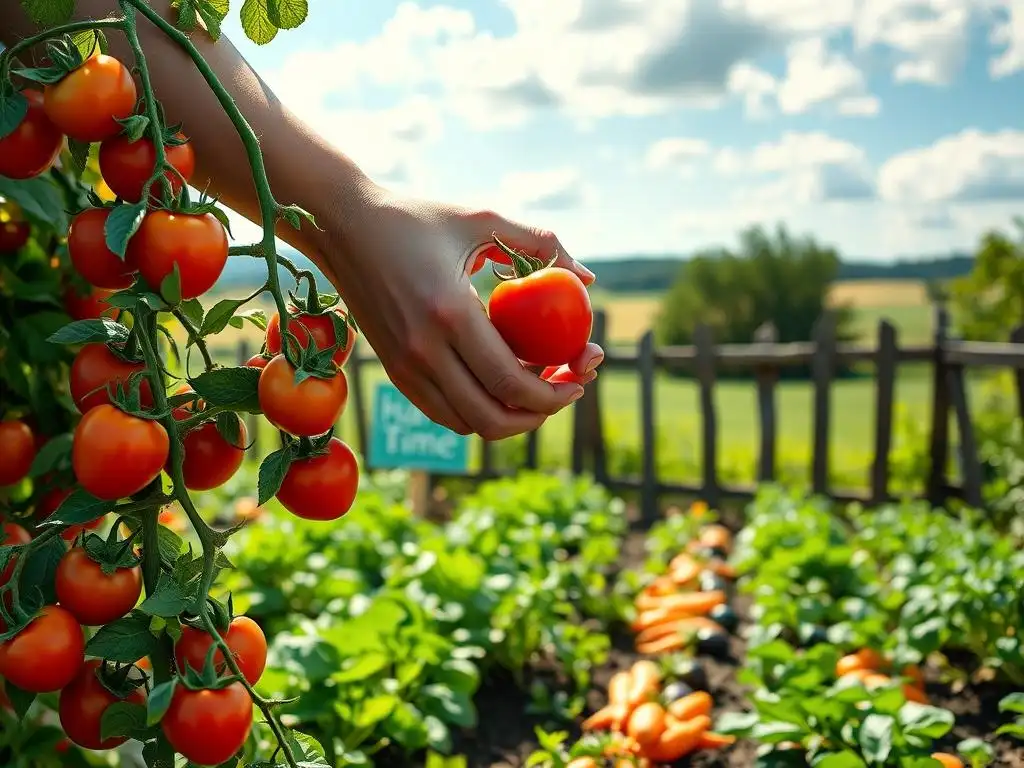
Welcome to CultivateYourFood, your guide to a thriving, sustainable home garden! Are you ready to experience the unparalleled joy of harvesting your own fresh fruits, vegetables, and herbs? Our Seasonal garden planning guide unlocks the secrets to maximizing your yield and enjoying nature's bounty year-round. Discover how simple, organic practices can transform your backyard into a vibrant oasis of flavor and abundance. Let's cultivate a healthier, more fulfilling life, together.
- Understanding Seasonal Eating and its Benefits
- Planning Your Seasonal Garden: A Step-by-Step Guide
- Planting and Maintaining Your Seasonal Garden
- Harvesting and Preserving Your Seasonal Bounty
-
Expanding Your Seasonal Garden: Advanced Techniques
- Crop Rotation for a Healthy and Productive Seasonal Garden
- Companion Planting for Enhanced Growth and Pest Control in Your Seasonal Garden
- Utilizing Vertical Gardening Techniques for Space Optimization
- Extending the Growing Season: Techniques for Early and Late Harvests
- Utilizing Greenhouses and Cold Frames to Extend the Growing Season
- Seasonal Garden Planning Guide: Resources and Further Learning
- Frequently Asked Questions
- Final Reflection: Harvesting the Bounty of Time and Place
- Unlock Your Garden's Bounty: Start Growing Today!
Understanding Seasonal Eating and its Benefits
Embracing a seasonal diet, fueled by your own homegrown produce, offers a wealth of benefits extending far beyond simply enjoying fresh, flavorful food. This ultimate guide to seasonal garden planning will explore how aligning your gardening efforts with nature's rhythms can improve your health, benefit the environment, and deepen your connection with the natural world. We'll delve into practical strategies for planning your seasonal garden, ensuring a continuous harvest of delicious, nutritious, and sustainably grown fruits, vegetables, and herbs throughout the year.
This guide is tailored for those seeking to improve their diet with homegrown food, focusing on organic and sustainable practices, and ultimately, creating a thriving and productive seasonal garden. By understanding the principles of seasonal eating and incorporating them into your gardening practices, you can cultivate a healthier lifestyle, minimize your environmental impact, and savor the true taste of nature's bounty.
The Advantages of a Seasonal Diet for Health and Wellbeing
A seasonal diet, rich in locally grown produce, offers significant advantages for your health and wellbeing. Fruits and vegetables harvested at their peak ripeness contain higher concentrations of vitamins, minerals, and antioxidants. This is because produce grown in its natural season has had ample time to mature fully, resulting in a more nutrient-dense product. Consider the difference between a flavorless, imported tomato and a sun-ripened heirloom variety picked straight from your garden. The latter bursts with flavor and offers a significantly higher nutritional profile.
Furthermore, eating seasonally reduces your exposure to pesticides and herbicides. Produce grown locally is often subject to fewer chemical treatments than produce transported long distances. By growing your own organic produce, you have complete control over the growing process, eliminating the use of harmful chemicals entirely. This leads to a cleaner, healthier diet, contributing to overall improved wellness.
Seasonal eating also encourages variety in your diet. Each season brings its unique array of fruits and vegetables, promoting a balanced intake of different nutrients. This naturally diversified diet can support a stronger immune system and reduce the risk of nutrient deficiencies. Moreover, the act of planning and tending your garden itself contributes to mental and emotional wellbeing, offering a sense of accomplishment and connection to nature. The simple act of harvesting your own food provides a tangible link between your efforts and your health, enhancing your appreciation for the food you consume.
Environmental Benefits of Seasonal Gardening and Eating
Choosing to eat seasonally significantly reduces your carbon footprint. Locally sourced produce requires less transportation, resulting in lower greenhouse gas emissions compared to imported produce shipped across vast distances. Growing your own food further minimizes this impact, eliminating transportation altogether.
Seasonal gardening promotes biodiversity. By planting a variety of crops suited to your region and its seasons, you support the local ecosystem and help maintain the natural balance of your environment. This approach contrasts sharply with monoculture farming practices, which often deplete soil nutrients and harm beneficial insects and pollinators.
Composting food scraps from your harvest and garden waste creates nutrient-rich soil amendment, reducing the need for chemical fertilizers. This sustainable practice nourishes your garden while minimizing reliance on environmentally damaging synthetic products. Moreover, by reducing food waste through careful planning and preservation techniques, you contribute to a more sustainable food system. The mindful approach to growing and consuming seasonal food fosters a more responsible and environmentally conscious lifestyle.
Connecting with Nature Through Seasonal Food Choices
Eating seasonally fosters a deeper connection with the natural world and its rhythms. By observing the changing seasons and adjusting your garden accordingly, you gain a greater understanding of the natural cycles that govern plant growth and food production. This intimate knowledge enriches your experience of food, moving beyond mere consumption to a more holistic appreciation of the land and its bounty.
Planning your garden around seasonal availability encourages patience and observation. It requires you to anticipate the needs of your plants and adapt your strategies to changing weather conditions. This process promotes mindfulness and fosters a sense of connection with the natural world that extends beyond the simple act of gardening.
The fruits of your labor—literally—become a tangible representation of your efforts and your connection to the earth. The satisfaction of harvesting your own seasonal produce is deeply rewarding, bringing a sense of accomplishment and appreciation for the natural processes involved in food production. The entire process, from seed to plate, becomes a journey of discovery and connection.
Planning Your Seasonal Garden: A Step-by-Step Guide
This section provides a detailed, step-by-step guide to planning your seasonal garden, ensuring you harvest the most delicious and nutritious produce throughout the year. This guide is crucial for effective seasonal garden planning, maximizing your yield and minimizing wasted effort. We’ll cover everything from understanding your local climate to creating a precise planting schedule.
Assessing Your Climate and Growing Zone for Seasonal Garden Planning
Understanding your specific climate and growing zone is paramount for successful seasonal garden planning. This dictates which plants will thrive and when you can expect to plant and harvest. Neglecting this crucial step can lead to disappointing results, with plants failing to flourish or producing meager harvests.
First, determine your USDA Plant Hardiness Zone. This system divides North America into zones based on average annual minimum winter temperatures. You can easily find your zone online using a zip code lookup tool. Knowing your zone helps you select plants that can tolerate your region's winter conditions.
Next, consider your local microclimate. Even within a single zone, variations exist. Is your garden in full sun, partial shade, or full shade? Is it sheltered from strong winds? Is your soil well-drained, or does it tend to retain water? These factors significantly impact plant growth and should inform your seasonal garden planning.
For example, a garden located in a particularly windy area might require windbreaks to protect delicate plants. Conversely, a garden with poor drainage might need raised beds or amended soil to prevent root rot. Detailed observation and understanding of your unique growing conditions are key to maximizing your garden's potential. Careful consideration of these factors is a cornerstone of any successful seasonal garden planning guide.
Choosing the Right Vegetables and Herbs for Your Seasonal Garden
Selecting the right plants is fundamental to a successful seasonal garden planning strategy. Consider these factors:
- Your Preferences: What vegetables and herbs do you enjoy eating the most? Prioritize those that you'll actually consume to avoid wasted space and effort.
- Your Growing Season: Research the growing season for each plant you're interested in. This information, readily available online and in gardening books, will help you determine when to plant for optimal harvest.
- Space Considerations: Assess the available space in your garden and choose plants accordingly. Consider the mature size of each plant to ensure adequate spacing for growth. Compact varieties are ideal for smaller spaces.
- Succession Planting: Plan for succession planting to ensure a continuous harvest throughout the growing season. This involves planting multiple crops of the same vegetable at different times, ensuring a steady supply. For example, you might plant lettuce seeds every two weeks for a continuous harvest.
- Crop Rotation: Rotate your crops annually to improve soil health and prevent the buildup of pests and diseases. This is a key aspect of sustainable gardening practices.
Creating a Seasonal Planting Schedule: A Month-by-Month Guide
A detailed planting schedule is essential for successful seasonal garden planning. This schedule should outline what to plant each month, considering your specific climate and the maturity times of your chosen plants.
Below is a sample schedule; remember to adapt it to your specific growing zone and microclimate:
| Month | Vegetables/Herbs to Plant | Notes |
|---|---|---|
| March | Lettuce, spinach, radishes, peas | Start seeds indoors for a head start. |
| April | Tomatoes, peppers, cucumbers, beans | Harden off seedlings before transplanting. |
| May | Summer squash, zucchini, corn | Plant after the last frost. |
| June | Basil, oregano, zucchini | Direct sow some herbs; continue succession planting. |
| July | Beans (second planting), melons | Monitor for pests and diseases. |
| August | Fall greens (kale, chard), carrots | Prepare for cooler temperatures. |
| September | Broccoli, cauliflower, Brussels sprouts | Plant cold-hardy crops. |
| October | Garlic, onions (fall planting) | Plant for next year's harvest. |
This month-by-month guide provides a framework. Remember to consult reliable resources specific to your region for precise planting dates and advice on your seasonal garden planning. Regular monitoring and adjustments will be necessary based on weather conditions and plant growth. Consistent attention to detail will yield the best results in your homegrown harvest. 🌱
Sourcing Seeds and Seedlings for Your Seasonal Garden
Choosing the right seeds and seedlings is paramount for a successful seasonal garden. This involves understanding your local climate and the specific needs of the plants you wish to cultivate. Starting from seeds offers a wider variety and often proves more economical, especially for larger gardens. However, it requires more patience and a deeper understanding of germination processes.
Seed packets usually provide detailed information on planting depth, spacing, and germination times – pay close attention to these details! Consider factors like your garden's sunlight exposure and soil type when selecting seeds. For example, sun-loving tomatoes need at least six hours of direct sunlight daily, while leafy greens thrive in partial shade.
Alternatively, purchasing seedlings from a local nursery or garden center offers a head start. Seedlings are already established plants, reducing the time to harvest. This option is ideal for beginners or those with limited time. When buying seedlings, inspect them carefully for any signs of disease or pests.
Look for healthy, vibrant plants with strong stems and no visible damage. Nurseries often offer advice on suitable varieties for your region and growing conditions; don't hesitate to ask for their expertise. Remember to choose varieties that are known to thrive in your specific climate zone, ensuring optimal growth and yield throughout the season. Consider heirloom varieties for unique flavors and increased biodiversity in your garden.
Preparing Your Soil for Optimal Seasonal Growth
Healthy soil is the foundation of a thriving seasonal garden. Before planting, invest time in preparing your soil to ensure optimal growth. This involves several key steps, starting with a soil test. A soil test will reveal the pH level and nutrient content of your soil, allowing you to amend it appropriately. Different plants have different pH preferences; for instance, blueberries prefer acidic soil (pH 4.5-5.5), while most vegetables prefer slightly acidic to neutral soil (pH 6.0-7.0). Addressing soil pH imbalances is crucial for nutrient uptake and overall plant health.
Next, consider soil amendment. Based on your soil test results, you may need to add organic matter like compost, aged manure, or peat moss to improve soil structure, drainage, and fertility. Compost is particularly beneficial as it adds essential nutrients and improves water retention. Avoid using chemical fertilizers unless absolutely necessary, prioritizing organic methods for sustainable gardening.
Properly amending your soil not only nourishes your plants but also contributes to a healthier ecosystem in your garden, supporting beneficial microorganisms and reducing the need for pesticides. Remember that healthy soil is rich in beneficial microbes crucial for plant growth and nutrient cycling. The process of soil preparation is an investment that will yield significant returns in the quality and abundance of your harvest. Consistent soil enrichment throughout the growing season will further enhance the health and productivity of your plants.
Planting and Maintaining Your Seasonal Garden
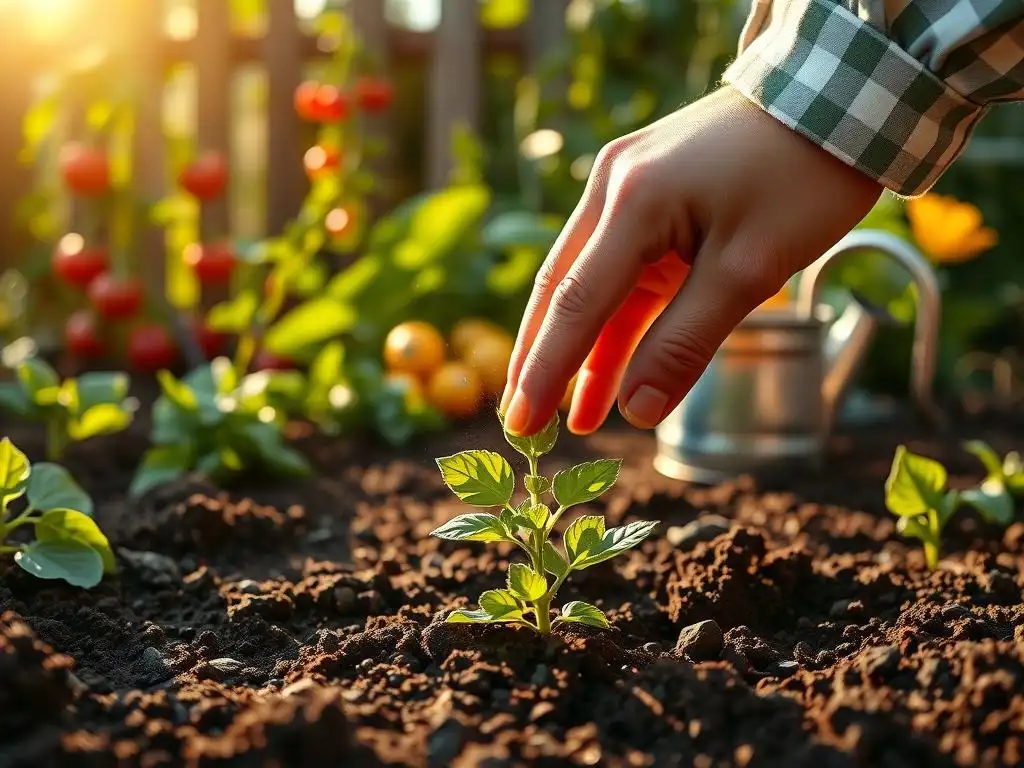
This section delves into the practical aspects of establishing and nurturing a vibrant seasonal garden, maximizing your yield and enjoyment of fresh, homegrown produce. We'll explore optimal planting techniques, essential tools, and the crucial role of proper watering and fertilization. Remember, consistent effort throughout the growing season is key to a successful harvest. This detailed approach will ensure your seasonal garden planning guide is complete and effective.
Optimal Planting Techniques for a Thriving Seasonal Garden
Successful seasonal gardening hinges on understanding the specific needs of each plant. Knowing your hardiness zone 🌱 is crucial for selecting varieties that will thrive in your climate. This will help you avoid planting frost-sensitive crops too early. Consider using a planting calendar tailored to your region – many online resources and gardening apps provide this valuable information.
Beyond climate, proper spacing is vital. Overcrowding leads to competition for resources, resulting in smaller yields and increased susceptibility to diseases. Follow the recommended spacing guidelines on seed packets or plant tags. For example, tomatoes generally need 18-24 inches between plants, while lettuce can be planted more closely.
Another critical aspect is soil preparation. Healthy soil is the foundation of a thriving garden. Before planting, amend your soil with compost or other organic matter to improve drainage, aeration, and nutrient content. A soil test can identify any deficiencies and guide your fertilization strategy. A rich, well-drained soil is the key to healthy plant growth and abundant harvests. This is crucial for your seasonal garden planning guide.
Consider using different planting methods to maximize space and yield. Techniques like companion planting (e.g., planting basil near tomatoes to deter pests) and succession planting (planting new crops as others mature) can significantly improve efficiency.
Essential Gardening Tools for Successful Seasonal Gardening
Investing in a few key gardening tools can greatly simplify the process and improve your results. These tools will become your trusted companions throughout the growing season. Building a well-equipped gardening arsenal is a cornerstone of effective seasonal garden planning.
Here's a list of essential tools:
- Hand Trowel: For digging small holes and transplanting seedlings.
- Gardening Gloves: Protecting your hands from dirt and thorns is essential.
- Watering Can: A crucial tool for providing consistent moisture to your plants. Consider a watering can with a rose head for gentle watering.
- Garden Hoe: For weeding and cultivating the soil around your plants.
- Pruning Shears: For trimming and shaping plants, removing dead or diseased parts.
- Wheelbarrow: For transporting soil, compost, and harvested produce.
This basic set will allow you to manage most gardening tasks efficiently. As your garden grows, you might consider adding other tools like a cultivator, a garden fork, or a soil testing kit. These additions can further improve your gardening efficiency and the results of your seasonal garden planning.
Watering and Fertilizing Your Seasonal Garden for Optimal Yield
Consistent watering and fertilization are essential for healthy plant growth and abundant harvests. Overwatering can lead to root rot, while underwatering can stunt growth. Aim for consistent moisture, but avoid soggy soil. The frequency of watering depends on factors like weather conditions, soil type, and plant type. Observe your plants carefully; drooping leaves often indicate a need for watering.
Fertilizing provides essential nutrients for optimal growth and fruit production. Organic fertilizers, such as compost tea and aged manure, are excellent choices for sustainable gardening. Follow the instructions on the fertilizer packaging carefully, as over-fertilizing can harm your plants. Consider using a balanced fertilizer that provides a good ratio of nitrogen (N), phosphorus (P), and potassium (K). Observe your plants for signs of nutrient deficiencies (e.g., yellowing leaves).
Adjust your fertilization strategy accordingly. Regular monitoring and adjusting your watering and fertilizing techniques is a crucial part of your seasonal garden planning guide. Consider keeping a garden journal to track your progress and adapt your methods as needed. This will help you optimize your techniques for future seasons.
Pest and Disease Control in Your Seasonal Garden: Organic Methods
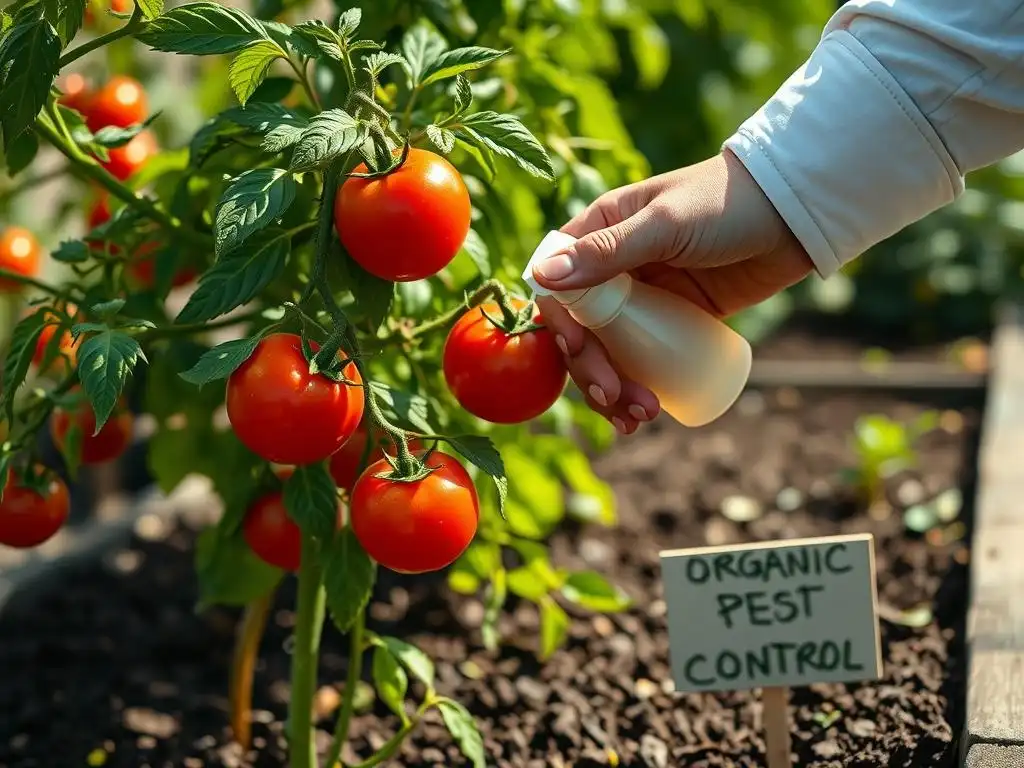
Maintaining a thriving seasonal garden requires a proactive approach to pest and disease control. Organic methods are crucial for preserving the health of your plants, the environment, and ultimately, your food. Instead of relying on harsh chemicals, we can leverage nature's own defenses.
One effective strategy is companion planting. Certain plants naturally repel pests. For instance, basil planted near tomatoes helps deter tomato hornworms, while marigolds can discourage nematodes and other soil-borne pests. Strategic placement of these beneficial plants can significantly reduce the need for other interventions. Careful observation is key; identifying pest infestations early allows for swift and targeted action, minimizing damage.
Another powerful organic tool is beneficial insects. Ladybugs, lacewings, and praying mantises are voracious predators of many common garden pests like aphids and caterpillars. Encouraging their presence in your garden through the provision of habitat (like leaving some wildflower patches) can create a natural balance, reducing pest populations.
Homemade pest sprays offer a safe and effective alternative to commercial pesticides. A simple solution of water, soap, and neem oil can effectively control many common pests. Remember to test a small area first to ensure it doesn't harm your plants. Always research specific pest issues affecting your region and the best organic solutions, as they can vary depending on the plant and the pest. Regularly inspecting your plants for signs of disease or pests is crucial for early intervention and preventing widespread damage.
Early detection is key to successful organic pest control. Moreover, maintaining a healthy soil ecosystem contributes significantly to the resilience of your plants against diseases. Healthy soil fosters strong root systems, making plants less susceptible to diseases and pests. Composting and adding organic matter to the soil significantly improve its health and disease resistance.
Dealing with Common Seasonal Garden Challenges
Seasonal gardening presents unique challenges depending on the time of year. Understanding these and preparing accordingly is essential for a successful harvest. One common issue is water management. During hot summer months, plants need consistent watering, especially during dry spells. Overwatering, however, can lead to root rot, so finding the right balance is crucial. Employing techniques such as drip irrigation or mulching helps conserve water and keep soil consistently moist. Proper watering, along with good soil drainage, is paramount to plant health.
Another challenge is temperature fluctuations. Sudden temperature drops or unexpected heat waves can stress plants, leading to stunted growth or even damage. Providing shade during extreme heat or using frost protection during cold snaps can minimize these effects. Choosing plant varieties suited to your local climate and microclimate is also critical for resilience. Understanding your region's typical weather patterns and potential extremes is vital for preparing your garden for seasonal challenges.
Finally, light availability changes throughout the seasons. As the days get shorter in autumn and winter, some plants may require supplemental lighting to maintain growth. Conversely, in summer, excessive sunlight can scorch plants, necessitating shade or adjustment of planting location.
Careful planning and observation will help you mitigate these challenges and maximize your garden's productivity throughout the year. Planning for these seasonal changes is a critical aspect of successful seasonal gardening, ensuring your plants thrive regardless of the weather. Understanding your specific microclimate, including sun exposure and potential frost pockets, is crucial for choosing the right plants and implementing appropriate strategies.
Harvesting and Preserving Your Seasonal Bounty
This section delves into the crucial aspects of harvesting and preserving your homegrown seasonal produce, ensuring you maximize the flavor and longevity of your hard work. A well-planned seasonal garden planning guide should always include a robust harvesting and preservation strategy. Failing to do so can mean losing a significant portion of your yield.
Knowing When to Harvest Your Seasonal Produce for Peak Flavor
Harvesting at the optimal time is paramount for achieving the best flavor and nutritional value from your fruits, vegetables, and herbs. This timing varies greatly depending on the specific plant and its stage of maturity. Overripe produce loses its flavor and texture, while underripe produce lacks sweetness and may be unpleasant to eat.
Here's a simplified guide, though specific varieties may have slightly different ideal harvesting times:
- Tomatoes: Harvest when fully colored and slightly soft to the touch. Avoid picking green tomatoes unless you plan to ripen them indoors.
- Cucumbers: Pick when they're firm and have reached their desired size, before they become overly large and seedy.
- Zucchini: Similar to cucumbers, harvest when young and tender for the best flavor.
- Beans (green): Harvest when the pods are plump and tender, but before they become tough and fibrous. Snap beans should be harvested frequently to encourage continued production.
- Lettuce: Harvest outer leaves as needed, leaving the inner leaves to continue growing. For head lettuce, harvest the entire head when it's firm and fully developed.
- Herbs: Harvest herbs in the morning after the dew has dried, as this is when their essential oils are most concentrated. Pinch or cut stems just above a leaf node to encourage bushier growth.
Ignoring these guidelines can lead to significant losses. For example, letting tomatoes overripen on the vine can result in splitting and rotting, rendering them inedible. Similarly, harvesting beans too late can make them tough and stringy, reducing their palatability. A well-timed harvest is an essential part of any successful seasonal garden planning guide.
Different Harvesting Techniques for Various Seasonal Crops
The method of harvesting also plays a vital role in the quality and quantity of your harvest. Different plants require different approaches. Consider these techniques:
| Crop Category | Harvesting Technique | Considerations |
|---|---|---|
| Root Vegetables | Carefully loosen the soil around the roots using a fork or trowel, gently lifting the entire root. | Avoid damaging the roots. Harvest in cool weather. |
| Leafy Greens | Cut or snip leaves from the outer edges of the plant, leaving the inner leaves to continue growing. | Harvest regularly to promote continuous growth. |
| Fruits (e.g., Tomatoes, Peppers) | Gently twist or cut the fruit from the stem. | Use sharp, clean tools to prevent bruising or disease. |
| Beans | Snap or cut the pods from the plant. | Harvest regularly to prevent over-ripening and encourage more production. |
| Herbs | Pinch or cut stems just above a leaf node. | Harvest in the morning after the dew has dried. |
Remember to always use clean and sharp tools to avoid damaging your plants and spreading diseases. Proper harvesting techniques are a cornerstone of any effective seasonal garden planning guide. This minimizes damage and maximizes yield.
Preserving Your Harvest: Methods for Seasonal Produce Storage
Preserving your harvest extends the enjoyment of your seasonal bounty beyond the growing season. Several methods exist, each suited to different types of produce:
- Refrigeration: Many fruits and vegetables can be stored in the refrigerator for a short period, extending their shelf life by a few days to a week. Proper storage techniques, such as storing in airtight containers, are essential.
- Freezing: Freezing is an excellent method for preserving a wide range of produce, including fruits, vegetables, and herbs. Blanching vegetables before freezing helps retain their color, flavor, and texture.
- Canning: Canning, whether water bath or pressure canning, is a reliable method for preserving fruits, vegetables, and even some meats. Proper canning techniques are crucial to prevent spoilage and ensure food safety. This requires careful sterilization and processing.
- Drying: Drying is a simple method for preserving herbs, fruits, and some vegetables. Air drying, oven drying, or a food dehydrator can be used.
- Pickling: Pickling is a popular method for preserving vegetables, particularly cucumbers and other firm vegetables. This involves submerging the vegetables in a brine solution.
Choosing the right preservation method depends on the type of produce and your preferences. A comprehensive seasonal garden planning guide should account for these preservation techniques to minimize food waste and maximize the use of your harvest. Proper planning and execution of these methods are key to enjoying your homegrown produce throughout the year. 🥕🍅🌶️
Recipes and Culinary Ideas for Your Seasonal Garden Produce
Embracing a seasonal diet means maximizing the flavor and nutritional value of your homegrown produce. The key is to plan your recipes around what's currently thriving in your garden. This not only reduces food miles and supports sustainable practices, but also unlocks a world of culinary creativity. Think of your garden as your personal, ever-changing ingredient list!
For instance, the peak of summer brings an abundance of tomatoes, zucchini, and basil. Instead of relying on the same old tomato sauce recipe, explore the possibilities! A vibrant summer gazpacho, bursting with fresh tomatoes, cucumbers, and peppers, is a refreshing and healthy option. Or, try grilling zucchini slices and topping them with a pesto made from your homegrown basil—a simple yet elegant dish. The sweetness of summer tomatoes also shines in a classic caprese salad, or even a simple bruschetta. Don't forget the versatility of basil; it elevates pasta sauces, pizzas, and even cocktails!
As the seasons shift, so should your culinary focus. The autumn harvest offers pumpkins, squash, and root vegetables. Roast a whole pumpkin with herbs and spices for a comforting fall meal, or create a creamy butternut squash soup. Root vegetables like carrots, parsnips, and beets can be roasted, sautéed, or even pickled for a unique flavor profile. These hearty vegetables are perfect for stews, casseroles, and as side dishes to complement richer autumnal flavors.
Winter's bounty, though less abundant in some regions, still provides opportunities for culinary exploration. Leafy greens like kale and spinach thrive in cooler temperatures, offering a nutritious base for hearty salads and soups. Root vegetables continue to provide sustenance, and preserving techniques like pickling and fermenting become even more valuable. A simple kale and white bean soup, enriched with seasonal herbs, is a perfect warming winter meal.
Spring's arrival brings a burst of fresh flavors with asparagus, peas, and spring onions. Asparagus can be grilled, roasted, or added to pasta dishes. Sweet peas add a delicate sweetness to salads or can be incorporated into risottos. Spring onions add a pungent bite to many dishes, especially omelets and stir-fries. These delicate vegetables should be prepared simply to maintain their fresh, vibrant flavors. Consider light springtime salads or pasta dishes that showcase their natural flavors.
Remember to consider preserving techniques like freezing, canning, and drying to extend the enjoyment of your seasonal harvest throughout the year. This allows you to savor the tastes of summer even during the cold winter months, ensuring a continuous supply of homegrown goodness. Planning your meals around your garden’s seasonal output is a rewarding experience that connects you to the land and fosters a deeper appreciation for the food you eat. 🥕🍅🌶️
Expanding Your Seasonal Garden: Advanced Techniques
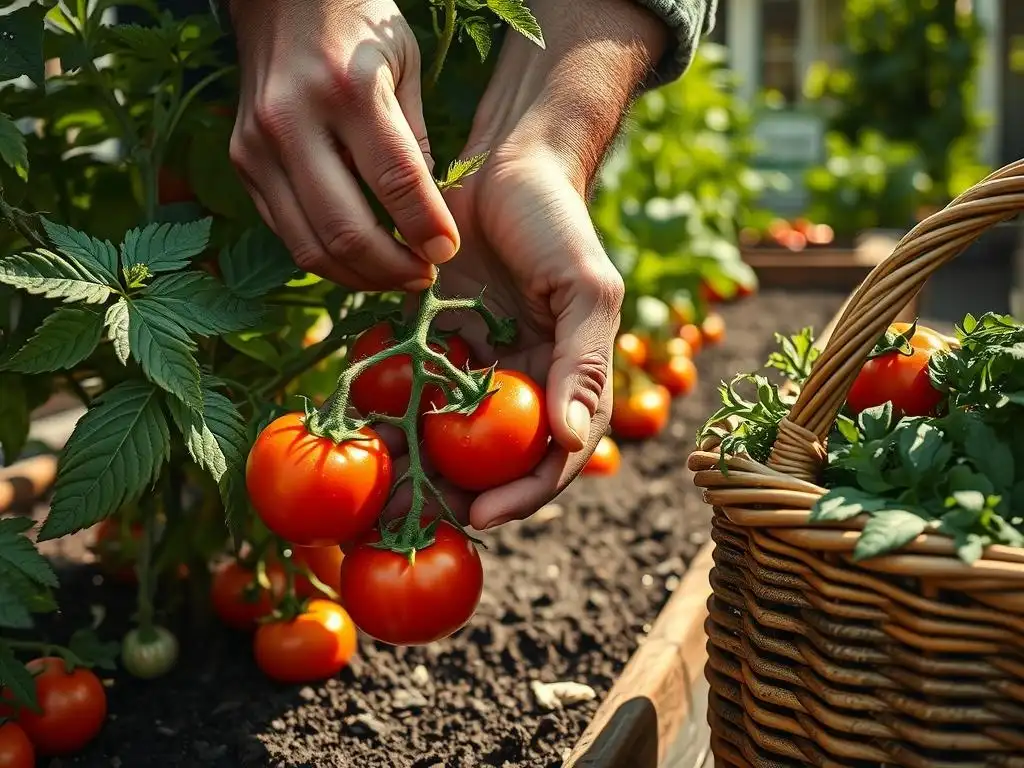
This section delves into advanced techniques to maximize your seasonal garden's yield and health, going beyond the basics of planting and harvesting. By implementing these strategies, you'll cultivate a more robust and productive garden, ensuring a continuous supply of fresh, seasonal produce throughout the year. These methods are crucial for efficient "seasonal garden planning," leading to a bountiful harvest.
Crop Rotation for a Healthy and Productive Seasonal Garden
Crop rotation is a cornerstone of sustainable gardening, significantly impacting soil health and pest management. It involves systematically changing the types of plants grown in a particular area each season. This prevents the depletion of specific nutrients and minimizes the buildup of soilborne diseases and pests associated with monoculture planting.
For example, heavy feeders like tomatoes and peppers, which deplete soil nitrogen, should be rotated with nitrogen-fixing plants such as legumes (beans, peas). Root vegetables like carrots and potatoes, which disturb soil structure, should be followed by leafy greens that benefit from loose soil. This cyclical approach ensures soil fertility and reduces the need for chemical fertilizers, aligning perfectly with organic gardening principles.
Here's a sample three-year crop rotation plan:
| Year 1 | Year 2 | Year 3 |
|---|---|---|
| Leafy Greens (lettuce, spinach) | Legumes (beans, peas) | Root Vegetables (carrots, potatoes) |
| Heavy Feeders (tomatoes, peppers) | Leafy Greens | Heavy Feeders |
| Root Vegetables | Heavy Feeders | Legumes |
Following a well-planned rotation system improves soil structure, reduces pest and disease pressure, and contributes to a more sustainable and productive "seasonal garden." Regular soil testing can further refine your rotation strategy, providing insights into nutrient levels and guiding plant selection.
Companion Planting for Enhanced Growth and Pest Control in Your Seasonal Garden
Companion planting, a time-tested technique, leverages the synergistic relationships between different plant species. Certain plants, when grown together, can enhance each other's growth, deter pests, or attract beneficial insects. This natural approach minimizes reliance on pesticides and promotes biodiversity within your garden.
For instance, basil planted near tomatoes is known to repel tomato hornworms and improve tomato flavor. Marigolds, with their pungent scent, repel many common garden pests such as nematodes and aphids. Similarly, carrots and onions are excellent companions, with the onions deterring carrot root flies.
Careful planning is key. Understanding the specific benefits of each companion plant pairing is crucial for successful implementation. Consider the growth habits and space requirements of each species to ensure optimal results. Researching specific companion plants for your chosen seasonal crops is essential for maximizing the benefits of this technique in your "seasonal garden planning."
Utilizing Vertical Gardening Techniques for Space Optimization
Vertical gardening is a space-saving solution ideal for smaller gardens or urban environments. This method maximizes space utilization by growing plants upwards, rather than horizontally. Several techniques can be employed, each offering unique advantages.
- Trellises: These structures provide support for climbing plants like beans, cucumbers, and tomatoes, allowing them to grow vertically, maximizing yield in a limited footprint.
- Wall-mounted planters: These provide vertical growing space on walls or fences, particularly suitable for herbs and smaller plants.
- Hanging baskets: Ideal for strawberries, herbs, and trailing plants, hanging baskets utilize vertical space effectively, adding a visually appealing element to the garden.
- Stacked planters: These tiered systems create vertical layers, allowing for the cultivation of various plants at different heights.
Vertical gardening offers several advantages beyond space optimization. It improves air circulation, reduces soil-borne diseases, and can even enhance aesthetic appeal, making it a valuable component of any "seasonal garden planning guide." Careful selection of plants suitable for vertical growth is crucial for success. Consider plant size, growth habit, and support requirements when selecting plants for your vertical garden. This approach allows for higher yields in smaller spaces, making it an excellent choice for urban gardeners or those with limited outdoor space.
Extending the Growing Season: Techniques for Early and Late Harvests
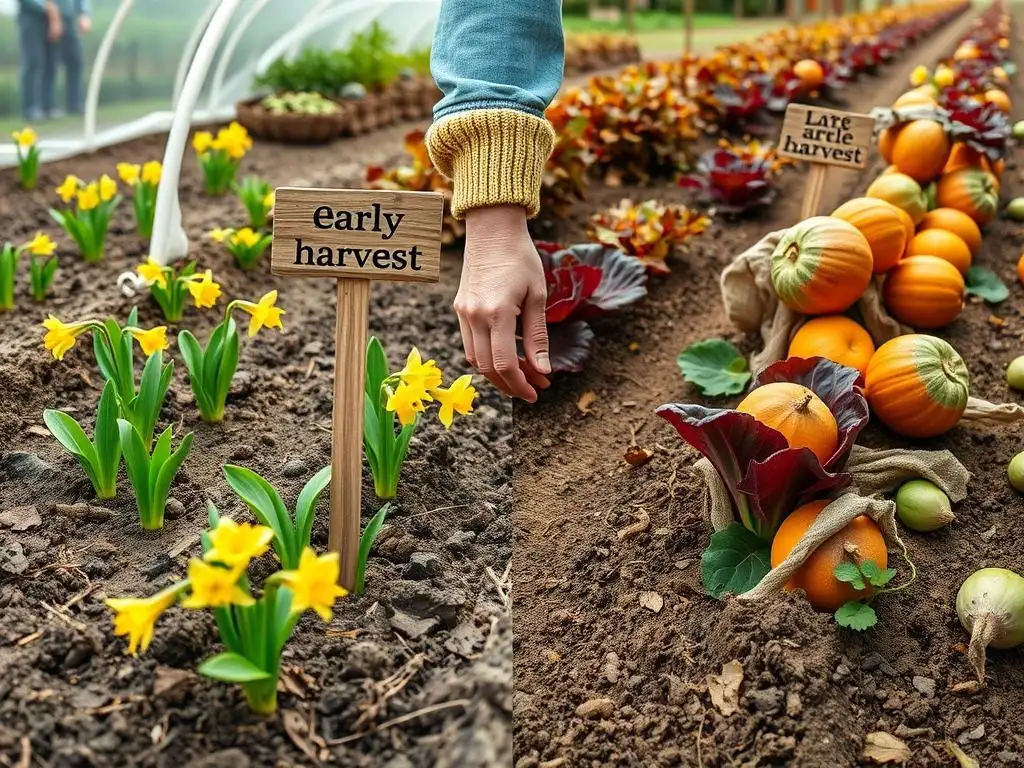
Extending your growing season allows you to enjoy homegrown goodness for a longer period, maximizing the benefits of a seasonal garden. This involves employing techniques that protect plants from frost and extreme temperatures, effectively pushing the boundaries of your typical harvest window. One effective strategy is using row covers, lightweight fabrics that create a microclimate around plants, protecting them from light frost and wind. These are particularly useful in early spring and late autumn, shielding delicate seedlings and extending the lifespan of mature plants.
Different weights of row covers offer varying levels of protection; choosing the right one is crucial for optimal results. For instance, a heavier row cover might be necessary during a particularly cold snap, while a lighter one suffices for milder conditions. Remember to remove row covers during the day to allow for sunlight and ventilation, preventing overheating and potential fungal diseases.
Another effective method is employing cold frames, miniature greenhouses that can significantly extend the growing season. These structures trap solar heat, creating a warmer environment for plants even when outside temperatures plummet. Cold frames are particularly beneficial for starting seeds early in the spring or overwintering certain hardy vegetables like kale and spinach. Proper ventilation is key to prevent overheating and dampness, which can lead to plant diseases.
Strategically positioning your cold frame to maximize sunlight exposure throughout the day will further enhance its effectiveness. Careful monitoring of temperature and humidity levels within the cold frame is essential for optimal plant growth and preventing problems. Consider using a simple thermometer and hygrometer to track these conditions.
Furthermore, soil warming techniques can be incredibly valuable in extending the early harvest season. Black plastic mulch is a simple and effective way to warm the soil, absorbing solar radiation and raising the soil temperature. This can speed up germination and promote faster growth, allowing you to harvest your crops earlier. However, it's crucial to choose a mulch that is biodegradable or easily removable to avoid harming the soil's ecosystem.
Similarly, using raised beds with dark-colored soil can also improve soil warming, especially in regions with cooler climates. Careful consideration of your microclimate and soil type will help you choose the most effective method for your specific needs. Remember that soil temperature is crucial for successful germination and plant growth, particularly for heat-loving vegetables like tomatoes and peppers.
Utilizing Greenhouses and Cold Frames to Extend the Growing Season
Greenhouses and cold frames are invaluable tools for extending the growing season, offering controlled environments that protect plants from harsh weather conditions. Greenhouses, being larger and more enclosed structures, provide a significantly more controlled environment than cold frames. This allows for the cultivation of a wider variety of plants, even those requiring specific temperature and humidity levels. They are ideal for starting seeds well in advance of the last frost, ensuring strong, healthy seedlings ready for transplanting outdoors.
Furthermore, greenhouses can extend the growing season well into the fall and even winter, especially in milder climates. Many gardeners successfully grow lettuces, herbs, and even tomatoes year-round in well-maintained greenhouses. However, proper ventilation is crucial to prevent the build-up of humidity and potential fungal diseases. Regular monitoring of temperature and humidity levels is essential for maintaining a healthy growing environment.
Cold frames, while smaller and simpler than greenhouses, offer an excellent alternative for extending the season, particularly for smaller gardens. They are relatively inexpensive to construct or purchase and are easy to manage. Cold frames are perfect for hardening off seedlings before transplanting them outdoors, gradually acclimating them to the outside environment.
They also provide a valuable space for overwintering certain hardy vegetables and extending the life of crops such as kale and spinach. Proper ventilation is crucial, especially on sunny days, to prevent overheating. Using a combination of both a greenhouse and cold frames allows for a tiered approach to seasonal gardening, maximizing the yield and extending the harvest period.
Careful planning and understanding of your local climate are key to successful utilization of these structures. Consider factors such as sunlight exposure, wind protection, and ease of access when selecting a location for your greenhouse or cold frame. The strategic placement of these structures can make a significant difference in the success of your seasonal gardening efforts.
Seasonal Garden Planning Guide: Resources and Further Learning
This section provides you with valuable resources to deepen your understanding of seasonal gardening and to connect with a supportive community. Mastering the art of seasonal eating requires ongoing learning and collaboration, and these resources will help you on your journey. Remember, a thriving seasonal garden is a testament to consistent learning and adaptation to your specific environment.
Recommended Books and Websites on Seasonal Gardening
Choosing the right resources can significantly impact your success in seasonal gardening. Here are some excellent books and websites that offer detailed information and practical advice:
- Books:
- The Gardener's Guide to Growing Vegetables by [Author's Name Pending]: This comprehensive guide provides detailed information on various vegetable varieties, their growing seasons, and specific care requirements. It often includes regional variations, allowing for tailored approaches.
- The Complete Guide to Organic Gardening by [Author's Name Pending]: This book focuses on sustainable and environmentally friendly practices, offering valuable insights into composting, pest control, and soil health—essential elements for a successful seasonal garden.
- Square Foot Gardening by [Author's Name Pending]: This book introduces an efficient gardening method ideal for small spaces, maximizing yield within a limited area. It's particularly useful for those with limited space but a strong desire for a productive seasonal garden.
- Websites:
- Many reputable gardening websites offer detailed planting calendars specific to different regions. These calendars usually account for the unique microclimates across a country or region, allowing for accurate seasonal planning. Look for websites specializing in organic gardening for the most sustainable advice.
- Online forums and communities dedicated to gardening provide a platform for sharing experiences, asking questions, and learning from others. Connecting with experienced gardeners can offer invaluable support and advice tailored to your specific location and challenges.
- University extension services often offer free resources and workshops on seasonal gardening, tailored to the local climate and soil conditions. These services often provide up-to-date information on pest and disease management, specific to your region.
Local Gardening Communities and Support Networks
Connecting with your local gardening community is invaluable for successful seasonal planning. Sharing experiences, exchanging tips, and receiving support from fellow gardeners can significantly improve your gardening journey.
- Local Gardening Clubs: These clubs often organize workshops, seed swaps, and group outings, fostering a sense of community and providing opportunities for learning and collaboration. They can provide invaluable insights into what grows best locally and offer solutions to common challenges faced by gardeners in your area.
- Community Gardens: Participating in a community garden allows you to share resources, learn from experienced gardeners, and contribute to a shared space. It's a great way to expand your knowledge and experience different gardening techniques.
- Farmers' Markets: Visiting local farmers' markets provides opportunities to connect with farmers, learn about seasonal produce, and ask questions about growing techniques. This direct interaction can provide invaluable, practical advice and insights into local growing conditions.
- Online Forums and Social Media Groups: Many online platforms host gardening communities where you can connect with other gardeners, share your experiences, and ask for advice. This can be especially helpful for getting real-time support and troubleshooting challenges as they arise.
Remember, building a successful seasonal garden is an iterative process. Embrace continuous learning, connect with your local community, and enjoy the journey of cultivating your own fresh, seasonal food! 🥕🍅🌶️
Frequently Asked Questions
What is seasonal garden planning?
Seasonal garden planning involves choosing plants that thrive in your local climate and are in season during specific times of the year. This ensures optimal growth and a continuous harvest throughout the growing season. It's about working with nature, not against it.
How do I determine what to plant based on the season?
Use a planting calendar specific to your region and hardiness zone. Consider the average first and last frost dates for your area to determine the optimal planting and harvesting times. This will ensure your plants have enough time to mature.
What are the benefits of a seasonal garden?
A seasonal garden provides fresher, tastier produce, reduces your environmental impact by minimizing transportation needs, and often results in higher yields due to optimized growing conditions. It also connects you more directly with your food.
How can I plan for a continuous harvest?
Choose a variety of plants with staggered planting times and different maturity rates. Succession planting ensures you'll have a regular supply of fresh produce throughout the growing season. Consider cool-season and warm-season crops.
What are some essential tools for seasonal garden planning?
Essential tools include a garden journal, a regional planting calendar, and a soil testing kit. These will help you track your progress, plan your planting schedule, and ensure your soil provides optimal growing conditions for your chosen plants.
Final Reflection: Harvesting the Bounty of Time and Place
The practice of eating seasonally, once a necessity, is now a revolutionary act of mindful living. In a world of readily available produce flown in from across the globe, choosing to savor the flavors of your own garden, in sync with the natural rhythms of the seasons, represents a powerful statement about sustainability, health, and connection to the earth. This commitment transcends mere culinary preference; it's a conscious choice to participate in a more harmonious and resilient food system.
The journey of cultivating a seasonal garden and embracing its bounty has profoundly impacted my own relationship with food. It's not just about the taste; it's about the anticipation of the first ripe tomato, the satisfaction of harvesting your own herbs, and the deep understanding of the land and its cycles that unfolds with each passing season. The glory of gardening: hands in the dirt, head in the sun, heart with nature. To nurture a garden is to feed not just the body, but the soul.
This quote perfectly captures the transformative power of connecting with the natural world through gardening and seasonal eating.
Now, I invite you to consider your own relationship with food. Will you embark on the rewarding journey of planning your own seasonal garden? Perhaps you'll start small, with a single herb box on your windowsill, or a few tomato plants in a pot. No matter the scale, the act of nurturing life and savoring the fruits (and vegetables!) of your labor will enrich your life in ways you may not yet imagine. Embrace the rhythm of the seasons, and let your garden become a source of nourishment for your body, your soul, and the planet.
Unlock Your Garden's Bounty: Start Growing Today!
Thank you for exploring the world of seasonal eating with homegrown produce! We hope you've gained valuable insights into planning, planting, and harvesting a thriving garden. Now it's time to put your knowledge into practice.
- Begin your seasonal planting journey: Choose a fruit or vegetable from the article that excites you and research its planting needs. Even a small step today makes a big difference!
- Share your gardening aspirations: Tell us (and others!) in the comments what you're most excited to grow this season. Inspiration is contagious!
- Explore our other resources: Discover more helpful guides and tips on our website to further support your gardening adventure.
Ready to transform your kitchen and your life with the freshest, most flavorful food imaginable? What will you plant first?