
The Importance of Crop Rotation for Carrots: CultivateYourFood's Guide

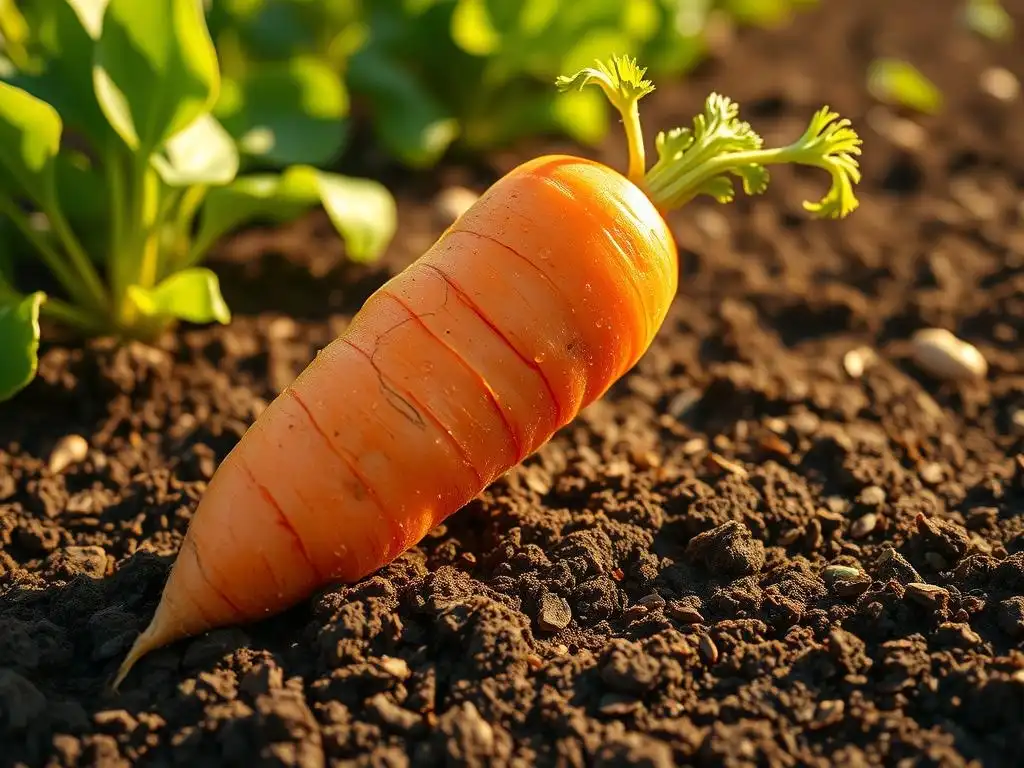
Ready to unlock the secrets to a bountiful harvest? At CultivateYourFood, we empower you to grow your own delicious fruits, vegetables, and herbs using sustainable, organic methods. Discover the transformative power of smart gardening practices, starting with our expert guide on the best crop rotation for carrots. Learn how strategic planting can dramatically improve your yield and soil health – your journey to a thriving garden begins here!
- Understanding the Benefits of Crop Rotation for Carrots
- Best Crop Rotation Practices for Carrots: A Step-by-Step Guide
-
Common Mistakes to Avoid in Carrot Crop Rotation
- Overlooking Soil Health Before Crop Rotation for Carrots
- Ignoring Pest and Disease History When Planning Rotation
- Neglecting the Importance of Cover Crops in Carrot Rotation
- Failing to Rotate Crops Frequently Enough for Carrots
- Planting Carrots After Related Crops
- Ignoring Soil Health Indicators for Carrots
- Maximizing Your Carrot Harvest with Effective Crop Rotation
- Resources for Further Learning on Carrot Crop Rotation
-
Frequently Asked Questions
- What is crop rotation, and why is it important for carrots?
- What are the best companion plants for carrots in a crop rotation plan?
- Which crops should not be planted before carrots in a rotation?
- How long should a crop rotation plan for carrots last?
- Where can I find more information about best crop rotation practices for my specific region and climate?
- Final Reflection: Harvesting a Healthier Future Through Crop Rotation
- Unlock Your Carrot's Potential: Take Action Today!
Understanding the Benefits of Crop Rotation for Carrots
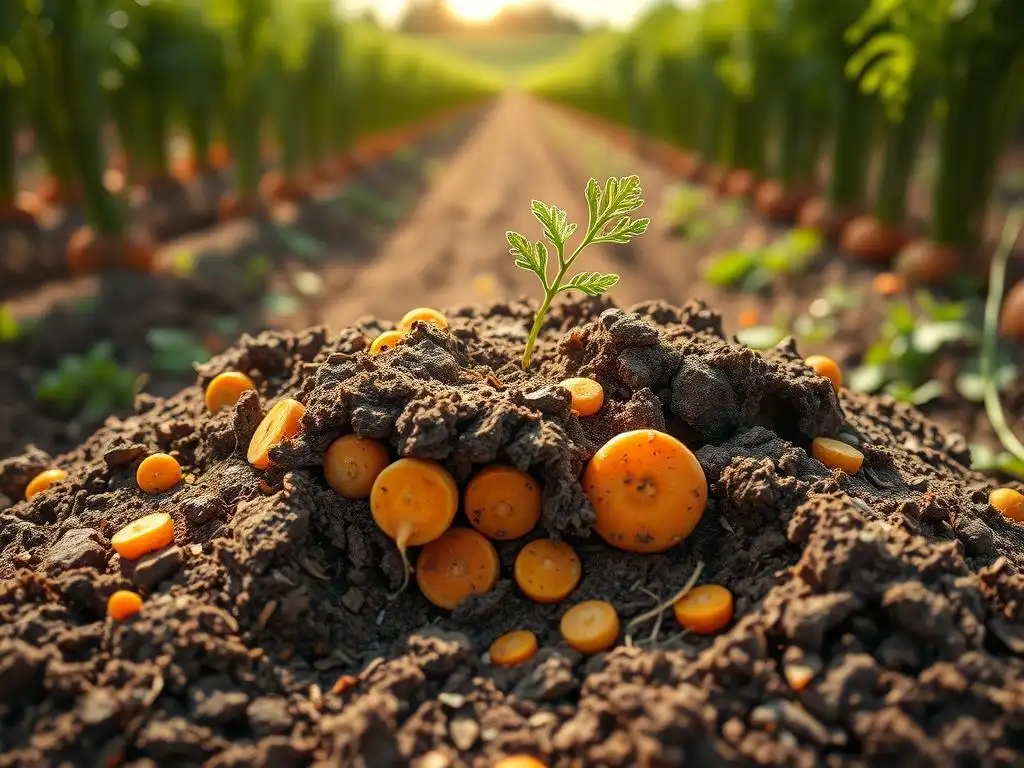
Crop rotation is a cornerstone of sustainable and organic gardening, offering numerous advantages for maximizing yields and maintaining soil health. For carrot cultivation, specifically, implementing a well-planned rotation strategy is crucial for achieving robust, healthy harvests year after year. This CultivateYourFood guide delves into the importance of crop rotation for carrots, exploring how it helps prevent diseases, improve soil quality, and enhance nutrient availability, ultimately leading to bigger, tastier, and more abundant carrot crops.
Understanding these benefits will empower you to implement best practices for your own garden, ensuring you achieve the best crop rotation for carrots possible. This guide will help you understand why crop rotation is essential for achieving the best results in your carrot patch and why it's considered a key element in answering the question: "What is the best crop rotation for carrots?"
Preventing Soilborne Diseases in Carrot Production
Soilborne diseases are a significant threat to carrot production. Pathogens like Fusarium and Verticillium wilt can persist in the soil for extended periods, infecting successive carrot crops and leading to stunted growth, reduced yields, and even complete crop failure. Crop rotation effectively breaks the disease cycle. By planting non-susceptible crops in between carrot plantings, you deny these pathogens their host and significantly reduce their population in the soil.
For example, rotating carrots with legumes (peas, beans), brassicas (cabbage, broccoli), or alliums (onions, garlic) can dramatically lessen the risk of soilborne disease outbreaks. This is because these plant families have different disease susceptibilities and can disrupt the life cycle of many common carrot pathogens. The effectiveness of this method depends on the length of the rotation period – longer rotations generally provide better disease suppression.
Ignoring this crucial aspect can lead to significant losses in yield and quality. Careful planning and adherence to a well-defined rotation schedule are key to preventing these devastating diseases. The choice of suitable companion plants is also crucial, as some may inadvertently harbor certain pathogens.
Improving Soil Health for Optimal Carrot Growth
Carrots thrive in loose, well-drained soil that is rich in organic matter. Continuous carrot cultivation in the same area depletes essential nutrients and can lead to soil compaction, creating unfavorable conditions for root development. Crop rotation helps to address these issues. Legumes, for instance, are nitrogen-fixing plants.
They enrich the soil with nitrogen, a crucial nutrient for carrot growth. Other crops can improve soil structure by adding organic matter through their root systems and decaying plant material. This results in improved aeration and water infiltration, which are essential for healthy carrot root development. Furthermore, rotating with crops that have different root systems can help break up compacted soil, creating a more favorable environment for carrot roots to penetrate deeply and fully develop.
The improved soil structure translates directly into larger, more uniformly shaped carrots with improved flavor and texture. In short, strategically rotating your crops is a natural way to enhance soil health and boost your carrot harvest significantly. Remember, healthy soil is the foundation for healthy carrots!
Enhancing Nutrient Availability for Healthier Carrots
Different plant families have different nutrient requirements. Crop rotation helps to balance nutrient uptake and prevent nutrient depletion in the soil. Carrots are relatively heavy feeders, requiring significant amounts of phosphorus and potassium.
By rotating carrots with crops that have different nutrient demands, you can prevent the depletion of specific nutrients and maintain a balanced soil nutrient profile. For example, planting heavy feeders like brassicas or alliums before carrots can help to ensure that sufficient nutrients are available for the subsequent carrot crop. Alternatively, including legumes in the rotation cycle enriches the soil with nitrogen, thereby reducing the need for synthetic fertilizers.
This approach contributes to a more sustainable and environmentally friendly gardening practice, while also resulting in healthier, more nutrient-rich carrots. Optimizing nutrient availability through crop rotation is a simple yet effective strategy to improve the overall quality and nutritional value of your carrots. The benefits extend beyond just larger yields; it's about growing nutrient-dense carrots that are truly beneficial for your health.
Reducing Pest and Weed Pressure in Carrot Patches
Crop rotation is a powerful tool in the fight against common carrot pests and weeds. Many pests and weeds have a preference for specific plant families. By rotating your carrots with plants from different families, you disrupt the life cycle of these unwanted guests. For example, carrot root flies, a significant pest for carrots, are less likely to thrive if carrots are not planted in the same location year after year. The absence of their preferred host plant disrupts their breeding cycle, leading to significantly reduced populations.
Furthermore, certain weeds are particularly problematic for carrots, often competing for resources and hindering growth. These weeds might have specific soil conditions they prefer, or even produce allelopathic chemicals that inhibit carrot growth. Rotating carrots with plants that have different soil requirements and don't produce these inhibitory chemicals can help reduce weed pressure.
This reduces the need for herbicides, aligning with CultivateYourFood's commitment to organic and sustainable practices. A well-planned rotation strategy can drastically lessen the need for manual weeding, saving you time and effort. For instance, planting legumes, known for their nitrogen-fixing properties, can improve soil health and naturally suppress some weed species.
The benefits extend beyond just pest and weed control. Rotating crops helps to break the cycle of soil-borne diseases that might specifically affect carrots. By planting a different crop family in the following year, you give the soil a chance to recover and reduce the buildup of pathogens.
This holistic approach to pest and disease management is crucial for long-term sustainable carrot production. This preventative approach is far more effective and environmentally friendly than reactive measures, contributing to a healthier garden ecosystem. Ultimately, a diverse rotation plan helps maintain a balanced and thriving garden, reducing reliance on external inputs and promoting natural pest control.
Best Crop Rotation Practices for Carrots: A Step-by-Step Guide
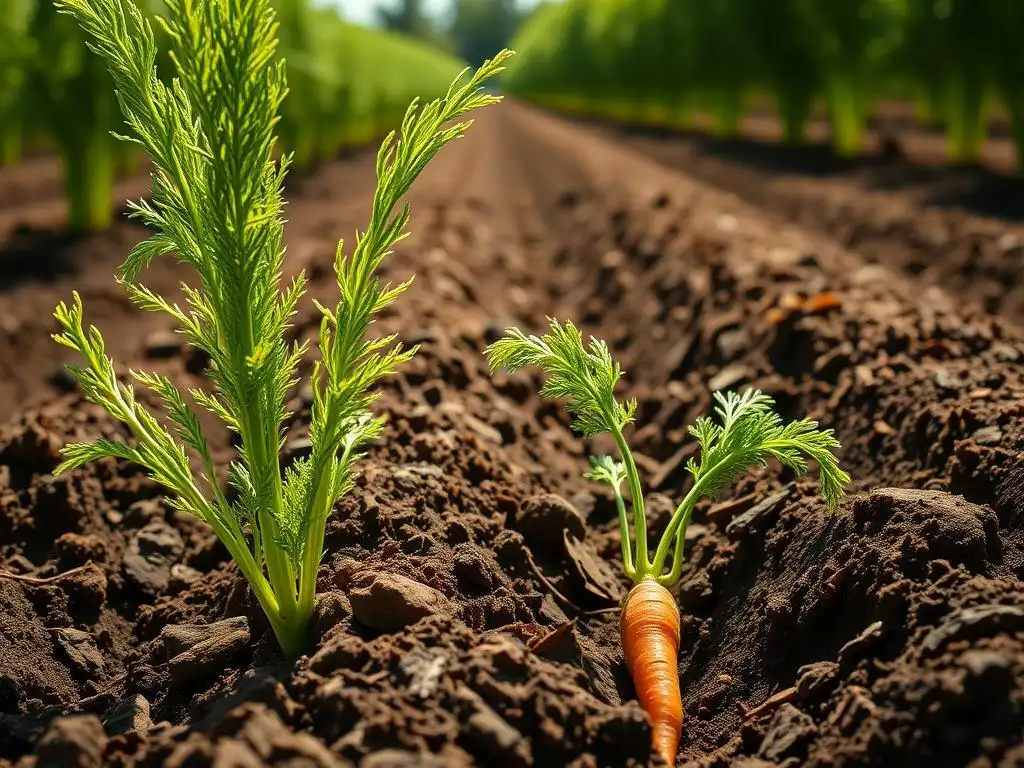
This section delves into the specifics of implementing a successful crop rotation plan specifically designed to optimize carrot yields and health. Understanding the best crop rotation for carrots involves careful consideration of several factors, including soil health, pest and disease prevention, and nutrient cycling. Following these guidelines will help you achieve the best possible harvest while practicing sustainable gardening techniques.
Choosing the Right Preceding Crops for Carrots
Selecting the right plants to grow before carrots is crucial for maximizing their growth potential. The preceding crop significantly impacts soil conditions and the presence of pests and diseases. Certain plant families offer distinct advantages when used as predecessors for carrots.
Legumes as Predecessors for Improved Soil Nitrogen
Legumes, such as beans, peas, and clover, are renowned for their ability to fix nitrogen in the soil. This is a significant benefit for carrots, as they are moderate nitrogen feeders. By planting legumes the year before carrots, you enrich the soil with readily available nitrogen, promoting robust carrot growth and reducing the need for nitrogen-based fertilizers. This contributes to more sustainable and environmentally friendly carrot cultivation. Studies have shown that legume predecessors can increase carrot yields by up to 15%, depending on soil conditions and legume type.
Brassicas as Predecessors for Pest Control
Brassicas, including broccoli, cauliflower, and cabbage, are known to repel certain carrot pests. Planting brassicas in the preceding year can help disrupt the life cycle of common carrot pests, leading to healthier and less damaged carrots. This is a natural pest control method that minimizes the need for chemical pesticides. For example, the strong scent of brassicas can deter carrot root flies, a significant pest for carrot cultivation.
Avoiding Carrot Family Predecessors to Prevent Disease
It's vital to avoid planting carrots in the same location where other members of the Apiaceae (carrot) family, such as parsley, parsnips, or dill, were grown in the previous season. This practice helps prevent the buildup of soilborne diseases and pests specific to this family. These diseases can significantly reduce yields and compromise carrot quality. Rotating away from the carrot family for at least three years is a best practice for disease prevention. This minimizes the risk of soilborne pathogens and ensures healthier carrots in subsequent seasons.
Planning Your Crop Rotation Schedule for Carrots
Effective crop rotation requires planning and organization, particularly for a multi-year approach. A well-structured plan ensures soil health and maximizes yields.
Creating a Multi-Year Crop Rotation Plan for Carrots
A three to four-year rotation is generally recommended for carrots. This allows for sufficient time to break disease cycles and improve soil health. A sample multi-year plan might look like this:
| Year | Crop | Family | Notes |
|---|---|---|---|
| 1 | Legumes (beans) | Fabaceae | Improves soil nitrogen |
| 2 | Brassicas | Brassicaceae | Repels pests |
| 3 | Carrots | Apiaceae | Main crop |
| 4 | Allium (onions) | Amaryllidaceae | Improves soil structure and pest control |
This is just a sample; you can adjust based on your specific needs and local climate. The key is to diversify the plant families to break pest and disease cycles, and to include nitrogen-fixing plants periodically.
Integrating Cover Crops into Your Carrot Rotation
Cover crops, such as winter rye or clover, are beneficial additions to any crop rotation plan. They help improve soil structure, suppress weeds, and prevent soil erosion. Planting a cover crop after harvesting the preceding crop (e.g., after the brassicas) and tilling it under before planting carrots can significantly enhance soil health. This provides added organic matter, improves water retention, and creates a more favorable environment for carrot growth.
The cover crop's roots also help break up compacted soil, making it easier for carrot roots to penetrate. Choosing a cover crop that fixes nitrogen further enhances the benefits for the subsequent carrot crop. Remember to select cover crops appropriate to your climate and soil conditions.
Implementing the Chosen Crop Rotation Plan for Carrots
Implementing a successful crop rotation plan for carrots requires careful planning and execution. The key is understanding the specific needs of carrots and the preceding crops in your chosen rotation. Carrots thrive in loose, well-drained soil, rich in organic matter. Therefore, the crops that precede them should ideally improve soil structure and fertility. For example, a legume like beans or peas, which fix nitrogen in the soil, makes an excellent predecessor.
These legumes improve soil health, providing essential nutrients that carrots will readily absorb. Conversely, heavy feeders like cabbage or broccoli can deplete soil nutrients, making them less suitable predecessors for carrots. Remember to meticulously track your crop rotation plan, noting the specific crops planted in each bed each year. This detailed record will help you optimize your soil health and maximize carrot yields over time. Careful observation of your soil's condition throughout the rotation is also crucial.
If you notice any signs of nutrient deficiencies or pest infestations, adjust your plan accordingly, perhaps incorporating cover crops or other soil amendments to address the issue. A well-maintained rotation plan, combined with diligent observation and adjustment, is the cornerstone of healthy carrot cultivation. This approach not only improves your harvests but also fosters a more sustainable gardening practice. 🥕
Preparing the Soil for Planting After Preceding Crops
Preparing the soil correctly after your preceding crops is paramount to achieving a bountiful carrot harvest. The soil should be free of large clods and debris left over from the previous season. Begin by removing any remaining plant material from the previous crop, ensuring you don't leave behind roots or stems that could harbor diseases or pests. A thorough tilling or double digging will break up compacted soil, creating the loose, friable texture that carrots need to grow straight and long.
This process also allows for better aeration and water penetration, crucial for healthy root development. Following tilling, incorporate a generous amount of well-rotted compost or other organic matter. This improves soil structure, drainage, and fertility, providing essential nutrients for your carrots. Consider conducting a soil test to determine any nutrient deficiencies.
Based on the test results, you can amend the soil with specific fertilizers to ensure optimal conditions for carrot growth. For instance, a soil lacking in phosphorus may require the addition of bone meal or rock phosphate. Finally, before planting, level the soil surface to create a smooth, even bed for consistent carrot growth. This meticulous preparation ensures that your carrots have the best possible start, leading to a successful harvest.
Planting Carrots After Proper Soil Preparation
Once the soil is properly prepared, planting carrots becomes a straightforward process. Begin by sowing carrot seeds directly into the prepared soil, spacing them approximately 1 inch apart and 1/2 inch deep. Avoid planting carrots too deeply, as this can hinder germination and lead to stunted growth. Gently cover the seeds with soil, ensuring they are well-protected but not buried too deeply. Water the seeds gently after planting, ensuring even moisture but avoiding waterlogging, which can lead to seed rot.
Maintaining consistent moisture is key during germination. Use a fine rose watering can or drip irrigation to avoid disturbing the delicate seedlings. Thinning is a crucial step in carrot cultivation. Once the seedlings have developed their first true leaves, thin them out, leaving the strongest seedlings spaced approximately 2-4 inches apart. This ensures adequate space for each carrot to develop fully.
Remember to carefully remove the thinned seedlings, avoiding disturbing the roots of the remaining plants. Proper planting and thinning techniques are essential for maximizing yield and obtaining those prize-winning, long, straight carrots. Consistent monitoring for pests and diseases is also vital throughout the growing season. Early detection and intervention are critical for preventing significant damage to your crop.
Common Mistakes to Avoid in Carrot Crop Rotation
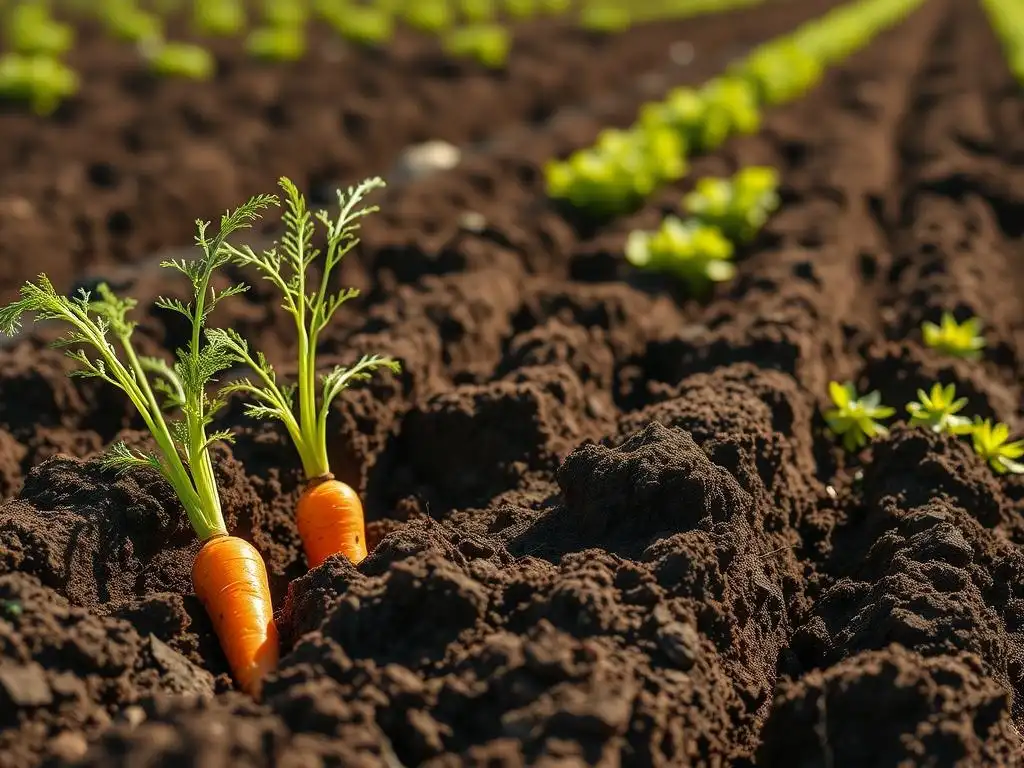
Successfully integrating carrots into a crop rotation plan hinges on understanding and avoiding common pitfalls. Failing to consider key factors can significantly impact yield, carrot quality, and overall soil health. This section outlines crucial aspects often overlooked, providing actionable steps to optimize your carrot cultivation and achieve the best crop rotation for carrots.
Overlooking Soil Health Before Crop Rotation for Carrots
Before even thinking about which plants will precede your carrots in the rotation, you must assess your soil's current condition. Ignoring this foundational step is a major mistake. Carrots thrive in loose, well-drained soil that's rich in organic matter. Compacted soil with poor drainage will result in stunted, misshapen roots prone to disease.
Several key indicators signal poor soil health:
- Poor Drainage: Waterlogging after rainfall or irrigation is a clear sign. This leads to root rot, a common carrot affliction.
- Compacted Soil: A hard, difficult-to-penetrate soil structure hinders root growth. A simple test is to dig a hole; if it's hard to break up the soil, it's too compact.
- Low Organic Matter: Lack of organic matter results in nutrient-poor soil, impacting carrot size and sweetness. You can assess this visually; dark, crumbly soil generally indicates high organic matter content.
Prior to planting, amend the soil with generous amounts of compost or well-rotted manure to improve its structure and nutrient content. Consider adding gypsum to improve drainage in clay soils. Soil testing can provide a precise assessment of nutrient levels, guiding you in correcting deficiencies. Remember, healthy soil is the cornerstone of a successful carrot crop rotation, a key element to achieving the best crop rotation carrots.
Ignoring Pest and Disease History When Planning Rotation
Crop rotation is a powerful tool for managing pests and diseases. However, its effectiveness depends on understanding the pest and disease history of your garden. Ignoring this information renders your rotation plan ineffective and could lead to significant crop losses.
Consider these points:
- Nematodies: These microscopic worms can be devastating to carrots. Rotating with non-host plants, such as legumes (peas, beans), helps break their life cycle.
- Carrot Rust Flies: These pests lay eggs near carrot roots, leading to damage and reduced yield. Rotating with strongly scented herbs like rosemary or thyme can help deter them.
- Root Diseases: Fungal diseases like root rot often persist in the soil. Rotating with plants that do not share the same disease susceptibility reduces the risk of infection.
Keep detailed garden records. Note what you planted in previous years, any pest or disease issues encountered, and the success of your harvests. This record-keeping is crucial for informed decision-making when planning your crop rotation. This detailed approach is essential for achieving the best crop rotation carrots.
Neglecting the Importance of Cover Crops in Carrot Rotation
Cover crops play a vital role in improving soil health and pest management, making them an integral part of any effective crop rotation strategy. Neglecting them weakens the overall effectiveness of the rotation.
Here's why cover crops are essential:
- Soil Improvement: Legumes (like clover or alfalfa) fix nitrogen in the soil, enriching it for subsequent crops. Other cover crops like rye or oats improve soil structure and suppress weeds.
- Pest and Disease Control: Certain cover crops can suppress specific pests or diseases that affect carrots.
- Weed Suppression: A dense cover crop smothers weeds, reducing competition for nutrients and water.
Before planting carrots, incorporate a cover crop into your rotation. Choose a species that suits your climate and soil type. Allow sufficient time for the cover crop to grow and then till it into the soil before planting your carrots. This process significantly enhances soil health and contributes to achieving the best crop rotation carrots. Remember, using cover crops is a key element of sustainable gardening.
Failing to Rotate Crops Frequently Enough for Carrots
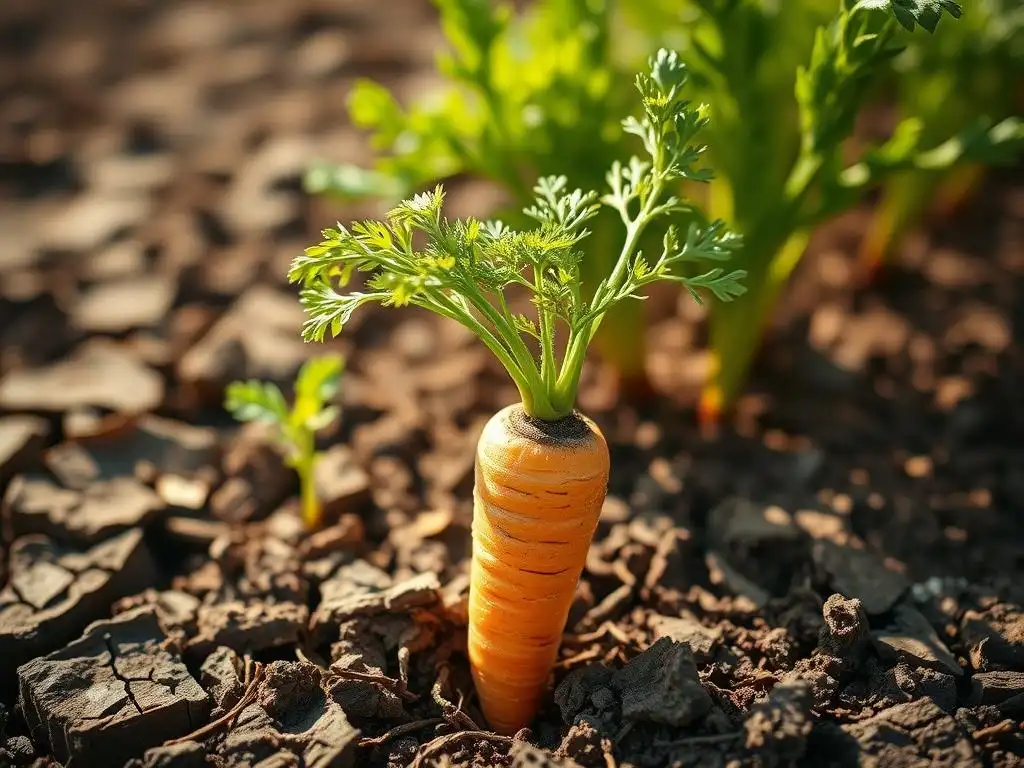
Many gardeners, eager to maximize yields in a limited space, sometimes fall into the trap of planting carrots in the same spot year after year. This is a significant mistake. Carrots, like other root vegetables, are susceptible to soilborne diseases and pests that build up over time in the soil. These pathogens and pests can severely impact carrot health, leading to stunted growth, reduced yields, and even complete crop failure.
The longer carrots occupy the same plot, the greater the risk of infestation. For instance, a common carrot pest, the carrot rust fly, lays its eggs in the soil, and the larvae feed on carrot roots. Continuous carrot planting provides the perfect breeding ground for these flies, resulting in progressively worse infestations each season. Similarly, soilborne diseases like Fusarium wilt can persist in the soil for years, gradually weakening and killing carrot plants.
To avoid this, a minimum of a three-year rotation is generally recommended, but a four-year rotation is even better for optimal soil health and disease prevention. This allows time for the pathogens and pests to decline naturally. Planning your garden layout with crop rotation in mind is crucial for long-term carrot cultivation success. Remember, healthy soil is the foundation of healthy carrots.
Another common mistake is planting carrots after other plants in the same family (Apiaceae), also known as the Umbelliferae family. This family includes plants like parsley, parsnips, celery, and dill. These plants share similar nutrient requirements and are susceptible to the same diseases and pests as carrots. Planting carrots after any of these crops increases the risk of disease transmission and pest infestation.
The soil will still contain pathogens and pests specific to the Apiaceae family, setting up a perfect environment for the next carrot crop to suffer. For example, if you plant carrots after a year of parsnips, the same soilborne diseases that affected the parsnips may persist and directly impact your carrot yield. This is why diversification in your crop rotation is key.
Instead of planting another member of the Apiaceae family, choose a crop from a completely different family, such as legumes (peas, beans), brassicas (cabbage, broccoli), or nightshades (tomatoes, peppers). This breaks the cycle of disease and pest buildup and promotes healthier soil conditions for your carrots. Careful planning, considering the entire family of the previous crop, is essential for the best results.
Ignoring Soil Health Indicators for Carrots
Neglecting to observe the health of your soil before planting carrots is another pitfall to avoid. Healthy soil is fundamental for thriving carrots. Before planting, look for signs of compaction, poor drainage, or the presence of weeds. Compacted soil restricts root growth, leading to smaller, misshapen carrots.
Poor drainage can cause root rot, while weeds compete for nutrients and water, reducing yields. Furthermore, observe the soil for any signs of previous pest or disease activity. For instance, the presence of wilted plants or unusual discoloration in previous years could indicate a problem that needs addressing before planting carrots. Consider soil testing to assess nutrient levels and pH.
Carrots prefer a slightly acidic to neutral pH (6.0-7.0). If the pH is too high or too low, it can affect nutrient uptake and overall carrot growth. Addressing these issues proactively ensures your carrots have the best possible chance of a successful harvest. Ignoring these indicators can lead to disappointing results, and a healthy soil assessment is a critical step in the 'best crop rotation carrots' strategy.
Maximizing Your Carrot Harvest with Effective Crop Rotation
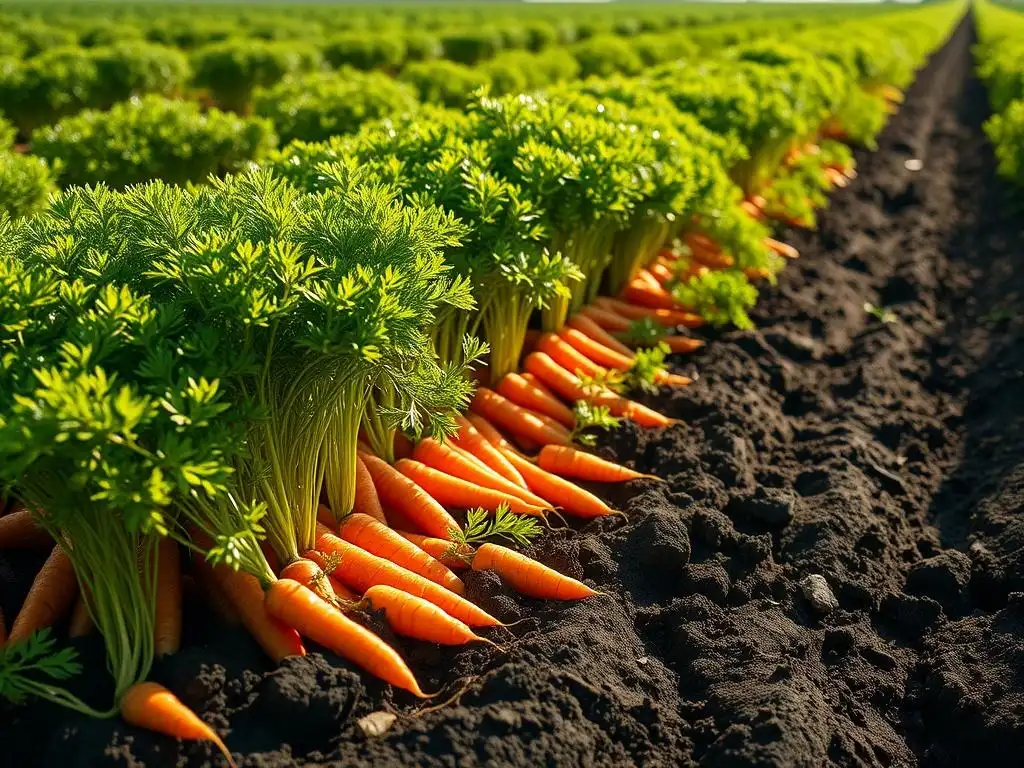
Crop rotation is a cornerstone of sustainable gardening, and for carrots, it's particularly crucial for maximizing yield and minimizing pest and disease problems. The best crop rotation for carrots involves understanding the specific needs of this root vegetable and choosing companion plants strategically. Carrots thrive in loose, well-drained soil rich in organic matter. They also have specific nutrient requirements, and certain pests and diseases can significantly impact their growth.
A well-planned rotation helps to address all these factors. By strategically rotating crops, you can improve soil health, reduce pest infestations, and ultimately, enjoy a bumper harvest of delicious, healthy carrots. Ignoring crop rotation can lead to depleted soil, increased pest pressure, and ultimately, smaller, less flavorful carrots. Let's delve into the specifics.
Monitoring Soil Health After Crop Rotation for Carrots
After implementing a crop rotation plan, monitoring soil health is paramount. This involves regular observation and testing to ensure the strategy's effectiveness. We need to assess several key indicators. Firstly, soil texture is crucial. Carrots need loose, well-drained soil. Observe if the soil is still easily workable or if it has become compacted.
Compaction can hinder root development, resulting in stunted carrots. Secondly, soil fertility is vital. Conduct a soil test to measure nutrient levels, specifically nitrogen, phosphorus, and potassium (NPK). Carrots are moderate feeders, but nutrient depletion can occur if the same crops are grown repeatedly in the same area. A lack of these nutrients can lead to poor growth and smaller yields. Thirdly, soil pH impacts nutrient availability.
Carrots prefer slightly acidic to neutral soil (pH 6.0-7.0). Regular testing helps ensure the pH remains within the ideal range. Finally, observe for signs of soilborne diseases. Crop rotation helps to break disease cycles, but careful monitoring remains essential. Look for wilting, discoloration, or unusual root formations, indicative of potential problems. Regular soil testing and observation are key to optimizing the long-term benefits of crop rotation for carrots.
Observing Plant Growth and Yield After Rotation Implementation
Observing plant growth and yield is essential to evaluate the success of your crop rotation strategy for carrots. This involves carefully monitoring several key aspects throughout the growing season. Firstly, germination rate provides early insights. If germination is slow or uneven, it may indicate issues with soil conditions or seed quality. Secondly, early growth stages should be closely observed.
Look for healthy seedling emergence and vigorous growth. Stunted growth or yellowing leaves may suggest nutrient deficiencies or pest problems. Thirdly, root development is crucial. As the carrots mature, regularly check their size and shape. Observe for any deformities, forking, or discoloration, which can indicate soil compaction or pest damage.
Finally, harvest yield is the ultimate measure of success. Compare the yield from your rotated plots with previous years' yields from unrotated plots, if available. Keep detailed records of the quantity and quality of carrots harvested. Detailed observations, combined with accurate record-keeping, are vital for fine-tuning your crop rotation strategy for optimal carrot production. This data allows you to refine your approach year after year, maximizing your harvest.
Adapting Your Crop Rotation Strategy Based on Observations
Based on your observations of soil health and plant growth, you can adapt your crop rotation strategy for carrots to optimize future harvests. This iterative process is crucial for maximizing yields and maintaining soil health. For example, if soil tests reveal low levels of phosphorus, consider incorporating a phosphorus-rich cover crop into the rotation, such as legumes. If you observe signs of a specific pest or disease, research suitable companion plants that can help deter them in the next rotation.
Similarly, if soil compaction is an issue, amend the soil with organic matter, such as compost, to improve its structure. Furthermore, consider diversifying your rotation. Instead of a simple two- or three-year rotation, explore longer cycles incorporating a wider variety of plants with diverse nutrient needs. This approach can further enhance soil health and minimize the risk of pest and disease buildup.
Remember, the best crop rotation for carrots is not a static plan; it's a dynamic process of observation, adaptation, and continuous improvement. Careful monitoring and adjustments ensure your long-term success in growing healthy, abundant carrots. 🥕
Resources for Further Learning on Carrot Crop Rotation
This section provides valuable resources to deepen your understanding of crop rotation for carrots and sustainable gardening practices. Mastering crop rotation is key to achieving the best carrot yields and healthiest soil. By understanding the principles and applying them effectively, you'll be well on your way to becoming a proficient carrot cultivator. Remember, the best crop rotation for carrots depends on your specific climate, soil type, and pest pressures.
Recommended Books on Sustainable Gardening Practices for Carrots
Finding the right resources can make all the difference in your gardening journey. Here are some recommended books that offer in-depth information on sustainable gardening practices, with a focus on maximizing carrot growth through effective crop rotation:
- "The Vegetable Gardener's Bible" by Edward C. Smith: This comprehensive guide covers various aspects of vegetable gardening, including detailed information on soil health, crop rotation, and pest management – all crucial for successful carrot cultivation. It provides practical advice and detailed explanations, making it a valuable resource for both beginners and experienced gardeners aiming for the best crop rotation for carrots.
- "Carrots Love Tomatoes: Secrets of Companion Planting for Successful Gardening" by Louise Riotte: This book focuses specifically on companion planting, a crucial element within a successful crop rotation strategy. It explains which plants thrive alongside carrots, improving their growth and deterring pests. Understanding companion planting is essential for optimizing your crop rotation plan and achieving the best results.
- "Gaia's Garden: A Guide to Home-Scale Permaculture" by Toby Hemenway: While not exclusively focused on carrots, this book offers a holistic approach to gardening, emphasizing permaculture principles that are highly relevant to sustainable carrot cultivation. It emphasizes building soil fertility through techniques that directly support healthy carrot growth and the long-term success of your crop rotation system. The principles of permaculture can significantly enhance your understanding of the best crop rotation for carrots.
Useful Websites and Online Resources for Carrot Cultivation
The digital age offers a wealth of information. Here are some reliable online resources that can help you refine your carrot crop rotation strategies and overall gardening practices:
- University Extension Websites: Many universities offer extensive online resources on sustainable agriculture and horticulture, often including detailed guides on crop rotation for various vegetables, including carrots. These sites frequently provide region-specific advice, crucial for optimizing your approach. Search for "[Your State/Region] University Extension Gardening" to find relevant resources.
- Organic Gardening Blogs and Forums: Numerous blogs and online forums dedicated to organic gardening offer valuable insights, tips, and discussions from experienced gardeners. Engaging with these communities can provide practical advice, troubleshooting assistance, and diverse perspectives on implementing the best crop rotation for carrots within your specific context.
- Online Databases of Crop Rotation Charts: Several websites provide downloadable crop rotation charts, offering structured guidance on plant families and their compatibility. These charts are an excellent tool for planning your garden layout and ensuring you're following a suitable rotation schedule for your carrots.
Local Agricultural Extension Services for Carrot Growing Advice
Don't underestimate the power of local expertise. Your local agricultural extension service is a fantastic resource for tailored advice on carrot cultivation and crop rotation in your specific area. They can provide valuable information on:
- Region-Specific Pest and Disease Management: Local experts can advise on the most prevalent pests and diseases affecting carrots in your region, helping you choose suitable companion plants and crop rotation strategies to mitigate risks.
- Soil Testing and Amendment Recommendations: They can perform soil tests to determine its composition and recommend necessary amendments to optimize conditions for carrot growth. This is crucial for creating a healthy soil environment that supports the success of your crop rotation.
- Best Practices for Your Climate: Local knowledge is invaluable for adapting general crop rotation guidelines to your unique climate and growing conditions. This ensures you’re implementing the best crop rotation for carrots in your specific environment.
By utilizing these resources, you can build a comprehensive understanding of crop rotation for carrots, paving the way for a thriving and sustainable garden. Remember that consistent learning and adaptation are key to achieving the best results in vegetable gardening. 🥕
Frequently Asked Questions
What is crop rotation, and why is it important for carrots?
Crop rotation is the practice of planting different types of crops in the same area in sequenced seasons. For carrots, it's crucial because it helps prevent soilborne diseases and pests that specifically affect carrots, leading to healthier, more productive plants.
What are the best companion plants for carrots in a crop rotation plan?
Excellent companion plants for carrots include onions, garlic, and lettuce. These plants help deter carrot pests and improve soil health, contributing to a successful crop rotation strategy.
Which crops should not be planted before carrots in a rotation?
Avoid planting other root vegetables like parsnips or beets before carrots, as they share similar pests and diseases. Also, avoid planting anything from the Apiaceae family (like fennel or parsley) as they can transmit diseases.
How long should a crop rotation plan for carrots last?
A good crop rotation plan for carrots should ideally last for at least three to four years. This ensures a complete cycle, breaking the life cycle of any soilborne pathogens and pests specific to carrots.
Where can I find more information about best crop rotation practices for my specific region and climate?
Consult your local agricultural extension office or experienced gardeners in your area for tailored advice. They can provide specific recommendations based on your local conditions and pest pressures.
Final Reflection: Harvesting a Healthier Future Through Crop Rotation
The principles of crop rotation, while seemingly simple, hold the key to unlocking sustainable and bountiful harvests, impacting not only our plates but the very health of our soil. Ignoring these principles risks depleting our land and ultimately jeopardizing our food security. The future of farming depends on embracing practices like crop rotation, ensuring a resilient and productive agricultural system for generations to come.
The impact of crop rotation extends far beyond the increased yield of carrots; it's a testament to the interconnectedness of our ecosystem. By understanding and implementing these techniques, we actively participate in a cycle of renewal and sustainability. This mindful approach to farming resonates deeply with my own commitment to responsible food production. The land is our mother. We must treat her with respect.
This ancient wisdom holds true today, more than ever, as we face the challenges of climate change and dwindling resources.
Consider the implications of this knowledge. What steps can you take to incorporate crop rotation principles into your own gardening practices, however small? Whether you're tending a window box or a sprawling farm, the act of consciously choosing companion plants and rotating crops is a powerful act of stewardship. Let's cultivate a future where healthy soil nourishes healthy food, ensuring abundance for all.
Unlock Your Carrot's Potential: Take Action Today!
Thanks for exploring the world of carrot cultivation with CultivateYourFood! We hope you've gained valuable insights into the benefits of crop rotation for healthier, more abundant harvests. Now it's time to put that knowledge into practice.
Here's how you can start seeing a difference:
- Plan your next season's garden layout now. Consider the best rotational crops for your carrots based on what you've learned and create a detailed planting plan. This is the most impactful step toward a bountiful carrot harvest!
- Share this article with fellow gardeners on social media – let's spread the word about sustainable gardening practices!
- Leave a comment below! Share your experiences with crop rotation—what's worked well for you? What challenges have you faced?
Ready to cultivate the best carrots of your life? What's your first step toward implementing crop rotation in your garden?