
Planning for Success: How to Design a Functional and Beautiful Shared Garden

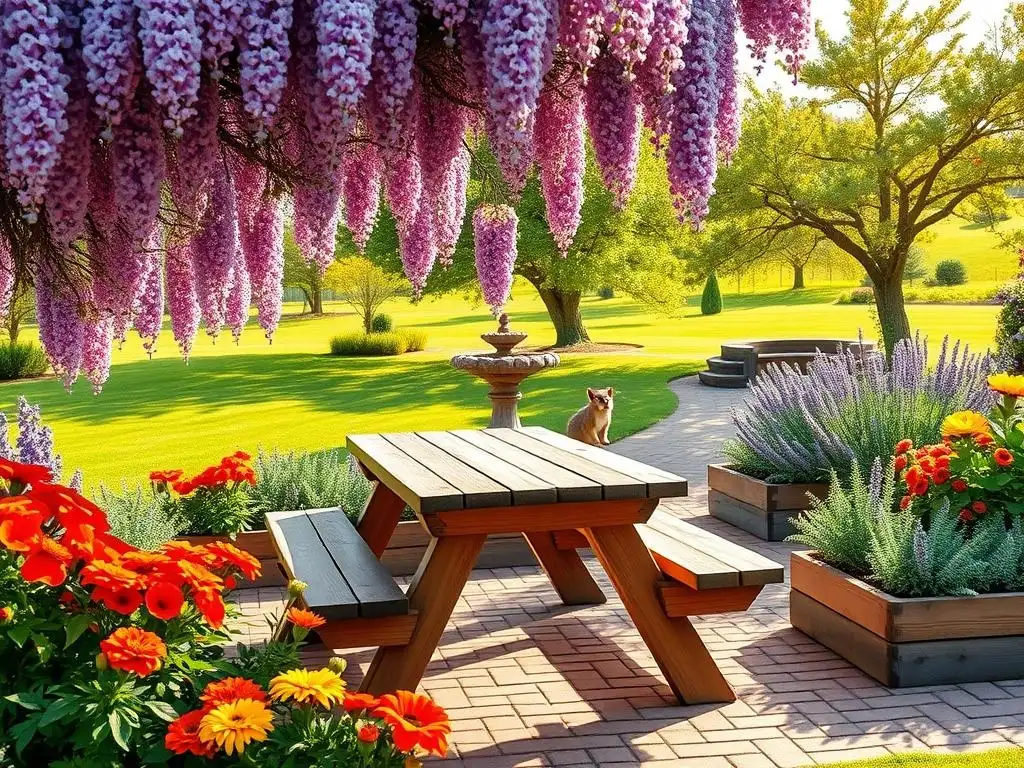
Ready to transform your urban space into a thriving oasis? At CultivateYourFood, we empower you to grow your own fruits, vegetables, and herbs organically. But what if you could share the bounty – and the work? Our Shared Garden Design Planning Guide dives into the art of creating a functional and beautiful shared garden, offering practical advice and inspiring ideas to get you started. Discover how collaborative gardening can unlock a world of benefits – from increased yields to a stronger sense of community. Let's cultivate a greener future, together.
- Shared Garden Design Planning Guide: Initial Steps and Considerations
-
Designing a Functional Shared Garden Layout
- Creating Accessible Pathways and Zones: Universal Design Principles in Shared Gardens
- Optimizing Planting Beds for Shared Use: Size, Shape, and Accessibility
- Integrating Water Management Systems: Irrigation and Drainage Solutions for Shared Gardens
- Choosing Appropriate Plants for Shared Gardening: Variety, Yield, and Community Preferences
-
Building a Beautiful and Sustainable Shared Garden
- Selecting aesthetically pleasing plants and materials: Color palettes and visual harmony
- Incorporating sustainable practices: Water conservation, composting, and pest control in shared spaces
- Creating attractive seating areas and communal spaces: Enhancing the shared garden experience
- Adding decorative elements: Art installations and community contributions
- Maintaining Your Shared Garden for Long-Term Success
- Resources for Shared Garden Planning and Design
-
Frequently Asked Questions
- How do I plan the layout of a shared garden to ensure fair access for all members?
- What are some essential elements to include in a shared garden design plan?
- How can I encourage collaboration and communication amongst shared garden members?
- What are the best plants to choose for a shared garden, considering diverse preferences and growing conditions?
- How do I handle potential conflicts or disagreements among shared garden members in a fair and constructive way?
- Final Reflection: Cultivating Community Through Shared Garden Design
- Unleash Your Green Thumb: Design Your Dream Shared Garden Today!
Creating a thriving shared garden requires careful planning and community engagement. This guide provides a step-by-step approach to designing a functional and beautiful shared space that fosters collaboration and yields abundant harvests. We'll explore key considerations from assessing your space to building consensus among your community members, ensuring your shared garden project becomes a source of pride, healthy food, and strengthened community bonds.
This comprehensive plan will help you navigate the process of transforming an area into a vibrant, productive, and enjoyable shared garden, maximizing its potential and minimizing potential conflicts. Understanding the nuances of shared garden design is crucial for long-term success, and this guide is designed to equip you with the knowledge and tools you need to make your vision a reality.
Before even dreaming of vibrant rows of tomatoes or fragrant herbs, a thorough assessment of your shared garden space is paramount. This involves more than just a casual glance; it requires detailed analysis across several key factors. Let's break down the crucial elements:
- Size: Measure the available area precisely. Knowing the exact dimensions will inform planting layouts and overall garden design. Consider the needs of your community – will you require individual plots, communal growing areas, or a combination of both? A larger space allows for greater diversity in crops and community activities. Smaller spaces may necessitate a more compact and carefully planned design.
- Sunlight: Sunlight is the lifeblood of any garden. Observe the area throughout the day, noting the amount of direct sunlight it receives. Different plants have different sunlight requirements; some thrive in full sun, while others prefer partial shade. Document the sun's path to determine the best locations for sun-loving and shade-tolerant plants. This information is crucial for optimizing plant placement and ensuring a successful harvest. Consider using a sun chart or app to track sunlight exposure throughout the year.
- Soil Analysis: The quality of your soil directly impacts plant growth. A soil test is highly recommended to determine its composition, pH level, and nutrient content. This analysis will guide you in amending the soil with compost, fertilizer, or other necessary materials to ensure optimal growing conditions. Understanding your soil's health is fundamental to a flourishing shared garden. Poor soil can lead to stunted growth, reduced yields, and increased susceptibility to pests and diseases.
The success of a shared garden hinges on clearly defining its purpose and aligning it with the needs and desires of the community involved. This step requires open communication and collaborative decision-making.
Consider these questions:
- What are the primary goals of the shared garden? Is it primarily focused on food production, community building, environmental education, or a combination of these? Clearly defining the goals will shape design choices and resource allocation.
- What are the community's preferences and needs? Do community members have specific preferences for certain fruits, vegetables, or herbs? Are there dietary restrictions or preferences to consider? Are there specific gardening skills or experiences within the community that can be leveraged? Conduct surveys, hold meetings, and actively solicit input to ensure everyone feels heard and valued.
- How will the garden be managed? Will there be designated roles and responsibilities? How will decisions be made regarding planting schedules, maintenance tasks, and harvest distribution? Establishing clear guidelines from the outset will minimize potential conflicts and ensure a smooth operational flow. Consider creating a shared garden charter outlining the rules and expectations for all participants.
Building a shared garden is not a solo endeavor; it's a collective effort that thrives on collaboration and consensus building. Involving the community in the design process is essential for fostering a sense of ownership and ensuring the garden reflects the needs and desires of everyone involved.
- Collaborative Design Workshops: Organize workshops where community members can actively participate in the garden's design. This could involve brainstorming sessions, sketching layouts, and discussing plant selections. Using visual aids, such as maps and diagrams, can make the process more engaging and accessible.
- Open Communication Channels: Maintain open and transparent communication channels throughout the entire process. This could involve regular meetings, email updates, or a dedicated online forum where community members can share ideas, ask questions, and provide feedback. Regular communication ensures everyone feels informed and involved.
- Conflict Resolution Mechanisms: Establish clear procedures for addressing any conflicts or disagreements that may arise. This could involve a designated conflict resolution committee or a pre-agreed upon process for resolving disputes. Proactive planning helps ensure a harmonious and productive shared gardening experience. Remember, a successful shared garden is built on mutual respect, understanding, and a shared commitment to collaboration.
Planning a shared garden requires careful consideration of both upfront and ongoing costs. A realistic budget ensures the garden's sustainability and prevents financial strain on participating members. Failing to adequately budget can lead to project delays, compromises on quality materials, and even the abandonment of the project altogether. Therefore, a comprehensive budget is crucial for a successful shared garden.
The initial investment will encompass several key areas. Firstly, you'll need to account for the cost of materials like soil amendments (compost, mulch, fertilizer), seeds or seedlings, tools (shovels, rakes, hoes, watering cans), and possibly raised beds or other garden structures. Prices for these items vary significantly depending on the scale of your garden and the choices you make.
For instance, opting for high-quality, long-lasting tools will represent a larger upfront investment, but they'll likely save money in the long run by reducing the need for frequent replacements. Similarly, purchasing organic soil amendments might be more expensive initially, but it aligns with the sustainable practices emphasized by CultivateYourFood and will benefit the health of your plants in the long term.
Beyond the initial material costs, you need to allocate funds for ongoing maintenance. This includes regular watering (consider the cost of a water source and potential irrigation systems), weeding, pest and disease control (organic solutions are preferable), and the replacement of worn-out tools or damaged garden structures. Unexpected expenses might also arise, such as repairing damage from extreme weather or dealing with unforeseen pest infestations. A contingency fund of at least 20% of your total estimated budget is highly recommended to cover these potential issues. This proactive approach ensures you can address problems promptly without jeopardizing the garden's success.
To effectively budget, create a detailed list of all anticipated expenses. Research the prices of materials from local suppliers to get accurate estimates. Consider also the potential for cost-saving measures, such as using recycled materials for certain garden structures or bartering skills among garden members.
Regularly review and adjust your budget as the project progresses, documenting all expenditures to maintain transparency and accountability amongst the shared garden participants. A well-managed budget not only ensures financial stability but also fosters a sense of shared responsibility and commitment to the garden's long-term success. Remember, a little planning upfront can save you significant headaches and ensure your shared garden thrives for years to come.
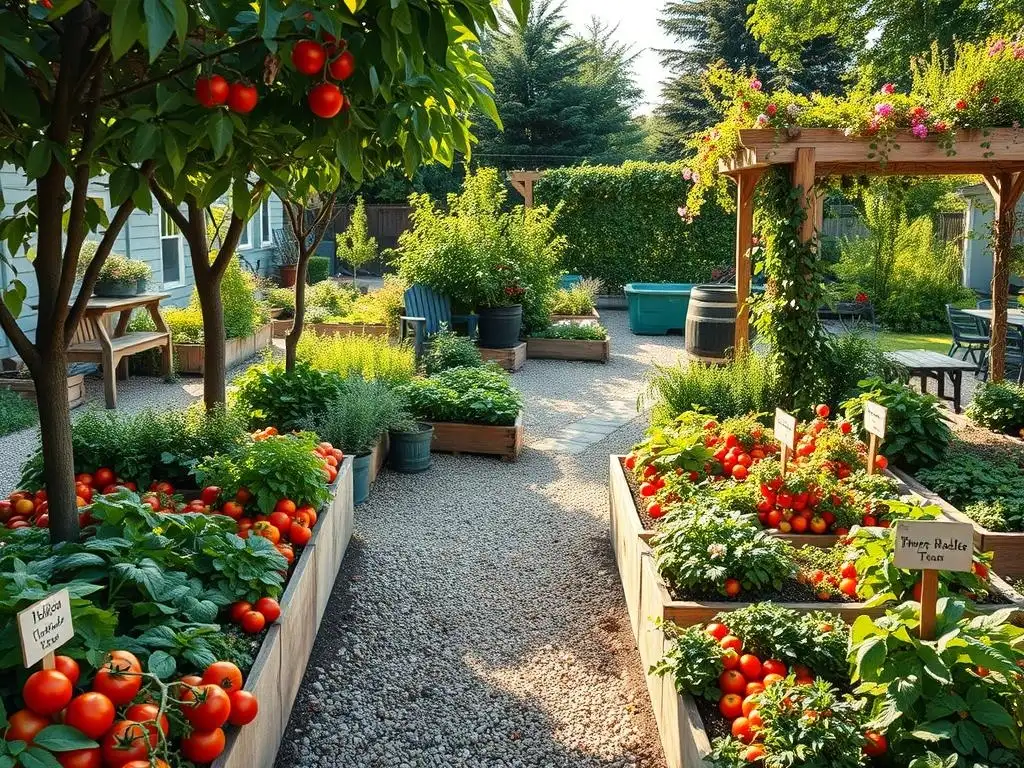
This section delves into the practical aspects of designing a shared garden that is both efficient and enjoyable for all participants. Successful shared garden design requires careful consideration of accessibility, planting arrangement, and water management. A well-planned layout fosters a sense of community and maximizes the yield of the garden. This guide will provide you with the essential elements for creating a thriving shared gardening experience. Remember, a thoughtfully designed space encourages participation and makes gardening more accessible and enjoyable for everyone involved. This is key to a successful shared garden project and contributes greatly to its long-term sustainability.
Designing a shared garden with accessibility in mind is crucial for inclusivity. Universal design principles should be at the forefront of your planning process. This means creating a space usable by people of all ages and abilities. Consider the following:
- Pathway Width: Pathways should be at least 36 inches wide to accommodate wheelchairs and allow for easy passage of multiple gardeners. Wider pathways (48 inches or more) are even better for larger groups and equipment maneuverability.
- Surface Material: Choose a durable, level, and non-slippery surface for pathways. Gravel can be challenging for wheelchair users, while concrete or compacted earth provides better stability. Consider raised pathways to improve drainage in wet climates.
- Ramps and Slopes: Avoid steep slopes. If inclines are unavoidable, incorporate gentle ramps with appropriate gradients (no steeper than 1:12) to ensure accessibility for everyone.
- Rest Areas: Integrate seating areas at intervals along pathways to allow for breaks and rest. Benches or strategically placed logs provide comfortable resting spots.
- Zoning: Divide the garden into clearly defined zones based on activity. For example, a planting zone, a composting zone, and a tool storage zone. This improves organization and reduces congestion.
- Signage: Clear and easy-to-read signage indicating different zones and plant types can enhance accessibility, especially for those with visual impairments.
The size, shape, and arrangement of planting beds significantly impact the usability and efficiency of a shared garden. Consider these factors:
- Bed Height: Raised beds are generally more accessible than ground-level beds, especially for individuals with mobility limitations. A height of approximately 30 inches is usually comfortable for most people.
- Bed Width: Beds shouldn’t be wider than 4 feet to allow easy access from both sides without overreaching. Narrower beds (3 feet) are even easier to manage.
- Bed Length: The length of the beds can be adjusted to fit the available space. Longer beds might require more pathways to ensure accessibility.
- Shape: Rectangular beds are generally the most efficient for shared gardens as they maximize planting space while maintaining ease of access.
- Accessibility Features: Consider incorporating features like handrails or support bars along the edges of raised beds to enhance stability and safety.
Efficient water management is crucial for the health of your shared garden. A well-designed system minimizes water waste and prevents waterlogging. Here’s how to achieve this:
- Irrigation System: A drip irrigation system is ideal for shared gardens, delivering water directly to the roots of plants and minimizing water loss through evaporation. This system also reduces weed growth.
- Soaker Hoses: Soaker hoses are a more affordable alternative to drip irrigation and are easy to install. They provide consistent moisture to plants.
- Rainwater Harvesting: Implement a rainwater harvesting system to collect and reuse rainwater for irrigation. This reduces reliance on municipal water supplies and promotes sustainability.
- Drainage: Ensure proper drainage to prevent waterlogging, which can damage plants and create muddy pathways. Raised beds help with drainage. Consider adding a layer of gravel at the bottom of raised beds to further improve drainage.
- Mulching: Apply a layer of mulch around plants to conserve moisture, suppress weeds, and regulate soil temperature. Organic mulches such as wood chips or straw are ideal.
This comprehensive guide provides a solid foundation for planning a functional and beautiful shared garden. By incorporating these elements, you can create a productive and enjoyable space that fosters community and promotes sustainable gardening practices. Remember, planning is key to a thriving shared garden experience! Careful consideration of these factors will significantly contribute to the long-term success and enjoyment of your shared garden project.
Selecting the right plants is crucial for a thriving and harmonious shared garden. The process involves careful consideration of several key factors: the diversity of plant life, the expected yield, and the preferences of the garden's participants. Ignoring any of these aspects can lead to conflict, underutilization of space, or even garden failure.
One of the primary goals in a shared garden is to foster a sense of community and shared bounty. Therefore, prioritizing a wide variety of plants is essential. This means including a mix of vegetables, herbs, and potentially even some fruit-bearing plants, depending on the space and climate. Consider including both common favorites and some less familiar options to introduce members to new tastes and culinary experiences.
A diverse selection also ensures a longer harvest season, with different plants ripening at various times throughout the year. For instance, a garden might include fast-growing leafy greens like lettuce and spinach alongside slower-maturing crops such as tomatoes and peppers. Including herbs like basil, mint, and rosemary adds another layer of culinary versatility and fragrance to the shared space.
The yield of each plant is another critical consideration. While variety is important, the garden should also aim to produce a sufficient amount of food to fairly distribute amongst participants. Choosing high-yielding varieties of vegetables and herbs is a smart strategy. This might involve selecting specific cultivars known for their prolific production.
For example, certain tomato varieties are renowned for their abundant fruit, while others excel in specific growing conditions. Researching and selecting these high-yielding options is essential to maximize the garden's overall productivity and ensure everyone benefits from the shared harvest. Careful planning, including appropriate spacing and efficient irrigation, will further enhance yield.
Finally, understanding and accommodating the community preferences is paramount. Before planting anything, it's vital to engage all participants in a discussion about their dietary needs, preferences, and any allergies. A survey or a simple meeting can be invaluable in gathering this information.
This collaborative approach ensures that the garden produces crops that everyone will enjoy and utilize, fostering a sense of ownership and shared responsibility. For example, if a significant portion of the gardeners are vegetarian, allocating more space to vegetable crops over fruits might be a wise decision. Similarly, if many members have allergies to certain foods, avoiding those plants altogether will prevent potential issues.
Open communication and collaborative decision-making are fundamental to a successful shared garden. This participatory approach ensures that the garden truly reflects the needs and desires of the community it serves, creating a more inclusive and enjoyable experience for everyone involved. Ignoring this step can lead to disappointment and underutilized crops, hindering the overall success of the shared garden project.
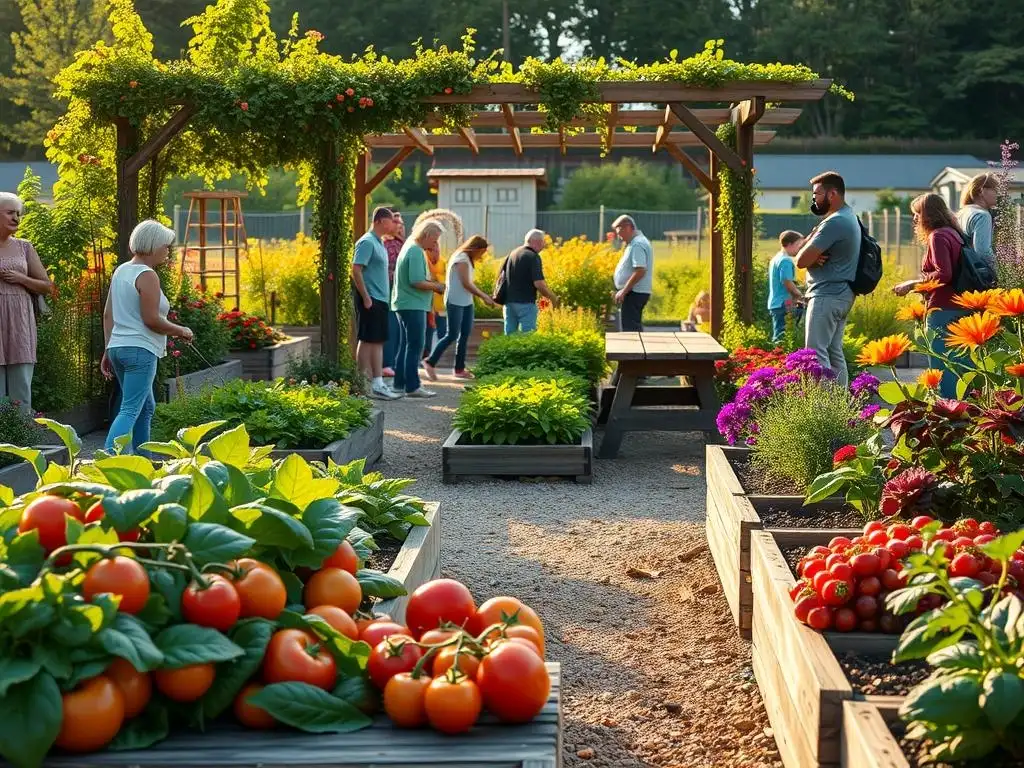
This section delves into the practical aspects of designing a shared garden that is both visually appealing and environmentally responsible. We'll explore how to select plants and materials that create a harmonious and sustainable space, fostering a sense of community and shared responsibility. A successful shared garden design considers both aesthetics and ecological impact, creating a vibrant hub for cultivation and social interaction. This guide provides a framework for planning your own thriving shared garden, ensuring it's a beautiful and productive space for years to come.
Selecting aesthetically pleasing plants and materials: Color palettes and visual harmony
Creating a visually stunning shared garden involves careful consideration of color palettes and the harmonious arrangement of plants and materials. Think beyond simply planting vegetables; incorporate ornamental plants to add visual interest and texture. A well-planned color scheme can significantly enhance the overall aesthetic appeal.
Consider using a color wheel to guide your plant selections. For instance, a vibrant combination of warm colors like reds (tomatoes, peppers) and oranges (marigolds) can create a cheerful and energetic atmosphere. Cooler colors like blues (lavender) and purples (eggplants) can offer a calming contrast. Remember to balance these colors with plenty of greens from leafy vegetables and herbs.
The use of natural materials is crucial for maintaining a sustainable and aesthetically pleasing environment. Instead of plastic edging, consider using reclaimed wood, natural stone, or even carefully placed gravel pathways. These materials not only look better but also integrate seamlessly with the natural environment, promoting biodiversity. For example, a rustic wooden pergola can provide shade and climbing support for beans or other vining plants, adding both functionality and visual appeal.
Choosing the right materials is essential for long-term sustainability. Durable, weather-resistant materials like cedar or redwood for raised beds will last longer than untreated pine. Similarly, selecting plants known for their resilience and low maintenance requirements will minimize the workload and ensure the garden's continued beauty. Researching native plants adapted to your local climate is also a sustainable and aesthetically pleasing choice. These plants require less water and are better suited to the local environment, reducing the need for excessive fertilization and pesticides.
Sustainable practices are paramount in any shared garden design. Water conservation is crucial, especially in drier climates. Employing efficient irrigation systems, such as drip irrigation or soaker hoses, minimizes water waste compared to overhead sprinklers. Mulching around plants helps retain soil moisture, reducing the frequency of watering. Choosing drought-tolerant plant varieties further minimizes water consumption.
Composting is another cornerstone of sustainable gardening. A centrally located composting system allows gardeners to recycle organic waste from the garden and kitchen, creating nutrient-rich compost to enrich the soil. This reduces reliance on synthetic fertilizers, benefiting both the environment and the health of the plants. A shared composting system encourages collaboration and resourcefulness among community members. Clearly labeled bins for different composting materials (greens, browns) will ensure efficient decomposition.
Pest control in a shared garden requires a holistic and integrated approach. Prioritize preventative measures such as companion planting (e.g., planting marigolds to deter pests), crop rotation, and maintaining healthy soil. If pests do appear, encourage the use of natural pest control methods such as introducing beneficial insects (ladybugs) or using insecticidal soap instead of harmful chemical pesticides. This approach protects both the environment and the health of the gardeners. Regular monitoring and early intervention are key to preventing major pest infestations.
Creating inviting communal spaces is crucial for fostering a sense of community and encouraging interaction among gardeners. Incorporate seating areas where people can relax, socialize, and enjoy the fruits (and vegetables!) of their labor. A simple bench made from reclaimed wood or a circle of colorful Adirondack chairs can provide comfortable spots for conversation and contemplation.
Consider adding a shaded area, perhaps a pergola or a strategically placed tree, to provide respite from the sun during hot days. A communal picnic table provides a great space for shared meals and gatherings. Adding features like a small water fountain or bird bath can increase the garden's aesthetic appeal and attract wildlife. These additions create a welcoming atmosphere and encourage a sense of shared ownership and pride in the garden.
The design of these communal areas should be inclusive and accessible to all gardeners, regardless of physical abilities. Ensure adequate pathways and seating options that are comfortable and easy to use. The goal is to create a space where everyone feels welcome and able to fully participate in the shared gardening experience. Thoughtful placement of these areas can also enhance the visual flow and beauty of the entire garden, creating a harmonious and welcoming environment for everyone involved.
Adding decorative elements: Art installations and community contributions
Adding decorative elements to your shared garden isn't just about aesthetics; it's about fostering a sense of community and ownership. Art installations, especially those collaboratively created, can significantly enhance the shared garden experience. Consider inviting local artists to contribute site-specific pieces, or organize workshops where community members can create mosaics, murals, or even repurposed material sculptures. These installations can reflect the garden's themes, celebrate the seasons, or simply add splashes of vibrant color.
For instance, a group of children could create a whimsical fairy garden using recycled materials, fostering creativity and a connection to nature. Adult community members could work together on a larger project, such as a mosaic pathway or a painted fence, promoting teamwork and shared accomplishment. Remember to prioritize durability and weather resistance when selecting materials and designs to ensure the longevity of these artistic contributions. The key is to encourage participation and create a space where everyone feels a sense of pride and ownership in the garden's beauty.
This shared artistic endeavor strengthens community bonds and transforms the garden into a vibrant, living art piece, reflecting the collective creativity and spirit of the participants. It's also important to consider the overall design aesthetic and ensure that any art installations complement, rather than clash with, the garden's overall style and functionality. A cohesive visual approach will result in a more harmonious and pleasing space for everyone to enjoy. Perhaps a theme could be established, such as "recycled art in the garden," or "natural materials and earth tones," to guide the artistic contributions and ensure a unified look.
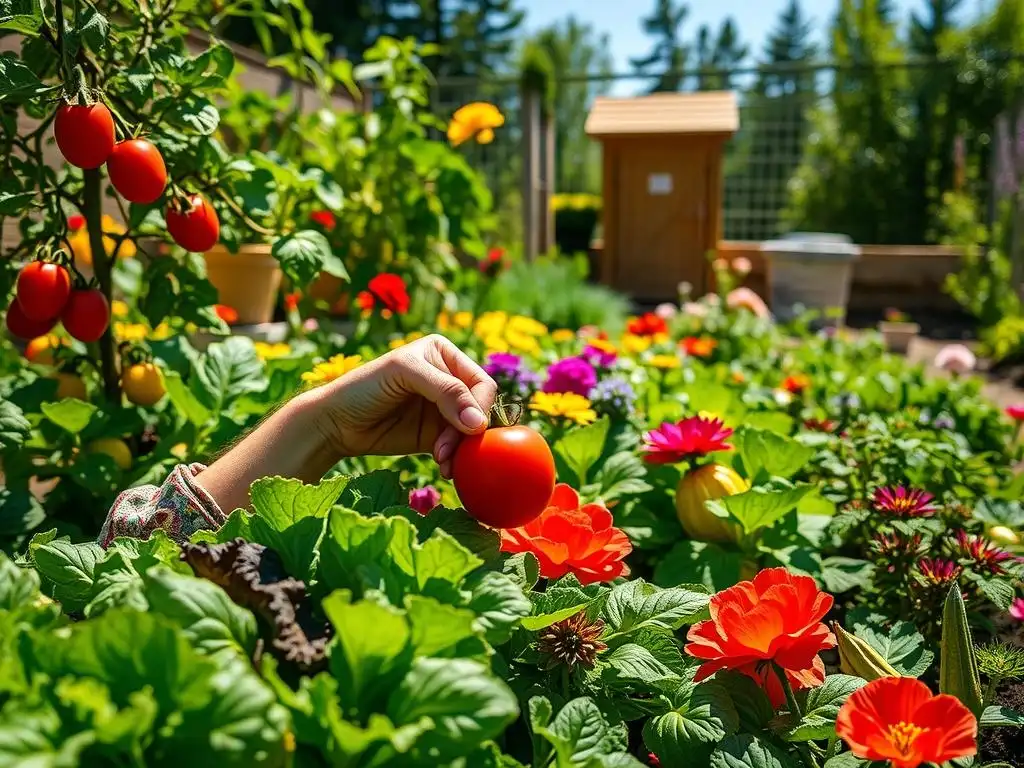
Successful shared gardens require diligent maintenance. This isn't just about weeding and watering; it's about fostering a thriving community resource that benefits everyone involved for years to come. A well-structured maintenance plan is crucial for preventing conflicts and ensuring the garden's long-term health and productivity. This involves careful consideration of individual responsibilities, community involvement, and resource allocation. Ignoring maintenance leads to decreased yields, pest infestations, and ultimately, the decline of the shared garden itself.
A clear, shared garden maintenance schedule is essential. This shouldn't be a rigid, inflexible plan, but rather a flexible framework that adapts to seasonal changes and the availability of community members. Consider using a shared online calendar or whiteboard to track tasks and assign responsibilities.
Here's a sample schedule, adaptable to your specific garden needs:
| Task | Frequency | Responsibility | Notes |
|---|---|---|---|
| Weeding | Weekly/Bi-weekly | Rotating volunteer schedule | Focus on areas with most significant weed growth. |
| Watering | Daily/Every other day | Rotating volunteer schedule | Adjust based on weather conditions and plant needs. |
| Pest & Disease Monitoring | Weekly | Designated "Garden Monitor" | Report any issues immediately to the group. |
| Harvesting | As needed | Individual plot owners/group | Establish guidelines for fair distribution. |
| Composting | Weekly/Bi-weekly | Designated compost manager | Ensure proper composting techniques are followed. |
| Soil Enrichment | Monthly/Seasonally | Group effort | Adding compost, mulch, or other soil amendments. |
| Tool Maintenance | As needed | Group effort or designated person | Keep tools clean, sharpened, and stored properly. |
| General cleanup | Monthly | Group effort | Removing debris, clearing pathways, etc. |
It’s vital to rotate responsibilities to ensure fairness and distribute the workload. This fosters a sense of shared ownership and commitment. Consider creating a sign-up sheet or using a digital tool to easily manage task assignments. Regular communication is key – utilize email, messaging apps, or regular meetings to address concerns and coordinate efforts. Remember to celebrate successes and adapt the schedule as needed.
Implementing a Community-Based Pest and Disease Management Plan
A proactive approach to pest and disease management is crucial for a healthy shared garden. Relying solely on chemical pesticides is unsustainable and harmful to the environment and human health. Instead, prioritize organic and integrated pest management (IPM) strategies.
This includes:
- Regular Monitoring: Frequent inspections help identify problems early, before they escalate. A designated "Garden Monitor" can play a critical role.
- Cultural Controls: Practicing crop rotation, companion planting, and providing appropriate spacing can naturally deter pests.
- Biological Controls: Introducing beneficial insects like ladybugs or lacewings can help control pest populations.
- Mechanical Controls: Handpicking pests, using traps, or employing barriers are effective and environmentally friendly methods.
- Organic Pesticides: If necessary, opt for organic pesticides as a last resort, always following label instructions carefully.
Documenting pest and disease occurrences is also beneficial for future planning. This data helps predict potential issues and allows for proactive preventative measures. Consider keeping a shared garden journal or using a digital database to track pest activity and the effectiveness of different control methods. This collective knowledge builds resilience and reduces the reliance on potentially harmful chemicals. The use of natural predators, like ladybugs 🐞, should be encouraged.
A fair and equitable harvest and distribution system is essential for maintaining harmony within the shared garden. The system should be transparent, easily understood, and agreed upon by all participants before planting begins.
Several approaches can be used:
- Individual Plots: Each participant cultivates their own designated area and harvests their produce independently. This approach works well for gardens with clearly defined individual spaces.
- Shared Plots: Participants work collaboratively on specific plots and share the harvest. This promotes teamwork and allows for greater variety.
- Rotating Crops: A system of rotating crops ensures everyone benefits from different harvests throughout the growing season.
- Community Harvest Days: Designated days for communal harvesting and distribution foster a sense of community and shared accomplishment.
Regardless of the chosen method, clear guidelines for harvesting and distribution are crucial. These guidelines should address issues such as:
- Harvesting Techniques: How to harvest produce without damaging plants.
- Distribution Methods: Methods for fairly dividing the harvest amongst participants.
- Spoilage and Waste Reduction: Strategies for minimizing food waste.
Transparency and clear communication are paramount. A well-defined system promotes fairness, minimizes conflict, and fosters a strong sense of community ownership in the shared garden. Remember, a successful shared garden is built on trust, cooperation, and a shared commitment to sustainable practices.
Planning for Ongoing Community Engagement and Support
Maintaining a thriving shared garden relies heavily on consistent community engagement. A well-designed plan for ongoing participation is crucial for long-term success. This goes beyond the initial recruitment phase; it's about fostering a sense of ownership and responsibility among all gardeners. Regular communication is key.
Consider establishing a dedicated communication channel, such as a shared online platform or a regular newsletter, to keep everyone informed about upcoming events, maintenance schedules, and any important decisions regarding the garden. This could include updates on crop yields, pest control measures, and upcoming work parties. Transparency is vital; openly sharing information about the garden's finances, if applicable, and any challenges faced will build trust and foster a sense of shared responsibility.
Beyond formal communication, consider implementing informal strategies to encourage interaction. Organize regular social gatherings, such as potlucks or workshops, to provide opportunities for gardeners to connect and build camaraderie. These events could also incorporate educational elements, such as workshops on composting techniques or identifying common garden pests.
Rotating responsibilities among gardeners can also foster a sense of shared ownership. This could involve assigning different gardeners to specific tasks on a rotating basis, ensuring that the workload is distributed fairly and that everyone has a chance to contribute their skills and knowledge. Consider creating a task calendar, accessible to everyone, to clearly outline responsibilities and deadlines.
Finally, proactively addressing conflicts or disagreements is essential. Establishing clear guidelines for conflict resolution from the outset, such as a mediation process or a designated point person, will help prevent minor issues from escalating into larger problems. Regular check-ins with individual gardeners can also help identify and address potential concerns early on.
Remember, a strong and engaged community is the bedrock of a successful shared garden, and investing time and effort in fostering that community will pay dividends in the long run. A successful shared garden is not just about the vegetables; it's about building a strong and supportive community. 🥕🤝
This section provides crucial information on leveraging resources to effectively plan and design your shared garden. Successfully establishing a thriving community garden requires careful planning and access to the right tools and support. This guide focuses on finding expert advice, securing funding, and utilizing available online resources to maximize your chances of success. Remember, a well-planned shared garden is a successful shared garden!
Developing a shared garden often benefits from the expertise of local organizations and experienced gardeners. These individuals can provide invaluable advice on site selection, soil testing, plant selection appropriate for your climate and soil conditions, and sustainable gardening practices. Furthermore, their guidance can be instrumental in navigating local regulations and securing necessary permits.
Several avenues exist for locating such support:
- Local agricultural extension offices: These offices, often affiliated with universities or government agencies, offer free or low-cost advice on various aspects of gardening, including soil management, pest control, and plant selection. They often host workshops and training sessions specifically tailored to community gardening initiatives. Contact information is usually easily accessible online through a simple search for "[Your Location] agricultural extension office."
- Master Gardener programs: Many regions have Master Gardener programs, comprised of trained volunteers who provide gardening education and assistance to the public. They can offer personalized guidance on your shared garden project, from initial planning to ongoing maintenance.
- Local gardening clubs and societies: These groups can provide a wealth of knowledge and practical experience. Networking within these communities can connect you with experienced gardeners who can offer valuable advice and even volunteer their time to assist with the development of your shared garden.
- Non-profit organizations: Many non-profits focus on urban agriculture and community development. They often offer resources and support for shared garden projects, including workshops, tool lending programs, and even potential funding opportunities.
Remember to thoroughly research local organizations to find those best suited to your specific needs and goals. Reaching out to several different groups can provide a comprehensive approach to securing the support necessary for a successful shared garden.
Accessing Funding Opportunities for Community Gardens: Grants and other resources
Securing funding is often a critical step in establishing a successful shared garden. Fortunately, numerous funding opportunities exist for community gardening projects. These range from government grants to private foundations and crowdfunding platforms.
The process of securing funding typically involves:
- Identifying potential funding sources: Researching grants and funding opportunities specific to community gardens is essential. Keywords such as "community garden grants," "urban agriculture funding," and "sustainable food systems grants" can yield relevant results. Government websites at the local, regional, and national levels frequently list available grant programs.
- Developing a comprehensive proposal: A strong proposal is crucial for securing funding. This should include a detailed project description, budget breakdown, community involvement plan, and a clear demonstration of the project's impact and sustainability.
- Building partnerships: Collaborating with other organizations can strengthen your funding application. Partnerships can demonstrate broader community support and increase the project's likelihood of success.
- Utilizing crowdfunding platforms: Platforms such as GoFundMe or Kickstarter can be utilized to solicit donations from individuals and groups interested in supporting your shared garden initiative. A compelling narrative and clear communication of the project's goals are vital for successful crowdfunding.
While specific funding amounts and eligibility criteria vary, diligent research and a well-crafted proposal significantly increase your chances of securing the necessary financial resources. Don't underestimate the power of a well-structured budget and a clear articulation of your project's goals and impact. The investment in time spent on this process will pay off in the long run.
Utilizing Online Tools and Resources
The internet provides a wealth of resources to aid in shared garden planning and design. These tools and resources can significantly streamline the process, from initial planning to ongoing maintenance.
Here are some key online resources:
- Online garden planning tools: Numerous websites offer interactive garden planning tools. These tools allow you to design your garden layout, select plants based on sun exposure and soil conditions, and estimate the space needed for each type of plant. They often incorporate features that help optimize plant placement for maximum yield and efficient use of space.
- Plant databases and information resources: Online databases provide comprehensive information on various plant species, including their growth habits, sunlight requirements, and pest susceptibility. This information is crucial for selecting plants suitable for your specific climate and soil conditions.
- Community forums and online groups: Connecting with other gardeners online can provide valuable advice and support. Forums and online groups dedicated to community gardening offer a platform to share experiences, ask questions, and learn from others.
- Educational videos and tutorials: YouTube and other video-sharing platforms offer a wealth of educational content on various aspects of gardening, including planting techniques, pest control, and composting. These resources can be invaluable for both beginners and experienced gardeners alike.
Effectively utilizing these online resources can significantly enhance the planning and design process, ensuring a more successful and productive shared garden. Remember that a well-informed gardener is a successful gardener. Take advantage of the readily available online resources to inform your decision-making and enrich your gardening journey.
Frequently Asked Questions
Consider using a modular design with individual plots clearly defined. This allows for equal space allocation and minimizes disputes. Clearly marked pathways are crucial for easy access.
Your plan should include plot sizes, water access points, composting areas, and a designated space for shared tools. Consider including a seating area for relaxation.
Establish a clear communication system, such as a shared online platform or regular meetings. Create a shared responsibility chart for tasks like watering and weeding.
Select low-maintenance, easy-to-grow varieties that suit different skill levels. Consider a mix of vegetables, herbs, and flowers to maximize yield and appeal. Discuss preferences beforehand!
Establish a conflict resolution process upfront. This could involve mediation or a voting system for decisions. Focus on open communication and compromise to maintain a positive environment.
The meticulous planning of a shared garden is not merely about aesthetics; it's about fostering community, building resilience, and creating a vibrant space that nourishes both body and soul. In a world increasingly defined by isolation and disconnectedness, the shared garden stands as a powerful symbol of collaboration and shared purpose, offering a tangible antidote to the alienation of modern life.
The impact of shared garden spaces extends far beyond the beauty of blooming flowers and bountiful harvests. They are living testaments to the power of collective action, fostering a sense of belonging and shared responsibility. The garden is a lovesong written in flowers and vegetables.
This quote beautifully encapsulates the emotional resonance of shared gardening, transforming a simple plot of land into a place of profound connection and shared joy. The ongoing influence of these spaces, particularly in urban environments, is undeniable, offering respite from concrete jungles and a renewed connection to the natural world.
Now, consider your own space, your own community. What seeds of collaboration could you plant? Perhaps it's a small herb garden shared with neighbors, a community composting initiative, or even just a conversation about creating a more vibrant green space in your neighborhood. Don't underestimate the power of a shared vision, a shared effort, and the shared bounty that will inevitably follow. Let the principles of thoughtful planning and collaborative spirit, explored throughout this guide, inspire you to cultivate not just a garden, but a stronger, more connected community.
Thank you for exploring the world of shared garden design! We hope you've gained valuable insights into creating a beautiful and productive space. Now, let's bring those ideas to life.
Here's how to get started:
- Sketch your dream garden: Grab a pencil and paper (or your favorite digital design tool) and start designing your ideal shared garden layout. Consider sunlight, soil type, and the needs of your fellow gardeners. Let your creativity flow!
- Share your design and collaborate: Post your sketch online or share it with your local gardening group for feedback and collaborative brainstorming. You might be surprised by the innovative solutions others suggest!
- Start small and adapt: Begin with a small section of your planned garden and start planting. Observe how it grows and adapt your approach as needed. You can always expand later.
Ready to transform your community with a thriving shared garden? What will be your first plant?