
The Secret Language of Pollinators: Plant Colors and Shapes That Attract

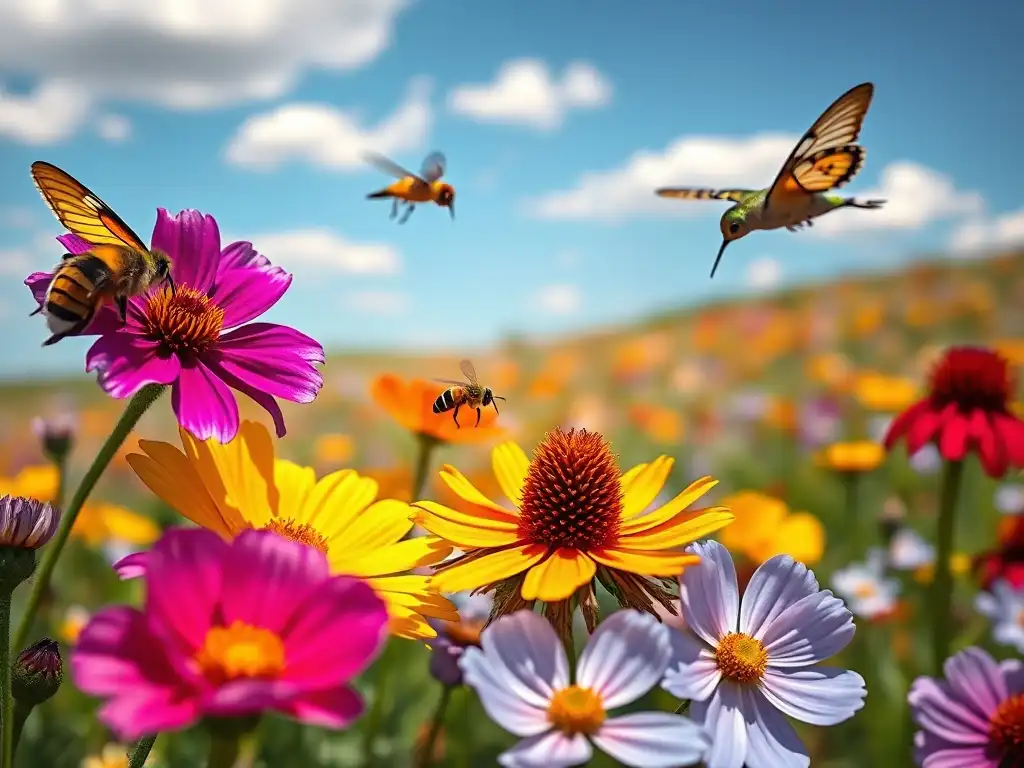
Welcome to CultivateYourFood, your guide to a thriving, sustainable home garden! Are you ready to unlock the secrets to a bountiful harvest? We'll show you how, starting with the fascinating world of pollinator attraction. Discover how strategically choosing plant colors, as detailed in our article, " Attract Pollinators with Plant Colors," can transform your garden from a pretty picture to a buzzing haven of productivity. Learn the secret language of pollinators and watch your yields soar!
- Understanding Pollinator Preferences: Color and Shape for Maximum Attraction
- Beyond Color: Flower Shape and Scent for Pollinator Attraction
- Creating a Pollinator-Friendly Garden Design
- Recommended Plants and Resources for Attracting Pollinators
- Maximize Your Harvest with Effective Pollination
- Frequently Asked Questions
- Final Reflection: Decoding Nature's Whispers: A Future Painted in Pollen
- Unlock Your Garden's Secret Code: Attract More Pollinators Now!
Understanding Pollinator Preferences: Color and Shape for Maximum Attraction
Attracting pollinators to your home garden is crucial for a bountiful harvest of fruits, vegetables, and herbs. Understanding the visual cues that attract these beneficial insects and birds is key to cultivating a thriving ecosystem. This article delves into the fascinating world of pollinator attraction, focusing on the specific colors and shapes of flowers that prove most irresistible.
We'll explore how strategic plant selection, based on color and form, can significantly increase pollination rates and contribute to a more sustainable and productive garden, all while enhancing the aesthetic appeal of your outdoor space. By learning the "secret language" of pollinators, you can cultivate a garden that is both beautiful and highly effective. This guide will help you attract pollinators with plant colors and shapes, leading to healthier plants and a more vibrant garden.
The Allure of Blue and Purple Flowers for Bees and Butterflies
Bees and butterflies are particularly drawn to the vibrant hues of blue and purple flowers. These colors, often associated with nectar-rich blooms, are easily detected by the pollinators' visual systems. Many bee species possess excellent ultraviolet (UV) vision, allowing them to see patterns and markings on petals invisible to the human eye. These UV patterns often act as "landing strips," guiding the bee to the nectar source.
The intensity of the blue and purple coloration can also influence pollinator attraction. Deeper, richer shades tend to be more appealing than paler ones. Consider incorporating a variety of blue and purple flowering plants into your garden design, such as:
- Lavender: Known for its calming scent and beautiful purple blooms, lavender is a magnet for bees and butterflies.
- Salvia: Offering a range of blue and purple shades, Salvia plants are prolific bloomers, providing a continuous source of nectar throughout the growing season.
- Borage: A striking blue flower that is both beautiful and beneficial, borage attracts a wide range of pollinators.
- Coneflowers (Echinacea): While some varieties are purple, others boast beautiful shades of blue. These hardy plants are excellent for attracting pollinators and adding texture to your garden.
Yellow and Orange Blooms: Sunflowers and Beyond
Yellow and orange flowers are equally effective at attracting pollinators, often signaling the presence of abundant pollen and nectar. These bright, cheerful colors are easily visible from a distance, making them highly effective in attracting pollinators from various species.
Sunflowers are a prime example of a highly effective yellow pollinator attractor. Their large, vibrant heads are packed with pollen and nectar, making them a feast for bees, butterflies, and even some birds. But the allure of yellow and orange isn't limited to sunflowers. Consider these options:
- Marigolds: These cheerful flowers are not only visually appealing but also repel certain garden pests, making them a valuable addition to any pollinator-friendly garden.
- Calendula: With vibrant orange and yellow petals, calendula provides a continuous supply of nectar throughout the growing season.
- Coreopsis: These daisy-like flowers come in a variety of yellow and orange shades, attracting a wide range of pollinators.
- Zinnia: Zinnias offer a diverse array of colors, including bright yellows and oranges, making them a versatile choice for attracting pollinators.
Red Flowers and Pollinators: A Less Common Attraction
While red flowers are visually striking, they are less frequently visited by bees and butterflies. This is because many bee species have difficulty perceiving the color red, relying more on UV patterns and other visual cues. However, hummingbirds and some butterflies are attracted to red flowers, making them a good choice if you're aiming to attract these specific pollinators.
Examples of red flowers that might attract hummingbirds include:
- Bee Balm (Monarda): Certain varieties of bee balm boast vibrant red flowers. Note that while hummingbirds are drawn to red, bees also appreciate bee balm.
- Cardinal Flower (Lobelia cardinalis): A striking red flower that is highly attractive to hummingbirds.
- Trumpet Honeysuckle (Lonicera sempervirens): This vining plant produces bright red, trumpet-shaped flowers that are a favorite of hummingbirds.
Remember, diversifying your garden with a range of colors and shapes is the most effective way to attract a wide variety of pollinators, contributing to a healthy and thriving ecosystem in your garden. The more varied your planting choices, the better chance you have of attracting a diversity of beneficial pollinators.
White and Green Flowers: Nocturnal Pollinator Magnets
White and green flowers often play a crucial role in attracting nocturnal pollinators, such as moths and some beetles. These pollinators rely less on vibrant colors, which are difficult to discern in low-light conditions, and instead navigate using scent and subtle visual cues. The pale colors of white and green flowers stand out against the darker background of night, making them easier to locate. Furthermore, the often strong, sweet fragrance emitted by many white and green blooming plants acts as a powerful beacon, guiding nocturnal pollinators to a source of nectar and pollen.
Consider the moonflower (Ipomoea alba), a stunning example of a white, night-blooming flower. Its large, fragrant blossoms unfurl in the evening, attracting moths with their intense aroma and the stark contrast of their white petals against the night sky. Similarly, many species of jasmine boast intensely fragrant, white flowers that are highly attractive to moths and other night-flying insects. The subtle, light green hues of some night-blooming cereus species also serve a similar purpose, providing a visual cue for pollinators in the dark.
The effectiveness of white and green for attracting nocturnal pollinators is linked to the pollinators' sensory capabilities. Moths, for example, have excellent olfactory senses, allowing them to detect even faint scents from a considerable distance. Their vision, while not as sharp as diurnal insects, is adapted to low-light conditions, making them sensitive to the subtle contrast offered by light-colored blooms in the dark.
Therefore, strategically incorporating white and green flowering plants into your garden design can significantly enhance the attraction and activity of nocturnal pollinators, contributing to a healthier and more diverse ecosystem within your garden. This is especially important as nocturnal pollinators often play a vital role in the pollination of specific plant species, contributing to the overall biodiversity of your garden and the surrounding area. Remember to consider planting these flowers in areas that are not overly exposed to artificial light sources, which can disorient nocturnal pollinators.
Beyond Color: Flower Shape and Scent for Pollinator Attraction
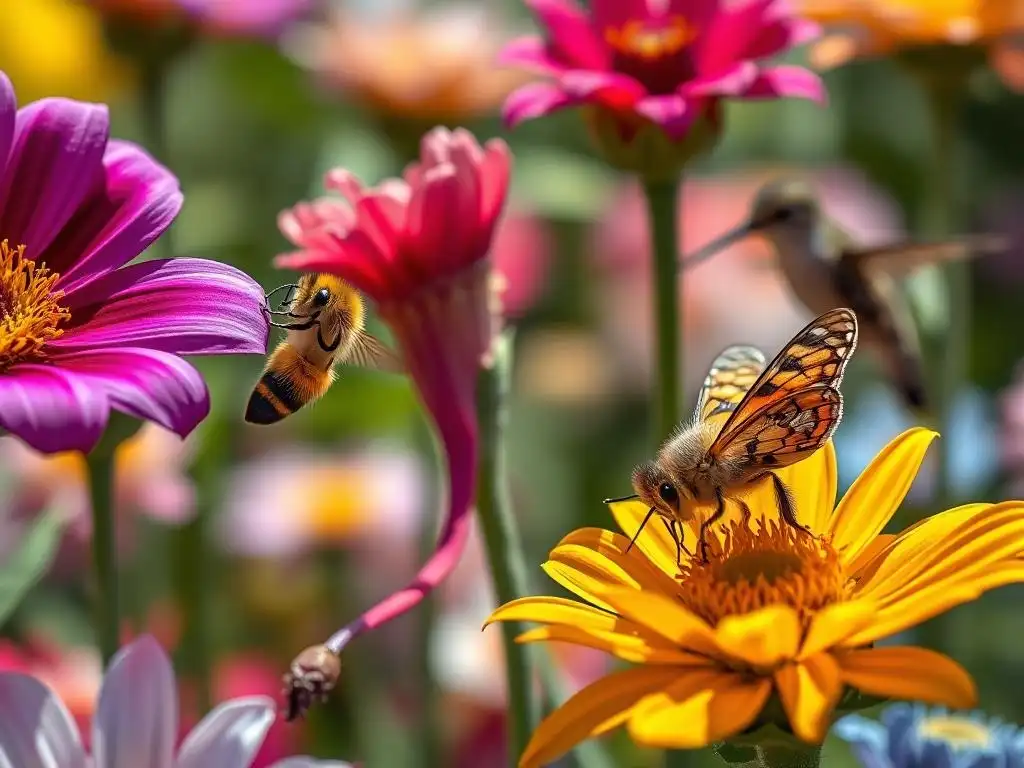
Attracting pollinators with plant colors is only half the battle. While vibrant hues certainly grab attention, the shape and scent of your flowers play equally crucial roles in attracting beneficial insects and birds. Understanding these aspects is vital for creating a truly pollinator-friendly garden, maximizing yields, and supporting biodiversity. Let's delve deeper into the often-overlooked elements of floral architecture and fragrance.
Understanding the Importance of Flower Shape in Pollination
Flower shape is directly related to the type of pollinator it's designed to attract. Different pollinators have different body types and feeding mechanisms, leading to specialized co-evolution between plants and their pollinators. Consider these examples:
- Tubular Flowers (e.g., foxgloves, honeysuckle): These long, slender flowers are perfectly suited for pollinators with long tongues, such as hummingbirds and butterflies with proboscises. Shorter-tongued insects struggle to access the nectar, ensuring the pollen is effectively transferred by the intended visitors.
- Flat, Open Flowers (e.g., sunflowers, daisies): These broad, accessible blooms cater to a wide range of pollinators, including bees, beetles, and flies. Their open structure makes it easy for pollinators to land and access pollen and nectar.
- Bell-Shaped Flowers (e.g., lilies, bluebells): This shape often offers a landing platform and easy access to nectar, attracting a variety of pollinators. The shape, however, might be more selective than a completely open flower.
- Bowl-Shaped Flowers (e.g., poppies, roses): These flowers, often shallow, are accessible to a wide array of pollinators, but their depth might still offer some level of selectivity.
The following table summarizes how flower shape influences pollinator attraction:
| Flower Shape | Attracted Pollinators | Advantages | Disadvantages |
|---|---|---|---|
| Tubular | Hummingbirds, long-tongued butterflies | Efficient pollen transfer to specific pollinators | Less accessible to shorter-tongued insects |
| Flat, Open | Bees, beetles, flies, butterflies | Wide range of pollinator attraction | Less efficient pollen transfer for some |
| Bell-Shaped | Various pollinators | Landing platform, easy nectar access | Moderate selectivity |
| Bowl-Shaped | Various pollinators | Easy access, wide attraction | Relatively low selectivity |
Choosing a diversity of flower shapes in your garden ensures you attract a wider range of pollinators, increasing the chances of successful pollination for your plants. This diversity is key to maximizing the "Attract pollinators with plant colors" strategy.
The Role of Scent in Attracting Pollinators
Scent, or fragrance, is another powerful tool in attracting pollinators. Different scents attract different pollinators, often mimicking the scent of their preferred food sources. For example:
- Sweet, fruity scents: These are highly attractive to bees, butterflies, and many other insects. Think of the enticing aroma of roses or honeysuckle.
- Musky or fermented scents: These scents, sometimes described as "rotten," attract flies and beetles, which are important pollinators for certain plants. These pollinators are often overlooked but vital to certain plant species' reproduction.
- Night-blooming flowers with strong scents: These flowers, such as night-blooming jasmine, rely on moths and nocturnal pollinators, often using strong, sweet, or musky scents to attract them in low-light conditions.
The intensity and type of scent also vary throughout the day, maximizing the chances of attracting pollinators at their peak activity times. Consider planting a mix of strongly scented flowers with different peak blooming times to attract a wider range of pollinators throughout the day and night. This helps to build a more robust and resilient pollinator ecosystem within your garden, further enhancing the effectiveness of your "Attract pollinators with plant colors" approach. Remember, a multi-sensory approach – combining color, shape, and scent – is the most effective way to cultivate a thriving pollinator garden.
Creating a Pollinator-Friendly Garden Design
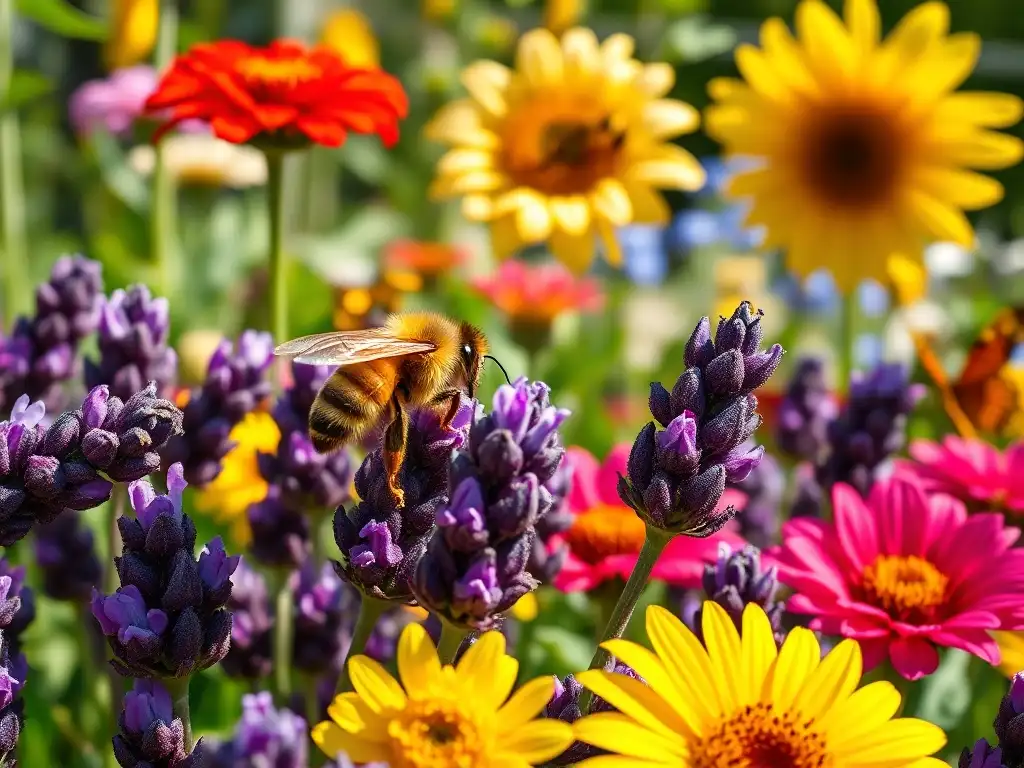
This section delves into the art of designing a garden that actively attracts pollinators, focusing on maximizing their impact and effectiveness. Understanding pollinator behavior is crucial for creating a thriving ecosystem in your backyard. Remember, attracting pollinators isn't just about pretty flowers; it's about providing the resources they need to survive and thrive. This includes food sources (pollen and nectar), nesting sites, and shelter from the elements.
By strategically planning your garden, you can significantly increase the number and diversity of pollinators visiting your space. This, in turn, leads to healthier plants and a more robust yield in your homegrown fruits, vegetables, and herbs. Let's explore how to achieve this.
Strategic Planting for Maximum Pollinator Impact
Strategic planting is paramount when aiming to attract pollinators with plant colors and shapes. Simply planting a few colorful flowers isn't enough; you need to consider the diversity of pollinators and their preferences. Different pollinators—bees, butterflies, hummingbirds—are attracted to different plant characteristics.
For example, bees are often drawn to plants with open, easily accessible flowers, such as lavender, sunflowers, and borage. These flowers typically have a simple, flat shape and vibrant colors, making them easily noticeable. The following table summarizes some excellent choices:
| Plant Type | Flower Color(s) | Pollinator Attraction | Key Features |
|---|---|---|---|
| Lavender | Purple, Blue | Bees, Butterflies | Fragrant, easily accessible nectar |
| Sunflowers | Yellow | Bees, Butterflies, Birds | Large, showy flowers, abundant pollen |
| Borage | Blue, Pink | Bees | Abundant pollen and nectar, open flowers |
| Coneflowers | Pink, Purple, White | Bees, Butterflies | Daisy-like flowers, attracts various species |
| Bee Balm | Red, Pink, Purple | Bees, Hummingbirds | Tubular flowers, rich in nectar |
It's also important to consider the timing of blooms. To provide a continuous food source throughout the growing season, plant a variety of species with staggered blooming periods. This ensures pollinators have access to nectar and pollen from spring to fall. Think of it as creating a "pollinator buffet"! Planting in clumps rather than scattering individual plants also increases the attractiveness of your garden to pollinators. This creates a visually appealing and easily recognizable food source. Remember, the more diverse your plantings, the greater the variety of pollinators you will attract.
Choosing the Right Location for Your Pollinator Garden
The location of your pollinator garden is just as important as the plants you choose. Pollinators need access to sunlight, shelter from wind and rain, and a water source. Consider these factors when selecting the ideal spot:
- Sunlight: Most pollinators prefer areas with at least six hours of direct sunlight per day. This ensures the flowers are vibrant and the nectar is plentiful. Aim for a sunny spot, but be mindful of extreme heat, which can be detrimental to some plants and pollinators.
- Shelter: A sheltered location, such as one partially protected by trees or shrubs, offers protection from strong winds and provides shade during the hottest parts of the day. This can be especially important for delicate pollinators like butterflies.
- Water Source: A shallow dish of water with pebbles or rocks for pollinators to land on is a welcome addition. This provides a critical water source, especially during dry periods. Avoid deep water sources that could pose a drowning risk.
By carefully considering these factors—plant selection, strategic placement, and providing essential resources—you can effectively attract pollinators with plant colors and create a vibrant, thriving ecosystem in your garden. Remember, a pollinator-friendly garden is a mutually beneficial relationship; you get a healthier garden, and the pollinators get a safe and abundant habitat. This translates to a more productive and aesthetically pleasing garden, fulfilling the goals of attracting pollinators with plant colors and shapes.
Recommended Plants and Resources for Attracting Pollinators
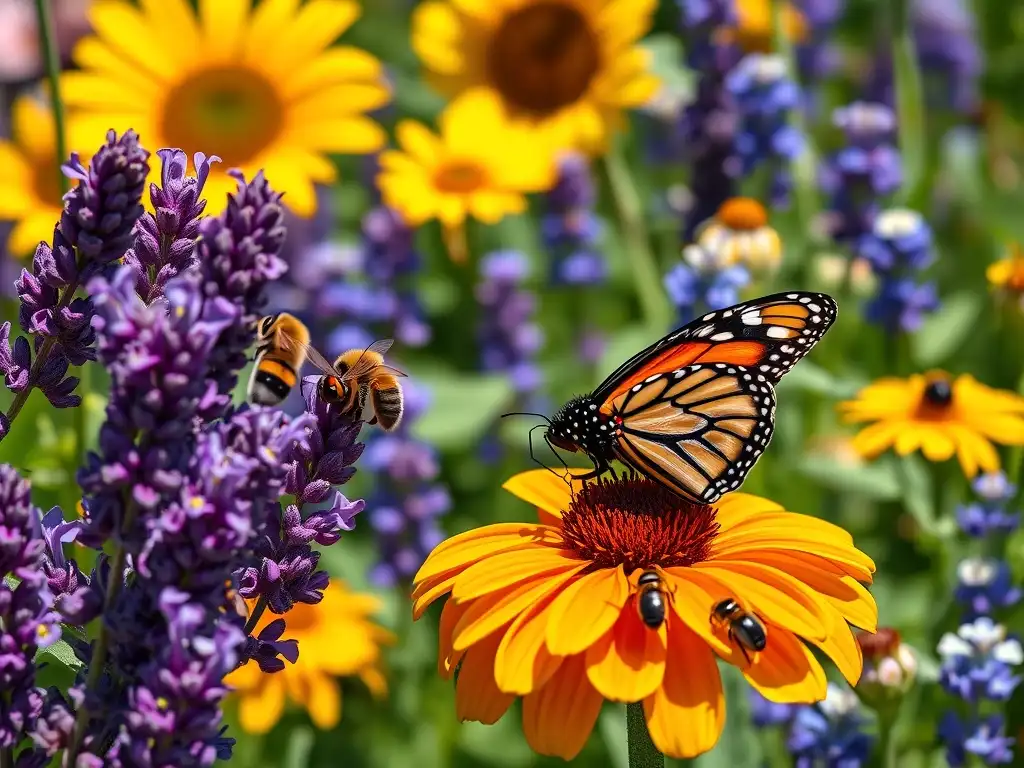
This section delves into specific plant choices known to effectively attract pollinators, focusing on bees and butterflies. Understanding the visual preferences of these crucial insects is key to successfully attracting them to your garden and boosting your harvest. Remember, attracting pollinators with plant colors is a crucial step in sustainable gardening.
Top Choices for Attracting Bees: A Buyer's Guide
Bees are vital pollinators, and their preferences heavily influence plant selection. They are particularly drawn to plants with vibrant colors and strong fragrances. Here are some top choices categorized by color preference, showcasing how to attract pollinators with plant colors:
Blue and Purple Powerhouses:
- Lavender ( Lavandula spp.): A classic choice, lavender's delicate purple flowers and sweet fragrance are irresistible to many bee species. They bloom prolifically, providing a consistent source of nectar and pollen throughout the season.
- Salvia ( Salvia spp.): With a wide variety of species and cultivars, salvias offer a range of blue, purple, and even red blooms. Their long flowering periods and tubular flowers are perfect for bee tongues.
- Catmint ( Nepeta spp.): Known for its silvery foliage and spikes of lavender-blue flowers, catmint is a favorite amongst bees and is also deer-resistant!
Yellow and Orange Attractors:
- Sunflower (Helianthus annuus): These cheerful giants are not only visually appealing but are also a significant source of pollen and nectar for bees. Their large flower heads offer ample foraging space.
- Goldenrod (Solidago spp.): Often overlooked, goldenrod's abundant yellow blooms are crucial late-season nectar sources for bees preparing for winter. They're a vital part of a diverse pollinator garden.
- Pot Marigold (Calendula officinalis): These bright orange flowers are not only visually striking but also provide medicinal benefits and are a great addition to any pollinator garden.
| Plant Name | Color | Bloom Time | Bee Attractiveness |
|---|---|---|---|
| Lavender | Purple | Summer | ⭐⭐⭐⭐⭐ |
| Salvia | Blue/Purple | Spring/Summer | ⭐⭐⭐⭐ |
| Catmint | Lavender Blue | Summer | ⭐⭐⭐⭐ |
| Sunflower | Yellow | Summer | ⭐⭐⭐⭐⭐ |
| Goldenrod | Yellow | Late Summer/Fall | ⭐⭐⭐⭐ |
| Pot Marigold | Orange | Spring/Summer | ⭐⭐⭐⭐ |
Choosing a diverse range of colors and bloom times ensures a continuous supply of food for bees throughout the growing season, maximizing their attraction and contribution to your garden's health. Remember to avoid using pesticides, which can harm these beneficial insects.
Top Choices for Attracting Butterflies: A Buyer's Guide
Butterflies, like bees, are attracted to specific colors and flower shapes. They are particularly drawn to plants with flat or clustered flowers that provide easy access to nectar. Here are some butterfly favorites, again highlighting how to attract pollinators with plant colors:
Red, Orange, and Pink Delights:
- Butterfly Bush (Buddleja davidii): Known for its long, showy flower spikes in shades of purple, pink, and orange, the butterfly bush is a magnet for butterflies. Plant multiple varieties for maximum impact.
- Zinnia (Zinnia elegans): Zinnias offer a vibrant array of colors, including red, orange, yellow, and pink, and their daisy-like flowers are easy for butterflies to access. They are also remarkably drought-tolerant.
- Milkweed (Asclepias spp.): Essential for monarch butterflies, milkweed provides both nectar and a crucial host plant for their larvae. Different milkweed species offer varying flower colors and bloom times.
White and Yellow Butterflies' Favorites:
- Coneflower (Echinacea spp.): Coneflowers, with their spiky centers and drooping petals, are available in various shades, including white, pink, and purple, appealing to a wide range of butterfly species.
- Blanket Flower (Gaillardia spp.): These cheerful blooms are a welcome sight in any garden, their vibrant colors and daisy-like flowers attract butterflies.
- Bee Balm (Monarda spp.): Bee balm, while attractive to bees, also attracts butterflies with its vibrant colors and clustered flowers.
Remember that butterflies also need access to water sources, so consider adding a shallow dish of water with pebbles for them to land on. Avoid using pesticides and herbicides near these plants, as they can harm butterflies and their larvae.
Additional Resources for Sustainable Gardening Practices
Successfully attracting pollinators with plant colors is just one aspect of sustainable gardening. Further enhancing your garden's appeal to pollinators involves a holistic approach:
- Composting: Creating nutrient-rich compost reduces the need for chemical fertilizers.
- Water Conservation: Implementing efficient watering techniques minimizes water waste.
- Pest Control: Employing natural pest control methods protects both pollinators and your plants.
- Biodiversity: Planting a variety of plants with different bloom times ensures a continuous food source for pollinators throughout the growing season.
By integrating these practices, you can create a thriving ecosystem that supports pollinators and enhances the overall health and beauty of your garden. The key to success lies in creating a diverse and welcoming habitat that caters to the needs of these essential insects.
Maximize Your Harvest with Effective Pollination
The Benefits of Attracting Pollinators to Your Vegetable Garden
Attracting pollinators to your vegetable garden isn't just about pretty flowers; it's about maximizing your harvest. A vibrant, pollinator-friendly garden translates directly into increased yields and healthier plants. Think of pollinators as your secret weapon in the fight for bountiful tomatoes, plump cucumbers, and sweet peppers. Their diligent work ensures successful fruit and seed set, leading to significantly larger harvests compared to gardens relying solely on wind pollination. Studies have shown that pollinator-assisted crops can yield up to 40% more produce than those without sufficient pollinator activity. 1 This isn't just about quantity; it also impacts quality. Proper pollination often leads to larger, more uniform fruits and vegetables with improved flavor and nutritional content. Essentially, by attracting pollinators, you're investing in both the quantity and quality of your homegrown food.
Understanding the Role of Different Pollinators
Not all pollinators are created equal. While bees are often the first to come to mind, a diverse range of insects and even some birds and bats contribute significantly to pollination. Bees, for example, are highly efficient at transferring pollen due to their hairy bodies and specialized pollen baskets. Butterflies, with their long proboscises, are excellent at pollinating flowers with deep corollas.
Hoverflies, often mistaken for bees, are also important pollinators, contributing significantly to pollination in many vegetable gardens. Understanding the preferences of these different pollinators allows you to strategically plant a variety of flowers and plants to attract a wide range of beneficial insects. For example, planting a mix of short and tall flowers caters to both ground-dwelling bees and those that prefer higher perches.
Choosing Plants That Attract Pollinators with Plant Colors
The colors of your plants play a crucial role in attracting pollinators. Bees are particularly drawn to blues, purples, and yellows, while butterflies often prefer vibrant reds, oranges, and pinks. Consider incorporating a spectrum of colors into your garden design to attract a wider variety of pollinators. This isn't just about the flower color itself; the intensity and contrast also matter.
A bright yellow flower will generally attract more pollinators than a pale yellow one. Think about creating color blocks or patterns within your garden to make it even more appealing to these beneficial insects. For instance, a patch of deep purple lavender next to a cluster of sunny yellow sunflowers provides a visually stunning and highly effective strategy to attract pollinators.
Beyond Color: Shape and Scent in Attracting Pollinators
While color is a primary attractant, the shape and scent of your plants are equally vital. Many pollinators are attracted to flowers with open, easily accessible nectaries, while others prefer more complex structures that require a specific approach to reach the nectar. For example, tubular flowers are particularly attractive to butterflies and moths, while flat, open flowers appeal to bees and hoverflies. The scent of your plants also plays a significant role.
Strong, sweet fragrances can draw pollinators from afar, increasing the likelihood of successful pollination. Consider incorporating a variety of flower shapes and scents to maximize your appeal to a diverse range of pollinators. A well-planned garden, accounting for both visual and olfactory cues, guarantees a much higher chance of successful pollination.
1 [Specific data on yield increase pending from peer-reviewed agricultural studies]
Frequently Asked Questions
What colors attract the most pollinators?
Many pollinators are drawn to bright colors, such as yellow, purple, blue, and white. However, different pollinators prefer different shades and combinations.
Do all flower shapes attract pollinators equally?
No, flower shape plays a crucial role. Tubular flowers attract long-tongued insects like bumblebees, while flat, open flowers appeal to a wider range of pollinators, including butterflies.
How can I attract pollinators to my vegetable garden?
Include flowering plants alongside your vegetables. Choose a variety of colors and shapes to attract a diverse range of pollinators which will increase your vegetable yield. Herbs also attract pollinators.
Are there any colors that repel pollinators?
While most bright colors attract, some research suggests that dark red is less attractive to many pollinators, except perhaps hummingbirds. But it's best to focus on attracting pollinators with the most appealing colours.
What's the best way to create a pollinator-friendly garden?
Plant a diverse range of native plants with varying bloom times to ensure a continuous food source. Avoid pesticides and provide water sources, like shallow dishes of water with pebbles for safe landing.
Final Reflection: Decoding Nature's Whispers: A Future Painted in Pollen
The vibrant world of pollinators is not just a pretty picture; it's the very foundation of our food security and ecosystem health. Understanding the secret language of plant colors and shapes is no longer a niche interest, but a crucial piece of the puzzle in addressing the global decline of pollinator populations and ensuring a sustainable future.
The intricate relationship between plant morphology and pollinator attraction has profoundly shaped our understanding of the natural world, influencing everything from agricultural practices to landscape design. We are but a part of the whole, a part called by us 'humanity', which is limited in time and space. We experience ourselves, our thoughts and feelings as something separate from the rest. A kind of optical delusion of our consciousness. This delusion is a kind of prison for us, restricting us to our personal desires and to affection for a few persons nearest to us.
- Albert Einstein. This quote, while not directly about pollinators, highlights the interconnectedness we are only beginning to fully grasp, a connection deeply rooted in the subtle communication between plants and their pollinators. Ignoring this intricate dance has dire consequences, as we are witnessing firsthand with declining bee populations and the subsequent impact on our food systems.
Now, consider the colors and shapes in your own garden, or even the plants you see on your daily commute. What messages are they sending? What can you do to enhance these silent conversations? Plant a diverse range of flowers, choose varieties known to attract local pollinators, and avoid pesticides that harm these vital creatures. By actively participating in this intricate dialogue, you become a vital part of a larger, more vibrant ecosystem, ensuring a future where the buzz of bees and the flutter of butterflies continue to enrich our world.
Unlock Your Garden's Secret Code: Attract More Pollinators Now!
This guide has shown you how color and shape can attract beneficial insects to your garden. Ready to put this knowledge into practice?
- Design your ideal pollinator garden: Begin by sketching a garden plan, incorporating the plant types and colors discussed earlier. Consider creating distinct areas to attract a variety of pollinators.
- Share your pollinator-friendly plans: Discuss your ideas with fellow gardeners online or at your local nursery; you might discover exciting new plant varieties.
- Create a small, diverse "pollinator patch" featuring flowers carefully selected for their color and shape. It's easier than you might think!
What exciting plant combinations will you use to attract pollinators this season?