
The EcoFriendly Gardener: Why Composting is Essential for a Sustainable Lifestyle

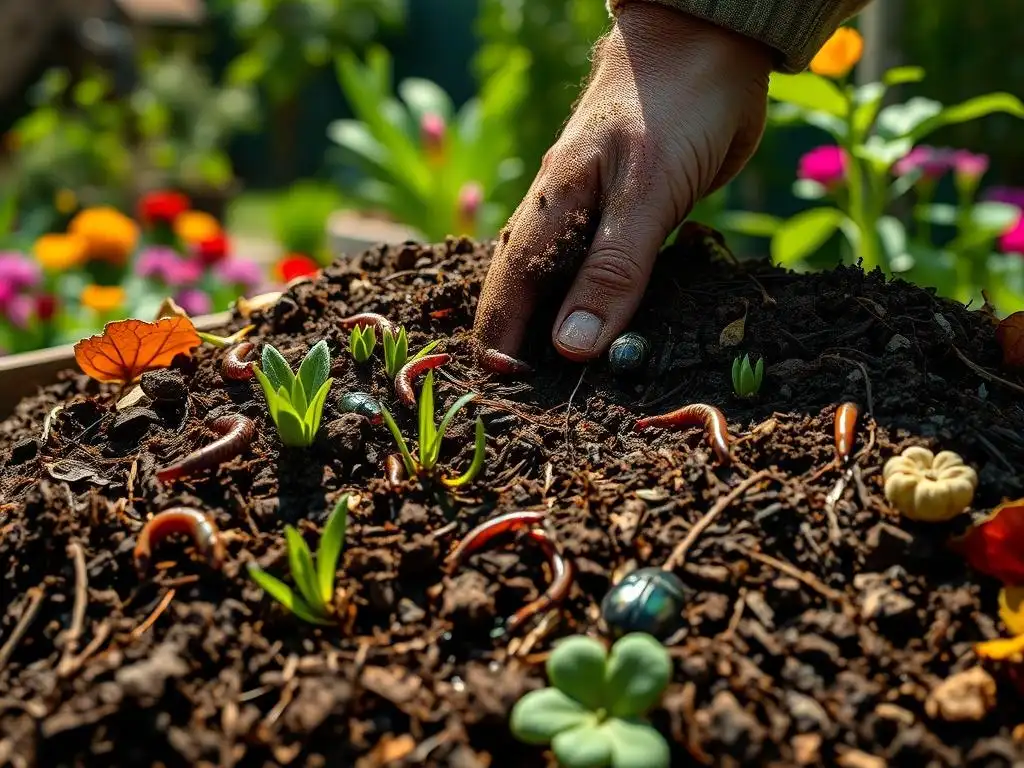
Welcome to CultivateYourFood, your guide to nurturing a thriving garden while embracing sustainable practices! Are you ready to unlock the secrets to a bountiful harvest and a healthier planet? Discover the incredible Sustainable gardening composting benefits and learn how this simple yet powerful technique can transform your garden and your lifestyle. Dive in and explore the world of organic gardening – your journey to a greener, more fruitful future starts here!
- Understanding the Core Benefits of Sustainable Gardening Composting
- How Composting Improves Soil Health for Sustainable Gardening
- Getting Started with Composting for Sustainable Gardening Practices
- Harvesting and Utilizing Your Compost for Sustainable Gardening
- Beyond the Basics: Advanced Composting Techniques for Sustainable Gardening
- Composting and its Impact on the Overall Sustainability of Your Garden
- Frequently Asked Questions
- Final Reflection: Cultivating a Sustainable Future, One Compost Pile at a Time
- Unlock Your Garden's Potential: Start Composting Today!
Understanding the Core Benefits of Sustainable Gardening Composting
Sustainable gardening practices are gaining popularity as more people recognize the importance of environmentally friendly and resource-efficient methods for cultivating food. At the heart of many successful sustainable gardens lies composting – a natural process that transforms organic waste into a valuable soil amendment. This article explores the essential role composting plays in achieving a truly sustainable lifestyle, focusing on its significant environmental, economic, and horticultural benefits.
We'll delve into how composting directly contributes to a greener planet, enriches your soil, and ultimately saves you money while fostering healthier, more vibrant plants. Understanding these benefits will empower you to make informed decisions that support both your garden and the environment. Let's explore how embracing sustainable gardening composting benefits your entire ecosystem.
Reducing Landfill Waste: Your Contribution to a Greener Planet
Landfills are significant contributors to greenhouse gas emissions, releasing methane – a potent greenhouse gas – as organic waste decomposes. By composting food scraps, yard waste, and other organic materials, you actively divert this waste from landfills, minimizing your carbon footprint. This simple act makes a substantial difference. Consider this: the average American household generates approximately [Specific data on average household organic waste pending] pounds of organic waste annually.
A significant portion of this could be composted, drastically reducing the amount of waste ending up in landfills. Composting not only minimizes methane emissions but also reduces the need for new landfill space, preserving valuable land resources. The positive environmental impact extends beyond reduced greenhouse gases; it also contributes to cleaner air and water, creating a healthier planet for all.
Think of the collective impact if every household adopted this practice! It's a small change with enormous potential for positive change. 🎉
Enriching Your Soil with Natural Compost: Nutrient-Rich Soil for Healthy Plants
Compost is nature's own fertilizer, teeming with beneficial microorganisms and essential nutrients. Unlike synthetic fertilizers which can disrupt soil ecosystems and deplete nutrient levels over time, compost gradually releases nutrients, feeding your plants throughout their growing cycle. This slow-release mechanism ensures consistent nutrient availability, promoting healthy root development and robust plant growth. The organic matter in compost also improves soil structure, increasing its water retention capacity and aeration.
This means healthier, more drought-resistant plants that are less susceptible to diseases. The improvement in soil quality is not just visible in plant health; it also contributes to a more vibrant and biodiverse soil ecosystem, fostering a thriving environment for beneficial insects and microorganisms. Imagine the difference between dry, compacted soil and rich, dark compost-enriched soil – the contrast is striking and speaks volumes about the benefits.
Saving Money on Fertilizers and Soil Amendments: Cost-Effective Sustainable Gardening
The financial benefits of composting are undeniable. By producing your own compost, you eliminate or significantly reduce the need to purchase expensive commercial fertilizers and soil amendments. This translates directly into cost savings over time, especially considering the recurring nature of these purchases. The cost savings are not just limited to fertilizers; you also reduce the need for peat moss and other soil conditioners often used to improve soil structure, further reducing your expenses.
While the initial investment in a composting system might seem significant, the long-term savings and environmental benefits far outweigh the initial cost. The financial rewards are a significant incentive, making sustainable gardening both environmentally responsible and economically savvy. 💰
How Composting Improves Soil Health for Sustainable Gardening
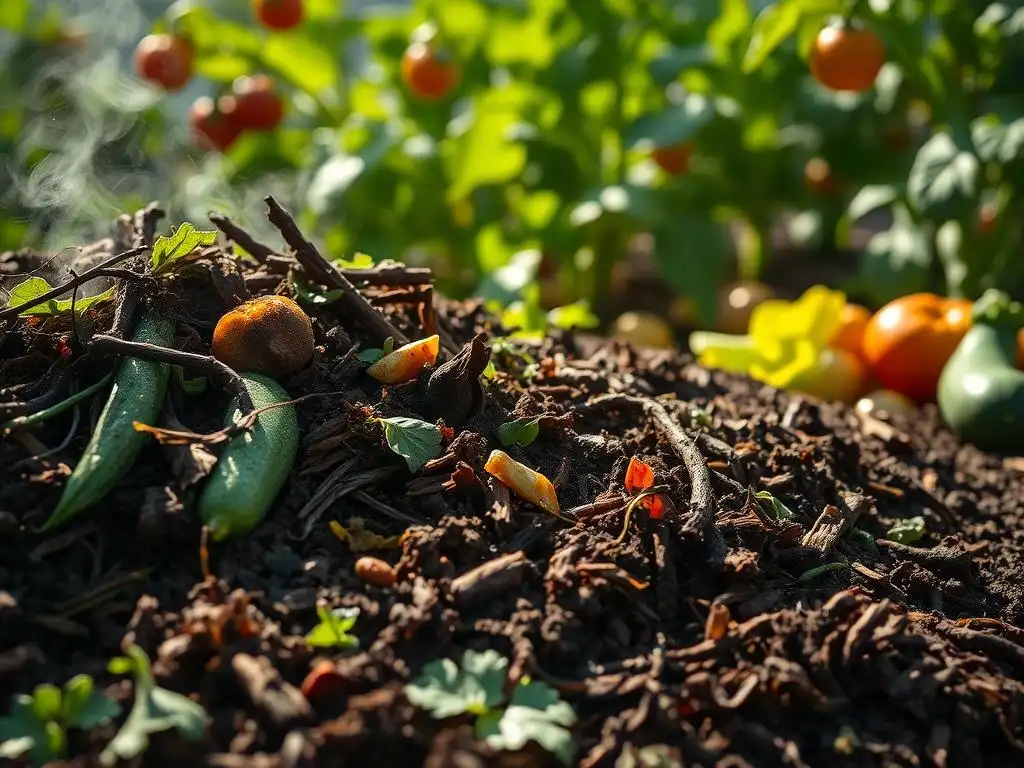
Composting is a cornerstone of sustainable gardening, offering a multitude of benefits that directly impact soil health. By enriching the soil with organic matter, composting creates a thriving environment for plant growth, minimizing the need for synthetic fertilizers and pesticides. This section will delve into the specific ways composting enhances soil structure, boosts microbial activity, and improves nutrient availability, all crucial aspects of sustainable gardening practices. Understanding these benefits is key to achieving bountiful harvests while minimizing your environmental footprint. This is particularly important for those seeking to maximize the positive effects of sustainable gardening composting benefits.
Enhanced Soil Structure and Water Retention: Creating the Perfect Growing Medium
Healthy soil isn't just dirt; it's a complex ecosystem with a vital structure. Compost significantly improves soil structure by adding organic matter, which acts like a sponge. This organic matter increases the soil's porosity, creating air pockets that allow for better oxygen circulation. This improved aeration is crucial for root growth and overall plant health. Plants with access to sufficient oxygen can absorb nutrients more efficiently.
Furthermore, the increased porosity from compost leads to enhanced water retention. Clay soils, often prone to waterlogging, benefit tremendously from compost's ability to improve drainage. Conversely, sandy soils, which tend to drain too quickly, gain the ability to retain moisture longer, thanks to the water-holding capacity of the compost. This improved water retention means less frequent watering, saving you time and water—a key aspect of sustainable gardening.
The result is a soil structure that is both well-drained and able to hold moisture effectively, creating the ideal growing medium for thriving plants. This is a significant advantage for achieving sustainable gardening composting benefits. Consider this example: a heavy clay soil amended with 25% compost will show a dramatic improvement in water infiltration and retention compared to the untreated soil.
Increased Microbial Activity: A Thriving Ecosystem in Your Garden
Compost isn't just about adding nutrients; it's about fostering a vibrant community of beneficial microorganisms within the soil. These microbes, including bacteria, fungi, and actinomycetes, are essential for breaking down organic matter, releasing nutrients in a plant-available form. Compost acts as a food source for these beneficial microbes, significantly increasing their populations. A higher microbial population translates to more efficient nutrient cycling and decomposition of organic materials, leading to healthier plants and a more resilient ecosystem.
The improved microbial activity also enhances the soil's ability to suppress plant diseases. Many beneficial microbes compete with harmful pathogens for resources, reducing the incidence of disease. This natural disease suppression is a significant advantage in sustainable gardening, reducing or eliminating the need for chemical pesticides. The increased microbial diversity in compost-amended soil creates a robust and resilient soil ecosystem, far superior to sterile, chemically treated soils. This is another major component of sustainable gardening composting benefits. Studies have shown that compost significantly increases the diversity and abundance of beneficial soil fungi, vital for nutrient uptake and disease suppression.
Improved Nutrient Availability: Feeding Your Plants Naturally
Compost provides a slow-release source of essential nutrients for your plants. Unlike synthetic fertilizers, which can release nutrients rapidly and potentially burn plant roots, compost releases nutrients gradually, providing a consistent supply throughout the growing season. This slow-release mechanism ensures that plants receive the nutrients they need when they need them, promoting healthy growth and robust harvests.
The nutrients in compost are naturally chelated, meaning they are bound to organic molecules, making them more readily available to plants. This improved nutrient uptake efficiency means that plants can utilize the nutrients more effectively, resulting in healthier plants and a reduction in the need for supplemental fertilizers. This is particularly important for micronutrients, which are often deficient in soils and crucial for plant health.
The natural nutrient balance in compost also helps to prevent nutrient imbalances that can occur with synthetic fertilizers. The long-term benefits of improved nutrient availability contribute significantly to the overall sustainable gardening composting benefits, promoting healthy, productive plants year after year. For example, compost rich in nitrogen can support vigorous leafy growth, while phosphorus-rich compost promotes strong root development and flowering.
Getting Started with Composting for Sustainable Gardening Practices
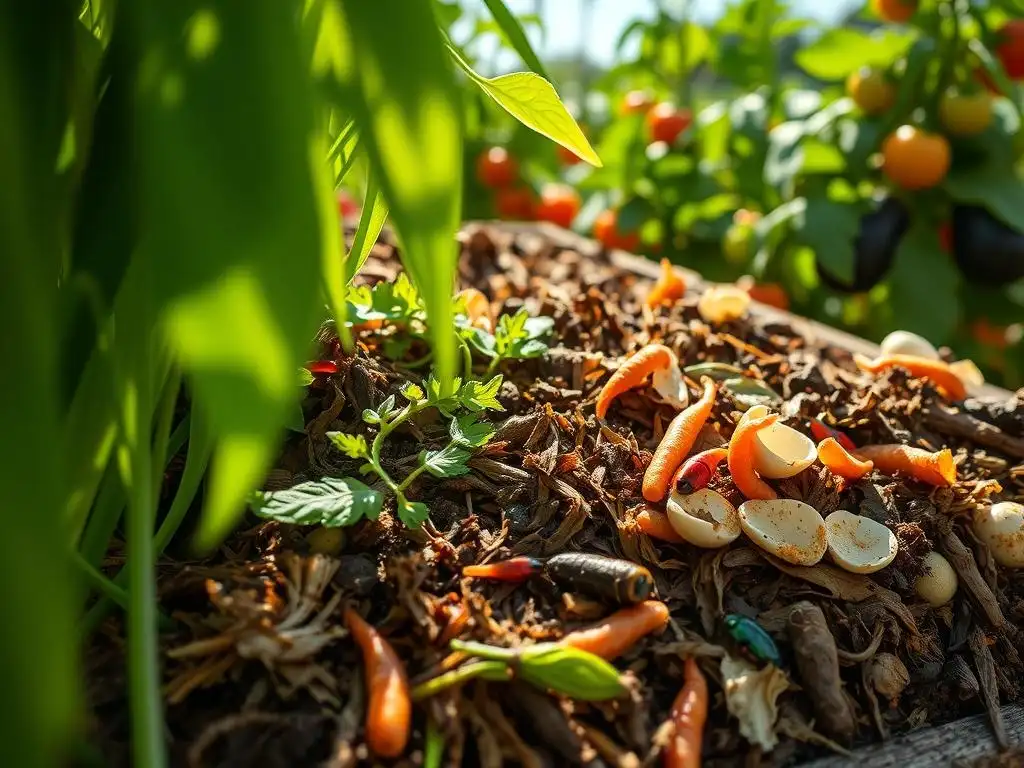
Composting is a cornerstone of sustainable gardening, offering numerous environmental and practical benefits. It's a natural process that transforms organic waste—kitchen scraps, yard debris, and more—into a nutrient-rich soil amendment. By diverting organic materials from landfills, you reduce methane emissions, a potent greenhouse gas. This aligns perfectly with sustainable gardening practices focused on minimizing environmental impact.
Furthermore, the resulting compost improves soil structure, water retention, and fertility, leading to healthier plants and reduced reliance on chemical fertilizers. Embracing composting is a significant step towards cultivating a truly eco-friendly garden and embracing a more sustainable lifestyle. This section will guide you through the initial steps, providing a foundation for your composting journey. Remember, even small-scale composting makes a difference!
Choosing the Right Composting Method: Bin, Pile, or Worm Composting?
The first decision in your composting journey involves selecting the method that best suits your space and lifestyle. Three primary methods stand out:
- Compost Bins: These offer a contained and aesthetically pleasing option, especially suitable for smaller spaces or those seeking a neater approach. Bins are available in various sizes and materials, from simple wooden structures to more sophisticated plastic models with built-in aeration systems. They provide better control over the composting process and help contain odors.
- Compost Piles: This traditional method involves creating a pile directly on the ground. It's less structured than using a bin, requiring more space and potentially resulting in messier aesthetics. However, it's often simpler to set up and can accommodate larger volumes of organic materials. Proper pile management, including turning and moisture control, is crucial for successful decomposition.
- Worm Composting (Vermicomposting): This method utilizes worms, primarily red wigglers ( Eisenia fetida), to break down organic waste. It's particularly well-suited for smaller spaces and produces a high-quality, nutrient-rich compost known as vermicast. Worm composting requires less space than other methods but necessitates a specific setup and consistent care.
The best method depends on your individual circumstances. Consider factors like available space, the amount of organic waste you generate, and your personal preference for aesthetics and level of maintenance. For example, a small apartment dweller might prefer vermicomposting, while someone with a large yard might opt for a compost pile.
Essential Ingredients for Successful Composting:
Successful composting relies on a balanced mix of "browns" and "greens." These terms refer to the carbon-to-nitrogen ratio within the compost materials:
- Browns (Carbon-Rich): These provide the structural base for your compost pile and include dried leaves, shredded paper, cardboard (ink-free), twigs, and straw. They are essential for proper aeration and preventing the pile from becoming too wet and slimy.
- Greens (Nitrogen-Rich): These materials provide the nutrients that fuel the decomposition process. Examples include grass clippings, fruit and vegetable scraps, coffee grounds, tea bags (remove staples), and food waste.
The ideal ratio of browns to greens is generally considered to be around 2:1 or 3:1. Too many greens can lead to a smelly, anaerobic pile, while too many browns can slow down decomposition. Regularly monitoring the moisture level and turning the compost will help to maintain a balanced environment. Avoid adding meat, dairy products, oily foods, diseased plants, or pet waste, as these can attract pests and create unpleasant odors.
| Ingredient Category | Examples | Carbon/Nitrogen Ratio |
|---|---|---|
| Browns | Dried leaves, shredded paper, cardboard | High |
| Greens | Grass clippings, fruit/vegetable scraps | Low |
Maintaining Your Compost Pile: Tips for Optimal Decomposition
Maintaining your compost pile involves several key practices to ensure efficient decomposition and a high-quality end product. These practices contribute significantly to the overall success of your sustainable gardening composting efforts.
- Moisture Content: The compost should be consistently moist, like a wrung-out sponge. Too dry, and decomposition slows; too wet, and it becomes anaerobic and foul-smelling. Regularly check the moisture level and add water if necessary.
- Aeration: Adequate airflow is crucial for aerobic decomposition. Turning the compost pile regularly (every few weeks) introduces oxygen and helps break down materials more effectively. For compost bins, ensure sufficient ventilation holes.
- Layer Structure: Building your compost pile in layers, alternating browns and greens, improves aeration and decomposition. Smaller pieces break down faster than larger ones.
- Temperature Monitoring: A healthy compost pile will generate heat due to microbial activity. Monitoring the temperature (ideally between 130-160°F or 54-71°C) indicates the decomposition process is progressing well. A thermometer can be easily inserted into the pile.
- Patience: Composting is a process that takes time. Depending on the method and conditions, it can take anywhere from a few months to a year for your compost to fully mature. Be patient and persistent, and you'll be rewarded with a valuable soil amendment. Regularly checking and adjusting your compost pile as needed is key to reaping the rewards of sustainable gardening composting benefits. 🌱
Harvesting and Utilizing Your Compost for Sustainable Gardening
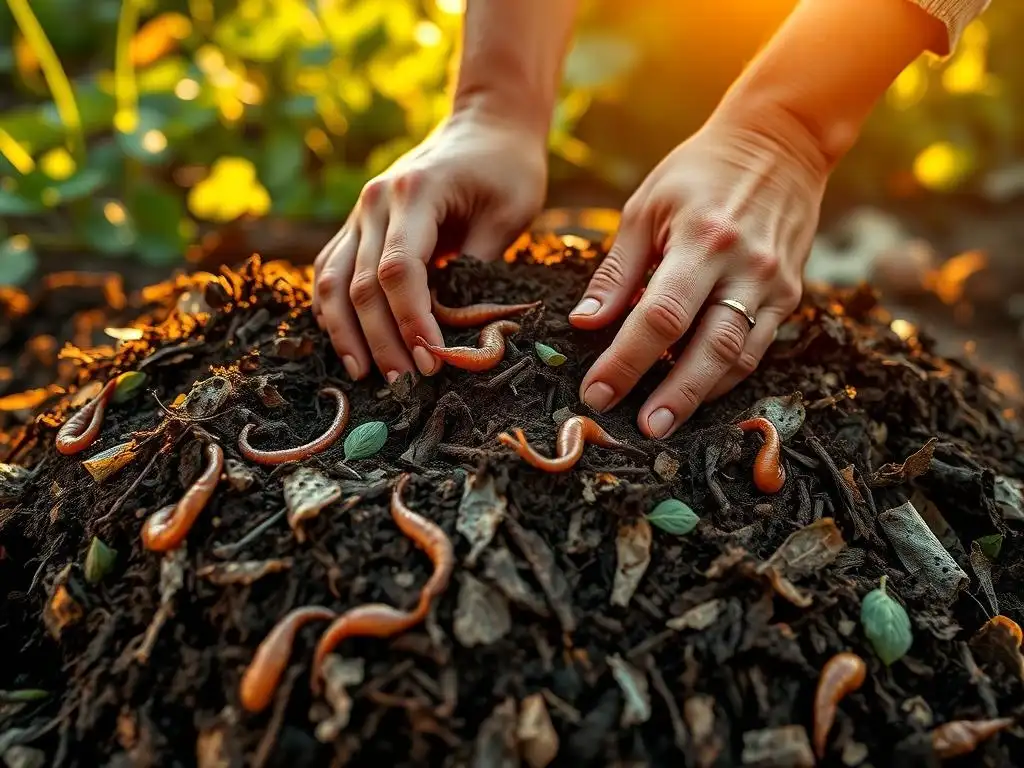
This section delves into the practical aspects of harvesting and using your compost, maximizing its benefits for your sustainable gardening practices. Successfully creating nutrient-rich compost is only half the battle; knowing when and how to use it effectively is crucial for reaping the rewards of your efforts. We'll explore the signs of successful decomposition, techniques for optimal application in your garden beds, and even an advanced method—compost tea—for targeted nutrient delivery. This ensures you're maximizing the advantages of sustainable gardening composting benefits.
Recognizing When Your Compost is Ready: Signs of Successful Decomposition
Knowing when your compost is ready is key to maximizing its benefits. Rushing the process can lead to incomplete decomposition and introduce harmful pathogens into your garden. Conversely, leaving it too long can result in nutrient loss. Several key indicators signal that your compost is ready for use:
- Dark, rich color: Mature compost will be a dark brown or black, signifying the breakdown of organic matter. A lighter color indicates the process is still ongoing.
- Earthy aroma: A pleasant, earthy smell indicates healthy decomposition. A foul odor suggests anaerobic conditions (lack of oxygen) and potentially harmful bacteria. This often requires turning the compost pile to improve aeration.
- Crumbly texture: The compost should be crumbly and easily broken apart. Large, undecomposed chunks suggest the process needs more time.
- Temperature stabilization: The initial heating phase of composting will eventually subside. A stable, ambient temperature indicates the decomposition process has largely completed. You should no longer feel significant heat emanating from the pile.
- Lack of recognizable organic material: You should no longer be able to easily identify the original ingredients. The materials should have broken down into a homogenous mixture.
Successfully achieving these indicators demonstrates the sustainable gardening composting benefits you'll see in your garden. Improperly composted material can harm your plants, so patience and attention to detail are crucial.
Incorporating Compost into Your Garden Beds: Techniques for Optimal Application
Applying compost to your garden beds is a straightforward process, but the technique significantly impacts its effectiveness. Several methods exist, each with advantages depending on your garden's needs and scale:
- Topdressing: This simple method involves spreading a layer of compost directly onto the surface of your garden beds. It's ideal for maintaining soil health and enriching the topsoil. A layer of 1-2 inches is generally sufficient.
- Incorporation: This technique involves mixing compost directly into the soil using a garden fork or tiller. It's more labor-intensive but provides a more thorough distribution of nutrients. This is particularly useful before planting.
- Side-dressing: This method involves applying compost along the sides of rows of plants. It's a great way to provide a concentrated dose of nutrients to established plants.
- Raised beds: For raised beds, compost can be incorporated directly into the construction of the bed itself, mixing it with the soil used to fill the bed. This provides a long-term source of nutrients.
The best approach often depends on the specific plants you're growing and the condition of your existing soil. Experimenting with different techniques can help you find what works best for your garden. Remember, consistent application of compost is key to realizing the long-term sustainable gardening composting benefits.
Using Compost Tea: An Advanced Technique for Nutrient Delivery
Compost tea is an advanced composting technique that creates a liquid solution rich in beneficial microorganisms and nutrients. It's an excellent way to deliver nutrients directly to your plants' root systems, boosting growth and improving overall plant health. Creating compost tea involves steeping compost in water for a specific period, allowing beneficial microbes to proliferate.
The process generally involves:
- Aerating the brew: Using an air pump to keep the microorganisms active.
- Brewing time: Steeping the compost for 24-72 hours, depending on the desired concentration.
- Filtering: Removing the solid compost material before applying the tea.
This approach offers a highly effective method for delivering nutrients, especially beneficial for plants struggling with nutrient deficiencies or those in containers. While slightly more complex than direct compost application, compost tea offers a targeted and efficient way to leverage the sustainable gardening composting benefits and promote vibrant plant growth. The microbial activity within the tea also contributes to a healthier soil ecosystem. Remember to always use high-quality compost to ensure the safety and effectiveness of your compost tea.
Beyond the Basics: Advanced Composting Techniques for Sustainable Gardening
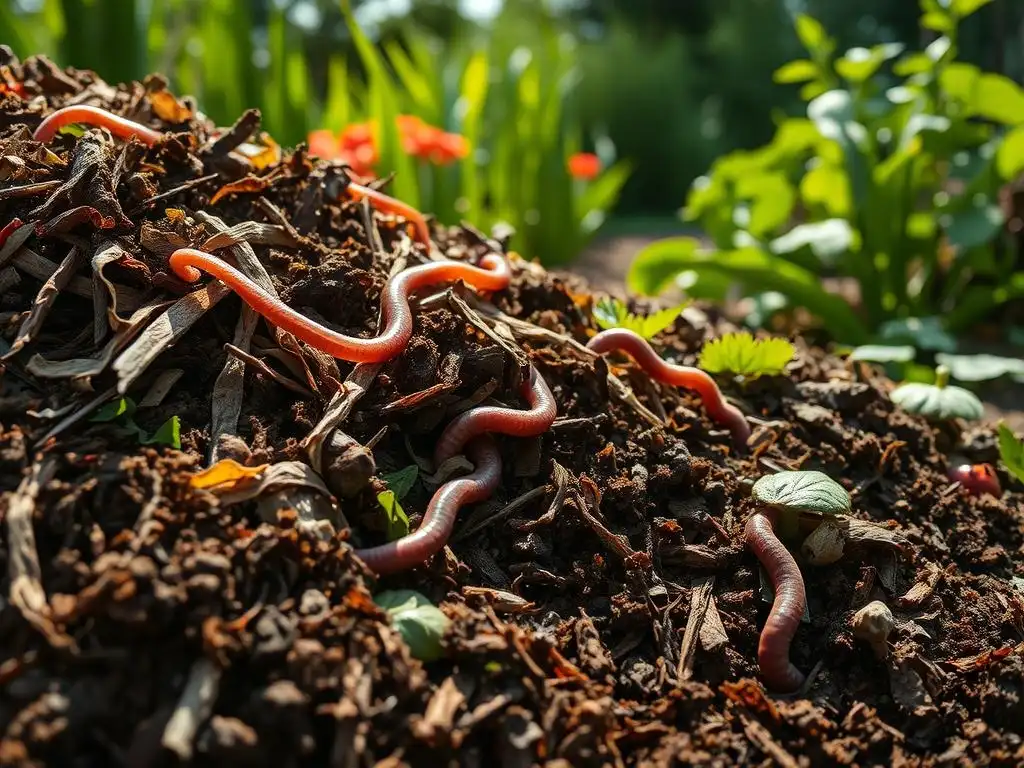
This section delves into more advanced composting methods that can significantly boost the effectiveness and efficiency of your sustainable gardening practices. Moving beyond the simple backyard compost heap, we'll explore techniques that optimize nutrient creation and minimize waste, maximizing the benefits of "sustainable gardening composting."
Vermicomposting: The Power of Worms in Sustainable Gardening
Vermicomposting, or worm composting, utilizes the incredible appetites and waste-processing capabilities of red wiggler worms ( Eisenia fetida) to transform organic matter into nutrient-rich castings. This method is particularly effective for smaller spaces and generates a high-quality compost ideal for enriching potting mixes and garden beds. The worms consume kitchen scraps and other organic materials, producing a liquid fertilizer known as "worm tea" as a byproduct. This tea is a fantastic source of readily available nutrients for your plants.
Worm composting is remarkably efficient. A single pound of worms can process up to a pound of organic waste per day! This makes it an excellent solution for managing food scraps from even a large household. Furthermore, the process is remarkably odor-free, unlike some other composting methods, making it suitable for indoor or outdoor use, regardless of proximity to living spaces.
The process requires a simple setup: a bin with layers of bedding material (shredded newspaper or cardboard), food scraps, and the worms themselves. Maintaining the right moisture levels is crucial. The worms thrive in a damp environment, similar to a wrung-out sponge. Regular monitoring and occasional additions of bedding material are necessary to ensure optimal conditions for worm activity and to prevent unpleasant odors. The resulting castings are extremely rich in beneficial microorganisms, enhancing soil structure and promoting healthy plant growth. This makes vermicomposting a cornerstone of truly sustainable gardening practices.
Bokashi Composting: An Effective Method for Food Waste
Bokashi composting is a unique anaerobic fermentation process that uses beneficial microorganisms to break down organic matter, even including meat, dairy, and oily foods, which are typically avoided in traditional composting methods. This makes it an incredibly effective method for reducing food waste and creating a nutrient-rich amendment for your garden. The process involves layering food scraps in a sealed container with a mixture of effective microorganisms (EM) – a blend of naturally occurring bacteria, yeasts, and photosynthetic bacteria.
The EM inoculant accelerates the fermentation process, reducing odors and preventing putrefaction. After a few weeks of fermentation, the resulting Bokashi is a slightly acidic, fermented material that can be buried directly in the garden or added to a traditional compost pile to further break down. The process significantly reduces the volume of your food waste, contributing to sustainable waste management within your gardening practices. This technique offers a compelling solution for tackling food waste, a major contributor to environmental impact, aligning perfectly with the principles of sustainable gardening composting benefits.
Aerating Your Compost Pile: Ensuring Proper Decomposition
Proper aeration is crucial for maintaining a healthy and efficient composting system. Insufficient oxygen can lead to anaerobic decomposition, resulting in foul odors and slow decomposition rates, hindering the benefits of sustainable gardening composting. Aerating your compost pile ensures optimal conditions for aerobic microorganisms, which are responsible for breaking down organic matter efficiently and creating nutrient-rich humus.
Several methods can be employed to aerate your compost pile. Regular turning is the most common technique, using a pitchfork or garden spade to mix the pile and introduce oxygen. This also helps to distribute moisture evenly throughout the pile. Alternatively, you can construct your compost bin with built-in aeration features, such as slats or holes in the sides and bottom. For larger piles, consider using a compost aerator, a tool designed to penetrate and loosen the material, improving air circulation.
The frequency of aeration depends on several factors, including the size of your pile, the type of materials used, and the ambient temperature. As a general guideline, turning your compost pile every week or two is recommended, particularly during warmer months. Monitoring the temperature of your compost pile can also provide valuable insights into its health and the need for aeration.
A consistently warm pile (around 130-160°F or 54-71°C) indicates a healthy aerobic decomposition process, while a cold pile may require more frequent turning to introduce oxygen. Proper aeration is a key factor in achieving a high-quality compost that maximizes the benefits of sustainable gardening composting benefits.
Composting and its Impact on the Overall Sustainability of Your Garden
Composting significantly enhances the sustainability of your garden, offering a multitude of ecological and practical advantages. By diverting organic waste from landfills, you actively reduce greenhouse gas emissions and conserve precious natural resources. This holistic approach to waste management transforms kitchen scraps and yard debris into a valuable soil amendment, enriching your garden beds and minimizing the need for synthetic fertilizers and pesticides. The resulting healthier soil fosters thriving plants, reducing water consumption and increasing overall yield. This contributes significantly to a more sustainable and resilient gardening ecosystem, aligning perfectly with the principles of sustainable gardening composting benefits.
Reducing Your Carbon Footprint Through Composting: Environmental Benefits
Landfills are major contributors to methane emissions, a potent greenhouse gas far more damaging than carbon dioxide. By composting at home, you intercept a substantial portion of organic waste destined for landfills, drastically reducing your carbon footprint. A single household can significantly reduce its methane emissions by diverting food scraps, coffee grounds, and yard waste into a compost bin.
Consider this: the EPA estimates that food waste accounts for approximately 21% of all municipal solid waste in the United States. Composting a significant portion of that waste translates into a considerable reduction in greenhouse gas emissions and a positive contribution towards mitigating climate change. The environmental benefits extend beyond methane reduction; composting also helps conserve water resources.
Healthy, compost-enriched soil retains moisture more effectively, reducing the need for frequent watering, a crucial factor in water-scarce regions. This aligns perfectly with the goals of sustainable gardening and represents a tangible step towards a more environmentally responsible lifestyle. The impact is measurable; studies consistently show that compost significantly reduces the amount of water needed for plant growth.
Minimizing Pesticide Use: A Natural Approach to Pest Control
Composting is intrinsically linked to a natural approach to pest control. Healthy, nutrient-rich soil, nurtured by compost, fosters strong, resilient plants better equipped to withstand pests and diseases. The diverse microbial community within compost introduces beneficial microorganisms that compete with harmful pathogens, reducing the need for synthetic pesticides. This natural pest control strategy reduces the risk of harming beneficial insects and pollinators, protecting biodiversity in your garden and the surrounding environment.
Furthermore, compost tea, a liquid extract of compost, can act as a natural fungicide and insecticide, offering an effective, eco-friendly alternative to chemical treatments. The reduced reliance on synthetic pesticides contributes directly to the overall sustainability of your gardening practices and safeguards the health of both your plants and the wider ecosystem. In essence, composting is a cornerstone of integrated pest management (IPM), a holistic approach that prioritizes preventative measures and natural solutions over harmful chemicals.
The Long-Term Benefits of Sustainable Gardening Practices: A Healthier Ecosystem
The benefits of sustainable gardening composting extend far beyond the immediate impact on your garden. By enriching your soil with compost, you're investing in the long-term health and vitality of your ecosystem. The improved soil structure, increased water retention, and enhanced nutrient availability create a more resilient and productive garden year after year.
This translates into healthier plants, higher yields, and a reduced need for external inputs like fertilizers and pesticides. The long-term effects are cumulative, leading to a more self-sustaining and environmentally responsible garden. Moreover, the process of composting itself promotes biodiversity by supporting a thriving community of microorganisms and other beneficial organisms within the compost pile.
This contributes to a healthier soil ecosystem, which in turn supports healthier plants and a more robust and resilient garden. Sustainable gardening composting benefits are not just about immediate results; they are about building a foundation for a thriving, environmentally sound garden that will flourish for years to come.
Frequently Asked Questions
What are the main benefits of composting for sustainable gardening?
Composting significantly improves soil health and fertility, reducing the need for chemical fertilizers. It also helps retain moisture, leading to healthier plants and less water waste.
How does composting contribute to a sustainable lifestyle?
Composting diverts organic waste from landfills, reducing methane emissions and promoting a circular economy. It minimizes reliance on resource-intensive commercial fertilizers.
What types of materials can I compost for my garden?
You can compost fruit and vegetable scraps, coffee grounds, eggshells, yard waste, and dried leaves. Avoid meat, dairy, and oily foods.
How does composting help with pest control in my garden?
Healthy soil created through composting supports beneficial microbes and organisms, which naturally suppress many common garden pests. This reduces the need for harmful pesticides.
Is composting difficult and time-consuming?
No, composting can be surprisingly simple. Many methods exist, from simple bin composting to worm composting, allowing you to choose one that fits your lifestyle and space.
Final Reflection: Cultivating a Sustainable Future, One Compost Pile at a Time
The urgent need for sustainable practices is undeniable, and composting stands as a powerful, accessible tool in our collective fight against climate change. It's not just about reducing waste; it's about actively participating in the regeneration of our planet, one nutrient-rich amendment at a time. The benefits extend far beyond the garden, impacting our entire ecosystem and the future we build for generations to come.
The shift towards sustainable living is a journey, not a destination, and composting has been a pivotal step in my own personal transformation. It's a humbling experience to witness the cycle of life firsthand, transforming discarded materials into a vital resource for thriving plants. This process mirrors the interconnectedness of our world, reminding us that even seemingly insignificant actions can have profound consequences. The earth laughs in flowers.
– Ralph Waldo Emerson. This quote encapsulates the joy and beauty found in nurturing life, a sentiment deeply connected to the rewarding practice of composting.
Now, it's your turn. Consider how you can integrate composting into your own life, however small the scale. Start a small bin on your balcony, join a community garden, or simply learn more about the process. Every effort, no matter how seemingly insignificant, contributes to a larger movement towards a healthier planet. Let's cultivate a future where sustainability isn't just a trend, but a way of life, enriching both our gardens and our souls.
Unlock Your Garden's Potential: Start Composting Today!
Embark on your eco-friendly gardening journey! We hope you've discovered the amazing benefits of composting. Ready to put your knowledge into practice?
- Start composting today! Even a small compost bin can significantly improve your garden's health. Begin with kitchen scraps and yard waste—you'll be amazed at the results.
- Share your composting experiences and advice with other gardening enthusiasts in the comments below. Let's cultivate a thriving community of sustainable gardeners!
- Explore our website for more articles on sustainable gardening practices and learn how to minimize your environmental impact.
What's your biggest hurdle to starting a compost system, and how can we assist you in overcoming it?