
Hot Climate Gardening: Expert Tips for Successful Fruit & Vegetable Yields

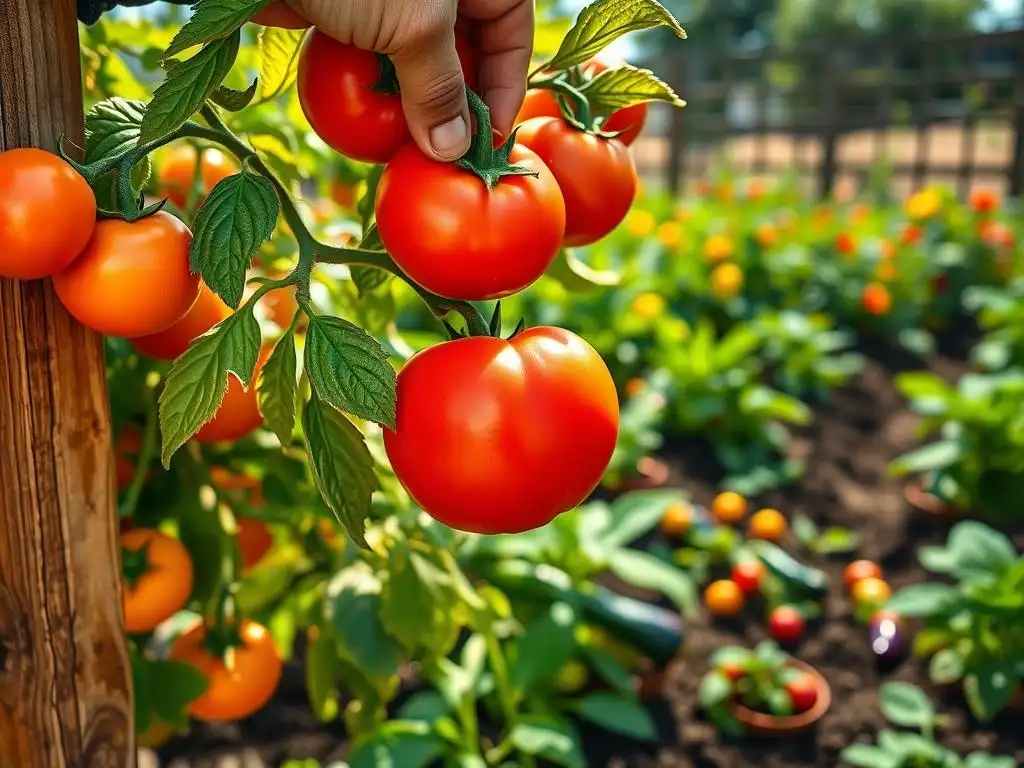
Welcome to CultivateYourFood, your guide to thriving home gardens! Are you ready to unlock the secrets to bountiful harvests, even in the heat? Our expert advice on hot climate gardening tips will transform your garden from a struggle to a source of delicious, organically grown fruits, vegetables, and herbs. Discover sustainable practices that ensure success, no matter the temperature. Let's cultivate a greener, more flavorful future – together!
- Understanding Your Hot Climate Gardening Challenges
- Selecting the Right Plants for Hot Climate Gardening
- Optimizing Your Hot Climate Garden Setup
- Essential Hot Climate Gardening Techniques
- Harvesting and Maintaining Your Hot Climate Garden
- Advanced Hot Climate Gardening Tips for Increased Yields
- Frequently Asked Questions
- Final Reflection: Harvesting Abundance in the Heat
- Unlock Your Garden's Potential: Grow a Bountiful Harvest This Year!
Understanding Your Hot Climate Gardening Challenges
Growing a bountiful harvest in a hot climate presents unique challenges, but with the right knowledge and techniques, success is achievable. This guide dives deep into the specific hurdles faced by gardeners in arid and semi-arid regions, focusing on strategies for maximizing fruit and vegetable yields while adhering to sustainable and organic practices. We'll explore effective methods for mitigating the impact of intense heat, optimizing water usage, and ensuring healthy soil conditions, ultimately empowering you to cultivate a thriving garden even under the harshest sun.
Mastering these techniques will not only increase your yields but also contribute to a more environmentally friendly gardening approach, reducing water consumption and promoting soil health. Let's delve into the specifics of hot climate gardening and unlock the secrets to a successful harvest.
High Temperatures and Sun Exposure: Impact on Plant Growth
High temperatures and intense sun exposure are major factors affecting plant growth in hot climates. Prolonged periods of extreme heat can lead to several issues:
- Heat stress: Plants experiencing heat stress exhibit wilting, leaf scorch, and reduced photosynthesis. This directly impacts fruit and vegetable production, leading to smaller yields and lower quality produce. The severity of heat stress varies depending on the plant species; some are more heat-tolerant than others.
- Water loss: High temperatures accelerate transpiration (water loss from plants), leading to dehydration if not adequately addressed through proper irrigation techniques. This dehydration can cause stunted growth and even plant death.
- Sunburn: Intense sunlight can cause sunburn on plant leaves and fruits, damaging the tissues and affecting their marketability and edibility.
To mitigate these issues, consider these strategies:
- Choosing heat-tolerant varieties: Selecting plant varieties specifically bred for hot climates is crucial. These varieties possess inherent resilience to high temperatures and intense sunlight. Research suitable varieties for your specific region and microclimate.
- Providing shade: Strategically using shade cloth or planting taller plants to provide shade for more sensitive crops can significantly reduce the impact of intense sun exposure.
- Mulching: Applying a layer of mulch around plants helps retain soil moisture, reduce soil temperature, and suppress weed growth. Organic mulches, such as straw or wood chips, are ideal for hot climate gardening.
Water Management in Arid and Semi-Arid Climates
Water conservation is paramount in hot climate gardening. Inefficient irrigation practices can lead to water wastage and negatively impact plant health. Understanding your soil type and implementing effective watering strategies are essential:
- Drip irrigation: This method delivers water directly to the plant roots, minimizing evaporation and water loss. It's particularly efficient in hot, dry climates, resulting in significant water savings compared to overhead watering.
- Soaker hoses: Similar to drip irrigation, soaker hoses provide a slow and steady release of water directly to the plant roots. They are a cost-effective alternative for smaller gardens.
- Deep watering: Instead of frequent shallow watering, opt for deep, infrequent watering to encourage deep root growth. This allows plants to access water reserves during dry periods.
- Water harvesting: Collect rainwater using rain barrels or other systems to supplement your irrigation needs. This sustainable practice reduces reliance on municipal water supplies.
Understanding the water requirements of different plants is also crucial. Some plants are more drought-tolerant than others, allowing for variations in watering schedules. Always check the soil moisture before watering, avoiding overwatering which can lead to root rot.
Soil Drainage and Nutrient Retention in Hot Regions
Soil health is fundamental to successful hot climate gardening. Hot, dry climates often present challenges related to soil drainage and nutrient retention:
- Poor drainage: Clay soils common in some hot regions can retain excessive water, leading to root rot. Improving soil drainage through the addition of organic matter, such as compost, is essential.
- Nutrient depletion: Intense heat and frequent irrigation can leach essential nutrients from the soil, impacting plant growth and yield. Regular soil testing and amendment with organic fertilizers are crucial for maintaining soil fertility.
- Soil erosion: The combination of high temperatures and wind can lead to soil erosion, reducing soil fertility and impacting plant establishment. Implementing erosion control measures such as terracing or windbreaks can help mitigate this issue.
Improving soil health in hot climates requires a holistic approach. This includes:
- Adding organic matter: Regularly incorporating compost, manure, or other organic materials improves soil structure, drainage, and nutrient retention.
- Cover cropping: Planting cover crops during fallow periods helps protect the soil from erosion, improve soil structure, and add nutrients back into the soil.
- Soil testing: Regularly testing your soil helps identify nutrient deficiencies and guide fertilizer applications, ensuring optimal plant nutrition. This prevents over-fertilization and ensures efficient nutrient use.
Using these strategies, you can create a thriving garden even in the most challenging hot climates. Remember that consistent observation and adaptation are key to successful hot climate gardening. 🌱
Common Pests and Diseases Thriving in Hot Weather
Hot, dry climates are breeding grounds for certain pests and diseases that can decimate your fruit and vegetable yields. Understanding these threats is the first step towards effective prevention and control. Many pests, such as aphids and spider mites, thrive in the heat, reproducing rapidly and overwhelming plants. Aphids, tiny sap-sucking insects, often congregate on the undersides of leaves, causing stunted growth and leaf curling.
Spider mites, even smaller, create fine webbing and similarly drain plant vitality, leading to yellowing and browning foliage. Their presence is often indicated by stippling on leaves. These pests can be particularly problematic in hot, dry conditions where plants are already stressed.
Beyond insects, fungal diseases often flourish in humid, hot weather. Fungal issues like powdery mildew, characterized by a white, powdery coating on leaves and stems, are common in hot climates, especially when plants experience periods of high humidity followed by dry spells. This disease can severely hinder photosynthesis and reduce fruit production.
Another common fungal foe is blossom end rot, affecting tomatoes, peppers, and other fruiting vegetables. It manifests as a dark, leathery spot at the blossom end of the fruit, caused by inconsistent watering and calcium deficiency, often exacerbated by extreme temperature fluctuations typical of hot climates. Early detection and proper management are crucial for mitigating the impact of these diseases.
Furthermore, certain bacterial diseases, such as bacterial wilt, can also thrive in hot weather. This disease affects a wide range of plants, causing wilting and yellowing of leaves. It often enters the plant through wounds or natural openings, spreading rapidly throughout the vascular system. Preventing bacterial diseases involves maintaining good sanitation practices in the garden, avoiding overhead watering to minimize leaf wetness and using disease-resistant varieties where possible.
The use of organically approved methods is vital to keeping your plants healthy and productive. Regular monitoring for signs of these common pests and diseases will allow for timely intervention, helping you maintain a thriving garden even in the most challenging heat. Remember proactive measures, such as providing adequate plant spacing for better air circulation, can significantly reduce the risk of pest and disease outbreaks.
Selecting the Right Plants for Hot Climate Gardening
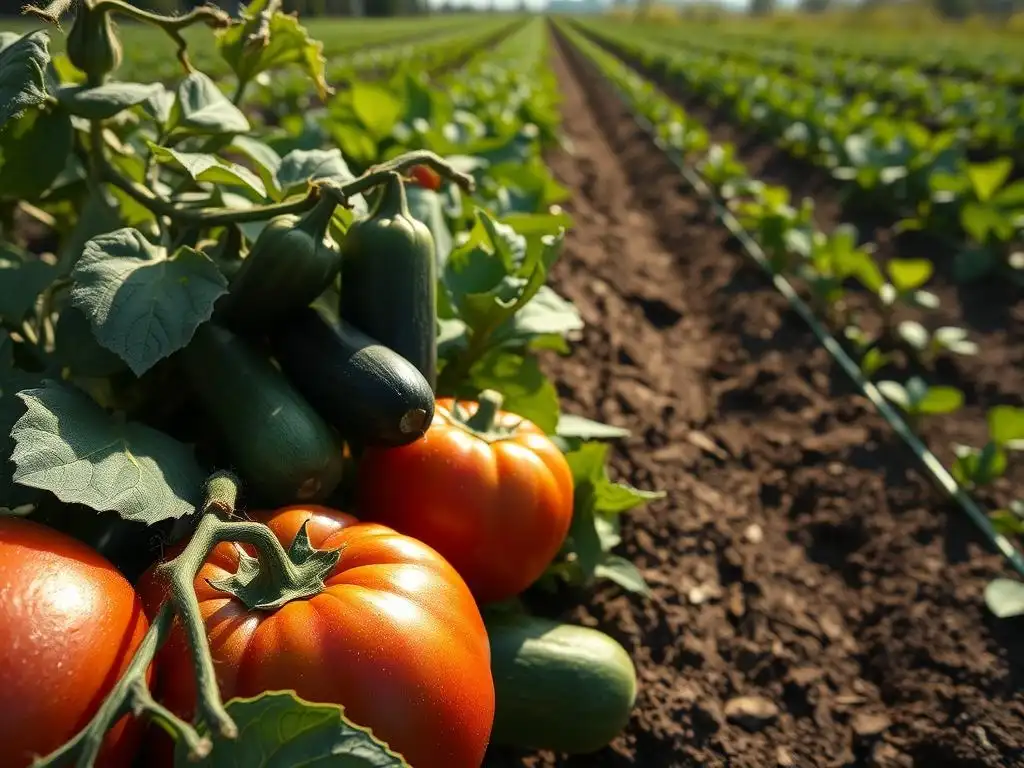
Choosing the right plants is paramount for successful hot climate gardening. Ignoring this crucial step can lead to wilting, poor yields, and ultimately, a disappointing harvest. Understanding the specific needs of different plants in intense heat is key to maximizing your success. This section focuses on selecting drought-tolerant vegetables, heat-loving fruits, and herbs that thrive in sunny, hot conditions. Remember, proper plant selection is the foundation of hot climate gardening tips for abundant yields.
Drought-Tolerant Vegetables for Hot Summers
Many vegetables struggle in extreme heat and drought. However, several varieties have evolved to thrive under these conditions. Focusing on these resilient options significantly increases your chances of success.
Consider these drought-tolerant vegetable options:
- Beans (bush beans especially): These require less frequent watering once established. Choose varieties known for heat tolerance. They are relatively low-maintenance and produce a good yield even in harsh conditions. Remember to provide well-drained soil to prevent root rot.
- Squash (summer and winter varieties): Many squash varieties, particularly zucchini and butternut squash, handle heat well. However, consistent watering during fruiting is still important for optimal fruit size. Mulching around the plants helps retain soil moisture.
- Tomatoes (certain varieties): While tomatoes generally need consistent moisture, some varieties, like Roma and San Marzano, are more heat-tolerant than others. Choose determinate varieties for more consistent ripening in hot weather. Proper pruning and staking can also improve air circulation and reduce stress.
- Eggplant: Eggplants are relatively heat-tolerant, but require consistent watering, especially during fruiting. Choose compact varieties to improve heat tolerance. Ensure adequate spacing between plants for proper air circulation.
- Okra: This heat-loving vegetable thrives in hot, sunny conditions and requires well-drained soil. It tolerates drought once established but benefits from regular watering during its growing season.
Heat-Loving Fruits: Optimal Choices for Your Region
Selecting the right fruit trees or plants is crucial for a bountiful harvest in a hot climate. Some fruits fare better than others in intense heat and sunlight. Consider your specific region's microclimate when making your choices.
Here are some excellent options:
- Figs: Figs are incredibly heat-tolerant and produce abundant crops in hot, dry climates. They prefer full sun and well-drained soil. Regular watering is crucial during fruit development.
- Citrus fruits (lemons, limes, oranges): Depending on your region, many citrus varieties can thrive in hot climates. They require well-drained soil and protection from frost. Regular fertilization is also essential for optimal yields.
- Grapes: Certain grape varieties are adapted to hot, dry conditions. Proper pruning and training are essential for maximizing sun exposure and airflow, which helps to prevent fungal diseases that can be a problem in humid conditions.
- Dates: If you live in an extremely arid climate, date palms are exceptionally drought-tolerant and produce delicious fruit. They require full sun and well-drained soil.
Choosing the Right Herbs for Hot and Sunny Conditions
Herbs add flavor and fragrance to your garden, and many varieties are remarkably resilient to heat and drought. These hardy plants can enhance your culinary experiences even in the most challenging conditions.
Here's a selection of herbs that thrive in hot, sunny locations:
- Rosemary: This woody herb is exceptionally drought-tolerant and thrives in full sun. It's a low-maintenance choice, requiring minimal watering once established.
- Thyme: Similar to rosemary, thyme is highly drought-tolerant and prefers full sun. It's a versatile herb that's easy to grow and maintain.
- Oregano: This aromatic herb is another excellent choice for hot, sunny conditions. It requires well-drained soil and tolerates periods of drought.
- Lavender: Known for its fragrant flowers, lavender is also extremely heat and drought-tolerant. It requires full sun and well-drained soil. It's a beautiful addition to any hot climate garden.
Remember to always check the specific needs of each plant variety you choose, as even within a species, there can be significant variations in heat tolerance. Careful planning and selection are key components of successful hot climate gardening. By following these hot climate gardening tips, you can create a thriving and productive garden, even in the most challenging conditions.
Optimizing Your Hot Climate Garden Setup
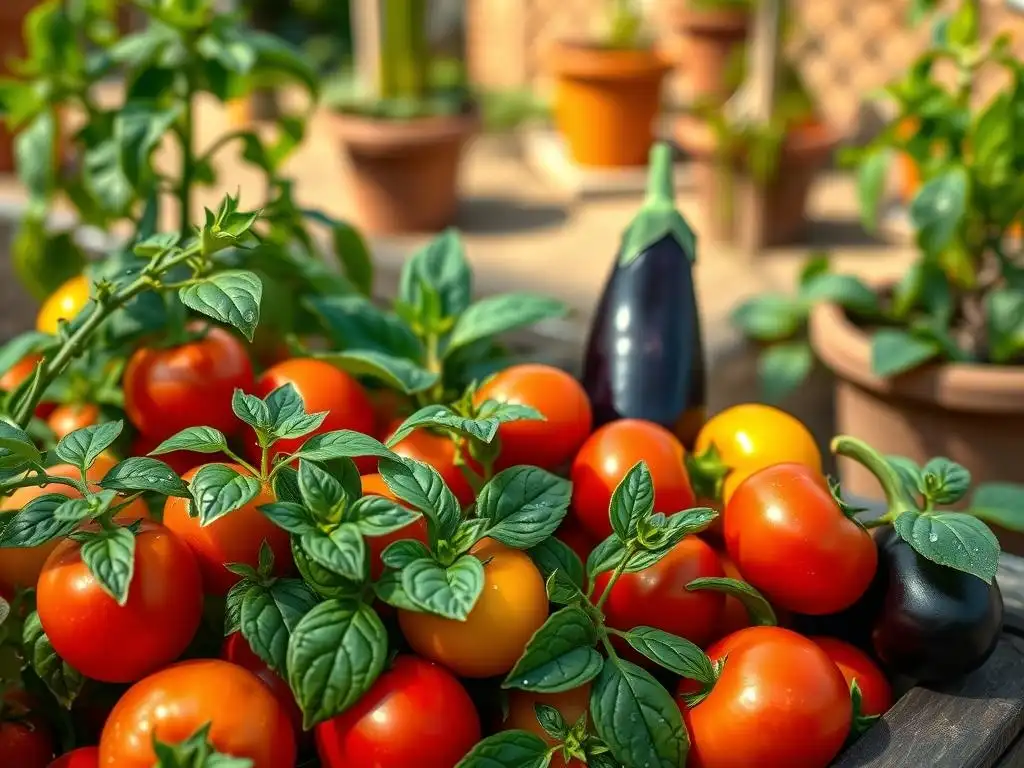
This section focuses on establishing the ideal foundation for a thriving garden in hot climates. Success hinges on careful consideration of several key factors, beginning with strategic site selection and extending to soil preparation and bed construction. Understanding these foundational elements is crucial for maximizing your yields, even under intense heat.
Site Selection for Maximum Sun Protection and Air Circulation
Choosing the right location is paramount in hot climate gardening. While sunlight is essential for photosynthesis, excessive exposure can scorch plants and reduce yields. The ideal spot receives ample morning sun, which is less intense, and offers protection from the harsh afternoon sun. Consider these factors:
- Orientation: A location that receives morning sun and afternoon shade is optimal. Structures like fences, buildings, or strategically planted taller trees can provide this crucial shade. Experiment with different locations in your yard to determine the sunniest and shadiest areas throughout the day.
- Air Circulation: Stagnant air traps heat and can lead to fungal diseases and pest problems. Aim for a location with good air circulation to keep plants cool and healthy. This can be enhanced by planting in open areas, away from dense vegetation. Avoid low-lying areas prone to pooling water.
- Wind Protection: While air circulation is essential, strong, hot winds can desiccate plants. Consider planting windbreaks using hedges or taller plants to mitigate this effect. These windbreaks can also provide additional shade.
- Water Access: Proximity to a water source is crucial for efficient irrigation. Having a water tap or hose readily available will save you time and effort, especially during the hottest months.
Soil Preparation for Hot Climate Gardening: Amendments and Enrichment
Soil quality is critical for successful hot climate gardening. Hot climates often lead to nutrient depletion and soil compaction. Therefore, preparing the soil properly is a crucial step.
The ideal soil is well-draining, rich in organic matter, and retains moisture without becoming waterlogged. Improving soil structure involves several steps:
- Testing: Begin by testing your soil's pH and nutrient levels. A soil test kit will provide accurate information to guide your amendments. This provides a baseline for determining what your soil needs.
- Amendments: Sandy soils often benefit from the addition of organic matter like compost, aged manure, or peat moss to improve water retention and nutrient content. Clay soils need amendments like perlite or vermiculite to improve drainage and aeration. The amount of amendment needed depends on your soil type and test results. For example, a sandy soil might require 2-3 inches of compost per square foot.
- Enrichment: Incorporating organic matter not only improves soil structure but also adds essential nutrients. This can be done by tilling or digging in the amendments before planting. Regular top-dressing with compost throughout the growing season will also help maintain soil fertility.
- Mulching: Applying a layer of mulch (straw, wood chips, or shredded leaves) helps retain soil moisture, suppress weeds, and regulate soil temperature. This is especially important in hot climates to prevent water evaporation and soil surface heating.
Building Raised Beds for Improved Drainage and Soil Temperature Control
Raised beds offer several advantages in hot climates. They provide better drainage, improve soil warming in the spring, and allow for greater control over soil composition.
- Construction: Raised beds can be built from various materials, including wood, concrete blocks, or even repurposed materials. The height of the bed should be appropriate for your needs and comfort level.
- Drainage: Ensure proper drainage by incorporating gravel or other drainage materials at the bottom of the bed before filling it with soil. This prevents waterlogging, a common problem in hot climates.
- Soil Composition: Fill the raised beds with a well-draining soil mix, amended as described above. This offers more control over soil quality and consistency than working with in-ground soil.
- Temperature Control: Dark-colored materials absorb more heat, while lighter-colored materials reflect it. This can be a factor in choosing materials for your raised beds depending on your specific climate and goals. A lighter-colored bed might be preferred in extremely hot climates.
By following these guidelines, you can create an optimized garden environment that thrives even in the most challenging hot climates, leading to bountiful harvests of fruits, vegetables, and herbs. Remember, consistent monitoring and adjustment based on your specific conditions are essential for long-term success.
Efficient Irrigation Systems for Hot and Dry Climates: Drip Irrigation and Soaker Hoses
Efficient watering is paramount in hot climate gardening. Traditional methods like overhead sprinklers lead to significant water loss through evaporation, especially in intense heat. This is where drip irrigation and soaker hoses shine, offering superior water conservation and targeted moisture delivery. These systems deliver water directly to the roots of your plants, minimizing evaporation and runoff. This translates to healthier plants, reduced water bills, and a more sustainable gardening practice – all crucial aspects of successful hot climate gardening tips.
Drip irrigation systems utilize a network of tubes and emitters to deliver water slowly and directly to the root zone. The emitters, small devices spaced along the tubing, release water at a controlled rate, preventing waterlogging and ensuring consistent moisture. This precision watering allows for optimal water uptake by the plants, promoting vigorous growth even under scorching sun.
Furthermore, the slow release of water reduces the risk of soil erosion, common in areas with intense rainfall or irrigation. The system's efficiency is further enhanced by the ability to customize the watering schedule and water volume based on the specific needs of different plants. For example, drought-tolerant plants might require less frequent watering compared to thirsty vegetables like tomatoes or cucumbers.
Soaker hoses, on the other hand, offer a simpler and more affordable alternative. These porous hoses release water slowly along their length, providing a gentle and consistent watering solution. They are particularly well-suited for smaller gardens or raised beds, where precise placement is crucial. While not as customizable as drip irrigation systems, soaker hoses are incredibly easy to install and maintain, making them an excellent choice for beginner gardeners.
However, it's crucial to monitor the moisture levels regularly to ensure that the soil remains adequately hydrated but not waterlogged, particularly during periods of extreme heat. Both drip irrigation and soaker hoses significantly reduce water waste compared to traditional methods and are effective hot climate gardening tips for water conservation. Choosing the right system depends on the size of your garden, your budget, and your desired level of control over watering.
Essential Hot Climate Gardening Techniques
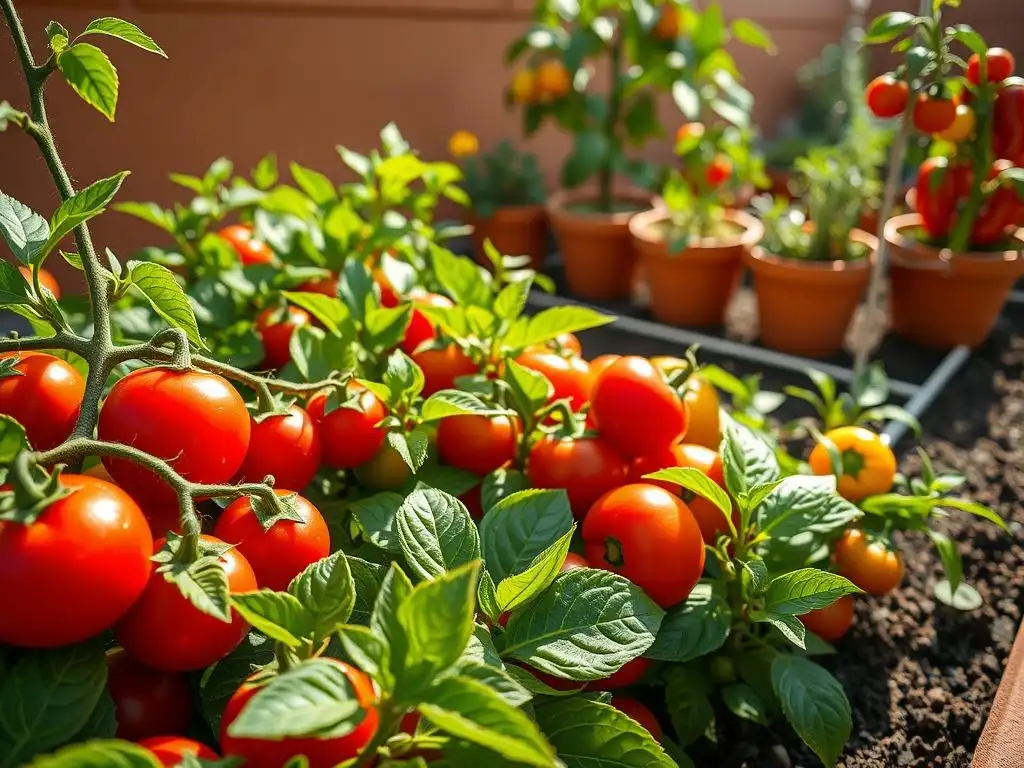
This section delves into crucial techniques for thriving in hot climate gardening. Successfully cultivating fruits, vegetables, and herbs in intense heat requires a nuanced approach, prioritizing water conservation, sun protection, and soil management. Mastering these techniques is key to maximizing yields and ensuring healthy plant growth, even under challenging conditions. We'll explore practical strategies that will help you achieve abundant harvests, regardless of the scorching temperatures. Remember, consistent application of these methods is crucial for long-term success in your hot climate garden.
Mulching Strategies to Conserve Moisture and Suppress Weeds
Mulching is arguably the single most important practice for hot climate gardening. It acts as a protective barrier against the sun's intense rays, preventing rapid evaporation of precious water from the soil. This significantly reduces the frequency of watering, saving you time and water resources. Furthermore, a good mulch layer effectively suppresses weed growth, minimizing competition for nutrients and moisture.
Several mulching materials are suitable for hot climates. Organic options like straw, shredded leaves, or composted wood chips are excellent choices. They decompose slowly, enriching the soil as they break down. Inorganic options, such as landscape fabric, offer a more long-lasting solution but require careful placement to avoid harming plants.
Consider the following factors when choosing your mulch:
- Type of plant: Delicate seedlings may benefit from lighter mulches, while established plants can handle thicker layers.
- Soil type: Heavier clay soils may benefit from more porous mulches to improve drainage.
- Climate: In exceptionally hot and dry climates, a thicker layer of mulch may be necessary.
A well-maintained mulch layer is crucial. Regularly replenish the mulch as it decomposes to maintain consistent coverage. Avoid piling mulch directly against plant stems, which can encourage rot. Implementing effective mulching strategies is a cornerstone of successful hot climate gardening, and it's a key element of sustainable gardening practices.
Water-Wise Gardening Practices: Deep Watering and Timing
Efficient water management is paramount in hot climates. Shallow, frequent watering encourages shallow root systems, making plants more vulnerable to drought stress. Instead, focus on deep watering less frequently. This encourages roots to grow deeper, searching for moisture, resulting in more drought-tolerant plants.
The optimal time for watering is early morning. This allows plants to absorb water before the hottest part of the day, minimizing evaporation. Avoid watering in the evening, as this can create a humid environment conducive to fungal diseases.
Consider these water-wise techniques:
- Drip irrigation: This highly efficient method delivers water directly to plant roots, minimizing water waste.
- Soaker hoses: These provide consistent moisture to a larger area, reducing the need for frequent watering.
- Rain barrels: Collect rainwater for irrigation, reducing reliance on municipal water supplies.
- Water sensors: These monitor soil moisture levels, helping you water only when needed. This also helps in avoiding overwatering, which can be equally detrimental to plant health.
Employing these smart watering techniques not only conserves water but also promotes healthier, more robust plants better equipped to withstand the rigors of a hot climate. It's a vital component of successful and sustainable hot climate gardening.
Protecting Plants from Intense Sun: Shade Cloth and Strategic Planting
Intense sunlight can scorch leaves and stress plants, significantly reducing yields. Using shade cloth provides a simple and effective way to mitigate this. Shade cloth reduces direct sunlight exposure without completely blocking it, allowing for sufficient photosynthesis. The level of shade provided can be adjusted by choosing different percentages of shade cloth (e.g., 30%, 50%, 70%).
Strategic planting can also minimize sun stress. Consider the following:
- Orientation: Position plants to maximize morning sun and minimize harsh afternoon sun.
- Spacing: Proper spacing allows for better air circulation, reducing the risk of heat stress.
- Companion planting: Certain plants can provide natural shade for others, creating a microclimate that helps reduce heat stress. For example, taller plants can shade shorter, more delicate ones.
Remember, protecting plants from the sun's intensity is crucial for maintaining healthy growth and maximizing your harvest. Proper shade management, along with strategic planting techniques, is a vital aspect of successful hot climate gardening. Combine these techniques with efficient watering and mulching practices for optimal results and abundant harvests.
Pest and Disease Management in Hot Climates: Organic Solutions
High temperatures and humidity in hot climates create ideal breeding grounds for many pests and diseases that can decimate your fruit and vegetable yields. However, effective pest and disease management doesn't necessitate resorting to harmful chemical pesticides. Organic solutions offer a sustainable and environmentally friendly approach to protecting your plants while ensuring the safety of your food and the surrounding ecosystem.
One crucial aspect of organic pest management is prevention. This starts with selecting disease-resistant varieties of plants suited to your specific climate. Proper spacing between plants promotes good air circulation, reducing humidity and the risk of fungal diseases like powdery mildew, which thrives in damp conditions. Regularly inspecting your plants for early signs of infestation or disease is critical for early intervention. Early detection allows for less aggressive control measures, minimizing the impact on your plants and the environment.
For pest control, consider introducing beneficial insects like ladybugs, which prey on aphids and other common garden pests. These natural predators provide a sustainable and effective method for pest control, eliminating the need for harmful chemicals. You can attract beneficial insects by planting flowering plants that attract them, creating a balanced ecosystem in your garden.
Another organic solution involves using insecticidal soaps or neem oil. These natural substances disrupt the life cycle of many insects without harming beneficial insects or pollinators. Always follow the instructions carefully, applying them at the right time of day and with the correct dilution to maximize effectiveness and minimize any potential impact on your plants.
Dealing with diseases often requires a multi-pronged approach. For fungal diseases, ensuring good air circulation and avoiding overhead watering are paramount. Overhead watering promotes the spread of fungal spores, while good air circulation helps to dry leaves and prevent fungal growth. Composting plays a crucial role in maintaining soil health, which is vital for disease resistance.
Healthy soil provides plants with the nutrients they need to fight off diseases, making them more resilient. If a disease does take hold, removing affected plant parts immediately and properly disposing of them can help prevent its further spread. Never compost diseased plant material.
Remember, consistent monitoring and proactive measures are key to successful organic pest and disease management in hot climates. By implementing these preventative strategies and utilizing natural control methods, you can cultivate a thriving and healthy garden while upholding sustainable and organic practices. This approach not only protects your plants but also contributes to a healthier environment and ensures you enjoy the fruits (and vegetables!) of your labor without compromising your health or the environment.
Harvesting and Maintaining Your Hot Climate Garden
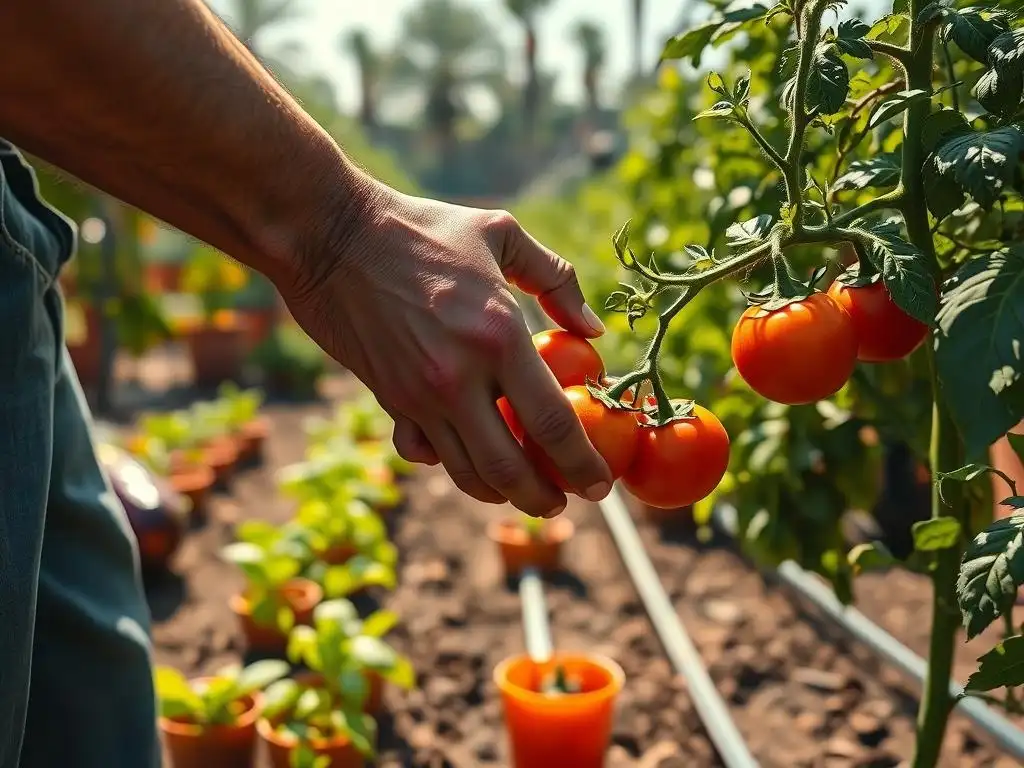
This section focuses on maximizing your harvest and preserving the quality of your produce in hot climates. Successful hot climate gardening isn't just about planting; it's about understanding the unique challenges and opportunities presented by intense heat and sunshine. Optimizing your harvesting and post-harvest procedures is crucial for a bountiful and delicious yield.
Recognizing Signs of Ripeness in Hot Climate Fruits and Vegetables
Determining ripeness is critical in hot climates, as fruits and vegetables can mature faster and sometimes prematurely overripe in the intense heat. Knowing when to harvest is key to maximizing flavor and extending shelf life. Here's a breakdown:
- Tomatoes: Look for deep color, a slight give when gently squeezed, and a fragrant aroma. Avoid harvesting green tomatoes unless you plan to ripen them indoors. Overripe tomatoes will be soft and possibly splitting.
- Peppers: Peppers are ready when they reach their characteristic color (e.g., red, yellow, green). They should feel firm to the touch.
- Cucumbers: Harvest cucumbers while they are still firm and have reached their desired size. Overripe cucumbers will be yellow and have a bitter taste.
- Melons (watermelon, cantaloupe): The most reliable sign of ripeness is the sound. A ripe melon will have a dull thud when thumped gently. The rind should also have a deep color and a sweet aroma.
- Leafy Greens: Harvest leafy greens when they are young and tender. Older leaves tend to be bitter and tough.
The table below summarizes key ripeness indicators for common hot climate crops:
| Crop | Ripeness Indicators | Harvesting Notes |
|---|---|---|
| Tomatoes | Deep color, slight give, fragrant aroma | Avoid harvesting green tomatoes unless for indoor ripening |
| Peppers | Characteristic color, firm to the touch | Harvest at peak color for best flavor |
| Cucumbers | Firm, desired size | Avoid overripe, yellow cucumbers |
| Watermelon | Dull thud when thumped, deep color, sweet aroma | Harvest when vine starts to dry near the fruit |
| Cantaloupe | Dull thud when thumped, deep color, sweet aroma | Similar to watermelon |
| Leafy Greens | Young, tender leaves | Harvest regularly to encourage new growth |
Remember that the optimal harvest time can vary depending on the specific variety and growing conditions. Always consult seed packets or plant tags for specific guidance.
Proper Harvesting Techniques to Maximize Yield and Quality
Gentle handling is key to preserving the quality of your hot climate produce. Bruises and damage can lead to spoilage and reduced shelf life. Here are some best practices:
- Use sharp tools: Use sharp knives or pruning shears to avoid crushing or tearing the fruit or vegetable.
- Harvest in the cool of the day: Early morning or late evening are ideal times to harvest, avoiding the peak heat of the day. This minimizes stress on the plant and the produce.
- Handle with care: Gently grasp the fruit or vegetable, supporting its weight to prevent damage.
- Avoid dragging or dropping: Place harvested produce carefully in containers to prevent bruising.
- Proper storage containers: Use breathable containers or baskets to allow for air circulation, preventing moisture buildup and spoilage.
Following these techniques will ensure that your harvest arrives in optimal condition, ready for consumption or storage.
Post-Harvest Handling and Storage for Hot Climate Produce
Post-harvest handling is just as important as the harvesting itself, especially in hot climates. Proper storage can significantly extend the shelf life of your produce.
- Cleaning and Prepping: Gently wash your produce, removing any dirt or debris. However, avoid washing until just before consumption to prevent premature spoilage.
- Cooling: Quickly cool harvested produce to slow down respiration and prevent spoilage. This can be done by placing the produce in a cool, shaded area or using a refrigerator.
- Storage Techniques: Different fruits and vegetables have different storage requirements. Some can be stored at room temperature, while others require refrigeration. Consult resources specific to your harvested items for best practices.
- Preservation Methods: Consider preserving your excess harvest through canning, freezing, or pickling to extend its shelf life and enjoy your hard work throughout the year. This is particularly relevant for hot climates where spoilage can be rapid.
Proper post-harvest handling is a crucial step in maximizing the benefits of your hot climate garden, ensuring you enjoy a delicious and plentiful harvest for as long as possible. Careful attention to detail will translate directly into better quality and longer-lasting produce.
Extending the Growing Season in Hot Climates: Strategies and Techniques
Extending the growing season in hot climates requires a multifaceted approach, focusing on mitigating the intense heat and maximizing the available cooler periods. One effective strategy is the use of shade cloth. This lightweight fabric, available in varying degrees of shade, reduces direct sunlight exposure, lowering the temperature around plants significantly.
For example, using a 50% shade cloth can reduce temperatures by 5-10°F, providing crucial relief during the hottest parts of the day. This is especially beneficial for heat-sensitive crops like lettuce and spinach. Proper installation is key; ensure adequate airflow to prevent fungal diseases that thrive in humid conditions.
Another crucial technique is improving soil moisture retention. Hot climates often experience rapid evaporation, leading to soil dryness and plant stress. Mulching is a simple yet highly effective solution. Organic mulches like straw, wood chips, or composted manure help retain soil moisture, suppress weeds, and regulate soil temperature.
The thickness of the mulch layer should be adjusted based on the intensity of the heat and the type of mulch used. A thicker layer provides better insulation and moisture retention. For instance, a 3-4 inch layer of straw mulch can significantly reduce water needs in a hot, dry climate. Remember to water deeply and less frequently to encourage deep root growth, making plants more resilient to drought.
Beyond mulching and shade cloth, strategic planting and crop selection are vital. Consider planting heat-tolerant varieties specifically bred for hot and dry conditions. Many vegetables and fruits have cultivars adapted to high temperatures. For example, choosing heat-tolerant tomato varieties like 'Celebrity' or 'Roma VF' ensures a better yield compared to varieties not suited for such conditions.
Also, consider staggered planting. By planting successive batches of the same crop at intervals, you can extend the harvest period throughout the season, ensuring a continuous supply of fresh produce. For instance, planting beans every two weeks will provide a steady harvest over a longer period.
Finally, understanding the microclimates within your garden is crucial. North-facing slopes generally receive less direct sunlight and remain cooler than south-facing ones. Utilize these cooler areas to plant heat-sensitive crops. Similarly, strategically placing taller plants can provide shade for more delicate ones. These simple adjustments can significantly extend the growing season and improve the overall productivity of your hot climate garden. Regular monitoring of soil moisture and plant health is crucial for making informed decisions about watering and other interventions. Careful observation and adaptation are key to success in hot climate gardening.
Advanced Hot Climate Gardening Tips for Increased Yields
This section delves into advanced techniques to maximize your fruit and vegetable yields in hot climates, building upon the foundational knowledge of hot climate gardening. We'll explore strategies that go beyond the basics, focusing on optimizing space, improving pest control, and maintaining soil health—all crucial for success in challenging conditions. Remember, even small adjustments can significantly impact your harvest.
Utilizing Trellises and Vertical Gardening for Space Optimization
Hot climates often mean limited space, making vertical gardening a game-changer. Trellises, vertical planters, and other upward-growing structures allow you to significantly increase your planting density without sacrificing plant health. This is especially beneficial for vining plants like cucumbers, tomatoes, and beans. By training these plants upwards, you're maximizing sunlight exposure for each plant and improving air circulation, which is vital in preventing fungal diseases common in humid, hot environments.
Consider the following when implementing vertical gardening in your hot climate garden:
- Material Selection: Choose sturdy materials that can withstand the sun's intensity and potential wind. Trellises made from treated wood or strong metal are good options.
- Plant Support: Ensure adequate support for your plants as they grow. Use clips, ties, or other methods to guide vines upwards, preventing them from sprawling and shading each other.
- Spacing: Even with vertical gardening, avoid overcrowding. Plants still need sufficient space for optimal growth and air circulation.
- Water Management: Vertical systems can dry out quicker than in-ground plantings. Implement a drip irrigation system or water more frequently to ensure adequate moisture.
| Plant Type | Trellis Type | Spacing (inches) | Notes |
|---|---|---|---|
| Tomatoes | A-frame, stake | 18-24 | Stake individual plants for better support. |
| Cucumbers | Obelisk, teepee | 12-18 | Allow ample space for vines to climb. |
| Beans (pole) | Teepee, fence | 6-12 | Plant seeds close together for a dense cover. |
| Melons (cantaloupe) | Trellis, raised bed | 24-36 | Requires substantial support for heavy fruit. |
Implementing these strategies can drastically increase your yield per square foot, making the most of your precious garden space, even in the heat. Remember to regularly inspect your vertical systems for any signs of damage or stress on the plants.
Companion Planting for Pest Control and Enhanced Growth
Companion planting involves strategically planting certain species together to benefit each other. In hot climates, this technique is particularly valuable for natural pest control and improved growth. Certain plants repel pests, attract beneficial insects, or improve the soil conditions for their neighbors.
For example:
- Basil repels tomato hornworms and whiteflies, while attracting pollinators. Planting basil near your tomatoes is a win-win.
- Marigolds are known for their pest-repelling properties, deterring nematodes and other soil-borne pests. Scattering marigolds throughout your garden can offer broad protection.
- Chives deter aphids and other insects from attacking nearby plants.
- Calendula attracts beneficial insects like ladybugs that prey on aphids.
Planning your companion planting requires careful consideration of the specific needs and characteristics of each plant. Research the best companion plants for your chosen vegetables and herbs to maximize the benefits. Remember that companion planting is not a replacement for other pest control methods, but a valuable supplementary technique.
Crop Rotation for Soil Health and Disease Prevention in Hot Climates
Crop rotation is a cornerstone of sustainable gardening, and it's especially crucial in hot climates where soil degradation can be rapid. Rotating your crops annually helps prevent the buildup of pests and diseases specific to certain plant families. This prevents the depletion of specific nutrients and improves overall soil health.
For example, avoid planting members of the same plant family (like tomatoes, peppers, and eggplants, all belonging to the Solanaceae family) in the same location year after year. Instead, rotate them with other plant families like legumes (beans, peas) or brassicas (cabbage, broccoli). Legumes are particularly beneficial as they fix nitrogen in the soil, improving its fertility.
A well-planned crop rotation schedule significantly reduces the risk of soilborne diseases and pest infestations, leading to healthier plants and higher yields in your hot climate garden. Consider creating a detailed plan for your crop rotation, keeping in mind the nutrient requirements and pest susceptibility of each plant family. Accurate record-keeping is essential for effective crop rotation.
Organic Fertilization and Soil Enrichment for Hot Climate Gardens
Hot climate gardening presents unique challenges, and maintaining soil fertility is paramount for thriving plants. The intense heat can quickly deplete soil nutrients, leading to stunted growth and reduced yields. Organic fertilization offers a sustainable and effective solution, enriching the soil while promoting a healthy ecosystem. Unlike synthetic fertilizers, which can burn plants in hot weather and disrupt the soil's delicate balance, organic methods nourish the soil gradually, providing a steady release of nutrients.
One of the most effective organic fertilizers for hot climates is compost. Compost, made from decomposed organic matter like kitchen scraps and yard waste, is a rich source of nutrients and beneficial microorganisms. It improves soil structure, increasing its water retention capacity – crucial in hot, dry conditions. Regular composting not only provides essential nutrients but also helps regulate soil temperature, preventing extreme fluctuations that can damage plant roots. Aim to incorporate a generous layer of compost into your garden beds before planting, and top-dress with compost throughout the growing season.
Another excellent option is using cover crops. These plants, such as legumes (beans, peas) or nitrogen-fixing grasses, are planted to improve soil health before your main crops. They enhance soil structure, suppress weeds, and prevent erosion, while also adding valuable nutrients. Legumes, in particular, are known for their ability to fix atmospheric nitrogen into the soil, reducing the need for nitrogen-based fertilizers. Planting cover crops during the cooler months or in between harvests can significantly boost soil fertility for your next planting cycle.
Furthermore, using well-rotted manure, particularly from herbivores like cows or sheep, provides a slow-release source of nutrients. Avoid fresh manure, as it can contain harmful pathogens and burn your plants. Well-rotted manure enhances soil structure and drainage, which are beneficial in hot climates prone to drought. It also introduces beneficial microbes into the soil, further improving its health and resilience. Remember to always source your manure from reliable sources to avoid introducing unwanted pests or diseases.
Finally, consider incorporating mulch into your hot climate garden. Mulch, such as straw, shredded leaves, or wood chips, helps retain soil moisture, suppress weeds, and regulate soil temperature. By reducing evaporation, mulch keeps the soil cooler and moister, creating a more favorable environment for plant growth, especially during the hottest months.
The decomposition of mulch also gradually releases nutrients back into the soil, contributing to long-term soil fertility. The choice of mulch will depend on your specific climate and available resources, but its benefits are undeniable for hot climate gardening. A layered approach combining compost, cover crops, manure, and mulch will create a robust and fertile soil environment that thrives even under the most challenging conditions.
Frequently Asked Questions
What are the best vegetables to grow in a hot climate?
Many vegetables thrive in heat! Look for heat-tolerant varieties of tomatoes, peppers, eggplant, squash, and beans. Proper watering is crucial for success.
How can I protect my plants from intense sun?
Use shade cloth to provide relief during the hottest parts of the day. Consider planting in raised beds to improve drainage and soil temperature regulation. Mulching also helps retain moisture and moderate soil temperature.
How often should I water my plants in hot weather?
Deep, infrequent watering is better than shallow, frequent watering. Water deeply at the base of the plants to encourage deep root growth. Monitor soil moisture regularly and adjust watering accordingly.
What are some common hot climate gardening pests and how to control them?
Aphids, whiteflies, and spider mites are common. Use organic pest control methods such as insecticidal soap or neem oil. Encourage beneficial insects like ladybugs to help control pests naturally.
What is the best time of day to water my garden in a hot climate?
Early morning is ideal. This allows plants to absorb water before the intense midday heat causes excessive evaporation. Watering in the evening can lead to fungal diseases.
Final Reflection: Harvesting Abundance in the Heat
The challenges of hot climate gardening are real, yet the rewards of a bountiful harvest in even the most scorching conditions are undeniably sweet. This article has explored practical strategies for thriving in intense heat, from selecting the right varieties to mastering efficient irrigation techniques. These aren't just tips; they're keys to unlocking the potential of your garden, regardless of the climate.
The impact of climate change is undeniable, and its effects on agriculture are particularly stark. Learning to adapt our gardening practices to hotter temperatures isn't just about personal enjoyment; it's about food security and resilience. The future of food security depends on our ability to adapt to a changing climate.
This quote underscores the importance of the knowledge shared within this article, highlighting the need for innovative and sustainable gardening approaches that can withstand increasingly extreme weather patterns.
Now, consider your own garden. What adjustments can you make to better suit your local climate? Perhaps it's time to experiment with drought-tolerant varieties, refine your watering schedule, or explore innovative shading techniques. Don't let the heat deter you; embrace the challenge and discover the immense satisfaction of nurturing life and harvesting your own delicious, sun-ripened produce. The journey of hot climate gardening is a testament to human ingenuity and our enduring connection with the earth.
Unlock Your Garden's Potential: Grow a Bountiful Harvest This Year!
Thank you for learning about thriving in hot climates! You've gained valuable insights into cultivating a fruitful and vegetable-rich garden, even in the heat. Now it's time to put that knowledge to practical use.
Here are a few ways to get started:
- Begin planning your next planting cycle now! Use the tips from the article—on soil preparation, watering techniques, and selecting heat-tolerant varieties—to maximize your harvest. This is crucial for success.
- Share your gardening successes (and challenges!) with our community on the CultivateYourFood forum. Connect with fellow gardeners and learn from their experiences.
- Try an unusual companion planting technique; you might be surprised by the results!
Ready to transform your garden from sun-baked to bountiful? What's the first hot-weather gardening challenge you'll tackle this season?