
Soil Testing 101: Simple Methods for Analyzing Your Soil at Home

Ready to unlock the secrets to a thriving home garden? At CultivateYourFood, we believe everyone can grow their own delicious and nutritious food. This journey begins with understanding your soil, and that's why we're excited to introduce you to simple and effective home soil testing methods. Discover how easily you can analyze your soil's health and unlock the potential for a bountiful harvest, all from the comfort of your backyard. Let's delve into the fascinating world of soil analysis and plant cultivation – read on to learn more!
- Understanding Your Soil: Why Home Soil Testing Matters
- Simple Home Soil Tests: No Lab Needed
- Interpreting Your Soil Test Results and Next Steps
- Advanced Home Soil Testing Techniques
- Maintaining Soil Health: Long-Term Strategies
- Frequently Asked Questions
- Final Reflection: Cultivating a Deeper Understanding of Our Earth
- Unlock Your Garden's Potential: Take Action Now!
Understanding Your Soil: Why Home Soil Testing Matters
Home gardening, whether you're cultivating a sprawling vegetable patch or a small herb garden on your balcony, hinges on one crucial element: healthy soil. Understanding your soil's composition is paramount to successful cultivation. This article will guide you through simple, effective methods for analyzing your soil at home, empowering you to cultivate thriving plants using sustainable and organic practices.
Learning to perform a home soil test is a fundamental skill for any gardener aiming for bountiful harvests and healthy plants, allowing you to address nutrient deficiencies and soil problems before they significantly impact your yield. By mastering these simple techniques, you'll be well on your way to achieving optimal soil health and reaping the rewards of a flourishing garden, all while practicing environmentally friendly gardening methods. We'll explore several simple methods for testing your soil's pH, nutrient levels, and overall health, ultimately enabling you to tailor your gardening practices for maximum success.
This empowers you to make informed decisions about fertilization, watering, and overall plant care, leading to healthier plants and a more rewarding gardening experience. Let's delve into the world of home soil testing and unlock the secrets to a thriving garden!
The Importance of Soil Health for Home Gardening
Healthy soil is the foundation of a successful home garden. It provides the essential nutrients, water retention capabilities, and structural support your plants need to thrive. Think of it as the lifeblood of your plants; without healthy soil, your plants will struggle to grow, leading to reduced yields and potentially even plant death. Soil health is directly correlated to the availability of essential macronutrients like nitrogen (N), phosphorus (P), and potassium (K), as well as micronutrients such as iron, zinc, and manganese.
These nutrients are vital for various plant processes, including photosynthesis, root development, and overall plant vigor. A lack of these nutrients can manifest as stunted growth, yellowing leaves (chlorosis), and reduced fruit or vegetable production. Furthermore, healthy soil fosters a balanced ecosystem, supporting beneficial microorganisms that improve nutrient cycling and disease suppression.
Ignoring soil health can lead to a vicious cycle of poor plant growth, reduced organic matter, and further degradation of soil quality. Therefore, understanding your soil's health is the first step towards creating a thriving and sustainable garden. 🌱
Identifying Nutrient Deficiencies Through Simple Observation
Before resorting to complex laboratory tests, you can often identify nutrient deficiencies through careful observation of your plants. Visual cues can provide valuable insights into your soil's nutrient content. For example:
- Nitrogen Deficiency: Plants exhibiting nitrogen deficiency often show stunted growth, pale green or yellow leaves, especially on older leaves. The leaves may also appear smaller and thinner than usual.
- Phosphorus Deficiency: Phosphorus deficiency can manifest as dark green or purplish leaves, particularly on lower leaves. Growth may be stunted, and flowering and fruiting may be reduced.
- Potassium Deficiency: Potassium deficiency symptoms often include yellowing or browning of leaf margins, with leaf edges curling or scorching. Plants may be more susceptible to diseases.
Remember that these are general indicators, and other factors can mimic these symptoms. However, by combining visual observations with simple home soil tests, you can gain a more accurate understanding of your soil's nutritional status. It's crucial to remember that the appearance of these symptoms warrants further investigation with more precise testing methods. A healthy plant is a strong indicator of healthy soil. Conversely, unhealthy plants often point to underlying soil issues. Careful observation is the first step in a proactive approach to soil management.
Recognizing Common Soil Problems: Compaction, Erosion, Nutrient Imbalance
Beyond nutrient deficiencies, several other soil problems can hinder plant growth. These include:
- Soil Compaction: Compacted soil lacks sufficient pore space for proper aeration and water infiltration. Roots struggle to penetrate compacted soil, leading to stunted growth and reduced nutrient uptake. This is often caused by heavy foot traffic or the use of heavy machinery.
- Soil Erosion: Erosion occurs when topsoil is lost due to wind or water. This loss of topsoil removes valuable organic matter and nutrients, leaving behind less fertile soil. Erosion is often exacerbated by poor land management practices.
- Nutrient Imbalance: While nutrient deficiency is a problem, an excess of certain nutrients can also be detrimental. An imbalance of nutrients can disrupt the soil ecosystem and negatively affect plant growth. For example, an excess of nitrogen can lead to excessive vegetative growth at the expense of flowering and fruiting.
Recognizing these problems is crucial for implementing appropriate soil management strategies. Simple home soil tests can help identify these issues, allowing you to take corrective action before they significantly impact your garden's productivity. Regular monitoring and proactive soil management are essential for maintaining a healthy and productive garden. Addressing these issues early can prevent significant setbacks and ensure a bountiful harvest.
Simple Home Soil Tests: No Lab Needed
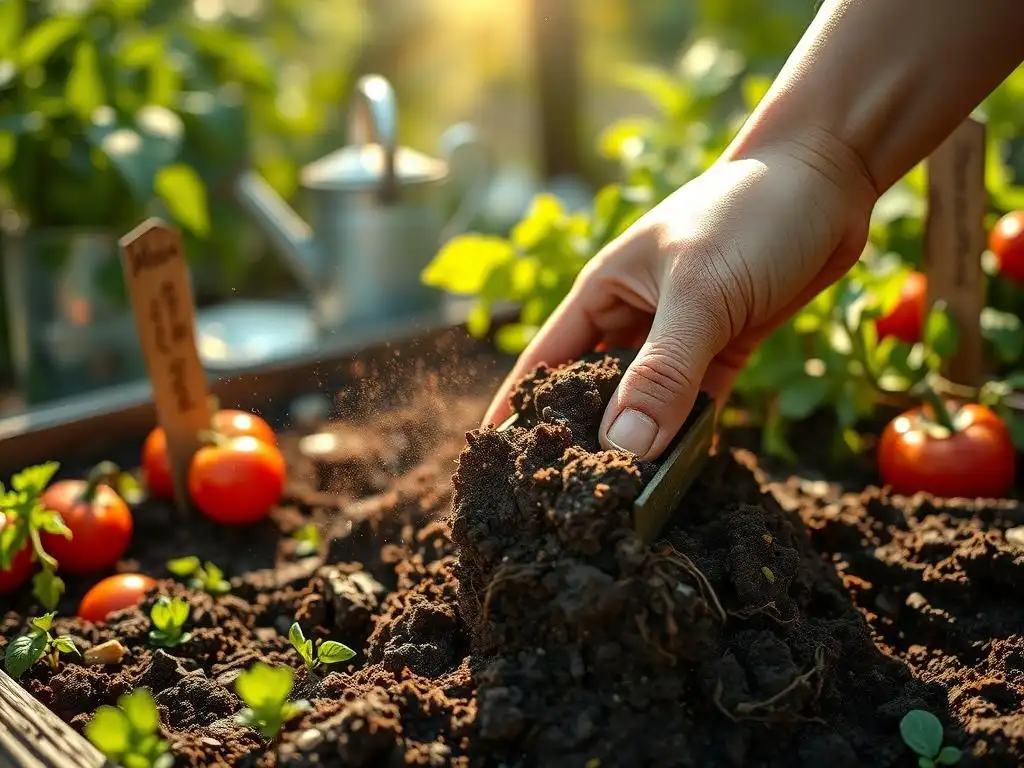
This section details straightforward methods for analyzing your soil's health right in your backyard, eliminating the need for expensive laboratory tests. These simple home soil tests provide valuable insights into your soil's texture, drainage, and pH level – crucial factors for successful home gardening using organic and sustainable practices. Remember, consistent monitoring and adjustments based on your findings are key to cultivating thriving plants. This empowers you to make informed decisions about soil amendments and ultimately achieve a bountiful harvest. Let's delve into these easy-to-perform tests, perfect for the home gardener focused on "home soil test simple methods."
The "Feel" Test: Assessing Soil Texture and Drainage
The simplest soil test involves directly interacting with your soil. This "feel" test helps determine soil texture (sandy, silty, clay, or loamy) and provides clues about drainage. Grab a handful of soil from different areas of your garden, moistening it slightly if necessary. Squeeze it gently in your palm.
- Sandy Soil: Feels gritty and falls apart easily. Water drains quickly, potentially leading to nutrient deficiencies.
- Silty Soil: Feels smooth and silky, holding its shape when squeezed but crumbling easily. Drainage is generally good.
- Clay Soil: Feels sticky and heavy, forming a solid ball when squeezed. Drainage is poor, often resulting in waterlogged conditions.
- Loamy Soil: Feels like a balanced mix of sand, silt, and clay, holding its shape moderately well. Offers excellent drainage and nutrient retention – the ideal soil texture for most plants!
By performing this simple test across your garden, you can identify areas with different textures and adjust your planting strategy accordingly. For example, sandy areas might benefit from adding organic matter to improve water retention, while clay soils might need amendments to enhance drainage. Remember to document your findings – this simple observation is a fundamental step in your "home soil test simple methods" approach.
The Visual Inspection: Color and Composition Clues
Visual inspection provides additional insights into your soil's composition and overall health. Examine a sample of your soil closely, noting its color and the presence of any organic matter.
- Color: Dark brown or black soil generally indicates high organic matter content, signifying fertile and healthy soil. Light brown or gray soil might suggest a lack of organic matter, potentially leading to nutrient deficiencies. Reddish soil often indicates high iron content. Observe the color variation across your garden; this could indicate differences in composition and nutrient levels.
- Composition: Look for visible signs of organic matter, such as decomposed leaves, twigs, and other plant debris. A high proportion of organic matter suggests healthy soil teeming with beneficial microorganisms. The presence of rocks, pebbles, or other inorganic materials can impact drainage and aeration. Also, watch for unusual components like plastic or other debris – removing this waste is crucial for sustainable gardening practices. This visual evaluation is a crucial part of your "home soil test simple methods" strategy, providing a quick overview of soil health.
The Vinegar Test: Determining Soil pH Level
This simple test provides a rough estimate of your soil's pH level. pH measures the acidity or alkalinity of your soil, impacting nutrient availability. Most plants thrive in slightly acidic to neutral soil (pH 6.0-7.0).
- Gather a small sample of your dry soil.
- Place it in a small container.
- Add a few tablespoons of distilled white vinegar (acetic acid).
- Observe the reaction.
- Fizzy Reaction: If the soil fizzes, it indicates an alkaline pH (pH above 7.0).
- No Reaction: If there's no reaction, it suggests an acidic pH (pH below 7.0).
This test is not precise but provides a quick indication of whether your soil is too acidic or alkaline. For a more accurate pH measurement, consider using a soil pH testing kit, readily available at most garden centers. This test, while simple, complements your "home soil test simple methods" approach, giving you a crucial indicator of soil health and necessary adjustments. This simple test is a valuable addition to your home soil testing toolkit. Remember to document your findings for future reference. 🌱
The Baking Soda Test: Further pH Level Confirmation
The baking soda test offers a quick, inexpensive way to corroborate the results of the vinegar test and gain a clearer picture of your soil's pH. Remember, the vinegar and baking soda tests are not precise measurements like a laboratory soil test, but they provide valuable indicators. This test specifically helps determine if your soil is alkaline (basic).
Alkaline soil has a pH level above 7. If your soil is already showing signs of alkalinity through the vinegar test (minimal or no fizzing), the baking soda test will help confirm this. To perform this test, you'll need a small sample of your dry soil and a teaspoon of baking soda.
Mix the baking soda with a small amount of water to create a paste. Add a spoonful of your dry soil sample to the baking soda paste and observe. If the mixture fizzes, it indicates the presence of acidic compounds in your soil, which is counterintuitive to an already suspected alkaline soil. A lack of fizzing, however, strongly suggests an alkaline pH, confirming your initial suspicions from the vinegar test.
This means your soil has a higher pH level and may require amendments to lower its alkalinity for optimal plant growth. Many plants thrive in slightly acidic to neutral soil (pH 6.0-7.0), so understanding whether your soil is too alkaline is crucial for successful cultivation. Remember to always follow up with a more precise laboratory soil test for definitive results, especially before making significant soil amendments. This simple home test acts as a useful preliminary indicator and screening tool.
Interpreting Your Soil Test Results and Next Steps
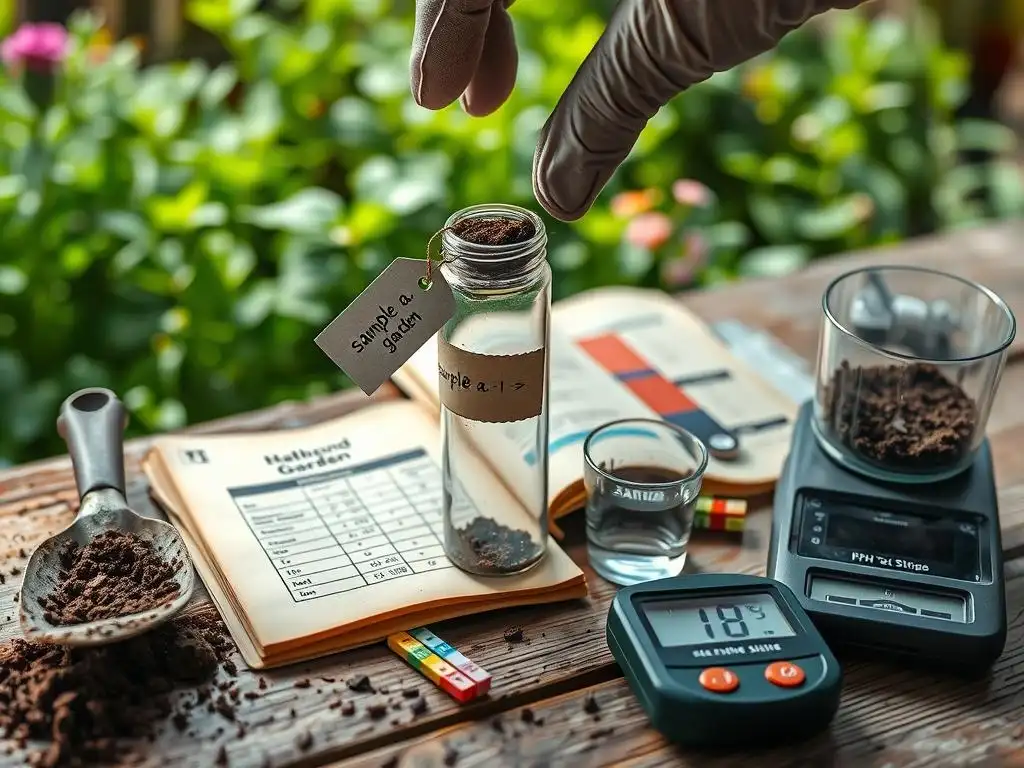
Understanding your soil's composition is the first step towards a thriving home garden. After conducting your home soil test using one of the simple methods outlined previously, it's crucial to interpret the results accurately. This section will guide you through understanding the key indicators—pH, texture, and nutrient levels—and how to address any imbalances using organic methods. Accurate interpretation is vital for optimizing plant growth and yield, ensuring a bountiful harvest from your home-grown fruits, vegetables, and herbs. Remember, even with simple home tests, you can gather valuable data for informed decision-making.
Understanding Your Soil pH: Acidic, Neutral, or Alkaline?
Soil pH measures the acidity or alkalinity of your soil, expressed on a scale of 0 to 14, with 7 being neutral. A pH below 7 indicates acidity, while a pH above 7 indicates alkalinity. Most plants thrive within a specific pH range; therefore, understanding your soil's pH is crucial for successful cultivation.
Different plants have different pH preferences. For instance, blueberries prefer acidic soil (pH 4.5-5.5), while most vegetables prefer slightly acidic to neutral soil (pH 6.0-7.0). Alkaline soil (pH above 7.0) can cause nutrient deficiencies, hindering plant growth.
Let's say your home soil test reveals a pH of 5.0. This is quite acidic. To raise the pH (reduce acidity), you can incorporate materials like:
- Limestone: A readily available and effective soil amendment.
- Wood ash: Adds calcium and raises pH, but use cautiously as it can also contain salts.
- Dolomitic limestone: Provides both calcium and magnesium.
Conversely, if your test shows a high pH (e.g., 8.0), indicating alkaline soil, you'll need to lower the pH (increase acidity). Suitable amendments include:
- Elemental sulfur: Gradually lowers pH but requires time to work effectively.
- Acidifying fertilizers: Contain ammonium sulfate or other acidifying components.
- Organic matter: Adding compost or peat moss can help buffer pH over time.
Remember to amend your soil gradually and retest after a few months to monitor the changes. Consistent monitoring and adjustments are key to maintaining optimal soil pH. Always follow the recommended application rates on the packaging of any soil amendment you choose.
Deciphering Soil Texture: Clay, Sandy, or Silty?
Soil texture refers to the proportion of sand, silt, and clay particles in your soil. This significantly impacts drainage, aeration, and nutrient retention. A simple home soil test might involve feeling the soil's texture in your hand after mixing it with water.
- Sandy soil: Feels gritty, drains quickly, and has poor water retention. It needs more frequent watering and may require organic matter to improve its water-holding capacity.
- Clay soil: Feels sticky and heavy when wet, drains poorly, and can become compacted. It benefits from adding organic matter like compost to improve drainage and aeration.
- Silty soil: Feels smooth and floury, retains moisture well, but can become compacted. Adding organic matter can help improve its overall structure.
Understanding your soil texture helps you choose appropriate planting methods and watering strategies. For example, sandy soils might require drip irrigation, while clay soils might benefit from raised beds to improve drainage. Improving soil structure through the addition of organic matter is beneficial for all soil types. The addition of compost, for instance, improves aeration, drainage and water retention in all soil types.
Addressing Nutrient Deficiencies: Organic Soil Amendments
Your home soil test may reveal deficiencies in essential nutrients like nitrogen (N), phosphorus (P), and potassium (K), often represented as NPK values. These macronutrients are crucial for plant growth and yield. Micronutrients, while needed in smaller amounts, are equally vital.
Addressing nutrient deficiencies organically involves using natural amendments rather than synthetic fertilizers. Examples include:
| Nutrient Deficiency | Symptoms | Organic Amendments |
|---|---|---|
| Nitrogen (N) | Yellowing leaves, stunted growth | Compost, manure, cover crops |
| Phosphorus (P) | Dark green leaves, poor flowering | Bone meal, rock phosphate |
| Potassium (K) | Brown leaf edges, weak stems | Wood ash, kelp meal |
Compost is a versatile amendment that improves soil structure, adds nutrients, and enhances microbial activity. Manure, from herbivores such as cows or horses, provides a rich source of nutrients. Cover crops, such as legumes, add nitrogen to the soil. These organic amendments gradually release nutrients, promoting sustained plant health. Always remember to test your soil regularly and adjust your amendments accordingly to maintain its fertility and support the healthy growth of your plants. 🌱
Choosing the Right Plants for Your Soil Type
Once you've analyzed your soil and understand its pH level, texture, and nutrient content, you can begin selecting plants that will thrive in those conditions. This is a crucial step in successful gardening, as choosing the wrong plants can lead to poor growth, reduced yields, and even plant death. Understanding your soil's limitations and strengths empowers you to make informed decisions about your plant choices, maximizing your chances of a bountiful harvest.
For example, if your soil test reveals a highly acidic pH (below 6.0), you'll want to focus on acid-loving plants like blueberries, azaleas, rhododendrons, and certain varieties of ferns. These plants are adapted to thrive in acidic conditions and will struggle in neutral or alkaline soils. Conversely, if your soil is alkaline (above 7.0), you'll have better luck with plants that prefer alkaline conditions, such as many types of succulents, lavender, and certain grasses.
Soil texture also plays a vital role. Sandy soils, which drain quickly, are ideal for plants with low water requirements, like many drought-tolerant vegetables and herbs. Conversely, clay soils, which retain water, are better suited to plants that tolerate moist conditions, such as water-loving vegetables or those that need consistent moisture. Understanding this balance is key. For instance, while tomatoes prefer well-drained soil, they still require consistent moisture. Therefore, amending clay soil with organic matter to improve drainage is crucial for successful tomato cultivation.
Nutrient levels are equally important. A soil test will indicate deficiencies in essential nutrients like nitrogen (N), phosphorus (P), and potassium (K). Knowing these deficiencies allows you to choose plants that are relatively tolerant of nutrient-poor soils, or to amend your soil with appropriate fertilizers to address the deficiencies before planting. For instance, if your soil is low in nitrogen, you might choose nitrogen-fixing plants like legumes (beans, peas) to help naturally replenish this nutrient over time. Alternatively, you can use a balanced fertilizer to boost the overall nutrient levels.
Remember to also consider the specific needs of the plants you choose beyond basic soil requirements. Sunlight exposure, water needs, and spacing requirements all play a role in successful cultivation. By carefully matching plants to your soil type and providing them with the appropriate care, you can significantly increase your chances of a successful and abundant harvest. This careful planning, informed by your soil test results, is a cornerstone of sustainable and organic gardening.
Advanced Home Soil Testing Techniques
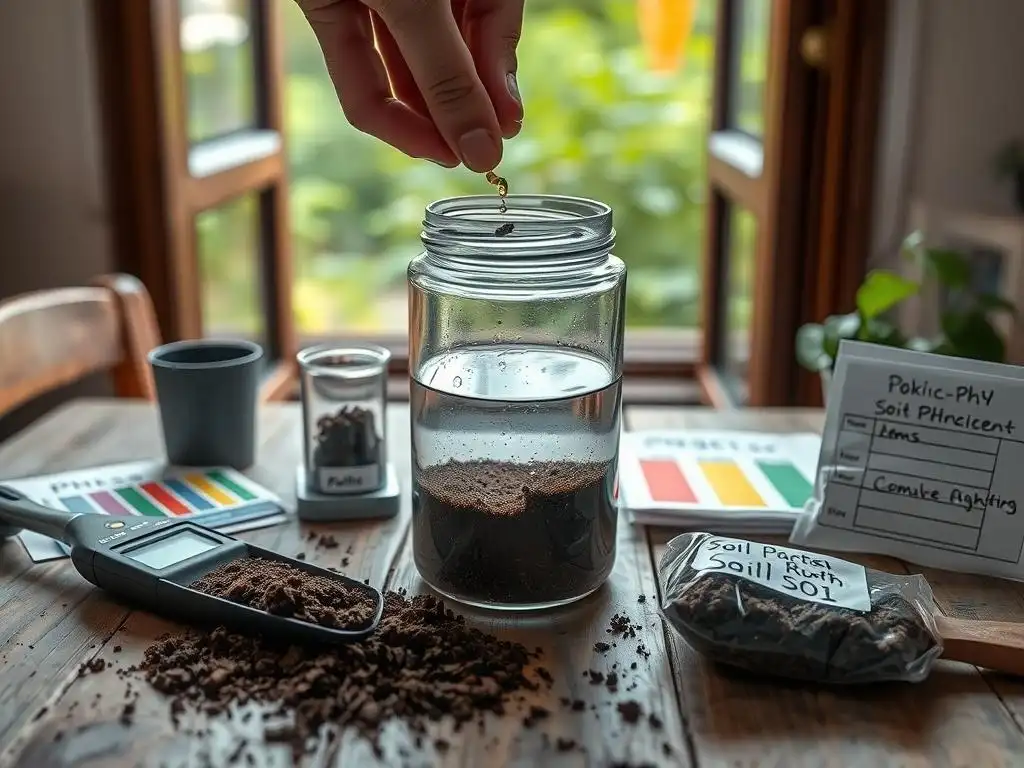
This section delves into more sophisticated, yet still accessible, home soil testing methods beyond the basics. While not as precise as professional lab analysis, these techniques offer a more nuanced understanding of your soil's composition than simple visual inspections. Remember, consistent testing and observation are key to improving your soil health over time. Accurate home soil test simple methods are crucial for successful gardening.
DIY Soil pH Meter Construction [Optional Section]
Building a rudimentary soil pH meter can be a rewarding project for the technically inclined gardener. While not as accurate as commercially available meters, it provides valuable hands-on experience and a deeper appreciation for soil chemistry. The core principle involves using a pair of dissimilar metal electrodes (e.g., copper and zinc) inserted into the soil. The voltage difference between these electrodes, measured with a multimeter, correlates with the soil's pH.
Constructing this requires careful attention to detail. You'll need:
- Two dissimilar metal electrodes (copper and zinc are readily available and safe)
- A multimeter capable of measuring millivolts (mV)
- Insulating material (e.g., electrical tape, heat-shrink tubing) to protect the connections
- Two lengths of wire to connect the electrodes to the multimeter
- A container to hold the soil sample
The process involves securely attaching the wires to the electrodes, insulating the connections to prevent short circuits, and carefully inserting the electrodes into a moist soil sample. The multimeter will display a voltage reading; higher voltages generally indicate lower pH levels. Calibration is crucial—you'll need a solution of known pH to establish a baseline. This is an advanced technique and requires a good understanding of basic electronics and chemistry. Precise calibration and interpretation require additional research and potentially experimentation. Remember, safety precautions are paramount when working with electrical components.
Using Household Items for Nutrient Testing [Optional Section]
While precise nutrient analysis necessitates a laboratory setting, certain household items can offer rudimentary insights into nutrient deficiencies. These methods are qualitative, indicating potential imbalances rather than providing exact quantities. However, they can be valuable tools for the home gardener looking for simple, cost-effective ways to assess soil health.
For instance, a simple test for nitrogen deficiency involves observing the plant's growth. Stunted growth and pale green or yellow leaves often point to a lack of nitrogen. Similarly, a lack of phosphorus can manifest as poor root development and dark green leaves. Potassium deficiency, on the other hand, may result in leaf scorching and wilting.
These visual cues, combined with observations of soil texture and drainage, can provide a preliminary assessment of nutrient levels. It’s vital to understand that these visual observations are not substitutes for a full soil test, but they can be helpful indicators of potential problems. They complement other home soil test simple methods.
Limitations of Home Soil Testing and When to Consult a Professional
Home soil testing methods, while valuable for basic assessments and monitoring changes over time, possess inherent limitations. The accuracy of home soil test simple methods is often lower than that of professional laboratory analyses. Home kits often lack the precision and range of professional equipment, potentially leading to inaccurate readings. Furthermore, home tests typically focus on a limited number of parameters, neglecting other crucial aspects of soil health like microbial activity and organic matter content.
Therefore, while home testing provides a useful starting point, it's crucial to understand its limitations. For comprehensive soil analysis, especially when dealing with complex issues or planning large-scale gardening projects, consulting a professional soil testing laboratory is highly recommended. A professional analysis provides a far more detailed and accurate picture of your soil's composition, including a wider range of nutrients and potentially harmful substances.
They can provide tailored recommendations for soil amendment and fertilization based on the specific needs identified in their analysis, leading to healthier plants and more successful harvests. This is particularly important when dealing with suspected contamination or severe nutrient imbalances where accurate home soil test simple methods are not sufficient.
Maintaining Soil Health: Long-Term Strategies
Maintaining healthy soil isn't a one-time task; it's an ongoing process crucial for successful home gardening. Regular soil testing, as discussed in the previous sections, provides a snapshot of your soil's current condition. However, understanding how to maintain that health over the long term is equally important for sustained yields of fruits, vegetables, and herbs. This involves proactive strategies that build soil fertility and resilience, year after year.
Ignoring these long-term strategies can lead to depleted soil, reduced yields, and increased susceptibility to pests and diseases. Think of it as investing in the future of your garden – a healthy soil foundation ensures bountiful harvests for years to come. The following sections outline key strategies for achieving this.
Organic Soil Enrichment Techniques
Organic matter is the cornerstone of healthy soil. It improves soil structure, water retention, nutrient availability, and microbial activity – all essential for thriving plants. Several techniques effectively enrich your soil with organic matter:
- Compost Tea: Brewing compost into a liquid tea provides a readily available source of nutrients and beneficial microbes directly to your plants. This is particularly useful for seedlings and young plants. A simple recipe involves steeping compost in water for a few days, then diluting before application.
- Mulching: Applying a layer of organic mulch, such as shredded leaves, straw, or wood chips, suppresses weeds, retains moisture, and gradually decomposes, adding organic matter to the soil. Different mulches decompose at different rates, so choose one appropriate for your needs and the plants you're growing. For example, straw decomposes relatively quickly, while wood chips decompose more slowly.
- Cover Cropping: Planting cover crops like clover, rye, or alfalfa between main crops adds organic matter, improves soil structure, and prevents erosion. These crops are then tilled into the soil, enriching it with nutrients and improving its overall health. This is a particularly effective method for building soil health in the long run.
- Worm Castings: Worm castings, the excrement of earthworms, are a rich source of nutrients and beneficial microbes. Adding worm castings to your soil improves its fertility and overall health. They're a highly effective, readily available amendment to improve your soil's organic content.
Composting for Improved Soil Structure
Composting is a crucial aspect of organic gardening and plays a vital role in maintaining soil health. By breaking down organic waste, composting creates a nutrient-rich amendment that improves soil structure, water retention, and drainage. The process itself fosters beneficial microbial activity, creating a thriving ecosystem within your soil. Different composting methods exist, from simple backyard bins to sophisticated in-vessel systems.
Regardless of the method, the end product – nutrient-rich compost – significantly enhances soil health. Regular addition of compost improves the soil's ability to retain water, reducing the need for frequent irrigation and making your garden more resilient to drought. 🏡
Crop Rotation for Nutrient Balance
Crop rotation is a simple yet highly effective strategy for maintaining soil health and preventing nutrient depletion. Different plant families have different nutrient requirements. By rotating crops from different families, you prevent the depletion of specific nutrients in the soil and reduce the risk of pest and disease buildup. For example, rotating heavy feeders like tomatoes with legumes like beans helps replenish nitrogen levels in the soil. A well-planned crop rotation schedule minimizes the need for synthetic fertilizers, promoting a sustainable and healthy gardening practice.
Careful planning, considering nutrient needs of various plant families and their susceptibility to common pests and diseases, is essential for maximizing the benefits of this practice. This reduces the risk of pest and disease build-up. Consider using a chart to plan your crop rotation for optimal results. 🗓️
Preventing Soil Erosion and Compaction
Soil erosion and compaction are significant threats to long-term soil health, impacting both the structure and fertility of your garden beds. Erosion, the gradual wearing away of topsoil by wind and water, depletes essential nutrients and organic matter. Compaction, on the other hand, reduces the soil's porosity, hindering water infiltration, root growth, and overall plant health. Both processes are detrimental to sustainable gardening practices. Addressing these issues proactively is crucial for maintaining a thriving garden year after year.
One effective strategy for preventing erosion is the strategic use of cover crops. These plants, grown specifically to protect the soil, create a living mulch that shields the soil surface from the elements. Examples include rye, clover, and vetch. Their extensive root systems also help bind the soil together, preventing it from being washed or blown away.
The decomposition of cover crops adds valuable organic matter, improving soil structure and fertility – a win-win for your soil's health. Remember to choose cover crops appropriate for your climate and soil type. For instance, a fast-growing cover crop might be ideal for preventing erosion during a particularly harsh winter.
Minimizing soil compaction requires careful consideration of garden practices. Avoid walking or working the soil when it's excessively wet, as this can significantly increase compaction. Instead, wait until the soil is dry enough to support your weight without leaving deep footprints. The use of raised beds or garden paths can also greatly reduce foot traffic directly on the soil. Furthermore, the incorporation of organic matter, such as compost, improves soil structure and reduces compaction by increasing porosity and water retention. Think of compost as nature's soil conditioner, creating a fluffier, healthier environment for roots to thrive.
Furthermore, employing no-till gardening techniques can significantly reduce compaction. No-till gardening avoids the use of tilling equipment, which can break down soil structure and lead to compaction. Instead, focus on adding organic matter to the surface and allowing it to decompose naturally. This method improves soil health over time, fostering a more resilient and less compacted soil structure. In addition, using tools like broadforks instead of traditional shovels can help aerate soil without causing significant compaction. The broadfork’s design allows for gentle soil loosening without the disruptive effects of a traditional shovel.
Finally, consider the impact of heavy machinery. If you use machinery in your garden, be mindful of the weight and pressure it exerts on the soil. Avoid using heavy machinery on wet soil and consider using lighter equipment whenever possible to mitigate compaction. Regular soil testing will also help you identify areas particularly prone to erosion and compaction, allowing you to implement targeted strategies to address these issues effectively. This proactive approach ensures the long-term health and productivity of your soil.
Frequently Asked Questions
What is the simplest way to test my home soil?
The simplest method is the finger test, assessing soil texture and moisture. You can also observe the color and structure of your soil for initial clues about its composition. A more detailed approach involves a DIY vinegar test to determine pH levels.
How can I test my soil's pH at home?
A simple home test involves mixing a soil sample with vinegar. If it fizzes, your soil is alkaline. Mixing with baking soda will reveal if it's acidic (fizzing indicates acidity). These are basic indicators; a more precise pH meter is recommended for accuracy.
What are the benefits of testing my soil before planting?
Testing your soil helps determine its nutrient levels and pH, allowing you to amend it accordingly. This ensures your plants receive the optimal conditions for healthy growth and increased yields. It also helps prevent nutrient deficiencies or toxicities.
What nutrients are most important for healthy plant growth?
Essential nutrients include nitrogen (N), phosphorus (P), and potassium (K) (often labeled as NPK on fertilizers). These macronutrients are crucial for healthy growth, flowering, and fruiting. Micronutrients are also vital, though needed in smaller quantities.
Are there any limitations to simple home soil testing methods?
Home tests offer a general indication of soil health, but they lack the precision of laboratory tests. They may not identify all micronutrients or accurately pinpoint specific nutrient deficiencies. For detailed analysis, consider sending a sample to a soil testing laboratory.
Final Reflection: Cultivating a Deeper Understanding of Our Earth
The health of our soil directly impacts the health of our planet, and understanding its composition is the first step towards responsible stewardship. Simple soil testing, once a niche hobby, is becoming increasingly crucial as we face challenges like climate change and dwindling resources. The methods outlined in this article empower individuals to take ownership of their land and contribute to a more sustainable future.
The journey of understanding soil composition is a deeply rewarding one. It connects us to the very foundation of life, revealing the intricate web of nutrients and microorganisms that sustain our ecosystems. The land is what gives us life, and it is our duty to care for it.
This simple truth underscores the importance of the knowledge shared within these pages. By understanding our soil, we gain a profound appreciation for the delicate balance of nature and the vital role we play in maintaining it. This understanding extends beyond our gardens; it informs our choices as consumers and citizens, encouraging us to support sustainable agricultural practices and advocate for environmental protection.
Now, consider your own backyard, your community garden, or even a nearby park. What stories does the soil tell? What steps can you take, armed with this newfound knowledge, to improve its health? I encourage you to embark on your own soil testing journey. Start small, experiment, and observe the results. The rewards—a healthier garden, a more sustainable lifestyle, and a deeper connection with the earth—are immeasurable.
Unlock Your Garden's Potential: Take Action Now!
Thank you for learning about simple soil testing methods! You now have the knowledge to cultivate a healthier, more productive garden. Ready to apply your new skills?
- Conduct your first soil test this weekend! Gather your supplies, follow the steps in the article, and uncover the secrets hidden in your soil. This crucial first step will pave the way for a thriving garden.
- Share your results with our community! Post a photo of your soil sample and test results in the comments below—let's learn from one another!
- Explore more resources on our website. We have additional articles to help you delve deeper into soil health and organic gardening.
What exciting discoveries await you in your own backyard this weekend?