
Rooftop Herb Gardens: Fragrant and Flavorful Herbs for Every Cook

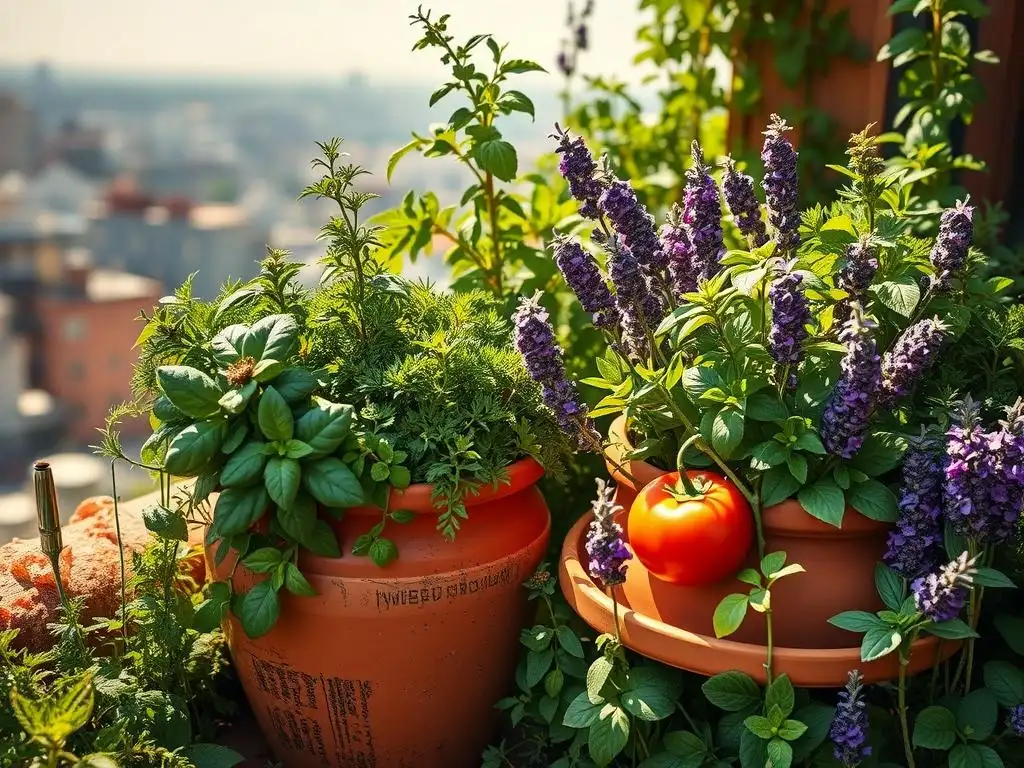
Welcome to CultivateYourFood, your guide to a greener, more flavorful life! Are you dreaming of fresh, organic herbs just steps from your kitchen? Then discover the secrets to creating a thriving rooftop herb garden—even if you're short on space. Learn how to transform a small area into a fragrant oasis teeming with culinary delights, and unlock the joy of sustainable gardening with our expert advice on planting, harvesting, and more. Let's cultivate your food, together!
- Planning Your Rooftop Herb Garden: Site Selection and Preparation
- Selecting the Best Herbs for Your Rooftop Garden: A Guide to Varieties
- Building Your Rooftop Herb Garden: Container Selection and Planting
- Rooftop Herb Garden Maintenance: Watering, Fertilizing, and Pest Control
- Harvesting and Using Your Rooftop Herbs: A Guide to Fresh Flavors
- Troubleshooting Common Rooftop Herb Garden Problems
- Expanding Your Rooftop Garden: Adding More Herbs and Plants
- Sustainable Rooftop Gardening Practices: Eco-Friendly Tips
- Frequently Asked Questions
- Final Reflection: Harvesting the Bounty of Urban Gardening
- Unleash Your Inner Gardener: Grow Your Own Flavor!
Planning Your Rooftop Herb Garden: Site Selection and Preparation
Growing herbs on your rooftop offers a unique blend of convenience and sustainability. Imagine fresh basil, rosemary, and thyme readily available for your culinary creations, all while contributing to a greener urban environment. This guide will walk you through the essential steps of planning and establishing a thriving rooftop herb garden, focusing on maximizing yield and minimizing environmental impact. We'll cover everything from choosing the ideal location and assessing structural integrity to preparing nutrient-rich soil and implementing effective drainage solutions.
Successfully cultivating a rooftop herb garden requires careful planning, but the rewards – fragrant herbs and delicious meals – are well worth the effort. This guide will help you navigate the process, ensuring you’re equipped to grow herbs on your rooftop successfully and sustainably. Let's get started on your journey to flavorful, homegrown herbs!
Choosing the Right Rooftop Location for Optimal Sunlight and Drainage
Sunlight is paramount for healthy herb growth. Most herbs thrive in at least 6-8 hours of direct sunlight daily. Before selecting your rooftop location, carefully monitor the sun's path across your roof throughout the day. Consider using a sun tracking app or simply observing the sunlight patterns over a week to pinpoint the sunniest areas.
Furthermore, proper drainage is crucial to prevent root rot and other water-related issues. Assess the rooftop's slope and the existing drainage system. A slightly sloped area will help water drain effectively, minimizing the risk of waterlogging.
If your roof doesn't have adequate drainage, you'll need to implement solutions like raised beds with drainage holes or a well-designed irrigation system that prevents water accumulation. Remember to check for potential obstructions like chimneys or air conditioning units that could cast shade or hinder sunlight access. Careful consideration of sunlight and drainage at this initial stage will lay the foundation for a successful rooftop herb garden.
Assessing Your Rooftop's Structural Capacity for Herb Garden Weight
Before you begin planting, it's crucial to assess the structural integrity of your rooftop to ensure it can safely support the weight of your herb garden, including soil, planters, and herbs. The weight can vary significantly depending on the size and type of containers you choose, the amount of soil you use, and the size of your plants. A full planter filled with soil and mature plants can be surprisingly heavy!
Consult a structural engineer or a qualified roofing professional to determine the weight-bearing capacity of your rooftop. They can provide guidance on the maximum weight your roof can safely handle, and help you avoid potential structural damage. This professional assessment is crucial to prevent accidents and ensure the longevity of your rooftop and your herb garden.
Don't underestimate the cumulative weight – it's better to be safe than sorry. Remember to factor in the potential weight increase as your plants grow and mature.
Preparing the Rooftop Soil: Essential Nutrients and Drainage Solutions
The quality of your soil directly impacts the health and yield of your herbs. Rooftop gardens often require soil amendments to address drainage and nutrient deficiencies. Standard potting soil is a good starting point, but you'll likely need to improve its drainage and nutrient content. Consider adding perlite or vermiculite to improve drainage, preventing waterlogging which can damage roots.
Incorporate compost or other organic matter to enhance nutrient levels and improve soil structure. A balanced mix of organic matter and drainage materials will create a healthy environment for your herbs to thrive. The specific soil amendments you'll need will depend on your rooftop's existing soil conditions (if any) and the types of herbs you intend to grow.
Testing your soil's pH is also recommended to ensure it's within the optimal range for your chosen herbs. Investing time in preparing high-quality soil is a crucial step towards a successful and productive rooftop herb garden. A well-prepared soil mix will provide the foundation for healthy growth and abundant harvests.
Selecting the Best Herbs for Your Rooftop Garden: A Guide to Varieties
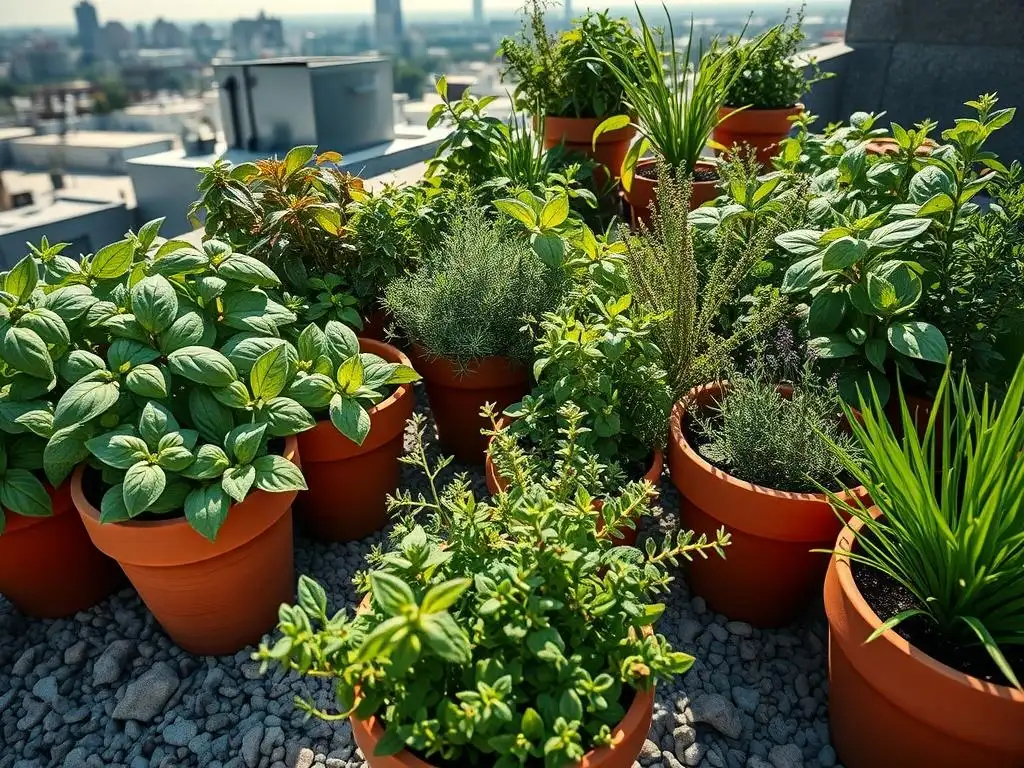
Choosing the right herbs for your rooftop garden is crucial for success. Consider factors like sunlight exposure, available space, and your culinary preferences. This section will guide you through selecting varieties that thrive in rooftop environments, maximizing your harvest and minimizing frustration. Remember, even small rooftop spaces can yield a bounty of fresh, flavorful herbs when planned carefully. Successful rooftop herb gardening hinges on selecting the right plants for your specific conditions. Let's explore some excellent choices for your "Grow herbs rooftop garden" project.
Sun-Loving Herbs for Rooftop Gardens: Basil, Thyme, Oregano, and Rosemary
Sunlight is key for many herbs, and rooftop gardens often receive ample sun exposure. These sun-worshipping herbs will reward you with robust growth and abundant harvests.
Basil ( Ocimum basilicum) thrives in full sun, producing lush leaves ideal for pesto, pasta sauces, and countless other dishes. Different basil varieties offer unique flavor profiles; experiment with Genovese, Thai, or lemon basil to discover your favorites. Remember to pinch off the flower buds regularly to encourage bushier growth and prolong the harvest. This simple technique significantly increases your yield of this popular herb.
Thyme ( Thymus vulgaris) is a low-maintenance, drought-tolerant herb perfect for rooftop gardens. Its woody stems and fragrant leaves add depth to stews, roasts, and grilled dishes. Thyme is also incredibly attractive to pollinators, adding a beneficial element to your rooftop ecosystem.
Oregano ( Origanum vulgare) is another hardy herb that flourishes in sunny conditions. Its pungent leaves are essential in Mediterranean cuisine and add a robust flavor to pizzas, pasta sauces, and grilled meats. Oregano is also a relatively low-maintenance herb, requiring minimal care once established.
Rosemary ( Salvia rosmarinus) is a beautiful and aromatic herb that adds a distinct piney flavor to roasted meats, soups, and bread. Its evergreen nature provides visual interest throughout the year. Rosemary is quite drought-tolerant, making it a great choice for rooftop gardens where watering might be less frequent.
Shade-Tolerant Herbs for Rooftop Gardening: Mint, Parsley, and Cilantro
Not all rooftop gardens bask in full sun. Some areas might experience partial shade, especially during certain times of the day. Fortunately, several herbs thrive in less sunny conditions.
Mint ( Mentha) is a vigorous grower that prefers partial shade. Its refreshing leaves are versatile, adding a cool, minty flavor to drinks, desserts, and savory dishes. However, be mindful of mint's spreading nature; it’s best grown in containers to prevent it from taking over your entire rooftop garden. Consider planting it in a pot sunk into the ground, or a container with a barrier to prevent its roots from spreading.
Parsley ( Petroselinum crispum) is a bi-annual herb that tolerates some shade. Its delicate leaves add a fresh, bright flavor to salads, soups, and garnishes. Both curly and flat-leaf parsley varieties are suitable for rooftop gardening, offering different aesthetic and culinary qualities.
Cilantro ( Coriandrum sativum) is a cool-season annual herb that prefers partial shade. Its distinctive citrusy flavor is a staple in many cuisines, particularly Mexican and Asian dishes. Cilantro bolts (goes to seed) quickly in hot weather, so it’s best to plant it in a shadier location to extend its productive life.
Fast-Growing Herbs for Quick Rooftop Harvests: Chives, Dill, and Chervil
For those seeking immediate gratification, fast-growing herbs are an excellent choice. These herbs quickly establish themselves and provide a steady supply of fresh leaves within weeks of planting.
Chives ( Allium schoenoprasum) are perennial herbs that grow rapidly, producing long, slender leaves ideal for adding a mild onion flavor to salads, soups, and dips. Chives are relatively low-maintenance and tolerate a range of conditions, making them a great addition to any rooftop garden.
Dill ( Anethum graveolens) is an annual herb that grows quickly and produces feathery leaves and seeds with distinct flavors. The leaves are perfect for adding a bright, slightly citrusy flavor to fish, salads, and pickles, while the seeds are used in pickling and baking. Dill is a great companion plant for many vegetables.
Chervil ( Anthriscus cerefolium) is a delicate annual herb with a mild, anise-like flavor. It's a fast grower that adds a subtle yet sophisticated touch to salads, soups, and egg dishes. Chervil prefers partial shade and consistent moisture. Harvesting frequently encourages bushier growth.
Remember to research the specific needs of each herb variety you choose to ensure optimal growth and yield in your rooftop garden. Happy gardening! 🌿
Building Your Rooftop Herb Garden: Container Selection and Planting
This section focuses on the crucial first steps in establishing a thriving rooftop herb garden: selecting appropriate containers and preparing them for planting. Success in rooftop gardening hinges on careful container choice and soil preparation, ensuring your herbs receive adequate drainage, nutrients, and support. Let's explore the key considerations.
Choosing the Right Containers for Rooftop Herb Gardening: Size and Material
The size and material of your containers significantly impact your herbs' growth and overall garden health. Choosing wisely is key to maximizing your yield and minimizing potential problems. For rooftop gardens, lightweight yet durable materials are essential to prevent structural damage to your roof.
Consider these factors when selecting your containers:
- Size: Herbs generally don't require massive containers. A minimum of 6 inches in diameter is recommended for most herbs, allowing sufficient root development. Larger containers (12-15 inches) are ideal for larger herbs like rosemary or oregano that have more extensive root systems. Consider the mature size of your chosen herbs when selecting container size. Overcrowding can lead to stunted growth and increased susceptibility to disease.
- Material: Plastic containers are lightweight and readily available, making them a popular choice for rooftop gardens. However, they can overheat in direct sunlight, potentially harming your herbs. Terracotta pots offer excellent drainage but can dry out quickly, requiring more frequent watering. Self-watering containers are a great option for those with busier schedules, minimizing the risk of underwatering. Wooden containers offer a rustic aesthetic but require regular maintenance to prevent rot and must be lined to prevent leakage.
Here’s a table summarizing the pros and cons of different container materials:
| Material | Pros | Cons | Suitability for Rooftop Gardens |
|---|---|---|---|
| Plastic | Lightweight, inexpensive, readily available | Can overheat, less aesthetically pleasing | Good, especially with self-watering options |
| Terracotta | Excellent drainage, aesthetically pleasing | Can dry out quickly, heavy | Moderate, requires careful watering |
| Wood | Aesthetically pleasing, good insulation | Requires maintenance to prevent rot, leaks | Moderate, requires lining and careful selection |
| Self-Watering | Convenient, reduces watering frequency | Can be more expensive | Excellent |
Choosing the right container material and size is a crucial step in successfully growing herbs on your rooftop. Remember to prioritize lightweight options to avoid putting undue stress on your roof.
Preparing Containers for Planting: Drainage and Soil Considerations
Proper drainage is paramount for healthy herb growth. Poor drainage leads to root rot, a common problem in container gardening. Similarly, using the right soil mix ensures your herbs receive the nutrients they need to thrive.
- Drainage: Ensure your chosen containers have adequate drainage holes. If not, drill holes in the bottom to prevent waterlogging. Place a layer of gravel or broken pottery shards at the bottom of each container to further improve drainage. This creates a space for excess water to collect before draining out, preventing the roots from sitting in stagnant water.
- Soil: Avoid using garden soil directly from your yard, as it can be too heavy and compact for containers. Instead, opt for a well-draining potting mix specifically formulated for containers. A good potting mix will retain moisture while allowing for proper aeration. Consider adding compost or other organic matter to enrich the soil and provide essential nutrients for your herbs. The addition of perlite or vermiculite improves drainage and aeration further.
Remember, consistent watering is essential, but overwatering is a common mistake that can harm your herbs. Always check the moisture level of the soil before watering. A simple finger test—inserting your finger a couple of inches into the soil—can help you determine if watering is necessary.
Planting Your Herbs: Techniques for Success in Rooftop Gardens
Planting your herbs correctly sets the stage for a bountiful harvest. Careful consideration of spacing and planting depth ensures each herb has enough room to grow and flourish.
- Spacing: Space your herb seedlings appropriately, leaving enough room for growth. Overcrowding leads to competition for resources, resulting in stunted growth and reduced yields. Check the mature size of your selected herbs to determine the appropriate spacing. A general rule of thumb is to allow enough space between plants for their leaves to comfortably spread without overlapping.
- Planting Depth: Plant your herbs at the same depth they were growing in their containers. Planting too deep can suffocate the roots, while planting too shallow can make the plants unstable. Gently loosen the roots before planting to encourage better root establishment.
- Watering: After planting, water your herbs thoroughly to settle the soil around the roots. Consistent watering is crucial, especially during hot and dry periods. However, avoid overwatering, which can lead to root rot. Monitor the soil moisture regularly and adjust your watering schedule accordingly. Consider using a self-watering system for convenience and to ensure consistent moisture levels, especially crucial for rooftop gardens prone to drying winds and sun exposure. Mulching the surface of the soil with organic matter can also help retain moisture and suppress weeds.
By following these guidelines and paying close attention to your herbs' needs, you’ll significantly increase your chances of cultivating a thriving and fragrant rooftop herb garden. Remember, careful planning and attention to detail are key to success in rooftop gardening. Enjoy the process and the delicious results!
Rooftop Herb Garden Maintenance: Watering, Fertilizing, and Pest Control
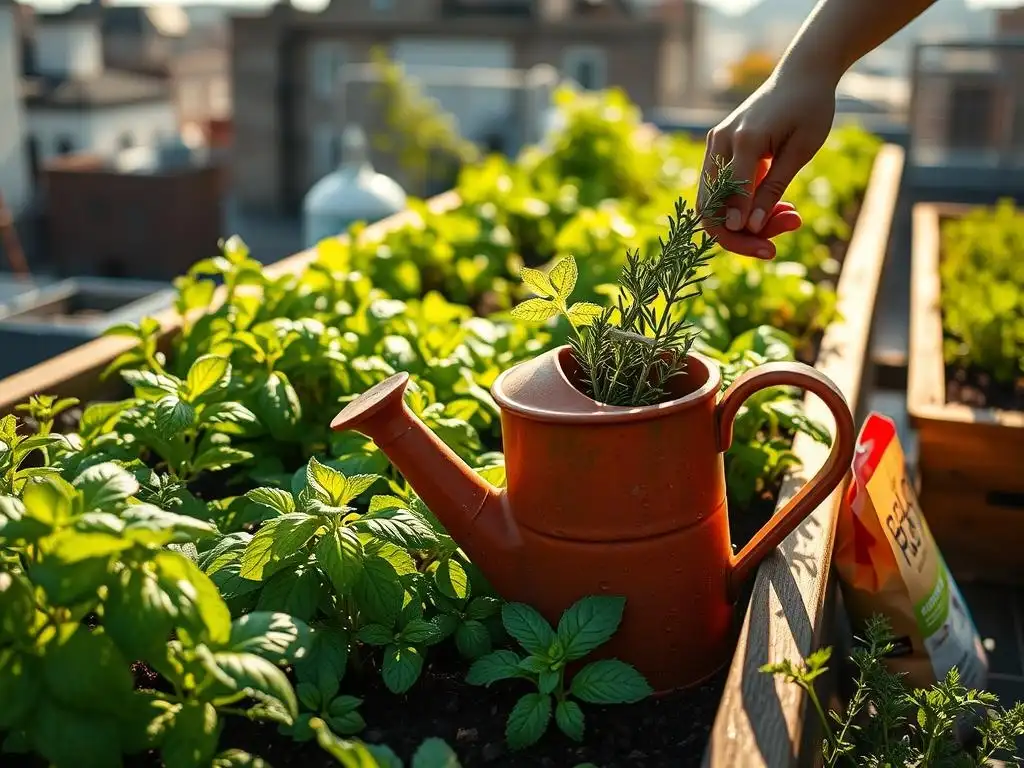
Growing herbs on a rooftop presents unique challenges compared to ground-level gardening, but with proper care, you can enjoy a thriving and fragrant herb garden all year round. Successful rooftop herb cultivation hinges on diligent maintenance, particularly in the areas of watering, fertilizing, and pest control. Let's delve into each aspect:
Watering Your Rooftop Herbs: Frequency and Techniques for Optimal Growth
The frequency of watering your rooftop herbs depends heavily on several factors: the type of herb, the size of the container, the material of the container, the weather conditions, and the time of year. Clay pots, for example, dry out much faster than plastic ones. Similarly, sunny, windy locations will require more frequent watering than shady, sheltered spots. Overwatering can lead to root rot, while underwatering will result in wilting and stunted growth. Finding the right balance is key to successful herb cultivation.
To determine if your herbs need watering, check the soil moisture. Stick your finger about an inch into the soil; if it feels dry, it's time to water. Water thoroughly until water drains from the drainage holes (ensure your containers have drainage holes!). Avoid letting the soil completely dry out between waterings, especially during hot and dry periods. Consider using a moisture meter for more precise measurements, especially when you're first establishing your rooftop garden.
For optimal growth, consider these watering techniques:
- Deep watering: Instead of frequent shallow watering, opt for less frequent deep watering. This encourages deeper root growth, making your herbs more drought-tolerant.
- Watering in the morning: This allows the foliage to dry before nightfall, reducing the risk of fungal diseases.
- Drip irrigation or self-watering pots: These systems provide a consistent and efficient way to water your herbs, minimizing water waste and ensuring even moisture. They are particularly beneficial for busy rooftop gardeners.
- Mulching: Applying a layer of mulch (such as straw or shredded bark) around the base of your plants helps retain soil moisture, reducing the frequency of watering.
Fertilizing Your Rooftop Herb Garden: Organic Options for Healthy Plants
Rooftop gardens often have limited soil volume, meaning nutrients can be depleted quickly. Regular fertilization is crucial for maintaining healthy and productive herb plants. Opt for organic fertilizers to align with sustainable gardening practices and avoid harming beneficial insects. Avoid using chemical fertilizers near edible plants.
Several organic options are excellent for rooftop herb gardens:
- Compost tea: A nutrient-rich liquid fertilizer created by steeping compost in water. It provides a balanced supply of essential nutrients and beneficial microbes.
- Worm castings: These are the excrement of earthworms and are an excellent source of nutrients and beneficial microbes. They improve soil structure and aeration, promoting healthy root growth.
- Seaweed extract: A natural liquid fertilizer rich in micronutrients that promotes vigorous growth and enhances disease resistance.
- Bone meal: A slow-release phosphorus fertilizer that's beneficial for root development and flowering. Use sparingly, as excessive phosphorus can harm some plants.
Remember to always follow the instructions on the fertilizer packaging carefully. Over-fertilizing can be just as harmful as under-fertilizing. Start with a diluted solution and gradually increase the concentration as needed, observing your plants' response. A healthy, vibrant green color is a good indication of proper fertilization.
Pest and Disease Control in Rooftop Herbs Gardens: Natural Solutions
Rooftop herb gardens can be susceptible to various pests and diseases. However, you can effectively manage these issues using natural and organic methods, avoiding the use of harmful pesticides.
Here's how to tackle common problems:
| Pest/Disease | Symptoms | Natural Solutions |
|---|---|---|
| Aphids | Small, sucking insects; leaf curling, yellowing | Insecticidal soap, neem oil, strong water spray |
| Spider mites | Fine webbing on leaves, stippling | Neem oil, insecticidal soap, introduce predatory mites |
| Whiteflies | Small, white flies; sticky honeydew on leaves | Yellow sticky traps, neem oil, insecticidal soap |
| Fungal diseases | Leaf spots, wilting, mold | Improve air circulation, avoid overhead watering, use a copper-based fungicide (organic) |
Implementing preventative measures is crucial. This includes ensuring proper spacing between plants to improve air circulation and reduce humidity, selecting disease-resistant varieties, and maintaining good sanitation practices. Regularly inspect your plants for signs of pests or diseases, and address any issues promptly to prevent widespread infestation or infection. Early detection is key to successful organic pest and disease management in your rooftop herb garden. Remember to always carefully read and follow the instructions on any organic pest control products you use. 🌱
Harvesting and Using Your Rooftop Herbs: A Guide to Fresh Flavors

This section focuses on maximizing the yield and enjoyment of your rooftop herb garden. We'll explore optimal harvesting techniques, preservation methods, and culinary applications to ensure your homegrown herbs enhance your cooking experience throughout the year. Efficient harvesting and preservation are key to getting the most out of your "Grow herbs rooftop garden" efforts.
Harvesting Techniques for Different Herbs: Maximizing Flavor and Yield
The timing of your herb harvest significantly impacts flavor and yield. Different herbs respond best to different harvesting methods. Here's a breakdown:
- Basil: Harvest basil leaves regularly, pinching off individual leaves or cutting stems back by about a third. This encourages bushier growth and prevents flowering, which can make the leaves bitter. Harvesting in the morning after the dew has dried is ideal. Harvesting too much at once can stress the plant and reduce yield.
- Mint: Mint is a vigorous grower. Harvest by pinching off stems or cutting them back, similar to basil. Regular harvesting prevents the plant from becoming leggy and encourages new growth. Mint can tolerate more aggressive pruning than basil.
- Rosemary: Rosemary is a woody herb. Harvest by snipping individual sprigs or larger branches. Avoid removing too much at once, as this can stress the plant. Harvesting in the morning, after the dew has dried, is recommended.
- Thyme: Thyme can be harvested by pinching off individual sprigs or cutting back stems. Similar to rosemary, avoid over-harvesting.
- Chives: Chives are easily harvested by snipping off the leaves just above the soil line. This encourages new growth and prevents the plant from becoming sparse. Regular harvesting is beneficial for chives.
The following table summarizes optimal harvesting times and methods for common rooftop herbs:
| Herb | Harvesting Method | Optimal Time | Notes |
|---|---|---|---|
| Basil | Pinch leaves/cut stems | Morning, after dew | Regular harvesting encourages bushier growth |
| Mint | Pinch stems/cut back | Morning, after dew | Vigorous grower, tolerates aggressive pruning |
| Rosemary | Snip sprigs/branches | Morning, after dew | Avoid over-harvesting |
| Thyme | Pinch sprigs/cut stems | Morning, after dew | Avoid over-harvesting |
| Chives | Snip leaves | Any time | Regular harvesting encourages new growth |
Remember to always use clean, sharp scissors or shears to avoid damaging your plants. Proper harvesting techniques are crucial for a thriving and productive "Grow herbs rooftop garden."
Preserving Your Rooftop Herb Harvest: Drying, Freezing, and Infusing
Preserving your abundant harvest is crucial for enjoying your herbs year-round. Several methods exist, each with its own advantages and disadvantages:
- Drying: Air drying is the simplest method. Bundle small bunches of herbs and hang them upside down in a cool, dark, and well-ventilated area. Alternatively, lay herbs on a screen or paper towel in a single layer. Once completely dry (usually 1-3 weeks), store in airtight containers in a cool, dark place. Drying preserves the flavor and aroma of many herbs remarkably well.
- Freezing: Freezing preserves herbs' color and nutrients better than drying, but can sometimes alter the texture. Finely chop herbs before freezing to make them easier to use later. Spread them in a single layer on a baking sheet and freeze until solid. Transfer to freezer bags and store.
- Infusing: Infusing herbs in oil or vinegar is a fantastic way to preserve flavor and create flavorful additions for cooking. Simply combine herbs with oil or vinegar, let it steep for several weeks, and strain before storing in airtight containers.
Choosing the best preservation method depends on the herb and your preferences. Experiment with different methods to find what works best for your "Grow herbs rooftop garden" bounty.
Culinary Uses for Your Homegrown Rooftop Herbs: Recipes and Ideas
Fresh, homegrown herbs elevate any dish. Here are some culinary ideas to inspire you:
- Basil: Pesto, caprese salad, pasta sauces, pizza topping.
- Mint: Mojitos, mint juleps, lamb dishes, salads.
- Rosemary: Roasted vegetables, potatoes, lamb, bread.
- Thyme: Chicken, soups, stews, roasted vegetables.
- Chives: Salads, dips, soups, omelets, potatoes.
Beyond these suggestions, consider experimenting! The unique flavors of your homegrown herbs will add a special touch to your culinary creations. Remember that the taste of herbs grown in your own "Grow herbs rooftop garden" will often be more intense and flavorful compared to store-bought options. Enjoy the process of experimenting with your harvest and developing your own signature recipes.
Troubleshooting Common Rooftop Herb Garden Problems
Rooftop gardening presents unique challenges compared to ground-level gardening. The exposed environment necessitates careful planning and proactive problem-solving to ensure a thriving herb garden. This section focuses on addressing three critical areas: wind and temperature extremes, pest and disease management, and water regulation. Successfully navigating these hurdles will significantly increase your chances of harvesting abundant, flavorful herbs from your rooftop oasis.
Dealing with Rooftop Wind and Temperature Extremes: Protection Strategies
Rooftop gardens are often exposed to stronger winds and more extreme temperature fluctuations than ground-level gardens. These conditions can severely impact herb growth, leading to stunted plants, damaged foliage, and reduced yields. Effective protection strategies are crucial for success in growing herbs on a rooftop.
Strong winds can physically damage herbs, causing breakage and desiccation. To mitigate wind damage, consider these solutions:
- Windbreaks: Strategically placed windbreaks, such as taller plants (like sunflowers or bamboo in larger gardens), or even simple screens constructed from netting or other materials, can significantly reduce wind exposure. The orientation of your garden relative to prevailing winds is key; proper planning is crucial for effective windbreak placement.
- Container Selection: Opt for heavier containers to prevent them from being easily blown over. Consider using containers with a low center of gravity for enhanced stability. Securing containers with weights or anchoring them to the rooftop structure is also recommended, especially in areas prone to strong gusts.
Temperature extremes pose another significant challenge. Rooftops absorb and radiate heat more readily than the ground, leading to hotter days and colder nights.
- Insulation: Protecting your herbs from extreme temperatures is vital. Using containers with good insulation properties, such as terracotta pots (which retain moisture and moderate temperature swings), or double-walled containers, helps buffer against fluctuations. Consider the material of your container when choosing varieties for your rooftop garden.
- Strategic Planting: Grouping heat-tolerant herbs together and placing them in areas receiving afternoon shade can help manage heat stress. Similarly, positioning cold-sensitive herbs in a more sheltered location can reduce frost damage during cold snaps. Understanding the specific needs of each herb variety is paramount.
- Mulching: A layer of mulch, such as straw or shredded bark, can help moderate soil temperatures, preventing extreme heat or cold from affecting the roots. This passive insulation method is particularly effective in regulating soil temperature.
Addressing Common Herb Pests and Diseases in Rooftop Gardens
While many herbs are naturally pest-resistant, rooftop gardens can still attract various insects and diseases. Early detection and preventative measures are crucial for maintaining a healthy herb garden.
Common pests include aphids, spider mites, and whiteflies. These sap-sucking insects can weaken plants and reduce yields. Effective pest management strategies include:
- Regular Inspection: Regularly inspect your plants for signs of infestation, such as discoloration, wilting, or the presence of insects. Early detection allows for prompt intervention and prevents widespread damage.
- Natural Pest Control: Employ natural pest control methods, such as introducing beneficial insects (like ladybugs for aphids) or using insecticidal soaps. Avoid harsh chemical pesticides, which can harm beneficial insects and contaminate your herbs.
- Crop Rotation: Rotate your herbs annually to disrupt pest cycles and prevent the buildup of diseases in the soil. This simple practice can significantly reduce pest and disease pressure.
Fungal diseases, such as powdery mildew and leaf spot, can also affect rooftop herb gardens. These diseases thrive in humid conditions and can be exacerbated by overcrowding.
- Proper Spacing: Proper spacing between plants promotes good air circulation, reducing humidity and the risk of fungal diseases. Overcrowding should be avoided at all costs.
- Hygiene: Remove and dispose of infected plant material promptly to prevent the spread of diseases. Maintaining a clean and well-maintained garden is essential.
Managing Water Issues in Rooftop Herb Gardens: Overwatering and Drought
Water management is critical in rooftop gardens, as containers dry out faster than in-ground plantings. Both overwatering and drought can severely impact herb growth.
Overwatering leads to root rot, a common problem in container gardening. Symptoms include yellowing leaves, wilting, and a foul odor emanating from the soil.
- Well-Draining Soil: Use a well-draining potting mix specifically formulated for containers. Avoid heavy clay soils, which retain too much water.
- Watering Techniques: Water deeply but less frequently, allowing the soil to dry slightly between waterings. Check soil moisture before watering; avoid watering on a schedule.
Drought, on the other hand, can cause wilting, leaf scorch, and stunted growth.
- Watering Frequency: Adjust watering frequency based on weather conditions and plant needs. During hot, dry spells, you may need to water more frequently.
- Mulching: Mulching helps retain soil moisture, reducing the frequency of watering and minimizing water loss due to evaporation. Mulch also helps regulate soil temperature.
- Water Retention: Consider using water-retaining polymers in your potting mix to improve water retention and reduce watering frequency. This is especially beneficial in hot and windy conditions. These simple steps, coupled with careful observation of your plants, will significantly improve the health and productivity of your rooftop herb garden. Remember, consistent monitoring and adaptation based on the specific environmental factors of your rooftop are key to success.
Expanding Your Rooftop Garden: Adding More Herbs and Plants
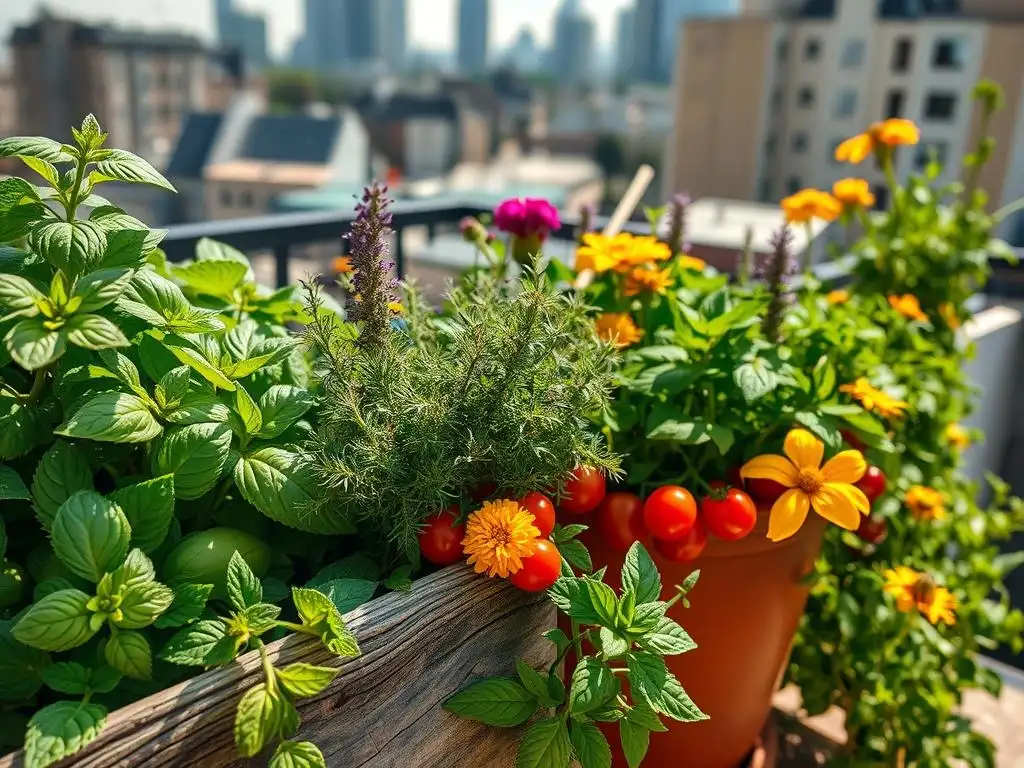
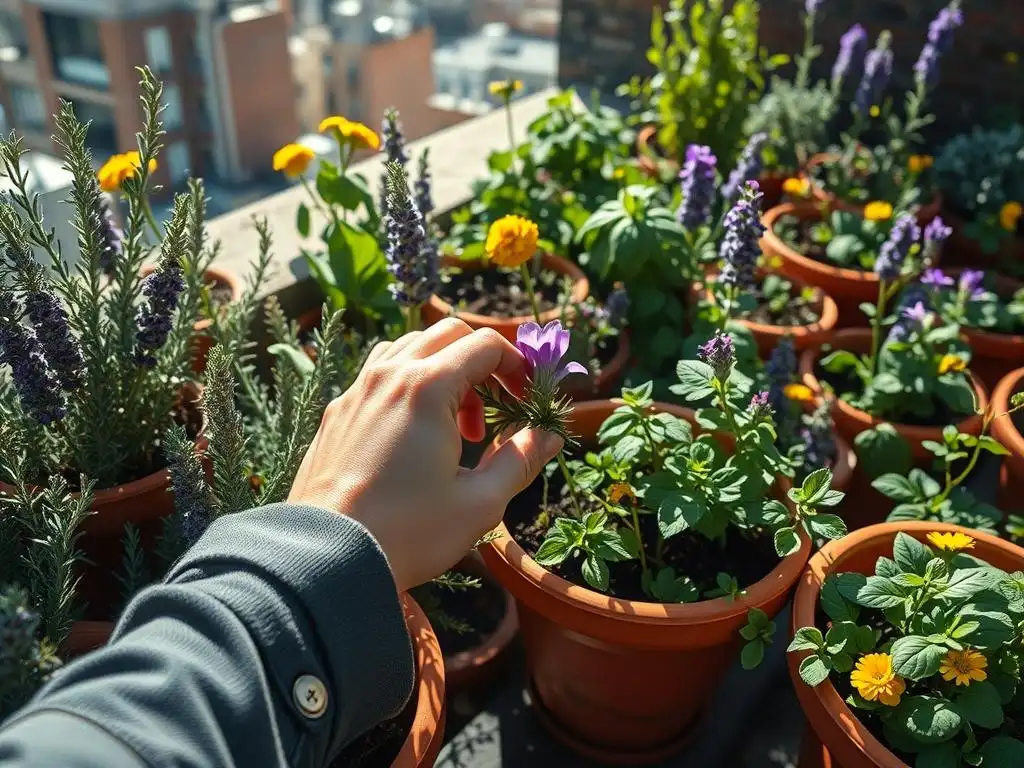
This section focuses on strategically expanding your rooftop herb garden beyond its initial setup. Successfully growing herbs on a rooftop requires careful planning and consideration of space limitations. Let's explore ways to maximize your yield and variety without overcrowding your precious rooftop real estate.
Incorporating Companion Planting for a Thriving Rooftop Herb Garden
Companion planting, the practice of strategically planting certain species together to benefit each other, is a powerful tool for rooftop gardening. It leverages natural synergies to improve growth, deter pests, and enhance overall garden health. For example, planting basil near tomatoes is widely recommended. The basil's strong scent repels tomato hornworms, while the tomatoes provide shade for the basil, preventing it from wilting under intense sun. Similarly, rosemary's strong aroma can deter cabbage moths and other pests from nearby vegetables.
Consider this example: A small section of your rooftop garden could consist of a raised bed with rows of tomatoes interplanted with basil. Another bed might feature rosemary alongside cabbage or broccoli. The key is to research which plants complement each other best. Careful planning ensures that you maximize the benefits of companion planting and create a thriving, pest-resistant ecosystem on your rooftop. This reduces the need for chemical pesticides, aligning with our sustainable and organic gardening principles. Remember to adjust spacing based on the mature size of each plant.
Here's a table summarizing some effective companion plant pairings for your rooftop herb garden:
| Herb | Beneficial Companion Plant(s) | Benefits |
|---|---|---|
| Basil | Tomatoes, peppers, strawberries | Repels pests, improves flavor |
| Rosemary | Cabbage, broccoli, carrots | Repels pests, improves soil health |
| Thyme | Cabbage, carrots, cucumbers | Repels pests, attracts beneficial insects |
| Chives | Roses, carrots | Improves soil health, repels pests |
| Mint | Cabbage, cucumbers | Repels pests, improves soil health |
Remember to rotate your companion plants yearly to prevent nutrient depletion in the soil. This is crucial for maintaining the long-term health and productivity of your rooftop garden.
Growing Vegetables Alongside Herbs on Your Rooftop
While herbs are the focus, integrating compatible vegetables into your rooftop garden can significantly increase your food production and diversify your harvest. The key is selecting compact, low-growing varieties suitable for containers and limited space. Consider using vertical gardening techniques like trellises to maximize space utilization.
Think about the space available. Smaller varieties of vegetables like bush beans, lettuce, cherry tomatoes, and radishes are excellent choices for rooftop gardening. These compact vegetables won't overshadow your herbs and can thrive alongside them. Plan your layout carefully, ensuring adequate spacing for each plant to reach its full potential.
The success of this integration depends on careful planning and monitoring. Observe your plants closely for signs of stress or competition for resources. Regular watering and fertilization are crucial, especially in the often harsh conditions of a rooftop environment. Proper drainage is also essential to prevent root rot. Remember to prioritize the well-being of both your herbs and vegetables to achieve a balanced and productive rooftop garden. This integrated approach allows you to maximize the yield of your rooftop space and enjoy a wider variety of fresh produce.
Sustainable Rooftop Gardening Practices: Eco-Friendly Tips
Growing herbs on your rooftop offers a fantastic way to enjoy fresh, flavorful additions to your cooking while embracing sustainable practices. A rooftop herb garden, however, requires mindful consideration of resource management to minimize its environmental impact. This section details key eco-friendly techniques to ensure your rooftop herb garden thrives while respecting the planet. Successfully implementing these strategies contributes to a greener lifestyle and helps you truly grow herbs rooftop garden in an environmentally responsible manner.
Water Conservation Techniques for Rooftop Herb Gardens
Water is a precious resource, especially in urban environments. Conserving water in your rooftop herb garden is crucial for both sustainability and cost-effectiveness. Here's how to optimize your watering strategy:
- Employ drip irrigation: This method delivers water directly to the roots, minimizing evaporation and runoff. Drip irrigation systems are relatively inexpensive to set up and maintain, offering a significant improvement over overhead watering. Precise water delivery ensures your herbs receive the hydration they need without wasting a single drop.
- Utilize rainwater harvesting: Collect rainwater from your roof using gutters and barrels. This provides a free and natural source of water for your plants, reducing your reliance on municipal water supplies. Remember to filter the water before use to remove debris and potential pollutants.
- Mulch generously: Applying a layer of organic mulch, such as straw or shredded leaves, helps retain soil moisture, reducing the frequency of watering. Mulch also suppresses weeds, further conserving water and minimizing the need for herbicides.
- Water deeply but less frequently: Encourage deep root growth by watering thoroughly but less often. This promotes drought tolerance in your herbs and reduces the overall amount of water needed. Allow the soil to dry slightly between waterings to avoid overwatering, which can lead to root rot.
- Monitor soil moisture: Use a moisture meter to check the soil moisture level before watering. This prevents unnecessary watering and helps you develop a precise watering schedule tailored to the specific needs of your herbs and the prevailing weather conditions. This data-driven approach significantly reduces water waste.
Composting for Rooftop Gardens: Utilizing Organic Waste
Composting is a cornerstone of sustainable gardening, transforming organic waste into nutrient-rich soil amendments. For rooftop gardens, composting offers several advantages, including reducing waste sent to landfills and providing a natural fertilizer source. Here's how to effectively compost for your rooftop herb garden:
- Choose the right composting system: Consider space constraints when selecting a composting system. Worm composting (vermicomposting) is ideal for smaller rooftops, offering a compact and efficient method to process organic waste. Alternatively, a tumbling composter can handle larger volumes of material.
- Source organic materials: Collect kitchen scraps (vegetable peels, coffee grounds, eggshells), yard waste (clipped herbs, fallen leaves), and even shredded paper to fuel your compost. Avoid meat, dairy, and oily foods, as these can attract pests and create unpleasant odors.
- Maintain proper moisture levels: Consistent moisture is essential for effective decomposition. Regularly check the moisture content of your compost and add water if necessary. Overly dry compost will decompose slowly, while excessively wet compost can become anaerobic and produce foul odors.
- Turn your compost regularly: Aerating your compost pile by turning it regularly speeds up the decomposition process. This ensures proper oxygen flow, preventing anaerobic conditions and accelerating the creation of nutrient-rich compost.
- Use finished compost: Once your compost has reached a dark, crumbly consistency, it’s ready to enrich your rooftop herb garden's soil. Incorporating compost improves soil structure, enhances water retention, and provides essential nutrients for healthy herb growth. This closed-loop system minimizes waste and maximizes resource utilization, perfectly illustrating responsible grow herbs rooftop garden practices.
Frequently Asked Questions
What is the best way to start a rooftop herb garden?
Begin by selecting a sunny location on your rooftop. Choose easy-to-grow herbs like basil, mint, or chives. Use lightweight containers to avoid overloading your roof.
Which herbs thrive in rooftop gardens?
Many herbs do well! Basil, mint, rosemary, thyme, and oregano are excellent choices for their hardiness and adaptability to container growing. Consider your climate and sun exposure when making your selections.
How do I protect my rooftop herbs from harsh weather conditions?
Proper containers and a well-insulated growing medium will help. Consider using windbreaks and moving containers indoors during extreme cold or heat.
What type of soil is best for a rooftop herb garden?
Use a well-draining potting mix specifically formulated for containers. Avoid using heavy garden soil, which can retain too much water and harm your herbs. Amend with compost for added nutrients.
How do I deal with pests and diseases in my rooftop herb garden?
Regular inspection is key. Use organic pest control methods like neem oil or insecticidal soap. Ensure proper spacing to improve air circulation and prevent disease.
Final Reflection: Harvesting the Bounty of Urban Gardening
The humble rooftop garden, once a novelty, is rapidly becoming a vital component of sustainable urban living. From reducing our carbon footprint by sourcing food locally to enhancing mental wellbeing through connection with nature, the benefits of growing your own herbs, even in a small space, are undeniable and increasingly crucial in our rapidly changing world. The ease of access to fresh, flavorful herbs directly impacts our diets and culinary experiences, a simple pleasure with far-reaching consequences.
The shift towards urban gardening reflects a growing awareness of our interconnectedness with the environment and a desire to reclaim control over our food sources. This movement resonates deeply with me, as I've witnessed firsthand the transformative power of nurturing even a single basil plant. The simple act of tending to these fragrant herbs fosters a sense of calm and accomplishment, a quiet rebellion against the fast-paced, often disconnected nature of modern life. The glory of gardening: hands in the dirt, head in the sun, heart with nature. To nurture a garden is to feed not just the body, but the soul.
This quote perfectly encapsulates the profound impact of cultivating herbs, even on a rooftop.
Now, consider your own space. Do you have a sunny patch, even a small balcony or windowsill? Imagine the vibrant green of your own herb garden, the intoxicating aromas wafting through the air, the satisfaction of using homegrown herbs in your cooking. This isn't just about growing herbs; it's about cultivating a connection with nature, fostering self-sufficiency, and enriching your life in countless ways. Take the first step today. Start small, research your climate, and begin to harvest the bounty of your own urban oasis.
Unleash Your Inner Gardener: Grow Your Own Flavor!
Thanks for joining us on this fragrant journey into the world of rooftop herb gardening! We hope you've discovered the incredible possibilities of fresh herbs readily available. Now it's time to put your inspiration into practice.
- Start small, but dream big: Begin with one or two easy-to-grow herbs like basil or mint. Choose pots that fit your space and start planting! This is the first step towards a more flavorful and fulfilling culinary experience.
- Share your success: Post a picture of your thriving herb garden on social media using #CultivateYourFood – let's inspire each other!
- Learn more: Explore our other articles on cultivating herbs and building sustainable gardens. You might even discover a new favorite herb!
What's the first herb you'll be planting on your rooftop this season? Let us know in the comments below!