
Hanging High: Choosing the Best Hanging Baskets for Your Plants

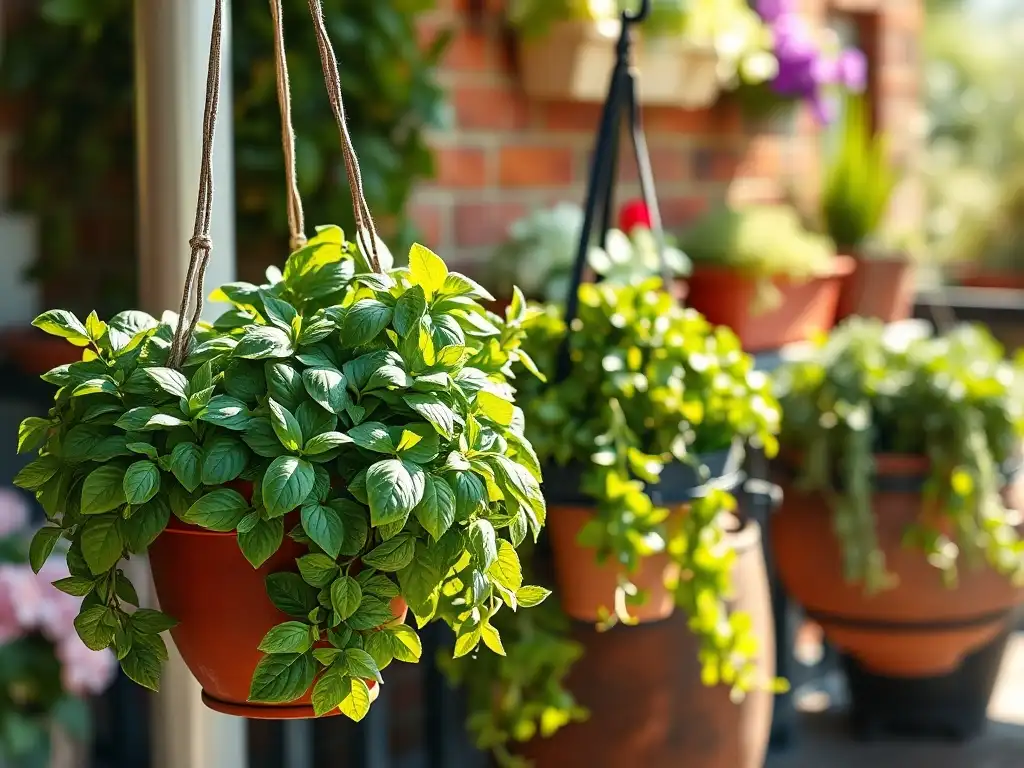
Ready to transform your outdoor space into a thriving, fragrant herb garden? At CultivateYourFood, we believe everyone can enjoy the bounty of homegrown herbs. Discover the secrets to success with our expert guide on the best hanging baskets for herbs, a crucial step in maximizing your container gardening potential. Learn how to select the perfect basket and unleash the full flavor of your favorite herbs – let's get growing!
- Understanding Your Herb Gardening Needs and Choosing the Right Hanging Basket
-
Best Hanging Baskets for Herbs: Material Deep Dive
- Plastic Hanging Baskets for Herbs: Pros, Cons, and Best Uses
- Metal Hanging Baskets for Herbs: Durability, Aesthetics, and Considerations
- Wooden Hanging Baskets for Herbs: Rustic Charm, Water Retention, and Maintenance
- Coir Hanging Baskets for Herbs: Eco-Friendly Choice, Biodegradability, and Limitations
- Essential Features for Optimal Herb Growth in Hanging Baskets
- Planting and Maintaining Your Hanging Herb Garden
- Creative Ideas for Hanging Herb Gardens
- Frequently Asked Questions
- Final Reflection: Cultivating Abundance, One Hanging Basket at a Time
- Unleash Your Inner Gardener: Create Your Dream Hanging Basket!
Understanding Your Herb Gardening Needs and Choosing the Right Hanging Basket
Cultivating a vibrant herb garden can significantly enhance your culinary experiences and add a touch of natural beauty to your home. Hanging baskets offer a unique and space-saving solution, allowing you to grow aromatic herbs even in limited areas like balconies, patios, or windowsills. This guide will walk you through the process of selecting the best hanging baskets for herbs, considering factors such as space, sunlight, material, and the specific needs of your chosen herbs.
We'll explore various basket types and sizes to help you make an informed decision, ensuring a thriving and fragrant herb garden all season long. Choosing the right hanging basket is crucial for the successful growth of your herbs; the wrong choice can lead to stunted growth, poor drainage, and ultimately, a disappointing harvest.
Let's delve into the key considerations to help you select the perfect hanging basket for your culinary and aesthetic needs. We'll focus specifically on what makes a basket ideal for herbs, given their unique growth habits and water requirements.
Assessing Your Space and Sunlight Availability for Hanging Herb Baskets
Before you even begin browsing different hanging basket designs, carefully assess your available space and the amount of sunlight your chosen location receives. Sunlight is crucial for healthy herb growth. Most herbs thrive in at least 6-8 hours of direct sunlight daily. Consider the following:
- Space Constraints: Measure the area where you plan to hang your baskets. Consider the overall size of the basket once planted, including its hanging mechanism. Overcrowding can hinder air circulation and lead to fungal diseases.
- Sunlight Exposure: Note the direction your balcony, patio, or window faces. South-facing locations generally receive the most sunlight. Observe the sunlight patterns throughout the day to determine the optimal location for your hanging herb garden. Remember that even slight variations in sunlight can affect herb growth.
- Weight Capacity: Ensure the hanging structure (hook, bracket, or ceiling fixture) can support the weight of the filled basket. A full basket of soil and herbs can be surprisingly heavy, especially larger ones. This is particularly important when you're planning to use heavier materials like ceramic or metal baskets.
- Wind Exposure: Consider the wind exposure of your chosen location. Strong winds can damage delicate herbs and dry out the soil quickly. A sheltered spot is ideal, or consider using a heavier basket to withstand wind gusts.
Choosing the Right Size and Material: Plastic, Metal, Wood, and Coir Baskets for Herbs
The size and material of your hanging basket directly impact the health and growth of your herbs. Each material offers unique advantages and disadvantages:
| Material | Advantages | Disadvantages | Ideal Herb Types |
|---|---|---|---|
| Plastic | Lightweight, inexpensive, durable, various colors | Can become brittle over time, may not breathe as well | Basil, mint, chives |
| Metal | Durable, stylish, good heat retention | Can overheat in direct sunlight, may rust | Rosemary, thyme, oregano |
| Wood | Natural aesthetic, good air circulation | Requires regular maintenance, can rot if not treated properly | Parsley, dill, cilantro |
| Coir (Coconut Fiber) | Biodegradable, excellent drainage and aeration | Can dry out quickly, may require more frequent watering | Most herbs, especially those preferring well-draining soil |
Consider the size of the herbs you plan to grow. Smaller herbs like chives and thyme can thrive in smaller baskets (8-10 inches), while larger herbs like rosemary and basil may require larger baskets (12-14 inches or even larger).
Matching Basket Size to Herb Variety: Optimal Hanging Basket Sizes for Different Herbs
The success of your hanging herb garden depends heavily on choosing the right size basket for each herb variety. Here's a general guideline:
- Small Herbs (Chives, Thyme, Oregano): 8-10 inch diameter baskets are sufficient. These herbs have compact root systems and don't require much space to thrive.
- Medium Herbs (Basil, Parsley, Mint): 10-12 inch diameter baskets provide ample room for growth. These herbs have more extensive root systems than smaller varieties. Remember that mint is a vigorous spreader, so you might want to consider planting it in a pot on its own to prevent it from taking over the basket.
- Large Herbs (Rosemary, Sage): 12-14 inch diameter baskets or larger are necessary for these herbs, which can grow quite large and have substantial root systems.
Remember that these are guidelines, and the specific needs of your herbs may vary depending on the climate and growing conditions. Always research the specific requirements of your chosen herb varieties before making your final selection. Proper planning and careful consideration of these factors will significantly increase your chances of success in creating a flourishing hanging herb garden. 🌿
Best Hanging Baskets for Herbs: Material Deep Dive
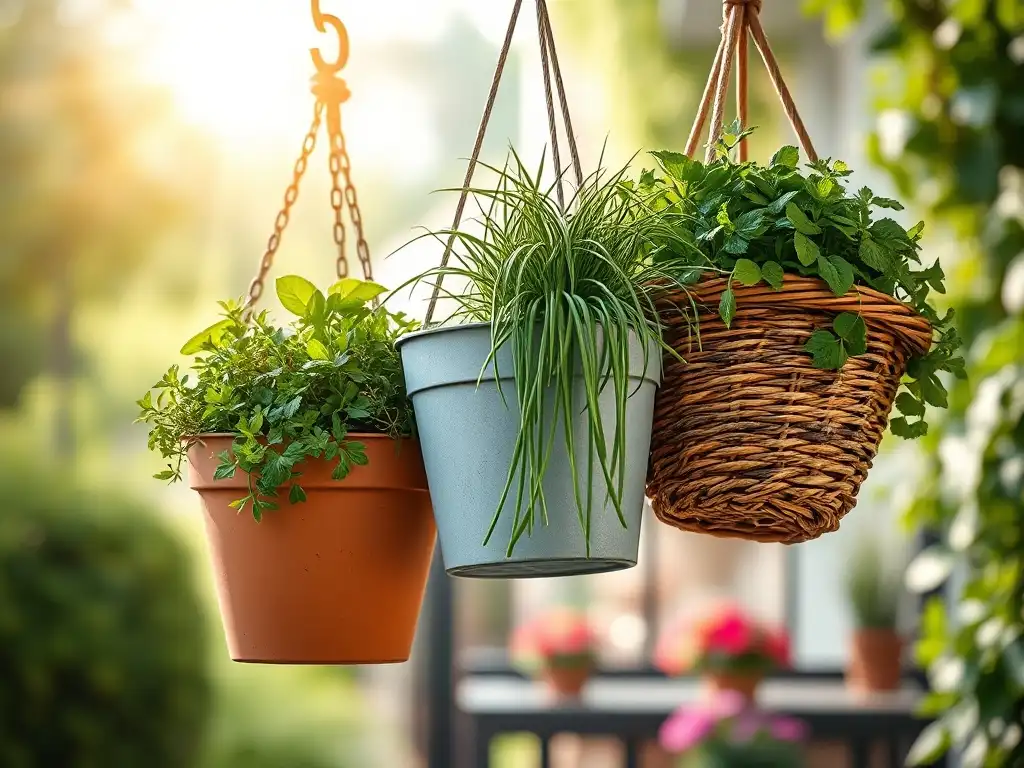
Choosing the right hanging basket can significantly impact the health and growth of your herbs. The material you select plays a crucial role in water retention, drainage, durability, and overall aesthetics. Let's delve into the specifics of popular materials, focusing on their suitability for herb cultivation. Finding the best hanging baskets for herbs requires careful consideration of these factors.
Plastic Hanging Baskets for Herbs: Pros, Cons, and Best Uses
Plastic hanging baskets are ubiquitous, offering several advantages for the home gardener. Their lightweight nature makes them easy to hang and move, a boon for those frequently rearranging their outdoor spaces. Furthermore, plastic is typically inexpensive, making it an accessible option for beginners experimenting with vertical gardening. Many come in a variety of colors and sizes, allowing for customization to your garden's aesthetic.
However, plastic baskets have drawbacks. They can be less aesthetically pleasing than other materials, sometimes appearing cheap or flimsy. More importantly, plastic doesn't breathe as well as natural materials like wood or wicker. This can lead to overly moist soil, increasing the risk of root rot, especially crucial to avoid when growing delicate herbs. Proper drainage holes are essential to mitigate this risk. Finally, while durable, cheaper plastic baskets can degrade under intense sun exposure over time, becoming brittle and prone to cracking.
Best Uses: Plastic baskets are ideal for herbs with high tolerance for moisture, such as mint and basil, provided you select a well-ventilated design with ample drainage. They are also a good choice for beginners due to their affordability and ease of use. Consider using self-watering inserts to better manage moisture levels.
Metal Hanging Baskets for Herbs: Durability, Aesthetics, and Considerations
Metal hanging baskets, often made from galvanized steel, wrought iron, or aluminum, offer superior durability compared to plastic. They can withstand harsh weather conditions, including strong winds and heavy rain, making them a long-term investment. Metal baskets also generally boast a sleek and modern aesthetic, complementing contemporary garden designs. The robust construction ensures longevity, reducing the need for frequent replacements.
However, metal baskets have their own set of challenges. They can become extremely hot in direct sunlight, potentially scorching the roots of your herbs if not adequately insulated. This is especially important to consider in hotter climates. Regular watering is crucial, as metal doesn't retain moisture well. Furthermore, some metals can rust over time, especially if not properly treated or coated. The weight of a metal basket, especially when filled with soil and plants, can also be a consideration when choosing a hanging location.
Best Uses: Metal baskets are excellent for herbs that tolerate dry conditions and require good drainage, like rosemary and thyme. Consider using a liner to help insulate the roots from extreme temperatures and improve moisture retention.
Wooden Hanging Baskets for Herbs: Rustic Charm, Water Retention, and Maintenance
Wooden hanging baskets, often made from cedar or redwood, offer a rustic and natural appeal, adding a touch of charm to any outdoor space. Wood is a breathable material, allowing for better air circulation around the roots, reducing the risk of waterlogging. This natural breathability helps to maintain a consistent soil moisture level, beneficial for many herbs. The inherent beauty of wood complements many garden styles.
However, wooden baskets require more maintenance than their plastic or metal counterparts. They are susceptible to rot and insect damage if not properly treated and protected from the elements. Regular sealing and treatment with a water-resistant sealant is essential to extend their lifespan. Wooden baskets also tend to be more expensive than plastic options. Furthermore, the weight of a wood basket, especially when saturated with water, can be significant.
Best Uses: Wooden hanging baskets are perfect for herbs that prefer consistently moist but well-drained soil, such as chives and oregano. Choose treated wood specifically designed for outdoor use to maximize durability and longevity. Regular inspection and maintenance are key to preventing rot and insect infestations. Consider using a liner to protect the wood and improve moisture control.
Coir Hanging Baskets for Herbs: Eco-Friendly Choice, Biodegradability, and Limitations
Coir, derived from coconut husks, offers a fantastically sustainable option for hanging herb baskets. These baskets are entirely natural, biodegradable, and often sourced from ethically managed coconut plantations, making them a responsible choice for the environmentally conscious gardener. The natural fibers allow for excellent drainage and aeration, crucial for the healthy growth of herbs which often dislike soggy roots. This breathability helps prevent root rot, a common problem in hanging baskets where water can accumulate.
Furthermore, coir's natural brown hue blends seamlessly with most garden settings, providing a rustic and aesthetically pleasing look. Many gardeners appreciate the inherent beauty of these unbleached baskets, choosing them over more artificial options. The slightly rough texture also provides a good grip for roots, helping them establish themselves firmly within the basket.
However, coir baskets also present certain limitations. Their biodegradability, while environmentally beneficial, means they have a shorter lifespan than plastic or metal alternatives. Depending on the climate and moisture levels, a coir basket might only last for one or two growing seasons before needing replacement. This necessitates a more frequent purchase cycle, potentially offsetting some of the initial environmental benefits.
Additionally, coir baskets can be more susceptible to damage from pests and extreme weather conditions. Strong winds or heavy rains can cause them to fray or deteriorate more quickly than sturdier materials. Finally, while coir's natural drainage is advantageous, it can also mean that the basket dries out faster, requiring more frequent watering, especially during hot and dry periods.
Careful monitoring and watering adjustments are vital when using coir hanging baskets for herbs. Consider using a moisture-retaining liner inside the coir basket to mitigate this issue. The initial cost might also be slightly higher than some plastic options, but the eco-friendly nature and aesthetic appeal often outweigh this for many gardeners committed to sustainable practices.
Essential Features for Optimal Herb Growth in Hanging Baskets
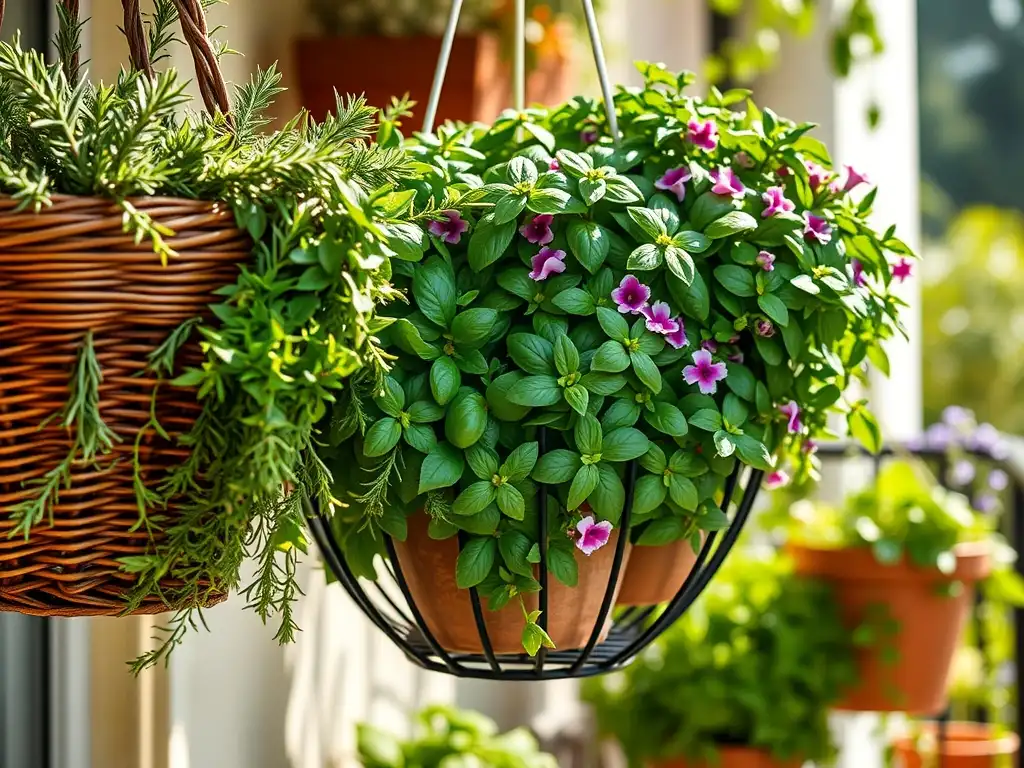
Selecting the best hanging baskets for herbs requires careful consideration of several key features that directly impact plant health and yield. Ignoring these crucial aspects can lead to stunted growth, reduced harvests, and even plant death. This section delves into the specifics of choosing containers that promote thriving herb gardens. We'll explore the importance of drainage, efficient watering systems, and the ideal soil composition to ensure your herbs flourish.
Drainage and Ventilation: Preventing Root Rot in Hanging Herb Baskets
Proper drainage is paramount for preventing root rot, a common problem in hanging baskets. Root rot occurs when roots sit in consistently soggy soil, leading to oxygen deprivation and fungal infections. To avoid this, your hanging basket must have ample drainage holes. The number and size of these holes are critical; small holes may be insufficient, while excessively large holes can lead to rapid drying. Aim for several strategically placed holes of a medium size (approximately ½ inch in diameter).
Furthermore, adequate ventilation is crucial. Good airflow around the roots helps to prevent moisture buildup and encourages healthy root development. Baskets made of materials like terracotta or woven materials allow for better air circulation compared to solid plastic baskets. Consider the material of your chosen basket carefully, as this significantly impacts the basket's breathability.
Here's a table summarizing the ideal drainage and ventilation characteristics for different basket materials:
| Basket Material | Drainage Capacity | Ventilation Capacity | Notes |
|---|---|---|---|
| Terracotta | Excellent | Excellent | Prone to drying out quickly; may need more frequent watering. |
| Woven (e.g., wicker) | Good | Good | Requires a liner to prevent soil leakage. |
| Plastic | Variable | Poor | Ensure ample drainage holes are present. |
| Metal (e.g., galvanized steel) | Variable | Moderate | Can overheat in direct sunlight; requires careful monitoring. |
Choosing the right material and ensuring sufficient drainage are fundamental steps in cultivating healthy and productive hanging herb gardens. Remember, preventing root rot is key to successful herb cultivation.
Watering Systems for Hanging Baskets: Self-Watering Options and Efficient Watering Techniques
Efficient watering is crucial for success with hanging herb baskets, especially during hot and dry periods. These baskets tend to dry out more quickly than in-ground plantings due to their increased exposure to sun and wind. Fortunately, several watering solutions exist to ease the burden and ensure consistent moisture.
Self-watering baskets offer a convenient and effective way to maintain consistent soil moisture. These baskets often incorporate a reservoir at the bottom, which slowly releases water to the roots as needed. While convenient, it's important to monitor the water level regularly to prevent overwatering.
For standard hanging baskets, efficient watering techniques are key. Deep, infrequent watering is generally preferred over shallow, frequent watering. This encourages deeper root growth and reduces the risk of shallow roots drying out. Consider using a watering can with a long spout to reach the base of the plants, or use a soaker hose for more even distribution. Avoid overhead watering, as this can lead to fungal diseases.
The best approach often involves a combination of strategies. For instance, you could use a self-watering insert within a standard hanging basket to combine the benefits of both systems. Remember to choose a watering method that suits your lifestyle and the specific needs of your herbs. Regularly checking the moisture level of the soil is essential to avoid both underwatering and overwatering.
Choosing the Right Soil Mix for Hanging Herb Gardens
The soil mix you choose significantly impacts the health and productivity of your hanging herb garden. Unlike in-ground planting, hanging baskets have limited soil volume, making soil choice even more critical. A well-draining, nutrient-rich soil mix is essential for optimal herb growth.
Avoid using heavy clay soils which retain too much water and can lead to root rot. Instead, opt for a well-draining potting mix specifically formulated for containers. These mixes often contain components like peat moss, perlite, or vermiculite to improve drainage and aeration. It's crucial to choose a high-quality potting mix that provides adequate nutrients for your herbs to thrive.
Consider supplementing your potting mix with organic matter like compost to enhance its nutrient content and water retention capabilities. Compost also improves the soil structure, creating a more hospitable environment for root growth. Remember, the best soil mix for hanging herbs will be light, airy, well-draining, and rich in organic matter. Regular fertilization may also be necessary, especially for herbs with high nutrient demands like basil or rosemary. The specific needs will vary depending on the type of herb being cultivated.
Planting and Maintaining Your Hanging Herb Garden
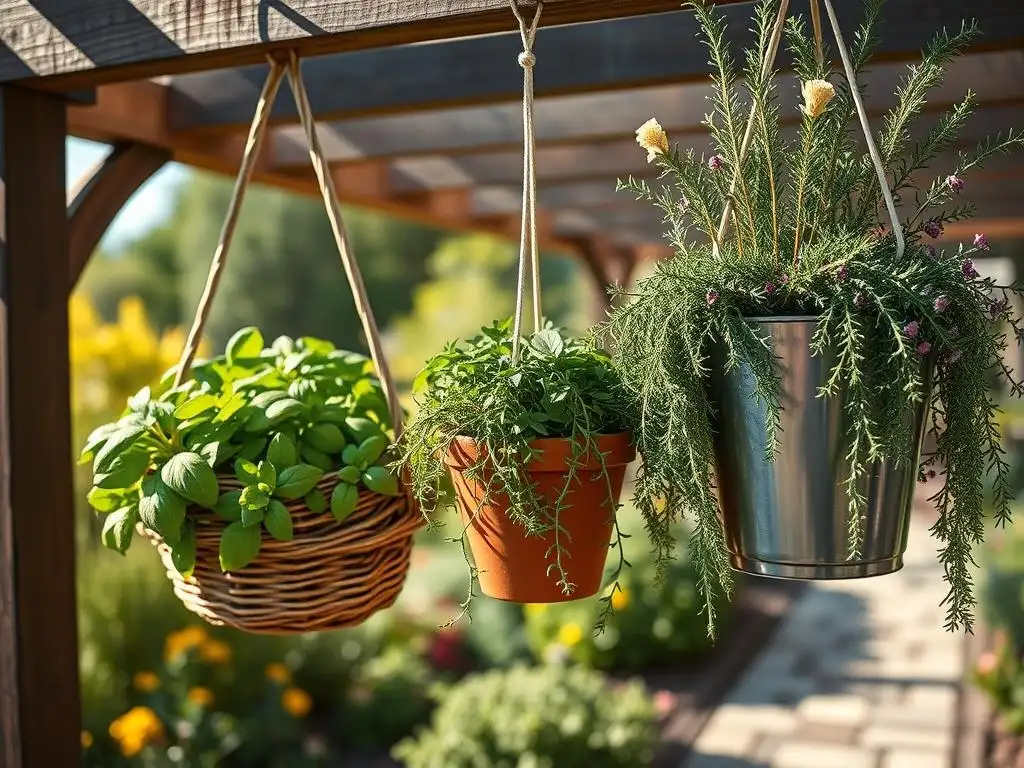
This section focuses on establishing a thriving herb garden in hanging baskets, maximizing yield and minimizing common issues. We'll cover the process from selecting the right plants to establishing a robust watering and fertilization schedule. Remember, choosing the best hanging baskets for herbs is only the first step!
Step-by-Step Guide to Planting Herbs in Hanging Baskets
Planting herbs in hanging baskets requires careful consideration to ensure optimal growth and yield. Here's a step-by-step guide to help you achieve success:
- Choosing the Right Herbs: Select herbs that thrive in similar conditions. Consider companion planting—basil and tomatoes are a classic example, as are rosemary and thyme. Avoid overcrowding; allow ample space for root development. Popular choices for hanging baskets include basil, mint (in a contained pot within the basket to prevent its invasive nature), chives, oregano, and parsley.
- Preparing the Basket: Ensure your chosen hanging basket has adequate drainage holes to prevent root rot. Line the basket with a suitable liner (coco coir or landscape fabric are excellent choices) to retain moisture while allowing for drainage.
- Selecting the Right Soil: Use a well-draining potting mix specifically formulated for containers. Avoid using garden soil directly, as it can compact and impede drainage. A high-quality potting mix will provide the necessary nutrients and aeration for healthy root growth.
- Planting the Herbs: Gently remove herbs from their nursery pots, taking care not to damage the roots. Place them in the prepared basket, ensuring adequate spacing between plants. Fill in the gaps with the potting mix, gently firming the soil around the base of each plant.
- Watering Thoroughly: After planting, water thoroughly to settle the soil and ensure the roots make good contact with the moist medium. Avoid overwatering, which can lead to root rot. Check the moisture level regularly, especially during hot and dry periods.
Watering and Fertilizing Your Hanging Herb Baskets
Proper watering and fertilization are crucial for maintaining healthy and productive hanging herb gardens. Neglecting either can lead to stunted growth and reduced yields.
Consistent moisture is key. Hanging baskets dry out faster than in-ground plantings due to increased exposure to sun and wind. Monitor the soil moisture daily, especially during hot weather. Water deeply until water drains from the drainage holes. Consider using a self-watering system for added convenience and consistent hydration.
Fertilization is equally important. Use a balanced, water-soluble fertilizer specifically formulated for herbs. Follow the package instructions carefully, avoiding over-fertilization, which can burn the roots. A slow-release fertilizer can also be incorporated into the potting mix at planting time for extended nutrient release. Consider using organic fertilizers for a sustainable approach to gardening. Aim for regular fertilization, every 2-3 weeks during the growing season.
Pest and Disease Control in Hanging Herb Baskets
Even in hanging baskets, your herbs can be susceptible to pests and diseases. Proactive measures are vital for a healthy and productive herb garden.
Regular inspection is crucial. Check your plants regularly for signs of pests (aphids, spider mites, whiteflies) or diseases (fungal infections, root rot). Early detection allows for timely intervention, preventing widespread infestation or infection.
Natural pest control methods are preferred in organic gardening. Introduce beneficial insects like ladybugs to control aphids. Use insecticidal soap or neem oil to combat pests organically. Ensure good air circulation to prevent fungal diseases. Proper watering practices (avoiding overwatering) can also help prevent root rot. If significant infestation occurs, consult a local gardening expert for advice on suitable organic treatments. Remember, prevention is always better than cure when it comes to pest and disease management in your hanging herb garden. Careful selection of healthy plants at the outset significantly reduces the risk of problems later on.
Harvesting Herbs from Hanging Baskets: Techniques and Timing
Harvesting herbs from hanging baskets requires a gentle touch and an understanding of the plant's growth cycle. Unlike herbs planted directly in the ground, access can be slightly more challenging, but with the right techniques, you can maintain a healthy, productive herb garden in your hanging baskets. The key is to harvest regularly, encouraging bushier growth and preventing the plants from becoming leggy or flowering prematurely. This not only maximizes your yield but also maintains the aesthetic appeal of your hanging baskets.
One crucial aspect is timing. Most herbs are best harvested in the morning after the dew has dried. This allows the essential oils in the herbs to be at their most concentrated, resulting in a more flavorful harvest. Avoid harvesting after rain, as the leaves may be damp and more prone to disease. Additionally, the time of day you harvest will influence the flavor profile. Some herbs, like basil, are best harvested just before flowering to preserve their vibrant flavor and aroma.
The method of harvesting also impacts the plant's health and future growth. For many herbs like basil, rosemary, and thyme, you can use the "pinch and snip" method. This involves pinching off the top few leaves or snipping stems just above a leaf node. This encourages bushier growth from the lower nodes, resulting in a fuller plant. Avoid pulling leaves, as this can damage the plant and reduce its productivity. For larger herbs like mint, you can prune back stems more aggressively, even cutting them back by a third or half, to promote vigorous new growth.
Remember to always use clean, sharp tools when harvesting to prevent the spread of disease. And don't be afraid to experiment! Different herbs have different growth habits, and you may need to adjust your harvesting techniques accordingly. Observe your plants closely and learn to recognize signs of stress, such as wilting or yellowing leaves, to ensure you're not over-harvesting.
A little practice and patience will allow you to master the art of harvesting herbs from your hanging baskets, providing you with a continuous supply of fresh, flavorful herbs throughout the growing season. Regular harvesting is a key element in maintaining the health and productivity of your hanging herb garden. It's a vital aspect of the overall care and maintenance, contributing significantly to the success of your "best hanging baskets for herbs".
Creative Ideas for Hanging Herb Gardens
This section explores innovative ways to incorporate hanging baskets into your herb gardening strategy, maximizing space and aesthetic appeal while promoting healthy plant growth. We'll delve into specific design considerations and offer practical tips to elevate your hanging herb garden from ordinary to extraordinary. The best hanging baskets for herbs are those that meet your specific needs in terms of size, material, and drainage.
Designing a Vertical Herb Garden with Multiple Hanging Baskets
Creating a vertical herb garden using multiple hanging baskets offers a space-saving and visually stunning solution, particularly for smaller gardens or patios. Consider the following for optimal design:
- Basket Selection: Choose a variety of basket sizes and shapes to create visual interest. Smaller baskets are ideal for individual herbs like chives or thyme, while larger baskets can accommodate bushier herbs like basil or mint. Prioritize baskets with good drainage to prevent root rot. The best hanging baskets for herbs often feature coco liners for better moisture retention.
- Herb Selection: Select herbs with varying heights and growth habits. Taller herbs like rosemary can be placed in higher baskets, while shorter herbs like oregano can be positioned lower. This layered approach creates a visually appealing and balanced display.
- Placement and Spacing: Ensure adequate spacing between baskets to allow for airflow and prevent overcrowding. Consider the sunlight needs of each herb when placing the baskets. South-facing locations generally receive the most sunlight, ideal for sun-loving herbs like rosemary and thyme.
- Watering System: A consistent watering schedule is crucial for success. Consider installing a drip irrigation system or using self-watering baskets to simplify watering, especially during hot and dry periods. This is particularly important when using multiple hanging baskets.
Integrating Hanging Herb Baskets into Your Existing Garden Design
Seamlessly integrating hanging herb baskets into your existing garden design enhances both functionality and aesthetics. Here are some practical strategies:
- Complementing Existing Structures: Hang baskets from existing structures like fences, pergolas, or arbors. This adds vertical interest without requiring additional support structures. Choose baskets that complement the existing color scheme and materials of your garden.
- Accentuating Pathways: Place hanging baskets along pathways to create a fragrant and inviting walkway. This strategy works particularly well with low-growing, trailing herbs like creeping thyme.
- Highlighting Focal Points: Use hanging baskets to draw attention to specific features in your garden, such as a birdbath or a decorative statue. Choose vibrant herb varieties to enhance the visual impact.
- Creating a Living Wall: Combine hanging baskets with other vertical gardening techniques to create a lush and productive living wall. This can be particularly effective when using a variety of herbs with different textures and colors. The best hanging baskets for herbs in this setup are those that are lightweight yet durable.
Creating a Stunning Focal Point with Hanging Herb Baskets
Hanging herb baskets can be transformed into stunning focal points, adding a unique and aromatic touch to your outdoor space. Consider these ideas:
- Thematic Gardens: Create a themed herb garden using hanging baskets. For example, a Mediterranean-themed garden could feature rosemary, oregano, and thyme in terracotta baskets.
- Color Coordination: Choose herbs with contrasting colors and textures for a visually appealing display. For instance, pair the deep green of basil with the silvery foliage of artemisia.
- Basket Variety: Experiment with different basket materials and styles to create a unique look. Consider using woven baskets, metal baskets, or even repurposed containers.
- Strategic Lighting: Enhance the beauty of your hanging herb baskets by strategically placing outdoor lighting. This can highlight the herbs at night and create a magical ambiance. Proper lighting also benefits plant growth.
The best hanging baskets for herbs are not just about functionality; they contribute significantly to the overall aesthetics of your garden. By carefully considering design elements and following these tips, you can create a thriving and visually appealing hanging herb garden that you'll enjoy for years to come.
Frequently Asked Questions
What makes a hanging basket ideal for herbs?
Good hanging baskets for herbs offer adequate drainage to prevent root rot, sufficient space for root growth, and are made of durable, weather-resistant materials. Consider the size and weight capacity too.
What size hanging basket is best for herbs?
The best size depends on the herbs and the number of plants. Smaller baskets (8-10 inches) are suitable for individual herbs, while larger ones (12-14 inches) accommodate multiple plants. Consider the mature size of your chosen herbs.
Which materials are best for herb hanging baskets?
Terracotta, metal, and plastic are popular choices. Terracotta provides excellent drainage but can be brittle; metal is durable but can heat up; plastic is lightweight and affordable but may not be as aesthetically pleasing.
How do I choose the right soil for my herb hanging baskets?
Use a well-draining potting mix specifically formulated for containers. Avoid using garden soil, as it can become compacted and retain too much water. Adding perlite or vermiculite can improve drainage further.
How often should I water herbs in hanging baskets?
Hanging baskets dry out quickly. Water thoroughly when the top inch of soil feels dry. The frequency will depend on weather conditions and the size of the basket; check daily during hot weather.
Final Reflection: Cultivating Abundance, One Hanging Basket at a Time
The art of cultivating herbs in hanging baskets isn't merely a horticultural pursuit; it's a vibrant expression of connection with nature, bringing the bounty of the garden directly to our doorsteps. In a world increasingly disconnected from its natural roots, the simple act of nurturing herbs in a hanging basket offers a powerful antidote, a tangible reminder of the life-giving power of the earth. This accessible and rewarding practice fosters a deeper appreciation for the food we consume and the beauty that surrounds us.
The impact of incorporating herbs into our daily lives, whether through culinary creations or simply their fragrant presence, is undeniable. Their aromatic essence can transform a mundane space into a sensory haven, while their culinary versatility adds depth and complexity to our meals. The kitchen garden is the heart of the home.
This sentiment resonates deeply, as the act of tending to these hanging gardens becomes a meditative practice, a small act of creation that yields immense rewards. The simple pleasure of harvesting fresh basil or rosemary for a meal connects us to a timeless tradition, reminding us of the cyclical nature of life and the abundance that nature provides.
Now, consider your own space. Imagine the fragrant allure of a cascading rosemary bush, the vibrant green of mint, or the delicate blossoms of chives, all thriving in a carefully chosen hanging basket. Take the time to select the perfect basket, the ideal location, and the herbs that resonate with you. Embrace the journey of nurturing these plants, watching them grow and flourish, and savor the delicious rewards of your labor. This is more than just gardening; it's an invitation to cultivate a deeper connection with yourself, your environment, and the simple joys of life.
Unleash Your Inner Gardener: Create Your Dream Hanging Basket!
Thank you for exploring the wonderful world of hanging baskets with us! We hope you've gained valuable insights into choosing the right containers for your plants. Now it's time to put that knowledge into practice.
- Design and create your dream hanging basket: Let your creativity flourish! Choose your favorite plants and a pot that complements them, adding decorative elements to create a stunning display for your home or garden. This is your chance to personalize your outdoor space!
- Share your creation with us! Post a picture of your finished hanging basket on social media using #CultivateYourFood and #HangingBasketHeaven – we'd love to see your gardening success.
- Explore alternative hanging basket designs: Discover innovative ways to maximize your space and showcase your plants through vertical gardening.
Ready to transform your outdoor space into a vibrant vertical garden? What exciting plant combinations will you be using in your hanging basket?