
Deck Delights: Selecting the Right Containers for Your Deck

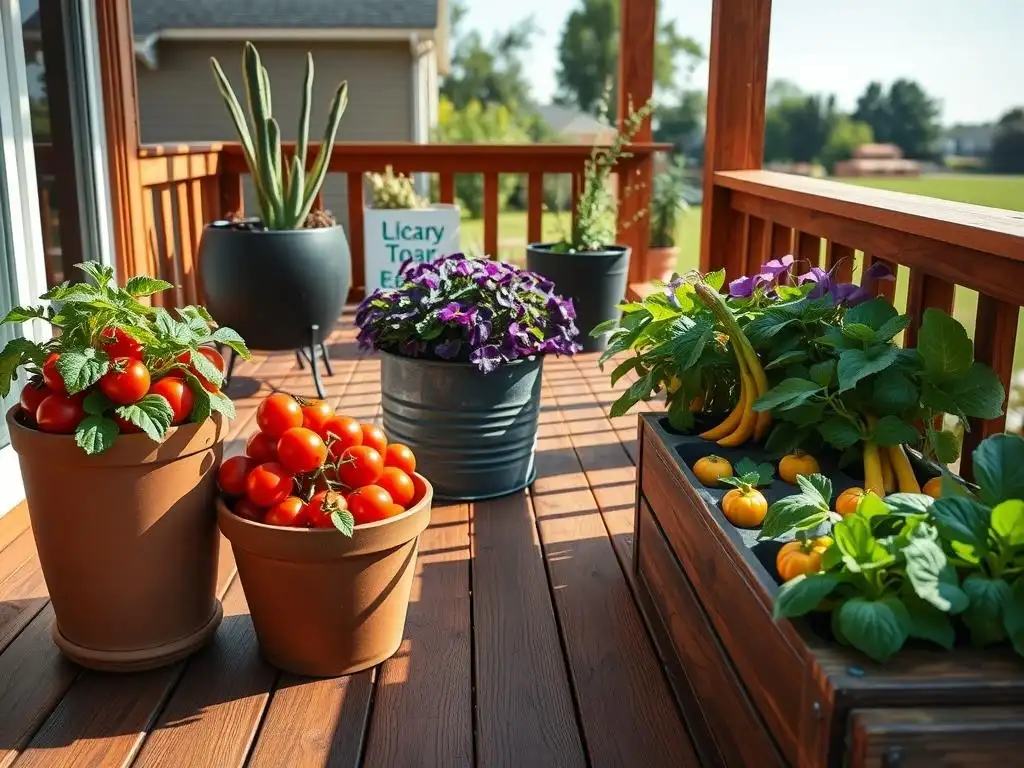
Ready to transform your deck into a thriving oasis of fresh, organic produce? At CultivateYourFood, we believe everyone can enjoy the rewards of homegrown goodness. Discover the secrets to a bountiful harvest with our expert guide on Best deck vegetable containers, a crucial step in creating your own personal edible landscape. Let's explore the world of container gardening and unlock the potential of your outdoor space – your journey to delicious, homegrown food starts now!
- Best Deck Vegetable Containers: Material Matters
- Optimizing Container Size for Deck Gardening Success
- Best Deck Vegetable Containers: Drainage and Watering Solutions
- Deck-Friendly Container Features: Added Benefits
- Best Deck Vegetable Containers: Location, Location, Location
- Maintaining Your Deck Containers: Tips for Long-Term Use
-
Frequently Asked Questions
- What are the best types of containers for growing vegetables on a deck?
- How do I choose the right size container for my vegetables?
- What kind of soil is best for deck vegetable containers?
- How often should I water my deck vegetable containers?
- How can I prevent pests and diseases in my deck vegetable containers?
- Final Reflection: Cultivating Community, One Container at a Time
- Unleash Your Deck's Potential: Grow Your Green Oasis Today!
Best Deck Vegetable Containers: Material Matters
Transforming your deck into a vibrant, productive garden is easier than you think! This guide focuses on selecting the best deck vegetable containers, helping you choose the perfect vessels to cultivate a thriving urban oasis. We'll explore the crucial factors influencing your decision—from material durability and longevity to aesthetic considerations that seamlessly integrate your garden with your deck's existing design.
Choosing the right containers is the cornerstone of successful deck gardening, impacting everything from plant health and yield to the overall beauty of your outdoor space. Let's delve into the details to ensure you're equipped to make informed choices and cultivate a flourishing deck garden brimming with delicious, homegrown produce.
Choosing the Right Material for Your Deck Garden: Wood, Plastic, and More
The material of your deck vegetable containers significantly impacts their lifespan, maintenance requirements, and aesthetic appeal. Let's examine some popular choices:
- Wood: Wooden containers offer a rustic charm and excellent breathability, beneficial for soil health. However, they require more maintenance, including regular sealing to prevent rot and insect damage. Cedar and redwood are naturally resistant to decay, making them longer-lasting options. Untreated wood might leach tannins into the soil, potentially affecting plant growth, so research is key.
- Plastic: Plastic containers are lightweight, inexpensive, and readily available in various sizes and colors. They are durable and easy to clean, requiring minimal maintenance. However, they may not be as aesthetically pleasing as wood or other materials and can degrade over time in direct sunlight, becoming brittle. Look for recycled plastic options for a more sustainable choice.
- Metal: Galvanized steel or other metal containers provide excellent durability and longevity. However, they can heat up significantly in direct sun, potentially harming plant roots. They also require regular cleaning to prevent rust.
- Ceramic and Stone: These materials offer a sophisticated look but are heavy, expensive, and prone to cracking if subjected to freezing temperatures. They provide excellent drainage but require careful handling.
| Material | Pros | Cons | Maintenance |
|---|---|---|---|
| Wood | Rustic charm, breathable | Requires sealing, prone to rot | Regular sealing |
| Plastic | Lightweight, inexpensive, easy to clean | Can degrade, less aesthetically pleasing | Minimal |
| Metal | Durable, long-lasting | Heats up in sun, prone to rust | Regular cleaning |
| Ceramic/Stone | Sophisticated look, excellent drainage | Heavy, expensive, prone to cracking (frost) | Minimal, careful handling |
Choosing the right material depends on your priorities. Consider your budget, aesthetic preferences, and the amount of maintenance you are willing to undertake. Remember to consider the climate and potential for extreme temperatures when making your selection. For example, in areas with harsh winters, frost-resistant materials are crucial.
Durability and Longevity: Assessing Container Lifespan on Your Deck
The lifespan of your deck vegetable containers is a key consideration. While some materials, like high-quality plastic or treated wood, can last for several years, others might require replacement more frequently. Factors affecting durability include:
- Material quality: Investing in higher-quality materials generally leads to longer-lasting containers. Look for thick walls and robust construction.
- Exposure to the elements: Containers left outside year-round will experience more wear and tear than those stored indoors during winter. Consider using protective covers or storing them in a sheltered area during inclement weather.
- Proper drainage: Poor drainage can lead to root rot and damage to the container itself. Ensure your containers have adequate drainage holes.
- Maintenance: Regular cleaning and maintenance can significantly extend the lifespan of your containers.
Consider these factors to determine the expected lifespan of your chosen containers and plan for potential replacements. Proper care and maintenance can significantly extend their useful life, helping you maximize your investment. Remember, a longer lifespan often translates to better value for your money in the long run.
Aesthetics and Style: Matching Containers to Your Deck Design
Your deck vegetable containers shouldn't just be functional; they should also complement the style of your deck and overall outdoor space. Consider these factors:
- Color: Choose colors that harmonize with your deck's existing color scheme and surrounding landscaping. Neutral colors like brown, gray, and green often blend seamlessly.
- Size and shape: Select containers that are appropriately sized for the plants you intend to grow and that fit proportionally with your deck's dimensions. Varying sizes and shapes can add visual interest.
- Material texture: The texture of the container material can also influence the overall aesthetic. Smooth, polished surfaces create a modern look, while rougher textures offer a more rustic feel.
- Placement: Consider how the containers will be arranged on your deck. Grouping them together can create a cohesive garden area, while strategically placing them throughout the space can add pops of color and visual interest.
By carefully selecting containers that complement your deck's design, you can create a beautiful and functional outdoor space that you'll enjoy for years to come. Remember, the aesthetic appeal of your deck garden is just as important as its productivity! Experiment with different styles and arrangements to find what works best for you.
Material Impact on Plant Health: Considering Drainage and Sunlight
Choosing the right material for your deck vegetable containers significantly impacts plant health, primarily through its influence on drainage and sunlight absorption. Poor drainage leads to root rot, a common killer of container-grown plants. Conversely, excessive drainage can lead to dehydration and nutrient leaching. The material's ability to retain moisture and its thermal properties directly affect your plants' well-being.
For example, terracotta pots are known for their excellent drainage. The porous nature of terracotta allows for good airflow around the roots, reducing the risk of root rot. However, this porosity also means they dry out quickly, requiring more frequent watering, especially during hot, sunny days. This increased watering frequency can become a significant time commitment for busy gardeners.
Furthermore, terracotta pots can become excessively hot in direct sunlight, potentially scorching plant roots. This is a crucial consideration for sun-loving vegetables like tomatoes and peppers, which require warmth but are vulnerable to overheating. Careful placement in partial shade might be necessary to mitigate this issue.
Conversely, plastic containers offer excellent moisture retention. Their non-porous nature means water remains in the soil longer, reducing the frequency of watering. This is a huge benefit for those with limited time or who are prone to forgetting to water regularly. However, excessive moisture retention can lead to root rot if not properly managed.
Ensure you select containers with adequate drainage holes and consider using a well-draining potting mix to prevent waterlogging. Additionally, dark-colored plastic containers can absorb significant amounts of sunlight, potentially leading to overheating of the soil and roots. Light-colored plastic or containers with reflective surfaces can help mitigate this problem.
Finally, consider materials like wood or metal. Wooden containers, particularly those made from untreated cedar or redwood, can add a rustic charm to your deck. However, they require more maintenance to prevent rotting and insect infestation. They also tend to dry out more quickly than plastic containers. Metal containers, while durable and stylish, can overheat quickly in direct sunlight, posing similar challenges to dark-colored plastic.
Always choose a material that aligns with your gardening experience and the specific needs of the vegetables you plan to grow. Careful consideration of the material's properties will contribute significantly to the success of your deck garden. Remember, the "best" material depends entirely on your climate, the plants you choose, and your personal gardening style. 🌱
Optimizing Container Size for Deck Gardening Success
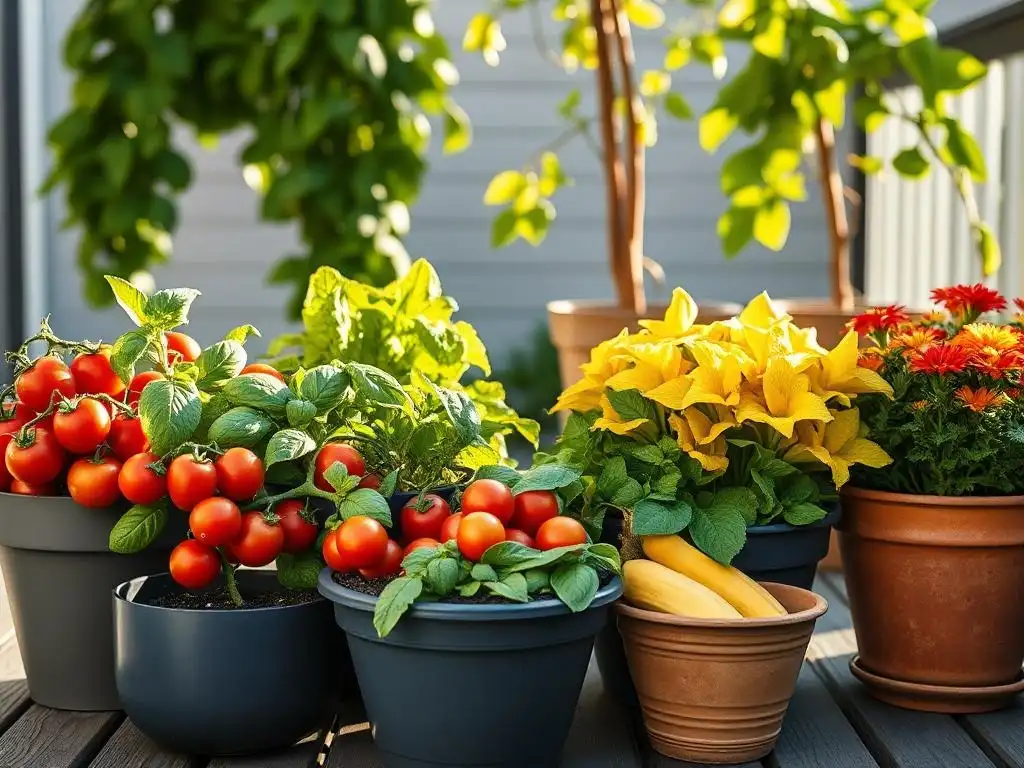
Choosing the right container size is paramount for successful deck gardening. Too small, and your plants will be stunted and stressed; too large, and you'll waste valuable deck space and resources. This section focuses on maximizing your yield and minimizing frustration by selecting containers perfectly suited to your needs. Finding the best deck vegetable containers isn't just about aesthetics; it's about optimizing plant health and productivity.
Space Considerations: Maximizing Your Deck's Growing Area
Deck space is often at a premium. Before even considering plant types, assess your available area meticulously. Measure the length and width of your deck, taking into account existing furniture, railings, and walkways. Consider the sunlight each area receives throughout the day – full sun, partial shade, or full shade drastically influences plant selection and, consequently, container size.
For instance, a small balcony might necessitate using vertical gardening techniques or opting for compact, self-contained containers like hanging baskets or wall-mounted planters. Larger decks offer more flexibility, allowing for larger containers and even the creation of raised garden beds. Remember to leave sufficient space for easy access to your plants for watering, fertilizing, and harvesting.
Don't overcrowd your deck; ample space improves air circulation and reduces the risk of disease. Efficient space utilization is key to maximizing your deck's growing potential. Careful planning and measurement are crucial steps in selecting the best deck vegetable containers for your specific space.
Plant Selection and Container Size: Finding the Perfect Fit
The size of your container should be directly related to the mature size of the plant you intend to grow. A sprawling tomato plant needs a significantly larger container than a compact herb like basil. Research the mature size of your chosen plants – both height and width – to choose appropriately sized containers. Overcrowding roots leads to stunted growth, reduced yields, and increased susceptibility to pests and diseases. Under-potting is equally problematic, as it restricts root development and leads to similar negative outcomes.
Consider these examples:
| Plant Type | Recommended Container Size (Gallons) | Notes |
|---|---|---|
| Lettuce | 1-3 | Can be grown in smaller containers for succession planting |
| Strawberries | 1-2 | Hanging baskets are also a great choice |
| Bush Beans | 5-7 | Larger containers allow for more beans per plant |
| Tomatoes (determinate) | 5-10 | Choose larger containers for better yields |
| Tomatoes (indeterminate) | 10-15 or larger | These plants need ample root space |
| Peppers | 3-5 | Smaller containers are suitable for some varieties |
Remember to check the specific needs of your chosen plant varieties. Some plants are more tolerant of smaller containers than others. Choosing the right container size is an essential aspect of selecting the best deck vegetable containers for a thriving garden.
Root Growth and Container Capacity: Avoiding Overcrowding
Root development is critical for plant health. Containers must provide adequate space for roots to grow and expand without restriction. A good rule of thumb is to choose a container at least twice the size of the plant's root ball at the time of planting. This allows for sufficient root expansion throughout the growing season. Overcrowded roots struggle to absorb water and nutrients, leading to poor growth and reduced yields. This is especially important when growing vining plants or those with extensive root systems.
Consider the material of the container as well. Porous materials like terracotta allow for better aeration but can dry out more quickly. Plastic containers retain moisture longer but might not allow for optimal root aeration. Choose a container material that suits your climate and gardening style. Proper attention to root growth is paramount in determining the best deck vegetable containers for long-term plant health and successful harvests. Always prioritize sufficient space to allow for healthy root development. 🥕
Best Deck Vegetable Containers: Drainage and Watering Solutions
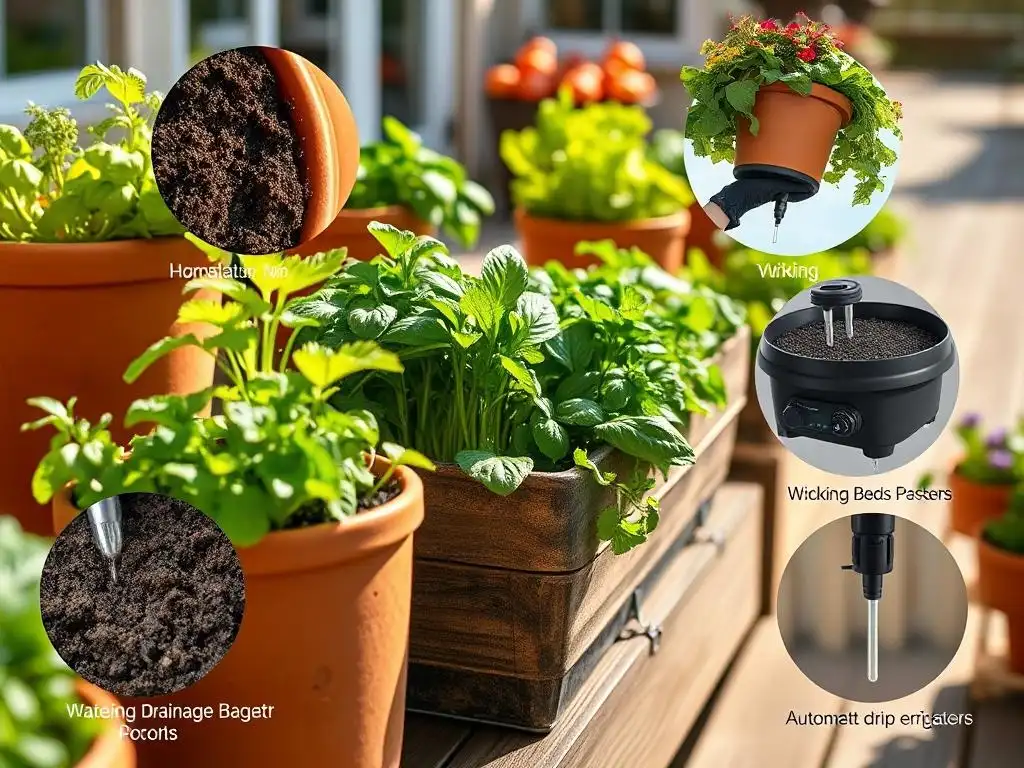
Choosing the right containers for your deck garden is crucial for the success of your plants. While aesthetics are important, functionality, particularly concerning drainage and watering, is paramount. Selecting containers with excellent drainage prevents root rot, a common problem in container gardening, especially with vegetables that require well-drained soil. This section focuses on the best practices for ensuring your deck vegetable containers provide optimal conditions for healthy growth. Finding the best deck vegetable containers means prioritizing containers that excel in both drainage and water retention.
Essential Drainage: Preventing Root Rot and Waterlogging
Root rot, caused by consistently soggy soil, is a significant threat to vegetable plants grown in containers. Poor drainage leads to oxygen deprivation in the roots, causing them to suffocate and decay. This results in wilting, yellowing leaves, and ultimately, plant death. To avoid this, select containers with drainage holes. These holes are essential for allowing excess water to escape, preventing waterlogging. The size and number of drainage holes are important considerations. Larger holes allow for quicker drainage, which might be beneficial in areas with high rainfall, while smaller holes provide more controlled drainage.
Consider the material of the container as well. Terracotta pots, for example, are porous and allow for some evaporation, helping to regulate soil moisture. However, they also dry out more quickly than plastic or metal containers. Therefore, the optimal number and size of drainage holes might vary depending on the container material. For instance, a large plastic container might need more drainage holes than a smaller terracotta pot.
Remember to place a layer of gravel or broken pottery shards at the bottom of your containers before adding soil. This creates additional drainage space and prevents the drainage holes from becoming clogged with soil particles. This simple step significantly improves drainage and can make a significant difference in the health of your plants. This is a crucial aspect of finding the best deck vegetable containers.
Self-Watering Containers for Deck Gardening: Convenience and Efficiency
Self-watering containers offer a convenient and efficient solution for watering your deck vegetable garden, especially beneficial for busy gardeners or those who travel frequently. These containers typically feature a reservoir at the bottom, which slowly releases water to the roots as needed. This reduces the frequency of watering, conserving water and minimizing the risk of overwatering.
The design varies among self-watering containers. Some have a wicking system that draws water up from the reservoir, while others rely on capillary action within the soil. The choice depends on personal preference and the specific needs of your plants. However, it's crucial to note that even self-watering containers require monitoring. While they reduce the frequency of watering, they don't eliminate the need for it entirely. Regularly checking the water level in the reservoir is essential to prevent the reservoir from running dry. The best deck vegetable containers often incorporate features that simplify this monitoring.
Using self-watering containers can significantly reduce the time spent watering your deck garden, allowing you to focus on other aspects of plant care. They are particularly useful for vegetables that require consistently moist soil but are susceptible to root rot, such as tomatoes and peppers. However, it’s important to choose a self-watering container that is appropriately sized for your plant and its water needs.
Watering Strategies for Deck Containers: Maintaining Optimal Moisture Levels
Even with well-draining containers, proper watering techniques are crucial for healthy plant growth. Overwatering can lead to root rot, while underwatering causes wilting and stunted growth. Monitoring the soil moisture is key. Stick your finger about an inch into the soil; if it feels dry, it's time to water. Avoid watering on a strict schedule, as the frequency depends on factors such as weather conditions, container size, and plant type.
Consider using a moisture meter to accurately gauge soil moisture levels. These tools provide a more objective measurement than relying solely on the "finger test." For vegetables, consistent moisture is often preferred, but avoid letting the soil become waterlogged. Watering deeply and less frequently encourages stronger root growth, compared to frequent shallow watering.
Different vegetables have different water requirements. Leafy greens generally require more frequent watering than fruiting vegetables. Pay close attention to your plants' individual needs, and adjust your watering accordingly. Observe your plants for signs of underwatering (wilting, drooping leaves) or overwatering (yellowing leaves, soggy soil). Adjust your watering strategy accordingly to maintain optimal moisture levels and ensure the success of your deck vegetable garden. This is a key aspect of maintaining the health of your plants when selecting the best deck vegetable containers.
Deck-Friendly Container Features: Added Benefits
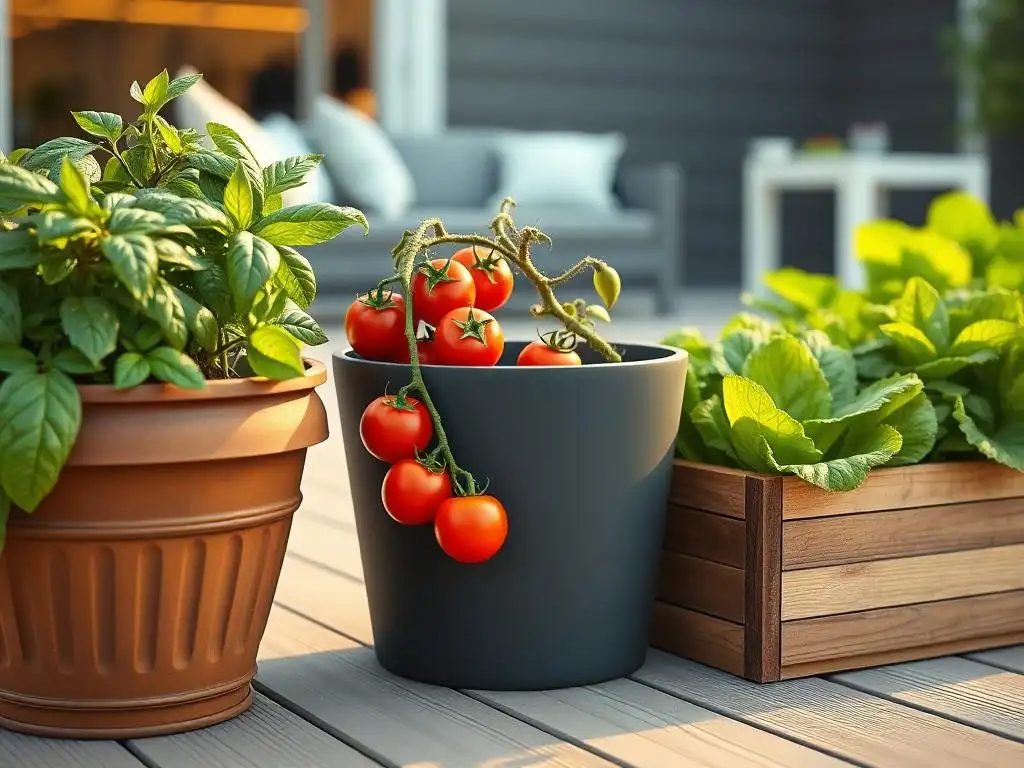
Choosing the right containers for your deck garden isn't just about aesthetics; it's about optimizing plant health and maximizing your gardening experience. Beyond simply holding soil, the best deck vegetable containers offer a range of features that enhance both practicality and yield. This section explores some key features to consider when selecting containers for your deck-based cultivation project. We'll delve into the specifics of mobility, accessibility, and integrated pest control, ensuring your deck garden thrives.
Mobility and Portability: Moving Containers for Sun and Shade
Sunlight is crucial for healthy plant growth. However, the sun's position changes throughout the day, and your deck might not offer consistent, ideal sun exposure for all your plants. The solution? Mobile planters! Look for containers with sturdy handles, wheels, or built-in carrying mechanisms. This allows you to easily reposition your containers to follow the sun, ensuring your vegetables receive the optimal amount of sunlight throughout the day.
Consider the weight of the container when it's full of soil and plants. A lightweight plastic container might be easier to move than a heavy ceramic one, but it might also be less stable in windy conditions. A balance between maneuverability and stability is key. For larger, heavier containers, consider using a dolly or plant caddy to facilitate movement. This is especially important for larger, heavier containers filled with mature plants.
Data suggests that plants exposed to at least 6 hours of direct sunlight daily show a significant increase in yield compared to those in partial shade. By strategically moving your containers, you can ensure your plants are getting the sunlight they need to flourish, maximizing your harvest. This is a crucial factor in achieving optimal growth when cultivating vegetables on a deck.
Elevated Planters for Deck Gardens: Accessibility and Ergonomics
Deck gardening presents unique ergonomic challenges. Bending over repeatedly to tend to plants in low-to-the-ground containers can strain your back. Elevated planters offer a solution, improving accessibility and reducing physical strain. These planters raise your plants to a comfortable working height, reducing the need to bend or kneel. This is especially beneficial for older gardeners or those with mobility issues.
The optimal height for an elevated planter depends on individual needs and preferences, but a range of 24-36 inches is generally recommended for comfortable access. However, consider the height of your deck railing and the overall height of the planter when choosing a location. Ensure there's sufficient space to work comfortably around the planter without obstructing walkways or creating safety hazards.
Furthermore, elevated planters can improve air circulation around the plants, reducing the risk of fungal diseases. Improved air circulation is a significant advantage, contributing to healthier plants and a more successful harvest. Choosing the right height for your elevated planters is a key factor in ensuring a comfortable and productive gardening experience.
Integrated Pest Control Features: Protecting Your Plants
Pest control is an essential aspect of successful gardening, and it's particularly important in a deck garden where plants are concentrated in close proximity. Some containers are designed with integrated pest control features to help minimize pest problems. These features can include:
- Mesh bottoms: Prevent soil-dwelling pests from accessing the roots.
- Raised legs: Create a physical barrier against crawling insects.
- Built-in drainage systems: Help prevent waterlogged soil, which can attract pests.
While no container completely eliminates the need for pest management, these features can significantly reduce pest pressure. Combine these features with other sustainable pest control methods, such as companion planting and natural pest repellents, to optimize your pest management strategy. Remember, proactive measures are crucial in maintaining a healthy and thriving deck garden. Investing in containers with integrated pest control features is a smart way to proactively protect your plants and ensure a bountiful harvest. This approach helps reduce the need for harmful chemical pesticides, aligning with sustainable gardening practices.
Best Deck Vegetable Containers: Location, Location, Location
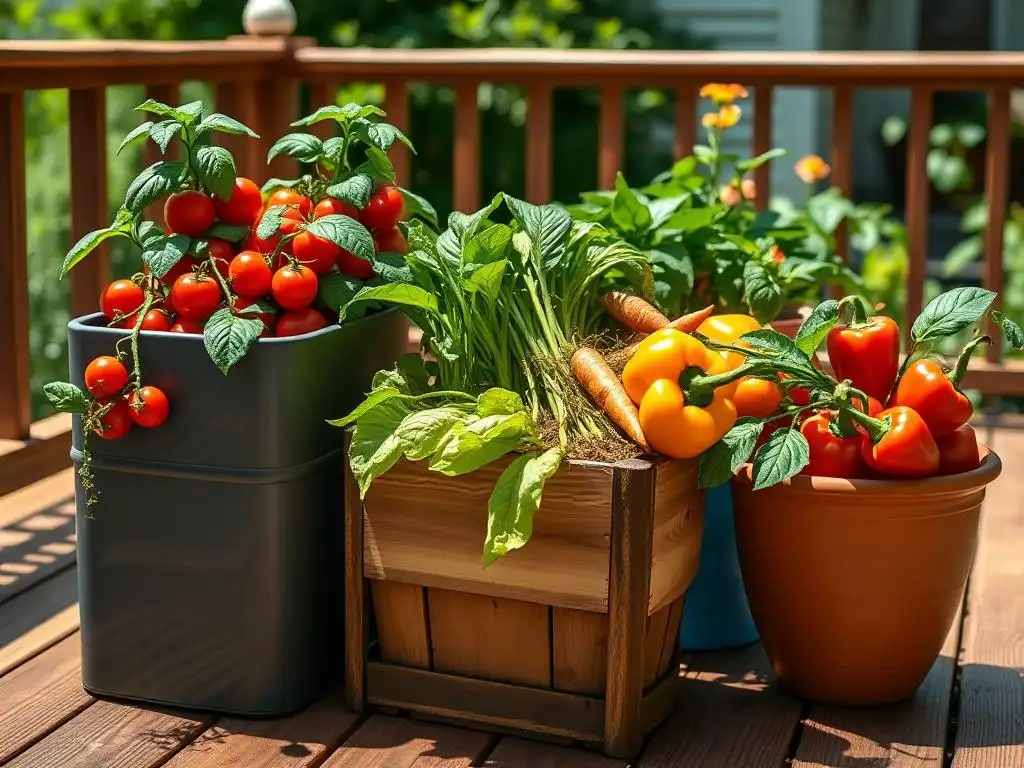
Choosing the right containers for your deck garden isn't just about aesthetics; it's about maximizing your plants' potential. The location of your containers significantly impacts their success. Consider these crucial factors when selecting the best deck vegetable containers for your space and the specific needs of your chosen plants. Careful placement can mean the difference between a bountiful harvest and a disappointing season. Let's delve into the specifics.
Sunlight Requirements: Choosing the Right Spot on Your Deck
Sunlight is the lifeblood of most vegetables. Before even thinking about container size or material, determine how much sun your deck receives throughout the day. Most vegetables, including tomatoes, peppers, and cucumbers, thrive in at least six hours of direct sunlight. Others, like lettuce and spinach, prefer partial shade (four to six hours).
To accurately assess your deck's sun exposure, observe it throughout the day for a week, noting the times when it is sunny and shady. You can even use a sun tracking app to get a more precise measurement. Consider the direction your deck faces; south-facing decks generally receive the most sun.
Once you understand your sun exposure, choose a location accordingly. Don't overcrowd your containers; proper spacing ensures each plant receives adequate sunlight. Remember, even slight variations in sunlight can significantly impact yield. For example, a tomato plant placed in an area receiving only four hours of sunlight will likely produce fewer fruits compared to one in a location receiving six or more hours.
Wind Protection for Deck Planters: Shielding Your Plants from the Elements
Wind can be a major challenge for deck gardening. Strong gusts can desiccate plants, damage delicate leaves, and even uproot them from their containers. Protecting your plants from wind is crucial, especially for taller, more vulnerable varieties.
Consider these strategies for wind protection:
- Strategic Placement: Position your containers in a sheltered area of your deck, such as against a wall or railing. This provides a natural windbreak.
- Windbreaks: Use screens, trellises, or even tall potted plants as windbreaks. These barriers can significantly reduce the impact of strong winds.
- Container Weight: Choose heavier containers, or add weight to lighter ones (by filling the bottom with gravel, for example), to prevent them from being blown over.
The impact of wind varies depending on the plant. For instance, leafy greens are relatively tolerant, while fruiting plants like tomatoes and peppers are more susceptible to wind damage. A well-protected location can contribute significantly to the overall health and productivity of your deck garden, helping you maximize your harvest and achieve the best results using best deck vegetable containers.
Deck Railing Planters: Utilizing Vertical Space
Deck railings offer a fantastic opportunity to maximize space and add visual interest to your deck garden. Railing planters come in various designs, from simple hanging baskets to more elaborate vertical gardening systems. This vertical approach is especially beneficial for smaller decks or those with limited floor space.
When choosing railing planters, consider:
- Weight Capacity: Ensure the planter and its contents don't exceed the railing's weight limit. Overloading can lead to damage or even accidents.
- Drainage: Proper drainage is essential to prevent root rot. Choose planters with drainage holes or add your own.
- Plant Selection: Select plants appropriate for hanging or vertical growth. Trailing herbs and smaller vining vegetables work well. Consider using self-watering systems for optimal plant health.
Using deck railing planters is a creative way to incorporate more plants into your deck garden. By carefully selecting appropriate plants and ensuring the planters are securely attached, you can create a beautiful and productive vertical garden, showcasing the true potential of best deck vegetable containers.
Maintaining Your Deck Containers: Tips for Long-Term Use
Maintaining your deck containers is crucial for ensuring healthy plant growth and extending the lifespan of your containers themselves. Regular care prevents disease, pest infestations, and structural damage, maximizing your harvest and minimizing waste. Choosing the best deck vegetable containers isn't just about the initial purchase; it's about understanding the ongoing maintenance required to get the most out of your investment. Let's delve into some key maintenance practices.
Cleaning and Sanitation: Preventing Disease and Pests
Regular cleaning and sanitation are paramount in preventing the spread of plant diseases and pest infestations. Failing to clean your containers can lead to a build-up of pathogens and pests, impacting the health of your plants and potentially affecting future plantings. Here's a step-by-step guide:
- Empty and Remove Debris: Begin by completely emptying the container of all soil, plants, and debris. Dispose of old soil responsibly – composting is a great sustainable option!
- Scrubbing: Use a stiff brush and a solution of mild soap and water to thoroughly scrub the inside and outside of the container. For stubborn stains or mildew, a solution of bleach and water (1 part bleach to 9 parts water) can be effective, but ensure the container is thoroughly rinsed afterward to avoid harming future plants.
- Rinsing: Rinse the container thoroughly with clean water to remove all traces of soap and bleach. Allow it to dry completely in the sun before reusing.
- Disinfection (Optional but Recommended): For containers with a history of disease or pest problems, consider a more thorough disinfection. A solution of hydrogen peroxide can be effective, or you can consider using a commercial plant disinfectant. Always follow the manufacturer's instructions carefully.
Remember, proactive cleaning helps prevent problems before they arise. A clean container is a healthy container, leading to healthier plants and a more bountiful harvest. This is particularly important when considering the best deck vegetable containers for your needs, as some materials are more susceptible to disease build-up than others.
Winterizing Deck Containers: Protecting Plants from Frost
Winterizing your deck containers is essential for protecting your plants from frost damage and ensuring their survival until the next growing season. The approach depends on your climate and the types of plants you're growing.
- For frost-sensitive plants: Bring these indoors to a protected location, or cover them with frost cloth or other protective materials. Consider moving smaller containers indoors entirely.
- For hardy plants: These might survive milder winters outdoors, but they will benefit from added protection. Mulching around the base of the plants helps insulate the roots, and covering the containers themselves with burlap or other insulating materials can provide additional protection against freezing temperatures.
- Emptying and storing containers: If you're not overwintering your plants, empty the containers of soil and store them in a dry, protected location to prevent damage from frost and ice. Cleaning them before storage, as detailed above, is highly recommended.
Proper winterization ensures your plants and containers are ready for the next growing season, maximizing their lifespan and your gardening success. Choosing durable best deck vegetable containers designed to withstand freezing temperatures can also minimize the need for extensive winterization procedures.
Repairing and Replacing Damaged Containers: Extending Their Lifespan
Even the best deck vegetable containers can suffer damage over time. Regular inspection can help catch minor issues before they become major problems. Here's how to address common damage:
- Cracks and Chips: Small cracks and chips in plastic or ceramic containers can often be repaired with epoxy resin or a similar sealant. Ensure the repair is completely waterproof to prevent leaks and soil erosion.
- Holes and Leaks: Larger holes or leaks might require more extensive repair, potentially using patching materials or even replacing the container altogether.
- Drainage Issues: If drainage holes become clogged, clean them out to prevent waterlogging and root rot. You might need to use a small tool or wire to clear the blockages.
- Rust (for metal containers): Rust can weaken metal containers, compromising their structural integrity. Treat rust with a rust remover and apply a protective coating to prevent further corrosion.
When deciding whether to repair or replace a damaged container, consider the extent of the damage, the cost of repair, and the overall condition of the container. Sometimes, replacement is the most cost-effective and efficient solution, particularly if the damage is extensive or compromises the structural integrity of the container. Remember, investing in quality best deck vegetable containers from the start can reduce the frequency of repairs and replacements in the long run.
Frequently Asked Questions
What are the best types of containers for growing vegetables on a deck?
Several options excel for deck gardening. Self-watering containers are convenient, while raised beds offer more space. Choose durable materials like wood, plastic, or metal that can withstand weather.
How do I choose the right size container for my vegetables?
Consider the mature size of your plants. Larger plants need larger containers (at least 5 gallons). Smaller herbs and greens can thrive in smaller pots (1-3 gallons). Root vegetables require deeper containers.
What kind of soil is best for deck vegetable containers?
Use a high-quality potting mix, not garden soil. Potting mixes are lighter and better draining, crucial for containers. Consider adding compost for extra nutrients.
How often should I water my deck vegetable containers?
Watering frequency depends on the weather, container size, and plant type. Check the soil moisture regularly; water when the top inch feels dry. Self-watering containers may need less frequent watering.
How can I prevent pests and diseases in my deck vegetable containers?
Regularly inspect your plants for pests and diseases. Use organic pest control methods like neem oil or insecticidal soap. Ensure good air circulation to prevent fungal diseases.
Final Reflection: Cultivating Community, One Container at a Time
The vibrant tapestry of urban gardening is woven with threads of ingenuity and resourcefulness, and the humble deck container plays a surprisingly significant role. From sprawling rooftop farms to intimate balcony gardens, the ability to cultivate food and beauty in limited spaces is transforming how we interact with our environment and each other. This accessibility, fueled by readily available and diverse container options, is democratizing the joy of gardening, making it a possibility for everyone, regardless of their living situation.
The impact of container gardening extends far beyond the simple act of growing plants. It fosters a sense of community, connecting individuals through shared experiences of nurturing life and harvesting the fruits (and vegetables!) of their labor. This connection to nature, often lost in the hustle of modern life, is profoundly restorative. The glory of gardening: hands in the dirt, head in the sun, heart with nature. To nurture a garden is to feed not just the body, but the soul.
This quote perfectly encapsulates the deeper meaning behind choosing the right container for your deck—it's about cultivating more than just plants; it's about cultivating a connection to something larger than ourselves.
Now, consider your own space. What possibilities exist on your deck, your balcony, or even your windowsill? What seeds of joy and connection can you plant? Don't be limited by perceived constraints; let this exploration of deck containers inspire you to create your own little patch of paradise. Embrace the challenge, experiment with different sizes and styles, and discover the unique rewards of growing your own food, even in the smallest of spaces. The journey is as rewarding as the harvest itself.
Unleash Your Deck's Potential: Grow Your Green Oasis Today!
Thank you for exploring the world of deck gardening with us! We hope you've found the perfect container solutions to transform your outdoor space. Ready to start planting?
- Begin your planting journey today! Choose your favorite containers and head to your local garden center or nursery to select plants that suit your style and the conditions on your deck.
- Share your deck designs! Post pictures of your progress on social media using #CultivateYourDeck and inspire others to create their own green havens.
- Experiment with different plant combinations – you might be surprised by what thrives together!
What exciting plants will you feature on your blossoming deck this year?