
Soil Preparation for Pacific Northwest Gardens: Achieving the Perfect Mix

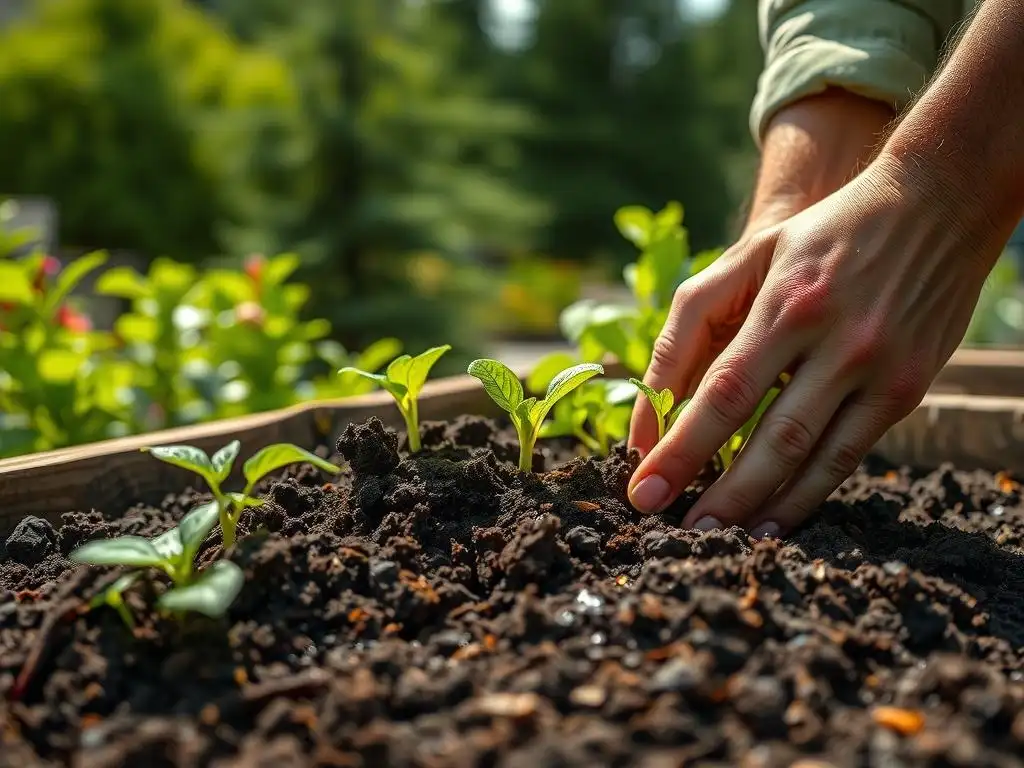
Ready to unlock the secrets to a thriving garden, even in the unique climate of the Pacific Northwest? CultivateYourFood is your guide to sustainable and organic home gardening. Our Pacific Northwest soil preparation guide will reveal the essential techniques for creating the perfect soil mix, ensuring your fruits, vegetables, and herbs flourish. Discover how to overcome the challenges of regional gardening and reap a bountiful harvest – let's get started!
- Understanding Pacific Northwest Soil Challenges
-
Preparing Your Pacific Northwest Garden Bed: A Step-by-Step Guide
- Choosing the Right Location: Sunlight, Drainage, and Microclimate Considerations
- Clearing the Area: Removing Debris, Weeds, and Existing Plants
- Testing Your Soil: pH Levels and Nutrient Analysis for the PNW
- Amending Your Soil: Improving Drainage, Texture, and Fertility in the Pacific Northwest
- Adding Organic Matter: Compost, Mulch, and Other Soil Amendments for PNW Gardens
- Incorporating Soil Amendments: Techniques for Effective Soil Improvement
- Creating the Ideal Soil Mix for Your Pacific Northwest Garden
- Maintaining Healthy Soil in the Pacific Northwest
- Resources for Pacific Northwest Soil Preparation
-
Frequently Asked Questions
- What are the unique challenges of soil preparation in the Pacific Northwest?
- What type of soil is common in the Pacific Northwest?
- How can I improve drainage in my Pacific Northwest garden?
- What is the best time of year to prepare soil in the Pacific Northwest?
- What amendments are recommended for Pacific Northwest soils?
- Final Reflection: Cultivating a Thriving Pacific Northwest Garden
- Unlock Your Garden's Potential: Nurture Thriving Northwest Plants
Understanding Pacific Northwest Soil Challenges
The Pacific Northwest, renowned for its lush rainforests and fertile valleys, presents unique challenges for home gardeners. While the region boasts abundant rainfall, the soil composition varies significantly across different microclimates, impacting drainage, fertility, and overall plant health. This comprehensive guide will equip you with the knowledge and techniques needed to prepare your soil for optimal growth, focusing specifically on the nuances of Pacific Northwest soil and how to achieve the perfect mix for your garden, ultimately helping you master your “Pacific Northwest soil preparation guide”.
Understanding these regional specifics is crucial for cultivating thriving fruits, vegetables, and herbs using sustainable and organic practices. We'll explore the typical soil composition, address common issues like poor drainage and compaction, and guide you through a simple process of identifying your soil type. By the end, you'll be ready to transform your PNW garden into a productive and vibrant oasis.
Pacific Northwest Soil Composition: A Regional Overview
The Pacific Northwest encompasses a diverse range of soil types, largely determined by geology, climate, and vegetation. Coastal areas often feature sandy loam soils, well-drained but potentially low in organic matter. Inland regions, particularly in valleys and foothills, tend to have heavier clay loam or silty clay loam soils.
These soils can retain moisture well but are prone to compaction and poor drainage if not properly managed. The presence of volcanic rock in some areas contributes to soils rich in minerals but potentially low in organic matter. Furthermore, the region's abundant rainfall can lead to leaching of essential nutrients, requiring regular soil amendments to maintain fertility.
Understanding the specific characteristics of your soil is the first step towards successful gardening. For instance, a gardener in the Willamette Valley might encounter vastly different soil conditions than one on the Olympic Peninsula. This variation highlights the importance of localized soil testing and tailored preparation strategies.
Common Soil Issues in the PNW: Drainage, Compaction, and pH
Several common soil problems plague PNW gardeners. Poor drainage is a frequent issue, especially in clay-rich soils. Excessive moisture can suffocate roots, leading to stunted growth and disease. Compaction, often resulting from heavy foot traffic or tilling, reduces air circulation and water infiltration, hindering root development.
The pH level of PNW soils can also be problematic. While many plants thrive in slightly acidic conditions (pH 6.0-7.0), some soils can be significantly more acidic or alkaline, requiring adjustments through amendments like lime (to raise pH) or sulfur (to lower pH). Addressing these issues proactively is vital for establishing a healthy soil environment. For example, incorporating organic matter like compost significantly improves drainage and reduces compaction, while regular soil testing allows for precise pH adjustments.
Identifying Your Soil Type: A Simple Guide for PNW Gardeners
Identifying your soil type is a crucial first step in successful soil preparation. A simple “feel test” can provide a preliminary assessment. Take a handful of moist soil and squeeze it. Sandy soil will crumble easily, silty soil will form a ribbon that breaks readily, and clay soil will form a long, pliable ribbon. The presence of visible organic matter (like decomposed leaves) indicates a higher organic content.
However, for a more precise analysis, a soil test from a local agricultural extension office or testing lab is highly recommended. These tests provide detailed information about your soil's texture, pH, and nutrient levels, guiding you in selecting appropriate amendments and cultivation practices. Armed with this knowledge, you can develop a tailored soil preparation plan optimized for your specific garden and the plants you intend to cultivate. Accurate soil identification is the foundation of a successful PNW garden.
Preparing Your Pacific Northwest Garden Bed: A Step-by-Step Guide
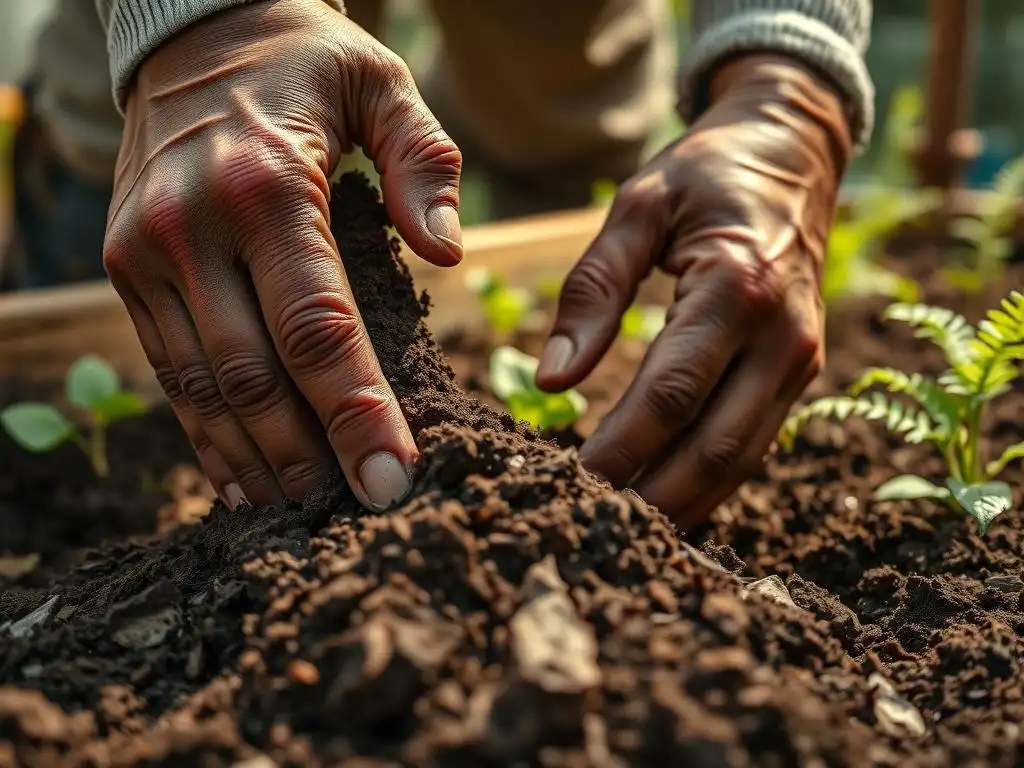
This section details the crucial first steps in preparing your garden bed for successful cultivation in the unique environment of the Pacific Northwest. Understanding your soil and site is paramount to achieving a thriving garden using sustainable, organic practices. This guide will help you navigate the process, ensuring your Pacific Northwest soil preparation is optimized for a bountiful harvest.
Choosing the Right Location: Sunlight, Drainage, and Microclimate Considerations
Choosing the ideal location for your Pacific Northwest garden is crucial for maximizing plant growth and yield. The Pacific Northwest’s climate presents specific challenges and opportunities. Consider these factors carefully:
- Sunlight: Most vegetables and herbs need at least 6-8 hours of direct sunlight daily. Observe your yard throughout the day to identify areas receiving optimal sun exposure. Remember that the amount of sunlight can vary significantly based on the time of year and the presence of trees or buildings. In the PNW, west-facing locations often receive more afternoon sun, which can be beneficial for certain plants.
- Drainage: Poor drainage is a common problem in the Pacific Northwest due to frequent rainfall and heavy clay soils. Waterlogged soil suffocates plant roots, leading to disease and stunted growth. Before planting, amend heavy clay soils with organic matter to improve drainage. You can test drainage by digging a hole and filling it with water. If the water takes more than a few hours to drain, you'll need to improve drainage by adding organic compost, creating raised beds, or installing drainage systems.
- Microclimate: The Pacific Northwest experiences diverse microclimates. Coastal areas tend to be cooler and wetter than inland valleys. Consider the specific conditions of your location, including wind exposure, proximity to water sources, and the presence of trees or structures that might create shade or windbreaks. These factors can significantly affect the success of your plants. For example, a sheltered south-facing location can provide a warmer microclimate, extending the growing season for heat-loving crops. Careful observation of your garden's microclimate will be key to the success of your Pacific Northwest soil preparation guide.
Clearing the Area: Removing Debris, Weeds, and Existing Plants
Before you start amending your soil, you need to thoroughly clear the area. This step is essential for preventing weed competition and improving soil health. A clean slate allows for optimal nutrient distribution and maximizes the benefits of your soil amendments. This involves several key steps:
- Removing Debris: Clear away any leaves, sticks, rocks, or other debris from the area. This can be done manually or with the help of gardening tools. Removing debris not only improves aesthetics but also prevents the spread of pests and diseases.
- Weed Control: Weeds compete with your plants for nutrients and water. Thoroughly remove all weeds, including their roots. For established weeds, consider using a hoe or cultivator to loosen the soil and remove the root systems effectively. Mulching after clearing will help suppress future weed growth.
- Existing Plants: If removing existing plants, ensure you remove the entire root system to prevent regrowth. This is particularly important for perennial weeds and plants with extensive root systems. Composting plant material that isn't diseased can be beneficial for enriching your soil in the future. However, diseased plants should be disposed of properly to prevent spreading pathogens. Remember, proper weed removal is a crucial part of any Pacific Northwest soil preparation guide.
Testing Your Soil: pH Levels and Nutrient Analysis for the PNW
Soil testing is a critical step in preparing your Pacific Northwest garden bed. The Pacific Northwest's soil can vary significantly in pH and nutrient content depending on location and previous land use. Understanding your soil's composition enables you to amend it appropriately for optimal plant growth.
- pH Testing: The pH of your soil affects the availability of nutrients to your plants. Most plants thrive in a slightly acidic to neutral pH range (6.0-7.0). However, some plants prefer more acidic or alkaline conditions. Use a soil testing kit to determine your soil's pH. You can purchase these kits at most garden centers. Knowing your soil's pH will guide your choice of amendments. For example, adding lime increases pH (making it more alkaline), while adding sulfur lowers pH (making it more acidic).
- Nutrient Analysis: A comprehensive soil test will also reveal the levels of essential nutrients like nitrogen (N), phosphorus (P), and potassium (K), often represented as NPK. Deficiencies in these macronutrients can significantly limit plant growth. Based on the test results, you can amend your soil with organic fertilizers or compost to address specific nutrient deficiencies. This is a crucial step to ensure the success of your garden, and a key component of any comprehensive Pacific Northwest soil preparation guide. Remember to always follow the instructions on any soil amendment you choose to use. Accurate soil testing provides the foundation for successful organic gardening in the Pacific Northwest.
Amending Your Soil: Improving Drainage, Texture, and Fertility in the Pacific Northwest
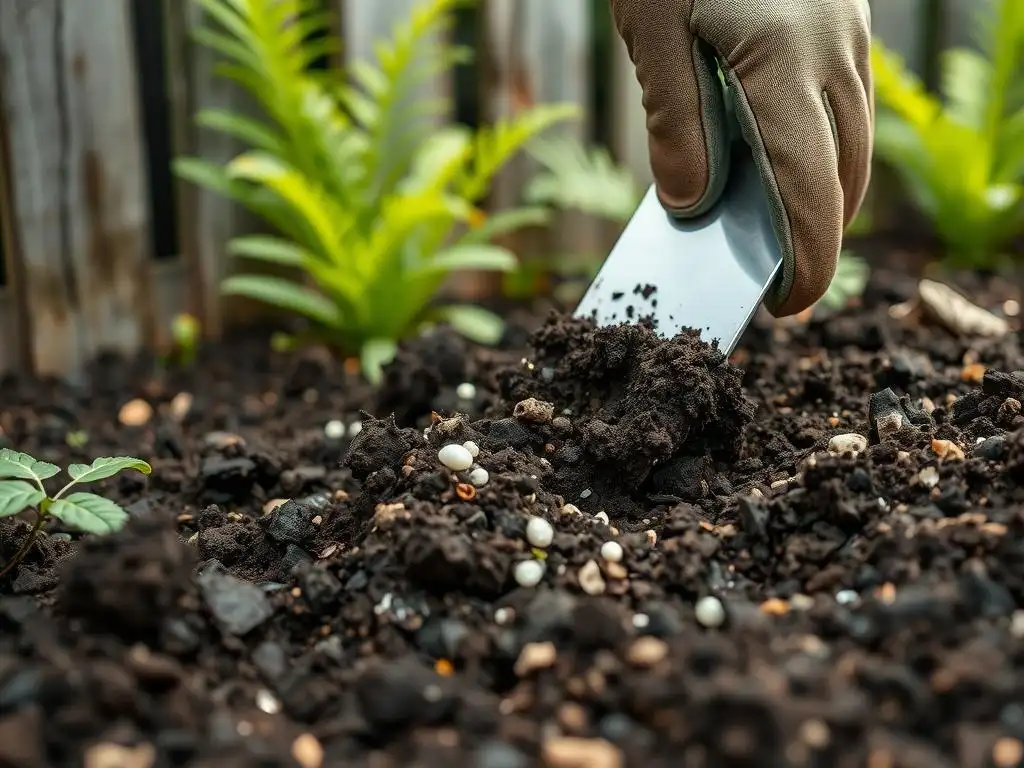
The Pacific Northwest presents unique challenges for gardeners. Our soils, often heavy clay or compacted, can struggle with drainage and aeration. This can lead to root rot and poor plant growth, hindering the success of your Pacific Northwest garden. Amending your soil is crucial to address these issues and create a thriving environment for your fruits, vegetables, and herbs. Improving drainage is paramount, especially in areas with high rainfall. Adding organic matter like compost significantly improves soil structure, breaking up compacted clay and creating air pockets essential for healthy root development.
This also enhances water retention, preventing both waterlogging and drought stress. Furthermore, amending improves soil fertility. Many PNW soils are naturally low in certain nutrients, particularly nitrogen. Adding amendments rich in organic matter provides a slow-release source of nutrients, feeding your plants throughout the growing season. The specific amendments needed will depend on your soil's unique characteristics.
A simple soil test can reveal deficiencies, guiding you toward the most effective amendments. For example, if your soil test shows a low pH, adding lime will help raise it to an optimal level for many plants. Conversely, if your soil is already alkaline, you may need to add sulfur to lower the pH. Addressing these issues proactively will make a substantial difference in the health and productivity of your Pacific Northwest garden. Remember, healthy soil is the foundation for a successful harvest!
Adding Organic Matter: Compost, Mulch, and Other Soil Amendments for PNW Gardens
Organic matter is the key to unlocking the potential of Pacific Northwest soils. It's not just about improving drainage and texture; it's about creating a vibrant ecosystem teeming with beneficial microorganisms. Compost, the gold standard of soil amendments, is packed with nutrients and improves soil structure dramatically. Adding several inches of compost before planting is a fantastic way to kickstart your garden. Beyond compost, mulching plays a vital role in maintaining soil health.
Mulch, whether wood chips, straw, or shredded leaves, helps retain moisture, suppress weeds, and regulate soil temperature. This is particularly important in the Pacific Northwest's variable climate, protecting plants from both extreme heat and cold. Other excellent organic amendments include aged manure (ensure it's properly composted to avoid burning plants), peat moss (although its sustainability is debated), and cover crops. Cover crops, such as clover or rye, are planted to improve soil health and then tilled into the soil before planting your main crops. They add organic matter, suppress weeds, and help prevent soil erosion.
The amount of organic matter you add will depend on your soil's condition. Heavier clay soils may require significantly more organic matter than lighter, sandier soils. Remember to incorporate the organic matter thoroughly into the soil to ensure its effectiveness. By consistently adding organic matter, you'll be creating a fertile and resilient garden bed that thrives year after year. This is a crucial aspect of sustainable gardening practices in the Pacific Northwest.
Incorporating Soil Amendments: Techniques for Effective Soil Improvement
The method you use to incorporate soil amendments significantly impacts their effectiveness. Simply scattering amendments on top of the soil won't achieve optimal results. Proper incorporation ensures even distribution and allows the amendments to interact fully with the existing soil. For smaller garden beds, hand-forking is an effective method. This allows for thorough mixing and ensures the amendments are evenly distributed. For larger areas, using a tiller can be more efficient, but it's crucial to avoid over-tilling, which can damage soil structure.
Over-tilling can destroy beneficial soil organisms and lead to compaction. Another effective technique, especially for raised beds, is double-digging. This involves digging two layers of soil, incorporating amendments into each layer. This creates a deep, well-amended soil profile that promotes strong root growth. Regardless of the method you choose, the key is to thoroughly mix the amendments with the existing soil to a depth of at least 6-8 inches. For clay soils, deeper incorporation is even more beneficial.
Remember to consider the timing of amendment incorporation. Fall is often an ideal time to add amendments, allowing them to break down over the winter and be ready for planting in the spring. However, some amendments, like compost, can be added just before planting. By employing the correct techniques, you will ensure your amendments effectively improve the texture, drainage, and fertility of your Pacific Northwest soil, setting the stage for a bountiful harvest. This attention to detail is key to successful Pacific Northwest soil preparation.
Creating the Ideal Soil Mix for Your Pacific Northwest Garden
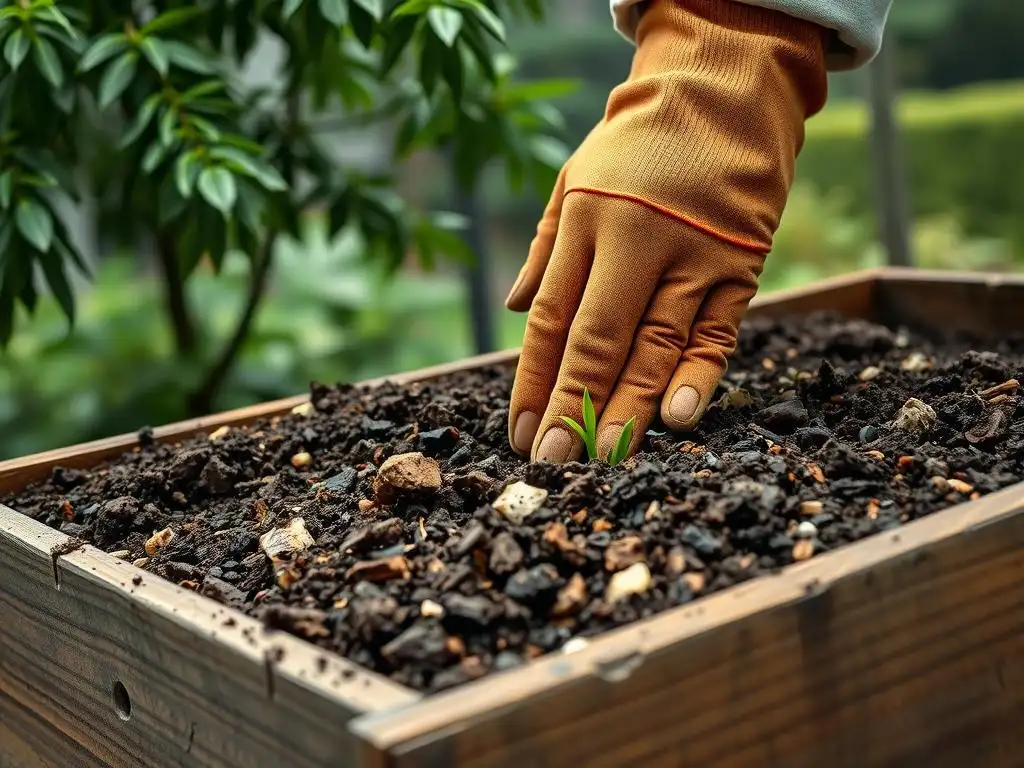
The Pacific Northwest presents unique challenges and opportunities for gardeners. Our region's climate, characterized by abundant rainfall and varying soil types, requires a tailored approach to soil preparation. A successful Pacific Northwest garden hinges on creating a soil mix that's well-draining yet retains moisture, rich in organic matter, and balanced in pH.
Ignoring these factors can lead to poor plant growth, increased susceptibility to diseases, and ultimately, a disappointing harvest. This section will delve into the specifics of achieving the perfect soil mix for your PNW garden, focusing on practical techniques and readily available materials. We'll move beyond generic advice and provide concrete strategies for success in our unique environment.
Essential Nutrients for PNW Vegetables, Fruits, and Herbs
Understanding the nutrient requirements of your chosen plants is paramount. Pacific Northwest vegetables, fruits, and herbs, like blueberries, kale, and raspberries, have varying needs. For instance, blueberries thrive in acidic soil (pH 4.5-5.5), while many vegetables prefer a slightly more neutral pH (6.0-7.0). A soil test is crucial before amending your soil. This test will reveal the existing pH level and the presence (or lack) of essential macronutrients (nitrogen, phosphorus, potassium) and micronutrients (iron, manganese, zinc, etc.). Based on the results, you can tailor your soil amendments accordingly.
Here's a simplified nutrient guide:
| Plant Type | Nitrogen (N) | Phosphorus (P) | Potassium (K) | pH Preference |
|---|---|---|---|---|
| Leafy Greens | High | Moderate | Moderate | 6.0-7.0 |
| Root Vegetables | Moderate | High | Moderate | 6.0-7.0 |
| Berries | Moderate | Moderate | Moderate | 4.5-5.5 (Blueberries) |
| Tomatoes/ Peppers | Moderate | High | Moderate | 6.0-7.0 |
Remember that these are general guidelines. Specific nutrient requirements can vary depending on the cultivar and growing conditions. Always consult reliable resources for detailed information on the specific needs of your plants. Supplementing with organic fertilizers, like composted manure or fish emulsion, provides a slow-release nutrient source that benefits the soil's overall health.
Building a Custom Soil Blend: Adapting to Specific Plant Needs
Many Pacific Northwest soils are naturally clay-heavy, leading to poor drainage. To counteract this, amending with organic matter is essential. This improves soil structure, aeration, and water retention. The best amendments vary depending on your soil's existing composition, but generally include:
- Compost: A cornerstone of any healthy soil, compost improves drainage, aeration, and nutrient content. Aim for a generous amount, at least 25% of your total soil volume.
- Aged Manure: Adds nutrients and improves soil structure. Ensure it's well-rotted to avoid burning your plants.
- Coco Coir: A sustainable alternative to peat moss, coco coir improves drainage and water retention.
- Perlite or Vermiculite: These inorganic materials improve drainage and aeration, particularly beneficial in clay soils.
The ideal ratio of these amendments will depend on your specific soil type and plant needs. For example, a heavy clay soil might require a higher proportion of perlite and compost, while sandy soil might benefit more from the addition of coco coir and aged manure to increase water retention. Experimentation and observation are key to finding the perfect blend for your garden. Remember to always thoroughly mix the amendments into the existing soil to ensure even distribution of nutrients and improved soil structure.
Compost Tea and Other Soil Enhancers for the Pacific Northwest
Compost tea is a liquid fertilizer brewed from compost, teeming with beneficial microbes that enhance soil health. It's a fantastic way to boost microbial activity and improve nutrient uptake in your Pacific Northwest garden. The process involves steeping compost in water for several days, creating a nutrient-rich brew that can be applied directly to your plants. This improves soil fertility and promotes vigorous plant growth. Beyond compost tea, other soil enhancers tailored to our region's climate include:
- Mycorrhizal Fungi: These beneficial fungi form symbiotic relationships with plant roots, improving nutrient and water uptake. Inoculating your soil with mycorrhizal fungi can significantly enhance plant health, particularly in areas with challenging soil conditions.
- Seaweed Extract: Provides a rich source of micronutrients and promotes plant resilience.
- Rock Dust: A slow-release source of minerals that can help to balance soil pH and provide essential nutrients.
Using these enhancers, along with careful soil testing and appropriate amendment strategies, you can create a thriving garden in the Pacific Northwest, even with challenging soil conditions. Remember that consistent monitoring and adjustment are key to maintaining a healthy and productive soil ecosystem. The journey to perfect soil is an ongoing process of learning and adaptation, unique to each garden and gardener.
Choosing the Right Mulch: Protecting and Nourishing Your PNW Soil
Mulching is a crucial step in Pacific Northwest soil preparation, offering a multitude of benefits that significantly impact plant health and soil quality. The Pacific Northwest's climate, characterized by abundant rainfall and varying temperatures, necessitates a thoughtful approach to mulch selection. The right mulch protects against erosion, regulates soil temperature, suppresses weeds, and improves soil structure over time. Choosing the wrong mulch, however, can lead to problems such as nutrient imbalances or pest infestations.
Several factors influence the best mulch choice for your Pacific Northwest garden. Consider the specific needs of your plants, the soil type, and your personal preferences. For instance, heavier clay soils benefit from coarser mulches like wood chips or shredded bark, which improve drainage and aeration. Lighter, sandy soils might benefit from finer mulches like composted leaves or straw, which help retain moisture.
Popular mulch options in the Pacific Northwest include:
- Wood chips: A readily available and cost-effective option, wood chips decompose slowly, providing long-lasting soil improvement. However, they can initially tie up nitrogen as they break down, so it's beneficial to add extra nitrogen to the soil before applying wood chips, especially to nitrogen-loving plants. Ensure you use untreated wood chips to avoid introducing harmful chemicals to your garden.
- Shredded bark: Similar to wood chips but often with a finer texture, shredded bark offers excellent weed suppression and moisture retention. It also provides a visually appealing finish to garden beds. Again, ensure it's untreated.
- Composted leaves: An excellent organic mulch, composted leaves are rich in nutrients and improve soil structure. They break down more quickly than wood chips or bark, requiring more frequent replenishment. This is a fantastic way to recycle yard waste and create a nutrient-rich soil amendment.
- Straw: A readily available and inexpensive option, straw is particularly useful for protecting delicate seedlings and suppressing weeds. However, it can contain weed seeds, so sourcing it from a reputable supplier is crucial. It also breaks down relatively quickly.
Beyond the type of mulch, the depth of the mulch layer is equally important. A layer of 2-4 inches is generally recommended for most applications. Too thin a layer won't provide adequate weed suppression or moisture retention, while too thick a layer can smother plants or create anaerobic conditions in the soil. Always ensure good air circulation around the base of your plants.
Regularly inspect your mulch layer throughout the growing season and replenish as needed, especially after heavy rainfall or strong winds. Proper mulch application is a vital component of successful Pacific Northwest gardening, contributing to healthy, thriving plants and fertile soil. Remember that consistent monitoring and adjustments are key to achieving optimal results.
Maintaining Healthy Soil in the Pacific Northwest
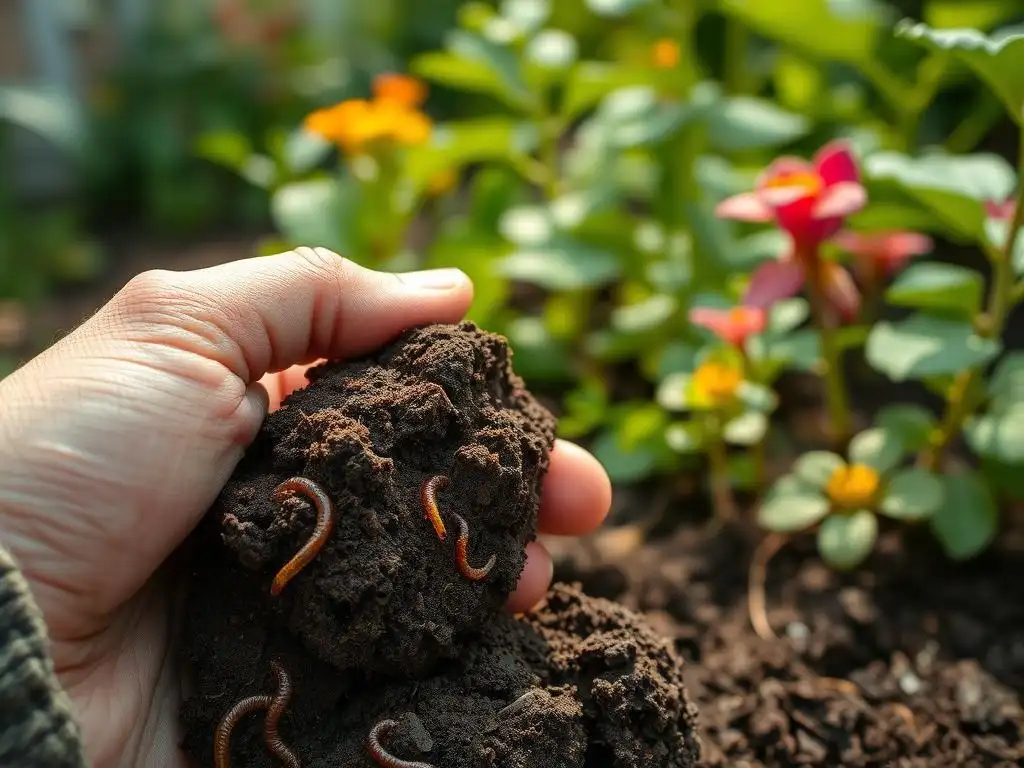
The Pacific Northwest presents unique challenges and opportunities for gardeners. Our region's climate, characterized by abundant rainfall and varying soil types, requires a tailored approach to soil management. This section focuses on key strategies for maintaining healthy, productive soil in your PNW garden, ensuring optimal growth for your fruits, vegetables, and herbs. Understanding your soil's composition is paramount to successful gardening in this region, and proactive strategies are key to thriving harvests. This guide will help you become a master of Pacific Northwest soil preparation.
Regular Soil Testing: Monitoring and Adjusting Your Soil Health
Regular soil testing is the cornerstone of successful Pacific Northwest gardening. It allows you to proactively address nutrient deficiencies and potential problems before they impact your plants' health and yield. Many local agricultural extension offices offer affordable soil testing services, providing detailed analyses of your soil's pH, nutrient levels (nitrogen, phosphorus, potassium, etc. ), and organic matter content. These results provide a vital baseline for informed decision-making.
For example, a test might reveal a low pH, common in many PNW soils due to rainfall leaching away essential minerals. This could necessitate amendments like lime to raise the pH to the optimal range for your chosen plants. Conversely, you might find high levels of phosphorus, which could indicate a need to reduce fertilizer application to avoid runoff and pollution. Remember, consistent monitoring is crucial.
Conduct soil tests at least annually, and more frequently if you're experiencing problems with plant growth or unusual soil conditions. Consider testing different areas of your garden separately, as soil composition can vary significantly even within a small space. This detailed approach to soil testing allows for precision gardening, maximizing your yield and minimizing environmental impact. This is a crucial aspect of any robust Pacific Northwest soil preparation guide.
Sustainable Soil Management Practices: Reducing Erosion and Maintaining Fertility
The Pacific Northwest's abundant rainfall can lead to significant soil erosion if not managed properly. Sustainable soil management practices are vital for preventing this loss of topsoil and maintaining soil fertility. These practices focus on minimizing soil disturbance, increasing organic matter, and promoting healthy soil biology.
- Cover Cropping: Planting cover crops like clover, rye, or vetch during fallow periods helps prevent erosion, suppress weeds, and add organic matter to the soil. These crops also improve soil structure and enhance nutrient cycling. The decomposition of cover crops enriches the soil with vital nutrients, reducing the need for synthetic fertilizers.
- Mulching: Applying a layer of organic mulch (wood chips, straw, compost) around your plants helps retain moisture, suppress weeds, and regulate soil temperature. This also reduces erosion by protecting the soil surface from the impact of rainfall. Mulching also improves soil structure over time as the mulch decomposes, adding valuable organic matter.
- No-Till Gardening: No-till gardening techniques minimize soil disturbance, preserving soil structure and promoting beneficial soil organisms. This approach reduces erosion and improves water infiltration.
- Composting: Composting kitchen and yard waste creates a rich, nutrient-rich amendment that improves soil structure, fertility, and water retention. Home composting is a cornerstone of sustainable gardening, reducing waste and enriching your soil simultaneously. The addition of compost is a key element of successful Pacific Northwest soil preparation.
Dealing with Common PNW Soil Pests and Diseases
The Pacific Northwest's climate creates a conducive environment for certain soil pests and diseases. Understanding these common issues and implementing preventative measures is crucial for healthy plant growth.
- Slugs and Snails: These mollusks thrive in damp conditions and can wreak havoc on young seedlings and vegetables. Effective control methods include beer traps, diatomaceous earth, and hand-picking. Creating a less hospitable environment through proper drainage and mulching can also help.
- Root Rot: Excessive moisture and poorly drained soils can lead to root rot, a common fungal disease affecting many plants. Improving soil drainage, avoiding overwatering, and ensuring adequate spacing between plants are essential preventative measures. Rotating crops annually can also help break the disease cycle.
- Nematodes: Microscopic roundworms, some of which are plant-parasitic, can damage plant roots. Crop rotation, using resistant plant varieties, and soil solarization (heating the soil with sunlight) are strategies for managing nematode populations.
By understanding and addressing these challenges proactively, you can cultivate thriving gardens in the Pacific Northwest. Remember, consistent monitoring, sustainable practices, and proactive pest management are key to achieving a healthy and productive garden. This Pacific Northwest soil preparation guide empowers you to create the optimal growing conditions for your plants.
Preventing Soil Compaction: Best Practices for PNW Gardens
Soil compaction is a significant challenge for Pacific Northwest gardeners, especially those dealing with heavier clay soils common in certain regions. Compacted soil restricts root growth, hindering water and nutrient uptake, and ultimately leading to stunted plant growth. Preventing compaction requires proactive measures throughout the gardening process. One crucial strategy is to avoid excessive foot traffic in garden beds.
Consider using raised beds or pathways to minimize direct contact with the soil. This simple step significantly reduces the pressure on the soil structure. Furthermore, the strategic use of ground cover can act as a natural buffer, preventing direct impact and erosion. Think about using low-growing plants or mulches like straw or wood chips.
Beyond minimizing physical impact, the type of tillage practices employed plays a vital role. Aggressive tilling, while seemingly beneficial for weed control, can disrupt soil structure and exacerbate compaction. Instead, opt for no-till or minimal-till methods. These techniques, which involve disturbing the soil as little as possible, promote the formation of healthy soil aggregates, improving aeration and drainage. No-till gardening also encourages the proliferation of beneficial soil organisms that improve soil structure and fertility.
Another critical factor contributing to soil compaction is the type of irrigation used. Heavy overhead watering can lead to surface sealing, reducing infiltration and promoting runoff. Drip irrigation or soaker hoses are far superior options, as they deliver water directly to the roots, minimizing surface disturbance and preventing the formation of a hardpan. This method also conserves water, a valuable resource, especially during the drier summer months in some parts of the Pacific Northwest.
Finally, incorporating organic matter is essential for preventing compaction. Organic matter, such as compost, well-rotted manure, or leaf mold, improves soil structure by creating air pockets and increasing water retention. It also feeds beneficial soil microbes, which contribute to soil aggregation and stability. Adding organic matter regularly enhances soil health and resilience, protecting it from compaction and improving overall plant vigor. Regular soil testing can also help determine the organic matter content and guide appropriate amendments. A healthy, well-structured soil is the foundation for thriving Pacific Northwest gardens.
Resources for Pacific Northwest Soil Preparation
This section details crucial resources to help you achieve optimal soil conditions for your Pacific Northwest garden. Understanding your soil's composition is the first step towards successful cultivation. This involves both professional testing and leveraging readily available information specific to the region. The Pacific Northwest presents unique challenges and opportunities, making regionally-focused resources invaluable.
Local PNW Soil Testing Labs and Resources
Accurate soil testing is paramount for effective soil preparation in the Pacific Northwest. Knowing your soil's pH, nutrient levels, and texture allows for targeted amendments, maximizing your gardening efforts and minimizing waste. Many universities and private companies offer soil testing services tailored to the specific needs of PNW gardeners. These services typically provide detailed reports outlining recommendations for improving your soil's fertility and structure.
Finding a local lab is key; they will be most familiar with the nuances of the regional soil types. Look for labs that offer comprehensive tests including:
- pH level: Crucial for determining the acidity or alkalinity of your soil, impacting nutrient availability.
- Nutrient analysis: Identifying deficiencies in essential macronutrients (nitrogen, phosphorus, potassium) and micronutrients.
- Texture analysis: Understanding the proportion of sand, silt, and clay, which affects drainage and water retention.
- Organic matter content: A measure of the soil's health and fertility.
While many labs offer standard tests, some specialize in organic gardening, providing insights relevant to sustainable practices. Contact your local agricultural extension office or university department of horticulture for referrals to reputable soil testing labs in your area. Remember to carefully follow the lab's instructions for collecting and submitting your soil samples to ensure accurate results. Accurate data is the foundation of successful Pacific Northwest soil preparation.
Recommended Organic Soil Amendments for Pacific Northwest Gardens
The Pacific Northwest's climate and soil types necessitate specific organic amendments to optimize garden growth. Amendments improve soil structure, drainage, and nutrient content, creating a thriving environment for your plants. Choosing the right amendments depends largely on your soil test results. However, some common and beneficial additions for PNW gardens include:
- Compost: A cornerstone of organic gardening, compost improves soil structure, aeration, and water retention, adding essential nutrients. Consider sourcing compost locally to support regional sustainability initiatives. Locally sourced compost is often better suited to the regional soil composition.
- Aged manure: Provides a rich source of nutrients, improving soil fertility. Ensure the manure is well-aged to avoid burning your plants. Look for aged cow, horse, or sheep manure.
- Mycorrhizal fungi: These beneficial fungi form symbiotic relationships with plant roots, improving nutrient and water uptake. Incorporating mycorrhizal fungi enhances the overall health and resilience of your plants, particularly beneficial in the often damp PNW climate.
- Worm castings: Excellent for improving soil structure and providing a slow-release source of nutrients. These are a highly effective amendment, offering a concentrated dose of beneficial microbes.
- Rock dust: Provides essential minerals that can be depleted in PNW soils. Choose a rock dust appropriate for your specific soil needs and plant types.
The amount of amendment needed varies depending on your soil's condition and the specific amendment used. Always follow package instructions or consult with a gardening expert for guidance. Remember that consistent soil improvement is a long-term process, requiring regular additions of organic matter.
Further Reading: Books and Articles on PNW Gardening
Expanding your knowledge on Pacific Northwest gardening techniques is crucial for successful soil preparation and overall plant health. Numerous resources are available to guide you through the specific challenges and opportunities of cultivating in this region. Consider exploring books and articles focused on:
- Pacific Northwest-specific gardening guides: These resources provide tailored advice on soil preparation, plant selection, pest control, and other aspects of gardening in the unique PNW environment. Look for books and articles written by local experts.
- Organic gardening techniques: Mastering organic practices is essential for sustainable gardening in the PNW. Seek out resources that detail soil amendment strategies, pest control methods, and other organic techniques.
- Soil science basics: A foundational understanding of soil science will help you interpret soil test results and make informed decisions about soil amendments. Numerous introductory texts on soil science are available.
By combining practical experience with thorough research, you can cultivate healthy and productive gardens in the Pacific Northwest. Remember that effective soil preparation is an ongoing process, requiring continuous observation, adaptation, and learning. Embrace the journey and enjoy the rewards of your efforts. Happy gardening!
Frequently Asked Questions
What are the unique challenges of soil preparation in the Pacific Northwest?
The Pacific Northwest presents challenges like high rainfall, leading to compaction and poor drainage, and naturally acidic soils, requiring amendments to achieve optimal pH for many plants. Addressing these issues is crucial for successful gardening.
What type of soil is common in the Pacific Northwest?
Common Pacific Northwest soils are often clay-based, which can be heavy and retain too much water, or sandy, which drains too quickly and lacks nutrients. Understanding your specific soil type is vital for effective preparation.
How can I improve drainage in my Pacific Northwest garden?
Improving drainage involves incorporating organic matter like compost, which improves soil structure. Consider raised beds or amending heavy clay soils with sand or gravel for better water percolation.
What is the best time of year to prepare soil in the Pacific Northwest?
The ideal time for soil preparation is in the late fall or early spring. This allows the soil to settle and amendments to break down before planting in the growing season.
What amendments are recommended for Pacific Northwest soils?
Amendments depend on your specific soil test results, but generally include compost to improve structure and fertility, and lime to raise pH levels if needed. Adding organic matter is always beneficial.
Final Reflection: Cultivating a Thriving Pacific Northwest Garden
The secrets to a bountiful Pacific Northwest garden lie not just in the seeds you sow, but in the soil you prepare. Our region's unique climate and soil composition demand a tailored approach, and understanding these nuances is crucial for achieving vibrant, healthy plants. Ignoring these fundamentals can lead to frustrating results, while mastering them unlocks the potential for exceptional growth.
The impact of proper soil preparation extends far beyond the individual garden; it’s a cornerstone of sustainable gardening practices in our region. By understanding the challenges our soil presents – from compacted clay to nutrient deficiencies – we can move towards more environmentally conscious gardening, reducing our reliance on chemical fertilizers and promoting biodiversity. The land is what gives us our identity; it is our connection to our past, our present, and our future.
This quote speaks to the deep connection we have with the earth, and nurturing our soil is a vital part of that relationship.
Now, consider your own garden. What steps can you take to improve the health of your soil? Will you amend your clay with compost? Will you test your soil's pH and adjust accordingly? The journey to a thriving garden begins with understanding and respecting the earth beneath your feet. Embrace the challenge, experiment with different techniques, and watch as your garden flourishes, reflecting the care and attention you've invested in its foundation. The reward is not just beautiful blooms and bountiful harvests, but a deeper connection to the natural world around you.
Unlock Your Garden's Potential: Nurture Thriving Northwest Plants
Thanks for exploring the world of Pacific Northwest soil preparation! You now have the knowledge to create a thriving garden. Ready to put your expertise into practice?
- Craft your perfect soil blend: Using the guidelines from the article, experiment with different mixes to discover what works best for your plants and soil conditions. This is your chance to create truly unique and productive garden beds!
- Share your soil success story: Tell us about your soil preparation journey and the results you're seeing. Share your experiences and photos with our CultivateYourFood community – we love to see what you're growing!
- Explore advanced soil techniques: Further your knowledge of soil amendments, composting, and other advanced techniques mentioned in this article to elevate your gardening skills.
What exciting soil preparation projects will you undertake this season? Let's hear your plans in the comments below!