
Pruning Fruit Trees in the Third Year: Focusing on Fruit Production

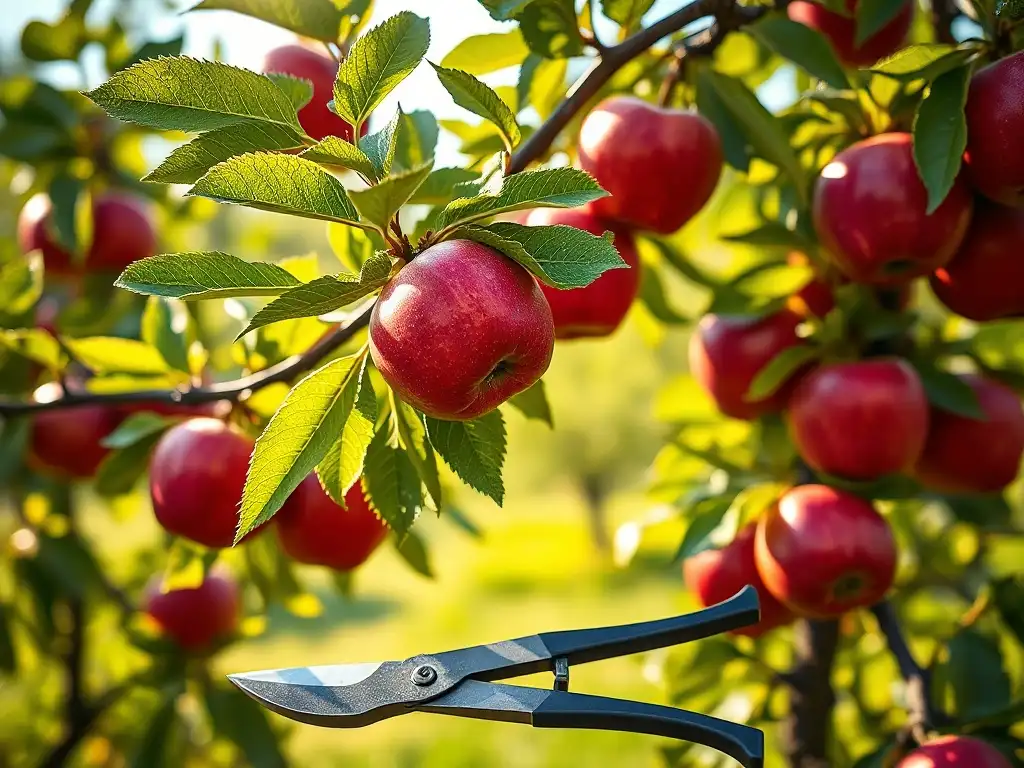
Welcome to CultivateYourFood, your guide to a bountiful and sustainable home garden! Ready to unlock the secrets to a thriving orchard? This year, maximize your harvest with our expert Third-Year Fruit Tree Pruning Guide, focusing on techniques to dramatically improve fruit production. Discover the precise cuts and timing needed to nurture your young trees into robust, fruit-bearing powerhouses. Let's get growing!
- Understanding Third-Year Fruit Tree Pruning: A Crucial Step for Future Yields
-
Third-Year Fruit Tree Pruning Guide: Techniques for Maximum Fruit Production
- Thinning Out Branches to Improve Air Circulation and Sunlight Penetration
- Heading Back Branches to Encourage Lateral Growth and Fruit Bud Formation
- Removing Crossing or Rubbing Branches to Prevent Damage and Disease
- Pruning Techniques for Specific Fruit Tree Varieties (e.g., Apples, Pears, Cherries)
- Essential Tools for Third-Year Fruit Tree Pruning
- Post-Pruning Care for Your Fruit Trees: Optimizing Fruit Production
- Troubleshooting Common Problems After Third-Year Pruning
- Long-Term Pruning Strategies for Maximizing Fruit Yields in Subsequent Years
-
Frequently Asked Questions
- What is the main goal of pruning a fruit tree in its third year?
- How much pruning is typically needed for a third-year fruit tree?
- What are some common pruning techniques used on third-year fruit trees?
- When is the best time to prune a fruit tree in its third year?
- What tools are necessary for pruning a third-year fruit tree?
- Final Reflection: Harvesting the Future: The Ongoing Dialogue with Your Orchard
- Unlock Your Orchard's Potential: Reap a Bountiful Harvest!
Understanding Third-Year Fruit Tree Pruning: A Crucial Step for Future Yields
Pruning your fruit trees correctly during their third year is paramount to maximizing their future fruit production. This critical stage sets the foundation for a healthy, productive tree for years to come. Neglecting proper pruning techniques at this point can lead to weaker growth, reduced yields, and increased susceptibility to disease.
This guide, focused on the keyword "Thirdyear fruit tree pruning guide," will equip you with the knowledge and steps necessary to prune your young fruit trees effectively, ensuring a bountiful harvest in the years to follow. We'll cover the importance of early season pruning, assessing your tree's growth, and identifying which branches should be removed. By following these guidelines, you'll be well on your way to cultivating a thriving orchard using sustainable and organic practices.
Remember, patience and attention to detail are key to successful fruit tree cultivation. Let's delve into the specifics of third-year pruning to help you achieve optimal fruit production.
The Importance of Early Season Pruning for Young Fruit Trees
Early season pruning, typically performed during late winter or early spring before new growth begins, is crucial for young fruit trees in their third year. This timing allows the tree to focus its energy on healing pruning wounds and producing new growth that will bear fruit. Pruning at this stage helps to:
- Shape the tree: Early pruning establishes the framework for a strong and balanced tree structure, preventing overcrowding and promoting good air circulation. This reduces the risk of fungal diseases and improves sunlight penetration to all parts of the tree.
- Stimulate fruiting wood: By removing competing branches and suckers, you encourage the development of fruiting spurs – the short, stubby branches where fruit buds form.
- Remove diseased or damaged wood: Pruning away any dead, diseased, or damaged branches prevents the spread of disease and improves the overall health of the tree. This is especially important in the third year as the tree is still establishing its root system and overall vigor.
- Improve fruit quality: Proper pruning ensures that the tree's energy is directed towards producing fewer, but larger and higher-quality fruits.
Ignoring early-season pruning can result in a chaotic, overcrowded tree with smaller, less flavorful fruit, and increased susceptibility to pests and diseases.
Assessing Your Tree's Growth and Structure Before Pruning
Before you begin pruning, take the time to carefully assess your tree's growth and structure. Look for:
- Central leader: Is the central leader (the main stem) strong and straight? It should be the dominant branch.
- Branch spacing: Are branches evenly spaced along the central leader, or are they overcrowded? Overcrowding hinders sunlight penetration and air circulation.
- Branch angles: Are branches growing at appropriate angles (ideally 45-60 degrees)? Branches growing at narrow angles are more prone to breaking under the weight of fruit.
- Dead or damaged wood: Identify any dead, diseased, or damaged branches that need to be removed.
- Suckers and water sprouts: These vigorous, upright shoots grow directly from the trunk or main branches and compete with fruiting wood for resources. They should be removed.
A thorough assessment will guide your pruning decisions and ensure you remove the correct branches to promote healthy growth and fruit production. Take your time, and don't be afraid to seek advice from experienced arborists or local gardening experts if needed.
Identifying Branches for Removal: A Third-Year Pruning Checklist
Using sharp, clean pruning shears, you can now begin the pruning process. Here's a checklist of branches to consider removing:
- Crossing branches: Branches that rub against each other should be removed to prevent damage and disease.
- Weak or damaged branches: These branches are unproductive and can harbor diseases.
- Branches growing inwards: These branches shade the interior of the tree, hindering fruit production.
- Water sprouts and suckers: Remove these vigorously growing shoots to direct energy towards fruiting wood.
- Branches that compete with the central leader: Remove any branches that are competing with the central leader for dominance.
- Branches that are too low to the ground: These branches can impede access and increase the risk of disease.
Remember to make clean cuts just outside the branch collar (the slightly swollen area at the base of the branch). Avoid leaving stubs, as this can lead to disease. Proper pruning techniques are essential for maintaining the health and productivity of your fruit trees. Always sterilize your pruning shears between cuts to prevent the spread of disease. After pruning, inspect your tree again to ensure you've achieved a balanced and open structure. 🍎
Third-Year Fruit Tree Pruning Guide: Techniques for Maximum Fruit Production
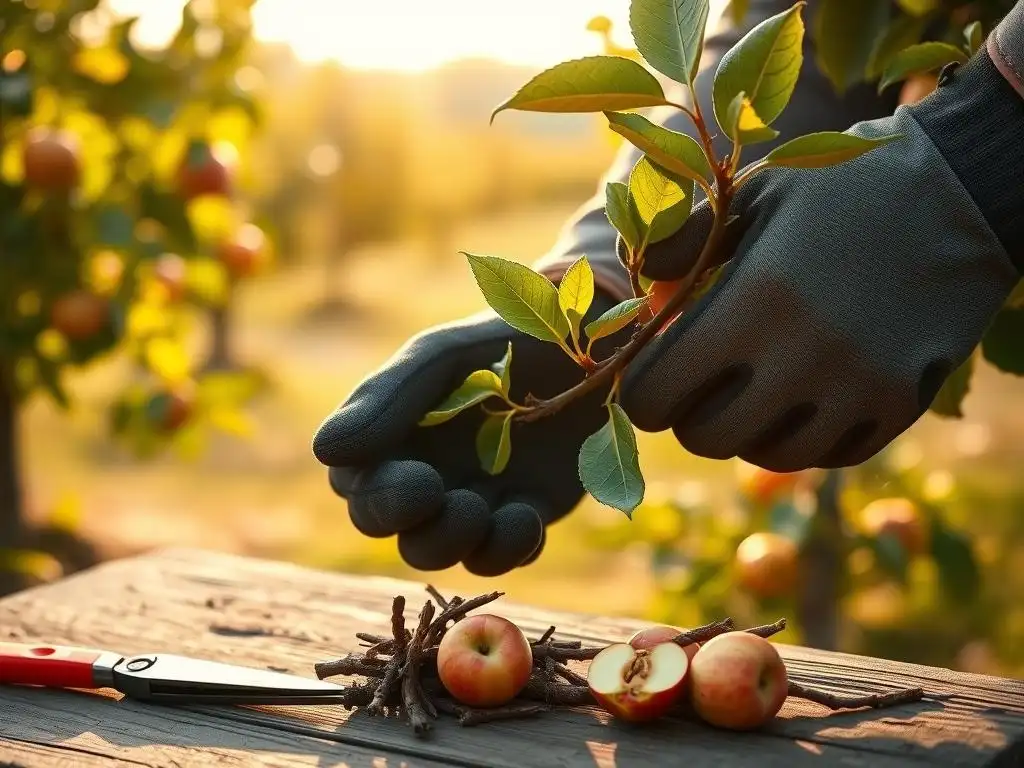
This section delves into the crucial third-year pruning of your fruit trees, a pivotal step in maximizing future harvests. Proper pruning at this stage sets the foundation for years of abundant fruit production. Remember, the goal isn't just to prune; it's to strategically shape the tree for optimal sunlight penetration, air circulation, and fruit bud development. This guide focuses on techniques applicable to a wide range of common fruit trees, though specific needs may vary slightly depending on the variety. Always consider the mature size and growth habit of your specific tree when adjusting these techniques.
Thinning Out Branches to Improve Air Circulation and Sunlight Penetration
Thinning out branches is a key aspect of third-year pruning. This involves removing entire branches, rather than just shortening them. The primary goal is to open up the canopy, allowing sunlight to penetrate deeply into the tree's interior. This improved light penetration is crucial for fruit bud formation and ripening. Insufficient sunlight can lead to smaller, less flavorful fruit, and increased susceptibility to diseases.
Consider the following points when thinning:
- Identify crowded branches: Look for areas where branches overlap significantly, hindering sunlight and air movement. These are prime candidates for removal.
- Prioritize vertical growth: While some vertical growth is necessary, excessive vertical growth can shade lower branches. Remove some of the most vigorous vertical shoots to maintain a balanced canopy.
- Remove suckers and water sprouts: These vigorous, upright shoots often emerge from the trunk or main branches. They compete with fruiting wood for resources and should be promptly removed at their base.
- Aim for a balanced canopy: The goal is an open, vase-shaped or central leader structure, depending on the tree type, with sufficient spacing between branches to allow for good air circulation.
A well-thinned tree will exhibit a more open structure, with ample space between branches. This improved airflow reduces humidity within the canopy, minimizing the risk of fungal diseases like powdery mildew and apple scab. Remember to make clean cuts with sharp, sterilized pruning shears, just outside the branch collar to avoid damaging the tree.
Heading Back Branches to Encourage Lateral Growth and Fruit Bud Formation
Heading back involves shortening branches, stimulating the growth of lateral buds and encouraging the development of more fruiting spurs. This technique is particularly important for young fruit trees that haven't yet established a strong framework of fruiting wood. Heading back promotes bushier growth and a more compact tree shape, which can be beneficial for easier harvesting and pest management.
Effective heading back requires careful consideration:
- Select appropriate branches: Focus on branches that are too long or growing excessively outward. Avoid heading back fruiting spurs, as this can reduce fruit production.
- Cut above an outward-facing bud: This directs new growth outward, maintaining an open canopy structure. Cutting above an inward-facing bud can lead to inward growth, creating congestion.
- Make cuts at an angle: This allows for better water runoff and prevents the accumulation of moisture, which can promote disease.
- Avoid drastic cuts: Remove only a portion of the branch length, usually one-third to one-half. Excessive heading back can stimulate excessive vegetative growth at the expense of fruit production.
The results of careful heading back are noticeable within a growing season. You'll observe increased lateral branching, leading to a denser concentration of fruiting spurs and, ultimately, a greater yield of fruit in subsequent years.
Removing Crossing or Rubbing Branches to Prevent Damage and Disease
Crossing or rubbing branches are a common problem in fruit trees, often leading to damage and disease. These branches can chafe against each other, creating wounds that are entry points for pests and pathogens. Removing these branches is crucial for maintaining the tree's health and preventing future problems.
Here's how to address crossing branches:
- Identify rubbing branches: Carefully examine the tree's structure, looking for branches that intersect and rub against each other.
- Remove the weaker branch: In most cases, it's best to remove the weaker or less desirable branch. This minimizes damage to the stronger branch and ensures a more balanced canopy structure.
- Make clean cuts: As with thinning and heading back, use sharp, sterilized pruning shears to make clean cuts just outside the branch collar.
- Prevent future rubbing: Regularly inspect your trees to identify and address any potential rubbing points before they cause significant damage.
By proactively removing crossing branches, you're significantly reducing the risk of fungal infections and pest infestations. This preventative measure contributes to a healthier, more productive fruit tree over the long term. This proactive approach to pruning significantly enhances the longevity and productivity of your fruit trees, ensuring a bountiful harvest for years to come. Remember, consistent monitoring and careful pruning are key to maximizing the yield of your third-year fruit trees.
Pruning Techniques for Specific Fruit Tree Varieties (e.g., Apples, Pears, Cherries)
Pruning techniques vary depending on the fruit tree variety. Understanding these nuances is crucial for maximizing fruit production. Apples, pears, and cherries, for example, each require a slightly different approach. Ignoring these differences can lead to poor fruit set and reduced yields.
Apples, known for their prolific fruiting, benefit from a slightly different pruning strategy compared to other fruits. Young apple trees, in their third year, should be pruned to encourage the development of a strong central leader and well-spaced scaffold branches. This involves removing any crossing, rubbing, or inward-growing branches. Thinning out the branches also improves air circulation, reducing the risk of fungal diseases.
Particular attention should be paid to removing water sprouts—those vigorous, upright shoots that grow directly from the trunk or main branches—as they are unproductive and compete with fruiting wood. A well-pruned apple tree in its third year should have a balanced structure, with branches evenly spaced along the central leader, facilitating sunlight penetration and fruit development. Ignoring these aspects may result in a dense canopy with reduced sunlight and air circulation.
Pears, on the other hand, often require less drastic pruning than apples. They naturally form a more open structure. The focus in the third year should be on removing any damaged, diseased, or crossing branches. The goal is to maintain a balanced tree shape, encouraging the development of fruiting spurs along the branches.
Over-pruning pears can lead to reduced fruit production, as they tend to bear fruit on spurs developed over several years. Therefore, a lighter touch is recommended compared to apple tree pruning. Proper spacing of branches is also important for pears, ensuring sufficient sunlight reaches all parts of the tree. This helps promote fruit ripening and reduces disease susceptibility.
Cherry trees, particularly sweet cherries, are known for their susceptibility to diseases. Pruning in the third year should focus on maintaining an open canopy to improve air circulation and sunlight penetration, thereby minimizing the risk of fungal infections. This involves removing any branches that are crowded or crossing. Similar to pear trees, over-pruning cherries can negatively impact fruit production.
Careful removal of dead, damaged, or diseased wood is key, alongside thinning out the canopy to prevent overcrowding. The goal is a well-structured tree with a balanced framework that promotes both fruit production and disease resistance. Regular inspection for disease symptoms is critical to ensure prompt removal of any affected branches. In contrast to apples, which benefit from more aggressive thinning, cherry trees require a more delicate and selective approach to pruning.
Essential Tools for Third-Year Fruit Tree Pruning
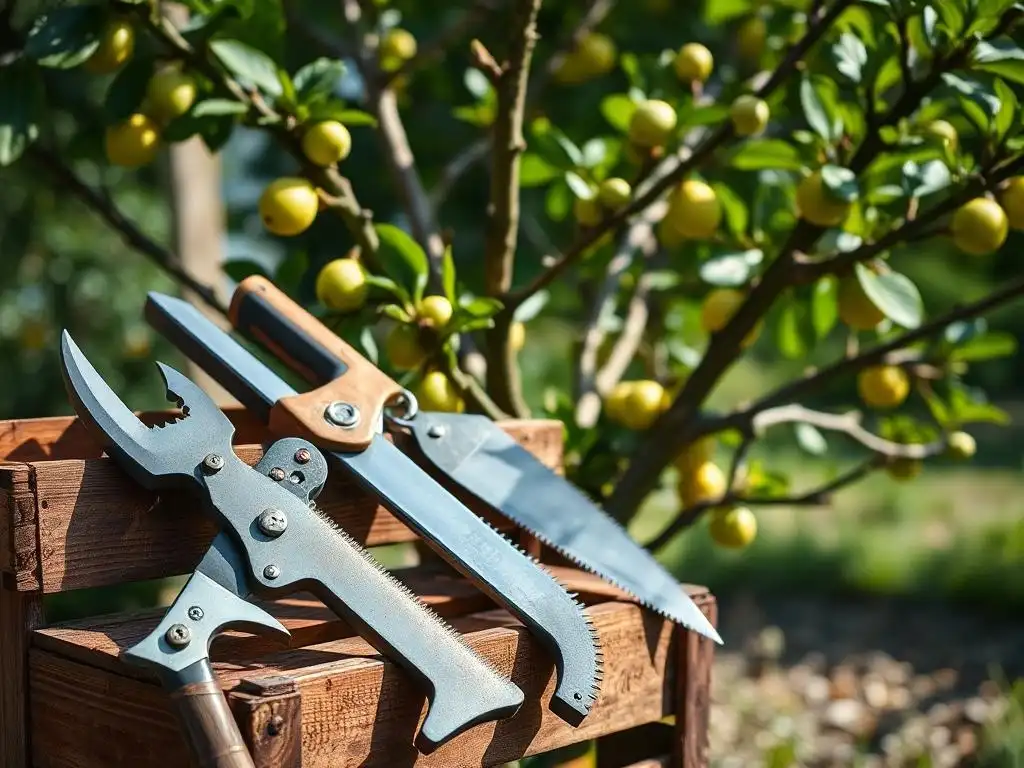
Proper pruning is crucial for maximizing fruit production in your third-year fruit trees. However, wielding the wrong tools can lead to damaged branches, inefficient pruning, and even disease transmission. Investing in high-quality, well-maintained tools is paramount for a successful pruning session. This section will guide you through selecting and maintaining the essential tools for third-year fruit tree pruning, helping you achieve optimal fruit yield and tree health. This is a crucial step in your Thirdyear fruit tree pruning guide.
Selecting the Right Pruning Saw and Loppers
For third-year fruit trees, you'll likely need both a pruning saw and loppers. The choice depends on the size of the branches you'll be removing. Larger branches, often thicker than 1 inch in diameter, require a pruning saw. Look for a saw with a curved blade—this allows for efficient cutting and reduces the risk of branch tearing. A bypass pruning saw, with its two blades that pass each other like scissors, creates a cleaner cut than a traditional saw.
This is vital for minimizing damage and preventing disease entry. Consider a saw with a comfortable grip to avoid hand fatigue during prolonged pruning sessions. Remember, a sharp saw cuts cleanly, reducing the risk of injuring the tree. Dull tools cause ragged cuts that are more susceptible to disease.
Smaller branches, typically under 1 inch in diameter, are best handled with loppers. Choose loppers with sharp, bypass blades for the same reason as mentioned above: clean cuts prevent disease. Consider the length of the handles; longer handles provide increased leverage for cutting thicker branches within the lopper's size range. A lightweight yet durable design is important for comfortable and efficient pruning.
Using Pruning Shears for Precise Cuts
Pruning shears are essential for making precise cuts on smaller twigs and buds. These are particularly important for shaping the tree and removing suckers or water sprouts. Look for shears with sharp, bypass blades to minimize damage. The best pruning shears for fruit trees are those that are comfortable to hold and easy to maneuver.
Avoid using shears on branches too thick; this can damage the shears and lead to uneven cuts. Remember, the goal is to make clean, precise cuts to encourage healthy growth and fruit production. This attention to detail is a key element of any effective Thirdyear fruit tree pruning guide.
Maintaining Sharp and Clean Pruning Tools for Healthy Cuts
Maintaining the sharpness and cleanliness of your pruning tools is vital for preventing the spread of diseases. After each pruning session, clean your tools with a disinfectant solution (such as a diluted bleach solution or rubbing alcohol). This removes any sap or debris that may harbor pathogens. Regularly sharpen your saws and loppers using a file or sharpening stone. A sharp tool makes cleaner cuts, promoting faster healing and reducing the risk of infection.
Store your tools in a dry place to prevent rust and corrosion. Investing a little time in tool maintenance translates into healthier trees and a more successful harvest. Consider this a critical part of your Thirdyear fruit tree pruning guide, ensuring the long-term health and productivity of your fruit trees. Taking care of your tools is just as important as the pruning techniques themselves! 🌳
Post-Pruning Care for Your Fruit Trees: Optimizing Fruit Production
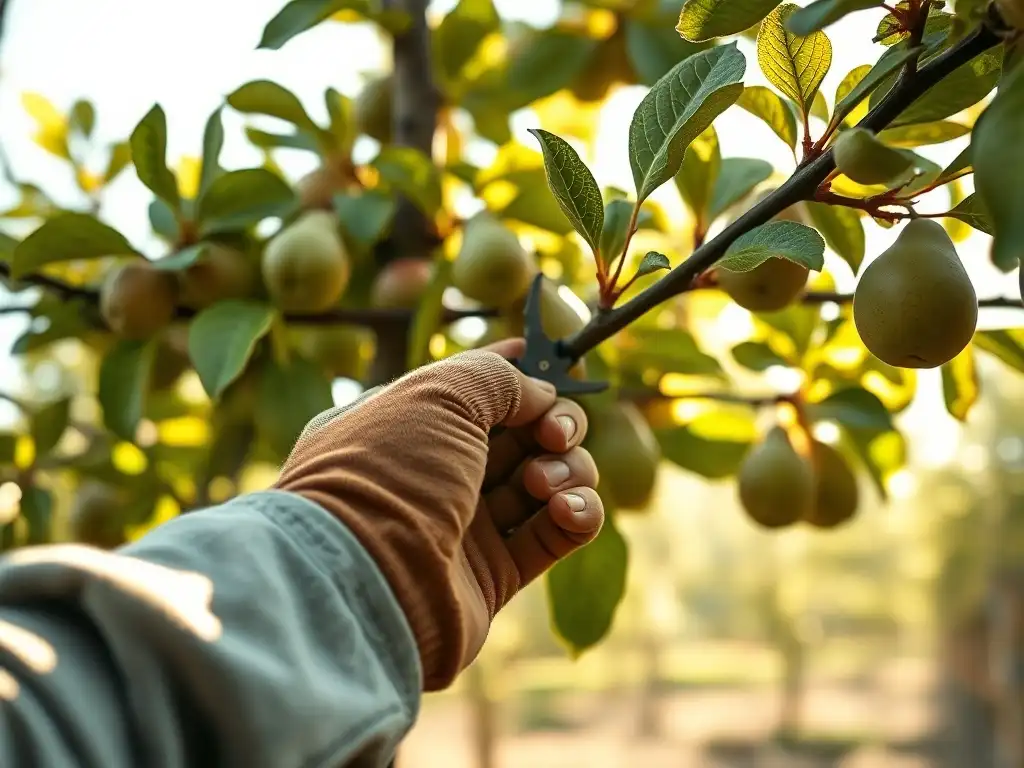
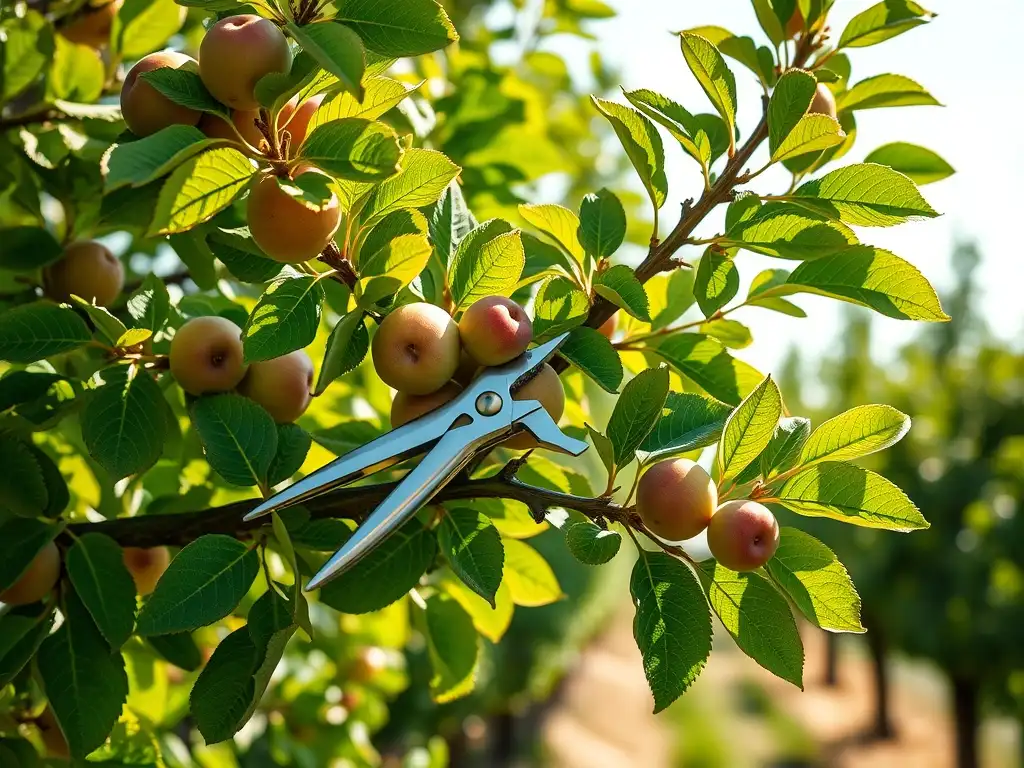
This section focuses on the crucial post-pruning care necessary to ensure your third-year fruit trees thrive and produce a bountiful harvest. Neglecting this stage can negate the benefits of careful pruning, leaving your trees vulnerable and hindering fruit production. We'll explore key aspects to optimize your tree's health and yield after pruning.
Protecting Your Tree From Disease and Pests After Pruning
Pruning, while beneficial, can create entry points for diseases and pests. Fresh cuts are particularly vulnerable. Therefore, post-pruning protection is paramount for a healthy, productive tree. A proactive approach is far better than reactive treatment.
Proper sanitation is key. Always sterilize your pruning tools between cuts using a solution of 1 part bleach to 9 parts water. This prevents the spread of diseases from one branch to another. Discard pruned branches appropriately; avoid composting infected material.
Following pruning, inspect your tree carefully for any signs of disease or pest infestation. Look for unusual discoloration, wilting leaves, insect activity, or holes in the bark. Early detection is crucial for effective treatment. Consider using a natural insecticidal soap or neem oil for common pests. For more serious issues, consult with a local agricultural extension office or arborist for expert advice and tailored solutions. Remember, preventative measures are far more effective and less harmful to your tree than treating established problems.
Fertilizing Your Fruit Tree for Optimal Growth and Fruit Set
Fertilizing your fruit tree after pruning helps replenish nutrients lost during the pruning process and supports vigorous new growth. The type and amount of fertilizer will depend on your tree's specific needs and your soil's composition. A soil test is highly recommended to determine nutrient deficiencies.
A balanced fertilizer, typically formulated with NPK (Nitrogen, Phosphorus, Potassium) ratios suitable for fruiting trees, is generally recommended. Avoid over-fertilizing, as this can lead to excessive vegetative growth at the expense of fruit production. Follow the instructions on the fertilizer packaging carefully.
Consider using organic fertilizers, such as compost or well-rotted manure, to enrich the soil and improve its overall health. These organic options provide slow-release nutrients and improve soil structure, promoting better water retention and aeration. Applying a mulch layer around the base of the tree, avoiding contact with the trunk, helps retain moisture and suppress weeds, further enhancing nutrient availability.
Watering Your Fruit Tree After Pruning to Reduce Stress
Pruning causes a degree of stress to the tree, making adequate watering essential for recovery and healthy growth. The amount of water your tree needs depends on factors such as climate, soil type, and tree size. However, consistent watering is crucial, especially during the first few weeks after pruning.
Deep, infrequent watering is better than shallow, frequent watering. Aim to water deeply enough to moisten the root zone thoroughly. Monitor the soil moisture regularly, especially during dry periods. The soil should feel moist but not soggy to the touch. Mulching around the base of the tree can help retain soil moisture and reduce the frequency of watering. Proper watering significantly reduces stress on the tree, enabling faster healing and better fruit production. Remember, a well-hydrated tree is a resilient tree, better equipped to withstand environmental challenges and produce a bountiful harvest. 🌳
Troubleshooting Common Problems After Third-Year Pruning
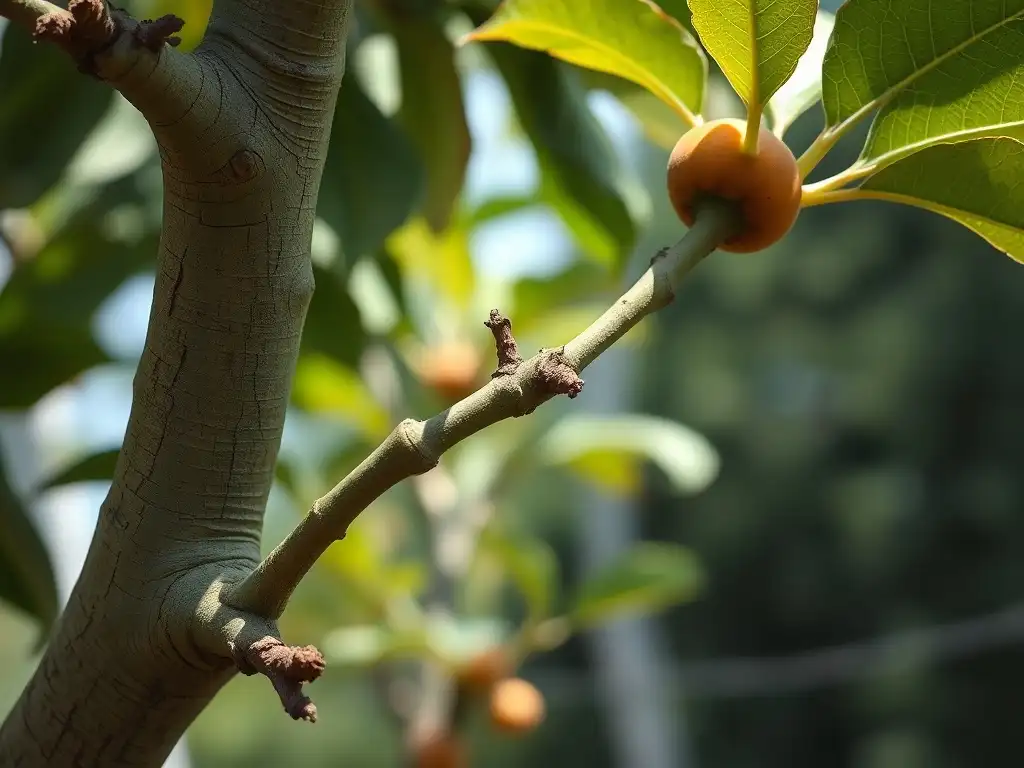
This section focuses on identifying and rectifying potential issues that may arise after pruning your fruit trees during their crucial third year. Proper pruning is vital for maximizing fruit production, but mistakes can happen. This guide will help you diagnose and address common problems, ensuring a healthy and bountiful harvest. Remember, a successful third-year pruning aims to shape the tree for optimal sunlight penetration and airflow, leading to strong fruiting wood. Let's delve into some common post-pruning challenges and their solutions.
Addressing Over-Pruning and its Potential Consequences
Over-pruning, while seemingly a minor issue, can significantly impact your fruit tree's productivity. Removing too much wood can weaken the tree, leading to reduced fruit yield and increased susceptibility to diseases and pests. The tree might expend its energy on regrowth rather than fruit production. Signs of over-pruning include a noticeably sparser canopy and a significant reduction in the number of fruit buds.
One of the most significant consequences of over-pruning is a decline in fruit production for several years. This is because you've removed the fruiting wood—the branches that would have borne fruit in the current and following seasons. The tree needs time to recover and produce new fruiting wood.
To mitigate the effects of over-pruning, focus on supportive actions. Ensure the tree receives adequate watering and fertilization to promote vigorous new growth. Avoid further pruning for at least one year to allow the tree to recover. Consider applying a protective spray to prevent disease or pest infestations, which are more likely to affect a weakened tree. In the long term, adopting a more conservative pruning strategy is key to preventing over-pruning in subsequent years. Remember that less is often more when it comes to pruning mature fruit trees.
Dealing with Damaged or Diseased Branches After Pruning
Pruning provides an excellent opportunity to remove damaged or diseased branches. However, improper handling can lead to the spread of infection. It's crucial to sterilize your pruning tools between cuts to prevent transferring diseases from one branch to another. A solution of 10% bleach and water is effective. Always prune back to healthy wood, cutting at a slight angle just beyond the point of infection or damage.
If you discover significant disease after pruning, such as canker or fire blight, you might need to take more drastic measures. This could involve removing larger sections of the tree or even consulting an arborist for professional advice. Early detection and prompt action are crucial to limiting the spread of disease and saving your fruit tree. Regular inspections throughout the growing season can help identify potential problems early, minimizing damage and the need for extensive pruning later.
Proper sanitation of your tools is paramount. Leaving diseased material on your shears can spread disease to healthy branches. After pruning, dispose of all diseased or damaged branches properly—do not compost them. Burn them if local regulations allow, or bag and dispose of them in the trash to prevent the spread of disease.
Recognizing Signs of Pruning Mistakes and Corrective Actions
Identifying pruning mistakes early can prevent long-term damage. Some common signs include excessive bleeding from pruning cuts (indicating improper timing or technique), stunted growth, weak branches, and uneven canopy development. These symptoms can indicate over-pruning, incorrect cut angles, or the removal of essential fruiting wood.
The best corrective action depends on the specific mistake. For example, if the tree is bleeding excessively, you may need to apply a wound sealant to protect the tree from infection. If the canopy is uneven, you might need to perform some light corrective pruning to restore balance. If branches are weak, providing adequate support might be necessary. However, if the mistakes are significant, it's best to consult with a local arborist or experienced gardener for personalized guidance.
They can assess the tree's condition and recommend appropriate corrective actions. Remember, patience is key; it takes time for a tree to recover from significant pruning mistakes. Regular monitoring and proactive adjustments will help maximize your fruit tree's health and yield in the years to come. Consider keeping a detailed pruning log to track your work and identify potential issues for future seasons.
Long-Term Pruning Strategies for Maximizing Fruit Yields in Subsequent Years
This section focuses on establishing a long-term pruning strategy for your fruit trees, building upon the foundation laid during the crucial third-year pruning. Proper pruning in the third year significantly influences the tree's structure and future productivity. We'll explore how to plan for future pruning, transition to maintenance pruning, and understand the direct correlation between your third-year efforts and the size of future harvests. This "Thirdyear fruit tree pruning guide" will equip you with the knowledge to cultivate a thriving orchard.
Planning for Future Pruning Needs Based on Third-Year Growth Patterns
Careful observation of your fruit tree's growth patterns after the third-year pruning is paramount. Note the vigor of new growth – is it robust and evenly distributed, or concentrated in specific areas? Identify any branches that are crossing, rubbing, or growing inward, hindering light penetration and air circulation. These observations will dictate your pruning approach in the following years.
For example, a tree exhibiting overly vigorous growth might require more aggressive pruning in subsequent years to maintain a balanced shape and prevent excessive vegetative growth at the expense of fruit production. Conversely, a tree with slow growth might need gentler pruning to encourage branching and fruiting. Detailed records, including sketches or photographs of your tree's structure after each pruning session, are invaluable for tracking progress and informing future decisions. This meticulous approach is key to maximizing yields over the tree's lifespan. Remember, consistent monitoring and adjustment are crucial.
Transitioning to Maintenance Pruning in Future Years
After the initial formative pruning of the first three years, the focus shifts to maintenance pruning. This aims to maintain the tree's shape, remove dead or diseased wood, and thin out overcrowded branches to improve light penetration and air circulation. Maintenance pruning is less drastic than formative pruning and focuses on removing smaller amounts of wood each year.
The frequency of maintenance pruning depends on the species and variety of your fruit tree, as well as its growth rate and overall health. Generally, you can expect to prune your trees annually or bi-annually. During maintenance pruning, prioritize removing any water sprouts (vigorous vertical shoots) that emerge from the trunk or main branches. These compete with fruit-bearing branches for resources. Also, look out for suckers (shoots arising from the rootstock), which should be removed promptly to maintain the desired cultivar. This careful, ongoing maintenance significantly contributes to long-term fruit production.
The Relationship Between Third-Year Pruning and Future Crop Size
The third-year pruning is pivotal in shaping the tree's future fruiting potential. Proper pruning during this stage establishes a strong framework, promoting balanced growth and maximizing light penetration into the canopy. This, in turn, directly influences the number and quality of fruit buds that develop in subsequent years.
A well-structured tree with sufficient light penetration will produce more fruit buds, leading to a larger crop. Conversely, neglecting proper pruning in the third year can result in a poorly structured tree with limited light penetration, leading to reduced fruit production. The size and quality of the fruit are also affected: Overcrowded branches lead to smaller, less developed fruits due to competition for resources.
Therefore, the seemingly minor act of pruning in the third year has significant, long-term implications for the quantity and quality of your harvest. Invest time and effort in this stage to reap the rewards for years to come. This strategic approach ensures that your "Thirdyear fruit tree pruning guide" is not just a one-time resource, but a foundation for long-term success.
Frequently Asked Questions
What is the main goal of pruning a fruit tree in its third year?
The primary goal is to encourage strong fruit production while maintaining the tree's overall structure and health. This involves shaping the tree and removing competing branches.
How much pruning is typically needed for a third-year fruit tree?
The amount varies depending on the tree species and its growth, but generally, it's less extensive than in the first two years. Focus on removing dead, damaged, or crossing branches.
What are some common pruning techniques used on third-year fruit trees?
Thinning (removing entire branches) and heading (cutting back the tips of branches) are common techniques. The specific approach depends on the tree's shape and fruit-bearing habits.
When is the best time to prune a fruit tree in its third year?
The ideal time is usually during the dormant season, late winter or early spring, before new growth begins. This minimizes stress on the tree.
What tools are necessary for pruning a third-year fruit tree?
You'll need sharp, clean pruning shears or loppers, depending on the branch size. A saw might also be useful for larger branches. Always sanitize your tools between cuts to prevent disease spread.
Final Reflection: Harvesting the Future: The Ongoing Dialogue with Your Orchard
The art of pruning a fruit tree in its third year isn't just about shaping branches; it's about cultivating a future harvest. This seemingly simple act holds the key to unlocking years of bountiful fruit production, a testament to the power of patient observation and skillful intervention. The choices we make today directly impact the quality and quantity of fruit we'll enjoy for years to come.
The impact of proper third-year pruning extends far beyond the individual tree. It's a reflection of our relationship with nature, a partnership built on understanding and respect. The best time to plant a tree was 20 years ago. The second best time is today.
This proverb perfectly encapsulates the long-term perspective required for successful fruit tree cultivation. Our actions in the third year, and every year thereafter, are a testament to our commitment to nurturing this living legacy. We are not merely pruning branches; we are shaping the narrative of our orchard, contributing to a cycle of growth and renewal that connects us to generations past and future.
Now, consider your own trees, or even the projects and relationships in your life that require careful tending. What aspects need pruning – the deadwood, the overcrowding, the unproductive habits? Take the lessons learned from this guide and apply them to your own life. Embrace the process of thoughtful pruning, recognizing that the seemingly small actions of today will yield significant rewards tomorrow. The harvest you reap will be a direct reflection of the care and attention you invest. Begin today, and watch your orchard – and your life – flourish.
Unlock Your Orchard's Potential: Reap a Bountiful Harvest!
Thank you for learning about fruit tree pruning! You now have the knowledge to significantly improve your harvest. Let's put that knowledge into action. Here's what to do next:
- Schedule your pruning session: Gather your tools and dedicate some time this week to prune your trees using the techniques described in the article. This is the most important step towards a fruitful year!
- Share your progress: Take before-and-after photos of your pruning and share them on social media using #CultivateYourFood. Let's inspire others to prune their trees!
- Consider trying different pruning techniques next year to see what works best for your specific trees and climate. What new approaches will you explore?
Ready to transform your orchard into a productive paradise? Which branch will you prune first?