
Pruning Fruit Trees: Understanding the Different Types of Cuts

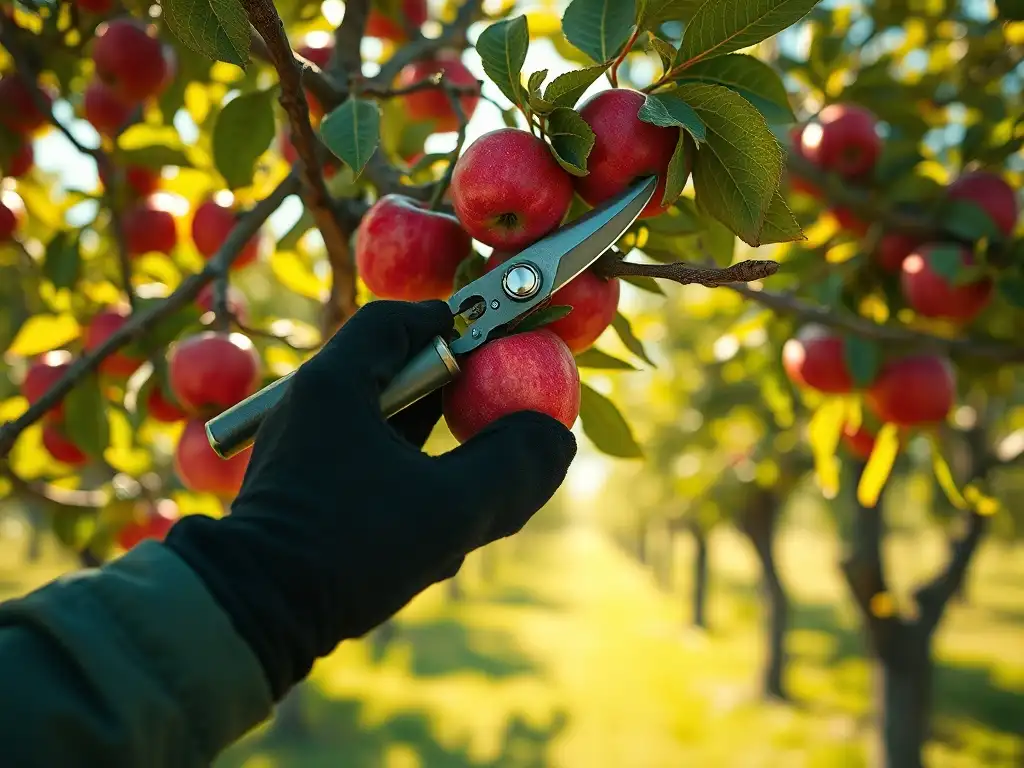
Welcome to CultivateYourFood, your guide to a bountiful and sustainable home garden! Ready to unlock the secrets to thriving fruit, vegetables, and herbs? We believe everyone can cultivate their own food, and we're here to help you every step of the way. Learn the art of fruit tree pruning techniques, a crucial skill for maximizing your harvest, and discover how the right cuts can transform your trees into productive powerhouses. Dive in and explore the world of organic gardening—your journey to a greener, healthier life begins here!
- Essential Fruit Tree Pruning Techniques for Maximum Yield
- Types of Pruning Cuts for Fruit Trees
- Choosing the Right Pruning Tools for Fruit Tree Care
- Timing Your Fruit Tree Pruning for Optimal Results
- Specific Pruning Techniques for Different Fruit Trees
- Common Mistakes to Avoid When Pruning Fruit Trees
- Post-Pruning Care for Fruit Trees
- Frequently Asked Questions
- Final Reflection: The Enduring Legacy of a Well-Pruned Tree
- Unleash Your Orchard's Potential: Sharpen Your Pruning Skills!
Essential Fruit Tree Pruning Techniques for Maximum Yield
Fruit tree pruning is a crucial aspect of organic fruit cultivation, directly impacting the quantity and quality of your harvest. Mastering different pruning techniques ensures your trees remain healthy, productive, and aesthetically pleasing. This guide delves into the various types of cuts used in fruit tree pruning, providing you with the knowledge to cultivate a thriving orchard using sustainable practices.
We'll explore the underlying principles, helping you understand how to tailor your approach to different fruit tree species and their unique growth patterns. Successfully implementing these techniques will contribute significantly to maximizing your yield while maintaining the long-term health of your trees. Understanding the "why" behind each cut is just as important as knowing how to make it, leading to a more informed and effective pruning process.
This article focuses on providing you with the essential knowledge to confidently prune your fruit trees, leading to abundant harvests for years to come. Let's begin by examining the core goals of fruit tree pruning.
Understanding the Goals of Fruit Tree Pruning
The primary objective of fruit tree pruning is to optimize the tree's structure and productivity. This involves several key goals:
- Promoting Strong Framework Development: Young trees need careful pruning to establish a strong central leader and well-spaced scaffold branches. This framework forms the foundation for future growth and fruit production. Incorrect pruning at this stage can lead to weak branches prone to breakage under the weight of fruit.
- Enhancing Sunlight Penetration: Proper pruning allows sunlight to penetrate the canopy, reaching all parts of the tree. This is essential for photosynthesis, which fuels fruit development. A dense, unpruned canopy shades inner branches, reducing fruit production in those areas.
- Improving Air Circulation: Good air circulation helps prevent fungal diseases and pest infestations. A well-pruned tree allows for better airflow, reducing humidity and the risk of disease outbreaks.
- Stimulating Fruit Bud Formation: Pruning can influence the formation of fruit buds. Specific cuts stimulate the growth of fruiting spurs, leading to increased yields. The type of cut and timing significantly impacts this aspect.
- Controlling Tree Size: Pruning allows you to manage the size and shape of your fruit tree, making harvesting and maintenance easier. This is particularly important for trees planted in confined spaces.
Assessing Your Fruit Tree Before Pruning: Identifying Growth Habits and Maturity
Before you begin pruning, it's crucial to assess your fruit tree's growth habit, maturity, and overall health. This involves:
- Identifying the Tree Species: Different fruit tree species have varying growth habits and pruning requirements. Apple trees, for example, require a different approach than peach trees. Understanding the specific needs of your tree is paramount.
- Determining the Tree's Age and Maturity: Young trees require different pruning techniques than mature trees. Young trees need pruning to establish a strong framework, while mature trees require maintenance pruning to maintain productivity and health. [Specific information pending on age-based pruning recommendations for common fruit tree varieties]
- Evaluating the Tree's Overall Health: Inspect the tree for signs of disease, pest damage, or any structural weaknesses. Address these issues before pruning to prevent further problems. Look for dead, damaged, or diseased branches that need removal. This is a crucial step to ensure the overall health and longevity of your tree.
- Observing Growth Patterns: Analyze the tree's growth patterns to identify areas that require pruning. Look for overcrowding, weak branches, or branches that are interfering with others. This step allows you to develop a strategic pruning plan tailored to your specific tree's needs.
Careful observation and planning before you start pruning will ensure the process is effective and beneficial for the long-term health and productivity of your fruit trees. Remember, a little planning goes a long way in successful fruit tree pruning. 🌳
Types of Pruning Cuts for Fruit Trees
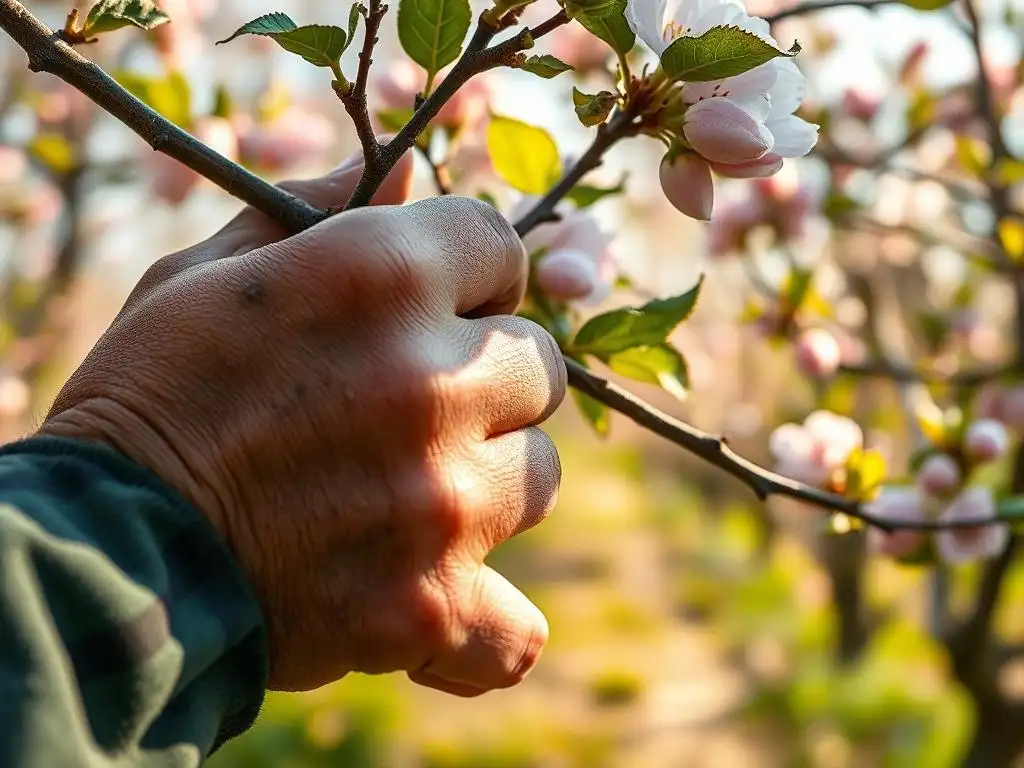
Fruit tree pruning techniques are crucial for maximizing yield and maintaining tree health. Understanding the different types of cuts is essential for successful pruning. This section details the key pruning cuts, focusing on their application and impact on fruit tree growth and fruit production. Effective fruit tree pruning techniques require precision and knowledge, leading to healthier, more productive trees.
Heading Cuts: Controlling Tree Height and Shape
Heading cuts involve removing the terminal portion of a branch, stimulating lateral bud growth and influencing the tree's overall shape and size. This technique is vital for managing tree height, controlling vigor, and shaping the tree's canopy to optimize sunlight penetration. Improper heading cuts can lead to weak branch growth or excessive branching, impacting fruit production. Therefore, understanding the appropriate timing and execution of heading cuts is critical.
Heading Cuts for Young Fruit Trees: Establishing a Strong Framework
For young fruit trees, heading cuts are primarily used to establish a strong central leader and scaffold branches. This involves carefully selecting and heading back branches to encourage the development of a well-balanced framework. For example, a young apple tree might have its central leader headed back to encourage branching at a desired height.
This promotes sturdy branches capable of supporting a heavy fruit load in the future. The goal is to create a structure that is both strong and allows for optimal sunlight penetration throughout the canopy. Failure to properly head back young trees can result in weak, poorly structured trees prone to damage.
Heading Cuts for Mature Fruit Trees: Maintaining Size and Productivity
In mature fruit trees, heading cuts are used to maintain size, prevent excessive growth, and rejuvenate older wood. This might involve heading back vigorous shoots to limit their growth and direct energy towards fruit production. For instance, heading back water sprouts (vigorous, upright shoots) prevents them from dominating the canopy and shading fruiting branches. Careful consideration of the tree's overall structure and the location of fruiting wood is essential to avoid impacting fruit yield. Over-heading can reduce fruit production, while insufficient heading can lead to overcrowded canopies.
Thinning Cuts: Improving Air Circulation and Light Penetration
Thinning cuts involve removing entire branches at their point of origin from the main stem or scaffold branch. This is a crucial technique for improving air circulation, light penetration, and overall tree health. Thinning cuts differ significantly from heading cuts, as they directly reduce the overall density of the canopy rather than just influencing the direction of growth. The proper application of thinning cuts is vital for disease prevention and fruit quality enhancement.
Removing Overlapping Branches: Enhancing Fruit Development
Overlapping branches create shaded areas within the canopy, reducing sunlight penetration and hindering fruit development. Thinning cuts strategically remove these overlapping branches, allowing more light and air to reach the remaining fruiting wood. This improves fruit size, color, and overall quality. For example, removing a branch that entirely obscures another branch improves fruit production on the exposed branch. This simple technique can significantly boost the yield and quality of your harvest.
Thinning to Reduce Crowding: Promoting Healthy Growth
Crowded canopies are prone to diseases and pests due to poor air circulation and humidity. Thinning cuts effectively reduce crowding, promoting healthy growth and reducing the risk of disease outbreaks. This technique involves systematically removing branches to create space and improve the tree's overall structure.
Regular thinning, especially in dense varieties, is crucial for maintaining a healthy and productive fruit tree. This proactive approach to pruning significantly contributes to the longevity and yield of your fruit trees. Careful observation and planning are key to ensuring that the proper branches are removed without compromising the tree's overall structure or fruit production.
Renewal Cuts: Revitalizing Older Branches and Stimulating New Growth
Renewal cuts are a crucial part of fruit tree pruning, focusing on removing older, less productive wood to encourage the growth of vigorous new shoots. This technique is particularly important for maintaining the health and productivity of mature trees. By strategically removing older branches, you're essentially prompting the tree to allocate its resources towards younger, more fruitful growth. This isn't about simply cutting back any old branch; it's about identifying the specific branches that are no longer contributing significantly to the tree's overall yield.
These might be branches that are heavily shaded, diseased, or simply showing signs of age and decline – such as dieback, reduced fruit production, or a generally weakened appearance. Renewal cuts can significantly improve the overall structure of the tree, promoting better air circulation and sunlight penetration, thus reducing the risk of diseases and pests. The process helps maintain a balance between older, established wood and younger, productive growth, ensuring a long and fruitful life for your tree.
Properly executed renewal cuts also help to maintain the tree's shape and size, making harvesting easier and preventing the tree from becoming overly dense. This balance is essential for optimal fruit production and overall tree health. Neglecting renewal cuts can lead to a decline in fruit quality and quantity, eventually resulting in a less productive, and potentially unhealthy, tree.
Renewal Cuts on Mature Trees: Encouraging New Shoots
Renewal cuts on mature fruit trees primarily focus on encouraging the development of new shoots from the remaining branch framework. This process involves carefully selecting branches that are several years old but still possess the potential for strong, productive growth. The cut itself should be made just above a strong outward-facing lateral branch or bud, ensuring the new growth isn't crowded or shaded.
The goal is to stimulate the growth of new shoots that will bear fruit in subsequent seasons. It's important to avoid making too many renewal cuts in a single year, as this can stress the tree and reduce its overall vigor. A gradual approach is best, targeting a few branches each year to maintain a healthy balance between old and new wood.
For example, on a mature apple tree, you might select two or three older branches that are showing signs of decline and carefully prune them back to a strong lateral branch, leaving behind a framework that will support vigorous new growth. This controlled removal of older wood allows the tree to focus its energy on the remaining branches and the newly stimulated shoots, leading to improved fruit production and overall tree health. Remember to consider the tree's overall structure and aim for balanced growth, avoiding cuts that might upset the tree's natural equilibrium.
Renewal Cuts for Rejuvenation: Restoring Vigor to Older Fruit Trees
For older fruit trees that have become unproductive or overgrown, rejuvenation pruning using renewal cuts is a more extensive approach. This technique involves removing a significant portion of the older wood to stimulate vigorous new growth from the base or lower branches. This is a drastic measure, and should only be employed when other pruning techniques have failed to restore the tree’s vigor. Such a rejuvenation process might involve removing up to one-third of the tree's canopy over a period of several years, carefully selecting branches to cut back while ensuring the tree maintains a balanced structure.
The goal is to revitalize the tree by encouraging the development of new shoots from dormant buds and younger wood, restoring its productivity and extending its lifespan. This process requires careful planning and execution, as it can significantly impact the tree's immediate fruit production. However, the long-term benefits—a renewed vigor and extended lifespan—often outweigh the temporary loss of fruit. A successful rejuvenation pruning will result in a more compact, productive tree with a strong framework and improved fruit quality.
It’s crucial to understand the specific needs of your tree species and its current condition before undertaking such a significant pruning effort. Consult with a qualified arborist or experienced fruit grower if you are unsure about proceeding with rejuvenation pruning. 🍎
Choosing the Right Pruning Tools for Fruit Tree Care
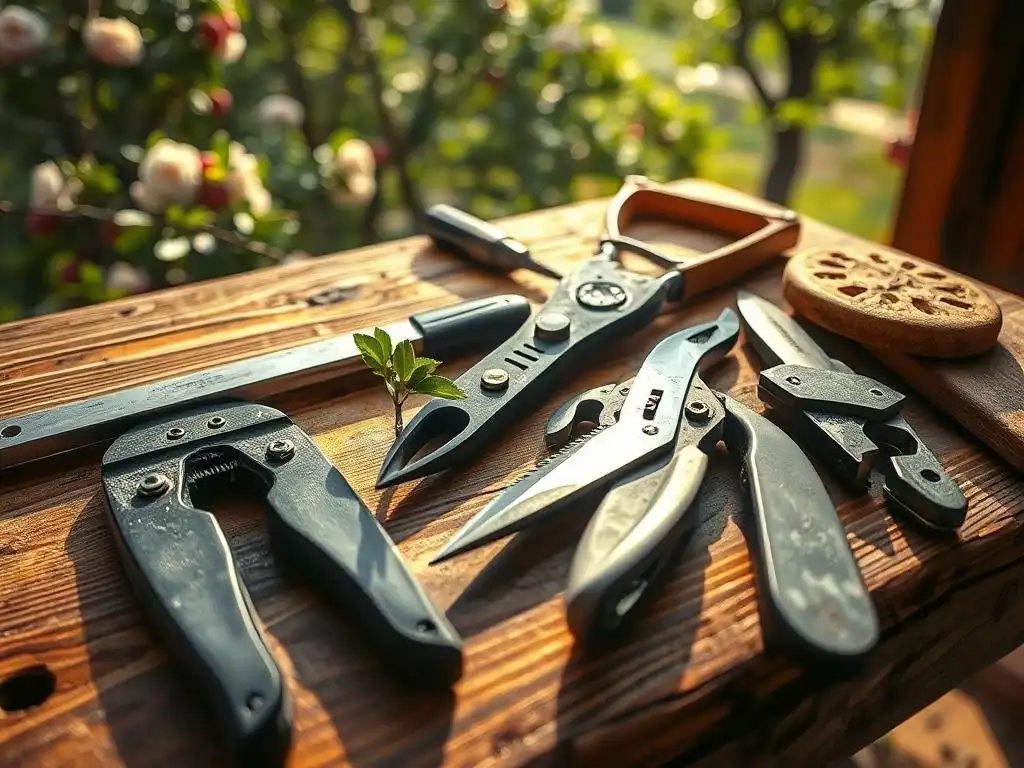
Selecting the appropriate tools is paramount for successful fruit tree pruning. Using the wrong tools can lead to damaged branches, inefficient cuts, and even injury to the tree and the pruner. The type of cut you need to make will dictate the tool you should use. This section focuses on selecting and maintaining the tools necessary for effective and safe fruit tree pruning techniques. Proper tool selection and maintenance are key components of successful fruit tree care, maximizing yield and overall tree health.
Selecting Sharp and Clean Pruning Shears and Saws
Sharpness is critical. Dull tools crush and tear branches, creating wounds that are more susceptible to disease and pest infestation. This can significantly impact the tree's health and reduce fruit production. Always choose pruning shears and saws with clean, sharp blades. Look for high-quality tools made from durable materials like hardened steel.
For smaller branches (under 1 inch in diameter), bypass hand pruners are ideal. These shears have a blade that passes by another blade, creating a clean cut. Anvil pruners, which have a blade that strikes against an anvil, are less precise and can crush branches. However, they can be useful for removing very small, dead twigs.
For larger branches (1 inch to 2 inches in diameter), loppers are a better choice. These are essentially larger versions of hand pruners with longer handles for greater leverage. For branches larger than 2 inches, a pruning saw is necessary. Choose a saw with a fine tooth design for cleaner cuts.
A curved blade saw can be particularly helpful for reaching awkward branches. Remember, sharpness ensures a clean cut, minimizing damage and promoting healing. Dull tools lead to ragged wounds, inviting disease and compromising the tree's structural integrity. Investing in high-quality, sharp tools is an investment in the long-term health and productivity of your fruit trees.
Importance of Proper Tool Maintenance for Safe and Effective Pruning
Maintaining your pruning tools is just as crucial as selecting the right ones. Regular cleaning and sharpening will extend their lifespan and ensure they perform optimally. After each pruning session, clean your tools thoroughly. Wipe down the blades with a cloth dampened with rubbing alcohol or a mild disinfectant to remove sap, dirt, and any potential pathogens. This simple step helps prevent the spread of disease between trees.
Sharpening is essential for maintaining the cutting edge. For hand pruners and loppers, you can use a sharpening stone or file. Follow the manufacturer's instructions, taking care to maintain the original angle of the blade. Pruning saws can be sharpened with a saw file, using a similar technique. Proper maintenance not only ensures clean cuts but also prolongs the life of your tools, saving you money in the long run.
Regularly oiled blades will also prevent rust and corrosion, further enhancing their longevity. Neglecting tool maintenance can lead to inefficient and potentially damaging cuts, impacting the health and productivity of your fruit trees. Consider it an investment in your fruit tree pruning techniques and overall orchard management. A well-maintained tool kit is a sign of a dedicated and successful fruit tree grower.
Timing Your Fruit Tree Pruning for Optimal Results
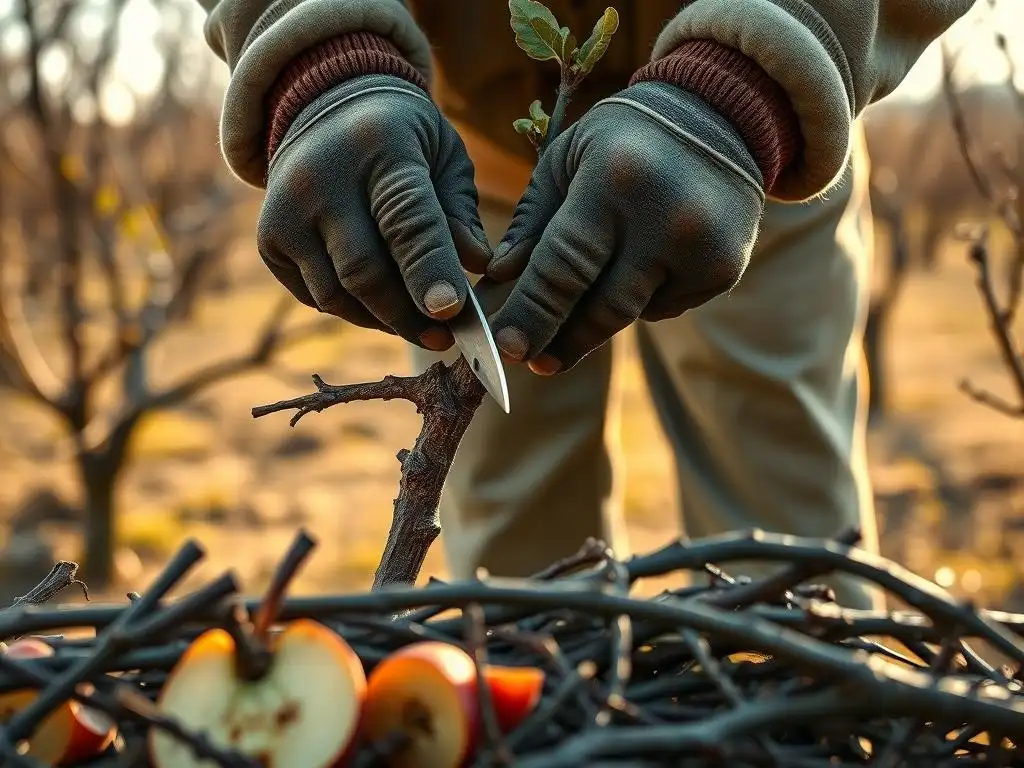
Effective fruit tree pruning isn't just about what cuts you make; it's critically about when you make them. The timing directly impacts the tree's health, fruit production, and overall vigor. Understanding the optimal pruning windows is key to maximizing your harvest and maintaining the long-term health of your fruit trees.
Different pruning techniques are best suited for different times of year, impacting everything from wound healing to the tree's response to the cuts. Choosing the right time significantly influences the success of your pruning efforts and the subsequent yield of your fruit trees. This section details the best times for pruning, focusing on dormant and growing season practices, crucial aspects of successful fruit tree pruning techniques.
Pruning Dormant Fruit Trees: Best Practices for Winter Pruning
Winter pruning, typically done during the tree's dormant period (late winter or early spring before bud break), is the most common and often the most impactful type of pruning for many fruit trees. This is because the tree is less susceptible to disease and the cuts are less likely to cause excessive sap loss. During this period, the tree's resources are focused inward, making it more resilient to the stress of pruning. This allows for more significant structural adjustments and shaping of the tree.
Several key practices enhance winter pruning's effectiveness:
- Identify and remove dead, damaged, or diseased branches: This is crucial for preventing the spread of disease and improving air circulation within the tree canopy. Look for branches with cracked bark, signs of fungal growth, or those clearly broken or dead. These should be removed cleanly at their point of origin.
- Thin out crowded branches: Overcrowding reduces sunlight penetration and air circulation, leading to weaker growth and increased susceptibility to pests and diseases. Thinning involves removing branches that are crossing, rubbing, or growing too close together. Prioritize removing smaller, weaker branches.
- Shape the tree: While this is less critical in established trees, younger trees benefit greatly from shaping to create a strong framework and open canopy. This ensures optimal light penetration and reduces the risk of structural damage from heavy fruit loads in the future.
- Use sharp, clean tools: Clean, sharp pruning shears and saws are essential to make clean cuts that minimize damage and reduce the risk of disease infection. Sanitize your tools with rubbing alcohol between cuts to further prevent the spread of pathogens.
Proper winter pruning is a foundational element of successful fruit tree pruning techniques, contributing significantly to the overall health and productivity of your trees.
Pruning During the Growing Season: Light Pruning Techniques
While winter pruning is crucial, light pruning during the growing season also plays a vital role in maintaining the health and productivity of your fruit trees. This type of pruning is less drastic and focuses on specific adjustments rather than major structural changes. The goal is to maintain the tree's shape, remove any new growth that is competing with fruit production, and address any minor damage.
Growing season pruning, however, requires a more delicate touch:
- Pinch back new growth: Pinching back new shoots encourages bushier growth and can help direct energy towards fruit production rather than vegetative growth. This is particularly useful for young trees or those that are growing too vigorously.
- Remove suckers and water sprouts: Suckers and water sprouts are vigorous, unproductive shoots that often emerge from the base of the tree or along the main branches. Removing them helps direct energy towards fruit production and maintaining the tree's overall shape.
- Remove damaged or diseased branches: As with winter pruning, removing any damaged or diseased branches during the growing season is crucial for maintaining the tree's health. However, make sure to monitor the tree closely to prevent further damage or the spread of disease.
- Thin out fruit: In some cases, thinning out excess fruit can be beneficial, especially for young trees or those with a heavy fruit load. This prevents the branches from breaking under the weight of the fruit and encourages the development of larger, higher-quality fruit.
Remember that growing season pruning should be minimal and focused. Avoid making large cuts, as this can stress the tree and make it more vulnerable to disease. The correct application of these techniques contributes significantly to mastering fruit tree pruning techniques. Careful consideration of both dormant and growing season pruning is crucial for maximizing yield and ensuring the long-term health of your fruit trees.
Specific Pruning Techniques for Different Fruit Trees
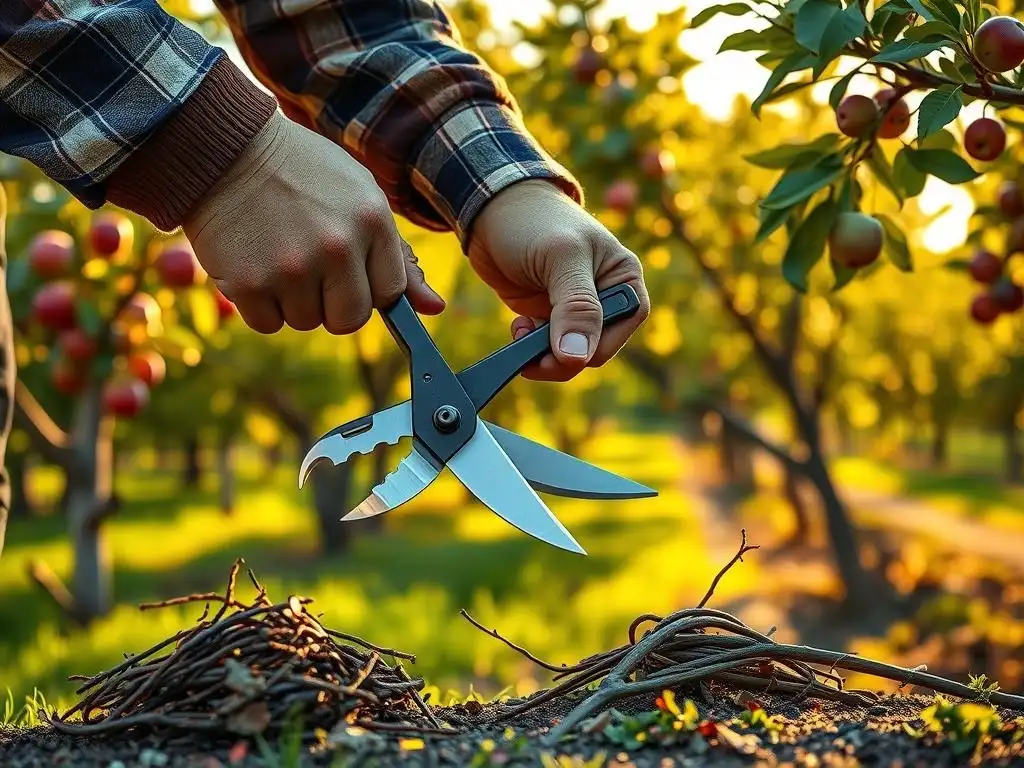
Fruit tree pruning techniques vary significantly depending on the species. Understanding the unique growth habits and fruiting characteristics of each tree is crucial for successful pruning and maximizing yield. Ignoring these differences can lead to reduced fruit production, weakened trees, and increased susceptibility to diseases. This section details specific pruning approaches for apple, peach, and cherry trees, focusing on techniques that promote both healthy growth and abundant harvests. Mastering these techniques will significantly improve your fruit tree care and contribute to a bountiful harvest. This is key to achieving optimal fruit tree pruning techniques.
Apple Tree Pruning Techniques: Balancing Growth and Fruit Production
Apple trees, known for their vigorous growth, require regular pruning to maintain a balanced structure and encourage consistent fruit production. The goal is to create an open center that allows sunlight to penetrate the branches, promoting healthy leaf growth and flower bud development. This open structure also improves air circulation, reducing the risk of fungal diseases.
Pruning should focus on removing competing branches, suckers (water sprouts growing from the trunk or main branches), and any branches that are diseased, damaged, or crossing. Thinning out crowded branches is essential to prevent shading and improve fruit quality. The timing of pruning is also critical; dormant season pruning (late winter or early spring) is generally preferred for apple trees.
Here's a breakdown of key considerations:
- Central Leader: Maintain a strong central leader, the main vertical branch, as it forms the backbone of the tree. Remove any branches that compete with the central leader for dominance.
- Branch Spacing: Aim for proper spacing between branches to allow for adequate light penetration and air circulation. Ideally, branches should be spaced 6-12 inches apart.
- Fruit Spur Development: Encourage the development of fruit spurs, short, stubby branches where fruit buds form. These spurs are essential for consistent fruit production. Avoid removing too many spurs during pruning.
- Renewal Pruning: Older branches can become less productive. Renewal pruning involves removing some of these older branches to encourage the growth of younger, more productive wood.
Failure to implement proper apple tree pruning techniques can result in a significantly reduced yield and increased disease susceptibility. Careful observation and consistent pruning are vital for maintaining a healthy and productive apple tree.
Peach Tree Pruning Techniques: Encouraging Abundant Fruiting
Peach trees, unlike apple trees, produce fruit on one-year-old wood. This unique characteristic significantly influences pruning techniques. The primary goal of peach tree pruning is to encourage the growth of new fruiting wood each year. This requires a different approach than apple tree pruning, focusing on maintaining a relatively open structure and removing older wood.
The pruning process typically involves removing about one-third of the previous year's growth. This encourages the growth of new shoots, which will bear fruit the following year. Furthermore, removing older wood prevents overcrowding and improves air circulation, reducing disease risks. Dormant season pruning is also recommended for peach trees.
Here's a concise outline of the process:
- Thinning: Focus on thinning out branches rather than heading them back (cutting the tips). Thinning promotes air circulation and sunlight penetration.
- Removing Water Sprouts: Remove water sprouts aggressively; they don't produce fruit and compete with fruiting wood for resources.
- Maintaining an Open Center: Similar to apple trees, an open center is desirable to optimize sunlight exposure.
- Renewal Pruning: As the tree ages, renewal pruning becomes increasingly important to maintain productivity. Remove older, less productive wood to stimulate the growth of new shoots.
Proper peach tree pruning techniques are crucial for achieving high yields. A well-pruned peach tree will exhibit strong, healthy growth and produce an abundance of high-quality fruit. Neglecting these techniques can lead to a significant decrease in fruit production and an increased vulnerability to disease.
Cherry Tree Pruning Techniques: Maintaining Tree Health and Shape
Cherry trees, particularly sweet cherries, require less pruning than apple or peach trees. Their natural growth habit often produces a well-shaped tree with good light penetration. However, some pruning is still necessary to maintain tree health, shape, and productivity. The focus is typically on removing dead, damaged, or diseased branches, and thinning out crowded areas to improve air circulation.
Pruning sweet cherries is usually best done during the dormant season. Sour cherries, however, can tolerate more pruning and can even be pruned lightly during the growing season.
Key aspects of cherry tree pruning include:
- Minimal Pruning: Avoid excessive pruning, as it can stimulate excessive growth and reduce fruit production.
- Removing Crossing Branches: Remove branches that cross or rub against each other to prevent damage and improve air circulation.
- Removing Water Sprouts and Suckers: These non-fruiting shoots compete with productive branches for resources. Remove them promptly.
- Maintaining a Strong Framework: Focus on maintaining a strong framework of branches to support the weight of the fruit.
Proper cherry tree pruning techniques contribute to the longevity and productivity of the tree. While less intensive than apple or peach tree pruning, regular maintenance is still crucial for optimal health and fruit production. Ignoring this can lead to decreased yields and compromised tree health. Remember, appropriate fruit tree pruning techniques are essential for a successful harvest.
Common Mistakes to Avoid When Pruning Fruit Trees
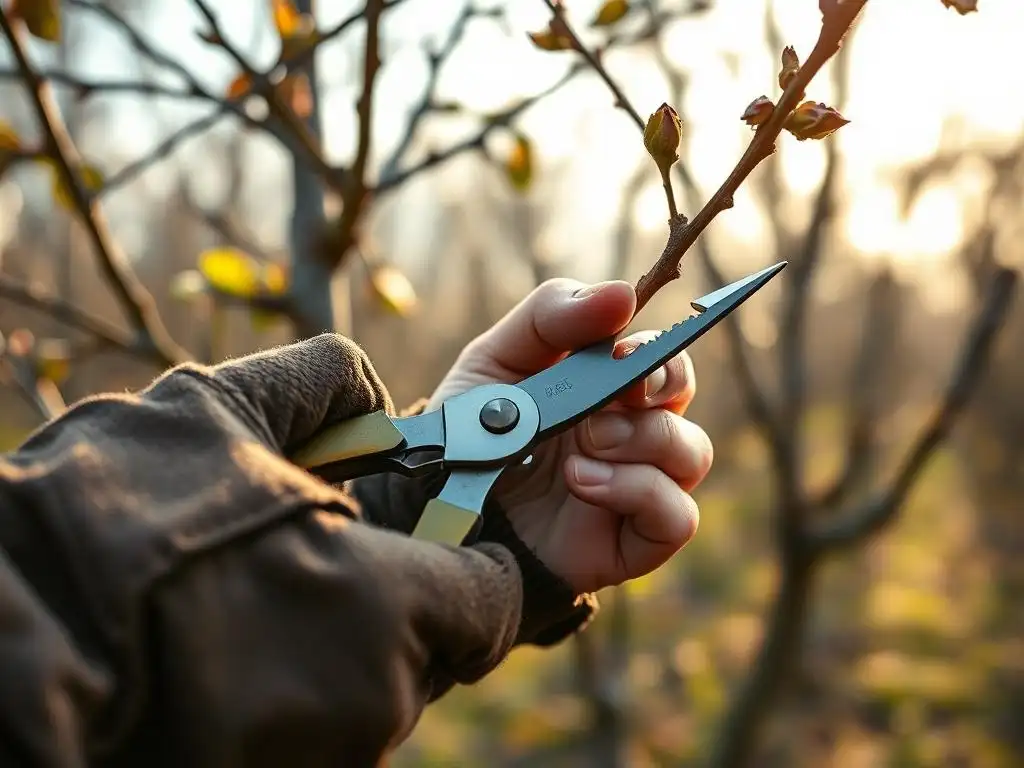
Pruning fruit trees is crucial for maximizing yield and maintaining tree health. However, improper pruning techniques can do more harm than good. Understanding common mistakes and how to avoid them is key to successful fruit tree cultivation. This section focuses on two prevalent errors: over-pruning and incorrect cut angles. Mastering these aspects significantly improves your chances of achieving a bountiful harvest year after year. Effective fruit tree pruning techniques require precision and knowledge, leading to healthier, more productive trees.
Over-Pruning: The Risks and How to Prevent Them
Over-pruning, removing significantly more branches than necessary, is a common mistake among novice fruit tree cultivators. It weakens the tree, reduces its ability to photosynthesize, and can even lead to its demise. The tree expends excessive energy trying to heal the wounds, diverting resources from fruit production. Instead of a robust harvest, you might end up with a stressed, less productive tree.
Consider this example: A young apple tree, aiming for a vase shape, might only need a few carefully selected branches removed to improve air circulation and sunlight penetration. An overzealous pruner, however, might remove a vast portion of the branches, dramatically reducing the tree's capacity for growth and fruiting. This can result in a significantly lower yield in the following seasons.
To prevent over-pruning, always follow a planned approach. Before you even pick up your pruning shears, assess the tree's structure and identify specific branches that need removal. Prioritize removing dead, diseased, or crossing branches. Focus on maintaining a balanced canopy structure, ensuring adequate sunlight reaches all parts of the tree.
Remember, less is often more when it comes to pruning. A light hand yields better results in the long run. Careful planning and observation are key elements of successful fruit tree pruning techniques. The goal is to improve the tree's health and productivity, not to drastically alter its shape or size.
Incorrect Cut Angles: Impact on Wound Healing and Tree Health
The angle at which you make your pruning cuts significantly impacts the tree's ability to heal. Incorrect angles can leave large, open wounds that are susceptible to disease and insect infestation. This compromises the tree's overall health and reduces its lifespan. Proper pruning techniques necessitate precise cuts that promote rapid and efficient wound closure.
A proper cut should be made just beyond a bud or branch collar, at a slight angle (around 45 degrees). This angled cut allows for faster callus formation, the tree's natural wound-healing process. A flush cut (cutting directly against the branch collar) leaves a large, unprotected wound that takes longer to heal and is more vulnerable to infection. Conversely, a cut that's too far from the branch collar leaves a stub that can become a point of entry for diseases.
Consider the following table illustrating the impact of different cut angles:
| Cut Type | Wound Size | Healing Time | Disease Susceptibility |
|---|---|---|---|
| Proper Angle Cut | Small | Fast | Low |
| Flush Cut | Large | Slow | High |
| Cut Too Far Away | Medium | Moderate | Moderate |
The proper angle ensures a clean, smooth cut that minimizes damage to the tree's tissues. This aids in the rapid formation of callus tissue, which seals the wound and prevents infection. Mastering this simple technique is crucial for successful fruit tree pruning and vital to applying successful fruit tree pruning techniques. Always prioritize making clean, precise cuts to ensure optimal tree health and maximize your harvest.
Post-Pruning Care for Fruit Trees
Pruning your fruit trees, while essential for healthy growth and bountiful harvests, leaves them vulnerable. Proper post-pruning care is crucial to minimize stress and maximize the benefits of your efforts. This section focuses on two key aspects: protecting wounds to prevent disease and insect infestations, and fertilizing to support the vigorous new growth stimulated by pruning. Mastering these techniques is key to achieving optimal fruit tree health and maximizing your yield, aligning perfectly with sustainable and organic fruit tree care. This is essential for successful fruit tree pruning techniques.
Wound Protection: Preventing Disease and Insect Infestation
Pruning inevitably creates wounds on your fruit trees. These open areas are entry points for diseases and insect infestations, potentially undermining the positive effects of your pruning efforts. Effective wound protection is therefore a critical component of successful fruit tree pruning techniques. Several methods exist, each with its own advantages and disadvantages:
- Tree Sealants: Commercially available tree sealants are often marketed as protective agents. However, research suggests that these sealants may actually hinder the natural wound-healing process of the tree. The tree's own callus tissue formation is the most effective defense mechanism. Many arborists now recommend against using sealants, unless the wound is exceptionally large (over 2 inches in diameter).
- Natural Wound Healing: The best approach involves allowing the tree to heal naturally. This process involves the tree's own defense mechanisms creating a callus tissue over the wound, sealing it off from pathogens. Proper pruning techniques, making clean cuts, minimizes the size of the wound and speeds up this natural healing process.
- Monitoring for Pests and Diseases: Regular inspection after pruning is vital. Look for signs of infection, such as discoloration, unusual weeping, or insect activity around the pruning cuts. Early detection allows for timely intervention with organic pest control methods, preventing widespread damage. This proactive approach is crucial for maintaining the health and productivity of your fruit trees. Proper pruning techniques and diligent monitoring are key elements of organic fruit tree care.
- Sanitation: Always sanitize your pruning tools between cuts, especially if you suspect any disease is present. This simple step prevents the spread of pathogens from one branch to another. A solution of 10% bleach and water is effective for sanitizing pruning shears and saws.
Fertilizing After Pruning: Supporting New Growth
Pruning stimulates new growth, and providing your fruit trees with adequate nutrients is crucial to support this vigorous regrowth. This post-pruning fertilization is not about forcing rapid, unsustainable growth, but rather about providing the essential building blocks for healthy, productive new shoots. The type and amount of fertilizer will depend on several factors, including:
- Soil Test: A soil test is the best way to determine the specific nutrient deficiencies in your soil. This test will provide a precise indication of what nutrients your trees need to thrive. This is a crucial step in sustainable fertilization practices.
- Tree Species: Different fruit tree species have different nutrient requirements. Research the specific needs of your trees to ensure you are providing the right balance of nutrients.
- Tree Age and Size: Young trees generally require less fertilizer than mature trees. Over-fertilizing can be detrimental, leading to excessive vegetative growth at the expense of fruit production.
- Organic Fertilizers: Prioritizing organic fertilizers aligns with sustainable practices. Compost, well-rotted manure, and other organic materials provide a slow-release source of nutrients, promoting healthy, gradual growth. Avoid synthetic fertilizers, which can negatively impact soil health and potentially harm beneficial soil organisms.
A balanced organic fertilizer, applied according to the recommendations based on your soil test and the specific needs of your fruit trees, will provide the necessary support for strong, healthy new growth. This is a vital step in obtaining the maximum yield from your fruit trees, reinforcing the principles of organic and sustainable fruit tree care. Remember that proper pruning techniques combined with effective post-pruning care are essential for optimal fruit production.
Frequently Asked Questions
What is the main purpose of pruning fruit trees?
Pruning fruit trees helps to maintain their shape, improve fruit production, and prevent diseases. It also ensures better air circulation and sunlight penetration throughout the tree.
What are the different types of pruning cuts?
There are several types, including heading cuts (removing the tip of a branch to encourage branching), thinning cuts (removing entire branches at their base), and renewal pruning (removing older, less productive wood). The choice depends on the tree's age and condition.
When is the best time to prune fruit trees?
The ideal time depends on the specific type of fruit tree. Generally, dormant pruning (late winter or early spring, before new growth begins) is common, but some summer pruning may also be beneficial. Check resources specific to your tree variety.
How do I know which branches to remove when pruning?
Remove dead, diseased, or damaged branches first. Then, consider removing branches that are crossing, rubbing, or growing inwards. Aim for an open structure that allows for good air circulation and sunlight.
What tools do I need for fruit tree pruning?
You'll need sharp, clean pruning shears for smaller branches and loppers for larger ones. A hand saw may be necessary for very thick branches. Always sanitize your tools between cuts to prevent the spread of disease.
Final Reflection: The Enduring Legacy of a Well-Pruned Tree
The art of fruit tree pruning, far from being a mere horticultural practice, is a testament to our enduring relationship with nature, a partnership demanding understanding, patience, and a keen eye for detail. Understanding the nuances of different pruning cuts—from heading to thinning—is not simply about maximizing yield; it's about fostering the health and longevity of the tree itself, ensuring a bountiful harvest for years to come. This knowledge, applied thoughtfully, directly impacts the quality and quantity of our fruit, and the overall health of our environment.
The impact of proper pruning extends beyond the individual tree; it influences entire ecosystems and our cultural relationship with food production. We are witnessing a renewed interest in sustainable agriculture and home gardening, a movement fueled by a desire for healthier food and a deeper connection to the land. This renewed interest underscores the importance of mastering techniques like those discussed in this article. The best time to plant a tree was 20 years ago. The second best time is today.
This proverb speaks to the enduring nature of our responsibility towards nurturing the environment, a responsibility that begins with the seemingly simple act of pruning a fruit tree.
Consider the lessons learned here—the precision of each cut, the understanding of the tree's natural growth patterns, the long-term vision required for successful pruning. Apply this knowledge not just to your fruit trees, but to other aspects of your life. Cultivate your own potential with the same care and attention you would give a young sapling. Embrace the process of growth, the necessity of pruning away what no longer serves you, and the enduring reward of nurturing something beautiful and fruitful. Let the wisdom of the well-pruned tree inspire you to cultivate a life of abundance and lasting beauty.
Unleash Your Orchard's Potential: Sharpen Your Pruning Skills!
Thank you for learning about fruit tree pruning! We hope you feel confident tackling those branches. Ready to put your knowledge into action?
- Prioritize one tree: Choose your favorite fruit tree and give it a thorough pruning session. Even a small amount of careful pruning can make a significant difference.
- Share your experience: Snap a before-and-after photo and share your pruning progress on social media – tag us @CultivateYourFood! Let's inspire other gardeners.
- Explore advanced techniques: Learn more about specific pruning methods for different fruit varieties. Are you ready to try espalier?
Now, tell us: Which fruit tree are you most excited to prune, and what new techniques are you eager to try?