
Choosing the Right Seeds: Heirloom vs. Hybrid vs. Organic

Ready to transform your backyard into a thriving oasis of fresh, organic produce? At CultivateYourFood, we empower you to grow your own fruits, vegetables, and herbs using sustainable methods. But with so many seed options available, where do you begin? Discover the secrets to selecting the best seeds for your home garden in our insightful guide comparing heirloom, hybrid, and organic varieties – your journey to a bountiful harvest starts now!
- Understanding Your Seed Options: Best Seeds for Home Garden
- Comparing Seed Types: Heirloom vs Hybrid vs Organic Seeds
- Selecting the Best Seeds for Your Home Garden
- Growing Your Own Heirloom, Hybrid, and Organic Produce: A Sustainable Approach
- Frequently Asked Questions
- Final Reflection: Cultivating a Conscious Garden
- Unleash Your Inner Gardener: Grow Your Dream Harvest!
Understanding Your Seed Options: Best Seeds for Home Garden
Choosing the right seeds is paramount for a successful and bountiful home garden. This decision significantly impacts the flavor, yield, and overall health of your fruits, vegetables, and herbs. This guide will delve into the key differences between heirloom, hybrid, and organic seeds, helping you select the “best seeds for home garden” that align with your gardening goals and sustainable practices.
We'll explore the unique characteristics of each type, weighing their advantages and disadvantages to empower you to make informed choices that cultivate a thriving and environmentally conscious garden. Ultimately, the best seed for your home garden depends on your priorities – whether that's preserving biodiversity, maximizing yield, or prioritizing organic growing methods. Let's explore your options!
Heirloom Seeds: A Legacy of Flavor and Diversity
Heirloom seeds represent a rich agricultural heritage, passed down through generations. These open-pollinated seeds produce plants that are remarkably similar to their parent plants, meaning you can save seeds from your harvest and plant them again the following year. This characteristic contributes to the preservation of genetic diversity and unique flavors often lost in modern agriculture.
Heirloom varieties are known for their exceptional taste and often possess unique characteristics, such as vibrant colors, intriguing shapes, and distinct aromas. However, they can sometimes be less resistant to diseases and pests compared to their hybrid counterparts, requiring more attentive care. Furthermore, yields may be lower than hybrid varieties.
Consider these points when choosing heirloom seeds:
- Flavor Profile: Heirloom varieties often boast superior taste compared to modern hybrids.
- Adaptation: Heirloom seeds are often well-adapted to specific climates and growing conditions.
- Disease Resistance: Disease resistance can vary greatly among heirloom varieties; research is crucial.
- Yield: Generally, yields may be lower than those of hybrid seeds.
- Seed Saving: A key advantage is the ability to save and replant seeds year after year.
Hybrid Seeds: The Pros and Cons of Modern Breeding
Hybrid seeds are the result of cross-breeding two distinct parent plants, combining desirable traits like high yield, disease resistance, and uniformity. This process results in plants that are often more productive and resilient than their heirloom counterparts. Hybrid seeds are typically not true-to-type, meaning that seeds saved from the harvest will not produce plants identical to the parent plant.
The benefits of using hybrid seeds include:
- High Yields: Hybrids are often bred for maximum productivity, resulting in larger harvests.
- Disease Resistance: Many hybrids are engineered to resist specific diseases and pests.
- Uniformity: Hybrid plants tend to grow uniformly, simplifying cultivation and harvesting.
However, there are some drawbacks to consider:
- Flavor: The intense focus on yield and disease resistance can sometimes compromise flavor.
- Seed Saving: Seeds saved from hybrid plants will not produce identical offspring.
- Dependence on Seed Companies: Continued reliance on seed companies is necessary for hybrid varieties.
Organic Seeds: Growing with Nature's Best
Organic seeds are grown without the use of synthetic pesticides, herbicides, or genetically modified organisms (GMOs). Choosing organic seeds aligns with sustainable gardening practices, minimizing your environmental impact and ensuring the health of your soil and plants. The certification process for organic seeds guarantees that the seeds meet strict standards regarding cultivation and handling.
The benefits of using organic seeds include:
- Environmental Sustainability: Reduces the use of harmful chemicals.
- Soil Health: Contributes to healthier soil ecosystems.
- Plant Health: Promotes the growth of strong and resilient plants.
- Reduced Risk of Chemical Residues: Ensures your produce is free from harmful chemicals.
While organic seeds may sometimes have slightly lower yields compared to conventionally grown seeds, the environmental and health benefits often outweigh this difference, especially for home gardeners prioritizing sustainable practices. The overall health and well-being of your garden and the food you consume are significant advantages. 🌱
Comparing Seed Types: Heirloom vs Hybrid vs Organic Seeds
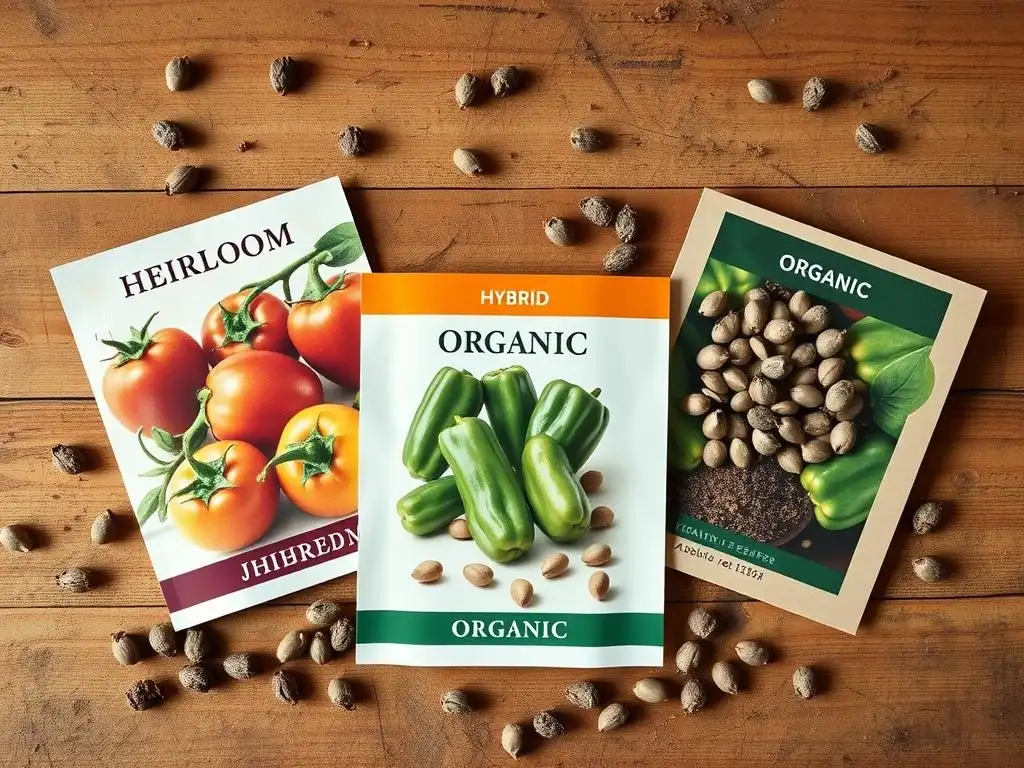
This section delves into the key differences between heirloom, hybrid, and organic seeds, helping you choose the best seeds for your home garden. Understanding these distinctions is crucial for successful gardening, impacting everything from yield to the ability to save seeds for future planting. We'll explore the nuances of each type, providing you with the knowledge to make informed decisions for your sustainable and organic gardening practices.
Yield and Productivity: Which Seeds Produce the Most?
The question of yield often arises when comparing seed types. While generalizations are risky, certain trends exist. Hybrid seeds, often developed for specific traits like high yield and uniformity, generally produce more abundantly than heirloom varieties in the first generation. This is due to hybrid vigor, or heterosis, a phenomenon where offspring exhibit superior characteristics compared to their parents.
Consider this example: A hybrid tomato variety might consistently produce 20% more fruit per plant than a comparable heirloom variety. However, this advantage might diminish in subsequent generations if you try to save seeds from the hybrid plants. Heirloom varieties, while potentially less productive per plant in their initial growth, often exhibit greater resilience and adaptability over time, potentially balancing out yield differences in the long run.
Organic seeds, regardless of whether they are heirloom or hybrid, are not inherently linked to higher or lower yields. The focus on organic cultivation methods—avoiding synthetic pesticides and fertilizers—can impact overall productivity, but this is more related to growing practices than the seed type itself. Factors like soil health, sunlight, and water availability play a significantly larger role in final yield than the seed type alone.
| Seed Type | Typical Yield | Advantages | Disadvantages |
|---|---|---|---|
| Hybrid | Generally Higher | High productivity, uniformity | Cannot reliably save seeds for future planting |
| Heirloom | Generally Lower | Adaptability, unique flavors, seed saving | Potentially lower initial yields |
| Organic (Hybrid or Heirloom) | Varies | Environmentally friendly | Potential for lower yields due to pest pressure |
Disease Resistance: Protecting Your Plants from Pests and Diseases
Disease resistance is a critical factor in seed selection, particularly for home gardeners who may lack extensive pest control resources. Again, hybrid seeds often hold an advantage, as breeders frequently select for resistance to specific diseases. This targeted breeding can create varieties significantly more resistant to common fungal, bacterial, or viral diseases than their heirloom counterparts.
However, heirloom varieties often demonstrate broader, though perhaps less potent, resistance due to their genetic diversity. Years of natural selection have equipped them to withstand a range of challenges, making them potentially more resilient in unpredictable climates or against a wider spectrum of pests. Over-reliance on single-trait resistance in hybrids can lead to vulnerability if the targeted disease evolves or a new pest emerges.
Organic seeds, by virtue of being grown without synthetic pesticides, may be more susceptible to some diseases initially. However, this often encourages the gardener to adopt integrated pest management (IPM) strategies, fostering a healthier ecosystem in the garden and building long-term resilience. The absence of pesticide buildup in the soil also benefits beneficial insects and microorganisms, which contribute to natural pest control.
Seed Saving: Preserving Your Favorite Varieties
Seed saving is a rewarding aspect of gardening, allowing you to preserve your favorite varieties and maintain genetic diversity. This practice is significantly easier with heirloom seeds. Heirloom varieties are open-pollinated, meaning they will breed true to type when saved and replanted, passing on their desirable characteristics to the next generation. Saving seeds from hybrids, however, is generally not recommended as the offspring will not consistently replicate the parent plant's characteristics. The hybrid vigor is lost in subsequent generations.
Saving seeds from organic varieties is straightforward, provided they are heirloom. It is important to isolate your plants to prevent cross-pollination with other varieties of the same species if you wish to maintain the genetic purity of the seeds. This means ensuring that plants of different varieties are not located too close to each other. Proper seed storage is also crucial to maintain viability. This involves drying the seeds thoroughly and storing them in a cool, dry, dark place, preferably in airtight containers. This will ensure that your seeds remain viable for planting in subsequent seasons.
Taste and Flavor: The Importance of Sensory Qualities
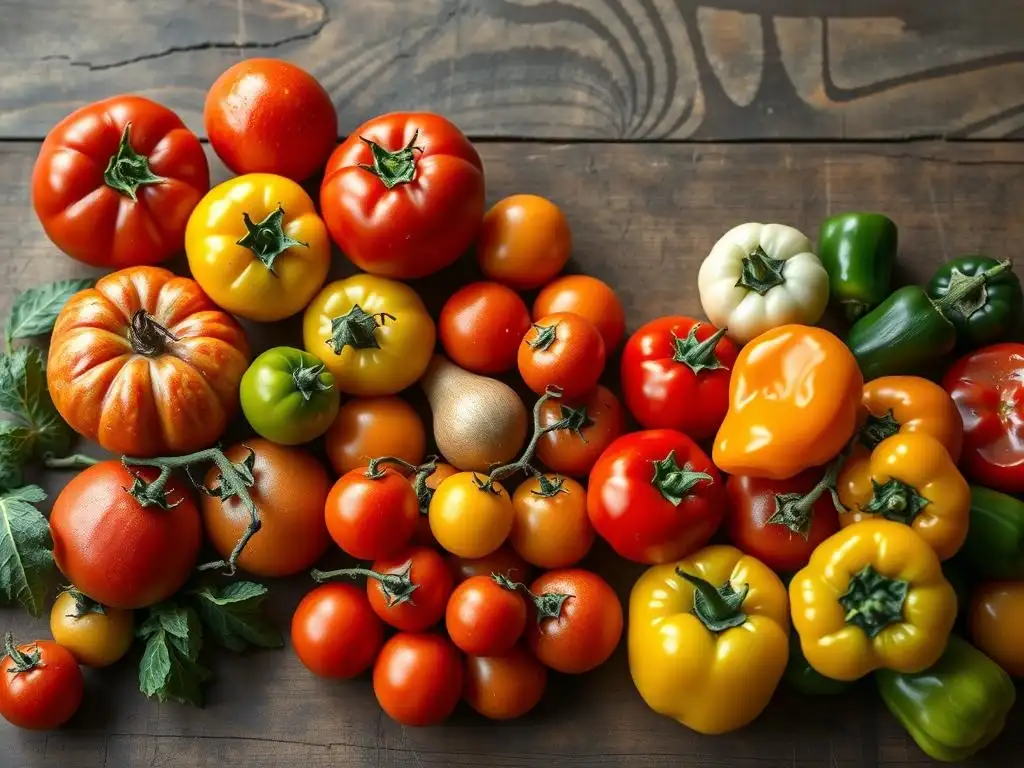
Choosing seeds for your home garden often comes down to more than just yield. The taste and flavor of the fruits, vegetables, and herbs you cultivate are paramount to the overall gardening experience. Heirloom varieties, often prized for their unique flavor profiles developed over generations, frequently offer a more complex and nuanced taste compared to their hybrid counterparts. Think of the distinct sweetness of an heirloom tomato, bursting with juicy flavor, versus a more uniformly flavored, commercially produced hybrid. This difference is often attributed to the genetic diversity preserved in heirloom seeds, allowing for a wider range of flavor expressions.
However, it's important to note that not all heirloom varieties are superior in taste; some may have less desirable characteristics, such as lower yields or less disease resistance. Hybrid seeds, on the other hand, are often bred for uniformity in flavor, resulting in a predictable and consistent taste experience. While this consistency might be attractive to some, it can sometimes come at the cost of a less vibrant or complex flavor profile. Ultimately, the "best" seed for your home garden depends on your personal preference. Do you prioritize unique and complex flavors, even if it means a slightly lower yield?
Or do you prefer a consistently good taste, perhaps with a higher yield? Consider conducting taste tests of different varieties if you can source samples before committing to a large-scale planting. This sensory exploration will help you determine which seed types align best with your palate and gardening goals. Remember to also factor in the specific growing conditions – soil type, sunlight, and climate – as these can significantly influence the final flavor of your produce.
Cost and Availability: Finding the Right Seeds for Your Budget
The cost of seeds can vary considerably depending on the type of seed, the supplier, and the quantity purchased. Generally, heirloom seeds might be slightly more expensive than hybrid seeds, especially if purchased from smaller, specialized seed companies that focus on preserving genetic diversity. This higher cost often reflects the extra care and attention given to maintaining and propagating these unique varieties. Hybrid seeds, mass-produced by large agricultural companies, tend to be more readily available and often cheaper, especially when purchased in bulk. Organic seeds, regardless of whether they are heirloom or hybrid, often fall within a similar price range as their non-organic counterparts, although some premium organic seed varieties can command a higher price.
Availability also plays a crucial role in seed selection. Heirloom seeds can sometimes be harder to find, particularly if you are seeking less common or rare varieties. You might need to search specialized seed catalogs or online retailers that cater to heirloom enthusiasts. Hybrid and conventionally grown seeds are typically more widely available at larger garden centers and online marketplaces.
When planning your budget for seeds, consider the total cost per plant, factoring in the germination rate and the number of seeds per packet. Don't forget to also account for potential losses due to pests or diseases, as this can impact your overall yield and return on investment. Ultimately, finding the right seeds for your budget involves careful research, comparison shopping, and a realistic assessment of your gardening needs and resources. Prioritizing seed quality and choosing varieties suited to your local climate and growing conditions can help maximize your harvest and minimize waste.
Selecting the Best Seeds for Your Home Garden
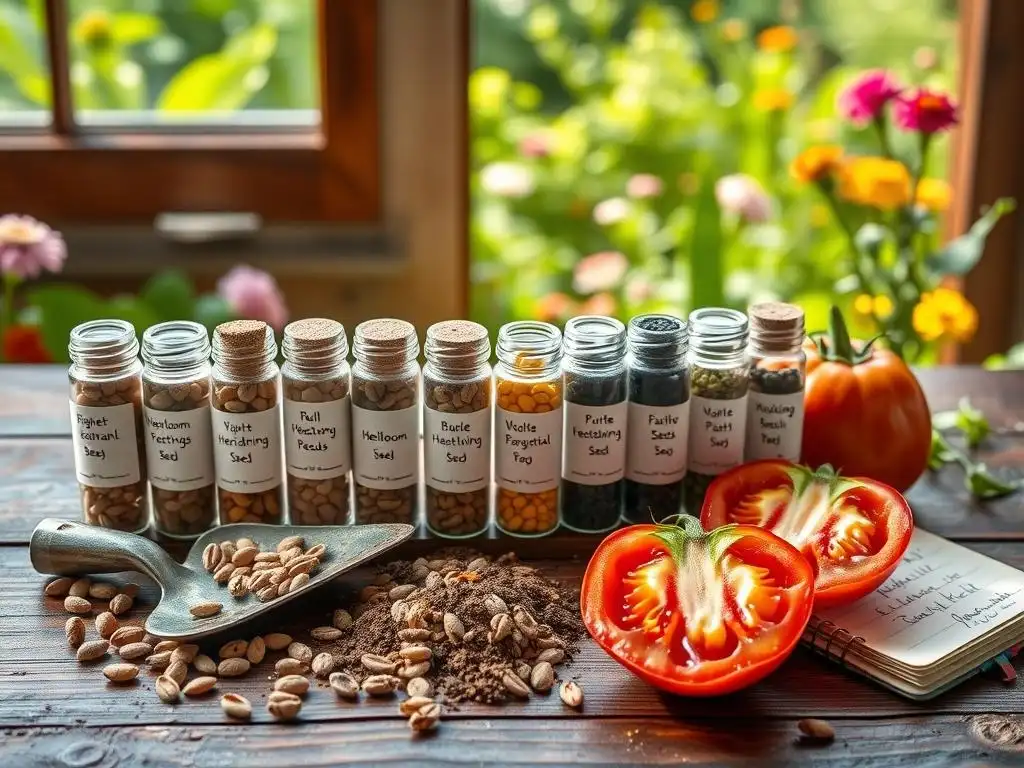
This section delves into the crucial decision of choosing the right seeds for a thriving home garden. Selecting the best seeds for your home garden involves considering several key factors beyond simply choosing heirloom, hybrid, or organic varieties. We'll explore how climate, your specific gardening needs, and the source of your seeds all play a vital role in your success. Remember, even the best seeds won't flourish without proper care and attention.
Choosing Seeds Based on Your Climate and Growing Conditions
Your local climate dictates which seeds will thrive and which will struggle. Understanding your region's average temperatures, rainfall, and sunlight hours is paramount. For example, tomatoes need ample sunshine and warm temperatures, while lettuce prefers cooler weather. Ignoring these factors can lead to poor germination rates and stunted growth.
Consider these points when selecting seeds based on your climate:
- Hardiness Zones: Familiarize yourself with your USDA Hardiness Zone. This system categorizes regions based on average annual minimum temperatures, helping you choose seeds suitable for your area. Knowing your zone will significantly improve your chances of success.
- Days to Maturity: Pay close attention to the "days to maturity" listed on seed packets. This indicates the time from planting to harvest. Choose varieties with a maturity period that aligns with your growing season's length. In shorter seasons, opt for faster-maturing varieties.
- Sunlight Requirements: Determine how much sunlight your garden receives. Full sun (6-8 hours), partial sun (4-6 hours), or shade (less than 4 hours) will influence your seed selection. Many vegetables, such as peppers and cucumbers, require full sun, while leafy greens can tolerate partial shade.
Selecting the Right Variety for Your Needs: Vegetables, Herbs, and Flowers
The best seeds for your home garden also depend on your personal preferences and gardening goals. Are you aiming for a bountiful harvest of tomatoes, a fragrant herb garden, or a vibrant display of flowers? The variety of seeds you choose directly impacts the outcome.
Consider the following:
- Vegetable Varieties: Do you prefer cherry tomatoes, beefsteak tomatoes, or Roma tomatoes? Each variety has unique characteristics in terms of size, flavor, and growing habits. Similarly, consider the size and type of peppers, cucumbers, zucchini, etc., that best suit your needs and palate.
- Herb Selection: Think about the culinary herbs you frequently use. Basil, rosemary, thyme, and mint are popular choices, but the specific variety within each type can impact flavor and growth. Consider compact varieties for smaller spaces.
- Flower Choices: Choose flower seeds based on color, height, bloom time, and your preferred aesthetic. Annuals bloom for one season, while perennials return year after year. Consider the overall design and look you want to achieve in your garden.
Sourcing High-Quality Seeds: Reputable Suppliers and Seed Banks
The quality of your seeds significantly influences your garden's success. Sourcing seeds from reputable suppliers and seed banks ensures high germination rates and disease resistance.
Here's what to consider:
- Seed Companies: Research reputable seed companies known for their quality seeds and excellent customer service. Read reviews and compare offerings before making a purchase. Look for companies that clearly list germination rates and offer various seed types.
- Seed Banks: Seed banks play a crucial role in preserving genetic diversity. They often offer heirloom varieties and open-pollinated seeds, contributing to sustainable gardening practices. Supporting seed banks helps maintain the availability of a wide range of plant varieties.
- Seed Starting vs. Direct Sowing: Some seeds germinate best when started indoors, while others can be sown directly into the garden. Check the seed packet for specific instructions. Proper seed starting techniques significantly improve your chances of a successful harvest.
Choosing the best seeds for your home garden is a multifaceted process. By carefully considering your climate, gardening goals, and seed source, you’ll significantly improve your chances of a productive and rewarding gardening experience. Happy gardening! 🌱
Preparing Your Seeds for Planting: Essential Steps for Success
Preparing your seeds before planting significantly increases your chances of a bountiful harvest. This crucial step, often overlooked, ensures optimal germination and strong seedling establishment. Let's explore the essential steps to get your seeds ready.
First, seed testing is a highly recommended practice, especially with older seeds. While seed packets usually indicate a germination rate, testing a small sample can confirm their viability. Simply place a few seeds on a damp paper towel, seal them in a plastic bag, and keep them in a warm place. After a few days, check for germination; a high percentage of sprouts indicates good seed quality. If germination is low, you might need to plant more seeds to compensate for potential failures. This saves you time and resources in the long run, avoiding disappointment later in the season.
Next, seed stratification is a process that mimics the natural conditions seeds experience during winter. Many seeds require a period of cold, moist conditions before they'll germinate. This process breaks down the seed coat and encourages germination. The exact requirements vary by species; some seeds need only a few weeks in the refrigerator, while others need months. Research the specific needs of your chosen seeds to ensure optimal results. Proper stratification significantly improves germination rates, especially for seeds that require vernalization (a period of cold temperatures to flower).
Furthermore, seed priming is another technique that can improve germination. This involves soaking the seeds in water for a specific period before planting. This helps to hydrate the seeds and speed up the germination process. However, it's crucial to avoid over-soaking, which can lead to seed rot. Different seeds have different optimal soaking times; research your specific seeds' requirements to prevent damage. Proper seed priming can lead to faster and more uniform germination, giving your seedlings a head start.
Finally, don't forget about seed starting mix. Using a specialized seed starting mix, rather than garden soil, is crucial. Seed starting mixes are lighter, well-draining, and less likely to cause damping-off disease, a common fungal problem affecting seedlings. They provide the perfect environment for delicate seedlings to develop strong root systems before transplanting.
Choosing the right seed starting mix is an investment in the health and success of your future plants. Remember to always follow the instructions on your seed packets for the best results. Careful seed preparation is a cornerstone of successful gardening, leading to healthier plants and a more abundant harvest. 🌱
Growing Your Own Heirloom, Hybrid, and Organic Produce: A Sustainable Approach
Choosing the best seeds for your home garden involves understanding the differences between heirloom, hybrid, and organic varieties. Each type offers unique advantages and disadvantages, impacting your gardening experience and the final product. Selecting the right seed type aligns with your gardening goals, whether that's preserving biodiversity, maximizing yield, or prioritizing organic methods. This section explores the nuances of each seed type to help you make an informed decision.
Sustainable Gardening Practices: Reducing Your Environmental Impact
Sustainable gardening practices are crucial for minimizing your environmental footprint while cultivating healthy, delicious produce. Using heirloom seeds, for example, contributes to biodiversity by preserving genetic diversity and reducing reliance on large-scale seed companies. These seeds often exhibit greater resilience to local pests and diseases, minimizing the need for chemical pesticides. Furthermore, choosing open-pollinated heirloom varieties allows you to save seeds from your harvest, reducing the need to purchase seeds yearly. This practice contributes to a more self-sufficient and ecologically responsible gardening approach.
Consider the water usage in your gardening practices. Efficient irrigation techniques, such as drip irrigation or rainwater harvesting, significantly reduce water consumption compared to traditional methods. Similarly, composting kitchen scraps and yard waste reduces landfill waste and creates nutrient-rich soil amendments, thereby minimizing the need for synthetic fertilizers. These actions directly contribute to a more sustainable and environmentally friendly garden. The long-term benefits of sustainable gardening extend beyond your immediate garden, contributing to a healthier planet.
Organic Gardening Methods: Nutrient-Rich Soil and Pest Control
Organic gardening relies on natural methods to cultivate healthy plants. This approach avoids the use of synthetic pesticides, herbicides, and fertilizers, promoting biodiversity and protecting beneficial insects and pollinators. Building healthy soil is paramount in organic gardening. This involves using compost, cover crops, and other organic matter to improve soil structure, fertility, and water retention. A rich, organic soil provides the essential nutrients plants need for robust growth, minimizing the need for external inputs.
Pest control in organic gardens relies on natural methods such as beneficial insects (ladybugs for aphids, for example), companion planting (marigolds deter certain pests), and natural sprays like neem oil or insecticidal soap. These methods require more observation and intervention than chemical controls but result in a healthier ecosystem within your garden and ultimately, healthier produce. Regular soil testing can help you understand your soil's nutrient levels, allowing you to tailor your organic amendments for optimal plant health. This proactive approach ensures that your plants receive the necessary nutrients without resorting to synthetic fertilizers.
Harvesting and Preserving Your Homegrown Produce: Maximizing Yields
Harvesting your homegrown produce at its peak ripeness ensures the best flavor and nutritional value. The timing of harvest depends on the specific variety and growing conditions. For example, tomatoes should be harvested when they are fully colored and slightly soft to the touch, while herbs are often best harvested just before flowering. Proper harvesting techniques, such as using sharp shears to avoid damaging the plant, also contribute to maximizing yields in subsequent seasons.
Preserving your harvest extends the enjoyment of your homegrown produce beyond the growing season. Methods such as canning, freezing, drying, and pickling allow you to store your bounty for later use. Proper preservation techniques ensure the quality and safety of your preserved food. Freezing, for instance, is an excellent way to preserve the nutritional value of fruits and vegetables, while canning is ideal for tomatoes and other acidic produce.
By employing a variety of preservation methods, you can enjoy the fruits (and vegetables!) of your labor throughout the year, maximizing the return on your gardening investment. This contributes to a more self-sufficient lifestyle and reduces reliance on commercially produced food.
Frequently Asked Questions
What are heirloom seeds?
Heirloom seeds are open-pollinated, meaning they can be saved and replanted year after year, producing plants true to type. They often boast unique flavors and characteristics but may have lower yields than hybrids. They are a great choice for preserving biodiversity.
What are hybrid seeds?
Hybrid seeds are created by cross-pollinating two different parent plants. They typically offer higher yields and disease resistance, but the seeds from these plants won't produce identical offspring. You'll need to buy new seeds each year.
What does "organic seeds" mean?
Organic seeds are produced without the use of synthetic pesticides, herbicides, or genetically modified organisms (GMOs). Choosing organic seeds ensures that your plants are grown using sustainable and environmentally friendly practices.
What are the best seeds for a beginner home gardener?
For beginners, easy-to-grow varieties like lettuce, radishes, zucchini, and beans are excellent choices. These plants are relatively low-maintenance and provide quick results, boosting your confidence.
Where can I buy the best seeds for my home garden?
Many reputable online retailers and local garden centers offer a wide selection of seeds. Look for companies that specialize in organic and heirloom varieties, and read reviews to ensure seed quality and germination rates.
Final Reflection: Cultivating a Conscious Garden
The choices we make in our gardens mirror the choices we make in life. Selecting the "best" seeds for your home garden is about far more than just bountiful harvests; it's a reflection of our values, our connection to the earth, and our vision for a sustainable future. The journey through heirloom, hybrid, and organic seeds reveals a complex interplay of tradition, innovation, and environmental responsibility.
The ongoing debate surrounding seed selection highlights the growing awareness of our food systems and their impact on biodiversity and our health. The future of food depends on the seeds we sow today.
This simple truth underscores the importance of informed choices, moving beyond mere yield to consider the long-term implications of our gardening practices. My own journey into seed selection has been a deeply personal one, teaching me the value of patience, understanding the nuances of each seed type, and appreciating the interconnectedness of our actions.
Now, consider your own garden—both literal and metaphorical. What seeds are you planting in your life? Are you nurturing traditions, embracing innovation, or prioritizing sustainability? Take a moment to reflect on the choices you make, not just in your garden, but in all aspects of your life. Choose wisely, cultivate consciously, and watch your own unique harvest flourish.
Unleash Your Inner Gardener: Grow Your Dream Harvest!
Thank you for exploring the fascinating world of seeds! We hope you feel confident choosing the perfect seeds for your garden. Ready to put your knowledge into practice?
- Start your seed-starting adventure today! Gather your supplies and sow those seeds—the anticipation of a bountiful harvest is just around the corner.
- Share your gardening experience! Let's build a thriving community. Tell us about the seeds you selected and why in the comments below.
- Explore our other resources on seed saving—learn how to grow your own seeds year after year!
What seed variety are you most excited to plant this season, and why?