
Homemade Pest Sprays: Simple Recipes for Effective Garden Protection

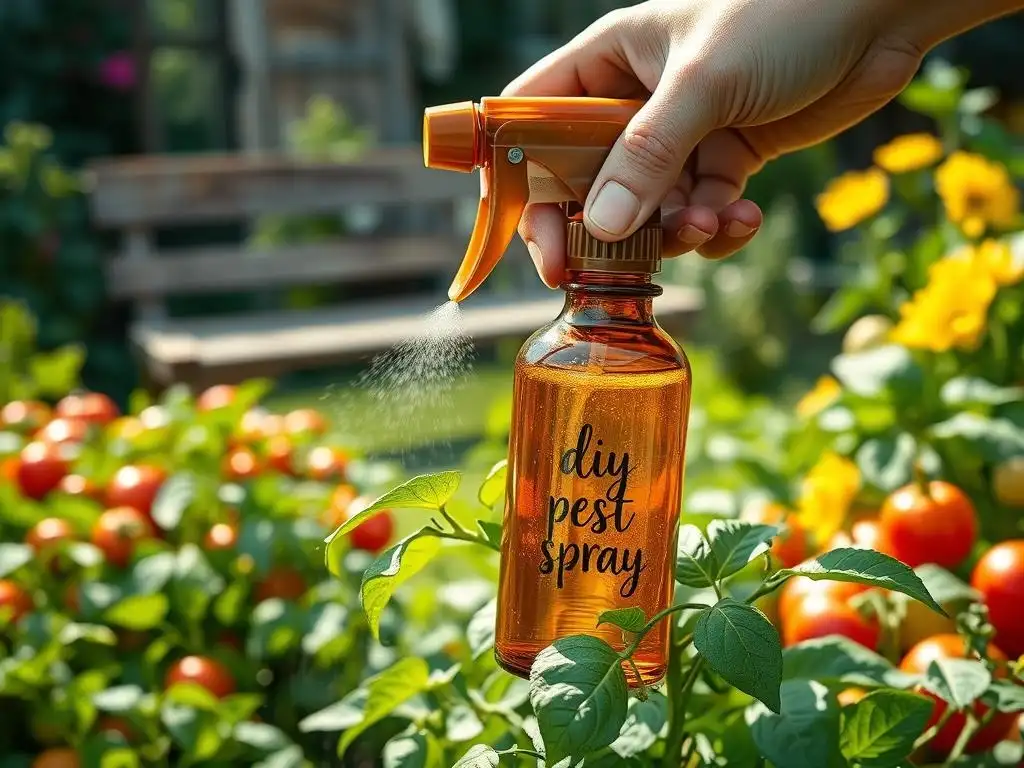
Welcome to CultivateYourFood, your guide to a thriving, sustainable home garden! Tired of harmful chemicals and frustrating pest infestations? Discover the power of nature with our expert advice on DIY organic pest control recipes. Learn how to create simple, effective sprays that protect your fruits, vegetables, and herbs, ensuring a bountiful harvest while keeping your environment healthy. Let's cultivate a greener, more rewarding gardening experience together – explore our Organic Gardening section and get started today!
- Introduction to DIY Organic Pest Control Recipes
- Simple Recipe: Neem Oil Spray for Broad-Spectrum Pest Control
- Powerful Recipe: Garlic and Pepper Spray for Aphids and Other Soft-Bodied Insects
- Versatile Recipe: Soap Spray for Common Garden Pests
- Effective Recipe: Baking Soda Spray for Fungal Diseases and Pests
- Boosting the Effectiveness of Your Homemade Organic Pest Control
- Frequently Asked Questions
- Final Reflection: Cultivating a Healthier Garden, Naturally
- Ready to Defend Your Garden Naturally?
Introduction to DIY Organic Pest Control Recipes
Protecting your homegrown fruits, vegetables, and herbs from pests is a crucial aspect of successful organic gardening. While commercial pesticides offer quick solutions, they often come with harmful side effects for beneficial insects, the environment, and even your own health. This article explores the world of homemade pest sprays, offering simple, effective, and environmentally friendly recipes for a thriving, pest-resistant garden. We’ll delve into the benefits of natural pest control, identify common garden invaders, and equip you with the knowledge and safety precautions necessary to create your own powerful yet gentle pest deterrents. Learning to craft your own DIY organic pest control recipes is not just about protecting your plants; it's about fostering a healthier, more sustainable ecosystem in your garden and beyond. This guide provides you with the tools and knowledge to become a more self-sufficient and environmentally conscious gardener. Let's cultivate a healthier and more resilient garden together!
Why Choose Homemade Pest Sprays? Benefits of Natural Pest Control
Choosing homemade pest sprays over commercial alternatives offers numerous advantages for both your garden and your well-being. Natural pest control methods minimize the risk of harming beneficial insects like ladybugs and bees, which play vital roles in pollination and pest regulation. Furthermore, these sprays are generally safer for pets and children, avoiding the potential health hazards associated with synthetic pesticides. The environmental impact is significantly reduced, as homemade sprays avoid the pollution caused by the manufacturing and disposal of chemical pesticides.
The economic benefits are also noteworthy. Many ingredients for homemade sprays are readily available in your kitchen or garden, making them a cost-effective alternative to expensive commercial products. Moreover, creating your own sprays empowers you to take control of your garden's health, fostering a deeper connection with your plants and the natural world. Finally, many homemade sprays are biodegradable, leaving no harmful residues in the soil or on your produce. This ensures that you're consuming truly organic and healthy food.
| Benefit Category | Specific Benefit |
|---|---|
| Environmental | Reduced pollution, protects beneficial insects |
| Health | Safer for pets, children, and humans |
| Economic | Cost-effective, uses readily available materials |
| Effectiveness | Often just as effective, if not more so |
Understanding Common Garden Pests and Their Impact
Identifying the pests affecting your garden is the first step towards effective control. Common culprits include aphids, which suck sap from plants, causing stunted growth and leaf curling; spider mites, which create fine webbing and cause stippling on leaves; and whiteflies, which cluster on the undersides of leaves and excrete honeydew. Slugs and snails leave slimy trails and devour foliage, while caterpillars can defoliate plants in a matter of days. Each pest has its own preferred host plants and feeding habits, understanding these nuances allows for targeted control measures.
For example, while a neem oil spray might work well against aphids, it might be less effective against slugs. Accurate identification of the pest infestation is therefore crucial for selecting the right homemade spray recipe. Knowing your enemy is half the battle! ⚔️
Essential Safety Precautions When Making and Using Homemade Sprays
While homemade pest sprays are generally safer than commercial pesticides, it's crucial to take necessary precautions. Always wear protective gear, including gloves, eye protection, and a mask, when mixing and applying sprays. Work in a well-ventilated area to minimize inhalation of spray particles. Avoid spraying on windy days to prevent drift onto non-target plants or areas. Thoroughly wash your hands and any exposed skin after handling spray ingredients and equipment.
Store homemade sprays in clearly labeled containers, out of reach of children and pets. Finally, always test a small area of your plants before applying the spray liberally to ensure there are no adverse reactions. Remember, safety first! ⛑️
Simple Recipe: Neem Oil Spray for Broad-Spectrum Pest Control
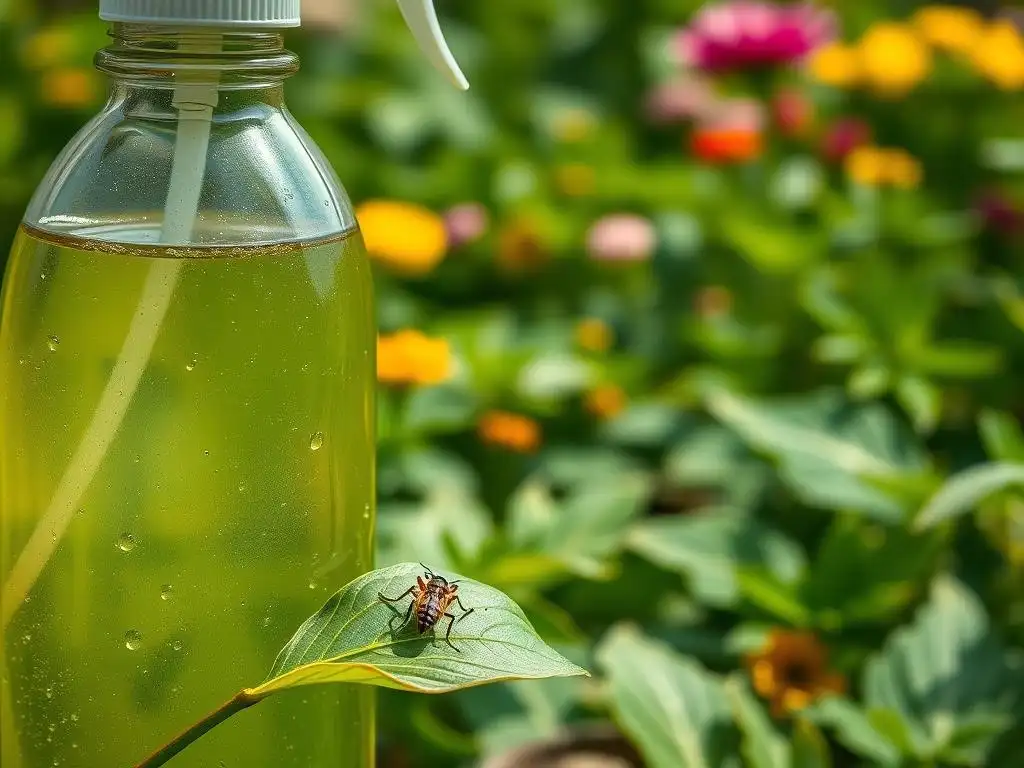
This section details a simple yet effective neem oil spray recipe for organic pest control in your home garden. Neem oil, derived from the neem tree ( Azadirachta indica), is a natural insecticide with broad-spectrum activity against many common garden pests. Its effectiveness stems from its disruption of insect life cycles, acting as both an insecticide and a fungicide.
This makes it a valuable tool in your DIY organic pest control arsenal. Remember, while effective, neem oil is a natural product and its potency can vary depending on the source and concentration. Always follow label instructions carefully, and conduct a small test spray on a few plants before widespread application to check for any adverse reactions.
Ingredients for Effective Neem Oil Pest Spray
Creating an effective neem oil spray requires careful attention to the ingredient ratios. Too much neem oil can damage your plants, while too little may be ineffective. This recipe provides a balanced approach, suitable for a variety of common garden pests. Remember to always use cold-pressed, 100% pure neem oil for optimal results. Avoid using neem oil products that contain added chemicals or pesticides, as this defeats the purpose of organic pest control.
Here's what you'll need:
- 1 tablespoon cold-pressed neem oil
- 1 teaspoon liquid castile soap (optional, but helps with adhesion)
- 1 quart (approximately 1 liter) of water
This recipe is easily scalable; simply maintain the ratios if you need a larger batch. For example, to double the recipe, use 2 tablespoons of neem oil, 2 teaspoons of castile soap, and 2 quarts of water.
Step-by-Step Guide to Making Neem Oil Spray
Making your neem oil spray is straightforward and requires minimal equipment. Ensure you work in a well-ventilated area and wear gloves to protect your skin. Here’s a step-by-step guide:
- Combine Water and Soap (Optional): In a clean spray bottle, combine the water and liquid castile soap (if using). The soap acts as an emulsifier, helping the neem oil to mix with the water and adhere better to the plant leaves. Gently shake the bottle to mix.
- Add Neem Oil: Slowly add the neem oil to the water-soap mixture. Avoid adding it all at once, as this can lead to clumping.
- Shake Vigorously: Close the spray bottle tightly and shake vigorously for at least 30 seconds to ensure the neem oil is thoroughly emulsified with the water. A slightly milky appearance indicates proper mixing.
- Test Spray: Before widespread application, test the spray on a small, inconspicuous area of a plant to check for any adverse reactions. Wait 24 hours to observe the plant's response. If you notice any negative effects like leaf discoloration or wilting, dilute the mixture further.
- Label and Store: Once you're satisfied with the mixture, label the bottle clearly with the contents and date of preparation. Store in a cool, dark place. Neem oil can degrade over time when exposed to light and heat.
Application Tips for Optimal Results with Neem Oil Spray
Effective application is crucial for maximizing the efficacy of your homemade neem oil spray. Consider these tips for optimal results:
- Timing: Apply the spray in the early morning or late evening to minimize evaporation and avoid burning the plants with direct sunlight.
- Thorough Coverage: Ensure thorough coverage of all plant surfaces, including the undersides of leaves where pests often hide. Aim for a light mist, avoiding runoff.
- Frequency: The frequency of application depends on the severity of the infestation and the specific pest. Start with weekly applications and adjust as needed.
- Persistence: Neem oil works best as a preventative measure and through consistent application. Don't expect immediate results; it may take several applications before you see significant pest reduction.
- Safety Precautions: Always wear gloves and protective eyewear when applying the spray. Avoid spraying on windy days to prevent drift onto other plants or yourself. Keep pets and children away from sprayed plants until the spray has dried. Proper disposal of leftover spray is also essential.
This detailed guide provides you with the tools to effectively combat garden pests using a simple and effective DIY organic pest control recipe. Remember that consistent application and proper technique are key to success. Happy gardening! 🌱
Target Pests Effectively Controlled by Neem Oil
Neem oil's broad-spectrum efficacy makes it a valuable asset in the organic gardener's arsenal. It's particularly effective against a wide range of common garden pests, impacting their life cycles at various stages. This translates to a significant reduction in pest populations, leading to healthier plants and a bountiful harvest. While not a "one-size-fits-all" solution, neem oil's versatility shines through in its ability to manage multiple pest types simultaneously.
Many soft-bodied insects are highly susceptible to neem oil. Aphids, those tiny sap-suckers that can decimate your vegetable plants, are effectively controlled by neem oil's disruptive effect on their feeding and reproductive processes. Similarly, mealybugs, whiteflies, and spider mites – all notorious for their damaging effects on plant health – are also vulnerable to neem oil applications. Regular spraying, following product instructions carefully, can significantly reduce their numbers and prevent infestations from becoming overwhelming.
Neem oil also shows promise in controlling some larval stages of certain insects. While it may not eliminate adult beetles or moths completely, it can disrupt the life cycle by affecting the larvae's development and feeding habits. This is particularly beneficial in preventing future generations of pests from emerging and causing damage.
However, it's crucial to remember that neem oil's effectiveness varies depending on the specific pest, the stage of its life cycle, and environmental factors such as temperature and humidity. Therefore, a comprehensive approach that combines neem oil with other organic pest control methods might be necessary for complete eradication in some cases. For instance, combining neem oil with manual removal of pests and the introduction of beneficial insects can create a more robust and effective pest management strategy.
This integrated approach is key to sustainable and effective organic gardening. Remember always to follow the instructions on your chosen neem oil product for optimal results and safety.
Powerful Recipe: Garlic and Pepper Spray for Aphids and Other Soft-Bodied Insects
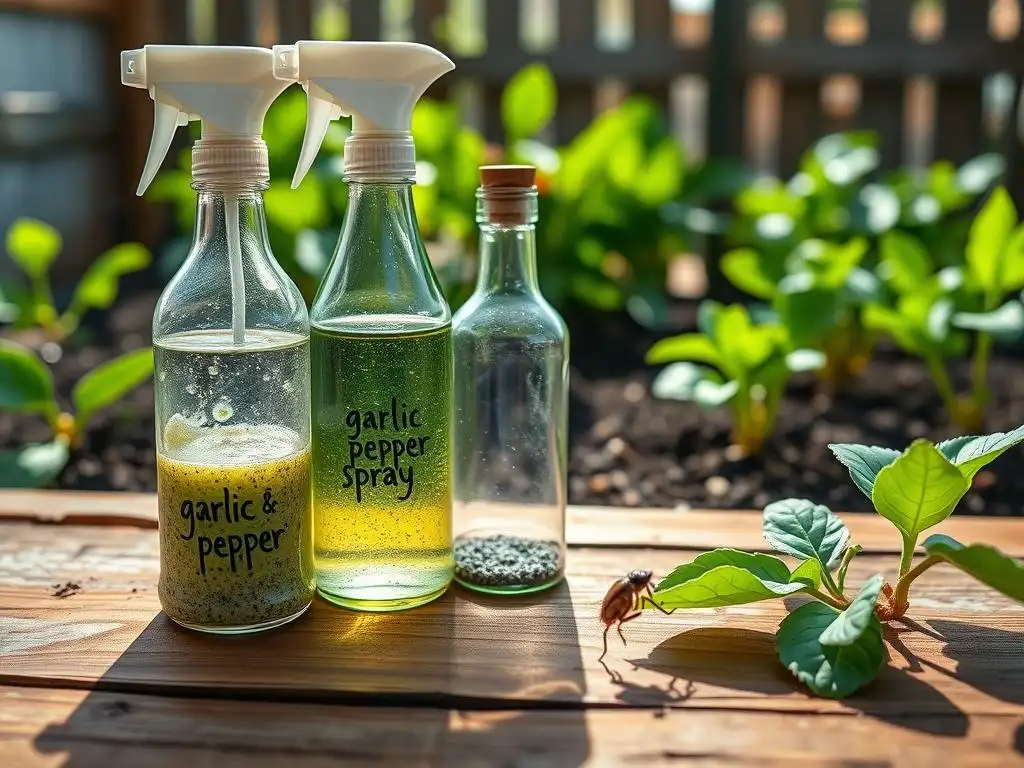
This section details a potent and effective DIY organic pest control recipe targeting aphids and other soft-bodied insects commonly found in home gardens. This garlic and pepper spray is a powerful deterrent, leveraging the natural insecticidal properties of garlic and the pungent heat of peppers to disrupt insect feeding and reproduction. This recipe is a fantastic example of how simple ingredients can create a highly effective and sustainable solution for common garden pests. Remember, always prioritize safe application techniques for both your plants and yourself.
Gathering Ingredients for Garlic and Pepper Spray
Before you begin crafting your potent pest control solution, ensure you have all the necessary ingredients on hand. Accurate measurements are key to achieving optimal effectiveness. This recipe is easily scalable; simply adjust the quantities proportionally to meet your garden's needs.
Here's a detailed list of what you'll need:
- 4-6 cloves garlic: Use fresh, organically grown garlic for the best results. The more garlic, the stronger the spray.
- 1-2 fresh hot peppers (e.g., jalapeño, cayenne): The spicier the pepper, the more effective the spray will be. Wear gloves when handling peppers to avoid skin irritation. 🌶️
- 1 quart of water: Use filtered or rainwater if possible, to avoid introducing chlorine or other chemicals.
- 1 tablespoon liquid dish soap (optional): A few drops of biodegradable dish soap act as a surfactant, helping the spray adhere better to plant leaves. Avoid using harsh detergents.
Detailed Instructions for Making Garlic and Pepper Spray
Creating this DIY organic pest control spray is straightforward and requires minimal equipment. Follow these steps carefully for best results:
- Prepare the garlic and peppers: Peel the garlic cloves and roughly chop them. Remove the stems and seeds from the peppers (seeds contain the highest concentration of capsaicin, the active compound that makes peppers hot – adjust the number of peppers and whether you remove the seeds based on the desired potency and your tolerance for handling peppers).
- Blend the ingredients: Combine the chopped garlic and peppers with the water in a blender. Blend until a smooth mixture is achieved.
- Strain the mixture: Pour the blended mixture through a fine-mesh strainer or cheesecloth into a container. This removes the larger plant debris, leaving a smoother spray.
- (Optional) Add dish soap: If using, gently stir in the liquid dish soap.
- Fill spray bottle: Transfer the strained liquid into a spray bottle. Label clearly to avoid accidental misuse.
Safe Application Techniques for Garlic and Pepper Spray
While this spray is made from natural ingredients, it's crucial to use it safely and effectively to protect both your plants and yourself.
- Test on a small area: Before applying the spray liberally, test it on a small section of your plants to check for any adverse reactions. Wait 24-48 hours to observe any effects.
- Apply in the evening or on a cloudy day: This minimizes the risk of sun damage to your plants from the spray.
- Thoroughly coat plant surfaces: Pay close attention to the undersides of leaves where pests often congregate.
- Avoid over-spraying: Excessive application can lead to plant damage. Aim for a light, even coating.
- Wear protective gear: When mixing and applying the spray, wear gloves and eye protection to protect yourself from the strong smell and potential skin irritation from the peppers and garlic.
- Store properly: Store the remaining spray in a cool, dark place. The effectiveness may diminish over time. Consider making smaller batches as needed.
Remember, consistent application is key to effective pest control. Regularly monitor your plants for pest activity and reapply the spray as needed, following the safe application techniques outlined above. Enjoy your thriving, pest-free garden! 🌿
Pests Effectively Controlled by Garlic and Pepper Spray
Garlic and pepper spray is remarkably effective against a wide range of soft-bodied insects commonly found in home gardens. Its pungent aroma and active compounds act as a powerful deterrent and, in many cases, a direct insecticide. This homemade spray excels at controlling aphids, those tiny sap-sucking pests that can quickly decimate plants. You'll also find it beneficial in managing mealybugs, those cottony-looking insects that often infest houseplants and tender garden vegetables.
Whiteflies, another common garden nuisance, are also susceptible to this spray's effects. Furthermore, it can provide some level of control against spider mites, although for severe infestations, a more targeted approach might be necessary. The efficacy of the spray is partially dependent on consistent application and the severity of the infestation.
Remember that this spray is a preventative measure as well, acting as a deterrent to keep pests away before they establish a significant presence on your plants. Regular application, particularly during periods of high pest activity, is key to maximizing its effectiveness. For instance, during hot, dry spells when plants are stressed, pests are more likely to proliferate, requiring more frequent spraying.
The broad spectrum of pests controlled by this DIY organic pest control recipe makes it a valuable tool in any gardener's arsenal. Its effectiveness stems from the combined properties of garlic and chili peppers, both known for their insecticidal qualities. The allicin in garlic acts as a natural repellent and can even kill some insects on contact.
Capsaicin, the compound that gives chili peppers their heat, is similarly disruptive to insect nervous systems. The combination creates a potent, yet environmentally friendly, solution for pest management in your garden. While not a silver bullet, this spray offers a sustainable and relatively simple way to manage many common garden pests, reducing or eliminating the need for harsher chemical pesticides.
By incorporating this spray into a broader integrated pest management strategy, you can significantly improve the health and yield of your homegrown produce. Remember to always test a small area of your plants first to ensure no adverse reactions before applying it widely.
Versatile Recipe: Soap Spray for Common Garden Pests
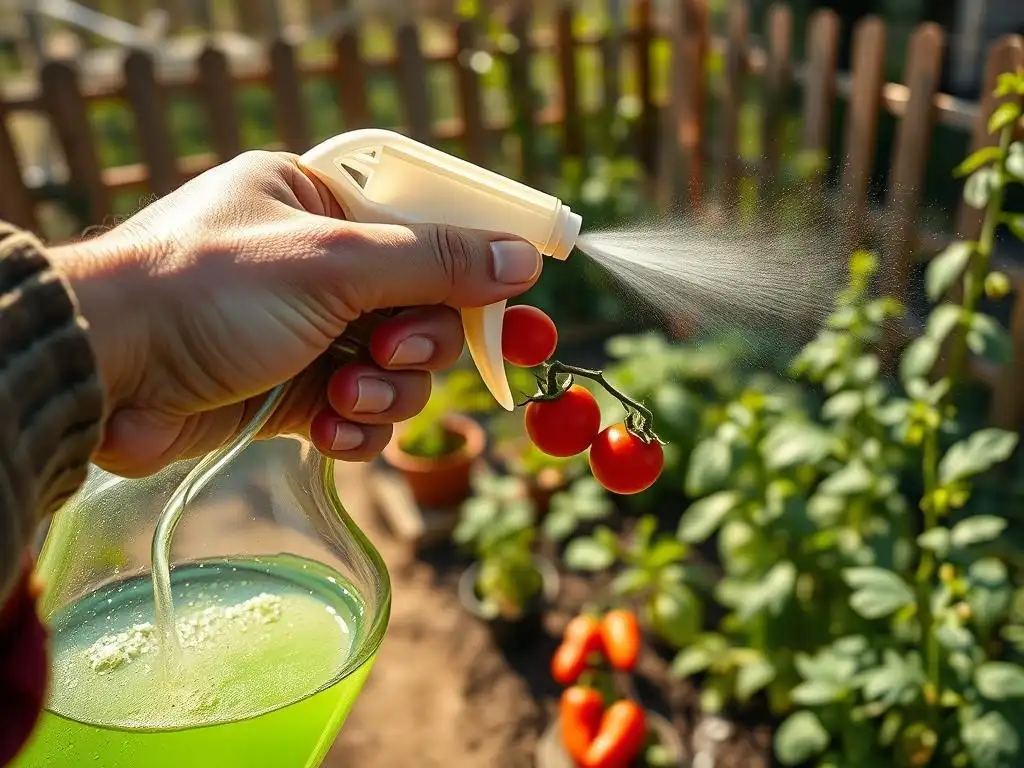
This section details a simple yet effective soap spray recipe perfect for tackling common garden pests organically. This DIY organic pest control recipe is a staple for many home gardeners due to its readily available ingredients and broad effectiveness against a range of soft-bodied insects. We'll cover everything from ingredient sourcing to application techniques, ensuring you can create a powerful and safe pest deterrent for your fruits, vegetables, and herbs. This environmentally friendly approach to pest management aligns perfectly with sustainable and organic gardening practices.
Ingredients Needed for a Simple and Effective Soap Spray
Creating a potent soap spray requires only a few, easily accessible ingredients. The key is to use a pure, unscented castile soap, avoiding those with added fragrances or chemicals that could harm beneficial insects or your plants.
- Castile Soap: 1-2 tablespoons (choose a pure, unscented variety). The amount can be adjusted slightly depending on the severity of the infestation and the size of your spray bottle.
- Water: 1 gallon (approximately 3.8 liters). Use lukewarm water for optimal soap dissolution.
- Optional: Vegetable Oil (Neem Oil or other insecticidal oils): 1 tablespoon (This boosts effectiveness, particularly against harder-bodied insects). Neem oil, in particular, offers additional pest-repelling properties and is a great addition to your DIY organic pest control arsenal.
Remember to always use organic and sustainable ingredients whenever possible to maintain the integrity of your organic garden. This simple recipe embodies the principles of DIY organic pest control, offering a natural and effective solution.
Step-by-Step Guide to Making a Homemade Soap Spray
Follow these simple steps to create your homemade soap spray:
- Combine Ingredients: In your spray bottle (choose a plastic one to avoid potential reactions), add the castile soap to the gallon of lukewarm water.
- Mix Thoroughly: Close the bottle tightly and shake vigorously for at least 30 seconds to ensure the soap is completely dissolved and emulsified. If using oil, add it now and shake again.
- Test in an Inconspicuous Area: Before widespread application, test the spray on a small, hidden area of a plant to check for any adverse reactions. Observe the plant for 24 hours to ensure there is no leaf burn or other negative effects. This precaution is vital in responsible DIY organic pest control.
- Label and Store: Label your spray bottle clearly with the contents and date of preparation. Store in a cool, dark place. This homemade spray is best used fresh, but it can typically last for a week or two if stored properly.
Best Practices for Applying Soap Spray to Plants
Effective application is crucial for successful pest control. Follow these guidelines for optimal results:
- Timing: Apply the soap spray early in the morning or late in the evening to minimize evaporation and avoid burning plants with direct sunlight.
- Thorough Coverage: Spray thoroughly, ensuring all plant surfaces, including the undersides of leaves, are coated. Many insects hide on the underside of leaves, so this is especially important.
- Frequency: Apply the spray every 3-7 days, or as needed, depending on the severity of the infestation and weather conditions. Heavy rain may wash away the spray, necessitating more frequent applications.
- Target Pests: This spray is most effective against soft-bodied insects like aphids, mealybugs, spider mites, and whiteflies. It may be less effective against harder-bodied insects or larger pests. For those, consider supplementing with other DIY organic pest control methods or neem oil additions to your spray.
- Safety Precautions: Always wear protective gloves and eye protection when applying any pesticide, even a natural one like this soap spray. Avoid spraying on windy days, and never spray near food preparation areas.
This comprehensive guide offers a safe and effective way to manage garden pests organically. Remember, consistent application and careful observation are key to successful DIY organic pest control. By following these steps, you can enjoy a thriving, healthy garden free from harmful chemicals.
Pests Effectively Controlled by Soap Spray
Soap spray, a cornerstone of DIY organic pest control recipes, is remarkably effective against a wide range of common garden pests. Its effectiveness stems from its ability to disrupt the pests' cell membranes, leading to dehydration and death. This simple yet powerful solution works particularly well on soft-bodied insects, which are particularly vulnerable to its effects. The precise pests controlled can vary slightly depending on the soap used and the concentration of the spray, but generally, you can expect excellent results against many prevalent garden invaders.
This method excels in controlling aphids, those tiny sap-sucking insects that cluster on plant leaves and stems, often causing significant damage. Aphids are incredibly susceptible to soap spray's disruptive action on their delicate bodies. Similarly, mealybugs, another soft-bodied pest that secretes a white, waxy coating, are also highly vulnerable to this natural pesticide. Their protective covering offers little defense against the penetrating power of the soap solution. Spider mites, though microscopic, are equally susceptible. These tiny arachnids, notorious for creating webbing on plant leaves and causing stippling, are effectively eliminated with a thorough soap spray application.
Beyond these common culprits, soap spray can also provide effective control against whiteflies, small, white, flying insects that often infest indoor and outdoor plants alike. Their delicate bodies make them easy targets for the soap solution. Additionally, many gardeners find soap spray helpful in managing thrips, another small, slender insect that can cause significant damage to flowers and leaves. While soap spray might not eradicate every pest in a single application, its consistent use significantly reduces their population, preventing widespread infestation and protecting your plants.
Remember to always test a small area of your plant first to check for any adverse reactions before spraying the entire plant. Regular applications, usually every few days for a week or two, are often necessary to fully control infestations. This approach demonstrates the power of a simple, DIY organic pest control recipe in achieving effective and sustainable garden protection.
Effective Recipe: Baking Soda Spray for Fungal Diseases and Pests
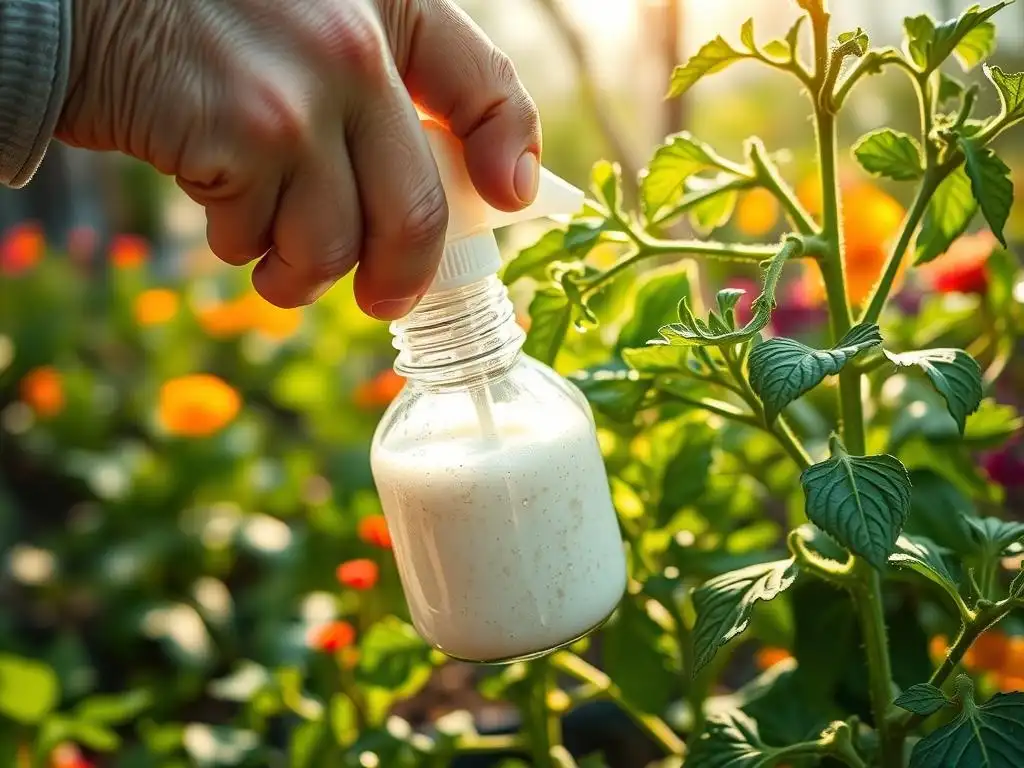
Baking soda, a common household item, is a surprisingly effective ingredient in DIY organic pest control recipes. Its mild alkalinity disrupts the cell structure of many fungal pathogens and some insects, making it a valuable tool in your arsenal against common garden foes. This simple spray is particularly effective against powdery mildew, a prevalent fungal disease affecting a wide range of plants, from zucchini to roses.
It's also shown some efficacy against aphids and other soft-bodied insects. Remember, while effective for some pests, it's not a silver bullet solution for all garden problems. Always identify the specific pest or disease before applying any treatment.
Ingredients for Baking Soda Spray Recipe
Creating a baking soda spray is incredibly straightforward. You'll need just a few readily available ingredients:
- 1 tablespoon baking soda
- 1 gallon of water
- ½ teaspoon of liquid dish soap (optional, but helps with adhesion)
That's it! No complicated sourcing or specialized equipment is needed. This recipe is a testament to the power of simple, sustainable solutions for DIY organic pest control. The optional dish soap acts as a surfactant, helping the baking soda solution stick better to plant leaves, improving its effectiveness. However, avoid using harsh detergents, opting for a mild, biodegradable option.
Instructions for Making Baking Soda Spray
The preparation process is quick and easy:
- Fill a gallon-sized container (a watering can works well) with water.
- Add the baking soda and stir gently until completely dissolved. Ensure the baking soda is thoroughly mixed to prevent clogging the spray nozzle.
- If using, add the liquid dish soap and stir again to combine.
And that's all there is to it! You've successfully created your own effective, eco-friendly pest control solution. Remember to label the container clearly to avoid confusion. This simple process makes this one of the easiest DIY organic pest control recipes to implement.
Application Guidelines for Baking Soda Spray
While simple to make, proper application is crucial for maximizing the baking soda spray's effectiveness:
- Timing: Apply the spray early in the morning or late in the evening to minimize evaporation and avoid scorching plants in direct sunlight. Consistent application, every 7-10 days or as needed depending on the severity of the infestation, is key.
- Method: Use a spray bottle with a fine mist setting to thoroughly coat the affected plant parts, ensuring both the upper and lower surfaces of leaves are treated. Avoid over-spraying, which can lead to clogged nozzles.
- Testing: Before applying to the entire plant, test the spray on a small, inconspicuous area to ensure it doesn't cause any adverse reactions. Some sensitive plants may react negatively.
- Frequency: The frequency of application will depend on the severity of the infestation and weather conditions. Monitor your plants closely and adjust your application schedule accordingly. Regular monitoring is crucial for effective DIY organic pest control.
Remember to always follow safe handling practices when using any pest control solution, including wearing gloves and eye protection. This baking soda spray is a fantastic example of how simple, readily available ingredients can provide effective and sustainable protection for your garden. Enjoy the fruits (and vegetables!) of your labor! 🌱
Target Pests and Diseases Controlled by Baking Soda Spray
Baking soda, or sodium bicarbonate, is a surprisingly effective and versatile tool in the organic gardener's arsenal against a range of fungal diseases and certain soft-bodied insects. Its mildly alkaline nature disrupts the pH balance of fungal spores and the exoskeletons of some pests, hindering their growth and survival. While not a silver bullet solution for every garden ailment, baking soda spray proves particularly effective against several common garden foes.
One of its primary targets is powdery mildew, a pervasive fungal disease affecting a wide variety of plants, from cucurbits like squash and zucchini to roses and even fruit trees. The characteristic white, powdery coating on leaves interferes with photosynthesis, weakening the plant and reducing yield. Baking soda spray helps neutralize the fungus, preventing its spread and allowing the plant to recover.
Beyond powdery mildew, baking soda demonstrates efficacy against other fungal infections like downy mildew and leaf spot diseases. These diseases often manifest as discoloration, lesions, or blotches on leaves, stems, and fruits, eventually leading to plant decline. The alkaline nature of the baking soda solution helps to inhibit fungal growth and can prevent further infection.
In terms of insect control, baking soda is most effective against soft-bodied insects such as aphids, mealybugs, and some caterpillars. While it won't eliminate all insect pests, the application of a baking soda spray can disrupt their feeding and cause dehydration, leading to a reduction in their population. The effectiveness is often enhanced when combined with other natural ingredients like insecticidal soap or neem oil. It's important to note that baking soda spray is not a contact insecticide that kills instantly; rather, it acts more as a deterrent and a disruptor of the insect's life cycle.
Therefore, consistent application might be necessary for optimal results. Remember to always test a small area of your plants before applying the spray liberally to the entire plant. This helps prevent any potential damage from the baking soda solution itself.
Boosting the Effectiveness of Your Homemade Organic Pest Control
This section focuses on maximizing the impact of your DIY organic pest control recipes. While individual sprays are effective, combining strategies and understanding application techniques significantly improves their efficacy. Remember, consistent application and preventative measures are key to long-term success in organic pest management. Effective DIY organic pest control is about more than just the recipe; it’s about a holistic approach to garden health.
Combining Different Homemade Sprays for Synergistic Effects
Many homemade sprays target specific pests or pest life cycles. Combining sprays can create a synergistic effect, broadening the spectrum of pests controlled and enhancing overall protection. For example, a neem oil spray, effective against sucking insects like aphids, can be combined with a spicy pepper spray, which acts as a repellent against a wider range of insects including beetles and caterpillars. The key is to understand the individual strengths of each spray.
Consider this example: A gardener facing a simultaneous infestation of aphids and spider mites might create a blend. A base of insecticidal soap (effective against soft-bodied insects) could be combined with a diluted neem oil solution (effective against mites and their eggs). Always test a small area first to ensure no negative interaction occurs between the ingredients. Accurate measurements are crucial; too much of one ingredient can harm your plants.
Remember to always thoroughly shake the combined mixture before application to ensure even distribution of active ingredients. The best results are often achieved through a multi-pronged approach, tackling pests from different angles. This reflects a key principle of sustainable and effective DIY organic pest control.
Using Homemade Sprays in Conjunction with Other Organic Pest Control Methods
Homemade sprays are powerful tools, but they are even more effective when integrated into a broader organic pest control strategy. These sprays are best viewed as a component of a larger system. Combining them with other organic methods significantly enhances their effectiveness and minimizes reliance on any single solution.
Think of it like this: Homemade sprays are your frontline defense, addressing immediate pest problems. However, preventative measures, such as companion planting (planting certain plants together to deter pests), crop rotation (alternating crops to disrupt pest life cycles), and maintaining healthy soil conditions (strong plants are less susceptible to pests), form a crucial support system. These preventative actions reduce the initial pest pressure, minimizing the need for frequent spray applications.
Consider this scenario: A gardener experiencing a minor aphid problem might use a diluted insecticidal soap spray. Simultaneously, they could introduce ladybugs to their garden – a natural predator of aphids. This combined approach offers a more sustainable and effective solution than relying solely on the spray. This integrated approach is vital for long-term success in achieving DIY organic pest control.
Regular Monitoring and Prevention Strategies for Pest Control
Proactive monitoring and prevention are the cornerstones of successful organic gardening. Regularly inspecting plants for signs of pest activity is crucial. Early detection allows for prompt intervention with homemade sprays or other organic methods, preventing minor infestations from escalating into major problems. Prevention is always better than cure.
Here's a practical schedule:
| Day of the Week | Activity | Notes |
|---|---|---|
| Monday | Inspect plants for signs of pests. | Focus on undersides of leaves and stems. |
| Wednesday | Check soil moisture and health. | Ensure proper watering and soil aeration. |
| Friday | Apply preventative measures (e.g., companion planting). | Rotate plants and clean up fallen leaves to eliminate breeding grounds. |
Early detection is key. Regular monitoring allows you to address issues before they become serious, minimizing the need for more intensive interventions. This proactive approach is essential for long-term success in organic pest management and represents a cornerstone of effective DIY organic pest control. Remember, a healthy garden is less susceptible to pest problems. Prevention is significantly more effective than reaction. 🌱
Frequently Asked Questions
What ingredients are commonly used in DIY organic pest control recipes?
Many recipes utilize readily available ingredients like water, soap (such as insecticidal soap), baking soda, vegetable oil, and hot peppers. These are generally safe for beneficial insects and the environment.
Are homemade pest sprays as effective as commercial pesticides?
While not always as potent as commercial pesticides, DIY organic sprays can be very effective against many common garden pests, especially when used consistently and early in an infestation. Their effectiveness varies depending on the pest and recipe.
How often should I apply homemade pest sprays?
This depends on the specific recipe and the severity of the infestation. Some sprays may need daily application, while others can be applied weekly. Always follow the instructions of your chosen recipe.
What are the benefits of using DIY organic pest control methods?
DIY methods offer several advantages: they're environmentally friendly, cheaper than commercial products, and are often safer for you, your family, and your pets. They also promote sustainable gardening practices.
How do I store homemade pest sprays?
Store your homemade sprays in clearly labeled containers in a cool, dark place. Many recipes have a limited shelf life, so make only what you need and check for spoilage before each use.
Final Reflection: Cultivating a Healthier Garden, Naturally
The quest for effective, eco-friendly pest control is more urgent than ever. Our reliance on harsh chemicals threatens not only the delicate balance of our gardens but also the health of our families and the environment. This article has explored simple, accessible recipes for homemade pest sprays, offering a powerful alternative to commercially produced solutions.
The shift towards DIY organic pest control reflects a growing awareness of the interconnectedness between our gardens, our health, and the planet. We are increasingly recognizing the detrimental effects of synthetic pesticides, and seeking gentler, more sustainable methods. The earth laughs in flowers.
– Ralph Waldo Emerson. This quote beautifully encapsulates the joy and responsibility we have in nurturing our gardens, and doing so in a way that respects the natural world. This movement towards organic gardening is not just a trend; it's a fundamental shift in our relationship with nature, demanding a more conscious and compassionate approach.
Now, consider your own garden – or even a single potted plant. What small changes can you make to embrace more natural pest control methods? Experiment with the recipes shared in this article, observe the results, and adapt your approach as needed. Remember, every step towards a healthier garden is a step towards a healthier planet, and a more fulfilling connection with the natural world. Let's cultivate a future where our gardens thrive, naturally.
Ready to Defend Your Garden Naturally?
Thanks for learning how to make effective, all-natural pest sprays! You now have the knowledge to protect your plants without harmful chemicals. Let's put that knowledge to work.
- Experiment with different homemade pest spray recipes today! See what works best in your garden, and keep notes for future reference.
- Share your results—both successes and failures—in the comments below. Let's build a community of natural gardeners who can learn from each other's experiences.
- Consider documenting your progress with photos—a visual record of your pest-control successes will be very rewarding!
What creative ingredient will you add to your next homemade pest spray?