
Troubleshooting a Cold Compost Pile: How to Increase Temperature

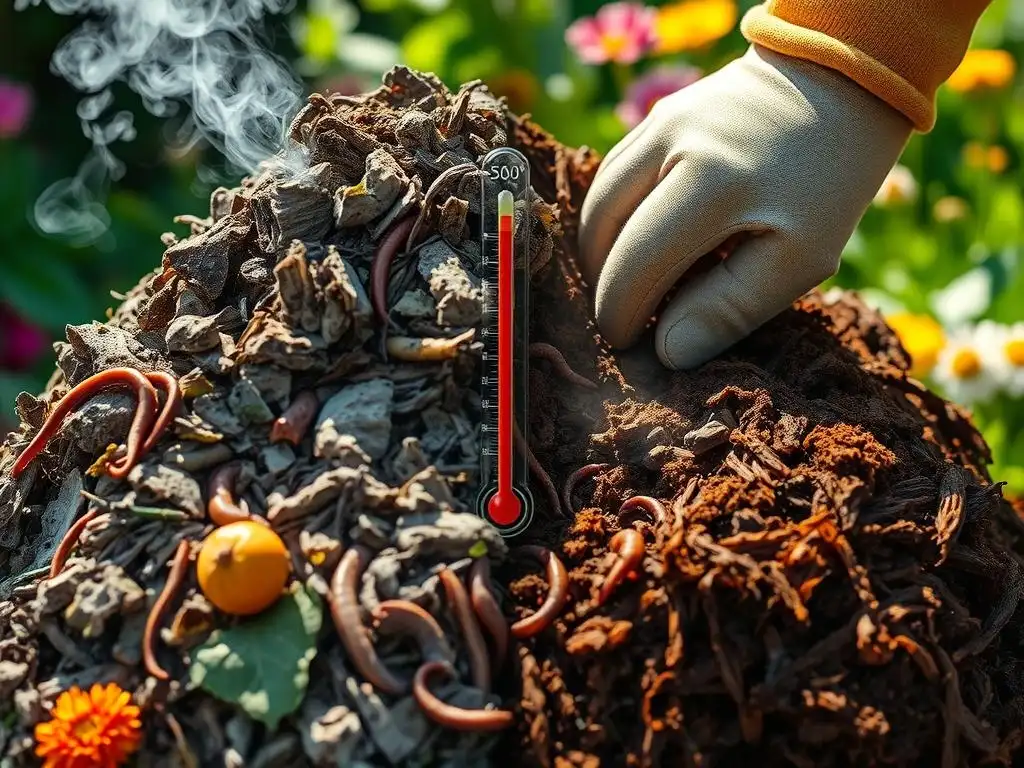
Ready to transform your kitchen scraps into garden gold? At CultivateYourFood, we empower you to grow your own food organically and sustainably. But what happens when your compost pile goes cold? Discover how to fix a cold compost pile fast and unlock the secrets to thriving soil in our comprehensive guide on soil and composting. Let's get your compost humming!
- Understanding the Importance of Compost Pile Temperature
-
Diagnosing Your Cold Compost Pile: Identifying the Culprits
- Insufficient Nitrogen Levels: The Common Cause of Cold Compost
- Lack of Moisture: Another Key Factor Affecting Compost Temperature
- Poor Aeration: How to Ensure Proper Oxygen Flow for Decomposition
- Incorrect Carbon-to-Nitrogen Ratio: Balancing Your Compost Ingredients
- Particle Size Issues: How to Improve Compost Breakdown Speed
- How to Increase Compost Temperature Quickly: Effective Solutions
- Maintaining Optimal Compost Temperature for Consistent Decomposition
- Frequently Asked Questions
- Final Reflection: Igniting the Potential of Your Compost
- Ignite Your Compost: Get That Heat Rising!
Understanding the Importance of Compost Pile Temperature
Composting is a cornerstone of sustainable gardening, transforming kitchen scraps and yard waste into a nutrient-rich soil amendment. However, a successful compost pile isn't just about throwing organic matter together; it's a carefully managed ecosystem where temperature plays a critical role. This article focuses on troubleshooting a common composting challenge: a cold compost pile.
We'll explore the reasons behind low temperatures, the signs to watch out for, and most importantly, practical steps to quickly raise the temperature and get your compost decomposing efficiently. Learning to fix a cold compost pile fast is essential for maximizing the benefits of this valuable gardening practice and ensuring a healthy, thriving garden. This guide provides actionable advice to help you achieve optimal composting temperatures, leading to rich, dark compost ready to nourish your plants.
Ignoring a consistently cold pile can lead to slow decomposition, unpleasant odors, and ultimately, wasted resources. Let's dive into the science and solutions behind achieving a thriving compost heap.
Why a Warm Compost Pile is Crucial for Decomposition
A warm compost pile is not merely preferable; it's essential for effective decomposition. The heat generated within the pile is a direct result of microbial activity. Millions of microorganisms, including bacteria, fungi, and actinomycetes, work tirelessly to break down organic matter. These beneficial organisms thrive in specific temperature ranges, and their activity directly correlates with the temperature of your compost.
A cold pile indicates that these microorganisms are not working optimally, leading to slow or stalled decomposition. The ideal temperature range fosters rapid decomposition, accelerating the process and producing high-quality compost in a shorter timeframe. This rapid breakdown also minimizes the risk of attracting pests and unpleasant odors often associated with slow-decomposing piles. In essence, a warm compost pile is a sign of a healthy and efficient composting process.
Ideal Temperatures for Efficient Composting
Efficient composting requires maintaining a specific temperature range. The ideal temperature for optimal decomposition typically falls between 130°F and 160°F (54°C and 71°C). This "thermophilic" range supports the rapid growth and activity of heat-loving microorganisms responsible for breaking down complex organic compounds. Temperatures below this range indicate a lack of sufficient microbial activity, while temperatures significantly above this range can lead to the death of beneficial microorganisms, potentially slowing down the composting process.
Monitoring the temperature of your compost pile using a compost thermometer is crucial for ensuring it stays within the ideal range. Regular monitoring allows for timely intervention if the temperature drops, preventing a cold compost pile from becoming a long-term problem. Maintaining this temperature range is key to ensuring the successful and timely creation of nutrient-rich compost.
Signs of a Cold and Inactive Compost Pile
Identifying a cold compost pile early is crucial for taking corrective action. Several signs can indicate a pile is not reaching optimal temperatures. These include:
- Low or no heat generation: A consistently cool pile, noticeably cooler than the surrounding environment, is a clear sign of inactivity.
- Slow decomposition: If you notice that organic matter is not breaking down at a reasonable rate, it might indicate insufficient heat. The presence of largely intact materials after several weeks is a strong indicator.
- Unpleasant odors: A cold pile might develop foul smells due to anaerobic decomposition (decomposition without oxygen). This is a sign of insufficient aeration.
- Lack of visible activity: A healthy, active compost pile will often show visible signs of activity, such as steam or noticeable heat. The absence of these is a warning sign.
- Pale or light-colored compost: A dark, rich brown color indicates good decomposition. A light or pale color might suggest insufficient microbial activity.
Recognizing these warning signs allows for prompt intervention to revive your compost pile and get it back on track for efficient decomposition. Ignoring these signs can lead to extended composting times and lower-quality compost. Regular observation and monitoring are essential for maintaining a healthy and productive compost system.
Diagnosing Your Cold Compost Pile: Identifying the Culprits
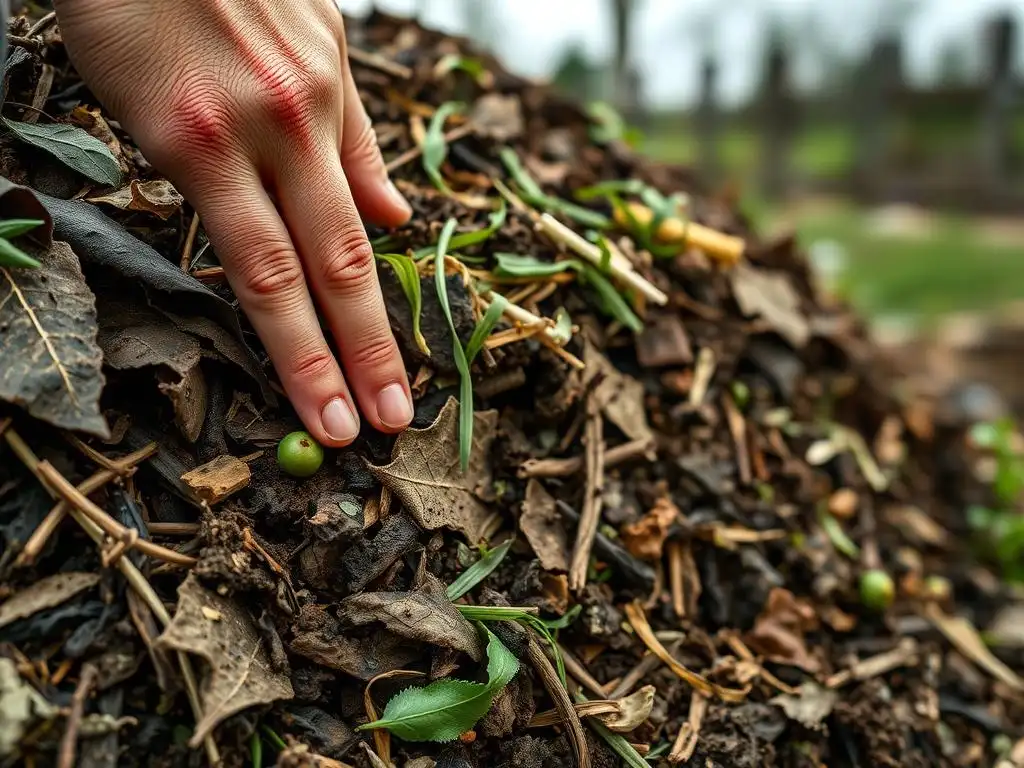
A cold compost pile isn't just inefficient; it's a breeding ground for unwanted anaerobic bacteria, hindering the decomposition process and potentially creating unpleasant odors. Fixing a cold compost pile fast requires understanding why it's cold in the first place. This section focuses on pinpointing the most common culprits behind sluggish composting, allowing you to address the problem directly and efficiently. Let's delve into the key factors that can sabotage your compost's temperature.
Insufficient Nitrogen Levels: The Common Cause of Cold Compost
Nitrogen is the fuel that ignites the microbial activity responsible for decomposition. Without enough nitrogen-rich “greens,” your compost pile will struggle to reach the optimal temperature range (130-160°F or 54-71°C) needed for effective breakdown. This often manifests as a slow, cool pile that smells musty rather than earthy.
Think of it this way: carbon-rich “browns” (like dried leaves and twigs) provide the energy source, but nitrogen-rich “greens” (grass clippings, fruit and vegetable scraps, coffee grounds) are essential for the microorganisms to use that energy. An imbalance leads to a cold, inactive pile.
To address this, assess your current compost mix. Is it heavily dominated by browns? If so, you need to add more greens immediately. A good rule of thumb is a ratio of roughly 2:1 browns to greens, though this can vary depending on the specific materials. Adding nitrogen-rich materials like fresh grass clippings, coffee grounds, or even a dedicated nitrogen source like alfalfa meal can significantly increase the temperature of your pile.
Lack of Moisture: Another Key Factor Affecting Compost Temperature
Moisture is just as crucial as nitrogen for a thriving compost pile. Microorganisms need water to function effectively; a dry pile will simply stall. Think of it like trying to start a fire with dry tinder – it needs moisture to ignite and sustain the flames. Similarly, your compost microbes need moisture to break down organic matter.
Check your pile's moisture content by squeezing a handful of compost. It should feel like a wrung-out sponge – damp but not soaking wet. If it's too dry, add water gradually, mixing it thoroughly into the pile. A garden hose is ideal for this. Avoid overwatering, though, as this can lead to anaerobic conditions and foul odors. Regularly monitoring moisture levels is key to maintaining optimal composting temperatures. A consistent moisture level helps to "fix cold compost pile fast".
Poor Aeration: How to Ensure Proper Oxygen Flow for Decomposition
Adequate oxygen flow is paramount for aerobic decomposition, the process that generates heat. Without sufficient oxygen, anaerobic bacteria take over, resulting in a cold, smelly pile that's far less efficient. This anaerobic decomposition produces methane and other unpleasant gases.
Turning your compost pile regularly is essential for introducing oxygen. This simple act mixes the materials, ensuring that all parts of the pile receive adequate airflow. Aim to turn your pile at least once a week, or more frequently if you notice it's becoming compacted or producing foul odors. Using a pitchfork or compost aerator tool will aid in this process.
Furthermore, consider the size and shape of your pile. A large, densely packed pile retains less oxygen than a smaller, more loosely packed one. Improving aeration is a key step in learning how to fix cold compost pile fast.
| Factor | Symptom | Solution |
|---|---|---|
| Low Nitrogen | Slow decomposition, musty odor | Add more nitrogen-rich "greens" (grass clippings, food scraps, etc.) |
| Low Moisture | Dry compost, slow decomposition | Add water gradually until the compost feels like a wrung-out sponge |
| Poor Aeration | Cold, compacted pile, foul odor | Turn the pile regularly to improve oxygen flow; consider pile size/shape |
Remember, a successful compost pile is a dynamic ecosystem requiring careful attention to these key factors. By addressing these potential issues, you can significantly improve your composting efficiency and fix a cold compost pile fast. 🌱
Incorrect Carbon-to-Nitrogen Ratio: Balancing Your Compost Ingredients
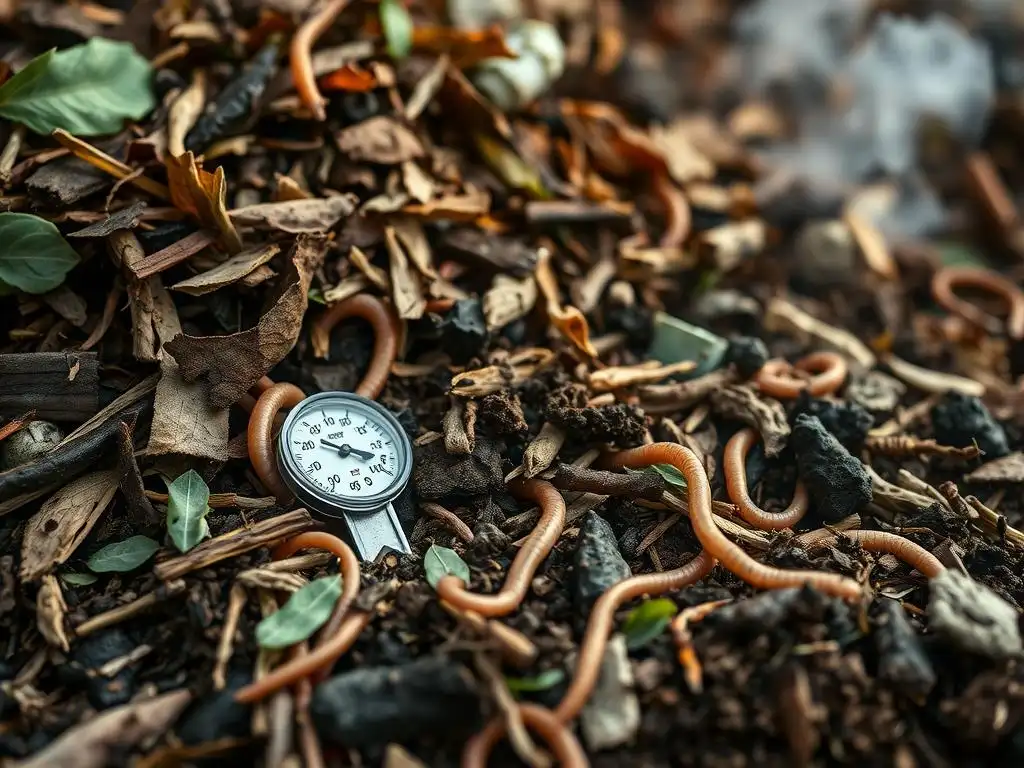
A cold compost pile is often a symptom of an imbalanced carbon-to-nitrogen (C:N) ratio. Composting relies on microorganisms breaking down organic matter, and these microbes need a balanced diet. Carbon-rich ("browns") materials like dried leaves, straw, and shredded paper provide the energy source, while nitrogen-rich ("greens") materials like grass clippings, vegetable scraps, and coffee grounds supply the building blocks for microbial growth. An ideal C:N ratio is generally considered to be around 30:1, although this can vary slightly depending on the specific materials.
Too much carbon (too many "browns") results in a slow, sluggish compost pile because the microbes lack sufficient nitrogen to thrive and reproduce effectively. The pile might appear dry and decompose very slowly. Conversely, too much nitrogen (too many "greens") can lead to anaerobic conditions (lack of oxygen), creating foul odors and potentially attracting pests. The pile might become slimy and smelly, and decomposition will be inefficient.
To fix a cold compost pile stemming from a ratio imbalance, you need to carefully analyze your ingredients. If your pile is predominantly brown, add more green materials gradually, mixing them thoroughly throughout the pile. Conversely, if your pile is overwhelmingly green, incorporate more brown materials to balance the ratio. Observe your pile closely; the temperature should gradually rise as the microbial activity increases.
Remember, achieving the perfect ratio is a process of observation and adjustment. Don't be afraid to experiment and learn from your compost's behavior! A good rule of thumb is to start with smaller additions and monitor the temperature before adding more. Consistent monitoring is key to successful composting.
Particle Size Issues: How to Improve Compost Breakdown Speed
The size of the compost ingredients significantly impacts the speed and efficiency of the composting process. Large, unbroken pieces of organic matter decompose much slower than smaller, shredded or chopped materials. This is because smaller particles have a larger surface area exposed to microorganisms, allowing for faster microbial colonization and breakdown. A cold compost pile might simply be the result of using oversized ingredients.
Imagine trying to eat a whole apple versus eating apple slices. The slices are easier to digest, right? The same principle applies to compost. Large pieces of wood, thick branches, or large chunks of vegetable matter will take significantly longer to break down, slowing down the entire composting process and leading to a cold pile. To remedy this, ensure that all your ingredients are properly chopped or shredded before adding them to the pile. This increases the surface area available for microbial activity, leading to faster decomposition and a higher pile temperature.
For example, instead of adding whole leaves, shred them into smaller pieces. Similarly, chop up larger vegetable scraps and stems. You can use a garden shredder, a pair of sharp shears, or even your hands (for smaller, softer materials) to achieve the desired particle size.
This simple step can dramatically improve the efficiency of your compost pile, accelerating the decomposition process and helping you achieve a consistently warm and active pile. Think of it as maximizing the surface area for the beneficial microbes to get to work! Remember that consistent monitoring and adjustments are key to ensuring the success of your composting efforts.
How to Increase Compost Temperature Quickly: Effective Solutions
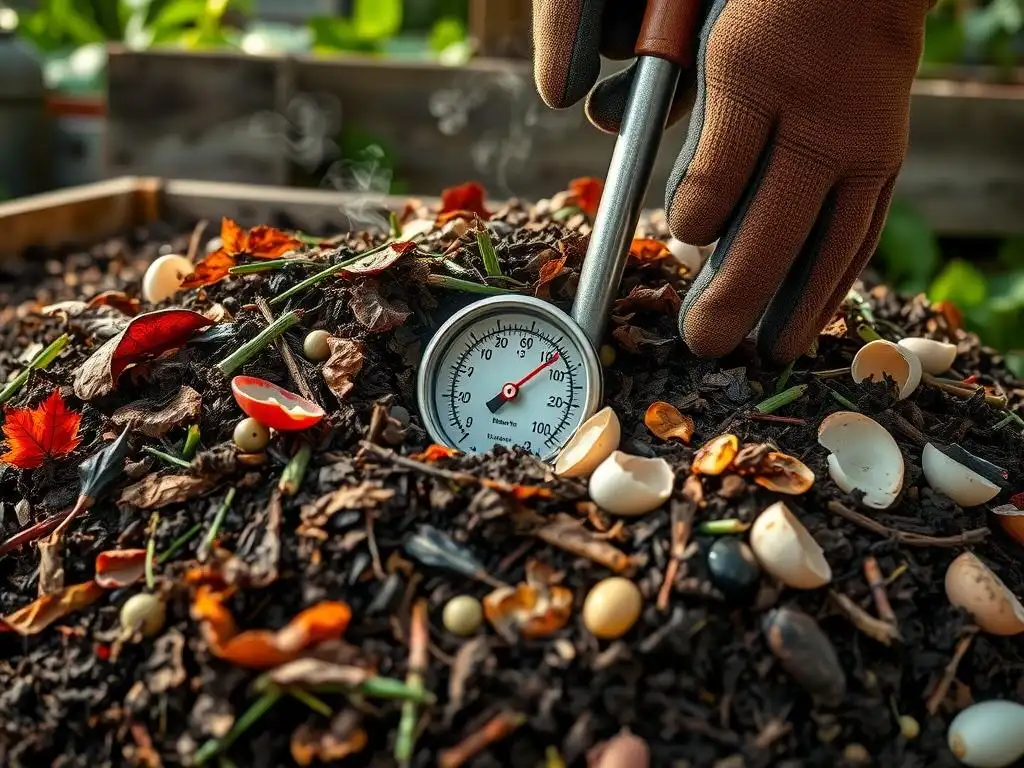
A cold compost pile is frustrating, but fixing it doesn't have to be a lengthy process. The key to a thriving, hot compost pile lies in understanding the factors that influence decomposition: sufficient nitrogen, adequate moisture, and proper aeration. Let's explore how to address each of these aspects to quickly revive your sluggish compost. Remember, the goal is to achieve a consistently warm pile, ideally between 130-160°F (54-71°C), which indicates efficient microbial activity and rapid decomposition. This will help you Fix cold compost pile fast.
Boosting Nitrogen Levels in Your Compost Pile
Nitrogen is crucial for fueling the microbial activity that drives composting. Insufficient nitrogen results in a slow, cold pile. To boost nitrogen levels, introduce "green" materials rich in nitrogen. Think freshly cut grass clippings, vegetable scraps (avoid diseased plants! ), coffee grounds, and fruit and vegetable peels. These materials provide the necessary food source for the microorganisms responsible for breaking down organic matter.
Here's a helpful table illustrating the nitrogen content of common compost ingredients:
| Material | Nitrogen Content (Approximate) |
|---|---|
| Grass clippings | High |
| Vegetable scraps | Medium-High |
| Fruit peels | Medium |
| Coffee grounds | Medium |
| Dried leaves | Low |
| Straw | Very Low |
Remember to maintain a good balance. Too much nitrogen can lead to unpleasant odors, while too little results in a slow decomposition process. Aim for a roughly 2:1 or 3:1 ratio of "brown" (carbon-rich) to "green" (nitrogen-rich) materials. This ideal ratio ensures a balanced and efficient composting process, leading to a warmer pile and faster decomposition. Addressing nitrogen deficiency is a critical step in learning how to Fix cold compost pile fast.
Adding Water to Your Compost Pile
Moisture is another key factor influencing compost temperature. A dry pile lacks the necessary environment for microorganisms to thrive. The ideal moisture content should resemble a wrung-out sponge. To check, grab a handful of compost; it should be damp but not dripping wet.
If your pile is dry, add water gradually, mixing it thoroughly to ensure even distribution. It's best to use water at room temperature to avoid shocking the microbes. Avoid overwatering, as this can lead to anaerobic conditions (lack of oxygen), which hinder decomposition and produce foul odors. Regularly monitoring the moisture content is essential for maintaining optimal composting conditions and addressing the question, "How to Fix cold compost pile fast? ". Consistent moisture is key to a successful and rapidly decomposing compost pile.
Aerating Your Cold Compost Pile
Proper aeration is essential for supplying oxygen to the microorganisms, which are aerobic organisms requiring oxygen for decomposition. Insufficient oxygen leads to anaerobic conditions, slowing down the process and resulting in a cold, smelly pile.
Improving aeration involves turning the compost pile regularly. Use a garden fork or pitchfork to thoroughly mix the materials, ensuring good airflow throughout the pile. The frequency of turning depends on the pile's size and composition; smaller piles may require turning every few days, while larger piles might need it weekly. Additionally, consider building your pile with a structure that promotes airflow, such as a bin with adequate ventilation holes.
Turning the compost pile is a fundamental step in learning how to Fix cold compost pile fast. It revitalizes microbial activity and promotes a warmer, healthier composting environment. Don't underestimate the power of aeration in achieving a consistently warm and efficiently decomposing compost pile.
Adjusting the Carbon-to-Nitrogen Ratio
A cold compost pile often signals an imbalance in the crucial carbon-to-nitrogen (C:N) ratio. Microbes, the tiny decomposers driving the composting process, need a balanced diet of both carbon-rich "browns" and nitrogen-rich "greens" to thrive. Too much nitrogen, and the pile becomes anaerobic (lacking oxygen), leading to foul smells and slow decomposition. Too much carbon, and the microbes starve, resulting in a slow, cold pile. The ideal C:N ratio is generally around 30:1, although this can vary slightly depending on the materials used.
To fix a cold pile, carefully assess your current mix. Are there too many leafy greens (high in nitrogen), such as grass clippings or vegetable scraps? If so, add more "browns" like shredded paper, dry leaves, or small twigs to balance the ratio. Conversely, a pile dominated by browns needs more nitrogen-rich materials.
Adding food scraps, coffee grounds, or even aged manure can help boost the nitrogen content and kickstart microbial activity. Remember to mix the added materials thoroughly throughout the pile to ensure even distribution and optimal decomposition. Regular monitoring of the pile's temperature and consistency will help you fine-tune the C:N ratio over time. A properly balanced pile will generate heat and break down efficiently.
Reducing Particle Size for Faster Decomposition
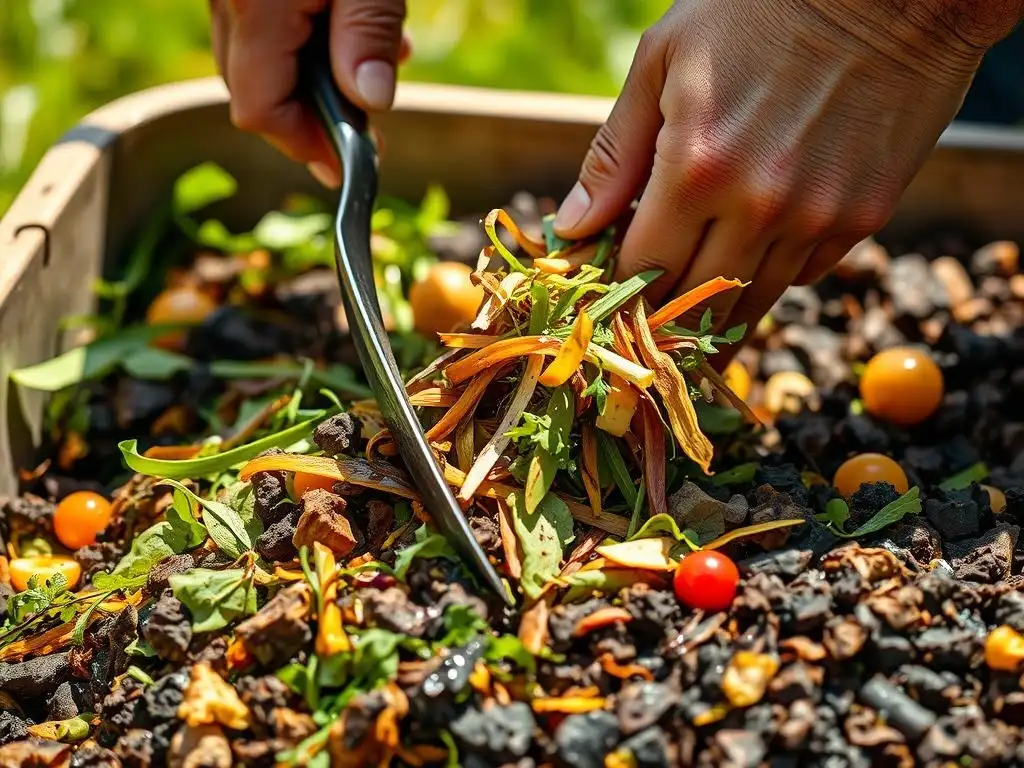
The surface area of your compost materials directly impacts the rate of decomposition. Smaller pieces have a much larger surface area compared to larger ones, providing more access for microbes to work their magic. A pile with large chunks of material will decompose slowly, leading to a cold pile. Reducing the size of your compost ingredients significantly increases the efficiency of the decomposition process.
Therefore, actively break down larger materials before adding them to the compost pile. Shredded paper is far superior to whole sheets. Chopping up larger vegetable scraps or twigs into smaller pieces will dramatically improve decomposition rates. The use of a garden shredder can be invaluable in this process, especially for woody materials.
Even something as simple as tearing larger leaves into smaller pieces makes a noticeable difference. The goal is to create a uniformly sized mixture, maximizing surface area and ensuring consistent decomposition throughout the pile. This will not only help to increase the temperature but also promote a more efficient and faster composting process.
Utilizing Compost Activators
Compost activators are substances that speed up the decomposition process by introducing beneficial microbes or providing essential nutrients to the existing microbial population. Several options exist, each with its own advantages and disadvantages.
One common activator is a commercially available compost starter, often containing beneficial bacteria and enzymes. These products can significantly boost microbial activity and help raise the pile's temperature quickly. However, their effectiveness can vary depending on the specific product and the condition of the compost pile. Another approach involves adding a small amount of already-decomposed compost or aged manure to the pile. This "inoculum" introduces a thriving population of microbes that can jumpstart the decomposition process in the cooler pile.
Finally, ensuring adequate moisture and aeration are crucial for optimal microbial activity. A consistently moist but not waterlogged pile, with good airflow, will create the ideal environment for the microbes to thrive and raise the temperature. Remember to always follow the instructions for any commercial compost activator carefully. Overuse can have negative consequences, potentially slowing down the process rather than speeding it up.
Building a Hot Compost Pile from Scratch
Building a hot compost pile from the outset is the best way to avoid a cold pile altogether. A cold pile often results from insufficient initial ingredients or an improper ratio of "greens" (nitrogen-rich materials like grass clippings and vegetable scraps) and "browns" (carbon-rich materials like dried leaves, shredded paper, and twigs). Understanding this crucial balance is key to fixing a cold pile fast and preventing future issues. Aim for a carbon-to-nitrogen ratio of roughly 30:1. This isn't an exact science, but getting close will significantly improve your chances of success.
To build a hot compost pile from scratch, start by selecting a suitable location. Ideally, this should be a shaded area with good drainage to prevent waterlogging, which can hinder the composting process. The pile should be easily accessible for turning and adding materials. The size matters too; aim for a pile at least 1 cubic meter (approximately 35 cubic feet) in volume to generate sufficient heat. Smaller piles struggle to maintain the temperature necessary for effective decomposition.
Next, layer your greens and browns. Don't just throw everything in haphazardly. Alternating layers ensures proper aeration and helps maintain a consistent moisture level. Begin with a layer of coarser brown materials, like branches or twigs, to provide good drainage at the base. Then, add a layer of greens, followed by another layer of browns, and so on. Think of it like building a lasagna! This layering technique is crucial for effective decomposition and helps prevent anaerobic conditions (lack of oxygen) which lead to foul odors and slow decomposition.
Maintaining the correct moisture level is vital. The pile should feel as moist as a wrung-out sponge. Too dry, and decomposition slows; too wet, and it becomes anaerobic. Regularly check the moisture content and add water as needed. A garden hose is usually sufficient, but avoid overwatering. Remember, a well-maintained compost pile is a self-regulating ecosystem; the goal is to mimic the natural process of decomposition.
Finally, regularly turn your compost pile. Turning, or aerating, introduces oxygen into the pile, which is essential for aerobic decomposition. This process also helps distribute moisture and heat evenly throughout the pile, promoting faster decomposition. Aim to turn your pile at least once a week, or more frequently if the pile feels too dry or cold.
A pitchfork or compost turner are excellent tools for this task. Turning the pile is a crucial step in fixing a cold compost pile fast and maintaining a consistently hot pile. By following these steps, you can significantly improve your chances of creating a thriving and efficient compost pile.
Maintaining Optimal Compost Temperature for Consistent Decomposition
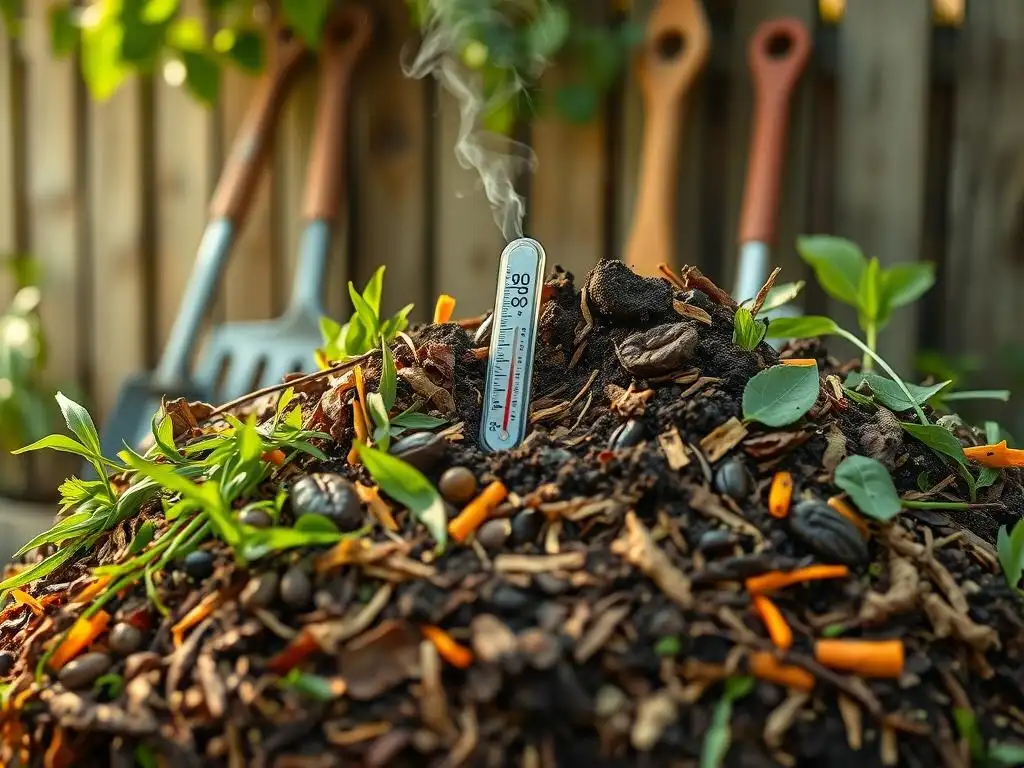
Maintaining the ideal temperature range for your compost pile is crucial for efficient decomposition. A cold compost pile indicates a problem hindering the microbial activity necessary for breaking down organic matter. This section details how to troubleshoot this common composting issue and achieve the desired heat for rapid decomposition, effectively addressing the need to "fix cold compost pile fast." Remember, the ideal temperature range for active decomposition is between 130-160°F (54-71°C). Falling below this range signals a need for intervention.
Monitoring Compost Temperature
Regular temperature monitoring is the first step in addressing a cold compost pile. Using a compost thermometer is highly recommended. Insert the thermometer into several spots within the pile to get a representative reading, as temperature can vary depending on location within the pile. Take readings at least once a week, and more frequently if you suspect a problem. Consistent monitoring allows for early detection of temperature drops, enabling prompt corrective action.
A significant drop in temperature, especially a consistent reading below 100°F (38°C), is a clear indication that your composting process is slowing down. This could be due to several factors, including insufficient moisture, poor aeration, or an imbalanced carbon-to-nitrogen ratio. Note your readings, along with any other observations about the pile's condition (e.g., dryness, odor, presence of pests), to help determine the underlying cause.
Keeping a detailed compost journal can be incredibly beneficial in identifying patterns and preventing future issues. For example, you might notice that your compost consistently cools down after a period of heavy rain, indicating a need for better drainage or shelter.
Regular Turning and Aeration
Insufficient oxygen is a primary cause of cold compost piles. Microbial decomposition is an aerobic process, meaning it requires oxygen. Without adequate aeration, microbial activity slows down significantly, leading to a drop in temperature. Regular turning is essential to introduce oxygen into the pile and promote even decomposition.
Turning your compost pile involves thoroughly mixing the materials, ensuring that the inside materials are exposed to the outside and vice versa. Aim to turn the pile at least once a week, or more frequently if the pile is particularly large or dense. The frequency of turning can also depend on the materials used.
For example, a pile with a high proportion of bulky materials like branches may require more frequent turning than a pile composed mainly of kitchen scraps and shredded paper. Use a pitchfork or compost aerator to effectively turn the materials. This process ensures that all materials are exposed to sufficient oxygen, promoting optimal microbial activity and accelerating the decomposition process.
Moisture Management
Maintaining the correct moisture content is crucial for a thriving compost pile. Too much moisture can lead to anaerobic conditions (lack of oxygen), while too little moisture will result in a dry, inactive pile. The ideal moisture content should resemble a wrung-out sponge.
To check the moisture level, grab a handful of compost. It should feel damp but not soggy or dripping wet. If it feels too dry, add water gradually and mix thoroughly. If it feels too wet, you'll need to add more "brown" materials (carbon-rich) like dry leaves or shredded paper to absorb excess moisture.
You might also consider improving drainage if your pile is consistently too wet. Remember that the type of materials you use will influence the amount of moisture needed. For instance, green, nitrogen-rich materials tend to retain more moisture than brown, carbon-rich materials. Consistent monitoring and adjustment of moisture levels are key to maintaining a consistently warm and active compost pile, accelerating the decomposition process and helping you "fix cold compost pile fast."
Adjusting Ingredient Ratios as Needed
A cold compost pile often signals an imbalance in its carbon-to-nitrogen ratio. Composting relies on a delicate balance between "browns" (carbon-rich materials like dried leaves, twigs, and shredded paper) and "greens" (nitrogen-rich materials like grass clippings, fruit and vegetable scraps, and coffee grounds). Too many browns lead to a slow, sluggish decomposition process, resulting in a cold pile. Conversely, too many greens can create anaerobic conditions, leading to foul odors and a stalled process. The ideal carbon-to-nitrogen ratio is generally considered to be around 30:1, although this can vary depending on the specific materials used.
To fix a cold compost pile quickly, you might need to adjust the ingredient ratios. If your pile is predominantly brown, adding more green materials will introduce more nitrogen, speeding up the decomposition process and generating heat. Conversely, if the pile is too "green" and smells unpleasant, adding more brown materials will balance the ratio, promoting aerobic decomposition and raising the temperature.
You can achieve this by layering additional materials directly into the pile, ensuring even distribution. For example, if you notice your pile is predominantly grass clippings (high nitrogen), add a generous layer of shredded cardboard or dried leaves to balance it. Remember to thoroughly mix the added materials with the existing compost to ensure proper aeration and even heat distribution.
Monitor the temperature regularly after making adjustments; you should see a gradual increase in temperature within a few days if the adjustments are effective. If the temperature remains low even after adjusting the ratio, consider other factors contributing to the problem.
Preventing Future Cold Compost Issues
Preventing future cold compost pile issues involves proactive planning and consistent monitoring. Maintaining a healthy, warm compost pile requires careful attention to several factors. Firstly, ensure you are using a good mix of brown and green materials from the outset. Avoid adding large chunks of material; instead, aim for smaller pieces that decompose more readily. This not only helps to maintain the optimal carbon-to-nitrogen ratio but also improves aeration within the pile. Proper aeration is crucial for aerobic decomposition, which generates heat.
Secondly, regularly turn your compost pile. Turning, or mixing, the compost aerates the pile, allowing oxygen to reach all parts of the pile and facilitating microbial activity. This process significantly increases the decomposition rate and helps to maintain a consistent temperature. The frequency of turning depends on the size and composition of your pile, but aim for at least once a week, or more often if the pile seems particularly slow. Using a compost aerator or pitchfork makes this task significantly easier.
Thirdly, monitor the moisture content of your compost. The pile should be consistently moist, like a wrung-out sponge. Too dry, and the decomposition process slows down; too wet, and it becomes anaerobic, leading to foul odors and a cold pile. Regularly check the moisture level and adjust accordingly by adding water (if it’s too dry) or adding more brown materials (if it’s too wet).
Finally, consider the location of your compost pile. A sunny location can help to raise the temperature of the pile, particularly in cooler climates. However, avoid placing it in direct sunlight all day, as this can lead to excessive drying.
A partially shaded area is usually ideal. By implementing these preventive measures, you can significantly reduce the risk of encountering a cold compost pile in the future, ensuring a consistently efficient and productive composting process. This proactive approach will save you time and effort in the long run, leading to richer, healthier compost for your garden.
Frequently Asked Questions
Why is my compost pile cold?
A cold compost pile usually means there's an imbalance of ingredients. You likely have too much carbon-rich "browns" (like dry leaves) and not enough nitrogen-rich "greens" (like grass clippings) to fuel microbial activity. Insufficient moisture can also be a factor.
How can I quickly raise the temperature of my compost pile?
To fix a cold pile fast, add more nitrogen-rich materials like grass clippings or food scraps. Ensure the pile is sufficiently moist, like a wrung-out sponge. Turn the pile thoroughly to aerate it and mix the ingredients.
What temperature should my compost pile reach?
Ideally, your compost pile should reach temperatures between 130-160°F (54-71°C). This high temperature is crucial for killing weed seeds and pathogens. A thermometer can help you monitor the temperature effectively.
My compost pile is too wet. What should I do?
If your pile is too wet, it's not getting enough oxygen. Add more "browns" (dry materials) to absorb excess moisture. Turn the pile frequently to improve aeration. Consider spreading the pile out to allow for better air circulation.
How often should I turn my compost pile to fix it quickly?
Turning your pile accelerates decomposition and helps maintain the ideal temperature. For a cold pile needing a quick fix, aim to turn it every 1-2 days. Regular turning also helps to introduce oxygen and distribute moisture evenly.
Final Reflection: Igniting the Potential of Your Compost
The quest for a thriving compost pile isn't just about efficient waste management; it's about nurturing a living ecosystem that enriches our gardens and our planet. A cold compost pile, while seemingly inert, represents untapped potential – a missed opportunity to transform organic waste into valuable soil amendment. Understanding the factors that contribute to a sluggish pile and implementing the solutions outlined in this article is crucial for maximizing its effectiveness.
The journey of composting, much like life itself, is a process of nurturing growth and learning from setbacks. The frustration of a cold pile is a common experience, a reminder that even the most well-intentioned efforts can require adjustments. Patience is a virtue, and compost is no exception.
This simple truth underscores the importance of observation, adaptation, and the continuous learning process involved in successful composting. The knowledge gained from troubleshooting a cold pile extends beyond the compost bin itself; it fosters a deeper appreciation for the delicate balance within natural systems and the power of mindful intervention.
Now, consider your own compost pile – or the potential for one. What adjustments can you make today to ensure its success? Perhaps it's time to reassess your carbon-to-nitrogen ratio, increase aeration, or simply add a little more water. Remember, the journey towards a hot, thriving compost pile is a rewarding one, filled with the satisfaction of transforming waste into a valuable resource. Embrace the process, learn from your experiences, and watch your garden flourish as a result.
Ignite Your Compost: Get That Heat Rising!
Thanks for learning how to boost your compost pile's temperature! You now have the knowledge to transform kitchen scraps and yard waste into nutrient-rich soil. Ready to put your skills to the test?
- Prioritize proper aeration: Immediately check your pile's air circulation—turn it completely to ensure good airflow. This is crucial for success!
- Adjust your carbon-to-nitrogen ratio: Carefully assess the ratio in your pile and make adjustments by adding more brown or green materials as needed. Refer to the article for guidance.
- Share your compost journey: Tell us about your composting successes and challenges in the comments below—let's build a thriving community of composters!
What unexpected ingredient will you add to your pile to give the microbes a boost?