
The Power of Participation: Why Joining a Community Garden is Good for You

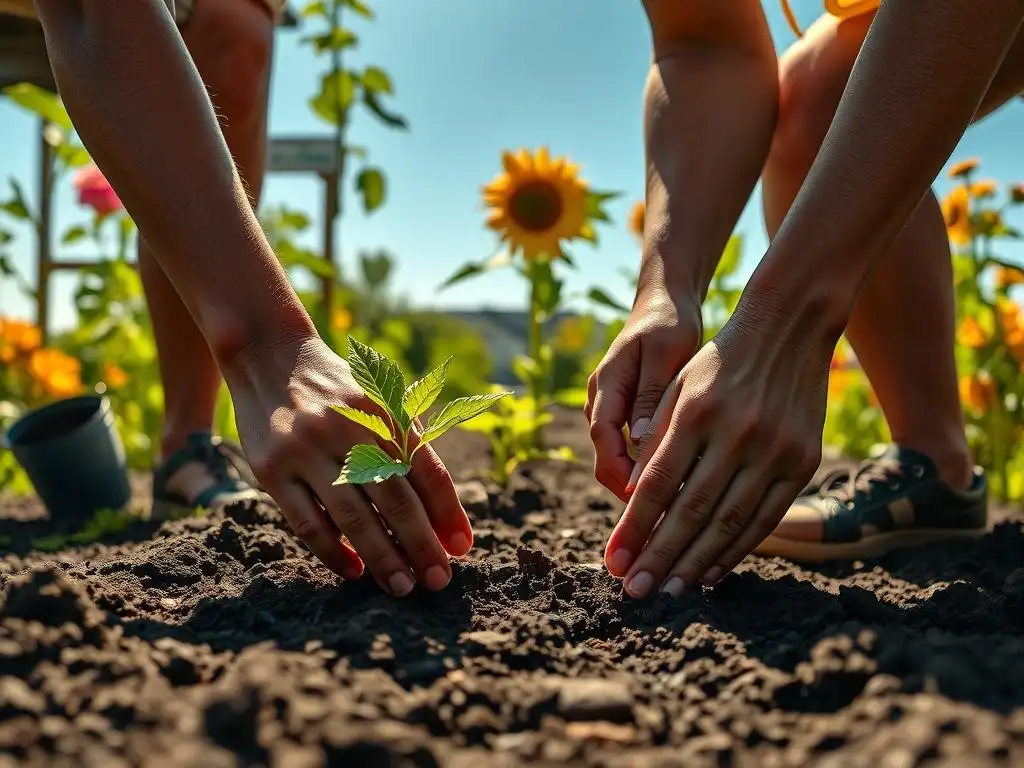
Ready to transform your life, one seed at a time? At CultivateYourFood, we empower you to grow your own delicious and healthy produce using sustainable methods. But did you know that the benefits extend beyond your plate? Our latest article on Community Garden Benefits Health reveals the surprising ways participating in a community garden can boost your well-being – from physical health improvements to unexpected social connections. Discover the transformative power of shared cultivation and embark on a journey towards a healthier, more fulfilling life. Let's get growing!
- Community Garden Benefits Health: Physical Well-being
-
Frequently Asked Questions
- What are the health benefits of participating in a community garden?
- How can a community garden improve my mental health?
- Is a community garden suitable for people with limited gardening experience?
- What if I don't have my own transportation to get to a community garden?
- How can I find a community garden near me?
- Final Reflection: Cultivating Well-being, One Seed at a Time
- Bloom Where You're Planted: Get Growing Today!
Community Garden Benefits Health: Physical Well-being
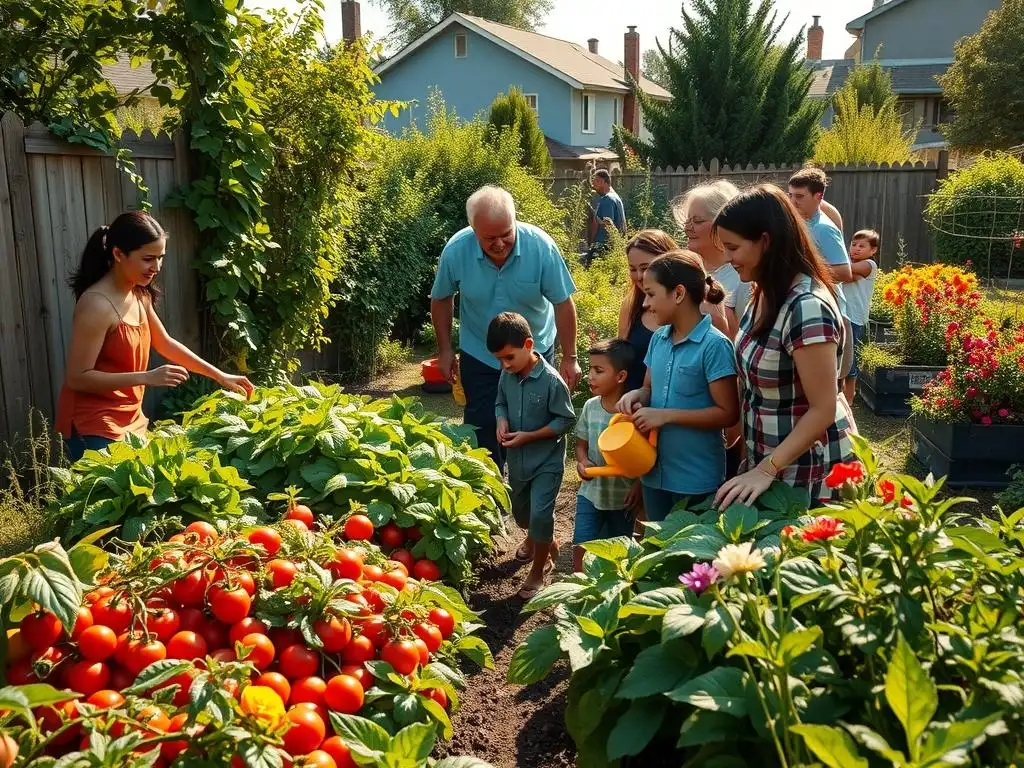
Participating in a community garden offers a wealth of benefits that extend far beyond simply growing food. It's a powerful way to cultivate not only fruits and vegetables, but also your physical and mental health, fostering a stronger sense of community and connection with nature. This article explores the numerous ways that involvement in a shared gardening space contributes to overall well-being, focusing specifically on the positive impacts on physical health – a crucial aspect often overlooked when considering the advantages of community gardens.
We'll delve into the physical activities involved, the nutritional benefits of homegrown produce, and the reduction in stress associated with this engaging and rewarding pastime. Ultimately, we aim to demonstrate how tending a community garden can be a significant step towards a healthier, more fulfilling life.
Increased Physical Activity and Improved Fitness
Community gardening inherently involves physical activity. From digging and planting to weeding and harvesting, participants engage in a variety of movements that contribute to improved cardiovascular health, strength, and flexibility. Studies have shown that even moderate gardening can significantly reduce the risk of chronic diseases like heart disease, stroke, and type 2 diabetes. The varied nature of the tasks means you're using different muscle groups, leading to a more balanced and effective workout than many traditional forms of exercise.
Think of it as a fun, outdoor fitness regime disguised as a rewarding hobby! The amount of physical exertion can be adjusted to suit individual capabilities, making it accessible to people of all fitness levels. For example, individuals with limited mobility can participate in tasks like seed starting or watering, while those seeking a more vigorous workout can tackle more strenuous activities like tilling the soil or moving heavy materials.
Access to Fresh, Nutritious Food
One of the most immediate and impactful benefits of community gardening is access to fresh, nutritious food. Homegrown produce is often picked at its peak ripeness, resulting in superior flavor and higher nutrient content compared to commercially grown fruits and vegetables that may have traveled long distances before reaching consumers. This increased access to healthy food directly contributes to improved diet and better overall health.
The act of growing your own food also fosters a greater appreciation for the origins and importance of healthy eating habits, leading to more conscious food choices. Participation in a community garden can significantly improve the diet of participants, particularly those in food deserts or with limited access to affordable, healthy options.
Stress Reduction and Improved Mental Well-being
While the focus here is on physical health, it's impossible to ignore the significant impact community gardening has on mental health. The act of working with the earth, nurturing plants, and witnessing their growth is inherently therapeutic. Spending time outdoors in nature has been shown to reduce stress hormones and improve mood.
The social interaction involved in community gardening further enhances this effect, providing a sense of belonging and support that combats feelings of isolation and loneliness. This combined effect of physical activity, access to healthy food, and stress reduction contributes significantly to improved overall well-being. The shared experience of gardening creates a sense of community and purpose, fostering positive social interactions and a sense of accomplishment.
Building Stronger Bones and Muscles
The repetitive motions involved in gardening, such as digging, weeding, and lifting, contribute to increased bone density and muscle strength. These activities are particularly beneficial for older adults, who are at a higher risk of osteoporosis and muscle loss. Regular participation in community gardening can help maintain bone health and prevent age-related decline in muscle mass and strength, improving balance and reducing the risk of falls.
The physical demands of gardening provide a gentle yet effective form of resistance training, promoting overall physical fitness and well-being throughout one's lifespan. This is especially valuable in promoting healthy aging and maintaining independence.
The benefits of community gardening extend far beyond the simple act of growing food. It's a holistic approach to improving health and well-being, encompassing physical activity, access to nutritious food, stress reduction, and social connection. By actively participating in a community garden, individuals can significantly enhance their physical health and contribute to a healthier, more vibrant community.
Frequently Asked Questions
What are the health benefits of participating in a community garden?
Participating in a community garden offers numerous health benefits. It promotes physical activity through gardening tasks, reduces stress and improves mental well-being, and provides access to fresh, healthy produce.
How can a community garden improve my mental health?
Community gardens foster a sense of community and connection, combating loneliness and improving social interaction. The act of gardening itself is therapeutic, offering a sense of accomplishment and purpose. This reduces stress and boosts overall mental well-being.
Is a community garden suitable for people with limited gardening experience?
Absolutely! Many community gardens welcome people of all skill levels. Experienced gardeners often mentor newcomers, providing support and guidance. It's a great way to learn new skills and connect with nature.
What if I don't have my own transportation to get to a community garden?
Many community gardens are located within walking distance of residential areas. Check with your local council or community centers for details about nearby gardens and their accessibility. Some might even offer transportation assistance programs.
How can I find a community garden near me?
Start by searching online for "community gardens near me." You can also check with your local council, community centers, or environmental organizations. Many gardens advertise on social media and local bulletin boards.
Final Reflection: Cultivating Well-being, One Seed at a Time
The simple act of digging in the earth, of nurturing a plant from seed to harvest, is more than just gardening; it's a powerful act of self-care, deeply intertwined with our physical and mental well-being. The benefits of community gardens extend far beyond the bounty of fresh produce; they offer a vital connection to nature, a sense of belonging, and a tangible way to contribute to a healthier community and planet. This is particularly relevant today, in a world increasingly disconnected from its natural roots and struggling with issues of social isolation and environmental degradation.
The profound impact of community gardens on individual and collective well-being is undeniable. They foster a sense of shared purpose, providing opportunities for social interaction and the development of strong community bonds. The garden is a place of peace and tranquility, a refuge from the hustle and bustle of modern life.
This quote, while simple, perfectly encapsulates the restorative power of these shared green spaces. Beyond the personal benefits, community gardens actively contribute to food security, environmental sustainability, and the creation of more vibrant, resilient neighborhoods. Witnessing the growth of a garden, both literally and metaphorically, is a constant reminder of the potential for positive change, both within ourselves and in the world around us.
Now, consider your own life. What seeds of change are you ready to plant? Perhaps it's time to explore a community garden near you, to connect with nature, and to discover the profound benefits of shared cultivation. Don't just read about the power of participation; experience it. Embrace the opportunity to nurture not only plants but also your own well-being, contributing to a healthier, more connected community, one seed, one harvest, one connection at a time.
Bloom Where You're Planted: Get Growing Today!
Thank you for exploring the incredible benefits of community gardening! We hope you've discovered a path towards healthier living and stronger community connections. Now it's time to get started!
- Find your local community garden: Search online for "[your city or town] community gardens" to find a garden near you. This is the first step towards reaping the rewards! For example, searching "Seattle community gardens" will yield many results.
- Share this article with a friend who might also enjoy the benefits of gardening. Spread the word about community gardening and healthy living!
- Consider volunteering a few hours at a local garden – it’s a fantastic way to learn new skills and meet new people.
Ready to cultivate your own patch of happiness? Join a community garden today!