
Growing Food in Small Spaces: Permaculture Solutions for Urban Gardens

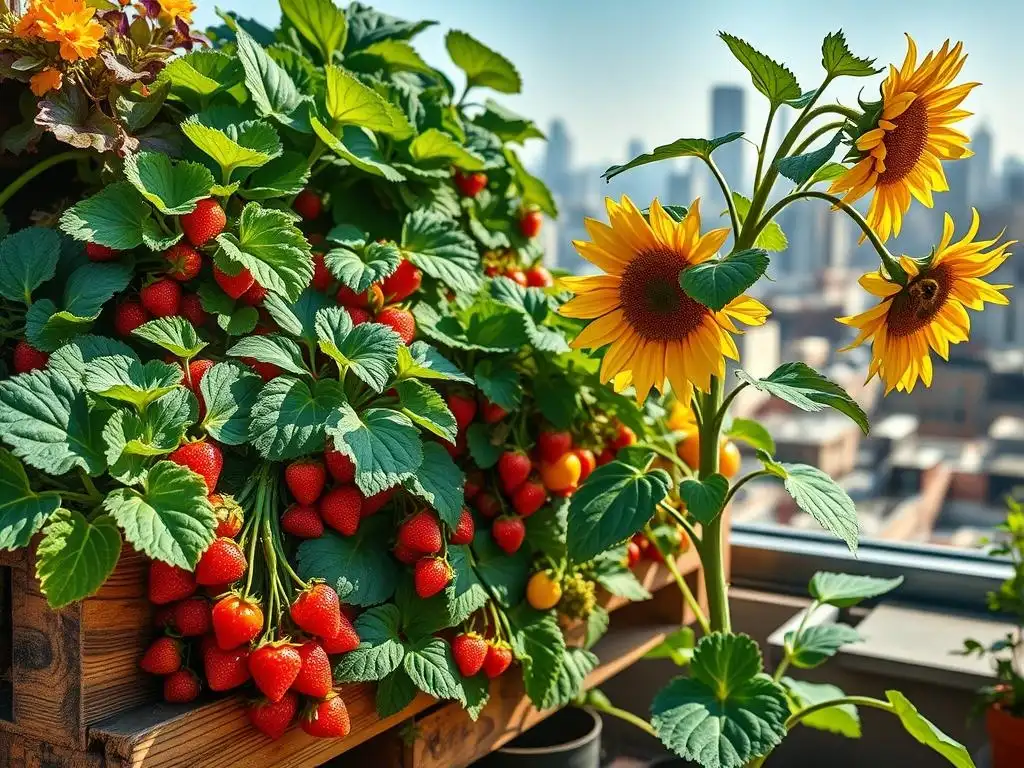
Welcome to CultivateYourFood, your guide to nurturing a thriving garden, no matter the size! Are you dreaming of fresh, organic produce but limited by space? Discover the secrets of small space urban gardening permaculture, an advanced technique that unlocks the potential of even the tiniest plot. Learn how to transform your balcony, patio, or even windowsill into a vibrant ecosystem teeming with fruits, vegetables, and herbs. Prepare to be amazed by what you can grow!
- Maximizing Yields in Limited Urban Spaces: Permaculture Design for Small Gardens
- Implementing Permaculture Principles in Your Small Urban Garden
- Harvesting and Utilizing Your Urban Permaculture Harvest
- Designing a Thriving Miniature Ecosystem: Advanced Permaculture Techniques for Small Spaces
- Maintaining Your Small Space Urban Garden: Ongoing Permaculture Practices
-
Frequently Asked Questions
- What is permaculture, and how does it apply to small-space urban gardening?
- Can I really grow enough food in a small urban garden to make a difference?
- What are some essential permaculture techniques for small spaces?
- What are the best plants for small-space urban permaculture?
- How do I deal with pests and diseases in a small urban garden?
- Final Reflection: Cultivating Abundance in the Concrete Jungle
- Unleash Your Inner Gardener: Grow Your Own Food Today!
Maximizing Yields in Limited Urban Spaces: Permaculture Design for Small Gardens
Cultivating a thriving garden in a small urban space might seem daunting, but with the principles of permaculture, it's entirely achievable. This article delves into practical strategies for maximizing yields in limited areas, transforming even the smallest balcony or backyard into a productive food oasis. We'll explore how to apply permaculture design principles – focusing on observation, mimicking natural ecosystems, and minimizing waste – to create a resilient and abundant urban garden.
Forget the notion that small spaces mean small harvests; we'll show you how to design a space that thrives on efficiency and yields impressive results, all while embracing sustainable and organic practices. This guide is specifically designed to help you master small space urban gardening permaculture, providing you with the knowledge and techniques to grow your own food, no matter how limited your space. Let's embark on this journey towards a greener, more self-sufficient urban lifestyle!
Assessing Your Small Space: Site Analysis for Urban Permaculture
Before even thinking about planting, a thorough site analysis is crucial. This involves observing your space throughout the day to understand sunlight exposure. Note the hours of direct sunlight your space receives, as this will dictate which plants thrive. Consider the prevailing winds – are there areas sheltered from harsh winds? This is important for protecting delicate seedlings and mature plants.
Also, document existing features, such as walls, fences, and existing vegetation. These can be incorporated into your permaculture design, providing shade, windbreaks, or supporting structures for vertical gardening. Careful observation of these factors is the foundation of a successful permaculture design. For example, a south-facing balcony will receive significantly more sunlight than a north-facing one, influencing plant selection.
A detailed site analysis, even for a small space, is key to maximizing your yield and minimizing wasted effort. Remember to note the soil type – is it sandy, clay-like, or something in between? This dictates the type of amendments needed to ensure optimal growing conditions. 📝
Choosing the Right Plants: Selecting Suitable Species for Compact Gardens
Plant selection is paramount in small-space gardening. Prioritize compact, high-yielding varieties. Consider dwarf fruit trees, bush beans, and compact tomato varieties. Vertical growing plants like climbing beans or cucumbers are excellent space savers. Think about companion planting – strategically placing plants that benefit each other to maximize growth and minimize pest problems. For example, basil planted near tomatoes can deter pests and improve tomato flavor. Careful planning in this stage can dramatically increase your yields. Here's a sample list of suitable plants:
| Plant Type | Variety Suggestion | Benefits |
|---|---|---|
| Tomatoes | Patio Choice, Tiny Tim | Compact, high yield |
| Beans | Bush Beans, Scarlet Runner | High yield, space-saving (runner beans) |
| Herbs | Basil, Mint, Chives | Easy to grow, versatile |
| Leafy Greens | Lettuce, Spinach | Fast-growing, continuous harvest |
| Strawberries | Alpine, Everbearing | Compact, continuous fruiting |
Choosing the right plants is half the battle! Remember to research the specific needs of each plant, considering sunlight requirements, water needs, and potential pest vulnerabilities. 🌱
Vertical Gardening Techniques: Maximizing Space with Trellises and Walls
Vertical gardening is a game-changer for small urban spaces. Utilizing walls and fences with trellises or hanging planters dramatically increases your growing area. Climbing plants, like cucumbers, tomatoes, and beans, thrive in vertical systems, freeing up valuable ground space. You can create simple trellises from readily available materials like bamboo or repurposed wood. Even a simple string system can be effective for certain plants.
Vertical gardening not only saves space but also improves air circulation, reducing the risk of fungal diseases. Consider using hanging baskets for herbs and strawberries, maximizing vertical space utilization. Think creatively – use walls, fences, and even railings to your advantage! This technique significantly increases the potential yield of your small urban garden. ⬆️
Implementing Permaculture Principles in Your Small Urban Garden
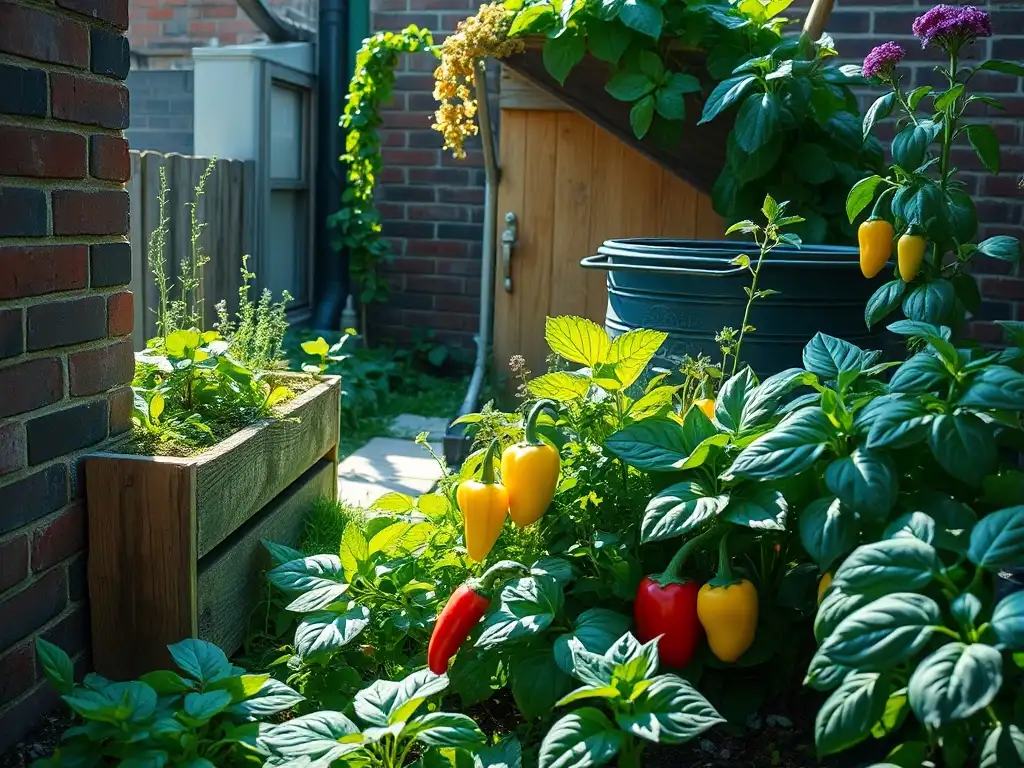
This section delves into the practical application of permaculture principles within the context of small space urban gardening. We'll explore strategies for maximizing yield and minimizing environmental impact in limited areas, focusing on techniques applicable to even the smallest balcony or rooftop garden. Remember, successful small space urban gardening permaculture hinges on thoughtful planning and the integration of permaculture design principles.
Water Conservation Strategies: Efficient Irrigation for Small-Scale Farming
Water is a precious resource, especially in urban environments. Efficient irrigation is crucial for successful small space urban gardening permaculture. Traditional methods often lead to water waste and runoff. However, several permaculture-inspired techniques can significantly reduce water consumption while maximizing plant health.
Implementing a drip irrigation system is a game-changer. This method delivers water directly to the roots, minimizing evaporation and runoff. You can create a simple drip system using recycled materials like plastic bottles or purchase a pre-made kit. Remember to adjust the drip rate based on the plant's needs and the soil type. For example, clay soils retain water longer than sandy soils, requiring less frequent watering.
Another effective strategy is the use of water-retaining mulch. Organic mulch, such as wood chips, straw, or shredded leaves, helps to retain soil moisture, reducing the frequency of watering. Additionally, mulch suppresses weeds, further conserving water and minimizing competition for resources. The thickness of the mulch layer should be adjusted depending on the climate and the type of mulch used. A layer of 2-4 inches is generally recommended.
Consider using rainwater harvesting techniques. Collecting rainwater in barrels or containers can provide a sustainable and free source of water for your plants. This collected water is often cleaner and better suited for plants than tap water, which can contain chemicals. Proper cleaning and maintenance of your rainwater harvesting system are essential to prevent contamination.
Soil Improvement and Compost Management: Building Healthy Soil in Containers
Healthy soil is the foundation of any successful garden, and this is especially true in small space urban gardening permaculture where soil volume is limited. Building and maintaining rich, fertile soil in containers requires careful attention to compost management and soil amendment.
Composting is essential for creating nutrient-rich soil. You can compost food scraps and yard waste in a variety of ways, even in small spaces. Consider using a worm composting bin, which is ideal for apartment dwellers. Worms efficiently break down organic matter, producing nutrient-rich castings that are excellent soil amendments. Alternatively, a small compost bin can be placed on a balcony, provided it is managed effectively to avoid attracting pests.
Beyond composting, enriching your container soil with organic matter is crucial. Adding materials like aged compost, manure, or coco coir improves soil structure, water retention, and nutrient content. The specific mix will depend on the plants you are growing. For instance, leafy greens will thrive in a soil rich in nitrogen, while fruiting plants require a balance of nitrogen, phosphorus, and potassium. Regular soil testing can help you fine-tune your soil amendments and ensure optimal plant health. Remember to choose high-quality, organic potting mix as a base for your container gardening.
Pest and Disease Control: Natural Methods for Urban Gardens
Pest and disease control are crucial aspects of sustainable gardening. In small space urban gardening permaculture, the proximity of plants increases the risk of pest infestations and disease outbreaks. Therefore, adopting natural pest and disease control methods is essential.
Employing companion planting is a powerful permaculture technique. Certain plants repel pests or attract beneficial insects. For example, basil repels aphids, while marigolds deter nematodes. Strategic placement of these companion plants can significantly reduce the need for chemical pesticides. Researching which plants work well together for pest control is key to successful companion planting. Consider creating a detailed plan before planting to maximize this effect.
Another natural pest control strategy is using beneficial insects. Ladybugs, lacewings, and praying mantises are effective predators of common garden pests. Attracting these beneficial insects to your garden can help to keep pest populations in check. Providing habitat for these insects, such as leaving some areas unkempt, can encourage them to take up residence in your garden. Avoid using broad-spectrum insecticides that can harm beneficial insects along with pests.
Regular inspection of plants is critical for early detection of pests and diseases. Early detection allows for prompt intervention, preventing widespread infestations or outbreaks. Remove any affected plant parts promptly and dispose of them properly to avoid spreading the problem. This proactive approach is vital in the confined environment of a small urban garden.
Harvesting and Utilizing Your Urban Permaculture Harvest
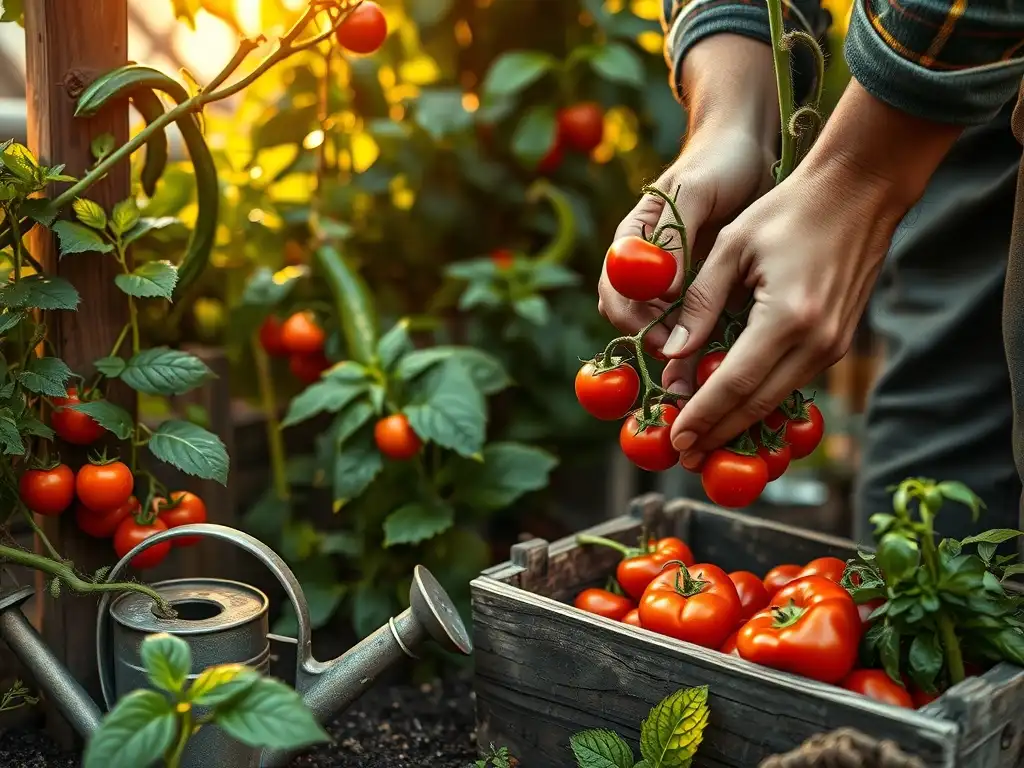
This section focuses on maximizing the yield and longevity of your small space urban garden using permaculture principles. We'll explore efficient harvesting techniques and practical methods for preserving your bountiful harvest, ensuring you enjoy the fruits (and vegetables!) of your labor throughout the year. Effective harvesting is crucial for the overall health and productivity of your permaculture system, influencing future yields and minimizing waste.
Preserving Your Produce: Techniques for Extending Shelf Life
Proper preservation is key to enjoying your small space urban garden's bounty long after the harvest. Several methods extend the shelf life of your produce, reducing food waste and maximizing your investment of time and effort. Let's explore some practical, sustainable techniques:
- Freezing: This is a simple and effective method for preserving many fruits and vegetables. Blanching (briefly boiling) vegetables before freezing helps maintain their color, texture, and nutritional value. Berries, leafy greens, and many other items freeze well. Remember to label and date your frozen produce for optimal organization.
- Canning: Canning, while requiring more upfront investment in equipment, offers a longer shelf life for a wide variety of produce. Proper canning techniques are crucial to prevent spoilage and ensure food safety. Consider focusing on high-yield crops like tomatoes or beans for efficient canning.
- Dehydration: Dehydration is a great method for preserving herbs, fruits, and some vegetables. A dehydrator is ideal, but you can also use a low oven with good ventilation. Dried produce is easily stored and adds flavor to many dishes. Consider drying herbs in bunches, hanging them upside down in a cool, dark, and airy location.
- Pickling and Fermenting: These traditional methods not only preserve food but also add unique flavors and beneficial probiotics (in the case of fermentation). Pickling cucumbers, onions, and peppers is a popular choice, while fermenting vegetables like cabbage (sauerkraut) or kimchi is gaining popularity for its health benefits and delicious taste.
The best preservation method depends on the type of produce and your available resources. Experiment with different techniques to find what works best for your urban permaculture garden and your culinary preferences. Proper storage, even after preservation, is crucial; airtight containers in cool, dark places will help maintain quality.
Integrating Your Harvest into Your Diet: Recipes and Meal Planning
Integrating your harvest into your daily meals is the ultimate reward of urban permaculture gardening. However, maximizing the nutritional value and minimizing waste requires thoughtful planning.
Here’s how to seamlessly incorporate your homegrown produce:
- Seasonal Eating: Plan your meals around what's currently in season. This ensures peak flavor and reduces reliance on produce that requires extensive preservation. A weekly menu plan, incorporating seasonal items, simplifies meal preparation and minimizes food waste.
- Recipe Adaptation: Get creative! Adapt your favorite recipes to utilize your harvest. For example, extra zucchini can be added to bread, muffins, or fritters. Excess herbs can flavor soups, stews, or sauces.
- Preservation Integration: Plan your preservation efforts around the recipes you already enjoy. If you love tomato sauce, dedicate some canning efforts to tomatoes. This ensures you utilize preserved goods efficiently.
- Batch Cooking: Prepare large batches of soups, stews, or sauces and freeze portions for later use. This is especially helpful for high-yield harvests or during peak seasons.
Consider creating a seasonal recipe book specific to your urban garden, documenting your favorite combinations and preserving methods. This helps you track your successes, refine your techniques, and makes planning future harvests even easier. Remember, the key to successful integration is planning, creativity, and a willingness to experiment! 🥕🍅🌶️
Designing a Thriving Miniature Ecosystem: Advanced Permaculture Techniques for Small Spaces
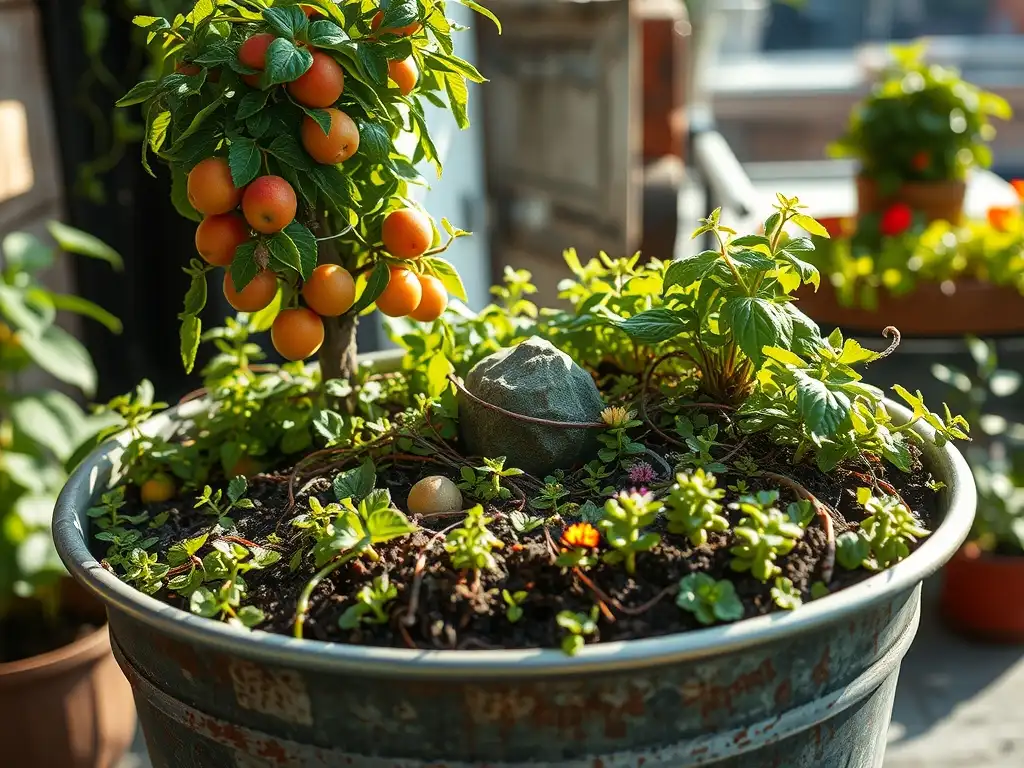
This section delves into the practical application of permaculture principles to maximize yield and biodiversity in small urban gardens. We'll explore how to mimic natural ecosystems to create a resilient and productive growing space, even with limited square footage. The key is to think vertically, strategically utilize space, and foster beneficial relationships between plants. Successful small space urban gardening permaculture hinges on understanding these interconnected elements and applying them creatively. Forget the traditional row planting – let's build a miniature ecosystem!
Guild Planting: Creating Synergistic Plant Communities
Guild planting is a cornerstone of permaculture design, particularly beneficial in small spaces. It involves strategically grouping plants with complementary needs and functions. A well-designed guild mimics a natural ecosystem, with each plant playing a specific role. For example, a nitrogen-fixing plant like clover can be planted near heavier feeders like tomatoes, providing a natural source of fertilizer. This reduces the need for synthetic inputs, aligning perfectly with sustainable and organic practices.
Consider this example: a "fruit tree guild" centered around a dwarf apple tree. Underneath, you could plant nitrogen-fixing herbs like comfrey, which also adds nutrients to the soil. Around the base, you could add low-growing herbs like chamomile (to deter pests) and ground cover plants to suppress weeds and retain moisture. The herbs also provide added benefits like culinary uses or medicinal properties. This single guild maximizes space utilization and creates a self-regulating system, minimizing maintenance and maximizing resource efficiency. Careful planning and species selection are crucial for optimal guild performance. Researching specific plant compatibilities is essential for success.
Companion Planting for Pest Control and Enhanced Growth
Companion planting leverages the natural interactions between plants to deter pests and enhance growth. Certain plants repel insects that might harm others, while some attract beneficial insects that prey on pests. For example, basil is a well-known companion plant for tomatoes, repelling tomato hornworms and whiteflies. Marigolds are another excellent example, known for their ability to repel nematodes and other soilborne pests.
The effectiveness of companion planting depends heavily on the specific plants involved and the local pest environment. Researching your area's common pests is crucial to selecting the most effective companion plants. A well-planned companion planting strategy can significantly reduce the need for pesticides, contributing to a healthier garden and environment. It's important to note that companion planting isn't a guaranteed pest-control solution but rather a valuable tool in an integrated pest management strategy. Combining companion planting with other permaculture techniques, like attracting beneficial insects, is highly recommended for optimal results.
Utilizing Natural Mulches for Soil Health and Moisture Retention
Natural mulches are essential in small space urban gardening permaculture for several reasons. They suppress weeds, conserving moisture and reducing the need for frequent watering. They also improve soil structure, increase organic matter, and regulate soil temperature. This is particularly important in small spaces where soil can dry out quickly and become compacted.
Consider using readily available materials like shredded leaves, wood chips, straw, or even grass clippings (ensure they're free of weed seeds). The type of mulch you choose will depend on your specific needs and available resources. Applying a thick layer of mulch (2-4 inches) can significantly reduce water loss through evaporation, especially during hot and dry periods.
Moreover, as the mulch decomposes, it enriches the soil with organic matter, improving its fertility and structure. This reduces the reliance on external fertilizers, further aligning with sustainable and organic gardening practices. Regular monitoring and replenishment of the mulch layer are essential for maintaining its effectiveness throughout the growing season.
Maintaining Your Small Space Urban Garden: Ongoing Permaculture Practices
This section focuses on the essential ongoing maintenance required to ensure your small space urban garden thrives using permaculture principles. Remember, consistent effort yields the best results, mirroring nature's own continuous cycles. Successful small space urban gardening permaculture relies heavily on diligent observation and proactive adjustments.
Regular Maintenance and Pruning: Ensuring Optimal Growth and Yield
Regular maintenance is paramount for maximizing yields in a small urban garden. Pruning, in particular, is crucial. It's not just about aesthetics; it's about directing plant energy for optimal fruit or vegetable production. Think of it as guiding your plants to focus their resources.
For example, consider tomato plants. Regular pruning of suckers (the small shoots that grow between the main stem and branches) helps channel energy towards fruit development rather than vegetative growth. This results in larger, more abundant tomatoes. Similarly, pruning overcrowded branches improves air circulation, reducing the risk of fungal diseases common in compact spaces. A well-pruned plant is a healthier, more productive plant.
Here's a simple schedule to follow:
| Task | Frequency | Notes |
|---|---|---|
| Tomato Suckers Removal | Every 1-2 weeks | Remove suckers promptly to prevent them from competing with fruit development. |
| Deadheading Flowers | As flowers fade | Removing spent blooms encourages more flowering and fruiting. |
| Leaf Removal (if needed) | As leaves yellow/brown | Remove only diseased or damaged leaves to avoid spreading problems. |
| Pest and Disease Checks | Weekly | Early detection is key to preventing major issues. |
Remember to use sharp, clean pruning shears to avoid damaging your plants. This simple step goes a long way in preventing disease transmission. The principle of observation is key here; learn your plants' individual needs and adjust accordingly.
Addressing Common Challenges: Troubleshooting Issues in Compact Gardens
Small space urban gardening often presents unique challenges. Limited space means increased competition for resources like sunlight, water, and nutrients. Understanding these challenges and implementing proactive solutions is vital for success.
One frequent problem is overcrowding. Plants competing for resources may exhibit stunted growth, reduced yields, and increased susceptibility to pests and diseases. Careful planning and selection of compact varieties are preventative measures. However, even with careful planning, thinning may be necessary during the growing season. Thinning involves removing some plants to give others more space to grow. This is particularly important with leafy greens and root vegetables.
Another common issue is nutrient depletion. The confined nature of a small space garden means soil nutrients can be quickly exhausted. Regular soil testing and supplementation with compost tea or organic fertilizers are essential to maintain soil fertility. Mulching also helps retain moisture and nutrients, reducing the frequency of watering and fertilization.
Pest and disease control is also crucial. The close proximity of plants in a small space increases the risk of infestation. Implementing preventative measures such as companion planting and using natural pest control methods are far more sustainable than chemical pesticides.
Adapting to Seasonal Changes: Year-Round Food Production in Small Spaces
Permaculture principles emphasize working with nature, not against it. This is particularly important in adapting your small space urban garden to seasonal changes. Year-round food production in a small space requires careful planning and selection of crops that thrive in different seasons.
Consider using techniques like succession planting to maintain continuous harvests. This involves planting fast-growing crops like lettuce and radishes alongside slower-growing ones like tomatoes and peppers. As the fast-growing crops are harvested, the slower-growing ones have ample space to mature.
Cold frames and greenhouses can extend the growing season, allowing you to grow heat-loving crops even in cooler months. Similarly, choosing cold-hardy varieties allows for harvesting throughout the winter. Rotating crops annually also helps prevent soil depletion and reduces the risk of pest and disease buildup. Planning for each season, considering sun exposure and potential frosts, is key to maximizing your yield throughout the year. Embrace the seasonal variations and adapt your gardening techniques accordingly – it's a key principle of sustainable small space urban gardening permaculture.
Frequently Asked Questions
What is permaculture, and how does it apply to small-space urban gardening?
Permaculture is a design system creating sustainable human habitats. In small spaces, it means maximizing yields using techniques like vertical gardening, companion planting, and efficient water systems. It focuses on creating a self-sustaining ecosystem.
Can I really grow enough food in a small urban garden to make a difference?
Yes! Even a small space can produce a surprising amount of food. Focus on high-yield crops, utilize vertical space, and employ efficient growing methods like succession planting to maximize your harvest.
What are some essential permaculture techniques for small spaces?
Key techniques include vertical gardening (trellises, walls), companion planting (beneficial plant pairings), water harvesting, composting, and mulching to retain moisture and suppress weeds. Choose compact, productive varieties.
What are the best plants for small-space urban permaculture?
Consider compact fruiting plants like dwarf fruit trees or berry bushes, climbing vegetables such as cucumbers or beans, and salad greens that can be grown in containers or vertical systems. Choose plants suited to your climate and sunlight conditions.
How do I deal with pests and diseases in a small urban garden?
Natural pest control methods are crucial in permaculture. This includes companion planting to deter pests, beneficial insects, and organic pest sprays. Regular inspection and early intervention are key to preventing widespread problems.
Final Reflection: Cultivating Abundance in the Concrete Jungle
The principles of permaculture, when applied to small urban spaces, offer not just a solution for growing food, but a pathway towards a more sustainable and resilient future. The increasing urbanization of our world necessitates innovative approaches to food production, and the techniques explored in this article demonstrate the remarkable potential for even the smallest plot of land to contribute to a healthier, more self-sufficient lifestyle.
The shift towards urban permaculture is more than just a trend; it's a vital movement reflecting a growing awareness of our interconnectedness with the natural world. It's a powerful reminder that we don't need vast expanses of land to cultivate life and beauty. The earth provides enough to satisfy every man's needs but not every man's greed.
- Mahatma Gandhi. This quote underscores the importance of mindful cultivation, not just for food production, but for fostering a respectful relationship with our planet and its resources. The impact of this movement extends beyond individual gardens, fostering community engagement and a renewed appreciation for the cyclical nature of life.
Now, consider your own space. What small changes can you implement to bring the principles of permaculture into your life? Perhaps it's starting a small herb garden on your balcony, or transforming a neglected corner of your yard into a thriving ecosystem. No matter the size of your space, the potential for growth – both literally and metaphorically – is immense. Embrace the challenge, nurture your connection with nature, and discover the abundance that awaits you, even in the heart of the city.
Unleash Your Inner Gardener: Grow Your Own Food Today!
Thanks for exploring the world of urban permaculture! You've learned how to maximize a small space and create a thriving food garden. Ready to put your knowledge into practice?
- Start small, but start now! Begin with an easy-to-grow herb, such as basil or mint, or a simple lettuce variety. Even a single pot on a sunny windowsill can be a rewarding start.
- Share your urban gardening journey! Post a picture of your progress on social media using #CultivateYourFood and inspire others to grow their own food.
- Connect with our community! Join our online forum to share tips, ask questions, and learn from fellow urban gardeners. Discover the supportive community waiting to welcome you!
What's the first edible plant you'll be growing in your urban garden? Let us know in the comments below!