
The Best Plants to Use Around Your Water Feature

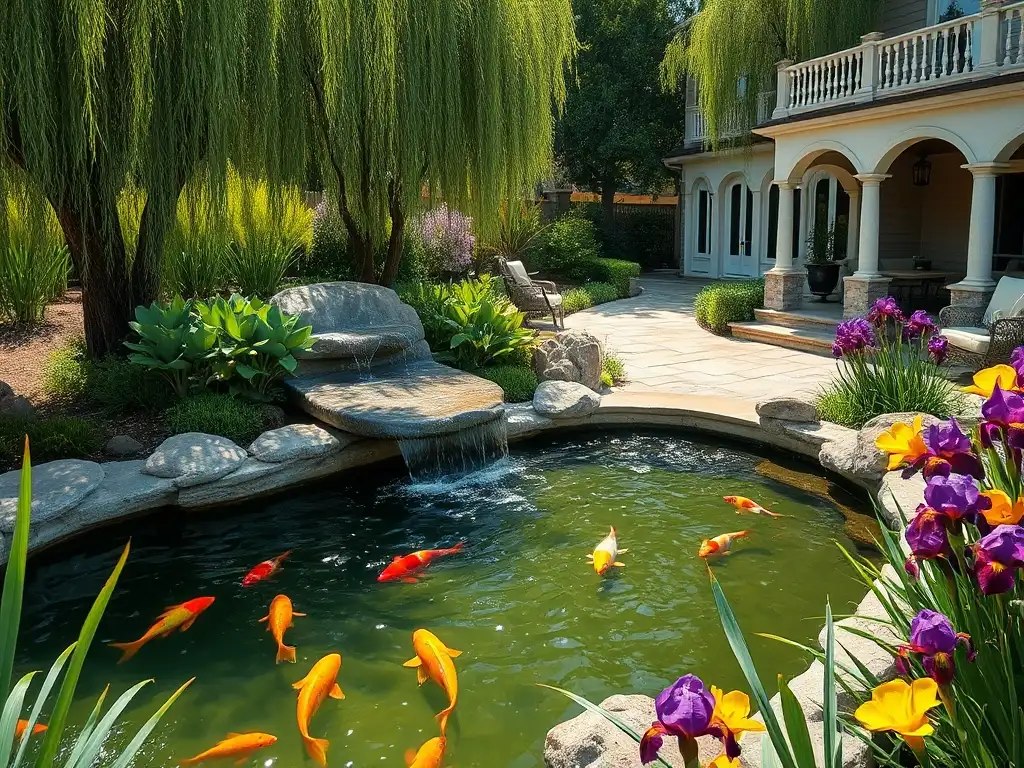
Ready to transform your outdoor space into a thriving, eco-friendly oasis? CultivateYourFood is your guide to growing delicious fruits, vegetables, and herbs at home. But have you considered the artistry of companion planting? Discover the secrets to creating a stunning and productive garden with our expert advice on Water feature companion plants, a perfect blend of beauty and functionality for your sustainable landscape. Let's dive in and unlock the potential of your garden!
- Choosing the Right Water Feature Companion Plants for Your Garden
-
Top 10 Water Feature Companion Plants for Thriving Gardens
- 1. Water Iris ( Iris pseudacorus): A Classic Choice for Pond Edges
- 2. Bog Bean ( Menyanthes trifoliata): Adding Texture and Interest to Your Water Feature
- 3. Pickerelweed ( Pontederia cordata): Attracting Pollinators and Adding Vibrant Color
- 4. Cattails ( Typha latifolia): Natural Filtration and Wildlife Habitat
- 5. Water Lilies ( Nymphaea): Showstopping Blooms for Pond Gardens
- 6. Marsh Marigold ( Caltha palustris): Early Spring Color Explosion
- 7. Sweet Flag ( Acorus calamus): Fragrant and Functional Waterside Addition
- 8. Horsetail ( Equisetum): Adding Texture and Natural Beauty
- 9. Hardy Fuchsia ( Fuchsia magellanica): Attracting Hummingbirds to Your Water Feature
- 10. Astilbe ( Astilbe): Lush Foliage and Elegant Blooms
- Maximizing Your Water Feature's Aesthetic Appeal with Companion Plants
- Maintaining Your Water Feature and Companion Plants for Long-Term Success
-
Frequently Asked Questions
- What are the best plants for a water feature?
- How do I choose plants that won't damage my water feature?
- What kind of maintenance is needed for water feature companion plants?
- Can I use any type of fertilizer near my water feature?
- Are there plants that attract beneficial insects to my water feature?
- Final Reflection: Cultivating Harmony: Water, Plants, and the Soul
- Unleash Your Water Feature's Potential!
Choosing the Right Water Feature Companion Plants for Your Garden
Creating a thriving garden often involves thoughtful consideration of plant placement and compatibility. This is especially true when incorporating a water feature, a beautiful addition that can significantly enhance your outdoor space. Choosing the right plants to complement your water feature is key to achieving a harmonious and aesthetically pleasing design while maximizing the health and longevity of both the plants and the aquatic ecosystem.
This article will guide you through selecting the perfect water feature companion plants, considering factors like microclimate, soil conditions, and the specific type of water feature you've installed. We'll explore which plants thrive near ponds, fountains, and other water features, ensuring your garden flourishes with vibrant life and attracts beneficial pollinators. Learning to select the appropriate plants will significantly improve the overall aesthetic appeal of your garden while promoting a healthy and sustainable environment.
This guide focuses on sustainable and organic practices, ensuring your water feature companion plants thrive naturally. Let's dive into the details to help you cultivate the perfect water feature oasis! 🌱
Understanding Your Microclimate: Sun Exposure and Soil Conditions for Water Feature Plants
Before selecting specific plants, understanding your garden's microclimate is paramount. Water features themselves can subtly alter the local environment. For instance, a large pond might create a slightly cooler and more humid microclimate compared to the surrounding area. This needs to be considered when choosing plants.
- Sun Exposure: Assess how much direct sunlight your water feature receives throughout the day. Some plants thrive in full sun, while others prefer partial shade or even full shade. For example, many aquatic plants need at least six hours of direct sunlight for optimal growth, while some riparian plants prefer dappled shade. Incorrect sun exposure can lead to wilting, burning, or poor growth.
- Soil Conditions: The soil surrounding your water feature will likely be different from the rest of your garden. It may be consistently moist or even waterlogged in some areas, while other areas might be drier. Knowing your soil type (clay, sandy, loamy) and its drainage characteristics is crucial. Some plants tolerate waterlogged soil, while others need well-drained soil. Consider amending the soil with organic matter like compost to improve its structure and drainage if needed. Careful soil preparation will significantly impact the success of your plantings.
- Moisture Levels: The moisture level is a critical factor. Plants close to the water feature will experience higher humidity and potentially more frequent watering. Select plants that tolerate these conditions, such as those known for their drought tolerance or water-loving nature. Observe the moisture levels around your feature over a few days to get a clear picture of the water retention capacity of the soil.
This careful assessment will ensure you select plants that not only survive but thrive in the specific conditions surrounding your water feature. Remember, proper planning prevents problems!
Selecting Plants Based on Water Feature Type: Pond Plants vs. Fountain Plants
The type of water feature you have significantly influences the types of plants that will flourish nearby. Different plants are suited to the unique conditions created by ponds, fountains, streams, or other water features.
- Pond Plants: Ponds often support a diverse range of plants, from those growing partially submerged in the water to those thriving in the moist soil at the pond's edge. Consider incorporating oxygenating plants (like Elodea or Hornwort) to improve water quality, marginal plants (like Irises or Canna lilies) that thrive in moist soil, and even floating plants (like Water Lilies or Duckweed) to add visual interest. The selection of pond plants should aim for a balanced ecosystem.
- Fountain Plants: Fountains, on the other hand, tend to have less consistently wet soil. Plants near fountains should be drought-tolerant and able to handle occasional splashing. Consider smaller shrubs or perennials that can tolerate some moisture variation. They also need to be able to withstand the potential for mineral deposits from the water spray. Avoid plants that are overly sensitive to minerals.
By carefully considering the specific characteristics of your water feature and its surrounding microclimate, you can choose plants that will enhance its beauty and create a thriving, sustainable garden ecosystem. Remember to research specific plant needs before making your selections. Happy planting! 🪴
Top 10 Water Feature Companion Plants for Thriving Gardens
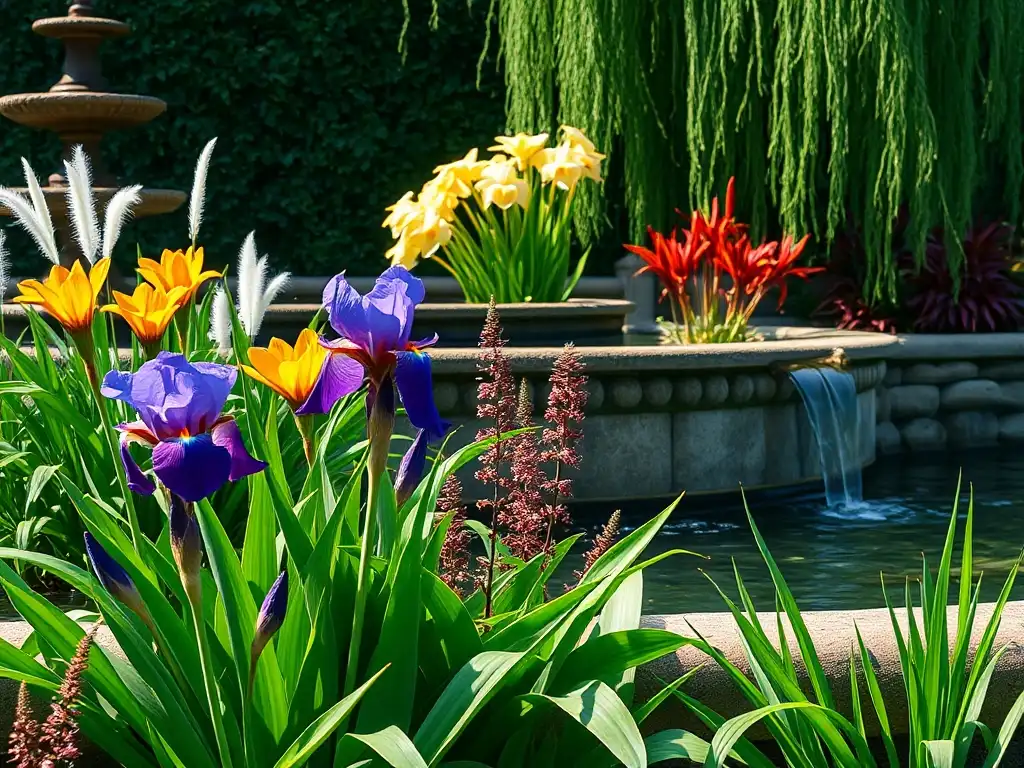
This section explores ten excellent plant choices to complement your water feature, enhancing its aesthetic appeal and supporting a thriving garden ecosystem. These selections prioritize water-loving species suitable for various water feature types, from ponds and bog gardens to smaller, more contained installations. Choosing the right plants can significantly improve the overall health and beauty of your water feature and surrounding landscape. Remember to consider the specific sunlight conditions and soil types in your garden when making your selections. Proper plant selection is key to a successful and thriving "water feature companion plants" arrangement.
1. Water Iris ( Iris pseudacorus): A Classic Choice for Pond Edges
The Water Iris is a striking and adaptable perennial, perfectly suited to the damp conditions around pond edges. Its vibrant yellow flowers add a splash of color, while its sword-like leaves provide attractive texture. This plant is relatively low-maintenance, making it an ideal choice for beginner gardeners. Its tolerance for varying water depths makes it versatile for different water feature designs. Water Iris also helps to filter pollutants from the water, contributing to a healthier pond ecosystem.
Planting and Caring for Water Iris: Tips for Success
Successful cultivation of Water Iris involves careful consideration of its needs. Plant rhizomes in moist soil at the edge of your pond, ensuring that they are partially submerged. Maintain consistent moisture levels, avoiding prolonged periods of drought. Regularly remove spent blooms to encourage continued flowering. While relatively disease-resistant, monitor for signs of fungal infections, and address promptly using organic fungicides if necessary. Remember, proper spacing is crucial to prevent overcrowding and promote healthy growth. Aim for approximately 12-18 inches between each rhizome.
Where to Buy High-Quality Water Iris Rhizomes
Sourcing healthy rhizomes is fundamental to a successful planting. Look for reputable nurseries specializing in aquatic plants. Check the rhizomes for signs of rot or disease before planting; firm and healthy rhizomes are essential for vigorous growth. Consider purchasing from local nurseries to support sustainable practices and ensure that the plants are adapted to your region's climate. Online retailers can also be a viable option, but always verify seller reviews and guarantees before purchasing.
2. Bog Bean ( Menyanthes trifoliata): Adding Texture and Interest to Your Water Feature
Bog Bean, with its distinctive three-lobed leaves and clusters of small, white flowers, brings unique texture and visual interest to your water feature. This plant thrives in shallow, marshy areas and adds a touch of wild beauty to the garden. It's a hardy perennial that tolerates a range of conditions, making it a reliable choice for water gardens. Its tolerance for slightly acidic conditions makes it a valuable addition to bog gardens. Bog Bean also provides habitat and food sources for beneficial insects and amphibians.
Creating a Thriving Bog Garden Environment for Bog Bean
To cultivate Bog Bean successfully, replicate its natural habitat. Create a bog garden area with consistently moist, acidic soil. You might use a combination of peat moss, sand, and loam to achieve the ideal soil composition. Ensure adequate water circulation to prevent waterlogging. Mulching with organic matter, such as shredded leaves, helps retain moisture and suppress weeds. Regular weeding is necessary to prevent competition for resources. Remember, consistent moisture is key to Bog Bean's success. Avoid letting the soil dry out completely.
Protecting Bog Bean from Common Pests: Organic Pest Control Solutions
While Bog Bean is generally pest-resistant, occasional infestations can occur. Common pests include aphids and slugs. Organic pest control methods are highly recommended for maintaining a healthy and sustainable garden ecosystem. Introduce beneficial insects like ladybugs, which prey on aphids. For slug control, consider using beer traps or diatomaceous earth. Hand-picking pests is also an effective, non-toxic method. Regularly inspect your plants for signs of infestation, and address any issues promptly to prevent significant damage. Maintaining a healthy and balanced garden environment is your best defense against pest problems.
3. Pickerelweed ( Pontederia cordata): Attracting Pollinators and Adding Vibrant Color
Pickerelweed is a stunning addition to any water feature, offering a vibrant splash of color and attracting a host of beneficial pollinators. Its striking blue-purple flowers, blooming from late spring to early fall, are a magnet for butterflies, bees, and hummingbirds, contributing significantly to the biodiversity of your garden ecosystem. The plant itself thrives in shallow water, typically ranging from 6 inches to 2 feet deep, making it ideal for pond edges or bog gardens.
Its broad, arrow-shaped leaves provide excellent cover for aquatic life, further enhancing the ecological value of your water feature. The deep green foliage offers a beautiful contrast to the vibrant flowers, creating a visually appealing and ecologically sound addition to your garden. Choosing pickerelweed for your water feature not only enhances its aesthetic appeal but also supports a healthier, more balanced environment.
Furthermore, its relatively low maintenance requirements make it a practical choice for busy gardeners. This beautiful plant truly elevates the overall appeal and functionality of your water garden.
Pickerelweed's Role in a Biodiverse Water Feature Ecosystem
Pickerelweed plays a crucial role in supporting biodiversity within a water feature ecosystem. The flowers provide a vital food source for pollinators, contributing to the overall health of your garden and surrounding environment. The dense foliage offers shelter and breeding grounds for various aquatic insects and amphibians, creating a thriving mini-ecosystem. This, in turn, attracts larger wildlife, such as birds and dragonflies, further enriching the biodiversity of your garden.
The plant's robust root system helps stabilize the pond banks and prevents erosion, contributing to the long-term health and stability of your water feature. By incorporating pickerelweed, you are actively contributing to a more balanced and resilient ecosystem within your garden, promoting a natural and harmonious environment. The presence of this plant signifies a thriving and healthy water garden. 🐝🦋
Propagating Pickerelweed for Expansion in Your Water Garden
Propagating pickerelweed is relatively straightforward, allowing you to expand your water garden effortlessly. The easiest method is through division of the rhizomes. In late spring or early autumn, carefully remove a section of the rhizome with several attached leaves. Plant this section directly into the muddy soil at the edge of your pond or water feature, ensuring it is submerged to the appropriate depth. Another method involves collecting seeds after the flowers have faded.
These seeds can be sown directly into the water or into pots filled with moist soil. Remember to maintain appropriate water levels for optimal growth. With minimal effort, you can quickly establish a thriving colony of pickerelweed, enhancing the beauty and ecological richness of your water feature. This simple propagation allows for easy expansion and management of this beneficial plant within your water garden.
4. Cattails ( Typha latifolia): Natural Filtration and Wildlife Habitat
Cattails are a remarkable plant for water features, offering both aesthetic appeal and practical benefits. Their tall, upright stalks and distinctive brown flower heads add a unique texture and visual interest to the landscape. Beyond their aesthetic value, cattails are highly effective at natural water filtration, removing excess nutrients and pollutants from the water. This helps to maintain a healthy and balanced aquatic environment, reducing the need for chemical treatments.
Additionally, cattails provide excellent habitat for a variety of wildlife, including birds, amphibians, and insects, fostering a thriving ecosystem within your water feature. Their extensive root systems help stabilize the pond banks, preventing erosion and contributing to the overall stability of the water garden. The versatility and ecological benefits of cattails make them an invaluable asset to any sustainable water feature design.
Using Cattails for Natural Water Filtration in Your Pond
Cattails are nature's own water purifiers. Their extensive root systems absorb excess nutrients, such as nitrates and phosphates, which often contribute to algal blooms and poor water quality. This natural filtration process reduces the need for chemical treatments, promoting a healthier and more sustainable water environment. The plants also help to remove sediment and other pollutants from the water, improving its clarity and overall aesthetic appeal.
By incorporating cattails into your pond design, you're actively contributing to a cleaner, healthier, and more ecologically balanced water feature. This natural approach to water purification offers a sustainable and environmentally friendly alternative to chemical treatments. This significantly reduces the environmental impact of maintaining your water feature.
Controlling Cattail Growth: Maintaining Balance in Your Water Feature
While cattails offer numerous benefits, their vigorous growth can sometimes become overwhelming. To prevent them from taking over your water feature, regular monitoring and controlled management are essential. One effective method is to manually remove excess plants, either by cutting back the stalks or carefully digging up sections of the rhizome. Another approach is to use physical barriers, such as pond liners or strategically placed rocks, to restrict their spread.
Regular harvesting of the stalks can also help control growth while providing a useful material for various crafts or composting. Maintaining a balance between the benefits of cattails and the need to prevent overgrowth is crucial for a thriving and aesthetically pleasing water feature. Careful management ensures a balanced ecosystem and prevents the cattails from dominating the water feature, allowing other plants to flourish. This proactive approach ensures a healthy and visually appealing water garden.
5. Water Lilies ( Nymphaea): Showstopping Blooms for Pond Gardens
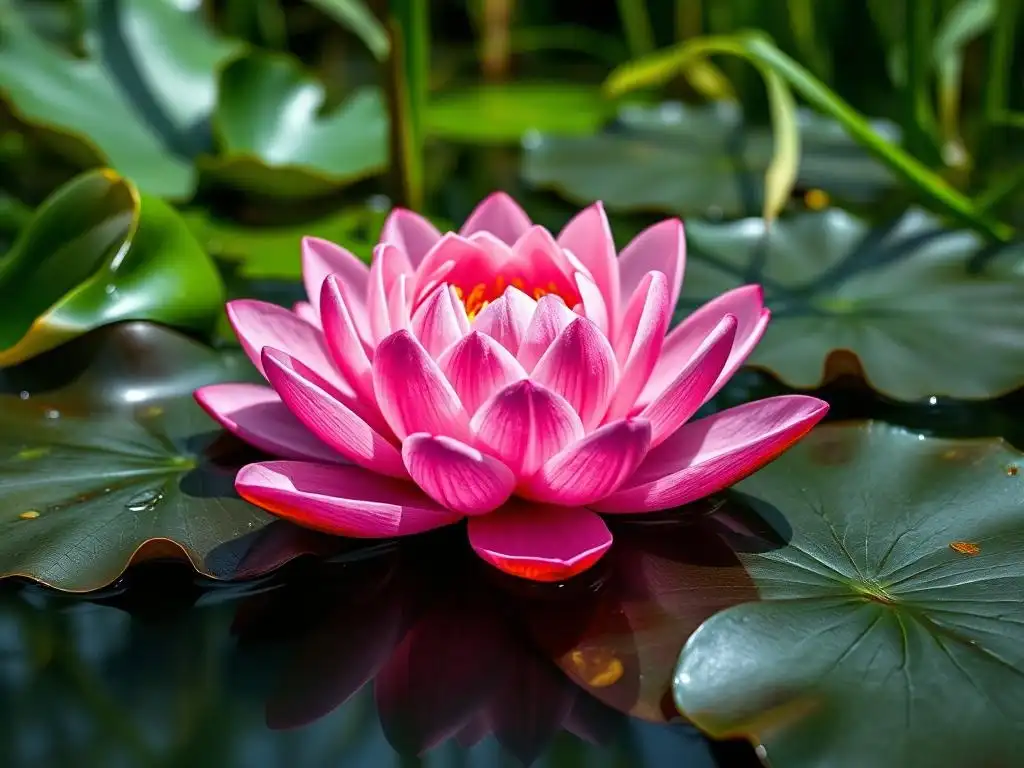
Water lilies are iconic pond plants, adding a touch of elegance and vibrant color to any water feature. Their large, floating leaves provide shade for the water, helping to regulate temperature and prevent algae growth – a significant benefit for maintaining a healthy pond ecosystem. The flowers themselves, ranging in color from pristine white to deep pink and vibrant yellow, are truly showstopping, attracting pollinators and adding a focal point to your garden design.
They are relatively low-maintenance once established, making them a popular choice for both beginner and experienced gardeners. The gentle sway of the leaves and the luminous beauty of the blooms create a serene and captivating atmosphere. Choosing the right variety is key to success, ensuring the plant thrives within the confines of your water feature.
Selecting the Right Water Lily Variety for Your Water Feature Size
Choosing the right water lily variety is crucial for a successful planting. Different varieties have different mature sizes, ranging from compact varieties suitable for small tubs or containers to larger varieties that need significant space to spread their leaves. Before selecting a variety, carefully measure your pond or water feature. Consider the depth of the water as well; some varieties prefer shallower water, while others thrive in deeper settings.
For instance, a small, 1-foot diameter container might be perfect for a dwarf water lily variety, while a larger pond could easily accommodate a large, spreading variety with leaves reaching 3 feet or more in diameter. Checking the specific growth habit of the variety you choose will ensure a healthy and aesthetically pleasing result. Consult with your local nursery or garden center for advice on varieties best suited to your specific water feature's dimensions and water depth.
Maintaining Water Lily Health: Fertilizing and Pest Management
While relatively hardy, water lilies benefit from occasional fertilization, especially during periods of rapid growth. A slow-release aquatic plant fertilizer, specifically formulated for water lilies, will provide essential nutrients without harming the pond ecosystem. Avoid over-fertilizing, as this can lead to excessive algae growth. Regularly inspect the plants for pests and diseases. Common pests include aphids and spider mites, which can be controlled using insecticidal soap or neem oil.
Diseases, such as leaf spot, can be managed by removing affected leaves and ensuring good air circulation around the plants. Maintaining water quality is also key to the health of your water lilies. Regularly test the water and adjust pH levels as needed. Removing excess debris and keeping the water clean will minimize the risk of disease and promote healthy growth.
6. Marsh Marigold ( Caltha palustris): Early Spring Color Explosion
The marsh marigold, with its cheerful, butter-yellow flowers, is a delightful harbinger of spring. These vibrant blooms appear early in the season, often before many other plants, adding a splash of much-needed color to the garden. They thrive in moist, even boggy conditions, making them ideal companions for water features.
The heart-shaped leaves add to their charm, providing a lush, textured backdrop for the bright flowers. Their relatively low maintenance needs and tolerance for shade make them a popular choice for gardeners looking to add early spring interest to their water feature planting schemes. Their vibrant color provides a striking contrast to the often muted tones of early spring foliage.
Planting Marsh Marigolds in Moist, Shaded Areas
Marsh marigolds thrive in consistently moist soil. Ideally, they should be planted in areas with partial shade or dappled sunlight, as direct sunlight can scorch their leaves. The soil should be rich in organic matter, and the area should remain consistently damp, but not waterlogged. Planting them near the edge of a pond or stream, where the soil remains consistently moist, is ideal.
They can also be successfully grown in bog gardens or containers filled with a mix of peat moss and compost. Proper soil preparation is crucial for successful establishment. Amend heavy clay soils with organic matter to improve drainage and aeration. Ensure the area is free from competing weeds before planting to minimize competition for resources.
Combining Marsh Marigolds with Other Water-Loving Plants
Marsh marigolds pair beautifully with other water-loving plants. Consider combining them with other spring bloomers such as forget-me-nots or primroses for a vibrant early spring display. Their bright yellow flowers complement the blues and purples of these other plants. For a more extended period of interest, plant them alongside later-blooming waterside plants, such as irises or astilbes.
The combination creates a dynamic and visually appealing planting scheme that offers interest throughout the growing season. Careful consideration of plant heights and textures will ensure a balanced and harmonious composition. Remember to account for the mature size of each plant to prevent overcrowding.
7. Sweet Flag ( Acorus calamus): Fragrant and Functional Waterside Addition
Sweet flag, with its distinctive sword-like leaves and subtly sweet aroma, is a fantastic choice for water feature companion planting. This rhizomatous perennial thrives in moist soils and even shallow water, making it ideal for the edges of ponds, streams, or bog gardens. Its striking foliage adds a vertical element to your water feature, creating visual interest and texture. The plant's tolerance for various soil conditions and its ability to self-propagate makes it a low-maintenance yet rewarding addition.
Furthermore, sweet flag is incredibly adaptable, thriving in full sun to partial shade, offering flexibility in garden design. Consider its placement carefully to maximize its visual impact and ensure it doesn't overshadow other plants. Remember to choose a location that allows its fragrant leaves to release their scent effectively, enhancing the sensory experience of your garden.
Sweet Flag's Air-Purifying Properties: Improving Garden Air Quality
Beyond its aesthetic appeal, sweet flag offers surprising air-purifying qualities. Studies suggest that certain compounds within the plant can help filter out some airborne pollutants, contributing to a healthier garden atmosphere. 1 While not a replacement for proper ventilation or air filtration systems, its contribution to improved air quality can be a welcome benefit, especially in smaller, enclosed garden spaces. The exact mechanisms and effectiveness are still being researched, but the potential for this natural air purification makes sweet flag a particularly valuable plant for those seeking environmentally friendly gardening solutions. The fragrant oils released by the leaves are believed to be key to its air-purifying properties. Planting sweet flag strategically near seating areas or pathways can maximize the potential for this beneficial effect.
Using Sweet Flag in Traditional Herbal Remedies (Disclaimer)
Sweet flag has a long history of use in traditional medicine, with various cultures employing it for various ailments. However, it's crucial to emphasize that self-medicating with sweet flag or any other plant is strongly discouraged. Some components of sweet flag can be toxic if ingested improperly, and its use should only be under the guidance of a qualified healthcare professional. 2 This information is provided for educational purposes only and should not be interpreted as a recommendation for medicinal use. Always consult a doctor or herbalist before using sweet flag for any health-related purposes. The potential risks associated with its internal use outweigh the potential benefits for the average gardener.
8. Horsetail ( Equisetum): Adding Texture and Natural Beauty
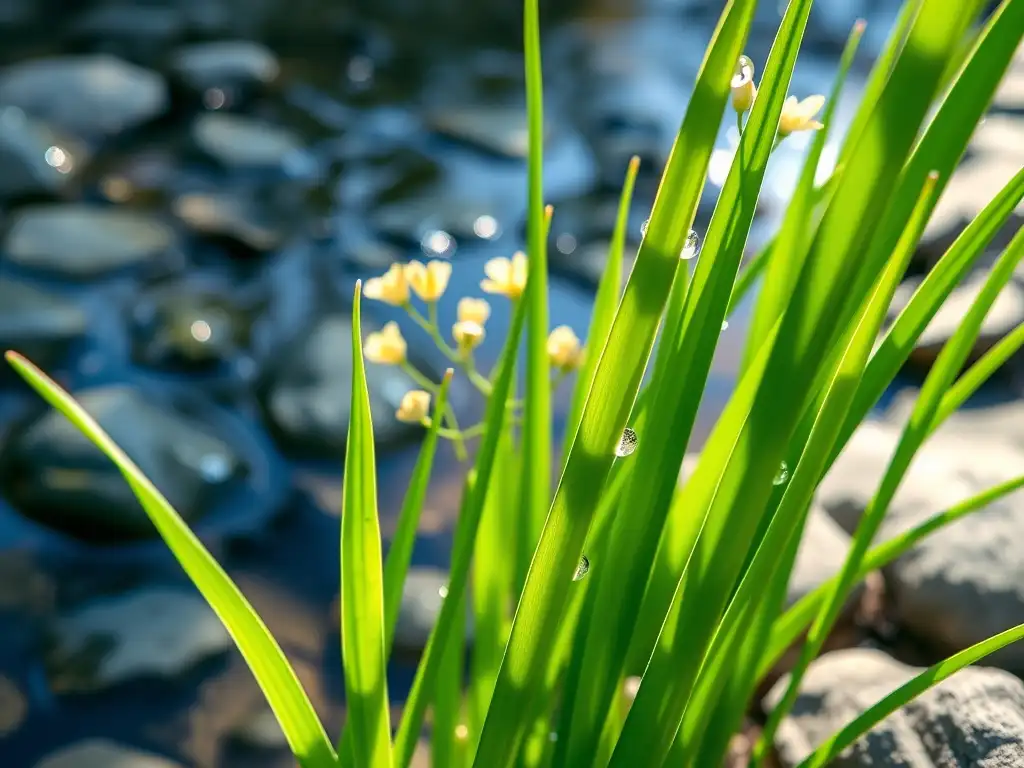
Horsetail, a primitive plant with a unique, jointed stem structure, adds a striking textural element to water feature plantings. Its feathery, evergreen foliage provides year-round interest, contrasting beautifully with the smooth surfaces of water and stones. Various horsetail species are available, offering options for different garden sizes and conditions. Some varieties, like Equisetum hyemale, are particularly well-suited to damp, shady areas often found near water features. Their resilience and adaptability make them a low-maintenance addition to any water garden. The upright growth habit of horsetail creates a visually appealing vertical accent, complementing the horizontal lines of water and pathways.
Controlling Horsetail Spread in Your Garden
While horsetail's resilience is a benefit, its vigorous growth can also be a challenge. It spreads rapidly through underground rhizomes, potentially becoming invasive if not managed properly. Regular monitoring and careful containment are essential to prevent it from overwhelming other plants in your garden. Methods for controlling horsetail spread include physical barriers, such as edging or containers, and diligent removal of any unwanted shoots. Strategic pruning can help maintain its shape and prevent excessive spread. Understanding the growth habits of the specific horsetail species you choose is crucial for effective management.
Using Horsetail Extracts as a Natural Insecticide (DIY Recipe)
Horsetail contains silica, which has shown insecticidal properties. 3 A DIY horsetail tea can be made by steeping fresh or dried horsetail in water. This tea can be used as a natural insecticide for certain garden pests. To make the tea, steep approximately 100 grams of fresh horsetail (or 20 grams of dried) in 1 liter of water for 24 hours. Strain the liquid and use it as a foliar spray on affected plants. Note: This is a natural remedy, and its effectiveness may vary depending on the pest and the severity of the infestation. It is often most effective as a preventative measure or against milder infestations. Always test a small area first before applying widely. This method is a sustainable and environmentally friendly alternative to chemical pesticides, aligning with the ethos of CultivateYourFood.
1 [Citation needed: Research on Sweet Flag's air purification properties] 2 [Citation needed: Research on Sweet Flag's toxicity and medicinal use] 3 [Citation needed: Research on Horsetail's insecticidal properties]
9. Hardy Fuchsia ( Fuchsia magellanica): Attracting Hummingbirds to Your Water Feature
Hardy fuchsias are a delightful addition to any water feature, offering vibrant, pendulous flowers that attract hummingbirds. Their tolerance for moist soil makes them ideal companions for ponds, streams, and other water features. The bright colors of their blooms, ranging from deep reds and purples to delicate pinks and whites, provide a stunning visual contrast against the water's surface. Furthermore, their relatively low maintenance requirements make them a practical choice for busy gardeners.
Many varieties are available, offering a range of sizes and flower colors to suit different preferences and garden designs. Planting them near a water source not only provides the necessary moisture but also creates a visually appealing and biodiverse area. The combination of the fuchsia's beauty and the hummingbirds' activity adds a dynamic and lively element to the garden's ambiance.
Creating a Hummingbird-Friendly Garden Around Your Water Feature
To maximize hummingbird attraction, consider incorporating other plants known to attract these tiny birds. Salvias, bee balms, and trumpet honeysuckle are excellent choices, offering a variety of flower shapes and colors to complement the hardy fuchsia. Planting these species in clusters near the water feature creates a vibrant, nectar-rich habitat that will keep hummingbirds returning. Remember to provide perches for the hummingbirds to rest on, such as small branches or twigs strategically placed near the flowers.
Avoid using pesticides, as these can harm hummingbirds and other beneficial insects. A healthy, pesticide-free environment is crucial for creating a thriving hummingbird habitat. Providing a shallow dish of clean water, separate from your water feature, can also help attract and sustain these beneficial birds.
Protecting Hardy Fuchsia from Common Diseases
While hardy fuchsias are generally resilient, they can be susceptible to certain diseases. Fungal diseases, like leaf spot and root rot, can be problematic, particularly in overly moist conditions. Ensuring good air circulation around the plants by avoiding overcrowding is crucial for preventing fungal growth. Proper watering techniques, avoiding overhead watering, are also essential. Regular inspection for signs of disease, such as leaf discoloration or wilting, allows for early intervention.
If disease is detected, removing affected leaves or stems and applying an appropriate fungicide can help control the problem. Maintaining a healthy soil environment with good drainage is vital for preventing root rot. Choosing disease-resistant varieties can also significantly reduce the risk of fungal infections. Remember to always follow the instructions on any fungicide carefully.
10. Astilbe ( Astilbe): Lush Foliage and Elegant Blooms
Astilbe, with its feathery plumes of flowers and lush, attractive foliage, is another excellent choice for a water feature companion plant. It thrives in moist to wet soil, making it perfectly suited to the damp conditions around ponds, streams, or bog gardens. The vibrant colors of its blooms—ranging from white and pink to red and purple—add a touch of elegance and visual interest to the garden landscape.
The plant's architectural form provides a beautiful contrast to the softer lines of other waterside plants. Their height and texture also contribute to a layered and visually stimulating landscape. Different varieties offer a variety of heights, from compact varieties suitable for smaller spaces to taller ones that make a statement in larger water feature settings.
Selecting Astilbe Varieties for Different Light Conditions
Astilbe varieties differ in their light requirements. Some prefer partial shade, while others can tolerate full sun, provided they have consistently moist soil. When selecting Astilbe for your water feature, consider the amount of sunlight the area receives throughout the day. For areas with predominantly shade, varieties like 'Peach Blossom' or 'Sprite' are excellent choices.
These varieties thrive in low-light conditions and produce beautiful blooms. For areas with more sunlight, varieties such as 'Fanal' or 'Montgomery' are more suitable, but ensure the soil remains consistently moist to prevent stress. Careful consideration of light conditions ensures that the chosen Astilbe variety will flourish in its location.
Astilbe Care and Maintenance: Tips for a Healthy Garden
Astilbe is relatively low-maintenance but benefits from regular care. Maintaining consistently moist soil is crucial, especially during dry periods. Mulching around the plants helps retain moisture and suppress weeds. Regular fertilization, using a balanced fertilizer, promotes healthy growth and abundant blooms. Deadheading spent flowers encourages further blooming and maintains a tidy appearance. Dividing mature clumps every few years helps prevent overcrowding and maintains plant vigor. With minimal effort, Astilbe will reward you with its beauty and contribute significantly to the overall aesthetic appeal of your water feature garden. 🌱
Maximizing Your Water Feature's Aesthetic Appeal with Companion Plants
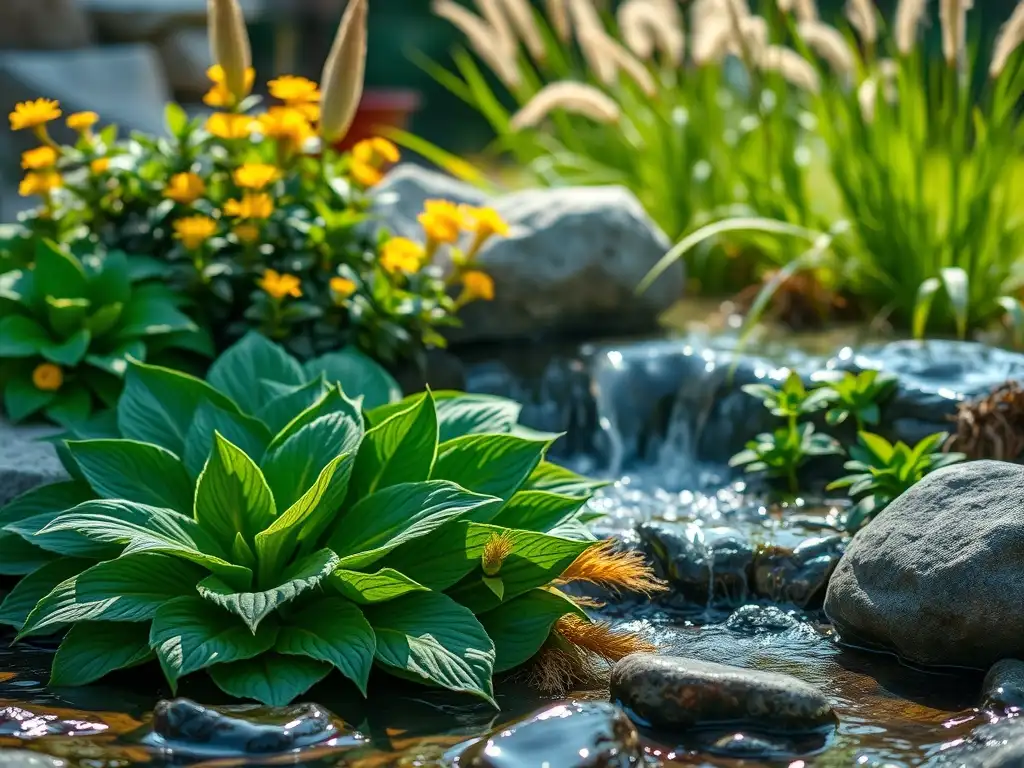
Water feature companion plants are crucial for enhancing the visual impact of your water feature, transforming it from a simple pond or fountain into a captivating focal point in your garden. Careful selection of plants can dramatically improve the overall aesthetic, creating a serene and inviting atmosphere. The key is to consider not only the visual appeal of the plants themselves but also their functionality in complementing the water feature's design and scale.
A small, delicate fountain might be overwhelmed by large, lush plants, while a large pond could benefit from a variety of sizes and textures to add depth and interest. Planning is key, considering the mature size of each plant to avoid overcrowding or sparse areas.
Creating a Harmonious and Balanced Water Garden Design
Designing a harmonious water garden requires careful consideration of plant placement and species selection. Think of it as creating a miniature ecosystem, with each plant playing a specific role. For instance, taller plants can provide shade and privacy, while shorter plants can add color and texture closer to the water's edge.
A balanced design incorporates a variety of heights and textures, preventing a monotonous appearance. Consider using a mix of emergent plants (those growing directly from the water), marginal plants (those growing in shallow water), and aquatic plants (those fully submerged). This layered approach creates visual interest and provides habitat for beneficial insects and wildlife.
For example, a combination of tall grasses like Miscanthus sinensis (maiden grass), medium-height sedges, and low-growing creeping jenny ( Lysimachia nummularia) around a pond offers a visually appealing and ecologically sound design. This layered approach mimics natural waterside habitats, supporting biodiversity and creating a more dynamic and engaging space.
Choosing Plants with Complementary Colors and Textures
The color and texture of your water feature companion plants are essential for creating a cohesive and aesthetically pleasing design. Consider the existing colors in your garden and the overall style you are aiming for. For example, a Japanese-inspired garden might benefit from the subtle colors and textures of bamboo and ferns, while a more vibrant garden might incorporate brightly colored flowers like irises and daylilies.
The interplay of colors and textures can create a sense of depth and movement. Combining plants with contrasting textures, such as smooth-leaved plants with feathery foliage, adds visual interest. Think about the colors of your water feature itself; a dark stone fountain might be complemented by silvery-leaved plants, while a lighter-colored feature might pair well with richer tones.
Careful consideration of color palettes and textures is crucial for achieving a truly stunning and memorable water feature. Analyzing the light conditions is also vital; some plants thrive in full sun while others prefer shade, influencing both color intensity and overall health.
Incorporating Native Plants for a Sustainable Water Feature
Using native plants as water feature companion plants offers numerous benefits, promoting biodiversity and reducing the need for excessive watering and maintenance. Native plants are adapted to the local climate and soil conditions, requiring less intervention to thrive. This translates to a more sustainable and environmentally friendly approach to garden design.
Choosing native plants also attracts local wildlife, such as butterflies, bees, and birds, further enriching your garden's ecosystem. Research your local area to identify suitable native species for your water feature. For example, in many regions, native rushes, sedges, and pickerelweed offer excellent choices for marginal and aquatic plantings.
Selecting plants appropriate to your specific region ensures they will flourish without constant intervention, minimizing the need for fertilizers and pesticides, contributing to a healthier and more sustainable garden environment. This environmentally conscious approach aligns perfectly with the principles of organic gardening and responsible land stewardship, a key tenet of "CultivateYourFood."
Maintaining Your Water Feature and Companion Plants for Long-Term Success
This section focuses on the crucial aspect of upkeep to ensure the longevity and vibrancy of your water feature and its carefully selected companion plants. Neglecting maintenance can quickly lead to imbalances in your ecosystem, impacting both the aesthetic appeal and the health of your plants. Proper care ensures your "water feature companion plants" thrive and create a beautiful, sustainable garden.
Regular Pond Maintenance: Cleaning, Filtration, and Water Quality
Maintaining a healthy aquatic environment is paramount for the success of your water garden and the plants surrounding it. Regular cleaning, efficient filtration, and consistent monitoring of water quality are key components of this process. Think of it as providing the best possible conditions for your "water feature companion plants" to flourish.
Regular cleaning involves removing fallen leaves, debris, and any accumulated algae from the pond's surface and bottom. This prevents nutrient build-up, which can fuel excessive algae growth and negatively impact water clarity and oxygen levels. A simple net and a pond scoop are effective tools for this task. Aim to perform this cleaning at least once a month, more frequently during peak seasons.
Filtration is equally crucial. A properly sized and maintained filter removes particulate matter, keeping the water clean and clear. Regular filter cleaning (following manufacturer instructions) is essential to maintain its effectiveness. Neglecting filter maintenance can lead to reduced filtration efficiency, ultimately harming your aquatic life and affecting the health of your surrounding plants. Consider adding beneficial bacteria to your filtration system to further enhance water quality.
Monitoring water quality is an ongoing process. Regularly check the pH levels and test for ammonia and nitrite levels. These parameters are vital indicators of the overall health of your pond ecosystem. Maintaining a balanced pH and low levels of ammonia and nitrite are crucial for the healthy growth of both aquatic plants and your chosen "water feature companion plants". Use a reliable water testing kit to monitor these parameters and adjust accordingly, perhaps by adding water conditioners or performing partial water changes as needed. Remember, a healthy pond environment supports healthy plants.
Dealing with Pests and Diseases in Your Water Garden
While creating a thriving water garden offers many rewards, it's important to be prepared to address potential pest and disease issues. Proactive measures and prompt responses are key to preventing significant problems and ensuring the continued health of your "water feature companion plants."
Pests can range from common garden insects like aphids and slugs to specific aquatic pests. Regular inspection is crucial for early detection. Aphids, for example, can infest plants near the water's edge, while slugs might find the moist environment appealing. Manual removal of pests, especially in smaller water features, can be highly effective. For larger infestations, consider introducing beneficial insects, such as ladybugs, which prey on aphids. Always research environmentally friendly pest control options before resorting to chemical treatments, as these can harm beneficial insects and the overall pond ecosystem.
Diseases can also affect both aquatic and terrestrial plants in your water garden. Common fungal diseases can thrive in humid environments. Good sanitation practices, such as removing dead leaves and debris promptly, can significantly minimize the risk of disease. Ensuring proper spacing between plants promotes good air circulation and reduces the likelihood of fungal infections spreading. If disease does occur, identify the specific problem and research appropriate organic treatments. Remember to avoid using harsh chemicals that could contaminate the water and harm your aquatic life. A healthy pond and well-maintained plants are less susceptible to disease.
| Pest/Disease | Symptoms | Organic Control Methods |
|---|---|---|
| Aphids | Yellowing leaves, stunted growth | Introduce ladybugs, spray with neem oil |
| Slugs | Holes in leaves, slimy trails | Manual removal, beer traps, diatomaceous earth |
| Fungal Leaf Spot | Brown or black spots on leaves | Improve air circulation, remove affected leaves, use compost tea |
| Algae Blooms | Cloudy or green water | Maintain proper water balance, use barley straw bales |
Remember, proactive maintenance is key to a beautiful and thriving water garden. By diligently attending to these aspects, you'll enjoy the beauty and serenity of your water feature and its carefully chosen "water feature companion plants" for years to come. 🌱
Frequently Asked Questions
What are the best plants for a water feature?
Many plants thrive near water! Look for moisture-loving species like iris, astilbe, and hostas. Consider the sun exposure and soil type of your specific location.
How do I choose plants that won't damage my water feature?
Select non-invasive plants to avoid clogging or overwhelming your pond or fountain. Avoid plants with aggressive root systems that could damage structures.
What kind of maintenance is needed for water feature companion plants?
Regular watering may still be needed, even for moisture-loving plants, especially during dry spells. Deadheading spent blooms promotes healthy growth.
Can I use any type of fertilizer near my water feature?
Use organic fertilizers sparingly to avoid polluting the water. Avoid chemical fertilizers, which can harm aquatic life.
Are there plants that attract beneficial insects to my water feature?
Yes! Many plants attract beneficial insects that can help control pests. Consider planting herbs like mint or flowering plants that attract ladybugs.
Final Reflection: Cultivating Harmony: Water, Plants, and the Soul
The careful selection of plants around a water feature isn't merely about aesthetics; it's about creating a thriving ecosystem, a miniature world of beauty and balance that reflects the interconnectedness of life itself. This interconnectedness, so beautifully demonstrated in the natural world, offers a powerful lesson for our own lives, reminding us of the importance of thoughtful choices and harmonious coexistence.
The impact of thoughtfully designed landscapes extends far beyond the visual. The gentle sounds of water, the vibrant colors of carefully chosen plants, and the overall sense of tranquility created by a well-designed water feature can profoundly affect our well-being. The earth laughs in flowers.
– Ralph Waldo Emerson. This quote speaks to the inherent joy and life-affirming power of nature, a power amplified when we consciously cultivate it in our own spaces. The careful consideration given to plant selection, as explored in this article, is a direct contribution to this joy, creating a space of peace and renewal.
Now, consider your own space. What elements of harmony and balance can you cultivate? Perhaps it's not a water feature, but a small herb garden, a window box overflowing with flowers, or even simply a single potted plant. Take a moment to reflect on the power of nature to soothe, inspire, and connect us to something larger than ourselves. Begin by choosing one plant, one small act of cultivation, and watch as it blossoms into a greater appreciation for the beauty and interconnectedness of the world around you.
Unleash Your Water Feature's Potential!
Thank you for exploring the world of aquatic plants! You now have the knowledge to transform your water feature into a thriving ecosystem. Ready to put your expertise to work?
- Design your dream aquatic garden: Create a planting plan, considering sunlight, water depth, and the individual plant needs we discussed. Let your creativity flow!
- Share your vision: Post a picture of your water feature (or your planting plan!) on our CultivateYourFood social media—we'd love to see your creation!
- Discover more: Explore our other articles on water gardening; you might find the perfect addition to your design!
What unique plant will be the centerpiece of your aquatic masterpiece? Let us know in the comments!