
Lasagna Gardening in the Spring: Jumpstart Your Growing Season

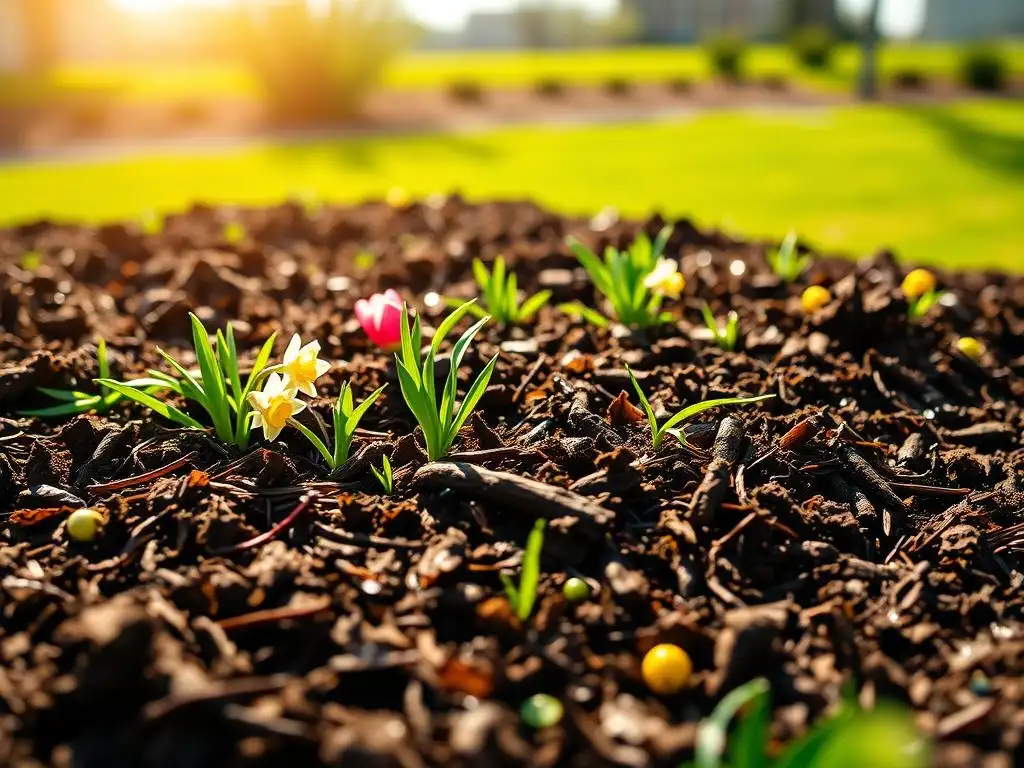
Ready to unlock the secrets to a bountiful harvest, right in your backyard? At CultivateYourFood, we empower you to grow your own delicious fruits, vegetables, and herbs using sustainable, organic methods. This spring, ditch the conventional and discover the magic of lasagna gardening – our comprehensive guide will show you how to jumpstart your growing season and cultivate a thriving garden. Dive in and learn how this revolutionary technique can transform your gardening experience!
-
Spring Lasagna Gardening: A Complete Guide for Beginners
- Understanding the Benefits of Spring Lasagna Gardening
- Preparing Your Spring Lasagna Garden Bed: Site Selection and Soil Testing
- Gathering Materials for Your Spring Lasagna Garden
- Step-by-Step Guide to Building Your Spring Lasagna Garden
- Planting Seeds and Seedlings in Your Spring Lasagna Garden
- Watering and Maintaining Your Spring Lasagna Garden
- Pest and Disease Control in Spring Lasagna Gardens
- Harvesting Your Spring Lasagna Garden Bounty
- Troubleshooting Common Spring Lasagna Gardening Problems
- Advanced Spring Lasagna Gardening Techniques
- Frequently Asked Questions
- Final Reflection: Nourishing the Earth, Nourishing Ourselves
- Unleash Your Spring Harvest: Get Growing!
Spring Lasagna Gardening: A Complete Guide for Beginners
Spring is the perfect time to jumpstart your garden with the amazing technique of lasagna gardening! This method, also known as sheet mulching, offers a fantastic way to cultivate a thriving and healthy garden using sustainable and organic practices. This comprehensive guide will walk you through the process of creating a spring lasagna garden, from selecting the perfect location to harvesting your bountiful crops.
We'll cover everything you need to know to achieve a flourishing garden brimming with fruits, vegetables, and herbs, all while minimizing your environmental impact and maximizing your yield. This guide is perfect for beginners looking to embrace sustainable gardening practices and experienced gardeners wanting to enhance their existing methods. Get ready to experience the magic of lasagna gardening and enjoy a fruitful spring season!
Understanding the Benefits of Spring Lasagna Gardening
Lasagna gardening, a form of sheet mulching, offers a multitude of advantages, particularly when implemented in the spring. This no-till method significantly improves soil health and reduces the need for intensive labor. By layering organic materials, you create a rich, fertile bed that encourages beneficial microbial activity. This leads to:
- Improved Soil Structure: The layers of organic matter improve soil aeration, drainage, and water retention, creating the ideal environment for healthy root growth. This is especially crucial in spring, when soil can be compacted after winter.
- Nutrient-Rich Soil: The decomposition of organic materials releases essential nutrients, feeding your plants naturally and reducing the need for chemical fertilizers. This translates to healthier, more vibrant plants.
- Weed Suppression: A thick layer of organic matter effectively suppresses weed growth, minimizing the need for weeding and saving you time and effort.
- Water Conservation: The improved soil structure helps retain moisture, reducing the frequency of watering, particularly beneficial during potentially dry spring conditions.
- Reduced Soil Erosion: The layers of organic matter act as a protective barrier, reducing soil erosion and preserving the integrity of your garden bed.
- Pest and Disease Control: A healthy soil ecosystem fosters beneficial microorganisms that can help control pests and diseases, promoting natural pest management.
Preparing Your Spring Lasagna Garden Bed: Site Selection and Soil Testing
Before you begin layering your lasagna garden, careful planning is crucial. The success of your spring garden hinges on proper site selection and soil analysis.
First, choose a sunny location that receives at least six hours of direct sunlight daily. Consider the proximity to water sources for easy irrigation. Observe the area for drainage patterns; avoid areas prone to waterlogging.
Next, conduct a soil test to determine your soil's pH and nutrient levels. This essential step informs your layering strategy, allowing you to tailor the organic materials to address any deficiencies. A soil test kit can easily be purchased from most garden centers. Understanding your soil's composition will help you choose the appropriate organic amendments to create a thriving environment for your plants.
For example, if your soil is particularly clay-heavy, you'll want to incorporate materials to improve drainage. Conversely, sandy soil might benefit from materials that enhance water retention. Knowing your soil's characteristics is the first step to a successful lasagna garden.
Gathering Materials for Your Spring Lasagna Garden
Before embarking on your spring lasagna gardening adventure, gathering the necessary materials is crucial. This isn't a last-minute project; careful preparation ensures success. Think of it like baking a delicious lasagna – you wouldn't start without all your ingredients! You'll need a variety of materials, broadly categorized as browns (carbon-rich) and greens (nitrogen-rich).
The quantity of each material will depend on the size of your garden bed. For a small 4x4 foot bed, you'll need significantly less than for a larger 8x12 foot area. Aim for layers approximately 4-6 inches deep in total. Remember to source materials sustainably; avoid using treated wood or materials containing harmful chemicals. Composting your own yard waste is a fantastic way to reduce waste and create high-quality materials for your lasagna garden.
Consider gathering materials over several weeks, allowing time to collect sufficient quantities of each component. This approach also allows for flexibility and adaptation based on material availability. Don't forget essential tools like a garden fork or shovel for turning and layering. A sturdy pair of gardening gloves is also a must-have for protecting your hands.
Step-by-Step Guide to Building Your Spring Lasagna Garden
Building a spring lasagna garden is a rewarding process that mimics nature's decomposition cycle. This method helps create rich, fertile soil quickly and effectively, ideal for a bountiful spring harvest. The process involves layering various organic materials to create a thriving growing environment. Following these steps carefully will ensure a successful lasagna garden. Remember that patience is key; the decomposition process takes time, and the rewards will be well worth the wait. Let’s dive into the specific layers:
Layer 1: Cardboard or Newspaper for Weed Suppression
This initial layer is vital for suppressing existing weeds and preventing new ones from sprouting. Use several layers of cardboard or newspaper to completely cover the area. Overlap the edges to prevent weed breakthrough. Wet the cardboard thoroughly to help it break down faster and adhere to the ground. Avoid using glossy or colored newspaper, as the inks may contain harmful chemicals.
Plain newsprint is your best bet. This layer acts as a barrier, preventing existing weeds from competing with your future plants for nutrients and water. The decomposing cardboard also improves soil structure over time. Think of it as a foundation for your lasagna garden, providing a stable base for the subsequent layers.
Layer 2: Brown Materials: Carbon-Rich Compost and Dried Materials
The second layer focuses on carbon-rich materials. These provide structure and help to balance the nitrogen-rich materials added later. Examples include dried leaves, shredded twigs, straw, and well-composted brown materials. Aim for a layer approximately 4-6 inches thick. This layer helps to improve soil drainage and aeration. The decomposition of these brown materials will provide essential nutrients for your plants later in the season. Ensure that the materials are relatively dry to avoid creating a waterlogged layer. A mix of different brown materials provides a wider range of nutrients and textures for the soil.
Layer 3: Green Materials: Nitrogen-Rich Compost and Green Waste
Next, add a layer of green materials, which are rich in nitrogen. These include grass clippings, vegetable scraps, coffee grounds, and well-composted green materials. Again, aim for a layer about 4-6 inches thick. This layer adds essential nitrogen to the mix, which is vital for plant growth.
The combination of brown and green materials creates a balanced environment that supports microbial activity, crucial for soil health. Avoid using diseased plants or materials that may contain harmful pests or diseases. Ensure that the green materials are not overly wet to prevent the layer from becoming anaerobic (lacking oxygen) which can hinder decomposition.
Layer 4: Soil Amendment Layer: Adding Nutrients to the Mix
This layer enhances the overall nutrient content of your lasagna garden. Include materials like aged manure (well-rotted! ), bone meal, or rock phosphate. These add essential minerals and nutrients that will support healthy plant growth. This layer is not strictly necessary but significantly boosts the fertility of your garden bed. The specific amendments you choose will depend on your soil's existing nutrient levels. A soil test can be helpful in determining which amendments are most beneficial for your specific needs. Adding a layer of wood ash can also help to increase the pH level of your soil if needed.
Layer 5: Topsoil: Creating a Sowing Bed
The final layer is a layer of topsoil, approximately 2-4 inches thick. This provides a suitable sowing bed for your seeds or seedlings. The topsoil should be of good quality and free of weeds and debris. Gently mix the top layer to incorporate some of the underlying materials. This layer provides the immediate growing medium for your plants.
Ensure that this layer is evenly distributed to provide consistent growing conditions throughout your lasagna garden. After this final layer, you're ready to plant! Water the bed thoroughly to settle the layers and begin the decomposition process. Remember to monitor the moisture level and water as needed throughout the growing season.
Planting Seeds and Seedlings in Your Spring Lasagna Garden
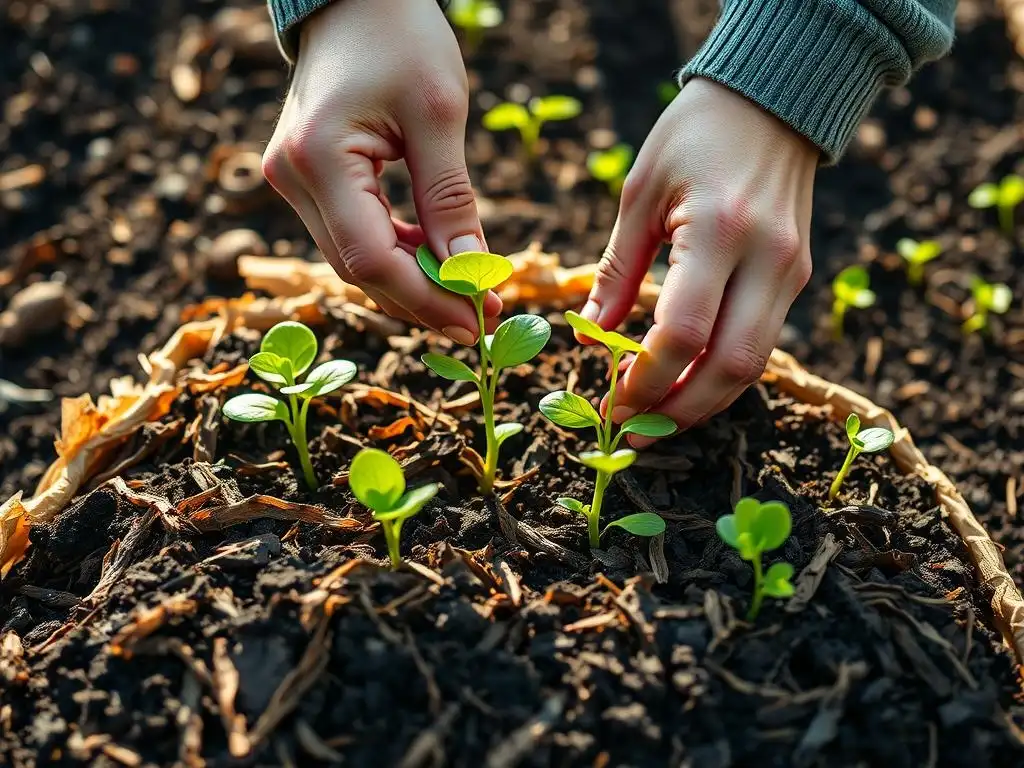
Once your lasagna garden layers have settled and begun to decompose slightly (usually about 2-4 weeks after construction), you're ready to plant! The beauty of lasagna gardening is its rich, fertile soil, perfect for a variety of spring crops. Direct sowing many seeds is perfectly feasible. Choose fast-growing varieties that thrive in cooler temperatures, such as lettuce, spinach, radishes, and peas. Plant these directly into the prepared beds, following the seed packet instructions for spacing. Remember that the soil will retain moisture well, so you might need to adjust planting depth slightly to prevent seeds from rotting.
For seedlings, such as tomatoes, peppers, and broccoli, which require warmer soil temperatures, wait until the soil has warmed up sufficiently – generally after the last frost. Gently transplant your seedlings, ensuring not to damage their delicate roots. Create small holes in the lasagna bed and place the seedlings, ensuring they are at the same depth as they were in their pots.
Firm the soil gently around them to provide support. Consider using a seedling starter mix for the initial planting to provide a boost of nutrients before the lasagna garden fully breaks down. Remember to harden off your seedlings before transplanting them to gradually acclimate them to the outdoor environment.
This process reduces transplant shock and improves survival rates. A well-prepared lasagna garden provides optimal conditions for both direct sowing and seedling transplantation, maximizing your spring harvest. The rich compost layer provides excellent drainage and aeration, preventing waterlogging and promoting healthy root development.
Watering and Maintaining Your Spring Lasagna Garden
Proper watering is crucial for the success of your spring lasagna garden. The layers of organic matter will retain moisture effectively, reducing the need for frequent watering compared to traditional gardening methods. However, consistent moisture is still essential, especially during germination and seedling establishment. Check the soil moisture regularly, particularly during dry spells. Stick your finger a couple of inches into the soil; if it feels dry, it's time to water.
Deep, infrequent watering is generally preferred to shallow, frequent watering. This encourages deeper root growth, making your plants more drought-tolerant later in the season. Use a soaker hose or drip irrigation system to deliver water directly to the roots, minimizing water loss through evaporation. Avoid overhead watering, as this can promote fungal diseases. Mulching the surface of your lasagna garden with straw or shredded leaves will further help retain moisture and suppress weeds.
Regular maintenance is minimal but essential. Monitor your plants for any signs of stress, such as wilting or yellowing leaves. These could indicate watering issues, nutrient deficiencies, or pest problems. Regularly remove any weeds that manage to sprout through the mulch layer.
A layer of compost tea can be applied periodically to boost nutrient levels and improve soil health. The self-sustaining nature of a lasagna garden reduces the need for intensive maintenance, allowing you to enjoy the benefits of a bountiful harvest with less effort. Remember that consistent observation and timely interventions are key to maintaining a thriving lasagna garden.
Pest and Disease Control in Spring Lasagna Gardens
Lasagna gardening, with its rich organic matter and balanced ecosystem, often naturally suppresses pests and diseases. However, vigilance is still necessary. Regularly inspect your plants for signs of pests, such as aphids, slugs, or caterpillars. Early detection allows for prompt action, minimizing damage. Beneficial insects, such as ladybugs and lacewings, can help control pest populations naturally. Encourage their presence by planting flowers that attract them.
For minor infestations, handpicking pests can be effective. For more severe infestations, consider using organic pest control methods such as neem oil or insecticidal soap. Always follow the instructions carefully and apply sparingly. Proper watering and good air circulation can help prevent fungal diseases. Avoid overhead watering, which can create a humid environment conducive to fungal growth. Rotating your crops yearly can also help prevent the buildup of pests and diseases in the soil.
Healthy plants are less susceptible to pests and diseases. Ensure your lasagna garden provides adequate nutrients, proper moisture, and good drainage to support strong plant growth. Composting and regular soil amendments contribute to a thriving environment that naturally resists many common garden problems. By proactively monitoring your plants and employing appropriate, sustainable pest and disease control methods, you can ensure a healthy and productive spring lasagna garden, minimizing the need for chemical interventions. Remember to always prioritize organic and environmentally friendly solutions.
Harvesting Your Spring Lasagna Garden Bounty
Harvesting your spring lasagna garden is a rewarding experience, the culmination of months of careful planning and preparation. The timing depends heavily on what you've planted, but generally, spring crops are ready for harvest much faster than those planted in the traditional way, due to the enriched soil and improved growing conditions. Remember to always check the individual plant's maturity guidelines for the most accurate harvest time.
For instance, leafy greens like lettuce and spinach can be harvested as "baby greens" for a tender texture, or allowed to mature fully for larger leaves. Root vegetables, like radishes and carrots, will be ready for harvest when they reach their desired size, which is usually indicated on the seed packet.
One of the joys of lasagna gardening is the extended harvest period. Unlike traditional gardening where a large portion of the crop ripens at once, a lasagna garden often provides a staggered harvest. This is because the layers of organic matter decompose at different rates, providing a consistent supply of nutrients throughout the growing season. This means you can enjoy fresh produce for a longer period. You might find yourself harvesting small batches of spinach over several weeks, extending the enjoyment of your homegrown greens.
Careful observation is key to successful harvesting. Look for signs of maturity, such as the size and color of the fruits or vegetables. For example, tomatoes should be deeply colored and slightly soft to the touch, while peppers should be firm and fully colored, depending on the variety. Don't be afraid to gently tug or pull on a few plants to assess their readiness. If they come loose easily, they're likely ready for harvest. If they resist, give them a bit more time.
Remember to harvest gently to avoid damaging the plants or the surrounding soil. Use sharp scissors or pruning shears for cutting herbs and leafy greens, ensuring a clean cut to prevent disease. For root vegetables, carefully loosen the soil around the plant before gently pulling it out. This minimizes damage to the roots and surrounding plants. After harvesting, inspect your bounty and remove any damaged or diseased parts. Proper harvesting techniques ensure the continued health and productivity of your lasagna garden throughout the growing season, guaranteeing a plentiful and delicious harvest. Enjoy the fruits (and vegetables!) of your labor!
Troubleshooting Common Spring Lasagna Gardening Problems
Spring lasagna gardening, while offering numerous benefits, can present unique challenges. This section addresses some common issues and provides solutions to ensure a successful growing season. A successful spring lasagna garden requires proactive planning and attention to detail, and understanding potential problems is key to preventing them. Remember, patience and observation are your greatest allies in this process. This guide will help you navigate the most common hurdles of spring lasagna gardening and achieve optimal results.
Dealing with Weed Break-Through in Spring Lasagna Gardens
Weed emergence is a common concern in lasagna gardening, especially in spring when conditions are ideal for seed germination. While a properly constructed lasagna bed significantly reduces weed pressure compared to traditional gardening, some persistent weeds might still find their way through. The key is prevention and early intervention.
Several strategies can mitigate weed break-through:
- Thorough Layer Preparation: Ensure your "brown" layers (cardboard, dried leaves, etc.) are completely overlapped and cover the entire area. This prevents sunlight from reaching weed seeds below. Use enough brown material to suppress existing weeds effectively.
- Careful Material Selection: Avoid using materials contaminated with weed seeds. Compost should be well-rotted and screened to remove any large weed fragments or seeds.
- Pre-emergent Herbicide (Organic Option): Consider using an organic pre-emergent herbicide, like corn gluten meal, before layering your lasagna garden. Apply it according to package instructions. This is a preventative measure, not a cure for existing weeds.
- Hand Weeding: Regularly inspect your garden and hand-weed any emerging weeds promptly. Early removal prevents them from establishing deep roots. The benefit of lasagna gardening is that weeding is significantly easier due to the suppressed weed growth.
- Mulching: After planting, add a layer of mulch (straw, wood chips) on top of your lasagna bed. This acts as a further barrier against weed seeds and helps retain soil moisture.
Remember, consistent monitoring and prompt action are crucial for keeping weeds under control. Early intervention is key to preventing larger weed infestations. The goal is not weed elimination, but rather significant reduction, making gardening easier and more enjoyable.
Addressing Nutrient Deficiencies in Your Spring Lasagna Garden
Nutrient deficiencies can manifest as yellowing leaves, stunted growth, or poor yields. While lasagna gardening provides a rich soil environment, sometimes additional nutrients might be necessary, particularly in spring when plants are actively growing.
Identifying specific deficiencies requires observation and testing. Here are some common signs and solutions:
| Nutrient Deficiency | Symptoms | Solutions |
|---|---|---|
| Nitrogen (N) | Yellowing of older leaves, stunted growth | Apply compost tea, or use organic nitrogen-rich fertilizers like blood meal. |
| Phosphorus (P) | Dark green leaves, stunted growth, poor flowering | Use bone meal or rock phosphate. |
| Potassium (K) | Yellowing and browning of leaf margins | Use wood ashes or kelp meal. |
Regular soil testing can provide precise information about nutrient levels. Amendments should be tailored to the specific needs identified by testing. Remember, organic fertilizers release nutrients slowly, so patience is key. Consistent monitoring and appropriate adjustments will ensure your plants receive the nutrients they need for optimal growth throughout the spring and beyond.
Managing Excess Moisture or Dryness in Your Spring Lasagna Garden
Spring weather can be unpredictable, bringing periods of heavy rainfall or unexpected dry spells. Proper moisture management is critical for a thriving lasagna garden.
Excess Moisture: Poor drainage can lead to root rot and other problems. Ensure your lasagna bed is built on well-draining soil. If water sits on the surface for extended periods, consider adding more coarse material to the bottom layers to improve drainage. Avoid overwatering, especially during periods of heavy rainfall.
Dryness: Dry conditions can stress plants and hinder growth. Mulching is crucial for retaining moisture. A thick layer of mulch helps regulate soil temperature and prevents rapid evaporation. Water deeply and less frequently, encouraging deep root growth. Consider using a soaker hose or drip irrigation for efficient watering. Monitor soil moisture regularly, especially during dry periods. Remember, a well-constructed lasagna garden should retain moisture better than traditional gardens, but consistent monitoring is always necessary. The key is to maintain a consistently moist, yet well-drained soil environment.
Advanced Spring Lasagna Gardening Techniques
This section delves into more sophisticated techniques for maximizing the benefits of spring lasagna gardening, going beyond the basics to achieve exceptional results in your home garden. We'll explore strategies to boost soil health, accelerate plant growth, and enhance overall yield, all while adhering to sustainable and organic principles. This guide will help you elevate your spring lasagna gardening game, turning your garden into a thriving ecosystem.
Incorporating Cover Crops into Your Spring Lasagna Garden
Cover crops are a cornerstone of sustainable agriculture, and their integration into your spring lasagna garden offers significant advantages. These plants, grown specifically to improve soil health, can be incorporated into the lasagna layers. For a spring lasagna garden, consider fast-growing options like winter rye or oats, which can be planted in the fall and tilled under in early spring before layering.
Including cover crops provides several benefits:
- Improved Soil Structure: Cover crops' root systems help break up compacted soil, improving drainage and aeration. This is especially crucial in heavier clay soils, common in many home gardens.
- Enhanced Nutrient Cycling: As cover crops decompose, they release vital nutrients back into the soil, reducing the need for synthetic fertilizers. This natural fertilization process is a key element of organic gardening.
- Weed Suppression: A dense cover crop mat can effectively suppress weed growth, reducing competition for your main crops and minimizing the need for herbicides. This translates to less weeding and more time enjoying your garden.
- Pest and Disease Control: Certain cover crops can help deter pests and diseases, contributing to a healthier and more resilient garden ecosystem. For example, legumes can help fix nitrogen in the soil, reducing the need for nitrogen-based fertilizers.
The timing is crucial. Plant cover crops in the fall, allowing them to mature before being incorporated into your spring lasagna garden layers. Ensure they are well-decomposed before planting your vegetables to avoid nutrient tie-up. Careful planning and observation are key to optimizing the benefits of cover crops in your lasagna gardening.
Building a Spring Lasagna Garden with Raised Beds
Raised beds offer several advantages over in-ground lasagna gardening, particularly in areas with poor drainage or compacted soil. Building raised beds for your spring lasagna garden provides better control over soil composition and drainage, leading to healthier plants and higher yields.
Constructing raised beds for a spring lasagna garden involves several steps:
- Choosing the Location: Select a sunny location with easy access to water.
- Determining the Size and Shape: Consider the space available and the types of plants you intend to grow. Standard sizes are typically 4 feet wide to allow for easy access from both sides.
- Building the Structure: You can use readily available materials like untreated lumber, recycled pallets (ensure they are free from harmful chemicals), or even stacked stones.
- Layering the Lasagna: Follow the standard lasagna gardening layering process, but tailor the layers to the specific needs of your raised bed. Because of the contained environment, drainage is even more critical. Consider adding extra layers of coarse material at the base for better drainage.
- Planting: Once the layers have settled, plant your spring vegetables and herbs.
Using raised beds for spring lasagna gardening allows for improved soil drainage, better control of soil composition, and increased ease of access for maintenance and harvesting. The improved drainage is especially beneficial in areas with high water tables or clay soils. The raised bed structure itself can also help retain heat, leading to earlier harvests in the spring.
Utilizing Different Types of Compost in Spring Lasagna Gardening
The type of compost you use significantly impacts the success of your spring lasagna garden. Different composts offer varying nutrient profiles and decomposition rates. Choosing the right compost for each layer optimizes nutrient release and soil structure throughout the growing season.
Here's a comparison of different compost types and their applications in spring lasagna gardening:
| Compost Type | Nutrient Profile | Decomposition Rate | Ideal Layer Placement |
|---|---|---|---|
| Finished Compost | Balanced, readily available | Fast | Top layer, near plants |
| Aged Manure | High in nitrogen | Moderate | Mid-layer |
| Green Compost (grass clippings) | High in nitrogen, low C:N ratio | Fast | Mid-layer, needs balancing |
| Wood Chips/Shredded Bark | Low in nutrients, improves structure | Slow | Bottom layer, for drainage |
Using a blend of compost types creates a more balanced and dynamic soil environment. The slower-decomposing materials provide long-term structure and nutrient release, while the faster-decomposing materials provide an immediate boost for your spring crops. Consider the specific needs of your plants and the composition of your existing soil when selecting your compost blend. Remember to always use organic and sustainable compost sources to maintain the integrity of your lasagna gardening approach. Improperly composted materials can introduce pathogens or unwanted elements, undermining your efforts.
Frequently Asked Questions
What is lasagna gardening?
Lasagna gardening, also known as sheet mulching, is a no-dig gardening method where layers of organic materials are piled on top of the soil to create a rich, fertile bed for planting. This improves soil health and reduces weed growth.
When is the best time for spring lasagna gardening?
The ideal time is early spring, after the last frost but before the ground gets too warm. This allows the materials to decompose and the soil to warm up before planting. Aim for late March or April, depending on your climate.
What materials do I need for a spring lasagna gardening bed?
You'll need layers of cardboard or newspaper (to suppress weeds), brown materials (like dried leaves, straw, or shredded paper), green materials (grass clippings, vegetable scraps), and a layer of compost on top. Consider adding manure for extra nutrients.
How deep should my lasagna garden layers be?
The total depth should be around 6-12 inches. This ensures adequate decomposition and provides enough space for roots. The layers themselves can vary in thickness, with the cardboard base being the thickest.
What can I plant in my spring lasagna garden?
Many vegetables and herbs thrive in a lasagna garden! Good choices for spring planting include lettuce, spinach, radishes, carrots, and herbs like basil and parsley. Choose plants that are suited to your climate and planting zone.
Final Reflection: Nourishing the Earth, Nourishing Ourselves
Lasagna gardening, a deceptively simple method, offers a powerful solution to the challenges of modern gardening and sustainable living. It's not just about creating a thriving garden bed; it's about building a healthier ecosystem, one layer at a time, and fostering a deeper connection with the natural world. This approach, relevant now more than ever in the face of climate change and dwindling resources, empowers us to cultivate food sustainably and responsibly.
The impact of lasagna gardening extends beyond the bountiful harvests it produces; it fosters a mindful approach to resource management and waste reduction. It teaches us the interconnectedness of all living things, reminding us that healthy soil is the foundation of a healthy planet. The land nourishes us. We must nourish the land.
This simple truth, often overlooked, is at the heart of lasagna gardening's philosophy. It's a practice that encourages us to think critically about our consumption habits and to find creative ways to repurpose materials, transforming what might otherwise be considered waste into fertile ground for growth.
Now, consider your own garden, your own space. What layers can you add to enrich it? What resources, both natural and man-made, can you repurpose to create a thriving ecosystem? This spring, don't just plant seeds; cultivate a deeper understanding of the earth and your role in its flourishing. Embrace the principles of lasagna gardening – build a better garden, build a better future.
Unleash Your Spring Harvest: Get Growing!
Thanks for exploring the world of lasagna gardening with us! You've learned how to create a thriving garden bed, even in less-than-ideal soil. Ready to transform your gardening?
- Build your own lasagna garden: Gather your compost, cardboard, and yard waste—it's time to create a fertile foundation for your spring harvest! This is the key takeaway from this article.
- Share your lasagna gardening success: Post a picture of your progress on social media—let's inspire other gardeners!
- Experiment with different lasagna garden designs: Try unique layering and materials—what exciting combinations will you create?
Have you considered which spring vegetables will flourish in your new lasagna bed? Let's discuss your plans in the comments below!