
The Impact of Soil Microbes on Nutrient Uptake in Plants

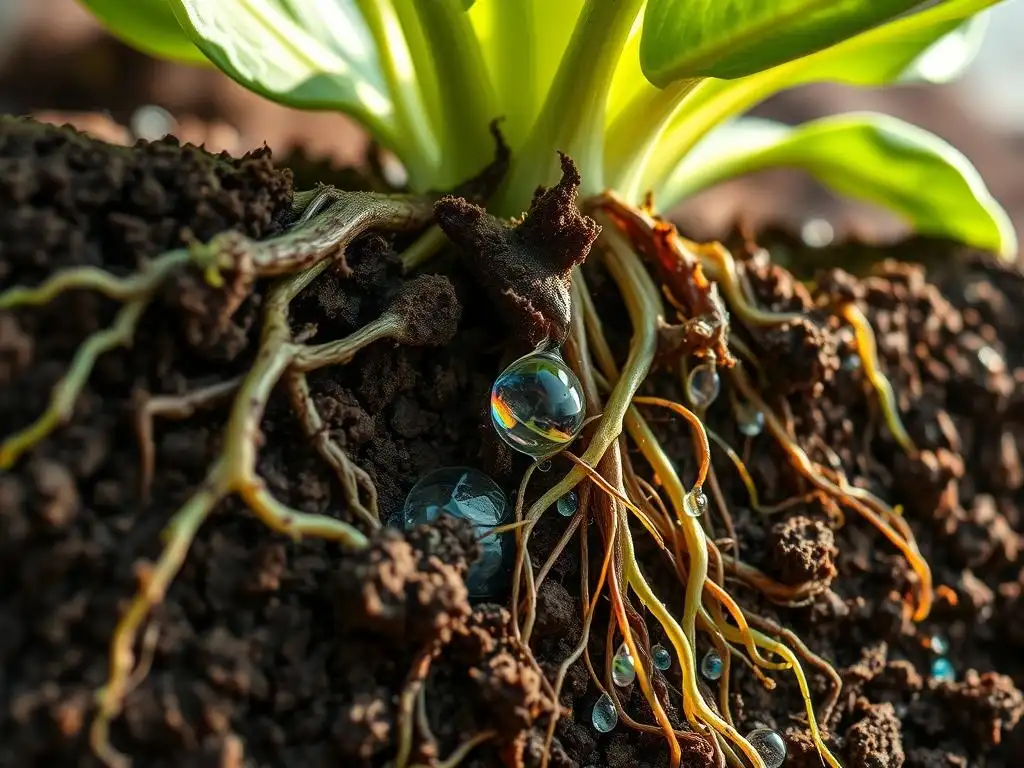
Welcome to CultivateYourFood, your guide to a thriving, sustainable garden! Are you ready to unlock the secrets to bountiful harvests? We delve into the fascinating world of plant nutrition, revealing how the often-overlooked world of soil microbes plays a crucial role in plant nutrient uptake. Discover how understanding these microscopic allies can transform your garden, leading to healthier plants and a more abundant yield. Let's explore the science behind a truly flourishing garden – read on to learn more!
- Understanding the Soil Microbiome and its Role in Plant Nutrition
- The Mechanism of Nutrient Uptake: How Soil Microbes Help Plants
- Factors Affecting Soil Microbial Activity and Nutrient Uptake
- Optimizing Soil Health for Enhanced Nutrient Uptake
- Improving Soil Microbe Plant Nutrient Uptake: Practical Tips for Home Gardeners
- Frequently Asked Questions
- Final Reflection: Cultivating a Future Rooted in Soil Health
- Unlock Your Garden's Potential: Nurture Thriving Plants
Understanding the Soil Microbiome and its Role in Plant Nutrition
The health and productivity of your homegrown fruits, vegetables, and herbs are intrinsically linked to the unseen world teeming within your soil: the soil microbiome. This intricate community of microorganisms, primarily bacteria, fungi, archaea, and protozoa, plays a crucial, often overlooked, role in plant nutrient uptake. Understanding the complex interactions within this ecosystem is key to cultivating thriving plants using sustainable and organic practices.
This article delves into the fascinating world of soil microbes, exploring their diversity, their beneficial functions, and how they directly impact a plant's ability to access essential nutrients for robust growth. Mastering this understanding empowers you to cultivate healthier soil, leading to healthier, more productive plants, and ultimately, a more bountiful harvest. Optimizing soil microbial activity is a cornerstone of sustainable gardening, minimizing the need for synthetic fertilizers and pesticides while maximizing the natural fertility of your garden.
We'll examine how various soil microbes contribute to nutrient cycling, improving soil structure, and enhancing water retention, all crucial factors impacting nutrient uptake and overall plant health. Let's delve into the microscopic world that holds the key to unlocking your garden's full potential.
The Diversity of Soil Microbes: Bacteria, Fungi, and More
Soil teems with a vast and incredibly diverse array of microscopic life. This biodiversity is crucial for a healthy soil ecosystem. Let's explore some of the key players:
- Bacteria: These single-celled organisms are the most abundant microbes in soil. They perform a multitude of functions, including nitrogen fixation (converting atmospheric nitrogen into a usable form for plants), decomposition of organic matter, and nutrient mineralization (releasing nutrients from organic compounds). Examples include Rhizobium, which forms symbiotic relationships with legumes to fix nitrogen, and Bacillus, known for its role in nutrient cycling and disease suppression.
- Fungi: Fungi, including microscopic mycelia, are essential for decomposition and nutrient cycling. Mycorrhizal fungi form symbiotic relationships with plant roots, extending their reach into the soil and significantly increasing their access to water and nutrients, particularly phosphorus. These fungi act as an extension of the plant's root system, effectively increasing its absorptive surface area.
- Archaea: Often overlooked, archaea are single-celled microorganisms that play a vital role in nutrient cycling, particularly in extreme environments. They contribute to the breakdown of organic matter and the release of nutrients.
- Protozoa: These single-celled organisms feed on bacteria and other microorganisms, regulating their populations and contributing to nutrient cycling. Their grazing activity releases nutrients back into the soil, making them available to plants.
The intricate interactions between these different microbial groups create a dynamic ecosystem where the activity of one group influences the activity of others. This complex interplay is fundamental to the overall health and productivity of the soil and its ability to support plant growth. Maintaining this diversity is paramount for optimal nutrient uptake.
Beneficial Soil Microbes: Key Players in Nutrient Cycling
Many soil microbes directly facilitate nutrient uptake by plants. Their activities are essential for converting nutrients into forms plants can readily absorb.
- Nitrogen-fixing bacteria: These microbes, such as those in the Rhizobium genus, convert atmospheric nitrogen (N 2 ), which plants cannot use directly, into ammonia (NH 3 ) or ammonium (NH 4 + ), forms readily available to plants. This process significantly reduces the need for synthetic nitrogen fertilizers.
- Phosphorous solubilizing bacteria and fungi: Phosphorus is often bound tightly to soil particles, making it unavailable to plants. Certain bacteria and fungi release enzymes that dissolve these phosphorus compounds, making them accessible to plant roots.
- Potassium mobilizing microbes: Similar to phosphorus, potassium can be locked up in soil minerals. Specific microbes help release potassium into a plant-available form.
The synergistic action of these microbes ensures a continuous supply of essential nutrients, promoting vigorous plant growth. Healthy soil teeming with these beneficial microbes is a natural fertilizer factory, reducing reliance on external inputs. Maintaining a diverse microbial community is therefore crucial for optimal nutrient cycling.
How Soil Microbes Improve Soil Structure and Water Retention
Beyond nutrient cycling, soil microbes significantly improve soil structure and water retention, indirectly enhancing nutrient uptake.
- Improved soil aggregation: Microbial activity binds soil particles together, creating aggregates that improve soil structure. This improved structure enhances aeration, drainage, and water infiltration, creating a more favorable environment for root growth and nutrient uptake.
- Increased water retention: The improved soil structure created by microbial activity increases the soil's ability to retain water, making it available to plants over longer periods. This is particularly important during dry spells, ensuring consistent nutrient uptake.
- Enhanced root exploration: The improved soil structure and aeration facilitate better root penetration and exploration of the soil profile, allowing plants to access a wider range of nutrients and water.
A well-structured soil with good water retention is crucial for optimal plant growth. By fostering a thriving soil microbiome, you create a self-regulating system that optimizes nutrient availability and plant health, minimizing the need for external interventions and promoting sustainable gardening practices. The role of soil microbes in nutrient uptake is multifaceted and essential for thriving plants.
The Mechanism of Nutrient Uptake: How Soil Microbes Help Plants
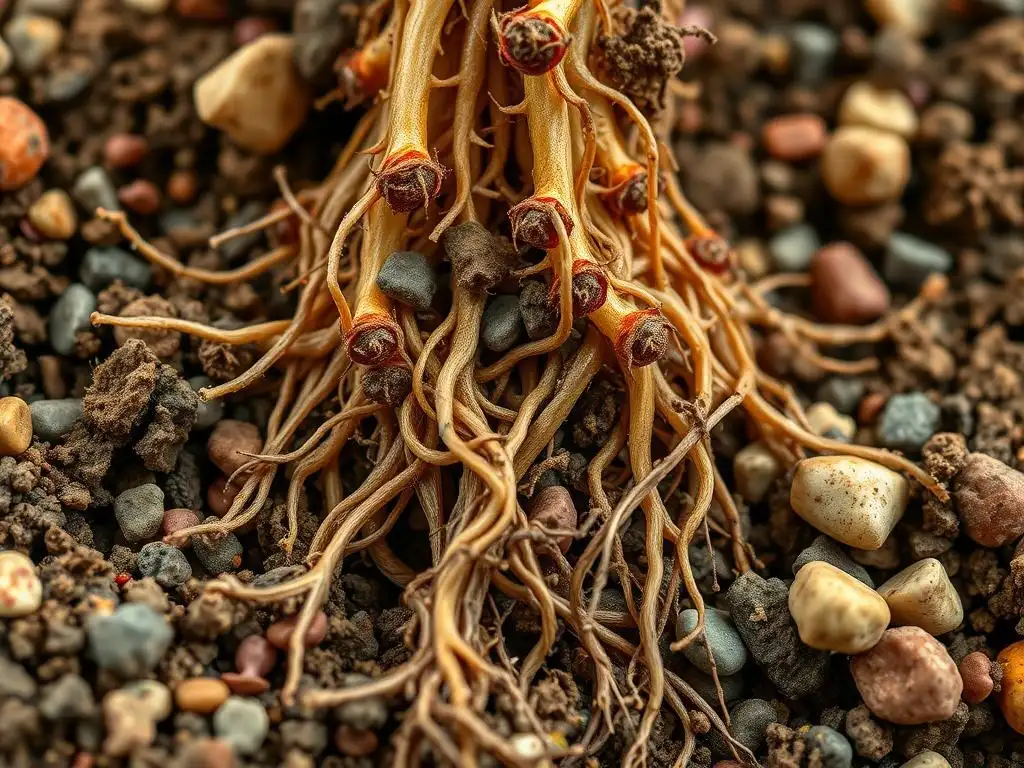
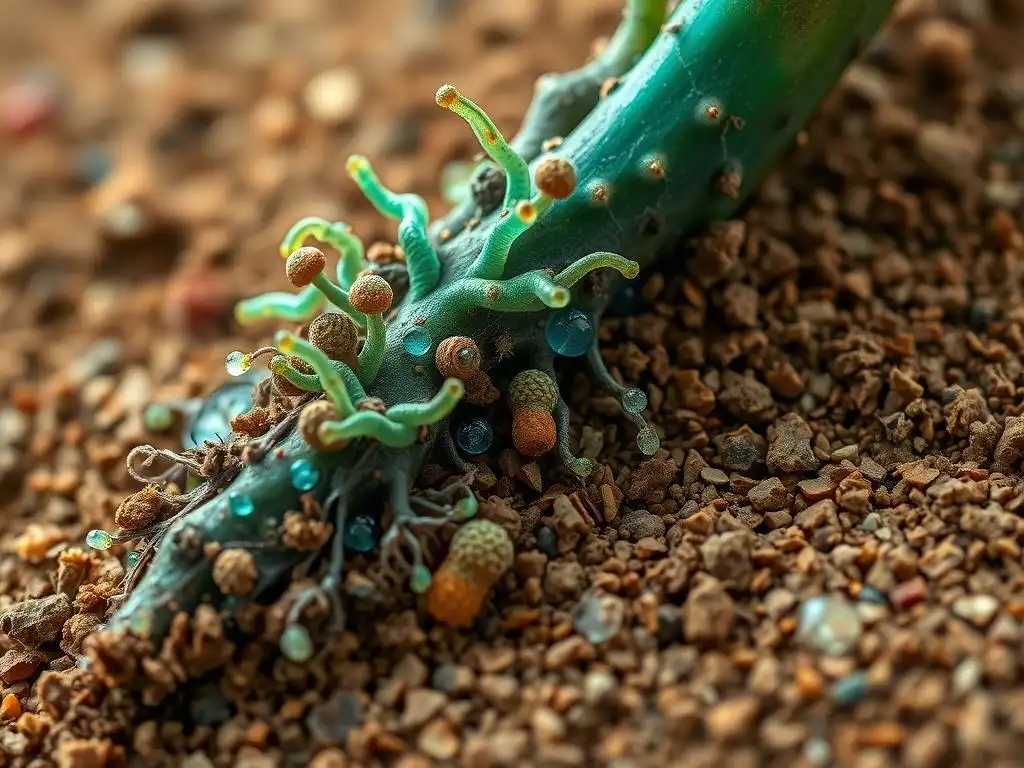
Soil microbes play a crucial role in plant nutrition, significantly impacting nutrient uptake and overall plant health. Their influence extends beyond simply making nutrients available; they actively participate in complex processes that enhance nutrient acquisition. This section delves into the intricate mechanisms through which soil microbes facilitate nutrient uptake, focusing on the synergistic relationship between microbial communities and plant roots. Understanding these mechanisms is key to optimizing plant growth using sustainable and organic practices, directly impacting yield and quality. The effectiveness of soil microbes in enhancing "soil microbes plant nutrient uptake" is a critical aspect of successful gardening.
Mycorrhizal Fungi and Phosphate Uptake: A Symbiotic Relationship
Mycorrhizal fungi form symbiotic relationships with the roots of most plant species. These fungi extend their hyphae (thread-like structures) far beyond the reach of plant roots, effectively expanding the root system's exploration zone. This enhanced exploration allows the fungi to access phosphate, a nutrient often immobile in soil, and transfer it to the plant in exchange for carbohydrates produced through photosynthesis.
The efficiency of this transfer is remarkable; studies have shown that mycorrhizal fungi can increase phosphate uptake by up to 80% in some plants. This symbiotic relationship is particularly crucial in phosphorus-deficient soils, where mycorrhizal fungi become essential for plant survival and growth.
The type of mycorrhizal fungi involved influences the extent of phosphate uptake. Arbuscular mycorrhizal fungi (AMF), the most common type, penetrate the root cortex forming intracellular structures called arbuscules, facilitating direct nutrient exchange. Ectomycorrhizal fungi (ECM), on the other hand, form a sheath around the root tips, creating a larger surface area for nutrient absorption. Both types significantly contribute to improved phosphate uptake, highlighting the diversity and importance of these fungal symbionts in optimizing plant nutrition and promoting healthy growth.
Nitrogen Fixation: The Role of Bacteria in Providing Essential Nitrogen
Nitrogen is a vital macronutrient for plant growth, essential for protein synthesis and chlorophyll production. However, atmospheric nitrogen (N 2 ), which constitutes about 78% of the air, is unavailable to plants in its gaseous form. Certain soil bacteria, notably those belonging to the genera Rhizobium, Azotobacter, and Azospirillum, possess the unique ability to fix atmospheric nitrogen, converting it into forms usable by plants, such as ammonium (NH 4 + ) and nitrate (NO 3 - ). This process, known as nitrogen fixation, is a cornerstone of sustainable agriculture and a critical component of soil health.
Nitrogen-fixing bacteria often form symbiotic relationships with legumes (plants in the Fabaceae family), residing in specialized structures called root nodules. Within these nodules, the bacteria create an anaerobic environment conducive to nitrogenase, the enzyme responsible for nitrogen fixation. In return for providing a protected habitat, the bacteria supply the plant with a readily available source of nitrogen.
This symbiotic relationship is highly efficient, significantly reducing the need for synthetic nitrogen fertilizers, a major contributor to environmental pollution. Beyond legumes, free-living nitrogen-fixing bacteria also contribute to soil nitrogen levels, enriching the soil and benefiting a wider range of plants. This natural process underscores the importance of fostering diverse soil microbial communities for optimal plant nutrition.
Other Microbe-Mediated Nutrient Acquisition Processes
Beyond phosphate and nitrogen, soil microbes influence the uptake of other essential nutrients. For example, some bacteria and fungi produce organic acids that chelate (bind) metal ions like iron and zinc, making them more soluble and available for plant uptake. This process is particularly important in alkaline soils, where metal ions are often bound tightly to soil particles and unavailable to plants.
Furthermore, the decomposition of organic matter by soil microbes releases various nutrients bound within the organic material, making them accessible to plant roots. The complex interplay between different microbial groups, including bacteria, fungi, and actinomycetes, creates a dynamic environment where nutrient cycling and availability are constantly regulated.
Understanding these intricate processes is crucial for developing sustainable soil management practices that enhance nutrient availability and promote healthy plant growth. The synergistic effects of these diverse microbial communities significantly contribute to the overall success of "soil microbes plant nutrient uptake," ensuring robust plant health and maximizing yields.
Factors Affecting Soil Microbial Activity and Nutrient Uptake
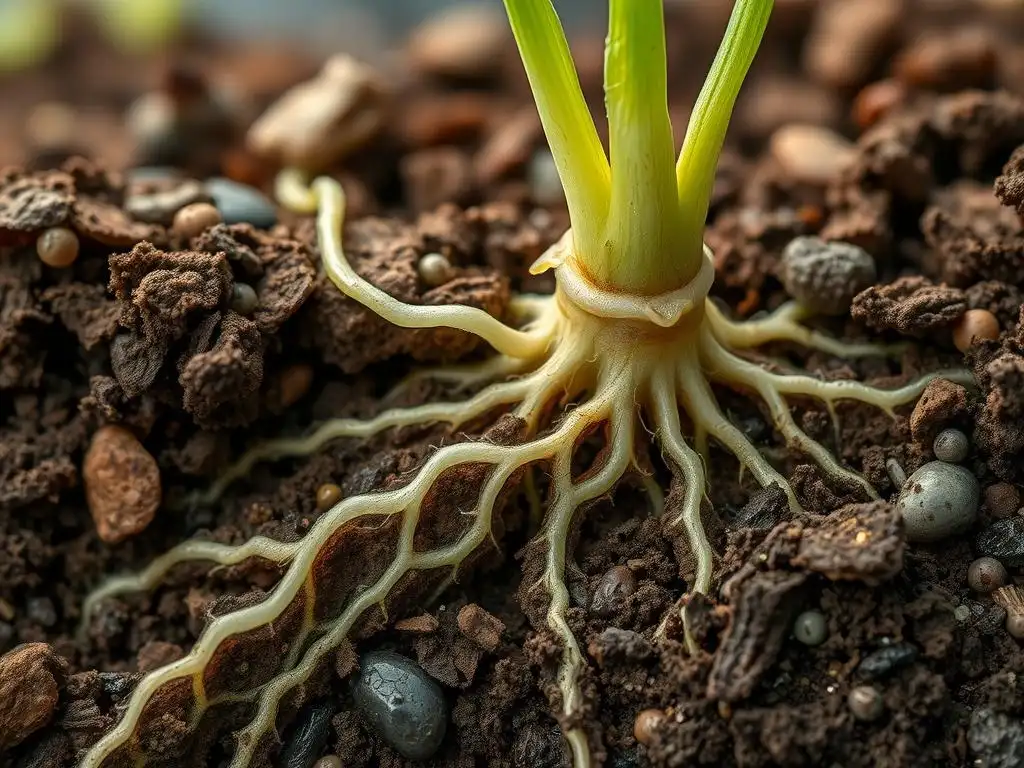
Soil microbes play a pivotal role in plant nutrient uptake, acting as a crucial link between the soil and the plant's root system. Understanding the factors influencing their activity is key to optimizing plant growth and maximizing nutrient availability. This section delves into three key environmental factors that significantly impact soil microbial communities and their ability to facilitate nutrient uptake for optimal plant health. Effective soil management strategies should consider these factors to promote a thriving soil microbiome and enhance plant nutrition. The intricate relationship between soil microbes and plant nutrient uptake is a cornerstone of sustainable gardening practices.
Soil pH and its Influence on Microbial Communities
Soil pH, a measure of soil acidity or alkalinity, profoundly influences the composition and activity of soil microbial communities. Different microbes thrive within specific pH ranges. For instance, many beneficial bacteria, such as nitrogen-fixing rhizobia, prefer slightly acidic to neutral conditions (pH 6.0-7.0). Conversely, some fungi are more tolerant of acidic conditions. A soil pH outside the optimal range for specific microbial groups can inhibit their growth and activity, thus reducing their contribution to nutrient cycling and uptake.
Optimal pH levels are crucial for nutrient availability. For example, phosphorus availability is significantly reduced in alkaline soils (high pH), while iron and manganese become less available in highly acidic soils (low pH). Microbes play a crucial role in altering nutrient availability.
For instance, some bacteria can solubilize insoluble phosphorus, making it accessible to plants, while others can help release bound iron from the soil matrix. Therefore, maintaining a balanced soil pH within the optimal range for the target plants and their associated microbial communities is vital for efficient nutrient acquisition. Regular soil testing is recommended to monitor pH levels and adjust them as needed through amendments like lime (to raise pH) or sulfur (to lower pH).
Organic Matter and its Contribution to Microbial Abundance and Diversity
Organic matter, encompassing decomposed plant and animal residues, serves as a primary food source for soil microbes. Its presence significantly impacts microbial abundance and diversity, directly influencing nutrient cycling and plant nutrient uptake. The decomposition of organic matter releases essential nutrients, including nitrogen, phosphorus, and potassium, in forms readily available to plants.
The quantity and quality of organic matter are crucial. High organic matter content fosters a more diverse and abundant microbial community, enhancing nutrient cycling efficiency. Different types of organic matter decompose at varying rates, impacting nutrient release patterns. For example, quickly decomposing materials like fresh manure provide a rapid burst of nutrients, while slower-decomposing materials like wood chips provide a more sustained release over time.
This diversity in decomposition rates is beneficial for maintaining a consistent supply of nutrients throughout the growing season. Incorporating a variety of organic amendments, such as compost, leaf mold, and cover crops, can optimize microbial activity and nutrient availability for healthy plant growth. The improved soil structure resulting from high organic matter also enhances water retention and aeration, further benefiting microbial activity.
Temperature and Moisture: Essential Factors for Microbial Activity
Temperature and moisture significantly influence the metabolic activity of soil microbes, directly impacting their ability to facilitate nutrient uptake. Microbial activity generally increases with temperature within a certain range, but excessively high temperatures can denature enzymes and negatively affect microbial growth. Similarly, extremely low temperatures can slow down or completely halt microbial activity.
Soil moisture content is equally crucial. Microbial processes require water for nutrient transport and enzyme activity. However, waterlogged conditions can lead to anaerobic conditions, inhibiting the growth of aerobic microbes, those that require oxygen. Conversely, excessively dry conditions limit microbial activity due to water stress.
Maintaining optimal soil moisture levels through proper irrigation techniques and mulching is crucial for supporting a healthy and active microbial community. The balance between adequate moisture and proper drainage is essential for a thriving soil microbiome and efficient nutrient cycling, ensuring optimal plant nutrient uptake and overall plant health. Regular monitoring of soil moisture and temperature, combined with appropriate adjustments to irrigation and soil management practices, are key strategies for maximizing microbial activity and promoting healthy plant growth.
Optimizing Soil Health for Enhanced Nutrient Uptake
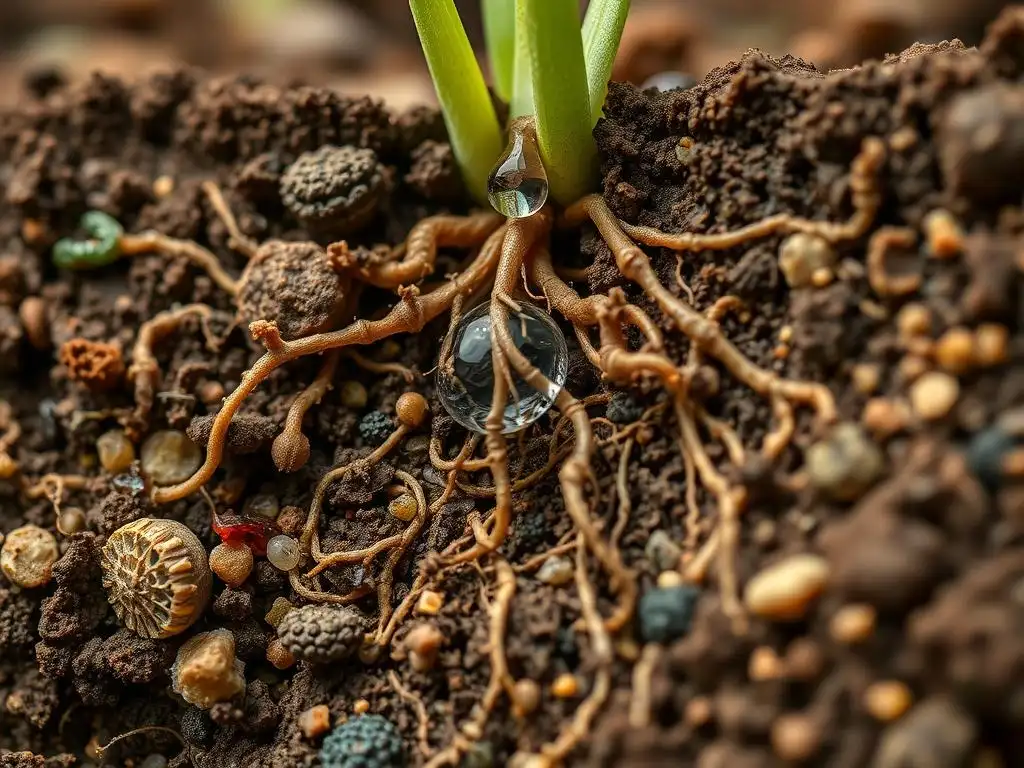
Soil health is paramount for optimal plant growth, and a significant factor influencing this is the vibrant community of soil microbes. These microscopic organisms, including bacteria, fungi, and protozoa, play a crucial role in nutrient cycling, making essential nutrients available to plant roots. Understanding how these microbes function and how to cultivate a thriving soil microbiome is key to maximizing nutrient uptake and achieving bountiful harvests.
The term "Soil microbes plant nutrient uptake" encapsulates this vital relationship. Effective nutrient uptake isn't just about adding fertilizers; it's about creating a soil environment where microbes can flourish and perform their essential roles. This section delves into practical strategies for achieving this goal.
Sustainable Gardening Practices to Foster a Thriving Soil Microbiome
Sustainable gardening practices are fundamental to nurturing a diverse and active soil microbiome. These practices directly influence the abundance and activity of beneficial soil microbes, thereby enhancing nutrient availability for your plants. Avoiding tillage is a crucial step. Tilling disrupts the soil structure, damaging delicate fungal hyphae and reducing microbial diversity. Instead, employing no-till or minimal-till methods allows the soil to build its natural structure, creating a more hospitable environment for beneficial microbes.
Furthermore, the addition of organic matter is essential. Organic matter, such as compost, aged manure, and leaf mold, provides food for soil microbes, stimulating their growth and activity. This organic matter also improves soil structure, aeration, and water retention, all of which contribute to a healthier microbial community. The diversity of organic matter also supports a broader range of microbial species, leading to a more resilient and productive soil ecosystem.
Regular mulching with organic materials further protects the soil from erosion, maintains moisture levels, and provides a slow-release source of nutrients for microbes. Think of it as providing a constant buffet for your soil's tiny workers! This continuous feeding leads to a robust soil microbiome, directly impacting nutrient cycling and plant health.
Composting and its Benefits for Soil Microbial Communities
Composting is a cornerstone of sustainable gardening and plays a vital role in boosting soil microbial activity. The decomposition process within a compost pile is driven by a complex community of microbes. These microbes break down organic materials, transforming them into nutrient-rich humus, a dark, crumbly substance that is highly beneficial to plants.
This humus significantly improves soil structure, water retention, and aeration, creating ideal conditions for root growth and nutrient uptake. The compost itself isn't just a source of nutrients; it's a living ecosystem teeming with beneficial microbes that are ready to enhance the health of your garden soil.
A well-managed compost pile will contain a diverse range of microbes, each playing a specific role in the decomposition process. Bacteria are typically the first to colonize the organic matter, breaking down simpler compounds. Fungi then take over, breaking down more complex materials like cellulose and lignin.
Protozoa and other microorganisms further contribute to the nutrient cycling process, creating a synergistic relationship that maximizes the breakdown of organic matter and the release of essential nutrients. Adding compost to your garden is like introducing a powerful army of beneficial microbes directly into your soil, boosting nutrient availability and overall soil health. The improved soil structure, enhanced aeration, and increased nutrient content all contribute to improved "Soil microbes plant nutrient uptake."
Avoiding Harmful Practices: Pesticides and Their Impact on Soil Microbes
The use of synthetic pesticides can severely disrupt the delicate balance of the soil microbiome. These chemicals, designed to kill pests, often have unintended consequences, harming or killing beneficial microbes alongside the target pests. This reduction in microbial diversity can significantly impair nutrient cycling, reducing the availability of essential nutrients to plants. The long-term effects of pesticide use can be detrimental, leading to soil degradation and reduced plant health.
For example, broad-spectrum insecticides can decimate populations of beneficial nematodes and other soil organisms that play crucial roles in nutrient cycling and pest control. Similarly, fungicides can disrupt the mycorrhizal fungi networks that connect plant roots, improving nutrient and water uptake. The negative impacts extend beyond immediate effects; persistent pesticide residues can continue to inhibit microbial activity long after application.
Therefore, choosing integrated pest management (IPM) strategies that prioritize preventative measures and biological controls is crucial for maintaining a healthy soil microbiome and promoting sustainable plant growth. Prioritizing organic methods, such as companion planting and beneficial insect introduction, supports the natural balance of the soil ecosystem, allowing beneficial microbes to thrive and contribute to optimal "Soil microbes plant nutrient uptake." Remember, a healthy soil microbiome is the foundation of healthy plants.
Improving Soil Microbe Plant Nutrient Uptake: Practical Tips for Home Gardeners
This section delves into practical strategies for boosting the activity of beneficial soil microbes, thereby enhancing nutrient uptake in your home garden. Optimizing microbial life isn't just about healthy plants; it's the cornerstone of sustainable and organic gardening. By focusing on soil health, we naturally improve nutrient availability, reducing the need for synthetic fertilizers and promoting stronger, more resilient plants. This translates to healthier crops and a more environmentally friendly gardening practice. Let's explore some key techniques.
Choosing the Right Soil Amendments for Optimal Microbial Activity
Soil amendments are crucial for fostering a vibrant soil microbiome. The right amendments provide food for microbes, improve soil structure, and enhance water retention – all vital for nutrient uptake. Avoid chemical fertilizers, which can disrupt the delicate balance of the soil ecosystem. Instead, focus on organic matter.
Compost is king! Mature compost is a treasure trove of beneficial microbes and nutrients. Adding a generous layer of compost before planting significantly improves soil structure and provides a readily available food source for microbes. Aim for at least 2-4 inches of compost incorporated into the top layer of your soil.
Other excellent amendments include:
- Worm Castings: These are essentially "microbe-rich poop" and are packed with nutrients and beneficial microorganisms. A small amount goes a long way.
- Aged Manure: Well-rotted manure adds organic matter and essential nutrients, but ensure it's properly composted to avoid burning your plants. Choose manure from herbivores like cows or horses.
- Mycorrhizal Fungi: These fungi form symbiotic relationships with plant roots, greatly enhancing nutrient and water uptake. You can purchase mycorrhizal inoculants to add directly to your soil.
The type of amendment you choose will depend on your soil type and the specific needs of your plants. For example, sandy soils benefit from amendments that improve water retention, while clay soils need amendments that enhance drainage. Regular soil testing can help guide your choices.
Mulching Techniques to Enhance Soil Health and Nutrient Availability
Mulching is a game-changer for soil health and nutrient availability. A good mulch layer acts as a protective blanket, regulating soil temperature, reducing evaporation, and suppressing weeds. But its impact on soil microbes is significant.
Different mulches offer varying benefits:
| Mulch Type | Benefits | Considerations |
|---|---|---|
| Straw | Excellent for water retention, weed suppression | Can harbor weed seeds if not properly composted |
| Wood Chips | Improves soil structure, long-lasting | Can tie up nitrogen initially |
| Shredded Leaves | Rich in organic matter, readily decomposes | May need to be supplemented with other amendments |
| Compost | Best of both worlds – nutrients and structure | Needs regular replenishing |
The decomposition of mulch provides food for soil microbes, stimulating their activity and enhancing nutrient cycling. This leads to increased nutrient availability for plants. Remember to avoid plastic mulches, which hinder microbial activity and can be harmful to the environment.
Monitoring Soil Health: Indicators of a Thriving Microbiome
Monitoring soil health is crucial to ensure your efforts are paying off. Several indicators point to a thriving soil microbiome:
- Dark, crumbly soil: A dark brown or black color suggests high organic matter content, a key indicator of microbial activity. A crumbly texture indicates good soil structure, allowing for better aeration and water infiltration.
- Abundant earthworms: Earthworms are excellent indicators of healthy soil. Their presence suggests good soil structure, adequate organic matter, and a balanced microbial community.
- Healthy plant growth: Vigorous plant growth, free from nutrient deficiencies, is a clear sign that nutrient uptake is efficient. Look for strong root systems and lush foliage.
- Soil testing: While not a direct measure of microbial activity, soil tests can provide valuable information about nutrient levels, pH, and organic matter content, which indirectly reflect microbial health. Regular soil testing is recommended, especially before planting.
By paying attention to these indicators and implementing the strategies outlined above, you can cultivate a thriving soil microbiome, maximizing nutrient uptake and achieving bountiful harvests in your home garden. Remember, healthy soil is the foundation of successful, sustainable gardening. Investing time and effort in improving your soil's microbial life will yield significant long-term benefits for your plants and the environment.
Frequently Asked Questions
What are soil microbes, and why are they important for plant growth?
Soil microbes are tiny organisms like bacteria and fungi living in the soil. They play a crucial role in nutrient cycling, breaking down organic matter and making nutrients available for plants to absorb. Healthy soil with diverse microbes leads to stronger, healthier plants.
How do soil microbes help plants take up nutrients?
Microbes enhance nutrient uptake through several mechanisms. They release nutrients from organic matter making them plant-available. Some microbes also form symbiotic relationships with plant roots, directly transferring nutrients.
What factors influence the populations of beneficial soil microbes?
Several factors affect microbial populations. Soil health, including organic matter content and pH, is crucial. Sustainable practices like composting and avoiding harsh chemicals promote beneficial microbes. Soil moisture also plays a significant role.
Can I improve my soil's microbial life?
Yes! Adding compost and other organic matter significantly improves microbial diversity. Avoid using chemical pesticides and fertilizers, which can harm beneficial microbes. Cover cropping can also boost microbial activity.
How do I know if my soil has a healthy microbial population?
While direct measurement requires lab testing, healthy soil usually shows good drainage, a dark, crumbly texture, and vigorous plant growth. The presence of earthworms is also a good indicator of a thriving microbial community.
Final Reflection: Cultivating a Future Rooted in Soil Health
The intricate dance between soil microbes and plant nutrient uptake is not merely an academic curiosity; it is the very foundation of our food security and the health of our planet. Understanding this relationship is crucial in a world facing increasing challenges of climate change, population growth, and dwindling arable land. Ignoring the vital role of these microscopic allies in plant nutrition is akin to ignoring the engine that powers our agricultural systems.
The more I researched the interconnectedness of soil health, plant growth, and microbial communities, the more profound my appreciation became for the delicate balance of nature. This unseen world beneath our feet is teeming with life, a complex ecosystem working tirelessly to provide the nutrients plants need to thrive. The soil is the great connector of lives, the source and destination of all.
– Leonardo DiCaprio. This quote, while not directly about microbes, perfectly encapsulates the vital role soil plays, a role inextricably linked to the microbial communities within. The ongoing research in this field continues to reveal the astonishing complexity and potential of these microscopic organisms, highlighting the urgent need for sustainable agricultural practices that protect and enhance soil biodiversity.
Now, consider your own relationship with the earth. Think about the food you eat, the plants you grow, or even the simple act of walking on the ground. What steps can you take, no matter how small, to support the health of the soil and the thriving microbial communities within? From choosing sustainably grown produce to advocating for responsible land management practices, every action contributes to a healthier planet, a more resilient food system, and a future where the intricate relationship between soil microbes and plant nutrient uptake is not only understood but actively nurtured.
Unlock Your Garden's Potential: Nurture Thriving Plants
Thanks for exploring the fascinating world of soil microbes and their impact on plant nutrition! You've gained valuable knowledge to cultivate healthier, more vibrant plants. Ready to put this knowledge into action?
- Boost your soil's microbial life: Begin by incorporating compost or other beneficial microbes into your garden beds. This simple step significantly improves nutrient availability.
- Share your newfound expertise: Discuss this article and your soil improvement techniques with fellow gardening enthusiasts. Let's build a thriving gardening community!
- Explore further: Research specific microbial species beneficial to the plants you grow. Discover the unique microbes that will help your garden flourish.
What surprising benefits have you already seen from healthy soil in your own garden?