
Choosing the Right Plants for Your Square Foot Garden: Consider Climate and Space

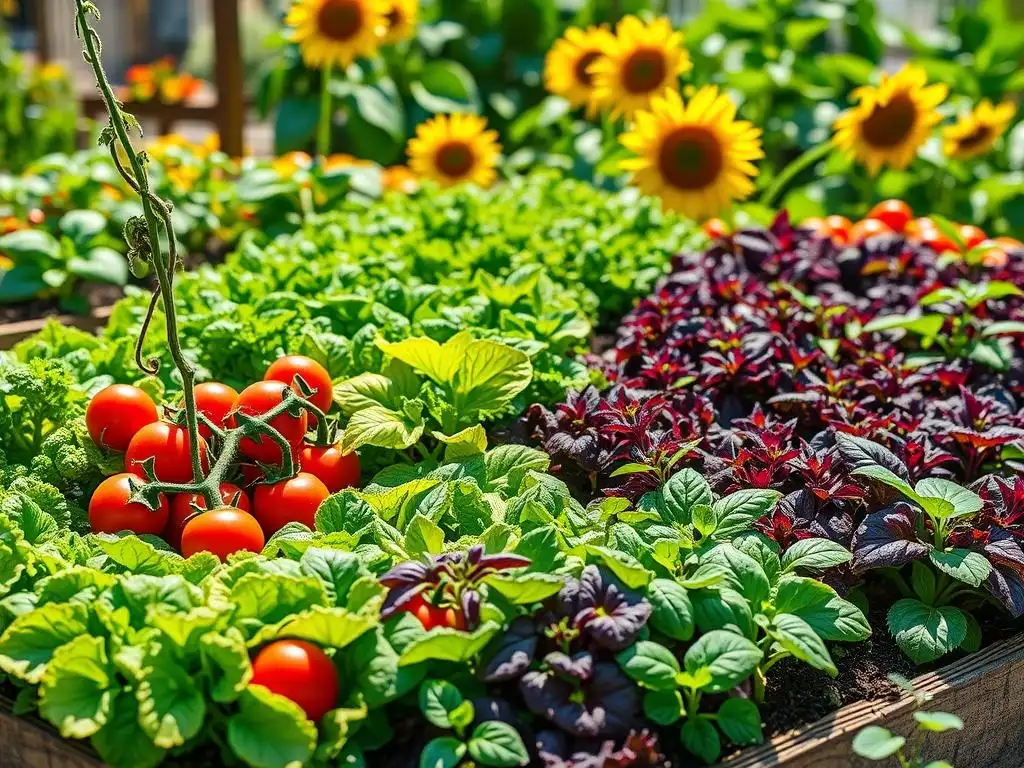
Welcome to CultivateYourFood, your guide to a thriving, sustainable garden! Ready to unlock the secrets to bountiful harvests? We believe everyone can grow their own food, and our Advanced Techniques section is designed to help you do just that. Learn how to maximize your yield and minimize your footprint with our in-depth guide on Square foot garden plant selection, a crucial step in creating a flourishing and productive garden. Discover the optimal plant pairings and strategies to ensure success, no matter your climate or space constraints. Let's cultivate something amazing together!
- Understanding Square Foot Garden Plant Selection: A Key to Success
- Selecting the Best Plants for Your Square Foot Garden Based on Climate
- Maximizing Space in Your Square Foot Garden: Plant Spacing and Companion Planting
- Square Foot Garden Plant Selection: A Detailed Guide to Common Vegetables and Herbs
- Advanced Square Foot Garden Plant Selection Strategies: Crop Rotation and Succession Planting
- Maintaining Your Square Foot Garden: Post-Planting Care for Optimal Growth
- Troubleshooting Common Problems with Square Foot Garden Plant Selection
- Frequently Asked Questions
- Final Reflection: Cultivating Abundance in Limited Spaces
- Unleash Your Inner Gardener: Grow a Thriving Square Foot Garden
Understanding Square Foot Garden Plant Selection: A Key to Success
Successfully cultivating a thriving square foot garden hinges on meticulous plant selection. This isn't simply about choosing your favorite vegetables; it's a strategic process that considers your unique climate, available space, and desired yield. Ignoring these factors can lead to overcrowding, poor growth, and ultimately, a disappointing harvest. This guide will walk you through the essential steps of selecting the right plants for your square foot garden, maximizing your space and ensuring a bountiful harvest using sustainable and organic methods.
We'll explore how to assess your climate zone, match plant sizes to your grid, and strategically choose plants that thrive in your specific conditions, leading to a more productive and enjoyable gardening experience. Mastering square foot garden plant selection is key to unlocking the full potential of this efficient and rewarding gardening technique. Let's get started! 🌱
Assessing Your Climate Zone for Optimal Plant Growth
Knowing your USDA Plant Hardiness Zone is paramount for successful square foot gardening. This zone indicates the average annual minimum winter temperature in your area, directly influencing which plants will thrive and which will struggle. Choosing plants suited to your zone ensures they'll survive the winter and flourish during the growing season.
For example, a tomato variety suited to Zone 8 might struggle to ripen its fruits in Zone 5, resulting in a poor harvest. Consult a USDA Plant Hardiness Zone map to determine your specific zone. Furthermore, consider your microclimate – areas within your garden that might be slightly warmer or cooler due to sun exposure, wind protection, or other factors.
This nuanced understanding helps you select plants that will thrive in specific locations within your square foot garden. Don't forget to also consider your last and first frost dates, which will further define your planting window and the length of your growing season. Accurate climate assessment is the foundation of successful plant selection.
Matching Plant Size to Your Square Foot Garden Grid
The beauty of square foot gardening lies in its efficiency. Each square foot is precious real estate. Therefore, understanding the mature size of your chosen plants is crucial to avoid overcrowding. Overcrowding leads to competition for resources like sunlight, water, and nutrients, resulting in stunted growth and reduced yields. Before planting, carefully review the mature size (height and width) of each plant variety.
This information is usually available on seed packets or plant tags. Plan your garden layout accordingly, ensuring sufficient space between plants for optimal growth. For example, sprawling plants like cucumbers or squash might need their own square foot, while smaller herbs can be interplanted with other vegetables. Consider using a square foot garden planning template to visualize the arrangement and ensure proper spacing for each plant. Precise planning prevents overcrowding and maximizes your garden's productivity.
Choosing the Right Plants for Your Space: Maximizing Yields
Once you've considered your climate and plant sizes, it's time to select plants that complement each other and maximize your yield. Think about companion planting – the practice of planting certain species together to improve their growth and deter pests. For instance, basil is known to repel insects that attack tomatoes, making them excellent companions. Consider rotating crops yearly to prevent soil depletion and reduce the risk of pest and disease buildup. Choosing a variety of plants with different growth habits and maturity times will ensure a continuous harvest throughout the growing season.
Prioritize plants that are known to thrive in your climate and that you enjoy consuming. Remember that successful square foot gardening is not only about maximizing yield but also about enjoying the process and the fruits (and vegetables!) of your labor. Careful selection of plants ensures both a productive and enjoyable gardening experience.
Selecting the Best Plants for Your Square Foot Garden Based on Climate
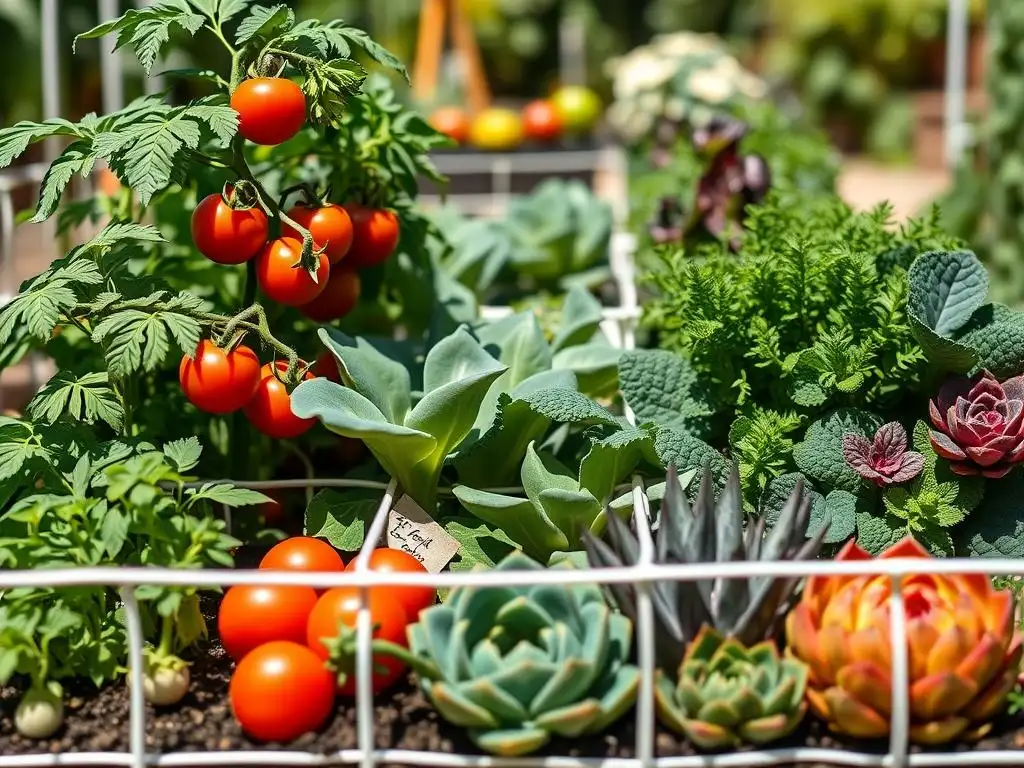
Effective square foot gardening hinges on choosing the right plants. Ignoring climate drastically reduces your chances of success. This section focuses on optimizing your square foot garden plant selection based on your specific climate and microclimate conditions. Understanding the nuances of your environment is crucial for maximizing yield and minimizing plant stress. Proper plant selection is key to a thriving square foot garden, whether you're a seasoned gardener or just starting out.
Square Foot Gardening in Hot Climates: Choosing Heat-Tolerant Plants
Hot climates present unique challenges for square foot gardening. High temperatures, intense sunlight, and potential water scarcity demand careful plant selection. Success relies on choosing varieties known for their heat tolerance and drought resistance. Here are some excellent choices:
- Vegetables: Consider heat-loving vegetables like tomatoes (especially determinate varieties), peppers (bell peppers, jalapeños, etc. ), eggplant, zucchini, and summer squash. These thrive in warmer temperatures and produce well even under intense sun. Look for varieties specifically bred for hot climates.
- Herbs: Basil, oregano, rosemary, thyme, and chives are all excellent heat-tolerant herbs. They can withstand high temperatures and still offer a bountiful harvest. Remember to provide adequate water, especially during peak heat.
- Strategies for Success:
- Mulching: A thick layer of mulch helps retain soil moisture and regulate soil temperature, protecting plant roots from the scorching sun.
- Watering: Water deeply but less frequently, encouraging deep root growth. Early morning or late evening watering minimizes evaporation.
- Shade: Consider providing afternoon shade for particularly sensitive plants during the hottest part of the day. This could involve using shade cloth or strategically placing taller plants.
Remember to prioritize varieties known for their heat tolerance. Checking seed packets or plant tags for heat tolerance ratings will greatly improve your chances of success. Proper watering and mulching techniques are crucial for mitigating the effects of intense heat.
Square Foot Gardening in Cold Climates: Selecting Frost-Hardy Varieties
Cold climates require a different approach to square foot garden plant selection. Frost, short growing seasons, and lower sunlight hours necessitate choosing plants that can withstand cooler temperatures and shorter growing periods. Planning is essential for success in these conditions.
- Vegetables: Choose cool-season crops like lettuce, spinach, kale, radishes, peas, and carrots. These vegetables can tolerate cooler temperatures and even light frosts. Consider succession planting to extend your harvest.
- Herbs: Parsley, chives, and mint are relatively cold-hardy herbs. They can survive light frosts and continue to produce even in cooler weather. However, protecting them with row covers during severe frosts is always recommended.
- Strategies for Success:
- Starting Indoors: Starting seeds indoors allows you to get a head start on the growing season, ensuring plants are established before the first frost.
- Row Covers: Use row covers or cold frames to protect plants from frost and extend the growing season.
- Soil Warming: Consider using black plastic mulch to warm the soil and speed up germination and growth.
Careful planning and the selection of frost-hardy varieties are essential for successful square foot gardening in cold climates. Don't underestimate the power of protective measures like row covers and starting seeds indoors.
Adapting Plant Choices to Your Specific Microclimate
Even within a larger climate zone, microclimates can significantly influence plant growth. Factors like sun exposure, soil drainage, and wind exposure create variations within your garden. Observing these subtleties is key to optimal square foot gardening.
| Feature | Impact on Plant Selection | Example |
|---|---|---|
| Sun Exposure | Full sun plants need at least 6 hours of direct sunlight daily. Partial shade plants tolerate less. | Tomatoes need full sun; lettuce tolerates partial shade |
| Soil Drainage | Poor drainage can lead to root rot. Well-drained soil is vital. | Raised beds improve drainage in clay soils. |
| Wind Exposure | Strong winds can dry out plants and damage foliage. | Windbreaks can protect vulnerable plants. |
Consider the specific conditions in different areas of your square foot garden. A south-facing area might receive more sun, while a north-facing area might be shadier and cooler. Adapt your plant choices accordingly. Careful observation and attention to detail will yield the best results. Remember that even small changes in elevation or proximity to buildings can create significant microclimate variations. Experiment and learn what works best in your unique space. 🌱
Maximizing Space in Your Square Foot Garden: Plant Spacing and Companion Planting
Square foot gardening, while incredibly efficient, still requires careful planning to maximize yield. Proper plant spacing and companion planting are key strategies for optimizing space utilization and achieving bountiful harvests. Ignoring these principles can lead to overcrowding, reduced yields, and increased susceptibility to pests and diseases. This section focuses on practical techniques to improve your square foot garden's efficiency.
Efficient Plant Spacing Techniques for Square Foot Gardening
Efficient plant spacing in square foot gardening is about maximizing the number of plants per square foot without compromising their growth. The key is understanding the mature size of each plant. A common mistake is planting seedlings too close together, assuming they'll remain small. This leads to competition for resources like sunlight, water, and nutrients, resulting in stunted growth and lower yields.
Here's a breakdown of effective spacing strategies:
- Consult plant labels: Always check the mature size of your chosen plants. This information, usually provided on seed packets or plant tags, is crucial for determining appropriate spacing. Look for dimensions like height and spread.
- Categorize by size: Group plants of similar mature sizes together. This simplifies planning and ensures that larger plants don't overshadow smaller ones.
- Stagger planting: For plants with sprawling growth habits, consider staggering them to maximize light penetration. This is particularly important for leafy greens and vining plants.
- Thinning: Don't be afraid to thin out seedlings once they've established themselves. It's better to have fewer, healthier plants than many overcrowded, weak ones. This seemingly counterintuitive step drastically improves overall yield.
Consider this example: lettuce, a relatively small plant, can typically be spaced at 1 plant per square foot. However, larger plants like tomatoes might require an entire square foot each, or even more depending on the variety. Proper spacing, guided by plant labels and experience, is the cornerstone of successful square foot gardening.
Utilizing Companion Planting to Enhance Growth and Yield
Companion planting involves strategically placing certain plant species together to improve growth, deter pests, and attract beneficial insects. This technique is particularly effective in square foot gardens where space is at a premium. Careful selection of companion plants can significantly enhance both yield and overall garden health.
Here's a table highlighting some effective companion plant pairings:
| Plant | Beneficial Companion(s) | Detrimental Companion(s) | Reason |
|---|---|---|---|
| Tomatoes | Basil, carrots, parsley | Potatoes, fennel | Basil repels pests; carrots improve soil. |
| Peppers | Marigolds, onions | Tomatoes | Marigolds deter pests; onions improve soil. |
| Carrots | Rosemary, onions, lettuce | Dill, fennel | Rosemary repels pests; onions improve soil. |
| Lettuce | Radishes, rosemary | Cabbage family | Radishes are fast-growing and improve soil. |
Choosing the right companions requires research. Some plants have synergistic relationships, while others can negatively impact each other's growth. For example, planting tomatoes and potatoes together is generally discouraged due to their shared susceptibility to certain diseases.
Optimizing Plant Selection for Maximum Space Utilization
The selection of plants is critical for maximizing space utilization in a square foot garden. Choosing compact, fast-growing varieties is essential. Consider these factors when choosing plants:
- Plant height and spread: Select varieties known for their compact growth habit to avoid overcrowding. Dwarf or bush varieties are ideal for square foot gardening.
- Growth rate: Fast-growing plants maximize your yield within a shorter growing season. Choose varieties known for their quick maturation.
- Vertical growth: Utilize vertical space by including vining plants like cucumbers or beans, which can climb trellises or stakes positioned above the main square foot beds. This adds another dimension to your planting strategy.
- Succession planting: Plan for succession planting to maximize space throughout the growing season. This involves planting fast-growing crops, like radishes or lettuce, that are harvested early, followed by slower-growing crops that will take their place. This ensures that your square foot garden is productive throughout the entire season. 📅
By carefully considering plant spacing, companion planting, and plant selection, you can significantly improve the efficiency and productivity of your square foot garden, leading to a higher yield and a more rewarding gardening experience. Careful planning and attention to detail are key to success in this highly efficient gardening method.
Square Foot Garden Plant Selection: A Detailed Guide to Common Vegetables and Herbs
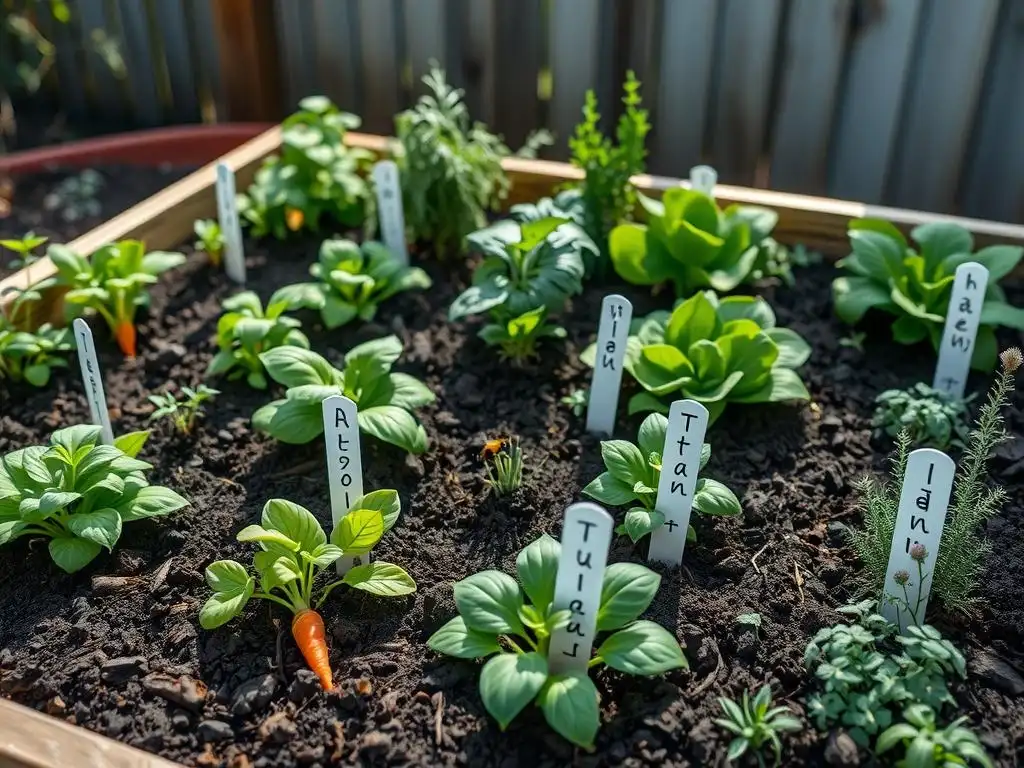
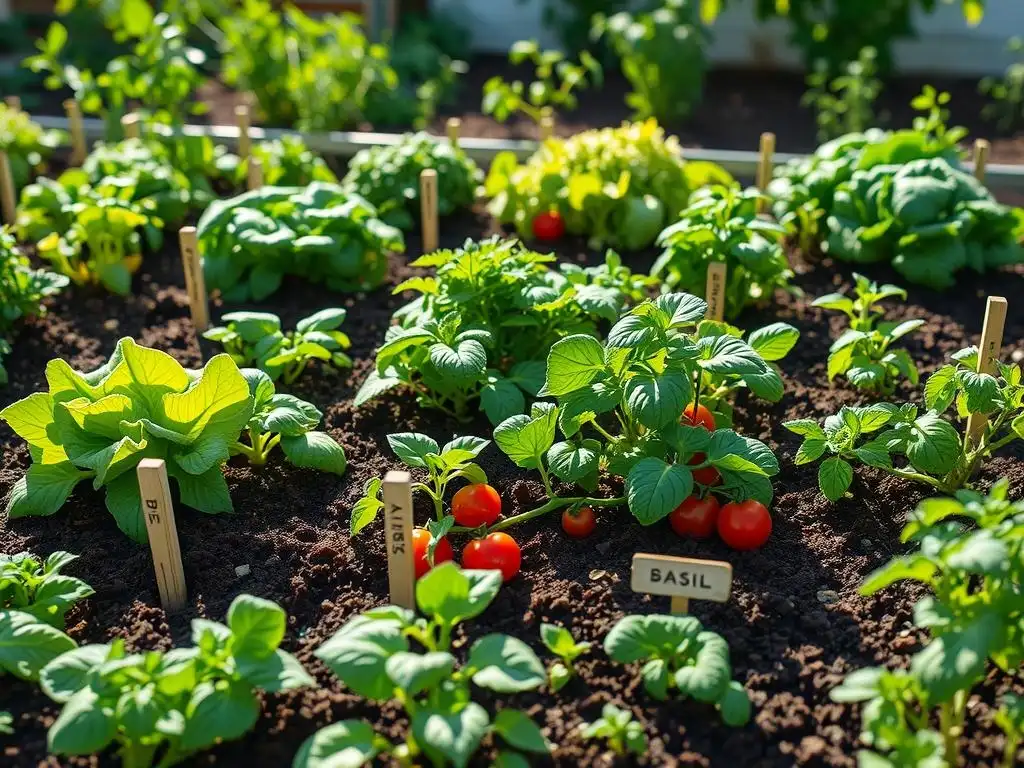
This section delves into the specifics of choosing the right plants for your square foot garden, focusing on maximizing yield and optimizing space. Successful square foot gardening relies heavily on careful plant selection. Understanding the growth habits and space requirements of different plants is crucial for a bountiful harvest. We’ll explore ideal vegetable and herb choices, emphasizing varieties suited to compact spaces. Mastering square foot garden plant selection is key to achieving a thriving and productive garden, even with limited space.
Choosing High-Yielding Vegetables for Your Square Foot Garden
High-yielding vegetables are essential for maximizing your harvest in a square foot garden. Space is a premium, so choosing varieties known for their prolific production is paramount. Consider these options:
- Bush Beans: These compact beans require less space than pole beans and produce a substantial yield. Look for varieties like 'Contender' or 'Blue Lake 290'. They are relatively easy to grow and offer a generous harvest. Planting them at a density of one plant per square foot is a good starting point.
- Lettuce: Loose-leaf lettuces are excellent choices for square foot gardening due to their rapid growth and ability to be harvested multiple times from a single plant. 'Black Seeded Simpson' and 'Red Sails' are popular choices for their flavor and yield. You can even interplant them with other vegetables, such as radishes.
- Radishes: These quick-growing root vegetables are perfect for succession planting, meaning you can plant a new batch every few weeks for a continuous harvest. 'French Breakfast' and 'Cherry Belle' are reliable varieties known for their fast maturation and high yield.
- Spinach: Similar to lettuce, spinach is a fast-growing, space-efficient choice. Choose a variety like 'Bloomsdale Long Standing' for its excellent yield and tolerance to varying temperatures. It’s important to ensure adequate spacing to prevent overcrowding.
| Vegetable | Variety | Yield | Spacing (sq ft) | Notes |
|---|---|---|---|---|
| Bush Beans | Contender | High | 1 | Fast-growing, prolific |
| Lettuce | Black Seeded Simpson | High | 1 | Multiple harvests |
| Radishes | French Breakfast | High | 1 | Quick-growing, succession planting ideal |
| Spinach | Bloomsdale Long Standing | High | 1 | Tolerant to varying temperatures |
Remember to always check the seed packet or plant tag for specific spacing recommendations. Overcrowding can reduce yields due to competition for resources. Careful planning is key for successful square foot garden plant selection.
Selecting the Right Herbs for Compact Square Foot Gardening
Herbs are a fantastic addition to any square foot garden, adding flavor to your meals while also providing visual appeal. However, their space requirements vary significantly. Here are some suitable options for compact square foot gardening:
- Basil: Compact basil varieties like 'Genovese Compact' or 'Spicy Globe' are ideal. They grow vertically, minimizing the footprint. These varieties are known for their robust flavor and high yield.
- Chives: Chives are a space-saving choice as they grow in clumps. They are easy to maintain and offer a continuous harvest. Plant them together in one square foot for optimal growth.
- Parsley: Curly parsley is a great choice for compact square foot gardening. It grows vertically, and you can harvest the leaves continuously without compromising the plant's health.
Choosing the right herbs depends on the space available and your culinary preferences. Careful planning and selection ensure that herbs are not only productive but also visually pleasing within the square foot garden. Consider interplanting herbs between vegetables to maximize space utilization and enhance the overall aesthetic of your garden.
Choosing Dwarf Varieties of Fruits and Vegetables for Space Optimization
Space optimization is crucial in square foot gardening, and dwarf varieties of fruits and vegetables are a perfect solution. These compact plants produce a good yield without taking up excessive space. Some excellent options include:
- Dwarf Tomatoes: Numerous dwarf tomato varieties are available, offering a wide range of flavors and colors. 'Patio' and 'Tumbling Tom' are popular choices known for their compact growth and abundant fruit production. They are perfect for containers and square foot gardens alike.
- Dwarf Peppers: Similar to tomatoes, dwarf pepper varieties offer a compact growth habit and a respectable yield. 'Sweet Million' and 'California Wonder' are reliable choices for their flavor and productivity. They require ample sunlight for optimal fruit production.
- Bush Cucumbers: Unlike vining cucumbers, bush cucumbers are compact and ideal for square foot gardens. They produce a moderate yield without sprawling over the entire garden bed. They may require more frequent harvesting to maintain continuous production.
Remember that even with dwarf varieties, proper spacing is still essential for optimal growth and yield. Always refer to the specific instructions on the seed packet or plant tag for the recommended spacing. Careful selection and planning will allow you to successfully grow a variety of fruits and vegetables in your limited square foot garden.
Advanced Square Foot Garden Plant Selection Strategies: Crop Rotation and Succession Planting
This section delves into advanced techniques for maximizing your square foot garden's productivity and health, focusing on crop rotation and succession planting. These strategies, while seemingly simple, significantly impact your yields and the long-term health of your soil. Mastering these will elevate your "square foot garden plant selection" game.
Implementing Crop Rotation for Soil Health and Pest Control in Square Foot Gardens
Crop rotation is a cornerstone of sustainable gardening. It involves systematically changing the types of plants grown in a particular area from one growing season to the next. In a square foot garden, this might mean rotating vegetables from different plant families within each square foot grid. This practice offers several key benefits:
- Improved Soil Health: Different plant families have different nutrient needs. Rotating crops prevents depletion of specific nutrients in the soil. For instance, heavy feeders like tomatoes and peppers deplete certain nutrients; following them with legumes (peas, beans) which fix nitrogen, replenishes the soil.
- Pest and Disease Management: Many pests and diseases are specific to certain plant families. Rotating crops disrupts their life cycle, reducing infestations and the need for chemical pesticides. For example, repeatedly planting brassicas (cabbage, broccoli) in the same spot increases the risk of cabbage worms. Rotating with root vegetables or legumes helps break this cycle.
- Weed Control: Certain plants can suppress weed growth. Strategic rotation can help reduce weed pressure, saving you time and effort in weeding.
Here’s a sample rotation plan for a 4x4 square foot garden:
| Year 1 | Year 2 | Year 3 |
|---|---|---|
| Square 1: Tomatoes (Solanaceae) | Square 1: Legumes (Fabaceae) | Square 1: Root Vegetables (Apiaceae/Asteraceae) |
| Square 2: Lettuce (Asteraceae) | Square 2: Brassicas (Brassicaceae) | Square 2: Tomatoes (Solanaceae) |
| Square 3: Beans (Fabaceae) | Square 3: Root Vegetables (Apiaceae/Asteraceae) | Square 3: Lettuce (Asteraceae) |
| Square 4: Carrots (Apiaceae) | Square 4: Tomatoes (Solanaceae) | Square 4: Beans (Fabaceae) |
This is a basic example; you'll need to tailor your rotation based on your specific climate, plant choices, and pest pressures. Remember to keep detailed records of your planting to optimize your rotation strategy. Careful planning is key for successful square foot garden plant selection.
Utilizing Succession Planting to Maximize Yields Throughout the Growing Season
Succession planting involves planting new crops to replace those that have finished producing. This ensures that your garden is consistently producing throughout the growing season, maximizing your yield and extending your harvest. It is a crucial component of optimal square foot garden plant selection.
For example, you could plant fast-maturing lettuce between slower-growing tomatoes. Once the lettuce is harvested, the tomatoes will have ample space to grow. Similarly, you can plant quick-growing herbs like cilantro or basil in gaps between other plants.
Effective succession planting requires careful planning and knowledge of your plants' growth cycles. Consider factors like:
- Days to Maturity: Choose crops with varying days to maturity to create a continuous harvest.
- Plant Spacing: Ensure you have adequate spacing for both the initial and subsequent crops.
- Climate: Account for your local climate and the specific needs of each plant.
Using a planting calendar will be incredibly helpful. This helps track your planting schedule and ensures you are always planting something new to take advantage of available space. This adds a significant layer of sophistication to your square foot garden plant selection.
Planning Your Square Foot Garden Layout for Optimal Plant Selection and Growth
Optimal square foot garden layout is crucial for successful succession and crop rotation. Careful planning maximizes space utilization and minimizes competition between plants. Consider these factors:
- Sunlight: Place sun-loving plants in areas with full sun exposure, while shade-tolerant plants should be placed accordingly.
- Water Needs: Group plants with similar water requirements together to simplify watering.
- Plant Height: Taller plants should be placed at the back of the garden to avoid shading smaller plants.
- Root Systems: Consider the root systems of your chosen plants to avoid overcrowding and competition for resources. Shallow-rooted plants can often be interplanted successfully with deep-rooted plants.
Sketching your garden layout before planting helps visualize plant placement and ensures you have a balanced mix of crops. Remember, effective planning is essential for achieving the maximum benefits of your "square foot garden plant selection." Careful consideration of these factors will lead to a thriving and productive garden.
Maintaining Your Square Foot Garden: Post-Planting Care for Optimal Growth
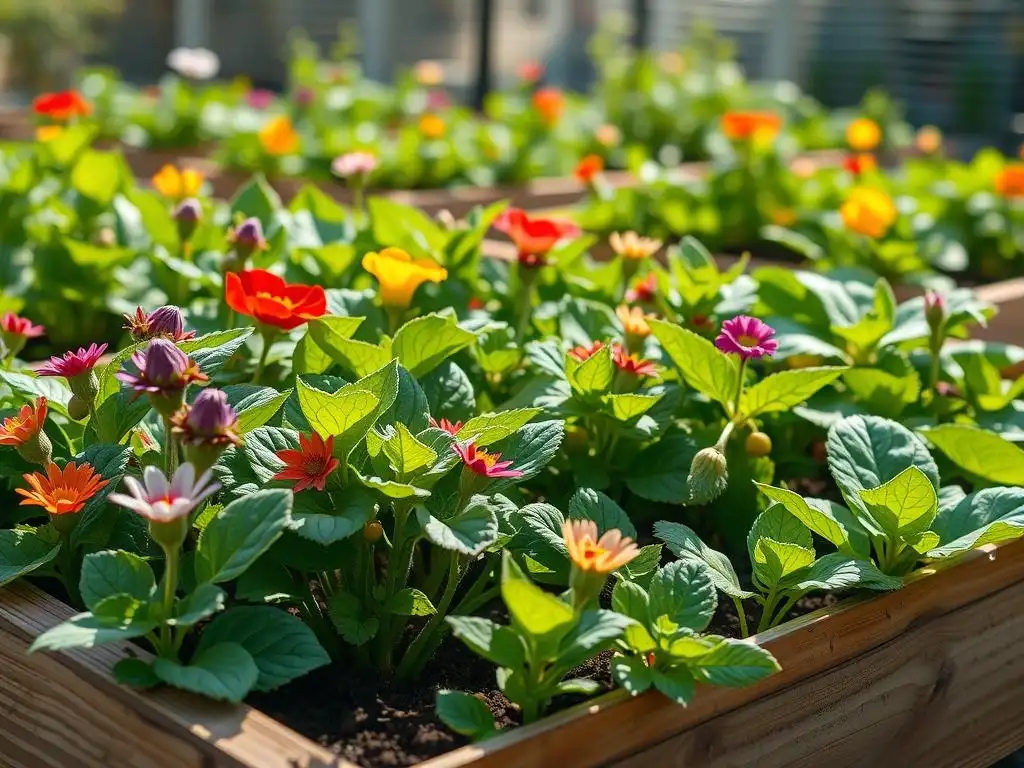
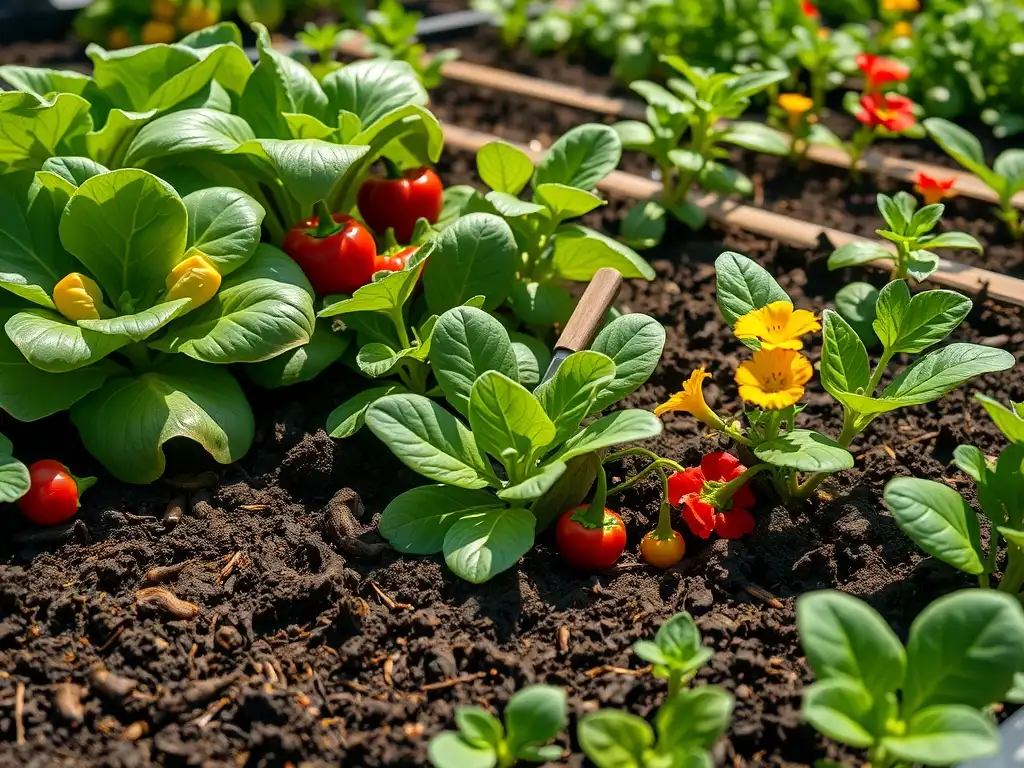
This section focuses on the crucial post-planting care needed to ensure your square foot garden thrives. Successful square foot gardening isn't just about planting; it's about consistent monitoring and maintenance. Proper watering, fertilization, and pest control are key to maximizing yields and enjoying healthy, organic produce. Remember, diligent care translates directly into abundant harvests. Let's delve into the specifics.
Watering Strategies for Square Foot Gardens with Different Plants
Water requirements vary significantly depending on the plant type and the prevailing climate. Overwatering can lead to root rot, while underwatering stunts growth. The goal is to maintain consistently moist, but not soggy, soil.
Here's a breakdown of watering strategies for different plant categories:
- Leafy Greens (Lettuce, Spinach, Kale): These plants prefer consistently moist soil, but avoid overhead watering which can promote fungal diseases. Use a gentle watering can or drip irrigation system at the base of the plants. Aim for a watering frequency of every other day, adjusting based on weather conditions.
- Root Vegetables (Carrots, Radishes, Beets): These require well-drained soil to prevent root rot. Water deeply but less frequently, allowing the soil to dry slightly between waterings. A soaker hose can be particularly effective here, delivering water directly to the roots.
- Fruiting Plants (Tomatoes, Peppers, Strawberries): These plants require more water, especially during fruiting. Water deeply and regularly, checking the soil moisture regularly. Mulching can help conserve moisture and suppress weeds.
- Herbs (Basil, Rosemary, Mint): Herbs have varying water needs. Basil prefers consistently moist soil, while rosemary is more drought-tolerant. Observe your plants closely and adjust watering accordingly. Overwatering can lead to root rot in herbs, just as in other plants.
A good rule of thumb is to check soil moisture by inserting your finger a couple of inches into the soil. If it feels dry, it's time to water. Remember to adjust your watering schedule based on weather conditions; hotter, drier weather will necessitate more frequent watering. Consistent monitoring is key to successful square foot gardening. The use of a moisture meter can also be helpful in determining when to water.
Fertilizing Your Square Foot Garden: Nutrient Requirements for Various Plants
Proper fertilization is essential for healthy plant growth and abundant harvests in your square foot garden. Different plants have different nutrient requirements. Avoid over-fertilizing, as this can damage plants and potentially contaminate your produce. Compost is an excellent organic fertilizer and should form the base of your fertilization strategy.
Here's a table outlining the nutrient needs of common square foot garden plants:
| Plant Type | Nitrogen (N) | Phosphorus (P) | Potassium (K) | Other Considerations |
|---|---|---|---|---|
| Leafy Greens | High | Moderate | Moderate | Regular side-dressings of compost are beneficial. |
| Root Vegetables | Moderate | High | Moderate | Focus on soil health and well-drained conditions. |
| Fruiting Plants | High | High | High | Regular feeding throughout the growing season. |
| Herbs | Moderate | Moderate | Moderate | Adjust based on specific herb requirements. |
Using organic fertilizers like compost tea or fish emulsion is highly recommended for maintaining soil health and promoting sustainable growth. Always follow the instructions on the fertilizer packaging to avoid harming your plants. Regular soil testing can help you determine the precise nutrient levels in your soil and guide your fertilization strategy. Remember that healthy soil is the foundation of a productive square foot garden.
Pest and Disease Management in a Square Foot Garden: Protecting Your Plants
Pest and disease control is vital for a successful square foot garden. A healthy and thriving garden is less susceptible to pests and diseases. Proactive measures are far more effective than reactive treatment.
Here are some effective organic pest and disease management strategies:
- Companion Planting: Strategically planting certain plants together can repel pests and attract beneficial insects. For example, planting basil near tomatoes can help deter tomato hornworms.
- Beneficial Insects: Encourage beneficial insects like ladybugs and lacewings to your garden by providing habitat and avoiding harmful pesticides. These insects help control pest populations naturally.
- Crop Rotation: Rotating crops annually helps to break pest and disease cycles, preventing the buildup of pathogens in the soil.
- Organic Pest Control: Use organic pest control methods like insecticidal soap or neem oil to address pest infestations without harming beneficial insects or contaminating your produce. Always follow the instructions carefully.
- Regular Inspection: Regularly inspect your plants for signs of pests or diseases. Early detection allows for prompt intervention and minimizes damage. A healthy plant is less susceptible to pest infestation.
Remember, a strong, healthy plant is your best defense against pests and diseases. Focus on providing optimal growing conditions through proper watering, fertilization, and soil health, and you'll create a resilient garden that can withstand minor pest pressures. Prevention is always better than cure.
Troubleshooting Common Problems with Square Foot Garden Plant Selection
This section addresses common pitfalls encountered when selecting plants for your square foot garden, focusing on practical solutions and preventative measures. Mastering square foot garden plant selection is key to maximizing yield and minimizing frustration. Remember, careful planning significantly reduces the need for later troubleshooting.
Addressing Issues with Overcrowding in Your Square Foot Garden
Overcrowding is a frequent problem in square foot gardening, stemming from poor initial plant spacing estimations or an overzealous approach to maximizing plant density. Overcrowded plants compete fiercely for resources like sunlight, water, and nutrients, leading to stunted growth, reduced yields, and increased susceptibility to pests and diseases.
Several strategies can mitigate overcrowding. Firstly, accurate plant spacing is paramount. Consult reliable resources – including seed packets and gardening guides – to understand the mature size of each plant you intend to grow. For example, sprawling plants like zucchini require significantly more space than compact herbs like thyme.
Secondly, thinning is crucial. If overcrowding occurs despite careful planning, thin out seedlings early. This involves removing less vigorous plants to give remaining plants more room to thrive. Remember, it's better to have fewer, healthier plants than many weak ones.
Finally, consider plant habit. Vining or sprawling plants might necessitate a different planting strategy than compact, upright varieties. Using trellises or other support structures can help manage the growth of vining plants, preventing them from overwhelming their neighbors.
| Plant Type | Space Requirement (per plant) | Notes |
|---|---|---|
| Lettuce | 1 square foot | Can be planted more densely when young |
| Tomatoes | 1-2 square feet | Needs ample space for air circulation |
| Bush Beans | 1 square foot | Compact, but needs adequate spacing for yield |
| Zucchini | 4-9 square feet | Spreads significantly; requires ample space |
Remember, prevention is better than cure. Careful planning and mindful plant selection are your best defenses against overcrowding. Using a square foot gardening grid helps visualize plant placement and ensures appropriate spacing.
Dealing with Poor Plant Growth Due to Incorrect Plant Selection
Poor plant growth often signals a mismatch between plant needs and growing conditions. This could be due to improper light exposure, unsuitable soil pH, or selecting plants unsuited to your climate. For example, planting frost-sensitive plants before the last frost date is a recipe for disaster.
Choosing plants suited to your specific climate zone is crucial for successful square foot gardening. Understanding your local climate, including average temperatures, rainfall, and sunlight hours, will significantly improve your chances of success.
Soil testing is also vital. The ideal pH range varies depending on the plant. If your soil pH is outside the optimal range for your chosen plants, amendments such as lime (to raise pH) or sulfur (to lower pH) can help correct the imbalance.
Careful observation is key. If plants show signs of nutrient deficiency (e.g., yellowing leaves, stunted growth), consider soil testing to identify missing nutrients and amend accordingly. Choosing plants with similar nutrient needs and grouping them accordingly can optimize resource use.
Resolving Problems with Incompatible Plant Combinations in Your Square Foot Garden
Some plants benefit from being grown together (companion planting), while others compete for resources or even release allelochemicals that inhibit the growth of nearby plants. Careful planning of plant combinations can significantly impact the success of your square foot garden.
For example, planting strong-smelling herbs like rosemary near susceptible vegetables like cabbage can deter pests. However, planting aggressive root systems near shallow-rooted plants can lead to resource competition.
Understanding allelopathy is important. Some plants release chemicals that inhibit the growth of other plants. For instance, certain plants in the walnut family are known to release juglone, a compound that can be toxic to many other plants. Researching the allelopathic properties of your chosen plants is crucial for successful square foot garden plant selection. Careful plant selection minimizes the risk of negative interactions.
Choosing compatible plant combinations ensures optimal growth and yield. Researching companion planting benefits can significantly improve your square foot garden's productivity and resilience. Careful planning and observation are key to successful square foot gardening.
Frequently Asked Questions
What is a square foot garden?
A square foot garden is an intensive gardening method where you divide your garden bed into one-foot squares and plant densely within each square. This maximizes yield in a small space using efficient plant spacing and companion planting.
How do I choose the right plants for my square foot garden?
Consider your local climate and the amount of sunlight your garden receives. Then, select plants with compatible growth habits and mature sizes to fit within the designated square foot spaces. Consult a square foot gardening guide for plant spacing suggestions.
What are some good companion plants for a square foot garden?
Many herbs and vegetables benefit from being planted together. For example, basil repels insects and improves the flavor of tomatoes. Marigolds deter pests and are often planted alongside other vegetables.
How do I deal with overcrowding in my square foot garden?
Overcrowding can lead to stunted growth and pest problems. Careful plant selection is key. If overcrowding occurs, thinning plants early is necessary to allow for proper growth and air circulation.
Can I grow all types of plants in a square foot garden?
While many vegetables, herbs, and flowers thrive in a square foot garden, some larger plants may require more space. Vines and sprawling plants are generally not ideal for this intensive gardening technique. Choose compact varieties for best results.
Final Reflection: Cultivating Abundance in Limited Spaces
The principles of thoughtful plant selection, crucial for maximizing yield in a square foot garden, extend far beyond the confines of a raised bed; they represent a mindful approach to resource management applicable to all aspects of our lives. Efficient resource allocation, whether it's sunlight in a garden or time in our daily schedules, is a key to achieving abundance and minimizing waste. This is a lesson that resonates deeply in our increasingly resource-conscious world.
The impact of understanding plant compatibility and climate considerations is profound, shaping not only the success of our gardens but also influencing our connection to the natural world. We become more attuned to the subtle nuances of our environment, learning to work with nature rather than against it. This mindful cultivation fosters a deeper appreciation for the interconnectedness of all things. The glory of gardening: hands in the dirt, head in the sun, heart with nature. To nurture a garden is to feed not just the body, but the soul.
This quote perfectly encapsulates the transformative power of engaging in such a practice.
Consider the lessons learned here – careful planning, understanding limitations, and maximizing potential – and apply them to your own life. What areas could benefit from a similar approach? Where can you cultivate abundance by optimizing resources and making conscious choices? Take a moment to reflect on this, and let the spirit of the square foot garden inspire you to cultivate not just thriving plants, but a thriving life.
Unleash Your Inner Gardener: Grow a Thriving Square Foot Garden
Thanks for learning about maximizing your harvest with square foot gardening! We hope you feel confident choosing the right plants for your space and climate. Ready to put your knowledge into practice?
- Start planning your square foot garden layout today! Sketch your plot, considering sunlight, plant spacing, and your chosen varieties. This is the crucial first step.
- Share your plant choices and gardening journey with our community on social media using #SquareFootSuccess – let's inspire each other!
- Try a new companion planting technique. Experiment to discover surprising combinations that thrive in your garden!
What exciting plant combinations will you try in your square foot garden this season?