
Creating a Sensory Garden: Engaging All Senses for a More Immersive Experience

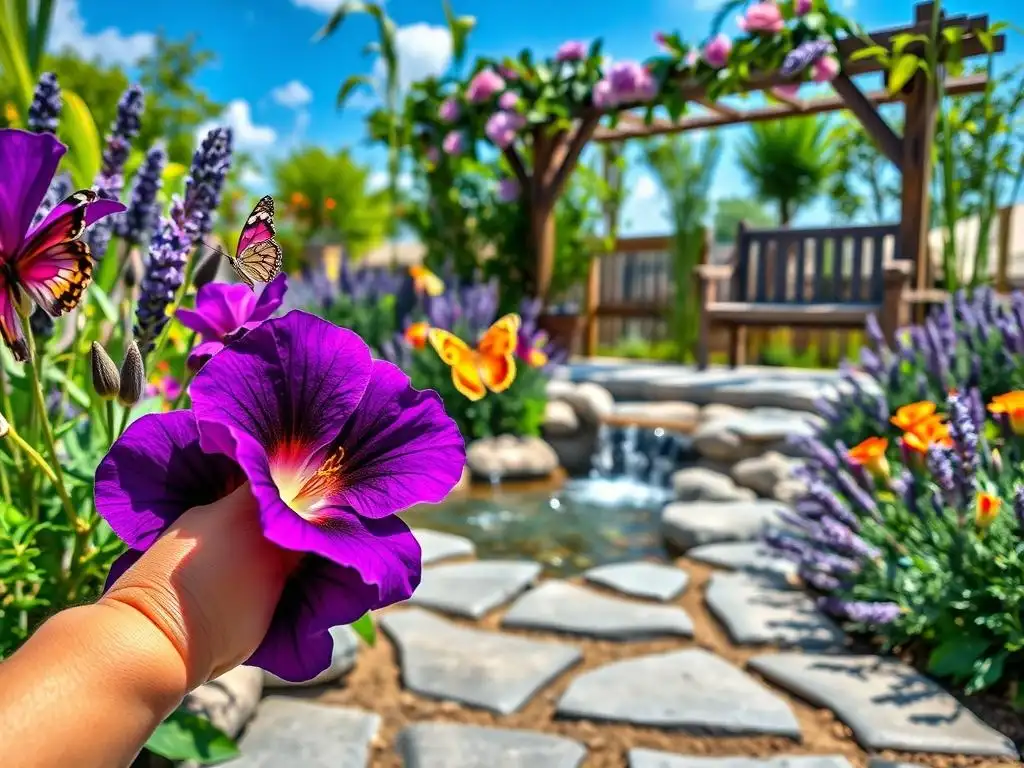
Welcome to CultivateYourFood, your guide to a greener, more flavorful life! Are you ready to transform your outdoor space into a vibrant haven? We'll show you how. Discover the magic of sensory garden planting ideas, unlocking a world of immersive experiences through the careful selection and placement of plants. Dive in and learn how to cultivate a garden that engages all your senses – from the fragrant blooms to the satisfying crunch of homegrown vegetables. Let's get started!
- Understanding the Benefits of Sensory Garden Planting Ideas
- Planning Your Sensory Garden Design: Key Considerations for Sensory Garden Planting Ideas
-
Sensory Garden Planting Ideas: A Practical Guide to Plant Selection
- Plants for Sight: Vibrant Colors, Unique Forms, and Seasonal Interest
- Plants for Smell: Fragrant Herbs, Flowers, and Shrubs for Aromatic Experiences
- Plants for Touch: Varying Textures, Heights, and Sizes for Tactile Exploration
- Plants for Sound: Wind Chimes, Rustling Leaves, and Birdsong Attracting Plants
- Plants for Taste: Edible Flowers, Herbs, and Fruits for a Culinary Sensory Journey
- Creating Accessible Pathways and Features in Your Sensory Garden
- Maintaining Your Sensory Garden: Ongoing Care and Considerations
- Expanding Your Sensory Garden: Adding More Sensory Elements Over Time
- Harvesting and Enjoying Your Sensory Garden: A Celebration of the Senses
- Frequently Asked Questions
- Final Reflection: Cultivating Connection Through Sensory Gardens
- Unleash Your Inner Gardener: Cultivate a Sensory Oasis
Understanding the Benefits of Sensory Garden Planting Ideas
Creating a sensory garden is more than just planting pretty flowers; it's about cultivating an immersive experience that engages all five senses. This approach is particularly beneficial for individuals with disabilities or limitations, offering a unique opportunity for connection and therapeutic engagement with the natural world.
This article explores the numerous advantages of designing a sensory garden, focusing on practical planting ideas that cater to diverse needs and abilities, ultimately enhancing wellbeing and fostering a deeper appreciation for the environment. We'll delve into specific plant choices, design considerations, and the therapeutic impact of sensory stimulation, providing you with the tools and inspiration to create a truly enriching and accessible garden space.
This guide is perfect for anyone interested in learning about sensory garden planting ideas, especially those seeking ways to make gardening more inclusive and enjoyable for people with various abilities. Let's explore how to cultivate a garden that nurtures the mind, body, and soul.
Sensory Gardening for People with Disabilities: Enhanced Engagement and Wellbeing
Sensory gardens offer significant benefits for individuals with various disabilities. For those with visual impairments, fragrant plants like lavender, rosemary, and mint provide tactile and olfactory stimulation, replacing visual cues with equally engaging sensory experiences. The textures of different plants – the soft petals of a rose, the rough bark of a tree, the prickly leaves of a cactus – offer a rich tactile experience.
For individuals with mobility challenges, raised beds and adaptive gardening tools ensure accessible planting and harvesting. Furthermore, the calming and therapeutic effects of a sensory garden can significantly reduce stress and anxiety, improving overall wellbeing. The gentle sounds of rustling leaves and the vibrant colors (where applicable) can be incredibly soothing and promote relaxation.
Consider incorporating elements like water features (with safety precautions in place) for added auditory and visual stimulation. The rhythmic sound of trickling water can be deeply meditative. Remember to prioritize safety and accessibility in all design choices.
Accessible Gardening: Adapting Sensory Garden Designs for Diverse Needs
Designing an accessible sensory garden requires careful consideration of diverse needs. This includes providing clear pathways wide enough for wheelchairs and other mobility aids. Raised garden beds at varying heights cater to different physical capabilities, ensuring everyone can participate comfortably.
Choosing plants with distinct textures and fragrances caters to individuals with visual impairments, while considering sound and movement offers a richer experience for those with other disabilities. For example, plants with fragrant flowers and leaves like lemon verbena or scented geraniums can be delightful, and wind chimes can add an auditory element. Consider also the use of contrasting colors to improve visual access for those with low vision.
Remember to label plants clearly with large, tactile labels for those who are visually impaired or have difficulty reading small print. Provide ample seating areas for rest and relaxation, and ensure good lighting to enhance visibility and safety. Careful planning is crucial to ensure inclusivity and enjoyment for all.
Sensory Stimulation and Therapeutic Benefits: Improving Mood and Reducing Stress
The therapeutic benefits of sensory gardens are well-documented. The act of gardening itself is inherently therapeutic, offering a sense of accomplishment and connection with nature. The sensory stimulation provided by a well-designed garden further enhances these benefits.
The calming effect of soft textures, soothing fragrances, and gentle sounds can significantly reduce stress and anxiety. Bright colors can uplift mood and enhance cognitive function. The repetitive motions involved in gardening can be meditative and calming, while the act of nurturing plants fosters a sense of responsibility and purpose.
Studies have shown that spending time in nature, particularly in engaging sensory environments, can lower blood pressure, reduce cortisol levels (a stress hormone), and improve overall mental wellbeing. The sensory garden offers a safe and accessible space to experience these benefits, making it a valuable asset for therapeutic interventions and personal wellbeing. Incorporating elements designed to stimulate different senses creates a holistic and deeply restorative environment.
Planning Your Sensory Garden Design: Key Considerations for Sensory Garden Planting Ideas
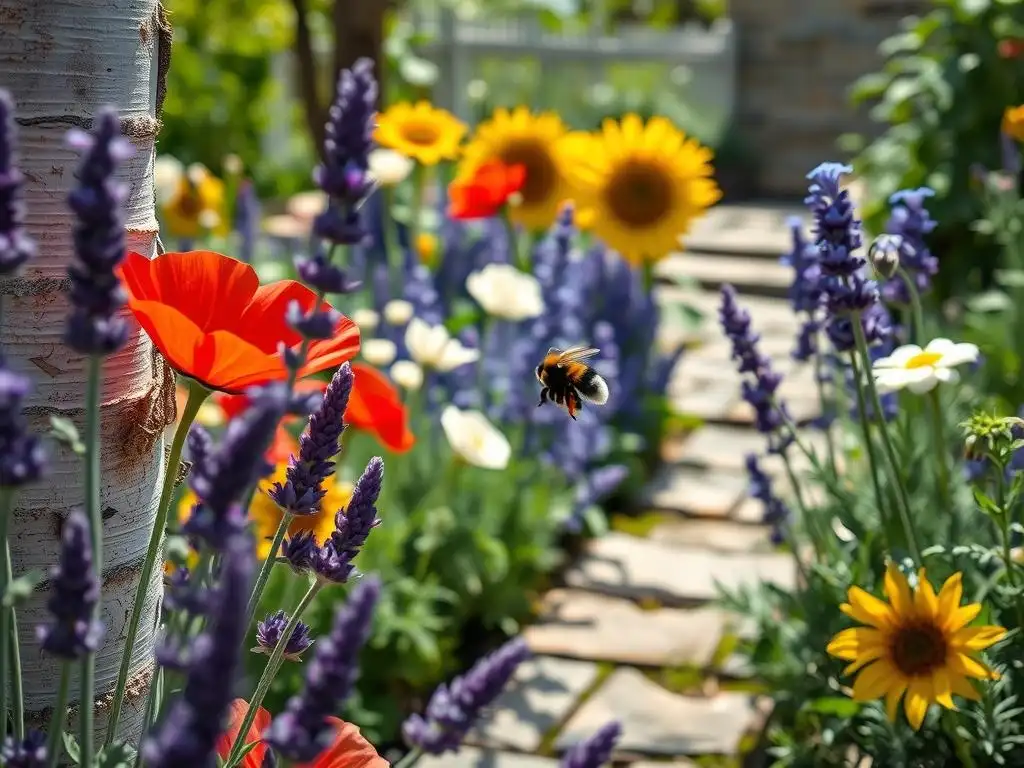
This section focuses on the crucial initial steps in creating a successful sensory garden, specifically tailored to individuals with disabilities or limitations. Careful planning ensures accessibility and maximizes the sensory experience. Effective sensory garden planting ideas begin with thoughtful design.
Choosing the Right Location: Sunlight, Accessibility, and Privacy
The location of your sensory garden is paramount. Consider these factors carefully to ensure optimal enjoyment and accessibility:
- Sunlight: Most plants thrive in at least six hours of direct sunlight daily. However, consider the specific needs of the plants you choose. Some plants prefer partial shade, especially in hotter climates. Observe your yard throughout the day to identify areas with varying sun exposure. Document your observations in a simple log to aid in plant selection. A south-facing location generally receives the most sunlight in the Northern Hemisphere.
- Accessibility: Prioritize easy access for wheelchairs, walkers, or other mobility aids. Wide, level pathways are essential. Avoid steep slopes or uneven terrain. Consider the placement of seating areas for rest and contemplation. The pathways should be at least 36 inches wide to accommodate wheelchairs comfortably. A smooth, non-slippery surface is crucial for safety.
- Privacy: A sense of seclusion enhances relaxation and enjoyment. Consider using hedges, fences, or strategically placed plants to create a private oasis. Think about windbreaks to minimize unwanted noise and create a more peaceful atmosphere. Tall grasses or bamboo can provide a natural screen, offering both privacy and visual interest.
Selecting Plants for Sensory Appeal: Fragrant Flowers, Textural Foliage, and Edible Delights
Choosing the right plants is key to a thriving sensory garden. Focus on plants that stimulate multiple senses:
- Fragrant Flowers: Lavender, roses, honeysuckle, and jasmine offer delightful aromas. Consider the planting distance to allow for easy access and appreciation of the fragrance. A chart detailing the bloom time and scent intensity of each plant can be useful for planning.
| Plant | Scent Description | Bloom Time | Height (approx.) |
|---|---|---|---|
| Lavender | Sweet, herbaceous | Summer | 1-3 feet |
| Roses | Varies widely | Spring/Summer | Varies greatly |
| Honeysuckle | Sweet, intoxicating | Summer | 6-15 feet |
| Jasmine | Sweet, heady | Summer | Varies greatly |
- Textural Foliage: Include plants with varying textures to engage the sense of touch. Consider lamb's ear (soft and fuzzy), ferns (delicate and feathery), and succulents (smooth and fleshy). Label each plant clearly with its texture description for easy identification. This is particularly helpful for visually impaired individuals.
- Edible Delights: Incorporate herbs and vegetables that offer both visual and gustatory appeal. Consider planting easy-to-reach herbs like mint, basil, and thyme near seating areas. Raised beds or containers can make harvesting easier. Remember to clearly label edible plants to avoid accidental ingestion of non-edible plants.
Incorporating Different Sensory Elements: Soundscapes, Water Features, and Tactile Textures
Beyond plants, consider adding elements that engage other senses:
- Soundscapes: A gentle water feature, like a small fountain or birdbath, can create a calming soundscape. Wind chimes can add another layer of auditory interest. Consider the placement of these elements to minimize noise pollution from external sources.
- Water Features: A small, accessible water feature adds visual interest and a soothing sound. Ensure the water feature is safe and easy to access. Consider a shallow, gently flowing water feature to avoid risks of falling or drowning.
- Tactile Textures: Include various materials like smooth stones, rough bark, or textured paving stones in pathways to provide varied tactile experiences. Think about adding a raised garden bed with different textures of soil and mulch to stimulate tactile exploration. Clearly label these textured elements for the visually impaired. Adding a tactile map of the garden can also enhance the sensory experience.
Remember, creating a sensory garden is an iterative process. Observe how your garden is used and make adjustments as needed to optimize the experience for all who enjoy it. Regular maintenance and mindful plant selection are crucial for the long-term success of your sensory garden.
Sensory Garden Planting Ideas: A Practical Guide to Plant Selection
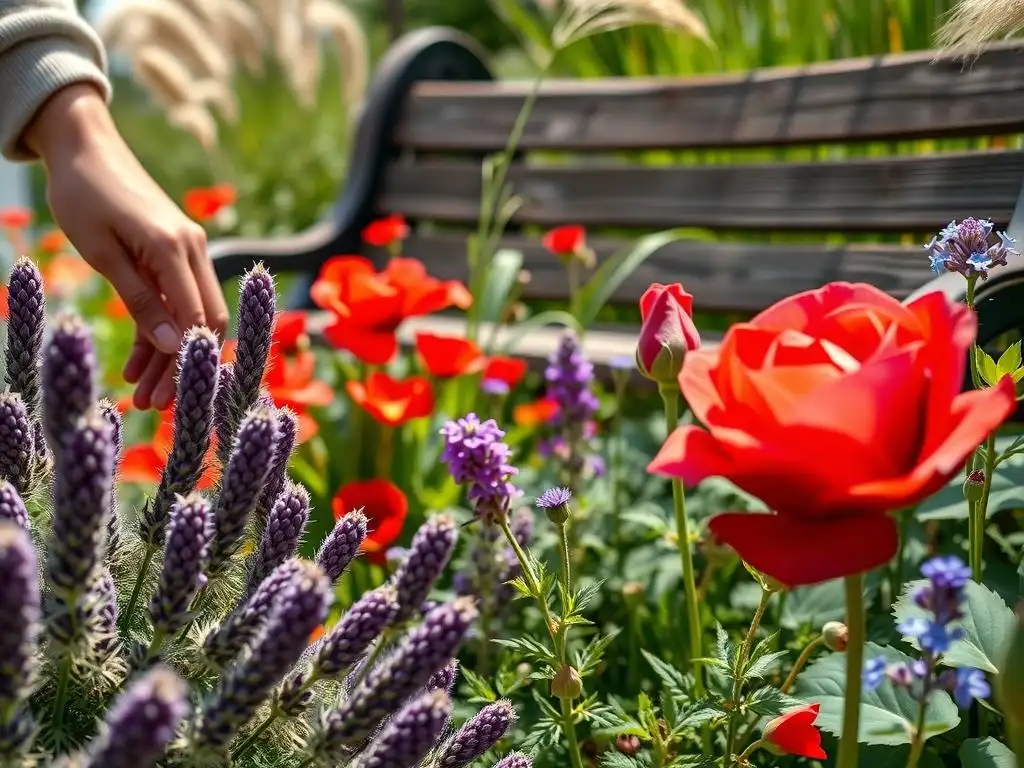
This section delves into the practical aspects of plant selection for a sensory garden, focusing on choosing plants that cater to different sensory experiences. We'll explore specific plant suggestions, considering their visual appeal, fragrance, and textural qualities. Remember, the goal is to create a vibrant and engaging space that stimulates all the senses, particularly beneficial for individuals with visual, auditory, or tactile impairments. Careful plant selection is key to achieving this.
Plants for Sight: Vibrant Colors, Unique Forms, and Seasonal Interest
Creating visual interest is paramount, especially for those with visual impairments who may rely more heavily on color and form differentiation. Consider incorporating a wide spectrum of colors and textures to maximize the impact. Think beyond simple blooms; leaf color, shape, and size also contribute significantly.
For vibrant color, consider:
- Annuals: Zinnias (various bright colors), sunflowers (tall and striking), cosmos (dainty and delicate). These provide continuous color throughout the growing season. Choose a variety of heights for visual layering.
- Perennials: Coneflowers (purple, pink, orange varieties), salvia (spikes of blue, red, or purple), daylilies (wide range of colors and bloom times). Perennials provide lasting structure and color year after year, reducing the annual planting workload.
- Foliage Plants: Coleus (intensely colored leaves), ornamental grasses (various heights and textures), hostas (large, varied leaf shapes and colors). These add visual interest even when flowers aren't in bloom.
To enhance visual interest beyond color, consider plants with unique forms:
- Unusual Leaf Shapes: Lamb's ear (soft, fuzzy leaves), ferns (delicate and lacy foliage), succulents (interesting shapes and textures). These offer tactile benefits as well, as discussed in the next section.
- Vertical Interest: Climbing plants like clematis or climbing roses can add height and drama, while creating a focal point. Train them on trellises or walls for maximum impact.
- Seasonal Interest: Choose plants with varying bloom times to ensure continuous visual stimulation throughout the growing season. Consider adding bulbs for early spring color, followed by summer annuals and late-blooming perennials.
Plants for Smell: Fragrant Herbs, Flowers, and Shrubs for Aromatic Experiences
Scent plays a crucial role in a sensory garden, offering a powerful and evocative experience. Select plants with strong and pleasant fragrances, considering the different aromas they offer. Remember to position fragrant plants near pathways or seating areas to maximize their impact.
Here are some excellent choices:
- Herbs: Lavender (calming and soothing), rosemary (fresh and invigorating), mint (refreshing and uplifting), basil (spicy and aromatic). Herbs also offer culinary uses, adding another dimension to the sensory experience.
- Flowers: Roses (wide variety of scents), jasmine (sweet and intoxicating), honeysuckle (sweet and heady), lilac (classic and floral). Consider planting different varieties for a diverse range of fragrance profiles.
- Shrubs: Lilacs (strong, sweet fragrance), mock orange (citrusy scent), viburnum (sweet and slightly spicy). Shrubs provide structure and fragrance over several years, minimizing the need for frequent replanting.
Consider the placement of fragrant plants. For example, place strongly scented plants near seating areas for maximum enjoyment, while milder scents can be used to create a gentle aromatic pathway.
Plants for Touch: Varying Textures, Heights, and Sizes for Tactile Exploration
Tactile exploration is essential for a truly inclusive sensory garden. Incorporate a wide variety of textures to stimulate the sense of touch. Consider plants with different leaf textures, heights, and sizes, providing diverse tactile experiences.
Here are some suggestions for plants with interesting textures:
- Soft Textures: Lamb's ear (soft, fuzzy leaves), velvetleaf (soft, velvety leaves), bunny ears (soft, fuzzy foliage). These plants are particularly comforting to the touch.
- Rough Textures: Rosemary (needle-like leaves), succulents (rough, bumpy surfaces), coneflowers (rough flower heads). These offer a contrasting tactile experience.
- Smooth Textures: Hostas (smooth, waxy leaves), some ferns (smooth, delicate fronds), certain succulents (smooth, fleshy leaves). The smoothness contrasts nicely with rougher textures.
Think about incorporating plants of varying heights and sizes:
- Groundcovers: These offer a soft, ground-hugging texture for those who like to walk barefoot or sit on the ground.
- Taller Plants: These can provide shade and a sense of enclosure, creating a more intimate space.
- Plants with Different Stems: Some plants have thick, woody stems, while others have thin, delicate stems. This variety adds to the tactile experience.
Remember to consider the potential for allergens when selecting plants for a sensory garden. Always prioritize safety and accessibility for all users. A well-designed sensory garden can be a source of joy and therapeutic benefit for individuals of all abilities.
Plants for Sound: Wind Chimes, Rustling Leaves, and Birdsong Attracting Plants
Creating a sensory garden that engages the sense of hearing is surprisingly simple. The gentle rustling of leaves in the breeze, the cheerful chirping of birds, and even the delicate tinkling of wind chimes can all contribute to a calming and immersive experience. Strategic plant selection is key to achieving this auditory richness. Consider incorporating plants with leaves that move readily in the wind, creating a soothing rustling sound.
Bamboo, with its slender stalks and numerous leaves, is an excellent choice. Similarly, grasses such as feather reed grass ( Calamagrostis acutiflora) and various ornamental grasses offer a delightful whispering sound as the wind passes through them. The height and density of these plants can be adjusted to create varying levels of sound intensity.
Beyond the rustling foliage, attracting birds to your sensory garden enhances the auditory experience significantly. Birdsong is a natural and beautiful addition to any tranquil space. To lure feathered friends, plant species that provide food and shelter are essential.
Berries are a significant attractant; consider planting bushes such as blueberries ( Vaccinium corymbosum), which offer both beautiful blossoms and delicious, bird-attracting berries. Sunflowers ( Helianthus annuus) produce ample seeds, providing a feast for birds, while also adding a visual element to your garden. Furthermore, planting native shrubs and trees offers natural shelter and nesting sites, encouraging birds to make your garden their home.
Remember to provide a water source, such as a birdbath, to further enhance their attraction to the space. The combination of rustling leaves and birdsong creates a dynamic and engaging soundscape, enriching the overall sensory experience. Consider the placement of wind chimes strategically to avoid overwhelming the natural sounds, adding a subtle and pleasant musical element to your sensory garden.
Plants for Taste: Edible Flowers, Herbs, and Fruits for a Culinary Sensory Journey
A sensory garden isn't just about sight and sound; it's also about the delightful experience of taste. Incorporating edible plants allows you to engage your sense of taste directly within the garden setting, creating a truly immersive and interactive experience. This culinary aspect adds another layer of enjoyment, particularly for those who appreciate the connection between nature and food.
The selection of edible plants is vast and varied, offering opportunities for diverse flavors and textures. Edible flowers, such as pansies ( Viola x wittrockiana), nasturtiums ( Tropaeolum majus), and calendula ( Calendula officinalis), add vibrant color and delicate flavors to salads and other dishes. Pansies, for example, offer a slightly sweet and peppery taste, while nasturtiums have a spicy kick. Remember to always ensure that any edible flower is grown organically and free from pesticides before consumption.
Herbs are another excellent addition to a sensory garden designed to engage the sense of taste. Basil ( Ocimum basilicum), mint ( Mentha), and rosemary ( Salvia rosmarinus) not only offer aromatic fragrances but also provide a wealth of culinary possibilities. Basil's sweet, slightly peppery taste complements many dishes, while mint offers a refreshing coolness, and rosemary provides a woody, slightly piney flavor. These herbs can be planted in pots or directly into the ground, allowing for easy access and integration into your cooking.
Finally, consider incorporating small fruit-bearing plants, such as strawberries ( Fragaria x ananassa), raspberries ( Rubus idaeus), or blueberries ( Vaccinium corymbosum), to provide a sweet and juicy treat directly from your garden. The size and variety of the plants should be carefully considered based on the available space and the gardener's physical capabilities. Remember to choose varieties that are suitable for your climate and growing conditions.
The integration of these edible elements transforms your sensory garden into a vibrant and interactive culinary experience, enriching the overall sensory journey. The pleasure of tasting the fruits of your labor directly from your garden adds a unique and rewarding element to the sensory garden experience.
Creating Accessible Pathways and Features in Your Sensory Garden
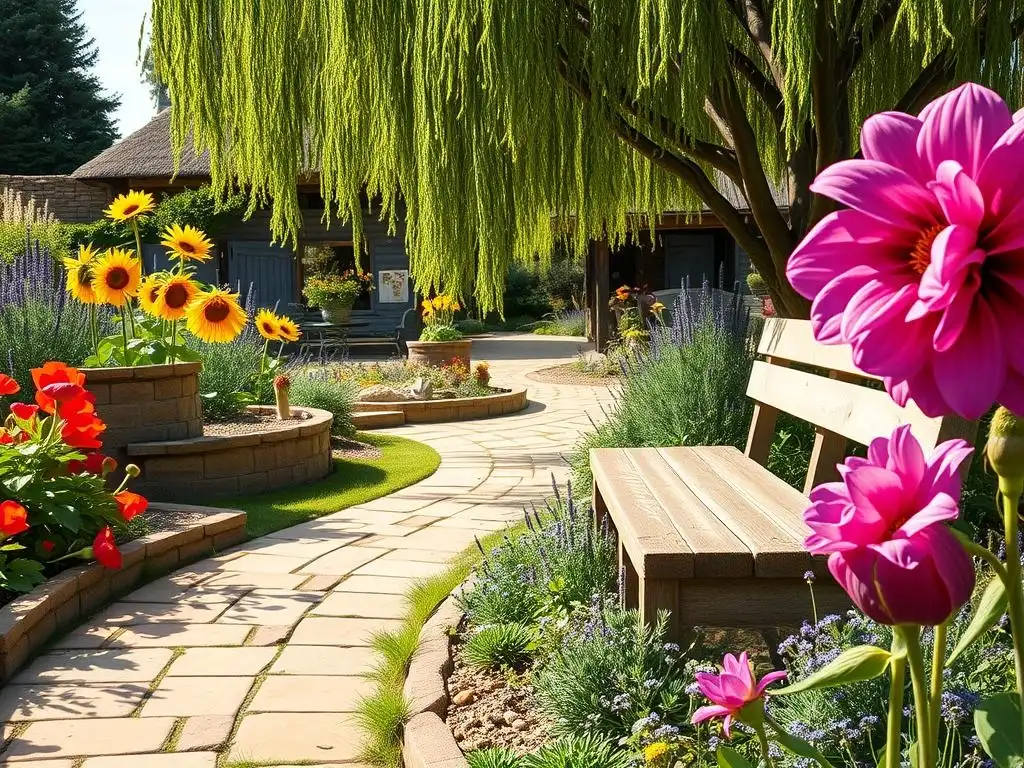
Creating a sensory garden that truly engages all senses requires careful consideration of accessibility. For individuals with mobility limitations, navigating the garden should be as enjoyable and effortless as possible. This section focuses on designing pathways and garden features that promote inclusivity and ease of access for everyone. Effective planning for accessibility enhances the overall sensory experience, ensuring everyone can fully appreciate the beauty and wonder of your garden. This is crucial when considering "sensory garden planting ideas" for a diverse audience.
Wheelchair-Accessible Pathways and Raised Beds: Designing for Mobility
Wheelchair accessibility is paramount in a sensory garden. Pathways should be at least 36 inches wide to allow for easy maneuvering, and the surface should be smooth, firm, and free of obstacles. Consider using compacted gravel, paving stones, or concrete. Avoid using loose materials like mulch or pea gravel, which can get stuck in wheels. Gentle slopes are preferable to steep inclines, and any changes in elevation should be gradual and well-marked.
Raised beds are a fantastic way to make gardening accessible to people who have difficulty bending or kneeling. They allow for easier planting, weeding, and harvesting. The height of the raised beds should be carefully considered; 30 inches is generally a good height for wheelchair users, ensuring comfortable access without being too high to reach. The materials used for the raised beds should be durable and weather-resistant.
Consider using cedar, redwood, or treated lumber. You could even create a beautiful and accessible raised bed using repurposed materials, adding to the sustainable ethos of your sensory garden. Remember to leave sufficient space between raised beds for wheelchair maneuvering, enhancing the overall accessibility of your “sensory garden planting ideas.”
Adaptive Gardening Tools and Techniques: Making Gardening Easier for All
Adaptive gardening tools are designed to make gardening more accessible for people with various disabilities. These tools often feature ergonomic designs, longer handles, and other modifications that reduce strain and improve ease of use. For example, a long-handled trowel allows for planting and weeding without bending, while a seated gardening stool provides support for those who have difficulty standing for extended periods. Consider using tools with large, easy-to-grip handles, and explore tools specifically designed for one-handed use.
Beyond adaptive tools, there are numerous techniques that can make gardening more accessible. Raised beds, as mentioned earlier, are a prime example. Other techniques include using self-watering planters to reduce the frequency of watering, using lightweight pots to minimize strain, and employing raised containers for herbs and smaller plants. These adaptations help to reduce physical strain and allow individuals with a wider range of abilities to fully participate in the joy of gardening, enriching their experience with your “sensory garden planting ideas.”
Sensory Labels and Signage: Improving Accessibility and Inclusivity
Sensory labels and signage are crucial for creating an inclusive sensory garden. These labels should clearly identify plants using both visual and tactile methods. For example, you might use braille labels alongside printed labels, or incorporate textured labels that can be easily identified by touch. Consider using large, bold fonts for printed labels to improve readability.
Signage should also be used to guide visitors through the garden, indicating pathways, points of interest, and any potential hazards. The signage should be placed at appropriate heights and angles to be visible to everyone, regardless of their height or mobility. Using contrasting colors to improve visibility for those with visual impairments is another important aspect to consider.
These inclusive design choices not only make the garden more accessible but also enhance the overall experience for everyone, making your "sensory garden planting ideas" truly inclusive and enjoyable for all visitors. Remember, a truly immersive sensory garden caters to all senses and abilities.
Maintaining Your Sensory Garden: Ongoing Care and Considerations
Creating a thriving sensory garden requires more than just initial planting. Consistent care and attention are crucial for maintaining its beauty, fragrance, and overall sensory appeal. This section focuses on practical strategies for ongoing maintenance, emphasizing sustainable and organic methods aligned with the principles of CultivateYourFood. We'll explore essential tasks like pruning, watering, and pest control, ensuring your sensory garden flourishes throughout the seasons. Remember, a well-maintained sensory garden offers not only aesthetic pleasure but also therapeutic benefits, enhancing the overall experience for everyone.
Regular Pruning and Weeding: Maintaining Plant Health and Sensory Appeal
Regular pruning and weeding are fundamental to maintaining a healthy and visually appealing sensory garden. Pruning encourages vigorous growth, improves air circulation (reducing the risk of fungal diseases), and shapes plants to maximize their sensory impact. For example, regularly trimming lavender bushes not only keeps them compact and visually pleasing but also intensifies their fragrance. Similarly, pruning climbing plants like honeysuckle directs their growth, ensuring their sweet scent reaches easily accessible areas.
Weeding is equally important. Weeds compete with your chosen plants for water and nutrients, impacting their growth and potentially introducing pests or diseases. Regular weeding, ideally by hand to avoid harming beneficial insects, ensures your sensory plants receive the resources they need. Consider using mulch around plants to suppress weed growth and retain soil moisture. This reduces the frequency of weeding, saving you time and effort while contributing to a more sustainable gardening practice. The type of mulch you use can also add to the sensory experience; fragrant cedar chips, for example, offer an additional aromatic dimension.
Watering Strategies: Ensuring Consistent Moisture for Optimal Growth
Consistent watering is crucial for the health and vibrancy of your sensory garden. Overwatering can lead to root rot, while underwatering stresses plants, reducing their fragrance and overall sensory appeal. The best watering strategy depends on several factors, including the climate, soil type, and the specific needs of your plants.
A good rule of thumb is to water deeply and less frequently, encouraging deep root growth. Check soil moisture regularly by inserting your finger a few inches into the soil. If the soil feels dry, it's time to water. Consider using a drip irrigation system or soaker hoses for efficient and even watering, minimizing water waste.
These methods deliver water directly to the roots, avoiding unnecessary evaporation and reducing the risk of fungal diseases. Additionally, grouping plants with similar watering needs together simplifies the process and ensures that each plant receives the appropriate amount of water. Remember to adjust your watering schedule according to seasonal changes and weather conditions. During hot, dry periods, you may need to water more frequently.
Pest and Disease Control: Protecting Your Sensory Garden Naturally
Protecting your sensory garden from pests and diseases is essential for maintaining its health and beauty. Prioritize preventative measures, such as choosing disease-resistant varieties and providing optimal growing conditions. However, even with preventative measures, pests and diseases can sometimes occur. In a sensory garden, especially one designed for individuals with sensitivities, it’s crucial to employ natural pest and disease control methods.
Instead of harmful chemical pesticides, consider using natural remedies like neem oil, insecticidal soap, or diatomaceous earth. These organic options target specific pests without harming beneficial insects or pollinators, crucial for maintaining biodiversity in your garden. Regularly inspect your plants for signs of pests or diseases, and address any issues promptly. Introducing beneficial insects, such as ladybugs or lacewings, can also help control pest populations naturally.
Good garden hygiene, such as removing fallen leaves and debris, can also help prevent the spread of diseases. Remember, a healthy ecosystem is the best defense against pests and diseases, making natural methods the most suitable for a sensory garden. This approach ensures a safe and enjoyable environment for everyone while promoting sustainable gardening practices.
Seasonal Adjustments: Adapting Your Sensory Garden to Changing Weather Conditions
Maintaining a thriving sensory garden requires careful attention to the changing seasons. Different plants flourish under varying temperatures and sunlight exposure. Failing to adapt your garden's care routine to these seasonal shifts can lead to plant stress, disease, and ultimately, a less vibrant sensory experience. For example, the vibrant summer blooms that delight with their colors and fragrances will need different care than the hardy winter herbs offering tactile interest.
The most significant seasonal adjustment often involves watering. During hot, dry summers, your plants will require significantly more frequent watering, potentially daily, especially if they are in containers. Conversely, during the colder months, overwatering can lead to root rot. Observe your plants closely; the soil's moisture level is a crucial indicator.
You might need to adjust your watering schedule based on rainfall and temperature fluctuations. Consider using a moisture meter to avoid guesswork and ensure optimal hydration. This is especially important for sensory gardens catering to individuals with tactile sensitivities, as consistently damp or dry soil can be unpleasant to the touch.
Sunlight is another critical factor demanding seasonal adjustments. Summer's intense sun can scorch delicate plants, necessitating shading techniques like using shade cloth or strategically placing taller plants to provide natural shade for more sensitive species. Winter's shorter days and reduced sunlight necessitate moving sun-loving plants to locations receiving maximum exposure. Regular pruning and thinning can also improve sunlight penetration and airflow throughout the garden, contributing to healthier growth and reducing the risk of fungal diseases.
Finally, seasonal changes may necessitate adjusting pest and disease control strategies. Certain pests are more prevalent during specific times of the year. For example, aphids might be a significant problem in spring, while slugs and snails might become more active in the fall.
Monitoring your plants regularly for signs of infestation and adapting your pest control measures accordingly – employing organic and sustainable methods, of course – is crucial for maintaining a healthy and vibrant sensory garden all year round. Remember to choose pest control methods that are safe for all users of the garden, especially those with sensitivities. Consider using natural deterrents like companion planting or insecticidal soaps instead of harsh chemicals.
Expanding Your Sensory Garden: Adding More Sensory Elements Over Time
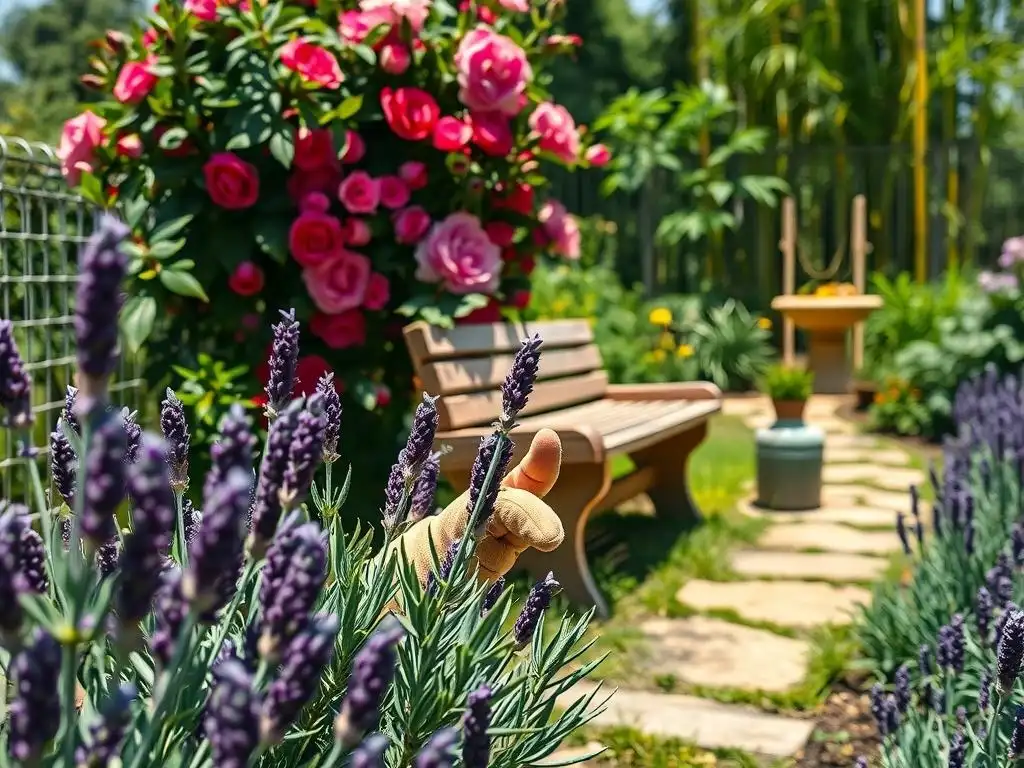
Creating a sensory garden is a journey, not a destination. Start small, focusing on a few key elements, and gradually expand your garden's sensory appeal over time. This phased approach allows for experimentation, refinement, and a more manageable workload, especially beneficial for gardeners with disabilities or limitations. Remember to prioritize accessibility and adjust the design to your specific needs and capabilities. Successful sensory garden planting ideas often involve a blend of careful planning and iterative improvements.
Incorporating Water Features: Sounds and Sights of a Relaxing Water Element
The gentle sound of flowing water is incredibly soothing and adds a dynamic auditory element to your sensory garden. A small fountain, a simple birdbath, or even a recirculating water feature can dramatically enhance the experience. Consider the size and placement carefully. A larger feature might require more maintenance and might not be suitable for smaller spaces or individuals with mobility challenges.
Smaller, more manageable features can be equally effective. For example, a small, shallow dish with a gentle trickle of water, perhaps powered by a solar-powered pump, can create a calming atmosphere without requiring significant effort. The visual element is also important; the shimmering reflections of light on the water's surface add another layer of sensory stimulation.
Choose a location that maximizes sunlight to enhance the visual impact. Remember to prioritize safety; ensure the water feature is stable and poses no tripping hazards. Regular cleaning is crucial to prevent mosquito breeding and maintain the aesthetic appeal.
Adding Art and Sculptures: Visual Stimulation and Tactile Exploration
Visual stimulation is crucial in a sensory garden. Integrating art and sculptures adds interest and depth, appealing to both sight and touch. Consider incorporating smooth, polished stones for a tactile experience, or textured ceramic pieces for a more varied feel. These elements can be placed at accessible heights, ensuring everyone can enjoy them.
Sculptures made of different materials, such as wood, metal, or recycled materials, can offer a wide range of visual and tactile experiences. The colors and shapes of the sculptures should complement the existing plants and overall garden design. Think about the height and placement of sculptures to ensure they are visible and easily accessible.
For individuals with visual impairments, sculptures with distinct textures can provide a richer sensory experience. Consider adding labels with braille or large print descriptions to enhance accessibility. Remember that the placement of art should not impede movement or access to other elements within the sensory garden.
Creating a Composting System: Sustainable Practices and Sensory Enrichment
A composting system is not only a sustainable practice but also a fascinating sensory experience. The process of decomposition produces unique smells and textures that can enrich the sensory experience of the garden. However, it's crucial to manage the composting system properly to avoid unpleasant odors. A well-maintained compost bin will attract beneficial insects and microorganisms, adding another dimension to the sensory experience.
Consider using a three-bin system for easier management. This allows for separate sections for green waste, brown waste, and finished compost. You can also create a more accessible composting system by using a smaller, easily manageable bin placed at a convenient height. Regular turning of the compost helps to aerate it and reduces unpleasant smells.
The process of turning the compost can also be a therapeutic activity, providing a kinesthetic experience. Remember to wear gloves and protective clothing when handling compost to avoid potential skin irritation. The finished compost, rich in nutrients, can then be used to enrich the soil in your sensory garden, completing the cycle and enhancing the growth of your plants.
Harvesting and Enjoying Your Sensory Garden: A Celebration of the Senses
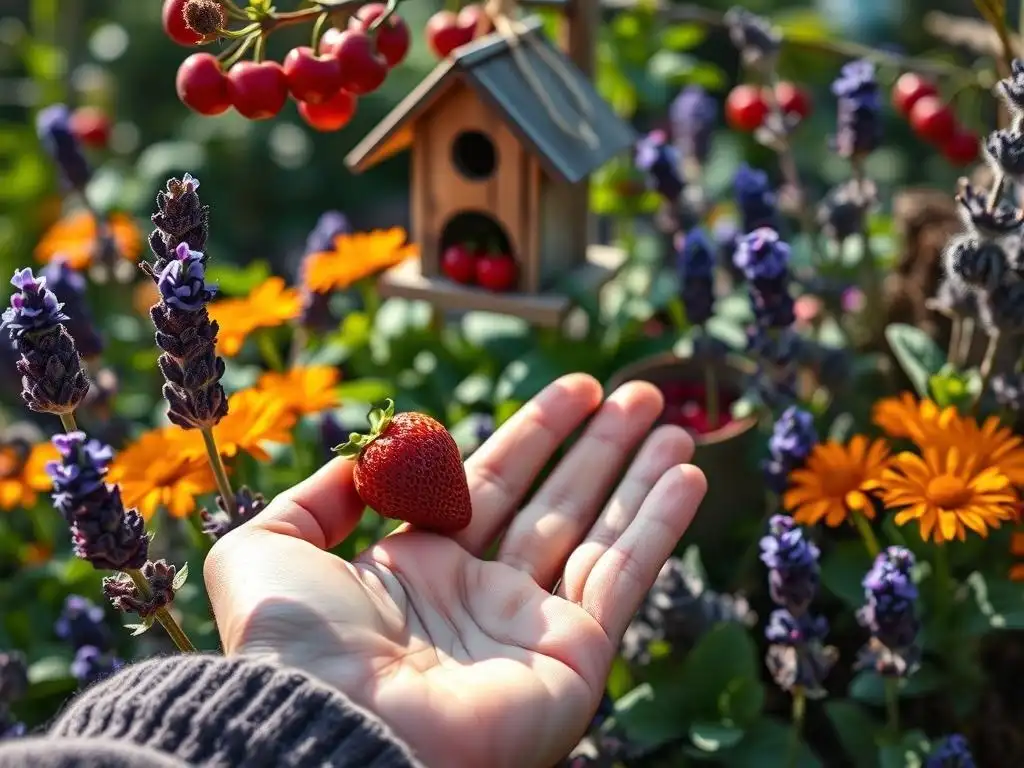
This section focuses on the rewarding culmination of your sensory garden journey: harvesting and savoring the fruits (and vegetables and herbs!) of your labor. Remember, responsible harvesting is key to maintaining the health and vibrancy of your garden for years to come. We'll explore techniques that engage all your senses, ensuring a truly immersive experience. Let's delve into the specifics of maximizing your sensory garden's potential.
Harvesting Edible Plants: Responsible Harvesting and Sensory Exploration
Harvesting shouldn't be a rushed affair; it's an opportunity for mindful engagement with your plants. Consider these sensory-rich steps:
- Sight: Observe the ripeness of your produce. Look for vibrant colors, plumpness, and the characteristic signs of maturity specific to each plant. For example, tomatoes should exhibit deep red hues, while basil leaves should be full and dark green. Note any blemishes or signs of pest damage before harvesting.
- Touch: Gently touch the fruits and vegetables to assess their firmness. Overripe produce will often feel soft or mushy. Use clean hands or wear gloves to prevent the spread of disease. Feel the texture of the leaves – are they smooth, rough, or fuzzy? This tactile experience adds another layer to your sensory appreciation.
- Smell: Inhale the fragrant aroma of your herbs and flowers as you harvest them. The scent of freshly picked rosemary, mint, or lavender can be incredibly invigorating. This olfactory experience enhances the overall sensory immersion.
- Sound: Listen to the gentle sounds of your garden as you harvest. The rustling of leaves, the buzzing of bees, the chirping of birds – all contribute to a calming and peaceful atmosphere. The crunch of a ripe tomato as you gently pluck it from the vine is a satisfying sound.
Remember to harvest responsibly. Use sharp, clean tools to avoid damaging the plants. Harvest only what you need, leaving enough for the plants to continue producing. Proper harvesting techniques ensure a bountiful yield year after year, maximizing the sensory rewards of your garden. This mindful approach aligns perfectly with sustainable and organic practices, core values of CultivateYourFood.
Preserving Your Harvest: Extending Sensory Enjoyment Throughout the Year
The sensory experience doesn't have to end with the harvest. Preserving your bounty allows you to enjoy the sights, smells, tastes, and textures of your garden throughout the year. Consider these options:
- Freezing: Freezing locks in the freshness and nutrients of many fruits and vegetables. The vibrant colors and textures are largely preserved, maintaining the visual appeal. The aroma might be slightly diminished, but the taste remains largely intact.
- Drying: Drying herbs and some vegetables concentrates their flavors and aromas, intensifying the sensory experience. Dried herbs can be used in cooking, adding depth and complexity to your dishes. The visual appeal changes, of course, but the fragrant qualities are often heightened.
- Canning: Canning preserves fruits and vegetables for extended periods, retaining both their visual and gustatory appeal. The process of canning itself can be a sensory experience, involving the sight of bubbling jars, the aroma of simmering fruits, and the satisfying pop of the lids sealing. This method is particularly useful for preserving the sensory qualities of tomatoes, jams, and pickles.
Proper preservation techniques are crucial for maintaining the quality and safety of your harvest. Research the best methods for each type of produce to ensure its sensory integrity is preserved for months to come. This careful attention to detail maximizes the longevity of your sensory garden's rewards.
Your sensory garden is not just for you; it’s a wonderful opportunity to share the joy of gardening and sensory exploration with others. Consider these ideas:
- Sensory Garden Tours: Organize guided tours of your garden, highlighting the different sensory elements and explaining the plants and their properties. Provide guests with tactile experiences such as feeling different leaf textures or smelling aromatic herbs.
- Harvest Festivals: Host a harvest festival where guests can participate in harvesting, learn about preserving techniques, and taste the fruits of your labor. This social aspect enhances the sensory experience, creating shared memories and fostering community.
- Sensory Workshops: Offer workshops focusing on specific sensory aspects of gardening, such as aromatherapy with herbs or creating sensory paths using different textures and scents. These educational opportunities share your passion and knowledge, extending the benefits of your sensory garden beyond your personal enjoyment.
Remember to adapt your approach to the needs and abilities of your guests, ensuring inclusivity and accessibility for all. Sharing your sensory garden is a rewarding way to enrich lives and inspire others to embrace the therapeutic benefits of nature. The smiles and shared experiences are an invaluable part of the sensory harvest. 🪴
Frequently Asked Questions
What is a sensory garden?
A sensory garden is a garden designed to stimulate all five senses: sight, sound, smell, touch, and taste. It uses a diverse range of plants with varying textures, colors, scents, and sounds, creating a multi-sensory experience. It's a great way to engage with nature on a deeper level.
What types of plants are best for a sensory garden?
Consider plants with fragrant flowers (lavender, roses), interesting textures (lamb's ear, ferns), vibrant colors (sunflowers, poppies), and those that attract beneficial insects (which make sounds). Think about including edible plants for tasting, too!
How do I plan the layout of my sensory garden?
Consider grouping plants by sensory qualities. Place fragrant plants near seating areas, textured plants at touch-friendly heights, and brightly colored plants to create visual interest. Think about the flow and accessibility for different sensory experiences.
What about pest control in a sensory garden?
Use organic pest control methods to protect your plants without harming beneficial insects or pollinators. This could include companion planting, introducing beneficial insects, or using natural sprays. Avoid harsh chemicals.
Are sensory gardens suitable for small spaces?
Absolutely! Sensory gardens can be adapted to any size. Even a small balcony or window box can be transformed into a mini sensory oasis by carefully selecting plants with a variety of sensory attributes. Vertical gardening is also a great option for space-saving.
Final Reflection: Cultivating Connection Through Sensory Gardens
The creation of sensory gardens isn't merely a horticultural pursuit; it's a powerful act of inclusivity and mindful engagement, enriching lives and fostering deeper connections with the natural world. In a world increasingly dominated by digital stimuli, the tangible, multi-sensory experience offered by a well-designed sensory garden provides a vital counterpoint, offering solace, stimulation, and a renewed appreciation for the beauty surrounding us. The simple act of planting, nurturing, and experiencing these spaces offers profound benefits for individuals of all ages and abilities.
The impact of sensory gardens extends far beyond the aesthetic. They serve as vital therapeutic spaces, offering calming environments for those with sensory processing disorders, cognitive impairments, or emotional distress. A garden is a friend you can always count on.
This sentiment, though simple, speaks volumes about the enduring comfort and joy these spaces provide. From the vibrant colours stimulating visual senses to the soothing sounds of rustling leaves and trickling water, these gardens offer a holistic experience that transcends the purely visual, fostering a sense of peace and well-being that is increasingly crucial in our fast-paced lives.
Consider the potential within your own life. Imagine the tranquility of a fragrant herb garden, the tactile pleasure of running your fingers over velvety petals, or the joy of listening to the buzzing of bees amongst the blossoms. You don't need a vast expanse of land to create a sensory haven; even a small balcony or window box can be transformed into a vibrant, engaging space.
Start small, experiment with different textures, scents, and sounds, and watch as your personal sensory garden blossoms, enriching not only your surroundings but also your soul. Embrace the opportunity to cultivate a deeper connection with nature and yourself.
Unleash Your Inner Gardener: Cultivate a Sensory Oasis
Thanks for exploring the world of sensory gardening with us! We hope you've discovered the joy of engaging all five senses in your garden. Now it's time to put your knowledge into practice.
- Design your dream sensory garden: Begin by sketching a plan, either on paper or using a digital design tool. Consider the textures, scents, and sounds you find most appealing and select plants that will provide the most delightful sensory experiences.
- Share your sensory garden vision: Share a picture or description of your plan on social media using #SensoryGardenCultivate. Let's inspire each other!
- Explore further: Research specific plant varieties that appeal to each sense. Discover the unique benefits of aromatic herbs and the varied textures of different foliage.
Ready to transform your outdoor space into a sensory haven? What sensory element will you focus on first?