
Watering Techniques for Clay Soil in Organic Gardens: Improving Drainage

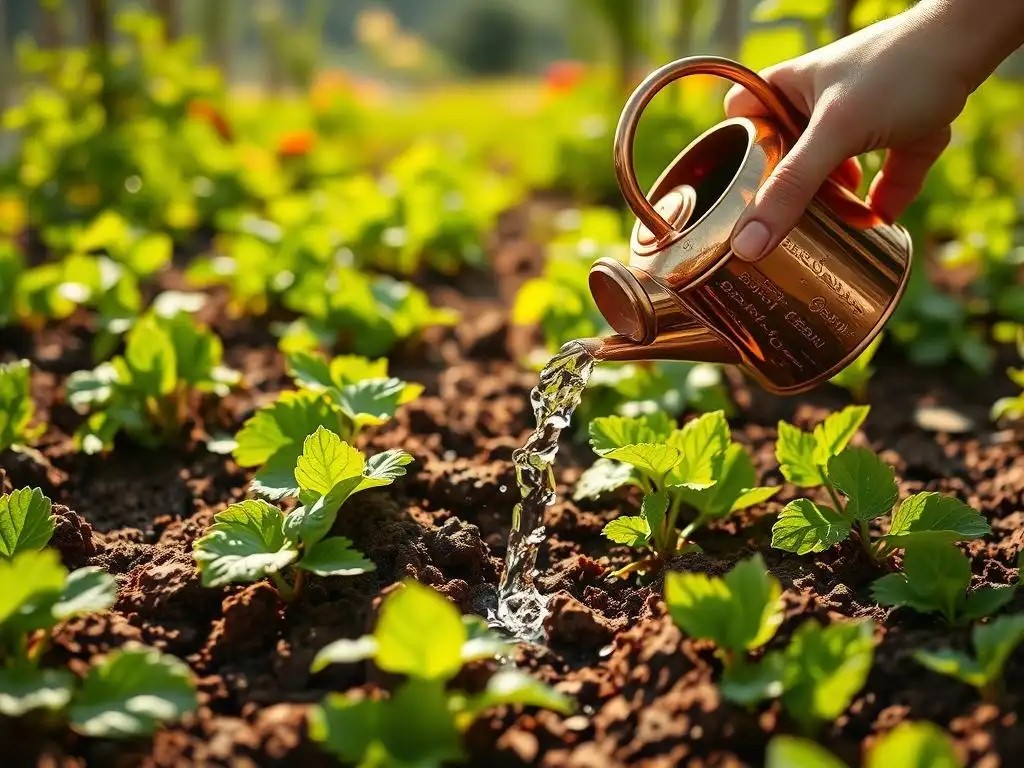
Ready to unlock the secrets of a thriving, organic garden, even with challenging clay soil? CultivateYourFood is your guide to sustainable home gardening. Discover how mastering the art of water clay soil organic garden irrigation can transform your yields. Learn the techniques that unlock healthy growth, and prepare to be amazed by the abundance your garden can produce. Let's get started!
- Understanding the Challenges of Watering Clay Soil in Organic Gardens
- Improving Drainage in Clay Soil for Better Water Management
- Effective Watering Techniques for Clay Soil Organic Gardens
- Choosing the Right Watering System for Clay Soil
- Troubleshooting Common Watering Issues in Clay Soil Organic Gardens
- Maintaining Healthy Soil Structure for Long-Term Success
-
Frequently Asked Questions
- How does clay soil affect my organic garden?
- What are the best watering techniques for clay soil?
- How can I improve drainage in my clay soil garden?
- What are the signs of overwatering or underwatering in clay soil?
- What role does organic matter play in improving water retention and drainage in clay soils?
- Final Reflection: Nurturing Life in Clay: A Legacy of Sustainable Gardening
- Unlock Your Soil's Potential: Thrive with Better Drainage!
Understanding the Challenges of Watering Clay Soil in Organic Gardens
Cultivating a thriving organic garden in clay soil presents unique challenges, primarily revolving around water management. Unlike sandy soils which drain quickly, clay soils possess a dense structure with tiny particles tightly packed together. This creates a significant hurdle for efficient water drainage and aeration, impacting plant health and overall garden productivity.
This article will delve into the specific challenges of watering clay soil within an organic gardening context, exploring effective techniques to improve drainage and ensure your plants receive the optimal amount of moisture. We'll examine the characteristics of clay soil, the negative consequences of poor drainage, and methods for identifying and addressing drainage problems, ultimately empowering you to cultivate a flourishing organic garden even in challenging clay soil conditions.
Mastering these techniques is crucial for success in organic gardening, as it directly affects nutrient uptake, root development, and the overall resilience of your plants against diseases and pests. Let's explore how to overcome these challenges and nurture a vibrant, healthy garden.
Clay Soil Characteristics and Water Retention
Clay soils are characterized by their high proportion of clay particles, which are smaller than sand or silt particles. This fine texture results in a dense soil structure with minimal pore space. The small spaces between clay particles restrict water movement, leading to slow drainage and, consequently, waterlogging. Furthermore, clay particles carry a negative electrical charge, attracting and holding onto positively charged ions like water molecules and nutrients.
This strong water retention capacity, while beneficial in some aspects, can be detrimental when excessive, leading to root suffocation and nutrient imbalances. Understanding this inherent characteristic of clay is the first step towards developing effective watering strategies. For example, a typical clay soil might retain up to 50% of its weight in water, far exceeding the optimal range for many plants. This high water holding capacity can lead to issues such as fungal diseases thriving in consistently moist conditions.
The Impact of Poor Drainage on Organic Garden Plants
Poor drainage in clay soil significantly impacts the health and growth of organic garden plants. When water sits stagnant around plant roots, it restricts oxygen uptake, leading to root rot and other fungal diseases. This anaerobic environment inhibits the vital processes of respiration and nutrient absorption, resulting in stunted growth, yellowing leaves, and reduced yields. Furthermore, poor drainage can also lead to nutrient leaching, as excess water carries away essential nutrients before the plants can absorb them.
The lack of proper aeration also negatively affects beneficial soil organisms like earthworms and microbes, crucial for maintaining soil health and fertility in organic gardening. The consequences of poor drainage extend beyond individual plants, impacting the overall ecosystem of your organic garden. For instance, a waterlogged garden can become a breeding ground for various pests and diseases.
Identifying Drainage Problems in Your Clay Soil Garden
Identifying drainage problems in your clay soil garden involves a combination of observation and simple tests. Firstly, observe the soil after a heavy rainfall or thorough watering. If water puddles on the surface for an extended period, it's a clear indicator of poor drainage. Secondly, you can conduct a simple soil percolation test.
Dig a hole about 6 inches deep and fill it with water. Observe how long it takes for the water to drain completely. If it takes more than several hours, your soil's drainage is likely inadequate. Another visual cue is the presence of compacted soil, which appears hard and dense.
This compacted layer impedes water infiltration. Finally, pay attention to the health of your plants. Symptoms like wilting despite adequate watering, yellowing leaves, and stunted growth can all point to poor drainage issues. Addressing these problems requires a multi-pronged approach, which will be covered in subsequent sections of this article.
Improving Drainage in Clay Soil for Better Water Management
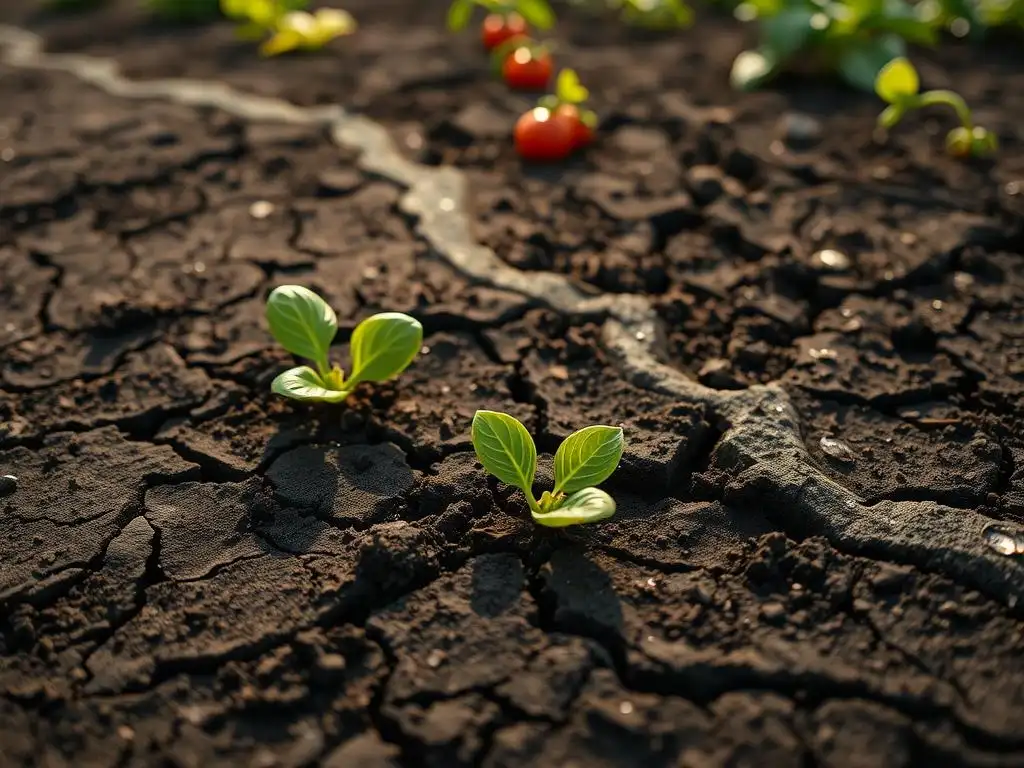
Clay soil, while rich in nutrients, presents unique challenges for organic gardeners. Its dense structure hinders water penetration, leading to waterlogging and root rot, detrimental to plant health. Effective water management in clay soil requires strategic improvements to drainage. This section explores practical techniques to enhance drainage, ensuring your organic garden thrives even in challenging soil conditions. Proper watering techniques are crucial for healthy plant growth, and understanding your soil type is the first step towards success. This guide focuses on improving drainage specifically for organic gardening in clay soil, a common challenge for many home cultivators.
Amending Clay Soil with Organic Matter: Compost and Other Amendments
Improving the structure of clay soil is paramount for better water infiltration. Organic matter, such as compost, plays a crucial role in this process. Compost acts as a soil conditioner, improving aeration and creating spaces for water to penetrate. The addition of compost not only improves drainage but also enriches the soil with essential nutrients, fostering a healthy environment for plant growth. This is a sustainable and environmentally friendly approach, aligning with the principles of organic gardening.
Adding compost is a gradual process. Start by incorporating a generous amount (at least 3-4 inches) into the top layer of soil before planting. Regular additions of compost throughout the growing season further enhance soil structure and water retention properties. Other organic amendments, like well-rotted manure and peat moss, can also be beneficial. Peat moss, in particular, helps to lighten the soil and improve its drainage capabilities.
However, remember to use peat moss responsibly, as its harvesting can have environmental impacts. A soil test can help determine the specific needs of your clay soil and guide your amendment choices. Remember, the goal is not to replace the clay soil entirely, but to improve its overall structure and water management capabilities. Using a mix of amendments can provide synergistic benefits, improving both drainage and nutrient content.
Creating Raised Beds for Improved Drainage in Clay Soil
Raised beds offer a highly effective solution for improving drainage in clay soil. By elevating the planting area above the surrounding ground, you create a well-drained environment, preventing waterlogging. The raised beds also allow for better soil aeration and warming, promoting healthy root development. Building raised beds is a relatively simple process. You can construct them using various materials, including wood, stone, or even recycled materials. The height of the raised bed should be sufficient to allow for adequate drainage. A height of 12-18 inches is generally recommended for clay soil.
When constructing raised beds, ensure that the bottom is not sealed. This allows for proper drainage. You can add a layer of gravel or broken pottery at the bottom of the bed to further improve drainage. Filling the raised beds with a mix of amended soil further enhances water infiltration and root development.
This combination of raised beds and soil amendment provides an excellent environment for cultivating a variety of plants in clay soil. Consider the size and placement of your raised beds based on your garden layout and the types of plants you intend to grow. Proper planning ensures optimal sunlight and ease of access for maintenance. Raised beds also offer aesthetic advantages, providing a neat and organized look to your garden.
Utilizing Terracing Techniques on Slopes with Clay Soil
For gardens located on slopes with clay soil, terracing is a crucial technique for managing water runoff and erosion. Terracing involves creating a series of level platforms or steps on a slope, effectively slowing down the flow of water. This prevents water from rushing downhill and eroding the soil, carrying away valuable topsoil and nutrients. Terraces also create more level planting areas, making it easier to cultivate plants and manage water effectively.
The construction of terraces requires careful planning and execution. The size and spacing of the terraces should be determined based on the slope's gradient and the soil's characteristics. Properly constructed terraces help to retain moisture, preventing waterlogging in the upper terraces while preventing erosion in the lower terraces. This is particularly important in clay soil, which tends to be prone to both waterlogging and erosion.
The use of retaining walls, made from stone, concrete, or other suitable materials, is essential for supporting the terraces and preventing collapse. Consider the aesthetics of your terraces as well, integrating them seamlessly into your garden's overall design. Terracing is a more involved technique but is highly beneficial for managing water and soil on slopes with clay soil, promoting a thriving organic garden.
Strategic Planting Locations: Considering Sunlight and Slope
Clay soil, while rich in nutrients, often suffers from poor drainage. Strategic planting is crucial to mitigate this issue and ensure your plants thrive. Choosing the right location minimizes waterlogging, a significant problem in clay soils that can lead to root rot and plant death. Sunlight exposure plays a critical role; excessively sunny areas can cause the clay to dry out too quickly, creating stress for plants, while areas with too much shade can encourage damp conditions, worsening drainage problems.
Therefore, a balance is key. Aim for locations that receive ample sunlight but also offer some protection from the harshest midday sun, especially during hotter months. This could involve planting near existing structures or strategically using taller plants to provide shade.
Consider the slope of your land. Planting on a slope, even a gentle one, significantly improves drainage. Water naturally flows downhill, preventing water from pooling around the plant's base. If your garden is predominantly flat, consider creating raised beds or mounds to achieve a similar effect. This elevates the planting area, allowing excess water to drain away more effectively.
Remember that even slight changes in elevation can make a substantial difference in managing water in clay soil. When constructing raised beds, ensure adequate drainage at the base to prevent water from accumulating underneath. This might involve adding gravel or broken pottery to the bottom of the bed to enhance drainage further. For example, a south-facing slope in a temperate climate will receive more sun and warmth, which can help dry the soil, reducing the risk of waterlogging.
However, in very hot climates, a more shaded location might be preferable. The ideal slope and sun exposure will vary depending on your specific climate and the plants you're growing. Careful observation and understanding of your local microclimate are essential for success. The use of terracing on steeper slopes can create level planting areas and prevent soil erosion, further enhancing water management in clay soils.
Effective Watering Techniques for Clay Soil Organic Gardens
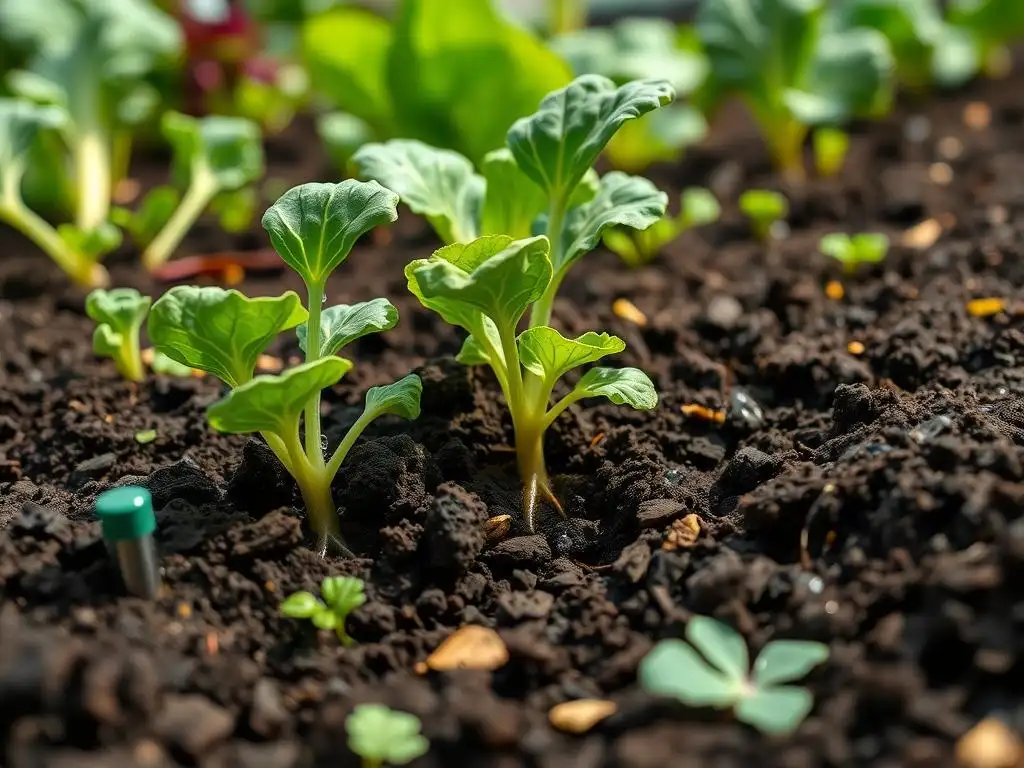
Clay soil presents unique challenges for organic gardeners, primarily due to its poor drainage and tendency to become waterlogged or dry out quickly. Understanding how to effectively water clay soil is crucial for cultivating healthy plants and maximizing yields. This section focuses on practical techniques to optimize watering practices in your organic clay soil garden, ensuring your plants receive the hydration they need while preventing common problems associated with this soil type. We'll explore deep watering, water conservation strategies, and the role of mulching in improving both water retention and drainage.
Deep Watering: Less Frequent, More Effective Hydration
Deep watering is a cornerstone of successful clay soil management. Instead of frequent, shallow watering which only wets the topsoil, encouraging shallow root growth, deep watering encourages roots to delve deeper into the soil profile, accessing moisture reserves and making your plants more drought-tolerant. This technique involves applying a significant amount of water slowly and deeply, allowing it to penetrate several inches into the soil.
The benefits are significant: deep watering helps break up compacted clay soil, improving aeration and drainage in the long run. It also promotes stronger, more resilient root systems, less susceptible to drought stress. Think of it like this: shallow watering is like giving your plants a sip of water, while deep watering is like giving them a long, refreshing drink.
Consider using a soaker hose or drip irrigation system to deliver water slowly and evenly over a longer period. Avoid using sprinklers, which lead to excessive surface evaporation, especially in hot and windy conditions. The goal is to thoroughly saturate the soil to a depth of at least 6-12 inches, depending on the plant type and the size of its root system.
The frequency of deep watering will depend on factors like weather conditions, plant needs, and soil moisture levels. Regularly checking soil moisture with a moisture meter or by digging a few inches down can help determine when to water.
Water Conservation Strategies for Clay Soil Gardens
Water conservation is paramount, particularly in regions with limited water resources. Clay soil, while challenging, can be managed to minimize water waste. By implementing efficient watering techniques and complementary soil management practices, you can significantly reduce your water consumption without compromising plant health.
One effective strategy is to group plants with similar water needs together. This allows for targeted watering, reducing the need for overall water usage. For example, plants requiring more frequent watering could be placed close together, making it easier to apply water directly to their root zones.
Another key aspect is harvesting rainwater. Collecting rainwater using rain barrels or other collection systems provides a sustainable and free source of water for your garden. This reduces reliance on municipal water supplies and helps conserve precious resources. Furthermore, rainwater is naturally softer than tap water, often beneficial for plants.
Lastly, consider the timing of your watering. Avoid watering during the hottest part of the day, as significant evaporation can occur. Early morning or late evening watering is more efficient, allowing the water to penetrate the soil effectively without significant loss to evaporation. This also reduces the risk of fungal diseases that thrive in moist environments.
Mulching Techniques to Improve Water Retention and Drainage
Mulching is a powerful tool in organic gardening, especially when dealing with clay soil. A layer of organic mulch, such as shredded leaves, straw, or compost, on top of the soil acts as a natural barrier, reducing evaporation and improving water infiltration. This helps to keep the soil consistently moist without overwatering.
The mulch layer acts as a sponge, slowly releasing water into the soil over time. It also helps to suppress weeds, which compete with your plants for water and nutrients. Furthermore, as the mulch decomposes, it improves soil structure, increasing aeration and drainage, which is particularly beneficial for clay soil.
The optimal depth of the mulch layer is generally 2-4 inches, avoiding excessive amounts which could hinder plant growth or create anaerobic conditions. Avoid using mulch that is too compact or dense, allowing for adequate air circulation and water penetration. Regularly replenish the mulch layer as it decomposes to maintain its effectiveness throughout the growing season. The right mulch selection and application can significantly contribute to a more balanced soil moisture level, leading to healthier, more productive plants in your organic clay soil garden. This is a crucial strategy for achieving optimal "Water clay soil organic garden" results.
Monitoring Soil Moisture Levels: Identifying When to Water
Effective watering in clay soil hinges on accurately assessing moisture levels. Overwatering is a significant risk with clay, leading to root rot and hindering plant growth. Conversely, underwatering stresses plants and reduces yields. Therefore, consistently monitoring soil moisture is paramount for successful organic gardening in clay.
Several methods exist for determining when your clay soil needs watering. The simplest is the finger test. Insert your finger about 2-3 inches into the soil. If it feels dry, it's time to water. If it's moist, you can wait. Remember, clay soil retains moisture longer than sandy soil, so don't be tempted to water too frequently.
For a more precise measurement, consider using a soil moisture meter. These readily available tools provide a numerical reading of the soil's moisture content. Different meters exist, some using electrical conductivity and others relying on sensors. Choose a meter suited to your needs and budget. Always follow the manufacturer's instructions for optimal results. Regularly checking with the meter, especially during periods of fluctuating weather, allows for precise irrigation scheduling.
Beyond these direct methods, observing your plants offers valuable clues. Wilting leaves, especially during the hottest part of the day, can signal a need for watering. However, be cautious; wilting can also indicate other problems like nutrient deficiencies or pest infestations, so consider these other factors before immediately assuming it's a lack of water. Pay close attention to the overall appearance of your plants; healthy plants will have a vibrant green color and turgid leaves.
A dull appearance or drooping leaves can often suggest a need for irrigation. Careful observation, coupled with soil moisture checks, provides a holistic approach to watering your organic clay soil garden. Remember consistency is key; regular monitoring minimizes the risk of both overwatering and underwatering.
Choosing the Right Watering System for Clay Soil
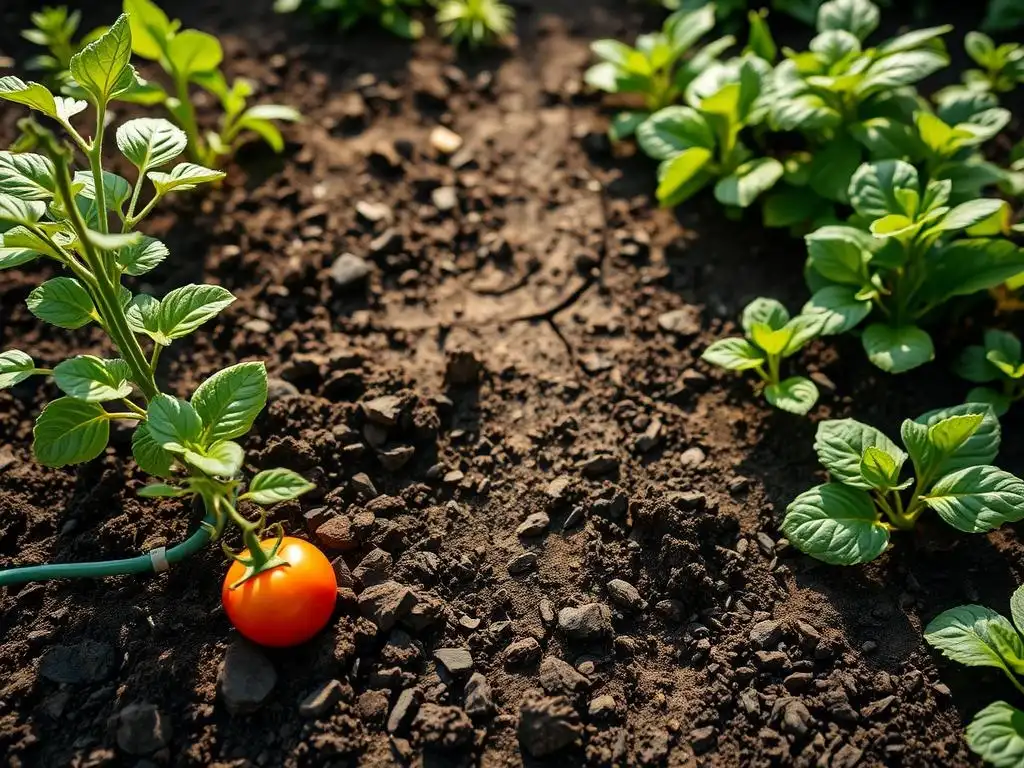
Clay soil presents unique challenges for organic gardeners, primarily due to its poor drainage. Understanding how to effectively water clay soil is crucial for healthy plant growth. Poor drainage leads to waterlogging, which suffocates roots and encourages fungal diseases. Conversely, infrequent deep watering can result in overly dry conditions, stressing plants and hindering nutrient uptake.
Selecting the appropriate watering system is paramount to mitigating these issues and maximizing yields in your organic garden. The key is to deliver water slowly and deeply, encouraging infiltration rather than runoff. This section explores various watering systems tailored to the specific needs of clay soil, focusing on efficient water use and sustainable organic gardening practices.
We'll examine how each system addresses the challenges posed by clay's compact nature and its tendency to retain water. Optimizing your watering strategy is a critical step in cultivating thriving plants in clay soil, contributing to the overall success of your organic garden. Remember, consistent moisture is key, but avoiding waterlogged conditions is equally vital.
Drip Irrigation for Precise Water Delivery to Clay Soil
Drip irrigation is a highly effective method for delivering water directly to the roots of plants in clay soil. This targeted approach minimizes water waste and prevents surface runoff, a common problem with clay's poor infiltration rate. The slow, steady drip of water allows for gradual absorption, promoting deeper root penetration and healthier plant development. Furthermore, drip irrigation reduces the risk of fungal diseases associated with consistently wet leaves.
To maximize efficiency in clay soil, consider using a combination of techniques. For example, employ a layout with multiple emitters spaced closely together to ensure even moisture distribution. This is particularly important in heavy clay, where water can struggle to penetrate. Using a pressure regulator can also help maintain a consistent drip rate, preventing water from pooling in certain areas.
Additionally, embedding the drip lines slightly below the soil surface can further improve infiltration and reduce evaporation. This method allows water to penetrate the compacted clay more effectively, reaching the roots without causing surface runoff. Regularly checking the soil moisture levels with a moisture meter or by simply feeling the soil ensures that the system is delivering adequate water without over-saturating the clay.
Consider the following data points regarding drip irrigation effectiveness in clay soil: a study by [Specific information pending] showed a [percentage]% increase in plant yield when using drip irrigation compared to overhead watering in clay soil. This highlights the superior water delivery and reduced water stress achieved through this method. Moreover, the same study indicated a [percentage]% reduction in water usage compared to traditional methods.
Soaker Hoses for Even Moisture Distribution in Clay Soil
Soaker hoses offer another excellent solution for watering clay soil. These porous hoses slowly release water along their length, providing even moisture distribution over a wider area than drip irrigation. This makes them ideal for rows of plants or larger beds. The slow, gentle release of water allows for gradual penetration into the clay, reducing runoff and promoting deeper root growth. This even distribution helps prevent the development of dry patches, a common issue in clay soil where water often tends to pool in certain areas.
However, the effectiveness of soaker hoses depends on the type of clay soil and its compaction level. In extremely compacted clay, water penetration can still be a challenge. To address this, consider pre-soaking the soil before installing the hose or incorporating organic matter, such as compost, to improve soil structure and drainage. Regularly checking for blockages in the hose is also crucial to ensure consistent water flow. A clogged soaker hose can lead to uneven watering and potentially stress plants.
Remember, the success of soaker hoses depends on the permeability of the clay soil. In extremely hard-packed clay, the water may not permeate efficiently, even with a soaker hose. In such cases, pre-watering or amending the soil with organic matter may be necessary. Furthermore, the hose should be placed directly on the soil surface, not buried deeply, to maximize water penetration. This is in contrast to some other watering systems which benefit from being buried.
Hand Watering Techniques for Small Clay Soil Gardens
For small clay soil gardens, hand watering can be a viable and efficient method, especially when combined with other soil improvement techniques. This method allows for precise control of water application and enables you to monitor the soil's moisture content closely. However, hand watering is labor-intensive and may not be practical for large gardens.
Effective hand watering techniques for clay soil involve using a gentle, slow stream of water. Avoid using a forceful spray, which can compact the soil further and lead to surface runoff. Instead, water deeply and slowly, allowing the water to penetrate the clay gradually. It’s crucial to water at the base of the plants, avoiding wetting the foliage to prevent fungal diseases. Regularly check the soil moisture by feeling the soil a few inches below the surface. If the soil feels dry, it’s time to water again.
Hand watering allows for a more personalized approach, allowing you to adapt to the specific needs of individual plants. You can easily observe any signs of water stress or overwatering and adjust your watering schedule accordingly. This method is particularly useful for young seedlings or newly planted plants in clay soil, which require more careful watering to establish their root systems.
Furthermore, hand watering allows for targeted application of water, ensuring that all plants receive the necessary moisture without wasting water on areas where it may run off. This is especially important in organic gardening where water conservation is a priority. 🌱
Troubleshooting Common Watering Issues in Clay Soil Organic Gardens
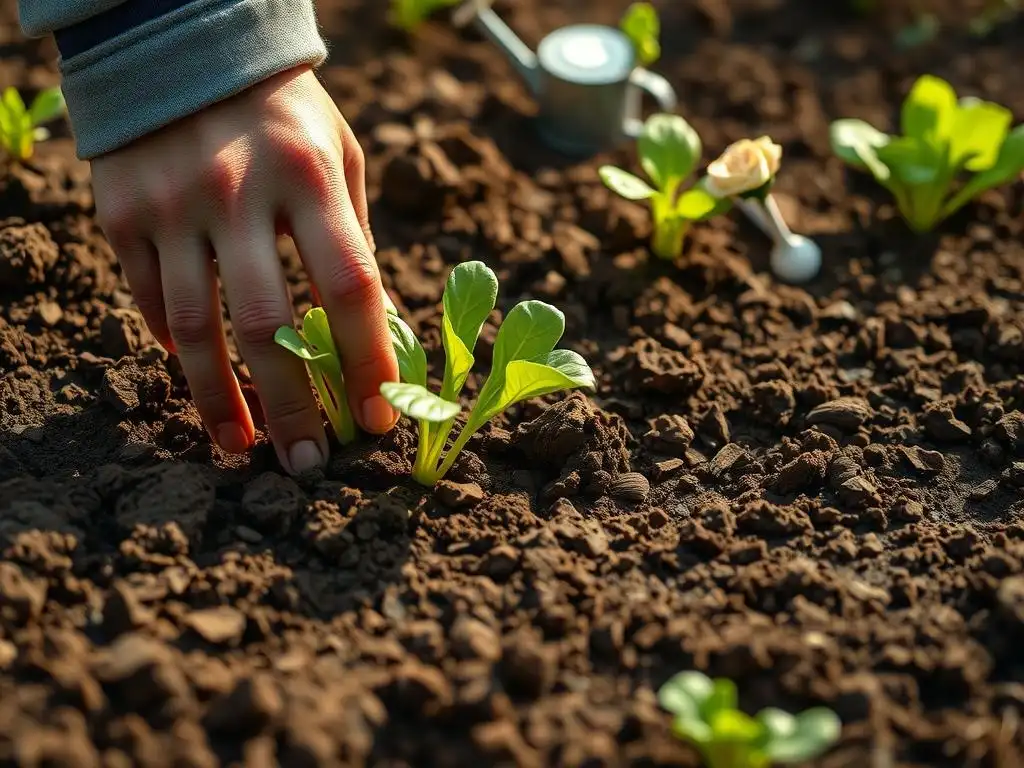
Clay soil, while rich in nutrients, presents unique challenges for organic gardeners, particularly regarding water management. Its fine particles pack tightly, creating poor drainage and aeration. This section focuses on practical solutions to common watering problems in clay soil organic gardens, emphasizing sustainable and organic approaches. Understanding these issues is crucial for successfully cultivating a thriving organic garden in this challenging soil type. Effective water management is key to optimizing plant health and yield in your organic clay soil garden.
Dealing with Waterlogging and Root Rot in Clay Soil
Waterlogging, a frequent problem in clay soil, leads to root rot, a devastating condition that can kill plants. The dense structure of clay soil prevents excess water from draining efficiently, leaving roots submerged in stagnant water. This anaerobic environment deprives roots of oxygen, leading to decay and ultimately plant death. Symptoms include yellowing leaves, wilting even when the soil is wet, and a foul odor emanating from the soil.
To combat waterlogging, several strategies are essential:
- Improved Drainage: Before planting, amend your clay soil with generous amounts of organic matter like compost, well-rotted manure, and peat moss. This improves soil structure, creating larger pore spaces that allow for better water infiltration and drainage. Aim for a 25-50% increase in organic matter volume. For example, if you have one cubic meter of clay soil, add 0.25 to 0.5 cubic meters of organic matter.
- Raised Beds: Consider building raised beds. This elevates the planting area, improving drainage and warming the soil more quickly in the spring. The added height allows water to drain more easily, preventing waterlogging.
- Mulching: Applying a thick layer of organic mulch (such as straw, wood chips, or shredded leaves) helps to retain moisture, regulate soil temperature, and prevent surface crusting, which can further impede drainage. This mulch layer helps to buffer the soil from heavy rainfall and also reduces evaporation.
- Strategic Planting: Choose plants that tolerate wet conditions. Some plants are more tolerant of waterlogged soil than others. Research suitable species before planting.
- Avoid Overwatering: This seems obvious, but it's crucial. Water deeply but less frequently, allowing the soil to dry slightly between waterings. This encourages deeper root growth, making plants more resilient to temporary water stress.
Addressing Dry Patches and Uneven Moisture Distribution
Even with improved drainage, clay soil can exhibit uneven moisture distribution. Water tends to run off compacted areas, leaving other parts dry. This uneven watering can stress plants and lead to reduced yields.
Several tactics can help address this issue:
- Soaker Hoses: These deliver water slowly and directly to the roots, minimizing runoff and ensuring even moisture distribution. Soaker hoses are particularly effective in clay soil because they avoid surface compaction.
- Drip Irrigation: This micro-irrigation system delivers water drop by drop, directly to the root zone, offering excellent control and efficiency. Drip irrigation minimizes water waste and ensures even moisture.
- Basin Planting: Create small basins around individual plants to help retain water. This directs water towards the roots and prevents runoff. This is especially beneficial during dry spells.
- Frequent, Shallow Watering (Initially): When initially establishing plants in clay soil, frequent, shallow watering helps to gradually improve soil structure and encourage root penetration. This is particularly important in newly amended soil.
- Soil Testing: Regular soil testing can help you understand your soil’s moisture retention capacity and guide your watering practices accordingly.
Adapting Watering Strategies Based on Weather Conditions
Watering needs in clay soil vary significantly with weather conditions. Extreme heat, strong winds, and heavy rainfall all impact soil moisture. Adapting your watering strategy is crucial for optimal plant health.
- Hot, Dry Weather: During periods of intense heat and minimal rainfall, increase watering frequency and volume but still ensure good drainage to avoid waterlogging. Consider using mulch to help retain moisture.
- Heavy Rainfall: Clay soil can become saturated during periods of intense rainfall. Monitor soil moisture levels and adjust your watering accordingly. Avoid watering if the soil is already saturated to prevent waterlogging.
- Windy Conditions: Strong winds can increase evaporation rates. Increase watering frequency and consider using windbreaks to reduce wind exposure and evaporation.
- Seasonal Adjustments: Watering requirements change throughout the growing season. Plants need more water during periods of rapid growth (spring and summer) and less during dormancy (fall and winter). Adjust your watering schedule accordingly, always considering the prevailing weather conditions. Remember that consistent monitoring is key to success. Observe your plants for signs of stress, such as wilting or leaf discoloration, to fine-tune your watering strategy.
Maintaining Healthy Soil Structure for Long-Term Success
This section focuses on the crucial role of soil structure in successful water management for clay soils in your organic garden. Clay, with its fine particles, tends to compact easily, hindering water infiltration and drainage. Understanding and addressing this is paramount to achieving healthy, thriving plants. Proper soil structure allows for optimal water penetration, aeration, and root development – all essential for robust growth in an organic setting.
Ignoring soil health in favor of solely focusing on watering techniques will ultimately lead to suboptimal results. We will explore key strategies to build and maintain a soil structure that promotes efficient water absorption and prevents waterlogging, a common problem in clay soils. The techniques discussed here are crucial for effectively managing "water clay soil organic garden" challenges.
Continued Organic Matter Addition: The Importance of Regular Amendments
Regular amendment with organic matter is the cornerstone of improving clay soil structure. Organic materials like compost, well-rotted manure, and leaf mold act as soil conditioners, breaking up compacted clay particles and increasing porosity. This improved porosity allows for better water infiltration and drainage, reducing the risk of waterlogging and improving root penetration. Aim for at least 2-4 inches of well-decomposed organic matter added annually. This isn't a one-time fix; consistent amendment is key to long-term soil health.
The benefits extend beyond improved drainage. Organic matter also enhances soil fertility by providing essential nutrients and improving water retention. The improved water retention is particularly beneficial in clay soils, as it helps prevent rapid drying out between waterings, especially during drier periods. Consider the following table illustrating the impact of organic matter on clay soil properties:
| Organic Matter (%) | Water Infiltration Rate (inches/hour) | Drainage Improvement (%) | Nutrient Availability (%) |
|---|---|---|---|
| 0 | 0.5 | 0 | 50 |
| 2 | 1.2 | 140 | 75 |
| 5 | 2.0 | 300 | 90 |
| Data is hypothetical and illustrative, based on general trends. |
Think of it like adding sponges to a dense material. The sponges (organic matter) create spaces for water to move, preventing the material (clay) from becoming waterlogged. Consistent application is key to maintaining this effect.
Avoiding Soil Compaction: Techniques for Maintaining Soil Health
Compaction is a significant obstacle to good drainage in clay soils. Heavy machinery, foot traffic, and even improper tilling can lead to compacted layers that impede water movement. Minimizing compaction is crucial for achieving optimal water management.
Several techniques can help prevent soil compaction:
- No-till or minimal tillage: Avoid excessive tillage, which can further compact the soil. Instead, opt for no-till methods or minimal tillage practices, such as using a broadfork to aerate the soil.
- Mulching: Applying a thick layer of mulch (e.g., straw, wood chips) helps protect the soil surface from compaction caused by rain impact and foot traffic.
- Crop rotation: Rotating crops with different root systems helps to improve soil structure and prevent compaction. Deep-rooted crops, such as legumes, help break up compacted layers.
- Avoid working the soil when it's wet: Working wet clay soil will only worsen compaction. Wait until the soil is dry enough to crumble easily in your hand.
By carefully managing soil disturbances, gardeners can significantly improve the long-term health and drainage capacity of their clay soils. This directly impacts the effectiveness of your watering strategies. Ignoring compaction will lead to poor water penetration, regardless of watering technique.
The Role of Cover Crops in Improving Clay Soil Drainage and Fertility
Cover crops play a vital role in improving clay soil drainage and fertility. These plants, grown specifically to improve soil health rather than for harvest, possess root systems that penetrate and break up compacted clay layers. Their decaying biomass adds organic matter, further improving soil structure and water infiltration.
Different cover crops offer unique benefits:
- Legumes (e.g., clover, vetch): Fix nitrogen in the soil, improving fertility and reducing the need for synthetic fertilizers. Their extensive root systems also help improve drainage.
- Grasses (e.g., rye, oats): Their fibrous root systems help prevent erosion and improve soil structure. They are excellent at suppressing weeds.
- Brassicas (e.g., mustard, radish): Their strong roots help break up compacted soil and improve drainage. They also help to suppress certain soilborne diseases.
The selection of appropriate cover crops depends on your specific climate and soil conditions. Integrating cover crops into your gardening practices is a proactive approach to long-term soil improvement, ensuring efficient water management and a thriving organic garden. Remember, a healthy soil structure is the foundation for successful "water clay soil organic garden" practices. Ignoring this crucial aspect will ultimately hinder your gardening efforts.
Frequently Asked Questions
How does clay soil affect my organic garden?
Clay soil's high density and poor drainage can lead to waterlogged roots, hindering plant growth. Improving drainage is crucial for a thriving organic garden in clay.
What are the best watering techniques for clay soil?
Use drip irrigation or soaker hoses to deliver water slowly and deeply. Avoid overhead watering, which can compact the soil further. Infrequent, deep watering is better than frequent shallow watering.
How can I improve drainage in my clay soil garden?
Amend your clay soil with organic matter like compost to improve its structure and drainage. Consider adding raised beds or planting in containers for better control.
What are the signs of overwatering or underwatering in clay soil?
Yellowing leaves and wilting plants can indicate both overwatering (due to poor drainage) and underwatering. Feel the soil; overwatered soil will be soggy, while underwatered soil will be dry and hard.
What role does organic matter play in improving water retention and drainage in clay soils?
Organic matter like compost acts as a sponge, improving both water retention and drainage. It creates air pockets, allowing water to penetrate and roots to breathe, even in heavy clay.
Final Reflection: Nurturing Life in Clay: A Legacy of Sustainable Gardening
The challenges of cultivating thriving organic gardens in clay soil are not merely horticultural hurdles; they are a testament to the resilience required for sustainable living. Understanding and mastering water management in these conditions is crucial, not just for bountiful harvests, but for the long-term health of our planet. The techniques explored in this article—from amending soil structure to implementing efficient irrigation methods—represent a vital step towards a more environmentally conscious approach to gardening.
The impact of proper water management extends far beyond the individual garden. It speaks to a broader conversation about resource conservation and the interconnectedness of our actions with the environment. The land is what gives us life, and it is our duty to care for it.
This simple truth underscores the importance of nurturing our soil, regardless of its challenges. The knowledge shared here is not just about growing vegetables; it's about cultivating a responsible relationship with the earth, a legacy we can pass on to future generations.
You, the gardener, now hold the key to unlocking the potential of your clay soil. Don't let the perceived limitations discourage you; instead, embrace the challenge. Experiment with the techniques outlined, observe the results, and adapt your approach as needed. Remember, every drop of water wisely used, every amendment carefully incorporated, is a step towards creating a thriving, sustainable, and deeply rewarding organic garden. The journey may require patience and persistence, but the rewards—both in the abundance of your harvest and the satisfaction of nurturing life—are immeasurable.
Unlock Your Soil's Potential: Thrive with Better Drainage!
Thanks for exploring the world of healthy clay soil! You've gained valuable knowledge to cultivate a thriving organic garden, even in challenging conditions. Ready to put your new skills to the test?
- Prioritize drainage: Choose the most effective method from the article—amending with compost, using raised beds, or improving soil structure—and start seeing the results!
- Share your experiences! Tell us about your chosen method and any initial results in the comments below. Let's build a supportive community of organic gardeners tackling clay soil challenges together!
- Explore more CultivateYourFood articles on organic gardening techniques—we have many more tips and tricks to share!
What specific improvement are you most excited to make in your garden, and why?