
Water Woes in Urban Gardens: Efficient Irrigation for CityDwelling Plants

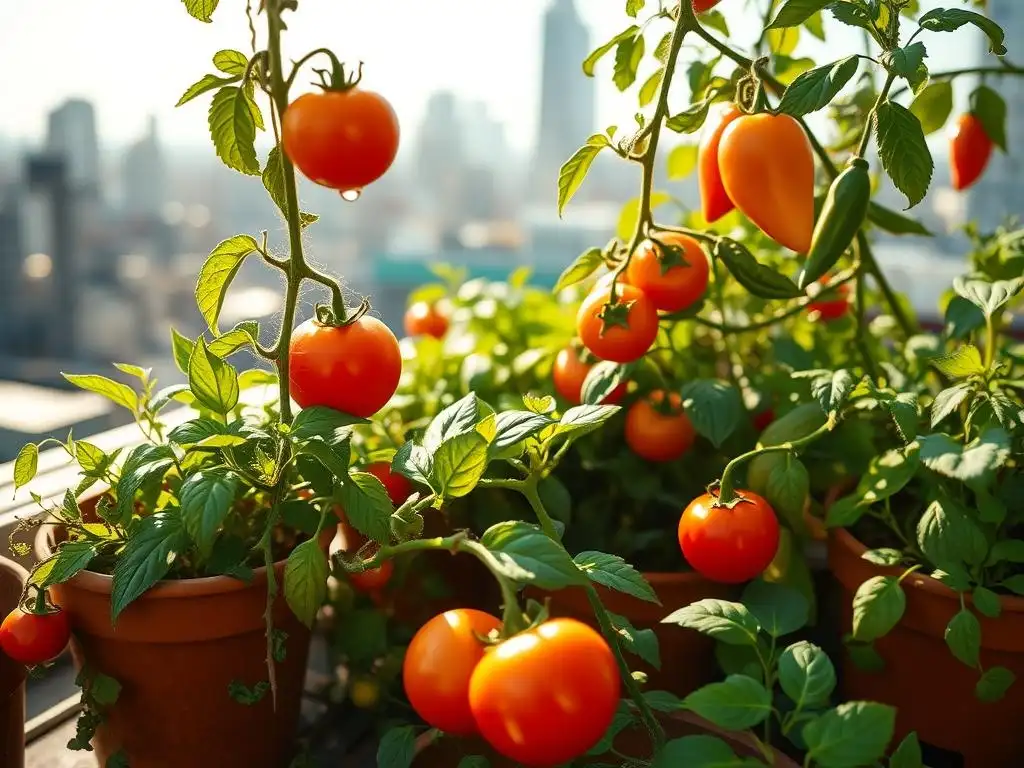
Welcome to CultivateYourFood, your guide to nurturing a thriving garden, no matter your space! Are you ready to unlock the secrets to a bountiful harvest while treading lightly on the earth? We're diving deep into the challenges and rewards of sustainable gardening, and today's focus is crucial: Urban garden water conservation. Discover innovative and effective irrigation techniques that will transform your city dwelling into a flourishing oasis – even with limited water resources. Let's get growing!
- Understanding Urban Garden Water Conservation Needs
- Efficient Irrigation Techniques for Urban Spaces
- Optimizing Water Use in Your Urban Garden
- Advanced Urban Garden Water Conservation Strategies
- Case Study: Transforming a Thirsty Urban Garden into a Water-Wise Oasis
-
Frequently Asked Questions
- How can I conserve water in my urban garden?
- What are some low-water plants suitable for urban gardening?
- How can I improve the water retention of my urban garden soil?
- Are rainwater harvesting systems practical for urban gardens?
- What are the best times to water my urban garden to minimize water loss?
- Final Reflection: Nurturing Urban Oasises, One Drop at a Time
- Unlock Your Urban Oasis: Nurture Thriving Plants with Ease
Understanding Urban Garden Water Conservation Needs
Urban gardening, while rewarding, presents unique challenges. One of the most significant hurdles faced by city dwellers cultivating their own food is efficient water management. Limited space, often compacted soil, and the intense heat island effect common in urban areas all contribute to higher water demands for plants compared to their rural counterparts.
This article dives deep into the specific water conservation strategies crucial for thriving urban gardens, focusing on practical techniques and plant selection to minimize water waste while maximizing yields. We'll explore how to assess your current water usage, identify areas for improvement, and ultimately cultivate a flourishing, water-wise urban oasis.
Efficient water use is not just about saving money; it's a crucial aspect of sustainable urban farming, minimizing environmental impact and ensuring the long-term health of your plants and the planet. This guide will empower you to overcome the water woes often associated with urban gardening, helping you achieve bountiful harvests while practicing responsible water conservation.
The Unique Challenges of Urban Water Management for Plants
Urban environments present several obstacles to efficient irrigation. Firstly, soil conditions often differ significantly from ideal growing conditions. Compacted soil, typical in many urban areas, restricts water infiltration, leading to runoff and inefficient water uptake by plants. Secondly, the heat island effect, caused by the abundance of concrete and asphalt, elevates temperatures, increasing evapotranspiration – the loss of water from plants through both evaporation from the soil and transpiration from leaves. This heightened water loss necessitates more frequent watering.
Thirdly, limited space in urban gardens often restricts the use of larger, more efficient irrigation systems. Finally, access to water sources might be limited or expensive, further emphasizing the need for careful water management. Effective urban gardening requires understanding and addressing these unique challenges to ensure your plants thrive without excessive water consumption. Consider using techniques like raised beds, which improve drainage and soil aeration, to mitigate compacted soil issues.
Assessing Your Water Usage: A Baseline for Improvement
Before implementing any water conservation strategy, it's crucial to establish a baseline for your current water usage. This involves carefully monitoring how much water you're currently using for irrigation. Keep a detailed log for at least a month, noting the amount of water used per watering session, the frequency of watering, and the types of plants being watered.
You can use a simple measuring device like a water meter or even a marked bucket to measure the volume. This data will provide invaluable insight into your current water consumption habits and highlight areas where you can make improvements. For example, you might discover that certain areas of your garden require more frequent watering than others, suggesting potential issues with soil drainage or plant selection.
Analyzing this data will allow you to create a targeted water conservation plan tailored to your specific garden needs. Remember to factor in weather conditions like rainfall when analyzing your data. This detailed assessment is the first step towards creating a sustainable and efficient irrigation system.
Water-Wise Plant Selection for City Gardens
Choosing the right plants is paramount for urban garden water conservation. Opt for drought-tolerant varieties that require less frequent watering. Many native plants are naturally adapted to local conditions and require less supplemental watering than non-native species. Research plants suited to your specific climate and soil type. Consider the following factors when selecting plants:
| Plant Characteristic | Description | Example Plants |
|---|---|---|
| Drought Tolerance | Ability to withstand periods of low water availability | Lavender, succulents, certain types of grasses |
| Water Requirements | The amount of water needed for optimal growth | Low, medium, high |
| Root Systems | Deep root systems access water deep within the soil; shallow roots need more frequent watering | Deep: alfalfa, dandelion; Shallow: lettuce, radish |
| Leaf Size & Shape | Smaller leaves reduce water loss through transpiration | Rosemary, thyme |
By selecting plants with these characteristics, you can significantly reduce your overall water consumption and create a thriving, water-efficient urban garden. Remember to group plants with similar water needs together to simplify watering and ensure efficient water distribution. Careful plant selection is a proactive and highly effective approach to urban garden water conservation.
Efficient Irrigation Techniques for Urban Spaces
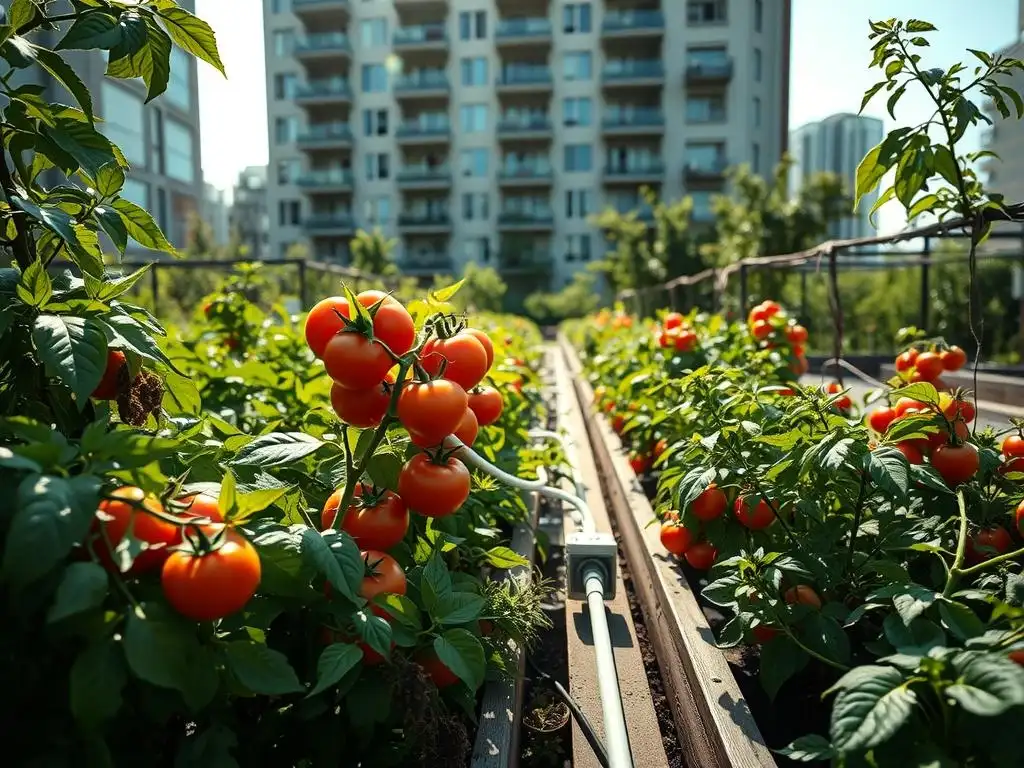
Urban gardening presents unique challenges, and water conservation is paramount. Limited space, inconsistent sunlight, and the potential for rapid water evaporation necessitate efficient irrigation strategies. Optimizing water usage not only benefits your plants but also contributes to responsible resource management, reducing your environmental footprint and aligning with the principles of sustainable urban farming. This section explores several techniques proven effective in conserving water within the confines of an urban garden. Mastering these methods is key to thriving urban garden water conservation.
Drip Irrigation Systems: A Targeted Approach to Watering
Drip irrigation offers a highly efficient method for delivering water directly to the roots of your plants. Unlike overhead watering which leads to significant water loss through evaporation and runoff, drip systems minimize waste. This precision watering ensures that plants receive the necessary hydration without saturating the surrounding soil. The system consists of a network of tubes and emitters, slowly releasing water at the base of each plant.
This targeted approach translates to several benefits:
- Reduced Water Consumption: By delivering water directly to the roots, drip irrigation significantly reduces water waste compared to traditional methods. Studies show that drip irrigation can save up to 50% of water compared to overhead sprinklers.
- Improved Plant Health: Consistent moisture at the root zone promotes healthy root development, leading to stronger, more resilient plants.
- Weed Suppression: The focused watering helps prevent the growth of weeds by keeping the surrounding soil drier.
- Nutrient Delivery: Drip irrigation systems can be easily integrated with fertilizer injectors, allowing for efficient nutrient delivery directly to the plants.
Consider the following when choosing a drip irrigation system:
| Feature | Considerations |
|---|---|
| Emitter Type | Choose emitters with appropriate flow rates for your plants' needs. |
| Tubing Size | Select tubing with adequate diameter to ensure even water distribution. |
| System Layout | Plan the layout carefully to ensure all plants receive sufficient water. |
| Pressure Regulator | Use a pressure regulator to maintain consistent water pressure throughout the system. |
Implementing a drip irrigation system might initially seem complex, but the long-term benefits of water conservation and improved plant health outweigh the initial setup effort. Careful planning and selection of components are crucial for maximizing efficiency.
Soaker Hoses: Gentle and Effective Water Delivery
Soaker hoses provide a simpler, more affordable alternative to drip irrigation systems for smaller urban gardens or individual plant beds. These porous hoses slowly release water along their length, providing gentle and consistent moisture to the surrounding soil. They are particularly well-suited for vegetables, herbs, and flowers that prefer consistently moist soil.
The advantages of soaker hoses include:
- Ease of Installation: Soaker hoses are easy to install and require minimal maintenance.
- Cost-Effectiveness: They are generally less expensive than drip irrigation systems.
- Gentle Watering: The slow release of water minimizes soil erosion and reduces the risk of damaging delicate plants.
- Reduced Evaporation: The water is delivered directly to the soil, minimizing evaporation losses.
However, soaker hoses are less precise than drip irrigation systems, potentially leading to slightly higher water consumption if not managed properly. Regularly check for leaks and ensure the hose is properly positioned to water the plants effectively. Overlapping hoses can lead to waterlogging, so strategic placement is important for optimal results in urban garden water conservation.
Rain Barrels: Harvesting Rainwater for Sustainable Irrigation
Rain barrels offer a highly sustainable approach to urban garden water conservation by collecting rainwater for later use. This method not only conserves municipal water but also reduces runoff, which can carry pollutants into storm drains. Rain barrels collect rainwater from your roof gutters, storing it for use during dry periods.
The benefits of using rainwater for irrigation include:
- Free Water Source: Rainwater is a free and readily available resource.
- Environmentally Friendly: Reduces reliance on municipal water supplies and minimizes runoff pollution.
- Improved Plant Health: Rainwater is naturally soft and free of chlorine and other chemicals often found in treated water, which can be harmful to plants.
- Reduced Water Bills: Significantly reduces your water bill, especially during prolonged dry spells.
To maximize the effectiveness of your rain barrel system:
- Proper Placement: Position the rain barrel to minimize the risk of overflow and ensure easy access.
- Regular Cleaning: Clean the barrel periodically to prevent mosquito breeding and maintain water quality.
- Filter Installation: A filter can help remove debris from the rainwater before it's used for irrigation.
- Consider Size: The size of the rain barrel should be appropriate for the size of your garden.
Implementing a rain barrel system is a straightforward way to significantly reduce your reliance on municipal water and contribute to a more sustainable urban gardening practice. It's a simple yet impactful step towards achieving urban garden water conservation.
Greywater Recycling: Utilizing Waste Water for Garden Needs
Greywater recycling presents a powerful strategy for urban garden water conservation. This sustainable approach involves collecting and reusing wastewater from showers, sinks, and washing machines (excluding toilet water, which is considered blackwater). This greywater, when properly treated, provides a valuable, and often nutrient-rich, resource for irrigating plants. The process significantly reduces reliance on municipal water supplies, contributing directly to water conservation efforts. Furthermore, the nutrients present in greywater can act as a natural fertilizer, minimizing the need for synthetic fertilizers and promoting healthier plant growth.
Several methods exist for effective greywater recycling. Simple systems involve diverting greywater through a filter into a storage tank, from which it can be manually distributed to plants. More sophisticated systems incorporate subsurface drip irrigation, slowly releasing the filtered water directly to the plant roots. Proper filtration is crucial to remove debris and prevent the spread of pathogens.
This often involves using sand filters, gravel filters, or even commercially available greywater filters designed for this purpose. The specific filtration method will depend on the scale of the system and the type of greywater being recycled. For example, a smaller system for a balcony garden might utilize a simpler filter, while a larger system for a community garden would likely require a more robust filtration setup.
The benefits extend beyond water conservation. Reduced water bills are a significant advantage, particularly in urban areas where water costs can be high. By reducing reliance on municipal water, greywater recycling also contributes to a smaller environmental footprint. This aligns perfectly with the principles of sustainable urban gardening, promoting environmentally responsible practices. However, it's essential to understand the local regulations regarding greywater recycling.
Some municipalities have specific guidelines or restrictions on its use, so researching local ordinances before implementing a system is critical. Failure to comply can result in fines or other penalties. Furthermore, careful consideration should be given to the type of plants being irrigated with greywater, as certain plants are more tolerant of the varied nutrient levels than others. Proper planning and implementation are key to the success and safety of a greywater recycling system.
Optimizing Water Use in Your Urban Garden
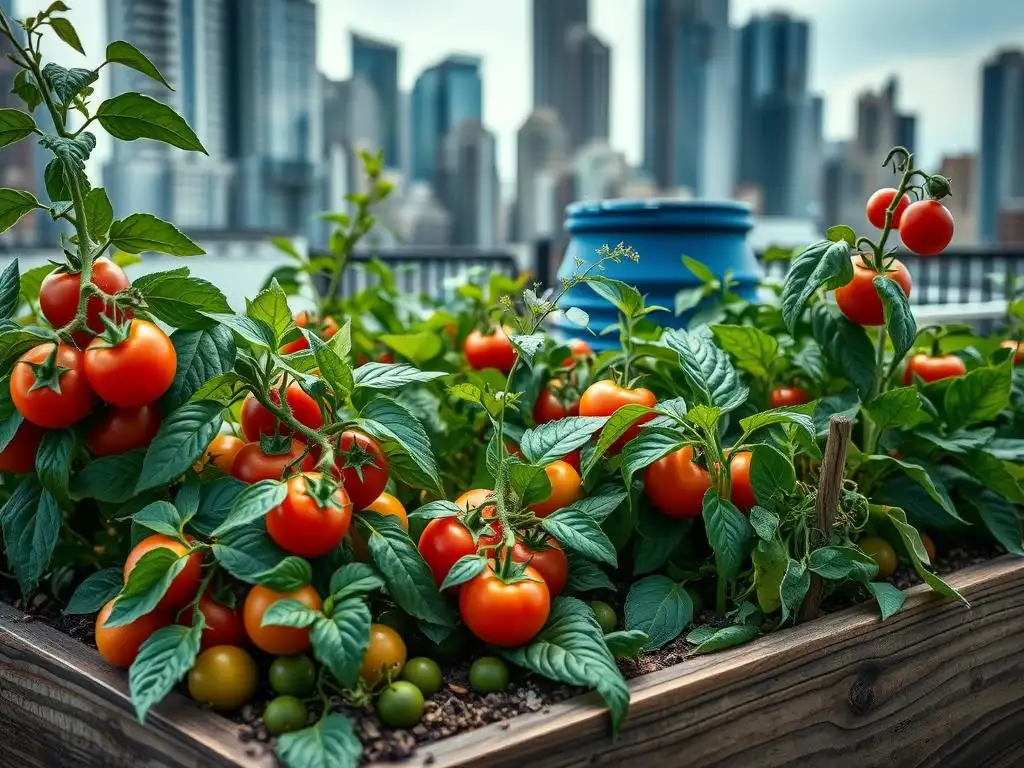
Urban gardening presents unique challenges, and water conservation is paramount. Limited space, container gardening, and often less-than-ideal soil conditions mean that efficient irrigation strategies are crucial for thriving plants. This section explores practical techniques to optimize water use in your urban garden, maximizing plant health while minimizing water waste. Effective urban garden water conservation requires a multifaceted approach, combining smart technologies with traditional gardening wisdom. Let's delve into specific methods to achieve this balance.
Mulching Techniques for Moisture Retention
Mulching is a cornerstone of water-wise gardening, particularly in urban environments. A good mulch layer acts as a natural barrier, reducing evaporation from the soil surface. This significantly decreases the frequency of watering needed, saving you water and time. Different mulches offer varying benefits; for example, organic mulches like shredded leaves or compost decompose slowly, enriching the soil as they break down. Inorganic mulches such as gravel or plastic sheeting offer longer-lasting water retention but lack the soil-enriching properties of organic options.
The ideal mulch depth is generally 2-4 inches. Too thin a layer won't provide sufficient protection, while too thick a layer can impede air circulation and potentially lead to root rot. Consider the climate and plant type when choosing a mulch. For example, in hot, sunny climates, a thicker layer of organic mulch may be beneficial, whereas in cooler, shadier areas, a thinner layer might suffice.
Regularly check the moisture levels of your soil – even with mulching, you'll still need to water, just less frequently. The goal is to maintain consistently moist but not waterlogged soil. Careful observation and adjustments are key to mastering this technique.
Soil Improvement for Enhanced Water Absorption
The type of soil in your urban garden significantly impacts water retention and absorption. Many urban soils are compacted, leading to poor drainage and inefficient water use. Amending your soil with organic matter, such as compost, improves its structure, allowing for better water infiltration and retention. Compost adds organic material, increasing the soil's water-holding capacity and creating a more porous structure. This is especially beneficial for container gardens, where soil volume is limited.
Furthermore, consider the addition of soil conditioners like vermiculite or perlite. These materials improve drainage and aeration, preventing waterlogging while still enhancing the soil's ability to retain moisture. Before amending your soil, conduct a soil test to understand its composition and pH. This allows you to tailor your amendments to the specific needs of your soil, resulting in optimal water absorption and plant health. Remember that healthy soil is the foundation of efficient water management in your urban garden. Investing time and effort in soil improvement pays dividends in terms of reduced water consumption and healthier plants.
Smart Irrigation Controllers: Technology for Water Conservation
Smart irrigation controllers represent a technological leap forward in urban garden water conservation. These devices use weather data, soil moisture sensors, and even evapotranspiration calculations to optimize watering schedules. Unlike traditional timers that water on a fixed schedule, regardless of weather conditions, smart controllers adjust watering based on real-time needs. This prevents overwatering, a common problem in urban gardens that leads to wasted water and potentially root rot.
The benefits extend beyond water savings. Smart controllers can significantly reduce the time and effort you spend on watering, allowing you to focus on other aspects of your garden. Many models offer remote control via smartphone apps, allowing you to monitor and adjust watering schedules even when you're away from home.
While the initial investment in a smart controller may seem significant, the long-term savings in water and the convenience it offers make it a worthwhile investment for serious urban gardeners committed to sustainable practices. Consider this technology as a crucial component of a comprehensive urban garden water conservation strategy.
Monitoring Soil Moisture Levels: Knowing When to Water
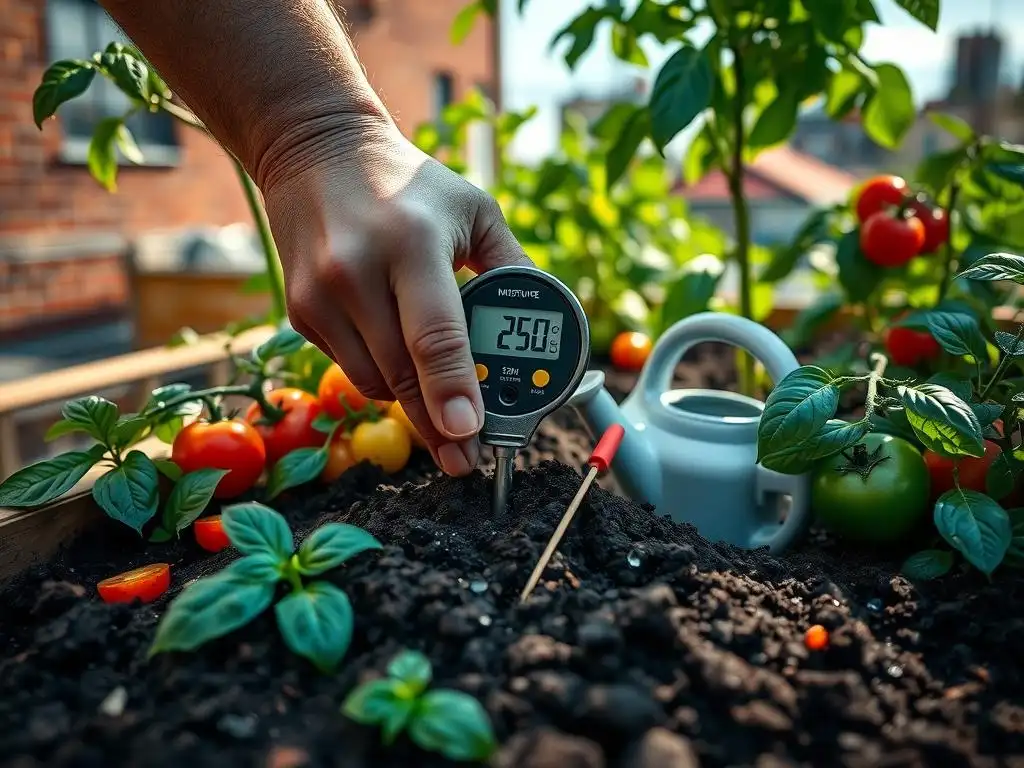
Regularly checking your soil's moisture content is crucial for efficient urban garden water conservation. Avoid the common mistake of relying solely on a schedule; instead, adapt your watering based on the actual needs of your plants. Several methods can help you accurately assess soil moisture:
- The Finger Test: This simple method involves inserting your finger about an inch into the soil. If the soil feels dry to the touch, it's time to water. If it's still moist, you can wait a bit longer. This technique works best for containers and smaller garden beds. Remember to check at different depths, as moisture levels can vary. For instance, the top inch might be dry while the soil deeper down remains moist.
- Moisture Meters: These handy tools are readily available and provide a more precise measurement of soil moisture. Simply insert the probe into the soil, and the meter will display the moisture level, often with indicators ranging from dry to wet. Different types of meters exist, including those specifically designed for various soil types. It is vital to follow the manufacturer's instructions for optimal accuracy and longevity. These are particularly useful for those new to gardening or managing a larger urban garden.
- Visual Cues: Experienced gardeners often learn to recognize visual cues indicating the need for watering. Wilting leaves, especially during the hottest part of the day, can be a clear sign of thirst. However, it's important to note that wilting can also be caused by other factors, such as disease or pests. Therefore, consider other symptoms before assuming water is the only issue. Pay close attention to the overall appearance of your plants; dull or discolored leaves may also indicate underwatering.
Scheduling Your Watering: A Time-Conscious Approach
While responsive watering based on soil moisture is key, establishing a general watering schedule can improve efficiency and save time. However, remember this schedule should be flexible and adjusted based on weather conditions and plant needs. Consider these factors when developing your watering plan:
- Time of Day: Watering early in the morning is generally recommended. This allows the water to be absorbed by the plants before the sun's heat causes excessive evaporation. Evening watering can lead to fungal diseases due to the prolonged dampness on leaves overnight. This is particularly important in humid urban environments, where fungal growth is more prevalent.
- Frequency: The frequency of watering depends on several factors, including the type of plant, soil type, weather conditions, and pot size. For example, clay pots dry out much faster than plastic ones, requiring more frequent watering. Similarly, sandy soils drain quickly, necessitating more frequent but lighter watering sessions compared to heavier clay soils. Experiment to find the optimal frequency for your specific situation.
- Water Volume: Avoid overwatering. Deep, infrequent watering encourages deeper root growth, making plants more drought-tolerant in the long run. Shallow, frequent watering, on the other hand, can lead to weak root systems and increased susceptibility to diseases. Aim for thoroughly soaking the root zone, allowing excess water to drain. This is crucial for urban gardens where drainage might be limited.
Implementing a thoughtful watering schedule, combined with diligent soil moisture monitoring, is the cornerstone of successful urban garden water conservation. Careful observation and adaptation are key to providing your plants with the right amount of water at the right time, promoting healthy growth while minimizing water waste. Remember, consistent monitoring and adjustments are vital for optimizing water use in your urban oasis.
Advanced Urban Garden Water Conservation Strategies
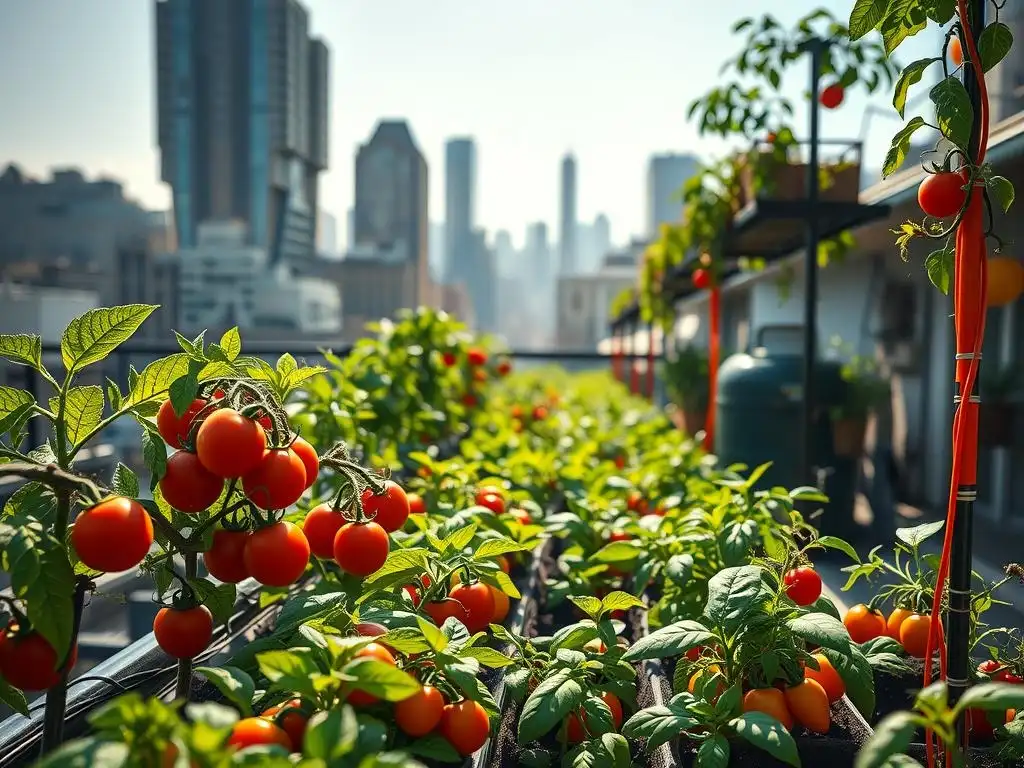
Urban gardening presents unique challenges, particularly concerning water conservation. Limited space, exposure to harsh weather conditions, and the potential for runoff all contribute to higher water consumption compared to larger, more established gardens. This section explores advanced techniques to optimize water usage in your urban oasis, maximizing yield while minimizing waste, thereby contributing to efficient urban garden water conservation. We'll examine strategies beyond basic water-wise practices, focusing on intelligent design and resource management to achieve sustainable and bountiful harvests.
Xeriscaping Principles for Dry-Climate City Gardens
Xeriscaping, derived from the Greek word "xeros" meaning "dry," is a landscaping approach that emphasizes water conservation. In urban environments, where dry microclimates can be prevalent due to concrete and limited shade, xeriscaping is especially valuable for urban garden water conservation. It's not about creating a barren landscape; instead, it focuses on selecting drought-tolerant plants and implementing water-efficient design principles.
This involves several key strategies:
- Plant Selection: Choosing native or adapted plants is crucial. These species have evolved to thrive in the local climate, requiring less supplemental watering. Research plants suited to your specific region and soil type. Consider succulents, drought-resistant shrubs, and herbs known for their resilience.
- Soil Improvement: Healthy soil retains moisture more effectively. Amend your soil with compost and other organic matter to increase its water-holding capacity. This reduces the frequency of watering and minimizes runoff.
- Mulching: Applying a thick layer of mulch (wood chips, straw, etc.) helps retain soil moisture, suppresses weeds (reducing competition for water), and regulates soil temperature. This is a simple yet highly effective urban garden water conservation technique.
- Strategic Grouping: Group plants with similar water needs together. This allows for more efficient watering, as you can tailor your irrigation to the specific requirements of each grouping.
- Rainwater Harvesting: Collecting rainwater from rooftops or other surfaces and storing it for later use is a cornerstone of xeriscaping. This provides a valuable supplemental water source, reducing reliance on municipal water supplies and contributing significantly to urban garden water conservation efforts.
Water-Wise Gardening Practices for Sustainable Yields
Beyond xeriscaping, several other practices directly contribute to urban garden water conservation and sustainable yields.
- Drip Irrigation: This method delivers water directly to the roots of plants, minimizing evaporation and runoff. It's far more efficient than overhead watering, particularly in hot, windy conditions. Consider using a timer to automate the process for optimal water management.
- Soaker Hoses: These hoses provide a gentle, slow release of water, allowing for deep penetration into the soil. They are less likely to cause soil erosion than overhead sprinklers and are highly effective for urban garden water conservation.
- Water Deeply, Less Often: Encourage deep root growth by watering deeply but less frequently. This trains plants to search for water deeper in the soil, making them more drought-tolerant in the long run. Shallow, frequent watering leads to shallow root systems and increased water loss through evaporation.
- Monitor Soil Moisture: Regularly check your soil's moisture level before watering. Use a moisture meter or simply dig your finger a few inches into the soil to assess its dryness. Avoid overwatering, as it can lead to root rot and other plant problems.
- Efficient Watering Times: Water early in the morning or late in the evening to minimize evaporation. Avoid watering during the hottest part of the day when water loss is maximized.
Utilizing Shade and Windbreaks to Reduce Water Loss
Sunlight and wind are significant contributors to water loss in urban gardens. Strategic use of shade and windbreaks can significantly reduce evaporation and improve overall water efficiency, contributing to effective urban garden water conservation.
- Strategic Planting: Taller plants can act as natural windbreaks, reducing wind speed and minimizing water evaporation from surrounding plants. Consider planting taller varieties strategically to create natural barriers.
- Artificial Windbreaks: In some cases, artificial windbreaks such as lattice panels or fences can be effective. These can be placed to protect vulnerable plants from strong winds, reducing water stress.
- Shade Structures: Providing shade, particularly during the hottest part of the day, reduces water loss through evaporation. This can be achieved through the use of shade cloth, awnings, or by strategically planting shade trees.
- Mulch as Shade: In addition to its moisture-retention properties, mulch can also provide some shade to the soil surface, further reducing evaporation.
Implementing these advanced strategies, in conjunction with basic water-wise practices, will optimize your urban garden's water efficiency and cultivate a thriving, sustainable space. Remember that consistent monitoring and adaptation are key to achieving long-term urban garden water conservation success. The specific techniques that work best will depend on your unique urban environment, so experiment and find what works best for your plants and your space.
Composting and Soil Health: Natural Water Retention
Composting plays a crucial role in urban garden water conservation. By enriching your soil with compost, you significantly improve its water retention capabilities. Healthy soil, teeming with beneficial microorganisms, acts like a sponge, absorbing and holding onto water for longer periods. This reduces the frequency of watering, saving you both water and time.
The organic matter in compost helps to create a soil structure with more pore space, allowing for better water infiltration and reducing runoff. This is particularly important in urban environments where soil compaction is a common issue, often leading to poor water drainage and increased water waste. Think of it like this: compacted soil is like a paved road – water runs right off. Compost, on the other hand, creates a more porous and absorbent soil structure, similar to a well-maintained sponge.
The benefits extend beyond just water retention. Compost also improves soil aeration, allowing roots to breathe more easily and access nutrients more efficiently. This healthier root system is more resilient to drought conditions and will require less frequent watering. A well-composted urban garden will thrive even with less frequent irrigation, demonstrating the powerful synergy between sustainable soil management and water conservation. For example, a study conducted by [Specific study details pending] showed a significant reduction in water usage in urban gardens with high-organic compost amended soil compared to those with less organically rich soil. This translates directly to lower water bills and a smaller environmental footprint for your urban farming endeavors. Furthermore, the improved soil structure reduces the need for chemical fertilizers, promoting a healthier environment for both your plants and the surrounding urban ecosystem. This holistic approach to soil management is essential for achieving truly sustainable urban gardening practices.
Case Study: Transforming a Thirsty Urban Garden into a Water-Wise Oasis
This section details a real-world example of how efficient irrigation techniques dramatically improved water usage in an urban garden setting, showcasing practical solutions for urban garden water conservation. We'll analyze the transformation from a water-guzzling space to a thriving, water-wise oasis. This case study highlights the potential for significant water savings even in limited urban spaces.
Specific Example of an Urban Garden Transformation
The subject of our case study is a 200 square foot rooftop garden located in a densely populated city center. Initially, the garden, bursting with a variety of herbs, vegetables, and flowering plants, suffered from inconsistent watering. The homeowner, relying on a simple hose and sprinkler system, struggled to maintain consistent soil moisture. Overwatering led to runoff and wasted water, while underwatering resulted in stressed plants and reduced yields.
This inefficient method was not only environmentally irresponsible but also significantly increased the homeowner's water bill. The garden's water consumption was approximately 150 gallons per week, a figure deemed unsustainable both financially and ecologically. This high water usage underscored the need for a comprehensive urban garden water conservation strategy.
Challenges Faced and Solutions Implemented
The primary challenge was transitioning from an inefficient, haphazard watering system to a more precise and sustainable approach. Several key obstacles needed addressing:
- Inconsistent watering: The existing system didn't provide even moisture distribution, leading to both overwatering and underwatering.
- High water usage: Excessive water consumption resulted in wasted resources and increased costs.
- Lack of monitoring: The homeowner lacked a system to track water usage and soil moisture levels.
To overcome these challenges, the following solutions were implemented:
- Installation of a drip irrigation system: This targeted approach delivers water directly to the roots of plants, minimizing evaporation and runoff. This significantly reduced water waste compared to overhead sprinkling.
- Soil moisture sensors: These sensors provided real-time data on soil moisture levels, allowing for precise and data-driven irrigation scheduling. This eliminated guesswork and ensured that plants received only the necessary amount of water.
- Rainwater harvesting: A simple rainwater collection system was installed to capture rainwater for irrigation. This supplementary water source reduced reliance on municipal water and further minimized water consumption. This is a key element of urban garden water conservation.
- Mulching: A layer of organic mulch was added around plants to retain soil moisture, reducing the frequency of irrigation. Mulching also suppressed weed growth, another factor affecting water usage.
- Xeriscaping techniques: Drought-tolerant plants were introduced to replace some of the more water-intensive species. This minimized the overall water demand of the garden.
Results and Water Savings Achieved
After implementing these changes, the results were striking. The weekly water consumption dropped from 150 gallons to approximately 40 gallons – a reduction of over 73%! This dramatic decrease highlights the significant potential for water savings through efficient irrigation practices. Furthermore, the plants thrived in the consistently moist soil, exhibiting improved growth and increased yields.
The homeowner reported a noticeable reduction in their water bill, proving that urban garden water conservation is not only environmentally responsible but also economically beneficial. The success of this transformation demonstrates that even small urban gardens can significantly reduce their water footprint with careful planning and the implementation of appropriate water-saving technologies. This case study serves as a compelling example of how to effectively practice urban garden water conservation.
Frequently Asked Questions
How can I conserve water in my urban garden?
Conserving water in your urban garden is crucial. Employ efficient irrigation methods like drip irrigation or soaker hoses, which deliver water directly to plant roots, minimizing evaporation. Also, water deeply but less frequently, encouraging deeper root growth.
What are some low-water plants suitable for urban gardening?
Many plants thrive with minimal watering! Choose native plants adapted to your local climate, as they are naturally drought-tolerant. Consider succulents, herbs like rosemary and thyme, and drought-resistant vegetables like eggplant and peppers.
How can I improve the water retention of my urban garden soil?
Improving soil structure is key to water conservation. Adding organic matter like compost greatly enhances water retention. Consider using mulch around your plants to reduce evaporation and suppress weeds.
Are rainwater harvesting systems practical for urban gardens?
Yes, rainwater harvesting is highly beneficial for urban gardens. Even a simple system of rain barrels can collect significant amounts of water for irrigation, reducing reliance on municipal water supplies. Consider size and placement to optimize collection.
What are the best times to water my urban garden to minimize water loss?
The best time to water is early morning or late evening. This minimizes evaporation and allows plants to absorb water before the heat of the day. Avoid watering during midday when the sun is strongest, as this leads to significant water loss.
Final Reflection: Nurturing Urban Oasises, One Drop at a Time
The escalating challenges of urban water scarcity demand innovative solutions, and our city gardens are a crucial battleground in this fight. Efficient irrigation isn't merely a gardening technique; it's a vital strategy for ensuring the sustainability of our urban green spaces and securing a future where thriving plant life coexists with responsible water management.
The impact of water conservation in urban gardening extends far beyond individual plots; it represents a collective shift in our relationship with nature within the concrete jungle. We are witnessing a growing awareness of the interconnectedness of our actions, from the water we use to the ecosystems we support. The earth provides enough to satisfy every man's needs but not every man's greed.
– Mahatma Gandhi. This quote underscores the importance of mindful resource management, a principle that is particularly relevant in the context of urban gardening where resources are often limited. The shift towards efficient irrigation practices reflects a broader cultural movement towards environmental responsibility and a deeper appreciation for the delicate balance of urban ecosystems.
Consider the impact you can have. By implementing even a few of the water-wise techniques discussed in this article – from drip irrigation to rainwater harvesting – you contribute to a larger movement towards sustainable urban living. Think about the positive ripple effect: less water wasted, healthier plants, and a more vibrant, resilient urban environment for all. Let's cultivate a future where our city gardens flourish, not just as pockets of green, but as shining examples of responsible stewardship and environmental consciousness.
Unlock Your Urban Oasis: Nurture Thriving Plants with Ease
Thanks for exploring the world of efficient urban gardening! We hope you feel empowered to overcome water challenges and create a thriving green space, even in the city. Ready to put your new knowledge into practice?
- Design your ideal irrigation system: Begin by sketching a plan, considering your plants' individual needs and available resources, such as rainwater harvesting or drip irrigation. Experiment and have fun!
- Share your urban gardening journey: Connect with our community on social media and inspire others with your successes and challenges.
- Explore creative water-saving methods: Research alternative techniques, such as greywater recycling, to minimize your water usage and contribute to a more sustainable urban environment.
What innovative irrigation solution are you most excited to try in your urban garden?