
Growing Peppers on Your Balcony: Choosing the Right Varieties and Pots

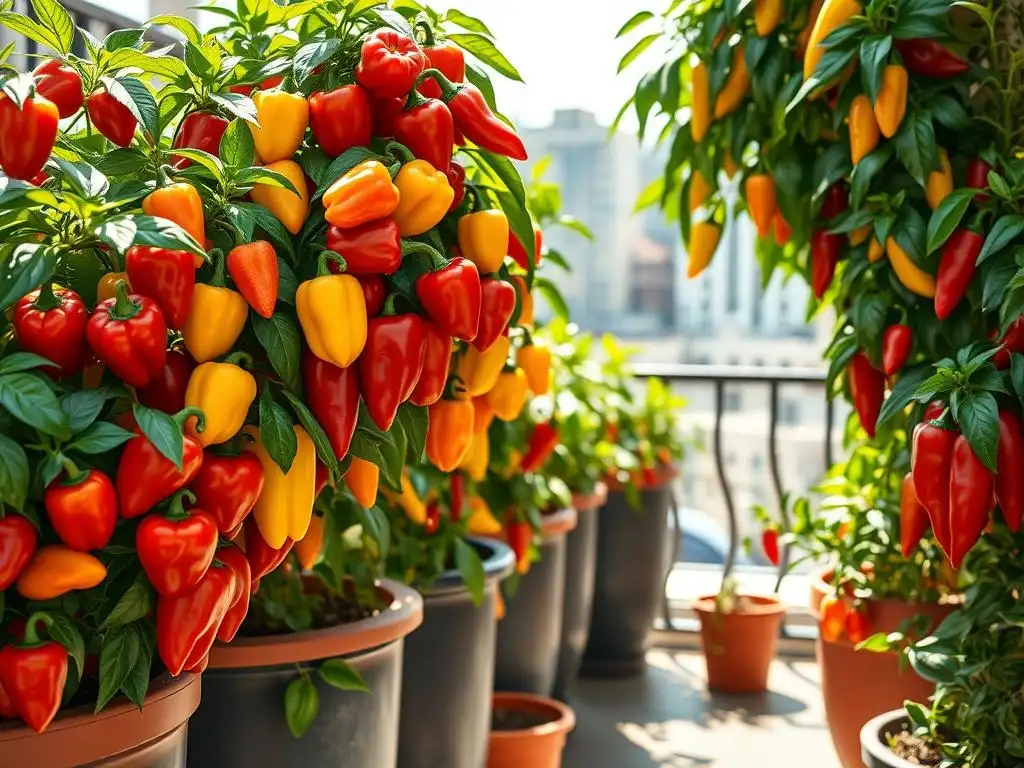
Welcome to CultivateYourFood, your guide to a greener, more flavorful life! Ready to transform your balcony into a vibrant pepper paradise? Discover the secrets to success with our expert guide on the best balcony pepper varieties, carefully selected for optimal yield and flavor in even the smallest of spaces. Learn how to choose the perfect plants, pots, and growing techniques to ensure a bountiful harvest – let's get growing!
- Selecting the Best Balcony Pepper Varieties for Abundant Harvests
- The Perfect Pots for Your Balcony Pepper Garden
- Planting and Caring for Your Balcony Peppers
- Harvesting Your Balcony Pepper Crop
- Frequently Asked Questions
- Final Reflection: The Tiny Garden, Mighty Harvest
- Unleash Your Inner Gardener: Grow Amazing Peppers Today!
Selecting the Best Balcony Pepper Varieties for Abundant Harvests
Growing peppers on a balcony might seem challenging, but with the right planning and pepper selection, you can enjoy a bountiful harvest of delicious, homegrown peppers even in a limited space. This guide focuses on choosing the best balcony pepper varieties, emphasizing compact growth habits, high yields, and disease resistance – crucial factors for successful balcony gardening. We'll explore varieties perfectly suited for containers, ensuring your small space thrives with vibrant pepper plants.
Successfully cultivating peppers on your balcony not only provides fresh, flavorful ingredients for your cooking but also contributes to a more sustainable and fulfilling lifestyle. Choosing the right variety is the first step towards a successful and rewarding pepper-growing experience in your urban garden. Let's delve into the specifics to help you select the perfect pepper plants for your balcony.
Compact Pepper Varieties Ideal for Small Spaces
Space is a premium on balconies, so choosing compact pepper varieties is essential. These varieties are bred to stay relatively small and bushy, minimizing their space requirements. This makes them perfect for containers and prevents overcrowding, maximizing sunlight and airflow for healthy growth. Some excellent examples of compact pepper varieties include:
- 'Patio Star' Peppers: Known for their prolific yields and compact growth, these peppers are a popular choice for container gardening. They produce a large number of small, sweet peppers perfect for snacking or adding to salads.
- 'Sweet 100' Cherry Tomatoes: Although technically tomatoes, these are frequently mentioned alongside compact peppers due to their similar growth habit and suitability for small spaces. Their high yield and compact nature make them an excellent companion plant for a balcony garden.
- 'Hungarian Hot Wax' Peppers: These peppers offer a mild to medium heat, and their compact size makes them ideal for containers. They produce an abundance of long, slender peppers that are visually appealing and great for pickling or adding to dishes.
Remember to consider the mature size of the pepper plant when choosing your container. A larger pot will allow for better root development and a more robust plant, even for compact varieties. Proper spacing between plants is also vital to ensure adequate sunlight and air circulation.
High-Yielding Pepper Plants for Balcony Gardens
While compact varieties are crucial for space management, you also want a variety that produces a good harvest. High-yielding pepper plants ensure you get the most out of your limited space. Here are some varieties known for their abundant yields:
- 'California Wonder' Peppers: A classic bell pepper variety, 'California Wonder' is known for its large, sweet fruit and high yield. While not as compact as some others, its productivity makes it a worthwhile choice if you have a slightly larger container.
- 'Jalapeño M' Peppers: These jalapeños offer a good balance between heat and yield, producing plentiful peppers throughout the growing season. They are relatively compact, making them suitable for balcony gardening.
- 'Black Beauty' Eggplant: Similar to the Sweet 100s, Black Beauty eggplants are frequently included in this category due to their high yield in a compact size. They are often grown alongside peppers.
Choosing high-yielding varieties maximizes the number of peppers you can harvest from your balcony garden. Proper fertilization and regular watering are essential to support the plant's high yield potential.
Disease-Resistant Pepper Options for Balcony Cultivation
Disease resistance is paramount, especially in the confined environment of a balcony garden. Diseases can spread quickly in close quarters, so choosing disease-resistant varieties is a smart preventative measure. This minimizes the need for chemical interventions, keeping your gardening practice sustainable and environmentally friendly.
- Many pepper varieties are now bred for disease resistance, although specific disease names are often not listed on packaging. Look for labels indicating resistance to common pepper diseases like blight or virus.
- Maintaining good hygiene in your balcony garden is also crucial. Remove any dead leaves or infected plants promptly, and avoid overcrowding to ensure good airflow.
- Proper watering techniques are important to prevent fungal diseases. Water at the base of the plant to avoid wetting the foliage.
Prioritizing disease-resistant varieties reduces the likelihood of problems and helps ensure a healthy and productive pepper harvest on your balcony. Remember, a healthy plant is a productive plant! 🌱
Choosing Peppers Based on Your Balcony's Sun Exposure
The success of your pepper plants hinges significantly on sunlight. Peppers, being sun-worshippers, demand at least six to eight hours of direct sunlight daily for optimal growth and fruit production. However, not all pepper varieties are created equal when it comes to sun tolerance. Some thrive in full sun, while others prefer a slightly more shaded environment. Understanding your balcony's sun exposure is crucial for selecting the best balcony pepper varieties.
Before choosing your pepper plants, carefully observe your balcony throughout the day. Note the times when direct sunlight reaches your balcony and the duration of that exposure. Is your balcony bathed in sun all day, or does it receive only morning or afternoon sun? A south-facing balcony in the Northern Hemisphere will generally receive the most sunlight, while a north-facing balcony will receive significantly less. East-facing balconies get morning sun, while west-facing balconies get afternoon sun.
This careful observation will help you narrow down your choices. For balconies with full sun exposure, consider heat-tolerant varieties like jalapeños, serranos, or certain types of cayenne peppers. These varieties are known for their ability to withstand intense heat and still produce a bountiful harvest. However, even these varieties might benefit from some afternoon shade during the hottest part of the day, especially in extremely hot climates. You could achieve this by using a shade cloth or strategically placing taller plants nearby.
If your balcony receives only partial sun, opt for varieties that are more shade-tolerant. While most peppers prefer full sun, some milder varieties, like bell peppers (especially smaller varieties) or sweet banana peppers, can tolerate slightly less sunlight. However, remember that even partial-shade varieties will produce fewer peppers and may have slower growth compared to those in full sun. Always prioritize the sunniest spot available on your balcony for the best results.
Experimentation is key; you may find that certain varieties perform better than expected even with less-than-ideal sun exposure. Keep detailed notes on your growing conditions and the results you achieve to fine-tune your choices in the future. Remember, even a small difference in sun exposure can significantly impact the yield and overall health of your pepper plants.
The Perfect Pots for Your Balcony Pepper Garden
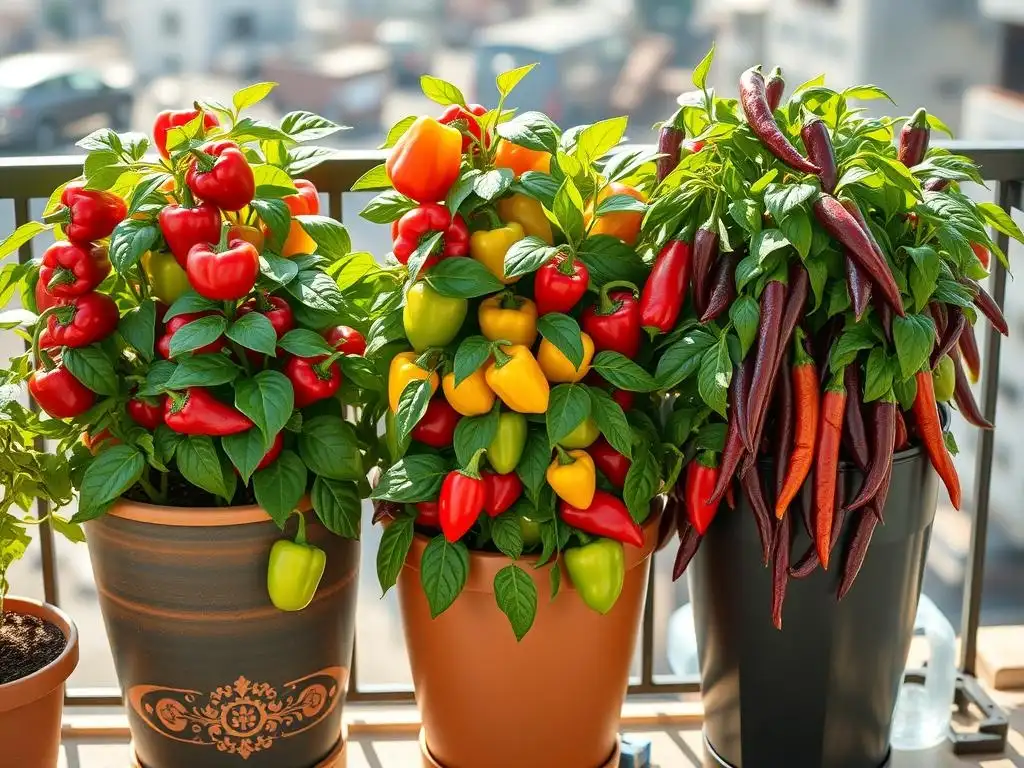
Choosing the appropriate pots is crucial for successfully growing peppers on your balcony. The right pot size, material, and drainage system can significantly impact your pepper plants' health, yield, and overall growth. This section will guide you through selecting the perfect containers for your balcony pepper garden, ensuring optimal conditions for thriving plants and bountiful harvests. Finding the best balcony pepper varieties is only half the battle; the other half lies in providing them with the ideal growing environment.
Choosing the Right Pot Size for Pepper Plants
Pepper plants, especially those producing larger fruits, require ample space for their root systems to develop properly. Cramped roots lead to stunted growth and reduced yields. As a general rule, choose pots that are at least 12 inches (30 cm) in diameter and 12 inches (30 cm) deep. This size provides sufficient space for the roots to spread and access the necessary nutrients and water. Smaller peppers like chili peppers might tolerate slightly smaller pots (around 10 inches), but larger varieties like bell peppers or banana peppers will definitely benefit from the larger space.
Consider the mature size of the pepper variety you've chosen. The information on the seed packet or plant tag will usually indicate the expected height and spread of the plant. Select a pot size that accommodates this mature size, leaving enough room for healthy growth. Overcrowding the roots can lead to nutrient deficiencies and increased susceptibility to diseases.
Here's a helpful table summarizing appropriate pot sizes for different pepper types:
| Pepper Type | Recommended Pot Diameter (inches) | Recommended Pot Depth (inches) |
|---|---|---|
| Bell Peppers | 12-15 | 12-15 |
| Chili Peppers | 10-12 | 10-12 |
| Banana Peppers | 12-15 | 12-15 |
| Poblano Peppers | 12-15 | 12-15 |
| Jalapeño Peppers | 10-12 | 10-12 |
Remember to always check the specific needs of your chosen best balcony pepper varieties. Some compact varieties might thrive in slightly smaller containers, but it's generally better to err on the side of caution and provide ample space for healthy root development.
Selecting Suitable Pot Materials for Balcony Gardening
The material of your pot influences the temperature and moisture retention within the soil. Several options exist, each with its advantages and disadvantages:
- Terracotta pots: These are porous, allowing for good air circulation and drainage. However, they dry out faster, requiring more frequent watering. They are also heavier than plastic.
- Plastic pots: These are lightweight, inexpensive, and retain moisture longer than terracotta. However, they can overheat in direct sunlight, potentially damaging the roots. Choosing a light-colored plastic pot can mitigate this issue.
- Fabric pots: These breathable pots allow for excellent aeration and drainage, promoting healthy root development. They are lightweight and portable, but can dry out quickly.
The best choice depends on your climate and your watering habits. If you live in a hot, dry climate, plastic pots might be less ideal unless you can provide shade. If you tend to overwater, terracotta or fabric pots might be a better choice. For beginners, plastic pots often offer a good balance of convenience and performance. The key is to monitor the moisture level regularly, regardless of the pot material.
Essential Drainage for Healthy Pepper Growth in Pots
Proper drainage is paramount for preventing root rot, a common problem in potted plants. Ensure your chosen pots have drainage holes at the bottom to allow excess water to escape. Without adequate drainage, the soil becomes waterlogged, depriving the roots of oxygen and creating an environment conducive to fungal diseases.
You can further enhance drainage by adding a layer of gravel or broken pottery shards to the bottom of the pot before adding the potting mix. This layer improves drainage and aeration. Avoid using potting mixes that retain too much water. A well-draining potting mix specifically designed for containers is recommended. Choosing the best balcony pepper varieties is only as effective as providing the right growing conditions, and good drainage is essential for healthy growth.
Regularly check the soil moisture levels to avoid overwatering. Let the top inch or two of soil dry out slightly between waterings. Observe your plants closely; drooping leaves are often a sign of either underwatering or overwatering. Adjust your watering schedule accordingly.
Preparing Your Pots for Planting Peppers
Before you even think about planting your pepper seedlings, proper pot preparation is key to a successful harvest. This involves selecting the right potting mix and ensuring your containers are clean and ready to nurture your pepper plants. Ignoring this crucial step can lead to stunted growth, nutrient deficiencies, and increased susceptibility to diseases.
First, choose a high-quality potting mix. Avoid using garden soil directly from your yard, as it can be too dense and retain too much water, potentially leading to root rot, a common problem for peppers grown in containers. A good potting mix will be well-draining, airy, and rich in organic matter. Look for mixes specifically designed for vegetables or herbs; these often contain added nutrients tailored to their needs.
Many commercial blends are available, but you can also create your own by mixing peat moss, perlite, vermiculite, and compost. The exact proportions will depend on your local climate and the specific needs of your chosen pepper variety. Remember, a well-draining mix is paramount to preventing waterlogged roots.
Next, thoroughly clean your pots. Whether you're using new or used containers, cleaning them is essential to prevent the spread of diseases and pests. For new pots, a simple rinse with water is usually sufficient. However, for used pots, a more thorough cleaning is required.
Start by scrubbing them with a stiff brush and soapy water, paying close attention to any crevices or cracks where pathogens might lurk. After scrubbing, rinse the pots thoroughly and allow them to dry completely before planting. Consider disinfecting your pots with a solution of bleach and water (1 part bleach to 9 parts water) to eliminate any lingering bacteria or fungal spores. Let them air dry completely after disinfecting to avoid harming your seedlings.
Finally, consider the size and type of pots. Peppers, even compact varieties, need sufficient space for root development. A pot that's too small will restrict root growth, leading to smaller plants and fewer peppers. Choose pots at least 12 inches in diameter for most pepper varieties, but larger is better, especially for larger pepper types. Ensure your pots have drainage holes to prevent waterlogging, which, as mentioned, is detrimental to pepper plants.
The material of the pot also matters. Terracotta pots are porous and allow for better air circulation, but they dry out more quickly. Plastic pots retain moisture longer, which can be beneficial in drier climates, but requires more careful watering. Choose the pot material that best suits your climate and gardening style. Remember, proper pot selection and preparation are just as important as choosing the right pepper variety for a successful balcony pepper garden.
Planting and Caring for Your Balcony Peppers
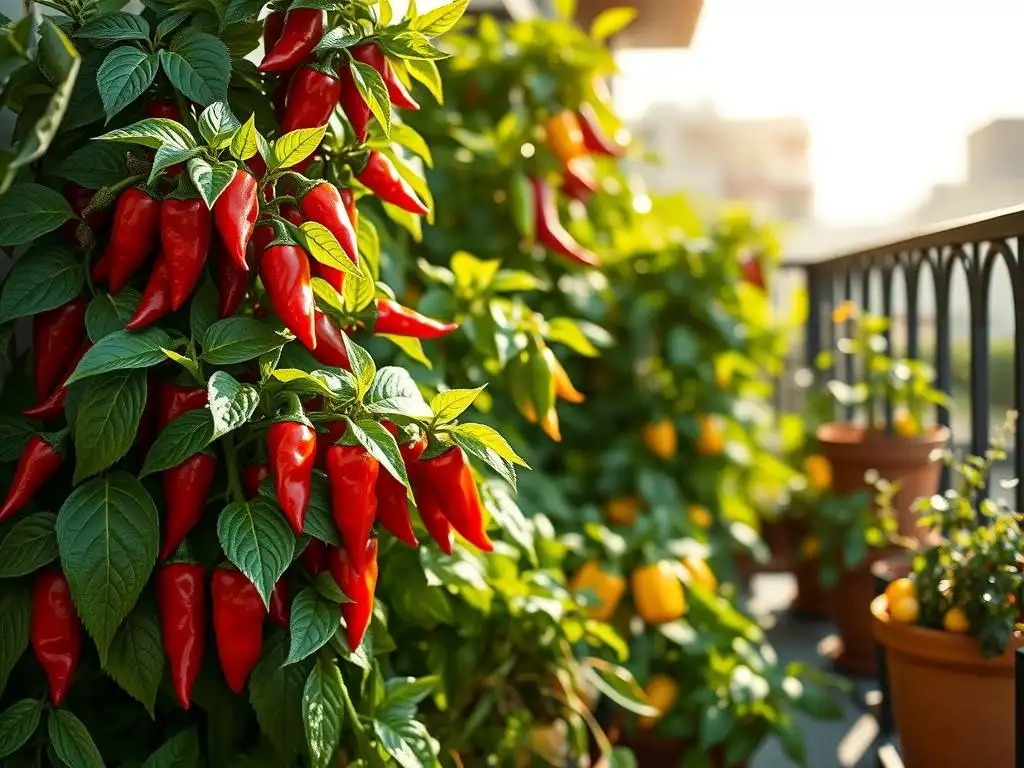
This section delves into the practical aspects of cultivating peppers in your balcony garden, focusing on successful planting techniques and ongoing care. Remember, even small spaces can yield abundant harvests with the right approach! We'll explore optimal planting methods and essential care routines for thriving pepper plants.
Planting Your Pepper Seedlings or Transplants
Successfully planting your pepper seedlings or transplants is crucial for a bountiful harvest. Whether you started seeds indoors or purchased transplants, proper planting technique ensures healthy root establishment and vigorous growth. Here's a step-by-step guide tailored for balcony gardening:
- Choosing the Right Pot: Select pots at least 12 inches in diameter and 12 inches deep for optimal root development. Larger pots are even better, especially for larger pepper varieties. Ensure pots have drainage holes to prevent waterlogging, a common problem for balcony gardeners. Terracotta pots are excellent for peppers as they allow for good air circulation and drainage.
- Preparing the Soil: Use a high-quality potting mix specifically formulated for vegetables. This ensures the proper balance of nutrients and drainage. Avoid using garden soil directly from your yard, as it may contain pathogens or compacted soil that could harm your pepper plants. Amend your potting mix with compost for enhanced nutrient content and soil structure.
- Planting the Seedlings/Transplants: Gently remove your seedlings or transplants from their containers, being careful not to damage the roots. Plant them at the same depth they were growing in their previous containers. Space the plants appropriately, depending on the variety and mature size; check the plant tag for guidance. Gently firm the soil around the base of each plant.
- Watering After Planting: Water thoroughly after planting to settle the soil and encourage root establishment. Avoid overwatering, which can lead to root rot. The soil should be consistently moist but not soggy.
- Protecting from Extreme Conditions: Balcony gardens can experience more extreme temperature fluctuations than in-ground gardens. Provide shade during the hottest parts of the day, especially for young seedlings, and protect your plants from strong winds.
Watering Your Balcony Peppers Effectively
Proper watering is critical for healthy pepper growth. Overwatering and underwatering can both lead to stunted growth, reduced yields, and even plant death. Here's how to water your balcony peppers effectively:
- Watering Frequency: The frequency of watering depends on several factors, including the size of the pot, the type of potting mix, temperature, and sunlight. Check the soil moisture regularly by inserting your finger about an inch into the soil. If the soil feels dry, it's time to water. Generally, you'll need to water more frequently during hot, sunny weather.
- Watering Technique: Water thoroughly until water drains out of the drainage holes. This ensures that the entire root system is moistened. Avoid letting the pot sit in standing water, which can lead to root rot. Water at the base of the plant, avoiding wetting the foliage, as this can encourage fungal diseases.
- Signs of Underwatering: Wilting leaves, dry soil, and stunted growth are all signs of underwatering. Address this promptly by watering thoroughly.
- Signs of Overwatering: Yellowing leaves, soggy soil, and a foul odor are all signs of overwatering. Allow the soil to dry out somewhat before watering again. Improve drainage if necessary by using a different potting mix or repotting into a pot with better drainage.
Fertilizing Your Peppers for Optimal Growth
Peppers are heavy feeders and benefit from regular fertilization to produce abundant fruits. Using the right fertilizer and following a proper fertilization schedule will significantly improve your pepper plants' growth and yield. Here's a guide to fertilizing your balcony peppers:
- Choosing the Right Fertilizer: Opt for a balanced, slow-release fertilizer specifically formulated for vegetables. A balanced fertilizer (e.g., 10-10-10) provides a good ratio of nitrogen (N), phosphorus (P), and potassium (K), which are essential nutrients for pepper growth. Follow the product instructions carefully.
- Fertilization Schedule: Begin fertilizing your pepper plants a few weeks after planting. Apply fertilizer every 2-4 weeks throughout the growing season, following the instructions on the fertilizer packaging. Avoid over-fertilizing, which can burn the roots and negatively impact plant health. Reduce fertilization frequency as the plants mature.
- Organic Fertilizers: Consider using organic fertilizers such as compost tea or fish emulsion for a sustainable approach. These provide essential nutrients and improve soil health.
- Monitoring Plant Health: Regularly observe your plants for signs of nutrient deficiencies. Yellowing leaves, stunted growth, or poor fruit production may indicate a need to adjust your fertilization strategy. Consider a soil test to determine if specific nutrients are lacking. Remember, healthy plants are the key to obtaining the best balcony pepper varieties.
Protecting Your Balcony Peppers from Pests and Diseases
Balcony gardening, while rewarding, presents unique challenges in pest and disease management. The confined space can quickly become a breeding ground for problems if not carefully monitored. Early detection and preventative measures are key to a healthy pepper harvest. Regularly inspect your plants, checking both the leaves and stems for any signs of infestation or disease. Look for discoloration, holes, wilting, or unusual growths.
One common pest for balcony peppers is aphids. These tiny insects suck the sap from the plants, leading to stunted growth and weakened plants. You can often control aphids with a strong spray of water, dislodging them from the plant. For more persistent infestations, consider using insecticidal soap, a natural and relatively safe option for both plants and humans. Always follow the product instructions carefully. Neem oil is another effective organic pesticide that can help combat aphids and other common pests.
Another significant threat is fungal diseases, particularly in humid environments common to balconies. These diseases often manifest as spots or blotches on the leaves, sometimes accompanied by a powdery mildew. Good air circulation is crucial to prevent fungal growth, so ensure your plants aren't overcrowded. Avoid overhead watering, which can promote fungal growth. Instead, water at the base of the plants. If you notice fungal growth, prune affected leaves and consider using a fungicide designed for organic gardening. Always remember to dispose of infected plant material properly to prevent the spread of disease.
For broader pest control, consider using companion planting. Certain plants, like basil and marigolds, are known to repel some common pepper pests. Planting these alongside your peppers can offer a natural form of pest control. Regularly cleaning up fallen leaves and debris around your plants will also help to reduce pest populations and disease spread.
Remember, a clean and well-maintained environment is the first line of defense against pests and diseases in your balcony pepper garden. Prevention is always better than cure when it comes to protecting your precious pepper plants. By employing these strategies, you can significantly reduce the risk of pest and disease problems and enjoy a bountiful harvest of healthy peppers.
Harvesting Your Balcony Pepper Crop
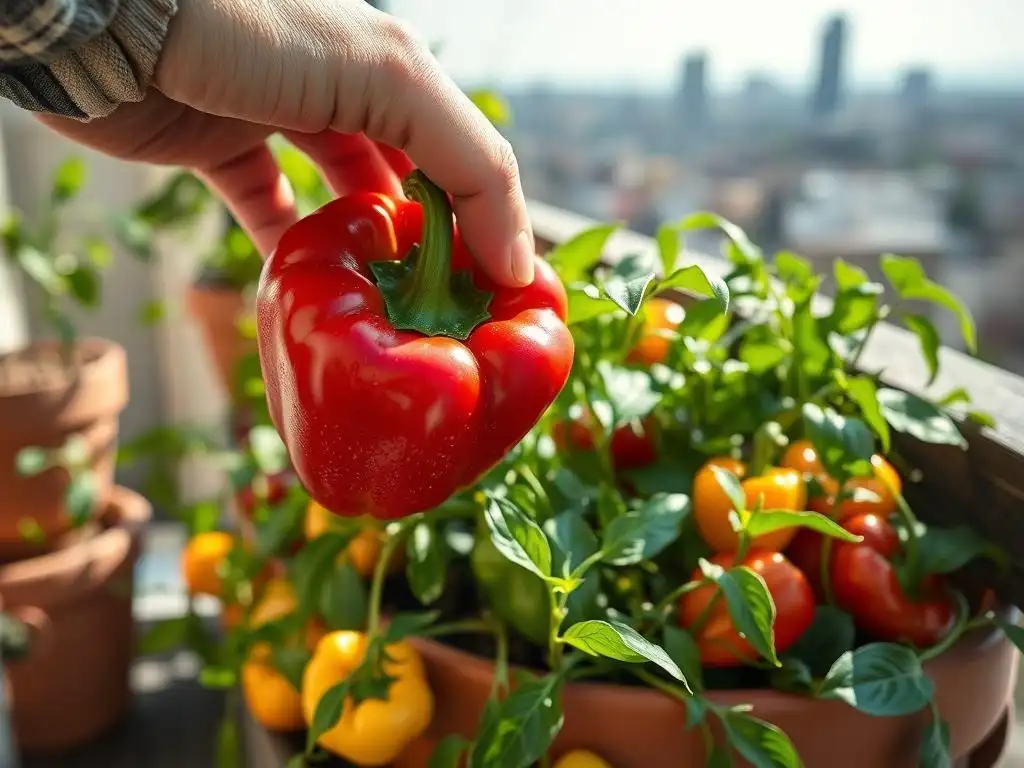
Successfully growing peppers on your balcony is only half the battle; knowing when and how to harvest them is crucial to enjoying the fruits (or vegetables!) of your labor. This section focuses on maximizing your yield and ensuring the best flavor and quality from your balcony-grown peppers. Understanding the nuances of harvesting ensures you get the most out of your "best balcony pepper varieties."
Recognizing When Your Peppers Are Ready for Harvesting
The ideal time to harvest peppers depends on the variety and your personal preference. However, some general guidelines apply across the board. Look for peppers that have reached their mature size and color, as indicated in the seed packet or plant tag. For example, bell peppers will typically transition from green to their characteristic red, yellow, or orange hues when fully ripe. Hot peppers, such as jalapeños or habaneros, often display a vibrant color change as well, signaling their readiness for picking.
Don't be afraid to gently squeeze the pepper. A fully ripe pepper will have a firm, but slightly yielding texture. Avoid harvesting peppers that are still hard and unyielding, as they haven't fully developed their flavor and nutrients. Conversely, avoid peppers that are overly soft or mushy, indicating they are overripe and may have begun to spoil.
Here's a table summarizing the color changes for some popular balcony pepper varieties:
| Pepper Variety | Immature Color | Mature Color(s) | Texture at Maturity |
|---|---|---|---|
| Bell Pepper (Sweet) | Green | Red, Yellow, Orange | Firm, slightly yielding |
| Jalapeño | Green | Dark Green, Red | Firm, slightly yielding |
| Habanero | Green | Orange, Red | Firm, slightly yielding |
| Poblano | Green | Dark Green | Firm, slightly yielding |
Remember, the taste and heat level of peppers can vary depending on their ripeness. Some gardeners prefer to harvest peppers earlier for a milder flavor, while others wait for full maturity for the most intense taste and aroma. Experiment to find your preference! 🌶️
Harvesting Techniques for Different Pepper Varieties
The method of harvesting peppers can also depend on the variety. Generally, you should use clean, sharp scissors or pruning shears to cut the pepper from the plant, leaving a small portion of the stem attached. This helps prevent damage to the plant and encourages further fruit production.
- Bell Peppers: Due to their larger size and delicate flesh, it’s best to use sharp scissors or pruning shears to cleanly snip the peppers from the stem. Avoid pulling or twisting, as this can damage the plant.
- Hot Peppers: Similar to bell peppers, using sharp pruning shears is recommended. The smaller size of most hot peppers makes them easier to harvest with a quick snip.
- Smaller Peppers: For very small peppers, you can carefully twist them off the plant. Be gentle to avoid damaging the main stem.
Regardless of the pepper type, always wash your hands thoroughly after handling peppers, especially hot varieties, to avoid accidental eye or skin irritation. 🧤
Storing and Preserving Your Harvested Peppers
Proper storage and preservation are key to extending the shelf life of your hard-earned peppers. Fresh peppers can be stored in the refrigerator for up to a week, ideally in a perforated plastic bag to allow for air circulation. However, for longer storage, consider these preservation methods:
- Freezing: Wash and dry your peppers thoroughly. You can freeze them whole, sliced, or diced. Freezing preserves the peppers' flavor and nutrients for several months.
- Pickling: Pickling is a classic preservation method that adds a tangy flavor to your peppers. Numerous recipes are available online, catering to different spice and sweetness preferences.
- Drying: Drying peppers is a great way to concentrate their flavor and create a long-lasting spice. You can air dry them, using a food dehydrator, or even string them up in a well-ventilated area.
By following these steps, you can enjoy your balcony-grown peppers throughout the season and beyond! Remember to regularly monitor your plants for signs of pests or diseases, and adjust your harvesting and preservation techniques as needed to ensure the best results for your "best balcony pepper varieties".
Frequently Asked Questions
What are the best pepper varieties for balcony gardening?
For balconies, choose compact varieties like 'Patio Baby', 'Sweet Chocolate', or 'Hungarian Hot Wax'. These peppers are bred to stay smaller and produce well even in containers. Consider the space you have available.
What size pot do I need for growing peppers on a balcony?
A pot at least 5 gallons in size is recommended for most pepper plants to allow for proper root development. Larger pots will generally yield better results.
How much sunlight do balcony peppers need?
Peppers need at least 6-8 hours of direct sunlight daily. Choose a south-facing balcony or supplement with grow lights if necessary for optimal growth and pepper production.
How often should I water my balcony peppers?
Water your peppers regularly, keeping the soil moist but not soggy. The frequency depends on weather conditions, but generally, watering once or twice a day during hot weather might be necessary.
What are some common pest and disease problems for balcony peppers?
Common issues include aphids, spider mites, and blossom-end rot. Preventative measures like using organic pest control and ensuring proper watering are crucial for healthy plants.
Final Reflection: The Tiny Garden, Mighty Harvest
Growing peppers on your balcony isn't just a hobby; it's a powerful connection to nature in an increasingly urbanized world. The vibrant colors, the spicy aromas, and the satisfying crunch of a homegrown pepper offer a tangible reward for even the smallest of gardening efforts. This small act of cultivation can bring immense joy and a deeper appreciation for the food we consume.
The simple act of nurturing a pepper plant, watching it grow from seed to fruit, has a profound impact, fostering patience, resilience, and a sense of accomplishment. It's a reminder that even in the most confined spaces, we can cultivate life and beauty. The glory of gardening: hands in the dirt, head in the sun, heart with nature. To nurture a garden is to feed not just the body, but the soul.
This quote perfectly encapsulates the transformative power of growing your own food, no matter the scale.
Now, consider your own balcony, your own small patch of earth (or concrete!). What kind of pepper will you choose? What flavors will you cultivate? I encourage you to take the leap, to embrace the challenge, and to experience the joy of harvesting your own peppers. Let this article be your guide, but let your own creativity and passion be the true engine of your tiny, mighty garden.
Unleash Your Inner Gardener: Grow Amazing Peppers Today!
Thank you for taking the time to learn about growing peppers on your balcony! We hope you feel inspired and ready to cultivate delicious, homegrown peppers. Now it's time to put your knowledge into practice.
- Start planting your chosen pepper variety today! The sooner you begin, the sooner you'll enjoy fresh peppers from your balcony. You can start seeds indoors or buy seedlings from a local nursery.
- Share your pepper-growing journey! Post pictures of your progress on social media using #CultivateYourBalcony and join our thriving online community of balcony gardeners.
- Experiment with different pepper varieties. Next season, try growing a new type to expand your culinary horizons.
Ready to transform your balcony into a vibrant pepper paradise? Which exciting pepper variety will you grow first?