
Integrating Water Features into a Sustainable Gardening Approach

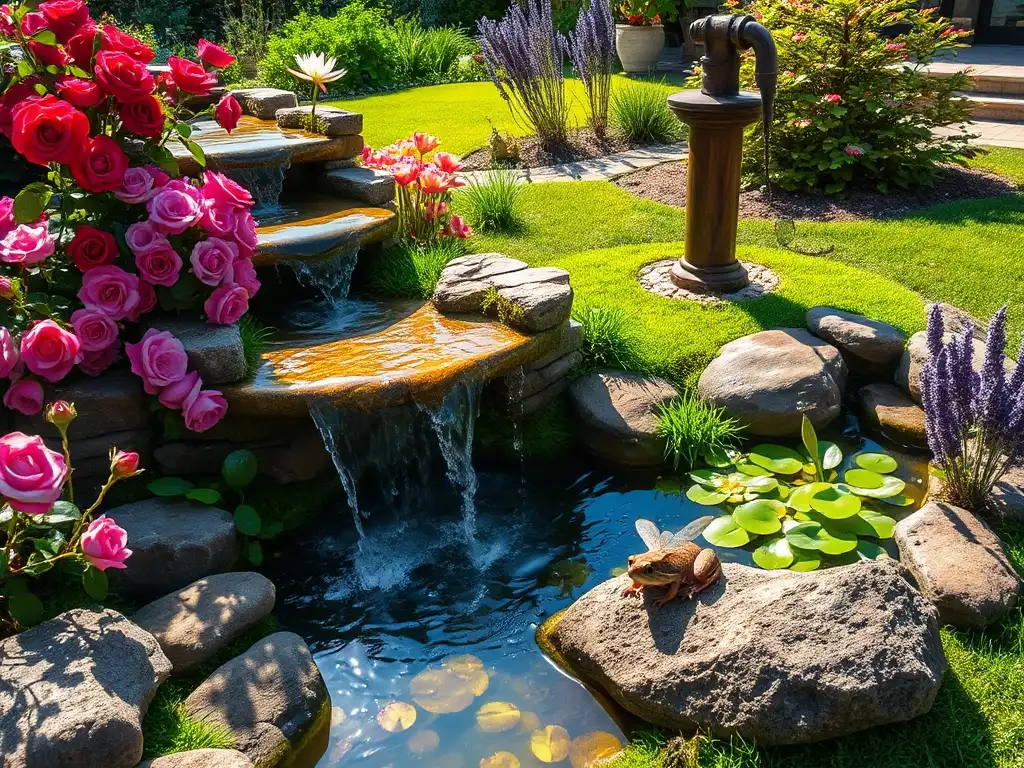
Ready to transform your garden into a thriving, eco-conscious oasis? At CultivateYourFood, we believe everyone can grow their own food sustainably. This journey begins with understanding how to integrate elements like sustainable garden water features into your design. Discover how these beautiful additions can not only enhance the aesthetics of your garden but also contribute to a healthier, more resilient ecosystem. Let's dive into the world of sustainable gardening – your bountiful harvest awaits!
- Understanding Sustainable Garden Water Feature Design
- Types of Sustainable Water Features for Your Garden
- Sustainable Water Feature Maintenance and Management
- Integrating Water Features with Your Existing Sustainable Garden
- Choosing the Right Plants for Your Sustainable Water Feature
- Case Studies: Successful Sustainable Garden Water Features
- Resources for Designing Your Sustainable Garden Water Feature
-
Frequently Asked Questions
- How can I incorporate a water feature into my sustainable garden without wasting water?
- What types of water features are best suited for sustainable gardening?
- Are there any eco-friendly materials I can use to build a sustainable water feature?
- How can I prevent my sustainable water feature from becoming a mosquito breeding ground?
- What are the benefits of incorporating a water feature into my sustainable garden?
- Final Reflection: The Ripple Effect of Sustainable Water Features
- Unleash the Power of Water: Design Your Sustainable Oasis
Understanding Sustainable Garden Water Feature Design
Integrating water features into your garden design can significantly enhance its aesthetic appeal and create a tranquil atmosphere. However, a truly sustainable garden water feature goes beyond mere beauty; it prioritizes water conservation and minimizes environmental impact. This article explores how to design and maintain water features that align with sustainable and organic gardening practices, focusing on techniques that reduce water consumption, utilize eco-friendly materials, and harness natural resources.
We'll delve into practical solutions for minimizing water waste, selecting environmentally responsible materials, and implementing efficient irrigation systems, all while ensuring your water feature remains a beautiful and harmonious addition to your sustainable garden. Creating a thriving and visually stunning garden that respects our planet’s resources is entirely achievable with careful planning and the right approach to water feature integration. Let's explore how to successfully incorporate "Sustainable garden water features" into your outdoor space.
Minimizing Water Waste in Your Garden Pond Design
Designing a pond that minimizes water loss is crucial for sustainable gardening. Traditional pond designs often lead to significant evaporation and water loss through seepage. However, several strategies can mitigate these issues. Consider the following:
- Pond liner selection: Opt for high-quality, durable liners with minimal permeability to reduce seepage. Rubber liners, for example, offer superior water retention compared to cheaper alternatives.
- Strategic pond placement: Positioning your pond in a shaded area will significantly reduce evaporation, especially during hot summer months. Consider the surrounding vegetation; taller plants can also provide shade and reduce water loss.
- Efficient filtration: A well-maintained filtration system is vital for maintaining water quality and reducing the need for frequent water changes. Regular cleaning and maintenance of the filter will prevent build-up and ensure optimal performance.
- Water level monitoring: Regularly check your pond's water level to identify any unusual depletion. This allows for prompt detection of leaks or excessive evaporation.
- Appropriate plant selection: Choosing aquatic plants that are native to your region and adapted to your climate will improve water quality and minimize the need for water additions. These plants naturally help filter the water and reduce algae growth.
Choosing Eco-Friendly Materials for Water Features: Recycled vs. Natural
The materials used in constructing your water feature have a direct impact on its sustainability. Prioritize materials that are either recycled or sourced from renewable resources. Let's compare some options:
| Material Type | Advantages | Disadvantages | Sustainability Rating |
|---|---|---|---|
| Recycled Plastic | Durable, cost-effective, readily available | Appearance may not be as aesthetically pleasing | ⭐⭐⭐⭐ |
| Natural Stone (local) | Beautiful, durable, blends naturally with garden | Can be expensive, potentially heavy to handle | ⭐⭐⭐ |
| Reclaimed Timber | Unique character, environmentally friendly | Requires regular treatment to prevent rot | ⭐⭐⭐⭐ |
| Concrete (low-cement) | Strong, versatile | High carbon footprint unless low-cement mix used | ⭐⭐ |
Choosing recycled materials reduces the demand for new resources and minimizes waste. Opting for locally sourced natural materials reduces transportation emissions. Remember to consider the long-term durability and maintenance requirements of each material before making your selection.
Rainwater Harvesting for Sustainable Water Feature Irrigation: DIY Systems and Rain Barrel Selection
Rainwater harvesting provides a sustainable and cost-effective way to irrigate your water feature, reducing reliance on municipal water supplies. Implementing a rainwater harvesting system can be surprisingly simple:
- Rain barrel selection: Choose food-grade barrels made from recycled materials to ensure water safety. Consider the size based on your water feature's needs and the average rainfall in your area.
- DIY system installation: A simple system involves connecting gutters to a rain barrel via a downspout filter. This filter prevents debris from entering the barrel. Remember to ensure proper overflow and drainage to avoid water damage.
- Water filtration: Before using harvested rainwater to top up your water feature, consider adding a simple filter to remove sediment and leaves. This will help maintain water quality and prevent clogging.
- System maintenance: Regular cleaning of the gutters, downspouts, and rain barrels is crucial to prevent clogging and ensure efficient water collection.
By implementing these techniques, you can significantly reduce your water feature's environmental footprint and create a beautiful, sustainable addition to your garden. Remember, a sustainable approach considers not only the aesthetic appeal but also the long-term environmental impact.
Types of Sustainable Water Features for Your Garden
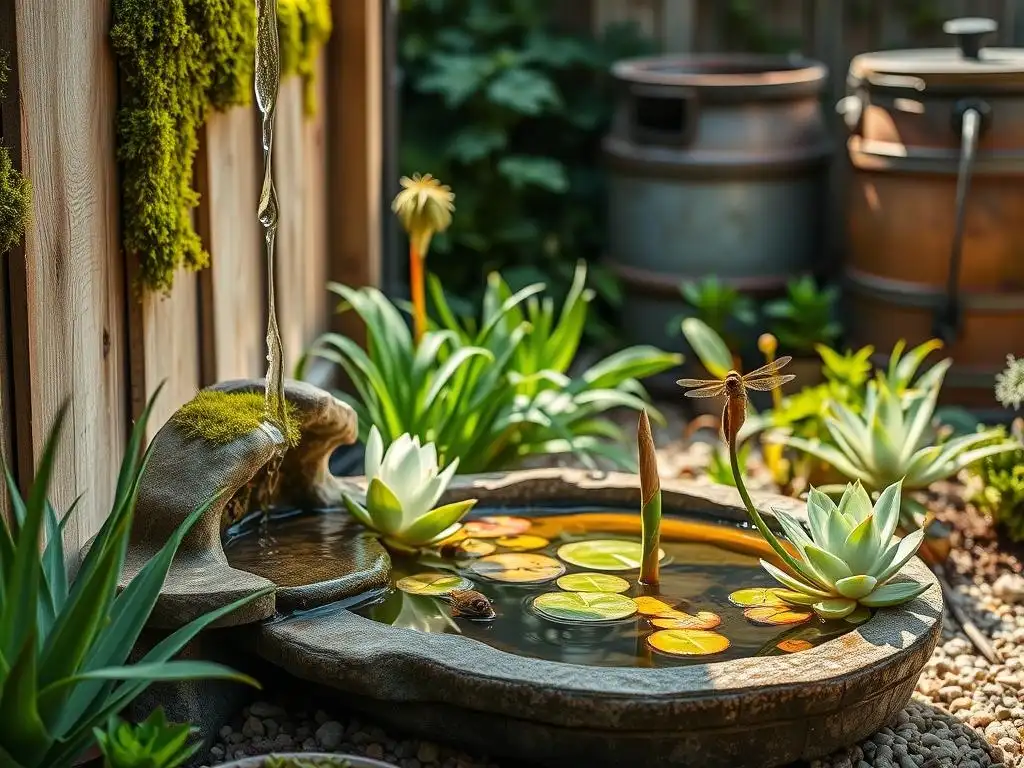
Choosing the right water feature for your sustainable garden hinges on several factors: available space, your desired aesthetic, and the level of maintenance you're willing to commit to. Many options exist beyond the traditional, high-maintenance pond. Let's explore some sustainable alternatives that minimize water usage and environmental impact while enhancing your garden's beauty. Consider factors like water source (rainwater harvesting is ideal! ), plant selection (native species are best), and material choices (recycled or reclaimed materials are a plus) when making your decision. Prioritizing these elements contributes significantly to achieving a truly sustainable garden water features setup.
Building a Low-Maintenance Bog Garden: Plants, Design & Benefits
A bog garden, a type of wetland garden, offers a visually stunning and ecologically beneficial addition to any sustainable garden. These gardens thrive in moist, acidic conditions, mimicking natural bog environments. Their low-maintenance nature stems from the self-regulating ecosystem they create. The key to success lies in proper plant selection.
Several native plants are perfectly suited for bog gardens and require minimal intervention. For example, carnivorous plants like pitcher plants and sundews add a unique touch while naturally controlling insect populations – reducing the need for chemical pesticides, a cornerstone of sustainable gardening practices. Other excellent choices include various sedges, rushes, and moisture-loving ferns.
Designing a bog garden involves creating a slightly sunken area with a layer of gravel for drainage, followed by a layer of peat moss to retain moisture and acidity. The plants are then strategically placed, keeping in mind their varying heights and spread to create visual interest. Regular watering is only necessary during extended dry periods, emphasizing the low-maintenance aspect of this sustainable garden water features option. The benefits extend beyond aesthetics, including improved biodiversity and water filtration.
Creating a Self-Cleaning Pond Ecosystem: Balancing Plants and Wildlife
A self-cleaning pond, unlike traditional ponds, minimizes the need for chemical treatments and frequent cleaning. The secret lies in creating a balanced ecosystem where plants and beneficial organisms work together to maintain water clarity and prevent algae blooms. This is a more involved project than a bog garden, but the long-term benefits are significant for those seeking truly sustainable garden water features.
Careful planning is crucial. The pond's size and depth should be carefully considered, factoring in the types of plants and animals you intend to introduce. Oxygenating plants like hornwort and water lilies are vital for maintaining water quality, providing oxygen and absorbing excess nutrients. Submerged plants help prevent sediment from clouding the water. Adding beneficial bacteria further enhances the self-cleaning process.
The introduction of wildlife, such as frogs and dragonflies, further contributes to the ecosystem's balance. These creatures naturally control mosquito populations and other pests, reducing the need for external intervention. Regular monitoring is necessary to ensure the ecosystem remains balanced and healthy. A self-cleaning pond exemplifies a high-level commitment to creating sustainable garden water features that are both beautiful and environmentally responsible.
The Benefits of a Water Feature for Pollinators: Attracting Bees and Butterflies with Bee-Friendly Water Plants
Incorporating a water feature into your garden can significantly benefit pollinators, crucial elements of a thriving ecosystem and essential for sustainable gardening. Providing a clean water source is critical for bees and butterflies, particularly during hot and dry periods. However, simply adding a birdbath isn't sufficient; it needs to be designed with pollinators in mind. This approach is another facet of creating sustainable garden water features.
Shallow dishes or gently sloping edges allow bees and butterflies easy access to the water without the risk of drowning. The addition of bee-friendly plants around the water source further enhances its attractiveness. These plants should offer nectar and pollen, providing sustenance for the pollinators. Examples include lavender, borage, and bee balm. The combined effect of water and suitable plants creates a haven for these vital insects.
The benefits are multifaceted. Increased pollinator activity leads to improved fruit and vegetable yields in your garden, reducing the reliance on external pollination sources. This contributes to a more self-sufficient and ecologically balanced garden, a key aspect of sustainable gardening practices. A thoughtful design, incorporating both water and appropriate plantings, showcases the symbiotic relationship between sustainable garden water features and a healthy ecosystem.
Sustainable Water Feature Maintenance and Management
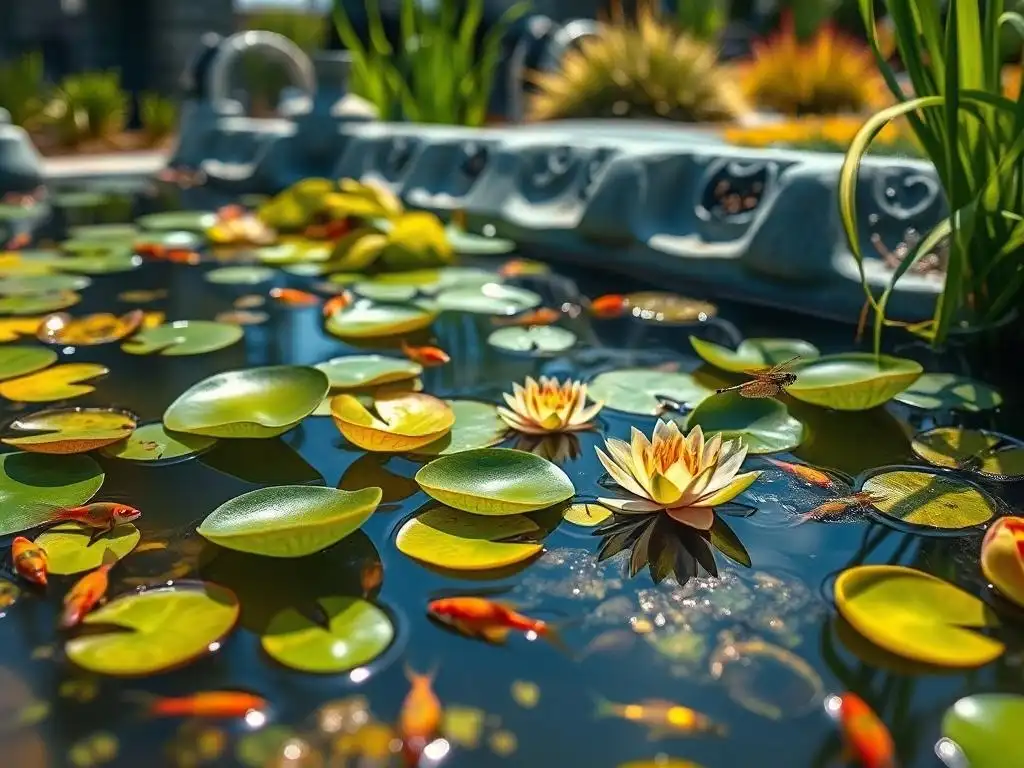
Creating a sustainable garden water feature isn't just about initial design; it's about ongoing, responsible management. This section focuses on practical strategies to ensure your pond or fountain remains a thriving ecosystem while minimizing its environmental impact. We'll explore natural pest control, water quality maintenance, and energy-efficient pumping solutions, all crucial elements for a truly sustainable garden water features approach.
Natural Pest Control for Pond Ecosystems: Beneficial Insects and Organic Solutions
Maintaining a healthy pond ecosystem naturally involves minimizing the use of harsh chemicals. Instead, focus on introducing beneficial insects and employing organic solutions to control pests. Ladybugs, for instance, are voracious aphid predators, effectively controlling these common pond plant pests. Dragonflies and their nymphs are also excellent natural predators, consuming mosquitoes and other insects. Introducing these beneficial species can significantly reduce the need for chemical intervention.
Furthermore, organic methods like diatomaceous earth can effectively control snails and slugs, common culprits damaging aquatic plants. This naturally occurring sedimentary rock powder dehydrates pests upon contact, offering a safe and effective alternative to chemical pesticides. Regularly removing decaying plant matter and debris also helps prevent pest infestations by eliminating breeding grounds.
Remember, a balanced ecosystem is your best defense against pests in your sustainable garden water features. Monitoring your pond regularly for signs of infestation is key to early intervention and preventing larger problems. Early detection and targeted action with these sustainable methods are far more effective than reactive, widespread chemical treatments.
Water Quality Monitoring and Treatment: Testing Kits and Natural Filtration Methods
Maintaining optimal water quality is paramount for a healthy pond ecosystem. Regular testing is crucial to monitor key parameters like pH, ammonia, nitrite, and nitrate levels. Home testing kits are readily available and provide valuable insights into your pond's health. Consistent monitoring allows for proactive adjustments, preventing imbalances that could harm aquatic life.
Beyond testing, implementing natural filtration methods enhances water quality. Planting oxygenating plants like water lilies and hornwort not only adds aesthetic appeal but also helps absorb excess nutrients and filter impurities. These plants naturally improve water clarity and reduce the need for chemical treatments.
Additionally, consider incorporating a biological filter, such as a bog garden or a constructed wetland, to further enhance natural filtration processes. This sustainable approach mimics natural water purification cycles, contributing to a healthier and more balanced pond environment for your sustainable garden water features. Regular cleaning of filters, whether natural or mechanical, is also vital for maintaining optimal water quality and preventing algae blooms.
Energy-Efficient Water Pumps for Sustainable Water Features: Solar-Powered Pump Options
Energy efficiency is a cornerstone of sustainable gardening. For water features, this means choosing energy-efficient pumps, ideally solar-powered options. Solar pumps eliminate reliance on grid electricity, reducing your carbon footprint and operational costs. Their quiet operation also contributes to a more peaceful garden environment. While the initial investment might be higher, the long-term energy savings and environmental benefits make solar pumps a worthwhile consideration for sustainable garden water features.
When selecting a solar pump, consider the size and flow rate required for your specific water feature. Ensure the pump's capacity matches your needs to avoid under- or over-powering the system. Properly sizing the pump is critical for efficient operation and optimal water circulation, maintaining a healthy aquatic environment. Also, factor in the amount of sunlight your garden receives to determine the appropriate solar panel size. Adequate sunlight is essential for reliable pump operation. By choosing a solar-powered pump, you significantly contribute to the sustainability and eco-friendliness of your water feature.
Integrating Water Features with Your Existing Sustainable Garden
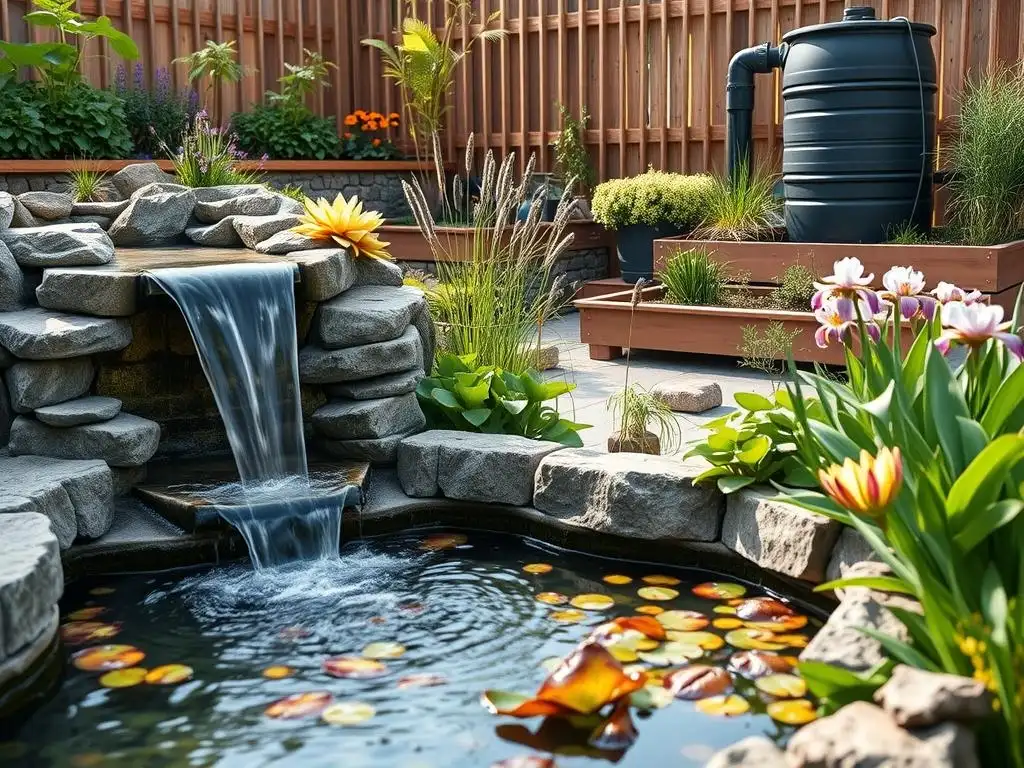
This section explores how to seamlessly integrate water features into your existing sustainable garden, maximizing their aesthetic appeal while minimizing environmental impact. The key is thoughtful planning and mindful selection of materials and methods. A successful integration enhances the overall sustainability of your garden, creating a harmonious and thriving ecosystem. We'll examine several key strategies to achieve this.
Combining Water Features with Greywater Recycling Systems: Greywater System Integration Strategies
Integrating greywater recycling systems with your water features offers a powerful way to boost your garden's sustainability. Greywater, the relatively clean wastewater from showers, sinks, and laundry, can be a valuable resource for irrigating your garden, especially water-loving plants surrounding your water feature. However, careful planning is crucial.
Several strategies optimize greywater integration:
- Dedicated Greywater Line: Install a separate greywater line specifically for your water feature. This prevents contamination of your potable water system and allows for precise control of water flow. This dedicated line should be clearly labeled and easily accessible for maintenance.
- Filtration and Treatment: Before using greywater, ensure adequate filtration and treatment to remove solids and harmful pathogens. A simple gravel filter followed by a UV sterilization system can significantly improve greywater quality. The specific filtration requirements will depend on your local regulations and the type of greywater source.
- Plant Selection: Choose water-loving plants that thrive on greywater, such as papyrus, reeds, and certain types of aquatic lilies. These plants are naturally tolerant of the slightly higher nutrient levels often found in greywater. Avoid using greywater for plants intended for human consumption.
- Regular Monitoring: Regularly monitor the greywater system for clogs, leaks, and changes in water quality. Prompt maintenance prevents system failure and ensures the ongoing health of your plants and water feature.
Table 1: Suitable Plants for Greywater Irrigation near Water Features
| Plant Name | Water Requirement | Tolerance to Nutrients | Notes |
|---|---|---|---|
| Papyrus | High | High | Thrives in wet, nutrient-rich conditions |
| Reeds (Phragmites) | High | Moderate | Excellent for water filtration and erosion control |
| Water Lilies (Nymphaea) | High | Moderate | Choose varieties suitable for your climate |
| Irises (certain spp.) | Moderate to High | Moderate | Select varieties known for greywater tolerance |
Implementing these strategies will help ensure a sustainable and efficient greywater system integrated with your water feature, minimizing water waste and promoting a healthier garden ecosystem. Remember to consult with a professional for guidance on designing and installing a greywater system.
Optimizing Water Feature Placement for Sunlight and Shade
Strategic placement of your water feature is paramount to its success and integration into your sustainable garden design. Consider these factors to optimize sunlight and shade exposure:
- Sunlight Exposure: While some sunlight is beneficial for maintaining water temperature and encouraging beneficial microbial activity, excessive direct sunlight can lead to excessive evaporation, especially in hotter climates. Partial shade from strategically planted trees or shrubs can mitigate this.
- Shade Provision: Too much shade can hinder the growth of aquatic plants and promote the growth of algae. A balance is key. Observe the sun's path throughout the day to determine ideal placement.
- Microclimate Creation: A water feature can create a localized microclimate, influencing the temperature and humidity around it. Careful placement can benefit surrounding plants, providing a cooler, more humid environment during hot spells. This is particularly beneficial for plants that prefer cooler, more humid conditions.
- Wind Protection: Consider wind exposure. A sheltered location minimizes water evaporation and reduces the risk of debris accumulating in the water feature.
By carefully considering sunlight and shade, you can create a microclimate that benefits both the water feature and the surrounding plants, promoting a more sustainable and harmonious garden. Remember to observe your garden's existing microclimates before choosing a location.
Using Water Features to Enhance Microclimates in Your Garden
Water features contribute significantly to microclimate modification within your garden, offering several advantages for sustainable gardening practices. The presence of water moderates temperature fluctuations, increases humidity, and provides a habitat for beneficial insects and wildlife.
- Temperature Regulation: The water in a pond or fountain acts as a thermal buffer, absorbing heat during the day and releasing it at night, thus moderating temperature extremes in the surrounding area. This is especially beneficial in areas with significant temperature fluctuations.
- Humidity Increase: Evaporation from the water feature increases local humidity, creating a more favorable environment for many plants, especially those that prefer higher humidity levels. This can reduce the need for supplemental watering, promoting water conservation.
- Beneficial Insect Habitat: A water feature can attract beneficial insects like dragonflies and ladybugs, which help control pests in the garden. These insects are integral to a healthy and sustainable ecosystem.
- Wildlife Attraction: Birds and other wildlife are attracted to water sources, adding biodiversity to your garden and creating a more vibrant and dynamic ecosystem. This biodiversity contributes to the overall health and resilience of your garden.
By strategically incorporating a water feature, you can modify the microclimate of your garden to create a more favorable environment for your plants, attract beneficial insects and wildlife, and enhance the overall sustainability of your gardening practices. This is a key element in creating a thriving and resilient sustainable garden.
Choosing the Right Plants for Your Sustainable Water Feature
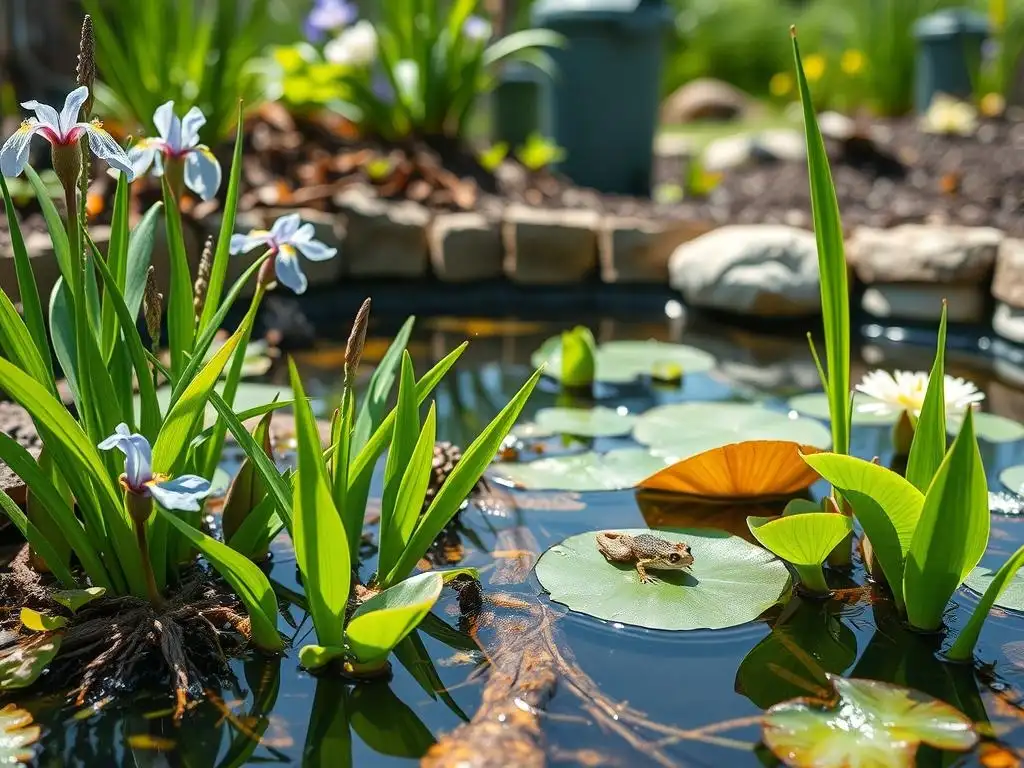
Selecting the appropriate plants is crucial for creating a thriving and sustainable water feature in your garden. The plants you choose directly impact the water feature's health, aesthetics, and overall ecological contribution. A well-planned plant selection minimizes maintenance, reduces water consumption, and supports local biodiversity. Choosing the wrong plants, however, can lead to imbalances, invasive species problems, and ultimately, a less sustainable system. This section will guide you through choosing plants that complement your sustainable garden water features, focusing on native species, water-wise options, and avoiding invasive plants.
Native Aquatic Plants for Water Conservation and Biodiversity: Native Plant Selection and Sourcing
Native aquatic plants are the cornerstone of a sustainable water feature. They are adapted to the local climate and water conditions, requiring less maintenance and fewer resources than non-native species. This translates to significant water conservation benefits in the long run. Furthermore, native plants support local wildlife, providing habitat and food sources for insects, birds, and other animals, thus boosting biodiversity in your garden.
For example, consider Iris versicolor (blue flag iris) for boggy areas or Pontederia cordata (pickerelweed) for shallower water. These plants require minimal fertilization and are naturally resistant to many common pests and diseases, reducing the need for chemical interventions. Remember to source your native plants from reputable nurseries that specialize in locally grown species.
This helps prevent the introduction of invasive species or plants that may have been treated with harmful pesticides. Avoid collecting plants from the wild, as this can disrupt natural ecosystems. Choosing plants specifically adapted to your region's climate and soil conditions is essential for long-term success and minimal maintenance of your sustainable garden water features.
Water-Wise Plants for Low-Maintenance Water Features: Drought-Tolerant Options
Even with a water feature, water conservation remains a key element of sustainable gardening. Selecting drought-tolerant plants significantly reduces the need for supplemental watering, especially during dry periods. This is particularly beneficial in regions with limited water resources or during periods of drought. Many beautiful and hardy plants thrive with minimal watering once established.
Consider incorporating plants like Juncus effusus (soft rush) which tolerates a range of water levels and soil conditions, or Carex species (sedges), known for their adaptability and low water requirements. These plants not only contribute to a visually appealing water feature but also minimize your water footprint, aligning perfectly with the principles of sustainable garden water features.
Remember to research the specific water needs of any plant before incorporating it into your design, ensuring a harmonious balance between aesthetics and conservation. Proper soil preparation and initial watering are crucial for establishing drought-tolerant plants, allowing them to become self-sufficient over time.
Avoiding Invasive Species in Your Water Feature: Responsible Plant Selection
Introducing invasive species into your water feature can have devastating consequences. Invasive plants can outcompete native species, disrupt the ecosystem balance, and require significant effort to control. Choosing plants wisely is crucial to preventing this. Thorough research before purchasing any plant is paramount. Check with local conservation organizations or gardening experts to ensure that the plants you select are not known to be invasive in your region.
Always prioritize native plants, as these are least likely to become invasive. If you are considering non-native plants, carefully investigate their growth habits and potential for spread. Avoid plants with aggressive growth patterns or those known to easily self-seed. Choosing responsibly protects the delicate balance of your water feature and the broader ecosystem of your sustainable garden. Remember, a sustainable garden water feature is not just aesthetically pleasing; it’s a responsible ecosystem that supports local biodiversity and minimizes environmental impact. The careful selection of plants is essential to achieve this balance.
Case Studies: Successful Sustainable Garden Water Features
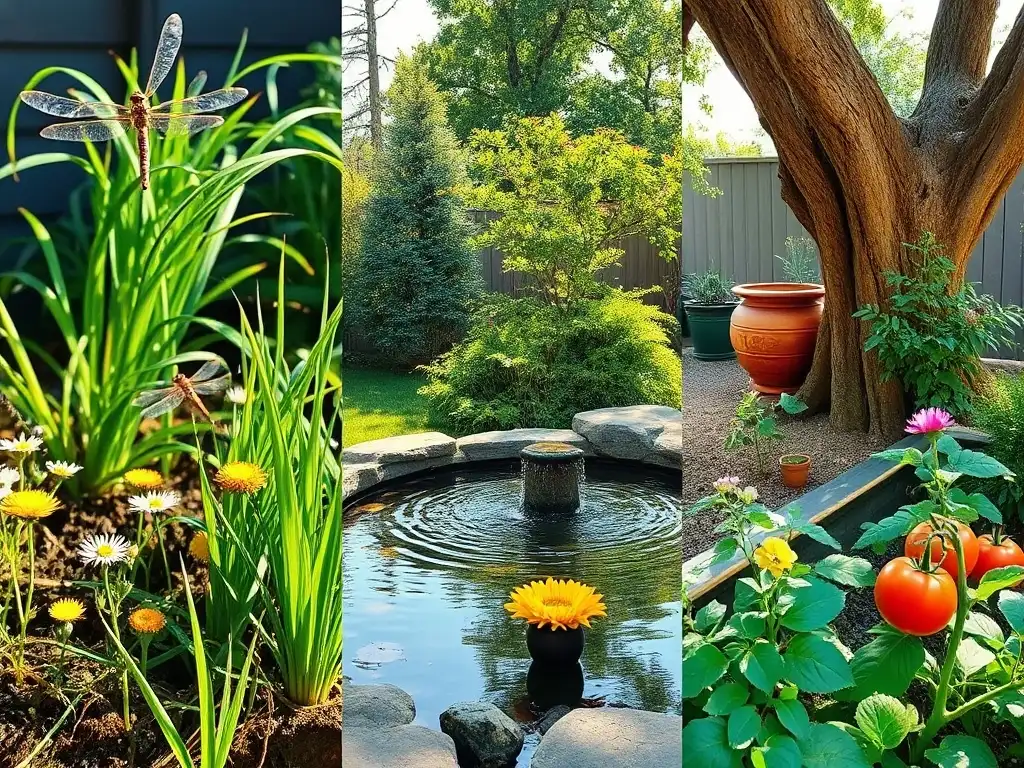
This section showcases real-world examples of how to successfully integrate water features into your garden while maintaining sustainable and organic practices. These case studies highlight diverse approaches, demonstrating the adaptability of sustainable garden water features to various garden sizes and climates. We'll explore design choices, water conservation strategies, and the positive impact these features have on the overall garden ecosystem.
A Sustainable Garden Water Feature Design in a Small Urban Space
Creating a thriving, sustainable garden in a small urban space can seem challenging, but incorporating a water feature doesn't have to be a space-consuming endeavor. One successful example involves a rooftop garden in a densely populated city. Instead of a large pond, the homeowner opted for a series of stacked, self-watering planters. Each planter is slightly elevated, creating a cascading effect.
Excess water from the upper planters naturally irrigates the lower ones, minimizing water waste. This system also utilizes greywater recycling – collected rainwater and carefully filtered wastewater from the home is used to supplement the planters' water supply. This thoughtful approach not only conserves water but also adds a visually appealing, dynamic element to the small urban garden. The cascading water creates a soothing soundscape, further enhancing the relaxing atmosphere.
The plants themselves, chosen for their drought tolerance and ability to thrive in containers, contribute to the overall sustainability of the design. This system demonstrates that even limited space doesn't preclude the incorporation of a beautiful and environmentally conscious water feature. The key lies in clever design and resource management.
The homeowner meticulously monitors water levels and adjusts the system as needed, ensuring optimal plant health without overwatering. This illustrates the importance of ongoing observation and adaptation in sustainable gardening. The success of this urban water feature highlights the potential for creative solutions in even the most restricted environments.
Integrating a Pond into a Permaculture Garden
A permaculture garden, by its nature, emphasizes ecological harmony and self-sufficiency. Integrating a pond into such a design presents a unique opportunity to enhance biodiversity and improve water management. One inspiring example showcases a large, organically-shaped pond nestled within a mature permaculture system. The pond's construction utilized natural materials, minimizing environmental impact.
The edges of the pond are gently sloped and planted with native aquatic plants, providing habitat for various insects, amphibians, and birds. The pond itself acts as a natural water reservoir, collecting rainwater and providing a source of irrigation for the surrounding garden. Excess water is carefully managed to prevent flooding, often channeled into swales or other water harvesting features. This illustrates a holistic approach to water management, where the pond isn't just an aesthetic feature but a vital component of the entire permaculture ecosystem.
The pond’s design incorporates a series of shallow areas and deeper sections to cater to diverse aquatic life. This biodiversity creates a self-regulating ecosystem, reducing the need for chemical interventions. Regular monitoring and observation are key to maintaining the pond's health and balance. The success of this project demonstrates how a well-designed pond can seamlessly integrate into a permaculture garden, enhancing its ecological value and aesthetic appeal while promoting sustainable water management.
A Water Feature Designed for Drought Conditions
In arid and semi-arid regions, water conservation is paramount. Sustainable garden water features in these environments require careful planning and drought-tolerant plant selection. One exemplary design features a small, recirculating fountain. This system uses a submersible pump to continuously circulate water, minimizing evaporation and water loss. The fountain is constructed with drought-resistant materials, such as clay or stone, further reducing water demand. The plants surrounding the fountain are meticulously chosen for their ability to thrive in dry conditions, requiring minimal supplemental watering. This approach showcases how even in drought-prone areas, a beautiful and sustainable water feature can be created.
The choice of plants is crucial. Native species are preferred for their adaptability and low water requirements. The use of mulch around the plants further helps to retain soil moisture, reducing the frequency of irrigation. Regular monitoring of water levels and adjustments to the fountain's operation ensure efficient water usage. The success of this water feature demonstrates that sustainable gardening practices can adapt to diverse environmental conditions, allowing for the enjoyment of water features even in water-scarce regions. This example perfectly embodies the principles of responsible water usage within a sustainable garden water feature.
Resources for Designing Your Sustainable Garden Water Feature
This section details the resources available to help you design and build a sustainable garden water feature, minimizing environmental impact while maximizing aesthetic appeal. Choosing sustainable materials and employing eco-conscious design principles are key to creating a water feature that complements your overall sustainable gardening approach. Remember, a truly sustainable garden water feature considers not only its initial construction but also its long-term maintenance and environmental footprint.
Finding Local Suppliers for Sustainable Water Feature Materials
Sourcing materials locally for your sustainable garden water feature offers several advantages. Reduced transportation emissions contribute directly to a lower carbon footprint. Furthermore, using locally sourced materials often supports small businesses and strengthens your community's economy. When searching for suppliers, prioritize those committed to sustainable harvesting and manufacturing practices.
Consider these material options and where to find them:
- Reclaimed Materials: Look for salvaged wood, stone, or even repurposed containers. Antique shops, demolition sites (with proper permissions), and local recycling centers can be surprisingly fruitful sources. The character of reclaimed materials adds unique charm to your water feature, aligning perfectly with a sustainable aesthetic. Remember to check for any harmful treatments before using reclaimed wood.
- Locally Quarried Stone: Natural stone, sourced from nearby quarries, offers durability and a natural look. Opt for stone that requires minimal processing to reduce energy consumption. Inquire about the quarry's sustainability practices – responsible quarrying minimizes environmental damage.
- Locally Grown Plants: Aquatic plants are essential for a healthy and balanced water feature ecosystem. Support local nurseries that prioritize organic and sustainable growing methods. These plants will thrive in your local climate and require less maintenance.
- Sustainable Liners: When choosing a liner for your pond, prioritize those made from recycled materials or natural, biodegradable options. Avoid PVC liners, which are not environmentally friendly. Research options like butyl rubber or EPDM rubber, which are more durable and have a longer lifespan, reducing the need for frequent replacements.
Online Resources and Design Inspiration for Eco-Friendly Water Features
The internet offers a wealth of information and inspiration for designing eco-friendly water features. However, it's crucial to critically evaluate sources and prioritize those committed to sustainable practices.
Here's how to effectively utilize online resources:
- Search for "Sustainable Garden Water Features": This keyword phrase will yield relevant results, focusing your search on sustainable design principles. Explore blogs, articles, and forums dedicated to sustainable gardening.
- Pinterest and Instagram: These platforms are excellent for visual inspiration. Search for hashtags like #ecopond, #sustainablegardening, #naturalwaterfeatures, and #waterfeaturedesign to discover creative and sustainable ideas.
- YouTube Tutorials: Many channels provide tutorials on building DIY water features. Look for those emphasizing the use of sustainable materials and environmentally friendly construction techniques. Pay close attention to the materials used and the overall approach to minimizing environmental impact. Consider the longevity and maintenance implications of the designs presented.
- Sustainable Gardening Websites and Blogs: Many reputable websites and blogs focus on sustainable landscaping and gardening practices. These resources often include articles and guides dedicated to sustainable water features, providing valuable insights and practical advice.
Consultations with Water Feature Designers specializing in Sustainable Practices
For complex designs or if you require professional assistance, consulting a water feature designer specializing in sustainable practices is highly recommended. A skilled designer can help you create a beautiful and functional water feature that aligns perfectly with your sustainable gardening goals.
When choosing a designer, consider these factors:
- Experience with Sustainable Materials: Ensure the designer has experience working with sustainable materials like reclaimed wood, locally sourced stone, and eco-friendly liners.
- Knowledge of Water Feature Ecosystems: A strong understanding of aquatic ecosystems is crucial for creating a healthy and balanced water feature. The designer should be able to advise on plant selection and maintenance to minimize the need for chemicals and ensure the long-term health of your water feature.
- Commitment to Sustainable Practices: Inquire about the designer's overall commitment to sustainability. Do they prioritize locally sourced materials? Do they employ energy-efficient construction techniques? A strong commitment to sustainability will ensure your water feature aligns with your overall goals.
Remember, a well-designed and maintained sustainable garden water feature not only enhances the beauty of your garden but also contributes to a healthier environment. By utilizing these resources and employing thoughtful design principles, you can create a water feature that is both aesthetically pleasing and environmentally responsible.
Frequently Asked Questions
How can I incorporate a water feature into my sustainable garden without wasting water?
Consider using a rainwater harvesting system to fill your water feature. Choose low-maintenance plants that thrive with less frequent watering around the feature. Prioritize efficient irrigation methods to minimize water loss.
What types of water features are best suited for sustainable gardening?
Small, self-contained features like rain barrels, bog gardens, or a small pond are ideal. These minimize water evaporation and demand for constant refills. Focus on features that support biodiversity, such as those attracting beneficial insects or birds.
Are there any eco-friendly materials I can use to build a sustainable water feature?
Yes, use recycled or reclaimed materials like old containers, stones, and even repurposed wood. Avoid using treated lumber which may leach harmful chemicals into the water. Opt for natural, locally sourced materials where possible.
How can I prevent my sustainable water feature from becoming a mosquito breeding ground?
Introduce mosquito-eating fish like Gambusia affinis (mosquitofish) into your pond or bog garden. Ensure adequate water circulation to prevent stagnant water. Regularly remove any debris or standing water around the edges of the feature.
What are the benefits of incorporating a water feature into my sustainable garden?
Water features enhance biodiversity by attracting beneficial insects, birds, and other wildlife. They provide aesthetic appeal and a calming atmosphere. They also contribute to a healthier microclimate by increasing humidity and reducing temperature fluctuations.
Final Reflection: The Ripple Effect of Sustainable Water Features
The conscious integration of water features into garden design is no longer a luxury; it's a necessity in our increasingly water-stressed world. This shift requires a fundamental reimagining of how we approach landscaping, moving away from resource-intensive practices towards a more harmonious relationship with our environment. The future of beautiful, thriving gardens hinges on this mindful approach.
The journey towards sustainable water features has been a fascinating exploration of both technological innovation and ancient wisdom. We've seen how simple design choices, like choosing drought-tolerant plants and employing efficient irrigation systems, can drastically reduce water consumption. Yet, the true impact extends beyond the individual garden. Water is the driving force of nature.
– Leonardo da Vinci. This quote speaks to the interconnectedness of all living things, highlighting the vital role water plays in maintaining ecological balance, a balance we must strive to protect through responsible gardening practices.
Consider the possibilities. Imagine a world where every garden, no matter how small, contributes to water conservation. Imagine the collective impact of countless sustainable water features, not only beautifying our spaces but also replenishing our precious water resources. You have the power to be part of this positive change. Start small, perhaps by choosing a water-wise plant, or by researching efficient irrigation methods. Every step you take towards a sustainable garden contributes to a larger, more sustainable future. Let the ripple effect of your actions inspire others to join the movement.
Unleash the Power of Water: Design Your Sustainable Oasis
Thanks for exploring the world of sustainable gardening with us! You've learned how water features can enhance your garden's beauty and ecological balance. Ready to put this knowledge into practice?
- Design your dream water feature: Begin sketching your ideal water feature, considering its size and location within your garden while prioritizing water conservation. Think about which plants would thrive alongside it.
- Share your vision: Post a picture of your initial design or inspiration on our CultivateYourFood community forum – let's collaborate!
- Explore local resources: Check local nurseries and suppliers for water-wise plants and materials. You might be surprised by the local options available.
What unique element will you incorporate into your sustainable water feature to make it truly special? We'd love to hear your ideas!