
The Connection Between Soil Health and Heirloom Plant Performance

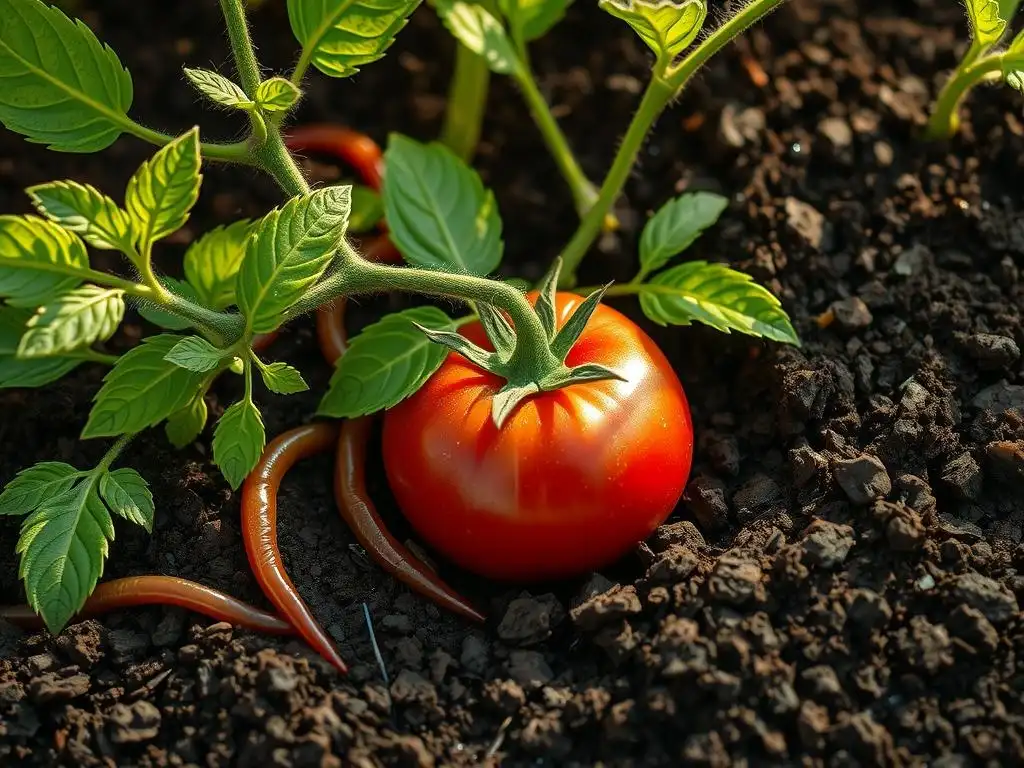
Ready to unlock the secrets to a thriving garden bursting with flavor? At CultivateYourFood, we believe everyone can grow their own delicious, healthy produce. This is especially true when you understand the crucial link between Heirloom plant soil health and bountiful harvests. Discover how nurturing your soil unlocks the full potential of your heirloom plants—and prepare to be amazed by the results. Let's delve into the science behind a truly sustainable garden!
- Understanding Heirloom Plant Needs: Soil as the Foundation
- Assessing Your Soil's Health for Optimal Heirloom Growth
-
Building Healthy Soil for Exceptional Heirloom Performance
- Composting Techniques for Heirloom Gardens
- Cover Cropping Strategies to Enhance Soil Health
- Beneficial Microbes and Their Role in Heirloom Plant Growth
- Avoiding Soil Compaction for Heirloom Root Development
- Understanding the Role of Organic Matter in Soil Health for Heirlooms
- The Importance of Balanced Soil pH for Heirloom Plant Success
- Heirloom Plant Soil Health: Practical Tips and Techniques
- Maximizing Heirloom Yields Through Superior Soil Management
-
Frequently Asked Questions
- What is the connection between soil health and heirloom plant performance?
- Why are heirloom plants particularly sensitive to poor soil?
- What are the best soil amendments for heirloom plants?
- How can I improve my soil health for better heirloom plant growth?
- Are there specific heirloom plants particularly sensitive to soil conditions?
- Final Reflection: Cultivating a Legacy Through Healthy Soil
- Unleash Your Garden's Potential: Grow Thriving Heirloom Plants!
Understanding Heirloom Plant Needs: Soil as the Foundation
Heirloom plants, cherished for their unique flavors, genetic diversity, and historical significance, present a rewarding yet nuanced challenge for the home gardener. While their captivating qualities are undeniable, their success hinges critically on providing optimal growing conditions. This article delves into the crucial connection between soil health and the performance of heirloom varieties, focusing on how soil composition and nutrient availability directly impact the growth, yield, and overall health of these treasured plants. We'll explore the specific nutritional needs of certain heirloom varieties and how to cultivate a soil environment that fosters their thriving, contributing to abundant harvests and the preservation of these valuable genetic resources for future generations.
Understanding the intricate relationship between soil and heirloom plants is key to unlocking their full potential and ensuring a bountiful, sustainable garden. Let's dig in! 🍅
The Unique Nutritional Requirements of Heirloom Tomatoes
Heirloom tomatoes, prized for their diverse shapes, colors, and flavors, often exhibit unique nutritional demands compared to their hybrid counterparts. These variations stem from their diverse genetic backgrounds, which have been shaped over generations through natural selection and adaptation to specific environments. For instance, some heirloom varieties may require higher levels of phosphorus for robust fruit development, while others might benefit from increased potassium for enhanced disease resistance.
Ignoring these specific needs can lead to smaller yields, poor fruit quality, and increased susceptibility to pests and diseases. Careful soil testing and the implementation of tailored fertilization strategies are crucial for ensuring these demanding plants receive the nutrients they need to flourish. For example, the 'Brandywine' tomato, a popular heirloom variety, thrives in soil rich in organic matter, which provides a slow-release source of nutrients and improves soil structure, crucial for its deep root system.
Conversely, neglecting this requirement can lead to stunted growth and inferior fruit production. Understanding the specific nutritional needs of your chosen heirloom tomato variety is paramount for achieving optimal results.
Soil Composition and its Impact on Heirloom Growth
The composition of your soil profoundly influences the growth and health of heirloom plants. Optimal soil structure is characterized by a balanced blend of sand, silt, and clay, creating a porous environment that facilitates proper aeration and drainage. This allows for efficient nutrient uptake by the plant's roots, preventing waterlogging and promoting healthy root development.
Furthermore, the soil's organic matter content plays a vital role in providing essential nutrients, improving water retention, and supporting beneficial soil microbes. A healthy soil ecosystem teeming with microorganisms is crucial for nutrient cycling and disease suppression. The presence of sufficient organic matter, often achieved through composting and the addition of well-rotted manure, is particularly beneficial for heirloom plants, which often respond favorably to the slow-release nutrients provided by organic sources.
Poor soil structure, characterized by compaction or poor drainage, can lead to root suffocation, nutrient deficiencies, and increased susceptibility to diseases. Regular soil testing and amendments, such as adding compost or other organic matter, are essential steps in creating an ideal environment for heirloom plant growth. Consider the soil texture: clay soils, for example, may require amendments to improve drainage, while sandy soils often need additions to enhance water retention.
Essential Macronutrients for Thriving Heirloom Peppers
Heirloom peppers, known for their diverse shapes, sizes, and pungency, also exhibit specific macronutrient requirements for optimal growth and fruit production. Nitrogen (N), phosphorus (P), and potassium (K) are the three primary macronutrients, and their balanced availability is critical for healthy plant development. Nitrogen promotes vigorous vegetative growth, while phosphorus is essential for root development and flowering. Potassium plays a crucial role in fruit development, disease resistance, and overall plant vigor.
Deficiencies in any of these macronutrients can severely impact plant health and yield. For example, nitrogen deficiency can manifest as pale green leaves and stunted growth, while phosphorus deficiency can lead to poor flowering and fruit set. Potassium deficiency can result in weakened stems, leaf scorching, and reduced fruit quality.
Regular soil testing can help identify potential nutrient deficiencies, allowing for timely corrective measures. The addition of balanced organic fertilizers, such as compost tea or well-rotted manure, can provide a slow-release source of essential nutrients, promoting healthy growth and abundant harvests of your heirloom peppers. Remember that the specific nutrient needs may vary depending on the specific heirloom pepper variety, emphasizing the importance of tailored fertilization strategies.
Micronutrient Deficiencies and Their Effects on Heirloom Beans
Heirloom beans, prized for their unique flavors and genetic diversity, are particularly sensitive to micronutrient deficiencies in the soil. These deficiencies can significantly impact their growth, yield, and overall health, leading to reduced harvests and compromised quality. Unlike macronutrients like nitrogen, phosphorus, and potassium, which are needed in larger quantities, micronutrients are required in smaller amounts but are equally crucial for various plant processes. A lack of these vital elements can manifest in a variety of ways, impacting both the vegetative and reproductive stages of the bean plant's life cycle.
For instance, a deficiency in iron (Fe) can lead to interveinal chlorosis, a condition where the leaf tissue between the veins turns yellow while the veins remain green. This is because iron is essential for chlorophyll production, the pigment responsible for photosynthesis. Iron deficiency in heirloom beans can result in stunted growth, reduced flowering, and fewer pods. Similarly, a zinc (Zn) deficiency can cause reduced internode length, resulting in shorter, bushier plants with smaller leaves. Zinc plays a critical role in various enzymatic processes within the plant, and its absence can negatively affect overall growth and development.
Boron (B) deficiency, while less common, can also severely impact heirloom bean production. Boron is vital for cell wall development and pollen tube growth. A deficiency can lead to deformed leaves, flowers, and pods, ultimately affecting fruit set and yield. The symptoms can vary depending on the bean variety and the severity of the deficiency. Some heirloom varieties may exhibit more pronounced symptoms than others.
Diagnosing micronutrient deficiencies requires careful observation of the plants and, ideally, soil testing. Visual symptoms can often be indicative of a specific nutrient deficiency, but soil testing provides a more precise diagnosis. Soil tests can reveal the levels of various micronutrients and help determine the appropriate corrective measures.
Addressing these deficiencies often involves amending the soil with appropriate fertilizers or organic matter rich in the missing micronutrients. For example, adding compost enriched with iron and zinc can help alleviate deficiencies in these crucial elements. Regular soil testing and appropriate fertilization practices are essential for ensuring optimal growth and high yields in heirloom beans and other plants.
Ignoring these deficiencies can lead to considerable losses in both yield and quality, underscoring the importance of maintaining a healthy soil environment rich in all essential nutrients. The health of your soil directly translates to the health and productivity of your heirloom beans. This emphasizes the importance of understanding the specific needs of your heirloom varieties and tailoring your soil management practices accordingly.
Assessing Your Soil's Health for Optimal Heirloom Growth
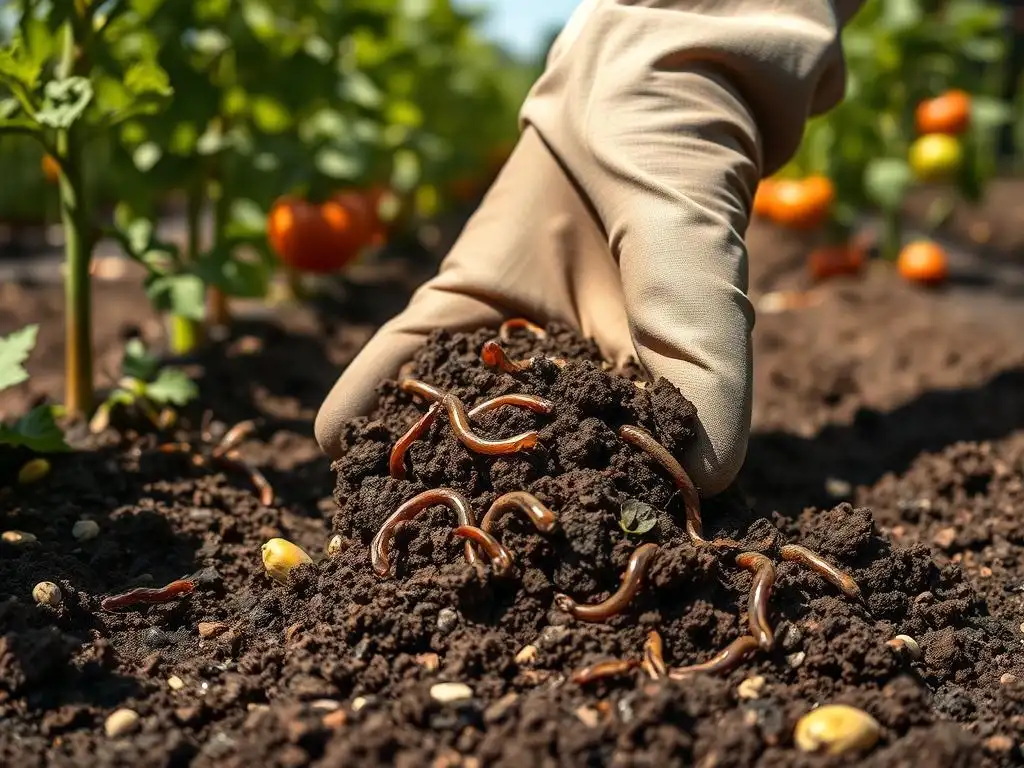
Heirloom plant soil health is paramount for successful cultivation. These plants, often chosen for their unique flavors and genetic diversity, are particularly sensitive to soil conditions. Understanding your soil's composition – its texture, nutrient levels, and pH – is the first crucial step in ensuring vibrant growth and bountiful harvests. Ignoring this fundamental aspect can lead to stunted growth, reduced yields, and increased susceptibility to diseases, undermining the very essence of growing heirlooms.
The unique genetic makeup of heirloom varieties means they may have specific nutrient requirements that differ from commercially bred counterparts. Therefore, a thorough soil assessment is not just beneficial, it's essential. This assessment should be a regular practice, conducted ideally before planting each season, to proactively address any potential issues.
Soil Testing Methods for Heirloom Gardens
Several methods exist for assessing your soil's health, each providing different levels of detail. The simplest involves a visual inspection. Observe your soil's texture – is it sandy, silty, or clay-like? A sandy soil drains quickly, potentially leading to nutrient leaching, while clay soils can retain too much water, hindering root development. The color can also provide clues; dark brown or black soil typically indicates high organic matter content, while lighter colors might suggest lower fertility. However, visual inspection alone isn't sufficient for a comprehensive analysis.
More precise information comes from home soil testing kits. These kits are readily available at most garden centers and provide a quick, inexpensive way to determine pH and the levels of essential nutrients like nitrogen (N), phosphorus (P), and potassium (K) – the "NPK" values frequently found on fertilizer labels. These kits typically involve adding a soil sample to a solution and comparing the resulting color to a chart.
For the most comprehensive analysis, consider sending a soil sample to a professional soil testing laboratory. These labs offer detailed reports that go beyond basic NPK levels, assessing the presence of micronutrients (like iron, zinc, and manganese) and potentially identifying any harmful substances. This method is more expensive but provides the most accurate and detailed information, crucial for fine-tuning your soil management strategies for your heirloom plants. The choice of method depends on your budget and the level of detail required. However, even a simple home test is better than no test at all.
Interpreting Soil Test Results: Identifying Deficiencies
Once you have your soil test results, understanding what they mean is crucial. The results will typically provide a pH value (the measure of soil acidity or alkalinity), and levels of various nutrients. Optimal pH for most vegetables and herbs is slightly acidic, generally between 6.0 and 7.0, although some heirlooms might prefer a slightly different range. A pH outside this range can affect nutrient availability; for example, iron becomes less available to plants in alkaline soil.
Nutrient levels are usually expressed in parts per million (ppm) or pounds per acre. Low levels of a particular nutrient indicate a deficiency. For instance, a nitrogen deficiency might manifest as pale green leaves, while phosphorus deficiency can lead to stunted growth and poor root development. Potassium deficiency can cause yellowing and browning of leaf margins.
Understanding these symptoms and correlating them with your soil test results is key to addressing specific nutritional needs. Knowing which nutrients are deficient allows you to amend your soil effectively using organic fertilizers or compost tailored to your heirloom plants’ requirements. This targeted approach ensures optimal nutrient uptake and minimizes waste.
Addressing Soil pH Imbalances for Heirloom Success
Soil pH significantly impacts the availability of nutrients to your heirloom plants. If your soil test reveals an excessively acidic (low pH) or alkaline (high pH) condition, amending it is vital. For acidic soil, adding lime gradually increases the pH. Conversely, for alkaline soil, adding organic matter such as composted manure or peat moss helps lower the pH over time. Elemental sulfur can also be used to lower pH, but it should be applied cautiously and according to package instructions.
Remember, changing soil pH is a gradual process. Avoid drastic changes, as this can shock the soil ecosystem and harm beneficial microorganisms. It's recommended to make adjustments incrementally, testing the soil again after a few months to monitor progress. Consistent monitoring and adjustments are key to maintaining the ideal pH range for your heirloom plants, ensuring they thrive and produce healthy, flavorful harvests. Accurate soil testing and pH adjustment are vital components of successful heirloom cultivation, promoting robust growth and maximizing yields. 🌱
Organic Soil Amendments for Heirloom Plant Nutrition
Heirloom plants, with their unique genetic makeup and often higher nutritional needs compared to modern hybrids, thrive in nutrient-rich, well-structured soil. Providing the right organic amendments is crucial for their optimal growth and yield. These amendments not only supply essential nutrients but also improve soil structure, water retention, and overall soil health – key factors for successful heirloom cultivation. Ignoring this aspect can lead to stunted growth, reduced yields, and increased susceptibility to diseases and pests.
One of the most effective amendments is compost. Mature compost, rich in beneficial microbes and a balanced array of nutrients, acts as a natural fertilizer and soil conditioner. It improves soil drainage, aeration, and water-holding capacity, creating the ideal environment for heirloom roots to flourish. Aim for a compost that's dark brown and crumbly, indicating a fully decomposed state. Avoid using fresh compost, as it may contain harmful pathogens or burn delicate heirloom seedlings. A good rule of thumb is to incorporate at least 2-4 inches of compost into your garden beds before planting.
Beyond compost, worm castings represent another powerhouse of organic matter. These excretions from earthworms are exceptionally rich in nutrients and beneficial microorganisms. Worm castings improve soil structure, increase nutrient availability, and stimulate plant growth. They are a gentler, more readily available nutrient source than some other amendments and can be incorporated directly into the planting hole or mixed into the soil. Their fine texture makes them particularly suitable for use with heirloom seedlings.
Other beneficial organic amendments include well-rotted manure, which provides a slow-release source of nitrogen and other essential nutrients. However, it's crucial to ensure the manure is fully composted to avoid introducing weed seeds or pathogens. Similarly, cover crops, such as legumes (e.g., clover, alfalfa), can be grown and then tilled into the soil to add organic matter and fix nitrogen. This practice enhances soil fertility and improves its overall health, creating a more sustainable gardening system. The choice of cover crop depends on your climate and the specific needs of your heirloom plants.
Finally, consider the addition of rock dust. While not strictly a nutrient source, rock dust adds essential minerals to the soil, improving its structure and providing long-term benefits. It's particularly useful for addressing mineral deficiencies that may be present in your soil.
The type of rock dust you choose will depend on the specific deficiencies in your soil, so testing your soil prior to amending is highly recommended. Remember that consistent soil testing and amendment adjustments are crucial for maintaining optimal soil health and supporting the unique needs of your heirloom plants year after year. This proactive approach ensures a thriving garden filled with healthy, vigorous heirloom vegetables, fruits and herbs.
Building Healthy Soil for Exceptional Heirloom Performance
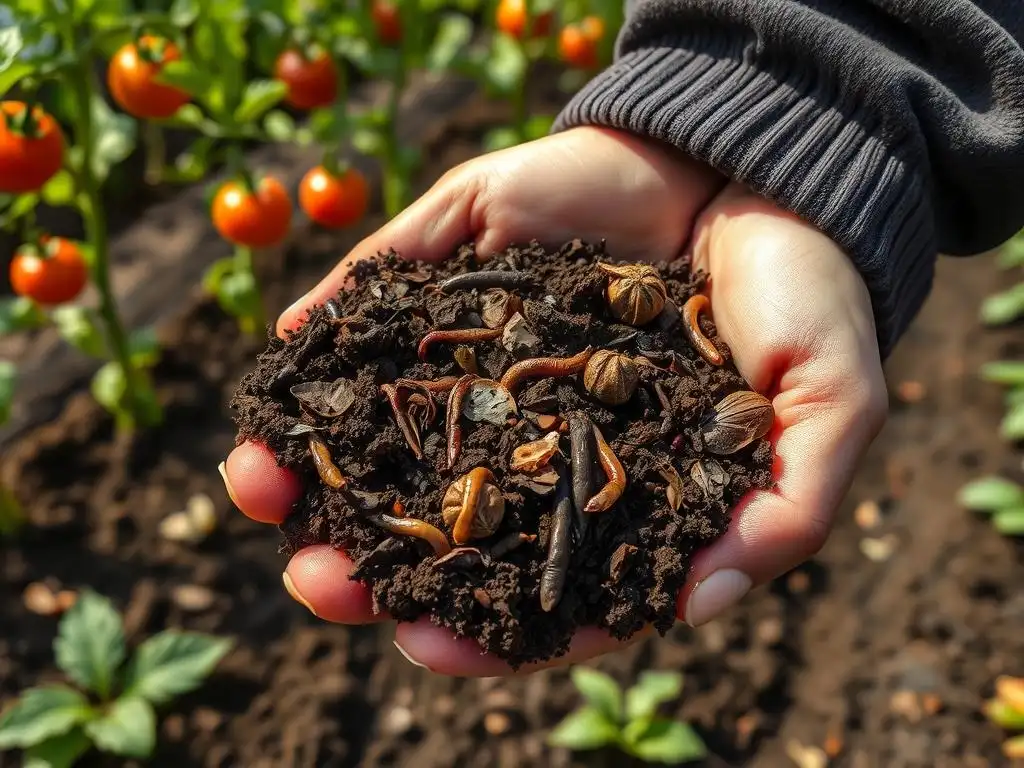
Heirloom plant soil health is paramount to the success of your garden. These plants, often prized for their unique flavors and resilience, are particularly sensitive to soil conditions. Unlike their hybrid counterparts, many heirloom varieties haven't been bred for tolerance to nutrient-poor or compacted soils. Therefore, creating and maintaining a thriving soil ecosystem is crucial for maximizing their growth and yield.
This involves understanding the soil's physical structure, its nutrient content, and its biological activity. A healthy soil structure allows for optimal water infiltration and aeration, preventing waterlogging and promoting strong root development—essential for heirloom plants with often robust root systems. Nutrient availability is equally critical; heirlooms, while often naturally hardy, still require a balanced supply of macronutrients (nitrogen, phosphorus, potassium) and micronutrients to flourish.
Finally, a vibrant soil biome, teeming with beneficial bacteria, fungi, and other microorganisms, enhances nutrient uptake, disease resistance, and overall plant vigor. Ignoring any of these factors can significantly impact the performance of your precious heirloom plants, leading to stunted growth, reduced yields, and increased susceptibility to pests and diseases. Investing time and effort in building healthy soil is the foundation for a successful heirloom garden.
Composting Techniques for Heirloom Gardens
Composting is a cornerstone of building healthy soil for heirloom plants. It provides a rich source of organic matter, improving soil structure, water retention, and nutrient availability. For heirloom gardens, focusing on diverse compost ingredients is key. This ensures a balanced nutrient profile. Avoid using compost containing weed seeds or diseased plant material, which can negatively impact your heirlooms. Here's a breakdown of effective composting techniques specifically beneficial for heirloom plant soil health:
- Layered Composting: Alternate layers of "greens" (nitrogen-rich materials like grass clippings and kitchen scraps) and "browns" (carbon-rich materials like dried leaves and shredded paper). This method promotes efficient decomposition.
- Hot Composting: This technique involves creating a large pile with ample aeration, raising the internal temperature to kill weed seeds and pathogens. Regular turning is crucial for maintaining heat. Hot composting is particularly beneficial for eliminating potential diseases that could harm your vulnerable heirloom plants.
- Worm Composting (Vermicomposting): This method uses worms to break down organic matter, producing nutrient-rich worm castings ideal for heirloom gardens. Worm castings are gentle on delicate heirloom seedlings and provide a readily available source of nutrients.
- Bokashi Composting: Bokashi utilizes beneficial microbes to ferment organic matter, even including food scraps that might not be suitable for traditional composting. This method is efficient and produces a compost tea that’s great for heirloom plants.
The quality of your compost directly impacts the health of your heirloom plants. Regular soil testing can help you determine if your compost is providing the necessary nutrients and adjust your composting practices accordingly. Remember, patience and consistency are key to successful composting.
Cover Cropping Strategies to Enhance Soil Health
Cover cropping is a powerful tool for improving heirloom plant soil health. Cover crops, planted between main crops or during fallow periods, offer numerous benefits:
- Soil Structure Improvement: Cover crops with deep taproots, such as daikon radish or tillage radish, help break up compacted soil, improving drainage and aeration. This is especially beneficial for heirloom varieties with extensive root systems.
- Nutrient Cycling: Leguminous cover crops, like clover or vetch, fix nitrogen from the atmosphere, enriching the soil and reducing the need for nitrogen fertilizers. This is environmentally friendly and beneficial for sustainable gardening practices crucial for heirloom preservation.
- Weed Suppression: Dense cover crops suppress weeds, reducing competition for resources and minimizing the need for herbicides. This protects your precious heirlooms from unwanted competition.
- Erosion Control: Cover crops help prevent soil erosion, especially on slopes, protecting your valuable heirloom plants and the soil they depend on.
Choosing the right cover crop is crucial. Consider your soil type, climate, and the specific needs of your heirloom plants. For instance, a fast-growing cover crop might be ideal for a quick soil improvement before planting, whereas a slower-growing, nitrogen-fixing cover crop might be better for long-term soil health. Properly managing cover crops, including timely planting and termination (either by tilling or mowing), is essential to maximize their benefits. Data shows that gardens using cover cropping techniques experience a significant increase in heirloom plant yields and overall health compared to those without.
Beneficial Microbes and Their Role in Heirloom Plant Growth
The soil isn't just dirt; it's a complex ecosystem teeming with microorganisms. Beneficial microbes, such as mycorrhizal fungi and nitrogen-fixing bacteria, play a vital role in heirloom plant growth and health. Mycorrhizal fungi form symbiotic relationships with plant roots, enhancing nutrient and water uptake. Nitrogen-fixing bacteria convert atmospheric nitrogen into forms usable by plants, reducing the need for fertilizers. These microbes improve the overall resilience of your heirloom plants, making them less susceptible to diseases and pests. Encouraging the growth of beneficial microbes can be achieved through various practices:
- No-Till Gardening: Minimizing soil disturbance preserves the soil structure and protects beneficial microbial communities. This method is particularly effective in maintaining the delicate balance of the soil ecosystem for the well-being of your heirloom plants.
- Reduced Chemical Use: Avoid using chemical pesticides and fertilizers, as these can harm beneficial microbes. Organic practices are key to maintaining a healthy soil biome for your heirlooms.
- Adding Compost and Organic Matter: Compost and other organic materials provide food for beneficial microbes, promoting their growth and activity. This is a sustainable way to nurture the soil's natural microbial life, which directly benefits your heirloom plants.
Understanding the intricate relationship between heirloom plants and their soil environment is crucial for successful cultivation. By implementing these strategies, you can significantly improve the health and performance of your heirloom plants, ensuring a bountiful and flavorful harvest. The benefits extend beyond a successful harvest; healthy soil practices contribute to a more sustainable and environmentally responsible gardening approach.
Avoiding Soil Compaction for Heirloom Root Development
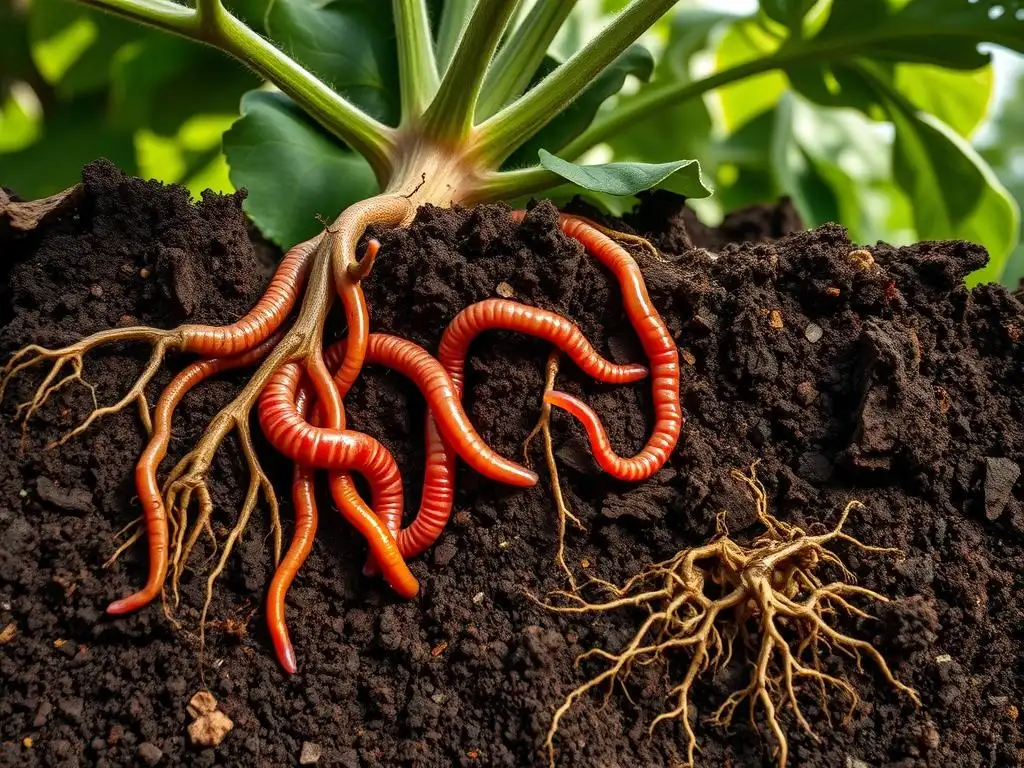
Soil compaction presents a significant hurdle for heirloom plants, particularly those with robust root systems. Heirloom varieties, often selected for their unique flavors and historical significance, can be more sensitive to environmental stressors than their hybrid counterparts. Compacted soil restricts root growth, limiting the plant's access to essential nutrients and water. This can lead to stunted growth, reduced yields, and increased susceptibility to diseases. Imagine trying to grow a large, vigorous heirloom tomato plant in soil as hard as concrete – its roots simply won't be able to penetrate and explore the soil profile effectively.
The impact of compaction is particularly detrimental during the crucial establishment phase of an heirloom plant's life cycle. Young seedlings, with their delicate root systems, are especially vulnerable. Compaction hinders the development of a strong, extensive root network, which is critical for anchoring the plant and accessing resources. This can result in weak, easily-lodged plants, especially susceptible to damage from wind or heavy rain. Furthermore, poor drainage in compacted soil creates anaerobic conditions, leading to root rot and other fungal diseases. Heirloom varieties, often less resistant to diseases due to their genetic diversity, suffer disproportionately from these problems.
Several strategies can be employed to prevent soil compaction. Regular soil testing is crucial to determine the soil's structure and identify areas of concern. Improving soil structure through the addition of organic matter, such as compost, well-rotted manure, or cover crops, is paramount. Organic matter enhances soil porosity, allowing for better water infiltration and aeration. Avoid excessive tilling, which can further compact the soil.
Instead, consider no-till gardening techniques or minimal tillage approaches that disrupt the soil structure less. Mulching also helps to protect the soil surface from compaction caused by foot traffic or heavy rainfall. A layer of mulch can also regulate soil temperature and moisture levels, creating a more favorable environment for heirloom plant root development. The use of raised beds or containers provides additional control over soil structure and reduces the risk of compaction. Choosing the right gardening techniques is vital for healthy heirloom plant growth.
Understanding the Role of Organic Matter in Soil Health for Heirlooms
Organic matter is the lifeblood of healthy soil, particularly when cultivating heirloom plants. It's not just about adding nutrients; it's about transforming the soil's physical, chemical, and biological properties to create an ideal environment for robust root growth and optimal plant performance. Heirloom varieties, often adapted to specific soil conditions over generations, thrive in soil rich in organic matter. This organic matter acts like a sponge, improving water retention and drainage simultaneously. This is critical for heirloom plants, many of which have specific water requirements. Too much or too little water can significantly impact their growth and fruit production.
The benefits extend beyond water management. Organic matter enhances soil aeration, providing the oxygen necessary for healthy root function. It also improves soil structure, creating a crumbly texture that allows for easy root penetration. This is crucial for heirloom plants with extensive root systems, like parsnips or certain types of beans.
Furthermore, organic matter acts as a food source for beneficial soil microorganisms, which in turn enhance nutrient availability for the plants. These microorganisms break down organic matter, releasing essential nutrients like nitrogen, phosphorus, and potassium in a form readily accessible to the plants' roots. Heirloom plants, with their often-specific nutritional needs, benefit greatly from this enhanced nutrient uptake.
The incorporation of organic matter should be an ongoing process. Regular additions of compost, cover crops, or other organic materials maintain healthy soil structure and fertility over time. Composting kitchen scraps and yard waste is an excellent way to produce your own organic matter sustainably. Cover crops, like legumes or rye, can be planted during fallow periods to add organic matter and improve soil health.
Consider the specific needs of your heirloom plants when selecting organic matter sources. For example, adding aged manure can provide additional nutrients while improving soil structure. Regular soil testing will help determine the appropriate amount and type of organic matter to add, ensuring optimal soil health for your heirloom garden. This continuous cycle of enriching the soil is key to maximizing heirloom plant potential.
The Importance of Balanced Soil pH for Heirloom Plant Success
Soil pH plays a crucial role in nutrient availability and overall plant health, especially for heirloom varieties. Heirloom plants, having evolved over time in specific environments, often have a narrower pH tolerance range than their modern hybrid counterparts. An unbalanced pH can lead to nutrient deficiencies or toxicities, hindering growth and reducing yields.
For example, an overly acidic soil (low pH) can make phosphorus less available to plants, resulting in stunted growth and poor fruiting. Conversely, an overly alkaline soil (high pH) can cause deficiencies in iron and manganese, leading to chlorosis (yellowing of leaves) and other problems. These issues can be particularly damaging to heirloom plants, which may be less resilient to nutrient imbalances.
Different heirloom plants have different optimal pH ranges. Some prefer slightly acidic conditions, while others thrive in slightly alkaline soils. Understanding the specific pH requirements for each heirloom variety you're growing is crucial. Regular soil testing is essential to monitor your soil's pH and make necessary adjustments.
If the pH is too low (acidic), you can raise it by adding materials like lime or wood ash. If the pH is too high (alkaline), you can lower it by adding materials such as elemental sulfur or aluminum sulfate. However, it’s important to make gradual adjustments, avoiding drastic changes that can shock the plants.
Maintaining the correct pH is especially important for the uptake of micronutrients. Micronutrients, although needed in smaller quantities, are essential for various plant processes. A balanced pH ensures that these micronutrients are readily available to the plants. Heirloom plants, often more sensitive to nutrient deficiencies, benefit greatly from optimal pH levels.
Remember that pH affects not only nutrient availability but also the activity of soil microorganisms, which play a crucial role in nutrient cycling. A balanced pH supports a healthy soil microbiome, further enhancing the overall health and productivity of your heirloom garden. Careful monitoring and adjustment of your soil's pH is a vital aspect of successful heirloom cultivation.
Heirloom Plant Soil Health: Practical Tips and Techniques
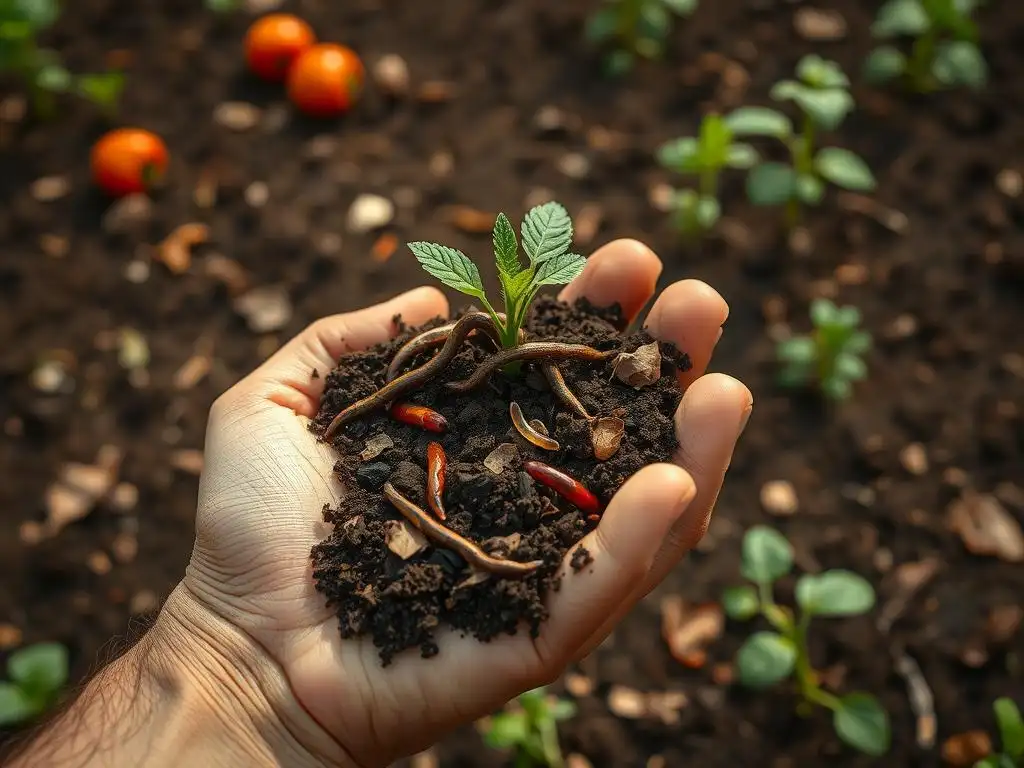
This section delves into the crucial relationship between heirloom plant soil health and the thriving success of your garden. We'll explore practical strategies to optimize your soil for these unique and often delicate varieties, focusing on techniques that enhance nutrient availability, water retention, and overall soil ecosystem health. Remember, healthy soil is the foundation for robust heirloom plants, leading to bountiful harvests and the preservation of valuable genetic diversity. Ignoring soil health is akin to building a house on sand – the structure, no matter how beautiful, is inherently unstable.
Mulching Strategies for Improved Soil Moisture Retention
Maintaining adequate soil moisture is paramount for heirloom plants, many of which have specific water requirements. Mulching is a cornerstone of sustainable gardening and offers several key benefits in this context. Different mulches provide varying levels of moisture retention, nutrient contribution, and weed suppression.
For example, consider using shredded hardwood mulch for its excellent water-retention capabilities and slow decomposition rate. This provides consistent moisture to the roots, reducing the frequency of watering and minimizing stress on your heirloom plants. Conversely, straw mulch, while effective at weed control, offers less moisture retention and might require more frequent watering, especially during dry spells.
The depth of your mulch layer is also crucial. A layer that's too thin might not provide sufficient moisture retention or weed suppression, while a layer that's too thick can suffocate the plants or create an environment conducive to fungal diseases. Aim for a layer approximately 2-3 inches deep, adjusting based on your climate and the specific mulch material. Regularly monitor soil moisture levels using a moisture meter to fine-tune your mulching strategy and ensure optimal conditions for your heirloom plants. This careful attention to detail will significantly contribute to the overall health and yield of your heirloom garden.
Water Management for Heirloom Plants in Different Soil Types
Water management is intrinsically linked to heirloom plant soil health. The type of soil significantly impacts how efficiently water is absorbed and retained. Sandy soils, for instance, drain quickly, requiring more frequent watering but potentially leading to nutrient leaching if not managed carefully. Clay soils, on the other hand, retain water excessively, potentially leading to root rot if overwatered. Understanding your soil type is the first step towards effective water management.
| Soil Type | Water Retention | Watering Frequency | Additional Considerations |
|---|---|---|---|
| Sandy | Low | Frequent | Use water-retaining gels or mulch heavily. |
| Clay | High | Infrequent | Ensure good drainage to prevent waterlogging. |
| Loam | Moderate | Moderate | A balanced soil type, generally easier to manage. |
For heirloom plants, consistent moisture is crucial, but avoiding overwatering is equally important. Observe the soil's moisture level before watering; stick your finger a few inches into the soil. If it feels dry, it's time to water. Consider using drip irrigation or soaker hoses for more efficient water delivery, minimizing water waste and preventing leaf diseases that can thrive in consistently wet foliage. This precision approach to watering, tailored to your soil type and plant needs, is essential for achieving optimal heirloom plant soil health.
Sustainable Pest Control Methods to Protect Soil Health
Sustainable pest control methods are crucial for maintaining heirloom plant soil health. The use of harsh chemicals can disrupt the delicate soil ecosystem, harming beneficial microorganisms and impacting nutrient cycling. Instead, prioritize preventative measures and environmentally friendly strategies.
Employing companion planting, a method of strategically planting certain species together to deter pests, is a powerful organic approach. For example, planting marigolds alongside susceptible plants can repel nematodes and other soil-borne pests. Regularly inspecting plants for early signs of infestation allows for timely intervention with less aggressive methods.
- Handpicking: Manually removing pests from plants is effective for smaller infestations.
- Beneficial insects: Introducing ladybugs or lacewings can help control aphid populations naturally.
- Neem oil: A natural insecticide derived from the neem tree, it's effective against many common garden pests.
Avoiding unnecessary soil disturbance minimizes disruption to the soil's natural biological processes. Healthy soil teeming with beneficial organisms is your best defense against pests. By prioritizing prevention and employing sustainable pest control methods, you contribute to a robust and resilient soil ecosystem, fostering the health and productivity of your heirloom plants. This holistic approach to pest management is vital for long-term heirloom plant soil health and sustainable gardening practices.
Monitoring Heirloom Plant Health for Early Problem Detection
Regular monitoring is crucial for the success of your heirloom plants. Early detection of problems allows for timely intervention, preventing minor issues from escalating into significant losses. This proactive approach is particularly important with heirloom varieties, as they may be less resilient to certain diseases or pests compared to their hybrid counterparts. Careful observation can reveal subtle signs of distress before they become readily apparent.
For example, changes in leaf color can be an early warning sign. Yellowing leaves might indicate nutrient deficiencies, while browning or wilting could suggest overwatering, underwatering, or a pest infestation. Similarly, unusual spots or discoloration on leaves can be indicative of fungal diseases or bacterial infections. Regularly inspecting the undersides of leaves is also vital, as many pests, like aphids or spider mites, tend to hide there.
Beyond visual inspection, consider touching your plants. A healthy plant will feel firm and turgid. Wilting or limp stems and leaves suggest a problem with water uptake or root health. Check the soil moisture level—is it too dry or too wet? Are the roots healthy and well-developed, or are they showing signs of rot or damage?
Documenting your observations is a valuable practice. Keep a garden journal or use a gardening app to record your daily or weekly checks. Note down any unusual findings, including the date, affected plants, and any potential causes you suspect. This record will help you track the progression of any problems and evaluate the effectiveness of your interventions.
Photographs can also be incredibly helpful in documenting the symptoms. This detailed record-keeping allows you to identify recurring issues and develop preventative strategies for future growing seasons. This proactive approach is key to ensuring the long-term health and productivity of your heirloom plants, maximizing your harvest and preserving these valuable genetic resources. Remember, a healthy plant is a productive plant, and consistent monitoring is the cornerstone of healthy heirloom cultivation.
Maximizing Heirloom Yields Through Superior Soil Management
Heirloom plant soil health is paramount for successful cultivation. These unique varieties, often adapted to specific environments over generations, are particularly sensitive to soil conditions. Understanding and optimizing soil health directly translates to maximizing yields and ensuring the vitality of your heirloom plants. Neglecting soil health can lead to stunted growth, reduced yields, and increased susceptibility to pests and diseases. This section explores the critical link between soil quality and the performance of heirloom varieties, providing practical strategies for achieving optimal results. We'll delve into specific examples showcasing the dramatic impact of soil improvements on heirloom plant productivity.
The Relationship Between Soil Health and Heirloom Crop Yields
The relationship between healthy soil and robust heirloom plant growth is multifaceted. Healthy soil, rich in organic matter, provides a multitude of benefits:
- Improved Nutrient Availability: Heirloom plants, with their diverse genetic backgrounds, often have specific nutrient requirements. Healthy soil, teeming with beneficial microbes, breaks down organic matter, releasing essential nutrients in forms readily available to plant roots. This naturally occurring process reduces the need for synthetic fertilizers, aligning with sustainable gardening practices.
- Enhanced Water Retention: Organic matter acts like a sponge, improving the soil's ability to retain water. This is crucial for heirloom plants, as inconsistent watering can stress these often more delicate varieties, impacting fruit or vegetable production. Well-hydrated soil also facilitates deeper root penetration, leading to more vigorous growth.
- Increased Microbial Activity: A thriving soil ecosystem, full of beneficial bacteria, fungi, and other microorganisms, is essential. These microbes enhance nutrient cycling, suppress plant diseases, and improve overall soil structure. Heirloom varieties, often less resistant to diseases compared to modern hybrids, particularly benefit from this natural disease suppression.
- Better Drainage and Aeration: Healthy soil possesses a good balance of air and water. Compacted soil, lacking in organic matter, restricts root growth and can lead to poor drainage, resulting in root rot and other problems. Heirloom plants, with their often more extensive root systems, require well-aerated soil for optimal performance.
Case Study: Increased Tomato Yield Through Compost Amendment
A study conducted on a small-scale heirloom tomato farm demonstrated the remarkable impact of compost amendment on yield. The farm was divided into two plots: one receiving standard soil management practices, and the other receiving a generous application of well-rotted compost before planting. The results were striking:
| Plot Type | Average Tomatoes per Plant | Average Tomato Weight (grams) | Total Yield (kg/plot) |
|---|---|---|---|
| Control (No Compost) | 8 | 150 | 12 |
| Compost Amended | 15 | 200 | 27 |
The compost-amended plot showed a significant increase in both the number of tomatoes per plant and the average weight of each tomato, resulting in a more than 125% increase in total yield. This clearly illustrates the power of soil improvement in maximizing heirloom tomato production. The enhanced nutrient availability and improved soil structure in the compost-amended plot likely contributed to the observed yield increase. This simple intervention demonstrates the practical application of soil health principles for achieving outstanding results with heirloom varieties.
Long-Term Soil Health Strategies for Consistent Heirloom Production
Building and maintaining healthy soil for consistent heirloom production requires a long-term commitment. Several key strategies can contribute to this goal:
- Regular Compost Application: Composting kitchen scraps and yard waste provides a natural and sustainable way to enrich the soil with organic matter. Regular applications, ideally before planting and as a top-dress during the growing season, are crucial.
- Cover Cropping: Planting cover crops during fallow periods helps to improve soil structure, suppress weeds, and fix nitrogen. Different cover crops offer various benefits; selecting appropriate species for your climate and soil type is essential.
- Crop Rotation: Rotating crops annually helps to prevent the depletion of specific nutrients and reduces the build-up of soilborne pests and diseases. Heirloom varieties often have specific nutrient requirements and sensitivities; careful crop rotation plans are beneficial.
- Minimizing Tillage: Excessive tillage can damage soil structure and reduce microbial activity. Minimizing tillage, using no-till or reduced-till methods, helps to maintain soil health and improve water retention.
- Mulching: Applying mulch helps to retain soil moisture, suppress weeds, and regulate soil temperature. Organic mulches, such as straw or wood chips, also gradually decompose, adding organic matter to the soil.
By implementing these sustainable soil management practices, gardeners can create a thriving environment for their heirloom plants, resulting in increased yields, healthier plants, and a more rewarding gardening experience. This commitment to soil health ensures the continued success of heirloom cultivation and the preservation of these valuable genetic resources.
The Importance of Crop Rotation for Heirloom Plant Success
Crop rotation is a cornerstone of sustainable gardening, and it's particularly crucial for maximizing the yields of heirloom plants. Heirloom varieties, often adapted to specific soil conditions over generations, can be susceptible to soilborne diseases and nutrient depletion if planted in the same location year after year. Rotating crops strategically helps break these cycles and promotes healthier soil.
For example, planting heavy feeders like tomatoes one year, followed by legumes like beans the next, significantly improves soil fertility. Legumes are nitrogen-fixing plants, meaning they enrich the soil with nitrogen, a crucial nutrient for many plants, including many heirloom varieties. This natural fertilization reduces the need for synthetic fertilizers, aligning with the sustainable practices emphasized on CultivateYourFood. The nitrogen fixation process also contributes to improved soil structure, enhancing water retention and aeration – both beneficial for heirloom plant root systems.
Furthermore, crop rotation helps control pests and diseases. Many soilborne pathogens have a limited host range; rotating crops disrupts their life cycle and reduces the likelihood of infection in subsequent years. For instance, if you experienced a fungal disease affecting your heirloom squash one year, planting a non-susceptible crop like alliums (onions, garlic) in the same location the following year can help break the disease cycle. This proactive approach minimizes the risk of disease outbreaks and reduces reliance on chemical pesticides.
Careful planning is essential for effective crop rotation. Consider the nutrient needs of different plant families and their susceptibility to common diseases. A well-designed rotation schedule can significantly improve heirloom plant health and yield, promoting thriving gardens season after season.
A sample rotation plan might involve grouping plants by their nutrient needs (heavy feeders, moderate feeders, light feeders) and alternating them strategically across different garden beds. This strategy minimizes nutrient depletion in specific areas and maintains overall soil health, crucial for the long-term success of heirloom plant cultivation. Remember to document your rotation to ensure you're not repeating susceptible plants in the same location too frequently.
Frequently Asked Questions
What is the connection between soil health and heirloom plant performance?
Heirloom plants, like all plants, thrive in healthy soil. Poor soil lacking in nutrients and beneficial microbes will result in weaker plants with reduced yields. Rich, organic soil is key to their success.
Why are heirloom plants particularly sensitive to poor soil?
Heirloom varieties are often less hybridized and therefore may be less tolerant of stressful conditions, including poor soil quality. They haven't been bred for resistance to nutrient deficiencies in the same way as some modern hybrids.
What are the best soil amendments for heirloom plants?
Compost, well-rotted manure, and worm castings are excellent soil amendments. They improve soil structure, aeration, and nutrient content, creating the ideal environment for heirloom plants to flourish.
How can I improve my soil health for better heirloom plant growth?
Focus on building organic matter, avoiding chemical pesticides and fertilizers, and practicing crop rotation. Regular soil testing can help you identify deficiencies and guide amendment choices.
Are there specific heirloom plants particularly sensitive to soil conditions?
While all heirlooms benefit from healthy soil, some, like tomatoes and peppers, are particularly sensitive to nutrient deficiencies and soil pH. Research the specific needs of your chosen varieties.
Final Reflection: Cultivating a Legacy Through Healthy Soil
The health of our soil is not merely a matter of agricultural efficiency; it is the bedrock of our food security and the preservation of our culinary heritage. Ignoring the vital connection between soil health and heirloom plant performance is to gamble with the future of biodiversity and the unique flavors that heirloom varieties offer. The consequences of neglecting this relationship are far-reaching and demand immediate attention.
The journey through this article has underscored the profound impact that soil quality has on the vitality and resilience of heirloom plants. These plants, often carrying generations of genetic adaptation, are particularly sensitive to soil imbalances and degradation. The land nourishes us, and we must nourish the land in return.
This simple truth, often overlooked in modern agriculture, holds the key to unlocking the full potential of heirloom varieties and ensuring their survival for generations to come. The vibrant colors, unique tastes, and historical significance of these plants are inextricably linked to the health of the soil they inhabit.
Now, consider your own garden, your own plate, your own role in this interconnected web. What steps can you take to improve the soil in your backyard, your community garden, or even in the choices you make at the grocery store? Will you commit to supporting sustainable agricultural practices that prioritize soil health? The future of heirloom plants, and indeed the future of our food system, depends on our collective commitment to nurturing the earth that sustains us. Let us cultivate a legacy of healthy soil, one seed, one plant, one conscious choice at a time.
Unleash Your Garden's Potential: Grow Thriving Heirloom Plants!
Thank you for exploring the fascinating world of soil health and its impact on successfully growing heirloom plants! You've gained valuable insights into nurturing your garden to its fullest potential. Now it's time to put that knowledge into practice.
Here's how you can take the next steps:
- Start a soil journal: Track your soil's progress over time, noting changes in texture, moisture levels, and plant growth. This detailed record is key to understanding your garden's unique needs and how to best support your plants.
- Share your heirloom gardening successes (and challenges!) with our community in the comments below. Let's learn from each other!
- Experiment with a simple soil amendment this week – try adding compost or well-rotted manure to a small section of your garden and observe the difference in plant growth and overall soil health.
Ready to cultivate a truly thriving heirloom garden? What's the first step you'll take to improve your soil today?