
How to Grow Eggplant: A StepbyStep Guide for Home Gardeners

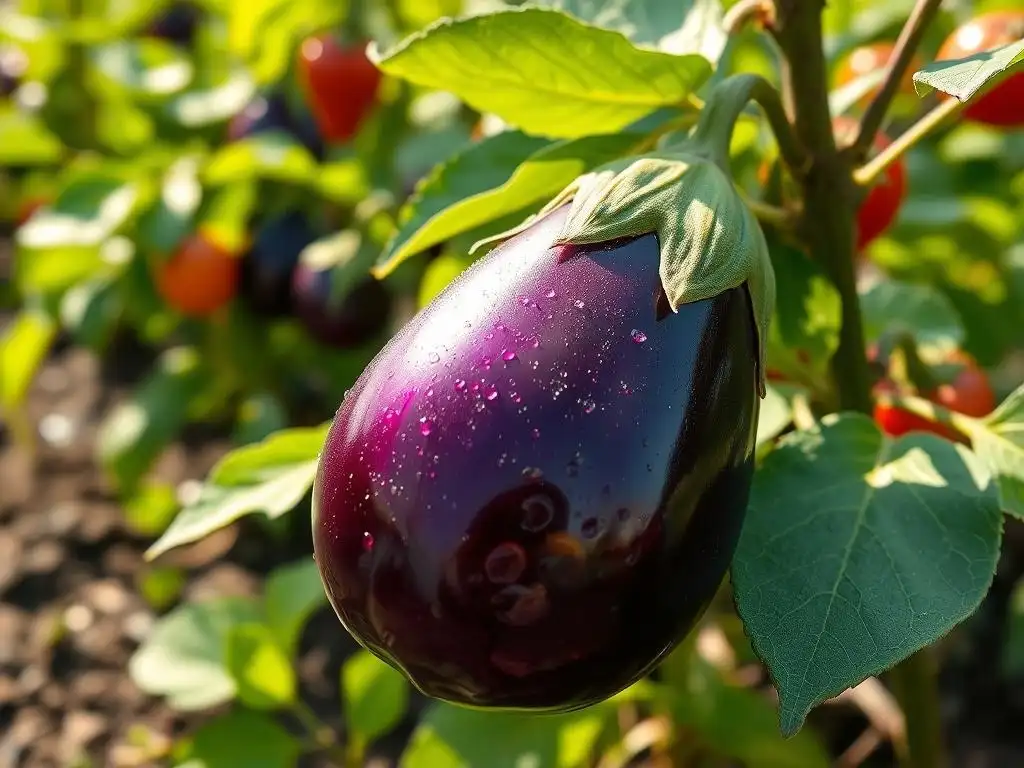
Ready to transform your backyard into a thriving oasis of flavor? At CultivateYourFood, we empower you to grow your own delicious and healthy produce using sustainable methods. Discover the secrets to a bountiful harvest with our expert guide on how to grow eggplant organically at home. Learn the simple yet effective techniques that will have you enjoying the rich taste of homegrown eggplant in no time – let’s get started!
- Choosing the Right Eggplant Variety for Your Home Garden
- Preparing Your Garden Bed for Organic Eggplant Cultivation
- Planting Your Eggplant Seedlings or Seeds
- Providing the Best Care for Your Eggplant Plants
- Protecting Your Eggplant Plants from Pests and Diseases
- Harvesting Your Delicious Homegrown Eggplants
- Frequently Asked Questions
- Final Reflection: Harvesting the Bounty of Organic Eggplant
- Unlock Your Eggplant's Potential: Grow a Bountiful Harvest!
Choosing the Right Eggplant Variety for Your Home Garden
Growing eggplant organically at home can be a rewarding experience, yielding delicious and healthy vegetables right in your backyard. This step-by-step guide will walk you through the entire process, from selecting the right variety to harvesting your ripe eggplants. We'll focus on sustainable and organic practices to ensure both a healthy harvest and a healthy planet.
This guide is designed for home gardeners of all skill levels, providing detailed instructions and tips to help you achieve success, even if you're a complete beginner. We'll cover everything from choosing the right eggplant variety to dealing with common pests organically. Get ready to cultivate some delicious eggplants!
Selecting Eggplant Varieties Suitable for Your Climate
Choosing the right eggplant variety is crucial for a successful harvest. Eggplant plants have varying tolerances to heat, cold, and sunlight. Consider your local climate carefully. For example, if you live in a region with short, cool summers, you'll want to select an early-maturing variety that can produce a crop before the first frost.
Conversely, in warmer climates, you might opt for a heat-tolerant variety that can withstand intense summer heat. Research varieties known to thrive in your specific USDA Plant Hardiness Zone. Look for descriptions that highlight disease resistance, as this is particularly important when aiming for organic cultivation. Some varieties are also known for their resilience to common eggplant pests.
Don't hesitate to consult with local gardening experts or nurseries for recommendations tailored to your region. They can provide invaluable insights based on their experience with local conditions and varieties. Remember to check the days to maturity listed on seed packets or plant tags to plan your planting schedule accordingly.
Considering Eggplant Size and Growth Habit
Eggplant varieties come in a wide range of sizes and growth habits. Some are compact and bush-like, ideal for smaller gardens or containers, while others are larger and sprawling, requiring more space. Consider the space available in your garden before making your selection. Think about the size of the fruit you prefer. Some varieties produce small, slender eggplants, while others boast large, globe-shaped fruits.
The growth habit also influences the support you might need to provide. Larger, sprawling varieties may require staking or caging to prevent the plants from becoming overloaded and the fruit from touching the ground. This is crucial for maintaining healthy plants and preventing rot. Understanding these factors will help you choose an eggplant variety that fits perfectly into your garden space and meets your harvesting preferences. Furthermore, carefully read descriptions of the plant’s mature size to ensure it will fit your designated area.
Organic Eggplant Seeds vs. Seedlings: A Comparison
The choice between starting eggplant from seeds or buying seedlings depends on your gardening experience and available time. Starting from seeds offers greater variety selection and can be more cost-effective in the long run. However, it requires more time and effort, as eggplant seeds can be slow to germinate and require specific conditions for optimal growth. Seedlings, on the other hand, provide a head start, giving you a faster path to harvest.
They are readily available at garden centers and nurseries, often already hardened off, making them easier to transplant. When choosing organic seedlings, always ensure they come from a reputable source that uses organic growing practices. Consider the pros and cons carefully:
| Feature | Organic Seeds | Organic Seedlings |
|---|---|---|
| Cost | Lower initial cost | Higher initial cost |
| Time Commitment | Higher, requires more patience and attention | Lower, quicker path to harvest |
| Variety Selection | Wider range of options available | More limited selection, dependent on availability |
| Germination Rate | Can be unpredictable, may require stratification | Guaranteed germination, ready to plant |
| Disease Risk | Lower risk if sourced from reputable suppliers | Potentially higher risk if not sourced carefully |
Regardless of your choice, prioritize organic sources to ensure your plants are free from synthetic pesticides and fertilizers, aligning with your commitment to organic gardening. 🌱
Preparing Your Garden Bed for Organic Eggplant Cultivation
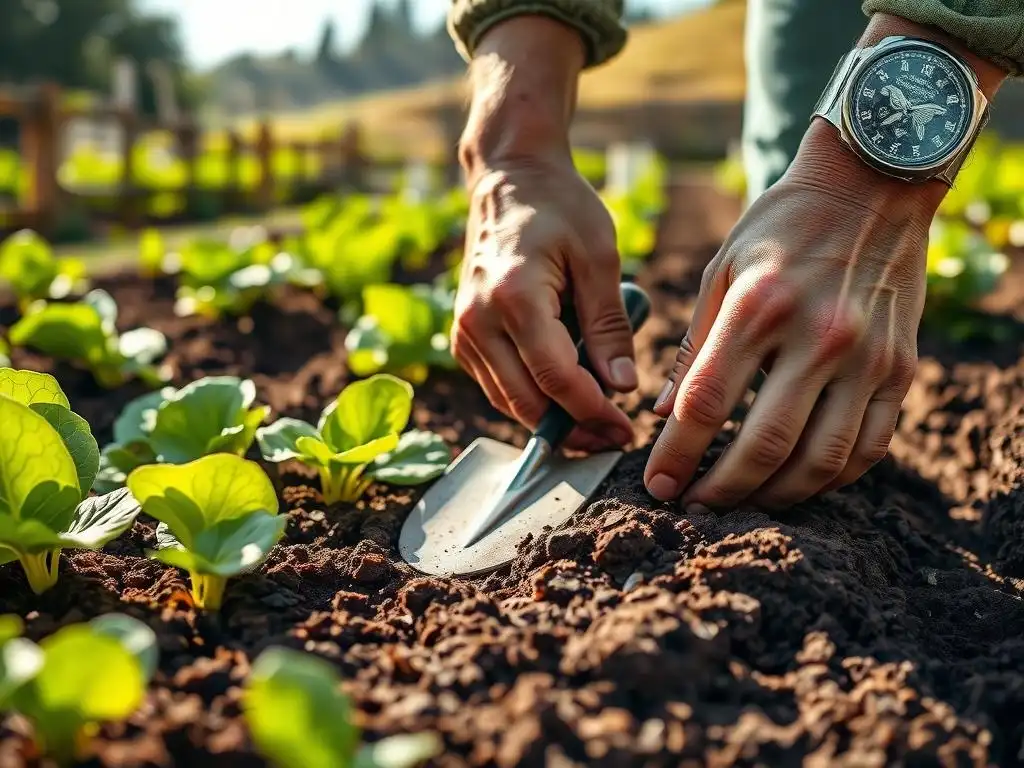
Growing eggplant organically at home requires meticulous preparation of your garden bed. Eggplants are heavy feeders and thrive in warm, sunny locations with well-drained soil. Neglecting this crucial step can significantly impact your harvest, leading to stunted growth and reduced yields. This section details the key aspects of preparing your garden bed for a successful organic eggplant crop. We'll cover soil preparation, drainage, sunlight, and the use of organic amendments to create the perfect environment for your plants to flourish.
Soil Preparation for Optimal Eggplant Growth
Optimal soil preparation is paramount for growing healthy eggplants. Eggplants prefer loose, fertile soil that allows for excellent root penetration and aeration. Before planting, thoroughly till the soil to a depth of 12-18 inches. This process breaks up compacted soil, improving drainage and creating a more hospitable environment for root development.
Remove any rocks, weeds, or debris that might hinder growth. A soil test can be invaluable at this stage, providing insights into the existing nutrient levels and pH. This allows you to tailor your amendments precisely to your soil's specific needs, maximizing efficiency and minimizing waste.
Aim for a slightly acidic to neutral pH range (6.0-7.0) – this is ideal for eggplant growth. Consider using a garden fork to loosen the soil rather than a tiller, especially if you are working with a smaller area or delicate soil structure. This gentler approach minimizes soil compaction and disruption of beneficial soil organisms.
Ensuring Proper Soil Drainage and Sunlight Exposure
Eggplants are susceptible to root rot if planted in poorly draining soil. Waterlogged soil leads to oxygen deprivation, suffocating the roots and making the plants vulnerable to disease. To ensure proper drainage, amend heavy clay soils with organic matter such as compost or well-rotted manure. This improves soil structure and porosity, allowing excess water to drain away efficiently. Sandy soils, on the other hand, might require the addition of organic matter to improve water retention.
The ideal location for your eggplant plants is a sunny spot that receives at least six to eight hours of direct sunlight daily. Eggplants are sun-worshippers; adequate sunlight is crucial for photosynthesis and fruit production. Consider the surrounding landscape when choosing your planting site – avoid areas that are shaded by taller plants or structures. Observe your garden throughout the day to identify the sunniest areas.
Organic Soil Amendments for Nutrient-Rich Soil
Organic soil amendments are essential for providing eggplants with the nutrients they need to thrive without resorting to synthetic fertilizers. Compost is a fantastic choice, adding essential nutrients and improving soil structure. Well-rotted manure, rich in nitrogen, phosphorus, and potassium, also provides a significant boost to soil fertility. Before incorporating these amendments, ensure they are thoroughly decomposed to avoid burning the delicate eggplant seedlings.
A good rule of thumb is to incorporate 2-4 inches of compost or well-rotted manure into the top layer of your garden bed. You can also add other organic materials like worm castings, which are rich in micronutrients and beneficial microorganisms that enhance soil health. Avoid using fresh manure as it can contain harmful pathogens and burn the plants. Consider cover cropping the area before planting to further enhance soil health and fertility.
Cover crops help improve soil structure, suppress weeds, and add nutrients to the soil. Remember, the key to successful organic eggplant cultivation is building healthy, fertile soil. This foundational step will significantly impact the overall health and productivity of your plants.
Planting Your Eggplant Seedlings or Seeds
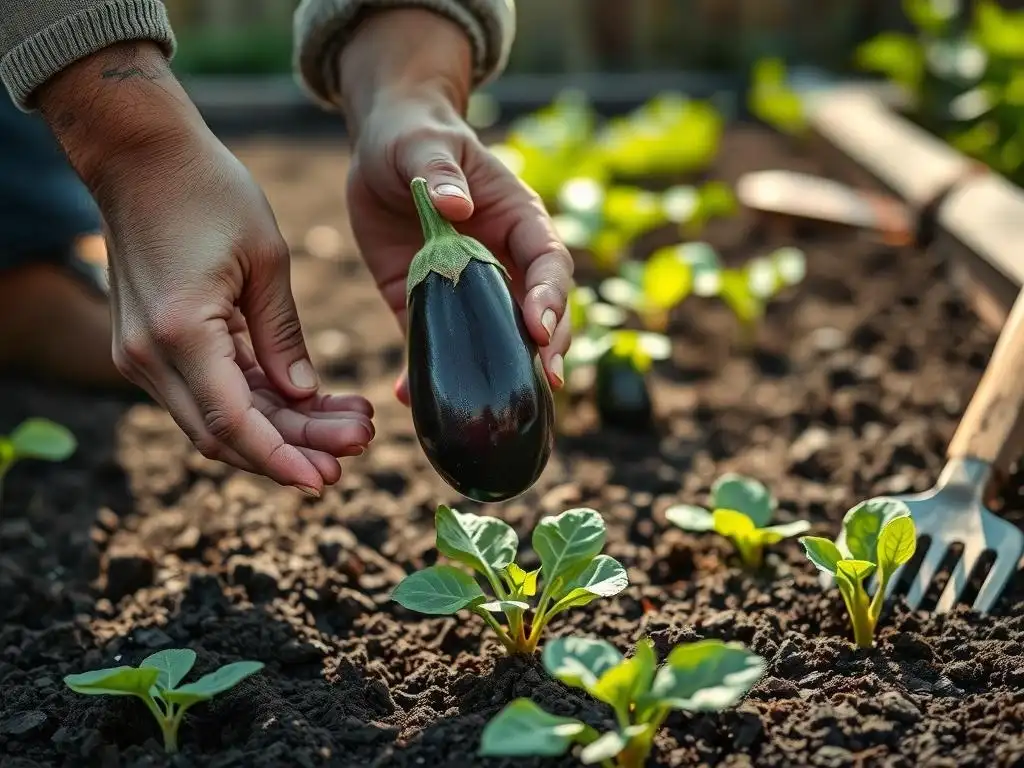
Eggplant, with its glossy skin and versatile culinary uses, is a rewarding addition to any home garden. Successfully growing eggplant organically at home hinges on proper planting techniques, whether you're starting with seedlings or seeds. Choosing the right method depends on your climate, the time you have available, and your preferred level of gardening involvement. Let's explore both options in detail.
Transplanting Eggplant Seedlings: A Step-by-Step Guide
Transplanting established eggplant seedlings is generally the preferred method, especially for beginners, as it offers a head start and increases the chances of a successful harvest. Here's a step-by-step guide:
- Choose healthy seedlings: Select vigorous seedlings with dark green leaves and no signs of disease or pests. Avoid leggy seedlings that have been stretched due to insufficient light. Look for seedlings that are approximately 6-8 inches tall with several sets of true leaves.
- Prepare the soil: Eggplant thrives in well-draining, fertile soil rich in organic matter. Amend your soil with compost to improve its structure and nutrient content. A soil pH between 6.0 and 6.8 is ideal.
- Dig planting holes: Dig holes slightly larger than the root ball of your seedlings. The depth should allow the top of the root ball to be level with the surrounding soil surface.
- Gently remove seedlings: Carefully remove the seedlings from their containers, gently loosening the roots if necessary. Avoid damaging the roots, as this can stress the plant and hinder its growth.
- Plant the seedlings: Place the seedlings in the prepared holes, ensuring the root ball is fully covered with soil. Gently firm the soil around the base of each plant.
- Water thoroughly: Water deeply after planting to settle the soil and help the seedlings establish themselves. Consistent watering is crucial, especially during dry periods.
- Mulch: Applying a layer of organic mulch, such as straw or shredded leaves, helps retain soil moisture, suppress weeds, and regulate soil temperature.
- Monitor for pests and diseases: Regularly inspect your eggplant plants for signs of pests or diseases. Early detection and intervention are key to preventing significant problems. Organic pest control methods, such as neem oil or insecticidal soap, can be effective.
Direct Sowing Eggplant Seeds: Timing and Technique
Direct sowing eggplant seeds is an option, but requires more patience and attention to detail. It's best suited for warmer climates where the soil temperature remains consistently warm.
- Timing is crucial: Direct sow eggplant seeds outdoors only after all danger of frost has passed and the soil temperature has warmed to at least 70°F (21°C). This is typically several weeks after the last expected frost.
- Seed preparation: Soaking the seeds in warm water for 12-24 hours before sowing can improve germination rates.
- Sowing technique: Sow seeds about ½ inch deep and 12-18 inches apart. Gently firm the soil around the seeds.
- Thinning: Once seedlings emerge and develop several sets of true leaves, thin them to the desired spacing (see the next section). Carefully remove weaker seedlings, leaving the strongest ones to grow.
- Protection from pests: Young seedlings are particularly vulnerable to pests. Consider using row covers or other protective measures to shield them from damage.
Spacing Eggplant Plants for Optimal Growth
Proper spacing is essential for optimal eggplant growth and yield. Crowded plants compete for resources, leading to smaller fruits and increased susceptibility to diseases.
The recommended spacing for eggplant plants depends on the variety and the size of the mature plants. However, a general guideline is to space plants 18-24 inches apart, both within rows and between rows. This allows for adequate air circulation and sunlight penetration, which is crucial for preventing fungal diseases and promoting healthy growth.
| Spacing | Description | Benefits |
|---|---|---|
| 18-24 inches apart | Recommended spacing for most eggplant varieties | Improved air circulation, less disease, larger fruits |
| Less than 18 inches | Too close | Increased competition for resources, smaller fruits |
| More than 24 inches | Too far apart | Wasted space, inefficient use of the garden area |
Remember, consistent monitoring and organic practices are key to successfully growing eggplant at home. Enjoy the fruits (or should we say, vegetables?) of your labor! 🍆
Providing the Best Care for Your Eggplant Plants
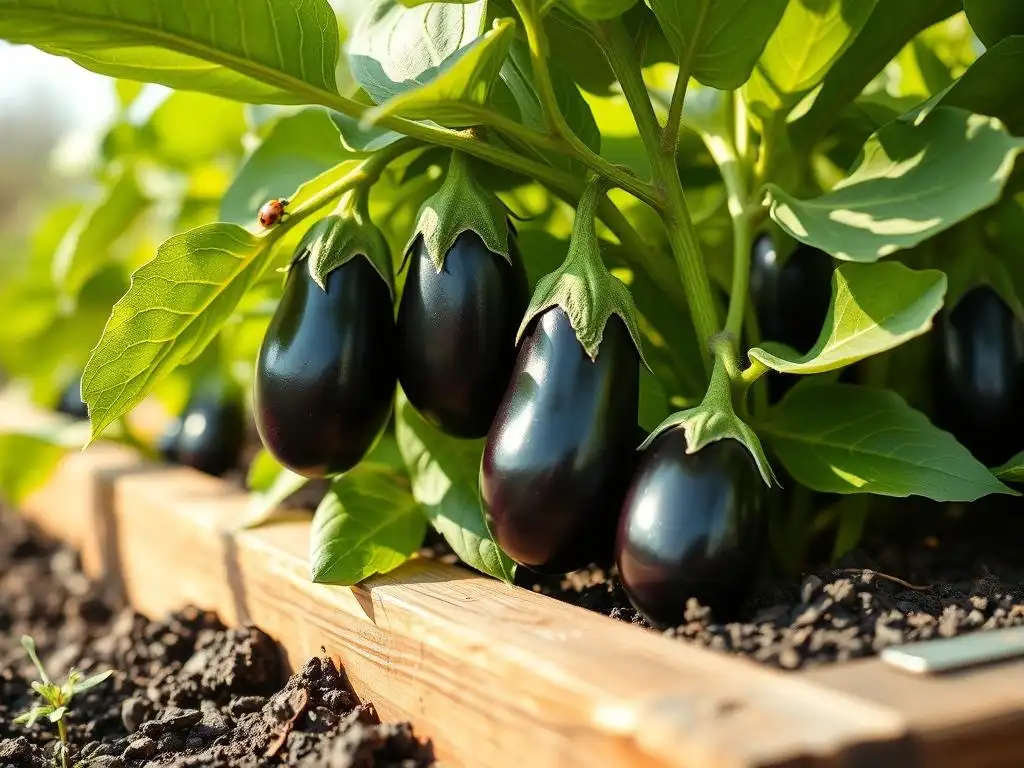
Eggplant, with its glossy, dark purple fruits, is a rewarding vegetable to grow organically at home. However, achieving a bountiful harvest requires consistent care and attention to detail. This section focuses on three crucial aspects of eggplant cultivation: proper watering, organic fertilization, and effective mulching. These practices, when implemented correctly, contribute significantly to healthy plant growth and high yields. Mastering these techniques will significantly increase your chances of successfully growing eggplant organically at home.
Watering Your Eggplant Plants Effectively
Consistent moisture is vital for eggplant, particularly during the fruiting stage. Underwatering leads to stunted growth and smaller fruits, while overwatering can cause root rot, a fatal condition for your plants. The key is to maintain evenly moist soil, not soggy soil. Aim for a deep, thorough watering when the top inch or two of soil feels dry to the touch. Avoid frequent, shallow watering, as this encourages shallow root systems, making the plants more vulnerable to drought stress.
Water deeply in the morning, allowing the foliage to dry before nightfall to minimize fungal diseases. Consider using a soaker hose or drip irrigation system for efficient water delivery directly to the roots, minimizing water waste and preventing leaf diseases. The frequency of watering will depend on your climate, soil type, and the stage of plant growth.
During hot, dry periods, you may need to water daily; in cooler, wetter conditions, watering every 2-3 days might suffice. Observing your plants closely is crucial; wilting leaves are a clear sign of thirst. Remember, the goal is to mimic the naturally moist conditions that eggplants thrive in.
Organic Fertilization for Healthy Eggplant Growth
Eggplants are heavy feeders, requiring a consistent supply of nutrients throughout their growing season. To cultivate healthy and productive eggplant plants organically, choose fertilizers rich in nitrogen, phosphorus, and potassium. Compost is an excellent organic source of these essential nutrients, improving soil structure and drainage while providing a slow-release of nutrients. Incorporate a generous amount of compost into the soil before planting.
Supplement your compost with an organic fertilizer specifically formulated for fruiting vegetables. Follow the package instructions carefully, as over-fertilizing can be detrimental. Consider using liquid seaweed extract as a foliar feed every 2-3 weeks during the growing season. This provides a boost of micronutrients, enhancing plant vigor and fruit production. Regular soil testing can help you determine nutrient deficiencies and adjust your fertilization strategy accordingly. Remember, healthy soil is the foundation for healthy plants, and organic methods provide a sustainable path to achieving this.
Mulching to Retain Moisture and Suppress Weeds
Mulching offers several benefits for your eggplant plants. A layer of organic mulch, such as straw, shredded leaves, or wood chips, helps retain soil moisture, reducing the frequency of watering and conserving water. This is especially beneficial during hot, dry periods. Furthermore, mulch suppresses weed growth, reducing competition for nutrients and water, and minimizing the need for herbicides.
Mulching also helps to regulate soil temperature, protecting the roots from extreme heat and cold. This creates a more stable environment for healthy root development and overall plant growth. Applying a 2-4 inch layer of mulch around the base of your eggplant plants, leaving a small space around the stem to prevent rot, is recommended. Remember to replenish the mulch layer as it decomposes throughout the growing season. This simple yet effective practice contributes significantly to the overall health and productivity of your organically grown eggplants.
Protecting Your Eggplant Plants from Pests and Diseases
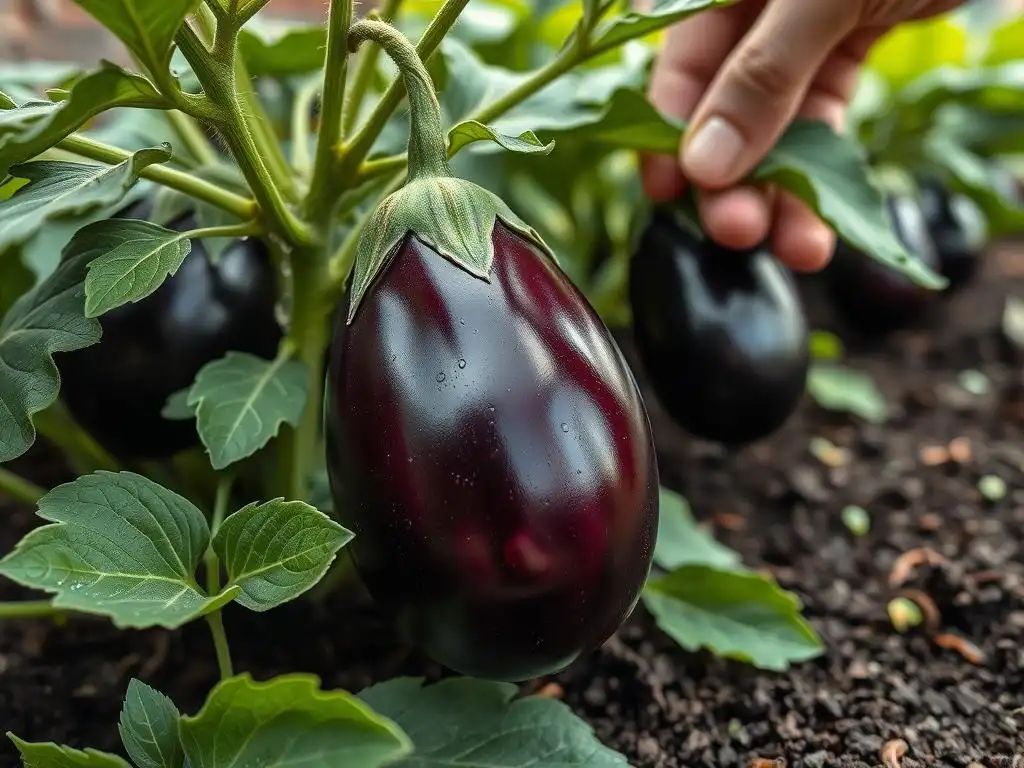
Eggplant, with its glossy leaves and delicious fruits, is a rewarding crop for home gardeners. However, these plants are susceptible to various pests and diseases that can significantly impact yield and quality. Understanding these threats and employing effective organic control methods is crucial for a successful harvest. Growing eggplant organically at home requires vigilance and proactive strategies to ensure healthy plants.
Common Eggplant Pests and Diseases
Eggplant plants are vulnerable to a range of pests and diseases, many of which thrive in warm, humid conditions. Let's explore some of the most common threats:
- Flea Beetles: These tiny, jumping beetles can cause significant damage by chewing small holes in the leaves, leading to stunted growth. Their feeding can weaken the plant, making it more susceptible to other problems. Early detection is key.
- Aphids: These sap-sucking insects cluster on the undersides of leaves and stems, weakening the plant and potentially transmitting viruses. Their presence can be identified by sticky honeydew on the leaves.
- Spider Mites: These microscopic pests also suck plant sap, causing stippling and webbing on the leaves. Severe infestations can lead to leaf drop and reduced fruit production.
- Verticillium Wilt: This soilborne fungal disease causes wilting and yellowing of the leaves, often starting with lower leaves and progressing upwards. The fungus attacks the vascular system of the plant, disrupting water and nutrient transport. Unfortunately, once Verticillium wilt is established, it's difficult to eradicate.
- Bacterial Wilt: Similar to Verticillium wilt, bacterial wilt causes wilting and yellowing, but is caused by a bacterium rather than a fungus. This disease also affects the plant's vascular system.
- Anthracnose: This fungal disease causes dark, sunken lesions on the fruits and leaves. The lesions can enlarge, leading to fruit rot and significant yield loss.
| Pest/Disease | Symptoms | Impact on Plant |
|---|---|---|
| Flea Beetles | Small holes in leaves, stunted growth | Reduced yield, weakened plant |
| Aphids | Sticky honeydew, leaf curling, stunted growth | Reduced vigor, potential virus transmission |
| Spider Mites | Stippling, webbing on leaves, leaf drop | Reduced yield, weakened plant |
| Verticillium Wilt | Wilting, yellowing of leaves | Plant death, significant yield loss |
| Bacterial Wilt | Wilting, yellowing of leaves | Plant death, significant yield loss |
| Anthracnose | Dark, sunken lesions on fruits and leaves | Fruit rot, reduced yield |
Organic Pest and Disease Control Methods
Fortunately, many effective organic methods can control eggplant pests and diseases. These methods prioritize plant health and minimize environmental impact.
- Neem Oil: A versatile organic pesticide derived from the neem tree, it effectively controls many common pests like aphids and spider mites. Apply as directed on the product label.
- Insecticidal Soap: Another effective organic solution for soft-bodied insects such as aphids and spider mites. Ensure thorough coverage of the plant.
- Diatomaceous Earth: This naturally occurring powder acts as a desiccant, dehydrating and killing many insects upon contact. It's especially effective against flea beetles.
- Crop Rotation: Rotating your eggplant crop with non-related plants helps break the disease cycle and reduce pest populations in the soil.
- Resistant Varieties: Choosing eggplant varieties that are resistant to common diseases can significantly reduce the risk of infection.
- Sanitation: Removing and destroying infected plant debris helps prevent the spread of diseases. Proper garden hygiene is crucial.
- Companion Planting: Planting certain herbs and flowers near your eggplants can deter some pests. For example, basil is known to repel aphids.
Implementing Preventative Measures for a Healthy Harvest
Preventing pests and diseases is far more effective than treating them. Proactive measures can significantly reduce the risk of problems and ensure a bountiful harvest.
- Healthy Soil: Start with rich, well-draining soil amended with compost. Healthy soil promotes strong plant growth, making them more resistant to pests and diseases. Regular soil testing can help identify nutrient deficiencies.
- Proper Spacing: Ensure adequate spacing between eggplant plants to promote good air circulation, reducing the humidity that many fungal diseases thrive in.
- Watering: Water deeply and consistently, avoiding overhead watering which can spread diseases. Water at the base of the plant to keep foliage dry.
- Monitoring: Regularly inspect your eggplant plants for signs of pests or diseases. Early detection is crucial for effective control.
- Mulching: Applying a layer of organic mulch helps retain soil moisture, suppress weeds (which can harbor pests), and regulate soil temperature.
By combining these preventative measures with appropriate organic pest and disease control methods, you can significantly improve your chances of growing healthy, productive eggplant plants organically at home, enjoying a delicious and abundant harvest. Remember, consistent monitoring and quick action are key to success!
Harvesting Your Delicious Homegrown Eggplants
This section focuses on the crucial final stage of growing eggplants: harvesting. Knowing when and how to harvest your eggplants is key to enjoying their full flavor and maximizing your yield. Successfully growing eggplant organically at home culminates in this rewarding process. Let's explore the details to ensure you get the most out of your hard work.
Knowing When Your Eggplants are Ready for Harvesting
Determining the optimal harvest time is paramount for obtaining the best quality eggplants. Underripe eggplants will be small, hard, and lack flavor. Overripe eggplants, on the other hand, will be soft, seedy, and may have a bitter taste. The sweet spot lies in between.
Several indicators signal eggplant ripeness:
- Size and Color: Eggplants should reach their mature size, as specified on the seed packet or plant tag. The color should be deep and glossy, consistent with the variety you've planted. For example, a black beauty eggplant should be a deep, dark purple, while a white eggplant will be a creamy white. Avoid harvesting eggplants that are still pale or green.
- Firmness: Gently squeeze the eggplant. It should feel firm, but not rock-hard. Overripe eggplants will yield to pressure easily.
- Seed Development: While not always visible from the outside, a slightly soft feel and slight give can indicate the seeds have started to develop, suggesting optimal ripeness. Avoid those that feel too hard or too soft.
Think of it like this: You're aiming for a perfectly ripe, juicy plum – neither too hard nor too mushy. The same principle applies to eggplants. Harvesting at the right time ensures a flavorful and satisfying reward for your organic gardening efforts. Regular monitoring of your plants is key to catching that perfect window.
Proper Harvesting Techniques to Preserve Quality
Once you've identified ripe eggplants, proper harvesting techniques are crucial for maintaining quality and preventing damage. Improper harvesting can bruise the fruit and reduce shelf life.
Here's how to harvest your eggplants like a pro:
- Use Sharp Tools: Employ a sharp knife or pruning shears to cleanly cut the eggplant from the plant, rather than pulling or twisting. A clean cut minimizes damage to both the fruit and the plant. This is crucial for maintaining the plant's health and encouraging further fruiting.
- Cut with a Stem: Leave about an inch of stem attached to the eggplant. This helps prevent rot and extends the shelf life.
- Handle with Care: Avoid dropping or bumping the harvested eggplants. Gently place them in a basket or container lined with soft material to prevent bruising.
- Harvest Regularly: Consistent harvesting encourages the plant to produce more eggplants. Aim to harvest every few days, removing ripe fruits promptly. This stimulates the production of more blossoms and subsequently more fruit, maximizing your yield of organically grown eggplants.
Storing and Preserving Your Eggplant Harvest
Proper storage is essential to prolong the shelf life of your freshly harvested eggplants. Here's how to keep your eggplants fresh and flavorful for as long as possible:
- Immediate Storage: After harvesting, store your eggplants in a cool, dark, and well-ventilated area. Avoid storing them in direct sunlight or in a humid environment.
- Refrigeration: Eggplants can be refrigerated for up to a week if stored properly. Wrap them loosely in plastic wrap or place them in a perforated plastic bag to prevent moisture buildup.
- Freezing: Eggplants can be frozen for longer storage. Slice or dice them before freezing, blanching briefly (boiling for 1-2 minutes) to preserve color and texture. Then, freeze them in airtight containers or freezer bags. Frozen eggplants can typically be stored for 8-12 months.
- Pickling and Preserving: For even longer storage, consider pickling or preserving your eggplants. Numerous recipes are available online for pickling and other preserving methods that allow you to enjoy your homegrown eggplants throughout the year.
Remember, successfully growing eggplant organically at home requires attention to detail from planting to harvest. By following these steps, you can enjoy a bountiful harvest of delicious, healthy eggplants.
Frequently Asked Questions
What is the best way to start eggplant seeds indoors?
Start eggplant seeds indoors 6-8 weeks before the last expected frost. Use a seed starting mix, sow seeds about ¼ inch deep, and keep the soil moist but not soggy. Provide plenty of warmth and light.
When is the best time to transplant eggplant seedlings outdoors?
Transplant eggplant seedlings outdoors after the danger of frost has passed and the soil has warmed to at least 60°F (15°C). Choose a sunny location with well-drained soil.
What kind of soil is best for growing eggplant organically?
Eggplant thrives in rich, well-drained soil with a slightly acidic pH (6.0-6.8). Amend your soil with compost for improved fertility and drainage. Avoid heavy clay soils.
How often should I water my eggplant plants?
Water your eggplant plants deeply and regularly, especially during hot, dry weather. Aim for consistent moisture but avoid overwatering, which can lead to root rot. Mulching helps retain soil moisture.
How can I control pests and diseases organically when growing eggplant?
Use organic pest control methods such as neem oil or insecticidal soap to combat pests. Practice crop rotation and ensure good air circulation to prevent diseases. Monitor plants regularly for early signs of problems.
Final Reflection: Harvesting the Bounty of Organic Eggplant
Growing your own eggplant organically isn't just a hobby; it's a powerful act of connection with nature and a vital step towards a more sustainable food system. The journey from seed to succulent fruit, detailed in this guide, offers more than just a delicious harvest; it offers a deeper understanding of where our food comes from and the impact we can have on the environment.
The simple act of nurturing a plant from seed to maturity is profoundly rewarding. It fosters patience, resilience, and a deep appreciation for the natural world. The glory of gardening: hands in the dirt, head in the sun, heart with nature. To nurture a garden is to feed not just the body, but the soul.
This quote perfectly encapsulates the transformative power of growing your own food, a power amplified when you choose the organic route, minimizing your environmental footprint and ensuring a healthier outcome for yourself and the planet.
Now, consider your own garden, or even a single pot on your balcony. What seeds of change can you plant today? Will you embrace the challenge of growing your own organic eggplant, experiencing firsthand the satisfaction of nurturing life and savoring the fruits of your labor? The journey may have its challenges, but the rewards – both tangible and intangible – are immeasurable. Let this guide be your springboard to a more connected, sustainable, and delicious future.
Unlock Your Eggplant's Potential: Grow a Bountiful Harvest!
Thank you for learning how to cultivate delicious eggplants! You now possess the knowledge to grow vibrant, flavorful fruit right in your own backyard. Ready to put your new skills to the test?
- Plant your eggplant seedlings today! This crucial step will pave the way for a rewarding homegrown eggplant harvest. Consider planting basil nearby to deter pests.
- Share your planting experience on social media using #CultivateYourFood and inspire others to grow their own food.
- Experiment with different eggplant varieties and discover exciting new recipes using your homegrown produce!
What challenges and triumphs will you encounter while growing eggplants? Share your experiences in the comments below!