
Watering SelfWatering Containers: A Comprehensive Guide

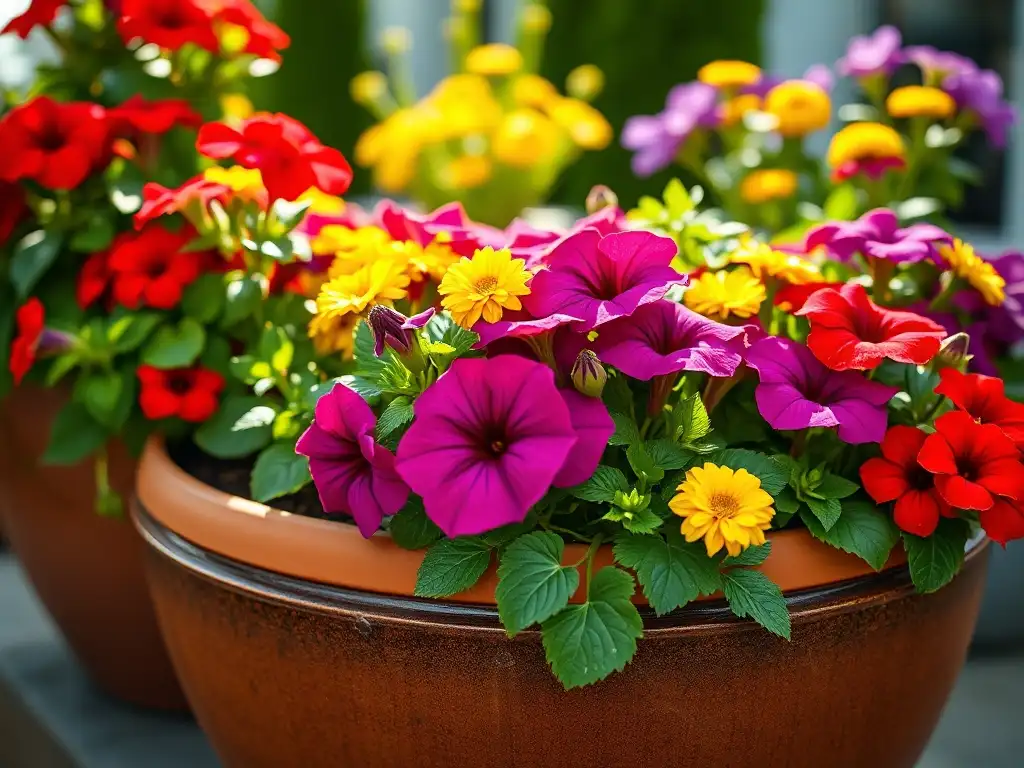
Ready to unlock the secrets of a bountiful harvest, right from your doorstep? At CultivateYourFood, we empower you to grow your own delicious fruits, vegetables, and herbs organically. Discover the ease and efficiency of self-watering container gardening with our comprehensive guide – learn how to effortlessly nurture thriving plants, even when life gets busy. Let's dive into the details and transform your gardening dreams into a reality!
- Understanding Your Self-Watering System: A Beginner's Guide to Self-Watering Container Gardening
- Watering Techniques for Self-Watering Containers: Achieving the Perfect Moisture Balance
- Advanced Self-Watering Container Gardening Tips and Tricks
- Harvesting and Maintaining Your Self-Watering Container Garden: Long-Term Success
- Self-Watering Container Gardening FAQs: Addressing Common Questions
-
Frequently Asked Questions
- How often should I water my self-watering containers?
- What type of plants thrive in self-watering containers?
- How do I choose the right size self-watering container for my plants?
- What are the benefits of using self-watering containers?
- What are some common problems with self-watering containers, and how can I solve them?
- Final Reflection: Cultivating Growth, One Drop at a Time
- Unlock Your Green Thumb: Grow Easier, Water Less!
Understanding Your Self-Watering System: A Beginner's Guide to Self-Watering Container Gardening
Self-watering container gardening offers a convenient and efficient way to cultivate a thriving garden, even for busy individuals or those new to gardening. This comprehensive guide will walk you through every step, from selecting the perfect self-watering container to maintaining optimal soil conditions for healthy plant growth.
We'll explore the advantages of this method, focusing on water conservation, reduced maintenance, and consistent moisture levels crucial for healthy plant development. This guide is specifically designed to help you master the art of self-watering container gardening, addressing common challenges and providing practical tips for success, making it your ultimate "Selfwatering container gardening guide".
Whether you're a seasoned gardener looking to streamline your process or a beginner taking your first steps into the world of container gardening, this guide will equip you with the knowledge and confidence to cultivate a flourishing garden. Let's delve into the fascinating world of self-watering containers and unlock the secrets to effortless gardening!
Choosing the Right Self-Watering Container for Your Needs
Selecting the appropriate self-watering container is the cornerstone of a successful self-watering garden. Several factors influence this decision, including the size and type of plants you intend to grow, the available space, and your personal preferences. Consider these key aspects:
- Container Material: Materials like plastic, terracotta, and resin each offer unique properties. Plastic containers are lightweight and retain moisture well, while terracotta pots allow for better air circulation but can dry out faster. Resin containers often provide a balance of durability and moisture retention. The choice depends on your climate and the plants being grown.
- Container Size: The size of the container directly impacts the water reservoir capacity and the amount of soil it can hold. Larger containers are better suited for larger plants with more extensive root systems, while smaller containers are ideal for herbs, seedlings, or smaller plants. Ensure the container is appropriately sized for the mature size of your chosen plants.
- Reservoir Design: Examine the design of the reservoir. Some containers have integrated reservoirs, while others utilize separate components. Consider the ease of access for refilling and monitoring water levels. A well-designed reservoir should allow for easy monitoring and refilling without disturbing the plants.
- Wick System Efficiency: The wicking system is crucial for transporting water from the reservoir to the soil. A poorly designed wicking system can lead to uneven watering and potential problems. Look for containers with effective wicking systems that are easy to clean and maintain.
Identifying the Components of Your Self-Watering System: Reservoir, Wick, and Planting Area
Understanding the basic components of your self-watering system is essential for proper operation and maintenance. Let's break down the key parts:
- Reservoir: This is the water storage area, typically located at the base of the container. Its size determines how frequently you'll need to refill it. Regularly check the water level to prevent it from becoming depleted.
- Wick: The wick acts as a conduit, drawing water from the reservoir up into the soil. Wicks can be made from various materials, including fabric strips or specialized polymer wicks. A well-functioning wick is critical for consistent moisture delivery. Regularly inspect your wick for any signs of clogging or damage.
- Planting Area: This is the upper section of the container where you plant your seeds or seedlings. It should have sufficient drainage holes to prevent waterlogging, while still allowing effective wicking action. Proper soil preparation is crucial for optimal performance in this area.
Initial Setup and Soil Preparation for Optimal Self-Watering Performance
Proper setup and soil preparation are crucial for the success of your self-watering container garden. Follow these steps for optimal performance:
- Choosing the Right Soil: Use a well-draining potting mix specifically designed for containers. Avoid using garden soil, as it can compact and impede water flow. A high-quality potting mix will ensure proper aeration and water retention.
- Filling the Reservoir: Before planting, fill the reservoir with water according to the manufacturer's instructions. Overfilling can lead to waterlogging, while underfilling can result in insufficient moisture.
- Planting Your Plants: Gently place your plants into the container, ensuring that the roots are adequately covered with soil. Avoid overwatering initially, allowing the wicking system to do its job.
- Monitoring and Adjustment: Regularly monitor the water level in the reservoir and adjust as needed. The frequency of refills will depend on factors such as plant size, environmental conditions, and the size of the reservoir. Observe your plants for signs of overwatering or underwatering and make adjustments accordingly. Remember, consistent moisture is key, but avoid waterlogged conditions. Enjoy the ease and efficiency of your self-watering container garden! 🌱
Watering Techniques for Self-Watering Containers: Achieving the Perfect Moisture Balance
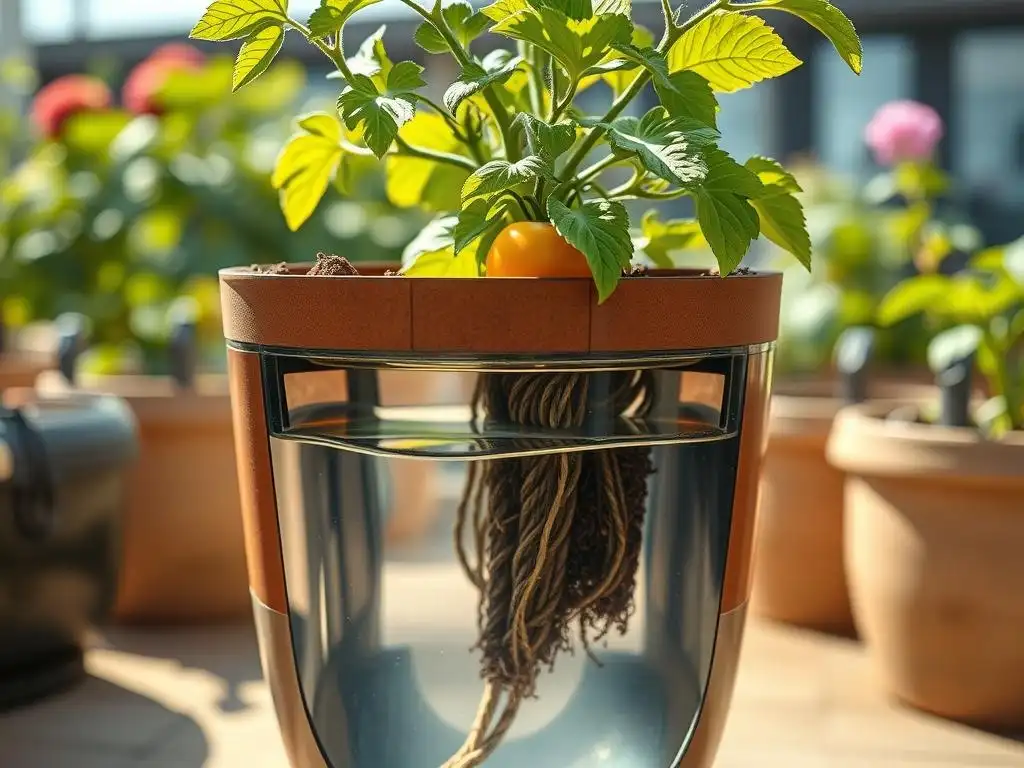
This section delves into the nuances of watering self-watering containers, emphasizing the achievement of optimal moisture levels for thriving plants. Unlike traditional container gardening, the self-watering system requires a slightly different approach. The goal isn't to simply keep the soil wet, but to maintain a consistently moist, yet well-aerated, root environment. Overwatering, even in a self-watering system, can lead to root rot and other problems.
Understanding your specific container's design and your plants' water needs is crucial for success. Regular monitoring, as discussed below, is key to mastering this technique. Proper watering ensures healthy growth and bountiful harvests in your self-watering container garden. This guide will provide you with the knowledge to effectively utilize self-watering containers for optimal plant health.
How Often to Water Self-Watering Pots: Monitoring Soil Moisture Levels
The frequency of watering self-watering pots isn't fixed; it depends on several factors. Instead of adhering to a rigid schedule, focus on monitoring soil moisture. The best method is to use a moisture meter. Insert it into the soil, avoiding the reservoir, to get an accurate reading. Aim for a consistently moist, but not soggy, soil condition. Different plants have varying water requirements. For example, succulents require much less frequent watering than leafy greens.
A good rule of thumb is to check the moisture level at least once a week, especially during the hotter months. You might need to check more frequently (every 2-3 days) during intense heat waves or if your plants are showing signs of wilting (drooping leaves, dry soil surface). Always check the reservoir level as well; it should never be completely empty.
Replenish the reservoir as needed, ensuring you don't overfill it to the point of overflowing into the soil. Remember, the goal is to maintain consistent moisture, not to flood the roots. Consistent monitoring is the key to preventing both underwatering and overwatering.
Adjusting Watering Frequency Based on Plant Type and Environmental Factors: Sunlight, Temperature, and Humidity
The frequency of watering your self-watering containers needs adjustment based on several external factors. Sunlight exposure significantly impacts water evaporation. Plants in full sun will dry out faster than those in shade. Similarly, higher temperatures accelerate evaporation, demanding more frequent watering. High humidity, conversely, can slow down the drying process, allowing you to water less frequently.
Consider the specific water requirements of your plants. Some plants, like tomatoes, are relatively thirsty, while others, like herbs like rosemary, are more drought-tolerant. Consult plant-specific guides for optimal watering advice. A well-structured self-watering system helps mitigate the impact of these environmental factors, but it's crucial to remain vigilant and adjust your watering accordingly. For instance, during a heatwave, you may need to water every other day instead of once a week. Observe your plants closely; wilting is a clear indicator of insufficient water. By understanding these variables, you can fine-tune your watering strategy for healthy plant growth.
Troubleshooting Common Watering Issues in Self-Watering Systems: Identifying and Solving Problems
Even with a self-watering system, problems can arise. One common issue is root rot, caused by consistently soggy soil. This happens if the reservoir is constantly overfilled or if the drainage system within the container is malfunctioning. Signs include yellowing leaves, wilting despite sufficient water in the reservoir, and a foul odor emanating from the soil. If root rot is suspected, carefully remove the plant and inspect the roots. If they are mushy and brown, it's likely root rot. You may need to repot the plant in fresh soil and a well-draining container.
Another problem is inconsistent watering. If the water level in the reservoir drops too low, plants will suffer from underwatering. Regularly check the reservoir level and refill it promptly to prevent this. Furthermore, ensure that the wicking system, if present, is functioning correctly and isn't clogged with debris. A clogged wick will prevent water from reaching the soil effectively. Finally, ensure your self-watering container is appropriately sized for your plant. A poorly sized container can lead to either overwatering or underwatering. Addressing these potential issues promptly will ensure the ongoing success of your self-watering container garden.
Advanced Self-Watering Container Gardening Tips and Tricks
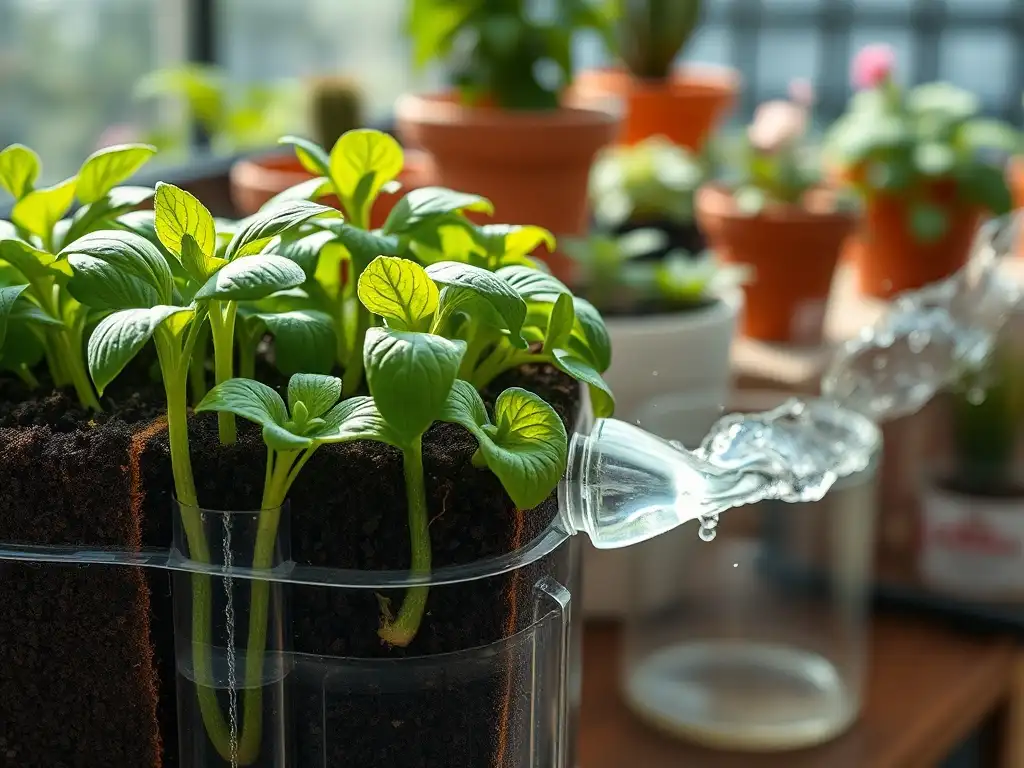
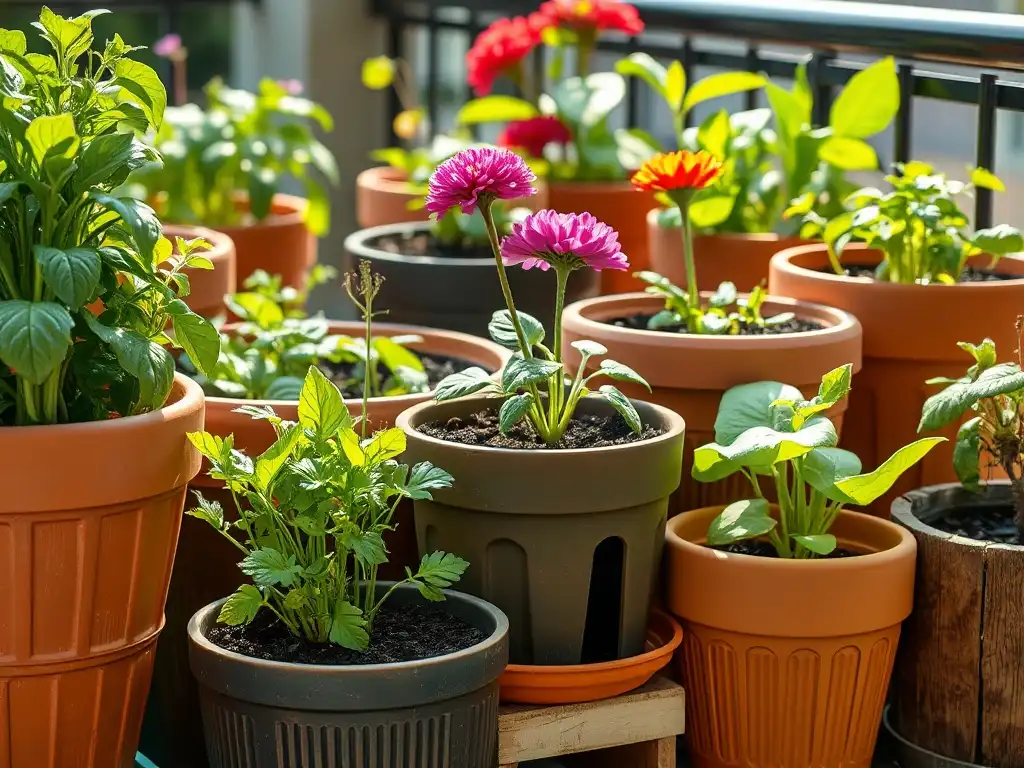
This section delves into advanced techniques for maximizing the efficiency and effectiveness of your self-watering containers, ensuring healthy plant growth and minimizing water waste. We'll explore strategies beyond the basics, focusing on optimizing your system for optimal results. Mastering these techniques will elevate your self-watering container gardening game, leading to thriving plants and a more sustainable gardening practice.
Optimizing Water Reservoir Size for Different Plant Needs
The size of the water reservoir in your self-watering container is crucial. A reservoir that's too small will require frequent refills, negating the convenience of the system. Conversely, a reservoir that's too large can lead to waterlogging and root rot. The ideal size depends heavily on the plant's water requirements and the container's size and material.
For example, a thirsty tomato plant in a large terracotta pot will need a significantly larger reservoir than a low-maintenance succulent in a small plastic container. Terracotta pots, being porous, will require more frequent watering than plastic or resin containers.
Consider these factors when determining reservoir size:
- Plant Type: Research the specific water needs of your chosen plants. Some plants, like herbs, are relatively drought-tolerant, while others, like leafy greens, require consistent moisture.
- Pot Size and Material: Larger pots and porous materials (like terracotta) will require larger reservoirs to compensate for increased evaporation and water absorption.
- Climate: Hot, dry climates will necessitate larger reservoirs to prevent plants from drying out quickly. Conversely, cooler, more humid climates might allow for smaller reservoirs.
A good rule of thumb is to aim for a reservoir that can hold at least 25-50% of the container's total volume. However, this is just a starting point; careful observation and adjustment based on your specific plants and conditions are essential. Regularly checking the water level and adjusting your watering schedule accordingly is key to success. Don't be afraid to experiment to find the perfect balance for your plants.
Utilizing Water-Retaining Soil Amendments for Efficient Irrigation
While a self-watering container system significantly reduces the frequency of watering, incorporating water-retaining soil amendments can further enhance its efficiency. These amendments help the soil hold onto moisture for longer periods, reducing the need for frequent refills and minimizing water waste.
Some excellent options include:
- Coco Coir: A sustainable alternative to peat moss, coco coir is highly absorbent and helps improve soil aeration.
- Vermiculite: A naturally occurring mineral that increases soil porosity and water retention.
- Compost: Adds organic matter, improving soil structure and water-holding capacity. Mature compost is best, as it retains moisture more effectively than fresh compost.
- Hydrogel: A synthetic polymer that absorbs and releases water as needed. Use sparingly, as overuse can hinder aeration.
The optimal mix of amendments will depend on your soil type and the plants you're growing. Start with a small amount and gradually increase until you achieve the desired moisture retention without compromising soil drainage. Over-amendment can lead to waterlogged conditions, so proceed cautiously. Regular monitoring of soil moisture is crucial to fine-tune the amendment levels. Remember, the goal is to maintain consistently moist but well-drained soil.
Preventing Algae Growth and Maintaining Water Reservoir Cleanliness
Algae growth in the water reservoir is a common problem in self-watering containers. It's not only unsightly but can also affect water quality and potentially harm your plants. Preventing algae growth requires a proactive approach focused on cleanliness and proper light management.
Here are some effective strategies:
- Use Filtered Water: Tap water often contains minerals and nutrients that fuel algae growth. Using filtered water can significantly reduce this problem.
- Limit Light Exposure: Algae thrives in light. Minimize light exposure to the reservoir by using opaque containers or covering the reservoir with a lid or dark material.
- Regular Cleaning: Periodically clean the reservoir to remove any accumulated algae or sediment. A simple solution of water and mild soap is usually sufficient. Thoroughly rinse the reservoir before refilling.
- Introduce Beneficial Bacteria: Beneficial bacteria can help suppress algae growth by competing for resources. Some commercial products contain these bacteria and can be added to the reservoir.
Regular maintenance is key to preventing algae and maintaining a healthy self-watering system. By proactively addressing potential issues, you can ensure your plants receive the optimal amount of water and nutrients, leading to lush, thriving growth. Remember to always prioritize cleanliness and observe your system regularly for any signs of algae or other problems. Early detection and intervention are crucial for preventing larger issues.
Using Mulch to Enhance Water Retention and Suppress Weeds in Self-Watering Containers
Mulch plays a crucial role in optimizing the performance of self-watering containers, even though the system is designed for efficient water management. Adding a layer of mulch to the top of your planting mix offers several significant advantages. Firstly, it helps to significantly reduce evaporation from the soil surface.
The sun's heat directly impacting the soil is a major cause of water loss, especially in warmer climates. A layer of mulch acts as an insulator, shielding the soil from the sun's rays and keeping the moisture levels more consistent. This translates to less frequent watering, even in a self-watering system, and ultimately, healthier plants.
Secondly, mulch effectively suppresses weed growth. Unwanted weeds compete with your plants for water and nutrients, hindering their overall development. A thick layer of mulch acts as a physical barrier, preventing weed seeds from germinating and establishing themselves. This reduces the need for manual weeding, saving you time and effort while ensuring your plants receive the maximum benefit from the resources available. Consider organic mulches like shredded bark, straw, or composted leaves, as these also enrich the soil as they decompose, adding valuable nutrients to your container garden.
The type of mulch you choose will impact its effectiveness. For example, a lighter-colored mulch might reflect more sunlight, leading to slightly less evaporation than a darker mulch. However, darker mulches can warm the soil faster in the spring, which can be beneficial in cooler climates. Experiment to find what works best for your specific climate and the plants you're growing.
Remember to leave a small gap between the mulch and the stem of your plants to prevent rot and fungal diseases. Properly applied mulch, therefore, enhances the efficiency of your self-watering system by minimizing water loss and reducing competition for resources. This leads to healthier, more vigorous plants and a less labor-intensive gardening experience. Furthermore, the aesthetic benefits of a neatly mulched container garden shouldn't be overlooked – it contributes to a more polished and professional look!
Harvesting and Maintaining Your Self-Watering Container Garden: Long-Term Success
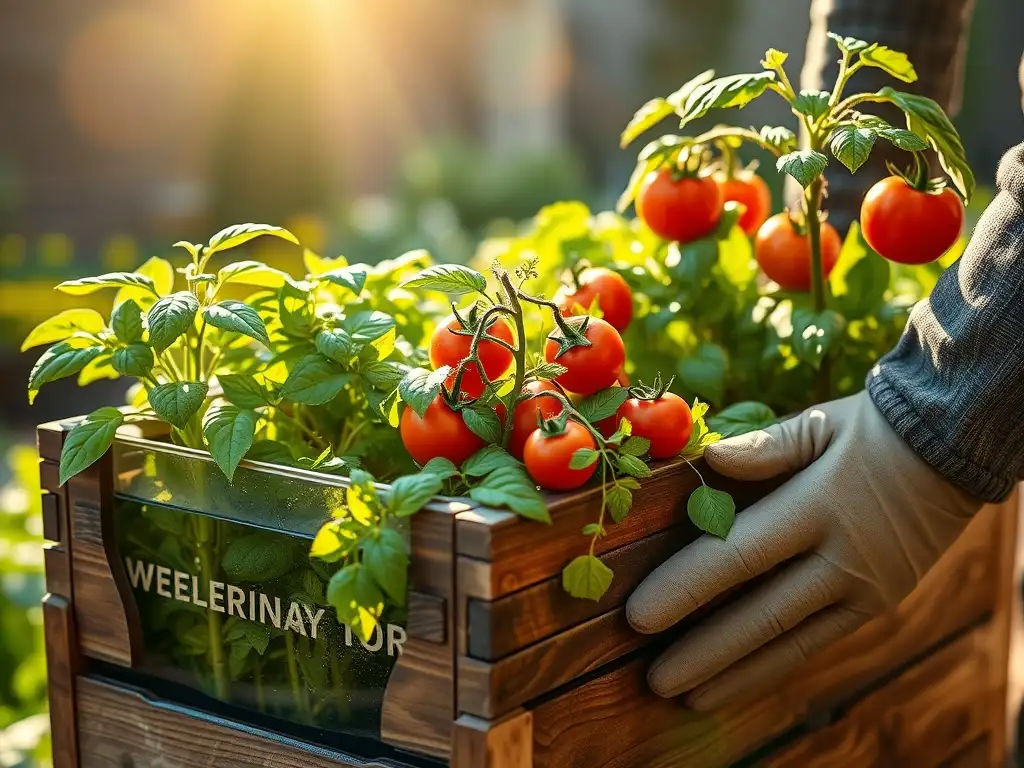
This section focuses on maximizing yields and extending the life of your self-watering container garden, ensuring bountiful harvests year after year. Proper harvesting and diligent maintenance are key to achieving long-term success with this gardening method. We'll explore best practices for harvesting, cleaning, and maintaining your self-watering system, allowing you to enjoy fresh produce and a thriving garden for seasons to come.
Harvesting Techniques for Plants Grown in Self-Watering Containers
Harvesting from self-watering containers is largely similar to harvesting from traditional containers, but with a few key considerations. The consistent moisture levels provided by the self-watering system often lead to faster growth and larger yields. However, it's crucial to harvest at the peak of ripeness to maximize flavor and nutritional value.
Here's a breakdown of harvesting techniques tailored to different plant types commonly grown in self-watering containers:
- Leafy Greens (Lettuce, Spinach, Kale): Harvest outer leaves selectively, leaving the inner leaves to continue growing. This “cut-and-come-again” method ensures a continuous supply of fresh greens. Use sharp scissors or a knife for clean cuts to prevent damage to the plant.
- Tomatoes: Harvest tomatoes when they are fully colored and slightly soft to the touch. Avoid pulling or twisting the tomatoes, as this can damage the plant. Instead, use pruning shears to cut the stem just below the fruit.
- Herbs (Basil, Mint, Parsley): Pinch or cut individual stems just above a leaf node to encourage bushier growth. Harvest regularly to prevent the herbs from becoming woody or flowering.
- Root Vegetables (Carrots, Radishes): Carefully loosen the soil around the roots before gently pulling them from the ground. Avoid damaging the roots, as this can affect the quality of the harvest. For smaller root vegetables like radishes, you can often pull them directly from the soil.
Remember to always harvest in the morning after the dew has dried to minimize the risk of fungal diseases. Proper harvesting techniques not only ensure a high-quality yield but also contribute to the overall health and longevity of your plants. This contributes to the sustainability of your self-watering container gardening approach.
Cleaning and Preparing Self-Watering Containers for the Next Planting Season
Cleaning your self-watering containers thoroughly after each growing season is crucial for preventing disease and pest infestations in the next planting cycle. Neglecting this step can lead to reduced yields and potentially harm future crops. Here's a step-by-step guide to cleaning and preparing your containers:
- Empty and Remove Debris: Remove all plants, soil, and any remaining water from the reservoir and the growing medium. Dispose of the old soil properly, perhaps adding it to your compost pile.
- Scrub the Containers: Use a stiff brush and a mild soap solution (avoid harsh chemicals) to scrub all surfaces of the containers, including the reservoir and any internal components. Pay close attention to any areas where mold or mildew might have accumulated.
- Rinse Thoroughly: Rinse the containers thoroughly with clean water to remove all traces of soap. Ensure the reservoir is completely clean and free of any residue.
- Disinfect (Optional): For a more thorough cleaning, you can disinfect the containers using a solution of bleach and water (1 part bleach to 9 parts water). Allow the solution to sit for 10-15 minutes before rinsing thoroughly. Always wear gloves when handling bleach.
- Dry Completely: Allow the containers to dry completely before storing or reusing them. This will prevent the growth of mold and mildew.
- Inspect for Damage: Inspect the containers for any cracks, holes, or other damage. Repair or replace any damaged components before replanting.
Following these steps ensures that your self-watering containers remain in optimal condition for many growing seasons, contributing to the long-term success of your self-watering container gardening project. This meticulous cleaning process helps prevent the spread of diseases and ensures a healthy growing environment for your next planting.
Extending the Lifespan of Your Self-Watering System: Maintenance and Repair
Regular maintenance is essential for extending the lifespan of your self-watering system. This involves regular inspections, timely repairs, and proactive measures to prevent problems.
- Regular Inspections: Inspect your self-watering containers regularly (at least monthly) for leaks, clogs, or other issues. Check the water level in the reservoir and ensure the wicking system is functioning correctly.
- Cleaning the Wicking System: The wicking system can become clogged with mineral deposits or debris over time. Periodically flush the system with clean water to remove any clogs. You might need to gently clean the wicks with a brush.
- Reservoir Maintenance: Clean the reservoir regularly to prevent the buildup of algae or bacteria. This ensures the water remains clean and provides optimal hydration for your plants.
- Repairing Leaks: Repair any leaks promptly to prevent water loss and to maintain the efficiency of the system. Small leaks can often be repaired with waterproof sealant.
- Replacing Components: Over time, some components of the self-watering system may need to be replaced. Replace worn-out or damaged parts as needed to ensure optimal performance.
By following these maintenance tips, you can ensure your self-watering containers provide years of reliable service, making your self-watering container gardening a sustainable and rewarding endeavor. Proactive maintenance minimizes the need for major repairs and ensures the continued success of your garden.
Self-Watering Container Gardening FAQs: Addressing Common Questions
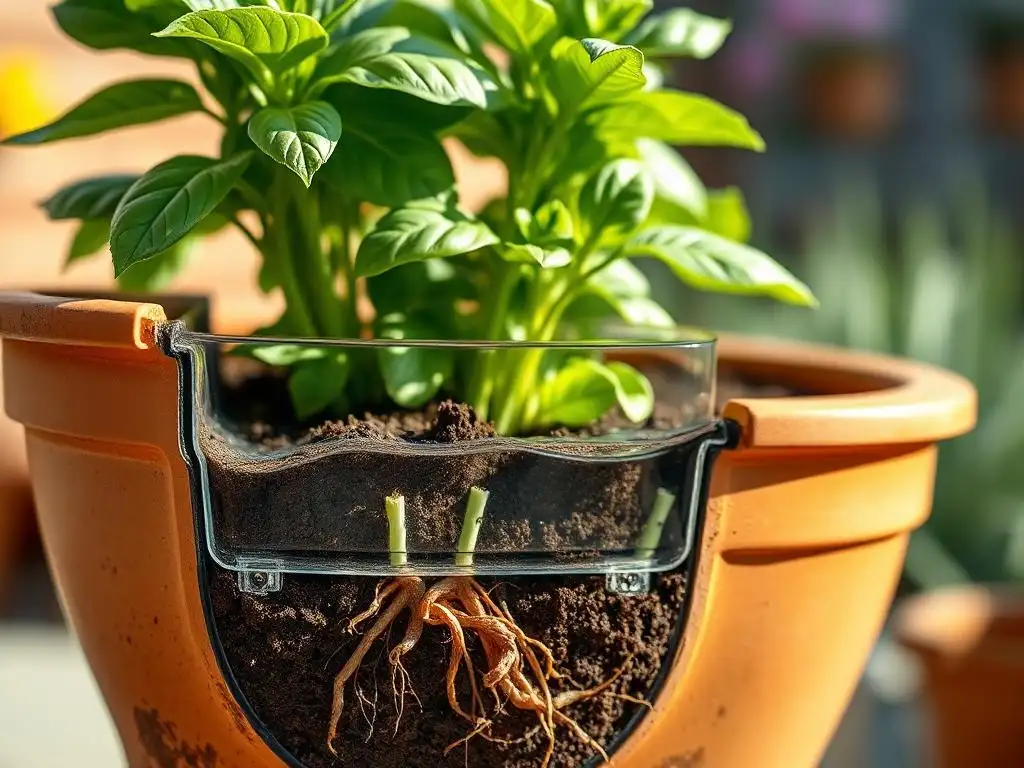
This section addresses frequently asked questions regarding self-watering containers, providing practical advice and insights for successful container gardening. We'll explore the advantages, suitable plant types, and outdoor applications of this increasingly popular gardening method. Understanding these FAQs will empower you to make informed decisions and optimize your self-watering container gardening experience.
What are the benefits of using self-watering containers?
Self-watering containers offer a multitude of advantages for the home gardener, particularly those seeking convenience and efficient water management. One key benefit is the reduction in watering frequency. The reservoir system within these containers provides a consistent supply of water to the plants, minimizing the need for daily or even weekly watering, depending on the plant's needs and environmental conditions. This is especially beneficial for busy individuals or those who frequently travel.
Another significant advantage is the improved water conservation. By regulating water release, self-watering containers prevent overwatering, a common problem that leads to root rot and plant death. They also minimize water runoff, saving water and reducing environmental impact. This is a significant aspect of sustainable gardening practices, aligning perfectly with the ethos of CultivateYourFood.
Furthermore, self-watering containers often promote more consistent plant growth. The regulated watering ensures that plants receive a steady supply of moisture, leading to healthier, more vigorous growth. This consistent hydration reduces stress on plants, resulting in higher yields and improved overall plant health. This is particularly important for delicate seedlings or plants with high water requirements.
Finally, self-watering containers can be a boon for beginner gardeners. The reduced need for frequent watering minimizes the risk of overwatering or underwatering, making it easier to maintain healthy plants even with limited gardening experience. The self-regulating nature simplifies the process, allowing beginners to focus on other aspects of plant care.
What type of plants thrive in self-watering containers?
While many plants can be successfully grown in self-watering containers, certain types are particularly well-suited to this system. Plants with moderate to high water requirements generally benefit the most. For example, tomatoes, peppers, and herbs like basil and mint often thrive in self-watering setups due to their consistent need for moisture. These plants appreciate the even moisture levels provided by the reservoir, promoting robust growth and abundant yields.
However, it's crucial to consider the specific needs of each plant. Some plants, such as succulents and cacti, are adapted to drought conditions and may not require the consistent moisture provided by self-watering containers. Overwatering can lead to root rot in these drought-tolerant species. Therefore, choosing the right plants is crucial for success.
Consider this table for a clearer understanding:
| Plant Type | Suitable for Self-Watering? | Notes |
|---|---|---|
| Tomatoes | Yes | Requires consistent moisture, benefits from reservoir. |
| Peppers | Yes | Similar water requirements to tomatoes. |
| Basil | Yes | Thrives in consistently moist soil. |
| Mint | Yes | High water requirements, ideal for self-watering. |
| Succulents | No | Prone to root rot with excessive moisture. |
| Cacti | No | Drought-tolerant, does not require frequent watering. |
Careful observation and adjustment are key. Monitor the moisture levels in the reservoir and adjust watering schedules based on the specific needs of your plants and the prevailing weather conditions.
Can self-watering containers be used outdoors?
Yes, self-watering containers are perfectly suitable for outdoor use, offering many of the same benefits as indoor applications. However, some considerations are crucial for optimal performance in outdoor environments. The primary concern is evaporation. In hot, sunny conditions, the water in the reservoir may evaporate more quickly than indoors, requiring more frequent refilling. This is especially true for containers made of porous materials like terracotta.
Another factor to consider is weather protection. While many self-watering containers are weather-resistant, it's important to choose a container made of durable material that can withstand rain, wind, and temperature fluctuations. Placement is also important; avoid placing containers in areas exposed to direct, intense sunlight for extended periods, as this can increase evaporation rates. Furthermore, consider the potential for pests and diseases that are more prevalent in outdoor settings.
Despite these considerations, the benefits of using self-watering containers outdoors remain significant. They provide a convenient way to maintain consistent soil moisture for outdoor plants, reducing the frequency of watering and promoting healthy growth, even in challenging conditions. Remember to adjust your watering practices based on weather patterns and your plant's specific requirements for optimal results. 🌱
How do I choose the right size self-watering container?
Choosing the right size self-watering container is crucial for successful gardening. The ideal size depends on several factors, primarily the type and size of the plants you intend to grow. Larger plants, such as tomatoes or peppers, require significantly more space and water than smaller herbs like basil or chives. Consider the mature size of your plants – a cramped root system leads to stunted growth and poor yields. Check the plant tags or online resources for mature size estimations.
Beyond plant size, the container's material also impacts its suitability. Dark-colored containers absorb more heat, potentially leading to faster water evaporation and increased watering frequency, even in a self-watering system. Lighter-colored containers, like terracotta, offer better temperature regulation.
However, porous materials like terracotta also allow for more evaporation, so consider this trade-off. The size of the reservoir is also paramount; a larger reservoir means less frequent refilling, but too large a reservoir might lead to root rot if not managed properly. Aim for a balance between sufficient water capacity and preventing waterlogging.
For instance, a 10-gallon self-watering container might be perfect for a single tomato plant, while a smaller 5-gallon container would be more appropriate for several herbs. Always ensure adequate drainage holes are present to prevent water accumulation at the base. Finally, consider the overall weight of the container when full of water and soil; a heavy container might be difficult to move or reposition.
What to do if my self-watering system malfunctions?
Malfunctions in self-watering systems are relatively uncommon but can be frustrating when they occur. The first step is to identify the problem. Common issues include a clogged water wick, a malfunctioning reservoir valve, or a leak in the container itself. Begin by checking the water reservoir; is it empty despite regular refilling? If so, the wick might be blocked by soil particles or debris. Carefully remove the plant and gently rinse the wick under running water, ensuring all blockages are cleared.
Reassemble the system and monitor for improvement. If the reservoir remains consistently empty, check the valve mechanism. Some self-watering systems utilize a simple gravity-fed design where water flows into the planting area via a wick or tube. Others use more complex mechanisms involving float valves or pressure systems. Consult your system's manual for troubleshooting guidance or contact the manufacturer for assistance. If the valve seems faulty, you may need to replace it, depending on the system's design.
Leaks are often more challenging to detect. Carefully examine the container for cracks or holes, especially around the seams and base. If a leak is found, you may need to repair it with waterproof sealant or replace the container entirely. Regular maintenance, such as cleaning the wick and reservoir periodically, can prevent many malfunctions and prolong the life of your self-watering system. Remember to always check the water level regularly, even with a self-watering system, to prevent dehydration or waterlogging. Regular monitoring is crucial for optimal plant health.
Frequently Asked Questions
How often should I water my self-watering containers?
This depends on factors like temperature, sun exposure, and plant type. Generally, less frequent watering is needed compared to traditional containers, but check the reservoir regularly to avoid drying out.
What type of plants thrive in self-watering containers?
Many plants benefit from the consistent moisture, including herbs, vegetables, and flowering plants. However, avoid plants that prefer very dry conditions. Thorough research is always recommended.
How do I choose the right size self-watering container for my plants?
Select a container size appropriate for the mature size of your plant. Consider the root system's needs and ensure adequate space for growth. Overcrowding should be avoided.
What are the benefits of using self-watering containers?
Self-watering containers offer consistent moisture, reducing the frequency of watering and the risk of underwatering or overwatering. This leads to healthier plants and easier gardening.
What are some common problems with self-watering containers, and how can I solve them?
Issues include algae growth (clean regularly) and poor drainage (check for clogs). Root rot can occur if the reservoir is consistently full; ensure proper aeration.
Final Reflection: Cultivating Growth, One Drop at a Time
The ease and efficiency of self-watering containers are revolutionizing home gardening, offering a sustainable and accessible way to nurture life, even for the busiest among us. This isn't just about convenience; it's about fostering a deeper connection with nature and reaping the rewards of homegrown produce, regardless of experience level. The principles discussed—from choosing the right container to maintaining optimal soil moisture—are fundamental to successful gardening, regardless of the scale.
The impact of self-watering containers extends beyond the individual garden. By promoting water conservation and reducing the need for constant attention, they contribute to a more sustainable approach to gardening. This resonates deeply with me, as I've witnessed firsthand the joy of watching plants thrive with minimal intervention. The glory of gardening: hands in the dirt, head in the sun, heart with nature. To nurture a garden is to feed not just the body, but the soul.
This quote perfectly encapsulates the transformative power of tending to plants, a power amplified by the simplicity of self-watering systems.
Now, consider your own space. Do you have a balcony, a patio, or even a sunny windowsill? Imagine the vibrant colors and fresh aromas of herbs, vegetables, or flowers flourishing under your care, with the minimal effort required by a self-watering container. Take the leap. Choose a container, select your seeds or plants, and begin cultivating your own little piece of paradise. The journey of growth, both for your plants and yourself, is waiting to begin.
Unlock Your Green Thumb: Grow Easier, Water Less!
Thanks for exploring the world of self-watering containers! We hope you're now confident in your ability to nurture thriving plants with less effort. Ready to put your knowledge into practice?
Here's how to get started:
- Design your ideal self-watering system: Begin by sketching out your setup, considering the plants you want to grow and the available space. Don't be afraid to experiment!
- Share your progress: Let's connect! Tell us about your plans in the comments—what exciting plants will you be growing?
- Experiment with different wicking materials: Try various options like cotton rope or fabric strips to find what works best for your plants.
Ready to cultivate a flourishing garden with effortless watering? What will you grow first in your new self-watering container?