
The Benefits of Investing in HighQuality Gardening Tools

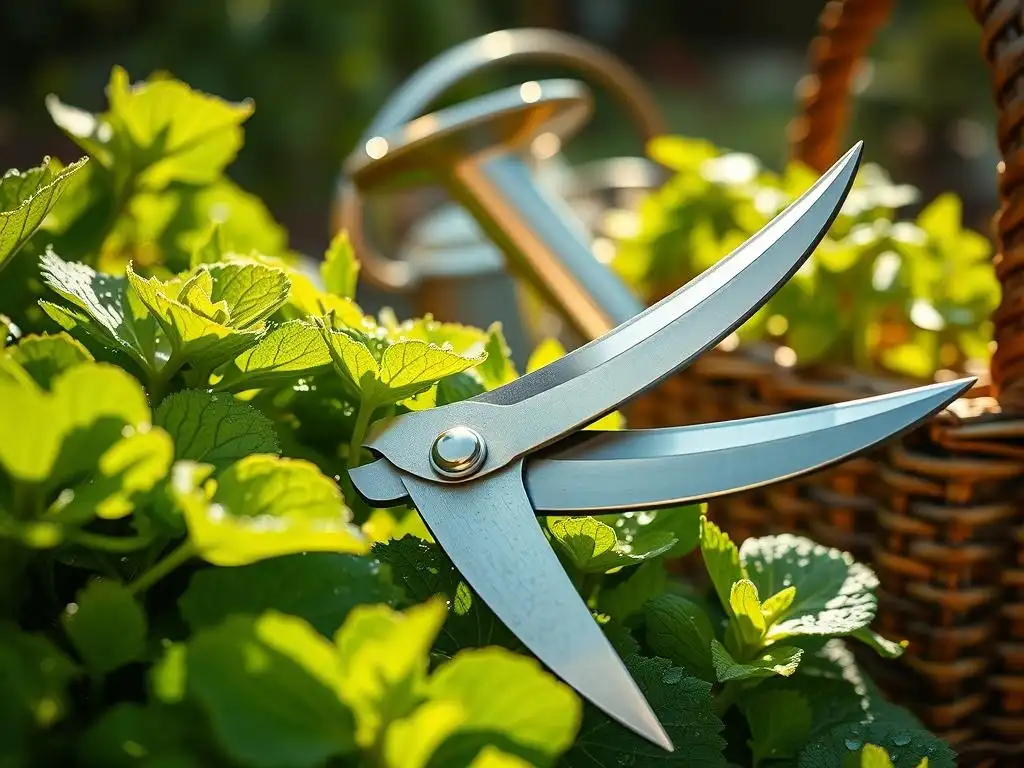
Ready to transform your backyard into a thriving oasis? At CultivateYourFood, we believe everyone can experience the joy of growing their own food. But where do you begin? This is where our guide on the Best gardening tools investment comes in. Discover how the right equipment can significantly impact your success, from planting your first seed to harvesting an abundant crop. Let's unlock the secrets to a bountiful and sustainable garden – read on to learn more!
- Why High-Quality Gardening Tools are a Smart Investment
- Top Benefits of Investing in Premium Gardening Tools
- Choosing the Right High-Quality Gardening Tools for Your Needs
- Maintaining Your High-Quality Gardening Tools for Longevity
- Frequently Asked Questions
- Final Reflection: Cultivating a Legacy Through Quality Tools
- Unleash Your Inner Gardener: Grow Your Green Thumb!
Why High-Quality Gardening Tools are a Smart Investment
Investing in high-quality gardening tools might seem like a significant upfront expense, but it's a decision that pays dividends over time. This article explores the multifaceted benefits of choosing durable, well-designed tools for your home garden, focusing on long-term cost savings, increased productivity, and injury prevention. For the aspiring home gardener committed to sustainable and organic practices, selecting the best gardening tools investment is crucial for cultivating a thriving and rewarding garden experience.
We'll delve into the specifics of why prioritizing quality translates to a healthier garden and a happier gardener, ultimately justifying the initial investment. Choosing the right tools is a cornerstone of successful organic gardening, allowing you to cultivate fruits, vegetables, and herbs with ease and efficiency.
Long-Term Cost Savings: The Economics of Durable Gardening Tools
The initial price tag of high-quality gardening tools might seem daunting compared to cheaper alternatives. However, the longevity and performance of premium tools significantly reduce long-term costs. Cheap tools often break easily, requiring frequent replacements. This constant cycle of buying and discarding inferior tools adds up quickly, exceeding the cost of a single, high-quality investment in the long run.
Consider this: A high-quality trowel, for example, might cost [price pending] but could last for 10 years or more with proper care. A cheaper trowel, costing [price pending], might need replacing annually. Over a decade, the cost of replacing the cheaper trowel far surpasses the initial investment in the durable option. This principle applies to all gardening tools, from shovels and hoes to pruning shears and hand rakes. The upfront cost is offset by the significant savings achieved through extended tool lifespan and reduced replacement needs. This translates into a more sustainable and economically sound gardening practice.
Increased Efficiency and Productivity in Your Garden
High-quality gardening tools are designed for optimal performance and ergonomics. This translates to increased efficiency and productivity in your garden. A sharp, well-balanced spade makes digging easier and faster, reducing fatigue and allowing you to accomplish more in less time. Similarly, ergonomic handles on tools like hoes and cultivators minimize strain on your hands and wrists, enabling longer, more comfortable gardening sessions.
Think about the time saved. A dull pruning shear might require multiple cuts to sever a branch, while a sharp, high-quality pair makes clean cuts quickly and efficiently. This seemingly small difference adds up significantly over the course of a growing season, allowing you to dedicate more time to other aspects of garden care, such as weeding, watering, and harvesting. The result is a more productive garden and a more enjoyable gardening experience. Investing in quality directly contributes to a more efficient and productive workflow.
Preventing Injuries and Promoting Ergonomic Gardening Practices
Gardening, while rewarding, can be physically demanding. Poorly designed or low-quality tools increase the risk of injuries, such as blisters, sprains, and backaches. High-quality tools, on the other hand, often incorporate ergonomic features that minimize strain and promote comfortable, safe gardening practices.
Features like cushioned grips, balanced weight distribution, and appropriately sized handles reduce the risk of repetitive strain injuries. This is particularly important for tasks requiring repetitive movements, like weeding or harvesting. Investing in ergonomic tools is an investment in your physical well-being, allowing you to enjoy gardening for years to come without the limitations imposed by injuries. Prioritizing safety and comfort through quality tools is a fundamental aspect of sustainable and enjoyable gardening.
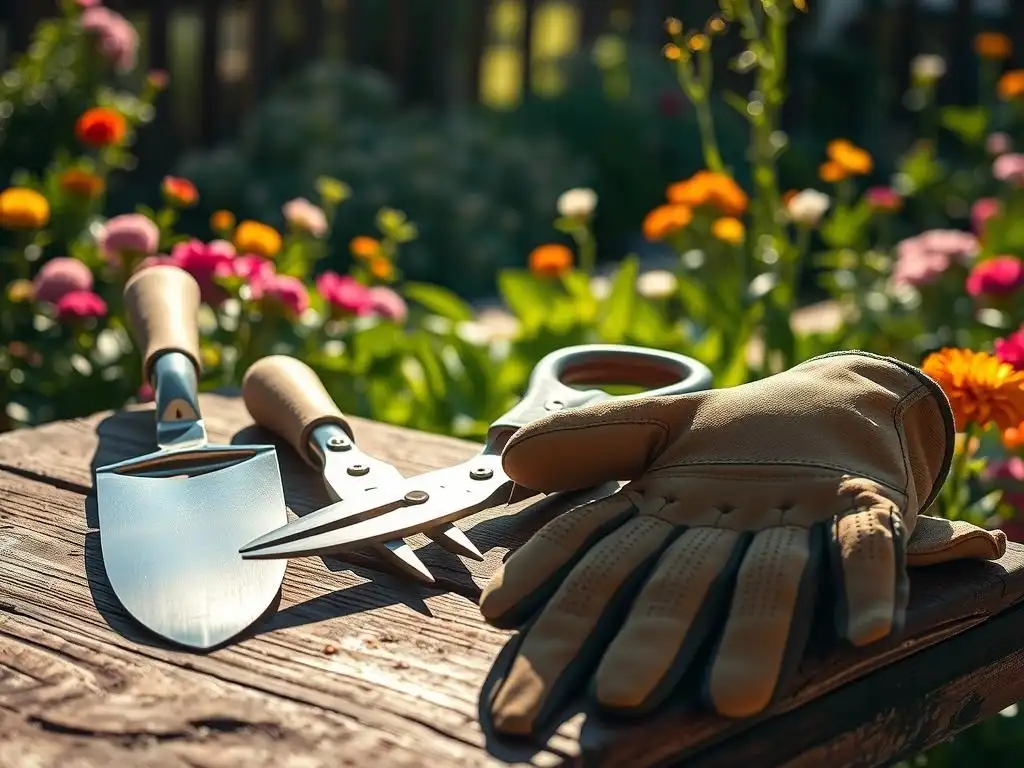
Investing in high-quality gardening tools might seem like a significant upfront cost, but the long-term benefits far outweigh the initial expense. Choosing the best gardening tools investment translates to increased efficiency, improved results, and a more enjoyable gardening experience. This section will delve into the key advantages of selecting premium tools over cheaper alternatives. This is crucial for anyone serious about cultivating a thriving and sustainable garden.
Superior Materials and Construction for Enhanced Durability
Premium gardening tools are crafted from superior materials designed to withstand years of rigorous use. Unlike budget-friendly options often made from flimsy materials that bend, break, or rust easily, high-quality tools boast robust construction. For instance, a high-end trowel might feature a forged stainless steel blade, resistant to corrosion and capable of effortlessly penetrating even the most compacted soil. This contrasts sharply with cheaper trowels, frequently made from thin, stamped steel that dulls quickly and bends with minimal pressure.
Consider the handles as well. Premium tools often utilize durable hardwood, fiberglass, or ergonomic composite materials, providing a comfortable and lasting grip. These materials resist splintering and cracking, unlike the brittle plastic handles found on many inexpensive tools. The difference in longevity is substantial; a high-quality tool can last for decades with proper care, while a cheaper tool may need replacing annually.
This translates to significant cost savings in the long run, making the initial investment truly worthwhile. The durability also reduces the environmental impact associated with frequent tool replacement. Think of it as a sustainable investment in your garden and your future harvests.
Enhanced Performance and Ease of Use
Beyond durability, premium gardening tools offer superior performance. Sharper blades on pruners and shears make clean cuts, promoting healthy plant growth and minimizing the risk of disease. Well-designed ergonomic handles reduce strain and fatigue, allowing you to work more efficiently and comfortably for extended periods. For example, a high-quality cultivator with appropriately spaced tines will effortlessly loosen soil, while a less expensive version may struggle, requiring more effort and potentially damaging plant roots.
The difference is noticeable in tasks requiring precision. A high-quality hand rake with finely spaced tines allows for delicate weeding without disturbing surrounding plants, a task significantly more challenging with a cheaply made rake with wider, less precise tines. This enhanced performance isn't just about speed; it's about achieving better results with less physical exertion. The ease of use provided by premium tools allows you to focus on nurturing your plants rather than battling with cumbersome or inefficient equipment. This directly improves the quality of your gardening experience and contributes to a more bountiful harvest.
Superior Comfort and Ergonomics for Reduced Fatigue
Gardening, even for the most enthusiastic cultivator, can be physically demanding. Premium gardening tools prioritize comfort and ergonomics to minimize strain and fatigue. Features like cushioned grips, balanced weight distribution, and appropriately sized handles significantly reduce the physical toll of gardening tasks. This is especially important for those with existing physical limitations or who plan to spend significant time working in their gardens.
Investing in ergonomic tools can prevent repetitive strain injuries, such as carpal tunnel syndrome or tendonitis, common among gardeners who use improperly designed tools. The difference is palpable; using high-quality tools often feels less tiring, even after hours of use. This allows you to enjoy gardening more and to cultivate a larger, more productive garden without experiencing unnecessary discomfort or pain. The long-term health benefits alone justify the initial investment in premium ergonomic gardening tools. It's an investment in your well-being and your ability to enjoy the rewarding experience of growing your own food. 🌱
Choosing the Right High-Quality Gardening Tools for Your Needs
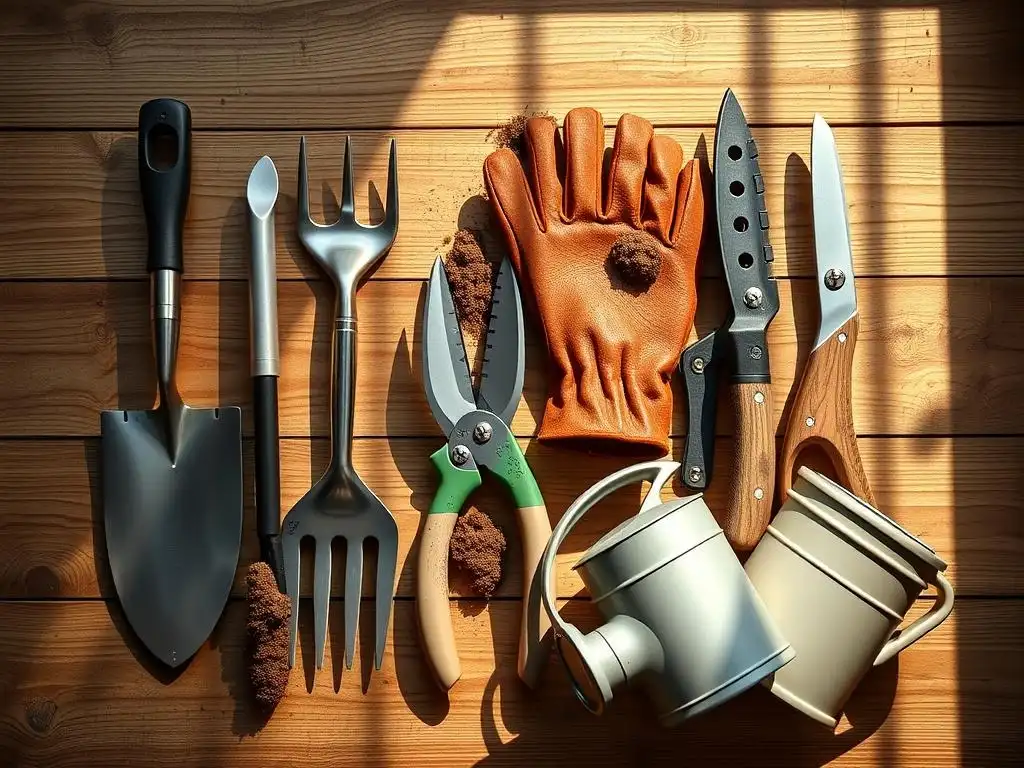
Investing in the best gardening tools is a crucial step towards successful and enjoyable home cultivation. While inexpensive tools might seem appealing initially, their inferior materials and construction often lead to frustration, inefficiency, and even injury. High-quality tools, on the other hand, offer durability, precision, and comfort, making gardening a more rewarding experience and ultimately saving you money in the long run by lasting significantly longer.
This section will guide you through selecting the right tools for your needs, helping you make the best gardening tools investment for your garden. We'll explore factors such as material strength, ergonomic design, and the specific tasks each tool is best suited for. The key to a successful harvest is often found in the quality of the tools you use.
Selecting the Best Spades, Shovels, and Trowels for Different Soil Types
The choice between a spade, shovel, and trowel depends largely on the task and the soil type. Heavy clay soils demand robust tools, while lighter, sandier soils require less force. Let's examine the nuances:
- Spades: Ideal for turning over large areas of soil, particularly heavier clay. Look for a spade with a strong, wide blade made of high-carbon steel for optimal durability. A D-shaped handle provides excellent leverage, minimizing strain on your back. Consider the length of the handle to ensure a comfortable and efficient reach. A longer handle is preferable for taller individuals.
- Shovels: Best suited for moving soil, compost, or mulch over shorter distances. A round-point shovel is versatile for digging holes, while a square-point shovel excels at moving bulk materials. Again, high-carbon steel is preferable for the blade, and a comfortable, well-balanced handle is crucial for preventing fatigue.
- Trowels: Essential for smaller, more delicate tasks like planting seedlings, weeding, and transplanting. A sturdy, stainless steel trowel with a comfortable grip is ideal. Consider a pointed trowel for precise digging and a flat trowel for easier surface work.
Choosing the right tool for the job significantly reduces the effort required and prevents damage to both your tools and your plants. For instance, using a trowel to dig a large hole will quickly dull the blade, while using a spade for delicate tasks risks damaging roots. Careful consideration of soil type and task is key to making the best gardening tools investment.
Choosing the Right Hand Tools for Specific Gardening Tasks
Beyond spades, shovels, and trowels, a range of hand tools are essential for various gardening tasks. Investing in quality hand tools ensures precision and efficiency. Let's explore some key examples:
| Tool | Task | Material Preference | Key Considerations |
|---|---|---|---|
| Hand Rake | Smoothing soil, removing debris | Steel, with sturdy tines | Tine spacing and overall durability |
| Cultivator | Loosening soil around plants | Steel, with multiple tines | Tine strength and spacing |
| Hand Fork | Aerating soil, transplanting | Steel, with strong, durable tines | Tine shape and spacing for soil type |
| Garden Hoe | Weeding, shaping soil | Steel, with a sharp blade | Blade sharpness and handle comfort |
| Transplanting Trowel | Moving seedlings and small plants | Stainless steel, ergonomic handle | Blade shape and size for plant type |
Investing in a complete set of high-quality hand tools allows for greater precision and efficiency, reducing the time and effort needed for various garden tasks. Remember to consider the materials used, their durability, and the ergonomic design of the handles to maximize comfort and minimize strain during prolonged use. This is a key component of a smart best gardening tools investment.
Investing in Quality Pruning Shears and Loppers for Healthy Plants
Regular pruning is vital for maintaining healthy, productive plants. Using dull or poorly designed pruning tools can lead to damaged branches, increased disease risk, and reduced yields. Investing in high-quality pruning shears and loppers is therefore a worthwhile investment.
Pruning shears are used for smaller branches, while loppers are designed for thicker branches and stems. Here's what to look for:
- Pruning Shears: Choose bypass shears (blades that slide past each other) for clean cuts that minimize damage. Look for forged steel blades for superior strength and sharpness. Ergonomic handles are crucial for reducing hand fatigue during prolonged use.
- Loppers: For thicker branches, choose loppers with sharp, durable blades. A ratchet mechanism can significantly reduce the effort required for cutting thick branches. Look for lightweight yet strong materials like high-carbon steel or aluminum alloy. Consider the length of the handles to ensure a comfortable reach for taller plants.
Regular sharpening of your pruning tools is essential to maintain their effectiveness and prevent damage to your plants. A sharp blade makes a clean cut, promoting faster healing and reducing the risk of disease. This commitment to maintenance maximizes the return on your best gardening tools investment.
Assessing Your Needs for Watering Tools and Irrigation Systems
Choosing the right watering tools is crucial for maintaining healthy plants. The best gardening tools investment often includes a diverse watering system, tailored to your specific needs and garden size. Don't underestimate the importance of efficient watering; it directly impacts plant health and yield. Overwatering can lead to root rot, while underwatering stunts growth. Finding the sweet spot requires careful consideration of your garden's unique characteristics.
Consider the size of your garden. A small herb garden might only require a watering can, whereas a larger vegetable patch might benefit from a drip irrigation system or soaker hoses. Drip irrigation offers precise water delivery directly to the roots, minimizing water waste and evaporation. Soaker hoses are another excellent option, providing gentle, consistent moisture to the soil. For larger areas or more established plants, consider installing a sprinkler system, though this can use more water than drip irrigation if not carefully managed.
The type of plants you grow also influences your watering tool choices. Succulents and cacti, for example, have different water requirements than leafy greens or tomatoes. Succulents require infrequent, deep watering, while tomatoes benefit from consistent moisture. Understanding these needs helps you select the most appropriate watering tools and irrigation techniques. For example, a simple watering wand might suffice for succulents, while a drip irrigation system could be ideal for a tomato patch.
Finally, think about your available water resources and water conservation efforts. If you're on a well with limited water supply, investing in a water-efficient irrigation system is crucial. Consider using rainwater harvesting techniques to supplement your watering needs and reduce reliance on municipal water. This not only saves money but also contributes to sustainable gardening practices.
The best gardening tools investment considers both efficiency and environmental impact. Remember, selecting the right watering tools is a key element of successful gardening and contributes significantly to your overall gardening experience. Careful planning and consideration of these factors will lead to a thriving garden, regardless of its size or the types of plants you cultivate.
Maintaining Your High-Quality Gardening Tools for Longevity
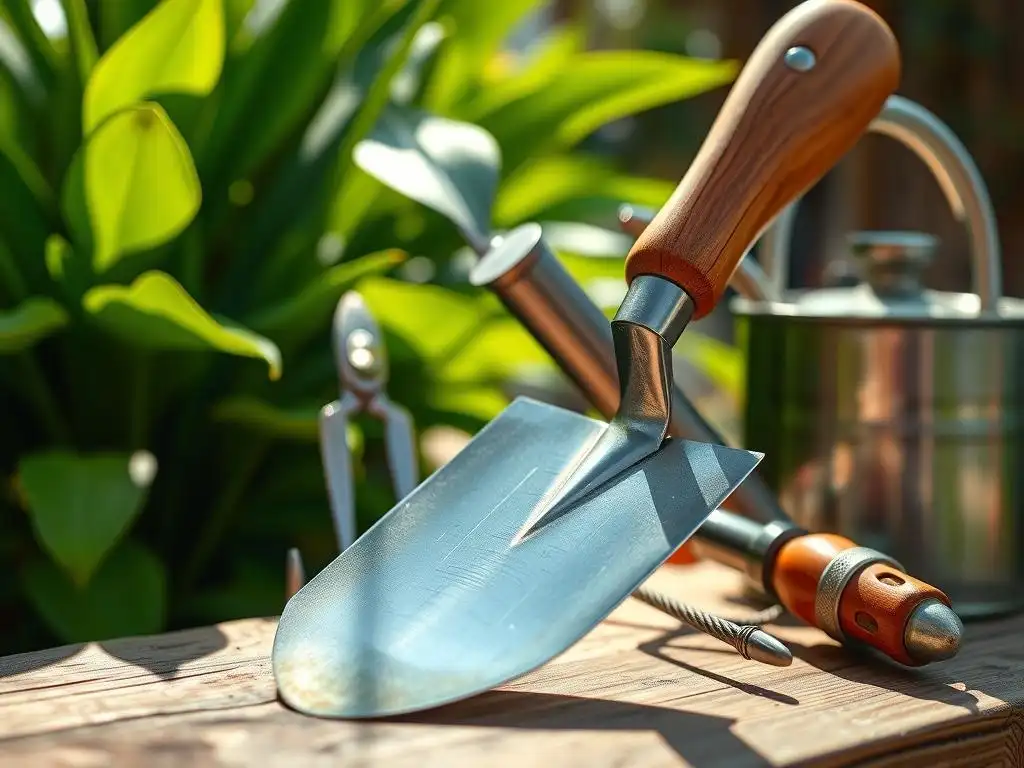
Investing in the best gardening tools investment means committing to long-term use. High-quality tools, while more expensive upfront, offer superior performance and durability, but only if properly maintained. Neglecting maintenance will quickly diminish their effectiveness and lifespan, negating the initial cost savings. This section focuses on practical strategies to maximize the longevity of your gardening tools.
Proper Cleaning and Storage Techniques to Extend Tool Lifespan
Regular cleaning is paramount to preventing rust, corrosion, and the build-up of soil and plant debris that can dull blades and damage tool handles. After each use, follow these steps:
- Thorough Cleaning: Remove all visible soil and plant matter using a stiff brush, a garden hose (if appropriate for the tool), or a damp cloth. For particularly stubborn residue, a mild solution of soap and water can be effective. Avoid harsh chemicals that could damage the tool's finish.
- Drying: Completely dry all tools before storing them. Moisture is the enemy of metal tools, leading to rust and premature deterioration. Use a clean cloth to wipe down all surfaces thoroughly. For tools with intricate parts, consider using compressed air to remove trapped moisture.
- Lubrication: Apply a light coating of lubricating oil (such as linseed oil or WD-40) to metal parts to prevent rust and ensure smooth operation. This is especially crucial for tools with moving parts, such as shears and pruners.
- Storage: Store your tools in a dry, well-ventilated area, away from direct sunlight and moisture. Consider using a tool rack or hanging system to keep them organized and prevent damage. Avoid stacking tools on top of each other, which can lead to scratches and damage. A dedicated tool shed or even a well-organized corner of your garage can make all the difference.
Proper cleaning and storage are not just about extending the life of your tools; it's also about maintaining hygiene and preventing the spread of plant diseases. A clean tool is a healthy tool, contributing to a thriving garden.
Even the best gardening tools will eventually require sharpening and occasional repairs. Regular sharpening significantly improves cutting efficiency and reduces the effort required for tasks like pruning and weeding. Here’s what you need to know:
- Sharpening: Many tools, like trowels, spades, and pruning shears, benefit from regular sharpening. You can use a sharpening stone, a file, or even a grinding wheel (for more substantial repairs) to achieve a sharp edge. Always follow the manufacturer's instructions or consult online tutorials for proper sharpening techniques. Incorrect sharpening can damage the tool beyond repair.
- Repairing Handles: Wooden or composite handles can crack or break over time. Minor cracks can often be repaired with wood glue and clamps. More significant damage might require replacing the entire handle, a task best left to experienced tool repair professionals for some tool types.
- Replacing Parts: Some tools, like shovels and hoes, have replaceable parts, such as blades or heads. Replacing worn-out parts is often more economical than buying a completely new tool. Always source replacement parts from reputable suppliers to ensure compatibility and quality.
Regular maintenance, including sharpening and minor repairs, ensures your tools remain efficient and safe to use. Ignoring these aspects can lead to frustrating gardening experiences and even injuries.
Recognizing When to Replace Worn-Out Gardening Tools
Despite your best efforts, some tools will eventually reach the end of their useful life. Recognizing the signs of wear and tear is crucial to avoid using damaged tools, which can be inefficient and potentially dangerous. Consider replacing a tool when:
- Excessive Wear: Significant bending, warping, or breakage of the tool's metal parts indicates excessive wear. This affects performance and can compromise safety.
- Loose or Broken Handles: A loose or broken handle can make the tool difficult or dangerous to use. Repairing may be possible in some cases, but replacement is often more practical.
- Dull Blades: If sharpening no longer restores the tool's cutting edge, it's likely time for a replacement. A dull tool requires significantly more effort and may result in uneven cuts.
- Rust and Corrosion: Extensive rust and corrosion can weaken the tool's structure and make it prone to breakage. While some surface rust can be cleaned, deep corrosion usually signals the end of a tool's life.
Replacing worn-out tools is an investment in your gardening success. Using damaged tools can lead to poor results, wasted effort, and even injury. Investing in high-quality replacements ensures that you continue to enjoy the benefits of efficient and effective gardening tools. This ensures you are making the best gardening tools investment for your needs.
Frequently Asked Questions
What are the benefits of investing in high-quality gardening tools?
High-quality tools offer superior durability and performance, lasting much longer than cheaper alternatives. This translates to long-term cost savings and less time spent on repairs or replacements. They also often make gardening easier and more enjoyable.
Why should I choose high-quality tools over cheaper options?
Cheaper tools often break easily, requiring frequent replacements. High-quality tools are more ergonomic, reducing strain and improving efficiency. This leads to a more enjoyable and less physically demanding gardening experience.
What are some examples of essential high-quality gardening tools?
Essential tools include a high-quality trowel, a sturdy hand rake, sharp pruning shears, and a comfortable garden hoe. Investing in durable versions of these will significantly improve your gardening experience.
How can I tell if a gardening tool is high-quality?
Look for tools made from durable materials like stainless steel or forged steel. Check for ergonomic handles that provide a comfortable grip and reduce strain. A reputable brand name is also a good indicator of quality.
Where can I find high-quality gardening tools?
Local garden centers, online retailers specializing in gardening supplies, and well-known hardware stores are excellent places to find high-quality gardening tools. Read reviews before purchasing to ensure you are making a sound investment.
Final Reflection: Cultivating a Legacy Through Quality Tools
Investing in high-quality gardening tools isn't just about immediate convenience; it's about cultivating a lasting relationship with the land and reaping the rewards of sustained effort. The initial cost might seem steep, but the long-term benefits—in terms of efficiency, longevity, and sheer enjoyment—far outweigh the expense. This is an investment that pays dividends year after year, both literally and figuratively.
The impact of quality tools extends beyond the individual gardener. It influences the very fabric of our relationship with nature, encouraging a mindful approach to cultivation and a deeper appreciation for the fruits of our labor. The glory of gardening: hands in the dirt, head in the sun, heart with nature. To nurture a garden is to feed not just the body, but the soul.
This sentiment rings truer than ever in a world increasingly disconnected from its natural roots. Choosing quality tools is a small but significant step towards reconnecting with that vital link.
Now, consider your own gardening practices. Are you using tools that support your passion, or are you struggling with inadequate equipment? I encourage you to reflect on this and make a conscious choice to invest in tools that will serve you well for years to come. Imagine the satisfaction of wielding a perfectly balanced spade, the ease of effortlessly pruning with sharp shears, the joy of harvesting bountiful crops with tools built to last. This isn't just about gardening; it's about investing in yourself, your well-being, and the legacy you leave behind in your garden and in the world.
Unleash Your Inner Gardener: Grow Your Green Thumb!
Thank you for exploring the world of high-quality gardening tools! We hope you've discovered how much they can improve your gardening experience. Now it's time to put your newfound knowledge into practice.
- Invest in a high-quality tool this week: Start small! Choose a tool from this article that appeals to you and treat yourself to a durable, long-lasting model.
- Share your best gardening tip on our social media channels – let's inspire each other!
- Try a new gardening technique this season using your new tool. Document your progress and share your results!
Ready to transform your garden? What's the first high-quality gardening tool you'll be adding to your collection?