
Attracting Praying Mantis: The Master Hunters of Your Garden

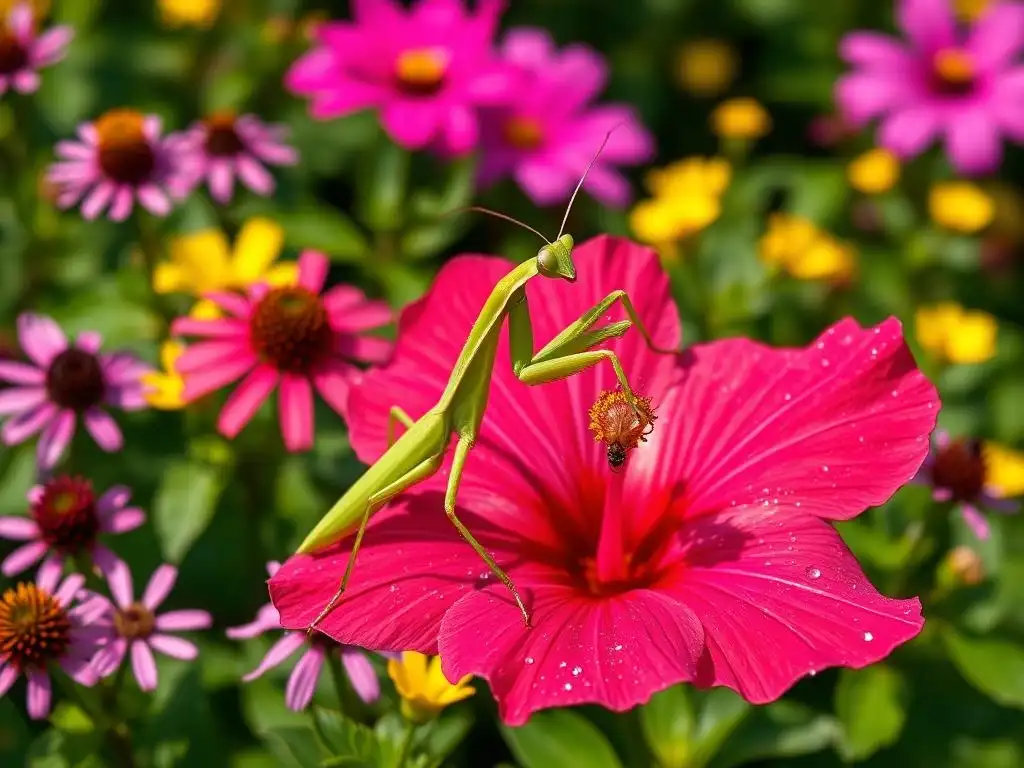
Ready to transform your garden into a thriving ecosystem? At CultivateYourFood, we empower you to grow your own delicious fruits, vegetables, and herbs using sustainable methods. Discover the secrets to a bountiful harvest, from seed to table. Learn how to harness nature's power to protect your plants—starting with our guide on how to Attract praying mantises organically, nature's own pest control experts. Let's cultivate a greener, more productive future, together.
- Understanding the Benefits of Praying Mantises in Your Garden
- Creating a Praying Mantis-Friendly Habitat
- Organic Methods to Attract Praying Mantises
-
Monitoring and Maintaining Your Praying Mantis Population
- Observing Mantis Activity: Tracking Their Presence and Effectiveness
- Identifying Mantis Oothecae: Recognizing and Protecting Mantis Egg Cases
- Dealing with Natural Predators: Protecting Mantises from Birds and Other Animals
- Long-Term Sustainability: Maintaining a Thriving Mantis Population Year After Year
- Troubleshooting: Why Aren't Praying Mantises Coming to My Garden?
-
Frequently Asked Questions
- What are praying mantises, and why should I attract them to my garden?
- How can I attract praying mantises organically?
- What plants attract praying mantises the most?
- Are there any commercially available products to attract praying mantises?
- How long does it take to see praying mantises in my garden after I start attracting them?
- Final Reflection: Guardians of the Garden: A Symbiotic Future
- Unleash Your Inner Mantis Whisperer: Attract These Beneficial Insects Today!
Understanding the Benefits of Praying Mantises in Your Garden
Praying mantises are not just fascinating creatures with their unique, almost meditative stance; they are also incredibly beneficial allies in any home garden dedicated to sustainable and organic practices. These voracious predators are nature's own pest control, offering a powerful, eco-friendly alternative to chemical insecticides. This article will explore how to attract praying mantises to your garden organically, highlighting their significant role in maintaining a healthy and thriving ecosystem without resorting to harmful pesticides.
We'll delve into their diet, their impact on the environment, and practical, organic methods to encourage these beneficial insects to make your garden their home. By understanding the advantages of attracting praying mantises, you can cultivate a more balanced and productive garden, reducing the need for external interventions and fostering a truly sustainable approach to food cultivation. Let's discover how to harness the power of nature to protect your precious plants!
Natural Pest Control: Why Attract Praying Mantises Organically?
Attract praying mantises organically is a key strategy for achieving a thriving and pest-free garden. Why choose this natural method? Simply put, chemical pesticides harm beneficial insects alongside the pests, disrupting the delicate balance of your garden ecosystem. Praying mantises, however, offer a targeted approach. They are highly effective predators, consuming a wide range of common garden pests without harming pollinators like bees or other beneficial insects. This targeted approach is crucial for maintaining biodiversity and supporting a healthy garden ecosystem. Using praying mantises as part of your Integrated Pest Management (IPM) strategy reduces your reliance on harmful chemicals, contributing to a healthier environment for you, your family, and the planet. The organic approach ensures that you're not introducing further toxins into your soil or produce, maintaining the integrity of your organic gardening practices. Moreover, attracting mantises naturally is a cost-effective solution, eliminating the ongoing expense of purchasing chemical pesticides.
Praying Mantis Diet: What Pests Do They Control?
Praying mantises have a diverse and impressive diet, making them highly effective in controlling a wide range of garden pests. Their menu includes:
- Aphids: These tiny sap-sucking insects are a common nuisance in many gardens.
- Grasshoppers: These voracious herbivores can decimate entire plants in short order.
- Caterpillars: Many butterfly and moth caterpillars are notorious for defoliating plants.
- Flies: Various types of flies, including those that lay eggs on plants, are also on the mantis menu.
- Beetles: Both adult beetles and their larvae are prey for these hungry hunters.
- Weevils: These small beetles can cause significant damage to plants.
- Spiders: While often considered beneficial, mantises will also consume spiders, especially smaller species.
The exact composition of a praying mantis's diet varies depending on the species and the availability of prey. However, their generalist predatory nature makes them a highly valuable asset in the fight against common garden pests. Their presence significantly reduces the pest population, leading to healthier and more productive plants. This natural pest control is far superior to chemical solutions because it is targeted, sustainable, and environmentally friendly.
Environmental Impact: Mantises as a Sustainable Pest Control Solution
Employing praying mantises as a part of your pest control strategy carries significant environmental benefits. By foregoing chemical pesticides, you directly contribute to:
- Reduced soil contamination: Chemical pesticides leach into the soil, harming beneficial microorganisms and potentially contaminating your produce. Praying mantises eliminate this risk.
- Protection of pollinators: Chemical pesticides often indiscriminately kill pollinators like bees, which are essential for plant reproduction. Praying mantises pose no threat to these beneficial insects.
- Improved biodiversity: A healthy garden ecosystem is characterized by a rich diversity of species. Praying mantises contribute to this by keeping pest populations in check without disrupting the balance.
- Reduced water pollution: Runoff from chemical pesticides contaminates water sources, harming aquatic life. A mantis-based approach avoids this entirely.
- Enhanced soil health: A balanced ecosystem leads to healthier soil, richer in nutrients and beneficial organisms. This, in turn, leads to healthier and more productive plants.
The use of praying mantises represents a truly sustainable approach to pest control. It's a testament to the power of nature and a commitment to environmentally responsible gardening. By attracting these beneficial insects organically, you are not only protecting your garden but also contributing to a healthier planet.
Creating a Praying Mantis-Friendly Habitat
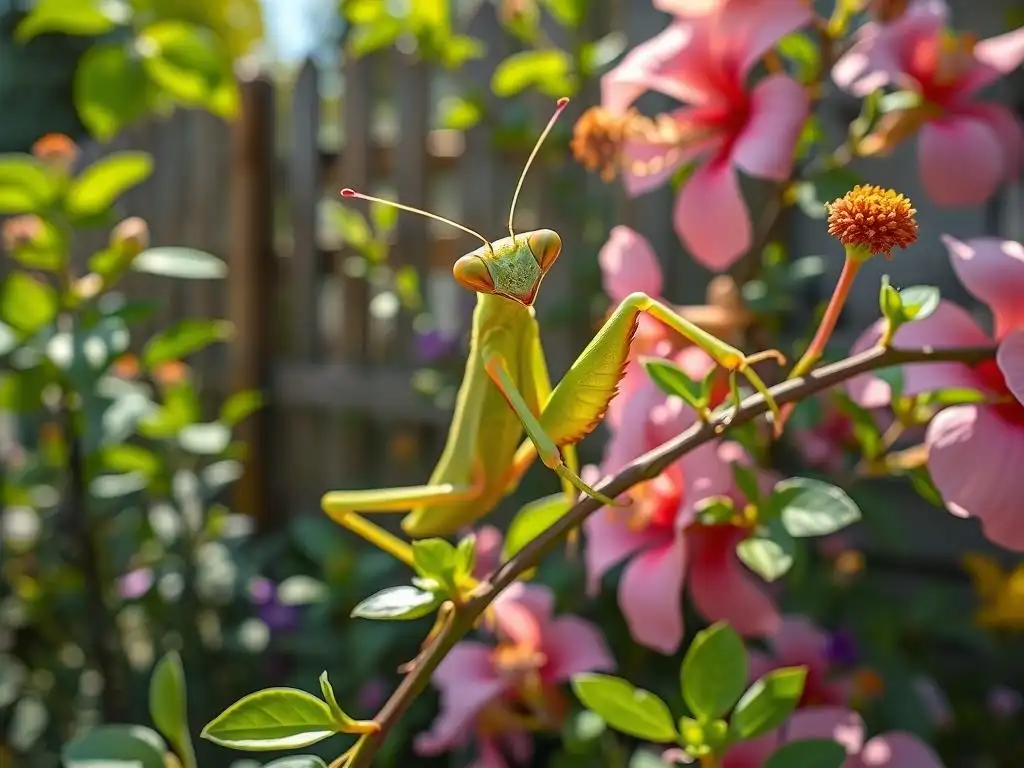
This section focuses on how to organically attract praying mantises to your garden, transforming them into natural pest control agents. These beneficial insects are voracious predators, significantly reducing the need for chemical pesticides. By creating a welcoming environment, you can attract and retain a healthy population of mantises, contributing to a thriving and sustainable ecosystem in your garden. Successfully attracting praying mantises organically involves understanding their needs and providing the necessary resources. Let's delve into the specific steps you can take.
Selecting the Right Plants: Attracting Mantises with Native Flora
Praying mantises are drawn to specific plants that provide both food and shelter. Planting native flora is crucial, as these plants are naturally adapted to your local climate and provide the best sustenance for the insects that mantises prey upon. Focusing on native plants also supports local biodiversity. Avoid using pesticides on these plants, as this will directly harm the mantises and their food sources.
Consider these native plant choices, remembering to research the species best suited to your specific geographical location:
- Flowering plants: Yarrow, dill, fennel, and cosmos attract aphids and other insects that mantises feed on. The vibrant colors and diverse blooms provide visual appeal and foraging opportunities.
- Herbs: Mint, rosemary, and oregano not only add fragrance and flavor to your culinary creations but also attract a wide range of insects, creating a buffet for your mantises.
- Shrubs: Certain shrubs provide excellent hiding places and egg-laying sites. Research your local native shrubs, focusing on those with dense foliage and structural complexity.
The density and diversity of your plantings are key. A monoculture is less attractive than a diverse garden. A variety of plants ensures a consistent food supply throughout the growing season. Aim for a layered planting design, combining tall plants with shorter ones to create different microhabitats. This complexity mimics their natural environment, providing ideal hunting grounds and shelter.
Providing Shelter: Building Homes for Praying Mantises in Your Garden
While praying mantises are adept hunters, they also need protection from the elements and predators. Providing shelter significantly increases their chances of survival and reproduction. Think about the natural habitats they prefer: tall grasses, dense shrubs, and tree branches.
Here are several ways to create shelter for your mantises:
- Leave some areas of your garden wild: Resist the urge to meticulously clean every corner of your garden. Leave patches of tall grasses, weeds, and brush piles. These seemingly unkempt areas provide essential shelter and habitat.
- Build a small brush pile: Gather twigs, leaves, and small branches to create a cozy haven. Place it in a sheltered corner of your garden, away from direct sunlight and wind.
- Install a birdhouse or insect hotel: While not specifically designed for mantises, many insect hotels offer crevices and spaces that praying mantises might find appealing for shelter and egg-laying. Ensure that the holes are large enough to accommodate adult mantises.
Remember, the goal is to mimic their natural environment. The more varied and complex the habitat, the more attractive your garden will be to praying mantises and other beneficial insects. Avoid disturbing these shelters once established, allowing the mantises to settle in and thrive.
Water Sources: Essential for Mantis Hydration and Survival
Like all living creatures, praying mantises require a reliable water source. While they obtain some moisture from their prey, access to fresh water is vital for their survival, especially during dry periods.
You can provide water sources in several simple ways:
- Shallow dishes of water: Place shallow dishes filled with water and pebbles or small stones in various areas of your garden. The stones provide a place for the mantises to land and drink without drowning. Change the water regularly to prevent mosquito breeding.
- Misting plants: Regularly misting your plants with water, especially during hot and dry spells, provides additional hydration for mantises and other beneficial insects. This also increases humidity, creating a more favorable environment.
- A bird bath: A shallow bird bath can also serve as a water source for mantises. The shallow water depth prevents them from drowning, and the wide surface area provides easy access.
Regularly monitoring the water sources is essential to ensure they remain clean and filled. Providing consistent access to water significantly increases the chance of attracting and retaining a healthy praying mantis population in your garden, contributing to effective and sustainable pest control.
Organic Methods to Attract Praying Mantises
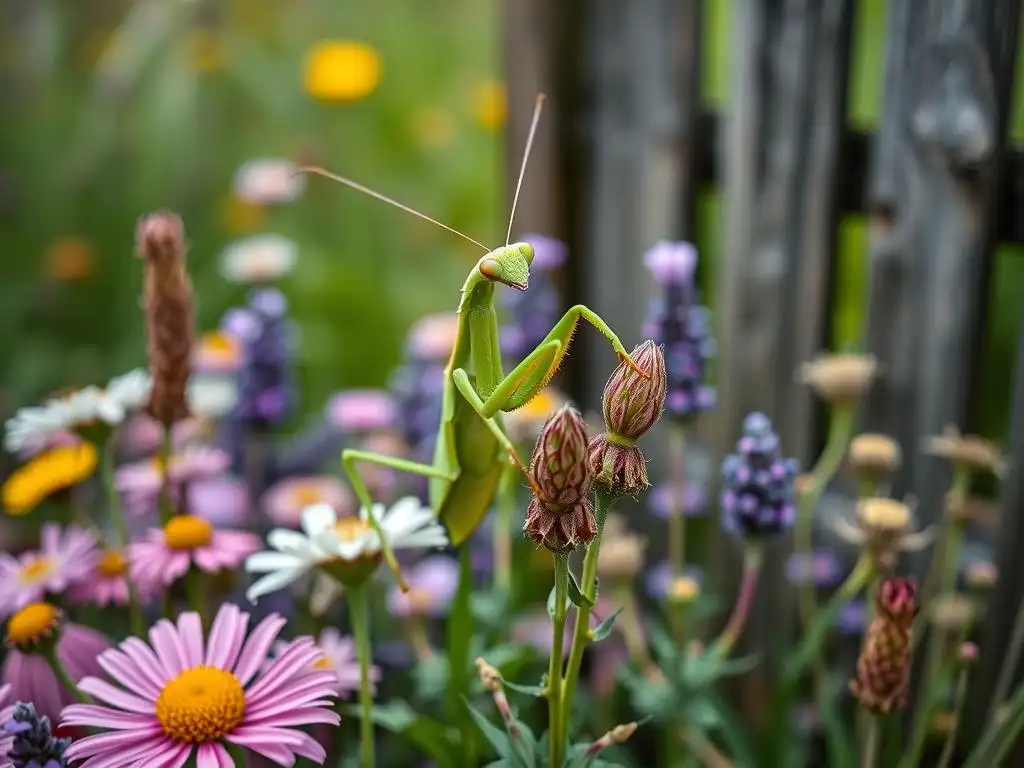
This section focuses on attracting praying mantises to your garden using entirely organic methods, enhancing biodiversity and minimizing the need for harmful pesticides. Successfully attracting these beneficial insects relies on creating a welcoming habitat that provides food, shelter, and nesting sites. Remember, attracting praying mantises organically is a key component of sustainable pest control.
Avoiding Pesticides: The Importance of Organic Gardening for Mantis Attraction
Praying mantises are highly sensitive to pesticides. Even low-concentration pesticides can significantly impact their populations, reducing their effectiveness as natural pest control agents. Therefore, the cornerstone of attracting praying mantises organically is a steadfast commitment to organic gardening practices. This means avoiding all synthetic pesticides, herbicides, and fungicides.
Instead, opt for natural pest control methods like companion planting, introducing beneficial nematodes, or using insecticidal soaps only as a last resort and always following label instructions meticulously. The long-term benefits of a pesticide-free garden far outweigh the short-term inconvenience. A thriving ecosystem, teeming with beneficial insects like the praying mantis, is a far more robust and sustainable defense against pests.
Consider the cumulative effect: a single praying mantis can consume hundreds of insects in its lifetime, significantly reducing the need for intervention. Choosing organic gardening practices is not just about attracting praying mantises; it's about building a healthier, more resilient garden ecosystem. This approach contributes to a more sustainable and environmentally friendly approach to gardening.
Planting Attractant Flowers and Herbs: A Guide to Mantis-Friendly Landscaping
A critical aspect of attracting praying mantises organically involves landscaping your garden to provide both food and shelter. Praying mantises are predatory insects, and their diet consists primarily of other insects. To attract them, plant a variety of flowers and herbs that attract their prey. These include:
- Yarrow: Attracts aphids and other small insects.
- Dill: A favorite of many insects, providing a plentiful food source for mantises.
- Fennel: Similar to dill, it attracts a variety of insects.
- Goldenrod: Known for attracting a diverse range of insects.
- Cosmos: Attracts many pollinators, which in turn attract mantises.
Consider planting these in clusters to create a more appealing habitat. The diversity of plants also helps support a broader range of beneficial insects, creating a more robust ecosystem. Remember, the goal is not just to attract mantises directly but also to attract their food source, creating a self-sustaining system.
Strategic placement of these plants near areas where you've noticed pest problems can further enhance their effectiveness. Data suggests that gardens with greater plant diversity experience significantly fewer pest infestations. This emphasizes the importance of creating a rich and varied planting scheme to encourage a healthy balance in your garden's ecosystem.
Building a Mantis Hotel: A Step-by-Step Guide to Attract and House Mantises
Providing suitable shelter is equally crucial in attracting and retaining praying mantises. A "mantis hotel" offers protection from harsh weather and predators, making your garden a more attractive habitat. Here's a simple step-by-step guide:
- Gather Materials: You'll need various materials to create different microhabitats. These could include hollow stems (like bamboo or sumac), small twigs, pine cones, and even pieces of bark. Avoid using treated wood.
- Construct the Frame: Build a simple frame using sturdy sticks or wire. The size is flexible; a small structure will suffice.
- Fill the Frame: Pack the frame tightly with the collected materials, creating a variety of crevices and hiding places.
- Secure the Structure: Tie the frame together securely to prevent it from falling apart.
- Placement: Place the mantis hotel in a sheltered, sunny location, ideally near plants that attract their prey.
This simple structure mimics the natural habitat of praying mantises, providing a safe space for them to rest, lay eggs (oothecae), and overwinter. Regularly check the mantis hotel for signs of occupancy. The presence of oothecae (egg cases) is a clear indication that your efforts are successful.
While there isn't readily available data on the exact success rate of mantis hotels, anecdotal evidence and observations from gardeners suggest a positive correlation between their presence and increased mantis populations. The key is to create a welcoming environment that caters to their natural behaviors and needs. Remember, patience is key; it may take time to attract mantises to your garden.
Using Natural Repellents: Protecting Mantises from Predators
Protecting praying mantises from predators is crucial to ensuring a thriving population in your garden, which in turn helps with natural pest control. While attracting mantises is a key step, keeping them safe from birds, rodents, and other predators is equally important for achieving a sustainable, organically managed garden. This involves creating a haven that offers both attraction and protection.
One effective strategy is to provide ample shelter. Dense plantings of shrubs, tall grasses, and flowering perennials offer excellent hiding places, making it harder for predators to spot and catch them. Consider planting native species, as these plants naturally support a diverse ecosystem including the praying mantis. The more complex the habitat, the better the camouflage and protection offered.
Another key aspect is avoiding the use of broad-spectrum insecticides. While tempting to eliminate garden pests quickly, these chemicals can inadvertently harm or kill beneficial insects, including mantises. Opting for targeted pest control methods, such as handpicking or introducing natural predators for specific pests, protects the mantis population while keeping your plants healthy. Remember, a balanced ecosystem is key to sustainable gardening.
Beyond habitat manipulation, you can also consider creating physical barriers. For example, strategically placed netting around vulnerable plants can deter birds from easily accessing mantises. This approach is particularly useful if you're cultivating smaller plants or seedlings that are more exposed to predation. However, ensure the netting has large enough gaps to allow the mantises to move freely and doesn't impede their hunting activities.
Finally, remember that a healthy ecosystem naturally supports a diverse population of beneficial insects. By focusing on creating a vibrant, biodiverse garden using organic practices, you not only attract praying mantises but also other beneficial insects that can help keep pest populations in check. This holistic approach ensures long-term sustainability and reduces the need for any intervention, allowing nature to take its course. This naturally attracts and protects praying mantises and other beneficial insects, making your garden a healthier and more thriving environment. This approach aligns perfectly with the principles of attracting praying mantises organically.
Monitoring and Maintaining Your Praying Mantis Population
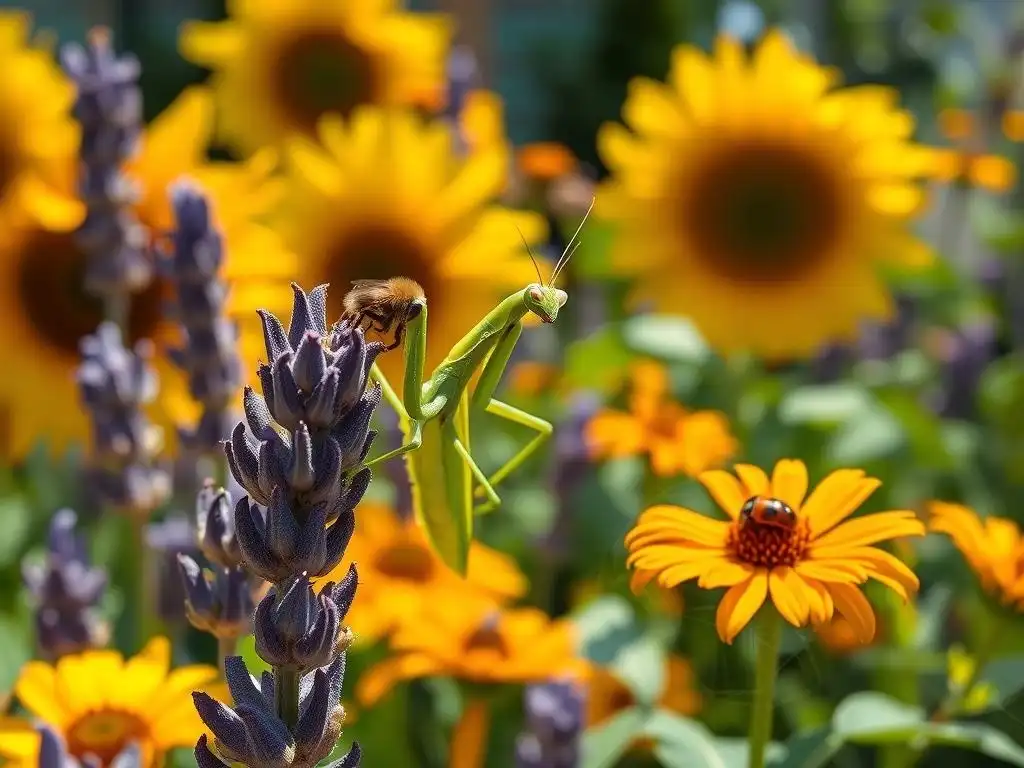
Attracting praying mantises organically is a fantastic way to boost your garden's natural pest control, but simply attracting them isn't enough. You need to monitor their population and ensure their survival to maximize their beneficial impact. This involves understanding their life cycle, identifying potential threats, and taking proactive steps to support their thriving presence in your garden. Regular observation is key to understanding the effectiveness of your attractant strategies and adjusting your approach as needed. Remember, a healthy mantis population translates to a healthier, more productive garden.
Observing Mantis Activity: Tracking Their Presence and Effectiveness
Regularly inspect your garden for signs of praying mantis activity. This goes beyond simply spotting the adult mantises. Look for:
- Nymphs: These are the young mantises, much smaller than adults and often a lighter green or brown. Their presence indicates successful reproduction within your garden.
- Prey remains: Finding the remnants of chewed-up insects, like aphids or caterpillars, is a strong indicator that mantises are actively hunting and controlling pests. This is a direct measure of their effectiveness.
- Mating behavior: Observing mating pairs confirms successful reproduction and a growing population.
- Egg cases (oothecae): The presence of oothecae indicates successful overwintering and a promising population for the next season.
Keep a simple log of your observations. Note the number of mantises (adults and nymphs) you see, the location in your garden where they are most active, and the types of prey you observe around them. This data will help you assess the success of your attractant methods and identify areas needing improvement. For example, if you notice mantises concentrated in one area, you might consider planting more attractant plants there. Conversely, a lack of mantises might signal a need to re-evaluate your organic attractant strategies.
Identifying Mantis Oothecae: Recognizing and Protecting Mantis Egg Cases
Mantis egg cases, or oothecae, are crucial for the continuation of the mantis population. These are tan or brown, foamy-looking sacs typically attached to stems, branches, or even the undersides of garden structures. Protecting these egg cases is vital for ensuring a healthy population in the following season.
- Identification: Learning to identify oothecae is paramount. They vary slightly in shape and size depending on the species, but generally resemble small, irregularly shaped capsules.
- Protection: Avoid disturbing or removing oothecae. Many gardeners make the mistake of unintentionally destroying these valuable egg cases during garden cleanup. Instead, gently protect them from harsh weather and potential predators.
- Location: Note the location of the oothecae. This information will help you plan your garden layout for next season, ensuring suitable habitat for the hatching nymphs.
- Monitoring: Check on the oothecae regularly, especially in the spring, to see if nymphs are emerging. This will give you an early indication of the success of your efforts.
Dealing with Natural Predators: Protecting Mantises from Birds and Other Animals
While praying mantises are effective predators, they are also prey for other animals. Birds, frogs, spiders, and even some larger insects can prey on mantises, significantly impacting your garden's natural pest control. Protecting your mantis population involves minimizing these threats.
| Predator | Impact on Mantis Population | Mitigation Strategies |
|---|---|---|
| Birds | Significant | Provide cover, such as shrubs and tall plants, to offer hiding places. |
| Frogs | Moderate | Maintain a balance of moisture and dryness in your garden. |
| Spiders | Localized | Carefully manage spider populations; avoid broad-spectrum pesticides. |
| Larger Insects | Limited | Encourage biodiversity to support natural predators of these insects. |
Employing these strategies ensures a more robust and successful mantis population in your garden. Remember, attracting praying mantises organically is an ongoing process requiring consistent observation, protection, and a thoughtful approach to garden management. The payoff, however, is a healthier, more vibrant, and naturally pest-controlled garden.
Long-Term Sustainability: Maintaining a Thriving Mantis Population Year After Year
Attracting praying mantises organically is a fantastic step towards a healthier garden ecosystem, but attracting them once isn't enough. To truly benefit from their predatory prowess year after year, you need to foster a sustainable environment that encourages them to return and reproduce. This isn't about creating a mantis farm; it's about creating a garden that naturally attracts and supports these beneficial insects.
One key element is providing consistent food sources. Praying mantises are voracious predators, and a plentiful supply of their favorite prey—aphids, caterpillars, flies, and other garden pests—is crucial for their survival and reproduction. Avoid using broad-spectrum insecticides that could wipe out both pests and mantises. Instead, embrace organic pest control methods like companion planting, introducing beneficial nematodes, or using insecticidal soap as needed. Remember, a balanced ecosystem is key; you want enough pests to sustain the mantis population without overwhelming your plants.
Providing suitable overwintering sites is equally important. Adult female mantises lay egg cases (oothecae) in late autumn, often attaching them to stems, branches, or other sheltered areas. Leaving some dead stalks and brush piles in your garden provides ideal locations for these egg cases to survive the winter. Avoid aggressive fall cleanup, as you might inadvertently remove these crucial overwintering sites. The egg cases are surprisingly resilient and can withstand harsh weather conditions, hatching the following spring, ensuring a new generation of mantises.
Consider the overall habitat you're creating. A diverse garden with a variety of plants, including native species, provides a richer environment with more food and shelter options. Planting a mix of flowering plants attracts pollinators, which in turn attract more insects, providing a wider food base for your mantis population.
This biodiversity is crucial for long-term sustainability and a robust, self-regulating ecosystem. Think of it as an investment; the more you invest in creating a diverse and welcoming environment, the greater the return in terms of a thriving mantis population and a healthier garden. Remember, attracting praying mantises organically is not a one-off event; it's a commitment to a sustainable garden ecosystem.
Troubleshooting: Why Aren't Praying Mantises Coming to My Garden?
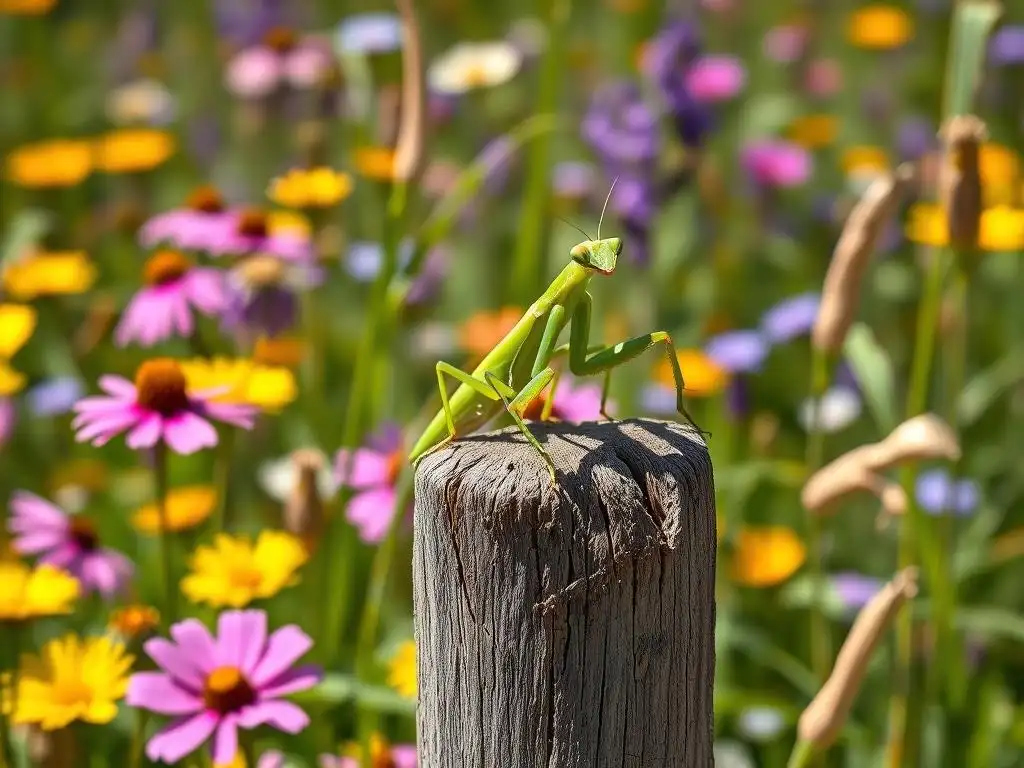
Attracting praying mantises organically can sometimes feel like a challenge. Even with the best intentions and diligent efforts, you might find your garden lacking these beneficial insects. This section will help you diagnose potential problems and adjust your approach to successfully attract these masterful hunters. Remember, patience is key – establishing a mantis-friendly environment takes time.
Common Mistakes to Avoid: Why Your Efforts May Be Failing
Many well-meaning gardeners unintentionally hinder their chances of attracting praying mantises. Let's examine some common pitfalls:
- Overuse of Pesticides: This is arguably the biggest mistake. Pesticides, even those marketed as "organic," can harm or kill mantises, eliminating the very creatures you're trying to attract. Remember, a healthy ecosystem relies on a balance, and pesticides disrupt that balance. Consider adopting completely pesticide-free gardening practices for optimal results.
- Lack of Shelter: Praying mantises need places to hide, lay eggs (oothecae), and escape predators. Simply planting flowers isn't enough. Provide ample shelter using materials like brush piles, leaf litter (especially during colder months), or even strategically placed rocks and logs. Think about creating microhabitats within your garden.
- Insufficient Food Sources: Praying mantises are predators. If their prey—aphids, flies, caterpillars, and other garden pests—is scarce, they won't stick around. Encourage biodiversity by planting a variety of plants that attract these insects. Avoid monoculture planting.
- Inappropriate Plant Choices: While mantises aren't picky eaters, certain plants are more attractive to their prey than others. Research plants known for attracting aphids or other common garden pests. These plants will indirectly attract mantises by providing a plentiful food source.
- Unnecessary Tidiness: While a neat garden is appealing to many, mantises prefer a slightly wilder environment. Resist the urge to meticulously clean every leaf and twig. Leave some areas slightly unkempt to provide them with ideal hiding places.
Identifying Potential Problems: Diagnosing Issues with Your Garden Habitat
Before adjusting your approach, carefully assess your garden's suitability for praying mantises. Consider these points:
| Potential Problem | Solution |
|---|---|
| Lack of prey insects | Plant a diversity of plants attracting aphids, flies, and other small insects. |
| Insufficient shelter | Add brush piles, leaf litter, rocks, or other natural hiding places. |
| Exposure to harsh elements | Provide shade and protection from strong winds. |
| Use of pesticides | Stop using pesticides entirely. Adopt fully organic pest control methods. |
| Excessive tidiness | Allow some areas of your garden to remain slightly wilder and less manicured. |
Think of your garden as an ecosystem. If one element is missing or unbalanced, it can affect the entire system, including the presence of praying mantises. The key to attracting them organically is creating a thriving habitat that supports a diverse range of insects and provides ample food and shelter for the mantises. Observe your garden carefully; what insects are present? What might be lacking?
Adjusting Your Approach: Strategies for Increasing Mantis Attraction
If you've identified areas for improvement, here are some actionable steps to take:
- Plant nectar-rich flowers: These attract pollinators, which in turn attract the insects that mantises prey upon. Consider planting dill, fennel, yarrow, and cosmos.
- Install a water source: A small birdbath or shallow dish of water will help keep the garden hydrated, supporting both the mantises and their prey.
- Create a bug hotel: This provides additional shelter and overwintering sites for mantises and other beneficial insects.
- Reduce your reliance on chemical fertilizers: These can harm beneficial insects and disrupt the natural balance of your garden.
- Consider purchasing oothecae: While not strictly attracting them organically in the long-term sense, purchasing and strategically placing mantis egg cases (oothecae) can provide a quick boost to your mantis population. Ensure you source them responsibly from reputable suppliers.
Remember, attracting praying mantises organically is a long-term project that requires patience and consistency. By focusing on creating a healthy and diverse garden ecosystem, you'll significantly increase your chances of seeing these beneficial insects thrive in your space. Don't be discouraged if you don't see immediate results; continue implementing these strategies, and you'll eventually reap the rewards of a more balanced and pest-free garden. 🌱
Frequently Asked Questions
What are praying mantises, and why should I attract them to my garden?
Praying mantises are beneficial insects that are voracious predators of many common garden pests, including aphids, caterpillars, and beetles. Attracting them to your garden provides natural pest control, reducing the need for harmful chemicals.
How can I attract praying mantises organically?
You can attract praying mantises organically by providing a suitable habitat. This includes planting native flowering plants, leaving some areas of your garden slightly unkempt, and avoiding the use of pesticides. Water sources are also beneficial.
What plants attract praying mantises the most?
Praying mantises are drawn to plants that offer shelter and hunting grounds. Flowers like dill, fennel, and yarrow are particularly attractive, as are plants with tall stems and dense foliage.
Are there any commercially available products to attract praying mantises?
While some companies sell praying mantis egg cases, it's often more effective and sustainable to create a habitat that naturally attracts them using the organic methods described above. Avoid using pesticides.
How long does it take to see praying mantises in my garden after I start attracting them?
The timeframe varies depending on your location and the existing insect population. You might see results within a few weeks, but it could take several months for a significant mantis population to establish itself. Patience is key!
Final Reflection: Guardians of the Garden: A Symbiotic Future
The organic methods detailed in this article offer a powerful pathway towards a healthier, more balanced garden ecosystem, proving that attracting beneficial insects like praying mantises is not just possible, but crucial for sustainable gardening. The future of pest control lies not in harmful chemicals, but in fostering a thriving environment where natural predators like the mantis can flourish and protect our plants.
The quiet, deliberate presence of a praying mantis in the garden is a testament to the intricate web of life we are a part of. Their beauty and efficiency are a constant reminder of nature's elegant solutions. The greatest glory in living lies not in never falling, but in rising every time we fall.
This quote, while not directly about mantises, speaks to the resilience of nature, and the importance of nurturing that resilience in our own gardens and lives. The mantis, a symbol of this resilience, reminds us that even the smallest creatures can play a vital role in maintaining a healthy balance.
You, the gardener, now hold the key to creating a haven for these magnificent creatures. Consider the information presented here – the specific plants, the water sources, the shelter – and implement them in your own garden. Observe the changes, appreciate the delicate dance of nature unfolding before you, and become an active participant in the harmonious coexistence of humans and the natural world. Let your garden become a testament to the power of organic practices and the beauty of a truly symbiotic relationship.
Unleash Your Inner Mantis Whisperer: Attract These Beneficial Insects Today!
Thank you for learning about attracting praying mantises to your garden! You've discovered how these fascinating creatures can naturally boost your plants' health. Ready to put your knowledge into action?
- Create a Mantis Haven: Start by creating a welcoming environment. Plant tall grasses and flowering bushes, and leave some leaf litter undisturbed to provide ideal hunting grounds and shelter. This is the most important step.
- Share the Knowledge: Share this article with fellow gardeners—let's create a mantis-friendly community! They, and your plants, will thank you.
- Observe and Learn: Keep an eye out for mantises in your garden. Note where they like to be and what they hunt. This will help you refine your haven to maximize its effectiveness.
Ready to witness the incredible hunting skills of these beneficial insects? How will you transform your garden into a praying mantis paradise?